Private Bilecik Gastronomy Discovery
Explore Bilecik's protected dishes, traditional restaurants, local agricultural products and culinary heritage on a flexible private food-focused route.
Request This Tour





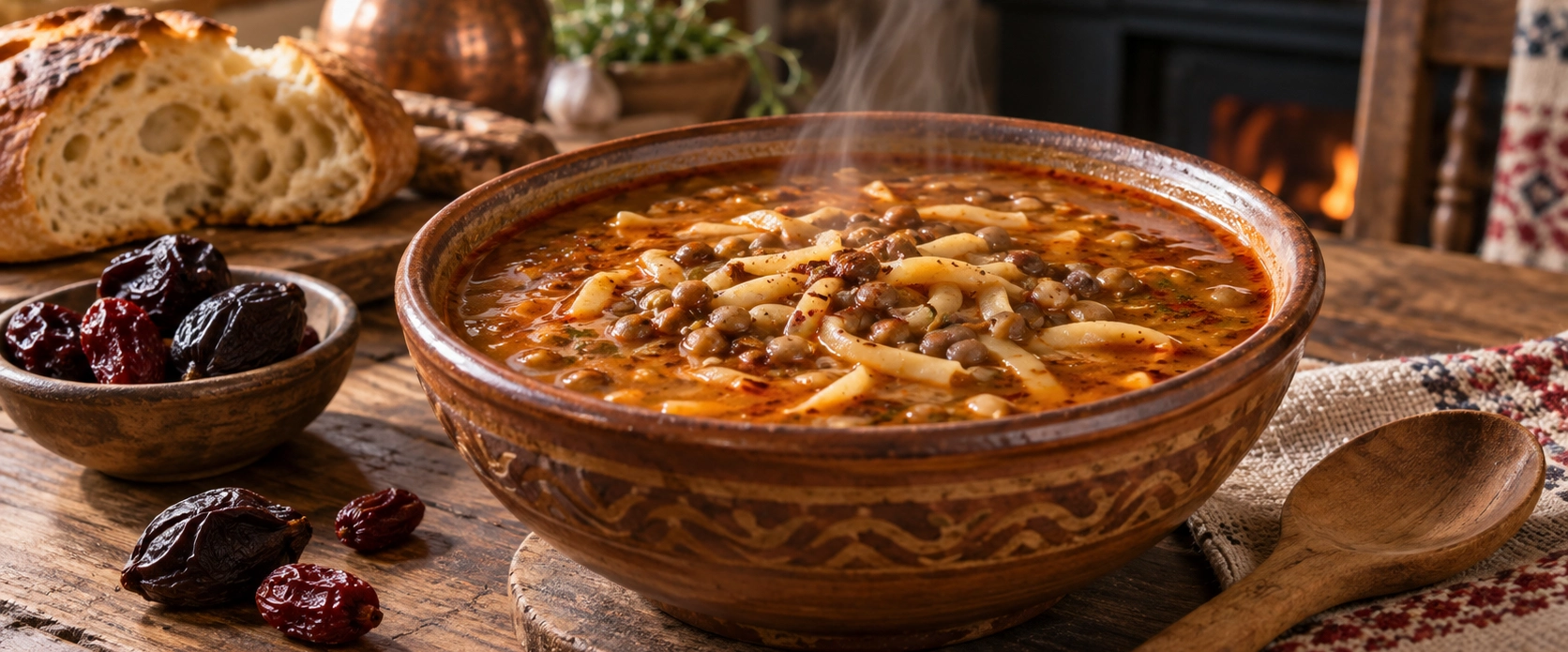
Bilecik Ekşili Kesme Çorbası is one of the most distinctive soups of Bilecik Province, combining green lentils and kesme noodles with the bright acidity of sour plum and dried cornelian cherry.
Its flavour profile is unusual even within Türkiye's broad soup tradition. Instead of relying on lemon or yoghurt for acidity, the characteristic sourness comes from fruit. Sour plum — known locally as dağ eriği, or mountain plum — and dried kızılcık, or cornelian cherry, are softened or processed before being incorporated into the soup.
The registered preparation also includes onion, garlic, tomato paste, meat broth, butter, liquid oil, mint, cumin, black pepper and salt. The result is a substantial soup in which lentils and noodles provide body while the fruit mixture cuts through the richness with a recognisable sweet-sour edge.
Bilecik Ekşili Kesme Çorbası received Turkish geographical-indication registration in 2025, formally recognising its long relationship with the province's culinary culture, its distinctive ingredient combination and the skill required to balance its consistency and sourness.
Traditionally associated especially with the colder months, the soup is eaten at everyday meals but also appears at weddings, holidays, festivals and when guests are welcomed. This complete guide explores its protected status, official ingredient proportions, preparation method, fruit souring technique, taste, texture, serving traditions, visitor tips and place within the wider gastronomy of Bilecik.
Bilecik Ekşili Kesme Çorbası became a registered Turkish geographical indication in December 2025.
Sour plum and dried cornelian cherry create the soup's defining tart character.
Green lentils and hand-cut-style noodles give the soup its hearty, satisfying body.
The dish is particularly associated with cold-weather tables, shared meals and local hospitality.
Essential information about one of Bilecik Province's most characteristic traditional soups.
Bilecik Province, northwestern Türkiye.
Open Bilecik on Google MapsGreen lentil and kesme noodle soup with a distinctive fruit-based sourness.
Bilecik Ekşili Kesme Çorbası – registration no. 1796.
Sour plum and dried cornelian cherry balance the rich lentil-and-noodle base.
A regional soup shaped by preserved fruit, handmade noodles, lentils and the culture of shared meals.
Bilecik Ekşili Kesme Çorbası belongs to a food tradition in which pantry ingredients, dried seasonal produce and handmade dough foods are transformed into substantial dishes for the colder months.
Its most recognisable feature is the use of ekşi erik and kızılcık. These fruits provide acidity without depending on lemon or yoghurt, giving the soup a flavour that immediately distinguishes it from many other Anatolian lentil and noodle soups.
The dish also reflects the practical logic of rural kitchens. Green lentils provide substance, kesme erişte extends the meal with flour-based noodles, broth builds depth, and preserved fruit brings a vivid sour note long after the fresh harvest season has passed.
In Bilecik, the soup has a place not only in everyday home cooking but also at weddings, religious holidays, festivals and guest tables. Its preparation therefore belongs to both daily food culture and the province's traditions of hospitality.
The balance is important. Too little fruit can leave the soup without its defining character, while too much can overpower the lentils, noodles and aromatics. The geographical-indication specification therefore emphasises the skill involved in achieving the correct consistency, sourness and cooking sequence.
Official registration in 2025 recognised this established reputation and linked the soup's name, production method and culinary identity with Bilecik Province.
Bilecik Ekşili Kesme Çorbası is a traditional regional soup made from pre-cooked green lentils, kesme pasta or erişte, meat broth, onion, garlic, tomato paste, butter, liquid oil, spices and a fruit mixture prepared from sour plum and dried cornelian cherry.
The Turkish word ekşili means “with sourness” or “sour”, while kesme refers to cut noodles or strips of dough. The name therefore points directly to the soup's two defining characteristics: its hand-cut-noodle tradition and its deliberate tartness.
Unlike soups whose acidity comes from citrus, vinegar or fermented dairy, this Bilecik speciality uses fruit to create the sour element. That gives it a flavour that is both rustic and surprisingly complex: earthy lentils, soft noodles, tomato and allium notes, warm spices and a bright fruit acidity.
Pre-boiled green lentils form the earthy, substantial foundation of the soup.
Cut noodles add body and connect the dish with Bilecik's handmade dough traditions.
Ekşi erik, also known locally as dağ eriği, contributes one half of the defining fruit sourness.
Dried kızılcık brings additional acidity, fruit depth and a characteristic regional flavour.
The registered reference recipe uses broth to create a fuller, savoury base.
Onion, garlic, tomato paste, mint, cumin and black pepper round out the soup.
The regional identity of the soup was formally recognised when Bilecik Ekşili Kesme Çorbası received Turkish geographical-indication registration on 5 December 2025.
The registration protects more than a name. It identifies the characteristic combination of green lentils, kesme noodles, sour plum, cornelian cherry, broth, aromatics, oils and spices, together with the preparation method and the sensory balance expected from the finished soup.
Because the reputation of Bilecik Ekşili Kesme Çorbası is linked to the province's long culinary tradition and the skill involved in producing it, the protected production stages are required to take place within Bilecik Province.
The characteristic acidity comes from sour plum and cornelian cherry rather than lemon or yoghurt.
Green lentils and kesme erişte create a hearty texture suited to a substantial meal.
Dried fruit allows the flavours of the harvest to remain available through the colder months.
Onion, garlic and tomato paste are cooked in fat before broth and the main ingredients are added.
Mint, cumin and black pepper support the savoury base without replacing the fruit character.
The protected description highlights consistency, sourness and careful cooking as important elements of craftsmanship.
The identity of the soup comes from combining familiar Anatolian staples with an unusual souring method. Lentils, noodles, broth, onion and tomato paste provide the comforting base, while dried fruit and warm spices move the flavour in a distinctly Bilecik direction.
Cooked lentils contribute body, earthiness and a substantial spoonful.
Cut noodles are the ingredient that gives the soup the “kesme” part of its name.
The registered recipe uses ekşi erik, locally also associated with the name dağ eriği.
Kızılcık is paired with the plum to develop a layered, balanced sourness.
Broth forms the savoury liquid base of the registered six-person reference recipe.
These aromatics are finely cut and sautéed to build the soup's first layer of flavour.
Salça gives colour, depth and a familiar Anatolian savoury note.
The registered formulation combines butter with sunflower and/or olive oil.
Dried mint adds freshness and a classic soup aroma.
Cumin complements the lentils and deepens the warm savoury character.
A measured amount provides gentle heat and aromatic complexity.
Salt brings the fruit, broth, lentils and aromatics into balance.
The geographical-indication specification gives the following average quantities for a six-person preparation.
The protected method is straightforward in appearance but depends on timing and balance. The fruit mixture, lentils and noodles each need to reach the soup at the correct stage so that the final result is neither too thick nor too sharp.
Green lentils are essential to the soup's identity. Their earthy flavour provides a stable base for the brighter fruit acidity and helps turn the dish from a light starter into a substantial part of a meal.
The registered method adds green lentils after they have already been cooked.
Lentils provide a savoury, nutty backdrop for the fruit sourness.
The legumes thicken the overall eating experience without turning the soup into a purée.
The warm spice profile pairs naturally with the lentil component.
The acidity of plum and cornelian cherry keeps the lentil base from tasting heavy.
Dried lentils are practical, durable ingredients well suited to cold-season regional cooking.
The word kesme comes from the act of cutting dough. In regional home cooking, flour-based dough is rolled and cut into strips or small noodle shapes, producing the kind of rustic pasta known more broadly as erişte.
The official six-person formulation uses the same weight of noodles as green lentils.
The noodles make each spoonful more substantial and create the soup's characteristic texture.
The geographical-indication specification specifically highlights preventing the noodles from sticking.
As the noodles cook, they take on the savoury and sour flavours of the surrounding liquid.
Kesme connects the soup with the wider Anatolian tradition of homemade winter noodles.
The visible noodles and lentils remain important to the finished appearance and eating experience.
The defining feature of Bilecik Ekşili Kesme Çorbası is its use of two tart fruits: ekşi erik and kızılcık. Together they create an acidity that feels integrated into the soup rather than added as a final squeeze or garnish.
The official description notes that sour plum is also known locally as dağ eriği. The fruits are commonly used after their stones have been removed and they have been dried, allowing this flavour to remain available beyond the fresh-fruit season.
Plum contributes a direct, rounded tartness with a recognisably fruity undertone.
Kızılcık adds its own sharp red-fruit character and reinforces the soup's acidity.
The registered six-person formulation uses 50 g sour plum and 50 g dried cornelian cherry.
Drying preserves seasonal fruit so it can become part of winter cooking.
The fruit should brighten the soup while still allowing lentils, broth, tomato and spices to remain clear.
This fruit-based souring technique is the element travellers are most likely to remember.
The geographical-indication description allows the sour plum and cornelian cherry to be prepared in several practical forms before they are added to the soup.
The fruit is used after the pits have been separated where necessary.
Dried fruit is the common pantry form associated with the protected preparation.
The dried fruit may be rehydrated until it becomes soft enough to release its flavour.
The fruit may also be processed into a smooth or semi-smooth mixture.
The specification also recognises preparation in powder form.
The prepared sour component is incorporated before the soup is gently cooked to its final consistency.
Before the lentils, noodles and fruit mixture are brought together, the soup begins with a classic savoury foundation of onion, garlic, tomato paste and fat.
Onion provides sweetness and depth as it cooks in the fat.
Garlic adds a pungent aromatic note that remains noticeable beneath the fruit acidity.
Salça brings colour, concentrated tomato flavour and additional savouriness.
Butter contributes richness and a rounded finish.
Liquid oil supports the sautéing stage and helps distribute flavour throughout the soup.
The broth turns the aromatic mixture into the liquid base that carries the lentils, noodles and fruit.
Bilecik Ekşili Kesme Çorbası uses a small group of familiar spices rather than a large seasoning mixture. Their role is to support the broth and lentils without masking the distinctive sour fruit.
Mint contributes freshness and an aroma strongly associated with traditional Turkish soups.
Cumin deepens the lentil base and adds warmth beneath the sourness.
Black pepper gives restrained heat and a gently pungent finish.
The registered six-person recipe specifies 5 g cumin, 5 g mint and 3 g black pepper.
The spices can be incorporated during cooking as part of the protected preparation.
The same spice family may also appear in a warm butter-or-oil topping prepared for service.
The registered serving guidance allows an optional finishing sauce to be spooned over the hot soup. This gives the surface extra aroma and colour just before it reaches the table.
The finishing sauce begins with warm fat.
Garlic is cooked briefly to release its aroma.
A little salça intensifies colour and savoury depth.
Mint becomes especially fragrant when it hits the warm fat.
These spices echo the seasoning already used within the soup.
The sauce can be placed on top after the soup has been ladled into serving bowls.
The flavour is built on contrast. The lentils are earthy, the noodles are mild and comforting, the broth and tomato paste are savoury, the butter is rich, and the fruit mixture brings a clear but integrated acidity.
Sour plum and cornelian cherry create the first characteristic impression.
Green lentils keep the sourness grounded in a substantial savoury base.
Meat broth adds depth and gives the fruit notes something robust to contrast with.
Onion adds gentle sweetness that softens the sharper edges of the fruit.
Salça contributes colour and concentrated savoury character.
The spice profile leaves a warm, aromatic finish after the initial sourness.
The soup keeps the legumes recognisable rather than blending them smooth.
Kesme erişte becomes tender while retaining enough structure to be felt in each spoonful.
The combination of lentils and noodles naturally gives the liquid more substance.
The souring mixture is prepared so that its flavour spreads throughout the soup.
Correct preparation maintains a soup-like consistency rather than becoming a dense lentil stew.
Regular mixing helps keep the noodles separate and the final texture even.
Many Turkish soups use lentils, noodles, tomato paste or dried mint, but Bilecik Ekşili Kesme Çorbası is defined by the way these familiar components meet a distinctly local fruit sourness.
The principal sour character is created with plum and cornelian cherry rather than citrus.
The soup's acidity is not dependent on yoghurt or a fermented dairy mixture.
Green lentils remain visible rather than being puréed into a smooth red-lentil-style soup.
Kesme erişte gives the soup a distinctive handmade-pasta character.
Mint, cumin and black pepper create a profile that complements both lentils and fruit.
The registered name and method are connected specifically with Bilecik Province.
The geographical-indication description notes that the soup is consumed especially during the winter months. Its ingredients explain why: dried lentils, dried fruit, noodles, tomato paste and broth are all well suited to a pantry-based cold-season meal.
Drying allows sour plum and cornelian cherry to remain useful long after harvest.
Green lentils are a practical staple that turns broth into a substantial dish.
Kesme and erişte are naturally suited to seasonal pantry cooking.
The protected guidance recommends bringing the soup to the table while it is hot.
Its generous, hearty character makes it well suited to family tables and gatherings.
The soup also appears at weddings, holidays, festivals and when guests are welcomed.
The soup reflects a regional cuisine where preserved produce, dough work, legumes and slow home cooking remain closely connected.
It can be part of ordinary family meals, especially during colder weather.
The official description records the soup among foods served on important communal occasions.
Bayram tables provide another setting where the soup may be shared.
Regional events help keep local dishes visible within contemporary food culture.
Serving the soup to visitors connects it with the province's tradition of welcoming guests through food.
Geographical-indication registration provides a formal framework for preserving its recognised regional identity.
A soup can be sour for many reasons, but the protected Bilecik preparation is distinguished by a particular combination of fruit, legumes, noodles, aromatics and seasoning.
Green lentils, kesme erişte, sour plum, cornelian cherry, broth, salça and warm spices define the core profile.
Lemon may create acidity, but it does not reproduce the dried-fruit character of the Bilecik version.
A yoghurt-based soup follows a different flavour structure and preparation method.
Lentils alone do not provide the kesme texture or the characteristic fruit acidity.
The protected dish relies on lentils and sour fruit as much as it relies on the noodles.
The traditional result depends on sourness that is recognisable but not strong enough to overwhelm the savoury base.
The registered guidance recommends serving Bilecik Ekşili Kesme Çorbası while hot. The soup may be presented plainly or finished with an aromatic sauce and fresh or dried garnishes.
Warm service highlights the broth, softened noodles and fragrance of the spices.
A garlic, salça and spice mixture may be spooned over the bowl.
Fresh parsley can be used as a simple green garnish.
Additional mint can reinforce the aromatic character of the soup.
Pul kırmızıbiber may be scattered on top for colour and gentle heat.
Although not part of the protected soup formula, fresh bread naturally suits a hearty regional bowl.
Bilecik Ekşili Kesme Çorbası is a regional speciality, so travellers should not assume that it will appear on every restaurant menu every day. Traditional restaurants, local food events and businesses focusing on Bilecik cuisine are the most natural places to ask for it.
Ask for “Bilecik Ekşili Kesme Çorbası” to distinguish the protected regional style from generic noodle soups.
Traditional regional restaurants are more likely to understand the fruit-soured version.
A characteristic Bilecik version should include sour plum and cornelian cherry.
The soup is particularly associated with colder months, so availability may be stronger in autumn and winter.
Local cultural and food events can be good opportunities to encounter traditional dishes.
Hotel teams, guides and local residents can often point visitors toward restaurants preparing regional food.
The official serving guidance recommends enjoying the soup while hot.
Look for fruit acidity rather than the sharper citrus character of a lemon-finished soup.
The soup should retain the texture of green lentils rather than becoming completely smooth.
The noodle element is essential to the identity suggested by the name “kesme”.
If offered, the warm garlic-and-spice topping adds another aromatic layer.
Continue with quail kebab, oven kebab, Pazaryeri boza, halva and the province's fruit products.
Bilecik's culinary stops can be combined naturally with Ottoman-era sites and countryside visits.
Hand-cut or house-made noodles can add an especially traditional character to the bowl.
Photograph a deep bowl showing the noodles, lentils and warm red-brown broth clearly.
Place dried sour plum and cornelian cherry beside the soup to explain its unusual acidity.
Show handmade or rustic-cut erişte before cooking to connect the image with the name of the dish.
Capture the warm garlic, salça and spice mixture as it is spooned over the bowl.
A visibly hot bowl in soft natural light communicates the soup's cold-season character.
Use simple bread, woven textiles or rustic tableware without distracting from the soup itself.
Bilecik's food landscape combines soups, slow-cooked meats, handmade dough dishes, fermented grain drinks, sweets, orchard produce and distinctive agricultural products. Ekşili Kesme Çorbası fits naturally into this wider culture because it brings several of those themes together in a single bowl.
A protected slow-cooked beef dish finished with broth in the oven.
A geographically indicated regional preparation combining quail with vegetables and oven cooking.
A distinctive chickpea-filled mantı associated with the province's dough traditions.
A traditional fermented grain drink closely connected with the Pazaryeri district.
A characteristic fruit from the warmer southern valleys of Bilecik Province.
Another fruit tradition that highlights the agricultural diversity of the province.
Discover the province's protected slow-cooked beef speciality finished with its own broth in the oven.
Continue with another geographically indicated Bilecik dish built around quail and oven cooking.
Explore the unusual agricultural landscape that has made Pazaryeri an important hop-growing centre.
Discover a traditional fermented grain drink closely associated with Bilecik's Pazaryeri district.
Add a traditional local sweet to your Bilecik gastronomy journey.
Discover another handmade regional dough dish with a strong connection to home cooking.
Continue through southern Bilecik with one of İnhisar's characteristic agricultural products.
Finish with a fruit-based speciality inspired by Osmaneli's quince-growing tradition.
Explore the archaeological and cultural history of the province before or after discovering its cuisine.
Visit one of Bilecik's important historical landmarks as part of a city-centre itinerary.
Add a peaceful countryside and waterside stop to your gastronomy day.
Combine regional food culture with a historical stop in Bozüyük.
Continue toward Söğüt and the landscapes associated with early Ottoman history.
Ask us to combine regional cuisine, Ottoman heritage, villages and countryside into a private itinerary.
It is a traditional Bilecik soup made with green lentils, kesme pasta or erişte, sour plum, dried cornelian cherry, broth, tomato paste, onion, garlic, fats, salt and spices.
“Ekşili” refers to the soup's sour character, while “kesme” refers to cut noodles or dough strips.
Yes. It received Turkish geographical-indication registration on 5 December 2025.
The registration number is 1796.
It is registered as a mahreç işareti.
The registration holder is the Bilecik Chamber of Commerce and Industry.
Its characteristic acidity comes from sour plum and dried cornelian cherry rather than from lemon or yoghurt.
In the context of the protected soup, sour plum is also known locally as dağ eriği, meaning mountain plum.
Kızılcık is cornelian cherry, a tart red fruit used dried in the soup's souring mixture.
Yes. The registered reference recipe uses 150 g green lentils for six portions.
The protected method uses kesme pasta or erişte, a cut-noodle style associated with traditional home cooking.
Yes. The registered six-person reference recipe specifies 1,200 ml of meat broth.
The protected reference includes mint, cumin and black pepper, together with salt.
The fruits may be used after their stones are removed and they are dried, then softened in water, or prepared as purée and/or powder before being added to the soup.
The geographical-indication guidance recommends serving and consuming it hot.
Yes. An optional sauce of butter or liquid oil with crushed garlic, tomato paste, black pepper, cumin and mint may be spooned over the hot soup.
Parsley, mint and red pepper may be added as optional finishing garnishes.
It is especially associated with winter, but it is also served at everyday meals, weddings, holidays, festivals and guest gatherings.
The protected description emphasises effective stirring so that the kesme noodles do not stick to the cooking vessel and the soup develops an even consistency.
Continue with Bilecik Oven Kebab, Bilecik Quail Kebab, Pazaryeri Boza and Pazaryeri Halva.
Yes. It can be combined with Bilecik's protected dishes, agricultural products, Ottoman heritage, villages and countryside as part of a province-wide food journey.
Bilecik combines protected dishes, handmade dough foods, traditional sweets, fermented drinks, fruit-growing traditions and rural landscapes with important historical sites.
The strongest visual story should make the soup's unusual identity immediately understandable: a warm lentil-and-noodle bowl whose sourness comes from preserved local fruit rather than lemon.
Show a steaming bowl with visible lentils and noodles, finished with a light mint-and-pepper garnish.
Arrange the dried fruits beside the bowl so viewers instantly understand what makes the soup different.
Photograph rustic kesme erişte on a wooden board or cloth before cooking.
Show the lentils, broth and noodles being stirred together in a traditional kitchen setting.
Capture the softened or puréed sour fruit mixture before it is incorporated into the soup.
Show warm butter, garlic, salça and spices being spooned over the final bowl for a cinematic food moment.
Combine Bilecik's traditional cuisine with Ottoman heritage, village culture, local agricultural products and peaceful countryside on a private journey designed around your interests.
Custom-designed private journeys with flexible timing, private transportation and opportunities to explore regional food traditions, historical sites, agricultural landscapes and lesser-known corners of Bilecik Province.
Explore Bilecik's protected dishes, traditional restaurants, local agricultural products and culinary heritage on a flexible private food-focused route.
Request This Tour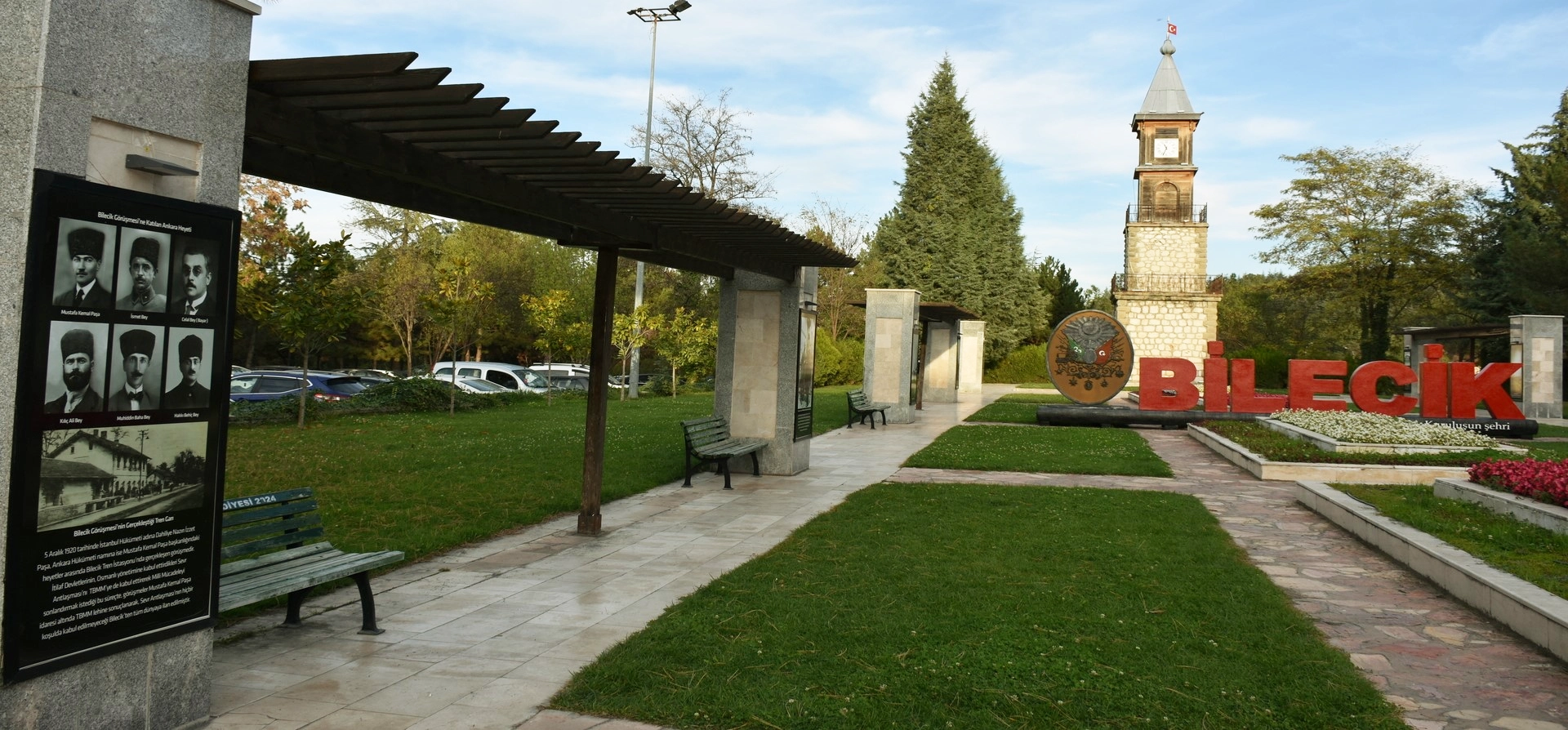
Combine Bilecik city, Söğüt, Bozüyük, Pazaryeri, Osmaneli, İnhisar and the surrounding countryside on a private route linking history, local cuisine, landscapes and village culture.
Request This Tour