Private Historic Sakarya Tour
Ask us about a tailor-made route focused on Atatürk history, archaeology, Byzantine monuments, Ottoman heritage, traditional towns and Sakarya's cultural landscapes.
Request a Custom Tour





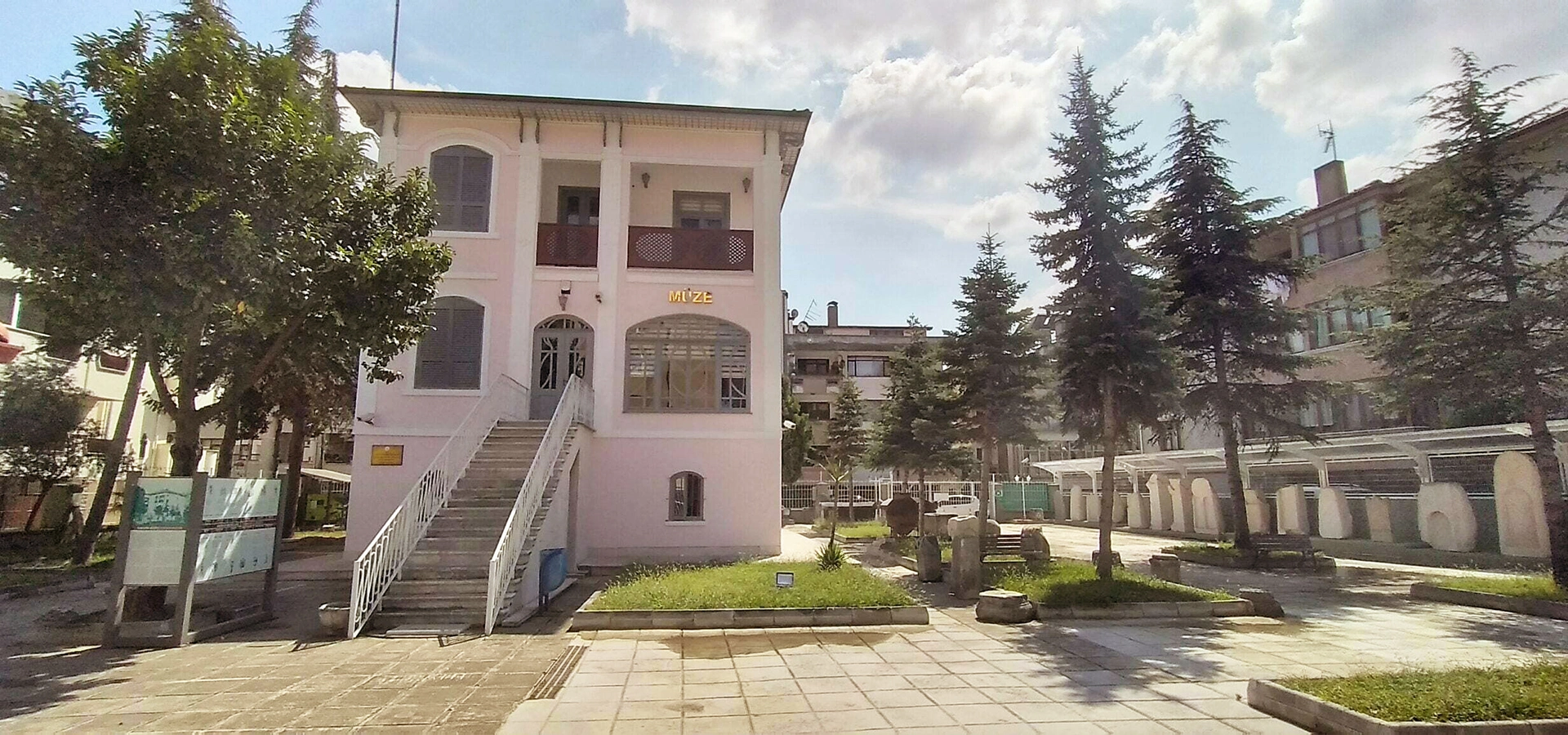
In the heart of Adapazarı, the Sakarya Museum brings together several very different chapters of the province's story in a single historic building.
The residence was constructed between 1910 and 1915 by Major Baha Bey, then head of the local military recruitment office, and was later acquired by Hasan Cavit Bey, a close friend of Mustafa Kemal Atatürk and a member of parliament.
Its most important national connection came in June 1922, when Mustafa Kemal Atatürk visited Adapazarı before the Great Offensive and met and stayed here with his mother, Zübeyde Hanım. That association gives the building a special place in the history of the Turkish War of Independence.
Today the museum presents archaeological material from prehistoric, Roman and Byzantine periods alongside Ottoman and Republican-period ethnographic collections. The garden also contains stone monuments and architectural pieces recovered from different parts of Sakarya Province.
Because the museum stands in central Adapazarı, it is easy to combine with the city's cultural sights before continuing to landmarks such as the Bridge of Justinian, Poyrazlar Lake Nature Park or the wider destinations in our Sakarya visitor guide.
The museum occupies a historic Adapazarı residence originally built by Major Baha Bey.
The house is associated with Mustafa Kemal Atatürk's June 1922 visit and reunion with his mother.
Collections range from prehistoric and Classical-period objects to Ottoman and Republican heritage.
Current Ministry of Culture and Tourism information lists Sakarya Museum as free to visit.
Essential information for visiting Sakarya's principal archaeology and ethnography museum in central Adapazarı.
Semerciler Mahallesi, Sait Faik Sokak No:36, Adapazarı.
Open on Google MapsArchaeology, ethnography and Atatürk-related historic house museum.
Constructed between 1910 and 1915.
09:00–17:00; ticket desk closes at 16:30.
Monday according to current Ministry information.
Free according to the current official museum listing.
Sakarya Museum is important not only for what it displays, but also for the history of the building itself.
The museum connects local archaeology, late Ottoman urban life, the Turkish National Struggle and modern Sakarya within one compact cultural site.
Its collections introduce visitors to communities that lived in the wider Sakarya region long before the modern city developed, with archaeological objects spanning prehistoric, Roman and Byzantine periods.
The building then adds another historical layer. Constructed as an early 20th-century residence, it became associated with Mustafa Kemal Atatürk's 1922 visit to Adapazarı and his meeting with his mother, Zübeyde Hanım, at a decisive moment during the War of Independence.
The museum is also part of the story of Sakarya's repeated encounters with earthquakes. The historic house was badly damaged in 1967, and the museum itself later suffered damage during the 17 August 1999 Marmara earthquake. Its reopening after repair work made the museum not only a place of memory, but also a symbol of cultural continuity.
The building that now houses Sakarya Museum was constructed between 1910 and 1915 as a residence for Major Baha Bey, who served as head of the local military recruitment office.
The house was later purchased by Hasan Cavit Bey, a politician and close friend of Mustafa Kemal Atatürk. This change of ownership would connect the residence to one of its most historically significant episodes.
During Mustafa Kemal Atatürk's June 1922 visit to Adapazarı, the house became a place where he met and stayed with his mother, Zübeyde Hanım. The visit took place only a few months before the Great Offensive of August 1922.
The residence was heavily damaged in the 1967 Sakarya earthquake. It was later protected as an example of civil architecture, expropriated by the Ministry of Culture and Tourism and reconstructed with its exterior appearance kept close to the historic form while the interior was substantially renewed.
Sakarya Museum began institutional service on 12 January 1989, moved to its present building in March of that year and was opened to visitors on 21 June 1993 after the exhibition arrangement had been completed.
Following damage caused by the 17 August 1999 Marmara earthquake, the museum was temporarily closed. After repair and conservation work, it reopened to visitors on 28 June 2003.
The residence was built by Major Baha Bey.
Mustafa Kemal Atatürk visited Adapazarı and stayed here with Zübeyde Hanım.
The historic residence suffered major earthquake damage.
Sakarya Museum began institutional operations.
The museum opened its exhibitions to the public.
The museum reopened after repairs following the 1999 Marmara earthquake.
The most emotionally powerful chapter in the history of the building belongs to Mustafa Kemal Atatürk and his mother, Zübeyde Hanım.
Current Ministry museum material places Atatürk's Adapazarı visit between 14 and 21 June 1922, when he was travelling for military inspections before the Great Offensive.
During this visit, Atatürk met and stayed with his mother in the residence. The event gives the house an intimate human connection to the much larger military and political history of the War of Independence.
For visitors, this makes Sakarya Museum different from a conventional regional collection. You are not only looking at archaeological and ethnographic objects; you are also standing inside a building associated with a deeply personal moment in the life of the founder of the Republic of Türkiye.
The building seen today has survived a complicated conservation history. The original residence was badly damaged by the 1967 earthquake, which affected many structures in Sakarya.
After the property came under the responsibility of the Ministry of Culture and Tourism, its exterior was reconstructed in a form that respected the historic appearance, while the interior was substantially reorganized as a modern museum building.
This distinction is important for visitors. The museum preserves the architectural identity and memory of the early 20th-century residence, but its interior spaces have been adapted for exhibition, administration and public use.
The 1999 Marmara earthquake again affected the museum, damaging display cases and objects. The building was closed until restoration and repair work made reopening possible in 2003.
Sakarya Museum therefore tells a second, less obvious story: the continuing effort to protect cultural heritage in one of Türkiye's most earthquake-prone regions.
The museum's displays are divided broadly between archaeology and ethnography, with additional stone material displayed in the garden.
This creates a chronological journey through the wider Sakarya region, from prehistoric tools and pottery to Roman and Byzantine objects, then onward to Ottoman material culture, Republican-period heritage and objects connected with Atatürk.
Stone tools and pottery introduce the earliest periods represented in the museum.
Ceramics, glass, metal objects and stone material reflect Sakarya's Classical-period heritage.
Objects and architectural fragments continue the story into the medieval period.
Copperware, weapons, seals and textile traditions illustrate everyday and ceremonial life.
Later collections connect the museum with modern Türkiye and Sakarya's recent history.
Selected objects associated with Atatürk reinforce the historic importance of the house.
The archaeological displays introduce the long human history of the region before the Ottoman and Republican periods.
Official museum descriptions list objects from prehistoric periods, the Roman era and the Byzantine era. These collections help place modern Sakarya within the much older settlement landscape of northwestern Anatolia.
Among the objects identified in official museum information are flat stone axes, terracotta vessels, small scent or unguent bottles, metal objects and glass objects.
For travelers who also plan to visit Sakarya's ancient and Byzantine monuments, the archaeology hall provides valuable context before seeing large-scale structures such as the Bridge of Justinian.
Early implements represent some of the oldest human activity reflected in the collection.
Pottery illustrates changing forms of storage, food preparation and daily life.
Small glass vessels demonstrate the craftsmanship and material culture of later ancient periods.
Metal artifacts add another dimension to the museum's archaeological chronology.
The collection reflects Sakarya's place within the wider Roman world of northwestern Anatolia.
Medieval material links the museum to major Byzantine monuments still surviving in the province.
The ethnography section moves the story into the more recent past, with objects connected to Ottoman and Republican-period life.
Official museum information identifies firearms and edged weapons, copper objects, seals and hand embroidery among the ethnographic material on display.
These objects are especially useful for understanding history at a human scale. Rather than focusing only on rulers, wars and monuments, they reveal craftsmanship, domestic life, personal identity and the objects people actually handled.
Some pieces displayed in the museum were selected from ethnography museums in cities including Bursa, Amasya, Konya, Tokat and Ankara, helping place the Sakarya displays within broader Anatolian traditions.
Traditional metal objects illustrate domestic production and everyday household culture.
Textile work preserves examples of decorative skill and domestic craftsmanship.
Small official and personal objects reveal how identity and authority were recorded.
Ottoman and Republican-period arms form part of the museum's historical collection.
Later objects connect regional memory with the foundation and development of modern Türkiye.
Objects used by Atatürk are among the museum's most historically meaningful ethnographic displays.
Do not leave the museum without spending time in the garden. The outdoor area contains stone and ceramic material recovered from locations across Sakarya Province.
Official museum descriptions identify Roman and Byzantine architectural fragments, grave stones, altars, inscribed stones, ostotheks, large storage vessels and column bases among the objects displayed outside.
These pieces are particularly effective because their scale is easier to appreciate in an open-air setting. They also remind visitors that many archaeological remains once formed part of much larger buildings, funerary monuments and public spaces.
Carved stone pieces preserve details from Roman and Byzantine structures once standing in the region.
Funerary monuments offer glimpses into ancient burial customs and commemoration.
Stone altars illustrate religious practices within the ancient communities of the region.
Inscribed stones preserve written evidence that can help identify people, institutions and ancient contexts.
Small stone containers associated with funerary practices form part of the outdoor collection.
Large architectural elements make the scale of ancient construction easier to understand.
The museum building itself is one of the principal exhibits. It preserves the appearance of an early 20th-century urban residence from Adapazarı.
The house was originally conceived as a three-level residence, and its exterior remains recognizable for its symmetrical openings, shuttered windows, projecting upper-level balcony, pitched tiled roof and broad exterior stair access.
Visitors should remember, however, that the building underwent major reconstruction after earthquake damage. The current museum preserves the historic visual character of the exterior, while the interior was adapted for modern museum functions.
This combination of historic appearance and museum adaptation is part of the site's value. It allows the residence to continue as a recognizable part of Adapazarı's architectural memory while serving a completely new public purpose.
Step inside a residence built in the final years of the Ottoman Empire and later transformed into a museum.
Discover the building's connection with Mustafa Kemal Atatürk and Zübeyde Hanım in June 1922.
Follow the region's history from prehistory through Roman and Byzantine periods.
See Ottoman and Republican-period objects reflecting craftsmanship, daily life and identity.
Look for items associated with Atatürk among the later historical displays.
Walk through the open-air display of inscriptions, funerary stones and architectural fragments.
The building itself reflects Sakarya's long struggle to preserve heritage after destructive earthquakes.
The museum is easy to include in a walking or driving itinerary through central Adapazarı.
Sakarya Museum is not enormous, which is one of its strengths. A visit can move naturally from the story of the house itself to archaeological displays, ethnographic collections and finally the open-air garden.
Travelers interested in Atatürk and Republican history will focus on the 1922 connection, while archaeology enthusiasts will appreciate the opportunity to see objects from different periods before exploring monuments elsewhere in the province.
The museum is also useful for first-time visitors to Sakarya because it provides a compact introduction to the cultural history of the region before you travel farther afield.
Rather than rushing through, allow time to read the displays, look closely at small objects and then step into the garden to see the larger stone material.
Enough for a quick walk through the principal rooms and a brief look at the garden.
A comfortable visit for seeing the archaeological and ethnographic displays without rushing.
Our preferred amount of time for reading the displays and exploring the outdoor stone collection.
Ideal for travelers with a strong interest in Atatürk, archaeology or regional history.
Combine the museum with nearby central Adapazarı streets, cafés and additional city sights.
Add the Bridge of Justinian and another Sakarya attraction for a broader cultural itinerary.
Because most of the collection is displayed indoors, Sakarya Museum works well throughout the year.
It is particularly useful on rainy, cold or very hot days when long outdoor sightseeing is less comfortable.
The garden exhibition is more enjoyable in dry weather, so spring and autumn can provide an especially pleasant balance between indoor museum time and outdoor exploration elsewhere in Adapazarı.
Mild weather is excellent for combining the museum with additional walks and outdoor heritage sites.
The indoor galleries provide a useful cultural stop during the hottest part of the day.
Comfortable temperatures make it easy to combine the museum with city exploration and nearby nature.
A good indoor destination when weather conditions make longer outdoor sightseeing less attractive.
Arriving earlier in the day can leave plenty of time for additional Sakarya attractions afterward.
The museum is currently listed as closed on Mondays, so plan your itinerary accordingly.
The museum's exterior is one of its most photogenic features, with the historic-style façade, shuttered windows, external staircase, balcony and garden displays creating several attractive compositions.
Inside the museum, photography rules can vary according to the object, exhibition or temporary conservation requirements. Always follow museum signs and staff instructions, and avoid flash photography unless it is specifically permitted.
Step back where safe to photograph the overall form of the historic residence.
The broad stairway is one of the building's most recognizable architectural features.
Stone monuments and architectural pieces create interesting detail photographs outdoors.
Look for shutters, balcony railings, roof details and the relationship between house and garden.
Check the current photography policy before photographing archaeological or ethnographic objects.
Avoid flash around sensitive museum objects unless staff explicitly confirm that it is allowed.
Current information published by the Republic of Türkiye Ministry of Culture and Tourism lists Sakarya Museum as open from 09:00 to 17:00, with the ticket desk closing at 16:30.
The museum is currently listed as closed on Mondays and free of charge.
Opening hours, weekly closing days and access arrangements can occasionally change because of public holidays, maintenance, restoration or administrative decisions. Check current official information before making a special journey.
Sakarya Museum occupies a historic-style multi-level building, and access conditions may not be identical to those of a purpose-built modern museum.
The exterior stair arrangement and changes between levels may present difficulties for visitors with reduced mobility. Anyone requiring step-free access should confirm the museum's current accessibility arrangements before travelling.
The garden is relatively compact, but outdoor stone displays, paths and weather conditions may also affect movement.
The museum occupies several levels within a historic residence form.
The prominent entrance stairway may create challenges for some visitors.
Contact the museum directly if you require confirmed step-free access or mobility assistance.
Outdoor surfaces should be approached carefully, particularly after rain.
Interior exhibit areas are relatively small compared with large purpose-built museums.
Current museum staff can provide the most accurate information about available access routes.
Sakarya Museum is located in Semerciler Mahallesi in central Adapazarı, on Sait Faik Sokak No:36.
Official tourism information places the museum approximately 1 kilometre from the city centre and notes that it can be reached by local urban transport.
Its central position makes it one of the easiest cultural attractions to include at the beginning or end of a wider Sakarya itinerary.
When using navigation, search for “Sakarya Müzesi, Sait Faik Sokak, Adapazarı” for the most precise result.
The museum lies within the central urban area rather than outside the city.
City transport can be used to reach the museum from different parts of Adapazarı.
A car is convenient if you plan to continue to the Bridge of Justinian or destinations outside the centre.
Use the museum name together with Sait Faik Sokak and Adapazarı.
The museum works well as the cultural starting point for a day exploring Sakarya.
Continue from the museum to Byzantine heritage, lakes, forests or southern Sakarya depending on your route.
Begin outside the building and take a moment to study the historic residential façade, external staircase, shuttered windows and garden setting.
Inside, start with the story of the house itself and its connection with Mustafa Kemal Atatürk and Zübeyde Hanım in 1922. Understanding this history changes the way the rest of the museum feels.
Continue through the archaeological collection, following the region's history from prehistoric material through Roman and Byzantine periods.
Then move into the ethnographic displays to see Ottoman and Republican-period objects, traditional craftsmanship, weapons, copperware, seals and hand embroidery.
Finish in the garden exhibition, where larger Roman and Byzantine stone pieces can be viewed in the open air.
After the museum, continue to the Bridge of Justinian for one of the strongest historical combinations in central Sakarya, or choose a nature stop such as Poyrazlar Lake Nature Park.
Sakarya Museum makes an excellent starting point for exploring both the historical and natural attractions of the province. See our complete Sakarya visitor guide for more destinations.
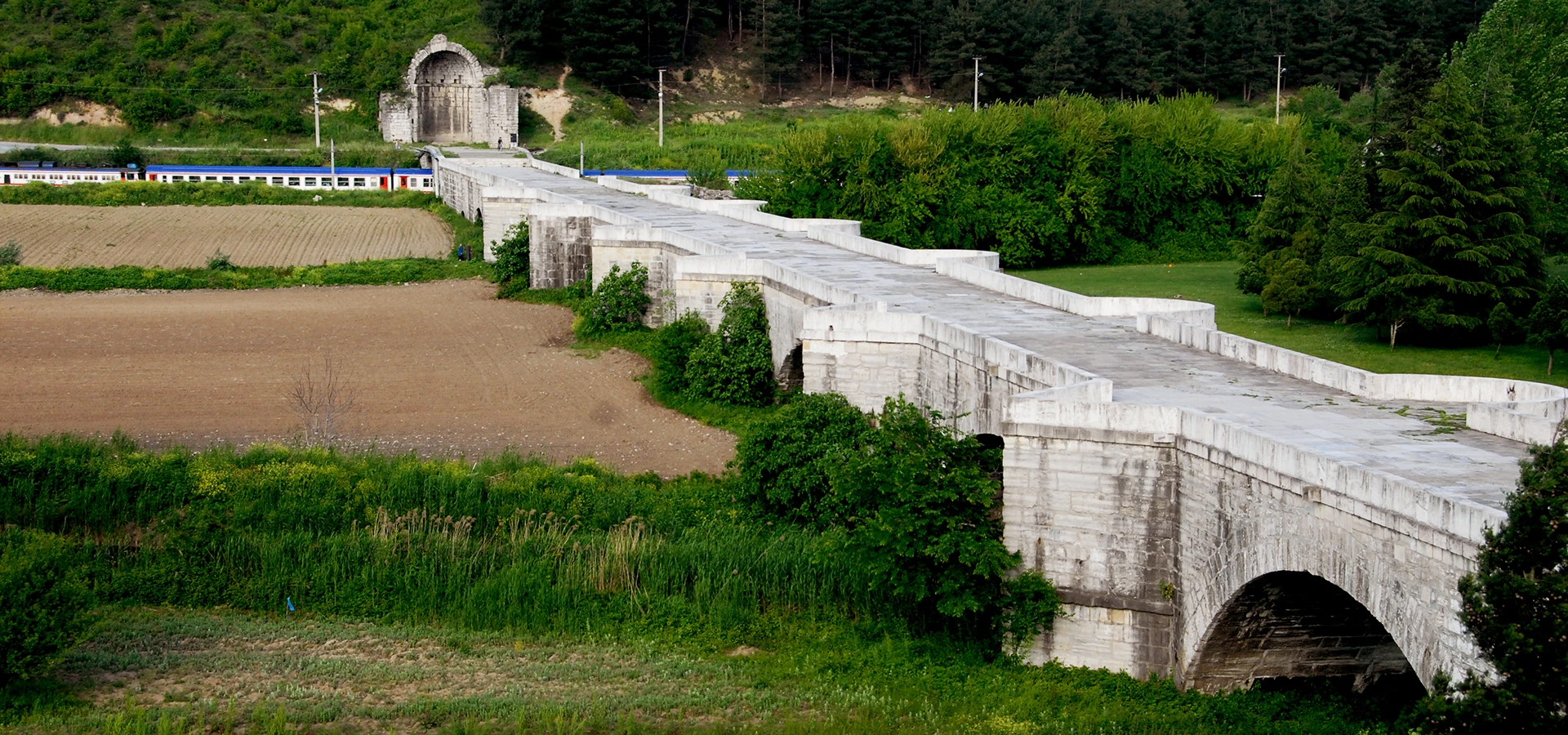
Continue into the Byzantine past at one of Anatolia's most impressive surviving Late Antique bridge monuments.
Move from museum galleries to a peaceful lake landscape surrounded by greenery close to Adapazarı.
Combine cultural sightseeing with one of Sakarya's most famous natural landscapes, waterfront walks and mountain views.
Continue into forest scenery, rocky valleys and one of the province's most attractive waterfall settings.
Discover a completely different side of Sakarya in one of Türkiye's remarkable floodplain forest ecosystems.
Continue the National Struggle story in Alifuatpaşa with Ali Fuat Cebesoy and the Kuvâ-yi Milliye.
Sakarya Museum is located at Semerciler Mahallesi, Sait Faik Sokak No:36, Adapazarı, Sakarya.
The museum is frequently described as Sakarya Museum (Atatürk House) because the historic residence is connected with Mustafa Kemal Atatürk's June 1922 visit and his meeting with his mother, Zübeyde Hanım.
The residence was built between 1910 and 1915 by Major Baha Bey.
The residence was later acquired by Hasan Cavit Bey, a close friend of Mustafa Kemal Atatürk and a member of parliament.
During his June 1922 visit to Adapazarı before the Great Offensive, Mustafa Kemal Atatürk met and stayed here with his mother, Zübeyde Hanım.
The museum contains archaeological objects, Ottoman and Republican ethnography, Atatürk-related material and an outdoor garden collection of stone monuments and architectural fragments.
Official museum information identifies material from prehistoric, Roman and Byzantine periods.
The collection includes examples of historic weapons, copperware, seals, hand embroidery and objects associated with Atatürk.
The garden contains Roman and Byzantine architectural fragments, grave stones, altars, inscribed stones, ostotheks, large ceramic storage vessels and column bases from the wider Sakarya region.
The museum began institutional service in 1989 and its exhibition was opened to visitors on 21 June 1993.
Yes. The museum was closed after earthquake damage to display cases and objects and reopened after repair work on 28 June 2003.
Current Ministry information lists the museum as open from 09:00 to 17:00, with the ticket desk closing at 16:30.
The museum is currently listed as closed on Monday.
Yes. The current official museum listing states that admission is free.
Allow approximately 45–60 minutes for a comfortable visit including the garden. History and archaeology enthusiasts may prefer 60–90 minutes.
Yes, especially for travelers interested in Atatürk, the War of Independence, archaeology, ethnography and Sakarya's regional history.
Yes. The Bridge of Justinian is one of the best historical sites to combine with the museum for a broader understanding of Sakarya's Byzantine and modern heritage.
The museum is an indoor cultural attraction and can be visited throughout the year during official opening days and hours. Always check for temporary closures or schedule changes before a special journey.
Keep a respectful distance from archaeological and ethnographic material unless a display is specifically interactive.
Observe current museum signs and staff instructions before photographing indoor exhibits.
Flash can be harmful to sensitive material and should not be used unless explicitly permitted.
Do not climb, sit on, scratch or handle ancient stone monuments and architectural fragments.
Avoid eating or drinking near museum objects unless a designated visitor area is provided.
The museum contains fragile objects and historic displays that require care around younger visitors.
Keep conversations and phone audio at a considerate level inside compact exhibition rooms.
Follow barriers and conservation instructions so the collection can be protected for future visitors.
Combine Sakarya Museum, Byzantine heritage, National Struggle history, traditional towns, lakes, forests and local landscapes through a private route designed around your interests.
Begin in central Adapazarı with Sakarya Museum and create a wider journey including the Bridge of Justinian, Alifuatpaşa, Taraklı, Sapanca or other historical and natural destinations throughout the province.
Ask us about a tailor-made route focused on Atatürk history, archaeology, Byzantine monuments, Ottoman heritage, traditional towns and Sakarya's cultural landscapes.
Request a Custom Tour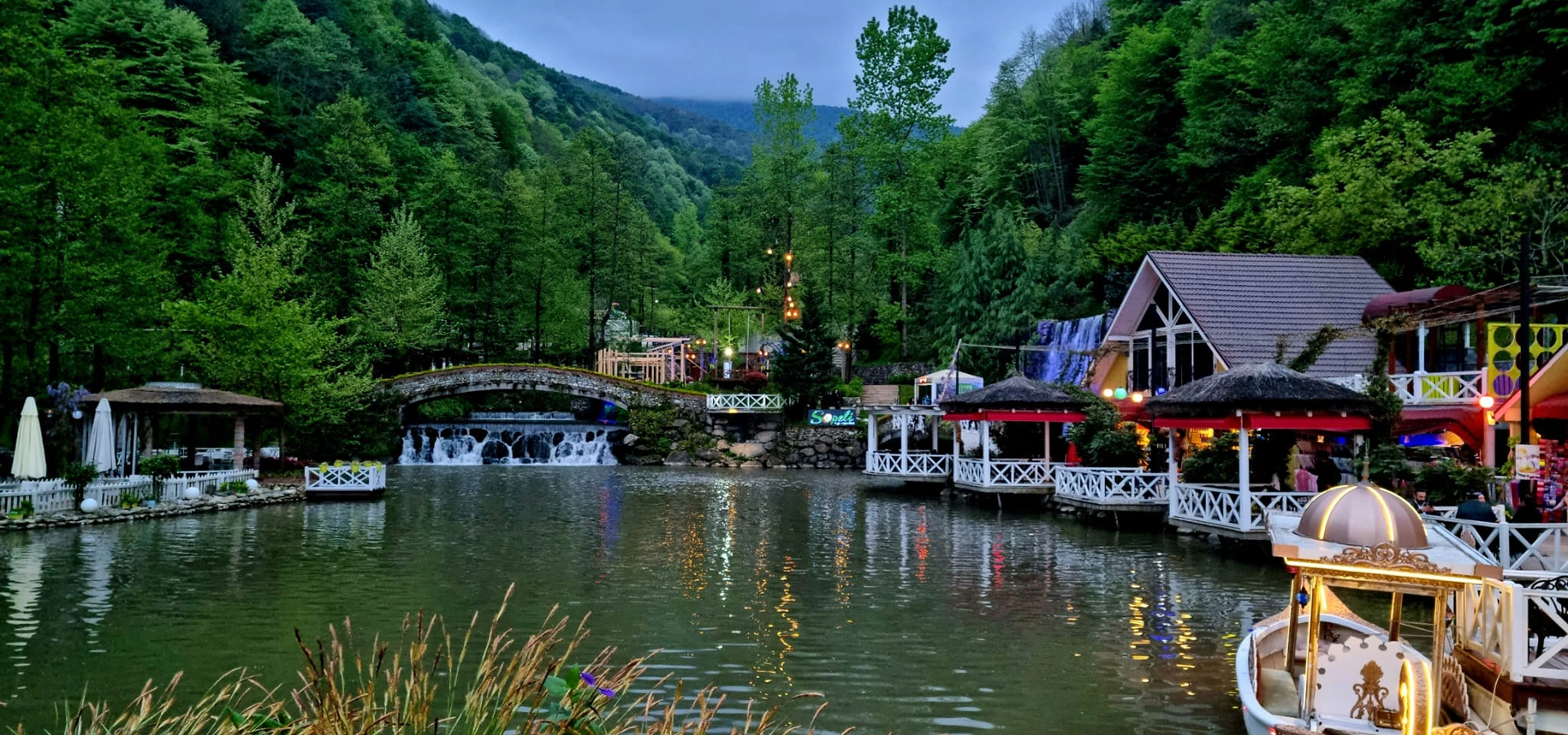
Discover museums, Byzantine bridges, Ottoman heritage, historic towns, lakes, rivers, waterfalls, forests and Black Sea landscapes throughout Sakarya Province.
View Sakarya GuideConnect Sakarya Museum with more of the province's historical and natural destinations.
Continue into the Byzantine past at one of Anatolia's most remarkable surviving Late Antique bridge monuments.
Explore the Bridge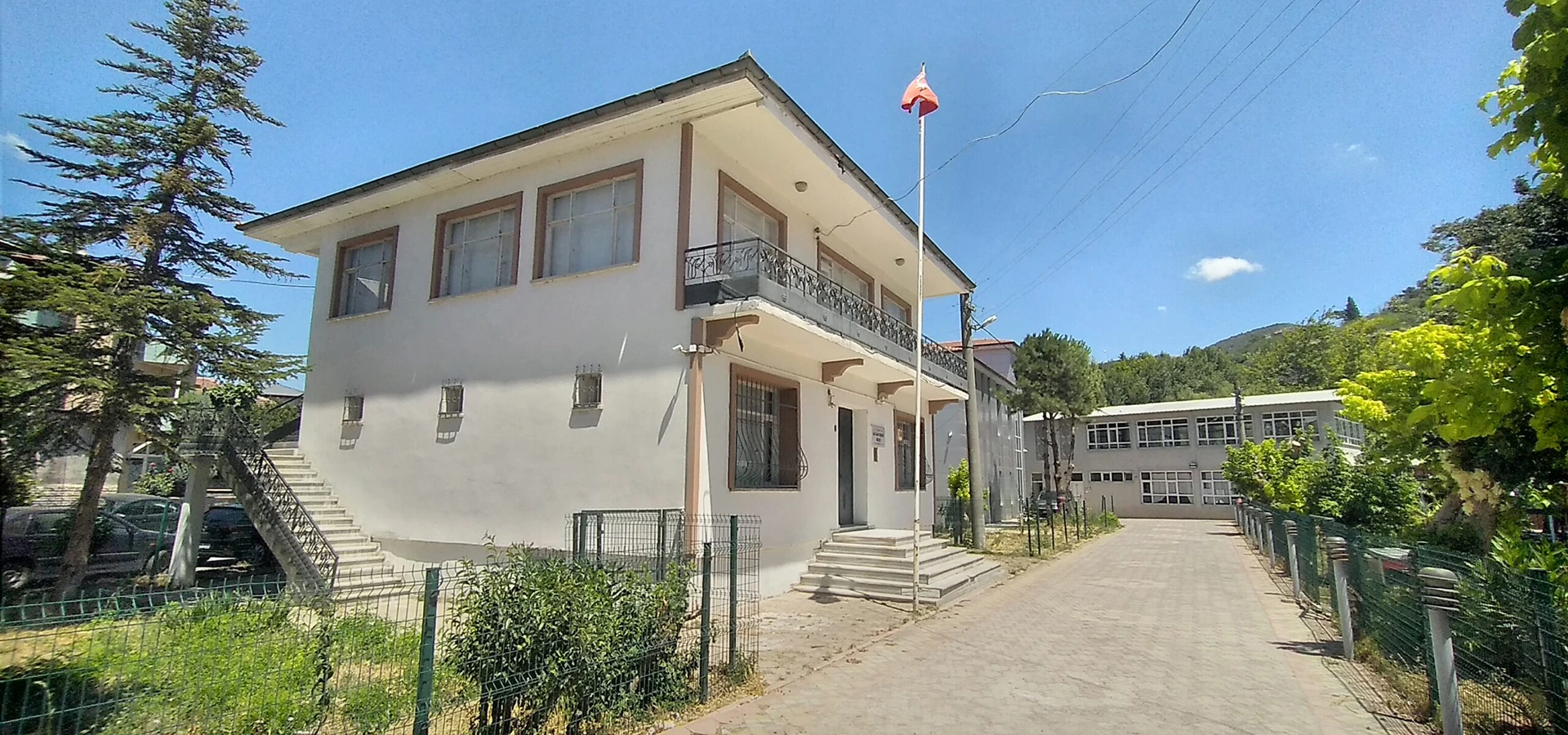
Continue the National Struggle story with Ali Fuat Cebesoy, the Kuvâ-yi Milliye and the historic landscape of Alifuatpaşa.
Explore the Museum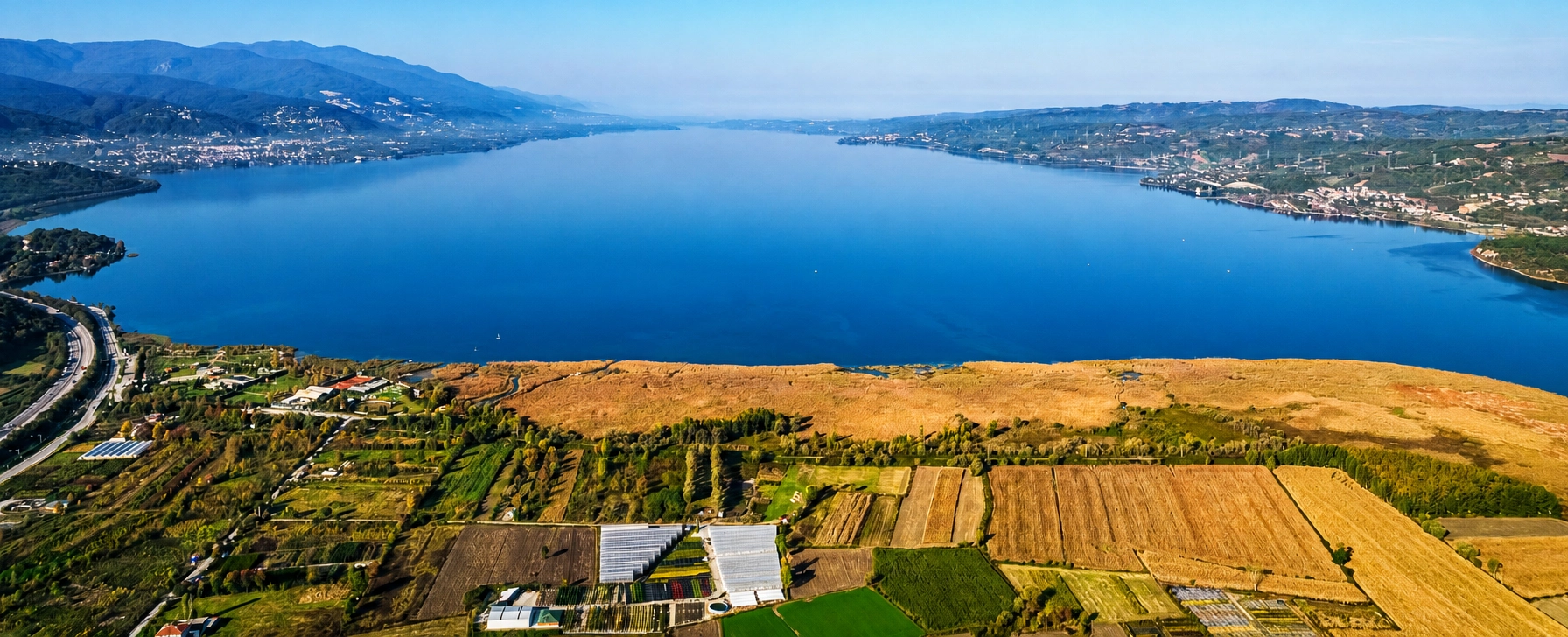
Balance a cultural morning with lakeside scenery, waterside walks and mountain views at one of Sakarya's best-known natural landmarks.
Explore Sapanca Lake