Private Doğançay Waterfall & Sakarya Nature Tour
Ask us about a tailor-made Sakarya route focused on Doğançay Waterfall, forest scenery, nature photography and peaceful countryside experiences.
Request a Custom Tour





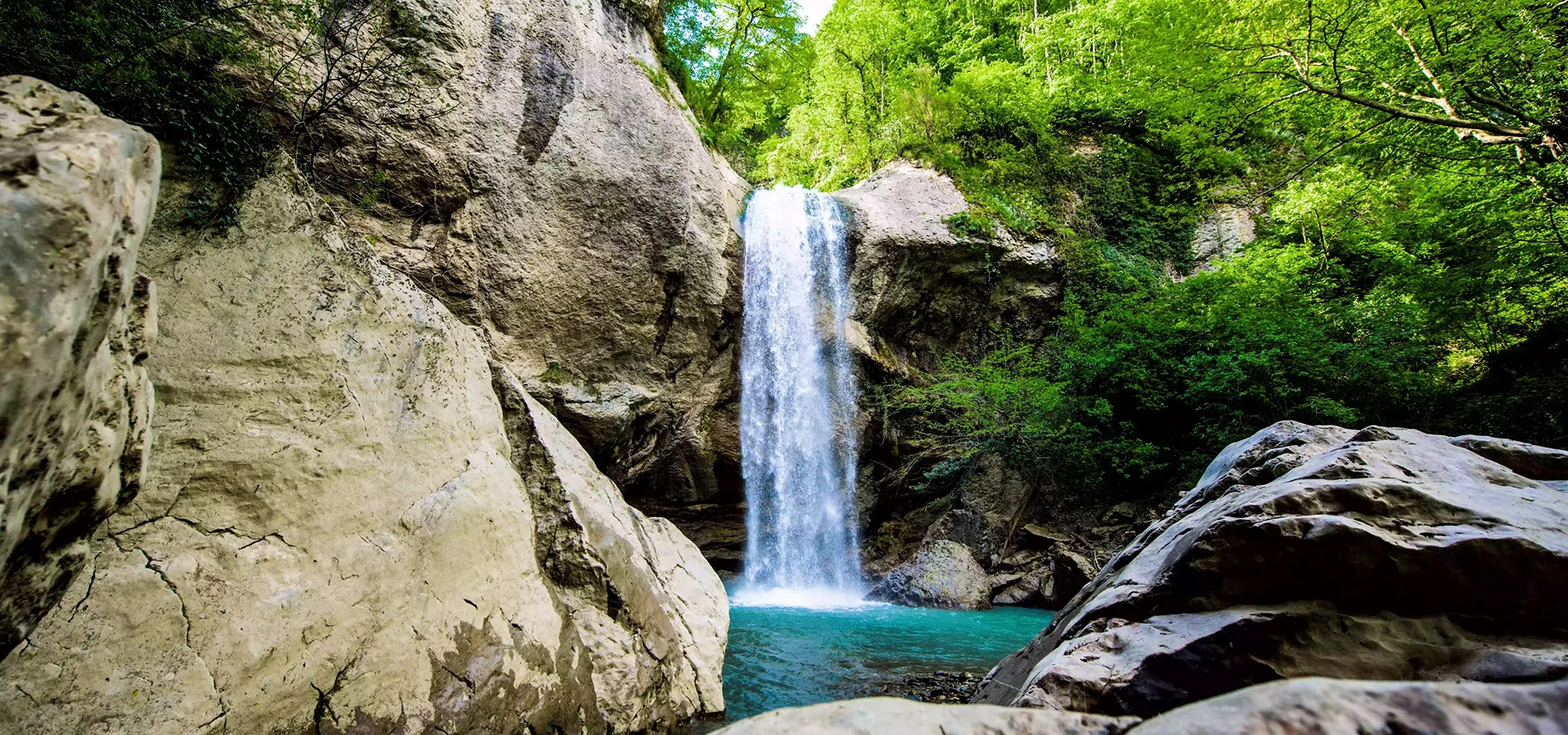
Doğançay Waterfall, known in Turkish as Doğançay Şelalesi, is one of the most impressive natural attractions in Sakarya Province. Hidden within the forested landscape of Geyve, the waterfall descends through a deep valley in a sequence of several dramatic cascades.
Unlike easily accessible roadside waterfalls, Doğançay rewards visitors who are willing to walk through the forest and descend toward the stream valley. The journey itself forms an important part of the experience, with woodland, rocky terrain, flowing water and changing viewpoints along the way.
Doğançay is not simply a scenic waterfall. The surrounding area has been officially protected as Doğançay Waterfall Nature Monument since 13 May 2013. The protected landscape covers approximately 4.23 hectares.
The waterfall system is particularly unusual because it consists of five separate stages. The first major cascade has a height of approximately 30 metres, while another large waterfall lies roughly 130–140 metres farther down the valley, with three smaller cascades between them.
For travelers exploring Sakarya, Doğançay offers an experience very different from the calm lakes of Sapanca or Poyrazlar: this is a destination defined by steep terrain, moving water, forest shade and a genuine sense of wilderness.
Doğançay is a multi-stage waterfall system rather than a single isolated drop.
The first major waterfall descends approximately 30 metres through the forested valley.
Doğançay Waterfall was officially designated a Nature Monument on 13 May 2013.
The protected Nature Monument covers approximately 4.23 hectares around the waterfall system.
Essential information for visiting one of Sakarya's most spectacular forest waterfalls.
Geyve district of Sakarya Province, approximately 25 km from central Sakarya.
Open on Google MapsFive cascades descending through a steep and deeply forested stream valley.
The first major waterfall has a reported height of approximately 30 metres.
Approximately 4.23 hectares protected as a Nature Monument.
Officially declared a Nature Monument on 13 May 2013.
Forest walking, steep natural paths, waterfalls, photography and valley scenery.
A sequence of waterfalls hidden inside a dramatic forest valley makes Doğançay one of Sakarya's most rewarding nature destinations.
Many waterfalls are defined by one principal drop. Doğançay is different. Here, water descends through the landscape in a sequence of five separate cascades.
The first major waterfall falls approximately 30 metres. Farther downstream, another substantial cascade appears roughly 130–140 metres below, while three smaller waterfalls occupy the terrain between the two.
This stepped structure gives Doğançay a sense of discovery. Instead of simply arriving at one viewpoint, visitors move through a changing landscape of stream, rock, forest and cascading water.
Its importance was officially recognized on 13 May 2013, when approximately 4.23 hectares around the waterfall were protected as the Doğançay Waterfall Nature Monument.
The waterfall also contrasts beautifully with Sakarya's other natural destinations. Visitors can experience wetland forest at Acarlar, lake scenery at Poyrazlar and another atmospheric stream valley at Maden Deresi.
The name Doğançay Waterfall can give the impression that visitors are coming to see a single cascade. In reality, the protected site contains a much more complex five-stage waterfall system.
Water descends through the valley over successive rock formations, creating large falls, smaller cascades, pools and fast-flowing stream sections.
The first major waterfall is approximately 30 metres high. Another large cascade lies farther below, with three smaller waterfalls located between the principal falls.
Because the waterfalls occupy a steep natural valley, not every cascade necessarily offers the same degree of easy access. Visitors should observe the landscape from safe positions rather than attempting to reach dangerous edges or wet rock faces.
The protected waterfall system consists of five cascades descending progressively through the valley.
The first major waterfall has a reported drop of approximately 30 metres.
Another large waterfall lies approximately 130–140 metres farther down the valley.
Three additional cascades occur between the two larger waterfalls.
Water collecting beneath cascades creates attractive pools and stream sections within the valley.
The appearance and strength of the flowing water naturally vary according to rainfall and season.
Doğançay received official protection on 13 May 2013, when the waterfall and its immediate natural surroundings were designated as a Nature Monument.
The protected area covers approximately 4.23 hectares. Although compact compared with large national parks, the designation protects the landscape immediately surrounding the waterfall system.
The principal natural values are the cascades themselves, their rocky valley setting and the forest environment through which Doğançay Stream flows.
Visitors should therefore treat Doğançay not simply as an outdoor recreation area, but as a protected natural site where minimizing disturbance is an important part of the visit.
The setting is almost as memorable as the waterfall itself. Doğançay lies inside a deep, wooded valley where steep slopes rise above the stream.
Dense vegetation creates a naturally enclosed atmosphere, while the sound of flowing water becomes stronger as visitors descend toward the waterfall.
Rock walls, large boulders, wet surfaces and forest vegetation combine to create one of Sakarya's most photogenic natural environments.
The shaded valley can also remain noticeably cooler than open surrounding areas, particularly close to the water.
The waterfall lies within a naturally enclosed valley surrounded by steep forested slopes.
Woodland creates shade, rich greenery and an immersive natural setting around the stream.
Large rocks, exposed surfaces and boulders form an important part of the waterfall landscape.
The sound and movement of Doğançay Stream accompany visitors through the valley.
The shaded stream valley is often noticeably cooler than open areas during warm weather.
The combination of moving water, rock and greenery creates excellent landscape compositions.
Reaching the waterfall requires more effort than visiting a conventional roadside viewpoint. From the upper approach, visitors continue on a natural path through the forest.
Current provincial tourism information describes the waterfall as lying approximately 300 metres below the trail's starting area. The descent and return take around 40 minutes on average, although individual walking speed and ground conditions can make the journey longer.
The route includes soil paths, forest terrain and sloping sections. Rain can make roots, earth and rocks considerably more slippery.
Good walking shoes with reliable grip are strongly recommended, even if the weather appears dry when you begin.
The final approach continues through woodland rather than directly from a conventional paved visitor platform.
The waterfall lies below the principal starting area, so remember that the return involves climbing back uphill.
Official tourism information gives roughly 40 minutes for the descent and return under normal conditions.
Expect soil, stones, roots and potentially muddy ground rather than a fully surfaced urban walkway.
Footwear with grip is much safer than sandals or smooth-soled shoes around the waterfall.
Save enough energy for the climb back from the waterfall after exploring the valley.
Doğançay is not a destination that requires a complicated activity programme. Its appeal comes from walking, observing the forest, photographing the landscape and spending time beside moving water.
Experience one of Sakarya's most impressive protected cascade systems in its natural valley setting.
Enjoy the approach through woodland and the changing scenery as you descend toward the water.
Photograph cascades, pools, forest details, rock walls and seasonal vegetation.
Move away from road noise and enjoy the sound of water flowing through the enclosed forest landscape.
Allow time to stop safely at viewpoints rather than treating the trail as a race to the waterfall.
Use the waterfall as part of a broader day exploring southern Sakarya and the Geyve countryside.
Doğançay is one of Sakarya's strongest nature-photography locations. The vertical movement of the waterfalls contrasts beautifully with dark rock, green vegetation and the stiller pools below.
Overcast conditions can actually be excellent for waterfall photography because soft light reduces harsh contrast between bright water and deep forest shadows.
Frame the waterfall with surrounding rock and forest to show the scale of the valley.
A slower shutter speed can create a soft flowing-water effect when conditions and footing are safe.
Look for reflections, green water tones and compositions formed by boulders around the stream.
Moss, leaves, wet stone and roots create strong close-up subjects beyond the main waterfall.
Changing leaves can add yellow, copper and orange tones to the otherwise green waterfall scenery.
Water spray, moisture and slippery ground make basic rain protection useful for photographic equipment.
The appearance of a natural waterfall changes dramatically with rainfall, temperature and season. Doğançay is therefore not exactly the same experience throughout the year.
Fresh vegetation and generally stronger water flow make spring one of the most attractive periods.
The forest becomes intensely green while the shaded valley offers relief from warmer weather.
Water flow may be lower after prolonged dry weather, although the forest walk remains attractive.
Changing leaves create beautiful colour around the waterfall and across the surrounding slopes.
Cold, rain, snow or ice can make both the road and natural trail considerably more difficult.
Water may be more dramatic, but slippery surfaces and stronger stream flow require much greater caution.
Usually too rushed once the descent, waterfall visit and uphill return are considered.
Possible for fit visitors who mainly want to see the waterfall and return without long stops.
A comfortable minimum for the walk, waterfall views, photographs and return climb.
Ideal for visitors who enjoy photography and want to explore the forest route without rushing.
Excellent if Doğançay is the principal nature experience of your morning or afternoon.
Combine the waterfall with Geyve countryside or another attraction elsewhere in Sakarya.
Doğançay should be approached as a natural attraction rather than a fully developed recreation park. Visitor facilities are more limited than at places such as Poyrazlar Lake Nature Park.
Provincial tourism information notes a small local cafeteria near the starting area, but specifically warns that it is not always open.
Visitors should therefore arrive with enough drinking water and anything else they may need for the walk.
A small local refreshment point may operate near the beginning of the route but is not always open.
Carry your own drinking water rather than relying on businesses being open.
The waterfall approach is a forest path rather than a fully developed visitor promenade.
Do not expect the same level of visitor infrastructure found at large managed parks.
Signal quality can vary within steep valleys, so do not depend entirely on your phone.
Carry all bottles, food packaging and other rubbish back out of the waterfall area.
Doğançay is a protected Nature Monument and visitor arrangements can change according to weather, maintenance, conservation measures and local conditions.
The official national nature-tourism portal currently lists visitor hours of 08:00–17:00. Anyone making a special journey should confirm current conditions before travelling.
The natural character that makes Doğançay beautiful also means visitors need to take sensible precautions. The valley contains steep terrain, water, wet rock and uneven forest paths.
Use walking shoes with good grip rather than smooth-soled footwear or sandals.
Rock beside waterfalls can be extremely slippery even when it appears secure.
Heavy rain can rapidly make both the trail and stream environment more difficult.
Never climb onto exposed waterfall edges or steep slopes for photographs.
The steep natural route requires much closer supervision than an ordinary urban park.
Start back early enough to complete the uphill walk well before darkness.
A stream that looks shallow can become dangerous when flow increases after rain.
Avoid creating shortcuts across steep slopes, loose soil or protected vegetation.
Doğançay should not be confused with a waterfall that can be viewed directly from a roadside platform. The principal experience requires walking on a descending natural trail.
The route can therefore be challenging for visitors with limited mobility, balance difficulties or conditions that make steep uphill walking difficult.
Expect soil, roots, rocks and other naturally irregular surfaces.
The route descends toward the waterfall and requires an uphill return.
The natural waterfall trail should not be considered a conventional wheelchair-accessible route.
Strollers are generally unsuitable for the natural descending section toward the waterfall.
Families should carefully assess whether children are comfortable with uneven and potentially slippery terrain.
Visitors who are uncertain about the terrain should proceed slowly and turn back if conditions become uncomfortable.
Doğançay Waterfall is located within Geyve district and lies approximately 25 kilometres from central Sakarya.
Provincial tourism information describes the present road approach as asphalt, but emphasizes that the route is winding and relatively narrow. Passing can be difficult for large vehicles on some sections.
Winter conditions can also affect the final kilometres, particularly after snowfall. Visitors should check conditions before travelling during cold weather.
After reaching the upper waterfall area, the remainder of the journey continues on foot through the natural trail.
The waterfall lies roughly 25 km from central Sakarya in the direction of Geyve.
A private car is the most convenient option for most independent visitors.
The final road sections can be winding and relatively narrow, requiring careful driving.
Coaches and other large vehicles may find some parts of the approach more difficult.
Snow can affect the final sections of the road during periods of severe winter weather.
After reaching the starting area, continue toward the waterfall using the natural forest path.
Begin at the upper approach area and take a few minutes to prepare before starting the descent. Check your footwear, take water and make sure you have enough daylight for the return.
Follow the established forest path toward the valley. Move slowly on steeper sections and stop occasionally to enjoy the woodland scenery.
As you approach the stream, the sound of water becomes stronger. Continue toward safe waterfall viewpoints without attempting to climb onto wet rocks or exposed edges.
Spend time photographing and enjoying the main cascade before beginning the climb back. Remember that the return is physically more demanding than the descent.
Doğançay can be included in a wider exploration of Sakarya's waterfalls, lakes, forests and historic landmarks. See our complete Sakarya visitor guide for more ideas.
Combine the rugged Doğançay valley with one of Sakarya's most famous and peaceful lake landscapes.
Discover a monumental Early Byzantine bridge and one of the province's most important archaeological landmarks.
Enjoy gentle forest walks, birdlife and peaceful waterside scenery close to Adapazarı.
Explore another atmospheric Sakarya valley with waterfalls, forest trails and remnants of historic mining activity.
Discover flooded woodland, wetland ecology and one of Türkiye's remarkable longoz forest environments.
Add history to your nature journey with Ottoman houses, traditional streets and one of Sakarya's most atmospheric towns.
Doğançay Waterfall is located in Geyve district of Sakarya Province, within the forested countryside south of central Sakarya.
Official protected-area information places Doğançay Waterfall approximately 25 kilometres from central Sakarya.
Yes. The waterfall and its immediate surroundings are protected as Doğançay Waterfall Nature Monument.
Doğançay Waterfall was officially designated a Nature Monument on 13 May 2013.
The protected area covers approximately 4.23 hectares.
The system consists of five waterfall stages, including two larger falls and three smaller cascades.
The first major waterfall has a reported height of approximately 30 metres.
It is better understood as a sequence of waterfalls. Five cascades descend progressively through the valley.
Yes. The final approach requires walking on a natural forest path that descends toward the waterfall.
Provincial tourism information gives approximately 40 minutes for the descent and return under normal conditions. Walking time varies according to fitness, weather and trail conditions.
The route is not an extreme mountain trek, but it includes steep, uneven and potentially slippery natural terrain. Good footwear is strongly recommended.
Wear walking or hiking shoes with reliable grip. Smooth-soled shoes, fashion footwear and sandals are not ideal for wet forest terrain.
Older children comfortable with natural trails may enjoy the visit, but close supervision is essential. The route includes steep and slippery sections that may not be appropriate for very young children.
The natural descending waterfall trail is generally not suitable for conventional strollers.
The principal waterfall trail should not be considered wheelchair accessible because it includes steep natural surfaces and uneven terrain.
Spring and early autumn are particularly attractive. Spring generally combines green forest scenery with stronger water flow, while autumn brings beautiful foliage.
Yes. The forest and deep valley provide welcome shade, although water flow can decrease during prolonged dry periods.
Winter visits may be possible, but snow, ice, rain and muddy trails can make access considerably more difficult. Check local conditions first.
Heavy rain can make rocks, soil and roots very slippery and can increase stream flow. Visitors should use additional caution and avoid the route if conditions appear unsafe.
Do not assume that natural pools within a protected waterfall site are safe or designated for swimming. Water depth, currents, submerged rocks and access rules can change. Follow current signs and official instructions.
Provincial tourism information mentions a local cafeteria near the starting area, but notes that it is not always open. Bring your own drinking water.
Doğançay should not be treated as a large recreation complex with guaranteed restaurant facilities. Plan food and water accordingly.
The official national nature-tourism portal currently lists 08:00–17:00. Hours and access arrangements can change, so verify them when planning an important trip.
The official protected-area listing does not currently provide a standard visitor admission price. Check current on-site arrangements rather than relying on old information.
Yes. The combination of waterfalls, pools, rock walls and dense woodland makes Doğançay one of Sakarya's excellent nature-photography locations.
Do not assume drone use is automatically permitted within a protected Nature Monument. Check current Turkish aviation regulations and local protected-area rules before flying.
Allow approximately 2–3 hours for a comfortable visit including the walk, waterfall views, photography and the uphill return.
Solo visitors should take additional care, particularly when trails are wet or visitor numbers are low. Tell someone your plans, carry enough water and avoid leaving established routes.
The road is described by provincial tourism authorities as asphalt, but it is winding and relatively narrow. Drive carefully, especially when meeting vehicles travelling in the opposite direction.
Large vehicles may experience difficulty on narrower sections of the road. Smaller vehicles are generally more practical for the approach.
Bring drinking water, good walking shoes, weather-appropriate clothing, sun or rain protection and a charged phone. A small backpack is more practical than carrying loose items.
Other Sakarya destinations include Sapanca Lake, Bridge of Justinian, Poyrazlar Lake, Maden Deresi and destinations throughout our Sakarya visitor guide.
Follow established routes rather than creating shortcuts through steep forest vegetation.
Take bottles, packaging and all other rubbish back with you.
Never leave food, chemicals or other waste in the waterfall pools or flowing water.
Avoid removing flowers, branches, moss or other natural material from the protected area.
Enjoy the sound of the forest and waterfall without disturbing wildlife or other visitors.
Never light fires outside areas where they are specifically permitted under current regulations.
Observe animals from a distance and never attempt to feed or capture them.
Do not carve names, paint surfaces or leave permanent marks anywhere within the Nature Monument.
Combine the forests and waterfalls of Doğançay with Sakarya's lakes, wetlands, historic monuments and traditional towns through a private route designed around your interests.
Choose a nature-focused visit to Doğançay or create a full-day private route combining waterfalls, forest scenery, lakes and cultural heritage.
Ask us about a tailor-made Sakarya route focused on Doğançay Waterfall, forest scenery, nature photography and peaceful countryside experiences.
Request a Custom Tour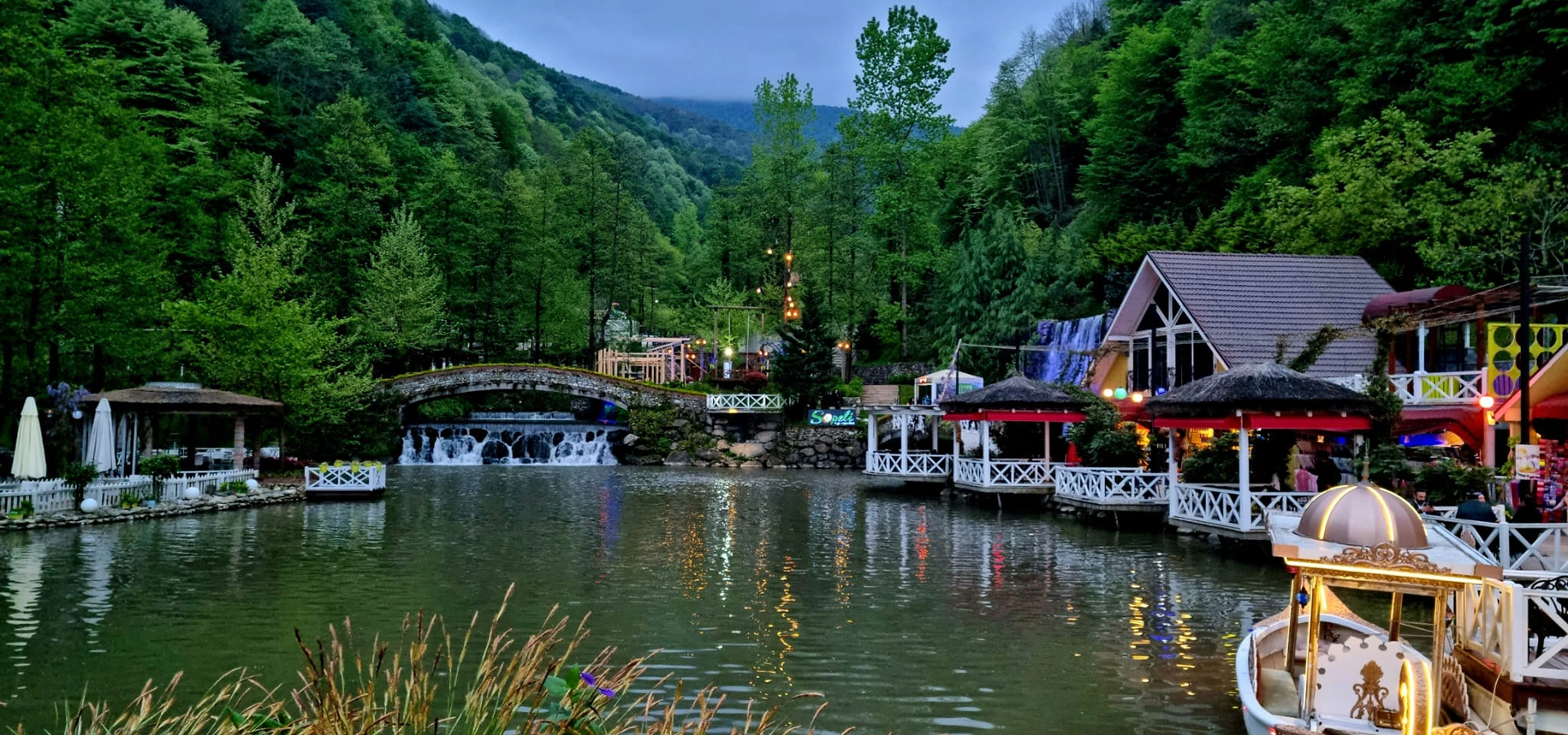
Discover waterfalls, lakes, wetlands, Black Sea landscapes, Roman and Byzantine monuments, Ottoman towns and local food across Sakarya Province.
View Sakarya GuideConnect Doğançay Waterfall with some of Sakarya's most memorable natural and cultural destinations.
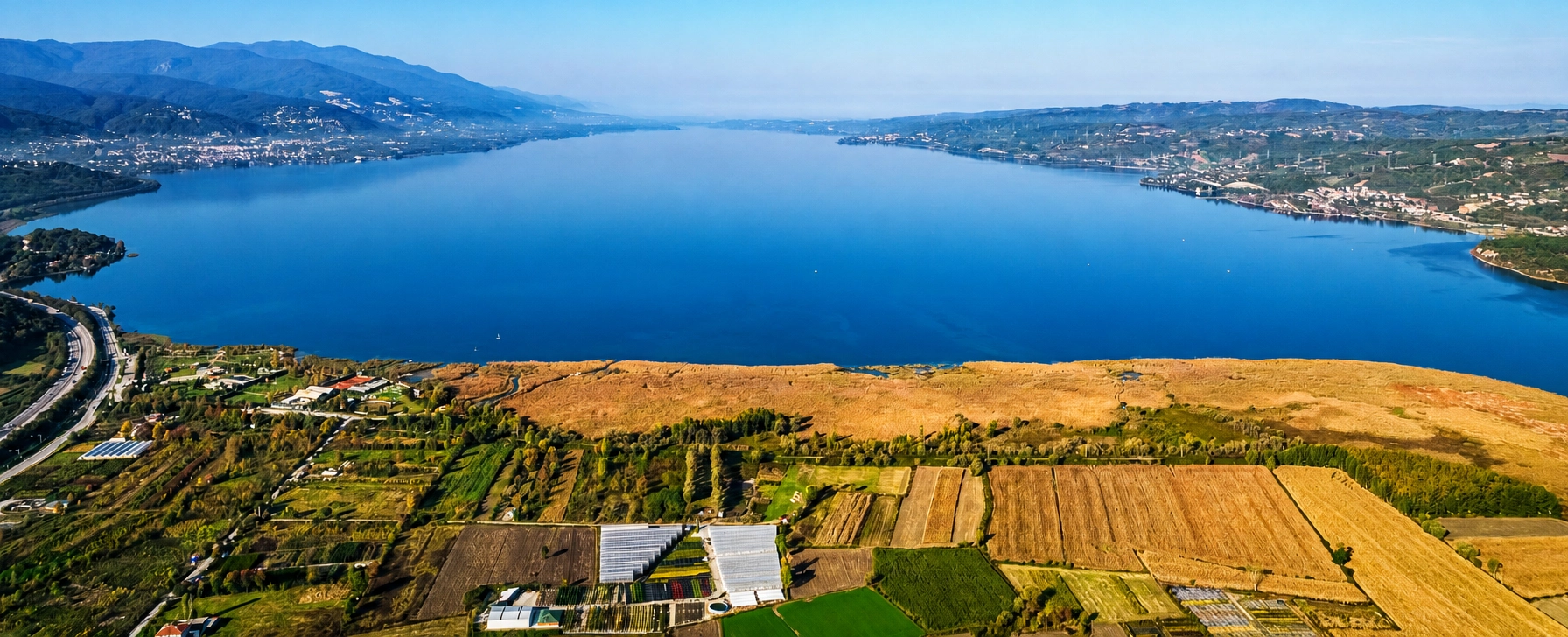
Contrast Doğançay's steep forest valley with Sakarya's famous mountain-framed freshwater lake.
Explore Sapanca Lake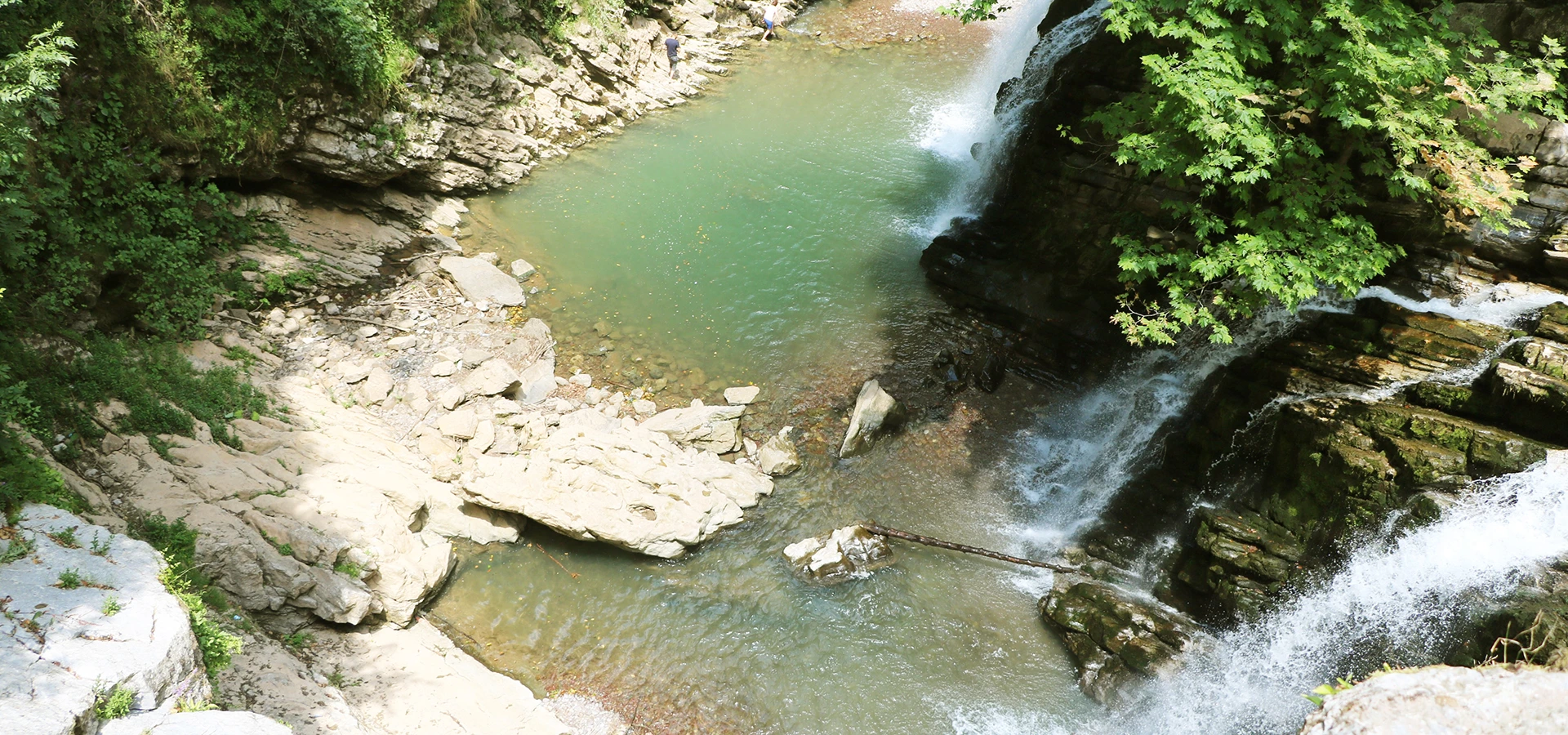
Explore another atmospheric forest valley with waterfalls, stream scenery and traces of historic mining activity.
Explore Maden Deresi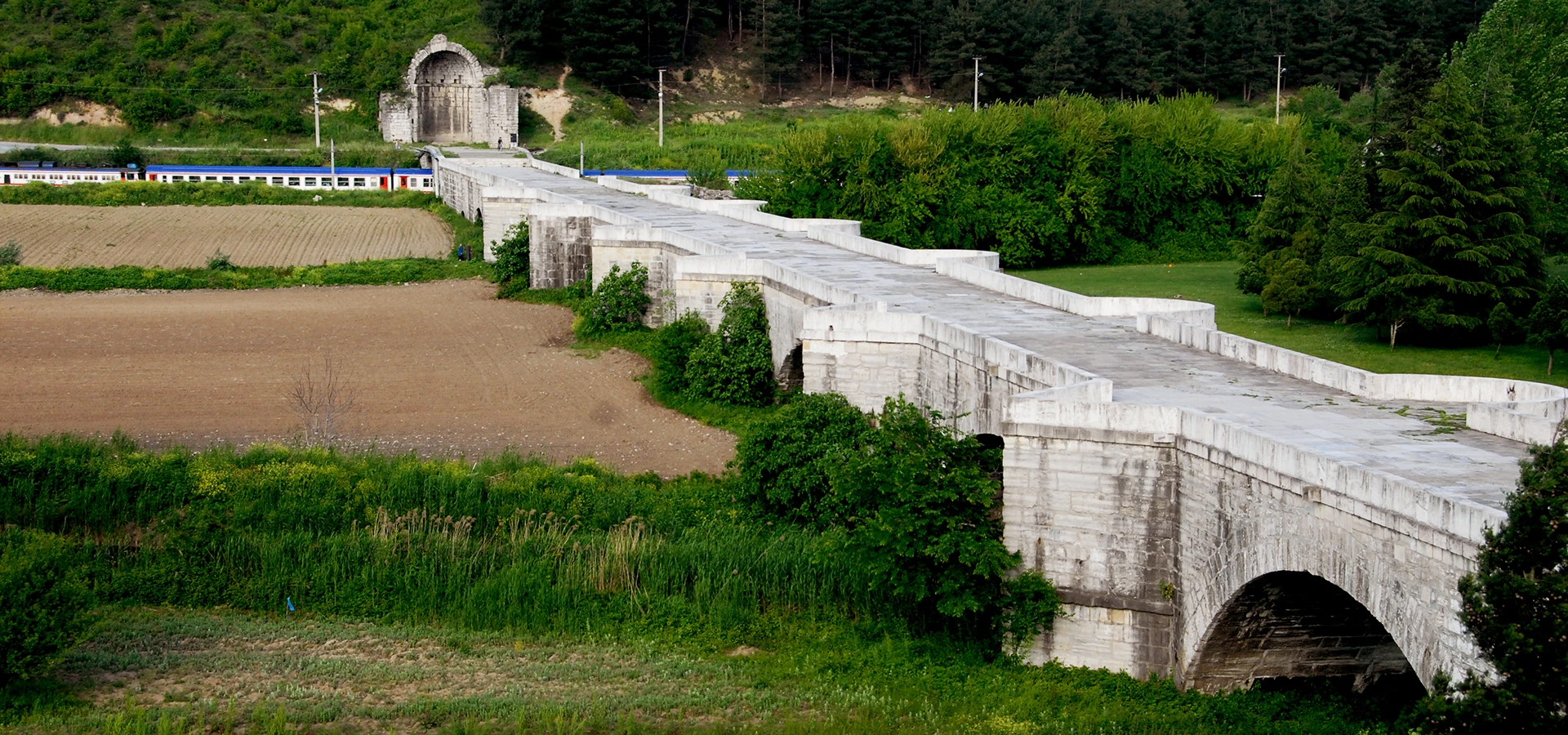
Contrast Sakarya's natural landscapes with one of Anatolia's most impressive surviving Early Byzantine engineering monuments.
Explore the Justinian Bridge