Private Historic Sakarya Tour
Ask us about a tailor-made route focused on Ali Fuat Cebesoy, the Kuvâ-yi Milliye, Geyve, historic Sakarya and the region's role in the Turkish National Struggle.
Request a Custom Tour





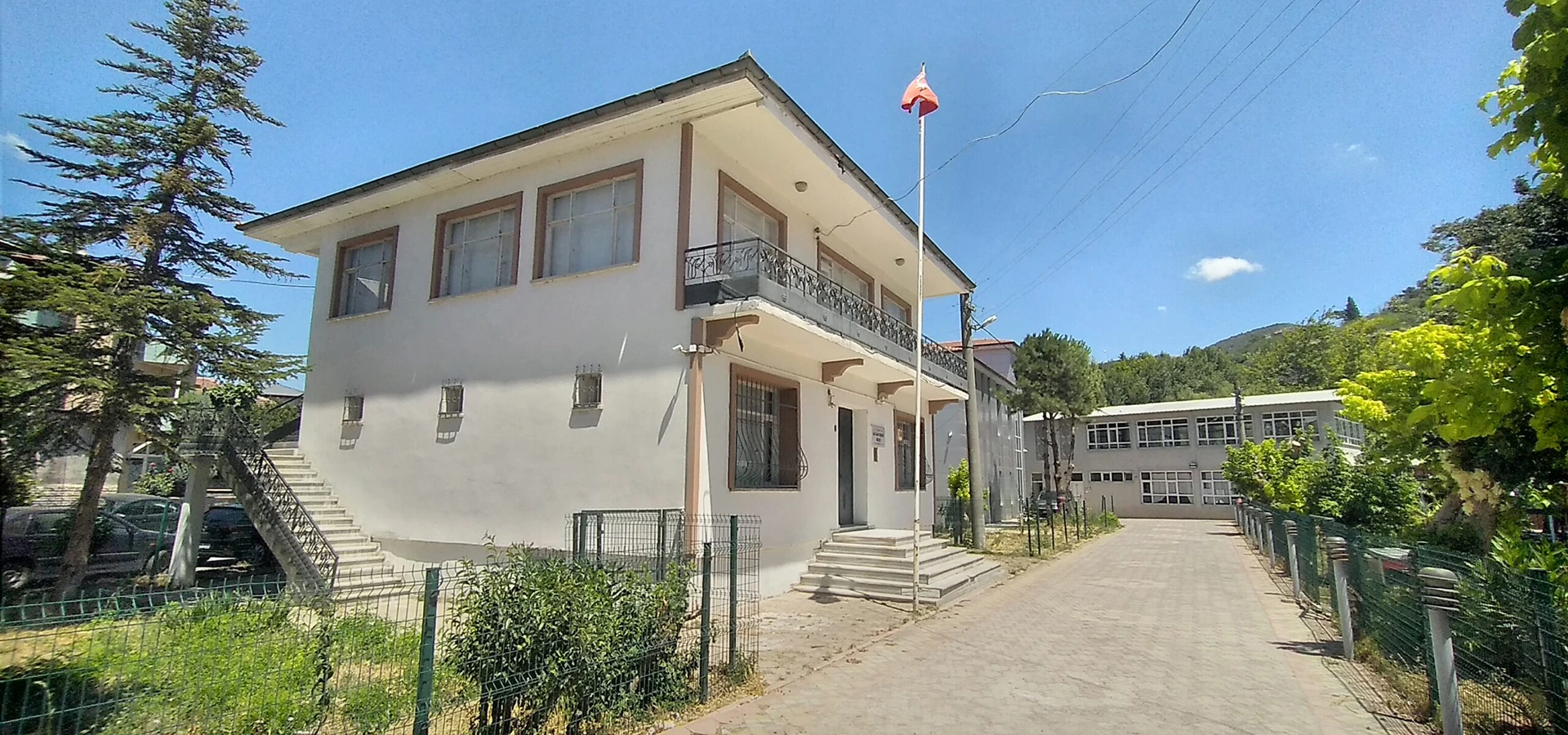
In the town of Alifuatpaşa, in Sakarya's Geyve district, a modest two-storey museum preserves the memory of one of the most important periods in modern Turkish history.
The Ali Fuat Pasha Kuvâ-yi Milliye Museum is dedicated both to the Kuvâ-yi Milliye national resistance movement and to Ali Fuat Cebesoy, one of Mustafa Kemal Atatürk's close military associates and an important commander during the Turkish War of Independence.
Its location is particularly meaningful. The museum stands beside the Sakarya River and close to the historic Bayezid II Bridge, within a landscape that played an important strategic role during the years of the National Struggle.
The museum building was originally constructed as a single-storey municipal building in 1956. A second floor was added in 1983, and after restoration it was transformed into a museum. It opened to visitors on 30 October 1989 as the Kuvâ-yi Milliye and Ali Fuat Cebesoy Museum.
Today, the ground floor introduces visitors to the personalities, congresses, maps, documents and chronology of the Kuvâ-yi Milliye period, while the upper floor displays personal belongings, photographs, documents, medals and military material connected with Ali Fuat Cebesoy.
For travelers interested in Atatürk, the Turkish War of Independence, military history or the creation of modern Türkiye, this small museum is one of the most meaningful historical stops in Sakarya Province.
Follow the emergence of the national resistance movement during the early years of the Turkish War of Independence.
See personal objects, photographs, documents and medals belonging to one of the leading commanders of the National Struggle.
The building was restored and opened as a museum on 30 October 1989.
Explore the museum beside the Sakarya River and historic Bayezid II Bridge in Alifuatpaşa.
Essential information for visiting one of Sakarya's most important museums dedicated to the Turkish National Struggle.
Alifuatpaşa, Geyve district, Sakarya Province.
Open on Google MapsKuvâ-yi Milliye history and the life of Ali Fuat Cebesoy.
30 October 1989.
26 ethnographic objects and 47 archival documents.
Admission is currently free.
Allow approximately 45–60 minutes.
The museum connects the story of the Kuvâ-yi Milliye with one of the commanders who helped organise resistance in western Anatolia.
The museum is important because it tells two closely connected stories: the emergence of the Kuvâ-yi Milliye and the military and political career of Ali Fuat Cebesoy.
The Kuvâ-yi Milliye consisted of local and regional resistance forces that emerged in Anatolia after the occupations that followed the First World War. Before the establishment of a fully organised regular army, these forces formed an important part of the resistance against occupation.
Ali Fuat Pasha occupied a particularly significant position within this developing movement. Following the Sivas Congress of September 1919, he was given responsibility as Commander of the Western Anatolian Kuvâ-yi Milliye.
His military activities were closely connected with the wider Adapazarı, Geyve, Eskişehir and western Anatolian region, making the location of the museum in Alifuatpaşa especially appropriate.
Rather than presenting the War of Independence only through famous battles, the museum helps visitors understand the organisation, communications, congresses, commanders, documents and local resistance networks that made the National Struggle possible.
Ali Fuat Cebesoy was born in 1882 and became one of the important military figures of the late Ottoman period and the Turkish National Struggle.
He attended military education during the same generation as Mustafa Kemal Atatürk and became one of the commanders who supported the developing national resistance in Anatolia after the First World War.
In 1919, as commander of the 20th Army Corps, Ali Fuat Pasha supported the movement led by Mustafa Kemal and participated in the process that led toward organised national resistance.
Following the Sivas Congress, he was appointed Western Anatolian General Commander of the Kuvâ-yi Milliye, giving him an important role in coordinating resistance forces across a wide region.
His career later continued through military, diplomatic and political service. He died on 10 January 1968 and, in accordance with his wishes, was buried in Alifuatpaşa, the town that carries his name.
Ali Fuat Cebesoy was born in Istanbul during the final decades of the Ottoman Empire.
He belonged to the generation of Ottoman officers that included Mustafa Kemal Atatürk.
Ali Fuat Pasha commanded the 20th Army Corps during the critical opening period of the National Struggle.
After the Sivas Congress he became Western Anatolian General Commander of the Kuvâ-yi Milliye.
He played an important military and organisational role during the early War of Independence.
His grave is located in Alifuatpaşa, close to the historic bridge and museum.
The term Kuvâ-yi Milliye, usually translated as National Forces, refers to the resistance forces that developed across Anatolia during the early stages of the Turkish War of Independence.
After the Armistice of Mudros in 1918 and the subsequent occupations, local resistance groups began to form in different parts of Anatolia.
These forces were not initially a single conventional army. They included local fighters, former soldiers, officers and civilians organised around regional defence movements.
Their role became particularly important in western Anatolia following the occupation of İzmir in May 1919.
The national movement gradually brought these different forces under a more unified political and military structure. Following the creation of the Grand National Assembly in Ankara, the resistance increasingly moved toward the formation of a regular national army.
The Kuvâ-yi Milliye emerged in response to the occupations that followed the First World War.
Many units developed from regional networks, former soldiers and local volunteers.
The movement became especially important following the occupation of İzmir in May 1919.
The national movement sought to bring regional resistance organisations into a wider coordinated structure.
He was given command responsibility for the Western Anatolian Kuvâ-yi Milliye in September 1919.
The early resistance eventually developed into the more centralised military organisation of the Ankara Government.
The museum's location in Geyve is not accidental. The district occupies an important corridor along the Sakarya River between northwestern Anatolia and the interior.
Roads, railway connections, river crossings and the narrow geography of the wider Geyve area gave the region strategic importance during the turbulent years following the First World War.
Ali Fuat Pasha's activities during the National Struggle were closely linked with Geyve, Adapazarı and the surrounding region.
For visitors today, the museum provides a useful starting point for understanding why landscapes that now appear peaceful were once strategically important to communications, movement and defence.
The river has long shaped movement, settlement and transportation through this part of northwestern Anatolia.
The geography around Geyve created an important route between western and central Anatolia.
Rail connections made the wider region strategically significant during the National Struggle.
The Adapazarı–Geyve area became closely connected with early military and resistance operations.
The surviving bridge, river and surrounding geography help place the museum's documents within their real setting.
The town itself carries the name Alifuatpaşa, preserving Ali Fuat Cebesoy's connection with the region.
The building that houses the museum was originally constructed in 1956 as a single-storey structure.
For many years it served as a municipal building. In 1983, a second storey was added, creating the two-level structure seen today.
The building was later restored with support from the Sakarya Governor's Office and converted for museum use.
On 30 October 1989, it officially opened to visitors as the Kuvâ-yi Milliye and Ali Fuat Cebesoy Museum.
Although the architecture itself is relatively modest, the building's importance comes from the historical material preserved inside and from its setting beside the Sakarya River and historic bridge.
The original single-storey building was constructed.
The structure served for many years as a local municipal building.
A second floor was added to the building.
The building was repaired and adapted for use as a museum.
The museum officially opened to visitors.
The displays are divided between Kuvâ-yi Milliye history and material connected with Ali Fuat Cebesoy.
The ground floor is devoted primarily to the history of the Kuvâ-yi Milliye and the broader National Struggle.
Visitors enter from the southern side of the building into a central hall, with rooms arranged on either side.
According to official museum information, the displays include photographs of figures involved in the Kuvâ-yi Milliye movement, historical documents, chronological material, maps and information explaining the development of the resistance.
Copies of texts connected with the major national congresses, including Amasya, Erzurum and Sivas, help visitors understand how military resistance developed alongside a new political organisation.
The collection also includes reproductions connected with Atatürk's 10th Anniversary Speech, together with photographs and maps illustrating the period.
Photographs introduce important personalities associated with the National Resistance.
Material relating to the Amasya process helps explain an important stage in the organisation of the National Struggle.
Congress material places regional resistance within the wider development of the national movement.
The displays connect the museum directly with the congress that gave Ali Fuat Pasha his wider Kuvâ-yi Milliye command.
Historical maps help visitors understand the geographical scale and military setting of the conflict.
A chronological approach makes the complicated events of the National Struggle easier to follow.
The upper floor brings the story closer to the individual life of Ali Fuat Cebesoy.
Here visitors can see personal belongings and historical material associated directly with the commander.
Official museum information lists clothing, a bed, medals, documents, photographs and military battle sketches among the objects displayed.
These personal items offer a different experience from reading history only through dates and campaigns. They connect a major national story with the daily life, career and personal possessions of one of its participants.
Decorations associated with Ali Fuat Cebesoy reflect his long military career.
Personal garments create a more immediate connection with the historical figure behind the name.
Domestic belongings add a human dimension to the military and political story.
Archival material provides direct evidence from the period and from Cebesoy's career.
Historical photographs help visitors place people, events and locations within their original context.
Military sketches reveal how operations and terrain were understood by commanders of the period.
Official provincial tourism information records a total of 73 museum pieces.
The collection consists of 26 ethnographic objects and 47 archival documents.
The numerical size of the collection may appear modest compared with a large national museum, but this is also part of its character.
The visit is focused, personal and directly connected with one historical period and one of its leading commanders.
The official museum inventory lists 73 items in total.
Personal and material objects help illustrate the life and period of Ali Fuat Cebesoy.
Documents form an important part of the museum's historical value.
Images introduce commanders, personalities and scenes associated with the National Struggle.
Maps and battle sketches help explain strategic events and geography.
Clothing, medals and furnishings connect visitors directly with Ali Fuat Cebesoy's life.
Look closely at the decorations associated with his military service.
Clothing and furnishings provide an unusually personal connection with Cebesoy.
Historic images put faces to the resistance movement discussed throughout the museum.
Follow the political organisation of the National Struggle through material connected with Amasya, Erzurum and Sivas.
Maps and campaign sketches help explain events that can otherwise seem abstract to modern visitors.
After the museum, step outside to experience the Sakarya River and historic bridge that give the visit its geographical context.
This is not a large archaeological museum designed for several hours of exploration. Instead, it is a small and focused historical museum.
Its strength lies in the close relationship between the collection, Ali Fuat Cebesoy and the surrounding landscape.
Visitors interested in history can move slowly through the displays, read the documents, study photographs and then continue outside to the Sakarya River, the historic bridge and Cebesoy's nearby grave.
That combination turns the visit from a simple indoor museum stop into a broader encounter with the history of Geyve during the National Struggle.
Enough for a quick overview of the principal displays and Ali Fuat Cebesoy collection.
A comfortable minimum for visitors who want to read the main historical panels and examine the collection.
Our preferred amount of time for a relaxed visit without rushing the documents and photographs.
Suitable for visitors with a deeper interest in military history and the Turkish War of Independence.
Add the historic Bayezid II Bridge, Sakarya River and Ali Fuat Cebesoy's grave nearby.
Combine the museum and Alifuatpaşa with Geyve and other historical stops in the surrounding district.
Because the principal collection is indoors, the museum can be visited throughout the year.
Spring and autumn are particularly pleasant if you also plan to walk around Alifuatpaşa and explore the river, bridge and surrounding historical landscape.
Mild weather is ideal for combining the museum with outdoor exploration around the Sakarya River.
The indoor museum provides a useful cultural stop during warmer days.
Comfortable temperatures make autumn one of the best periods for exploring Geyve and Alifuatpaşa.
The museum remains a worthwhile historical destination when weather limits longer outdoor activities.
A weekday visit can provide a quieter environment for reading documents and studying photographs.
The museum is currently listed as closed on Mondays.
The most interesting photographic subjects are not limited to the museum building itself.
The surrounding landscape includes the Sakarya River, historic bridge and the town of Alifuatpaşa, allowing visitors to create a broader visual story around the museum.
Inside, photography regulations can change according to conservation or museum policy. Always follow the instructions of museum staff and any signs beside individual exhibits.
The simple two-storey building works well as a documentary photograph of the historical site.
Include the nearby Ottoman bridge to place the museum within the older history of Alifuatpaşa.
River views help explain why this corridor held such geographical importance.
If photography is permitted, medals and historical objects can provide strong detail compositions.
Avoid flash around historic documents and photographs unless staff specifically confirm that it is permitted.
Never touch objects, cases or archival material for the sake of a photograph.
According to current information published by the Sakarya Provincial Directorate of Culture and Tourism, the museum is open Tuesday through Sunday and closed on Monday.
Current listed visiting hours are 08:00–12:00 and 12:30–16:30.
Admission is currently free of charge.
The museum occupies a relatively small two-storey building. The historic layout and movement between floors may create limitations for some visitors with reduced mobility.
Visitors who require step-free access, accessible toilets or other specific assistance should confirm the current facilities before travelling.
The museum is relatively small, reducing the total walking distance during a visit.
Important displays are divided between the ground and upper levels.
Access to upper-floor areas may require stairs.
Visitors who require regular rest stops should ask staff about available seating.
Contact or ask museum staff if you require specific assistance during your visit.
Confirm current accessibility arrangements if step-free access is essential.
The museum is located in Alifuatpaşa, within the Geyve district of Sakarya.
Official tourism information places it roughly 30 kilometres from the central Sakarya urban area, although the exact driving distance depends on your starting point.
The museum stands near the Sakarya River and the historic Bayezid II Bridge, making these useful landmarks when navigating through Alifuatpaşa.
A private vehicle is convenient if you plan to combine the museum with Geyve, Taraklı or other attractions in southern Sakarya.
The museum is located within the centre of Alifuatpaşa in Geyve district.
The museum is roughly 30 km from the central Sakarya urban area, depending on route and starting point.
The most convenient option for combining the museum with other Geyve and southern Sakarya attractions.
Official tourism information states that local transportation can be used to reach the area.
The nearby Bayezid II Bridge is an easy landmark when locating the museum.
Search for “Ali Fuat Paşa Kuvâ-yi Milliye Müzesi, Alifuatpaşa, Geyve” rather than simply entering Geyve.
Begin inside the museum with the Kuvâ-yi Milliye galleries on the ground floor. Take time to follow the chronology, photographs, maps and congress material.
Continue upstairs to the Ali Fuat Cebesoy collection, where his personal belongings, medals, documents and photographs bring the historical narrative closer to an individual life.
After leaving the museum, walk toward the historic Bayezid II Bridge and the Sakarya River.
Also see the nearby grave of Ali Fuat Cebesoy, which strengthens the connection between the museum, the commander and the town bearing his name.
If you have more time, continue toward Geyve or make the journey east to Taraklı, one of Sakarya's most atmospheric historic towns.
The museum can easily form part of a historical and scenic route through southern Sakarya. See our complete Sakarya visitor guide for more destinations.
See the historic Ottoman bridge crossing the Sakarya River immediately beside the Alifuatpaşa historical area.
Visit the commander's grave in Alifuatpaşa and complete the historical story introduced inside the museum.
Continue to one of Sakarya's most atmospheric historic towns, known for traditional Ottoman houses, narrow streets and heritage architecture.
Exchange military history for forest scenery, rocky valleys, walking routes and cascading water.
Relax beside one of Sakarya's best-known natural landmarks, with lake views, waterside walks and mountain scenery.
Continue the historical theme with one of Anatolia's remarkable surviving Early Byzantine bridges near central Sakarya.
The museum is located in Alifuatpaşa, Geyve, Sakarya Province, close to the Sakarya River and historic Bayezid II Bridge.
The museum explains the history of the Kuvâ-yi Milliye national resistance movement and preserves personal belongings, documents and photographs connected with Ali Fuat Cebesoy.
Ali Fuat Cebesoy was an Ottoman and Turkish military officer, one of Mustafa Kemal Atatürk's contemporaries and an important commander during the Turkish National Struggle.
The Kuvâ-yi Milliye were national resistance forces that emerged in Anatolia during the early stages of the Turkish War of Independence, before the full development of the regular national army.
The museum opened to visitors on 30 October 1989.
The original single-storey building was constructed in 1956. A second floor was added in 1983.
The ground floor focuses on the Kuvâ-yi Milliye, with photographs, historical documents, congress material, maps and a chronology of the National Struggle.
The upper floor contains personal belongings of Ali Fuat Cebesoy, including clothing, medals, documents, photographs, furnishings and military battle sketches.
Official information records 73 pieces: 26 ethnographic objects and 47 archival documents.
Yes. Current official information lists admission as free.
Current official information lists visiting hours as 08:00–12:00 and 12:30–16:30.
No. The museum is currently listed as closed on Mondays.
Allow approximately 45–60 minutes for a comfortable visit. History enthusiasts may wish to spend longer studying the photographs, documents and maps.
Yes, especially for older children and students learning about modern Turkish history, although the museum's main appeal comes from documents, photographs and historical interpretation.
Yes, particularly for anyone interested in Atatürk, the Kuvâ-yi Milliye, the Turkish War of Independence, military history or Sakarya's role in the National Struggle.
Yes. Ali Fuat Cebesoy died in 1968 and was buried in Alifuatpaşa according to his wishes. His grave can be visited close to the historic bridge.
The Sakarya River, historic Bayezid II Bridge and Ali Fuat Cebesoy's grave can all be combined with the museum visit.
Yes. Taraklı makes an excellent additional historical stop during a wider journey through southern Sakarya.
Yes. As an indoor historical museum, it can be visited in every season, subject to its weekly opening schedule and any public-holiday changes.
Ali Fuat Cebesoy was closely connected with the National Struggle in the Geyve and Sakarya region, and the town itself carries his name.
Historic objects and documents are vulnerable to damage and should only be viewed behind their displays.
Respect signs and staff instructions regarding photography, flash and video.
A quiet environment makes it easier for everyone to read documents and understand the exhibition.
Ali Fuat Cebesoy's nearby grave is a memorial site and should be visited respectfully.
Never lean on display cases or place belongings against exhibition surfaces.
Help younger visitors enjoy the museum without touching displays or disturbing other visitors.
Spend time exploring Alifuatpaşa rather than treating the museum only as a quick roadside stop.
The museum preserves the memory of people and events that shaped the foundation of modern Türkiye.
Combine the Ali Fuat Pasha Museum, historic bridges, Ottoman towns, natural landscapes and the wider history of Sakarya through a private route designed around your interests.
Explore the National Struggle through Alifuatpaşa or create a wider journey combining Geyve, Taraklı, historic bridges, Sapanca and other important destinations throughout Sakarya.
Ask us about a tailor-made route focused on Ali Fuat Cebesoy, the Kuvâ-yi Milliye, Geyve, historic Sakarya and the region's role in the Turkish National Struggle.
Request a Custom Tour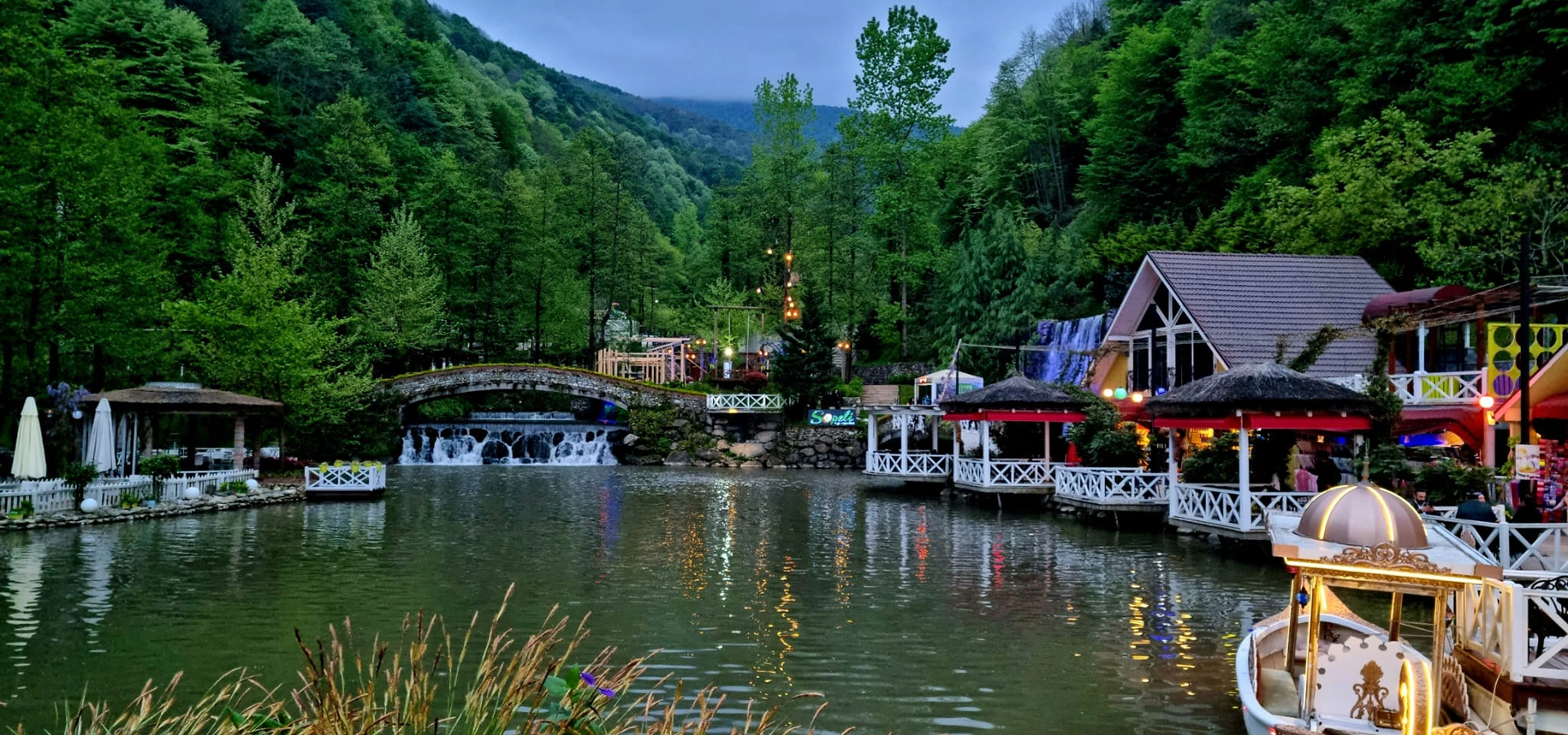
Discover museums, Ottoman towns, Roman and Byzantine monuments, lakes, rivers, waterfalls, forests and Black Sea landscapes throughout Sakarya Province.
View Sakarya GuideConnect the museum with more of Sakarya's historic and natural destinations.
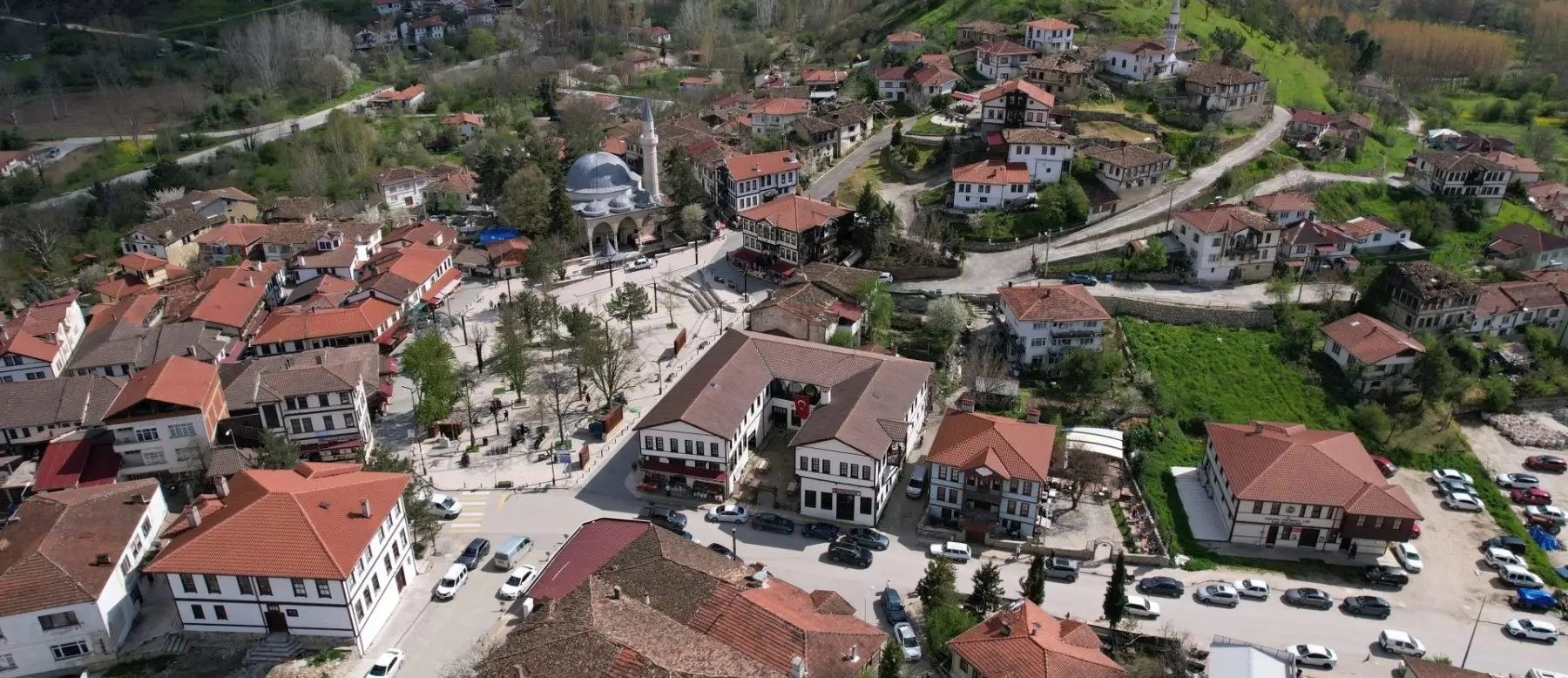
Continue into one of Sakarya's best-preserved historic towns, with Ottoman houses, traditional streets and a peaceful old-town atmosphere.
Explore Taraklı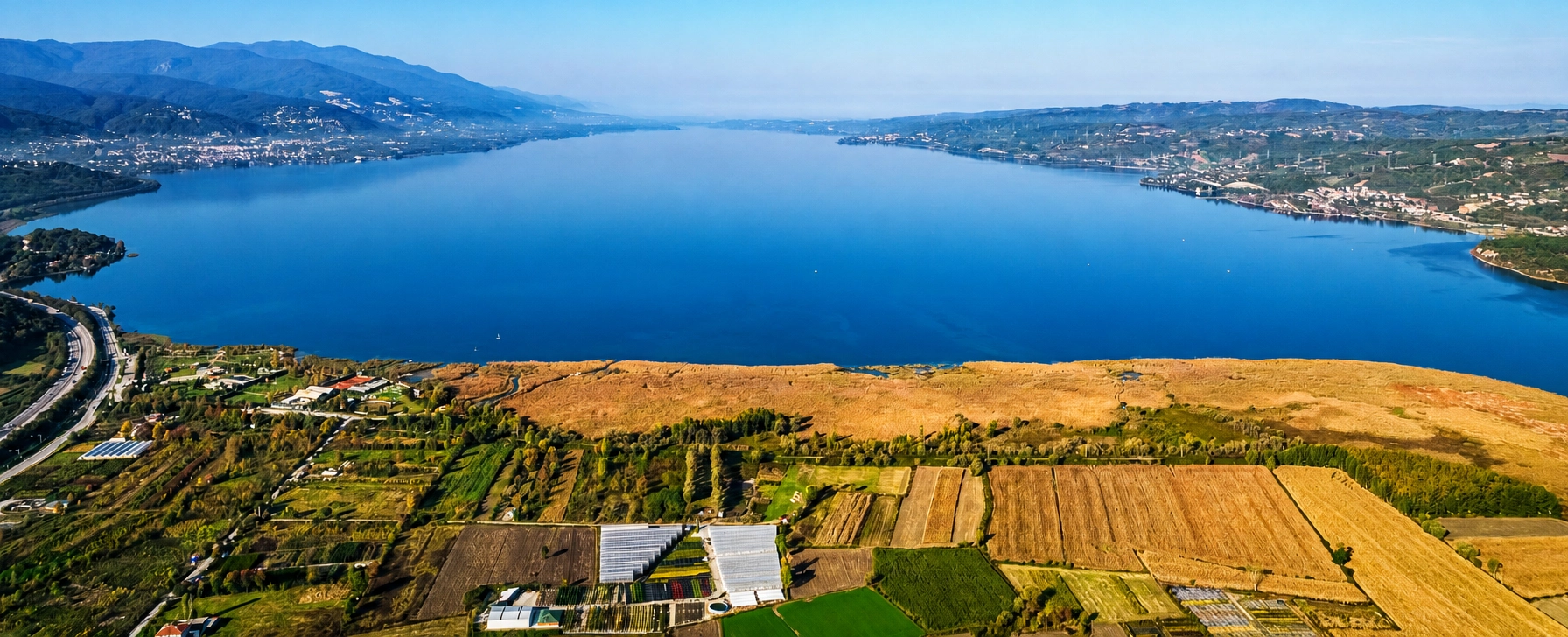
Combine historical exploration with one of Sakarya's most famous natural landscapes, surrounded by mountains and green countryside.
Explore Sapanca Lake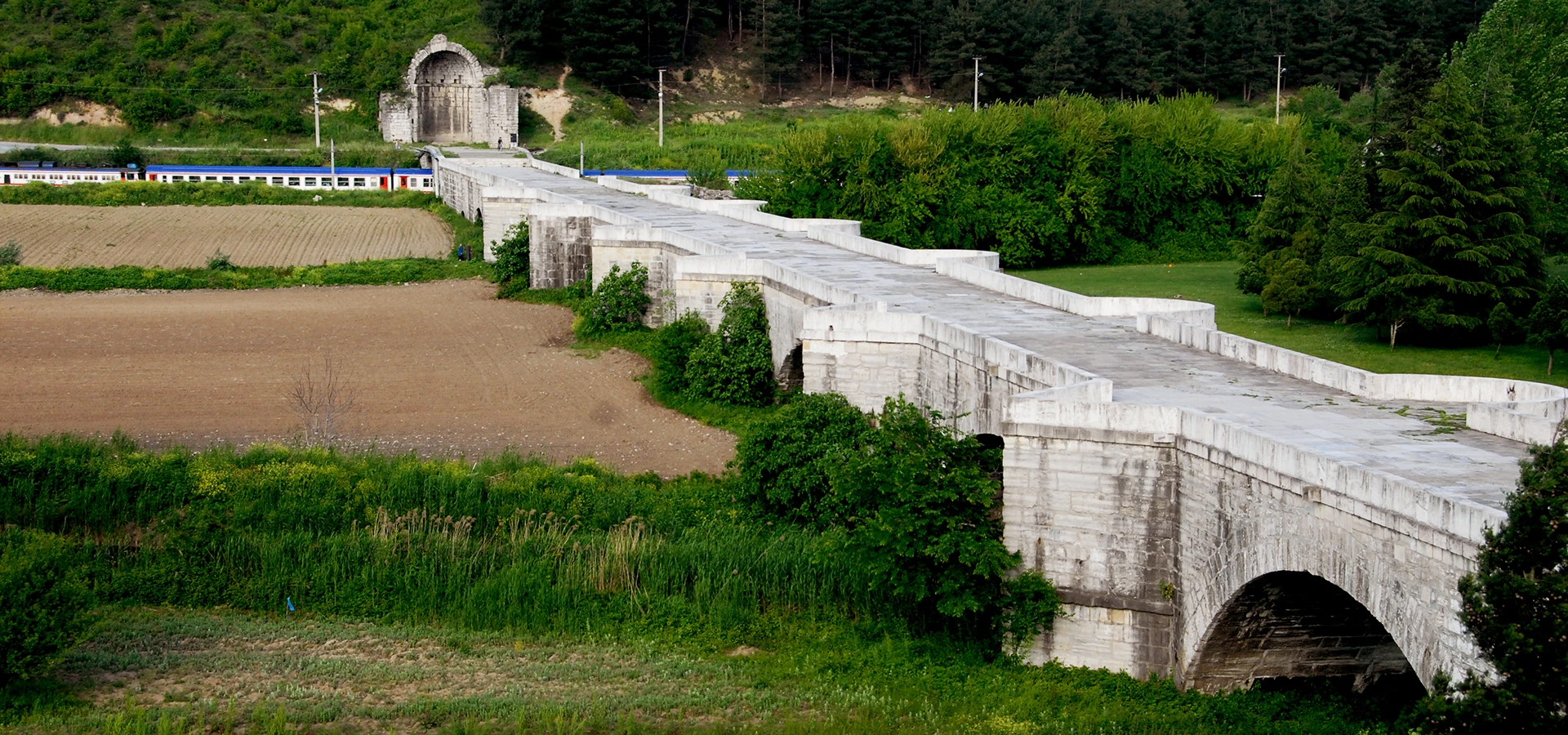
Travel further back in time at one of Anatolia's remarkable surviving Early Byzantine engineering monuments.
Explore the Bridge