Real Mastic Aroma
Damla sakızı is crushed finely and incorporated into the dough, giving the finished cookie its defining fragrance.






Ayvalık Sakızlı Kurabiye is one of the most distinctive baked specialities of Ayvalık on Türkiye's North Aegean coast. The cookie is recognised for its unmistakable damla sakızı, or mastic, aroma, its round shape and the layer of sesame that covers the top before baking.
The protected recipe combines wheat flour with either margarine or extra virgin olive oil, eggs, fresh yeast, baking soda, white sugar and finely crushed mastic. The shaped cookies are brushed with egg yolk, coated with sesame and baked until lightly golden.
Ayvalık Sakızlı Kurabiye is more than a bakery snack. Its documented history reaches back to 1923, and bakers in Ayvalık have produced it since at least the 1940s. Today it is protected in Türkiye as a Mahreç İşareti geographical indication.
Natural mastic gives the cookie the intense, fragrant character that immediately distinguishes it from an ordinary biscuit.
The shaped cookies are brushed with egg yolk and finished with sesame before they go into the oven.
The registered history of Ayvalık Sakızlı Kurabiye reaches back to 1923, with local bakery production documented from the 1940s.
The cookie is registered as a Mahreç İşareti and all production stages must take place within Ayvalık district.
Essential information about Ayvalık's protected mastic-scented cookie.
Ayvalık district, Balıkesir Province, on Türkiye's North Aegean coast.
Open Ayvalık on Google MapsDamla sakızı, the aromatic resin known in English as mastic.
A round cookie measuring approximately 7 cm in diameter and topped with sesame.
TÜRKPATENT geographical-indication registration number 1328, registered as a Mahreç İşareti.
A simple round cookie carries more than a century of Ayvalık bakery culture.
Ayvalık Sakızlı Kurabiye belongs to a culinary world shaped by the North Aegean: olive oil, sesame, bakery craftsmanship and the unmistakable perfume of mastic. Its flavour feels immediately connected with the wider Aegean food culture shared around the islands and coastal towns of the region.
According to its official geographical-indication registration, the cookie's history in Ayvalık dates to 1923. It has been produced by pastry makers in the town since the 1940s, and the traditional production method has been preserved through transmission from one generation to the next.
The cookie also appears in memories of social and family occasions. Local accounts associate sakızlı kurabiye with celebrations and visits such as engagements, weddings and visits to new mothers, showing how it could function as a food of hospitality as well as an everyday bakery treat.
Its protected status reflects this accumulated reputation. The geographical indication does not simply define ingredients; it also protects the relationship between the cookie, the skills of Ayvalık's bakers and the place in which the tradition developed.
For travellers, this makes sakızlı kurabiye a particularly enjoyable way to experience Ayvalık beyond its architecture and seafront. It is small enough to eat with tea or coffee, easy to carry from a bakery and distinctive enough to remain memorable long after the visit.
The identity of Ayvalık Sakızlı Kurabiye comes from a carefully balanced combination of aroma, shape, sesame and traditional bakery technique.
Damla sakızı is crushed finely and incorporated into the dough, giving the finished cookie its defining fragrance.
The registered cookie is formed into a round shape measuring approximately 7 cm across.
The surface is brushed with egg yolk and covered with sesame before baking.
The registered recipe allows extra virgin olive oil, a particularly fitting ingredient in a town famous for olive culture.
Fresh yeast and baking soda both form part of the official ingredient specification.
Crushing the mastic, balancing the dough, shaping equal portions and controlling the bake all require experience.
The aroma is one of the product's defining registered characteristics and should remain clearly noticeable after baking.
For the protected geographical indication, every stage of production must take place within Ayvalık district.
Ayvalık Sakızlı Kurabiye is a traditional round cookie produced in Ayvalık and flavoured with damla sakızı, the aromatic natural resin usually called mastic in English.
The Turkish word sakız can literally mean gum, which sometimes leads to awkward English translations such as “gummy cookie.” In this context, however, the name refers to damla sakızı — mastic. “Ayvalık Mastic Cookie” is therefore the clearest English description of the product.
The word sakız refers to mastic flavouring here; the cookie does not contain ordinary chewing gum.
The defining flavour comes from the perfume of mastic rather than from a mixture of cinnamon, cloves or other baking spices.
Sesame provides a toasted, nutty counterpoint to the distinctive fragrance of the mastic.
The registered version is linked specifically to Ayvalık district through both reputation and production.
For a first-time visitor, the simplest description is a fragrant Aegean-style bakery cookie whose personality comes from mastic and sesame. It is familiar enough to enjoy immediately, but aromatic enough to taste unlike most ordinary cookies.
Ayvalık Sakızlı Kurabiye is registered by the Turkish Patent and Trademark Office as a Mahreç İşareti, formally protecting the reputation and production tradition associated with Ayvalık.
Ayvalık Sakızlı Kurabiye
TÜRKPATENT geographical-indication registration number 1328.
The geographical-indication application number is C2022/000164.
The application was submitted on 3 June 2022.
The product was registered on 26 January 2023.
The registration holder is Ayvalık Municipality.
The geographical boundary is Ayvalık district in Balıkesir Province. The registration requires all production stages of the protected cookie to take place within that boundary.
The protected name and Mahreç İşareti emblem may appear on the product or its packaging. If this is not practical, they should be displayed clearly at the place of sale in accordance with the registration conditions.
Damla sakızı is the aromatic resin known internationally as mastic. Used in small quantities, it gives sweets, ice creams, puddings and baked goods an unusually fresh, resinous fragrance that can feel almost floral, pine-like and gently herbal at the same time.
In Ayvalık Sakızlı Kurabiye, mastic is not a background flavour. The official description specifically identifies its intense mastic aroma as a distinguishing characteristic of the cookie.
A little mastic goes a long way because its aroma is naturally powerful.
The official recipe specifies that the mastic used for production is stored at approximately -18°C.
Cold mastic is pounded with sugar cubes in a steel mortar until it becomes a fine powder.
The powdered mastic-sugar mixture is blended into the dough so the fragrance is distributed throughout each cookie.
The registered formulation provides exact reference quantities for a batch of approximately 26 cookies. The ingredient list is relatively short; the character comes from the quality of the mastic, the balance of fat and flour and careful baking.
The reference batch uses 1 kg of wheat flour.
The registered method allows either 500 ml extra virgin olive oil or 500 g margarine.
The reference recipe uses 7 eggs, divided between the dough and the egg-yolk finish.
Approximately 10 g fresh yeast forms part of the registered dough.
The official reference quantity includes approximately 10 g baking soda.
Approximately 5 g damla sakızı provides the characteristic fragrance.
The dough contains 250 g white sugar, with additional sugar cubes used for crushing the mastic.
Sesame coats the egg-washed surface before the cookies are baked.
Mastic can be sticky and difficult to distribute evenly when warm. The registered Ayvalık method solves this by keeping it cold and crushing it with sugar cubes immediately before preparing the dough.
This small piece of technique is one of the clearest examples of the craftsmanship behind a cookie that can otherwise appear deceptively simple.
The geographical-indication specification describes a controlled sequence that turns flour, mastic and a handful of familiar baking ingredients into the classic sesame-coated Ayvalık cookie.
It can be. The official geographical-indication specification allows the cookie to be prepared with either extra virgin olive oil or margarine in the registered reference quantity.
For travellers, the olive-oil version is particularly interesting because Ayvalık is one of Türkiye's best-known olive-growing regions. Using olive oil links the cookie aromatically and culturally with another major part of the town's food identity.
A registered option that creates an especially strong connection with Ayvalık's olive heritage.
Also permitted by the geographical-indication specification as an alternative fat in the dough.
If the type of fat matters to you, ask the bakery whether its batch is prepared with olive oil or margarine.
The protected recipe recognises both versions, so olive oil is not the only permitted preparation.
Once the dough has been divided and shaped, the cookies receive their characteristic surface finish: egg yolk followed by sesame. They are then baked in a preheated oven at approximately 180°C for around 22 minutes.
The glaze helps create an appetising golden surface and gives the sesame something to cling to.
Sesame toasts during baking, adding aroma, visual texture and a nutty flavour.
The registered baking method uses a preheated oven at approximately 180°C.
The reference baking time is approximately 22 minutes, although professional ovens may require careful practical control.
The cookies can be served after approximately 10 minutes of cooling at room temperature.
The mastic aroma is especially noticeable when the cookies are fresh and the bakery fragrance is still pronounced.
The first impression is usually aroma. Mastic gives the cookie a distinctive fragrance that is fresh, resinous and gently herbal, while the sesame on the surface contributes toasted, nutty notes.
The sweetness is balanced by the unusual perfume of the mastic rather than being the only dominant flavour. When extra virgin olive oil is used, there can also be a subtle savoury-fruity depth beneath the sugar and sesame.
Mastic produces the fragrance that defines the cookie and lingers after each bite.
The cookie is clearly a sweet bakery product, but its personality depends on aroma as much as sugar.
Sesame adds a warm, nutty contrast to the fresher character of the mastic.
In olive-oil versions, the dough can carry a subtle extra layer that feels closely tied to Ayvalık's local pantry.
The flavour is unusual enough to be memorable without requiring adventurous eating.
Unsweetened Turkish tea or coffee provides an easy counterpoint to the cookie's fragrance and sweetness.
Ayvalık Sakızlı Kurabiye is shaped as an individual round bakery cookie rather than as an extremely thin biscuit. Its texture depends on the exact baker and choice of fat, but the registered method produces a substantial cookie with a baked exterior and a tender crumb.
The egg-yolk coating encourages colour during baking.
The outer sesame layer adds small points of crispness and toasted texture.
The centre remains softer and more crumbly than the toasted exterior.
At approximately 7 cm across, the registered cookie is larger than a tiny tea biscuit.
Freshness matters because both aroma and texture are most expressive soon after baking.
Its firm baked form makes it convenient to buy from a bakery and enjoy later during a day of sightseeing.
Sesame is part of the registered identity of Ayvalık Sakızlı Kurabiye. After the cookies are shaped, their surfaces are brushed with egg yolk and then coated with sesame before baking.
Sesame develops a warm, nutty fragrance in the oven.
The seeds give the golden round cookie an immediately recognisable surface.
Toasted seeds add a delicate crunch against the softer crumb beneath.
The earthy nuttiness of sesame contrasts beautifully with the brighter aromatic character of damla sakızı.
Ayvalık Sakızlı Kurabiye has not only been a commercial bakery product. Local food histories also remember it as something prepared for important social occasions and family visits.
The cookie has been associated with engagement gatherings and the tradition of offering guests something special.
Its festive aroma and convenient individual form made it suitable for celebratory hospitality.
Local accounts also connect sakızlı kurabiye with visits to women after childbirth, another context where food and hospitality meet.
Today the cookie is also an everyday pleasure found in Ayvalık pastry shops rather than something reserved only for ceremonies.
No elaborate presentation is necessary. The cookie is designed to be enjoyed as a bakery treat, where its mastic fragrance and sesame surface can remain the centre of attention.
Try it while the aroma is still vivid and the sesame retains its toasted character.
Strong unsweetened tea is an excellent match for the sweet, aromatic cookie.
The bitterness and roasted flavour of coffee create another classic pairing.
A first bite without another sweet accompaniment makes it easier to understand the mastic aroma.
Different pastry shops can produce subtle variations in browning, texture and the strength of the mastic fragrance.
Packaged cookies make an easy edible souvenir from Ayvalık, especially for travellers interested in regional foods.
A protected regional food is easier to appreciate when you know what defines it. For the registered product, the name, production location and mastic character all matter.
The protected product is registered as Ayvalık Sakızlı Kurabiye.
The Mahreç İşareti emblem should accompany the protected name under the registration conditions.
Bakeries may use extra virgin olive oil or margarine; both are permitted in the registered method.
A clear mastic fragrance is one of the cookie's defining characteristics.
The traditional protected cookie is finished with sesame after an egg-yolk coating.
A busy local pastry shop is a good place to experience the cookie as part of everyday Ayvalık food culture.
The protected production area is Ayvalık itself, making the town the most meaningful place to taste it.
Small differences in baking and mastic intensity can make comparing versions surprisingly enjoyable.
If you are especially interested in Ayvalık's olive culture, ask whether the bakery uses extra virgin olive oil.
Tea keeps the tasting simple and allows the cookie's fragrance to remain prominent.
Smell the cookie before biting; damla sakızı is as much an aromatic experience as a flavour.
The toasted seed coating is part of the traditional identity rather than a decorative afterthought.
Packaged cookies can make an easy regional food souvenir if your onward travel conditions are suitable.
Combine sakızlı kurabiye with Ayvalık toast, olive oil, local cheeses, seafood and other regional tastes.
Ayvalık is usually introduced through olive oil, seafood, meze and its famous toast, but the town also has a strong bakery and dessert tradition. Sakızlı kurabiye adds a fragrant, portable and deeply local sweet to that wider picture.
The cookie also reflects Ayvalık's location in the North Aegean. Mastic, sesame and olive oil all belong naturally within the broader flavour world of the eastern Aegean, while local pastry-making turns them into a distinctly Ayvalık product.
The registered option of extra virgin olive oil creates a direct bridge between the cookie and Ayvalık's best-known agricultural tradition.
Mastic brings an island-and-coastal character that feels immediately at home in the North Aegean.
Local pastry makers have produced the cookie for generations, giving bakeries an important role in preserving the tradition.
The cookie's connection with family occasions shows how baked sweets can carry social meaning as well as flavour.
Geographical-indication registration formally recognises the relationship between the product and Ayvalık.
Sakızlı kurabiye remains something visitors can still buy and eat in the town today rather than a recipe known only from archives.
A single cookie can be the beginning of a much larger exploration. Ayvalık's food culture moves easily between olive oil, bread, cheese, seafood, bakery products and the flavours of the North Aegean.
Try the town's famous toasted sandwich for a savoury contrast to the aromatic sweetness of sakızlı kurabiye.
Explore the olive-growing heritage that has shaped the landscape, economy and cuisine of Ayvalık for generations.
North Aegean cheeses add another layer to a tasting route through Ayvalık's markets and breakfast tables.
Use the cookie as the sweet ending to a meal built around fish, vegetables and olive-oil meze.
Compare Ayvalık's mastic-scented bakery tradition with Balıkesir's protected fresh-cheese dessert.
Continue along the North Aegean coast and compare another important olive-oil tradition of Balıkesir Province.
Ayvalık's bakeries are woven into a town that rewards slow exploration. Historic streets, waterfront views, islands, churches, mosques and beaches can all fit naturally around a local food stop.
Walk among the town's stone houses and discover the urban landscape shaped by trade, olive oil and the Aegean.
Cross to one of Ayvalık's most atmospheric destinations for waterfront streets, historic architecture and island food culture.
Explore one of the region's most important historic religious buildings and its richly layered interior.
See one of Ayvalık's unusual late Ottoman monuments while exploring the historic centre.
End the day with one of Ayvalık's best-known panoramic viewpoints, especially atmospheric near sunset.
Combine a food-focused visit with one of the area's best-known stretches of sandy Aegean coastline.
It is a traditional round cookie produced in Ayvalık with wheat flour, damla sakızı, eggs, sugar, fresh yeast and baking soda, using either extra virgin olive oil or margarine and finished with egg yolk and sesame.
In this product name, sakızlı refers to damla sakızı, or mastic, the aromatic resin used to flavour the cookie.
Not really. Although sakız can mean gum, “mastic cookie” is a much clearer English translation because the defining ingredient is damla sakızı, or mastic.
It comes from Ayvalık district in Balıkesir Province on Türkiye's North Aegean coast.
Yes. It is registered by the Turkish Patent and Trademark Office as a Mahreç İşareti geographical indication.
The TÜRKPATENT geographical-indication registration number is 1328.
Ayvalık Sakızlı Kurabiye was registered on 26 January 2023.
The application was submitted on 3 June 2022 under application number C2022/000164.
The registration holder is Ayvalık Municipality.
The protected geographical boundary is Ayvalık district in Balıkesir Province.
Yes. The geographical-indication specification states that all production stages of the protected cookie must take place within Ayvalık district.
The registered history of Ayvalık Sakızlı Kurabiye dates to 1923.
The geographical-indication registration states that pastry makers in Ayvalık have produced it since the 1940s.
Damla sakızı, or mastic, gives the cookie its characteristic intense fragrance.
The official reference recipe for approximately 26 cookies uses about 5 g of damla sakızı.
The official method stores it at approximately -18°C and crushes it while cold with sugar cubes, which makes it easier to reduce to a powder for mixing into the dough.
It can be. The registered method permits either 500 ml extra virgin olive oil or 500 g margarine for the reference batch.
No. Both extra virgin olive oil and margarine are permitted in the protected specification.
Yes. Fresh yeast is part of the official ingredient list.
Yes. The registered formulation includes baking soda as well as fresh yeast.
The registered cookie is round and measures approximately 7 cm in diameter.
Sesame is part of the registered preparation. It adds a toasted aroma, a nutty flavour and a characteristic textured surface.
Yes. The shaped cookies are brushed with egg yolk before they are coated with sesame.
The geographical-indication method specifies a preheated oven at approximately 180°C.
The reference baking time is approximately 22 minutes.
The official method allows the cookies to cool at room temperature for approximately 10 minutes before serving.
Expect a sweet, fragrant cookie with a pronounced mastic aroma and toasted nuttiness from the sesame coating.
It should be clearly noticeable. The official registration identifies an intense mastic aroma as one of the product's distinguishing characteristics.
Texture varies somewhat by bakery and fat choice, but the cookie generally combines a baked exterior with a more tender inner crumb.
Turkish tea and Turkish coffee are both excellent choices because their bitterness balances the cookie's sweetness and fragrance.
Local food histories associate sakızlı kurabiye with occasions such as engagements, weddings and visits to new mothers, as well as everyday hospitality.
Yes. The official specification allows it to be sold in packaging suitable for contact with food.
Yes. Packaged cookies are an easy food souvenir, provided they are stored and transported according to the bakery's recommendations.
Ayvalık itself is the most meaningful place because the protected cookie must be produced within the district and its reputation developed there.
Try Ayvalık toast, local olive oil, cheeses, seafood, meze and other North Aegean bakery and dessert specialities.
It represents more than a century of local bakery practice, distinctive Aegean ingredients and a food tradition closely associated with Ayvalık's identity.
A good photograph of sakızlı kurabiye should make the viewer imagine the fragrance before they ever taste it. Close textures, toasted sesame and an Ayvalık setting are more effective than an overly styled studio presentation.
Photograph the surface closely enough to show the toasted seeds and golden egg-yolk glaze.
A cookie broken in half can reveal the tender inner crumb and make the image feel freshly baked.
A traditional tulip-shaped tea glass immediately places the cookie within an everyday Turkish bakery moment.
Include small pieces of damla sakızı nearby to visually explain the unusual ingredient behind the aroma.
Rows of cookies in a local pastry shop communicate living food culture better than a completely isolated product shot.
Pair the cookie with stone façades, shutters or a café table to connect the food with Ayvalık's architectural atmosphere.
Discover Ayvalık Sakızlı Kurabiye alongside local olive oil, historic neighbourhoods, Cunda Island and the flavours of the North Aegean.
Custom-designed private programs can combine bakery stops and regional tastings with historic streets, Cunda Island, panoramic viewpoints and other highlights of Ayvalık according to season and availability.
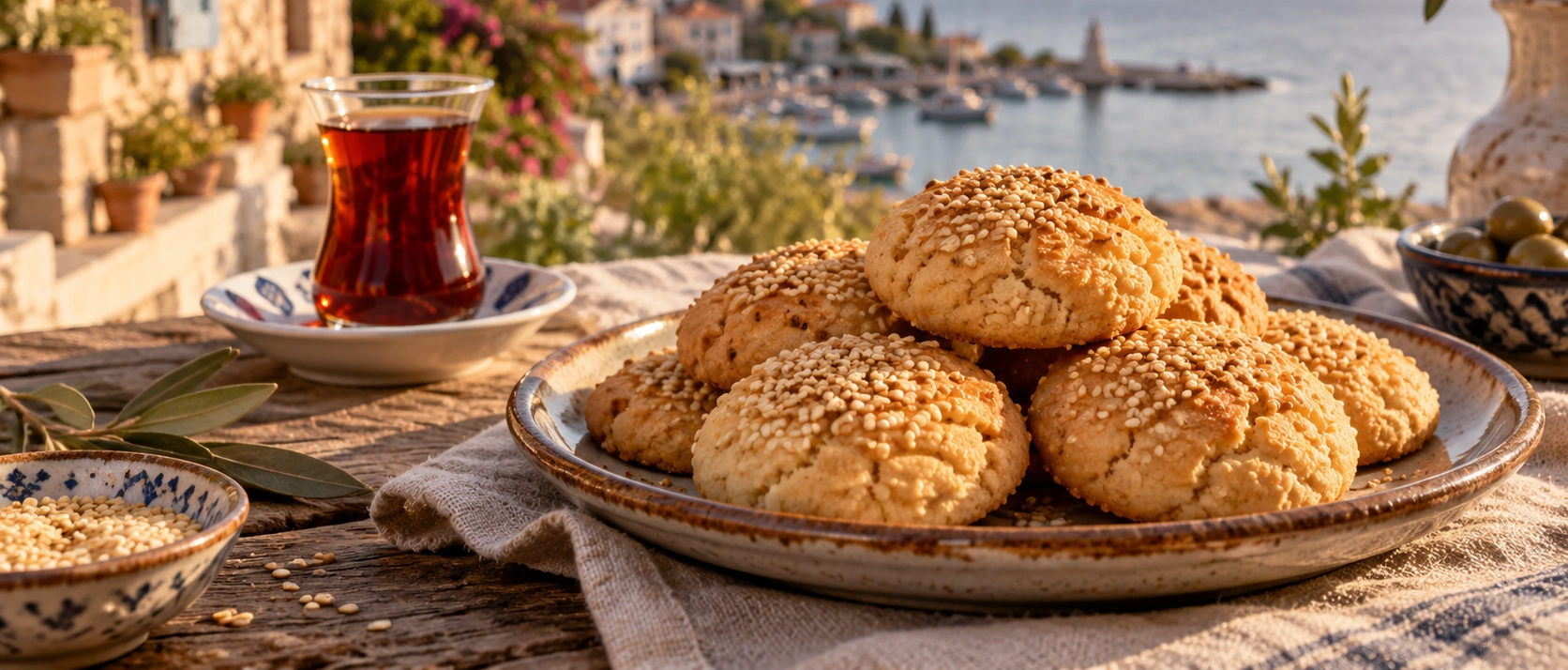
Taste Ayvalık's protected mastic cookie together with olive-oil specialities, local bakery traditions and selected regional foods during a privately arranged culinary exploration.
Request This Experience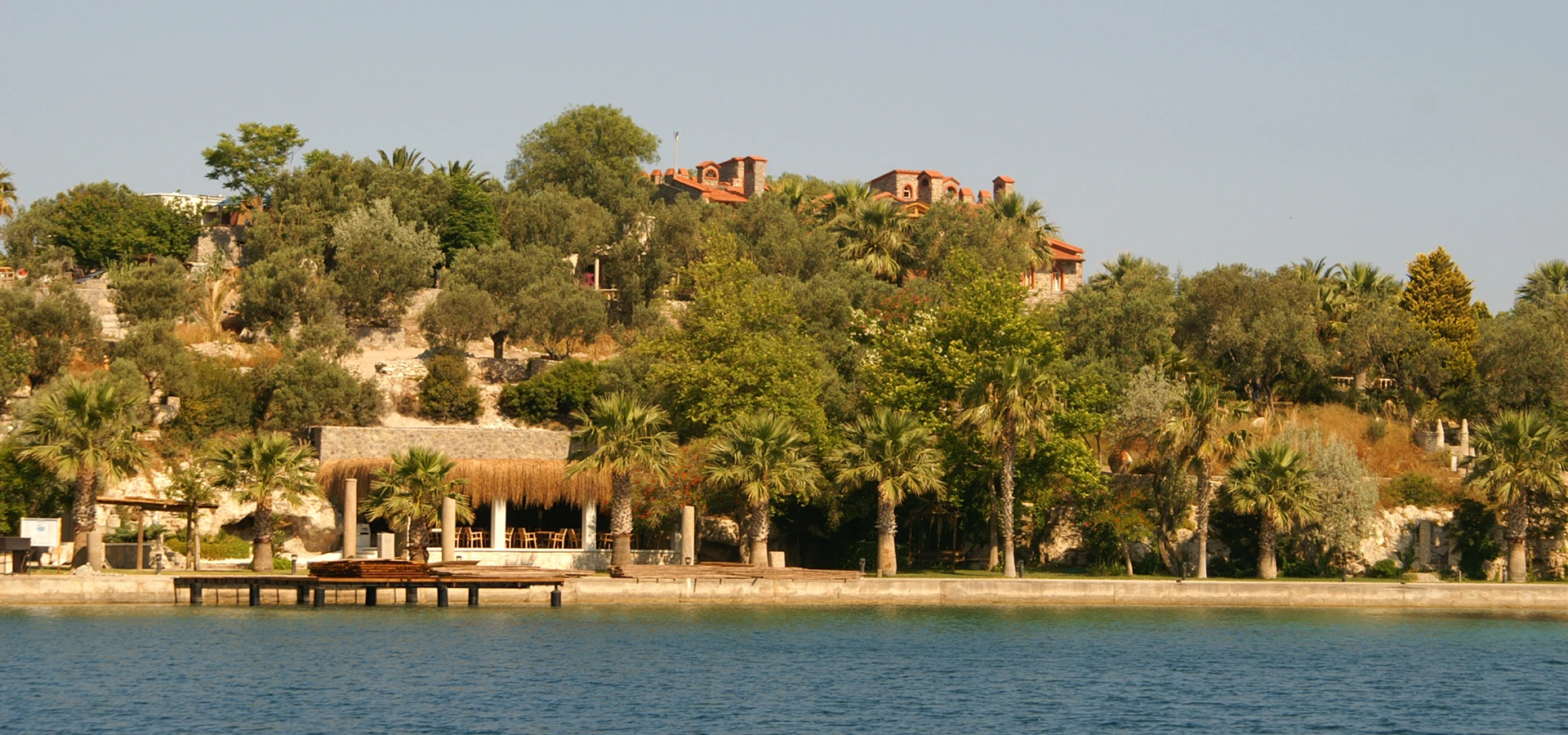
Combine historic Ayvalık, Cunda Island and panoramic coastal scenery with local food stops focused on olive oil, bakeries and the culinary identity of the North Aegean.
Request This Tour