Braided Ring
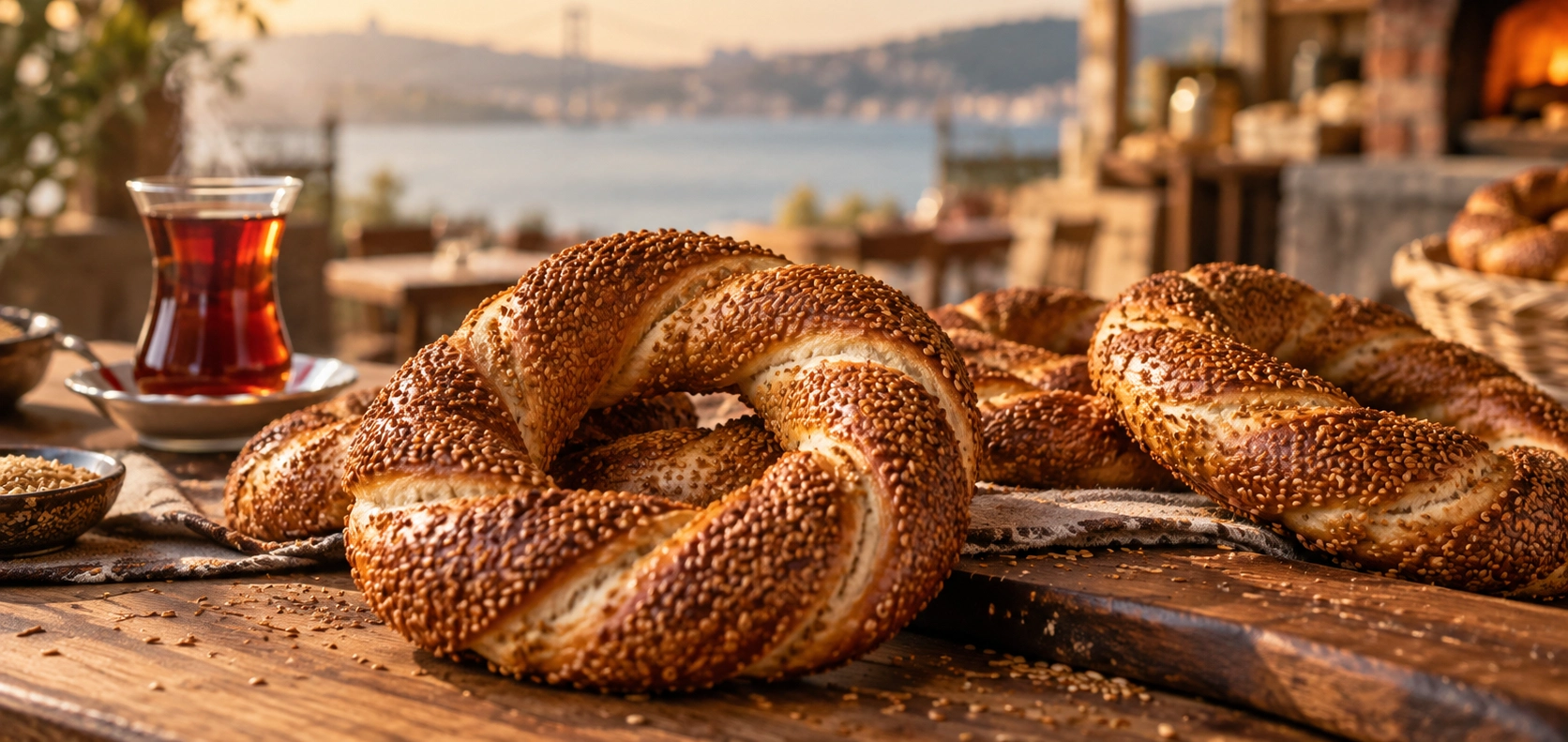
İzmit Simidi is shaped by dividing the dough portion into two pieces, lengthening them, twisting them together and finally joining the ends into a ring.
- Form: Circular
- Surface: Twisted / braided
- Identity: A defining local feature






İzmit Simidi is one of Kocaeli’s best-known local bakery products and a distinctive regional interpretation of Türkiye’s beloved sesame-covered bread ring. Its characteristic appearance comes from two pieces of dough twisted together before being joined into a ring, creating the burgulu — or braided — form that is central to its identity.
The official geographical-indication specification describes İzmit Simidi as sesame-covered, yellow-to-brown in colour, crisp on the outside, soft inside and pleasantly moist rather than dry when eaten. Before baking, the shaped dough is dipped in a mixture of grape molasses and water, coated generously with sesame and then baked quickly at high heat.
İzmit Simidi is protected as a Turkish geographical indication under the category Mahreç İşareti. The registered production method reflects the accumulated bakery knowledge of İzmit and requires the production stages to take place within the İzmit district.
Two lengths of dough are twisted together and joined to create the characteristic braided circular form.
The shaped dough is dipped in diluted grape molasses before being coated with sesame.
A short, high-temperature bake creates the crisp exterior associated with authentic İzmit Simidi.
The interior should remain soft and pleasant rather than dry, providing a contrast with the toasted crust.
Essential information about one of İzmit’s most recognisable traditional bakery products.
Closely associated with İzmit, the historic centre of Kocaeli in northwestern Türkiye.
Open İzmit on Google MapsA braided or twisted ring formed from two pieces of dough before baking.
Flour, water, fresh yeast, salt, grape molasses and sesame.
Registered by TÜRKPATENT as a Mahreç İşareti under registration number 453.
Discover how a familiar Turkish street food developed a distinctive local identity in İzmit.
Simit is found throughout Türkiye, but regional traditions differ in shape, texture, coating and baking technique. In İzmit, the local version became known for its twisted ring form, generous sesame coating, crisp exterior and soft interior.
The official geographical-indication registration emphasises that İzmit Simidi is distinguished both by its production method and by its braided appearance. This combination has helped the product become closely associated with the city.
İzmit’s position on major routes between Istanbul and Anatolia has long made the city a stopping point for travellers, workers and commuters. Foods that are easy to carry and eat — especially freshly baked breads and pastries — naturally became part of daily urban life.
Local cultural sources also preserve a popular story connecting the word simit with an old form of the name İzmit. This should be treated as local folklore rather than a proven linguistic origin, but it demonstrates how strongly the city identifies with the product.
Today, İzmit Simidi is more than a quick breakfast. Its geographical-indication protection formally records the specific characteristics that distinguish the local product and helps preserve a bakery tradition passed through generations.
The official specification defines İzmit Simidi through a combination of shape, ingredients, texture, colour and production technique.
İzmit Simidi is shaped by dividing the dough portion into two pieces, lengthening them, twisting them together and finally joining the ends into a ring.
The ring is coated thoroughly in sesame after the molasses stage, producing the toasted aroma and visual character associated with the finished simit.
Before the sesame coating is applied, the shaped dough is dipped in diluted grape molasses. This contributes flavour, colour and surface character.
Authentic İzmit Simidi should have a distinctly crisp outer surface, achieved through proper fermentation, coating and a short high-temperature bake.
The inside remains soft and should not feel unpleasantly dry, creating an important contrast with the crisp sesame-covered crust.
The registered method calls for baking at approximately 275°C for around 7–8 minutes in a stone oven.
After coating, the shaped simit rests for approximately 20 minutes. The registered specification notes that too much or too little resting can affect the final structure.
The protected specification connects the method with generations of accumulated knowledge in İzmit and requires all production stages to take place within the registered geographical area.
İzmit Simidi is officially registered by the Turkish Patent and Trademark Office as a geographical indication under the category Mahreç İşareti.
The official geographical-indication name is İzmit Simidi.
İzmit Simidi carries geographical-indication registration number 453.
The geographical indication was registered on 10 September 2019.
The application for protection was submitted on 29 June 2018.
It is registered as a Mahreç İşareti.
The registration holder is the Kocaeli Chamber of Commerce.
The registered geographical area is the İzmit district.
It is registered within bakery and pastry products, dough products and sweets.
The specification states that İzmit Simidi’s entire production process must take place within İzmit because the product’s method and distinctive braided form are linked to local knowledge transmitted through generations.
The protected registration also defines the product’s expected shape, sesame coating, texture, colour, molasses mixture, resting period and baking method.
Simit has a long place in Turkish food culture and exists in many regional forms. İzmit’s contribution is a locally established style that became recognisable through its twisted form, balanced crispness and carefully browned sesame.
Simit is naturally suited to busy city life: portable, filling, easy to share and enjoyable at almost any hour of the day.
The local identity depends on the baker’s handling of dough, twisting, molasses coating, sesame coverage, resting and high-temperature baking.
İzmit’s historic role on routes between Istanbul and Anatolia gave local bakery products a large travelling audience.
Geographical-indication registration in 2019 formally documented the characteristics of the local style.
One local story claims that the name simit is connected with an older name for İzmit, sometimes given as “Smiti.” This is best presented as a regional legend rather than established etymological fact.
What is certain is that modern İzmit has made the product part of its culinary identity, alongside the city’s equally famous pişmaniye.
The official geographical-indication specification uses a short ingredient list. The distinctive result comes from the proportions, handling, coating and baking technique rather than from complicated ingredients.
Wheat flour forms the structure of the dough and develops strength during the relatively long kneading stage.
Water hydrates the flour and helps create a workable dough suitable for twisting and shaping.
Fresh yeast provides fermentation and contributes to the soft interior of the baked simit.
Salt balances flavour and contributes to the behaviour and structure of the dough.
Diluted grape molasses coats the shaped dough before sesame is applied, helping create colour and flavour.
A generous sesame coating gives İzmit Simidi its toasted aroma, characteristic appearance and much of its surface flavour.
The registered formula records a commercial-scale dough based on 50 kg flour, 22 litres water, 900 g salt and 400 g fresh yeast, with the shaped rings dipped in a mixture containing approximately 60–70% grape molasses and 30–40% water before sesame coating.
The protected production method is highly specific. Long kneading, braided shaping, molasses, sesame, carefully controlled resting and a rapid bake all contribute to the finished product.
The specification notes that the resting stage is particularly important. Excessive resting can cause the inside to become hollow, while insufficient resting can produce a thinner simit.
The short high-temperature bake helps create the desired yellow-to-brown colour, crisp outer texture and soft interior.
The braided or twisted surface is one of the most important visual characteristics recorded in the geographical-indication specification.
The portion is divided into two separate pieces rather than being shaped from one continuous rope.
Each piece is stretched so the baker can create an even twist.
The two strands are intertwined, producing ridges across the surface.
The braided dough is closed into the familiar circular form before coating and baking.
Besides giving the product its recognisable appearance, the ridged surface provides plenty of area for grape molasses and sesame to cling to the dough.
Two ingredients define the exterior of İzmit Simidi: grape molasses and sesame.
The shaped ring is coated in diluted grape molasses before receiving the sesame layer.
The molasses helps the exterior develop an appetising golden-to-brown appearance during the intense bake.
The sesame becomes aromatic and deeply toasted while the simit bakes.
The combination creates a gently sweet, roasted and savoury character without turning the simit into a dessert.
The registered specification calls for İzmit Simidi to be baked in a stone oven at approximately 275°C for 7–8 minutes.
Strong heat allows the outside to colour rapidly while preserving a soft interior.
The 7–8 minute bake is designed to produce the intended colour and texture without drying the centre.
The stone baking environment is part of the protected production specification.
The contrast between crisp crust and soft interior is at its best when the simit is eaten soon after baking.
Some local tourism descriptions also refer to the tradition of wood-fired ovens. For the protected geographical-indication product, however, the official registration specifically records baking in a stone oven.
Fresh İzmit Simidi combines the aroma of toasted sesame with the subtle sweetness of grape molasses, a crisp baked crust and a soft yeasted interior.
Sesame provides a warm, nutty aroma that becomes more pronounced after baking.
Grape molasses contributes a mild caramelised sweetness rather than a dessert-like flavour.
The exterior should break cleanly and feel pleasantly crunchy when freshly baked.
The crumb inside remains tender and should not feel dry.
The pleasure comes from contrast: toasted sesame and a deeply baked exterior surrounding a softer centre.
Simit is prepared in many Turkish cities, and local styles can vary. İzmit’s registered version is defined by a particularly clear set of characteristics.
The twisted ring is specifically documented as a distinguishing feature of İzmit Simidi.
The geographical-indication specification defines a grape-molasses mixture of approximately 60–70% molasses and 30–40% water.
The exterior should be crisp while the inside remains soft and does not feel dry.
The protected method records a stone-oven bake of approximately 275°C for 7–8 minutes.
These specifications are more useful than simply saying that İzmit Simidi is “crunchier” or “darker” than every other simit, because individual bakeries and regional styles elsewhere in Türkiye can also vary considerably.
İzmit Simidi can be eaten on its own, but it is also naturally suited to a traditional Turkish breakfast or a quick snack during a day of sightseeing.
Strong black tea is perhaps the most classic companion, balancing the roasted sesame and molasses notes.
A piece of salty Turkish white cheese creates a simple and satisfying breakfast combination.
Fresh vegetables and olives turn simit into a light Mediterranean-style breakfast plate.
When freshly baked, İzmit Simidi needs very little accompaniment because its sesame crust provides plenty of flavour.
For the most characteristic experience, buy it while still fresh and eat it soon after leaving the bakery.
Visitors can find simit at bakeries, pastry shops and other food outlets across İzmit. When specifically looking for the geographically indicated local style, pay attention to the twisted shape, sesame coverage and fresh texture.
Simit is at its best soon after baking, while the crust is still crisp and the interior remains soft.
The braided ring is one of the most visible characteristics of İzmit’s registered version.
The surface should be well covered with toasted sesame rather than appearing sparse or pale.
Using the local name helps distinguish the regional product from more generic simit styles.
Unlike boxed sweets, simit is not really a long-distance souvenir. Its greatest appeal is freshness, so it is better enjoyed during your visit.
Like most crusty breads, İzmit Simidi gradually loses the contrast between its crisp exterior and soft interior as it sits.
For the best texture and aroma, enjoy the simit as soon as practical after purchasing it.
Humid conditions soften the crust and reduce the characteristic crispness.
Trapping steam around freshly baked simit can soften its sesame crust.
If necessary, a short gentle reheating can help restore some surface crispness, although fresh remains best.
Morning is an excellent time to find freshly baked simit and enjoy it as part of breakfast.
The twisted surface is one of the easiest ways to recognise the registered İzmit style.
A good fresh simit should feel crisp outside rather than soft and leathery.
The crumb should remain soft and pleasant instead of being dry throughout.
A glass of unsweetened Turkish tea is the classic drink for a sesame-rich simit.
Taste a piece without fillings so you can appreciate the molasses, sesame and fresh bread flavours.
Even within the registered tradition, experienced bakers can create subtle differences in sesame roast and crust.
Trying both İzmit Simidi and İzmit Pişmaniye gives visitors an easy introduction to two of the city’s most famous foods.
İzmit Simidi is one of the region’s best-known bakery products, but Kocaeli’s cuisine reflects the city’s migration history, rural districts, dairy traditions and position between the Marmara and Black Sea regions.
Discover Kocaeli’s famous fine-threaded confection made from pulled sugar and roasted flour.
Traditional yoghurt associated with Kandıra and the dairy culture of northern Kocaeli.
Kandıra has long been associated with turkey breeding and regional poultry traditions.
A local baked speciality prepared with leafy greens and associated particularly with village cuisine.
A regional preparation in which larger simit-style bread is filled, traditionally with ingredients such as cheese, curd or minced meat.
Kocaeli’s rural districts produce yoghurt, cheeses and other foods connected with local farming traditions.
A fresh İzmit Simidi makes an easy breakfast or snack before exploring the city’s Ottoman monuments, railway heritage, museums, industrial history and waterfront.
Discover a major 16th-century Ottoman mosque complex designed by the celebrated imperial architect Mimar Sinan.
Explore the railway heritage that helped connect İzmit with Istanbul and Anatolia.
Visit the former SEKA industrial complex, now transformed into an interactive science and educational destination.
Continue along the Gulf of İzmit to Gölcük and explore a former Turkish naval vessel preserved as a museum.
Travel east along the Gulf of İzmit to discover the restored historic castle overlooking Hereke.
See the elegant waterfront pavilion associated with German Emperor Wilhelm II’s visit to the Ottoman Empire.
Discover the monument commemorating the legendary Carthaginian commander Hannibal near Gebze.
Continue your culinary exploration with the city’s most famous traditional sweet.
İzmit Simidi is a traditional sesame-covered bread ring from İzmit, distinguished by its braided form, grape-molasses coating, crisp exterior and soft interior.
It is associated with İzmit, the central district of Kocaeli in northwestern Türkiye.
Yes. İzmit Simidi is officially registered by the Turkish Patent and Trademark Office as a geographical indication.
İzmit Simidi carries geographical-indication registration number 453.
Its geographical indication was registered on 10 September 2019, following an application dated 29 June 2018.
It is registered as a Mahreç İşareti.
The registration holder is the Kocaeli Chamber of Commerce.
The official geographical boundary is the İzmit district.
The registered ingredients include flour, water, fresh yeast, salt, grape molasses and sesame.
Its characteristic form is created by dividing the dough portion into two pieces, extending them, twisting them together and joining them into a ring.
The shaped dough is dipped in diluted grape molasses before sesame is applied. This contributes colour, flavour and the characteristic baked surface.
The specification records approximately 60–70% grape molasses and 30–40% water.
The official production method specifies approximately 30–35 minutes of kneading.
After molasses and sesame coating, the prepared simit rests for approximately 20 minutes.
The geographical-indication specification records a stone-oven temperature of approximately 275°C.
The registered method specifies a relatively short baking time of approximately 7–8 minutes.
It should be crisp on the outside and soft inside, without feeling dry when eaten.
The official specification describes a colour ranging from yellow toward brown, with the sesame also developing a toasted colour during baking.
Local tourism descriptions sometimes refer to wood-fired ovens, while the official geographical-indication specification specifically records baking in a stone oven.
No single simit style represents all of Türkiye. İzmit’s registered version is specifically defined by its braided form, grape-molasses coating, texture and protected production method.
Turkish black tea is the classic choice, although coffee and other breakfast drinks also work well.
It pairs especially well with Turkish white cheese, olives, tomatoes, cucumber and other simple breakfast foods.
It can be eaten throughout the day, but morning is ideal because freshly baked simit is particularly enjoyable at breakfast.
Absolutely. It is one of the easiest ways to experience Kocaeli’s protected culinary heritage while exploring İzmit.
The braided dough, sesame coating, hot stone oven and stacks of freshly baked golden-brown rings offer excellent opportunities for food and travel photography.
Photograph the simit before baking to clearly show the two intertwined strands that create its signature shape.
The moment when the shaped dough is dipped into grape molasses provides a strong image of traditional preparation.
Close-up photographs reveal how completely the surface is covered before the rings enter the oven.
Fresh simit emerging from the oven captures the craft, heat and bakery atmosphere in a single frame.
A pile of golden-brown simit highlights the twisted surface and toasted sesame texture.
A simple glass of Turkish tea beside a fresh İzmit Simidi creates a classic everyday food photograph.
Always ask permission before photographing bakers, staff or working production areas.
Discover İzmit Simidi together with Ottoman monuments, industrial heritage, Gulf landscapes, historic towns and the culinary traditions of Kocaeli.
Custom-designed private journeys with professional guiding, comfortable transportation and flexible itineraries throughout Kocaeli.
Explore İzmit’s Ottoman monuments, railway heritage, Gulf landscapes and industrial history while tasting local specialities such as İzmit Simidi and pişmaniye.
Request This Tour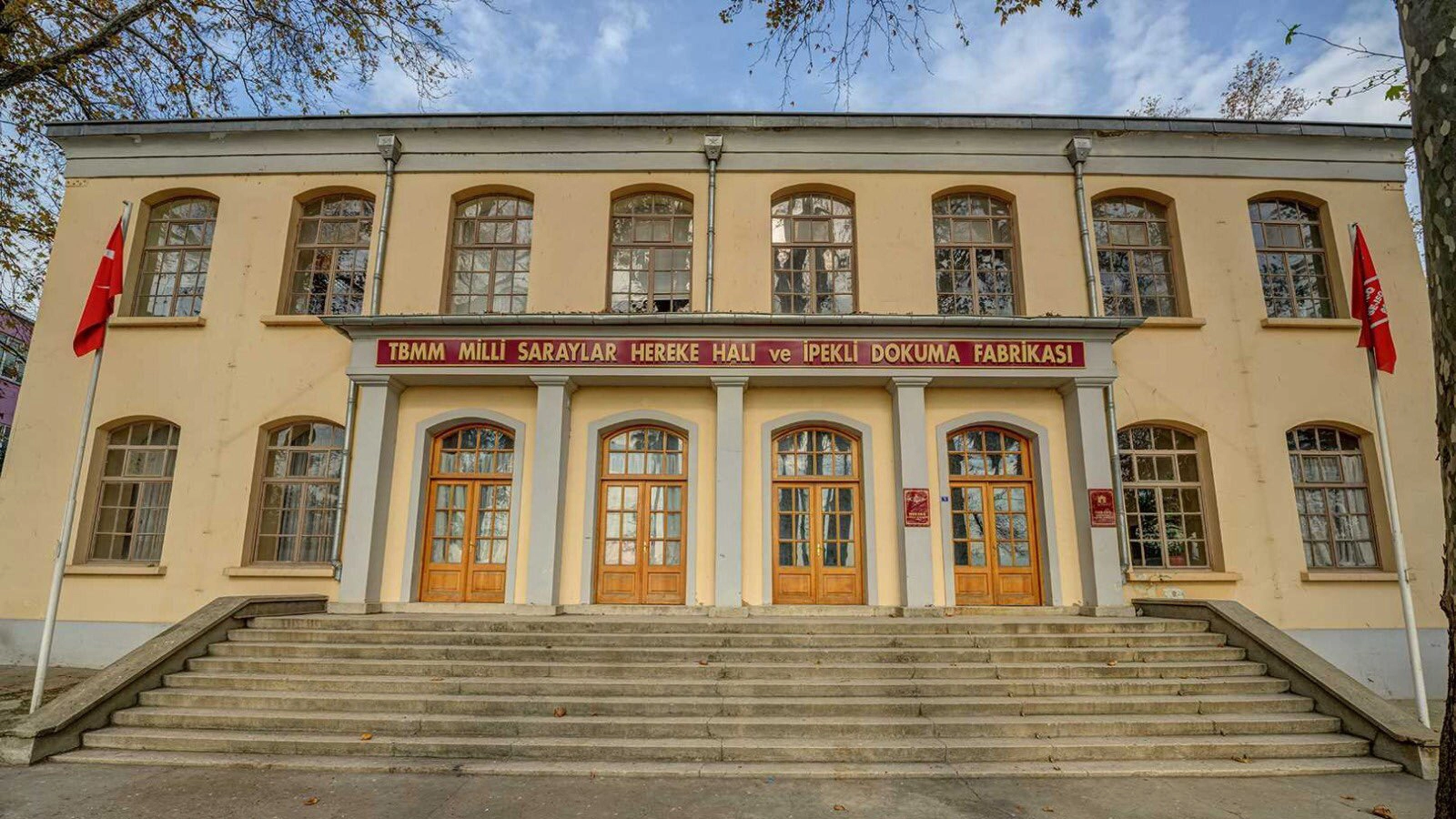
Combine İzmit with Hereke Castle, the historic waterfront, Kaiser Wilhelm Mansion and the region’s celebrated Ottoman-era heritage.
Request This TourAdd Kocaeli and İzmit to a private itinerary connecting Istanbul with Bursa, the Marmara region, Ankara, Cappadocia or the Black Sea.
Create a private journey through Istanbul, Kocaeli, Bursa, Edirne, Tekirdağ and other fascinating destinations across northwestern Türkiye.
Plan Your Journey
Connect Istanbul, İzmit and Kocaeli with Türkiye’s archaeological sites, historic cities, regional cuisines and extraordinary landscapes on a completely private itinerary.
Contact Our Travel Specialists