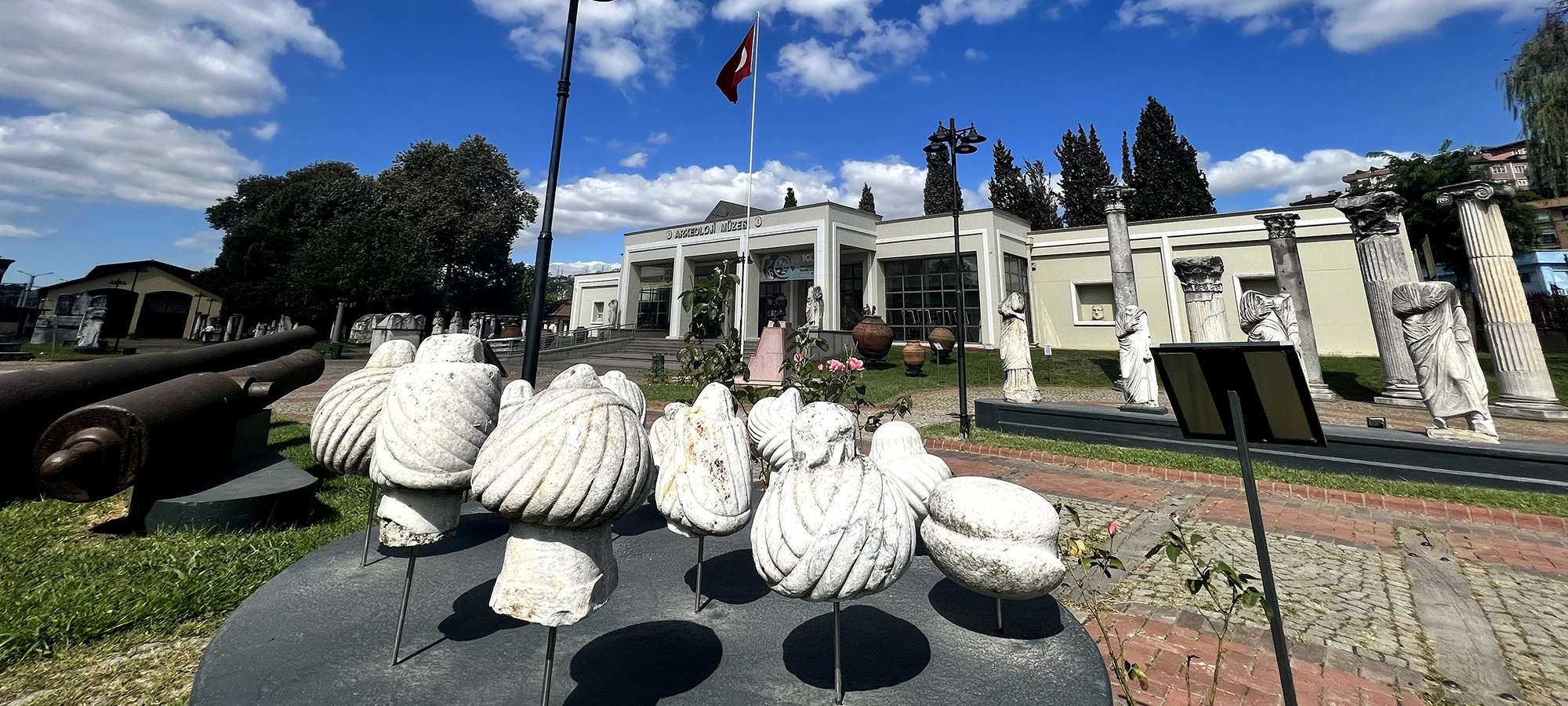
Kocaeli Archaeology Museum
Travel back beyond Ottoman İzmit to ancient Nicomedia, once an imperial Roman capital filled with palaces, monuments and monumental art.
Explore Nicomedia





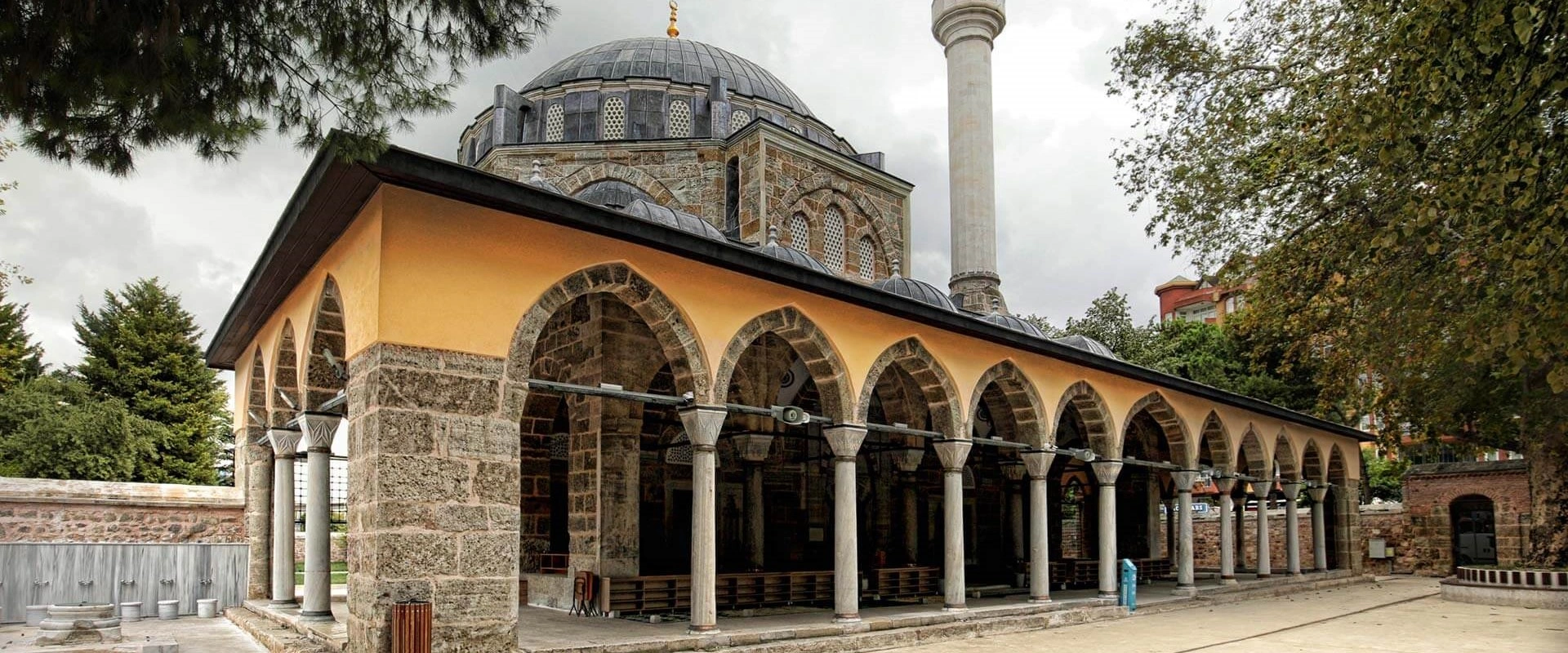
In the busy centre of modern İzmit, only a short walk from shops, transport routes and the Gulf, stands one of Kocaeli's most important Ottoman monuments: Pertev Mehmet Pasha Mosque.
The mosque is also widely known as Yeni Cuma Camii — the New Friday Mosque. Completed in 1579, it was designed by the great Ottoman architect Mimar Sinan and formed the religious heart of a much larger roadside complex.
The original Pertev Pasha Külliye served far more than the local congregation. It stood beside the historic route connecting Istanbul with Anatolia, Syria and Baghdad, and included facilities associated with travellers, trade, education, charity and daily urban life.
Today the mosque remains an active place of worship and the best-preserved element of the complex. Its great single dome, high octagonal drum, double portico, twelve-sided şadırvan, marble mihrab and minbar, carefully carved stonework and luminous interior make it one of the essential architectural stops in central İzmit.
The mosque belongs to the mature period of the Ottoman Empire's most celebrated architect.
The complex was completed several years after the death of its patron, Pertev Mehmet Pasha.
The complex supported worship, education, charity, commerce and travellers on a major imperial route.
The mosque remains deeply embedded in local life and is still widely known by its popular İzmit name.
Essential information for visiting İzmit's celebrated sixteenth-century Mimar Sinan mosque and understanding the larger Ottoman complex that once surrounded it.
Central İzmit,
Kocaeli.
1579
H. 987.
Mimar Sinan,
chief Ottoman imperial architect.
Yeni Cuma Camii
and historically Mahkeme Camii.
Sixteenth-century
menzil külliye.
Free.
Active mosque.
The mosque is important not only as a work of Mimar Sinan, but also as evidence of İzmit's strategic position on the great road connecting the Ottoman capital with Anatolia and the eastern provinces.
The first reason is architectural history. Pertev Pasha Mosque was designed by Mimar Sinan during the mature phase of his career. Its single monumental dome, high drum, double portico and carefully controlled interior light show how Sinan could create grandeur without relying on a vast imperial scale.
The second reason is İzmit's position on the Ottoman road network. The complex stood beside the route followed by merchants, state officials, soldiers, pilgrims and other travellers moving between Istanbul and the interior of Anatolia. This made the külliye both a religious monument and a piece of imperial infrastructure.
The third reason is urban continuity. The mosque has remained a landmark while the surrounding coastline, roads, railway, commercial districts and modern city have changed dramatically. What was once a roadside complex near the Gulf now stands inside the dense centre of İzmit.
The fourth reason is survival. Earthquakes, rebuilding, urban growth and the disappearance of much of the original complex have altered the setting, yet the mosque still preserves the architectural idea at the heart of Pertev Pasha's foundation.
Pertev Mehmet Pasha was a senior Ottoman statesman who rose to the rank of vizier during the reigns of Sultan Süleyman I and Sultan Selim II. He participated in the political and military life of the empire during one of its most powerful centuries.
Pertev Pasha died in 1572, several years before the İzmit complex was completed. Historical sources record that the külliye was built after his death in accordance with his wishes, with his steward Sinan Ağa carrying out the foundation and Mimar Sinan responsible for the architecture.
This explains an important detail that can otherwise confuse visitors: Pertev Pasha himself was not buried beside the mosque in İzmit. His tomb is in Eyüp, Istanbul, where another Mimar Sinan structure preserves his memory.
Pertev Mehmet Pasha served at the highest levels of government under Süleyman I and Selim II.
The patron died before the İzmit külliye was completed.
Pertev Pasha's steward implemented the foundation after the pasha's death.
Pertev Pasha's own tomb is in Istanbul rather than beside the İzmit mosque.
The inscription at the western courtyard entrance dates the monument to H. 987 / A.D. 1579. The date places the mosque within the mature classical period of Ottoman architecture and within the later decades of Mimar Sinan's extraordinarily long career.
The construction was undertaken after Pertev Pasha's death. The choice of İzmit was strategic rather than accidental: the city stood on the great overland route connecting Istanbul with Anatolia, Syria and Baghdad, and had long served as a natural stopping place before travellers continued eastward.
Building a mosque alone would have created a religious monument. Building a menzil külliye created a complete service centre. Travellers could worship, rest, obtain food, use commercial facilities and benefit from charitable institutions before continuing their journey.
Pertev Mehmet Pasha died before the completion of the İzmit foundation.
The inscription gives the completion date of the mosque and complex.
The külliye served a major eastbound route from the Ottoman capital.
Its functions were designed for both local residents and people travelling through İzmit.
A menzil külliye was a complex created at an important stage on a long-distance route. Unlike a neighbourhood mosque serving only the surrounding streets, a menzil foundation was designed to support movement across the empire.
Pertev Pasha's İzmit foundation combined worship with education, charity, hospitality, trade and bathing facilities. The different buildings were not arranged as one perfectly symmetrical enclosure. Instead, they formed a more dispersed complex adapted to the route, the coastline and the existing urban environment.
This function connects Pertev Pasha Külliye with the larger geography of Ottoman travel. The route westward led toward Istanbul, while eastbound travellers continued toward İznik, Bursa routes, Ankara, central Anatolia and the imperial highways beyond.
Historical descriptions of the foundation include a mosque, şadırvan, public fountain, sıbyan mektebi, imaret, caravanserai, bath and shops or arasta. Different records describe the surviving remains in slightly different ways because several structures were heavily altered, partially lost or reduced to archaeological fragments.
Mimar Sinan's own architectural lists are especially interesting: they name the mosque and bath, while later documentary sources make clear that the functioning külliye contained a much broader group of service buildings.
The religious and visual centre of the foundation and the best-preserved original monument.
A primary school for children; the surviving structure has been substantially altered.
A charitable kitchen that helped provide food as part of the foundation's social services.
A large lodging and service structure for travellers and caravans on the imperial route.
The original complex included a double hammam; only fragmentary remains survive.
Commercial units helped integrate the foundation into the economic life of the road and city.
Water structures served people, animals and the everyday needs of the complex.
The elegant twelve-sided ablution fountain remains one of the most rewarding details in the courtyard.
The mosque is constructed primarily from carefully cut stone and has a nearly square rectangular prayer hall. Above it rises a high octagonal drum carrying the great central dome.
From outside, the building is easy to read vertically. The solid lower walls rise toward the transitional corner forms, then the drum, then the dome. This layered composition creates a stronger sense of height than the mosque's footprint might suggest.
The design is especially important because Sinan allows the structural logic to become part of the visual effect. Instead of hiding the transition from square room to round dome, the architecture expresses the change in geometry as the eye moves upward.
A single slender minaret rises at the northwestern corner, while the entrance front is expanded by one of the mosque's most distinctive features: a broad double portico.
The disciplined masonry gives the building the weight and clarity of classical Ottoman architecture.
One large central dome dominates both the exterior silhouette and the prayer hall.
The elevated drum increases height, admits light and makes the transition to the dome visible outside.
The minaret stands at the northwest corner beside the entrance side of the mosque.
The northern entrance façade is fronted by a double portico, a type of arrangement Mimar Sinan used at a number of important mosques. It creates a gradual architectural transition from open courtyard to sheltered space and finally to the enclosed prayer hall.
The inner portico is divided into five bays. The central three are covered with domes, while the outer bays use mirrored vault forms. Marble columns, pointed arches and carved capitals create a refined rhythm across the façade.
A second outer portico extends around the inner one, providing additional shelter. For a busy Friday mosque on a major road, this extra covered space was practical as well as visually impressive, protecting worshippers during crowded prayers and difficult weather.
Inside, the mosque's apparent simplicity becomes more sophisticated. The rectangular lower structure is transformed upward into an octagonal zone before reaching the circular dome.
The transition uses tromps and pendentive elements, allowing the eye to move from the corners of the room into the high drum without a sudden visual break. This is one of the most rewarding parts of the architecture to study from the centre of the prayer hall.
Light enters through several levels of windows in the walls and drum. The upper openings, plaster latticework and a round window above the mihrab help break the mass of the stone structure and create a surprisingly luminous interior.
The effect is particularly beautiful when sunlight passes through the upper windows: the lower prayer hall remains calm and grounded, while the dome appears lighter and more distant above it.
Square and rectangular geometry gradually becomes an octagon and then a dome.
Rows of openings distribute daylight across the walls and high drum.
Geometric latticework softens daylight and adds delicate surface detail.
A circular opening above the qibla wall becomes a memorable point of light.
The interior is restrained compared with heavily tiled Ottoman monuments. In fact, the absence of a major tile programme is one of the features often noted about the mosque. The emphasis instead falls on proportion, stone, marble, woodwork, plaster screens, calligraphy and later painted decoration.
The original-period marble mihrab is framed by a muqarnas hood and small columns, while coloured-stone rosettes add controlled decorative accents. The marble minbar combines geometric openwork with vegetal ornament and is one of the finest interior details.
The mosque also preserves a marble vaaz kürsüsü with geometric latticework. Wooden door leaves made using the kündekâri technique include geometric compositions enriched with mother-of-pearl inlay.
Some of the painted kalem işi decoration visible today belongs to later restoration phases rather than the original sixteenth-century decorative campaign. This distinction is worth remembering when reading the interior historically.
Look for the muqarnas hood, slender side elements and restrained coloured-stone details.
Geometric pierced panels and vegetal carving create the richest original decorative feature.
Geometric wooden construction is enhanced with mother-of-pearl inlay.
A calligraphic band helps organize the interior above the lower window zone.
Upper windows use patterned screens that soften the strong daylight.
The mosque relies more on architecture, stone, marble and light than on extensive İznik tile decoration.
Before or after entering the mosque, spend time with the şadırvan in the northern courtyard. It is one of the finest surviving components of the complex and should not be treated simply as a functional ablution fountain.
The basin has a twelve-sided plan and is surrounded by columns with muqarnas capitals. The columns are linked by rounded arches using contrasting stone colours, creating a delicate ring around the water structure.
Historic marble lattice panels once filled the sides. Only a small number of original panels survive, which makes the remaining examples particularly important. Look closely for their geometric piercing and the small practical details incorporated into the marble work.
The polygonal plan gives the fountain a finely balanced geometry.
Carved capitals create visual richness without overwhelming the small structure.
Contrasting stone gives the arcade a lively rhythm.
A small number of original lattice panels survive and reward close inspection.
The mosque survives much more completely than the rest of the original foundation. This can make the modern visitor underestimate how large and active the sixteenth-century complex once was.
The caravanserai stood to the west of the mosque and was still functioning in the early nineteenth century. Historical descriptions indicate a large rectangular building with a timber roof supported by numerous wooden posts and a row of shops on one side. It later disappeared from the urban landscape.
The double hammam was already heavily damaged by the twentieth century, and only fragmentary remains survive. The imaret also largely disappeared, while the sıbyan mektebi was changed so extensively that it no longer preserves its original form clearly.
For this reason, visiting Pertev Pasha today requires some imagination. The mosque should be understood as the surviving centre of a once much larger network of buildings rather than as a solitary structure that was originally designed to stand alone.
The monument's formal name comes from its patron, Pertev Mehmet Pasha, but İzmit residents have long known it as Yeni Cuma Camii. The name became so closely associated with the mosque that the surrounding district and local identity also absorbed the Yeni Cuma reference.
Historical accounts use another name as well. The seventeenth-century traveller Evliya Çelebi referred to the building as Mahkeme Camii.
These different names reveal how an important monument can acquire several identities across centuries: one connected with the patron, one with local Friday worship and another with the administrative geography of the Ottoman city.
The formal historical name connected with the founder of the külliye.
The best-known local name and the one many İzmit residents still use today.
A historical name recorded by Evliya Çelebi.
The broader term for the mosque together with the vanished or altered service buildings.
İzmit lies in one of Türkiye's most active seismic regions, and Pertev Pasha Külliye has experienced repeated earthquake damage during its long history. Archival records document significant repairs after the 1719 earthquake.
Further repairs were undertaken in the eighteenth and nineteenth centuries, including work in 1764 and another mosque repair in 1858. These interventions remind us that historic Ottoman monuments were never completely static objects; they were maintained, repaired and adapted by successive generations.
A major twentieth-century restoration campaign between 1952 and 1961 renewed elements including courtyard walls, the şadırvan roof, painted decoration and plaster windows.
The devastating 17 August 1999 Marmara earthquake also affected the mosque, particularly the minaret. Later conservation work addressed the earthquake damage and the long-term structural condition of the monument.
An earthquake damaged several parts of the külliye and required major repairs.
Historical records document another programme of repairs to the foundation.
The mosque itself underwent further nineteenth-century repair.
A substantial modern conservation campaign renewed several architectural and decorative elements.
The Marmara earthquake damaged the mosque's minaret and affected the monument again.
Repeated restoration is part of the building's nearly 450-year survival story.
A major restoration undertaken under the coordination of the General Directorate of Foundations was completed in 2021 after several years of work. The mosque then returned to active worship.
The project addressed stone surfaces, lead roofing, woodwork, decoration, the courtyard and the structurally weakened minaret. Later additions that did not belong to the historic character of the monument were removed where appropriate, and the şadırvan was also treated.
One of the most interesting outcomes of conservation was the investigation of earlier painted decoration beneath later interventions. Restoration therefore did more than repair visible damage: it also provided new evidence about the decorative history of the building.
Stand outside far enough to see how the octagonal drum lifts the dome above the surrounding city.
Follow the two layers of covered space before entering the prayer hall.
Look for alternating stone colours, rosettes and restrained vegetal ornament around the portal.
Notice the muqarnas niche and modest coloured-stone accents on the qibla wall.
The pierced geometric panels and vegetal carving are among the finest interior details.
Study the geometric wooden construction and mother-of-pearl inlay rather than rushing directly inside.
Look closely at the surviving historic marble latticework around the twelve-sided fountain.
The layered openings explain why the interior feels brighter and taller than the heavy exterior masonry suggests.
The most effective exterior photographs usually include the dome, minaret, trees and part of the double portico rather than isolating only one element. The surrounding urban fabric can also be useful because it shows how a sixteenth-century monument survives inside modern İzmit.
In the courtyard, the şadırvan creates excellent foreground compositions. Try aligning the fountain with the central entrance axis or photographing through the arches of the portico.
Inside, photography should always remain secondary to worship. Avoid photographing people closely during prayer, turn off flash, keep equipment quiet and do not block circulation near the entrance or qibla wall.
Use the şadırvan to frame the mosque and make the complex feel three-dimensional.
Repeated arches create strong symmetry and layered architectural frames.
The dome transition, drum windows and calligraphy are best photographed from near the centre.
Natural light suits the mosque better and is more respectful during active worship.
Interior photography is easier and less intrusive between congregational prayers.
Ask permission before taking identifiable close photographs of people inside the mosque.
Pertev Mehmet Pasha Mosque is not a museum. It remains an active place of Islamic worship, and visitors are welcome when they respect the religious function of the building.
Remove shoes before stepping onto the carpeted prayer area. Dress modestly with shoulders and knees covered. Women should carry a scarf to cover the hair when entering the prayer hall.
Avoid entering the main prayer space during a congregational prayer unless you are participating. Friday around the midday prayer is normally the busiest period of the week, so travellers interested mainly in architecture should choose another time.
Keep voices low, place phones on silent and never walk directly in front of someone who is praying. These simple gestures make a historic visit compatible with the mosque's living religious role.
Shoes are left at the entrance before entering the carpeted prayer hall.
Shoulders and knees should be covered; women should have a headscarf available.
Speak softly and silence phones inside the mosque.
Wait until congregational worship has finished before sightseeing inside.
The mosque can work very well as a family stop because the visit does not need to be long. Children can easily identify the dome, minaret, arches, şadırvan and patterned stonework without requiring a lengthy museum tour.
The main challenge is behaviour inside an active place of worship. Explain before entering that voices should be quiet, shoes must be removed and the prayer area should not be used for running or play.
Combining the mosque with the waterfront, İzmit Clock Tower or SEKA Paper Museum creates a varied family itinerary with architecture, open space and interactive cultural history.
The mosque stands in central İzmit and is considerably easier to reach than many monuments in the steep upper historic neighbourhoods. However, as a sixteenth-century religious building, it was not originally designed for modern universal access.
Courtyard paving, entrance thresholds and differences in floor level can create difficulties for wheelchair users or visitors with limited mobility. Temporary arrangements may also change according to restoration, maintenance or congregational use.
If step-free interior access is essential, contact the mosque or local authorities before visiting so that current conditions can be confirmed. The exterior, courtyard and overall architecture can still be appreciated even when interior access is difficult.
The mosque is within the busy lower centre of İzmit rather than on the steepest historic slopes.
Original-style entrances and level changes can present mobility challenges.
Move carefully where paving becomes uneven or crowded around prayer times.
Visitors requiring guaranteed step-free interior access should confirm current arrangements.
Architecture is easiest to appreciate when the prayer hall is quiet and not crowded.
Friday congregational prayer is the busiest weekly period and should not be treated as sightseeing time.
Women should have a head covering available for entering the prayer hall.
Shoes must be removed, so footwear that is simple to take off and put on is convenient.
Do not rush directly indoors; the şadırvan, gates, portico and exterior geometry are essential parts of the monument.
Remember that open space around the mosque once contained many more service buildings.
The mosque fits naturally into a walking itinerary through central historic İzmit.
Even a short visit is more rewarding if you sit for a few minutes and study the dome and light.
Pertev Mehmet Pasha Mosque is an active mosque rather than a ticketed museum. There is normally no admission fee for respectful visitors.
Because the building is used for daily worship, access should be understood in relation to prayer times rather than fixed museum hours. Visitors who want to study the interior should aim for a quiet period between prayers and avoid Friday midday.
Religious services, maintenance, cleaning or special events can temporarily affect visitor access. Treat worship as the priority and adjust your sightseeing schedule when necessary.
Free.
Active mosque and historic monument.
Daytime between congregational prayers.
Avoid the busy midday congregational prayer if visiting primarily for architecture.
Modest clothing; women should cover their hair inside the prayer hall.
Remove footwear before entering the carpeted prayer area.
The mosque stands in the central urban area of İzmit, within easy reach of the main commercial streets, public transport and the lower historic city. Its popular local name, Yeni Cuma Camii, is also useful when asking for directions.
Travellers arriving by train can combine the mosque with a wider central İzmit walk beginning around the railway, archaeology museum and waterfront zone. From there, continue through the city centre toward Yeni Cuma.
Taxis and local public transport can bring visitors close to the mosque, while the central location makes walking practical for travellers already exploring downtown İzmit.
Easy to combine with the central commercial district and other lower-city heritage stops.
İzmit railway station is a useful starting point for a longer historic-city itinerary.
Ask for “Pertev Mehmet Paşa Camii” or simply “Yeni Cuma Camii.”
Continue uphill after the mosque toward the Clock Tower, palace and historic neighbourhoods.
The mosque is surrounded by the active centre of İzmit rather than a large archaeological park, so visitors should not expect extensive dedicated tourist parking immediately beside the courtyard.
Use legal municipal or private parking in the surrounding central area and complete the final distance on foot. This is usually easier than trying to stop directly beside the mosque during busy traffic periods.
Friday midday and religious holidays can bring much heavier local activity. If driving, allow extra time and never block mosque entrances, service access or surrounding streets.
Begin at Kocaeli Archaeology Museum to understand ancient Nicomedia and the Roman city that preceded modern İzmit.
Continue through the lower centre to Pertev Mehmet Pasha Mosque. Spend time in the courtyard, study the twelve-sided şadırvan, walk through the double portico and enter quietly to see the marble mihrab, minbar and great dome.
From Yeni Cuma, continue toward İzmit Clock Tower and Kasr-ı Hümayun. This shifts the story from the classical Ottoman age of Mimar Sinan to the nineteenth-century imperial city.
If you are comfortable with hills, continue upward into Kapanca Street and the İzmit History Corridor to explore traditional houses, old fountains, mosques and the residential landscape above the Gulf.
Finish near the waterfront at SEKA Paper Museum, where İzmit's story moves into the industrial age.
Kocaeli Archaeology Museum – ancient Nicomedia and Roman İzmit.
Pertev Pasha Mosque – Mimar Sinan and the sixteenth-century Ottoman road.
İzmit Clock Tower and Kasr-ı Hümayun – the late Ottoman imperial city.
Kapanca Street – traditional houses and the historic hillside neighbourhood.
SEKA Paper Museum – İzmit's modern industrial transformation.
Enough for the courtyard, exterior and a brief respectful look inside.
Best for studying the portico, şadırvan, interior architecture and decorative details.
Ideal for architecture enthusiasts who want to photograph carefully and understand the lost külliye.
Combine the mosque with the Clock Tower, Kasr-ı Hümayun and Kapanca Street.
Add the Archaeology Museum, SEKA Paper Museum, waterfront and a relaxed city-centre meal.
Do not judge the site only by the prayer hall; allow time for the courtyard and the story of the wider complex.
The mosque sits close to the centre of İzmit, making it easy to combine Mimar Sinan's sixteenth-century architecture with Roman, late Ottoman, residential and industrial heritage.
Use our complete Kocaeli travel guide to continue across the wider province.
Discover ancient Nicomedia through sculpture, inscriptions, coins and archaeological finds.
One of İzmit's best-known late Ottoman landmarks, overlooking the lower city and Gulf.
A nineteenth-century Ottoman palace associated with Sultan Abdülaziz and the 1923 İzmit Press Conference.
Historic timber houses, steep lanes, fountains and the domestic architecture of old İzmit.
A major industrial-heritage museum inside the preserved former paper factory.
Finish the historic walk at sea level along the Gulf of İzmit.
Continue west to Gebze for another major Ottoman menzil complex linked with Mimar Sinan's architectural world.
Follow the Gulf toward the Ottoman imperial carpet-making centre and Hereke heritage.
The mosque is in central İzmit, Kocaeli, in the lower urban centre close to the city's main commercial and transport areas.
Yes. Yeni Cuma Camii is the popular local name for Pertev Mehmet Pasha Mosque.
The mosque was designed by Mimar Sinan, the chief architect of the Ottoman Empire and one of the most important architects in world architectural history.
The monument was completed in 1579, seven years after Pertev Mehmet Pasha's death.
He was a senior Ottoman statesman and vizier who served during the reigns of Süleyman I and Selim II.
No. Pertev Pasha was buried in his Mimar Sinan-designed tomb in Eyüp, Istanbul.
It is a multifunctional Ottoman complex built at an important stage on a travel route, combining worship with services such as food, lodging, education, bathing and commerce.
The foundation included a mosque, school, imaret, caravanserai, bath, shops, fountains and related service structures. Much of the complex has been lost or heavily altered.
The mosque and historic fountain preserve the clearest original character. The school was heavily altered, while only fragmentary remains survive from structures such as the bath, imaret and caravanserai.
It is a classical sixteenth-century Ottoman mosque built in cut stone with a high octagonal drum, large single dome, double portico and one minaret.
The entrance side has a double portico, creating two layers of covered space before the prayer hall and giving the façade an especially rich rhythm.
The mosque is notable for not relying on a major tile programme. Its visual richness comes instead from architecture, stone, marble, woodwork, plaster screens, calligraphy and painted decoration.
The mosque preserves its historical-period marble mihrab, minbar and vaaz kürsüsü, among the most important interior furnishings.
Do not miss the twelve-sided şadırvan, its columned arcade, contrasting stone arches and surviving historic marble lattice panels.
Yes. The 1999 Marmara earthquake damaged the mosque, particularly the minaret, which was later repaired and reconstructed as part of conservation work.
A multi-year restoration coordinated by the General Directorate of Foundations was completed in 2021, after which the mosque returned to active worship.
Yes. It is an active mosque rather than a ticketed museum, and respectful visitors normally enter without an admission fee.
Yes. Non-Muslim visitors may enter respectfully outside congregational prayer periods, following mosque etiquette and modest dress requirements.
Visit during daylight between prayer times. Avoid Friday midday if your main purpose is sightseeing and architectural photography.
Allow around 30–45 minutes to appreciate the courtyard, şadırvan, portico and interior without rushing.
Combine the mosque with Kocaeli Archaeology Museum, İzmit Clock Tower, Kasr-ı Hümayun, Kapanca Street and SEKA Paper Museum.
Yes. It is one of the most important historic monuments in İzmit and one of the strongest places in Kocaeli to experience Mimar Sinan's classical Ottoman architecture.
Pertev Pasha Mosque is easy to underestimate from the modern streets around it. İzmit moves quickly outside the walls: traffic, shops, commuters and the rhythm of a large contemporary city surround the monument. Step into the courtyard, however, and the architectural pace changes immediately.
The şadırvan establishes the central axis. The double portico slows the approach. Stone arches frame the entrance. Inside, the walls rise toward the high drum and dome, while daylight filters through layers of windows and patterned screens.
The deeper story is even larger than the surviving mosque. This was once a roadside world of prayer, food, trade, education, bathing and accommodation serving people travelling between the Ottoman capital and the interior of the empire.
Pertev Mehmet Pasha Mosque opens a window onto Mimar Sinan, Ottoman travel routes and sixteenth-century İzmit. Continue nearby to discover Roman Nicomedia, imperial architecture, traditional neighbourhoods and industrial heritage.
Build a complete historic-city route from the mosque through the lower and upper layers of İzmit.
Travel back beyond Ottoman İzmit to ancient Nicomedia, once an imperial Roman capital filled with palaces, monuments and monumental art.
Explore Nicomedia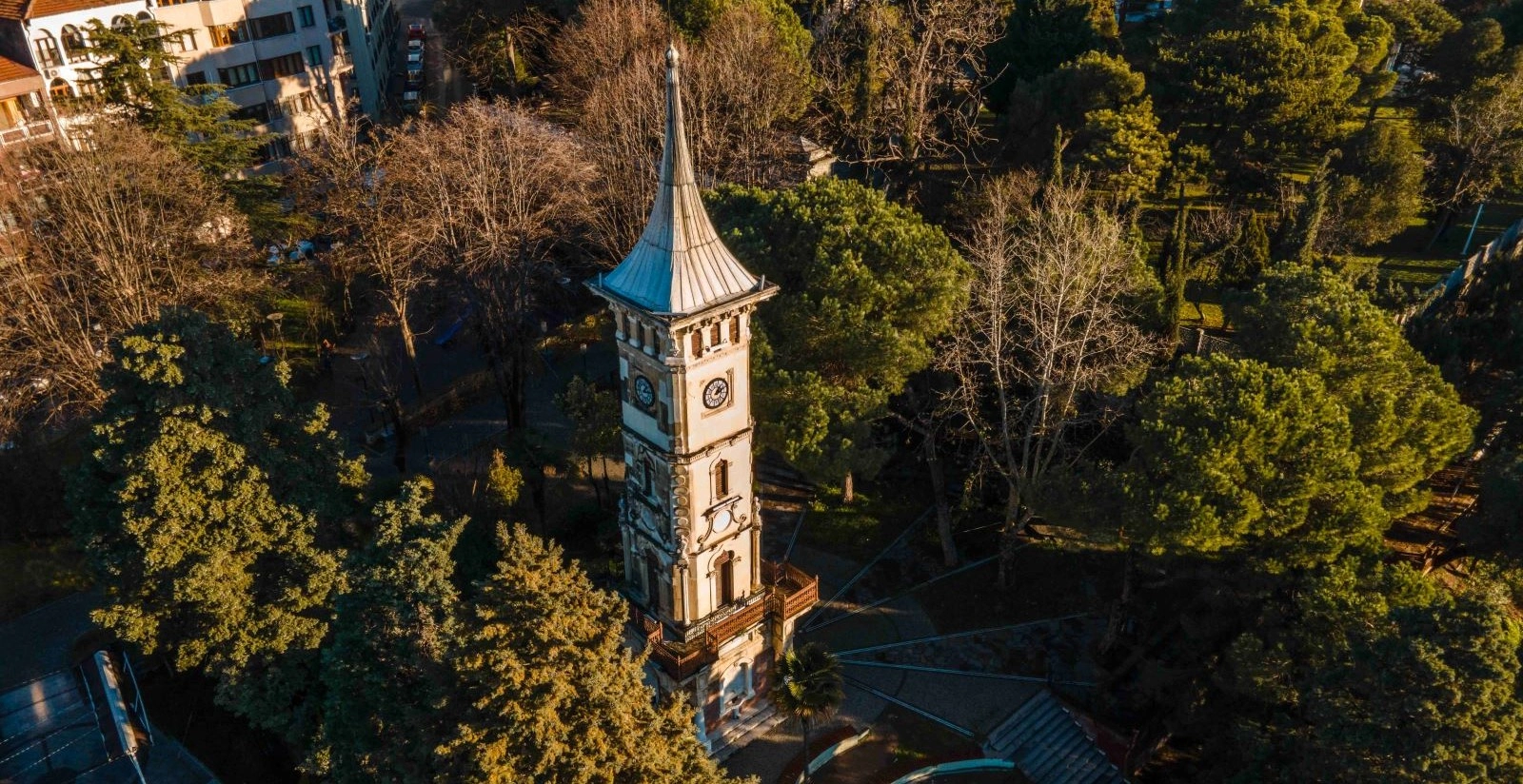
Move from Sinan's sixteenth century to late Ottoman İzmit at the city's elegant Clock Tower, set above the Gulf on Culture Hill.
Explore the Clock Tower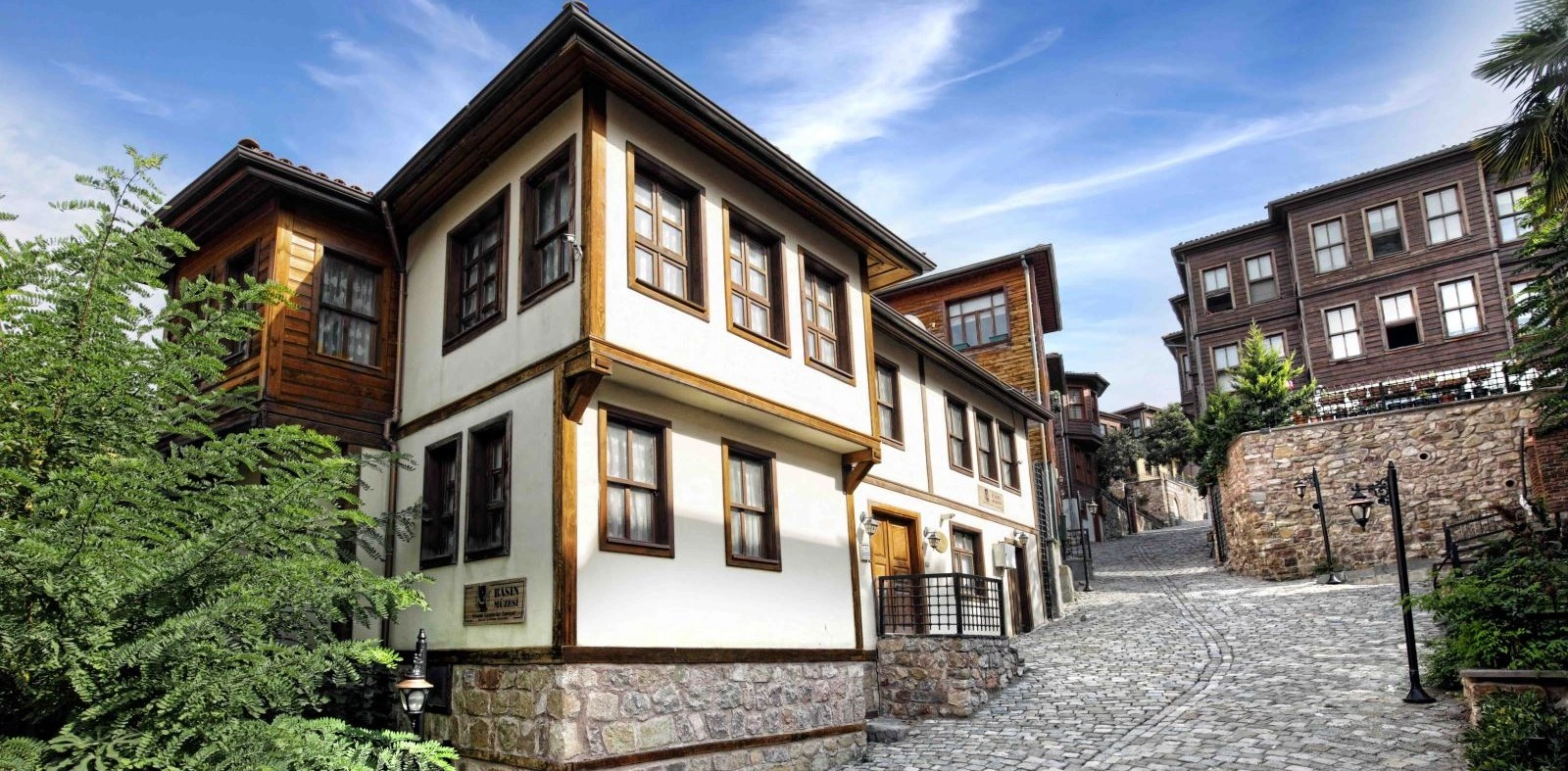
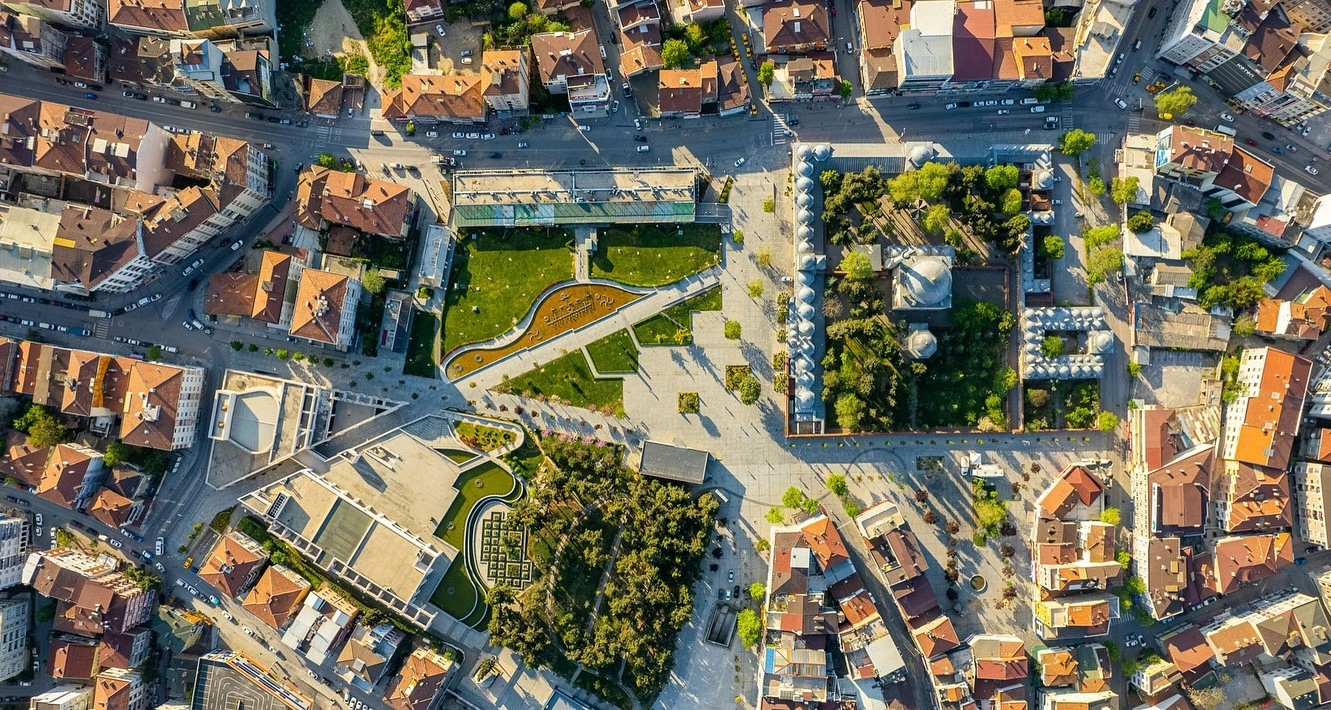
Climb into old İzmit for timber houses, bay windows, stone lanes, historic fountains and the atmosphere of the hillside History Corridor.
Explore Kapanca StreetContinue through the province to compare architecture, imperial craftsmanship and the strategic road east from Istanbul.
Compare İzmit's Pertev Pasha foundation with another great Ottoman menzil complex on the historic road between Istanbul and Anatolia.
Explore the Gebze Complex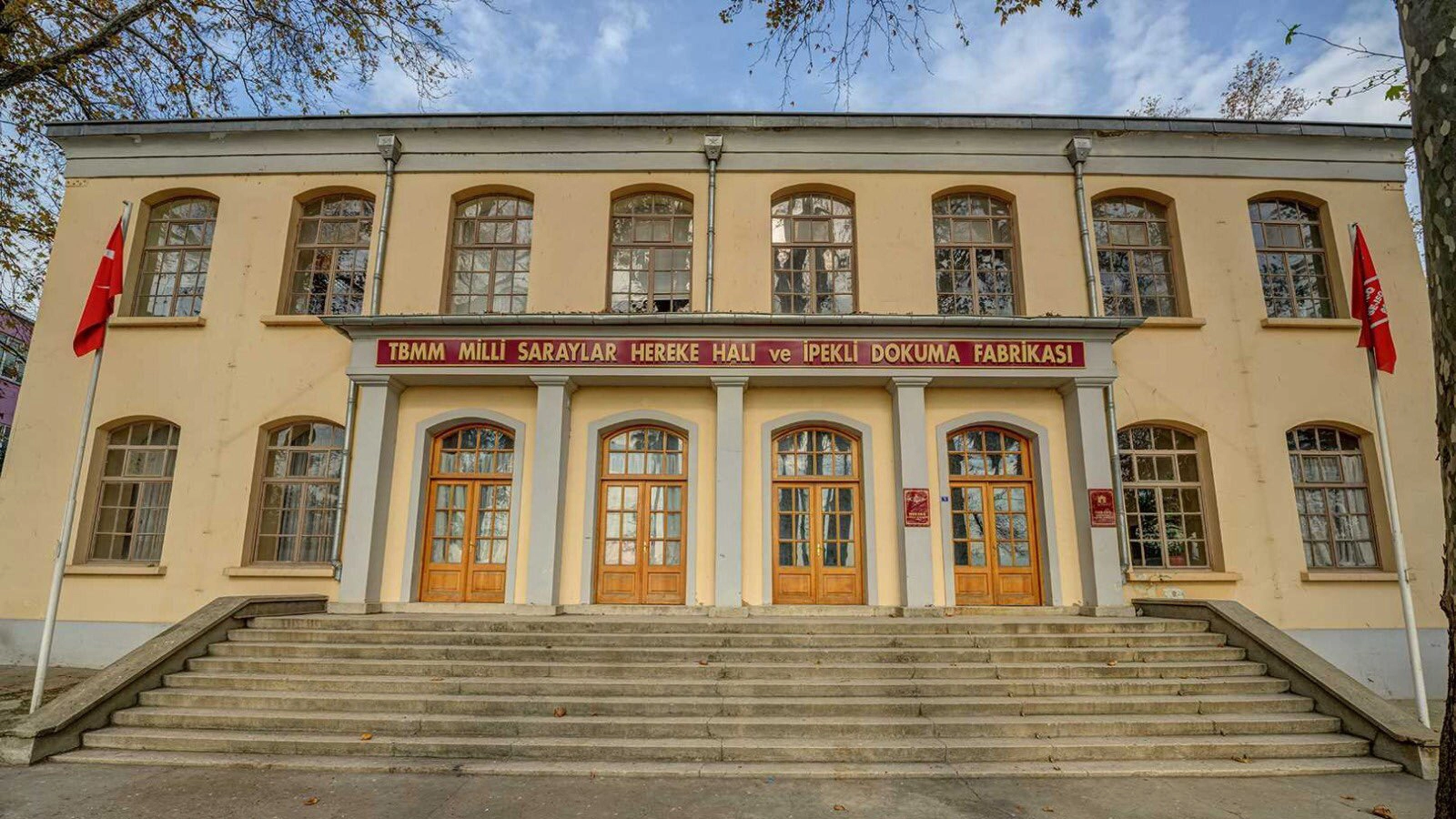
Continue the Ottoman heritage story with imperial carpets, court craftsmanship and the textile tradition that made Hereke famous around the world.
Explore Hereke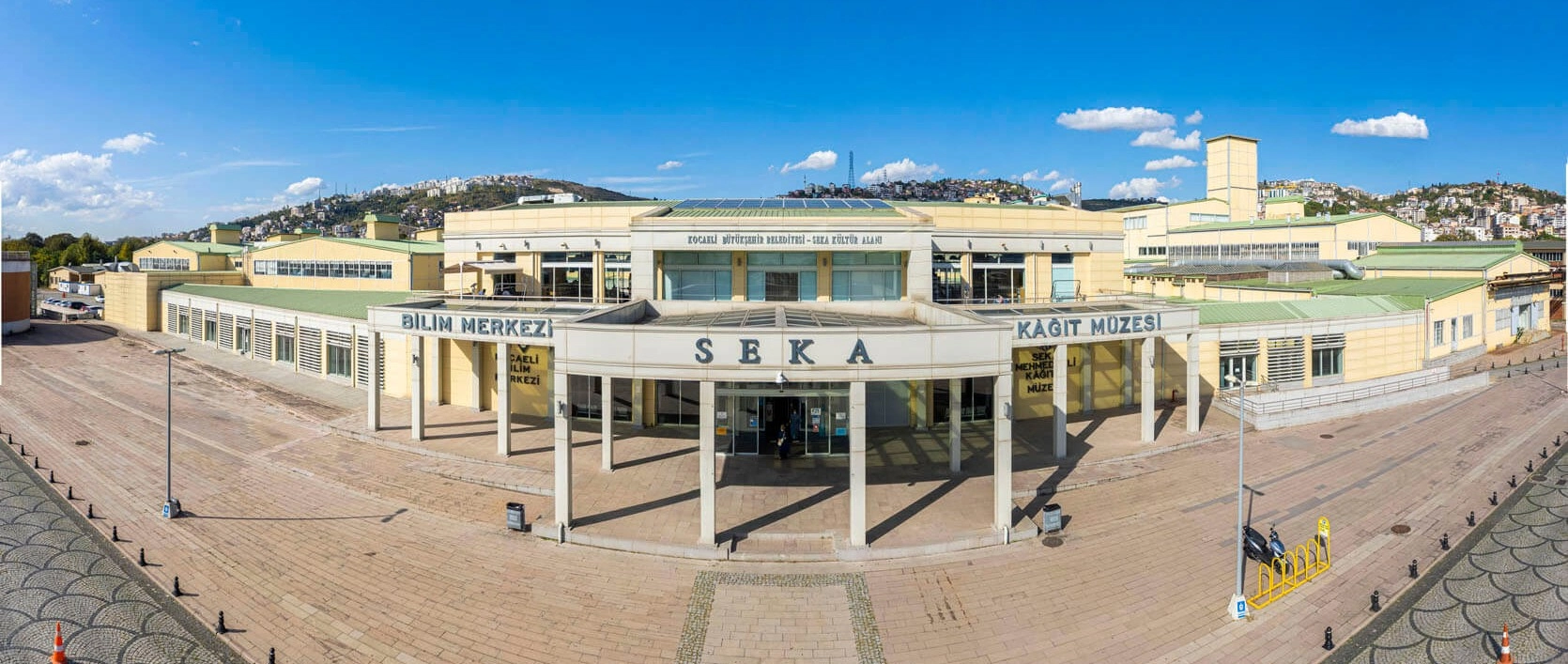
Jump forward from Ottoman road history to modern industry inside Türkiye's remarkable preserved paper-factory complex on the İzmit waterfront.
Explore SEKAWe can connect Istanbul, Kocaeli, Cappadocia and destinations throughout Türkiye in a private cultural itinerary.
Build a private day around Pertev Pasha Mosque, ancient Nicomedia, Kasr-ı Hümayun, the Clock Tower, Kapanca Street and SEKA.
Plan Your Journey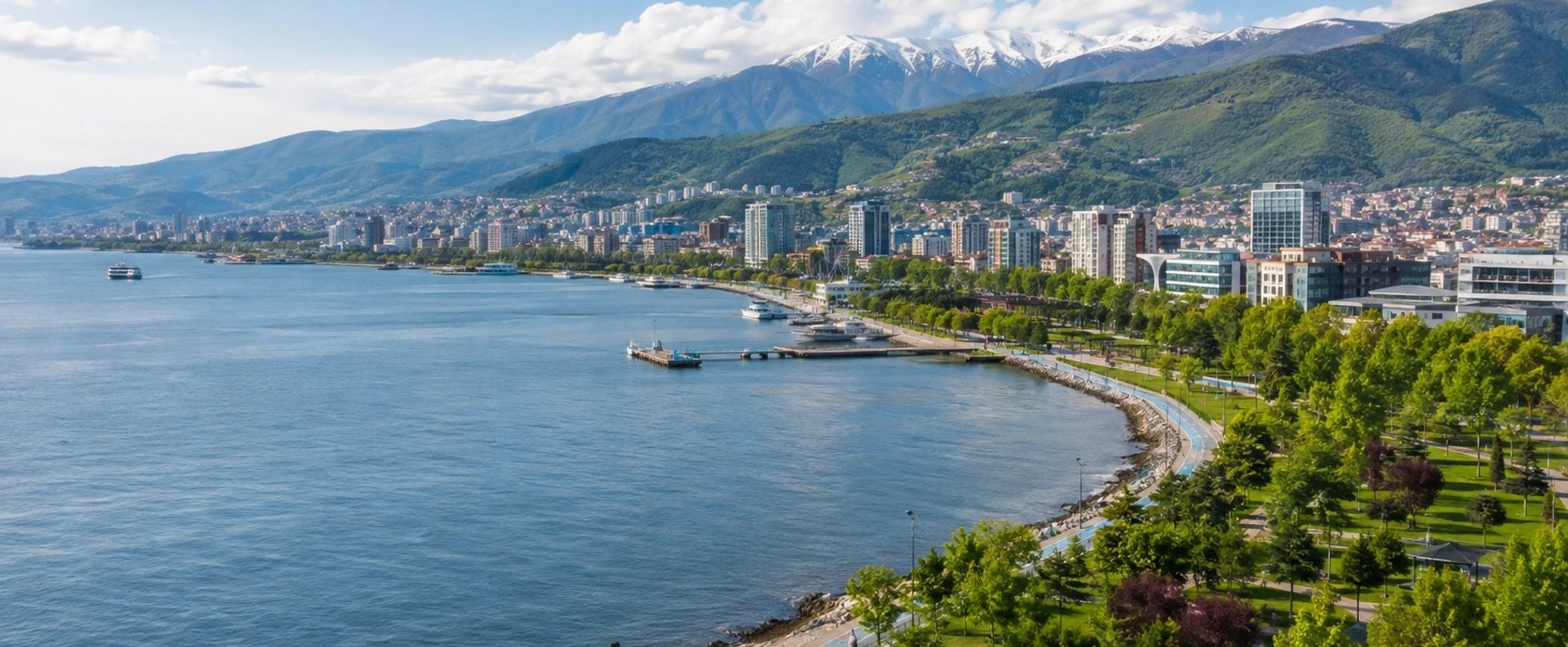
Connect Roman archaeology, Mimar Sinan, Ottoman palaces, historic streets, industrial museums, imperial craftsmanship and the landscapes around the Gulf.
Discover Kocaeli
Continue throughout Türkiye with Ottoman architecture, ancient cities, museums, historic towns, coasts, mountains and regional culture.
Explore Türkiye