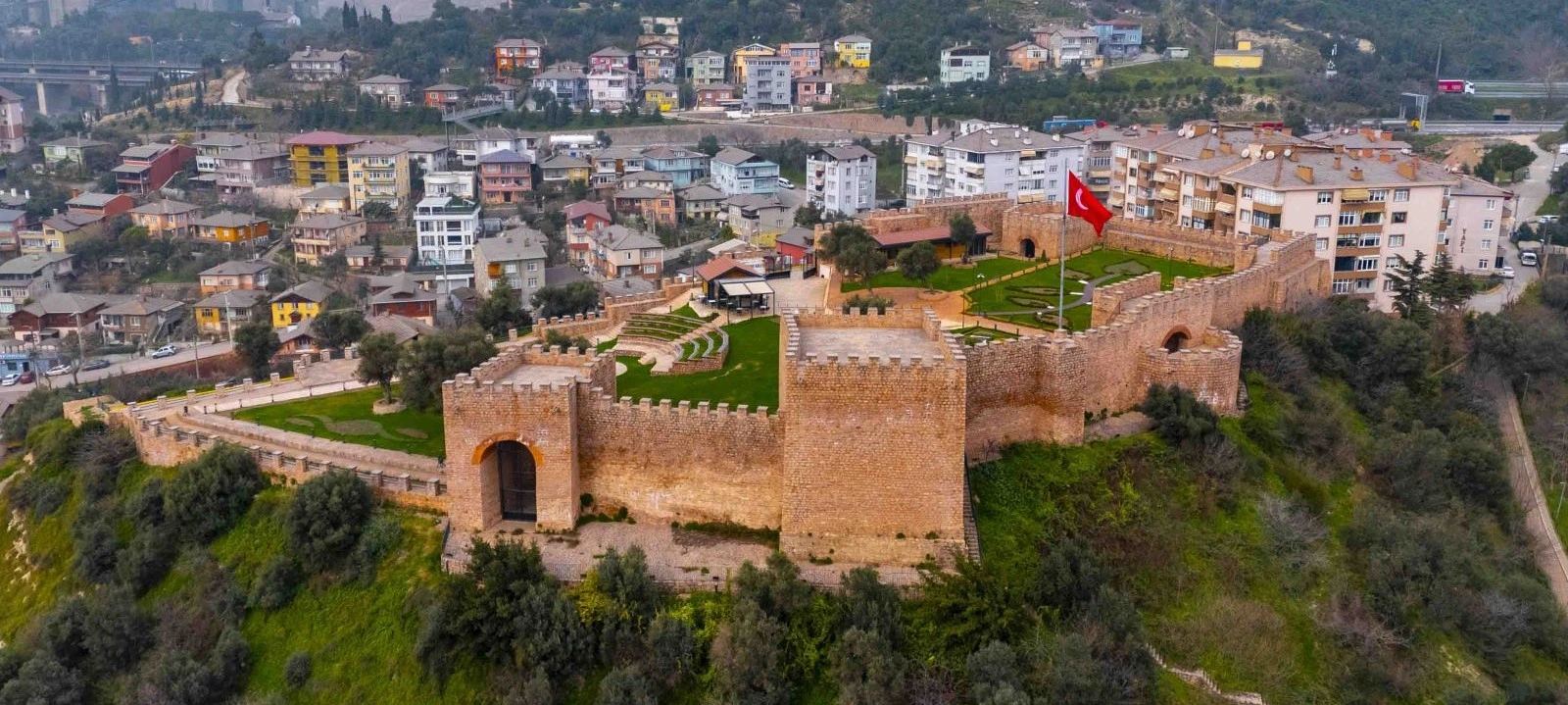
Hereke Castle
Climb above Hereke to explore restored medieval fortifications and panoramic views across the Gulf of İzmit.
Explore Hereke Castle





Standing beside the historic Hereke Imperial Carpet and Silk Weaving Factory on the northern shore of the Gulf of İzmit, the Kaiser Wilhelm Mansion — more accurately known as the Kaiser Wilhelm Pavilion or Kaiser Wilhelm Köşkü — is one of the most unusual surviving monuments of late Ottoman diplomacy.
The elegant wooden building was prepared for the 1898 visit of German Emperor Kaiser Wilhelm II and Empress Augusta Victoria during the reign of Ottoman Sultan Abdülhamid II.
Its construction story is almost as remarkable as the diplomatic visit itself. The pavilion was prepared in the workshops of Yıldız Palace in Istanbul, transported to Hereke in sections by sea and reportedly assembled at its present location in only one day.
Built almost entirely of wood using a construction technique traditionally compared with boat building, the pavilion is particularly famous for having been assembled without conventional metal nails. Inside, Hereke carpets, silk upholstery, fine furnishings, painted decoration and objects brought from Ottoman palaces created an appropriately impressive setting for one of Sultan Abdülhamid II's most important foreign guests.
Today, the pavilion survives as a museum-köşk under the administration of Türkiye's National Palaces, preserving an intimate physical reminder of the relationship between Hereke's celebrated textile industry and the international diplomacy of the late Ottoman Empire.
Built for Kaiser Wilhelm II and Empress Augusta Victoria's historic visit to Hereke.
The Ottoman sultan who commissioned the special imperial pavilion.
The prefabricated wooden structure was reportedly assembled in Hereke in a single day.
The pavilion is famous for its traditional wooden joining and boat-building-inspired construction technique.
Essential information about one of Hereke's most distinctive late Ottoman monuments.
Hereke,
Körfez, Kocaeli.
Imperial guest pavilion
and museum-köşk.
1898
Late Ottoman period.
Sultan Abdülhamid II.
Kaiser Wilhelm II
and Empress Augusta Victoria.
Prefabricated
wooden pavilion.
The pavilion connects Ottoman industrial history, European diplomacy, imperial hospitality and Hereke's world-famous textile tradition.
At first glance, the Kaiser Wilhelm Mansion appears surprisingly modest. It is not a monumental palace, vast imperial residence or heavily decorated state building.
Its historical significance comes instead from why it was built, where it was placed and whom it was designed to receive.
During the late nineteenth century, Hereke had become internationally celebrated for the products of the Hereke Imperial Factory, whose carpets, silks, upholstery fabrics and other textiles furnished Ottoman palaces and were presented to distinguished foreign guests.
When German Emperor Kaiser Wilhelm II visited the Ottoman Empire in 1898, his itinerary included Hereke. The visit therefore brought together imperial diplomacy and Ottoman industrial prestige in one carefully staged setting.
The pavilion created specifically for the occasion was both practical and symbolic: an intimate reception space beside the factory where the Ottoman court could welcome one of Europe's most powerful monarchs.
German Emperor Wilhelm II was one of the most prominent European rulers to visit the Ottoman Empire during the reign of Sultan Abdülhamid II.
His famous 1898 journey formed part of a much wider itinerary through Ottoman territory, during a period when political, economic, military and commercial connections between Germany and the Ottoman Empire were becoming increasingly important.
Wilhelm travelled with his wife, Empress Augusta Victoria, and an extensive imperial entourage.
During the visit, a special excursion was organised to Hereke, whose imperial textile factory had already achieved considerable prestige.
The emperor and empress travelled to Hereke by special train and visited the imperial factory before being received at the newly prepared pavilion.
Contemporary and later accounts describe their visit as lasting several hours, after which the imperial party returned toward Istanbul by sea.
The Kaiser Wilhelm Mansion belongs to the complicated diplomatic world of the late nineteenth century.
Sultan Abdülhamid II sought to navigate intense rivalry among Europe's major powers while modernising parts of the Ottoman military, transport system and economy.
At the same time, Wilhelm II's Germany was seeking greater political and commercial influence beyond Central Europe.
These interests encouraged increasingly visible contacts between Berlin and Istanbul. German military advisers, railway projects, trade and high-level state visits became important elements of the relationship.
Imperial visits therefore carried great symbolic value. Everything from transportation and ceremony to accommodation, gifts and architecture could help communicate prestige, friendship and political importance.
The Hereke pavilion is a particularly tangible example of this world: a purpose-built setting in which architecture itself became part of diplomatic hospitality.
One of the most memorable stories associated with the pavilion concerns the speed with which it was created.
Rather than constructing a conventional building slowly on the Hereke waterfront, the pavilion was prepared in the Yıldız Palace workshops in Istanbul.
Historical accounts state that the wooden components were produced over approximately three weeks.
The structure was then dismantled or transported in prepared sections by sea to Hereke, where the pieces were assembled beside the imperial factory.
The final assembly is traditionally said to have taken only one day.
This prefabricated approach allowed the Ottoman palace administration to produce an elegant, carefully finished reception building extraordinarily quickly.
The pavilion's wooden components were prepared in the palace workshops in Istanbul.
Historical accounts describe an exceptionally rapid manufacturing process.
The prepared components were brought from Istanbul to the Hereke waterfront.
The structure was reportedly erected at Hereke in just a single day.
The name most frequently associated with the architecture of the Kaiser Wilhelm Mansion is Raimondo D'Aronco, the influential Italian architect who worked extensively in Istanbul during the reign of Sultan Abdülhamid II.
D'Aronco became closely associated with Ottoman court architecture and is particularly remembered for his contribution to the Art Nouveau architecture of late Ottoman Istanbul.
Several municipal and tourism sources state that the Hereke pavilion is thought to have been designed by D'Aronco.
However, the attribution is generally presented cautiously rather than as an absolutely documented fact. For that reason, it is more historically responsible to describe the building as commonly attributed to Raimondo D'Aronco rather than simply declaring him its architect without qualification.
The construction technique of the Kaiser Wilhelm Mansion has become one of its best-known features.
Traditional descriptions state that the building was constructed using a technique inspired by wooden boat building, with carefully joined structural elements rather than conventional metal fastening.
For this reason, the pavilion is frequently described as having been constructed without metal nails.
The technique was especially suitable for a building whose components needed to be prepared elsewhere, transported and rapidly assembled at their final location.
The result is an unusual example of late Ottoman timber craftsmanship in which the engineering story is almost as interesting as the decorative appearance.
Unlike the monumental stone façades of major Ottoman palaces, the Hereke pavilion has a lightweight, horizontal and intimate character.
Its design is based around a largely symmetrical arrangement, with a gently sloping central roof and distinctive roof forms toward the sides.
The building was positioned parallel to the coastline, allowing its architecture to respond simultaneously to the factory complex, the railway and the Gulf of İzmit.
One of its most unusual design characteristics is the presence of numerous doors opening toward both the sea and land sides.
Inside, the principal spaces are arranged around an entrance area, salon and adjoining room, with broad double-leaf doors creating easy movement between the interiors.
The building is celebrated for its almost entirely timber structural system.
A balanced exterior composition gives the small pavilion considerable elegance.
Doors connect the interior strongly with the Gulf of İzmit waterfront.
Additional doors create direct connections with the factory side of the pavilion.
The pavilion's interior demonstrates why Hereke was chosen for such an important imperial reception.
Its rooms were furnished using Hereke carpets, silk upholstery and silk curtains, transforming the building itself into a showcase for the celebrated products of the imperial factory.
Decorative details include painted ornament, gilded elements and richly finished ceilings and walls.
Furniture and decorative objects brought from Ottoman palaces added another layer of refinement. Historic descriptions of the collection mention objects including a piano, decorative vases, tables and an ornate tiled stove.
A particularly elegant rosewood table is also associated with the furnishings, while some seating pieces are believed to date from the early twentieth century.
The interior is therefore valuable not simply because of individual objects, but because it preserves the atmosphere of late Ottoman imperial hospitality on a much smaller scale than Istanbul's great palaces.
The Kaiser Wilhelm Mansion cannot be fully understood without the factory beside it.
The Hereke Imperial Factory was established in the 1840s and developed into one of the Ottoman Empire's most prestigious textile production centres.
It produced silk fabrics, curtains, upholstery textiles and eventually carpets for the Ottoman palaces.
During the reign of Sultan Abdülhamid II, carpet production expanded significantly, helping establish the international reputation of Hereke carpets.
The factory's finest work furnished imperial residences such as Dolmabahçe, Beylerbeyi and other Ottoman palaces, while exceptional pieces could also be presented as diplomatic gifts.
By the time Wilhelm II came to Hereke, the factory was therefore far more than an industrial workplace. It functioned as a showcase of Ottoman artistic craftsmanship and state-sponsored manufacturing.
Few Turkish place names are as closely associated with textile craftsmanship as Hereke.
The carpets produced for the imperial court became famous for fine knotting, detailed patterns, carefully selected materials and sophisticated colour combinations.
Different workshops developed designs suitable for palace interiors, formal reception rooms and diplomatic presentation.
Silk was particularly important, but Hereke production was not limited to carpets. The factory also created silk upholstery, curtains and decorative fabrics used throughout Ottoman imperial residences.
The Kaiser Wilhelm pavilion therefore functioned almost like a three-dimensional exhibition of Hereke craftsmanship. The visiting emperor did not simply see the factory; he entered a building decorated with the very products that had made the town famous.
Gift exchange was an important part of nineteenth-century court diplomacy, and the visit to Hereke was no exception.
Historical accounts record that distinguished visitors were presented with Hereke-made textiles, which could include carpets, silk fabrics and other woven products.
During Wilhelm II and Augusta Victoria's visit, the extraordinary quality of the factory's production became part of the ceremonial experience.
Accounts also preserve the story that the German emperor presented the factory with a special insect collection connected with silk production.
Whether presented by Ottoman hosts or by their German guests, such gifts transformed diplomatic courtesy into something permanent: objects that could preserve the memory of the encounter long after the imperial party had departed.
The Kaiser Wilhelm Mansion stands in an unusually evocative position on the Hereke waterfront.
The pavilion was constructed beside the imperial textile factory and close to the railway corridor connecting Istanbul with northwestern Anatolia.
On one side stood the world of industrial production and imperial craftsmanship. On the other lay the blue waters of the Gulf of İzmit.
This was perfectly suited to the 1898 visit. The imperial party could arrive by rail, inspect the factory, be received in the pavilion and later depart by sea.
Today, the setting remains one of the strongest parts of the experience. The small wooden building gains much of its character from its relationship with the Marmara shoreline.
The historic pavilion is administered by the Presidency of National Palaces as part of the Hereke Carpet and Silk Weaving Factory complex.
Current official information lists the Wilhelm Kaiser Museum-Pavilion as open to visitors.
The official visitor page presently gives ticket-office opening and closing times of 09:00–17:00.
Current published ticket prices list 50 TL for domestic visitors and 100 TL for foreign visitors, with a reduced ticket also listed at 50 TL.
The Müzekart is generally accepted at National Palaces museums, including this location under the institution's current published rules.
Because admission prices, holiday closures and operating arrangements can change, always confirm the latest information through National Palaces before making a journey specifically to visit the pavilion.
Current official listing: 09:00–17:00.
Currently listed at 50 TL.
Currently listed at 100 TL.
Currently accepted under National Palaces' general Müzekart rules.
The historic factory itself is currently listed as closed to visitors.
Allow approximately 30–45 minutes for the pavilion itself.
The pavilion stands in Hereke in the Körfez district of Kocaeli, beside the historic Hereke textile factory complex.
The current National Palaces address for the complex is:
Hacı Akif Mahallesi,
Tayyar Yıldırım Caddesi No:14,
Hereke, Körfez / Kocaeli
Hereke lies directly along the principal Istanbul–İzmit corridor, making it relatively straightforward to reach by road.
The town is also connected with the regional railway system, reflecting a transport geography that has played an important role in Hereke's history since the Ottoman period.
Travel along the Istanbul–İzmit corridor and follow signs toward Hereke and the waterfront.
Continue east along the northern shore of the Gulf toward Hereke.
Travel west along the Gulf toward Körfez and Hereke.
Search for Kaiser Wilhelm Köşkü, Hereke or the National Palaces Hereke complex.
For travellers interested in Ottoman history, architecture or German–Turkish historical connections, Hereke offers an unusual excursion beyond Istanbul's most familiar monuments.
Its location east of Gebze means the town can be incorporated into a broader heritage journey along the northern Gulf of İzmit.
A particularly rewarding itinerary combines the pavilion with Hereke Castle, the town's carpet heritage and the waterfront.
Travellers with more time can continue toward Gebze and Eskihisar to visit the Hannibal memorial and Osman Hamdi Bey House Museum, or travel farther east toward İzmit.
Rather than making the pavilion an isolated photographic stop, allow enough time to understand why Hereke became important to the Ottoman court. That context transforms a small wooden building into a much richer historical experience.
The pavilion is particularly photogenic because of the contrast between delicate wooden architecture and the broad Gulf of İzmit.
Exterior photographs work well from angles that show the long, low composition of the building and its relationship with the waterfront.
Details such as wooden columns, roof forms, doors and ornamental craftsmanship are worth photographing separately.
Where interior photography is permitted, the strongest details include the Hereke textiles, painted decoration, furnishings and historic objects.
Photography regulations inside museum buildings can change, particularly concerning flash, tripods and professional equipment, so follow the instructions of National Palaces staff during your visit.
Mild weather makes it easy to combine the pavilion with Hereke Castle and the waterfront.
Clear conditions often provide attractive views across the Gulf, especially earlier or later in the day.
Comfortable temperatures and softer light make this an excellent season for historical sightseeing.
The indoor museum remains rewarding, although wind and rain can affect waterfront walks.
Few places in Kocaeli illustrate historical change as clearly as Hereke.
On the hill above town, Hereke Castle belongs to the world of Byzantine fortification and early Ottoman conquest.
Down beside the Gulf, the imperial factory and Kaiser Wilhelm Mansion reveal an entirely different Hereke: a nineteenth-century centre of industry, craftsmanship, railway transport and international diplomacy.
The contrast is extraordinary. Within a very small area, visitors can move from medieval defensive walls to silk textiles, imperial carpets and a pavilion prepared for a German emperor.
Together, these monuments make Hereke one of the most historically layered small towns on the northern Marmara coast.
Begin your visit at Hereke Castle. Walk through the restored fortress and look down across the Gulf to understand the strategic geography of the medieval town.
Then descend toward the historical centre of Hereke and continue to the Kaiser Wilhelm Mansion.
Inside the museum-pavilion, focus especially on the connection between imperial hospitality and Hereke textile craftsmanship.
Afterward, explore the surroundings of the historic Hereke Carpet and Silk Weaving Factory from areas currently accessible to visitors.
Finish your visit beside the Hereke waterfront, where the Gulf provides a peaceful final perspective on a town shaped for centuries by its relationship with transport, trade and the sea.
Hereke Castle – Byzantine defences, Ottoman conquest and Gulf views.
Kaiser Wilhelm Mansion – imperial diplomacy and extraordinary wooden craftsmanship.
Hereke Textile Heritage – discover the story of the carpets and silks that made Hereke famous.
Hereke Waterfront – finish beside the historic Gulf of İzmit shoreline.
Enough for a quick museum visit and exterior photographs.
The best choice for most visitors who want to study the rooms and furnishings carefully.
Ideal for architecture and history enthusiasts who prefer a slower visit.
Combine the pavilion with Hereke Castle and a short waterfront walk.
Explore the principal historical monuments and textile heritage of Hereke.
Add Gebze, Eskihisar or İzmit for a broader northern Gulf heritage journey.
The pavilion can easily be combined with some of the most interesting historical attractions around Hereke, Gebze, Eskihisar and İzmit.
Explore the restored medieval fortress overlooking the town and the Gulf of İzmit.
Discover the textile tradition that transformed Hereke into an internationally recognised name.
Travel west toward Gebze and visit the symbolic memorial associated with Hannibal Barca.
Explore the Eskihisar home of one of the most important cultural figures of the late Ottoman period.
Continue east to discover the long history of ancient Nicomedia and Ottoman İzmit.
Follow the coastline through one of northwestern Türkiye's most historically important transport corridors.
For travellers interested in Ottoman history, architecture, diplomacy or textile heritage, absolutely.
This is not a vast palace that requires several hours to explore. The building is small, intimate and easy to underestimate.
Its importance lies in the extraordinary concentration of stories contained within it.
It tells of Sultan Abdülhamid II, Kaiser Wilhelm II, Ottoman–German relations, Hereke carpets, Yıldız Palace craftsmanship, prefabricated architecture and imperial ceremony.
Even the method of construction adds another dimension: a carefully prepared wooden pavilion, transported from Istanbul and rapidly assembled beside one of the Ottoman Empire's most prestigious factories.
When combined with Hereke Castle and the surrounding textile heritage, the pavilion becomes part of one of Kocaeli's most rewarding historical excursions.
The Kaiser Wilhelm Mansion is located in Hereke, Körfez district, Kocaeli, Türkiye, beside the historic Hereke Carpet and Silk Weaving Factory on the Gulf of İzmit.
It is a historic Ottoman imperial guest pavilion constructed for the visit of German Emperor Kaiser Wilhelm II and Empress Augusta Victoria.
The surviving pavilion is associated with Kaiser Wilhelm II's 1898 visit to Hereke.
The pavilion was commissioned during the reign of Ottoman Sultan Abdülhamid II.
It was prepared as an appropriate imperial reception and resting place for Kaiser Wilhelm II and Empress Augusta Victoria during their visit to the celebrated Hereke factory.
Wilhelm II was the German Emperor and King of Prussia from 1888 until 1918.
Yes. Wilhelm II and Empress Augusta Victoria visited Hereke in 1898 as part of their journey through the Ottoman Empire.
The imperial party visited the famous Hereke Imperial Factory, whose silk fabrics and carpets had gained considerable international prestige.
The building was prepared in components in the Yıldız Palace workshops, transported to Hereke and rapidly assembled at the factory complex.
Historical and official local accounts traditionally state that after its components were prepared in Istanbul, the pavilion was assembled in Hereke in one day.
Traditional descriptions state that metal nails were not used in its structural assembly, with a wooden joining technique compared with boat-building methods.
The building is widely attributed to Italian architect Raimondo D'Aronco, although the attribution is generally presented cautiously rather than as completely certain.
The pavilion contains historic furnishings, decorative objects and interiors featuring Hereke carpets, silk upholstery and curtains, together with furniture and objects associated with Ottoman palace collections.
It stands beside the historic imperial textile factory and was furnished with carpets and silk fabrics produced in Hereke, making textile craftsmanship central to the building's story.
Yes. Current National Palaces information lists the Wilhelm Kaiser Museum-Pavilion as open to visitors.
The current official National Palaces listing gives ticket-office hours of 09:00–17:00. Check again before travelling because opening arrangements can change.
Current 2026 National Palaces information lists 50 TL for domestic visitors and 100 TL for foreign visitors. Prices can change, so confirm the current tariff before visiting.
Under the current published National Palaces rules, Müzekart is accepted at this location.
Current National Palaces information lists the museum-pavilion as open but the factory itself as closed to visitors. This may change in the future.
Approximately 30–45 minutes is enough for most visitors, although architecture and history enthusiasts may wish to stay longer.
Yes. This is one of the best ways to experience Hereke, combining medieval military history with nineteenth-century Ottoman industrial and diplomatic history.
Yes. Hereke's position on the Istanbul–Kocaeli corridor makes the pavilion suitable for a historical day trip from Istanbul, particularly when combined with other sites around Hereke, Gebze and Eskihisar.
Combine the pavilion with Hereke Castle, the town's historic carpet and silk heritage and the Gulf of İzmit waterfront.
The Kaiser Wilhelm Mansion does not overwhelm visitors through size.
Its power comes from detail and historical context.
Walk through the wooden pavilion and the story of Hereke suddenly expands far beyond carpets.
The silk curtains and woven floors belong to the world of the imperial factory. The furnishings belong to the culture of Ottoman court ceremony. The name of the building evokes the German emperor. And beyond its doors lies the Gulf of İzmit, the very route through which people, goods and political influence moved between Istanbul and Anatolia.
The building itself carries another story: prepared rapidly in the workshops of Yıldız Palace, transported across the Marmara and assembled beside the factory for an extraordinary diplomatic occasion.
Then step outside and look toward the hills. Above Hereke stands a medieval fortress representing a completely different age.
Within only a short distance, the town moves from Byzantine defence to Ottoman conquest, imperial industry, world-famous carpets and nineteenth-century European diplomacy.
That historical layering is what makes the Kaiser Wilhelm Mansion one of the most fascinating small monuments on the Gulf of İzmit.
From imperial diplomacy in Hereke, continue through Kocaeli to discover medieval castles, ancient commanders, Ottoman art, historic railways and the extraordinary heritage of the Gulf of İzmit.
Discover more stories from Hereke, Gebze, Eskihisar and İzmit.
Climb above Hereke to explore restored medieval fortifications and panoramic views across the Gulf of İzmit.
Explore Hereke Castle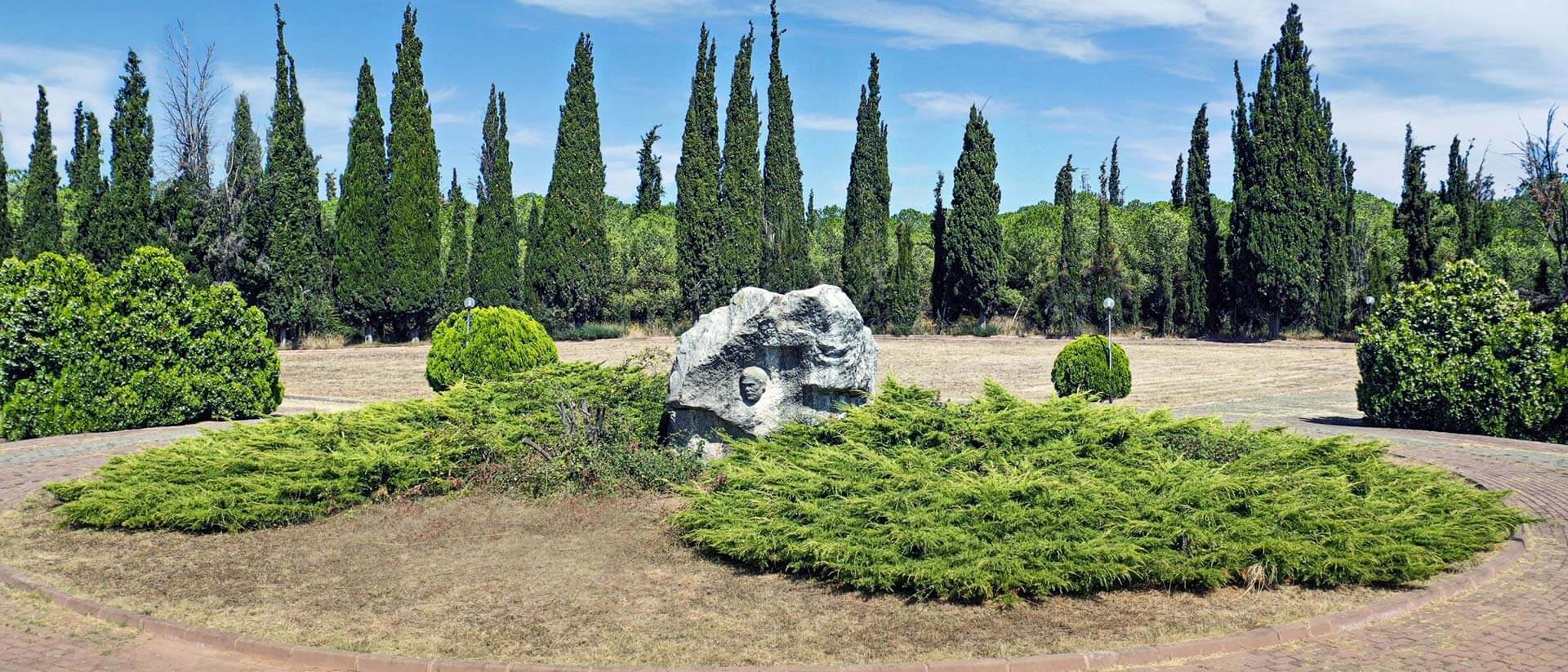
Continue west to Gebze and discover the symbolic memorial connected with the final chapter of Hannibal Barca's extraordinary life.
Explore Hannibal Mausoleum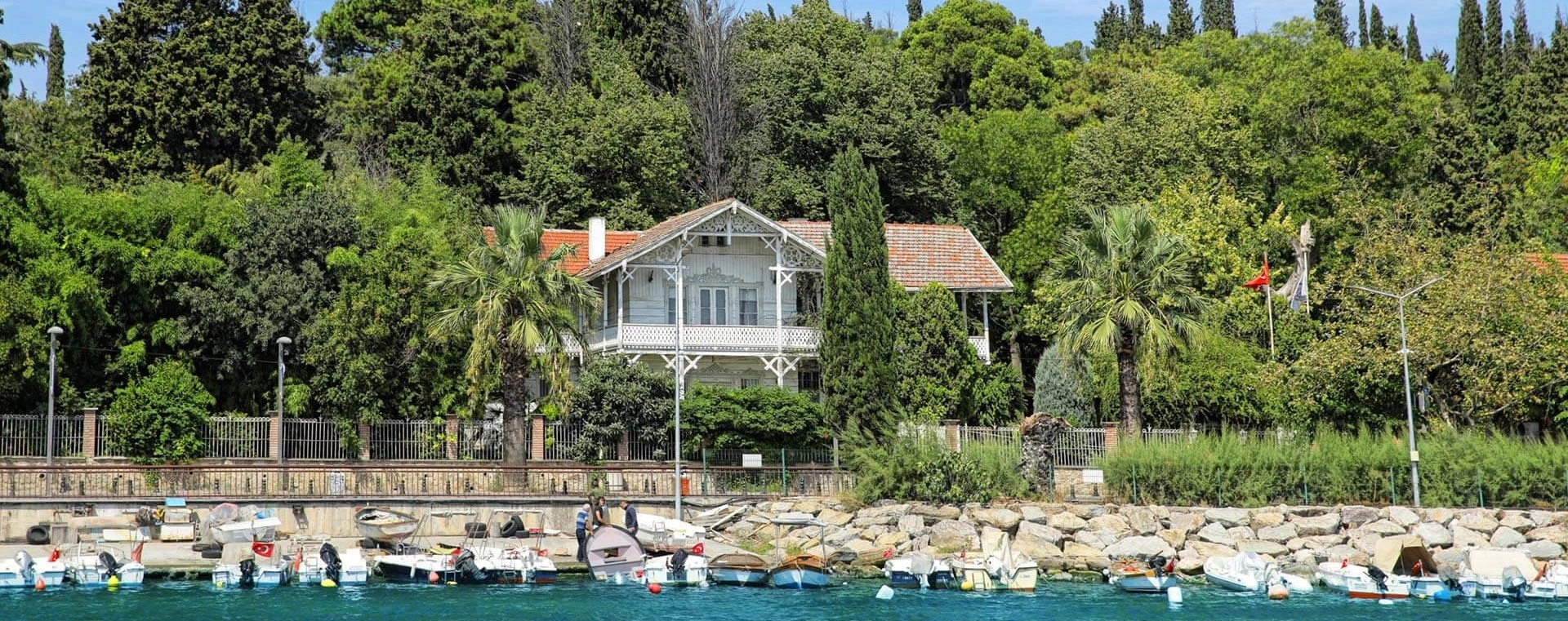
Discover the home of the pioneering Ottoman painter, archaeologist and museum director in nearby Eskihisar.
Explore Osman Hamdi Bey House Museum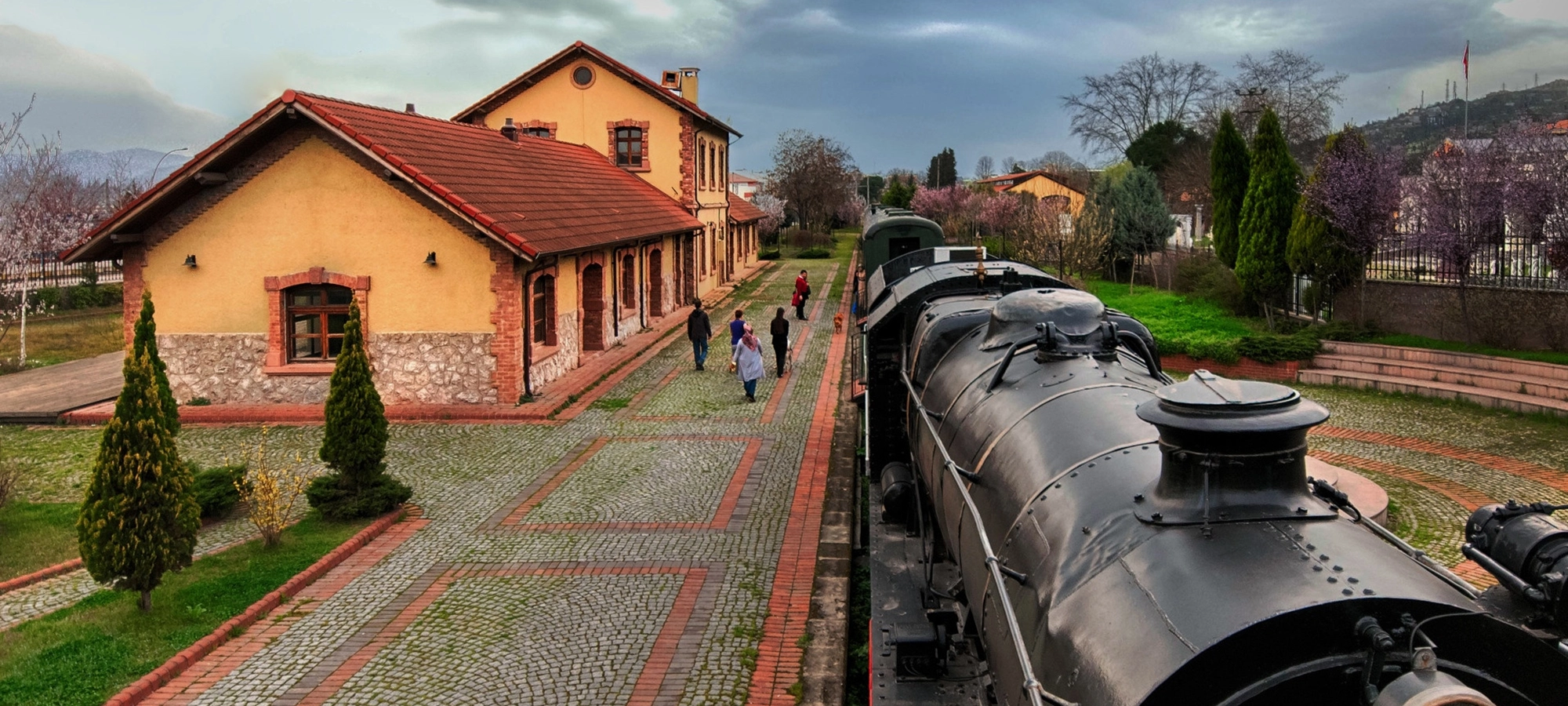
Follow the Gulf eastward and explore the railway heritage that transformed transportation across late Ottoman Anatolia.
Explore Historical İzmit Train Station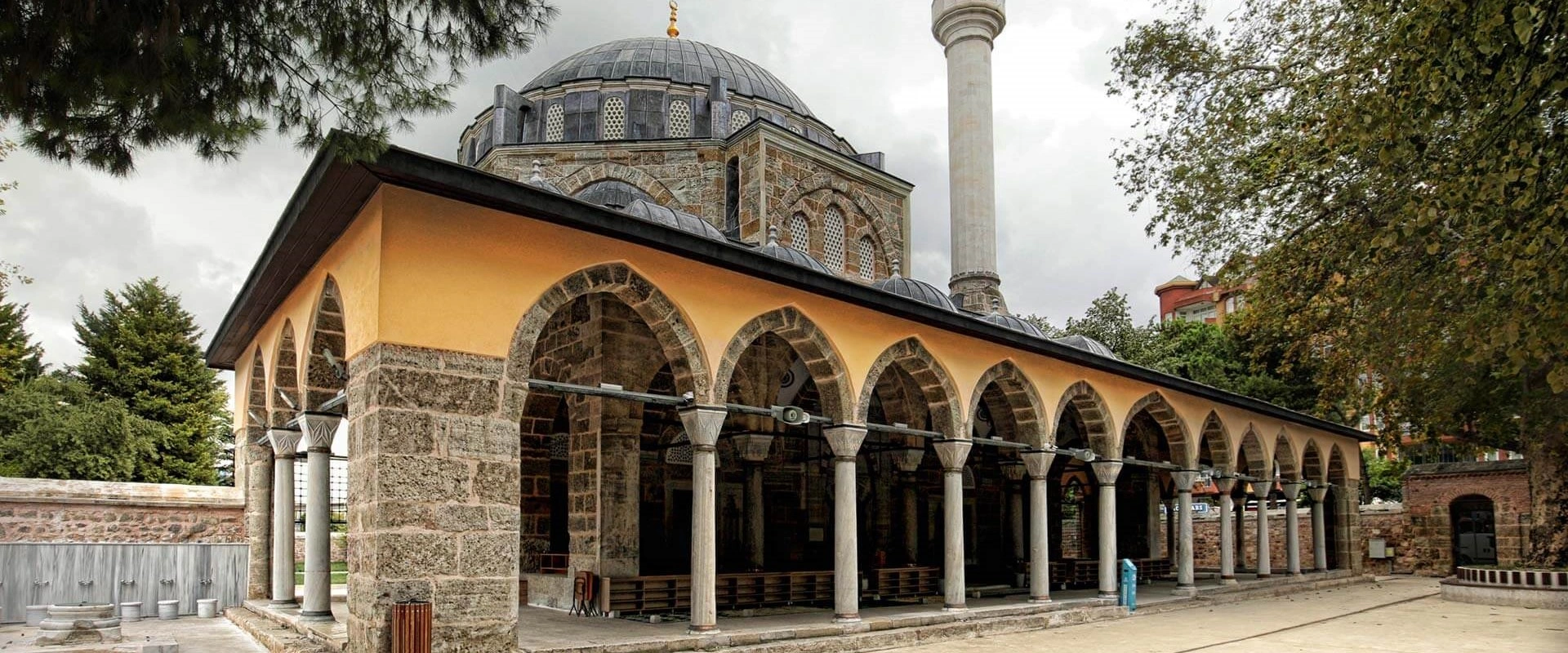
Discover one of İzmit's finest sixteenth-century Ottoman monuments, designed by the great imperial architect Mimar Sinan.
Explore Pertev Mehmet Pasha Mosque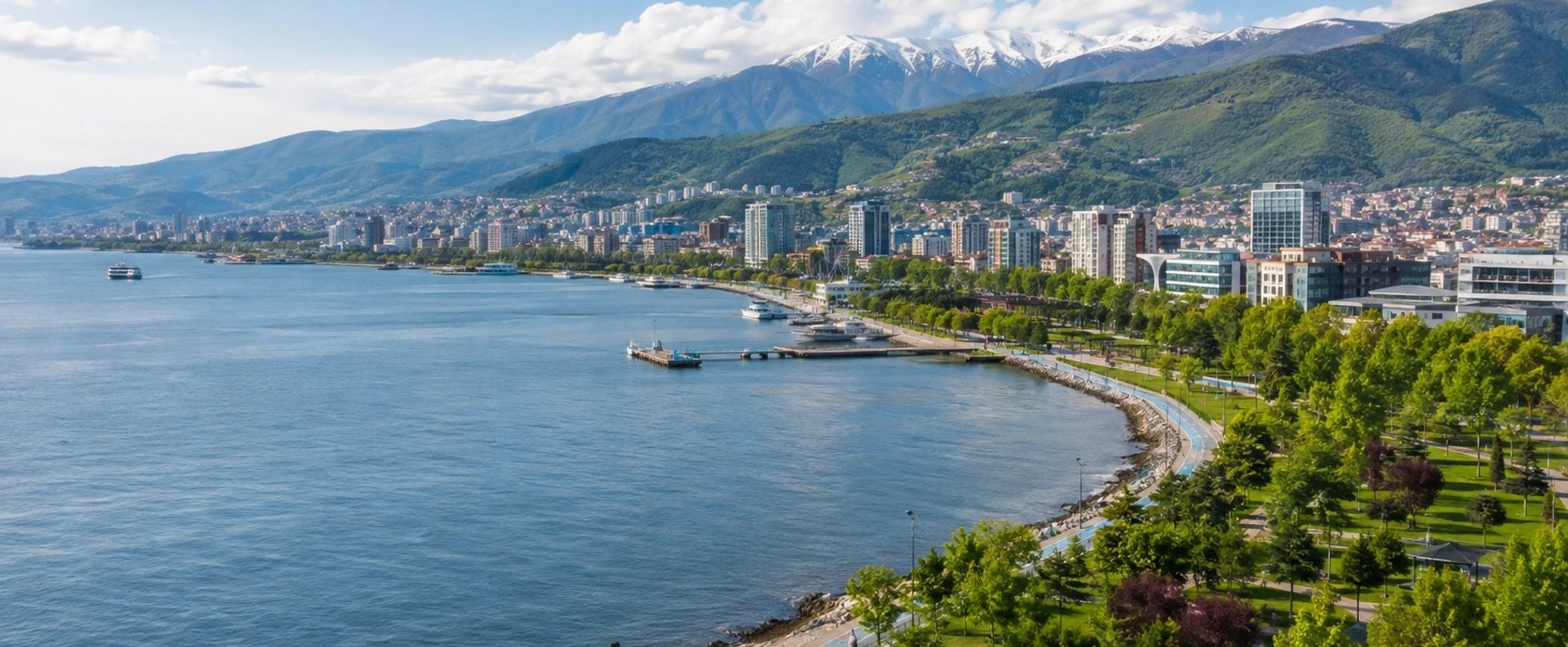
Discover ancient Nicomedia, Ottoman monuments, museums, castles, forests, beaches and mountain landscapes across Kocaeli.
Discover Kocaeli