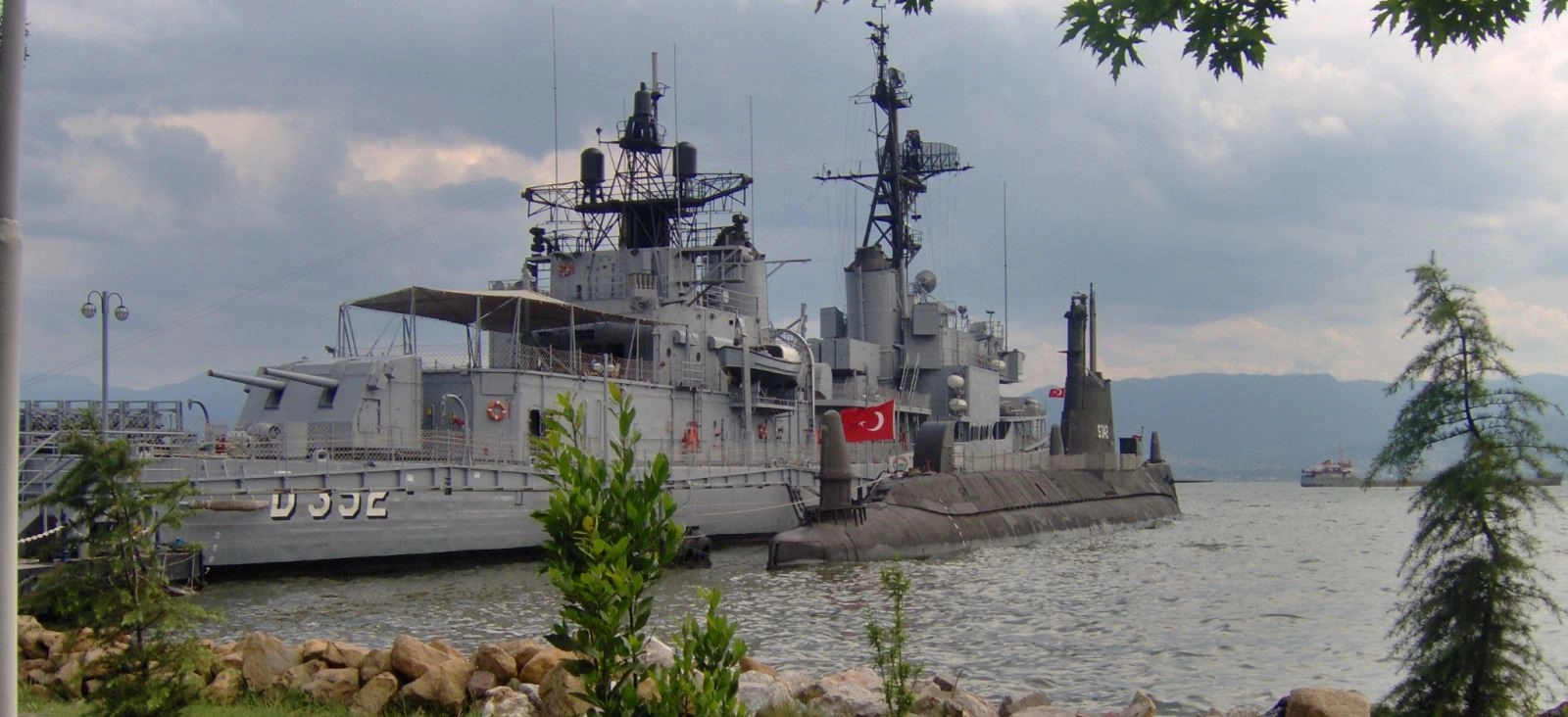
TCG Gayret Museum Ship
Step aboard a preserved Gearing-class destroyer and compare its scale and Cold War systems with Yarhisar.
Explore TCG Gayret





Standing on the Kavaklı waterfront in Gölcük, the Yarhisar Museum Ship is one of Kocaeli's most unusual historical attractions. Instead of displaying naval history only through photographs and objects, the museum preserves an entire former Turkish Navy patrol vessel.
Known during its military career as TCG Yarhisar (P-113), the ship was constructed in the United States during the 1960s and joined the Turkish Naval Forces in 1965. For approximately 40 years, it served as a reconnaissance and patrol vessel in Turkish waters.
Yarhisar's history is especially significant because the vessel participated in the 1974 Cyprus Peace Operation, serving during the Aegean phase of the operation. Its long career also included patrol, escort, surveillance and maritime-security duties across the Marmara, Aegean and Mediterranean.
After being decommissioned in 2005, the ship was preserved rather than dismantled. It opened to the public on 27 October 2006 at Kavaklı Sahili and became Türkiye's first surface warship museum placed permanently on land.
TCG Yarhisar served the Turkish Navy from 1965 until its retirement in 2005.
The vessel participated in the Aegean phase of the 1974 Cyprus Peace Operation.
See living quarters, bridge spaces, equipment, weapons and working areas preserved inside the vessel.
The museum reflects the close relationship between Gölcük, the Turkish Navy and the Gulf of İzmit.
Essential information for visiting one of Türkiye's most distinctive preserved naval vessels.
Kavaklı Sahili,
Gölcük, Kocaeli.
TCG Yarhisar
Pennant number P-113.
Patrol / submarine-chaser type vessel
Hisar class.
1965–2005
Approximately 40 years.
27 October 2006
Kavaklı waterfront.
Cyprus veteran
1974 operation.
Yarhisar is important not simply because it is an old warship, but because it preserves the working environment, technology and human story of modern Turkish naval history.
The first reason is the ship's long Turkish naval career. TCG Yarhisar served for approximately four decades, a remarkably long operational life during a period when naval technology, communications and maritime strategy were changing rapidly.
The second reason is its connection with the 1974 Cyprus Peace Operation. Yarhisar participated in the Aegean phase of the operation, giving the vessel an important place within the operational history of the modern Turkish Navy.
The third reason is Gölcük itself. Few cities in Türkiye are as closely associated with the navy as Gölcük. The district developed around naval infrastructure, the Gölcük Naval Shipyard and the presence of major Turkish fleet facilities. Preserving Yarhisar here therefore connects the ship directly with the maritime identity of the city.
Finally, Yarhisar represents a distinctive approach to museum-ship preservation. Rather than remaining afloat at a quay, the vessel was permanently positioned on land at Kavaklı Sahili, allowing visitors to examine its hull, superstructure and interior from a completely different perspective.
The vessel that became TCG Yarhisar was constructed in Portland, Oregon, during the early 1960s. It belonged to a group of patrol and submarine-chaser vessels associated with the PC-1638 / Hisar class.
The ship was launched in 1964. After its completion and transfer arrangements, it joined the Turkish Navy in 1965 and received the name Yarhisar and pennant number P-113.
During the following decades, Yarhisar carried out reconnaissance, patrol, escort and maritime-security duties. Its operational geography included the Marmara Sea, Aegean Sea and Mediterranean.
In 1974, the vessel participated in the Cyprus Peace Operation, serving during the Aegean phase and later becoming remembered as a veteran ship.
Yarhisar remained in naval service until 2005. A flag-lowering ceremony on 12 August 2005 marked the end of its military career.
Following retirement, the Turkish Naval Forces, Gölcük Municipality and Kocaeli Metropolitan Municipality worked together to preserve the ship. On 27 October 2006, Yarhisar opened to visitors at Kavaklı Sahili as a museum ship.
The vessel is constructed and launched in Portland, Oregon.
The ship joins the Turkish Navy as TCG Yarhisar P-113.
Yarhisar participates in the Cyprus Peace Operation.
The vessel returns to Gölcük during the final years of its operational career.
Forty years of Turkish naval service come to an end.
TCG Yarhisar opens as a museum ship on the Kavaklı waterfront.
TCG Yarhisar belonged to a group of compact naval vessels designed primarily for patrol, escort and anti-submarine duties. In Turkish service, the class became associated with the Hisar-class patrol vessels.
The vessel originated from the American PC-1638-class submarine-chaser design. Unlike a large destroyer, cruiser or frigate, Yarhisar was comparatively small and was designed for efficient operation with a limited crew.
The ship measures approximately 53 metres in length and about 7 metres in beam. Its narrow proportions, high bridge and compact superstructure reveal the priorities of a vessel intended for patrol work rather than passenger comfort.
Diesel propulsion allowed the ship to operate economically over useful distances, while weapons, sensors and depth-charge or anti-submarine equipment provided the capability to investigate and respond to potential threats.
Approximately 53 metres.
Approximately 7 metres.
P-113
Reconnaissance, patrol, escort and anti-submarine operations.
Diesel-powered twin-shaft naval propulsion.
A compact naval crew organized around command, engineering, weapons and deck duties.
The name Yarhisar has a longer place within Turkish naval history than the surviving museum ship alone. An earlier vessel carrying the same name served during the late Ottoman period.
The modern TCG Yarhisar inherited a name connected with Yarhisar in the Bozüyük district of Bilecik. The continuation of historic names is common within naval traditions, where ship names often link new generations of sailors with earlier vessels, places and maritime memories.
The museum ship is therefore sometimes understood as Yarhisar II, distinguishing it from the earlier Ottoman-era vessel.
One of the most significant chapters in Yarhisar's history came in 1974, when the ship participated in the Cyprus Peace Operation.
Official and regional historical accounts identify Yarhisar as a participant in the Aegean phase of the operation. This military service later became central to the way the vessel is remembered in Gölcük.
For visitors, the connection gives the ship a historical dimension beyond its technical design. Its bridge, weapons, communications equipment and crew quarters once belonged to an active naval vessel operating during one of the most important military events in modern Turkish history.
The museum frequently refers to Yarhisar as a “gazi gemi” — veteran ship, recognizing the vessel's operational service.
When Yarhisar was retired in 2005, its operational life was over, but its historical value remained.
A cooperative project involving Gölcük Municipality, Kocaeli Metropolitan Municipality and the Turkish Naval Forces made it possible to preserve the vessel in the city most closely associated with Türkiye's modern navy.
Yarhisar was moved to Kavaklı Sahili and positioned permanently on land. The museum opened ceremonially on 27 October 2006.
Its unusual position gave Yarhisar a distinction: it became Türkiye's first surface warship museum permanently installed on land.
The ship's original character was retained as much as practical. Rather than converting the vessel into a conventional exhibition hall, the museum uses the ship's own living spaces, working compartments, bridge, equipment, weapons and passageways to explain naval life.
A visit to Yarhisar is built around the original vessel. Instead of walking through large museum galleries, visitors pass through compact naval compartments arranged according to the ship's former operational purpose.
The museum includes areas connected with navigation, command, crew life, communications, weapons, storage and shipboard routines.
Period equipment, photographs, historical objects and figures dressed in naval clothing help visitors understand how the spaces were used when Yarhisar was operational.
Discover the command position from which the vessel was navigated and manoeuvred.
See controls and equipment associated with steering and operating the ship.
Compact sleeping areas demonstrate the limited personal space available aboard a patrol vessel.
Explore the everyday spaces where sailors ate, rested and spent time between duties.
Deck-mounted weapons and related equipment explain the vessel's defensive and patrol role.
Photographs and objects introduce broader Ottoman and Turkish maritime history.
The bridge is among the most interesting spaces aboard Yarhisar. This was the operational centre from which officers controlled the vessel's course, speed and manoeuvres.
On a relatively small patrol vessel, the relationship between the bridge, exterior deck and surrounding sea was immediate. Watchkeepers needed constant awareness of other vessels, weather, navigation hazards and operational instructions.
Look at how closely the controls, windows, communications equipment and access routes are arranged. The compact layout reflects the need to move information and commands quickly.
For younger visitors in particular, standing at the ship's command position can transform an abstract idea of naval service into something tangible.
Yarhisar was built during the Cold War, when coastal patrol vessels needed to respond to several different types of maritime threat.
The ship's historical armament included naval guns and anti-submarine equipment. Its design originated from a submarine-chaser type, so detecting and responding to underwater threats formed part of the vessel's original mission profile.
Visitors should look beyond individual weapons and consider how an operational ship functioned as a complete system. Detection, communication, navigation, command and weapons all depended on one another.
Equipment configurations could change during a vessel's long career. Yarhisar served for approximately forty years, meaning that its operational history spans several generations of naval practice and technology.
One of the strongest impressions visitors receive aboard Yarhisar is the limited amount of space.
Military vessels are designed around operational requirements. Machinery, weapons, fuel, equipment, communications and storage all compete for space with the people who must operate them.
Sailors lived among bunks, lockers, mess spaces, work stations, pipes, equipment and narrow passageways. Privacy was extremely limited compared with life ashore.
The ship operated around the clock. Naval crews therefore worked in watch systems, with different groups responsible for navigation, engineering, security and other functions at different times.
Daily life involved far more than dramatic operations. Cleaning, maintenance, inspection, training and routine watches occupied much of a sailor's time.
Bunks and storage were tightly organized to use every available part of the vessel.
Food preparation and dining had to function efficiently within a very small environment.
The ship operated continuously, requiring rotating teams day and night.
Keeping machinery, weapons and equipment operational was a constant responsibility.
Yarhisar is especially suitable for children interested in ships, machines, history or the sea.
Unlike a conventional museum, the experience involves entering an actual former naval vessel. The bridge, crew quarters, naval equipment and compact passages often make history easier for younger visitors to imagine.
Guided visits can also introduce children to the large number of different jobs required aboard a ship: officers, engineers, communications personnel, deck crews and technicians all had different responsibilities.
Parents should nevertheless remember that Yarhisar is a historic military vessel. Interior areas can contain narrow passages, metal surfaces, steps, raised thresholds and restricted spaces.
Children should remain with adults and follow museum staff instructions throughout the visit.
Yarhisar is one of the most distinctive sights on the Gölcük waterfront.
Because the ship has been placed permanently on land, visitors can appreciate the shape of the hull from angles that would normally be impossible when viewing a vessel afloat.
The P-113 markings, bridge, mast, deck weapons and grey superstructure make particularly strong photographic subjects.
Wide photographs are most effective when they include some of Kavaklı Sahili and the Gulf of İzmit, placing the military vessel within its present peaceful waterfront setting.
Inside the museum, respect any current photography restrictions and avoid delaying guided groups in narrow spaces.
Step back along Kavaklı Sahili to capture Yarhisar's complete profile.
Include the hull number to emphasize the vessel's original naval identity.
Upward angles highlight the compact military superstructure.
Softer light can work particularly well with the grey hull and waterfront landscape.
Historic naval vessels were never designed according to modern museum-accessibility standards.
Although Yarhisar is unusual because it is positioned on land, the preserved interior still contains the compact proportions of an operational warship.
Visitors may encounter steps, narrow passageways, raised thresholds, limited turning space and confined compartments.
Anyone with limited mobility, balance difficulties, a wheelchair or other specific accessibility requirements should contact the museum before travelling and ask which parts of the current visitor route can be accessed safely.
Museum schedules can change for maintenance, public holidays and official events.
Current 2026 visitor information lists Monday as the regular weekly closing day.
Current schedules include a midday break between the morning and afternoon visitor periods.
Secure footwear is useful when moving through steps and metal ship interiors.
Visits are normally organized in guided groups rather than completely independent exploration.
School and larger group visits should be arranged with the museum in advance.
Do not schedule your next attraction too tightly around a guided departure time.
Leave additional time for Kavaklı Sahili before or after visiting the ship.
Yarhisar Museum Ship is located at Kavaklı Sahili in Gölcük and is operated as a municipal museum attraction.
Visitor information reported during 2026 indicates that the museum is normally closed on Mondays and open on the remaining six days.
Visits are currently reported in two daily periods: 09:00–12:00 and 13:30–17:00. Groups are generally organized at approximately 30-minute intervals and visit with a guide.
As reported in August 2026, the admission charge was 15 TL for adults and 10 TL for students. These prices are operational information rather than permanent tariffs and may be revised.
For school groups, organized groups or priority visits, advance contact is recommended.
Kavaklı Sahili, Gölcük, Kocaeli
Monday
09:00–12:00
13:30–17:00
Guided visits
Generally organized in timed groups.
15 TL
Reported in August 2026.
10 TL
Reported in August 2026.
+90 262 414 10 06
Yarhisar is located on Kavaklı Sahili in Gölcük, on the southern shore of the Gulf of İzmit.
The museum is close to central Gölcük and can be reached by local bus, taxi, private vehicle or on foot from nearby parts of the district.
Kocaeli public transport services run along the Gölcük waterfront, and local routes include stops associated with Yarhisar Gemi Müzesi.
Visitors arriving from İzmit should allow additional travel time for the road around the Gulf, particularly during weekday commuter periods.
If driving, navigate directly to Yarhisar Müze Gemisi, Kavaklı Sahili, Gölcük and follow current local parking signs.
The museum is a short trip from the central district along the waterfront.
Local Kocaeli transport routes serve the Kavaklı and Yarhisar museum area.
A convenient option from central Gölcük, Değirmendere or nearby hotels.
Use the Kavaklı Sahili museum location and follow current waterfront parking directions.
Begin at Yarhisar Museum Ship with its guided interior visit. Allow time afterward to step back and photograph the vessel from the surrounding waterfront.
Continue along Kavaklı Sahili, where the open Gulf provides a dramatic contrast with the confined interior of the former warship.
From here, explore central Gölcük to understand the modern identity of Türkiye's famous naval city.
Later in the day, continue west toward Değirmendere, one of the most pleasant waterfront areas on the southern shore of the Gulf of İzmit.
Travellers interested in extending the naval-history theme can cross toward İzmit on another day and visit TCG Gayret Museum Ship and the other preserved vessels on the northern side of the Gulf.
Yarhisar Museum Ship – explore the preserved P-113 patrol vessel.
Kavaklı Sahili – enjoy the Gulf waterfront immediately beside the museum.
Gölcük Centre – experience the everyday character of Türkiye's famous naval city.
Değirmendere – finish with a relaxed walk along the southern Gulf waterfront.
Because Yarhisar is normally visited in guided groups, the exact timing depends on your arrival and the next available visitor period.
A practical amount of time for the guided ship route itself.
Better if you want time for exterior photography before and after the visit.
Combine Yarhisar with Kavaklı Sahili and central Gölcük.
Add Değirmendere and explore more of the southern Gulf coastline.
The ship can be interesting at any time of year when the museum is open, but the waterfront location means that weather affects the wider experience.
Mild weather is ideal for combining the ship with a longer walk along Kavaklı Sahili.
Excellent for the waterfront, although exposed areas can become hot around midday.
Comfortable temperatures and softer light often make this one of the best periods for photography.
The museum remains worthwhile, but the Gulf can be cold, windy and damp.
Late afternoon often gives the ship and waterfront softer light.
Avoid Monday and remember the midday break in the current visitor schedule.
Yarhisar can form the centrepiece of a broader day exploring Gölcük, Değirmendere and the southern shore of the Gulf of İzmit.
For a wider regional itinerary, use our complete Kocaeli travel guide to combine Gölcük with İzmit, the northern Gulf waterfront and the province's cultural attractions.
Walk beside the Gulf immediately around the museum and enjoy open waterfront views.
Explore the heart of one of Türkiye's best-known naval cities.
A pleasant Gulf-side district known for its promenade, cafés and waterfront atmosphere.
Discover a deeply important chapter of Gölcük's modern local history.
Continue inland to explore a quieter side of Gölcük's cultural landscape.
Continue the maritime theme in İzmit with a much larger preserved Cold War destroyer.
Combine industrial heritage, museums, green space and waterfront scenery in İzmit.
Travel much further back in time through the archaeology of ancient Nicomedia.
The museum is located at Kavaklı Sahili in Gölcük, Kocaeli, on the southern shore of the Gulf of İzmit.
TCG Yarhisar P-113 was a Turkish Navy reconnaissance and patrol vessel originating from a PC-1638-class submarine-chaser design.
No. Yarhisar was much smaller than a destroyer and served principally as a patrol and submarine-chaser type vessel.
The vessel was constructed in the United States and launched in 1964.
The vessel entered Turkish naval service in 1965.
The ship carried the Turkish Navy pennant number P-113.
Yarhisar served the Turkish Navy for approximately 40 years, from 1965 until 2005.
Yes. TCG Yarhisar participated in the Aegean phase of the 1974 Cyprus Peace Operation.
Its participation in the 1974 military operation led to Yarhisar being remembered locally as a gazi gemi, or veteran ship.
The ship's forty-year naval career ended in 2005.
The museum ship officially opened at Kavaklı Sahili on 27 October 2006.
It is recognized as Türkiye's first surface warship museum permanently placed on land.
Yes. Visitors can enter the preserved vessel as part of the museum's guided route, subject to current operating conditions.
Visitors can see areas including crew living spaces, the bridge, wheelhouse, naval equipment, weapons, photographs and maritime-history displays.
Yes. Current visitor information indicates that groups tour the ship with a guide, generally in scheduled periods.
No. Current 2026 visitor information lists Monday as the weekly closing day.
Current 2026 information reports visits between 09:00–12:00 and 13:30–17:00 on operating days. Confirm before travelling because schedules can change.
In August 2026, admission was reported as 15 TL for adults and 10 TL for students. Treat these figures as current planning information rather than permanent prices.
Allow approximately 30–60 minutes, depending on guided-group timing and how much time you spend examining the displays.
Yes. The ship can be especially interesting for children who enjoy ships, engineering and military history, although adults should supervise them carefully inside the historic vessel.
The museum's land-based setting helps, but the historic ship interior still contains restricted spaces and steps. Contact the museum in advance for current accessibility information.
Exterior photography is one of the highlights of the site. Inside the ship, follow any current museum signs or instructions from staff.
Good additions include Kavaklı Sahili, central Gölcük, Değirmendere and other attractions around the southern Gulf of İzmit.
Yes. It combines an authentic Turkish naval vessel, Cold War technology, the history of the 1974 Cyprus operation and the distinctive maritime identity of Gölcük in one unusual museum experience.
From a distance, Yarhisar looks almost as though a naval vessel has somehow sailed out of the Gulf and come to rest permanently on the Kavaklı waterfront.
Its grey hull, P-113 markings, bridge, mast and deck equipment immediately identify it as a military vessel. But Yarhisar becomes much more interesting once you step inside.
The narrow spaces reveal the human scale of naval service: bunks, passageways, controls, equipment, working stations and storage areas all packed into a hull only around 53 metres long.
The museum also carries the memory of four decades of Turkish naval service. From the Cold War years and the 1974 Cyprus operation to routine patrols throughout Turkish waters, generations of sailors worked inside these compartments.
Today, the vessel has a completely different mission. Instead of patrolling the sea, Yarhisar introduces visitors to Turkish maritime history, naval technology and the everyday lives of sailors.
Its setting makes the story even more meaningful. Few places could be more appropriate for a preserved Turkish warship than Gölcük — one of the country's defining naval cities.
Yarhisar introduces the naval character of Gölcük. Continue around the Gulf of İzmit for museum ships, industrial heritage, archaeology and waterfront landscapes.
Compare Yarhisar's compact patrol-vessel environment with the much larger museum ships preserved in İzmit.
Step aboard a preserved Gearing-class destroyer and compare its scale and Cold War systems with Yarhisar.
Explore TCG Gayret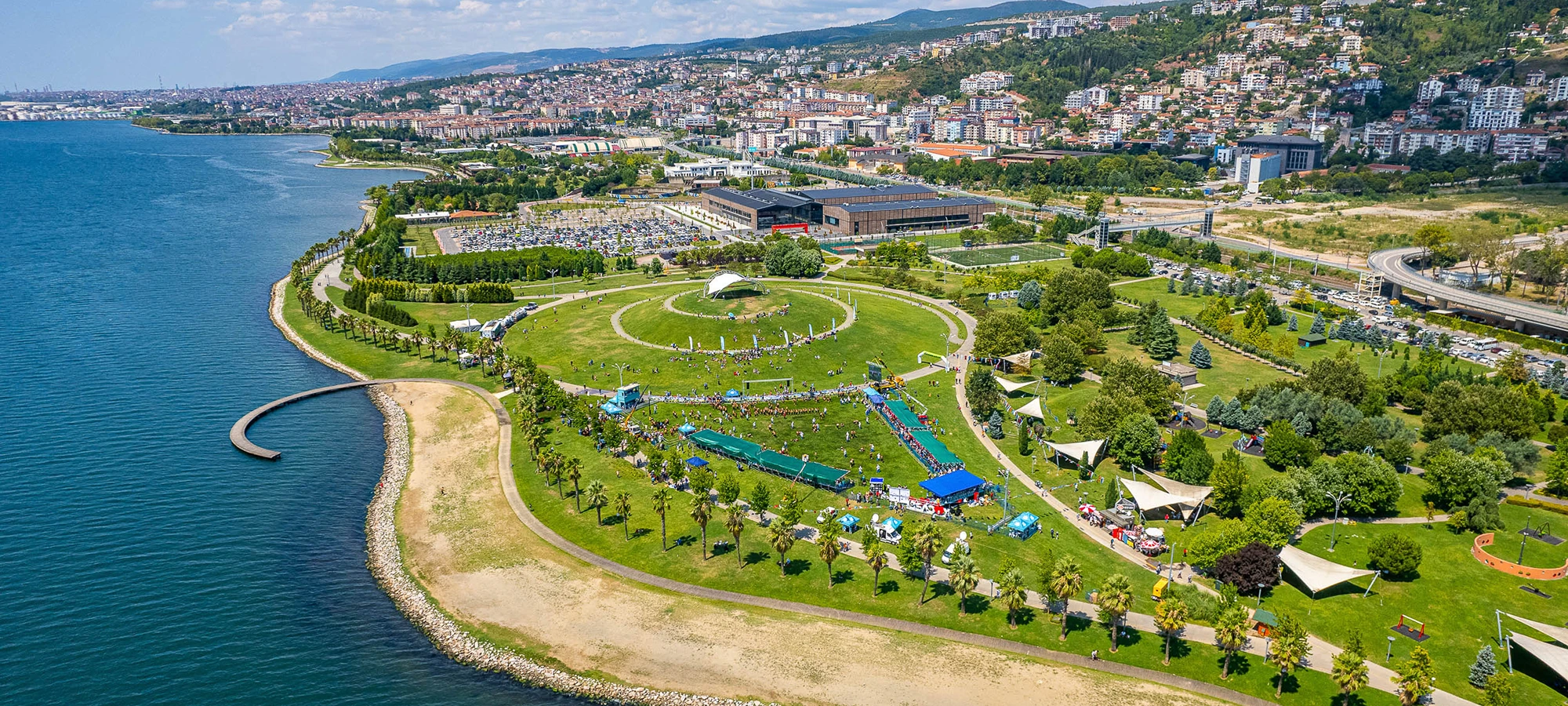
Continue around the Gulf for waterfront scenery, green space and Kocaeli's industrial heritage.
Explore SEKAPARK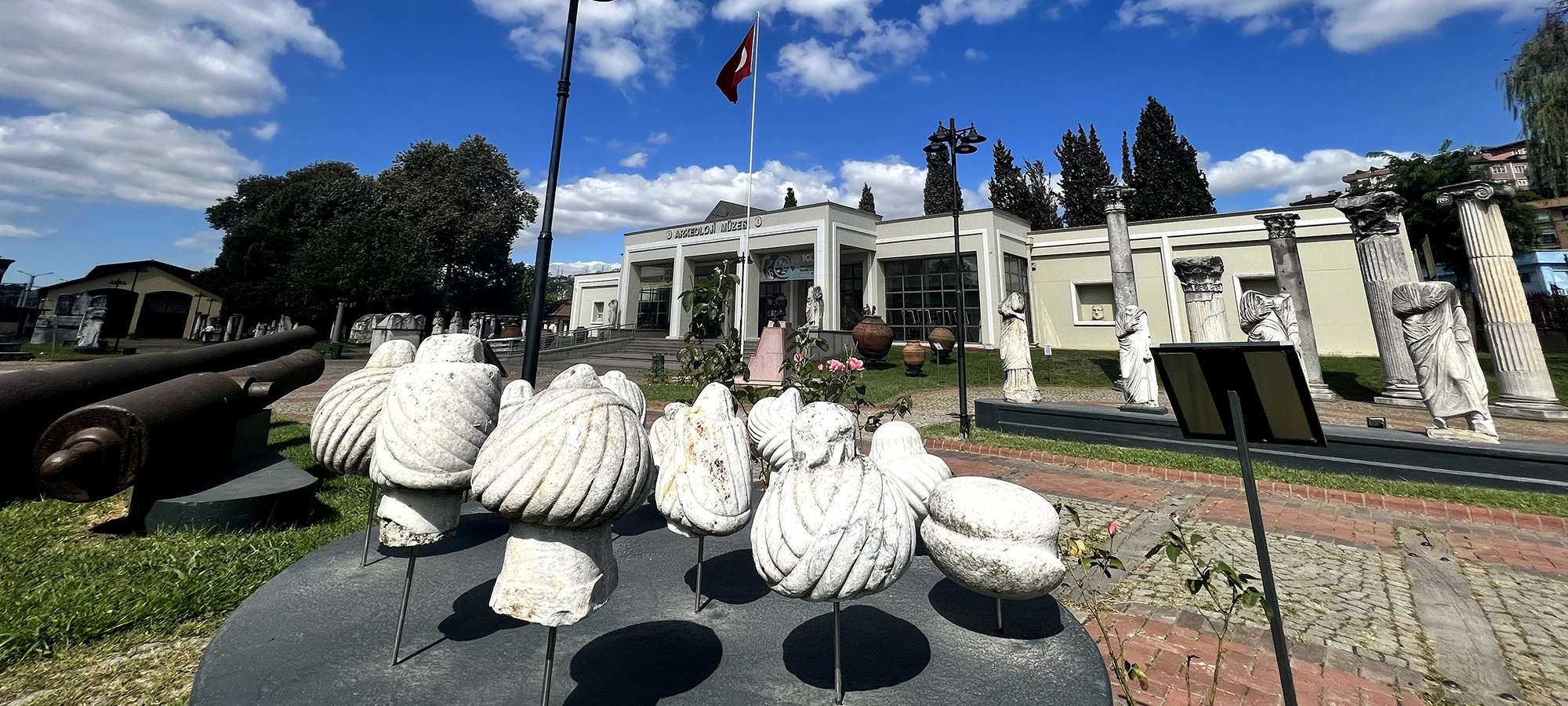
Move from twentieth-century naval history into the Roman and Byzantine story of ancient Nicomedia.
Explore NicomediaUse Gölcük as part of a wider journey through one of the most historically layered regions of the Marmara.
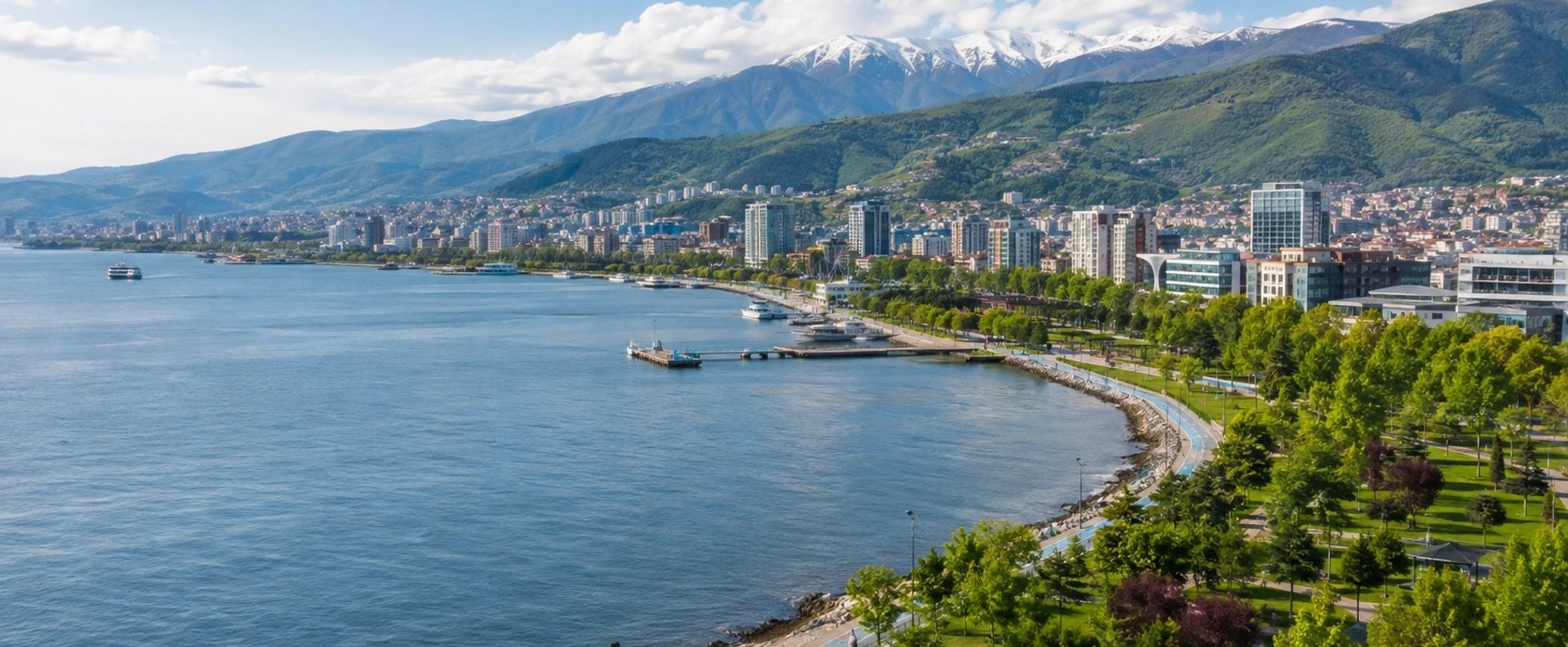
Discover naval history, Roman archaeology, Ottoman landmarks, industrial heritage, forests and Gulf landscapes.
Discover Kocaeli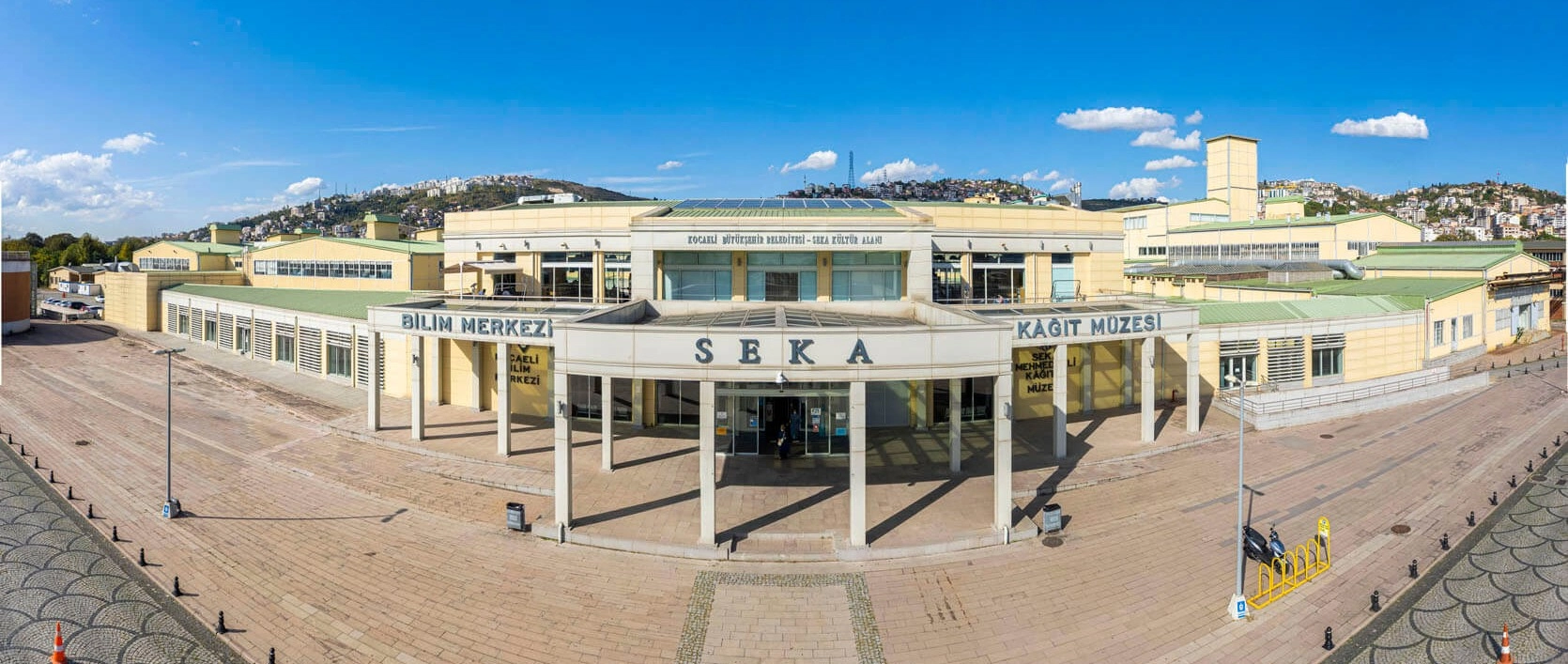
Explore one of Türkiye's most important industrial museums inside İzmit's historic paper factory.
Explore SEKA
Continue through Türkiye with historic cities, archaeological sites, museums, landscapes and regional culture.
Explore Türkiye