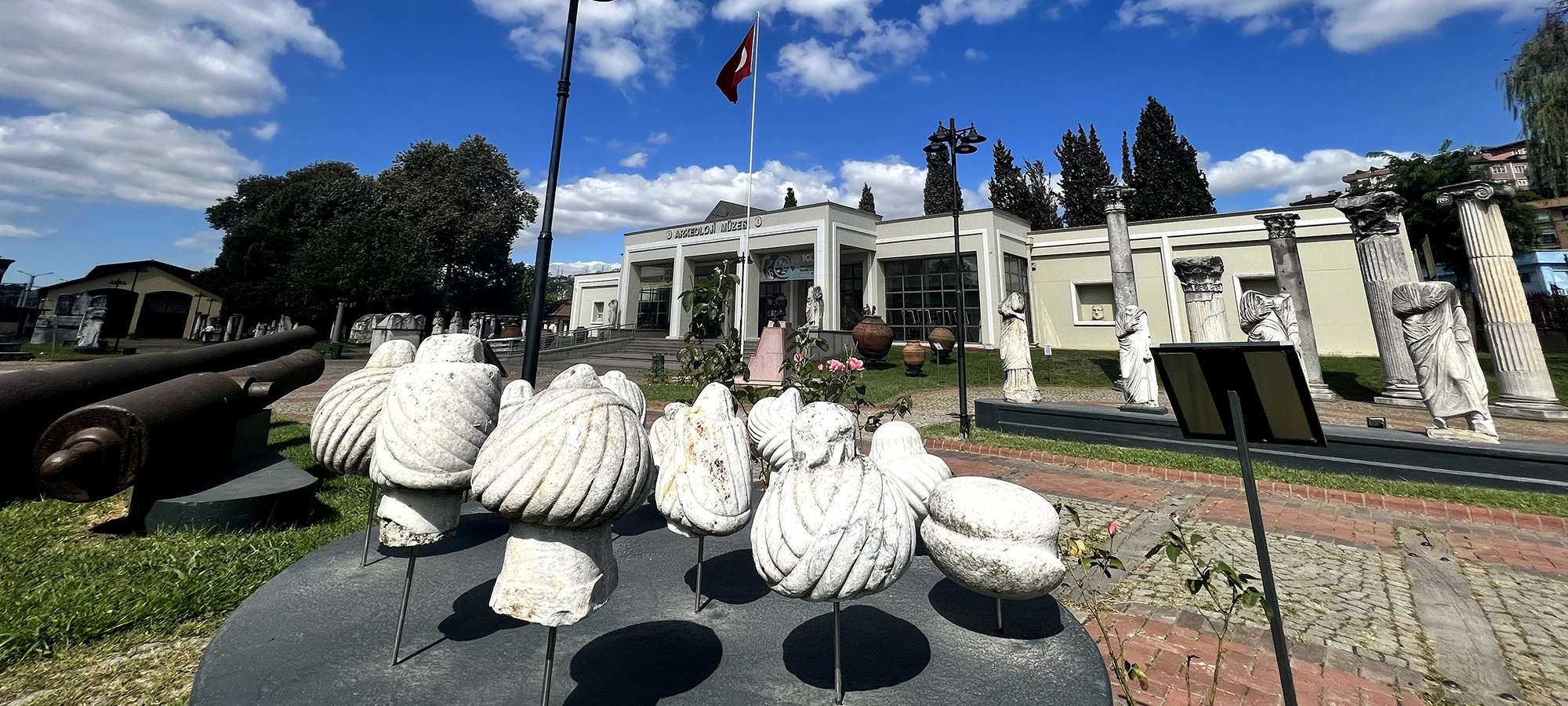
Kocaeli Archaeology Museum
Step from railway history into ancient Nicomedia inside adapted buildings of the same historic station complex.
Explore Kocaeli Archaeology Museum





At the western edge of İzmit's historic center stands one of the city's most important monuments to 19th-century modernization: the Historical İzmit Train Station and its surviving railway complex.
Known in Turkish as İzmit Tarihi Garı, the station developed alongside the Haydarpaşa–İzmit railway, one of the earliest major railway projects built directly by the Ottoman state. The line reached İzmit in 1873, linking the Gulf city more closely with Istanbul and preparing the way for the great railway routes that would later continue deep into Anatolia.
The historic station should not be imagined as a single isolated building. It formed part of a much larger railway environment containing a passenger station, warehouse, workshop, water tower, residential building, dining facilities and service structures. Different parts of the complex were added as railway traffic and operational needs developed.
The architectural plans are associated with the German architect Otto Ritter, while the wider group of station buildings took shape between the late nineteenth and early twentieth centuries. Today the complex survives as an unusually atmospheric cultural district, with several historic railway buildings adapted for heritage, museum, administrative and exhibition use.
The Haydarpaşa–İzmit railway reached the city in 1873, making İzmit a major stop on the route toward Anatolia.
The historic station complex is associated with German architect Otto Ritter and late Ottoman railway architecture.
The former railway grounds include the station, warehouse, workshop, water tower, lodgings and related service buildings.
The restored railway area now supports museums, exhibitions and heritage institutions rather than regular passenger operations.
Essential information about one of Kocaeli's most important surviving railway heritage complexes.
Kozluk Mahallesi,
central İzmit.
Historic railway complex
Former passenger station & service buildings.
1873
Haydarpaşa–İzmit line.
Plans associated with
Otto Ritter.
Buildings developed across
1873–1910.
Cultural heritage use
Museum, exhibition & conservation functions.
The station is much more than an attractive old building — it represents the moment İzmit became firmly connected to the modern railway world.
When the railway reached İzmit in the nineteenth century, it changed the city's relationship with Istanbul, Anatolia, trade and movement. Travel that had depended heavily on roads and sea routes could now increasingly connect with a modern rail network.
İzmit's position was already strategically important. The city stood beside the Gulf, close to Istanbul and at the natural threshold between the Marmara region and inland Anatolia. The railway strengthened that position dramatically.
The station also became one of the most visible symbols of a wider Ottoman effort to modernize transportation, administration and infrastructure. Railways brought not only passengers, but also mail, goods, officials, military movements, new ideas and faster communication.
Over time, the railway became so closely associated with İzmit's urban identity that the city was remembered as a place through which the train passed directly through the urban fabric. The station therefore belongs not only to transportation history, but to the everyday memory of generations of İzmit residents.
Construction of the railway between Haydarpaşa and İzmit began in the early 1870s. The approximately 91-kilometre route reached İzmit in 1873.
This was an important milestone. The railway created a direct overland connection between Istanbul's Asian shore and İzmit, while also establishing the foundation for a much more ambitious railway system extending farther east.
In the following decades, the line was incorporated into the expanding Anatolian railway network. Tracks continued beyond İzmit toward the interior, eventually linking the Marmara region with major Anatolian cities and becoming part of the broader railway geography that shaped the late Ottoman period.
As traffic increased, the İzmit station area also grew. The original passenger facilities were supplemented with warehouses, maintenance structures, water infrastructure, staff buildings and other operational spaces. This is why the historic station is best understood as a railway campus rather than a single monument.
Construction work begins on the Haydarpaşa–İzmit railway corridor.
The railway reaches İzmit and the city enters a new era of rail transportation.
The railway network continues eastward and İzmit becomes a key station on the Anatolian route.
The larger station complex continues to develop as operational needs expand.
The station buildings are associated with German architect Otto Ritter, a name closely connected with railway architecture in the Ottoman Empire.
The main passenger building is generally described as reflecting Neoclassical architectural influences. Its composition is disciplined and functional, yet carefully proportioned, with the kind of dignified public appearance expected from an important railway station.
The building has a rectangular plan, with a more prominent central entrance section and a combination of one- and two-storey volumes. The façades are articulated through regularly spaced doors and windows, stone detailing and the long horizontal rhythm typical of station architecture.
The tiled roofs, masonry walls, platform-side openings and surviving railway structures create an atmosphere very different from İzmit's Ottoman mosques or traditional timber houses. This was architecture designed for movement, schedules, technology and modern public transportation.
Passenger movement, ticketing, waiting and railway operations shaped the building more than ceremonial monumentality.
Balanced proportions and restrained architectural details reflect the public architecture of the late Ottoman modernization period.
Repeated doors and windows once connected the building directly with the rhythm of arriving and departing trains.
Masonry construction, stone detailing and tiled roofs give the complex its distinctive nineteenth-century railway character.
One of the most interesting aspects of the site is the survival of several buildings connected with the daily operation of the railway. Together they demonstrate how much infrastructure was once required to keep a major station functioning.
The wider complex has included the main station building, warehouse, repair workshop or hangar, water tower, staff accommodation, dining building and auxiliary structures. Not every structure was built at exactly the same time. They appeared gradually as railway operations expanded.
The water tower is especially evocative of the age of steam, when locomotives required regular access to large quantities of water. Warehouses handled goods and freight, while workshops supported the maintenance needs of the railway.
This surviving ensemble allows visitors to read the site almost like an industrial landscape. The station building tells the passenger story, while the surrounding structures reveal the less visible work that made rail travel possible.
The architectural focus of the complex and the historic point of arrival and departure for passengers.
A reminder that railways carried enormous quantities of freight as well as people.
Operational buildings supported repairs, maintenance and the technical side of railway life.
One of the clearest surviving reminders of the steam-locomotive era.
Railway complexes often required accommodation and support facilities for staff working around the clock.
Dining and auxiliary structures show that a station functioned almost like a small self-contained working community.
Railways were among the most visible technologies of the nineteenth century. They changed not only transportation, but also the way governments, businesses and ordinary people understood time and distance.
For the Ottoman Empire, modern railways offered the possibility of moving people, goods, mail, officials and military units more rapidly across large territories. Stations therefore became symbols of state power, technical change and economic ambition.
İzmit was particularly well positioned to benefit. Its natural Gulf harbour connected it with maritime trade, while the railway connected the city with both Istanbul and inland Anatolia.
That combination of port, railway and later industry would become one of the defining features of modern Kocaeli. The historic station therefore belongs to a much larger story explaining why İzmit developed into one of Türkiye's most important transportation and industrial corridors.
For much of the twentieth century, railway tracks were an unmistakable part of central İzmit. The line ran through the city so visibly that railway movement became woven into everyday urban life.
Residents saw trains arrive, heard locomotives, crossed the railway, met travellers and experienced the station as one of the city's principal points of contact with the outside world.
The station was therefore much more than transport infrastructure. It was a place of departures, reunions, official ceremonies, migration, military journeys, business travel and personal memory.
Old photographs of İzmit frequently show the railway running close to the Gulf, with trains, station buildings and the waterfront forming a single urban landscape. Those images help explain why the railway occupies such a strong place in the city's collective memory.
The station's importance made it a natural setting for official arrivals and public ceremonies. Mustafa Kemal Atatürk and other prominent statesmen were received here during visits to İzmit.
One of the most important episodes connected with Atatürk and the city occurred on 16 January 1923, when Mustafa Kemal arrived in İzmit and later met journalists at Kasr-ı Hümayun. The meeting became one of the defining events in Kocaeli's modern political and press history.
Historical photographs also record Atatürk at İzmit Station in the early Republican period, including his journey through the city on 5 June 1928.
These associations give the station an additional layer of meaning. It was not only part of the railway network; it was also one of the places where national history physically entered the city.
As İzmit expanded, the railway line that had once helped modernize the city increasingly became a difficult physical barrier within the urban center.
In 1995, the railway alignment through this part of İzmit was shifted toward the coastal corridor. The old station buildings consequently lost their original operational role.
For many historic stations, the end of railway service can lead quickly to abandonment or demolition. In İzmit, however, the surviving complex was eventually recognized as an important part of the city's architectural and transportation heritage.
The former station area could therefore begin a second life: not as a place for catching trains, but as a place for remembering how the railway shaped the city.
The 17 August 1999 Marmara earthquake caused enormous destruction across Kocaeli and affected many historic buildings as well as modern structures. The old railway complex was among the heritage sites requiring repair and conservation attention.
After the railway had already ceased using the old alignment, the earthquake made the future of the historic buildings even more important. Conservation work aimed to stabilize, repair and adapt the surviving station structures for new functions.
The main station and warehouse restoration was completed in 2006, allowing the old railway environment to be reused rather than abandoned.
This adaptive reuse is one of the reasons the complex remains so valuable today. Visitors can still understand the architecture of the railway site, while the buildings continue to serve the city through museums, exhibitions, heritage administration and cultural activity.
The former railway complex now performs several cultural and institutional roles. The old passenger station has been associated with the Kocaeli Cultural Heritage Conservation Regional Board and the Kocaeli Fine Arts Exhibition Hall.
Exhibitions are periodically organized inside the historic station building, which means the interior can sometimes be experienced as an art space rather than simply viewed from outside.
Other surviving railway buildings in the same wider grounds were adapted for the Kocaeli Archaeology Museum. The museum uses parts of the former railway support complex, including spaces associated with the old workshop, hangar, water infrastructure and storage buildings.
This makes the Old Station Area unusual: within a short walk, visitors can move between Ottoman railway heritage, Roman Nicomedia and twentieth-century city memory.
Part of the historic station building serves institutions responsible for protecting the region's cultural heritage.
The station building is also used for temporary art exhibitions and cultural events.
Several buildings in the wider railway complex now form part of Kocaeli Archaeology Museum.
Platforms, railway architecture and surviving service buildings preserve the atmosphere of the old station district.
The relationship between the old station and the Kocaeli Archaeology Museum is one of the strongest reasons to visit the area.
The museum is located within the historic railway complex and reuses several former service buildings. Its galleries present archaeological material from Kocaeli, including periods stretching from prehistory through the Classical, Hellenistic, Roman, Eastern Roman and Ottoman eras.
This creates a remarkable historical contrast. The railway buildings represent İzmit's transformation during the nineteenth and twentieth centuries, while the museum collections reach back to ancient Nicomedia and far earlier periods.
A visitor can therefore experience thousands of years of local history without leaving the same compact district.
Study the balanced composition, repeated window openings and restrained late Ottoman railway architecture.
Imagine the doors opening directly toward trains, passengers and railway staff during the station's working years.
The tiled roofs and projecting eaves contribute strongly to the station's historic character.
Look closely at masonry, foundations, window surrounds and structural details rather than viewing the building only from a distance.
One of the most evocative reminders of the railway's steam-powered period.
The warehouse, workshop and supporting structures reveal how a full railway complex actually operated.
Notice how the old station relates to today's waterfront and city streets after the railway route was moved.
Observe how old railway structures have been preserved by giving them new museum, exhibition and institutional functions.
The station is one of the most photogenic heritage areas in central İzmit because it offers architecture, railway details, open space and industrial atmosphere within the same setting.
Wide views work well for showing the station together with the surrounding complex, while closer compositions can focus on doors, windows, stonework, rooflines and platform details.
The remaining railway-related structures are especially effective for photography because they explain the site visually. A water tower, warehouse or workshop tells a different story from the passenger building itself.
Morning and late-afternoon light generally produce softer shadows on the façades, while overcast weather can be excellent for architectural details without harsh contrast.
The former station complex occupies comparatively level ground, making the exterior environment generally easier to explore than many hilltop monuments or steep historic neighborhoods.
However, the site contains multiple historic buildings with different present-day functions. Accessibility can therefore vary between the station building, museum galleries, temporary exhibition spaces and surrounding heritage structures.
Visitors who require wheelchair access, step-free entrances or specific assistance should confirm arrangements with the particular venue they plan to enter, especially the Kocaeli Archaeology Museum or a temporary exhibition.
This is the historic former station complex, not the present passenger railway station used for contemporary train services.
Walk beyond the main façade to understand the warehouse, workshop, water tower and supporting railway buildings.
The museum occupies historic railway structures in the same area and adds enormous value to the visit.
Interior access to the old station may depend on whether a Fine Arts Exhibition Hall event is operating.
The station is one of central İzmit's strongest locations for architectural and railway-heritage photography.
The old station sits close to several museums, naval vessels and the Gulf of İzmit shoreline.
A short architectural visit is easy, but allow considerably longer if you include the archaeology museum.
Imagine how trains once ran directly through this part of the city before the railway alignment changed.
The Historical İzmit Train Station is located in Kozluk Mahallesi in central İzmit, within the wider Eski Gar Alanı — Old Station Area.
The old station building itself is used for heritage administration and cultural exhibitions, so it does not operate with a single permanent tourist-entry schedule in the way a conventional museum does.
Visitors can appreciate the historic railway environment from the exterior, while access to the Fine Arts Exhibition Hall depends on the current exhibition program.
The Kocaeli Archaeology Museum within the same former railway complex currently lists regular visitor hours of 09:00–17:00, with ticket-office closing at 16:30 and Monday as the weekly closing day.
Kozluk Mahallesi, İstasyon Caddesi, İzmit
Heritage administration and Fine Arts Exhibition Hall functions.
The historic station architecture can be appreciated as part of the Old Station Area.
Depends on current exhibitions and institutional use.
09:00–17:00
Tuesday–Sunday.
Currently closes at 16:30.
The old station stands in Kozluk Mahallesi, close to central İzmit, the Gulf waterfront and several of the city's most important museums and monuments.
Because the site is centrally located, it can be reached easily by walking, municipal public transport, taxi or private vehicle from many parts of central İzmit.
When using navigation, search for “Tarihi İzmit Tren Garı” or the Kocaeli Archaeology Museum / Eski Gar Alanı.
Visitors arriving by modern train should remember that the active İzmit railway station is separate from the historic station building. The old complex is now a heritage and cultural area.
The station can be included comfortably in a central İzmit walking itinerary.
Central municipal services and the city's tram network provide convenient access to the wider center.
Ask for Tarihi Gar / Eski Gar Alanı / Kocaeli Arkeoloji Müzesi.
Navigate toward Kozluk Mahallesi and İstasyon Caddesi in central İzmit.
Begin at the Historical İzmit Train Station and spend time examining the passenger building, platform environment and surviving railway architecture.
Next, continue directly into the Kocaeli Archaeology Museum inside the same historic railway complex. This creates a fascinating transition from nineteenth-century transportation history to ancient Nicomedia.
After the museum, walk toward the waterfront and continue with the TCG Gayret Museum Ship for a completely different chapter of modern engineering and military history.
If time remains, continue through central İzmit to explore Ottoman architecture or follow the waterfront west toward SEKAPARK and the former industrial district.
Historical İzmit Train Station – understand the city's nineteenth-century railway transformation.
Kocaeli Archaeology Museum – discover Nicomedia and the archaeological history of the region.
TCG Gayret Museum Ship – continue into twentieth-century naval and technological history.
Central İzmit or the Gulf waterfront – extend the route through monuments, parks and local city life.
A very quick exterior look at the main station building and a few photographs.
Enough time to study the main building and walk through part of the surviving railway complex.
A better heritage visit covering the passenger building, surrounding structures and architectural details.
Combine the historic station with a focused visit to Kocaeli Archaeology Museum.
Add the archaeology museum, waterfront and TCG Gayret Museum Ship for a varied central İzmit itinerary.
Continue with Ottoman monuments, SEKAPARK and additional museums around the city.
Because the station is in central İzmit and can be appreciated from outside, it is a year-round heritage attraction. The best season depends mainly on whether you plan to combine it with museums and waterfront walking.
Mild weather and fresh greenery make it ideal for combining architecture with a longer city walk.
Visit earlier or later in the day if you plan to continue along the open waterfront.
Comfortable temperatures and softer light work especially well for photography.
The station remains easy to include in a city route, with the nearby archaeology museum providing an indoor component.
A good choice when combining the station with museum visits before afternoon sightseeing.
Often attractive for exterior photography as the light becomes warmer and less harsh.
The old station is exceptionally well positioned for a multi-attraction walking itinerary. Several important museums, historic monuments and waterfront sights are located nearby.
For a broader journey through the province, use our complete Kocaeli travel guide to continue toward the Gulf, Gölcük, industrial heritage sites, forests and surrounding districts.
Explore the archaeology of ancient Nicomedia inside former railway buildings in the same Old Station Area.
Visit a preserved Cold War destroyer on the nearby İzmit waterfront.
Walk beside the Gulf and see how the old railway district connects with the modern city.
Discover one of İzmit's finest Ottoman monuments, designed by the great architect Mimar Sinan.
Continue west to one of İzmit's most popular waterfront recreation areas and the former SEKA industrial district.
Explore the industrial story that helped shape modern İzmit after the railway era had already transformed the city.
The old station is located in Kozluk Mahallesi in central İzmit, Kocaeli, within the historic Eski Gar Alanı.
It is commonly known as İzmit Tarihi Garı, Tarihi İzmit Tren Garı or Eski İzmit Garı.
The Haydarpaşa–İzmit railway reached the city in 1873.
The original route was approximately 91 kilometres.
The station plans are associated with the German architect Otto Ritter.
The wider railway complex developed over several decades, with buildings generally dating across the period from 1873 to 1910. Some sources date the earliest station structure to 1870–1873.
The main building is generally described as showing Neoclassical influences within late Ottoman railway architecture.
No. The wider complex included the passenger station, warehouse, workshop or hangar, water tower, lodgings, dining facilities and auxiliary structures.
Its location between Istanbul, the Gulf of İzmit and inland Anatolia made it a natural transportation gateway.
Yes. The historic station witnessed receptions for Mustafa Kemal Atatürk and other leading statesmen during visits to the city.
Mustafa Kemal arrived in İzmit and later held an important meeting with journalists at Kasr-ı Hümayun, an event remembered in Kocaeli's press history.
The railway route through this part of the city was shifted toward the coastal corridor in 1995, after which the old station complex lost its original operational role.
Yes. The historic railway buildings were affected by the 17 August 1999 Marmara earthquake and later underwent conservation and repair.
Major restoration of the station and warehouse buildings was completed in 2006.
The old station has cultural and institutional functions, including heritage administration and Fine Arts Exhibition Hall use.
Interior access depends on the building's current institutional use and whether a temporary exhibition or cultural event is open to visitors.
No. The historic station is a preserved heritage complex. Modern passenger trains use the present railway facilities on the current alignment.
Yes. The museum occupies several adapted railway buildings within the wider Eski Gar Alanı.
Current 2026 official information lists the museum as open 09:00–17:00 Tuesday–Sunday, with the ticket office closing at 16:30. Monday is the regular closing day.
Allow around 30–60 minutes for the station complex itself. Add at least another hour if visiting the archaeology museum.
Yes. The combination of historic façades, platforms, railway service buildings and industrial details makes it one of central İzmit's strongest heritage photography locations.
The easiest additions include Kocaeli Archaeology Museum, TCG Gayret Museum Ship, the İzmit waterfront, Ottoman monuments and the SEKA district.
Yes, especially for visitors interested in railway history, Ottoman modernization, architecture, industrial heritage and the urban history of İzmit.
Today, there are no crowds waiting for a steam locomotive beneath the old station roof. The platform is quiet, the railway operations have moved elsewhere and the buildings have found new purposes.
Yet the station remains one of the best places in İzmit to understand how rapidly the city changed during the nineteenth and twentieth centuries.
The railway brought İzmit closer to Istanbul, Anatolia and the modern industrial economy. It influenced trade, movement, urban development and the daily lives of generations.
The surviving buildings make that transformation visible. A passenger station, warehouse, workshop and water tower are not isolated monuments; together they form the physical memory of an entire transportation system.
That is what makes the Historical İzmit Train Station special. It is not simply a beautiful old railway building. It is a place where architecture, technology, politics, urban memory and everyday life all meet beside the Gulf of İzmit.
Historical İzmit Train Station reveals the city's railway transformation. Continue through İzmit for Roman archaeology, Ottoman architecture, naval history and the industrial heritage of the Gulf.
Ancient Nicomedia, railway heritage and the Gulf waterfront sit remarkably close together.
Step from railway history into ancient Nicomedia inside adapted buildings of the same historic station complex.
Explore Kocaeli Archaeology Museum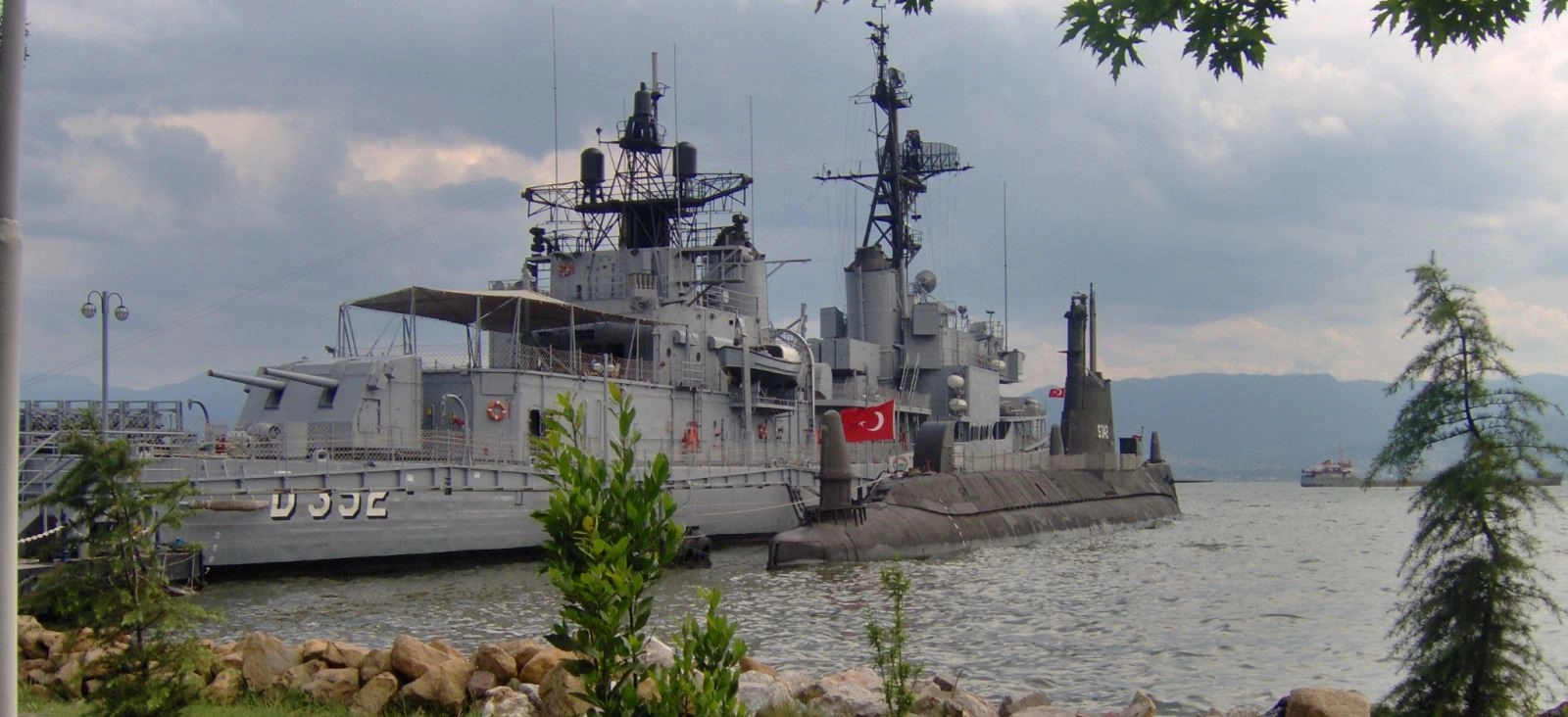
Continue from nineteenth-century railway technology to twentieth-century naval engineering on the İzmit waterfront.
Explore TCG Gayret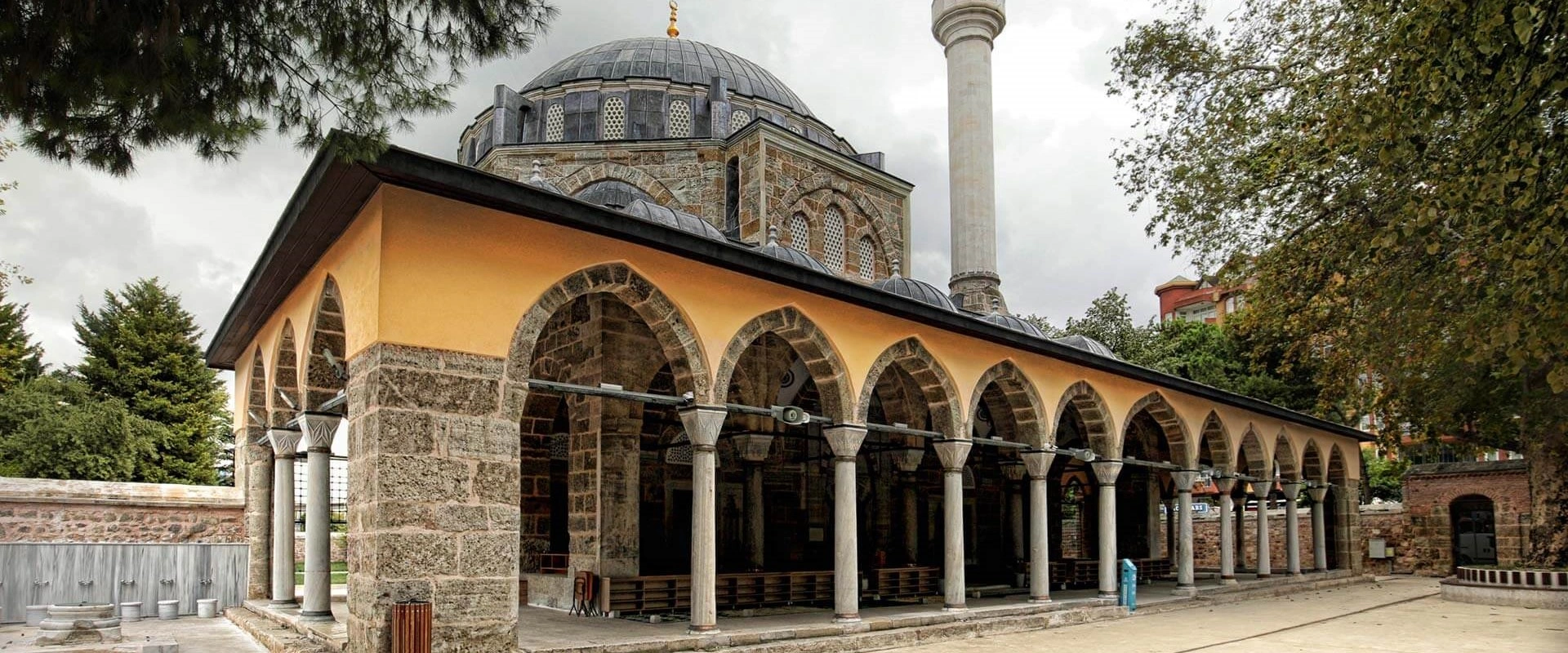
Discover a very different chapter of İzmit's architecture at one of the city's finest Ottoman monuments.
Explore Pertev Mehmet Pasha MosqueFollow İzmit's transformation from railway city to industrial center and modern Gulf metropolis.
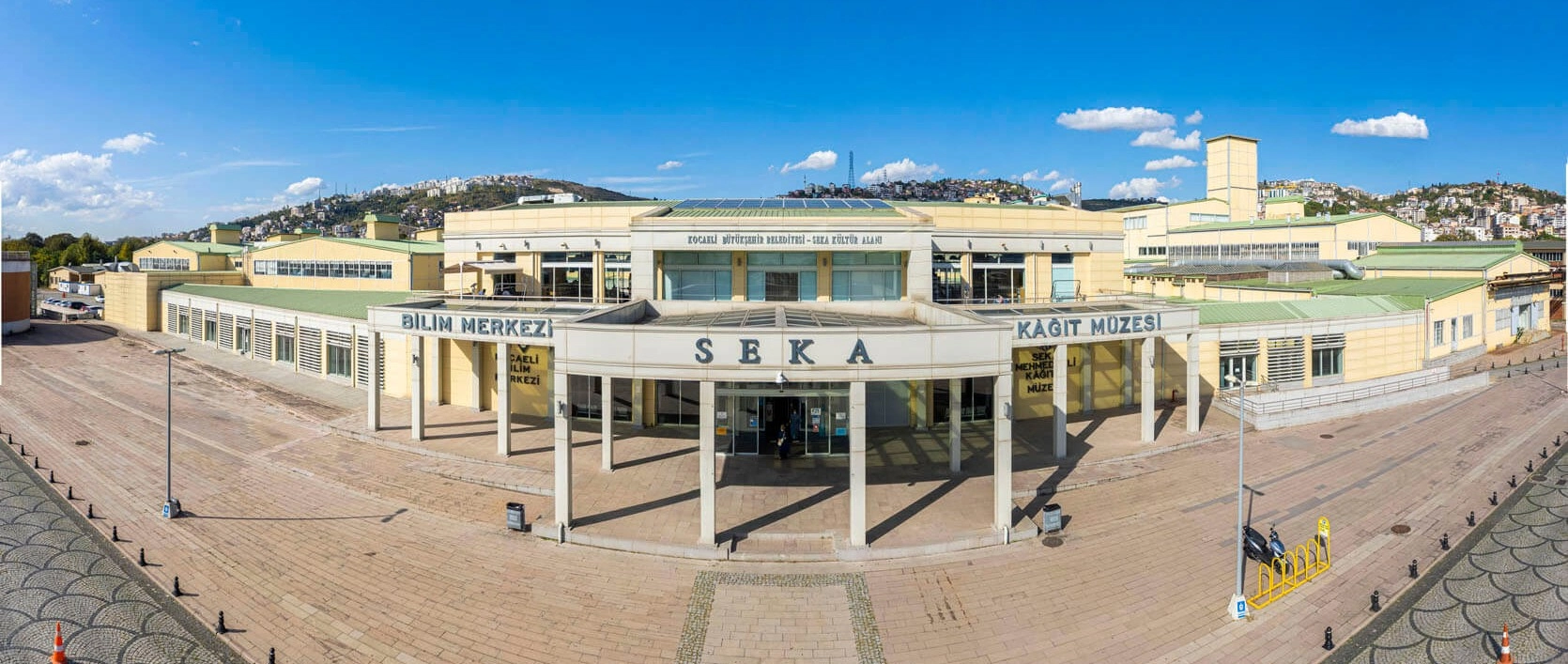
Continue the story of modern İzmit through the industrial complex that became one of the city's defining twentieth-century institutions.
Explore SEKA Paper Museum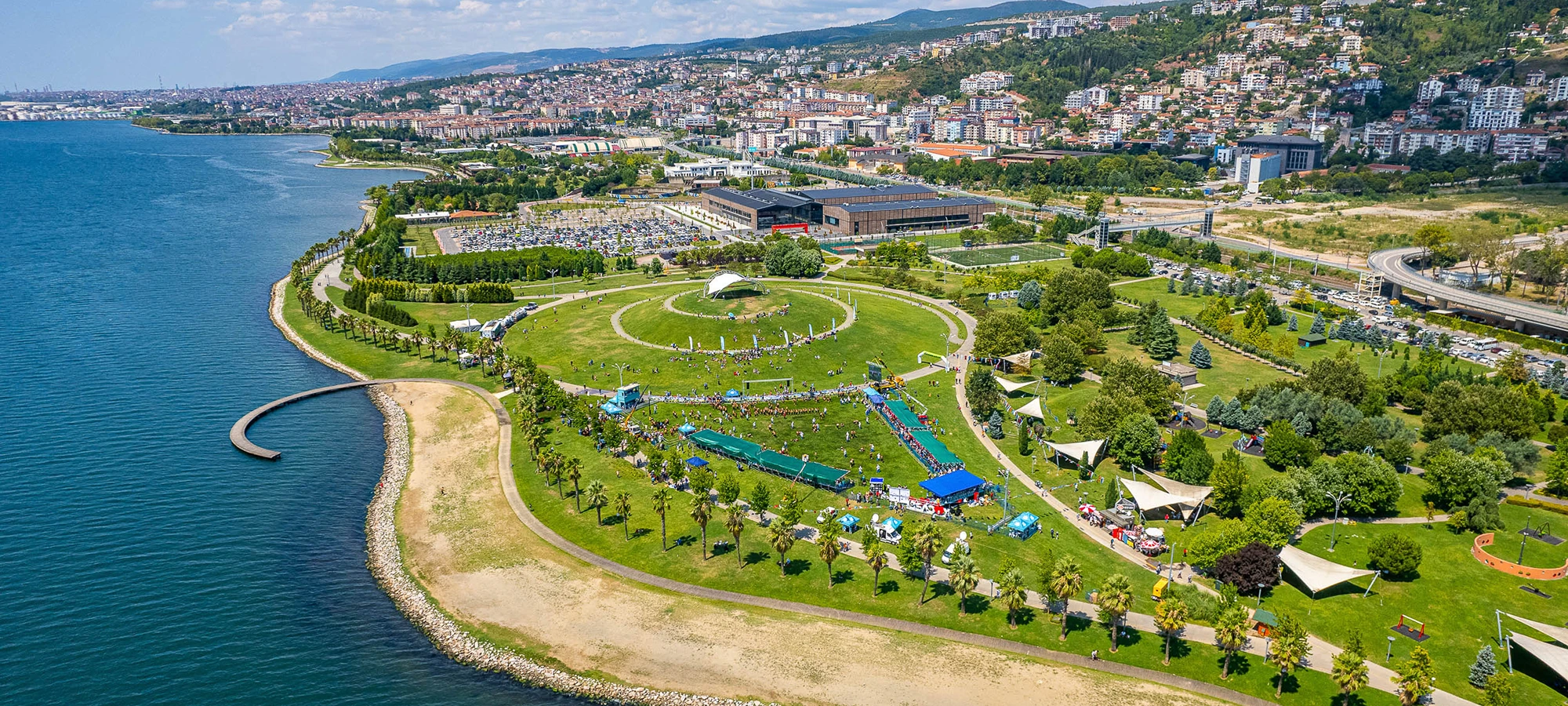
Walk the Gulf waterfront through green spaces created beside another major chapter of İzmit's industrial heritage.
Explore SEKAPARK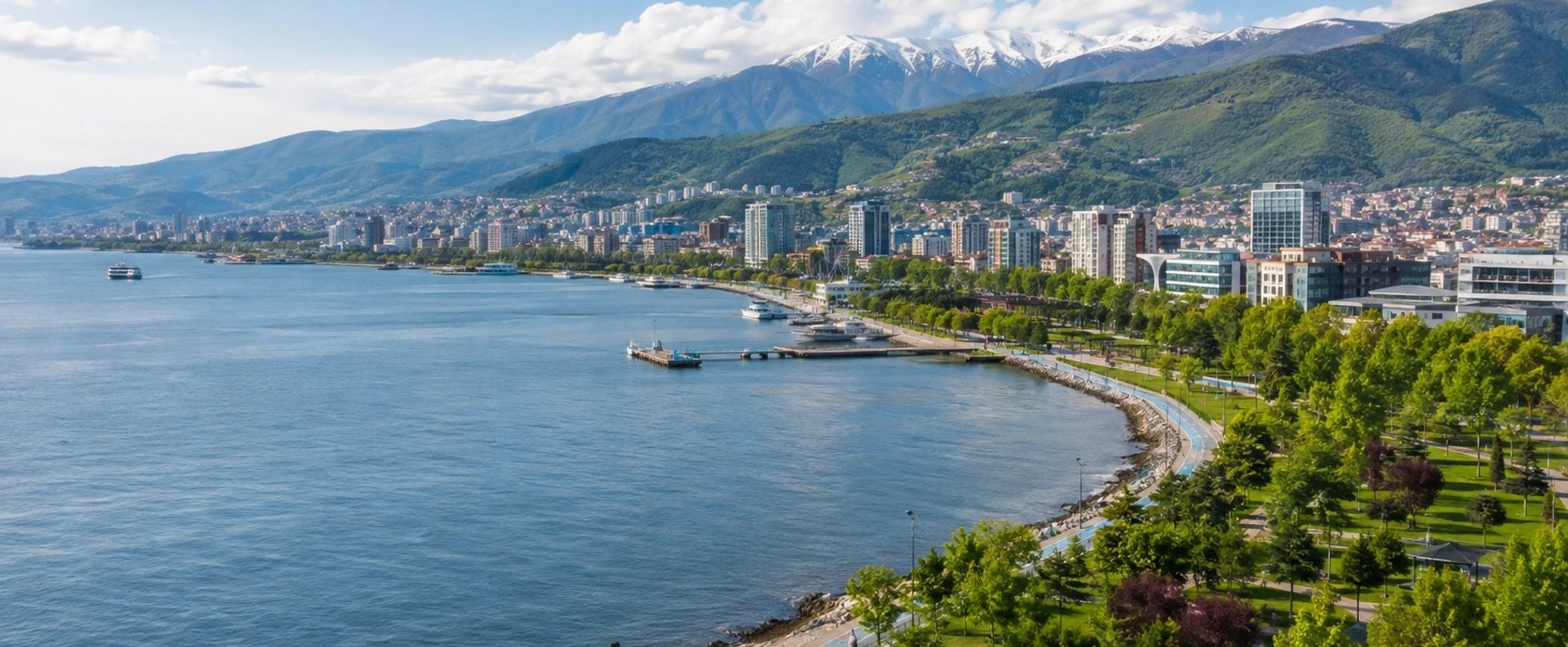
Continue through Roman archaeology, Ottoman monuments, railway heritage, museums, forests and the Gulf of İzmit.
Discover Kocaeli