
Denizli City Museum
Explore Denizli’s local history, urban traditions and cultural identity.
Discover the Museum





East of Denizli, Honaz is a working Anatolian town and district with an extraordinary range of stories. Its fertile plain lies below Honaz Mountain, while the nearby ruins of ancient Colossae connect the region to the classical world and the early history of Christianity.
For nature lovers, Honaz Mountain National Park offers forested slopes, mountain scenery and remarkable native plants. For cultural travellers, the old town preserves memories of Byzantine Chonai, medieval fortifications, historic religious buildings and the orchards that produce the geographically registered Honaz cherry.
Honaz is also an ideal base for exploring Kaklık Cave, whose mineral-water terraces have earned it the nickname “Cave Pamukkale.” Archaeology is a developing story here: Colossae’s first systematic excavation season began in 2025, giving visitors an important reason to distinguish active research areas from established ticketed museums.
This complete guide covers Honaz’s geography, history, ancient and Christian heritage, castle and mosques, national park, cherries, food, seasonal travel, transport and realistic itineraries. Follow our linked guides for more in-depth information about each major attraction.
Explore the city associated with the Epistle to the Colossians and the Lycus Valley.
Discover a national park of dramatic slopes, forest habitats and endemic plants.
Follow the town’s Byzantine, Seljuk and Ottoman layers of history.
Get to know the protected Honaz cherry and life in a productive agricultural landscape.
Essential information to plan a thoughtful visit to Honaz town and its surrounding district.
Honaz district, approximately 24 km east of Denizli city centre, Türkiye.
Town at the northern foot of Honaz Mountain, with cultivated plains and wooded slopes.
Colossae (Kolossai), in the Lycus Valley just north of today’s town.
Colossae is associated with the New Testament Letter to the Colossians; later Chonai with Archangel Michael.
Honaz Mountain National Park, first declared in 1995.
Honaz Kirazı, a registered geographical-indication cherry since 2021.
Kaklık Cave, a thermal-water cave within Honaz district.
Allow half a day for a town-and-archaeology introduction; more time for the mountain and Kaklık Cave.
Honaz is appealing precisely because it is not a purpose-built resort. Farms and neighbourhoods are part of everyday life, with an ancient city and a high mountain rising in the same landscape. You can appreciate the local setting without expecting the fully developed visitor infrastructure of Pamukkale.
The district appeals to archaeology enthusiasts, travellers following the early history of Christianity, walkers interested in mountain ecology, and visitors who enjoy regional food and countryside scenery. A guide adds particular value when interpreting Colossae and the changing location of historic Chonai.
For travellers with limited time, Honaz can complement a Denizli or Pamukkale itinerary, especially alongside Colossae and Kaklık Cave. The national park deserves a separate, weather-aware excursion rather than being treated as a quick photo stop.
Classical Colossae, Byzantine Chonai and later Turkish history overlap in this district.
The archaeological landscape is still being investigated and interpreted.
Enjoy a very different natural setting from the white terraces of Pamukkale.
Cherries, vineyards and other crops shape the local economy and seasonal character.
See modern life against one of Anatolia’s historically significant mountain backdrops.
Combine your chosen cultural stops without compulsory shopping demonstrations.
Honaz lies east of Denizli, near the corridor of the Denizli–Ankara highway. The provincial and municipal authorities describe the district centre as about 24 kilometres from Denizli; travel times depend on where you begin, road conditions and the particular site you intend to visit.
The settlement occupies the northern foothills of Honaz Mountain, overlooking agricultural land and the Çürüksu (Lycus) basin. The Aksu watercourse and the surrounding valleys help explain why people established settlements and cultivated crops here over many centuries.
The name “Honaz” can refer to the town, the wider administrative district or the mountain. These are related but not interchangeable destinations. Kaklık Cave is in Honaz district, for example, but not within a short walk of the town centre.
Denizli, in southwestern Türkiye.
Honaz town, on the mountain’s northern side.
Close to the Denizli–Ankara route and its junctions.
Orchards, cultivated plains and rural neighbourhoods.
The Lycus / Çürüksu landscape connects Honaz with Laodicea and Hierapolis.
Search for the exact site—town centre, Colossae, national park entrance or Kaklık Cave.
The wider Honaz landscape has attracted settlement since antiquity. The nearby ancient city of Colossae developed along routes connecting inland Anatolia with the Aegean, acquiring importance through trade, textiles and its position in the Lycus Valley.
During late antiquity and the Byzantine centuries, the settlement focus and place names changed. Chonai (Khonai) became associated with the later medieval town and the sanctuary tradition of the Archangel Michael. It is helpful to distinguish the ancient site of Colossae from the later built-up settlement rather than imagining one unchanging urban footprint.
Honaz later passed through periods of Turkish and Ottoman rule, retaining a regional role connected to farming, transport and mountain routes. The district received modern administrative district status in 1987, according to the Denizli Directorate of Culture and Tourism.
Colossae is a major reference point for the district’s early recorded history.
The Lycus Valley produced textiles and other valuable agricultural goods.
The Colossian community appears in the New Testament tradition.
Chonai and the Archangel Michael cult became prominent.
The town passed through changing Seljuk, beylik and Ottoman spheres.
Today it combines agriculture, residential neighbourhoods, industry and education.
Colossae (also written Kolossai) lies approximately 2 km north of Honaz town, near the Aksu watercourse. In antiquity it was an important Phrygian and later Roman settlement on the routes of the Lycus Valley.
The site is different from the monumental, extensively exposed ruins of Laodicea and Hierapolis. Much of ancient Colossae survives as a mound and archaeological terrain. The rock-cut tombs and scattered visible remains reward informed interpretation, but visitors should not expect a fully reconstructed street network.
New research matters: Pamukkale University documents the first systematic excavation campaign at Colossae from 7 July to 30 December 2025, with work focused on the northern necropolis. Fenced archaeological sectors are not public shortcuts or casual exploration areas. Check current entry arrangements and respect all research boundaries.
For archaeology, visit our dedicated Colossae Ancient City guide, which explores its setting, history, Christian associations and practical visiting considerations.
About 2 km north of Honaz district centre.
A significant settlement of the historic Lycus Valley.
Archaeological mound and scattered remains rather than a restored city.
Rock-cut graves and a northern necropolis studied by archaeologists.
First systematic season, documented by Pamukkale University.
Follow marked public access only; restricted excavation areas must not be entered.
The ancient city is associated with the Letter to the Colossians in the New Testament. The letter belongs to the Pauline tradition, while Epaphras is closely linked with the emergence of the local early Christian community.
This makes Honaz especially meaningful for travellers studying the spread of Christianity in Asia Minor. The place name appears in a religious and historical conversation extending well beyond the physical ruins visible today.
An important distinction: Colossae is not one of the Seven Churches named in the Book of Revelation. Nearby Laodicea is one of those seven. The two cities had connections, but their biblical references are not identical.
A specialist guide can explain how Colossae, Laodicea and Hierapolis formed a related geographical world while preserving the differences in their surviving buildings and textual evidence.
The Letter to the Colossians is associated with this city.
A figure connected with the early Christian communities of the region.
A network of communities including Colossae, Laodicea and Hierapolis.
Colossae is not itself one of the Seven Churches of Revelation.
A biblical reference does not identify every surviving ruin as a church.
Combine Colossae with Laodicea for richer historical context.
In late antiquity and Byzantine times, the region gained a new religious identity associated with Chonai / Khonai. The tradition of Archangel Michael grew especially influential, and Byzantine texts remember a sanctuary associated with the archangel in this area.
The Miracle of Michael at Chonai belongs to the landscape of Orthodox Christian hagiography. It tells a sacred story of divine intervention linked to water and a holy site. This should be understood as religious tradition, not an independently documented geological or military event.
Present-day Honaz is not an intact Byzantine pilgrimage complex. Old churches, later alterations and lost buildings require careful historical interpretation. The current Pamukkale University Colossae research project offers a useful account of the changing Saint Michael tradition.
Travellers interested in churches and iconography can make this an intellectually rewarding stop, especially in a private heritage itinerary that also includes Laodicea.
Chonai / Khonai, associated with the later Byzantine settlement.
Archangel Michael, prominent in Byzantine religious history.
A traditional Christian story tied to the sanctity of the local landscape.
Not every sanctuary mentioned in medieval accounts is standing today.
Distinguish hagiography, medieval writing and archaeology.
Particularly relevant to visitors interested in early Christian Anatolia.
The historic Honaz Castle (Honaz Kalesi) occupied a commanding position on the rocky slopes above the settlement. Its location makes sense: the mountain edge overlooks approaches toward the Lycus Valley and routes passing through the town.
The district governor’s historical account describes the castle through the words of Evliya Çelebi, who reported a strong fortress and an inhabited fortified quarter in the seventeenth century. The account is valuable historical testimony, but his description of buildings and population should not be read as a census of what survives today.
Official tourism materials state that only parts of the castle walls remain visible. It is a historic ruin landscape, not a complete fortress with a maintained visitor circuit. Do not climb unstable walls or assume every steep path is safe or publicly accessible.
Honaz Kalesi.
Rocky slopes overlooking the historic town.
Evliya Çelebi’s seventeenth-century travel narrative.
Partial surviving wall sections, not a complete standing castle.
Confirm present routes before attempting an uphill approach.
Avoid unstable masonry, drop-offs and unmarked shortcuts.
The centre of Honaz preserves architectural traces of its multicultural history. Hisar Mosque (Hisar Camii), in Hisar neighbourhood, is particularly notable because the official Culture Portal identifies it as a building originally constructed as a church and later adapted for mosque use.
The heritage inventory describes a vaulted rectangular plan, arched openings and surviving traces associated with the earlier church structure. Local summaries give slightly different dates for its twentieth-century conversion; it is more reliable to describe the adaptive reuse than to claim a universally agreed single conversion year.
The district tourism office also records Sultan Murat Mosque in the town’s Ottoman heritage, describing a small domed building associated with the reign of Murad II and noting its ruined condition in the source. Do not assume either monument is open for unrestricted tourism without checking local conditions.
When entering an active mosque, dress respectfully, avoid prayer times for sightseeing and follow posted photography guidance.
A former church adapted into a mosque, documented in the cultural inventory.
Vaulting, rounded arches and later furnishings reflect adaptation over time.
One of the historic quarters of Honaz town.
A separate Ottoman-period monument described in district tourism materials.
Check whether any given building is accessible and active.
Prioritise worship and local religious practice over sightseeing.
Honaz Mountain National Park protects a striking stretch of high terrain above the surrounding plains. The national park was declared on 21 April 1995, according to official nature-conservation material.
Honaz Mountain is repeatedly described in Turkish official tourism sources as the highest peak in the Aegean region. Its exact elevation is not given consistently across official publications: local and park sources use around 2,571 m, while some national tourism pages give 2,528 m. For a general visitor guide, it is best described as approximately 2.5 km above sea level.
The mountain includes forest zones, exposed higher slopes and views over a much wider region. Its northern side rises steeply above Honaz; access to the park can also be approached from the Cankurtaran side, depending on the intended route and current conditions.
Despite its name, the park is not simply an easy town-centre viewpoint. Different entrances and walking zones require different plans. For route ideas and landscape background, see our full Honaz Mountain National Park guide.
21 April 1995, according to the park authority.
Roughly 2,500–2,570 m; figures vary among published official references.
A transition between Mediterranean, Aegean and inland Anatolian influences.
Honaz-side and Cankurtaran-side approaches described officially.
Forests, mountain scenery, nature observation and selected hiking areas.
Check weather, route status and any forest or park access restrictions.
Honaz Mountain is more than a scenic backdrop. Government nature-tourism records document 964 plant taxa or species in the national park, including 122 endemic to Türkiye. Because survey methods and classifications can change, these should be understood as reported inventory figures rather than a guarantee of what a visitor will personally find.
Official botanical summaries identify several especially localised plants, including Lamium microphyllum, Verbascum chrysohacos (spellings vary in some sources) and Crocus baytopiorum. Their rarity is a reason for conservation, not for collecting specimens.
Forests include conifers and other mountain vegetation; animal species described by official tourism material include wild goats, boar, foxes and smaller mammals. Wildlife sightings are unpredictable and visitors should keep a safe distance.
Carry out all litter, stay on authorised tracks, do not pick endemic flowers and keep drones or activities subject to applicable regulations.
964 recorded plants in the government nature-tourism database.
122 taxa identified as Turkish endemics in the published survey.
Certain taxa are reported as restricted to Honaz Mountain.
Mountain forests and changing vegetation belts.
Possible habitat for wild goats, foxes, boar and smaller animals.
Observe and photograph plants; do not remove them.
The national park’s lower-access zones may suit scenic drives and gentle outdoor time, while higher mountain routes demand much more. Summit hiking is not a casual town walk: altitude, exposed terrain and variable weather call for preparation and relevant mountain experience.
Forest roads are not automatically marked public hiking trails. Some high roads or installations may be operational or restricted areas. Consult current park information, choose an established route and never use an open online track as proof that access is legal today.
The district and Culture Portal also describe regional opportunities for nature walking and mountain recreation. Any paragliding, skiing or other specialist activity should be planned only with appropriately qualified operators and confirmed seasonal conditions—there is no promise of daily commercial operations.
For an easy cultural visit, you can enjoy photographs of the mountain from the town and combine them with nearby historical stops without attempting the summit.
Short approved walks and viewpoints, subject to current access.
Requires route planning, suitable footwear and adequate fitness.
Cold, wind and sudden weather changes can occur at altitude.
Carry offline maps and tell someone your intended route.
Respect signs, private property and security boundaries.
Take litter with you and protect mountain flora.
Kaklık Cave (Kaklık Mağarası) is in Kaklık neighbourhood, within Honaz district, rather than in the town centre. The national Culture Portal places it roughly 30 km from Denizli city centre near the Denizli–Ankara road.
Warm, mineral-rich water forms terraced deposits inside the cave that recall the better-known white formations at Pamukkale. Sunlight, moisture and vegetation can lend the interior varied green tones. The cave also has a noticeable sulphur smell that some visitors may find strong.
The Ministry of Education’s outdoor-learning directory lists 09:00–17:00 daily and states that admission is charged. However, prices and actual access may change; an old directory timetable is not a real-time confirmation of opening.
Expect damp, potentially slippery surfaces and stay on the designated visitor pathway. For photographs, facilities and context, consult our separate Kaklık Cave guide.
Kaklık Mağarası.
Honaz, Denizli; near Kaklık settlement.
Mineral-water cascades and travertine-like pools.
Humid interior with light, plants and a sulphur smell.
Education directory lists 09:00–17:00 daily; verify before travel.
The directory states paid entry, but this page does not invent a current price.
Honaz Kirazı is not simply an informal local nickname: the Turkish Patent and Trademark Office lists it as a registered geographical indication, registration no. 697, dated 22 March 2021. The registered category is menşe adı, or designation of origin.
The official product description connects cherry growing in Honaz with the beginning of the twentieth century and with longstanding local celebrations. The registered fruit is known for its large size, firm texture and sweet flesh under its defined production requirements.
Cherry season creates a particularly attractive contrast between orchards and mountain scenery, but harvest timing can shift with annual weather, elevation and agricultural conditions. Do not enter orchards or pick fruit without the grower’s permission.
Local shops and markets may carry cherries in season. Choose responsibly purchased produce rather than assuming every cherry sold elsewhere is certified Honaz Kirazı.
Registered Honaz Kirazı, no. 697.
22 March 2021.
Honaz Chamber of Agriculture (Honaz Ziraat Odası).
Sweet, firm and relatively large under the official specification.
Orchard cultivation is a longstanding part of Honaz life.
Ask local producers about the current harvest period.
Honaz’s economy is rooted partly in productive agricultural land, where cherries are joined by grapes, other fruits and a variety of field crops. The town is not a museum village: it is a modern district with neighbourhood services, education, industry and working farms.
This mix gives the area its distinctive character. The streets and markets may appear modest next to Denizli’s headline attractions, but the views of orchards and surrounding mountains help reveal the relationship between local livelihoods and geography.
For visitors, the most respectful way to discover agricultural Honaz is to buy from authorised producers or markets, enjoy local food and photograph fields from public roads without obstructing farm vehicles.
If seasonal produce interests you, ask what is currently available rather than assuming the cherry harvest or any festival is happening on your dates.
A central feature of Honaz’s landscape and local economy.
Other crops supplement cherry production.
Look for seasonal produce in authorised shops and market areas.
Honaz is also connected to the industrial economy of Denizli.
Do not enter working fields or photograph workers intrusively.
Spend time in town as a lived-in place, not a staged attraction.
The food culture of Honaz shares many characteristics with the wider Denizli and Aegean regions. Municipal descriptions mention everyday breads such as bazlama, yufka and şipit, alongside soups, vegetable dishes and hearty meals.
Specialties mentioned by the municipality include keşkek, sac kavurma, dishes with eggplant, tarhana soup and various locally prepared salads. These are part of regional food traditions, not a promise that every restaurant serves all of them.
If you are travelling during cherry season, fresh Honaz cherries are a memorable simple taste of the place. For lunch, use currently operating restaurants and ask about preparation, dietary requirements and opening times before making a special journey.
Fresh Honaz cherries from legitimate vendors.
Bazlama, yufka and şipit in the wider local food culture.
Keşkek and hearty meat or legume dishes.
Eggplant dishes and locally inspired salads.
Tarhana and other regional preparations.
Check restaurant hours and availability rather than assuming a fixed menu.
Spring is a pleasing time for greener foothills and orchard scenery. The mountain can remain cold or unsettled when the town itself feels mild. Late spring and early summer may coincide with cherry harvesting, depending on that year’s growing conditions.
Summer brings hotter conditions in the lower settlements and potentially more comfortable air at some higher elevations, but mountain sun, changing conditions and forest-access restrictions still matter. Carry water and plan exposed walks carefully.
Autumn can suit cultural sightseeing and moderate walks, while winter may bring snow to the mountain and wet or icy approaches. Colossae and Kaklık Cave have their own access conditions, so check each separately regardless of season.
Orchard blossoms, green hills and often comfortable daytime touring.
Potential cherry-harvest interest; verify dates each year.
Hot town temperatures; manage sun exposure carefully.
Appealing for cultural sightseeing and mountain colours.
Mountain snow or icy routes may restrict outdoor plans.
Confirm attraction access and mountain conditions shortly before visiting.
Honaz town is roughly 24 km from Denizli according to the local municipality. Honaz is served by road connections from the Denizli metropolitan area, and municipal descriptions mention passenger minibuses; individual departure frequencies can change and should not be treated as guaranteed.
Private transport or taxi offers the easiest way to combine the town with separated stops such as Colossae, the national park approaches and Kaklık Cave. Ask your driver to use the specific place name, since these attractions do not share one common entrance.
From Pamukkale village, travel towards Denizli and then east towards Honaz. From Denizli Çardak Airport or the main bus terminal, confirm your onward road connection to the site you actually wish to visit.
The national park may have different access points on the Honaz and Cankurtaran sides. Do not assume a route designed for the park also passes by Colossae or Kaklık Cave.
Drive or check current minibuses toward Honaz district centre.
Travel via the Denizli road network and onward toward Honaz.
A separate historical-site stop north of town; check access.
Use the appropriate authorised entrance for your intended activity.
Navigate to Kaklık Mağarası in Kaklık neighbourhood, not Honaz town.
A private vehicle is convenient for multiple dispersed attractions.
When planning a route, search for each attraction by its full Turkish name. This helps avoid arriving at Honaz town when you meant to visit a mountain access area or the cave in Kaklık.
The links below open independent map searches. Check up-to-date road access, official site signs and parking rather than assuming every map pin marks the correct pedestrian entrance.
Honaz is a district, not a single ticketed attraction. The streets and public viewpoints of town are different from regulated archaeological, cave and national-park areas. Each site may have its own management and visiting rules.
The Ministry of Education’s Kaklık Cave listing publishes daytime hours and confirms paid entry, but this page does not invent a 2026 fee. Colossae is an active research landscape, with controlled areas documented by its excavation team. National park access can vary according to weather, safety rules and seasonal protection measures.
Historic religious buildings may be in worship use, closed for work or inaccessible at certain hours. We recommend checking official local information before a special visit, particularly if you require step-free access or are travelling with a large group.
Public streets and businesses have their own opening arrangements.
Respect archaeological fences and confirm any visitor arrangements.
Park access, facilities and possible charges must be verified for the date.
Directory lists 09:00–17:00 and paid admission; current tariff not independently verified.
Prayer times and maintenance can affect access.
Do not assume cave stairs or mountain tracks are wheelchair accessible.
For families, a relaxed town visit or a short, suitable viewpoint stop can be easier than a full mountain trek. The district has road access to a variety of sites, but steep terrain and heritage structures can create obstacles.
Kaklık Cave has a humid environment and may include slippery visitor walkways. Colossae has uneven archaeological terrain and restricted excavation areas. Honaz Mountain has gradients and weather changes unsuitable for assuming universal step-free access.
If anyone in your group uses a wheelchair, stroller or walking aid, contact the relevant site administration to verify the actual accessible route, nearby drop-off point and any required assistance. Avoid planning an itinerary solely from photographs.
Choose short, supervised stops over exposed hikes.
Allow flexibility and request the nearest legal drop-off.
Expect damp surfaces and consider sensitivity to sulphur odours.
Watch uneven ground and stay clear of excavations.
Carry layers and be ready to change the plan.
Confirm facility-specific access; it varies by site.
The classic Honaz composition is a town-and-mountain panorama: red roofs and orchards in the foreground, tall forested slopes behind. Softer morning or later-afternoon light can help preserve detail across the landscape.
At Colossae, photographs can emphasise the historic mound, rural setting and relationship to the Lycus Valley—without entering fenced trenches or removing objects. At Kaklık Cave, observe any rules for interior photography and protect delicate surfaces.
For blossom or cherry-season photography, respect farm boundaries and ask permission before photographing people at work. Rare plants in the national park should be admired in place, never moved or handled for a better image.
Show the mountain and valley together.
Seasonal blossoms and ripe cherries offer strong local identity.
Convey the still-unexcavated character of much of Colossae.
Photograph textures and light without disturbing habitat.
Follow lighting, access and no-flash restrictions if posted.
Ask before photographing workers, worshippers or private property.
Half-day culture plan: explore Honaz’s town landscape and historic centre, then continue to the surroundings of Colossae if accessible. This suits travellers more interested in history and photography than in demanding mountain hiking.
Full-day highlights plan: combine Honaz, Colossae and Kaklık Cave with time for lunch and comfortable stops. Visit order should depend on current cave hours, archaeological access and your starting location.
Nature-focused plan: reserve the main part of your day for Honaz Mountain National Park, taking a suitable approved route. A longer mountain outing and an archaeology/cave circuit should not be marketed as if both could be completed thoroughly in a rushed few hours.
Honaz is well placed for a custom Denizli heritage and nature route, but its attractions are spread across the district and adjoining areas. The places below are complementary stops, not a claim that all can be visited on foot or in one short afternoon.
For archaeology, the Lycus Valley sites are natural partners. For landscapes, Kaklık Cave and Pamukkale show different expressions of the region’s water and geology. City museums add a local historical dimension.
Explore the ancient city associated with the Colossian community and 2025 excavation research.
Learn about forests, rare plants and mountain landscapes overlooking Honaz.
Visit the mineral-water formations and humidity-loving plants of the famous cave.
Discover a neighbouring Lycus Valley metropolis with major Roman and Christian heritage.
See the UNESCO-listed white terraces and ancient Roman city.
Gain context about local life and Denizli’s development.
Explore historic trading streets on a separate Denizli city stop.
Plan a wider route across nature, archaeology and cultural heritage.
Honaz’s chronology spans ancient urban history, Christian textual heritage, medieval settlement, protected natural landscapes and modern archaeology. Ancient and medieval date ranges are approximate; the recent administrative, protection and research milestones are documented by their respective institutions.
Colossae prospers as a regional town in the Lycus Valley.
The community appears in early Christian / Pauline textual tradition.
Chonai and the Archangel Michael tradition become important.
Local fortifications and shifting Turkish political control shape Honaz.
The town continues as an agricultural and administrative settlement.
Honaz gains district status in the modern Republic of Türkiye.
Honaz Mountain is declared a national park.
Honaz Kirazı receives registered geographical-indication status.
The first systematic archaeological excavation season begins at Colossae.
Honaz is a town and district of Denizli Province, about 24 km east of Denizli city centre.
Its mountain and national park, nearby ancient Colossae, the Byzantine Chonai connection and geographically registered Honaz cherries.
No. Honaz is a town and administrative district; Honaz Mountain National Park is a protected natural area associated with the mountain.
Yes, especially if you are interested in early Christian history, archaeology, orchards or mountain landscapes, but allow time for transfers between distinct sites.
Local government descriptions place the town approximately 24 km from Denizli; actual driving distance depends on the precise start and destination.
Colossae, or Kolossai, was an important ancient settlement near Honaz, associated with the New Testament Letter to the Colossians.
The archaeological area lies approximately 2 km north of Honaz town, in the historic Lycus Valley.
Yes. After survey work, Pamukkale University documents the first systematic excavation season in 2025.
Not without permission. Research areas may be fenced or restricted; confirm the current permitted public approach.
The New Testament letter is associated with Paul, but a visit by Paul to Colossae should not be presented as a firmly demonstrated archaeological fact.
No. Laodicea is one of those Seven Churches; Colossae is known for a different New Testament association.
A later Byzantine name and urban identity associated with the area of present-day Honaz and the tradition of Archangel Michael.
A Christian hagiographic tradition tied to the area; it should be understood as religious heritage rather than independently verified physical history.
Regional heritage descriptions say only portions of the historic walls remain. Conditions on steep approach paths should be checked.
Yes. The official Turkish cultural-property inventory describes Hisar Camii as a former church adapted for mosque use.
Official nature-conservation documentation gives 21 April 1995.
It is one of the Aegean region’s highest peaks, around 2.5 km above sea level; published official figures vary between approximately 2,528 and 2,571 m.
Do not assume the summit is an easy beginner walk. Choose a suitable legal route and assess terrain, weather, navigation and experience.
Yes. Government nature-tourism data identifies 122 plants endemic to Türkiye in the park’s recorded flora.
Kaklık Cave is in Kaklık neighbourhood of Honaz district, near the Denizli–Ankara road—not in Honaz town centre.
Yes. Official descriptions note mineral-rich thermal water and travertine-like formations inside the cave.
The Ministry of Education directory says entry is paid, but you should verify the present admission tariff.
Honaz Kirazı is a Turkish geographical-indication product registered in 2021, known for large, sweet and firm fruit under its specification.
Usually around late spring and early summer, but harvesting dates vary with weather and growing conditions.
Local municipal sources describe minibuses from Denizli. Verify current routes and timetables, especially for onward connections to individual attractions.
Usually this can form part of a well-planned private day, depending on opening arrangements, traffic and your other planned stops.
Spring and autumn suit comfortable cultural sightseeing; summer offers orchard activity, while winter mountain conditions may limit outdoor plans.
Accessibility varies significantly. Mountain routes, archaeological ground and cave paths should not be assumed step-free; check each site.
We can design private Denizli-area heritage and nature sightseeing based on your interests, timing and operational availability, without compulsory shopping stops.
Honaz’s greatest appeal is the close relationship among historic sites, working farms and mountain ecosystems. Each setting deserves a different kind of care: do not cross excavation fences, climb fragile walls, enter private orchards or remove plants from the national park.
At churches converted to mosques and at other living religious places, respect worshippers, dress appropriately and follow any local photography requests. On trails, keep to legal access routes, monitor weather and remove your rubbish.
An accurate travel account distinguishes documented archaeology from traditions about early Christian miracles, and historical descriptions from facilities currently confirmed to be available.
Stay outside fenced or managed archaeological research areas.
Do not climb crumbling masonry or remove finds.
Seek permission before entering orchards or taking fruit.
Never pick rare plants or damage forest habitat.
Keep visits quiet and follow mosque guidance.
Support local producers and leave sites clean.
These official government, municipal, heritage and university references support the major historical, natural and agricultural details in this guide. Site access, hours, transport routes and operational facilities should still be checked against current local notices before travelling.
Official geography, district background and history.
Town’s position on Honaz Mountain and its relationship to Denizli.
Local information on Colossae, historic monuments and the national park.
Official archaeological and historical overview of the ancient city.
First systematic excavation season and conservation work in 2025.
Christian history and the transformation from Colossae to Byzantine Chonai.
Nature-tourism register for the park’s botany and ecology.
Official information on the national park and possible entry approaches.
Inventory of the church-to-mosque adaptation and building fabric.
Cave geology, thermal water and regional location.
Geographical-indication registration no. 697, dated 2021.
Historical descriptions of Honaz Castle and the old town.
From ancient Colossae and Honaz Mountain to Kaklık Cave, Denizli’s museums and Pamukkale, we tailor private sightseeing to your interests—with no compulsory shopping stops.
Explore museums, historic markets and local heritage around the city.
Explore Denizli’s local history, urban traditions and cultural identity.
Discover the Museum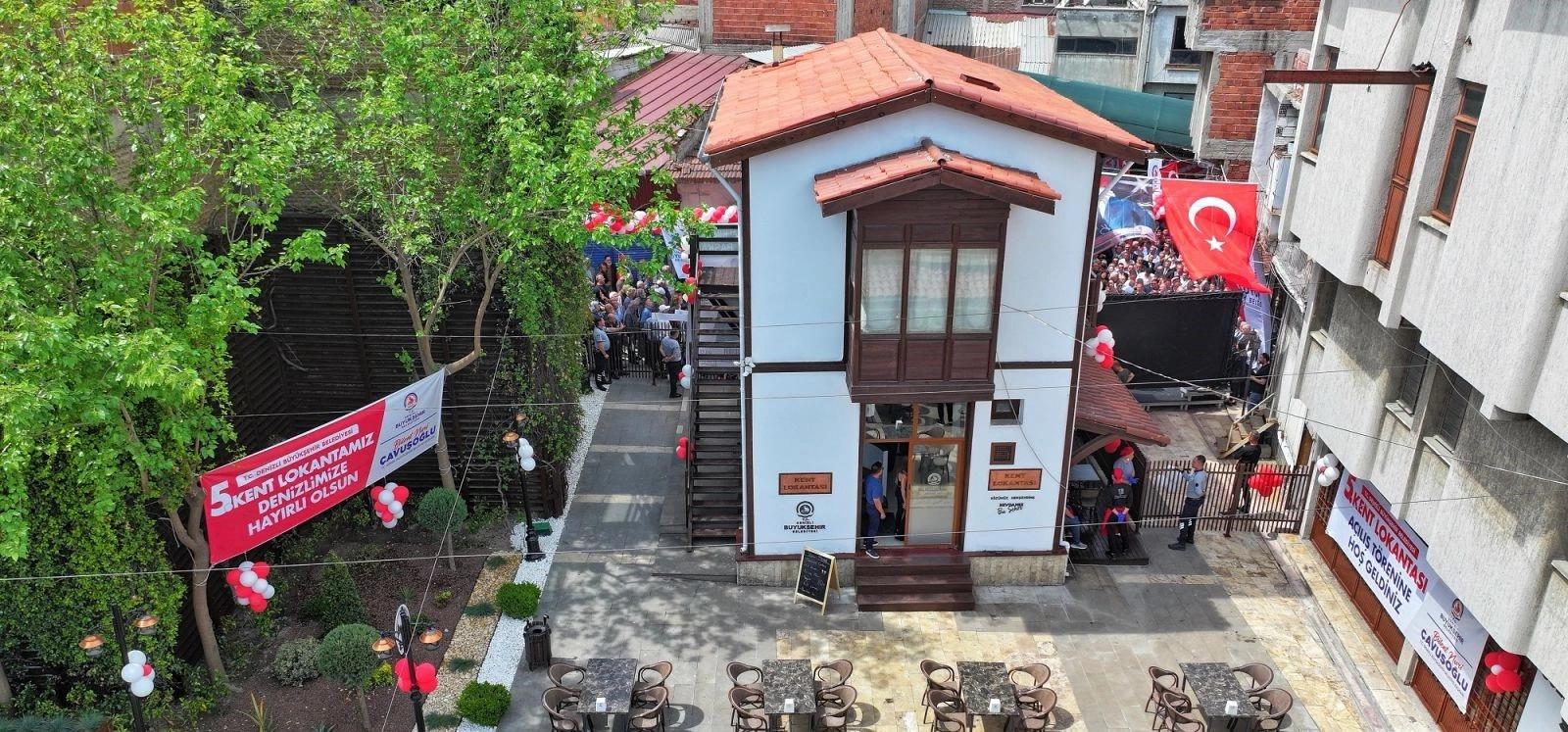
Walk among the old market lanes and stories of Denizli’s historic commerce.
Explore Kaleiçi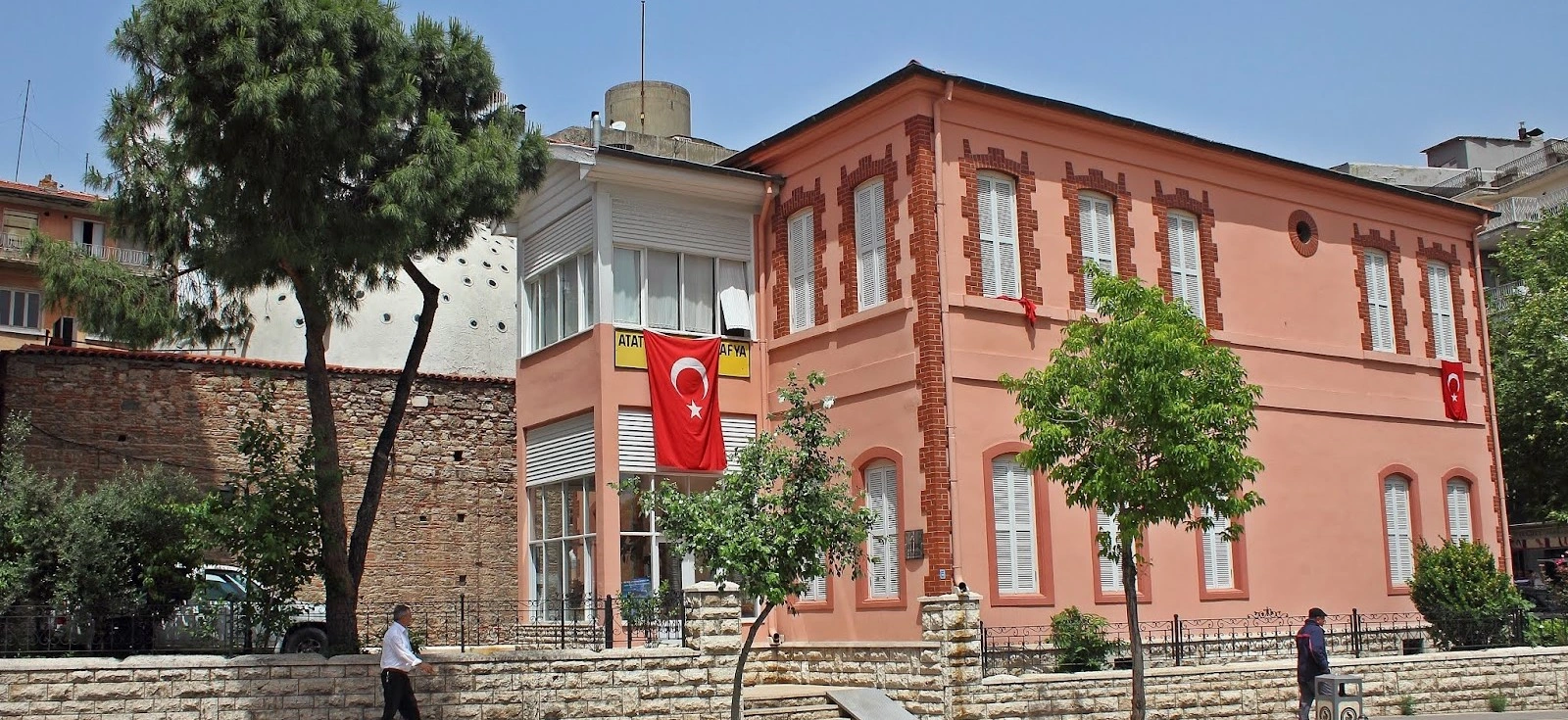
Discover a historic house and collections illustrating the region’s social history.
Visit the MuseumContinue from Honaz’s early Christian story to other Lycus Valley sites and UNESCO heritage.
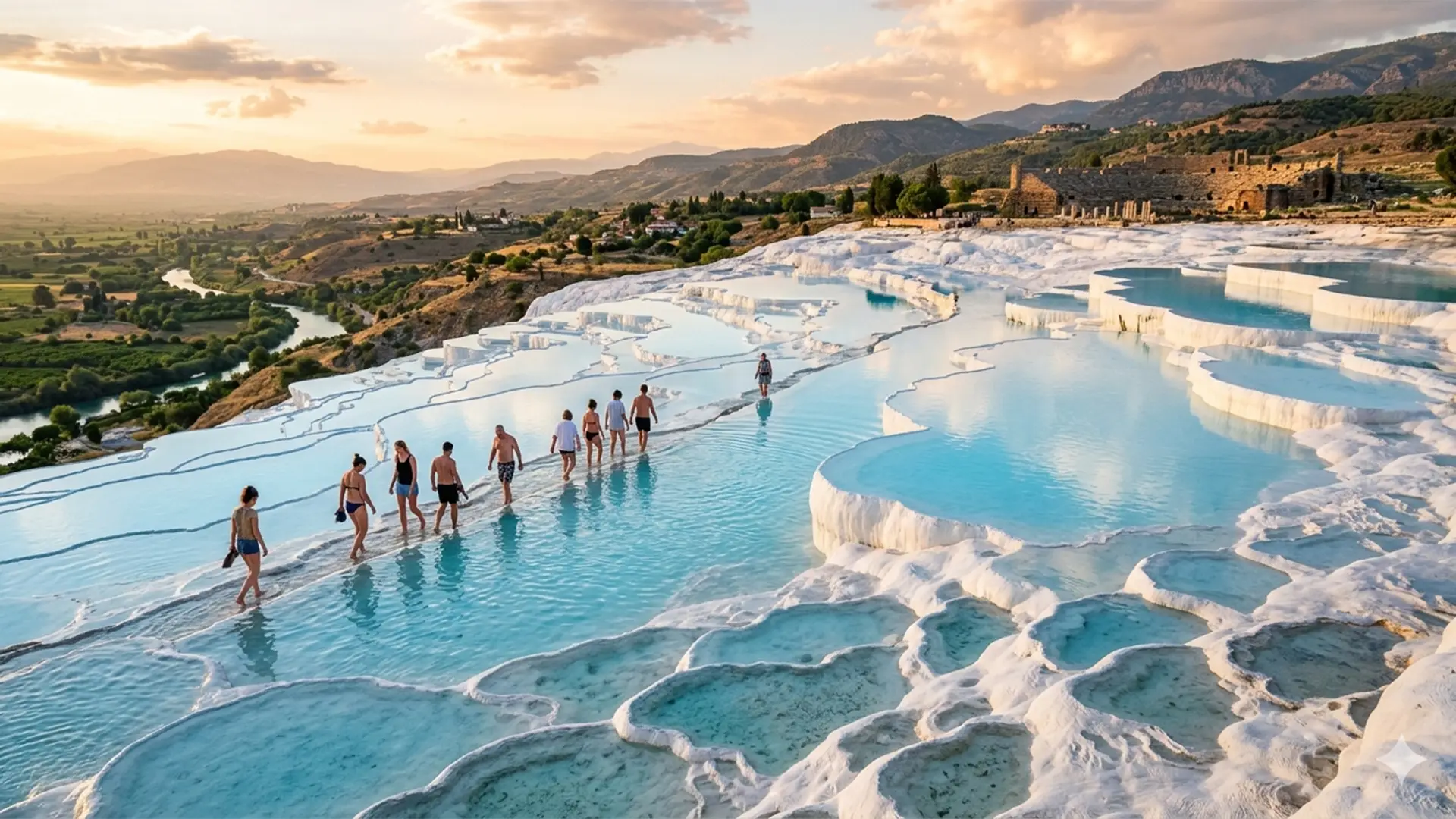
Explore the UNESCO landscape and Roman city at your own pace.
Explore Private Tour
Discover a major city of the Lycus Valley and its fascinating Christian heritage.
Explore Laodicea
Plan a broader private route featuring nature, archaeology and local culture.
Explore the Region