Private Bilecik & Söğüt Heritage Experience
Ask us about a tailor-made journey combining Şeyh Edebali Tomb, old Bilecik, Ertuğrul Gazi Tomb, Söğüt and selected Ottoman foundation sites.
Request a Custom Tour





Şeyh Edebali Tomb is one of the most important historical and spiritual monuments in Bilecik, Türkiye. Standing on a rocky hillside in the historic Hisarlık area, the complex is closely associated with Şeyh Edebali, the scholar, Sufi and ahi leader remembered in Ottoman tradition as one of the principal spiritual figures surrounding Osman Gazi.
The site is much more than a single mausoleum. It forms part of the surviving Edebali Zaviye complex, an early Ottoman religious and residential foundation that once combined a tomb, prayer and gathering spaces, living quarters and hospitality functions. Its hilltop setting, surviving architectural layers and connection with the earliest Ottoman period make it one of Bilecik's essential heritage stops.
Historical sources place Şeyh Edebali's death in 1326. The exact first construction date of the present complex is not documented, but the tomb and zaviye are generally associated with the reign of Orhan Gazi and with the first generation after the establishment of Ottoman rule in Bilecik.
The complex changed over the centuries. It underwent repairs during the Ottoman period, including a major restoration under Sultan Abdülhamid II in 1889–1890, and later conservation work. The surviving buildings therefore present a layered monument rather than an untouched structure from a single date.
Şeyh Edebali's importance extends far beyond architecture. Later Ottoman chronicles connect him with Osman Gazi's famous dream, the marriage alliance between the two families, the ahi tradition and the moral foundations of the emerging Ottoman polity. Modern historians treat some details of these narratives with caution because the fullest stories were written after the events they describe.
A visit can be combined naturally with Orhan Gazi Mosque, Bilecik Museum, Ertuğrul Gazi Tomb in Söğüt, Dursun Fakih Tomb and other sites in our Bilecik visitor guide.
Şeyh Edebali is remembered as a scholar, Sufi and ahi leader closely connected with Osman Gazi and the earliest Ottoman community.
The tomb belongs to a rare surviving complex that once united worship, hospitality, residence and commemoration.
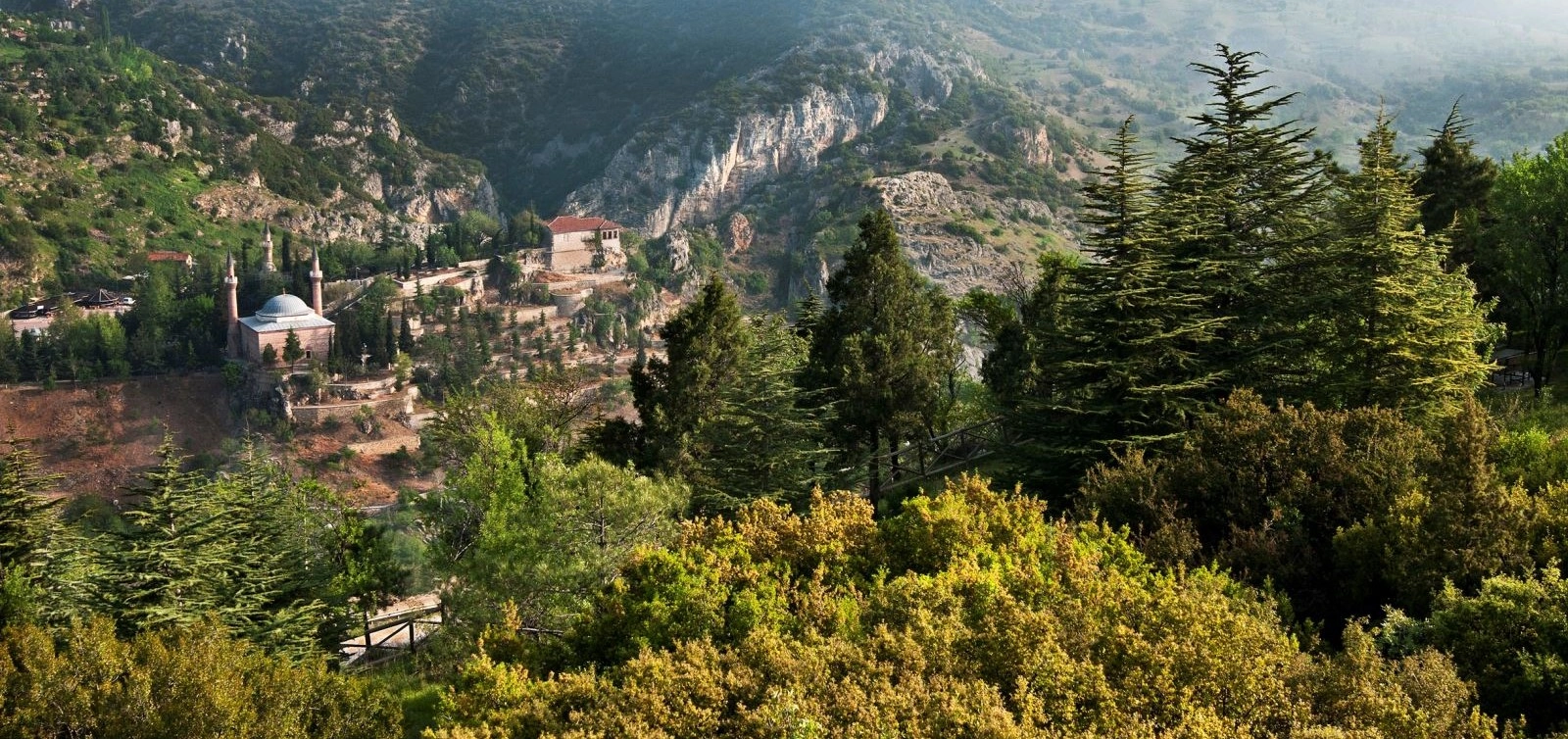
The complex occupies a dramatic rocky position overlooking the old Bilecik landscape.
The 700th anniversary of Şeyh Edebali's death was included in UNESCO's 2026–2027 Anniversaries Programme.
Essential information for visiting one of Bilecik's most important Ottoman foundation monuments.
Hisarlık area, Bilecik city center, Bilecik Province, Türkiye.
Open on Google MapsHistoric mausoleum, ahi-zaviye complex and spiritual-cultural memorial site.
Şeyh Edebali, scholar, Sufi and ahi leader associated with Osman Gazi and early Ottoman tradition.
Early Ottoman origins with later repairs and additions, especially during the late 19th century.
Tomb, mescid-tevhidhane, residential elements and a neighboring memorial traditionally associated with Osman Gazi's wife.
A respectful historical, architectural and spiritual visit in one of Bilecik's most symbolic locations.
The complex stands at the meeting point of early Ottoman history, ahi culture, religious life and centuries of dynastic memory.
Şeyh Edebali occupies an exceptional place in narratives of Ottoman beginnings. He is remembered as a learned religious figure, a Sufi and an ahi leader whose circle interacted closely with Osman Gazi and the frontier society from which the Ottoman principality emerged.
His tomb became a spiritual and historical landmark because later generations looked back to Edebali as a figure representing advice, religious learning, ethical conduct and the moral legitimacy of the new political order.
The site is also important architecturally. The surviving zaviye preserves part of a type of early Ottoman institution in which worship, teaching, hospitality, residence and social support could exist within the same foundation. Many comparable early complexes have disappeared or changed beyond recognition.
Bilecik's geography adds another dimension. The tomb stands near the edge of the historic settlement on a rocky hill overlooking the surrounding landscape, placing the visitor physically within the terrain where Ottoman expansion into northwestern Anatolia took shape.
Finally, the monument remains part of a living memory culture. Visitors come not only to study the architecture, but also to pray, pay respects and connect the site with the broader Ottoman foundation route linking Bilecik, Söğüt and nearby villages.
Şeyh Edebali was a religious scholar and Sufi figure active in Anatolia during the late Seljuk and early Ottoman period. Traditional accounts and later biographical sources associate him with Islamic legal scholarship, Sufi practice and ahi networks.
Sources connect his education with Karaman and Damascus, where he is said to have studied religious sciences before returning to Anatolia. He later established a zaviye in the Eskişehir region, traditionally identified with İtburnu, where travelers, students and people in need could receive hospitality.
Ottoman historical tradition presents Edebali as an important mentor and elder in the environment surrounding Osman Gazi. Later chronicles describe Osman visiting his zaviye and connect Edebali with the celebrated dream narrative that came to symbolize the future expansion of the Ottoman dynasty.
Edebali is also associated with the ahi tradition, a network combining craft organization, social ethics, religious values and urban solidarity. The exact institutional details of his leadership are reconstructed from later sources, but his remembered connection with ahi culture became central to his historical image.
After the Ottoman conquest of Bilecik, Edebali is said to have moved his religious activity to the city. He died in 1326 and was buried in the complex that now bears his name.
Later sources remember Edebali as a learned figure trained in Islamic religious sciences.
He is closely associated with Anatolian Sufi life and the spiritual culture of the frontier period.
Edebali is remembered as an influential figure within the social and ethical world of the ahi movement.
Ottoman chronicles place him among the most important elders connected with Osman Gazi.
His final years and burial are closely tied to Bilecik, where the zaviye became a lasting memorial center.
Most historical references place his death in 726 AH / 1326 CE, though a small number of sources give 1327.
Few stories are more closely associated with Şeyh Edebali than the dream of Osman Gazi. In later Ottoman chronicles, Osman is described as spending the night at Edebali's lodge and experiencing a symbolic vision that was interpreted as a sign of future dynastic greatness.
The best-known form of the story describes a moon emerging from Edebali and entering Osman, after which a great tree grows from Osman and spreads its branches across a vast landscape. The image became a powerful literary symbol for the future expansion of the Ottoman dynasty.
The narrative also became connected with a marriage alliance between Osman and Edebali's family. However, the names and relationships in the earliest Ottoman family genealogy are not completely consistent across the surviving chronicles and documentary evidence.
For visitors, the most useful approach is to understand the dream as part of Ottoman dynastic memory. It tells us how later Ottoman society wished to explain its origins: through spiritual approval, moral legitimacy, family alliance and a sense of divinely favored expansion.
The precise first construction date of the complex is not preserved in a surviving foundation inscription. Historical and official sources generally connect its establishment with Orhan Gazi's reign and the generation immediately following Şeyh Edebali's death in 1326.
The site developed as a zaviye, a religious and social complex that served functions beyond burial. Such institutions could provide prayer space, teaching, hospitality, food, lodging and a base for a spiritual community.
The complex changed repeatedly over time. Architectural study shows that some masonry sections preserve early characteristics, while residential components were reshaped in later Ottoman centuries.
A major restoration took place in 1307 AH / 1889–1890 CE under Sultan Abdülhamid II. This late-Ottoman intervention is still visible in architectural details and in the Abdülhamid-era inscriptional layer.
The complex suffered neglect and damage after the destruction of old Bilecik during the Turkish War of Independence. Parts of the wider zaviye disappeared, while the surviving structures were later repaired and conserved. Modern restoration work has kept the tomb complex accessible as one of the city's principal heritage sites.
The complex is generally associated with the first Ottoman generation after Edebali's death.
The first tomb and zaviye structures are widely linked with the reign of Orhan Gazi.
The site once combined religious, social, residential and hospitality functions.
Sultan Abdülhamid II sponsored a major late-Ottoman restoration of the complex.
Parts of the original zaviye disappeared after war damage, abandonment and later changes.
The surviving tomb and associated spaces remain among the most visited historical landmarks in Bilecik.
The surviving complex is especially valuable because it preserves the relationship between funerary, religious and residential architecture within a single zaviye.
Şeyh Edebali's tomb occupies the western end of the principal surviving building group. The burial chamber has a rectangular plan aligned toward the qibla. Its roof combines a low, slightly oval dome with arched structural elements, creating an interior very different from the monumental imperial mausoleums of later Ottoman centuries.
Inside are multiple wooden sarcophagi associated with Şeyh Edebali and members of his family or lineage. The room is relatively restrained, which keeps attention focused on the memorial function of the space.
Next to the tomb lies the mescid-tevhidhane, a prayer and gathering room. Architectural details include windows arranged around the prayer space, a mihrab, a later wooden ceiling and an entrance bearing the mark of the Abdülhamid II restoration.
The residential section includes rooms traditionally interpreted as a sheikh's room and service area. Their timber-based construction contrasts with the heavier masonry of the tomb and prayer spaces, illustrating how religious and domestic architecture were combined within the same institution.
The main mausoleum develops along a rectangular plan aligned toward the qibla.
A restrained domed covering gives the burial chamber an intimate rather than monumental character.
Multiple sarcophagi associated with Edebali's family and lineage occupy the interior.
The adjoining prayer and gathering room reveals the religious life of the original zaviye.
Surviving domestic spaces help explain how a zaviye operated as a lived institution.
Early masonry, later timber elements and Ottoman restorations coexist in the present complex.
The mausoleum does not contain only one sarcophagus. Official local information records multiple adult and child sarcophagi associated with Şeyh Edebali's descendants or close family circle.
Historical references also connect the wider zaviye with burials belonging to Edebali's wife, daughter and other figures from his religious circle. The exact identity of every sarcophagus should not be treated as equally certain, especially where later tradition is stronger than contemporary documentation.
A separate nearby mausoleum is traditionally associated with the wife of Osman Gazi and forms part of the same memorial landscape. The naming of Osman Gazi's wives varies in later chronicles and modern scholarship, so visitors may encounter the names Bala Hatun, Rabia Hatun, Mal Hatun or Malhun Hatun in different contexts.
Rather than reducing the site to a list of names, it is more useful to understand the complex as a family, spiritual and dynastic memory landscape formed over many centuries.
The reign of Sultan Abdülhamid II was an important period for the preservation and symbolic revival of many sites connected with the origins of the Ottoman dynasty.
Şeyh Edebali's complex was repaired in 1889–1890. The intervention restored aging structures and reinforced the site's status as a monument linking the imperial present with the dynasty's earliest memory.
A visible reminder of this phase is the Abdülhamid-era tughra and date associated with the mescid-tevhidhane. The residential section also reflects 19th-century architectural treatment.
This restoration should be viewed together with late-Ottoman investment in Söğüt and the wider Bilecik region, where monuments connected with Ertuğrul Gazi and Ottoman beginnings received renewed imperial attention.
For today's visitor, the late-19th-century layer is not separate from the story of the site. It shows how the Ottoman state actively curated, restored and reinterpreted its own foundation memory.
The tomb complex stands near the edge of old Bilecik, the historic settlement that was heavily damaged during the Turkish War of Independence.
Scholarly architectural accounts record that fires and destruction left the old urban area abandoned, while the Edebali complex also entered a period of neglect. Some larger zaviye buildings disappeared entirely, including sections once used as guest rooms, dervish quarters, kitchens, storage and residential areas.
This lost urban context is important. The surviving tomb should not be imagined as an isolated hilltop monument. It originally belonged to a much richer religious, residential and urban landscape that connected the zaviye with Orhan Gazi Mosque and the surrounding historic quarter.
When exploring the area, look beyond the individual buildings. Rocky slopes, terraces, paths and surviving monuments help reveal the topography of the earlier city and explain why this hill was such a powerful setting for a religious foundation.
The year 2026 marks approximately 700 years since Şeyh Edebali's death. This anniversary received international recognition when it was accepted within the UNESCO 2026–2027 Anniversaries Programme.
The inclusion does not mean that the tomb itself is a UNESCO World Heritage Site. Instead, it means that the anniversary of Şeyh Edebali's death was selected as one of the cultural and historical commemorations supported within UNESCO's anniversary framework.
For Bilecik, the recognition gives additional visibility to a historical figure whose legacy is tied to religious scholarship, Sufi culture, ahi tradition and Ottoman foundation history.
Visitors traveling in 2026 may encounter special exhibitions, academic programs, cultural events or commemorative activities connected with the anniversary. Programs can change, so check current official Bilecik and cultural institution announcements if you want to plan around a specific event.
Enter quietly and observe the restrained burial room containing Şeyh Edebali's sarcophagus and related memorials.
Study the adjoining prayer and gathering space, one of the most important surviving components of the zaviye.
Look for the late-Ottoman restoration layer, including inscriptional and architectural details from 1889–1890.
Notice how domestic spaces were built directly into the religious complex, reflecting the lived character of a zaviye.
Visit the nearby mausoleum associated with Osman Gazi's wife and the wider foundation-period family tradition.
Step outside and appreciate the dramatic rocky position overlooking the Bilecik landscape.
Continue downhill to the nearby mosque to understand how the religious monuments formed part of one historic area.
Use the surrounding terrain to imagine the older city that once occupied the hillside before 20th-century destruction.
A visit to Şeyh Edebali Tomb is generally quiet, reflective and more intimate than monumental. The experience comes from the combination of a modest historic complex, the spiritual atmosphere and the dramatic hilltop setting.
Begin by walking around the exterior and observing how the buildings sit on the rocky slope. The relationship between architecture and terrain is one of the site's strongest visual features.
Inside the tomb, allow other visitors room for prayer and remembrance. This remains an active memorial environment rather than a conventional archaeological display.
Spend time in the adjacent spaces. The mescid-tevhidhane and residential rooms help explain that Şeyh Edebali's foundation was once a functioning religious community, not simply a burial place.
After the tomb, continue to Orhan Gazi Mosque and the surrounding old-city landscape. The visit becomes much more meaningful when the individual monuments are understood as parts of one historical setting.
Enough for a respectful visit to the tomb chamber and a quick look around the immediate complex.
Recommended for the tomb, mescid-tevhidhane, architecture and hilltop setting.
Allow this if you want to study architectural details, photograph the complex and explore the surrounding paths.
Add Orhan Gazi Mosque, old Bilecik viewpoints and Bilecik Museum.
Explore the principal historic and cultural monuments of Bilecik city center.
Continue to Söğüt for Ertuğrul Gazi Tomb, Söğüt Museum and other Ottoman foundation sites.
The tomb can be visited throughout much of the year, but the steep terrain and exposed hilltop setting make weather an important part of the experience.
Spring is one of the most pleasant periods. Mild temperatures and greener slopes make it easy to combine the tomb with a longer historical walk around Bilecik.
Summer can be hot during the middle of the day. Morning and late afternoon are usually more comfortable for climbing paths and photographing the landscape.
Autumn often offers softer light and comfortable temperatures, while the surrounding vegetation adds seasonal character to the hilltop setting.
Winter can be atmospheric but requires more care. Rain, frost or snow may make stone paths and slopes slippery.
For photography and a quieter visit, early morning or late afternoon is usually the best choice.
Mild temperatures and green hillsides suit a longer heritage walk.
Visit earlier or later in the day to avoid the strongest heat.
Soft light and seasonal color can make the historic landscape especially photogenic.
Expect a quieter atmosphere but take extra care on wet, frosty or snowy surfaces.
Often the calmest time for a contemplative visit.
Low-angle light can reveal the rocky setting and surrounding hills beautifully.
The strongest photographs usually include both the historic complex and its rocky hilltop setting. The surrounding topography is essential to the character of the monument.
Use wider compositions to show the relationship between the tomb, the adjoining spaces, trees, terraces and the slopes of old Bilecik. More intimate frames can focus on doors, masonry, woodwork and restoration details.
Morning and late-afternoon light can create greater depth across the stone and plaster surfaces. Elevated viewpoints may also reveal the relationship between the tomb complex and Orhan Gazi Mosque.
Inside, photography must remain secondary to respect for the memorial atmosphere. Follow posted rules, avoid flash, keep equipment discreet and never block people who have come to pray.
Include the surrounding slopes to communicate the dramatic position of the complex.
Photograph doors, masonry, timber elements and late-Ottoman restoration details.
A moderately wide lens is useful in narrow exterior spaces and for capturing the wider zaviye ensemble.
Use the surrounding landscape to tell the larger story of the historic city.
If photography is permitted, avoid flash and work without disturbing other visitors.
Do not move memorial objects, touch sarcophagi or stage intrusive portraits inside the tomb.
Şeyh Edebali Tomb is located in Bilecik city center, in the historic Hisarlık area above the old settlement. Official cultural information lists the address in the İstiklal neighborhood.
The site is one of Bilecik's best-known faith, cultural and historical tourism landmarks. Visitors should dress and behave respectfully, especially within the tomb and prayer spaces.
Opening arrangements, restoration work, ceremonies and temporary access restrictions can change. If your visit depends on a specific time, mobility requirement or special event, check current local information before traveling.
For a fuller experience, combine the tomb with the surrounding heritage landscape rather than visiting only the interior. The nearby mosque, historic slopes and city museum help explain why Bilecik occupies such an important place in early Ottoman history.
The tomb is located close to the modern city center, but the historic complex sits on sloping and uneven terrain. Visitors should not assume that every part of the route is fully step-free.
Paths, stairs, thresholds and narrow historic spaces may present challenges for visitors with limited mobility. The degree of access can also change with maintenance work or temporary arrangements.
Visitors who require wheelchair or fully step-free access should verify current conditions before making a special journey.
Good footwear is useful even for visitors without mobility concerns, especially in rain, winter conditions or when exploring the surrounding old-city paths.
The complex is close to central Bilecik and does not require a remote rural approach.
The historic hill and terraced setting involve gradients that may be tiring for some visitors.
Doors, steps and older surfaces may limit direct access to some interior spaces.
Confirm current conditions if wheelchair access is essential.
Supportive footwear is recommended for the hill, stone paths and nearby old-city areas.
Wet, icy or snowy surfaces can become slippery around the complex.
The tomb is located in Bilecik city center in the Hisarlık area. For digital navigation, search for “Şeyh Edebali Türbesi, Bilecik”.
The site can be reached by local roads from the modern center. Because it occupies a historic hillside, the final approach may involve slopes and walking depending on where you park or leave public transport.
Bilecik is well connected by road with Bozüyük, Söğüt, Bursa, Eskişehir and the wider Marmara–Central Anatolia corridor. A private car is especially useful if you want to combine the city with Söğüt in the same day.
A strong local route includes Orhan Gazi Mosque, Bilecik Museum and other historic sites in the city.
For a broader Ottoman foundation itinerary, continue toward Ertuğrul Gazi Tomb, Söğüt Ertuğrul Gazi Museum and Dursun Fakih Tomb.
Use navigation for Şeyh Edebali Türbesi in central Bilecik and follow local signs toward the historic area.
The tomb is close to the modern center and can be included easily in a city sightseeing route.
The two destinations combine naturally in a full-day Ottoman foundation heritage itinerary.
Road access makes Bilecik city straightforward to reach from the province's main transport corridor.
A private vehicle and guide are useful for linking Bilecik, Söğüt and smaller foundation-era sites efficiently.
Use the full Turkish name “Şeyh Edebali Türbesi Bilecik” for the most reliable digital search.
Begin outside the complex and take a few minutes to understand the rocky hilltop setting. Look across the surrounding slopes before entering the buildings.
Visit the main tomb chamber quietly and observe the sarcophagi, the restrained architectural character and the relationship between the burial space and the adjoining rooms.
Continue into the mescid-tevhidhane and surviving residential section. These spaces are essential for understanding the site as a functioning zaviye rather than simply a mausoleum.
Next, visit the neighboring memorial traditionally associated with Osman Gazi's wife, keeping in mind the historical debate surrounding early Ottoman family names and genealogies.
Walk toward Orhan Gazi Mosque and study the broader old Bilecik landscape. Then continue to Bilecik Museum for archaeological and regional historical context.
If you have a full day, drive to Söğüt for Ertuğrul Gazi Tomb, the local museum and other monuments connected with the dynasty's foundation memory.
Şeyh Edebali Tomb is one of the best starting points for exploring Bilecik's Ottoman foundation heritage. See our complete Bilecik visitor guide for more monuments, museums, villages and natural attractions across the province.
Visit the historic mosque below the Edebali complex and explore one of the key surviving monuments of old Bilecik.
Explore archaeological and ethnographic collections that place the city's Ottoman story within a much longer regional history.
Continue to Söğüt and visit the memorial complex of Ertuğrul Gazi, father of Osman Gazi.
Discover regional ethnography, Yörük culture and historic objects connected with Söğüt and the wider area.
Visit the hilltop memorial of the scholar remembered as one of the most important religious figures of early Ottoman history.
Explore the small historic prayer site in Söğüt traditionally linked with Ertuğrul Gazi.
Discover Ottoman foundation heritage, museums, historic towns, War of Independence sites, traditional architecture and countryside.
It is located in the Hisarlık area of Bilecik city center, Türkiye, close to the historic old-city landscape.
Şeyh Edebali was a religious scholar, Sufi and ahi figure remembered as one of the most important spiritual personalities connected with Osman Gazi and early Ottoman history.
Most historical sources place his death in 1326, although a small number give 1327.
Yes. Bilecik's long-established tomb complex is historically associated with his burial and later became the center of his memorial tradition.
The exact first construction date is not documented, but the tomb and zaviye are generally associated with the reign of Orhan Gazi.
A zaviye was a religious and social foundation that could combine worship, teaching, hospitality, food, lodging and residential functions.
Ottoman and later historical sources strongly associate him with the ahi tradition, though the precise institutional details are reconstructed from later evidence.
Ottoman tradition connects Edebali's family with Osman Gazi through marriage, but the names and exact genealogy of Osman's wives are debated in modern historical scholarship.
Later Ottoman chronicles tell of Osman seeing a symbolic dream at Edebali's lodge in which a great tree grows from him, representing the future spread of the Ottoman dynasty.
It is best understood as an important dynastic foundation narrative. The detailed story survives in chronicles written after the events it describes.
The mausoleum contains Şeyh Edebali's symbolic burial space together with multiple wooden sarcophagi associated with his descendants or family circle.
A nearby mausoleum is traditionally associated with Osman Gazi's wife. The names Bala Hatun, Rabia Hatun, Mal Hatun and Malhun Hatun appear differently across historical traditions and scholarship.
Yes. A major restoration took place in 1889–1890 during the reign of Sultan Abdülhamid II.
Explore the mescid-tevhidhane, surviving zaviye rooms, neighboring memorial tomb, hilltop views and nearby Orhan Gazi Mosque.
No. The tomb is not a UNESCO World Heritage Site. The 700th anniversary of Şeyh Edebali's death was included in UNESCO's 2026–2027 Anniversaries Programme.
The year marks approximately 700 years since his death and is recognized within UNESCO's anniversary programme.
Allow around 45–60 minutes for the complex, or 2–3 hours if combining it with nearby Bilecik heritage sites.
Follow current on-site rules. If photography is permitted, avoid flash and work discreetly so you do not disturb visitors who are praying or paying respects.
The site is close to the city center, but the historic hilltop setting includes slopes, thresholds and potentially uneven surfaces. Confirm current step-free access if it is essential.
Early morning or late afternoon is usually best for quieter conditions, softer light and more comfortable walking.
Combine the tomb with Orhan Gazi Mosque, Bilecik Museum and the old-city landscape.
Yes. With a private vehicle, it is practical to combine Şeyh Edebali Tomb with Ertuğrul Gazi Tomb and other Söğüt monuments.
No. The architecture and many basic biographical details are well established, but some famous stories and family relationships come from later chronicles and should be treated as tradition rather than contemporary documentation.
Choose respectful clothing suitable for a mausoleum and religious-cultural site, and follow any local guidance displayed at the entrance.
The tomb is an active memorial and religious-cultural site, so choose clothing appropriate to the setting.
Speak quietly inside the mausoleum and prayer spaces.
Do not touch textiles, memorial objects or barriers around the burial area.
Observe posted restrictions and avoid flash or intrusive portrait sessions inside the complex.
Stay on appropriate walkways, especially where the historic terrain is steep or protected.
Do not scratch walls, climb architectural elements or lean equipment against fragile surfaces.
Use designated waste bins and leave the complex as you found it.
Give space to people who have come for prayer, remembrance or religious reflection.
Combine Şeyh Edebali Tomb, old Bilecik, Söğüt, Ertuğrul Gazi Tomb and selected early Ottoman monuments through a private itinerary designed around your historical interests.
Follow the earliest chapters of Ottoman history through Bilecik and Söğüt with a flexible private route.
Ask us about a tailor-made journey combining Şeyh Edebali Tomb, old Bilecik, Ertuğrul Gazi Tomb, Söğüt and selected Ottoman foundation sites.
Request a Custom Tour
Discover Ottoman foundation sites, historic towns, museums, mosques, War of Independence heritage and countryside across the province.
View Bilecik GuideConnect Şeyh Edebali's memorial with the people, monuments and landscapes that shaped the earliest Ottoman story.
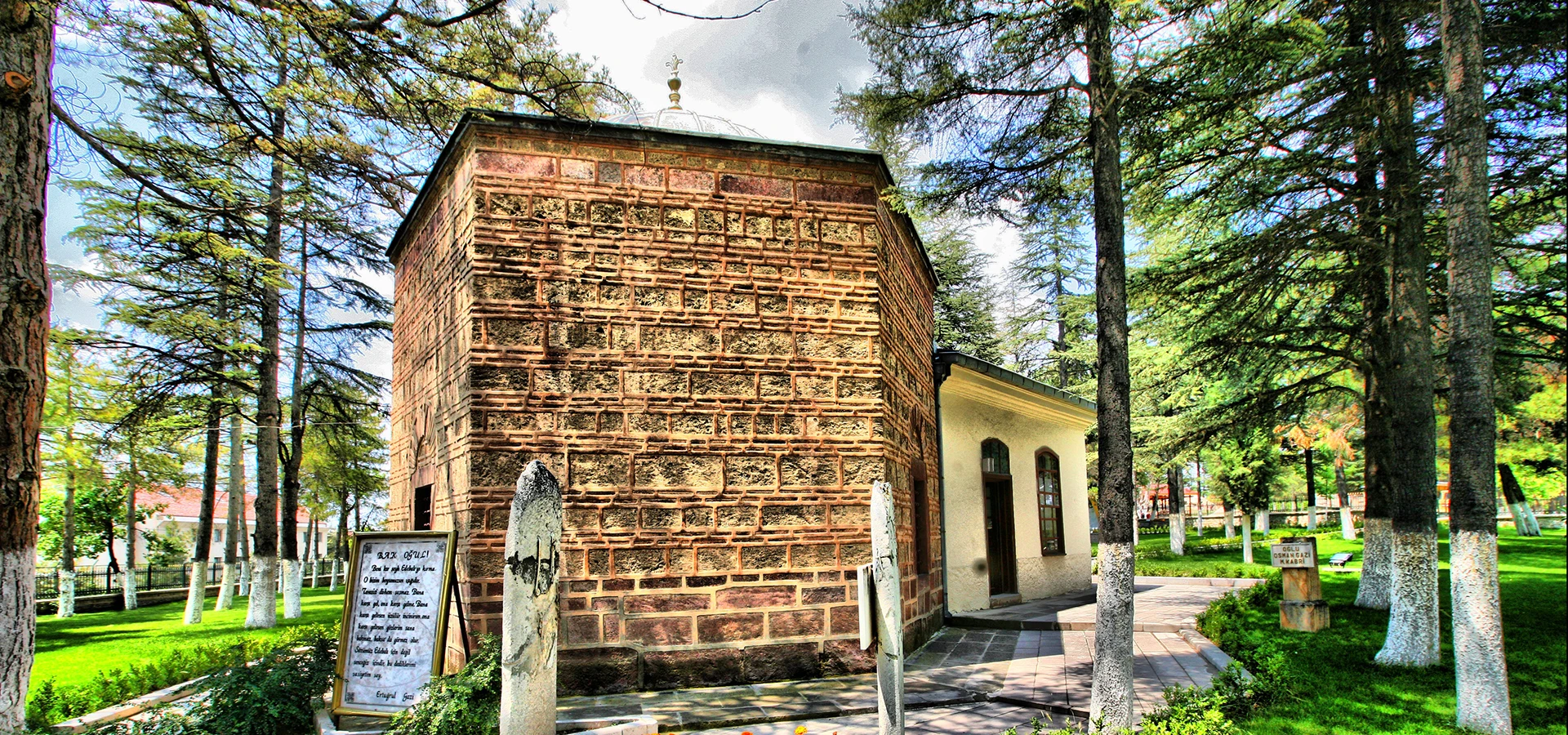
Visit the symbolic heart of historic Söğüt and the tomb of Ertuğrul Gazi, father of Osman Gazi.
Explore Ertuğrul Gazi Tomb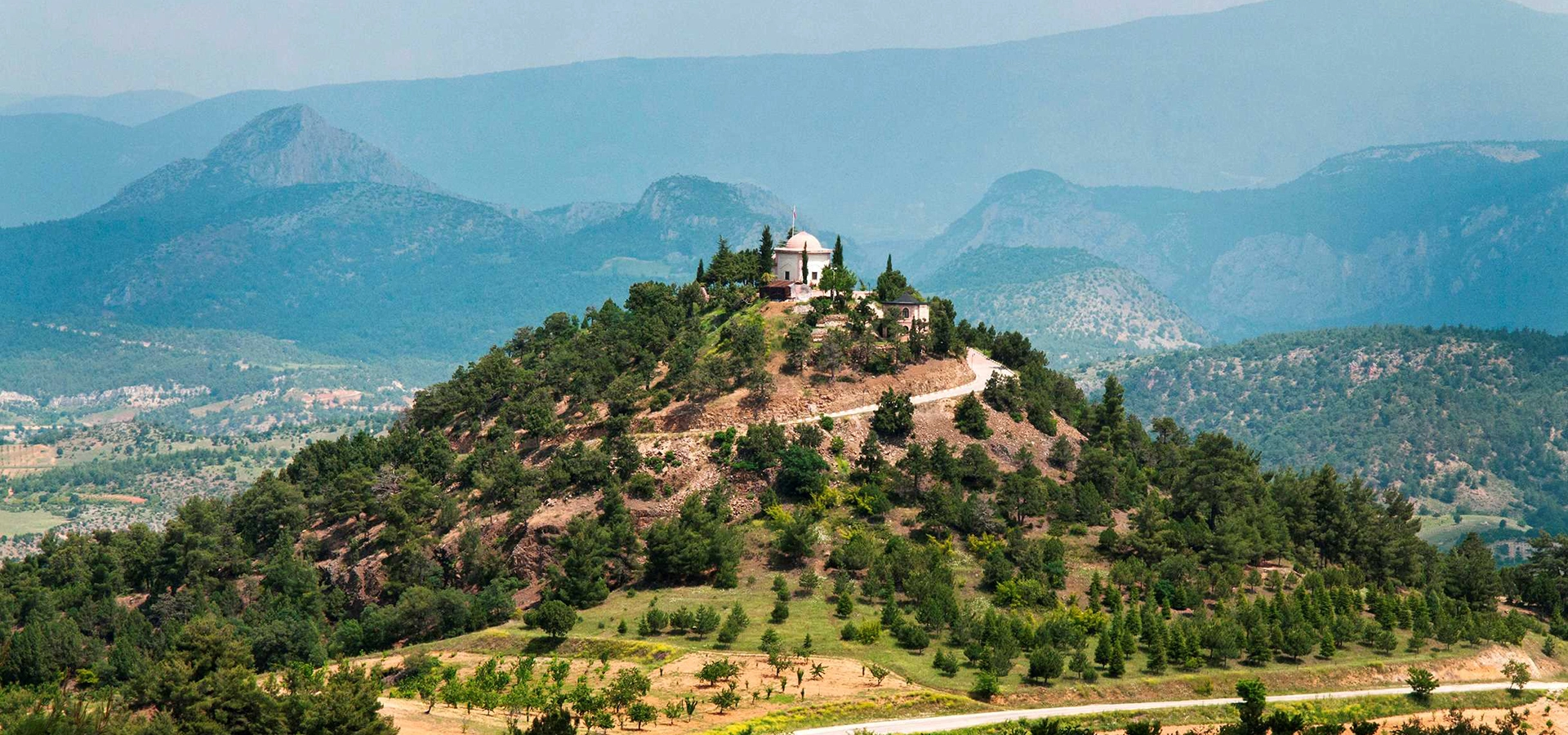
Continue to the hilltop memorial of the scholar remembered as one of the formative religious figures of early Ottoman history.
Explore Dursun Fakih Tomb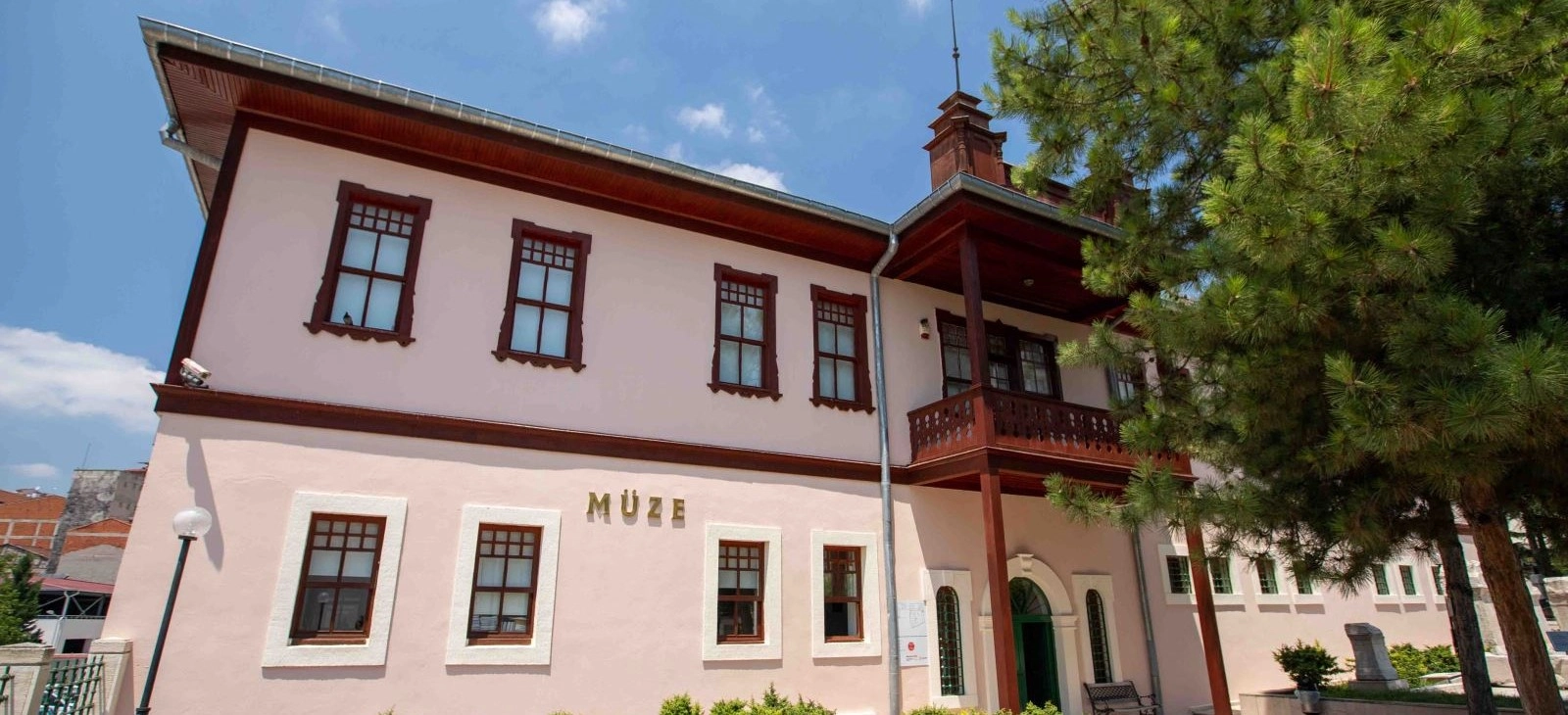
Add archaeological and regional context to your Ottoman foundation route with a visit to Bilecik Museum.
Explore Bilecik Museum