Private Söğüt Museum & Heritage Experience
Ask us about a tailor-made route combining Söğüt Ertuğrul Gazi Museum with the tomb complex, local monuments and selected Bilecik heritage sites.
Request a Custom Tour





Söğüt Ertuğrul Gazi Museum is one of the most useful cultural stops for understanding Söğüt, Bilecik Province and the social world surrounding the early Ottoman frontier. Rather than functioning only as a biographical museum about Ertuğrul Gazi, it is primarily a regional ethnography museum enriched by archaeological objects and material connected with everyday life.
The collection grew from a project begun in 1973, when a committee started gathering objects from Söğüt, Bilecik villages and nearby Yörük communities. The museum first opened in 1981 in a building opposite Ertuğrul Gazi Tomb, and since 8 September 2001 it has welcomed visitors in its present historic building in central Söğüt.
Inside, you can see traditional clothing, hand-woven carpets and kilims, saddlebags, weapons, measuring and weighing instruments, household objects, textiles, purses and ceremonial material. The archaeological component includes coins from the Roman, Byzantine and Ottoman periods as well as Roman pottery and other objects representing the older history of the region.
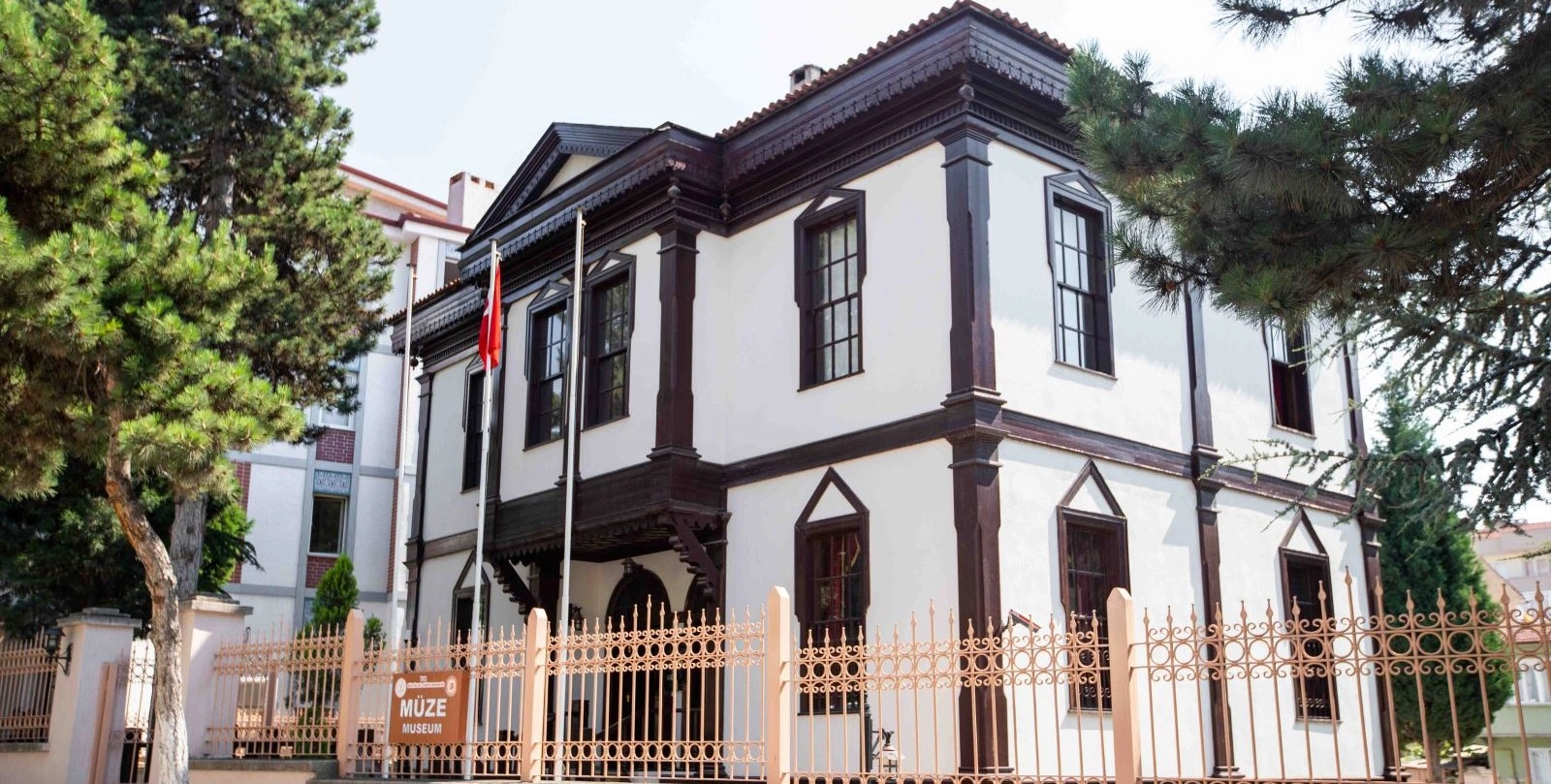
The building is also part of the experience. Official descriptions agree that it originally served a medical or health-related function and was later used as a tobacco building before becoming a museum. Its timber detailing, traditional house character and layered institutional history give the collection an intimate setting that feels closely connected to Söğüt itself.
For the strongest historical context, combine the museum with Ertuğrul Gazi Tomb, then continue to Şeyh Edebali Tomb in Bilecik and Bilecik Museum. Together, these sites connect dynastic memory, regional archaeology and the everyday culture of northwestern Anatolia.
Traditional dress, weaving, household objects, weapons and tools preserve the material culture of Söğüt, Bilecik and nearby Yörük communities.
The museum's core collection began when objects were gathered from Söğüt, Bilecik villages and Yörük settlements in the wider region.
The present three-storey structure once had health-related functions and later served as a tobacco building before conversion to museum use.
The official Turkish Museums listing currently states that admission is free.
Essential information for visiting Söğüt's principal ethnography museum and understanding what makes it different from the nearby Ertuğrul Gazi Tomb.
Kayhan Mahallesi, Ertuğrulgazi Caddesi No:15, Söğüt, Bilecik, Türkiye.
Open on Google MapsRegional ethnography museum with archaeological material and collections reflecting Söğüt, Bilecik and Yörük culture.
The museum first opened in 1981 and moved into its present historic building on 8 September 2001.
Traditional clothing, carpets, kilims, saddlebags, textiles, weapons, tools, weighing instruments and daily-life objects.
Includes Roman, Byzantine and Ottoman coins together with Roman pottery and other archaeological material.
Official museum information currently lists admission as free of charge.
The museum adds clothing, craft, domestic life and regional material culture to a town that visitors often know mainly through dynastic history.
Most travelers come to Söğüt because of its connection with Ertuğrul Gazi and the formative world of the Ottoman dynasty. The museum is valuable because it broadens that story. Instead of focusing only on rulers, tombs and political events, it introduces the objects that shaped the lives of people in the region.
A woven kilim, a saddlebag, a set of scales or a traditional garment may seem modest beside a monumental tomb, but together these objects reveal patterns of movement, trade, household organization, craft and identity. They help visitors imagine a lived landscape rather than only a historical timeline.
The museum is especially relevant to the study of Yörük culture. Objects collected from nearby communities preserve traces of textile traditions, portable household culture and forms of dress associated with communities whose seasonal movement shaped large parts of Anatolia.
At the same time, the presence of Roman, Byzantine and Ottoman archaeological material reminds visitors that Söğüt did not appear from nowhere in the 13th century. The Ottoman frontier developed within a much older Anatolian landscape of settlements, roads, local communities and changing political powers.
For anyone visiting Ertuğrul Gazi Tomb, the museum is therefore an excellent companion stop: the tomb represents memory and dynasty, while the museum represents regional society, material culture and everyday life.
The museum's story begins in 1973, when a committee was formed to collect objects from Söğüt, Bilecik, surrounding villages and Yörük settlements in the Eskişehir area. These objects formed the nucleus of what would become the museum collection.
Before Söğüt had a suitable museum building, the collected material was placed under protection in the Eskişehir Archaeology Museum depot. Once exhibition space was ready, the objects were brought back to Söğüt and installed in display cases.
The first Söğüt museum opened on 12 September 1981 in a building opposite Ertuğrul Gazi Tomb. That earlier building is now used as the Halime Hatun Masjid. The museum continued to develop through collecting, donations, purchases and archaeological work.
The historic building now used as Söğüt Ertuğrul Gazi Museum was allocated for museum use during the later 20th century. Following restoration and adaptation, the museum moved into its present home and opened there on 8 September 2001.
This layered history is important because the institution is older than its current building. The museum is not simply a restored old house filled with objects; it is the result of decades of regional collecting and preservation focused on the culture of Söğüt and the surrounding communities.
A committee began collecting objects from Söğüt, Bilecik villages and nearby Yörük communities.
The early collection was protected in the Eskişehir Archaeology Museum depot until museum space was prepared.
The first Söğüt museum opened opposite Ertuğrul Gazi Tomb.
Objects entered the museum through collecting, donations, purchases and archaeological activity.
The current structure was adapted for museum use after earlier medical and tobacco-related functions.
The museum opened to visitors in its present building in central Söğüt.
The museum occupies a three-storey historic building whose original medical function remains an important part of its identity. However, official descriptions do not agree completely on the exact date and patron of its first construction.
The current Ministry museum listing describes the building as having been built in the 1880s during the reign of Sultan Abdülhamid II for use as a health house. Other official provincial and Turkish Museums publications describe it as a structure built in the early 20th century by Mayor Memiş Ağa as a “Sargı Evi,” a term interpreted as a dispensary or health center.
Because these official accounts differ, the most reliable way to understand the building is as a late Ottoman or very early 20th-century health-related structure that later served additional public functions. It was used for a period as a health center or dispensary and later as a tobacco building / Tekel facility.
The building is particularly notable because it survived a period when Söğüt suffered occupation and destruction during the Turkish War of Independence. Its continued survival adds architectural value beyond the museum collection itself.
After restoration in the character of a traditional Turkish house, the building became the museum's permanent home in 2001. Today, its timber details, domestic scale and older circulation spaces give the displays a very different atmosphere from a modern purpose-built museum.
The museum building is one of the most visually appealing small public buildings in Söğüt. Its restored appearance reflects the character of traditional Turkish domestic architecture while retaining the scale of a historic civic structure.
Official provincial descriptions emphasize the building's woodwork. The front façade includes two round-arched door openings, while the side façades use tall rectangular windows crowned by triangular pediment-like details.
The roof is a timber hipped roof traditionally covered with Turkish-style tiles. Dark wooden framing and trim contrast with light wall surfaces, creating the strong visual rhythm that makes the museum recognizable from the street.
Inside, wooden ceilings and wood-framed display areas reinforce the historic atmosphere. The museum therefore works on two levels: the objects tell the story of regional culture, while the building demonstrates how an older civic structure can be adapted for cultural use.
The museum occupies a multi-level historic structure rather than a modern single-floor exhibition hall.
Timber detailing is one of the defining architectural characteristics of the building.
The front façade is distinguished by adjacent rounded arch doorways.
Vertical windows and triangular decorative forms add rhythm to the side elevations.
A traditional roof form reinforces the appearance of an old Turkish house.
The historic structure was adapted to display collections while preserving its architectural identity.
The strongest part of the museum is its ethnographic collection. These objects reflect the culture of Söğüt, Bilecik and nearby communities rather than attempting to create a single narrow story about one historical figure.
Traditional clothing is especially important. Garments and accessories help visitors see how regional identity could be expressed through fabric, cut, embroidery, headwear and ornament. Mannequin displays make some of these traditions easier to understand visually.
Textile culture continues through hand-woven carpets, kilims and saddlebags. These pieces are useful not only as decorative arts, but as evidence for domestic production, mobility, storage and the practical demands of rural and pastoral life.
The collection also includes weapons, weighing and measuring instruments, household tools and daily-life objects. Such pieces help reconstruct the economic and practical side of life: what people carried, how goods were measured and how homes and livelihoods were organized.
Other items include peşkir textiles, purses and bags, objects that reveal detailed needlework and the smaller-scale material culture that often disappears from major historical narratives.
Regional garments preserve details of dress, status, craftsmanship and community identity.
Hand-woven textiles demonstrate local design traditions and the importance of weaving in household culture.
Portable woven storage reflects mobility, travel and the practical needs of pastoral and rural communities.
Historic arms form part of the museum's material record of regional life and social history.
Scales and measuring instruments connect the collection with trade, markets and everyday economic activity.
Daily-use objects help visitors imagine the ordinary routines behind the region's larger historical story.
One of the museum's most distinctive strengths is its connection with Yörük communities. The original collecting project deliberately included villages associated with Yörük culture, so the collection preserves material from people whose mobility and pastoral traditions shaped much of western and central Anatolia.
Yörük life is often discussed through broad ideas such as migration or nomadism, but museum objects make that history tangible. Saddlebags, woven textiles, clothing, tools and containers show how daily life had to balance durability, portability and visual identity.
Textiles are especially revealing because they could be both practical and expressive. A woven object might serve as bedding, storage, covering, decoration or transport equipment while also carrying motifs, color choices and techniques learned within families and communities.
For visitors interested in the early Ottoman frontier, this ethnographic material is valuable because it encourages a broader view of the region's social world. The frontier was not only a line on a political map; it was inhabited by villagers, pastoral groups, craftsmen, traders and households whose material culture shaped everyday life.
The museum's woven material is among the easiest collections to appreciate visually. Carpets and kilims combine practical household use with pattern, color and local craftsmanship.
Unlike monumental art, textiles were intimate objects. They were walked on, carried, folded, stored, repaired and passed between generations. Their survival therefore offers a close view of domestic skill and household continuity.
Saddlebags are particularly relevant in a region associated with rural mobility. Their form shows how woven craft could be adapted for transport by horse or pack animal, combining strong fibers with recognizable decorative patterns.
Smaller textile objects such as peşkir cloths and embroidered purses reward close observation. Look for changes in stitching, borders, geometric motifs and the way practical objects were made visually distinctive.
Different techniques produce different textures, densities and visual effects.
Edges and framing patterns often reveal careful design choices beyond the central motif.
Signs of use can tell you as much about an object's practical life as its decorative surface.
Large floor coverings, smaller kilims and portable saddlebags served very different roles.
Mended areas can reveal how valuable textiles were kept in use rather than discarded.
Many woven objects were essential equipment for storage, warmth, transport and domestic organization.
Historic weapons form another memorable group within the collection. They should be read not only as military objects, but as examples of metalworking, status, personal equipment and regional history.
Official descriptions also mention a sancak, or standard/banner, among the museum's holdings. Objects of this kind carry symbolic importance because they can represent group identity, ceremony and authority in ways that ordinary household objects do not.
When studying arms in a regional museum, it is useful to focus on materials and manufacture: wooden stocks, metal blades, fittings, decoration and signs of use all reveal the practical craftsmanship behind the object.
Avoid assuming that every weapon is connected personally with a famous Ottoman founder. The museum's strength lies in regional cultural history, and individual labels should guide any more specific attribution.
Although ethnography dominates the visitor experience, the museum also contains a smaller but important group of archaeological objects. These pieces connect Söğüt to the much longer history of northwestern Anatolia.
Official descriptions list coins from the Roman, Byzantine and Ottoman periods. A sequence like this is especially useful in Söğüt because it shows that political control and cultural systems changed repeatedly long before the town became associated with the Ottoman dynasty.
The museum also preserves Roman-period pottery. Ceramic vessels are among archaeology's most useful everyday objects because their shapes, fabrics and manufacturing techniques can help identify date, function and patterns of exchange.
These archaeological pieces prevent the museum from becoming purely nostalgic. They place regional folk culture within a landscape where Roman settlements, Byzantine communities and later Turkish populations all contributed to the historical layers of the area.
Numismatic material connects Söğüt's wider region with the administrative and economic systems of Roman Anatolia.
Coins from the medieval eastern Roman world represent the centuries immediately before Turkish and Ottoman rule.
Later coinage links the archaeological sequence with the political world most closely associated with Söğüt.
Earthenware vessels provide evidence for ancient daily life, storage and consumption.
The archaeological objects show that the Söğüt landscape has a history far older than the Ottoman foundation period.
Use museum labels for precise dates and provenances rather than assuming that every object came from Söğüt itself.
Söğüt occupies a powerful place in Ottoman historical memory. According to Ottoman tradition and regional historical narratives, Ertuğrul Gazi and the Kayı community established themselves in the Söğüt area during the 13th century, and his son Osman Gazi later led the political formation that developed into the Ottoman state.
That association gives the town a symbolic importance far larger than its modern size. Visitors come for tombs, commemorative spaces and the atmosphere of a place presented as one of the cradles of Ottoman history.
The museum contributes something different. It does not attempt to recreate the entire political history of Osman Gazi's rise. Instead, its collections help visitors think about the social and cultural environment of northwestern Anatolia through dress, weaving, tools, weapons and household objects preserved from later periods.
This distinction matters. Ethnographic material can illuminate regional traditions, but it is not automatically direct evidence from the 13th century. The museum is strongest when used to understand continuities in local culture and the historical identity of Söğüt rather than as a literal reconstruction of Ertuğrul Gazi's household.
For the dynastic and memorial side of the story, continue to our guide to Ertuğrul Gazi Tomb.
Despite the similar names, Söğüt Ertuğrul Gazi Museum and Ertuğrul Gazi Tomb are not the same attraction. They serve different purposes and are best visited together.
Focuses on regional ethnography, Yörük culture, traditional clothing, weaving, tools, arms and selected archaeological material.
Is the memorial and burial complex associated with Ertuğrul Gazi, father of Osman Gazi.
Indoor, object-based and interpretive, with display cases and a historic house-like setting.
Memorial, ceremonial and spiritual, centered on the tomb complex and its historical symbolism.
Visitors interested in material culture, folk traditions and the everyday history of the region.
Combining both gives a much fuller understanding of Söğüt than either place alone.
Use our dedicated Ertuğrul Gazi Tomb visitor guide for the history, architecture and practical details of the tomb complex.
This is not a huge national museum with dozens of monumental galleries. It is better understood as a compact regional museum where the value comes from local context and the intimacy of the collection.
The historic building gives the visit a domestic scale. Instead of long anonymous halls, you move through rooms where woodwork, ceilings, windows and display cases all contribute to the atmosphere.
The most visually engaging displays are often the traditional costumes and textiles, while visitors interested in military history may spend more time with weapons and ceremonial objects.
Because the museum is closely tied to Söğüt's identity, it becomes much more meaningful when you already understand the town's association with Ertuğrul Gazi, Osman Gazi and early Ottoman memory.
A good strategy is to visit the museum before or after Ertuğrul Gazi Tomb. The museum supplies cultural context; the tomb provides the strongest dynastic and commemorative experience.
Enough for a quick overview of the principal ethnographic displays if your itinerary is very tight.
A comfortable visit for most travelers, with time for clothing, textiles, weapons and archaeological objects.
Recommended if you enjoy folk culture and want to read labels and study the building itself.
Best for museum lovers who want to examine textiles, craft details and individual objects carefully.
Combine the museum with Ertuğrul Gazi Tomb and additional monuments in central Söğüt.
Add Bilecik city, Şeyh Edebali Tomb or another stop in the wider Ottoman foundation landscape.
According to the current official Turkish Museums listing, Söğüt Ertuğrul Gazi Museum is open from 08:30 to 17:30, with the ticket desk closing at 17:00.
The museum is currently listed as closed on Mondays. If you are planning a dedicated Söğüt heritage day, this is the most important weekly schedule detail to remember.
Admission is currently listed as free of charge. Opening hours and access policies can change on public holidays, during maintenance or by official decision, so check the Ministry's museum page shortly before traveling.
The current Ministry listing gives the address as Kayhan Mahallesi, Ertuğrulgazi Caddesi No:15, Söğüt, Bilecik. Older tourism pages may display a different street-format address, so the current museum listing is the best reference for navigation.
Because the collection is indoors, the museum can be visited comfortably in every season. Weather matters mainly because most travelers combine the museum with outdoor monuments elsewhere in Söğüt.
Spring is one of the best seasons for a wider Söğüt and Bilecik route. Mild temperatures make it easy to move between the museum, tomb complex and other historic landmarks.
Summer can bring warm afternoons, so the museum offers a useful indoor break between outdoor stops. An early morning visit also leaves plenty of time for the rest of Söğüt.
Autumn works especially well for history-focused road trips through Bilecik Province, with comfortable conditions for combining the museum with tombs, mosques and old-town walks.
Winter can be quiet and atmospheric. The indoor collection remains accessible, although road conditions in the wider region should be checked during periods of snow or ice.
Excellent for combining museum time with outdoor heritage sites throughout Söğüt and Bilecik.
Use the museum as an indoor cultural stop during the warmer part of the day.
Comfortable temperatures make a full heritage itinerary especially pleasant.
A useful sheltered attraction when outdoor sightseeing conditions are less predictable.
Ideal if you want to continue to Ertuğrul Gazi Tomb and additional Söğüt monuments afterward.
Expect more heritage visitors than on ordinary weekdays, especially during commemorative periods and events.
The museum offers several visually strong subjects: traditional costumes, woven textiles, weapons, display cases and the historic timber character of the building.
Costume displays are especially effective for documentary photography because they allow visitors to compare silhouettes, head coverings, fabrics, colors and accessories in one frame.
Textiles reward closer images. Instead of photographing only whole carpets or kilims, look for weave texture, border patterns, stitching and signs of wear.
The exterior façade is also worth photographing. The contrast between pale wall surfaces and dark timber detailing helps communicate the building's historic character immediately.
Indoor photography rules can change. Follow posted instructions and staff guidance, avoid flash unless it is explicitly permitted, and ask before using tripods or professional equipment.
Frame several garments together to compare regional forms and colors.
Close views of kilims and saddlebags reveal craftsmanship that wide shots can miss.
Look for metalwork, handles, fittings and decorative details rather than only full-object shots.
Ceilings, frames and trim help show that the historic building is part of the museum experience.
Photograph the building from across the street when conditions allow to capture its full proportions.
Light-sensitive textiles and museum rules may limit flash photography.
The museum occupies a historic three-storey structure, so visitors should not assume that every level or exhibition area has the same step-free access as a modern purpose-built museum.
The current official museum listing provides contact details but does not give a full public specification of lifts, wheelchair routes, accessible toilets or assistance facilities. Anyone who requires these features should contact the museum directly before traveling.
Historic thresholds, stairs and narrower circulation spaces may affect visitors with limited mobility. Allowing extra time can make the visit more comfortable.
For the most reliable current information, call the museum at +90 228 361 30 27 and explain your specific access requirements.
The museum was adapted from an older structure rather than designed from the beginning as a modern exhibition facility.
Confirm access between floors if stairs are difficult or step-free movement is essential.
Older entrances and room transitions may include changes of level.
Ask the museum directly for current facility information before your visit.
Telephone: +90 228 361 30 27.
A relaxed schedule makes it easier to manage stairs, transitions and crowded rooms.
The museum is located in Kayhan Mahallesi in central Söğüt, at Ertuğrulgazi Caddesi No:15. Its urban location makes it straightforward to include in a walking or short-driving circuit of the town's historic attractions.
If you are arriving by car, search for “Söğüt Ertuğrul Gazi Müzesi” in your navigation app and use the current Ministry address rather than relying on older street listings found on some tourism pages.
Söğüt is commonly reached by road from Bilecik city. Travelers making a wider heritage route often combine the museum with Bilecik's early Ottoman monuments on the same day.
Within Söğüt, the most important companion attraction is Ertuğrul Gazi Tomb. The museum and tomb are historically connected but located in separate buildings, so allow enough time for both.
For a broader provincial journey, continue to Şeyh Edebali Tomb, Bilecik Museum or Osmaneli Historic Houses.
Use the current official address: Kayhan Mahallesi, Ertuğrulgazi Caddesi No:15.
Söğüt can be combined easily with a Bilecik city heritage itinerary by road.
The museum sits within the town rather than at an isolated archaeological site.
Plan both stops for the strongest introduction to Söğüt's cultural and dynastic heritage.
Add Şeyh Edebali Tomb and Bilecik Museum for a fuller foundation-period route.
Extend the day with traditional houses, historic streets and a different side of Bilecik Province.
Begin by taking a moment to study the museum building itself. The timber detailing and old civic-house character immediately explain why the setting matters as much as the collection.
Start the displays with traditional clothing. Costume gives you an immediate visual introduction to regional identity and provides useful context for the smaller textile objects that follow.
Continue with carpets, kilims and saddlebags. Look closely at weave, pattern and function rather than treating every object only as decoration.
Next, spend time with weapons, scales, measuring tools and household objects. These pieces help reconstruct the economic and practical side of regional life.
Finish with the archaeological material, especially the Roman, Byzantine and Ottoman coins and Roman pottery. They place the museum's ethnography within a landscape whose history extends far beyond the Ottoman foundation period.
After leaving the museum, continue to Ertuğrul Gazi Tomb so that the region's folk culture and dynastic memory can be understood together.
The museum is most rewarding as part of a broader Söğüt and Bilecik itinerary. For the complete provincial picture, see our Bilecik visitor guide.
Visit Söğüt's defining memorial complex associated with Ertuğrul Gazi, father of Osman Gazi.
Continue to Bilecik for one of the most important spiritual landmarks in the Ottoman foundation narrative.
Add archaeology and regional ethnography from prehistory through the Ottoman era in Bilecik city.
Explore the timber houses and traditional streets of old Lefke for another view of Bilecik's cultural heritage.
Add another important Söğüt monument connected with the late Ottoman architectural and commemorative landscape.
Walk through the town and look for civic buildings, monuments and streets that reinforce Söğüt's strong historical identity.
The current official Ministry listing gives the address as Kayhan Mahallesi, Ertuğrulgazi Caddesi No:15, Söğüt, Bilecik, Türkiye.
No. The museum is a regional ethnography and archaeology museum, while Ertuğrul Gazi Tomb is the separate memorial and burial complex associated with Ertuğrul Gazi.
It is primarily an ethnography museum presenting regional clothing, textiles, household objects, weapons, tools and Yörük cultural material, with a smaller archaeological collection.
The museum's collection project began in 1973, and the first Söğüt museum opened to visitors on 12 September 1981.
It has operated in the present historic building since 8 September 2001.
It opened in a building opposite Ertuğrul Gazi Tomb that is now used as the Halime Hatun Masjid.
A committee formed in 1973 collected objects from Söğüt, Bilecik villages and Yörük communities in the wider region. The objects were initially protected in the Eskişehir Archaeology Museum depot.
Highlights include traditional clothing, carpets, kilims, saddlebags, weapons, measuring and weighing instruments, household objects, peşkir textiles, purses, coins and Roman pottery.
The museum should not be treated as a collection of confirmed personal belongings of Ertuğrul Gazi. Its main strength is regional ethnography and cultural history; use individual museum labels for any specific attribution.
The name reflects Söğüt's powerful historical association with Ertuğrul Gazi and early Ottoman memory, while the museum's collections focus more broadly on the culture of Söğüt, Bilecik and surrounding communities.
The original collecting program included nearby Yörük villages, and the collection preserves textiles, clothing and everyday objects connected with regional pastoral and rural traditions.
Yes. Hand-woven carpets and kilims are among the museum's characteristic ethnographic displays.
Yes. Woven saddlebags form part of the textile collection and are especially relevant to the region's traditions of mobility and transport.
Yes. The museum displays regional clothing and costumes, including mannequin presentations that help visitors understand local dress traditions.
Yes. Weapons form part of the ethnographic collection.
Yes. The museum includes archaeological material in addition to its ethnographic displays.
Official descriptions mention Roman, Byzantine and Ottoman coins as well as Roman-period pottery.
Yes. It is a protected historic structure with strong timber character that served public functions before its conversion to museum use.
Official sources differ. The current Ministry museum page places its origin in the 1880s under Sultan Abdülhamid II, while other official provincial publications describe an early-20th-century building by Mayor Memiş Ağa. Both accounts identify an early health-related function.
Official accounts describe early use as a health house, dispensary or health center, followed later by use as a tobacco / Tekel building.
The current official listing gives 08:30–17:30, with the ticket desk closing at 17:00.
No. The official Ministry listing currently states that the museum is closed on Mondays.
The official listing currently states that admission is free.
Because admission is currently listed as free, a Museum Pass is not normally required for entry. Check the current Ministry information before visiting.
Most visitors can see the museum comfortably in 30–60 minutes. Allow longer if you want to study textiles and individual objects in detail.
Yes. Costume displays, weapons, textiles and everyday objects provide a visual introduction to regional history that can be easier for younger visitors to understand than text-heavy monuments.
Photography policies can change. Follow current signs and staff instructions, avoid flash unless specifically permitted, and ask before using tripods or professional equipment.
The museum occupies a historic three-storey building, and detailed step-free access specifications are not published in the current listing. Contact the museum in advance if accessibility is essential.
The current official listing gives +90 228 361 30 27.
The current official listing gives [email protected].
Yes. This is the most logical way to experience Söğüt. The museum adds regional cultural context, while Ertuğrul Gazi Tomb provides the central dynastic and memorial experience.
Yes. Add Şeyh Edebali Tomb and Bilecik Museum for a strong full-day early Ottoman and regional-history route.
Yes. Osmaneli Historic Houses add traditional architecture and historic streets to a longer Bilecik Province itinerary.
It preserves regional ethnography, Yörük cultural material, traditional textiles, daily-life objects and selected archaeological finds in one of the towns most strongly associated with Ottoman foundation memory.
Historic textiles, weapons and small objects can be fragile even when they look robust.
Respect current instructions on flash, tripods and professional photography.
Do not lean on cases or barriers while examining objects closely.
Avoid touching woven pieces or garments; oils and friction can damage historic fibers.
A quiet environment makes it easier for everyone to read labels and appreciate the small galleries.
Historic rooms, stairs and display cases require care in a compact museum setting.
Woodwork, doors and architectural details are part of the site's heritage and should not be treated as ordinary furniture.
Opening arrangements and visitor policies can change; follow staff guidance on the day of your visit.
Combine Söğüt Ertuğrul Gazi Museum with Ertuğrul Gazi Tomb, Şeyh Edebali Tomb, Bilecik Museum and selected regional heritage sites through a private itinerary designed around your interests and pace.
Build a flexible route around regional culture, Ottoman foundation history, museums and the historic landscapes of Bilecik Province.
Ask us about a tailor-made route combining Söğüt Ertuğrul Gazi Museum with the tomb complex, local monuments and selected Bilecik heritage sites.
Request a Custom Tour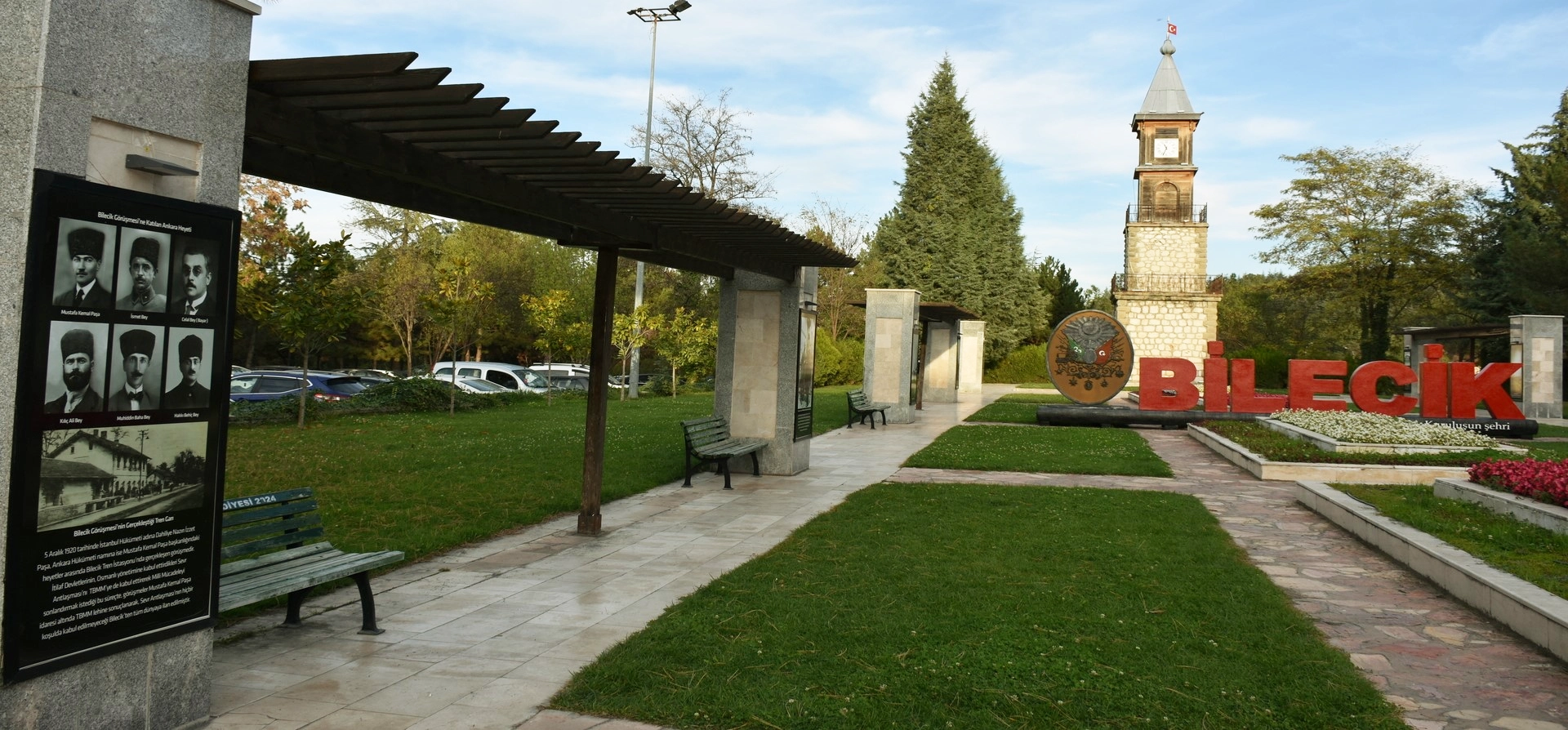
Discover early Ottoman heritage, traditional towns, museums and cultural landscapes across one of northwestern Anatolia's most historic provinces.
View Bilecik GuideUse Söğüt as the starting point for a broader journey through the province's Ottoman monuments, museums and historic towns.
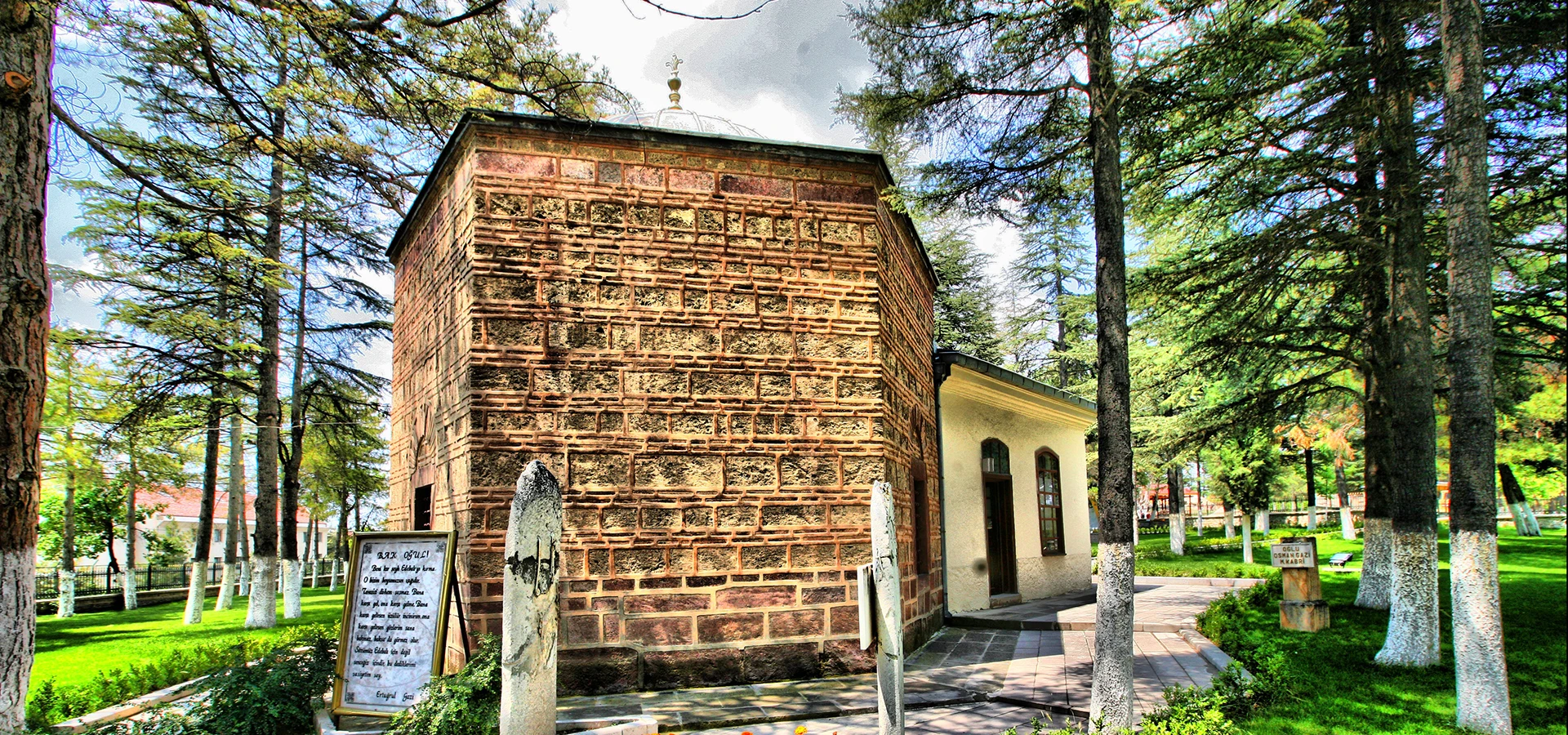
Visit Söğüt's defining memorial complex associated with Ertuğrul Gazi, father of Osman Gazi.
Explore Ertuğrul Gazi Tomb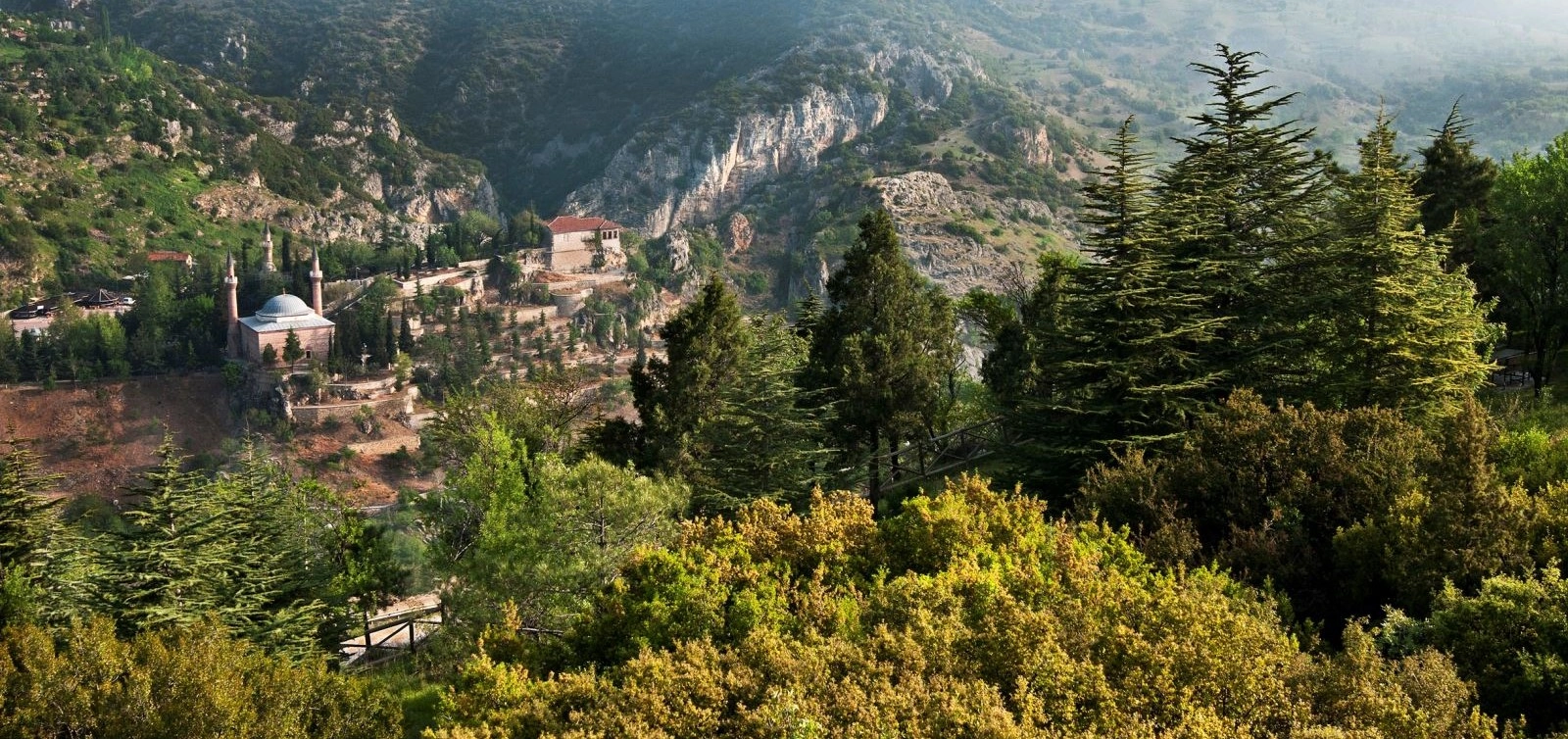
Continue to Bilecik for the spiritual landmark most closely associated with Osman Gazi's foundation narrative.
Explore Şeyh Edebali Tomb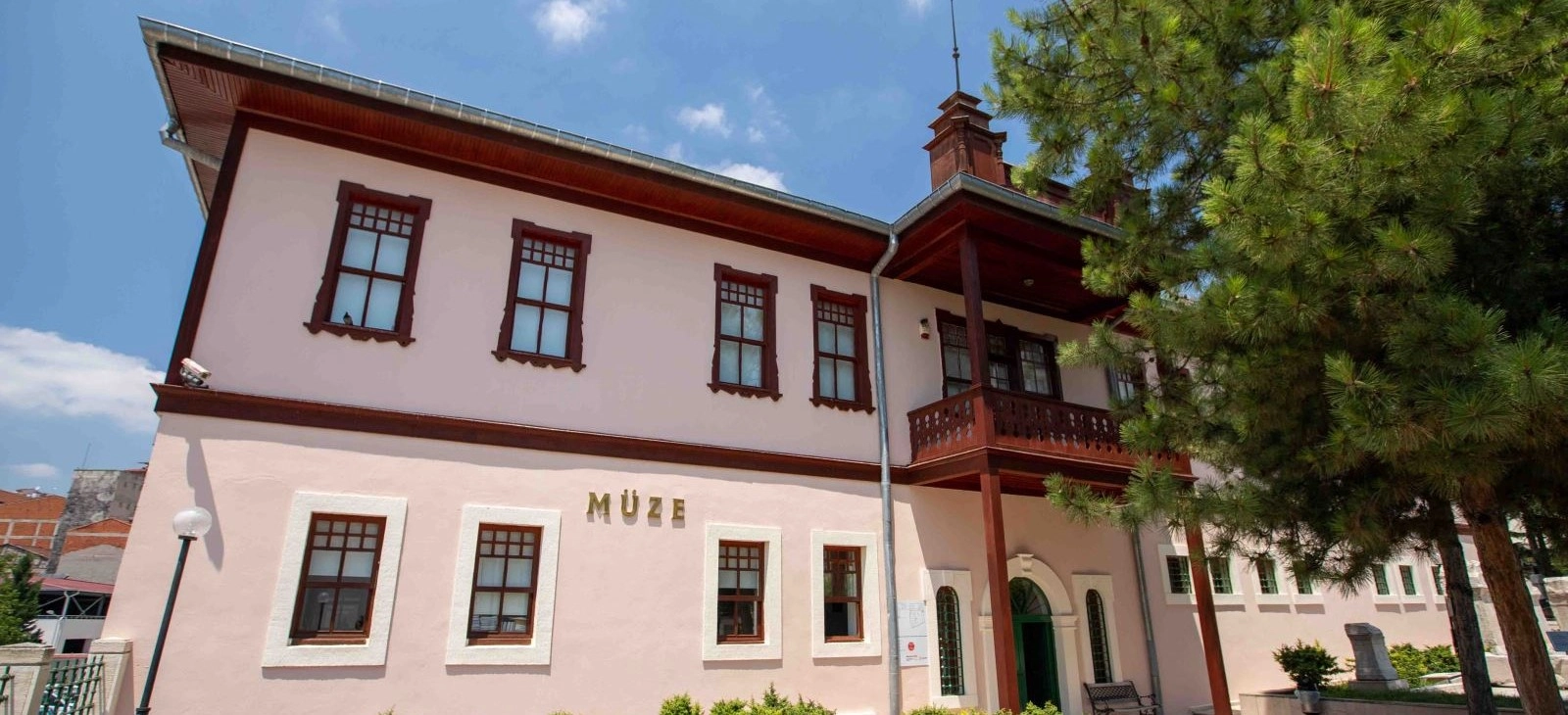
Explore archaeology and ethnography from prehistory through the Ottoman era inside Bilecik's historic former courthouse and prison.
Explore Bilecik Museum