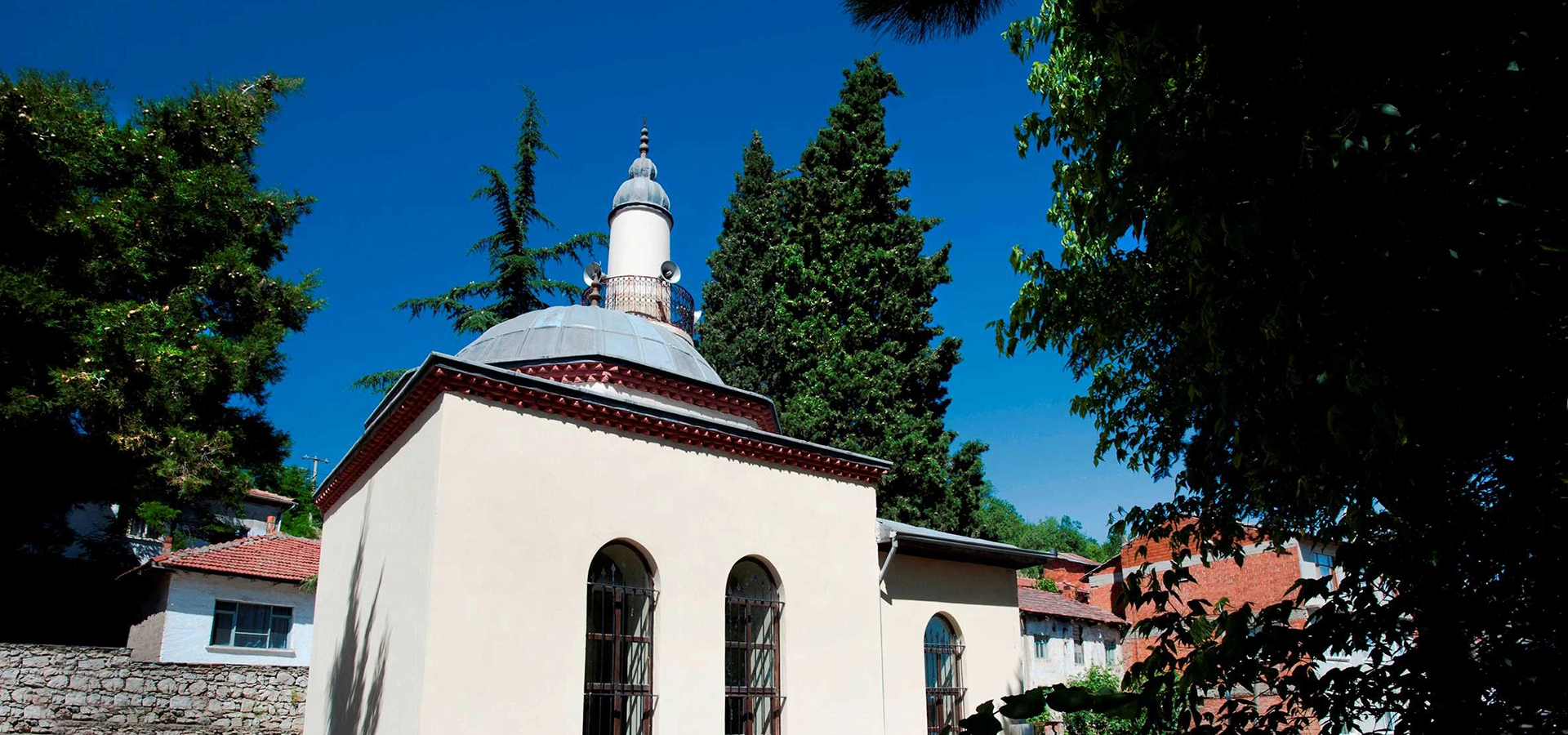
Private Söğüt Early Ottoman Heritage Experience
Ask us about a tailor-made route combining Kuyulu Mescit, Ertuğrul Gazi Tomb, Söğüt’s museum and selected historical sites across Bilecik Province.
Request a Custom Tour





Ertuğrul Gazi Mescidi, better known as Kuyulu Mescit, is one of the most meaningful historic religious monuments in Bilecik Province. Standing in Söğüt, the town inseparably connected with Ertuğrul Gazi and the formative story of the Ottoman dynasty, the modest building carries a historical importance far greater than its size.
Official cultural sources describe the mescit as having been founded by Ertuğrul Gazi in the thirteenth century, before 1276. The same sources record that Sultan Abdülhamid II had the structure rebuilt on the same foundations in 1902. The building has subsequently undergone further conservation work.
Its popular name comes from the well inside the building. Rather than standing in a separate courtyard, the historic well is incorporated into the prayer space itself, making it the defining feature of the monument and the origin of the name Kuyulu Mescit — literally, the “mescit with a well.”
Local tradition also connects this place with the earliest phase of Ertuğrul Gazi’s settlement in Söğüt. It is said that he and his people first pitched their tents in this area. Because this belongs to transmitted local tradition rather than securely documented architectural history, it is best understood as part of the site’s living historical memory.
Today the mescit remains an active place of worship, not simply a museum monument. A careful visit therefore offers several stories at once: early Ottoman Söğüt, the development of a Muslim community, the social importance of a shared water source, Abdülhamid II’s interest in Ottoman foundation heritage, and the modern conservation of a building still used for prayer.
For the strongest historical context, combine the mescit with Ertuğrul Gazi Tomb, Söğüt Ertuğrul Gazi Museum and the wider Bilecik travel guide.
Official cultural sources associate the original mescit with Ertuğrul Gazi and date its foundation to before 1276.
The historic well incorporated into the prayer space gave the building its popular name: Kuyulu Mescit.
Sultan Abdülhamid II had the mescit rebuilt on its historic foundations during the late Ottoman period.
A major Vakıflar restoration was completed before the mescit reopened for worship on 10 November 2023.
Essential information about one of the most historically resonant religious monuments in Söğüt.
Söğüt, Bilecik Province, traditionally described as standing by Söğüt Çayı.
Open on Google MapsHistoric mescit and active Muslim place of worship.
Thirteenth century; official local cultural sources state before 1276.
Attributed to Ertuğrul Gazi, father of Osman Gazi.
A historic well is located within the mescit itself.
Rebuilt on the historic foundations during the reign of Sultan Abdülhamid II.
Approximately 6.10 × 6.10 m square prayer hall, with a single dome and single minaret.
Completed by the General Directorate of Foundations and reopened for worship in November 2023.
The mescit is important not because of monumental scale, but because of its association with the formative landscape of early Ottoman Söğüt.
Söğüt occupies a special place in Ottoman historical memory. It is associated with Ertuğrul Gazi, Osman Gazi and the early Kayı community from which the Ottoman polity emerged. Within that landscape, Kuyulu Mescit represents the scale of everyday religious life before the monumental imperial mosques of later centuries.
Official institutions have described the building as the first mescit used by the Ottomans in Anatolia. That description should be understood as a heritage designation connected with Söğüt’s foundation narrative rather than as a claim that can be compared straightforwardly with every surviving medieval prayer building in Anatolia.
Its modest dimensions are precisely what make the site so compelling. This is not a great imperial mosque built after conquest and expansion. It belongs to the memory of a small frontier community establishing worship, settlement and social life.
The building also bridges several periods. The foundation tradition belongs to the thirteenth century, the visible fabric includes major work from the Abdülhamid II period in 1902, and the structure continues to function after a major twenty-first-century restoration.
Ertuğrul Gazi is remembered as the father of Osman Gazi, founder of the Ottoman dynasty. The historical record for the thirteenth-century frontier is much thinner than that of later Ottoman centuries, and many details of Ertuğrul Gazi’s life survive through chronicles written considerably later.
For that reason, a responsible visit to Söğüt should distinguish between documented architectural history and transmitted historical tradition. The significance of Kuyulu Mescit lies partly in both.
The local and official tradition states that when Ertuğrul Gazi came to the area with his community, his first tents were established around the place where the mescit now stands. The mescit was then associated with the new Muslim settlement that developed in Söğüt.
Whatever the precise sequence of the earliest settlement, the building’s long identification with Ertuğrul Gazi demonstrates how strongly religious space, water, neighbourhood life and dynastic memory have become intertwined in the historical identity of Söğüt.
The Bilecik Provincial Directorate of Culture and Tourism states that the mescit was constructed by Ertuğrul Gazi before 1276. Other local interpretive material sometimes gives the date more generally as the second half of the thirteenth century.
Because the structure has been rebuilt and repaired several times, the present building should not be read as untouched thirteenth-century fabric. Its importance instead comes from continuity of place, foundation tradition and religious use.
The 1902 rebuilding under Sultan Abdülhamid II was particularly important. Official sources state that the mescit was reconstructed on the same foundations, preserving the location and identity of the older sanctuary while renewing its physical form.
For visitors, the safest historical formulation is therefore: a thirteenth-century foundation traditionally attributed to Ertuğrul Gazi, substantially renewed in 1902 and restored again in the modern period.
The most unusual feature of the building is the well located within the mescit. Its presence explains the popular name Kuyulu Mescit.
Official information connected with the 2023 restoration states that during the early period, Muslim and non-Muslim residents used water from the well. This gives the site a social dimension beyond its function as a prayer space.
In a medieval settlement, a reliable water source could be central to daily neighbourhood life. The well therefore helps us imagine the building not as an isolated religious monument, but as part of a lived community where worship and essential daily needs existed side by side.
Today the well is a historic feature within an active religious building. Visitors should observe it respectfully and follow any barriers or instructions rather than treating it as a decorative attraction.
The well is integrated into the building rather than standing in a detached fountain courtyard.
“Kuyulu Mescit” means, literally, the mescit with a well.
Official restoration accounts state that the well historically served both Muslim and non-Muslim residents.
The well contributes to the building’s social history as much as to its architectural identity.
The current structure is a small square-plan mescit. Restoration descriptions give the principal historic prayer hall dimensions as approximately 6.10 × 6.10 metres.
The building consists of a square harim, or main prayer hall, together with a closed entrance / last-congregation section. Above the prayer hall rises a single dome.
A single slender minaret stands beside the compact main body. The scale of the minaret and dome reinforces the building’s identity as a neighbourhood mescit rather than a monumental congregational mosque.
The 2022–2023 conservation campaign revealed and repaired historic exterior fabric, renewed deteriorated lead roof covering and restored the minaret’s appearance. The result allows visitors to read the building’s stone-and-brick character, arched openings, domed roof and compact proportions more clearly.
The principal prayer space is approximately 6.10 × 6.10 metres.
A single dome covers the compact prayer hall.
The mescit has one minaret, appropriate to its intimate scale.
The building includes a transverse enclosed space before the main prayer hall.
Tall arched openings bring light into the small interior.
The interior well is the feature that distinguishes the building from most other small Ottoman prayer structures.
In Ottoman and Turkish usage, a mescit is generally a smaller place of Muslim worship, often serving a neighbourhood or local community. Historically, a larger cami was more closely associated with communal Friday prayer and a broader congregational role.
Kuyulu Mescit illustrates how these categories can become more fluid over time. The building is historically known and officially listed as Ertuğrul Gazi Mescidi, yet it continues to function as an active place of worship and has hosted Friday prayer.
For travel writing, the most accurate approach is therefore to retain its established name: Ertuğrul Gazi Mescidi (Kuyulu Mescit), rather than forcing the monument into a modern English category such as simply “mosque.”
By the late nineteenth and early twentieth centuries, Söğüt had become an important landscape of Ottoman dynastic memory. Sultan Abdülhamid II showed particular interest in places associated with the dynasty’s origins.
Official cultural sources state that in 1902 the Ertuğrul Gazi Mescidi was rebuilt on the same foundations. This intervention preserved the identity of the historic sanctuary while giving the structure a renewed late Ottoman architectural form.
The rebuilding should be understood within a broader Abdülhamid-era interest in restoring, monumentalizing and visually strengthening the early Ottoman heritage of Söğüt. Nearby monuments associated with Ertuğrul Gazi and the town’s dynastic role also received renewed attention during this period.
For visitors, this creates an important interpretive point: the mescit belongs to two powerful historical moments at once — the memory of the thirteenth-century frontier and the late Ottoman effort to preserve and celebrate that memory.
A major modern conservation project was undertaken by the Ministry of Culture and Tourism’s General Directorate of Foundations. Work lasted approximately a year and was completed in 2023.
Published restoration information records several important interventions. The worn lead roof covering was removed and renewed, historic exterior fabric was exposed and conserved, and traditional horasan plaster was applied in the interior.
A drainage system was installed around the foundations to help manage moisture, the minaret was returned to a more historically appropriate appearance, and the surrounding area received landscape improvements.
Following completion, the mescit reopened for worship with Friday prayer on 10 November 2023. This is especially important because the project did not transform the building into a static museum: it returned a historic sanctuary to active communal use.
Deteriorated lead covering was removed and renewed.
Conservation work helped reveal and preserve original historic fabric.
Traditional lime-based restoration plaster was used in the interior.
A drainage system was installed around the building to improve moisture management.
The minaret was restored toward its historically appropriate appearance.
The restored mescit returned to active worship on 10 November 2023.
One of the most important things to understand before visiting is that Kuyulu Mescit remains a functioning religious building. Visitors should therefore approach it differently from an archaeological ruin or conventional museum.
Prayer takes priority. If worship is taking place, wait quietly, avoid walking in front of people who are praying and keep photography discreet. Shoes should be removed before entering the carpeted prayer space.
Modest clothing is appropriate. Visitors should ensure that shoulders and knees are covered, and women may be asked or expected to cover their hair inside the prayer area.
The intimate scale of the mescit means that even a few visitors can significantly affect the atmosphere. The most rewarding visit is therefore quiet, unhurried and respectful.
The story of the well gives Kuyulu Mescit a human dimension that goes beyond dynastic history. According to official restoration information, Muslims and non-Muslims once drew water from the well together.
This detail is valuable because frontier settlements were not abstract political spaces. They were communities in which different groups lived near one another, exchanged goods, used common resources and negotiated everyday life.
A well inside or immediately connected with a sacred building would have been a practical and highly visible local resource. Its continued survival gives visitors a tangible point from which to think about daily life rather than only rulers, battles and dynasties.
For this reason, Kuyulu Mescit is one of Söğüt’s best places for understanding how ordinary infrastructure can become historical memory.
Modern local accounts also preserve a tradition that Osman Gazi’s circumcision and wedding celebrations were connected with this site. The story remains part of the cultural memory surrounding Kuyulu Mescit.
Because this tradition is not supported by contemporary thirteenth-century documentation, it should be presented carefully: as a local historical tradition rather than a securely documented event.
The continued retelling of the story is itself significant. It shows how the mescit functions as a place where family memory, dynastic identity, religious heritage and community ceremony have been layered together over centuries.
The mescit photographs beautifully because of its compact proportions, dome, slender minaret, arched windows and landscaped setting. A slightly wider view is useful for showing how small the monument actually is.
The building is particularly attractive in soft morning or late-afternoon light, when texture becomes visible in the masonry and the dome can be separated clearly from surrounding trees.
Interior photography should always be secondary to worship. If prayer is taking place, do not photograph worshippers without permission, and avoid flash or intrusive equipment.
The historic well can be an important documentary detail, but visitors should not lean across barriers, move covers or interfere with the feature in order to obtain a photograph.
Include the dome, minaret and compact main body in a single frame.
Use side light to bring out the rhythm of the tall window openings.
Photograph only from permitted positions and never disturb protective covers or barriers.
Include mature trees and the surrounding stone enclosure to show the mescit in its setting.
If photography is appropriate, work discreetly and never interrupt prayer.
Ask before making identifiable photographs of worshippers or local residents.
Kuyulu Mescit is best visited as part of a wider Söğüt historical route. The building itself is small, so most travelers will not need a long standalone visit.
Allow enough time to see the exterior, enter respectfully when access is appropriate, observe the well and understand the restoration history. For many visitors, around 20–30 minutes is sufficient.
Because this is an active place of worship, visitor access can vary around daily prayers, Friday prayer, religious holidays, ceremonies or maintenance. There may not be a conventional museum-style schedule.
Opening arrangements can change, so treat current on-site signs and instructions from mosque staff as authoritative.
A historic mescit is both cultural heritage and sacred space. Visitors of all backgrounds are welcome to appreciate the building, but religious use always comes first.
Leave footwear in the designated area before stepping onto the prayer carpets.
Cover shoulders and knees; women should be prepared to cover their hair inside.
The mescit is very small, so normal conversation can easily disturb prayer.
If possible, explore the interior between prayers rather than during congregational worship.
Never walk directly in front of someone who is praying.
Respect worshippers’ privacy, especially in such an intimate interior.
Observe the historic feature without moving covers, placing objects inside or leaning on protective elements.
Temporary access arrangements may change for worship, restoration or ceremonies.
The mescit is a relatively small monument in Söğüt, and the principal exterior features can be understood without a long walking route.
However, historic religious buildings can present thresholds, steps, uneven paving, narrow entrances and shoe-removal requirements that affect visitors with reduced mobility.
The 2023 project included landscaping around the monument, but exact step-free access conditions can change. Visitors who need wheelchair access should confirm the closest practical vehicle drop-off and current entrance conditions locally.
Even if interior access proves difficult, the exterior architecture and historic setting still make the site worthwhile when combined with other accessible stops in Söğüt.
The mescit is located in Söğüt district of Bilecik Province, traditionally described as standing near Söğüt Çayı.
For navigation, search for “Ertuğrul Gazi Mescidi (Kuyulu Mescit), Söğüt”. Using the full historic name helps distinguish it from nearby businesses that also use the Kuyulu Mescit name.
Söğüt is most conveniently explored by private car, taxi or private driver if you plan to combine several heritage sites in one day.
The mescit fits naturally into a route with Ertuğrul Gazi Tomb and Söğüt Ertuğrul Gazi Museum. Travelers continuing through Bilecik Province can then add Şeyh Edebali Tomb and Bilecik Museum.
Search “Ertuğrul Gazi Mescidi (Kuyulu Mescit), Söğüt.”
Best for combining Söğüt with Bilecik city and other provincial heritage sites.
Useful for short local transfers within Söğüt.
Several central Söğüt heritage stops can be combined on foot depending on your route.
A comfortable option for a full Bilecik–Söğüt early Ottoman itinerary.
Pair the mescit with Ertuğrul Gazi Tomb and Söğüt Ertuğrul Gazi Museum.
For a quick exterior view, 10–15 minutes may be enough.
Allow around 20–30 minutes if the interior is accessible and you would like to see the historic well, examine the architecture and read the building in its historical context.
A half day in Söğüt is far more rewarding if you want to combine Kuyulu Mescit with the major Ertuğrul Gazi sites and the town museum.
A full day works well for travelers combining Söğüt with Bilecik city and other monuments connected with early Ottoman history.
Quick exterior view and photographs.
Exterior, respectful interior visit, the well and architectural details.
Combine Kuyulu Mescit with Ertuğrul Gazi Tomb and the Söğüt museum.
Add Bilecik city, Şeyh Edebali Tomb and other Ottoman foundation monuments.
Begin outside and take in the complete scale of the building. Its small size is essential to understanding the mescit as a neighbourhood sanctuary rather than a later imperial mosque.
Look at the single dome and minaret, then study the arched windows and restored masonry. These elements help reveal the building’s present architectural character after successive rebuilding campaigns.
Before entering, check whether prayer is taking place. If access is appropriate, remove your shoes and enter quietly.
Inside, allow your eyes to adjust to the compact prayer space before focusing on the historic well. Its physical presence explains the building’s popular name and opens a window onto the social history of early Söğüt.
Finish by stepping back into the surrounding neighbourhood and remembering that the mescit makes most sense as part of the larger early Ottoman cultural landscape of Söğüt. Continue toward Ertuğrul Gazi Tomb and the town’s museum.
Kuyulu Mescit should rarely be visited in isolation. Its historical meaning becomes much clearer when combined with Söğüt’s wider Ertuğrul Gazi landscape and the early Ottoman monuments of Bilecik.
Visit the most important memorial monument associated with Ertuğrul Gazi and the dynastic beginnings remembered in Söğüt.
Explore local ethnography and the historical identity of Söğüt before or after visiting the mescit.
Continue to Bilecik city for one of the most important spiritual monuments in Ottoman foundation memory.
See another major early Ottoman religious monument linked with the first generations of the dynasty.
Place Söğüt’s Ottoman story within the much longer archaeological and cultural history of Bilecik Province.
Plan a broader route through Söğüt, Bilecik, Osmaneli, Bozüyük and the province’s historical landscapes.
Kuyulu Mescit is the popular name of the historic Ertuğrul Gazi Mescidi in Söğüt, Bilecik.
Because a historic well is located inside the building. “Kuyulu Mescit” means the mescit with a well.
It is in Söğüt district of Bilecik Province, in the early Ottoman heritage landscape associated with Ertuğrul Gazi.
Official cultural sources attribute the original mescit to Ertuğrul Gazi.
The Bilecik Provincial Directorate of Culture and Tourism states that the original structure was built before 1276.
No. The site has a thirteenth-century foundation tradition, but the mescit was rebuilt in 1902 and has undergone later restoration.
Official sources state that it was rebuilt during the reign of Sultan Abdülhamid II on the same historic foundations.
Official institutions describe it as the first mescit used by the Ottomans in Anatolia. This is best understood as part of the established heritage interpretation of Söğüt’s foundation landscape.
According to local and official tradition, Ertuğrul Gazi and his people first pitched their tents in this area. Sources describe this as a tradition rather than a proven archaeological fact.
Yes. The well is inside the historic prayer building and is the reason for the name Kuyulu Mescit.
Official restoration information states that both Muslim and non-Muslim residents drew water from the well during the early period.
Published restoration information describes the principal square plan as approximately 6.10 × 6.10 metres.
Yes. The main prayer hall is covered by a single dome.
The mescit has one minaret.
Yes. A major restoration by the General Directorate of Foundations was completed in 2023.
It reopened for worship with Friday prayer on 10 November 2023.
Work included renewal of the lead roof covering, conservation of exterior fabric, interior horasan plaster, foundation drainage, minaret restoration and landscaping.
Yes. It is an active religious building, so visitor access should always respect prayer and current local arrangements.
Historic mosques and mescits in Türkiye are generally visitable outside worship when local access allows. Enter quietly, dress modestly and follow any instructions at the site.
Yes. Shoes should be removed before entering the carpeted prayer area.
Wear modest clothing covering shoulders and knees. Women should be prepared to cover their hair inside the prayer space.
Photography may be possible when it does not disturb worship, but avoid flash and never photograph worshippers intrusively.
Treat the well as a protected heritage feature. Do not move covers, throw objects into it or interfere with barriers.
The mescit is a place of worship rather than a conventional ticketed museum. Follow current on-site information if arrangements change.
Allow around 20–30 minutes for a relaxed visit, depending on prayer times and interior access.
Yes, especially for travelers interested in early Ottoman history, Ertuğrul Gazi, Islamic heritage and the history of Söğüt.
Continue to Ertuğrul Gazi Tomb and Söğüt Ertuğrul Gazi Museum.
Yes. With a car or private driver, a full-day route can combine Söğüt with Şeyh Edebali Tomb, Orhan Gazi Mosque and Bilecik Museum.
Search for “Ertuğrul Gazi Mescidi (Kuyulu Mescit), Söğüt, Bilecik.”
Religious use always takes priority over sightseeing and photography.
Do not touch, open, throw coins into or otherwise interfere with the historic well.
Keep the historic prayer carpets and interior clean by following mosque shoe etiquette.
The building is small and sound carries easily through the prayer space.
Flash photography can be intrusive in an active place of worship.
Worshippers and local residents should never become unconsenting tourist subjects.
Avoid leaning on walls, woodwork, windows, minbar or other heritage elements.
Any temporary conservation or worship restrictions should always be respected.
Combine Ertuğrul Gazi Kuyulu Mescit with Söğüt’s dynastic monuments and Bilecik’s early Ottoman heritage through a private itinerary designed around your interests and travel pace.
Explore the places connected with Ertuğrul Gazi, Osman Gazi and the foundation memory of the Ottoman dynasty.
Ask us about a tailor-made route combining Kuyulu Mescit, Ertuğrul Gazi Tomb, Söğüt’s museum and selected historical sites across Bilecik Province.
Request a Custom Tour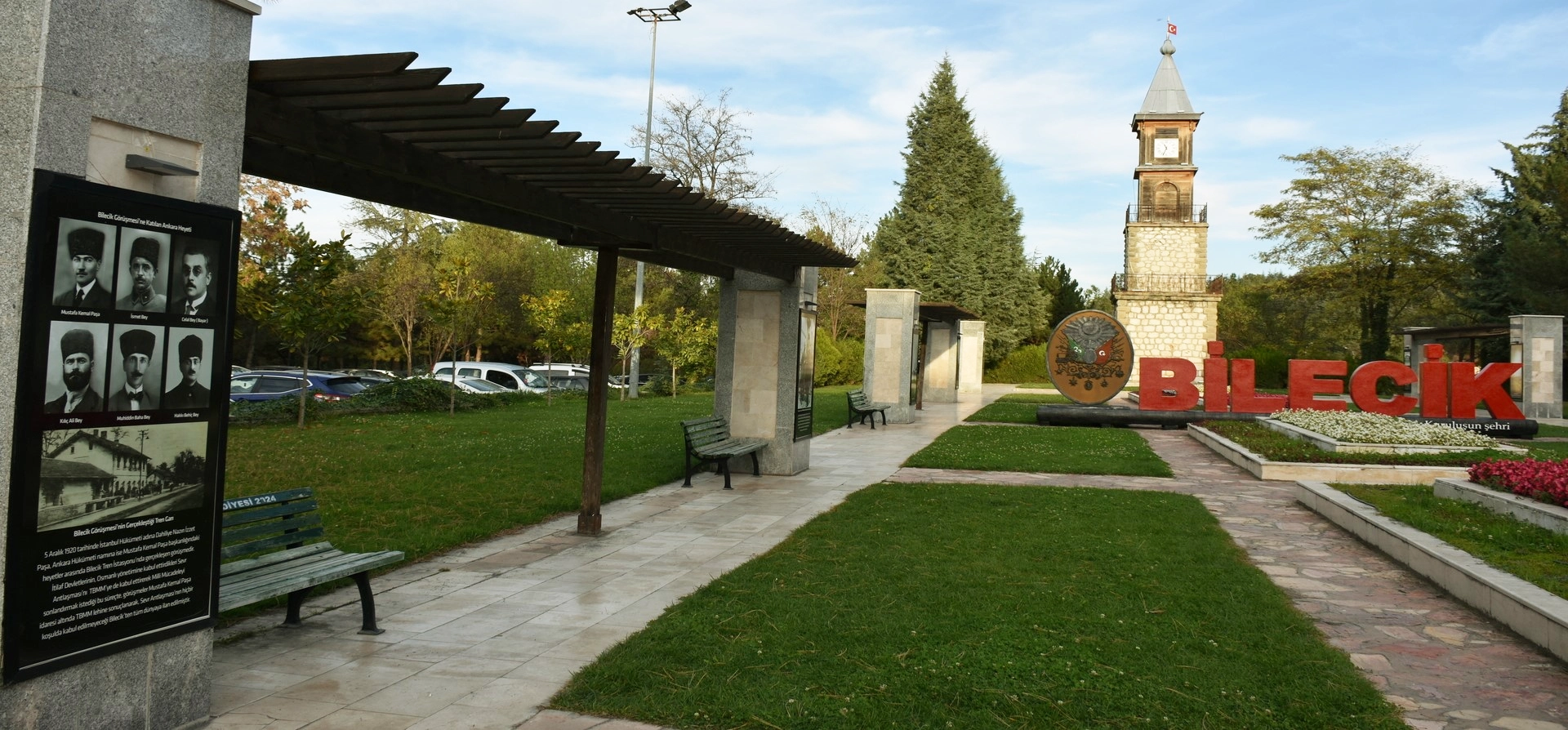
Discover early Ottoman monuments, Söğüt, museums, historic towns, War of Independence landscapes and natural attractions throughout Bilecik Province.
View Bilecik GuideConnect Kuyulu Mescit with the people and places that shaped the earliest Ottoman historical landscape.
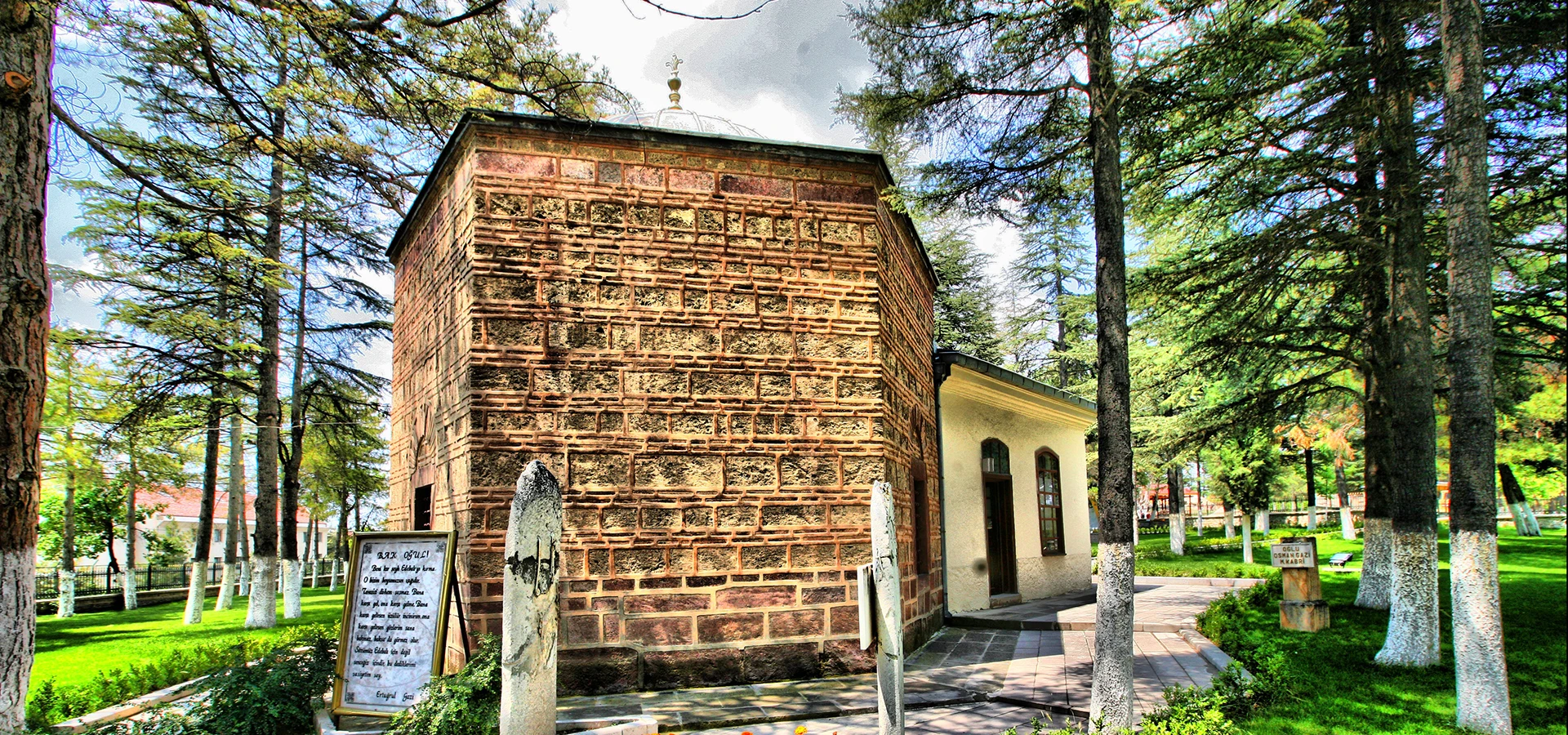
Continue to Söğüt’s principal memorial monument associated with Ertuğrul Gazi and the origins of the Ottoman dynasty.
Explore Ertuğrul Gazi Tomb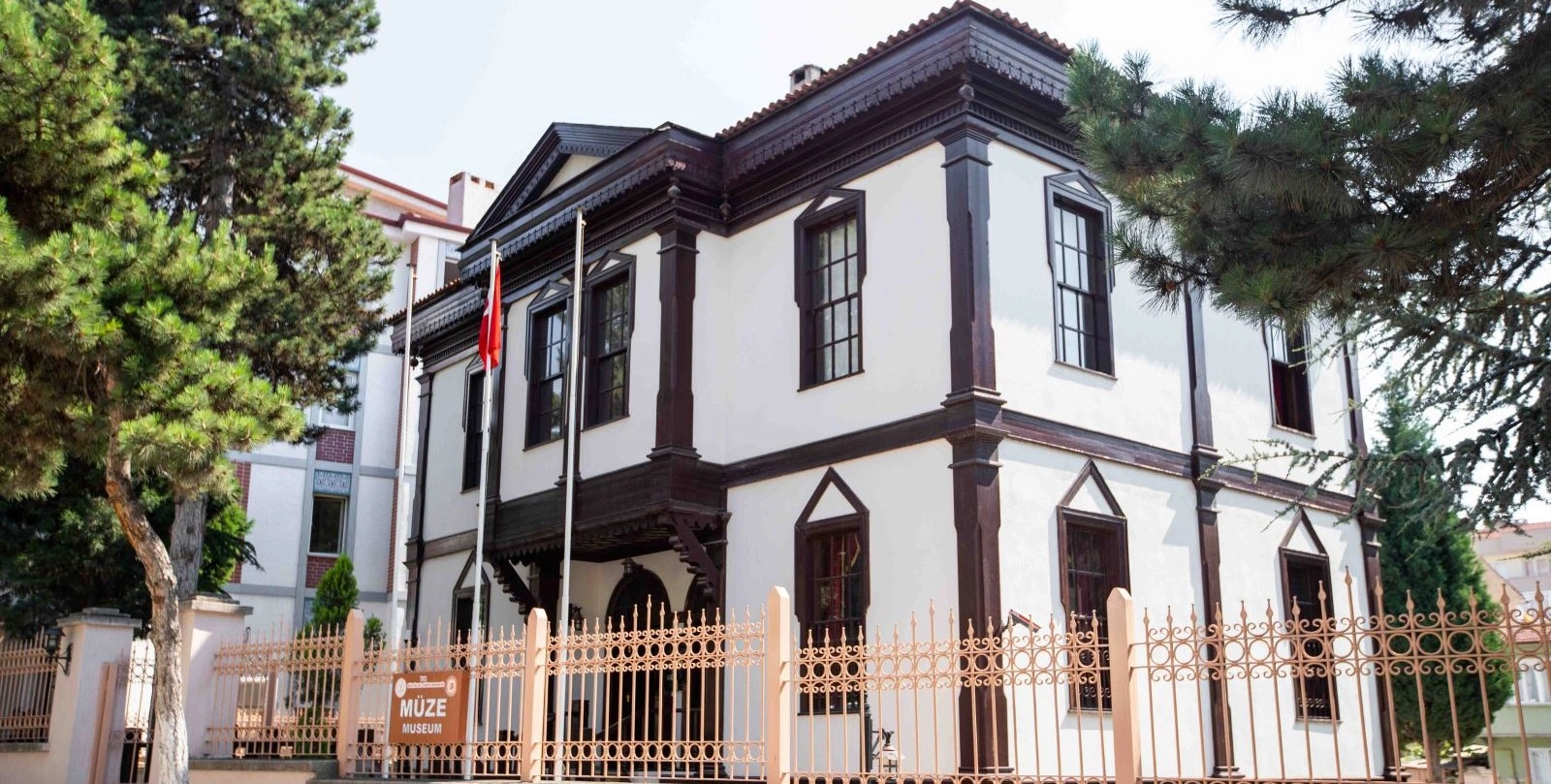
Explore ethnographic collections and the local identity of the town at the heart of the Ertuğrul Gazi story.
Explore Söğüt Museum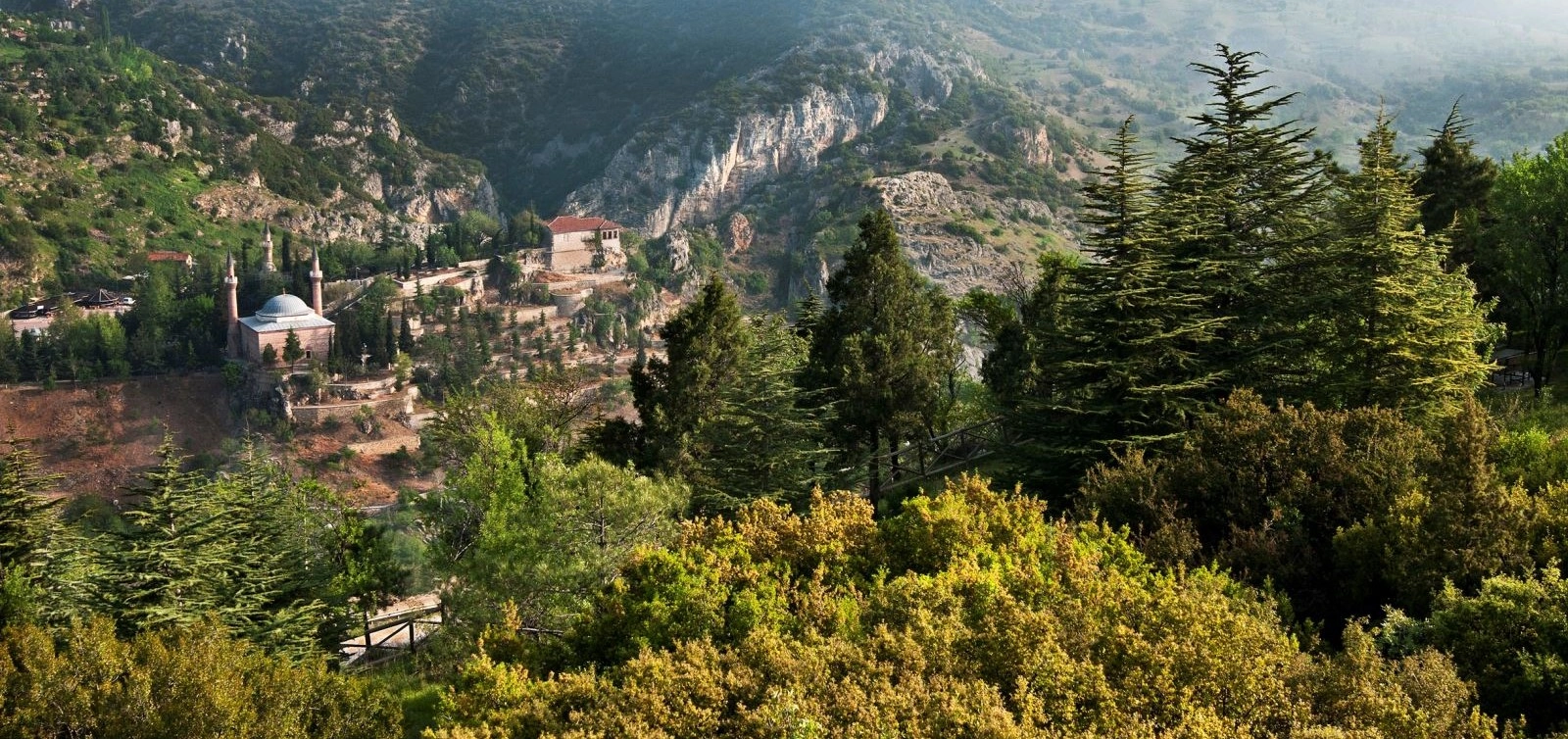
Continue from Söğüt to Bilecik city for another central monument in the spiritual memory of the Ottoman foundation period.
Explore Şeyh Edebali Tomb