
Denizli City Museum
Explore Denizli’s local history, urban traditions and cultural identity.
Discover the Museum





On the green slopes of Merkezefendi, Denizli, the Servergazi Tomb (Servergazi Türbesi) commemorates a commander remembered in local tradition for the battles that helped establish Turkish rule in this part of western Anatolia. The name Servergazi appears not only on the shrine, but also throughout the surrounding neighbourhood.
According to official provincial accounts, Servergazi lived around the late twelfth and early thirteenth centuries and served alongside Mehmet Gazi. Their deaths are traditionally associated with fighting in the Denizli region around 1210. The mausoleum remains a local site of remembrance and prayer, surrounded by mature plane and oak trees.
There is an important difference between the medieval person commemorated and the building visible today. The Turkish Ministry of Culture’s heritage inventory dates the current structure to 1992, replacing an earlier tomb on the site. It is therefore misleading to describe every visible wall as original thirteenth-century Seljuk architecture.
This guide explores the man and his companion, the history and traditions associated with the tomb, the modern structure, the old trees and park, appropriate visitor etiquette, opening-hours guidance, transport, and places to combine with your visit, including Denizli City Museum, Kaleiçi Bazaar and Laodicea.
Learn why Servergazi and Mehmet Gazi are remembered in Denizli’s local history.
Discover a peaceful tomb still associated with prayer and communal memory.
Explore a shaded setting of plane and oak trees with a long conservation story.
Understand the difference between medieval events and the rebuilt 1992 shrine.
Essential background for a respectful visit to this lesser-known Denizli landmark.
Servergazi Türbesi – a memorial tomb and place of local religious-cultural significance.
Servergazi neighbourhood, Merkezefendi district, Denizli, Türkiye.
Servergazi, traditionally described as a Seljuk military commander.
His death is traditionally placed around AD 1210, although exact dates are uncertain.
The official cultural inventory records the current tomb building as constructed in 1992.
Mature plane and oak trees, landscaped areas and the adjacent Servergazi park.
An education ministry directory lists 09:00–17:00 daily; verify before travelling.
About 20–40 minutes for the tomb; longer if also walking in the park.
This is not a monumental archaeological complex or a large museum. Its appeal lies in a quiet meeting of history, local belief and greenery. The memorial introduces one of the figures remembered in the region’s transition from Byzantine to Turkish rule, while the tree-lined hillside provides a contrast to central Denizli’s busy streets.
Visitors interested in Anatolian history can learn how commanders, frontier communities and later generations of worshippers became part of the region’s identity. The setting is also a good place to reflect on how historic memory can survive even when an original building has been replaced.
The tomb is especially rewarding as a short cultural stop combined with local museums, neighbourhood viewpoints or a walk through the surrounding recreation area.
A local perspective on the Seljuk period and the development of Denizli.
A place that holds meaning for visitors who come to remember and pray.
Plane and oak trees create one of the site’s most distinctive impressions.
The small present-day shrine is modest rather than ostentatious.
See a part of Denizli not always included on Pamukkale-focused itineraries.
Combine the memorial with a city tour, without any compulsory shopping stop.
In Denizli’s official regional histories, Servergazi is remembered as a Seljuk commander who lived in the late 1100s and early 1200s. He is described as serving under Sultan Gıyaseddin Keyhüsrev in campaigns involving Denizli and its surroundings.
The accounts place him alongside another commander, Mehmet Gazi. Both figures are part of Denizli’s local memory of conflict on the Byzantine–Seljuk frontier. Later narratives describe them leading troops towards the area of ancient Laodicea and fighting near Honaz and Deretekke.
The details of Servergazi’s birthplace, family and personal chronology have not been firmly established in the publicly available heritage summaries. Rather than presenting a complete biography that the evidence cannot support, the site is best understood through the regional tradition associated with him.
Late twelfth to early thirteenth century, according to local heritage accounts.
The Anatolian Seljuk state and a changing western Anatolian frontier.
A military commander in accounts of the conquest of Denizli.
Mehmet Gazi, another commander commemorated at a separate tomb.
His exact birth year and many personal details remain unverified.
His name survives in the neighbourhood and the tomb that honours him.
In the twelfth and early thirteenth centuries, the wider Denizli area lay within a dynamic frontier zone between Byzantine centres and Turkish powers expanding through inland western Anatolia. Control was not a single, simple event: settlements, roads and strategic approaches changed hands across different periods.
The old cities of the Lycus Valley—including Laodicea and the region around Colossae near Honaz—provide the broader historical landscape for traditions about Servergazi.
Official local retellings celebrate Servergazi as a hero of the Turkish settlement and military history of Denizli. Visitors should recognise the difference between those commemorative narratives and a modern academic reconstruction supported by contemporary battle records.
An important Turkish polity in medieval Anatolia.
An established eastern Roman presence in the region before and during frontier conflict.
The geographical corridor connecting major ancient settlements.
Military and settlement history unfolded over generations.
Laodicea and Honaz help place the story in the wider landscape.
Local memory is valuable, but should not be mistaken for detailed contemporary documentation.
Denizli’s provincial tourism authority and municipality traditionally associate Servergazi’s death with fighting around AD 1210. A detailed municipal version places an initial clash with Byzantine forces near Honaz, followed by another engagement in the Deretekke area.
In that story, Mehmet Gazi dies during the campaign; Servergazi continues fighting and is later struck by an arrow. He is said to have been buried on the hillside where the tomb is now visited, in accordance with his wish.
These scenes form an important part of regional historical tradition. The Denizli Directorate of Culture’s own 2020 tombs guide specifically notes that the dates are not certain and that 1210 is an estimate. Treat the accounts as local tradition, not as a day-by-day battle log proven beyond question.
Approximately 1210; not an independently established exact death date.
Named as an earlier battle location in municipal accounts.
Named as a later fighting location in regional retellings.
A fellow commander whose tomb is at İlbadı Cemetery.
The manner of Servergazi’s death in a widely retold local story.
He is remembered as buried at the site of the present shrine.
Official heritage material associates the commanders Servergazi and Mehmet Gazi with the same period of Denizli’s history. Their names sometimes appear together in summaries of the region’s conquest, which can cause confusion for visitors.
Servergazi Tomb is in the Servergazi / Gerzele area of Merkezefendi, amid trees and a park setting. Mehmet Gazi’s tomb, by contrast, is associated with İlbadı Cemetery in the urban area of Denizli. They are not two names for the same mausoleum.
If you would like to visit both, treat them as separate stops and use their full Turkish names on a map. Check cemetery access and transport arrangements independently.
The hillside shrine covered in this guide, in Servergazi neighbourhood.
A separate memorial within İlbadı Cemetery.
Both are remembered in regional accounts of early thirteenth-century fighting.
Confirm each location individually; do not rely on a generic “Gazi tomb” search.
A türbe is a tomb or mausoleum with special commemorative, religious or cultural significance. In Anatolia the term applies to structures from different centuries and architectural traditions, not just medieval Seljuk monuments.
The word gazi is an honorific historically associated with those who took part in religiously or politically significant campaigns and, in Turkish usage, with veteran or warrior traditions. Hazretleri is a respectful title used when speaking of revered people.
These words help visitors understand why the shrine is spoken of with reverence. They do not provide, by themselves, biographical proof, a precise construction date or evidence of miracles.
A tomb or mausoleum.
An honorific associated with warrior and veteran traditions.
A respectful form of address.
Honorific vocabulary reflects the esteem in which a person is held.
No—not in its surviving visible form. The official Turkish cultural-property inventory lists 1992 as the construction date of the present tomb building. A regional guide prepared by the Denizli Directorate of Culture and Tourism says the modern structure replaced an earlier tomb on the same site.
The monument is associated with an early thirteenth-century person, and some architectural databases date the original commemorative tradition to the first quarter of that century. But a traditional foundation period is not the same as the date of the masonry, windows, roof and doors visitors see today.
The Anatolian Seljuk Architecture database also notes extensive rebuilding or change around 1993 and the lack of a surviving foundation inscription. Consequently, claims that the present structure preserves an intact medieval octagonal tomb should be approached cautiously.
Remembered from the early thirteenth century.
An older memorial structure was present before the modern building.
Dated 1992 by the official heritage inventory.
A specialist architecture database notes major 1993 interventions.
No surviving original construction inscription documented in the architecture database.
A commemorative shrine in a historically significant setting, not unaltered Seljuk fabric.
The modern tomb appears as a small, polygonal stone-faced building with arched openings, wood-framed windows and a gently pitched roof. Photographs show a restrained exterior rather than the richly ornamented portal or large stone dome that some visitors associate with classical Seljuk monuments.
Its scale suits the surrounding grove. The path and steps, planted edges and mature trees make the arrival feel more like approaching a local pilgrimage site than entering a formal archaeological park.
Exterior finishes and surrounding landscaping have changed over time, so older photographs may not represent every current colour, furnishing or planting detail. The historically significant element is principally the place of remembrance, not a claim that every visible construction element is medieval.
A small polygonal memorial building.
Light-coloured masonry visible in published photographs.
Arched doors and windows providing light to the interior.
A low pitched tiled roof in commonly published exterior views.
A wooded slope with paths, steps and landscaped surroundings.
Observe respectfully from the public visitor route.
The interior is simple and devotional. Photographs in official heritage material show grave forms or commemorative sarcophagi, with furnishings that can change through caretaking and restoration. Later photographs show green fabric coverings and religious calligraphy.
Visitors should not assume the current textiles, curtains or inscriptions date from the Seljuk period. These are features of a living site of remembrance, maintained and used over time.
Access to the interior is subject to the site’s actual opening arrangements. If the door is closed, do not attempt to force entry or disturb the building. A quiet view of the exterior and surrounding trees can still be a meaningful visit.
Quiet, intimate and primarily commemorative.
The focal point of a traditional shrine interior.
Religious coverings and drapery may vary over time.
Ask before photographing people or devotional activities.
Do not assume the interior is accessible at all times.
Keep voices low and avoid touching memorial objects.
The Culture Portal inventory gives 1992 as the year the current mausoleum building was erected. A specialist architectural entry records very extensive rebuilding or alteration by 1993. These dates are particularly important for visitors evaluating the architecture.
According to the official heritage inventory, the tomb was registered by the relevant conservation board on 20 June 1996, under decision 5965. Its cultural-property status acknowledges the value of the monument and site in local heritage.
Local municipal announcements also document improvements to the surroundings, including pathways, lighting and landscaping efforts announced in 2011. Such work illustrates a continuing effort to maintain the setting, but announcements do not verify which individual features still operate in 2026.
The current shrine is recorded as built in this year.
Major reconstruction or change noted in an architectural study.
Formal registration by the relevant conservation board.
Identification number in the official inventory.
Municipal projects described improvements around the monument.
The shrine remains a named cultural and devotional landmark.
Servergazi is remembered locally not only as a historical commander, but also as a revered figure. The site is visited by people wishing to pay their respects, offer prayers and spend time in contemplation.
A Denizli cultural guide records folk practices associated with wishes for health, family and children. Those accounts are useful for understanding local belief and intangible heritage; they are not medical evidence that visiting a tomb cures illness or affects fertility.
Visitors of any background are welcome to approach the site with the same courtesy they would show at a place of worship. Keep rituals personal, do not interrupt those praying, and avoid assuming that everyone shares the same traditions.
The tomb preserves memory of a respected regional figure.
Some visitors use the space for personal devotion.
Local accounts describe wishes and vows associated with the shrine.
No therapeutic or fertility outcome should be promised.
Quiet conduct matters more than a visitor’s own religious background.
Do not stage intrusive photographs or performances inside the tomb.
The trees around the tomb are among its most atmospheric features. The official cultural inventory describes the large surrounding area as shaded by plane trees and oaks. Municipal materials have also discussed the care of particularly old trees nearby.
In a 2021 announcement, the Denizli provincial environment authority reported field measurements of seven oriental plane trees and one olive tree close to Servergazi Tomb as part of the process of reviewing monumental-tree protection criteria. This is more precise than repeating unverified claims that every visible tree is a particular age.
Spending time beneath the foliage can be as memorable as viewing the building itself. Respect root areas, avoid damaging bark and follow posted restrictions around protected or treated trees.
Oriental planes are a prominent part of the local landscape.
The heritage inventory notes mature oaks around the shrine.
Official measurements covered seven plane trees and one olive nearby.
Large old trees require ongoing care, not simply admiration.
The grove can be welcome during hot Denizli weather.
Stay on paths and do not harm branches or trunks.
The memorial is closely associated with a wider green recreation and picnic area. An official provincial tourism description of Servergazi Parkı lists walking paths, seating areas, children’s play spaces, refreshment points and a water feature, with the tomb identified as a significant part of the park.
The same description gives a park area of about 130,000 square metres and a walking or running track of roughly 1,100 metres. These are published descriptions, not a current inspection of every amenity in 2026. Cafés, facilities and maintenance arrangements can change.
For a relaxed visit, separate the two experiences: behave quietly in the shrine precinct, then enjoy any permitted picnic or leisure activities in the designated park areas.
A shaded environment close to the urban area.
The official park description mentions a recreational trail.
Places to pause and enjoy the setting.
Play areas are mentioned in the park overview.
Amenities may operate seasonally or under changing management.
Picnicking and active recreation belong in designated park spaces.
The tomb lies in Servergazi neighbourhood, within the Merkezefendi district of Denizli. Official sources also refer to the nearby Yeşilköy area. An education ministry location listing identifies Meclis Caddesi, Servergazi / Gerzele, Merkezefendi, Denizli 20040.
To navigate, enter “Servergazi Türbesi” or “Server Gazi Türbesi, Merkezefendi” rather than simply “Servergazi”, which may return the wider neighbourhood or unrelated businesses.
The memorial is not in Pamukkale village, not inside the Hierapolis archaeological site and not in the old city-centre bazaar. It is a distinct hillside stop that benefits from checking a current route before departure.
Merkezefendi, Denizli.
Servergazi; some nearby mapping also references Gerzele or Yeşilköy.
Meclis Caddesi in the Ministry of Education location listing.
A slope amid established trees and parkland.
Plan a separate urban transfer if you are staying by the terraces.
The Turkish Ministry of National Education’s outdoor-learning directory lists the tomb as open 09:00–17:00, Monday through Sunday. This is a published directory schedule, not a real-time confirmation that the interior will be unlocked every day or on holidays.
An earlier Denizli educational booklet mentions visiting by appointment for organised school activity. Because supervised group visits and ordinary individual entry may be handled differently, verify access with the site’s responsible public authority if the interior is essential to your plans.
We have not found a dependable current official admission price for the tomb. Do not assume there is a paid museum-style ticket—or guarantee free interior admission—without checking. The park’s public areas and any commercial facilities may operate under separate conditions.
09:00–17:00 daily, according to the Ministry of Education listing.
No; operational changes and closures may occur.
No up-to-date official tomb ticket price independently verified.
An earlier educational source recommends advance appointments.
Be flexible when prayer or community activity affects access.
Check local notices shortly before travel.
The provincial culture and tourism authority says the site can be reached from Denizli city centre on Servergazi or Gerzele minibuses and municipal buses. Route numbers, timetables and stop locations can change; confirm the most recent service rather than relying on an outdated bus number.
Taxi or private vehicle is usually a simple option for travellers combining several dispersed cultural sites. Navigate using the tomb’s name and confirm the legal nearest drop-off, as the grounds and hillside approach may require walking.
From Pamukkale village, travel to Denizli and continue to Merkezefendi. From Denizli Çardak Airport or the intercity bus terminal, arrange an onward city connection. An exact journey time depends on origin and traffic, so we do not invent one.
Ask for bus or minibus services to Servergazi / Gerzele.
Use the full monument name for the destination.
Can be combined with other Denizli cultural stops.
Travel toward Denizli, then continue to Merkezefendi.
Reach Denizli via a suitable transfer and continue locally.
Expect some walking; check slope and stair access.
Published photographs show the shrine set near a slope, with steps and raised approaches in some areas. The surrounding park has pedestrian paths, but the available sources do not establish that the entire route into the tomb is step-free.
Visitors using wheelchairs, walking aids or strollers should confirm the current accessible entrance and drop-off point with the responsible local authority. The same applies to anyone needing continuous handrails or a vehicle close to the door.
For families, the setting can make a pleasant short stop. Supervise children on steps and near traffic, teach respectful conduct around graves, and use park facilities rather than the memorial building for food, games or loud activity.
Uneven approaches are possible.
Visible in some published visitor photographs.
A fully step-free tomb route has not been independently verified.
Check the approach and avoid assuming every garden path is smooth.
Welcome to appreciate the history, with quiet behaviour around the shrine.
Keep recreation separate from devotional space.
Spring and autumn are pleasant choices for walking beneath the mature trees when temperatures are generally less intense than in midsummer. In summer, choose a cooler part of the day, bring water and avoid turning the visit into a long walk in the strongest heat.
For photography, morning or later afternoon light can highlight the roof, stonework and leaves without the harshest overhead contrast. Winter can be atmospheric too, but wet paths and steps deserve care.
If you intend to enter the tomb, build your visit around the published daytime window and check current access. The memorial is an active cultural and devotional place, not a timed performance or ticketed show.
Pleasant for green foliage and a gentle park stroll.
Visit outside the hottest hours and carry water.
Good for walking and foliage photographs.
Check footing and weather around outdoor paths.
Best for seeing building details and the surrounding grove.
Allow extra flexibility around religious or community gatherings.
The best way to photograph the shrine is often from a few steps back, with the roof and doorway framed by trees. A wider shot can show why the landscape is central to the experience; a closer view can focus on the stone facing, arched windows and path.
Photographs of the monument can also tell an honest story about its modern rebuilding. Do not caption the present-day walls as surviving thirteenth-century stonework when the cultural inventory dates the building to 1992.
Ask permission before photographing worshippers or people at prayer. If interior photography is allowed, avoid flash around visitors and do not rearrange textiles or devotional objects to improve a picture.
Show the memorial amid its mature trees.
Frame arched windows and the entrance without crossing barriers.
Early and late daylight can be flattering.
Do not lean equipment on old trunks or disturb roots.
Seek permission and respect any restrictions.
Distinguish a medieval commemorative tradition from a twentieth-century building.
Begin by locating the official tomb entrance. Pause outside to notice the building’s modest scale and the surrounding woodland before entering, if access is permitted. Spend a few quiet minutes reading any signs and observing the memorial.
Continue into the designated Servergazi Park paths for a short walk or rest among the trees. This part of the outing shifts from religious-cultural reflection to recreation; follow local rules for picnics, litter and pets.
If you are exploring more of Denizli, continue to a city museum or historical district by appropriate transport. Distances to those stops are not implied to be an effortless single walking loop from the hillside tomb.
Servergazi Tomb is a Merkezefendi hillside landmark, whereas many of Denizli’s museums and bazaars are in the urban centre. Archaeological sites and Pamukkale are farther afield. Plan the stops as a tailored itinerary rather than presenting them as all within walking distance.
These attractions offer useful connections: the city’s social history, early Anatolian commerce, the ancient Lycus Valley and the extraordinary UNESCO heritage of Pamukkale–Hierapolis.
Discover the city’s cultural development, crafts and civic memory.
Visit a historic building with displays about local life and history.
Explore traditional trading streets and traces of the historic market quarter.
Learn about an important meeting place in the heart of Denizli.
Extend your historical perspective from Seljuk remembrance to ancient urban life.
Connect the geography around Honaz with the long history of the Lycus Valley.
Discover white travertine terraces and the UNESCO-listed ancient city.
Plan a wider route across the province’s cultural and natural attractions.
The chronology should distinguish events associated with the commemorated commander from documented dates for the modern shrine and its protection. Medieval dates in regional narratives are approximate.
Period in which Servergazi is remembered to have lived.
Traditional estimated date of his death in fighting associated with Denizli.
A memorial was present here before the twentieth-century building.
Construction of the present mausoleum, according to the Culture Portal inventory.
Major changes or rebuilding documented by a specialist architectural source.
Formal cultural-property registration, decision 5965.
Municipal announcements about restoration and landscape improvements.
Government environmental work documents trees near the shrine.
In Servergazi neighbourhood, Merkezefendi district, Denizli, Türkiye. The Ministry of Education lists a Meclis Caddesi address in the Servergazi / Gerzele area.
He is traditionally remembered as a Seljuk commander who lived around the late twelfth and early thirteenth centuries and participated in fighting associated with Denizli.
Local histories usually give around AD 1210, but the exact year is not firmly established by the available heritage records.
No. He is described in local accounts as a commander associated with the reign of Sultan Gıyaseddin Keyhüsrev.
A fellow commander remembered alongside Servergazi; his separate tomb is associated with İlbadı Cemetery.
No. Official sources identify separate memorial sites for the two commanders.
The person and commemorative tradition are linked to that period, but the current tomb building is recorded as constructed in 1992.
A specialist Anatolian Seljuk architecture database describes very extensive rebuilding or changes around 1993.
A specialist architectural reference does not report a surviving original foundation inscription for the tomb.
Yes. The cultural inventory records a heritage-registration decision dated 20 June 1996, numbered 5965.
A Ministry of Education directory lists 09:00–17:00 daily; confirm current operating arrangements, especially for interior access.
A current official tomb admission price has not been independently verified. Check locally rather than relying on an unconfirmed amount.
It is a local shrine rather than a guided-ticket archaeological attraction; follow posted access and any staffing or group-arrangement requirements.
Educational material discusses visits, but an earlier local guide recommends an appointment. Organised groups should confirm arrangements beforehand.
Exterior photography is usually straightforward from public paths, but respect any local signs and ask before photographing inside or during prayer.
The entire approach has not been independently verified as step-free; some published photographs show stairs and a hillside setting.
Yes. Official descriptions mention mature plane and oak trees and a neighbouring recreational park.
Use only the designated recreation areas and follow local park rules. Keep the tomb precinct quiet and clean.
The provincial culture authority says Servergazi and Gerzele minibuses or public buses can provide access from Denizli city centre; verify the current route.
It is in the Denizli urban area, not next to the Pamukkale travertines. Plan a separate transfer.
Daylight, particularly morning or later afternoon, suits the shaded garden. Check the published daytime visitor hours if you want to enter.
It is an honorific associated with warrior and veteran traditions in Turkish historical usage.
Some visit to remember a historic regional figure, offer prayer, appreciate the trees and learn about local history.
Yes, as separate vehicle stops in a broader Denizli tour. They are different periods and locations.
We can plan private Denizli heritage sightseeing around cultural attractions without compulsory shopping demonstrations, subject to route and availability.
Treat Servergazi Tomb as a place of local memory and prayer, rather than a backdrop for loud entertainment. Modest clothing, quiet voices and consideration for those praying are thoughtful choices, even when no formal dress code is posted.
Stay on authorised paths and avoid touching grave coverings, lighting fires near old trees or leaving offerings that create litter. If you want to learn about local folk beliefs, distinguish respectful observation from claims that a ritual has scientifically established healing power.
Help protect the site by leaving it clean and sharing accurate captions about its modern architecture and medieval commemorative association.
Keep conversations quiet around the burial space.
Choose clothing appropriate to a devotional monument.
Do not photograph prayers or identifiable people without permission.
Avoid damaging roots, trunks or protected branches.
Take away rubbish and use designated park facilities.
Do not present the 1992 structure as untouched medieval construction.
The sources below help distinguish regional historical tradition, the officially documented modern structure, published visitor information and the surrounding park and trees. Historical articles and directories describe the conditions at the time they were prepared; they do not guarantee today’s opening arrangements.
The most consequential distinction is supported by the Culture Portal inventory: the individual is associated with the medieval frontier, while the current building dates to 1992.
Official site location, 1992 building date, landscape and 1996 registration decision.
Provincial heritage summary of Servergazi and Mehmet Gazi.
Regional history of the two commanders and their separate tomb locations.
Published location and 09:00–17:00 visitor-directory schedule; verify locally.
A critical architectural perspective on dating and major twentieth-century rebuilding.
2021 measurements and protection work for trees near Servergazi Tomb.
Published overview of Servergazi Park facilities and recreational setting.
Archived English municipal explanation of landscape improvements and local traditions.
From Servergazi Tomb and the ancient Lycus Valley to the city’s museums and Pamukkale, we tailor private sightseeing to your interests—with no compulsory shopping stops.
Explore museums, historic markets and local heritage around the city.
Explore Denizli’s local history, urban traditions and cultural identity.
Discover the Museum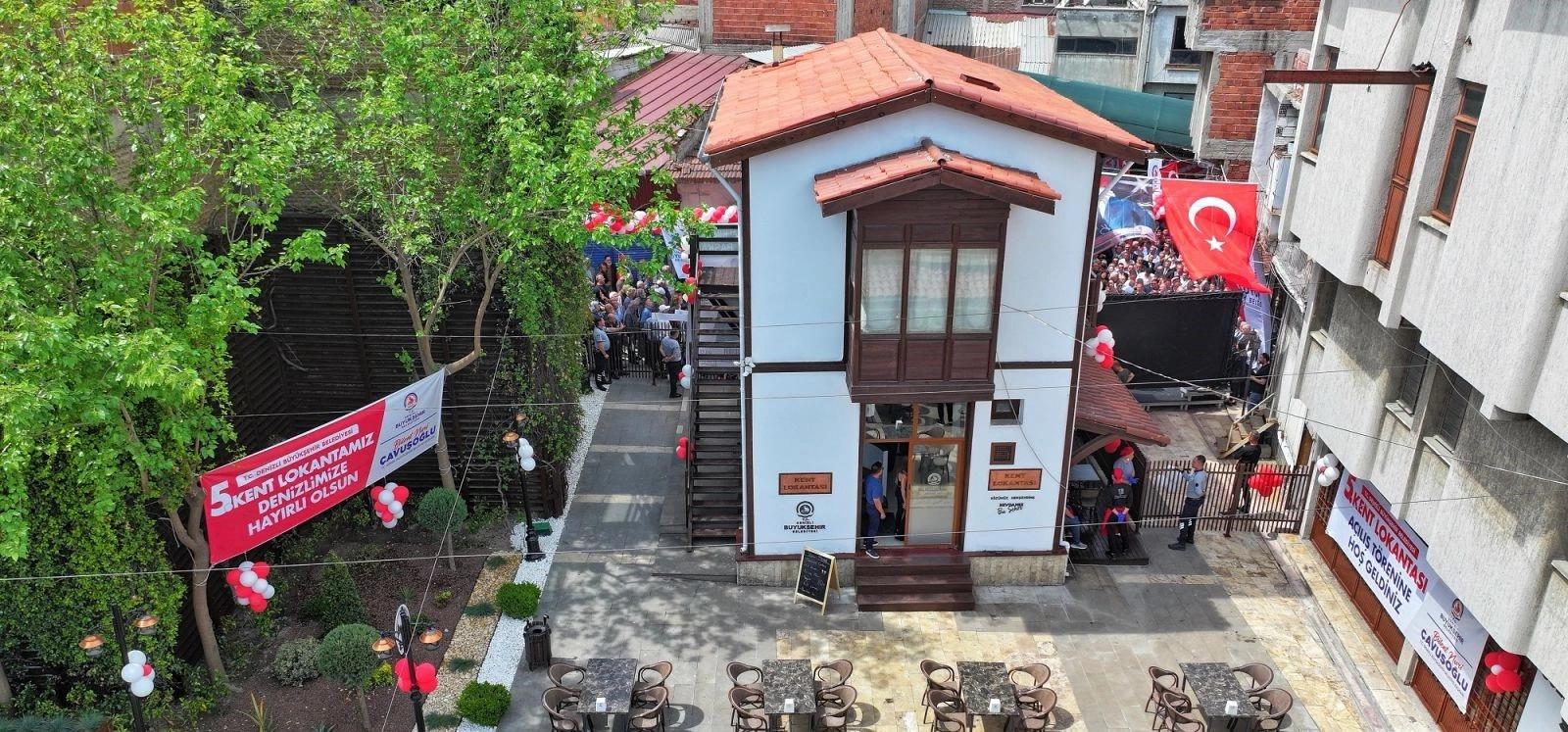
Walk among the old market lanes and stories of Denizli’s historic commerce.
Explore Kaleiçi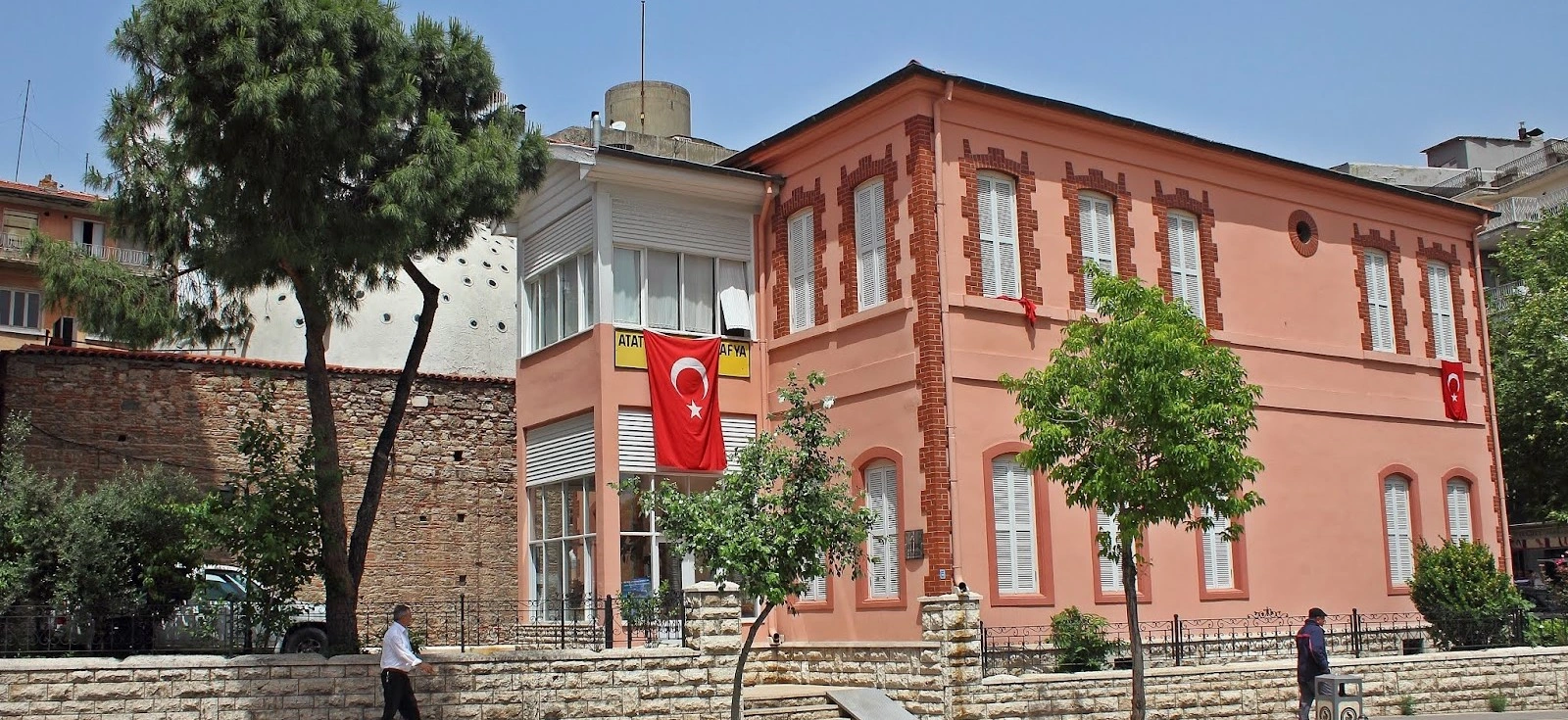
Discover a historic house and collections illustrating the region’s social history.
Visit the MuseumContinue from the Seljuk memorial to ancient cities and UNESCO heritage.

Explore the UNESCO landscape and Roman city at your own pace.
Explore Private Tour
Discover a major city of the Lycus Valley and its fascinating Christian heritage.
Explore Laodicea
Plan a broader private route featuring nature, archaeology and local culture.
Explore the Region