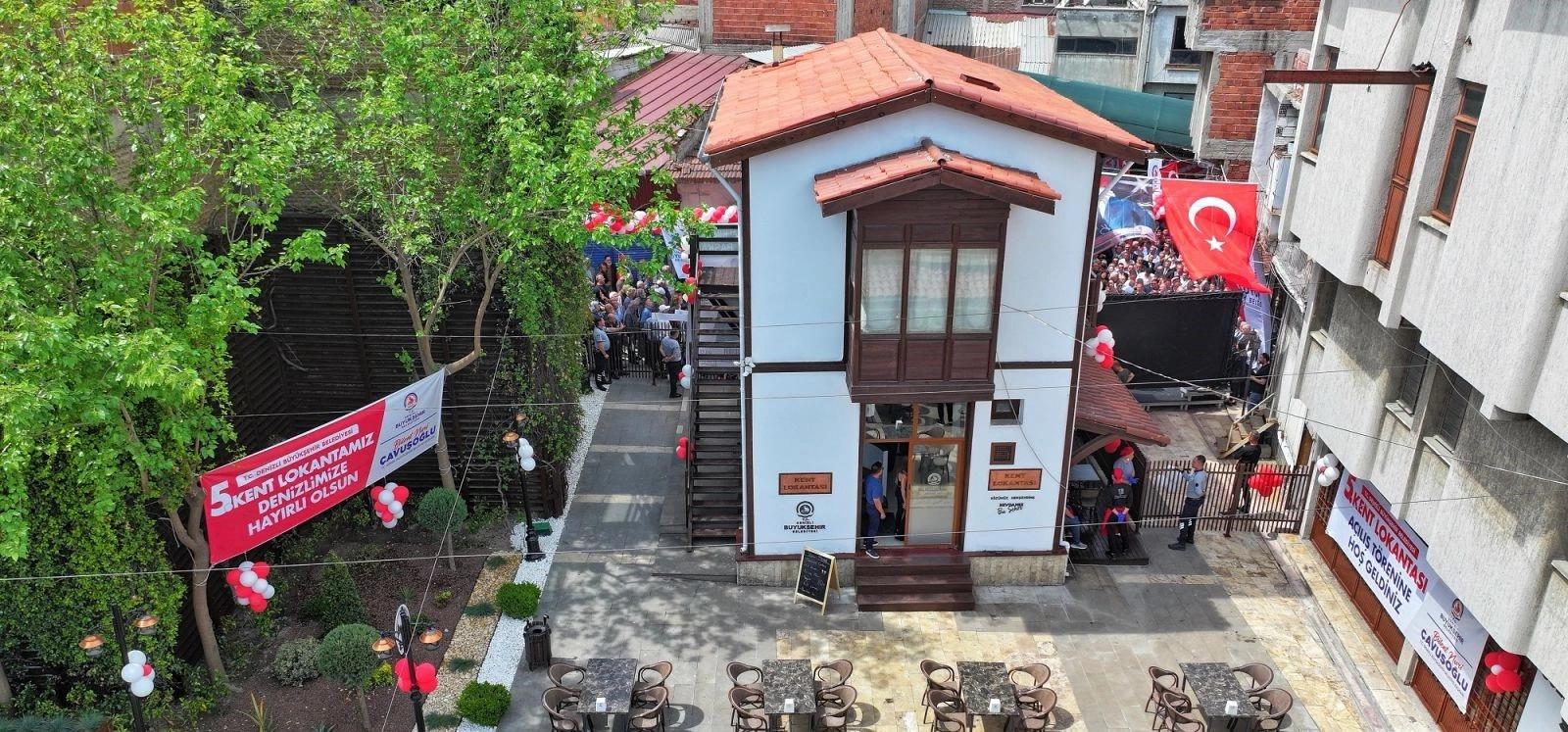
Denizli Kaleiçi Bazaar
Explore the old commercial district, artisan streets and the history of Denizli’s medieval castle.
Explore Historic Kaleiçi





In the historic centre of Denizli, Bayramyeri Meydanı is more than an urban square. It is a longstanding meeting point surrounded by shops, eateries, mosque architecture and the commercial lanes that shaped the city. Neighbouring Kaleiçi Bazaar preserves the old marketplace tradition, while Bayramyeri offers an open-air introduction to Denizli's public life.
The square also carries powerful national and local meaning. On 15 May 1919, following the occupation of İzmir, local religious leader Müftü Ahmet Hulusi Efendi called for resistance and addressed the people in Bayramyeri. This episode is commemorated as Denizli National Struggle Day, with public marches and ceremonies recalling the city's response during the opening of the Turkish War of Independence.
Visitors can admire the distinctive Bayramyeri Mosque, explore the nearby historical shopping streets and sample Denizli tandır kebab, an important local speciality traditionally prepared in wood-fired ovens. The character of the square lies in its combination of ordinary commerce, civic memory and food culture—not in an admission-controlled monument.
Our guide explains the square's history, what happened here in 1919, Bayramyeri Mosque, nearby Atatürk & Ethnography Museum, local shopping and dining, directions, visitor tips, and easy ways to include this area in a wider Denizli and Pamukkale itinerary.
Learn why 15 May 1919 remains an important date in Denizli's history.
See a distinctive mid-20th-century mosque built above commercial premises.
Explore everyday local trade beside the entrance to Kaleiçi Bazaar.
Discover one of the city's signature foods around its historic market area.
Key information for a rewarding walk through the traditional heart of Denizli.
Bayramyeri Meydanı, Saraylar neighbourhood, Merkezefendi, central Denizli.
Associated with Müftü Ahmet Hulusi Efendi's call for resistance on 15 May 1919.
Bayramyeri Mosque, designed by architect Ziya Tıkıroğlu and rebuilt from 1960 onward.
A busy local shopping and meeting area next to historic Kaleiçi Bazaar.
Denizli tandır kebab, traditionally served with bread, onions and tomatoes.
No admission ticket to walk through the public square.
Public square accessible at all hours; individual shops, eateries and prayer spaces vary.
30–60 minutes for the square, or 1–2 hours including the bazaar and a meal.
Most travellers associate the Denizli region with the white travertines of Pamukkale. Bayramyeri provides a different kind of experience: the chance to understand the city itself. Here, Denizli's identity as a trading centre, its food traditions, its religious architecture and its local history meet within a compact area.
Unlike an archaeological park, Bayramyeri is an active urban space. People come to shop, eat, meet friends, conduct business and pass through the historic centre. This everyday character is precisely what makes the square worthwhile.
The square also connects several historical layers. The nearby Kaleiçi district recalls medieval fortifications; the story of 15 May 1919 links Bayramyeri with Türkiye's National Struggle; and the square's modern mosque and street improvements reveal a city that continues to evolve.
Bayramyeri is linked to Denizli’s early response to the occupation of İzmir in 1919.
Surrounding shops and passages still serve the needs of local people.
Nearby kebab restaurants offer a taste of the city’s established culinary tradition.
The former Bayramyeri Gate historically connected the square with the old castle market.
The large dome and integrated shopping passage distinguish Bayramyeri Mosque.
Visitors can explore the square without committing to a formal tour or ticket.
Bayramyeri Square lies in the Saraylar neighbourhood of Merkezefendi, close to the traditional Kaleiçi shopping area and the old city-centre streets. On maps, it is usually labelled Bayramyeri Meydanı or Denizli Bayramyeri Meydanı.
Historically, the Bayramyeri side of the market was the southern approach to Kaleiçi. Official provincial heritage records describe a Bayramyeri Gate and a particularly active shopping area beyond it, including Tuhafiyeciler Caddesi and nearby trade lanes. Those names describe the earlier fortified-town plan; they do not imply a complete standing medieval gate survives today.
Bayramyeri is distinct from Delikliçınar, another familiar central Denizli reference point, and it is not inside the Pamukkale archaeological site. This matters when planning transport: the town of Pamukkale and the central Denizli commercial district are separate destinations.
The most significant historical association of Bayramyeri is 15 May 1919, the day Greek forces occupied İzmir. That same day, Müftü Ahmet Hulusi Efendi, an influential religious and civic figure in Denizli, publicly urged resistance and called upon residents to defend their homeland.
Accounts published by Denizli Metropolitan Municipality describe citizens gathering near Kayalık Mosque and moving toward Bayramyeri. The procession also incorporated the city's symbolic banner. At Bayramyeri, Ahmet Hulusi Efendi delivered a public religious-legal declaration, or fetva, calling for opposition to the occupation. In local remembrance, his appeal represents one of the early sparks of organized resistance in western Anatolia.
This event belongs to the larger historical setting of the Turkish War of Independence (1919–1923). Visitors should understand that Denizli's 1919 declaration was an act of local mobilization and public resistance—not a battle fought in the present-day square. The distinction helps convey the event accurately without turning the site into a battlefield it was not.
15 May is now commemorated in Denizli as National Struggle Day (Denizli Millî Mücadele Günü). Official municipal accounts describe remembrance ceremonies and marches ending at Bayramyeri, including a commemorative programme held in 2026.
The occupation of İzmir created a moment of deep concern across the region.
The Denizli mufti urged townspeople to oppose the occupation.
Municipal historical accounts describe a procession from the Kayalık area to Bayramyeri.
A public declaration became central to Denizli’s remembrance of 1919.
The city marks 15 May with civic ceremonies and historical remembrance.
The square reveals how an everyday gathering place can acquire national meaning.
Ahmet Hulusi Efendi served as the mufti of Denizli at a moment of extraordinary upheaval. His leadership is remembered locally for joining religious authority and civic responsibility in a call to oppose occupation.
His address on 15 May 1919 is particularly prominent in city memory because it was made publicly, among the people, in a familiar commercial and social setting. It connected the national crisis with the concerns of ordinary Denizli residents.
In a 2007 municipal report on square improvements, Bayramyeri was described as having a bust of Ahmet Hulusi Efendi. Public monuments and their immediate surroundings can change as squares are redesigned; look for current signs or monuments on site rather than relying on an outdated photograph to locate a specific memorial element.
Anyone interested in this period can also visit the Atatürk & Ethnography Museum, whose building is associated in municipal accounts with the banner carried during the historical procession.
The Bayramyeri Mosque (Bayramyeri Camii) is the most immediately recognizable building associated with the square. Its broad dome, tall minaret and lower commercial level create an appearance quite unlike that of a small village mosque.
According to an interview published by Denizli Haber with architect Ziya Tıkıroğlu, a previous wooden mosque at the site was removed in 1959, and construction of the new building began in 1960. Tıkıroğlu drew the design early in his architectural career and later served as mayor of Denizli. The structure therefore belongs to the Republican era, even though the location had an older mosque.
An unusual feature is the row of businesses beneath the mosque. Tıkıroğlu explained that a neighbouring property arrangement influenced the design, allowing commercial units on the lower level and the prayer space above. Local reporting describes this as an early example of its type in Denizli.
Architectural descriptions identify a large approximately 19-metre-wide central dome, smaller accompanying domes, stained-glass details and interior decorative work. If entering as a visitor, respect worshippers, remove shoes where required, dress modestly and avoid interrupting prayer.
Ziya Tıkıroğlu, later Denizli mayor, designed the modern mosque.
The present structure was begun in 1960 after replacement of an earlier wooden mosque.
Local architectural reporting describes a broad, unsupported dome of about 19 metres.
Ground-floor businesses are integrated into the building’s design.
Look for ornamental surfaces, stained-glass windows and the mihrab if access is appropriate.
Sightseeing access is subject to worship schedules, local rules and the needs of congregants.
Bayramyeri's historical identity becomes easier to read when considered alongside Denizli Kaleiçi Bazaar. The provincial Directorate of Culture and Tourism records a medieval castle area that developed into a commercial quarter, with an early town plan showing an entrance known as Bayramyeri Kapısı (Bayramyeri Gate).
The same heritage description identifies Tuhafiyeciler Caddesi, Hasırcılar Sokağı and Yemişçiler Sokağı among the busy lanes around the old southern approach. Their names preserve the histories of haberdashery, mat-making and provisions trading.
This means Bayramyeri is not simply a random plaza beside a market: it occupies a natural transition between the city's civic gathering space and its traditional shopping environment. You can feel that connection by starting in the square and continuing into the covered and open-air passages of Kaleiçi.
Historical references to a gate should not be taken as proof that a fully intact gate can be seen today. The old walls and street system have been modified, repaired and partially replaced over many generations.
A historically documented southern entry to the old Kaleiçi enclosure.
A shopping street whose name remembers fabric and haberdashery trade.
A street name associated with woven mats and practical household goods.
A traditional market name linked to fruit and provisions.
Another historic approach appears in the documented market plan.
The quarter remains a working bazaar with shops, new surfaces and selected older traces.
Bayramyeri remains rooted in everyday city commerce. The surrounding streets contain a changing mix of clothing retailers, homeware businesses, food shops, cafés and small services. In contrast with a visitor-only attraction, much of this commerce is intended for Denizli residents.
As you walk, pay attention to the variety of signs and street-level activity. Bayramyeri and Kaleiçi together illustrate how the traditional shop-based commercial district still coexists with newer parts of Denizli.
There is no need to buy anything to enjoy the scene. The most rewarding approach is often a leisurely walk, a short tea break and a little curiosity about local products. For older craft lanes, textiles and coppersmith heritage, continue into the Kaleiçi Bazaar.
Browse everyday retail outlets serving local shoppers.
Find a practical rather than purely tourist-focused shopping environment.
Household and kitchen products appear in adjoining shopping streets.
Specialist businesses contribute to the commercial character of the quarter.
Take a simple break as the life of the square continues around you.
Friendly, respectful exchanges often reveal more than a quick photograph.
For many travellers, Denizli tandır kebab is the most delicious reason to stop around Bayramyeri. The square and nearby Kaleiçi quarter are known for kebab restaurants whose speciality is lamb cooked slowly in a traditional wood-fired oven.
The Denizli Tandır Kebab and Cultural Flavours Association describes the food's roots in the old Kaleiçi market and the continuation of its tradition in Bayramyeri. The cooking method involves carefully prepared lamb arranged on skewers inside a brick-lined oven. Traditional service features pieces of meat with pide bread, onion and sliced tomato.
Another distinctive feature is the custom of eating the kebab by hand. This is a culinary tradition rather than an obligation imposed on every traveller; follow the restaurant's practice and your own comfort. Portions and pricing can depend on the weight served, so ask before ordering.
Some restaurants begin serving earlier in the day and may sell out of particular cuts. Late morning or lunchtime is a practical target for a culinary stop, but do not assume identical opening hours across businesses. Vegetarian travellers can look for other local cafés and bakeries; tandır kebab itself is a meat dish.
Lamb, typically cooked slowly rather than grilled to order.
A brick-lined wood-fired oven helps create the characteristic texture.
Pide bread, onions and tomatoes commonly accompany the meat.
Many Denizli kebab establishments preserve this local service tradition.
Late morning or lunchtime is sensible; check individual restaurant service hours.
Confirm the portion size, price basis and any available side dishes.
Even if you do not plan a full kebab meal, the streets around Bayramyeri offer a chance to pause for Turkish tea, coffee, baked goods or a simple lunch, depending on the establishments open that day.
Denizli's broader cuisine is more varied than any single speciality. For a short city walk, however, it is best to avoid promising a particular dessert, pastry or regional dish at a named vendor without checking current availability. Take time to inspect menus and ask prices, especially for portions sold by weight.
Visitors may enjoy food most as part of a combined itinerary: arrive in the square, walk through the old trading streets, eat at a suitable restaurant, and then continue to museums or nearby neighbourhoods.
Bayramyeri has been renewed repeatedly as Denizli has expanded. The city municipality reported a significant square-improvement project in 2007, describing a public space of approximately 3,500 square metres. The works included removing obsolete structures and using Denizli travertine for the square's paving.
Additional municipal plans addressed the architectural appearance of the surrounding Bayramyeri and Kaleiçi commercial zone. A 2010 report discussed efforts to improve the consistency of shopfronts and the overall look of the area.
In June 2025, Denizli Metropolitan Municipality reported a project to make part of Bayramyeri more pedestrian-friendly. The municipal announcement described a vehicle-restriction trial involving the Sarayköy Caddesi approach and part of 468 Sokak toward Demirciler Caddesi, along with a public consultation process.
Because the project involved public feedback and evolving traffic arrangements, do not assume that a 2025 closure is necessarily the permanent traffic configuration in 2026. Use current road signs and navigation rather than an old article to choose your drop-off or parking point.
A reported 3,500 m² programme reshaped the public plaza.
Denizli stone was used in the renovation of the square surface.
The municipality discussed improving the surrounding commercial streets.
A temporary traffic arrangement and local consultation were reported.
The project focus includes a safer, more comfortable environment for people on foot.
Traffic directions, loading arrangements and pedestrian zones can change.
Bayramyeri is a place where local identity is expressed in public. Its most historically meaningful annual occasion is 15 May, Denizli's National Struggle commemoration. Municipal programmes have included processions through the centre and ceremonies in or near the square.
Other community programmes have also used Bayramyeri. In September 2026, municipal reporting described an Ahilik Week procession ending at the square. Ahilik is an Anatolian tradition that connects skilled trades with apprenticeship, professional conduct and mutual support—an especially fitting theme beside Kaleiçi's old marketplace.
A June 2026 municipal account likewise included Bayramyeri among the locations for a public aşure sharing event. These examples reveal the square's dual role: ordinary shopping centre on most days, community gathering place on special occasions.
Events are not staged for tourists daily, and annual schedules can change. If you want to see a specific commemoration, consult the latest Denizli Metropolitan Municipality announcements before making plans.
Annual remembrance of Denizli’s 1919 appeal for resistance.
Craftsmanship, apprentice culture and traditional merchant ethics.
Occasional public events such as aşure distribution.
Use current municipal schedules for exact dates, routes and access changes.
Pause in the historic civic and commercial heart of central Denizli.
Study the domed silhouette and the way shops meet religious architecture.
Reflect on the significance of Müftü Ahmet Hulusi Efendi’s 15 May appeal.
Continue into the old trading district beyond the square.
Look for older trade names and the mix of modern retailers.
Try a traditional local lunch if that suits your itinerary.
Capture paving, local signage, pedestrian life and mosque exteriors respectfully.
Link the square to the City Museum or Atatürk & Ethnography Museum.
Begin at Bayramyeri Meydanı, taking a few minutes to observe the mosque and the surrounding public space. Think about the square's role in May 1919 before moving into its everyday shopping rhythm.
Continue toward the Kaleiçi Bazaar approach and browse the lanes around Tuhafiye Caddesi or other accessible passages. Pay attention to small businesses, old trade names and the meeting point between the square and the traditional market quarter.
If your schedule permits, stop for Denizli tandır kebab or Turkish tea. Afterwards, extend the visit to the Atatürk & Ethnography Museum or Denizli City Museum. Consult an up-to-date street map and museum hours to choose the most convenient walking order.
The neighbouring Kaleiçi fortified market becomes central to old Denizli’s commercial geography.
Trade and religious community life continue around the old shopping quarter.
Müftü Ahmet Hulusi Efendi’s appeal for resistance becomes part of the square’s enduring history.
An earlier wooden mosque is removed; construction of the modern Bayramyeri Mosque begins.
The municipality reports major improvements to approximately 3,500 m² of square.
Municipal plans address façade treatments and the appearance of the adjoining retail streets.
A pedestrian-focused traffic experiment and public consultation are announced.
The square continues to host commemorations and community events, including Ahilik and 15 May remembrance.
Bayramyeri is a public city square, so there is no general admission charge to walk through it. It is not a gated museum or ticketed archaeological site. Shops, cafés, kebab restaurants and the mosque each follow their own operations and access rules.
The square can be visited during the day or evening, but weekday late mornings are often a practical choice for combining street life with shopping and lunch. Do not rely on a single set of business hours for the whole district.
For route planning, search for Denizli Bayramyeri Meydanı in Saraylar, Merkezefendi. Be aware that pedestrian-oriented street arrangements around the square were under review in 2025, so vehicle access and nearby drop-off points should be checked again close to your visit.
Good for observing shops and the beginnings of the commercial day.
A convenient window for combining the square with the old market and lunch.
An attractive choice for travellers who want to try Denizli tandır kebab.
Useful for a relaxed walk, though specialty food availability may vary.
Historically meaningful for the National Struggle commemorations, if scheduled.
Choose cooler hours for longer walks through central streets and open spaces.
The square is open-air; some adjoining market passages may offer partial shelter.
Expect differences in shop opening, celebrations, traffic and crowd levels.
A quick look at the central square and mosque exterior.
Time to appreciate the public space, history and surrounding shops.
Combine the square with a short walk through Kaleiçi Bazaar.
Add a traditional kebab meal and browse the commercial streets.
Include a local museum and a café or restaurant break.
Combine Denizli city-centre heritage with Pamukkale or Laodicea, allowing transport time.
Frame the dome and minaret against the surrounding shopping streets.
Photograph signs, shopfront colours and the everyday scale of local commerce.
Ask before taking close-up or identifiable portraits.
Avoid flash or intrusive photography in and around active worship.
Ask restaurant staff before photographing ovens or working kitchens.
Try several angles to show how the public space connects with its neighbouring lanes.
Bayramyeri's public-space improvements have included paving and pedestrian-oriented design, but a renovated plaza does not guarantee that every adjoining street, shop or mosque entrance is step-free. Kerbs, paving variations, building thresholds and delivery activity can all affect ease of movement.
Families can combine the square with a manageable introduction to local history and markets. Keep children close near busy road crossings, restaurant entrances and shopping lanes. For travellers using wheelchairs or strollers, a current street map and direct enquiries are more reliable than an assumed accessible route.
The square remains a real neighbourhood gathering place. Please respect worshippers, business owners, public events and residents, and never block shop doorways or traffic while photographing.
Check for uneven paving, raised kerbs and obstructions.
Verify specific shop and mosque entrances in advance.
Supervise around street crossings, delivery vehicles and busy shop entrances.
Dress respectfully when visiting the mosque, and observe local worship protocols.
Ask permission for close-up portraits and indoor shots.
A historic-square visit can be entirely cultural, with purchases optional.
For navigation, enter “Bayramyeri Meydanı, Denizli”, in the Saraylar neighbourhood of Merkezefendi. The square lies in the established commercial centre, immediately connected with the Kaleiçi area.
Travellers staying in central Denizli may find the square within a convenient walking or short-taxi journey, depending on their accommodation. If travelling from Pamukkale village, note that Bayramyeri is in Denizli city rather than near the travertine terraces. Visitors arriving through Denizli Çardak Airport or the intercity bus terminal should plan transport into the centre.
Driving into the old commercial district can be less convenient than stopping at a suitable nearby point and walking. A 2025 city project tested pedestrian-focused traffic changes around Bayramyeri, so use current mapping and traffic signs when deciding how to arrive.
Follow a suitable pedestrian route or take a short taxi journey as appropriate.
The historic shopping district adjoins Bayramyeri; a combined walk is natural.
Travel into central Denizli; Bayramyeri is not part of the travertine attraction.
Use a current walking, taxi or local public-transport route to Saraylar.
Reach Denizli city first using an available airport transfer, then continue to the square.
Bayramyeri is an excellent starting point for a cultural walk through Denizli. The first few suggestions are within the urban centre, while the ancient sites and natural wonders further away require additional travel time.
Explore the historic shopping lanes, traditional trades and the old castle-quarter story.
Discover an important historic house and the wider social history of Denizli.
Understand the city’s past through displays of local culture and urban development.
Visit major ancient remains and the biblical heritage of the Lycus Valley.
Explore the travertine terraces and UNESCO-listed ancient landscape.
See sculptures and finds from one of the region’s most important ancient cities.
Connect local merchant history with Seljuk-era roads and accommodation.
Plan further cultural, archaeological and natural attractions in the region.
A historic public square and commercial meeting point in central Denizli, closely linked to Kaleiçi Bazaar and the city’s 1919 National Struggle history.
In Saraylar Mahallesi, Merkezefendi, central Denizli, Türkiye.
No. Bayramyeri is the square and surrounding area; Kaleiçi is the adjacent historic bazaar quarter. They are best visited together.
It is the place associated with Müftü Ahmet Hulusi Efendi’s call for resistance on 15 May 1919.
After the occupation of İzmir, Ahmet Hulusi Efendi addressed the public at Bayramyeri and called for opposition to the occupation.
The mufti of Denizli, remembered for his prominent public call for resistance in May 1919.
15 May, commemorating the events of 15 May 1919.
Municipal programmes have included marches and ceremonies in Bayramyeri. Check the current year’s official calendar.
No. Its 1919 significance concerns public mobilization and an appeal for resistance rather than a battle fought in the square.
Bayramyeri Mosque, with its prominent dome and ground-level commercial passage.
Construction of the present mosque began in 1960, according to a published interview with its architect.
Architect Ziya Tıkıroğlu, who later served as mayor of Denizli.
Yes. Local architectural reporting describes an earlier wooden mosque, replaced before construction of the present building.
The design incorporated a lower commercial level to accommodate the building’s site and neighbouring property arrangement.
An appropriate respectful visit may be possible, subject to worship times, on-site rules and any temporary restrictions.
Historic plans record a gate by that name, but visitors should not expect a complete, intact medieval gateway.
The square lay by a historic approach to the fortified commercial quarter and remains immediately connected with its market lanes.
Denizli tandır kebab is a well-known local specialty served around Bayramyeri and Kaleiçi.
Traditionally, lamb is slow-cooked on skewers in a special wood-fired oven and served with pide, onions and tomato.
Hand-eating is a traditional local custom, but you can discuss preferences with the restaurant.
Hours and food availability vary by restaurant. Lunch is often a sensible time to plan a traditional kebab stop.
Yes. There is no general admission ticket for the public square.
The public square is ordinarily accessible at any hour, but individual businesses, the mosque and temporary events have separate schedules.
Around 30–60 minutes for the square, or 1–2 hours for the square, bazaar and a meal.
Late morning is useful for active shopping streets and a possible kebab lunch; quieter periods depend on the day.
Clothing, fabrics, accessories, footwear, homeware and everyday goods; inventories vary by business.
No. Visitors can enjoy the history and city life without making purchases, and Wow Cappadocia private tours do not require compulsory sales stops.
Yes. Municipal reports document public-square improvements in 2007 and subsequent commercial-area plans.
Parts of the area were subject to a pedestrian-focused traffic trial in 2025. Check the current layout rather than assuming all surrounding roads are permanently closed.
You may reach nearby streets by vehicle, but current pedestrian restrictions, loading zones and parking rules determine the closest legal access.
Some sections of the public space may be usable, but kerbs, shop entrances and uneven paving mean that a complete step-free route is not verified.
Yes. It is a manageable cultural stop, though children need supervision around streets and crowded shopping areas.
No. It is in Denizli city centre, separate from Pamukkale’s travertines and ancient Hierapolis.
Kaleiçi Bazaar, Denizli City Museum and Atatürk & Ethnography Museum make good city stops; Laodicea and Pamukkale are farther afield.
Yes. It can be included in a flexible private itinerary, subject to the day’s route, available time and traffic conditions.
Yes. The square is a public urban area, although a licensed guide can enrich the story of 1919 and local commercial history.
Give worshippers privacy and avoid visits that interrupt prayer.
Choose restaurants and cafés thoughtfully; ask about ingredients and portion pricing.
Do not block public walkways, shopfronts or busy crossings.
Road arrangements can change with pedestrianisation projects and events.
Remember the importance of 15 May 1919 without misrepresenting the square as a battlefield.
Treat local businesses as independent shops; a visit should never depend on a compulsory purchase.
The following references offer additional background. Historical and municipal announcements explain particular periods; they are not guarantees of today’s exact opening hours or traffic restrictions.
Official overview of Denizli Castle, Kaleiçi and its historically documented Bayramyeri entrance.
Municipal account of the 1919 events and their commemoration.
Official announcement of the public consultation and pedestrian-focused trial.
Municipal reporting on the square renovation and civic memorial context.
Interview-based history of the current mosque and architect Ziya Tıkıroğlu.
Local association’s account of the kebab’s origins and traditional preparation.
From Bayramyeri’s civic history and famous local food to the ancient Lycus Valley, we design private journeys around your interests—with no compulsory shopping stops.
Combine Bayramyeri with traditional bazaars and cultural museums.
Explore the old commercial district, artisan streets and the history of Denizli’s medieval castle.
Explore Historic Kaleiçi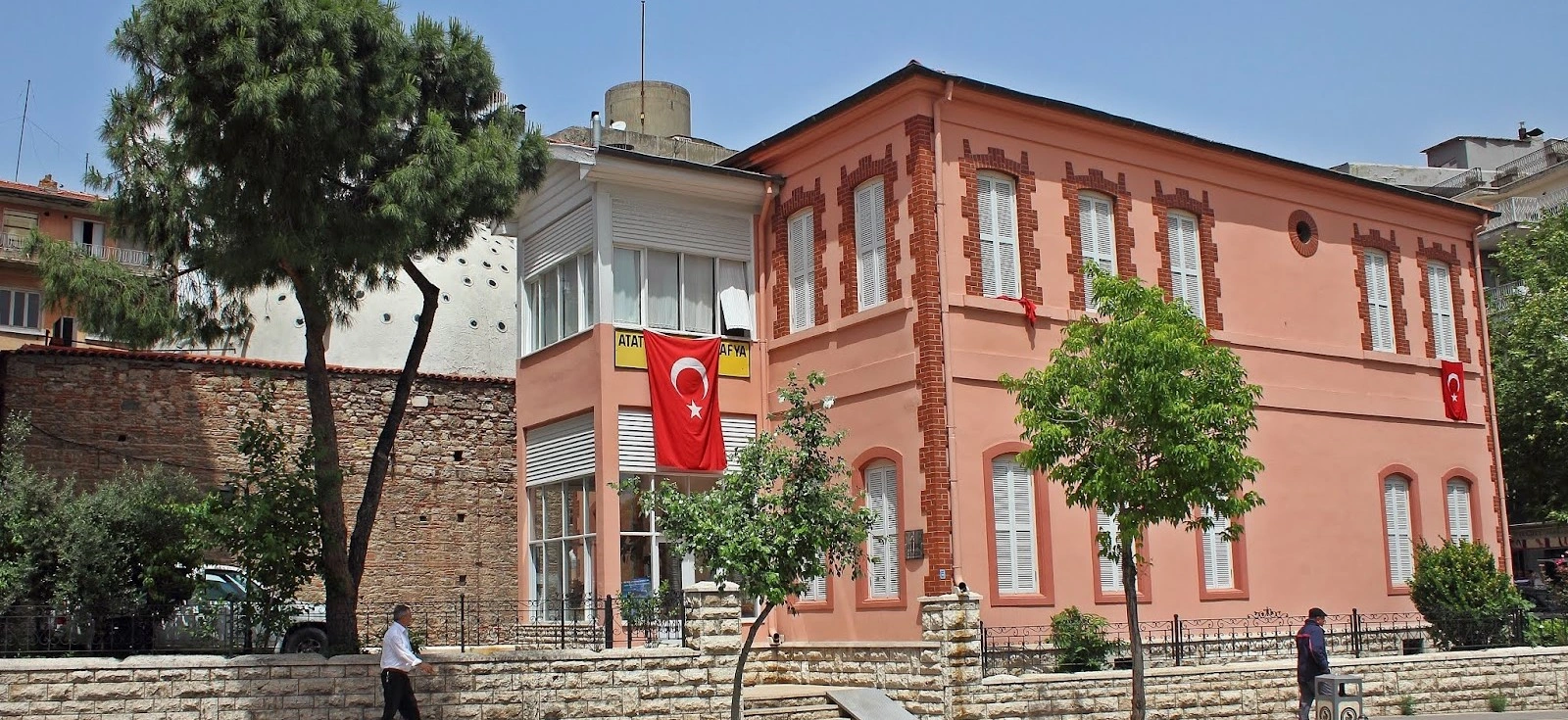
Learn about local culture, the historic house and Denizli’s 20th-century story.
Explore the Museum
Discover Denizli’s evolution through its people, crafts, commerce and civic heritage.
Discover the MuseumMake time for remarkable ruins, UNESCO heritage and the story of the Lycus Valley.

Explore the white terraces and Roman city at a pace designed around your interests.
Explore Private Tour
Explore grand ancient streets, monuments and the early Christian heritage of the region.
Discover Laodicea
Plan additional museums, historic quarters and archaeological landmarks.
Explore the Region