An 18th-Century Edirne House, Rumelian Traditions & Everyday Life

Necmi İğe House Ethnography Museum Edirne – Historic Ottoman Home, Wedding Traditions & Rumelian Culture

Step inside one of Edirne's most important surviving historic houses
and discover domestic life, wedding customs, costumes and traditions of Edirne, Rumelia and the Balkans.

Explore the Museum

Necmi İğe House Ethnography Museum – Step Inside the Traditional Life of Old Edirne

The Necmi İğe House Ethnography Museum is one of the most atmospheric places in Edirne for understanding how people once lived beyond the city's palaces, mosques and monumental architecture. Set inside a restored 18th-century mansion, the museum brings visitors into the domestic world of traditional Edirne through architecture, costumes, household settings and carefully staged scenes of local customs.

Official museum information describes the house as one of the most important surviving examples of Edirne's historic civil architecture. Its significance comes not only from its age but from its traditional organization into haremlik and selamlık sections, its several floor levels, rooms, raised seki areas and historic bath.

The museum is especially memorable for its 30 hyperrealistic silicone figures. Rather than displaying traditional culture only through objects in glass cases, rooms recreate recognizable moments from the social life of Edirne and Rumelia: asking for a bride's hand, preparing a dowry, henna night, groom's shaving, religious marriage, wedding meals, the hammam and other customs surrounding marriage and family life.

The house also carries the memory of Necmi İğe, one of the figures associated with the establishment of museum culture in Edirne. He and his family moved into the mansion in 1922, and the building later became known by his name.

18th-Century Mansion

Explore a restored historic Edirne house whose architecture is itself one of the museum's most important exhibits.

30 Life-Size Figures

Hyperrealistic figures recreate family life, wedding preparations, ceremonies, meals and traditional customs.

Rumelia & Balkan Culture

Traditional clothing and domestic scenes reveal Edirne's deep cultural connections with the wider Balkan world.

The Home of Necmi İğe

The museum preserves the house associated with one of the important early figures in Edirne's museum history.


Know Before You Go

Necmi İğe House Ethnography Museum – Quick Facts

Essential information for visiting this historic house museum devoted to Edirne's traditional domestic life, customs and Rumelian cultural heritage.

📍

Location

Meydan Mahallesi, Mimar Sinan Caddesi No: 46, central Edirne.

Open on Google Maps
🏠

Historic Building

An 18th-century Edirne mansion and an important surviving example of the city's traditional civil architecture.

🎭

Museum Experience

Thirty hyperrealistic figures recreate weddings, domestic life, customs and social traditions.

👘

Main Themes

Edirne life, wedding customs, handicrafts, family traditions, Rumelian clothing and Balkan cultural heritage.

🎫

Admission

Paid admission. MüzeKart is accepted according to current official museum information.

🕘

Opening

Tuesday–Sunday, 09:00–17:30; closed Mondays. Ticket office currently closes at 17:00.


The Human Story Behind Monumental Edirne

Why Is Necmi İğe House Ethnography Museum Important?

Edirne's imperial monuments explain sultans and architecture; Necmi İğe House reveals the homes, traditions and everyday lives of the people who inhabited the city.

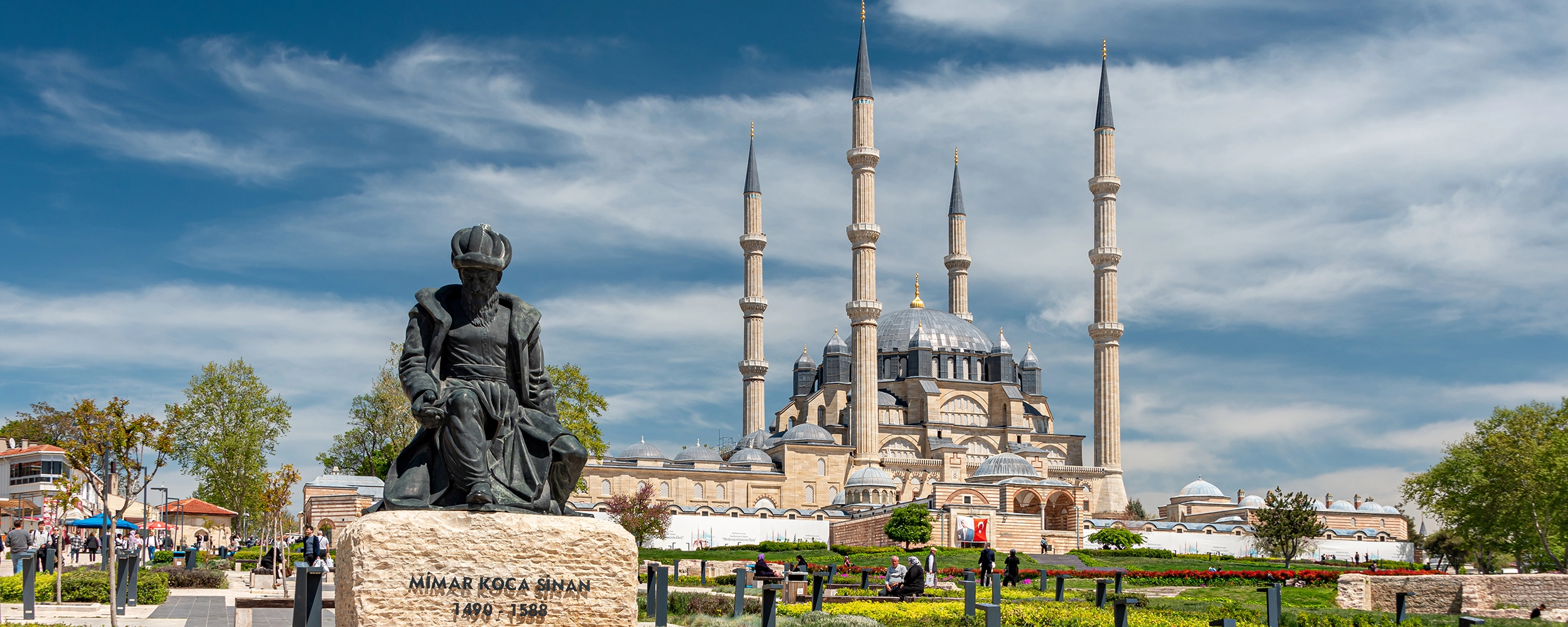
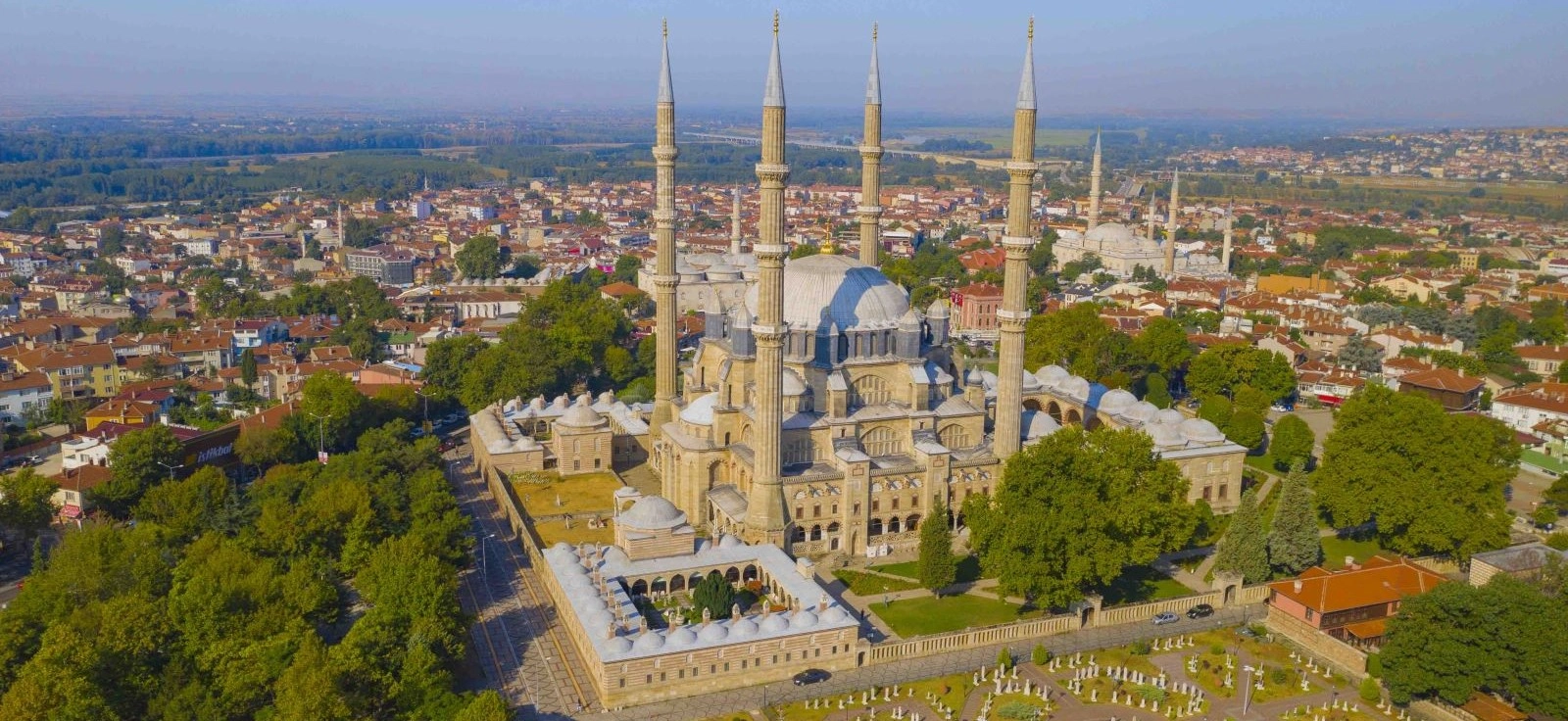
Visitors usually arrive in Edirne for monumental architecture: Selimiye, Üç Şerefeli Mosque, the Old Mosque, bridges, palace remains and Ottoman bazaars. Yet these buildings tell only part of the city's story. The Necmi İğe House Ethnography Museum introduces a more intimate layer—the culture of the household.

The mansion preserves the physical character of a traditional Edirne residence while the exhibitions interpret family relationships, marriage customs, clothing, food traditions, hospitality, domestic organization and social rituals.

This is particularly important in a city such as Edirne. For centuries the city stood at the intersection of Anatolia, Thrace, Rumelia and the Balkans. Population movements, imperial administration, trade, military campaigns and family networks created a cultural landscape in which traditions crossed modern national boundaries.

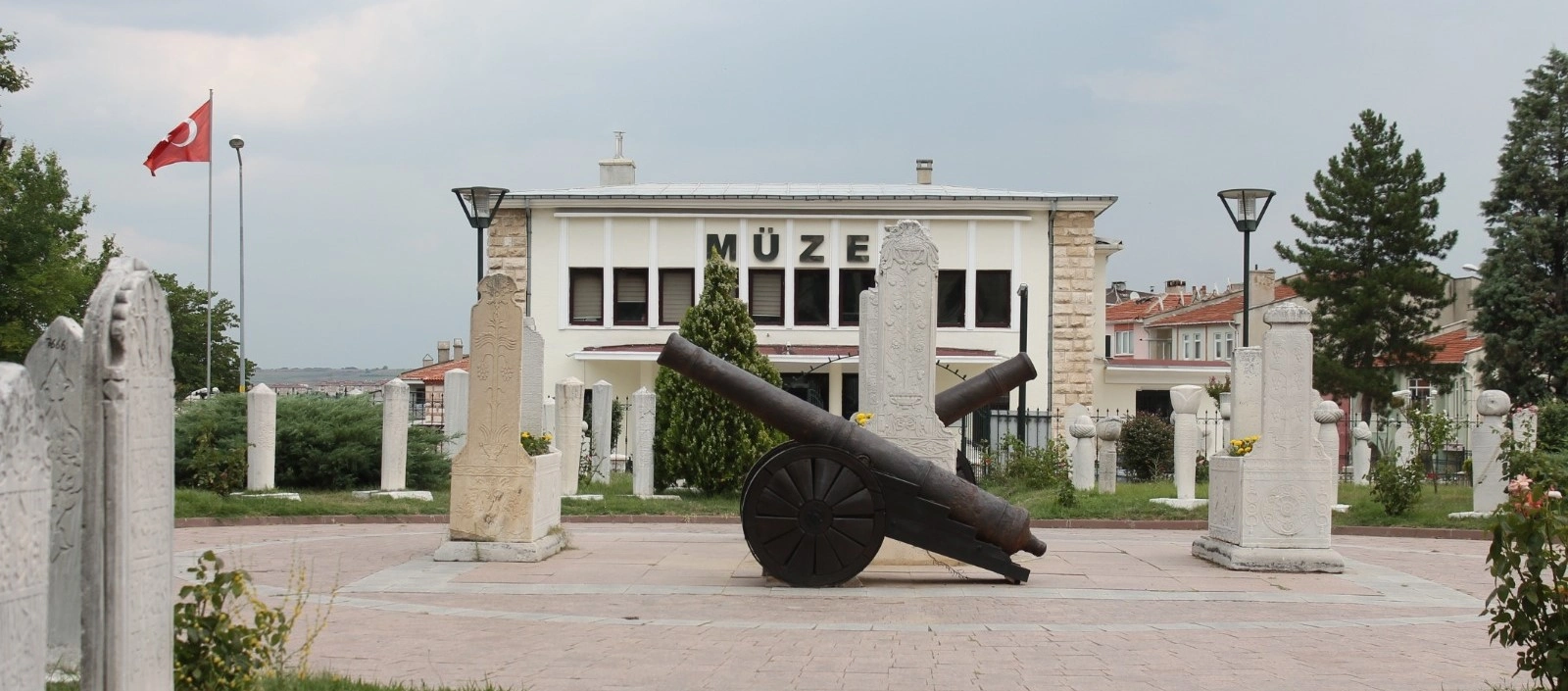
The museum therefore complements the collections of the Edirne Archaeology and Ethnography Museum and Turkish and Islamic Arts Museum. Those museums preserve objects; Necmi İğe House places visitors inside a reconstructed social environment.

Use our complete guide to places to visit in Edirne to combine the house with the city's mosques, museums, bazaars, bridges and palace remains.

History of the Necmi İğe House

The mansion dates from the 18th century and represents the domestic architecture that once formed a much larger part of Edirne's historic urban landscape.

The house was associated with Emin Bey, the Treasurer of Edirne, and his family. After a period in which the building stood empty, Necmi İğe and his family moved here in 1922.

Necmi İğe lived in the mansion until his death in 1953. Members of the family continued to use the building until the 1970s, after which it was left vacant. Like many historic timber and masonry houses, the building suffered significant deterioration over the following decades.

Its survival eventually led to a major restoration supported through the Trakya Development Agency. The restored mansion was transformed into the Necmi İğe House Ethnography Museum under the auspices of the Edirne authorities.

The museum opened to visitors on 4 July 2021, initially operating with private-museum status under the Edirne Special Provincial Administration. On 15 March 2023, it was transferred to the Ministry of Culture and Tourism.

18th Century The mansion is constructed as part of Edirne's traditional residential landscape
Early Owners The house is associated with Edirne Treasurer Emin Bey and his family
1922 Necmi İğe and his family move into the mansion
1953 Necmi İğe dies after spending the later part of his life in the house
1970s The family's period of residence eventually ends and the building later deteriorates
4 July 2021 The restored house opens as the Necmi İğe House Ethnography Museum
15 March 2023 The museum is transferred to Türkiye's Ministry of Culture and Tourism

Who Was Necmi İğe?

Necmi İğe was born in Edirne in 1898. Official museum information records his formal name as Ahmet Necmeddin, although throughout his life he became widely known simply as Necmi and was affectionately addressed by people in Edirne as “Necmi Ağabey”.

His life became closely associated with the preservation and appreciation of Edirne's cultural heritage. Official museum sources remember him as one of the founders of the Edirne Museum, making the decision to name this ethnography museum after him especially meaningful.

In 1922 he moved with his family to the mansion on Mimar Sinan Caddesi belonging to his maternal uncle, Emin Bey. Necmi İğe remained here for the rest of his life.

He died on 8 December 1953 at the age of 55. The house continued to be remembered locally through his name, eventually becoming the museum visitors see today.

1898 – Born in Edirne

Necmi İğe was born in the Küçükpazar area near Muradiye in Edirne.

1922 – Moves to the House

He and his family settled in the mansion beside Sarı Camii on Mimar Sinan Caddesi.

Museum Heritage

Necmi İğe is remembered among the figures associated with the foundation of museum culture in Edirne.

“Necmi Ağabey”

The affectionate local name reflects the strong place he held in the social memory of the city.

1953 – Death

Necmi İğe died on 8 December 1953 after living in the mansion for more than three decades.

A House of Memory

The building now preserves both Edirne's ethnographic traditions and the memory of the man whose name it carries.

Architecture of the Necmi İğe House

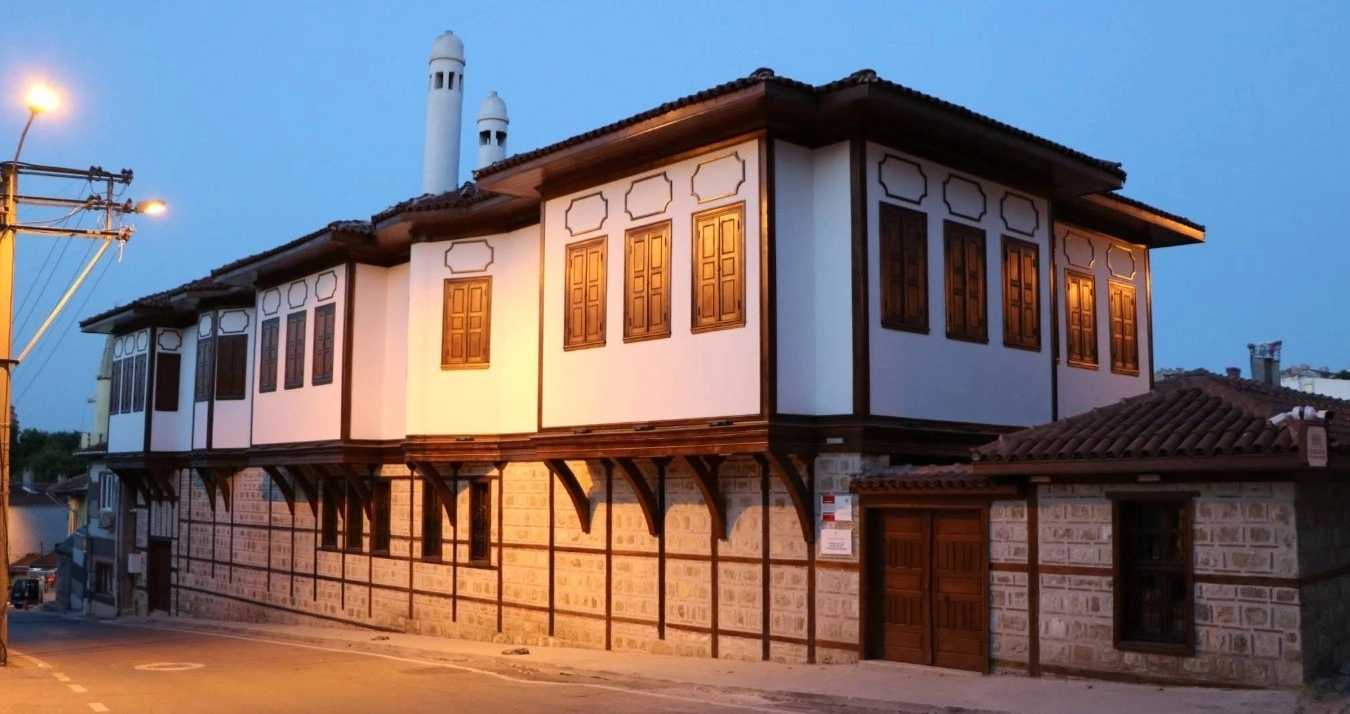
The building is important even before considering the museum displays. Official museum information describes the mansion as covering approximately 900 square metres and as an exceptional surviving example of Edirne's historic domestic architecture.

The house was organized according to the traditional distinction between haremlik and selamlık. In large Ottoman-era residences, these terms described different social zones within the household rather than simply separate decorative styles.

The structure includes a ground floor, intermediate floor and upper floor. Within this arrangement are seven rooms and six seki areas, together with a hammam.

A seki is a raised area or platform forming part of the traditional spatial organization of a room or house. These different levels, together with windows, wooden elements, room proportions and circulation spaces, are part of what makes the building valuable as an architectural document.

The restored mansion therefore works on two levels. Visitors can look at exhibitions about ethnographic traditions, but they can also experience the scale and organization of an actual historic Edirne residence.

Approx. 900 m²

The house is a substantial historic residence rather than a small urban dwelling.

Haremlik

Part of the traditional domestic arrangement associated with the private family sphere of the household.

Selamlık

The social and reception side of the traditional house formed another important part of its organization.

Three Levels

The mansion includes ground, intermediate and upper-floor spaces.

Seven Rooms

Historic rooms now accommodate different scenes and aspects of Edirne's ethnographic culture.

Six Sekis

Raised areas help preserve the traditional spatial character of the residence.

Historic Hammam

The bath forms part of the domestic environment and also helps interpret traditional wedding customs.

The House Is an Exhibit

Do not focus only on the figures—the architecture itself is among the museum's most valuable surviving historical elements.

How Necmi İğe House Tells the Story of Edirne

Necmi İğe House is not arranged like a conventional archaeological museum. Its primary purpose is to communicate ways of living.

Instead of separating every item from its original cultural context, the museum combines historic rooms, furnishings, clothing, domestic objects and human figures to recreate scenes that visitors can understand immediately.

This approach is particularly effective for traditions that cannot be represented adequately by a single object. A bridal costume, for example, becomes more meaningful when placed within the wider context of dowry preparation, henna night, family gatherings and wedding ceremonies.

The museum is therefore closely connected with the idea of intangible cultural heritage—customs, skills, beliefs, rituals and social practices transmitted between generations.

Recreated Rooms

Historic interiors become stages for scenes of family and community life.

Life-Size Figures

Human figures help transform customs that may be unfamiliar to visitors into understandable social scenes.

Traditional Clothing

Regional garments demonstrate the visual richness of Edirne, Rumelian and Balkan culture.

Household Culture

Domestic spaces reveal how architecture, objects and customs worked together in daily life.

Wedding Rituals

Marriage traditions provide one of the strongest narrative threads running through the museum.

Cultural Memory

The museum preserves traditions that may survive today only in altered or symbolic forms.

The Hyperrealistic Figures of Necmi İğe House

One of the museum's defining features is its use of 30 hyperrealistic silicone figures. They appear throughout the rooms, seki areas and other historic spaces of the mansion.

The figures are not presented simply as portraits. They participate in scenes: family members gather together, wedding rituals unfold, food is prepared or served and people appear dressed according to particular social occasions.

For international visitors, the approach is especially useful because many traditional customs can be understood visually even before reading a detailed explanation.

Look at the whole scene: Do not concentrate only on the figures. Clothing, carpets, metalware, textiles, seating arrangements and the architecture around each scene provide additional clues about traditional domestic life.

Wedding Traditions at Necmi İğe House

Wedding culture forms one of the richest parts of the museum. Traditional marriage involved far more than a single ceremony. It brought together families, clothing, food, music, hospitality, preparation, religious customs and community participation.

Necmi İğe House divides this story into recognizable stages, allowing visitors to see how a wedding developed through a series of social rituals.

Kız İsteme

The formal request for the bride's hand brought the two families together and marked an important step toward marriage.

Çeyiz – Dowry

Textiles, clothing and carefully prepared household items represented skill, preparation and family tradition.

Kına Gecesi

The henna night created a ceremonial gathering around the bride before the wedding.

Damat Tıraşı

The groom's ceremonial shaving was part of the communal preparations surrounding marriage.

Religious Marriage

The museum also interprets the religious dimension of marriage within the traditional social sequence.

Düğün Yemeği

Food and communal dining transformed the wedding into an event shared with relatives, neighbors and guests.

Hammam

Bath traditions formed part of the ceremonial and social preparations surrounding major life events.

Wedding Household

The sequence eventually moves from public celebration toward the establishment of a new domestic life.

The Kına Gecesi – Traditional Henna Night

The kına gecesi, or henna night, remains one of Türkiye's best-known wedding traditions. Historically it represented an emotionally charged transition in which the bride prepared to leave one household and establish another.

Henna, textiles, traditional dress, songs and gatherings of female relatives created a ritual environment very different from the modern wedding reception.

At Necmi İğe House, the reconstructed setting helps visitors understand the henna night as part of a larger cycle of marriage traditions rather than as an isolated custom.

The Çeyiz Room – Traditional Dowry Culture

The çeyiz, or dowry, was one of the most visible expressions of preparation for marriage. It could contain textiles, embroidered fabrics, bedding, clothing, household items and objects prepared over a long period.

For many families these pieces represented more than material possessions. They demonstrated handcraft skills, family contribution, patience and continuity between generations.

Seeing dowry traditions inside a historic house makes them easier to understand because the textiles and objects are returned to the domestic environment for which they were originally intended.

Customs, Beliefs and Social Traditions

Not every tradition represented in the museum belongs strictly to weddings. The displays also introduce customs and beliefs embedded in the broader rhythm of family and community life.

Among the traditions represented is kurşun dökme, the folk practice of pouring molten lead into water as part of a ritual traditionally associated with protection from fear, anxiety or the perceived effects of the evil eye.

The museum presents such practices as part of the ethnographic record. They are valuable because they reveal how earlier communities understood misfortune, protection, social relationships and the invisible dimensions of everyday life.

Ethnographic context: Museum representations of traditional beliefs document cultural history. They should be understood as records of customs and social practices rather than as medical or scientific guidance.

Rumelian and Balkan Traditional Costumes

Necmi İğe House displays regional clothing associated with Rumelia and the Balkans, an especially appropriate theme for Edirne.

For centuries Edirne stood within a connected Ottoman Balkan world. Communities moved between cities and villages across Thrace, Macedonia, Bulgaria, Greece and other parts of Rumelia, carrying language, cuisine, embroidery, clothing traditions and family customs with them.

Traditional garments could communicate gender, age, marital status, region, occasion and social identity. Wedding clothing was often particularly elaborate.

Visitors interested in textiles should also continue to the Edirne Turkish and Islamic Arts Museum, where historical textiles and other original objects can be compared with the recreated domestic context presented here.

Traditional Handicrafts and Domestic Culture

A traditional household depended upon many forms of skilled work. Textiles had to be woven, embroidered or sewn; metal and wooden objects served everyday purposes; clothing was maintained and adapted; and foods were prepared using techniques transmitted through families.

The museum's emphasis on handicrafts and domestic objects reminds visitors that cultural heritage is not created only by famous architects and imperial patrons. It is also created through repetitive everyday skills practiced within homes.

Embroidery

Decorative needlework formed an important part of clothing, household textiles and dowry preparation.

Household Textiles

Carpets, covers, curtains, bedding and woven materials shaped the visual character of domestic interiors.

Traditional Clothing

Garments reveal regional aesthetics as well as social and ceremonial identity.

Food Culture

Cooking and communal meals were central to hospitality, weddings and family celebrations.

Metalware

Trays, vessels and kitchen utensils formed part of both everyday work and ceremonial hospitality.

Intergenerational Skills

Many household techniques survived because they were learned informally from older family members.

Everyday Life in an Old Edirne House

One of the greatest strengths of the museum is its ability to make the scale of historic domestic life understandable.

In monumental buildings, visitors naturally look upward toward domes, minarets and decorative programs. Here attention shifts toward rooms, sitting levels, fabrics, meals, family gatherings, clothing and personal relationships.

Traditional rooms were often more flexible than modern rooms assigned permanently as “living room,” “bedroom” or “dining room.” Furnishings and textiles could allow the same space to serve different purposes during the day or according to season and occasion.

That flexibility is one reason why the architecture and ethnographic interpretation should be considered together. The historic house explains the objects, while the objects help visitors understand how the house functioned.

Necmi İğe House vs Edirne's Other Ethnography Museums

Edirne has several museums with overlapping historical themes, but each offers a different experience.

What to Look For at Necmi İğe House Ethnography Museum

The Historic Façade

Look at the contrast between white surfaces, dark timber framing, projecting upper rooms and tiled roofs before entering.

Haremlik & Selamlık

Think about how the division of social space shaped movement and relationships within a large household.

The Sekis

Notice the raised areas that preserve an architectural feature unfamiliar in most modern houses.

Hyperrealistic Figures

The 30 figures make ceremonies and social relationships immediately understandable.

Kız İsteme Scene

The traditional request for marriage introduces the family negotiations surrounding a wedding.

Çeyiz Room

Look closely at textiles and household items associated with preparing a bride's new domestic life.

Henna Night

The kına gecesi scene is one of the strongest representations of ceremonial clothing and women's wedding traditions.

Groom's Shaving

The damat tıraşı demonstrates that wedding rituals involved the groom and male community as well as the bride.

Wedding Meal

Food reveals how family ceremonies became communal celebrations.

Historic Hammam

The bath connects architecture with the cleansing, preparation and social rituals surrounding major occasions.

Rumelian Costumes

Compare garments carefully for differences in color, textile, decoration and ceremonial function.

The House Itself

Windows, timber, floor levels and room proportions deserve as much attention as the recreated scenes.

Suggested Necmi İğe House Museum Visiting Route

Begin outside the building. Spend a moment looking at the traditional façade, roofline, windows and projecting sections. This immediately establishes that you are entering a historic residence rather than a purpose-built museum.

Once inside, first pay attention to the organization of the house. Notice the relationship between rooms, floor levels, haremlik and selamlık areas and the traditional seki spaces.

Then follow the wedding story through kız isteme, dowry preparation, henna night, groom's shaving, religious marriage, wedding meal and related customs.

Spend additional time with the Rumelian costumes and handicrafts. These displays help connect the domestic world of Edirne with the broader cultural geography of the Balkans.

Finish by returning your attention to the building itself. After seeing the reconstructed scenes, the spatial organization of the mansion becomes much easier to interpret.

Start Exterior façade and overall historic architecture
Stop 2 Haremlik, selamlık, room arrangement and seki spaces
Stop 3 Family life and traditional household scenes
Stop 4 Kız isteme and wedding preparations
Stop 5 Dowry and henna-night traditions
Stop 6 Groom's rituals, wedding meal and religious traditions
Stop 7 Historic hammam and related customs
Finish Rumelian clothing, handicrafts and a second look at the architecture
Suggested Time Approximately 45–75 minutes
Best strategy: Treat the displays as a sequence of connected social traditions. The museum becomes much more interesting when the wedding scenes, clothing, household objects and architecture are understood as parts of the same cultural system.

Practical Tips for Visiting Necmi İğe House

Look at the Architecture First

Understanding the mansion's historic plan will make the ethnographic displays far more meaningful.

Read Scenes as a Sequence

The wedding traditions work best when followed in their social order rather than viewed as unrelated tableaux.

Look Beyond the Figures

Clothing, carpets, utensils, textiles and room arrangements contain as much information as the mannequins.

Allow 45–75 Minutes

That is comfortable for most visitors who want to appreciate both the house and the cultural displays.

Expect Stairs and Levels

The museum occupies a multi-level historic residence rather than a modern single-floor gallery.

Good for Families

The life-size reconstructed scenes make customs easier for children to understand than text-only displays.

Combine Nearby Museums

Several of Edirne's principal museums and monuments can be reached within the historic central area.

Closed Mondays

Current official information lists Monday as the museum's weekly closing day.

Necmi İğe House Ethnography Museum Visitor Information

The museum is located at Meydan Mahallesi, Mimar Sinan Caddesi No: 46 in central Edirne, beside Sarı Camii and within the wider historic core of the city.

Current official museum information lists visiting hours as 09:00–17:30 throughout the year. The museum is open Tuesday through Sunday and closed on Mondays. The national museum information system currently lists the ticket office closing at 17:00.

The museum is currently listed as paid admission, with MüzeKart accepted. Official provincial information also lists free admission for visitors under 18 and over 65; admission categories and eligibility rules can change, so check the current museum conditions if these details are important to your visit.

Address Meydan Mahallesi, Mimar Sinan Caddesi No: 46, Edirne
Open Tuesday–Sunday
Closed Monday
Hours 09:00–17:30
Ticket Office Currently listed as closing at 17:00
Admission Paid
MüzeKart Accepted according to current official information
Telephone +90 284 214 13 22
Suggested Visit Approximately 45–75 minutes
Important: Museum hours, admission categories and temporary exhibitions can change during public holidays, maintenance or special events. Check current official information shortly before visiting if your itinerary depends on a specific opening time.

Best Time to Visit Necmi İğe House

Opening Hour

A quieter time for studying the reconstructed rooms and taking photographs without large groups.

Late Morning

Easy to combine with Selimiye, nearby museums and the historic bazaars.

Early Afternoon

A useful indoor cultural stop after visiting Edirne's outdoor monuments.

Summer

The museum offers a welcome indoor break during the hottest part of an Edirne sightseeing day.

Rainy Days

A historic house museum is an excellent choice when outdoor sightseeing becomes less comfortable.

Winter

The compact central location works especially well when shorter daylight hours make long outdoor routes less practical.

How Much Time Do You Need at Necmi İğe House?

30 Minutes

Enough for a quick walk through the principal rooms and reconstructed wedding scenes.

45–75 Minutes

Best for most visitors who want to understand the house, figures, costumes and cultural traditions.

90 Minutes

Good for visitors especially interested in ethnography, historic architecture or traditional clothing.

Half Day

Combine the house with the Archaeology and Ethnography Museum, Turkish and Islamic Arts Museum and Selimiye complex.

Photography at Necmi İğe House

The museum offers rich visual material because the displays combine historic architecture, textiles, traditional clothing and life-size figures.

Exterior Façade

Photograph the house from an angle that shows the projecting upper sections and traditional roofline.

Room Perspectives

Wide compositions reveal the relationship between figures, furniture and historic architecture.

Traditional Costumes

Look for embroidery, fabric layers, headwear and regional details rather than photographing only full figures.

Wedding Scenes

Scenes such as henna night and wedding meals work particularly well when several participants are included together.

Architectural Details

Windows, timberwork, floors and seki levels can produce more distinctive photographs than the displays alone.

Respect Current Rules

Follow museum instructions regarding flash, video, tripods or photography in individual rooms.

Accessibility at Necmi İğe House

Because the museum occupies an 18th-century house with ground, intermediate and upper-floor spaces, visitors should expect more architectural constraints than in a modern purpose-built museum.

Historic Layout

Original spatial relationships have greater preservation value but can also create movement limitations.

Multiple Levels

The museum is distributed through different floors rather than one continuous level.

Stairs

Expect stair movement when visiting different parts of the historic residence.

Room Transitions

Traditional rooms and passages can feel more compact than modern gallery spaces.

Mobility Planning

Visitors requiring step-free access should confirm the current accessible route and available facilities directly with museum staff.

Allow Extra Time

A slower visit is the best way to navigate historic spaces comfortably while also appreciating architectural details.

How to Get to Necmi İğe House Ethnography Museum

The museum is located at Meydan Mahallesi, Mimar Sinan Caddesi No: 46, beside Sarı Camii in central Edirne.

Its location makes it easy to combine with several of the city's major historic attractions without treating the museum as a separate excursion.

On Foot

The historic center is the most enjoyable way to reach the museum when combining it with Selimiye and nearby museums.

From Selimiye

Continue through the historic central streets around the Selimiye cultural and museum zone toward Mimar Sinan Caddesi.

By Taxi

Ask for “Necmi İğe Evi Etnografya Müzesi, Mimar Sinan Caddesi, Sarı Camii yanı.”

Private Vehicle

Use legal central parking where available and explore the surrounding historic area on foot.

With a Guide

A guide can connect the museum's domestic traditions with Edirne's Ottoman monuments and wider Balkan history.

Central Cultural Route

The museum works particularly well as part of a museum-and-monuments walking day rather than as an isolated stop.

Combine Necmi İğe House with Edirne's Archaeology and Turkish-Islamic Arts Museums

For visitors who enjoy museums, one of the strongest cultural combinations in Edirne is Necmi İğe House + Edirne Archaeology and Ethnography Museum + Turkish and Islamic Arts Museum.

The three museums overlap just enough to strengthen one another without repeating the same experience.

Necmi İğe House

Best for reconstructed domestic life, marriage customs, regional clothing and historic residential architecture.

Archaeology & Ethnography Museum

Best for the long chronological history of Thrace together with regional ethnographic material.

Turkish & Islamic Arts Museum

Best for original Ottoman and Islamic artworks, craftsmanship, textiles, weapons and religious material culture.

Together

The combination moves from objects to architecture and finally to reconstructed social life.

Best approach: If you have sufficient time, visit all three museums on the same day. Details noticed in one collection often make objects and traditions in the next museum easier to understand.

Frequently Asked Questions About Necmi İğe House Ethnography Museum

Where is Necmi İğe House Ethnography Museum?

The museum is at Meydan Mahallesi, Mimar Sinan Caddesi No: 46 in central Edirne, beside Sarı Camii.

How old is Necmi İğe House?

The mansion dates from the 18th century and is one of Edirne's most important surviving examples of historic domestic architecture.

Who lived in Necmi İğe House?

The mansion was associated with Edirne Treasurer Emin Bey and his family. Necmi İğe and his family moved there in 1922, and the family remained associated with the house for decades.

Who was Necmi İğe?

Necmi İğe was an Edirne cultural figure born in 1898 and remembered in official museum sources as one of the founders of the Edirne Museum. He lived in the house from 1922 until his death in 1953.

Why is the museum named after Necmi İğe?

Necmi İğe lived in the mansion for more than three decades and became strongly associated with the building. His contribution to Edirne's museum heritage gives the name additional significance.

When did Necmi İğe House become a museum?

After restoration, it opened as the Necmi İğe House Ethnography Museum on 4 July 2021.

Who operates the museum?

The museum was transferred to the Ministry of Culture and Tourism on 15 March 2023 and currently operates under the Ministry.

How large is the house?

Official museum information describes the historic mansion as covering approximately 900 square metres.

What are haremlik and selamlık?

They are traditional social divisions within large Ottoman-era residences. The haremlik was associated primarily with private family life, while the selamlık had stronger reception and public-social functions.

How many rooms are in Necmi İğe House?

Official museum information describes seven rooms and six seki areas, together with other spaces including the historic bath.

What does “seki” mean?

A seki is a raised platform or floor area traditionally incorporated into the organization of rooms and domestic spaces.

How many figures are displayed in the museum?

The museum uses 30 hyperrealistic silicone figures to recreate traditional social and domestic scenes.

What traditions can I see at Necmi İğe House?

Displays include kız isteme, dowry preparation, henna night, groom's shaving, religious marriage, kurşun dökme, wedding meals, hammam traditions and other customs surrounding family and marriage.

Does the museum have traditional clothing?

Yes. The museum displays regional costumes associated with Rumelia and the Balkans.

Is Necmi İğe House an archaeology museum?

No. It is primarily an ethnography and historic-house museum devoted to everyday life, customs, clothing, domestic architecture and regional traditions.

What are Necmi İğe House opening hours?

Current official information lists the museum as open 09:00–17:30. The ticket office is currently listed as closing at 17:00.

Is Necmi İğe House open on Mondays?

No. The museum is currently closed on Mondays and open on the other days of the week.

Is Necmi İğe House free?

No. Current official information lists the museum as paid admission. Admission exemptions are available for certain visitor categories.

Is MüzeKart valid at Necmi İğe House?

Yes. MüzeKart is currently listed as valid at the museum.

How long should I spend at Necmi İğe House?

Around 45–75 minutes is comfortable for most visitors. Allow more time if you are particularly interested in ethnography, architecture or traditional costumes.

Is Necmi İğe House suitable for children?

Yes. The life-size figures and reconstructed scenes can make traditional customs easier for younger visitors to understand than an object-only exhibition.

Is the museum wheelchair accessible?

The museum occupies a historic multi-level house. Visitors who require a fully step-free route should contact the museum before arrival to confirm current accessible areas and facilities.

Can I take photographs?

Photography policies can change, so follow current museum signs and staff instructions, particularly regarding flash, video and tripods.

What other museums should I visit nearby?

The best companions are the Edirne Archaeology and Ethnography Museum and Turkish and Islamic Arts Museum.

Is Necmi İğe House worth visiting?

Yes, particularly for visitors interested in traditional Turkish houses, Rumelian culture, wedding traditions, clothing, social history and everyday Ottoman-era life. It reveals a human and domestic side of Edirne that monumental architecture alone cannot show.

Responsible Visiting at Necmi İğe House

Respect Historic Surfaces

Avoid touching architectural woodwork, walls and other historic elements unless specifically permitted.

Do Not Touch Displays

Figures, textiles and reconstructed settings should be treated as museum exhibits.

Move Carefully

Historic stairs, floor changes and room transitions require more attention than a modern museum interior.

Follow Photography Rules

Observe restrictions concerning flash, video or tripods in individual rooms.

Supervise Children

The life-size figures can be tempting to touch, but the reconstructed scenes should be viewed without disturbance.

Give Small Rooms Space

Allow other visitors to enter and leave comfortably rather than blocking historic doorways and passages.

Private Edirne Culture, Ethnography & Historic City Experiences

Connect Necmi İğe House, Selimiye, Edirne's museums, historic bazaars, Ottoman monuments and the city's Rumelian cultural heritage through a private route designed around your interests.

Custom Edirne Culture & Living Heritage Route

Go beyond monumental architecture and discover how people lived, celebrated weddings, prepared food, created textiles, maintained family traditions and carried the culture of Edirne and Rumelia from one generation to another.

Edirne Turkey Selimiye Ottoman museums historic houses bazaars bridges heritage

Explore Edirne

Discover the former Ottoman capital through imperial mosques, historic houses, museums, covered bazaars, river bridges, palace remains and centuries of cultural connections between Türkiye and the Balkans.

View Edirne Guide

Continue Exploring Edirne's Cultural Heritage

Combine domestic life at Necmi İğe House with original museum collections, monumental Ottoman architecture and the commercial streets that shaped everyday life in historic Edirne.