The Deep History Behind the Ottoman Capital
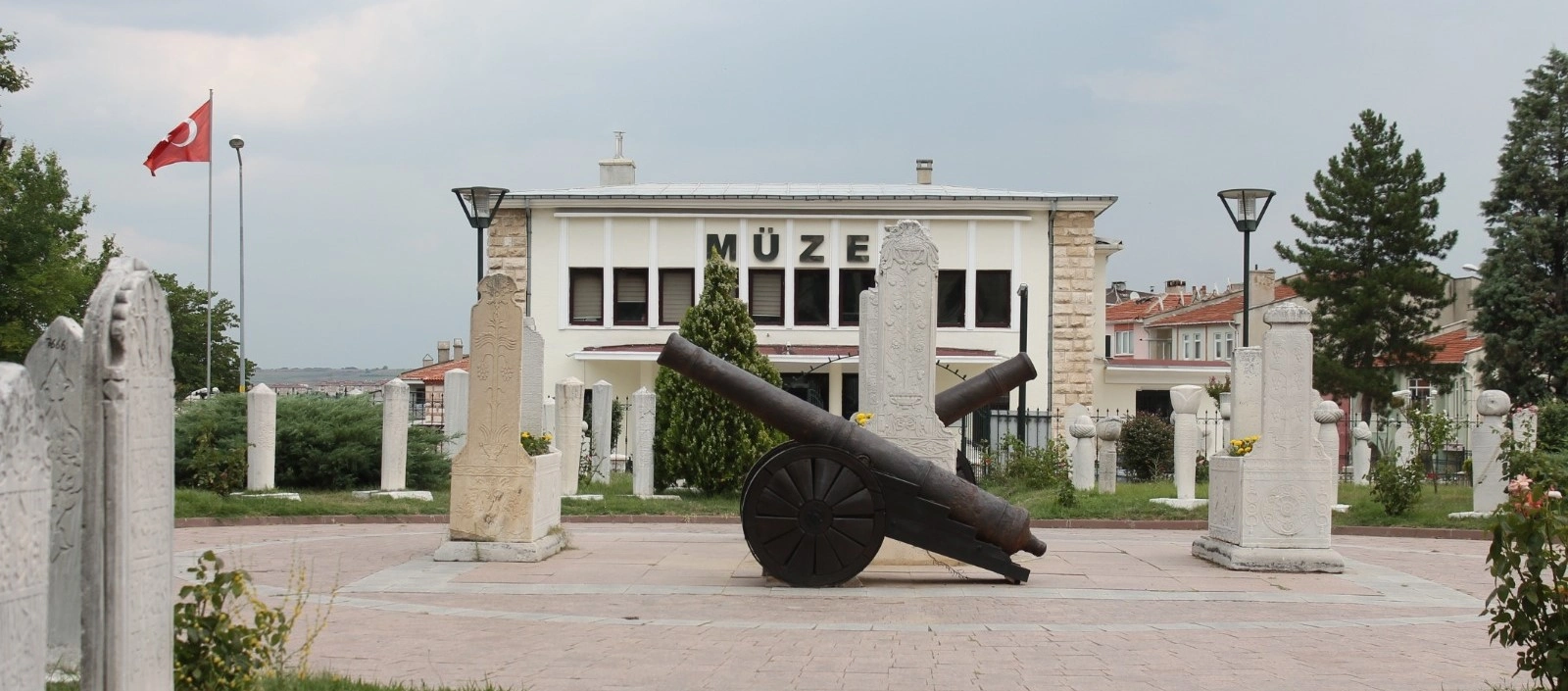
Why Is Edirne Archaeology & Ethnography Museum Important?
Edirne is famous for Ottoman architecture, but the museum reveals a much longer story stretching from prehistoric Thrace to modern regional traditions.
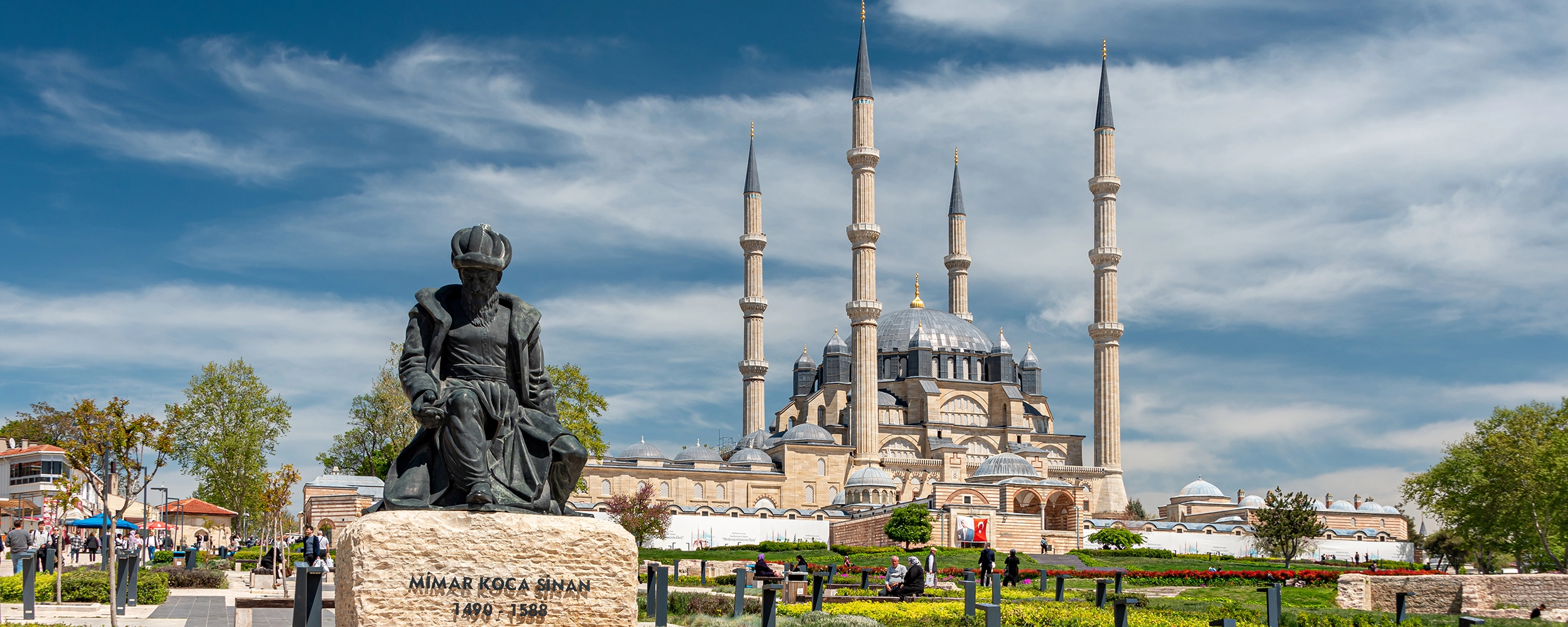
The great monuments of Edirne can make the city appear primarily Ottoman. In reality, the region occupies one of the most important geographical corridors between the Balkans, Anatolia and the Aegean. People, armies, merchants and ideas have crossed this landscape for thousands of years.
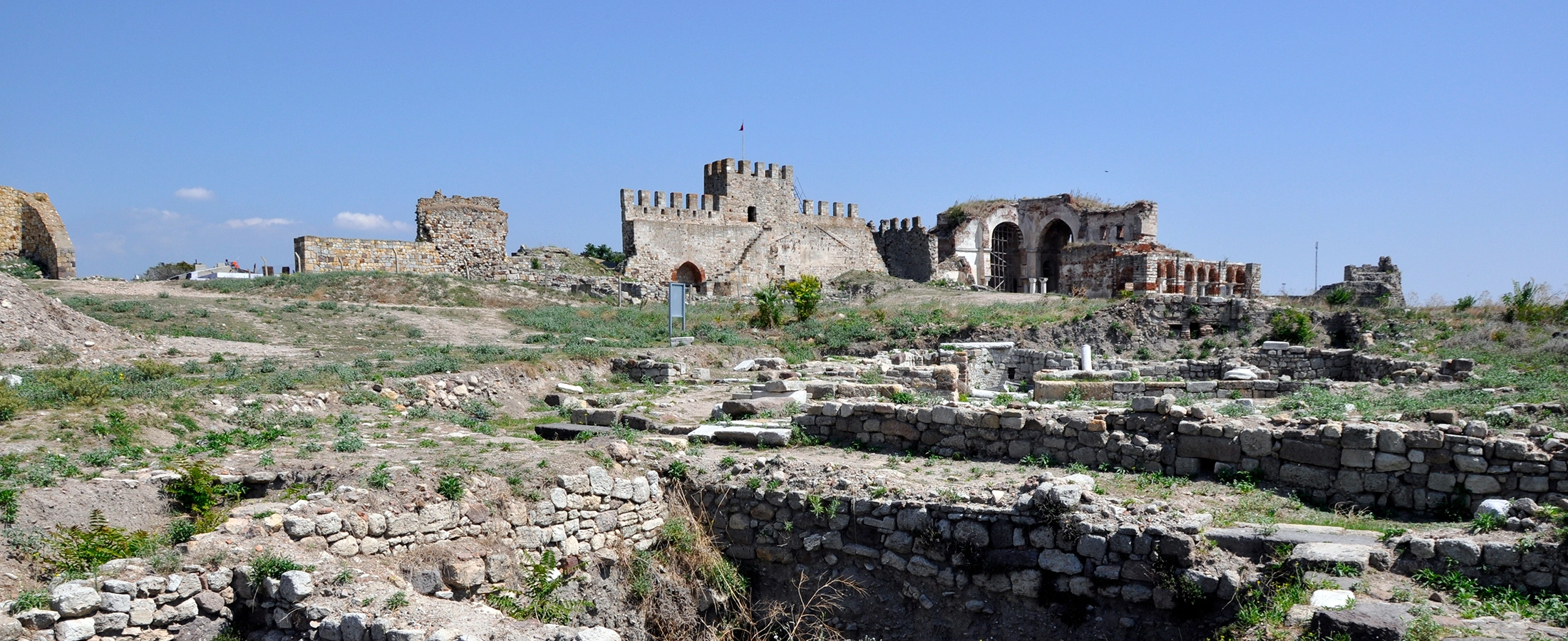
The museum helps make that long history visible. Its archaeological collections introduce prehistoric settlement, Thracian funerary culture, ancient Ainos, Greek and Roman material, Late Antique and Byzantine remains, and objects recovered through regional excavations and rescue work.
The ethnography section then moves the story into the social world of Edirne itself. Instead of palaces and imperial ceremonies, visitors encounter carpets, kilims, household interiors, regional clothing, embroidery, calligraphy, metalwork and Edirnekâri decoration—objects connected with the lives of families and craftspeople.
This combination makes the museum especially valuable before or after visiting the wider province. Travelers planning to explore Enez and ancient Ainos, the dolmen landscapes of Lalapaşa or Edirne's Ottoman monuments gain much more from those places after seeing the regional objects collected here.
For a broader city itinerary, use our complete guide to places to visit in Edirne to connect the museum with mosques, bazaars, palace remains, bridges and historic neighborhoods.