Selimiye's Historic Medrese, Ottoman Arts & Edirne Memory

Edirne Turkish & Islamic Arts Museum – Ottoman Art, Kırkpınar, Janissary Tombstones & Selimiye Heritage

Explore Islamic calligraphy, Edirnekâri woodwork, palace tiles, weapons, tekke objects and traditional Edirne culture,
inside the historic Darülhadis Medrese of the UNESCO-listed Selimiye Mosque complex.

Explore the Museum

Edirne Turkish & Islamic Arts Museum – Ottoman Art Inside the Selimiye Complex

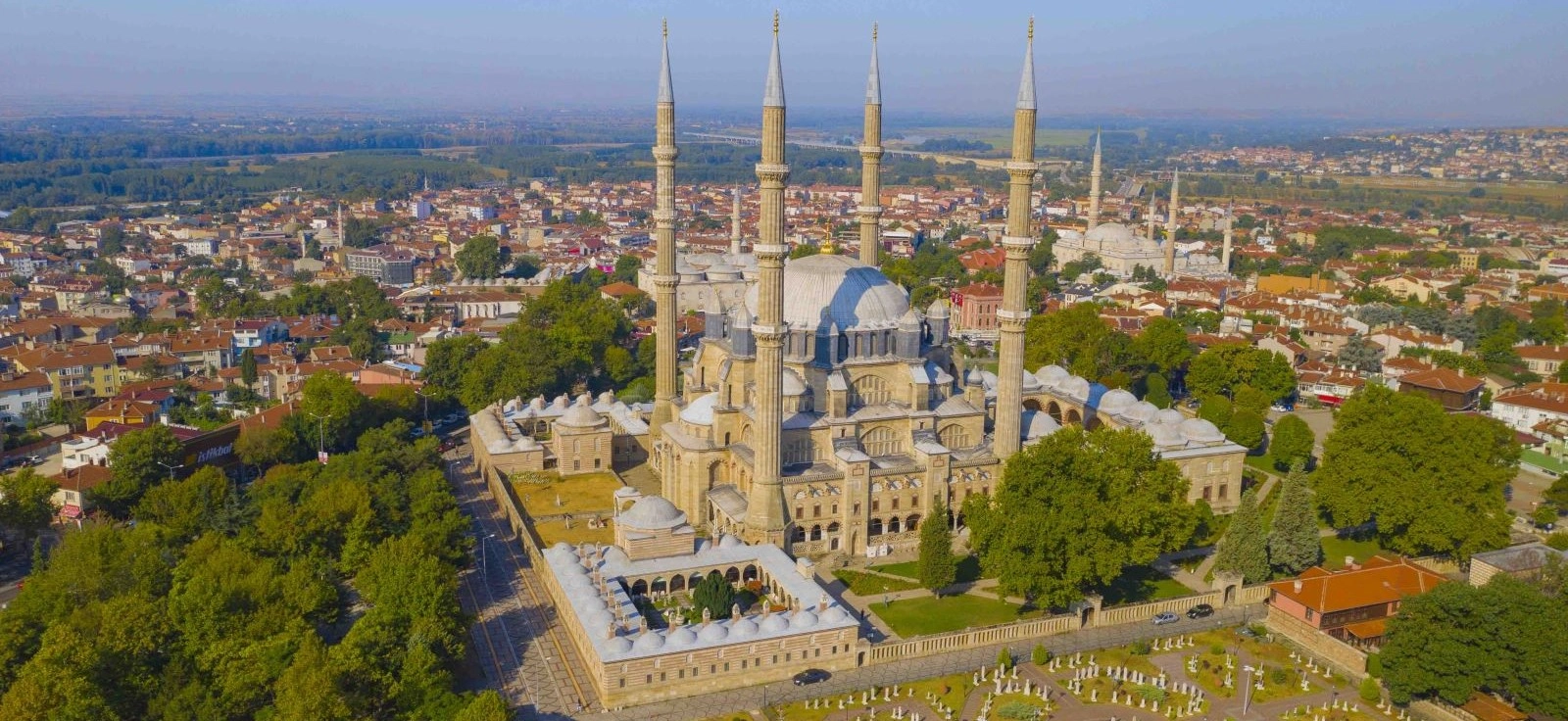
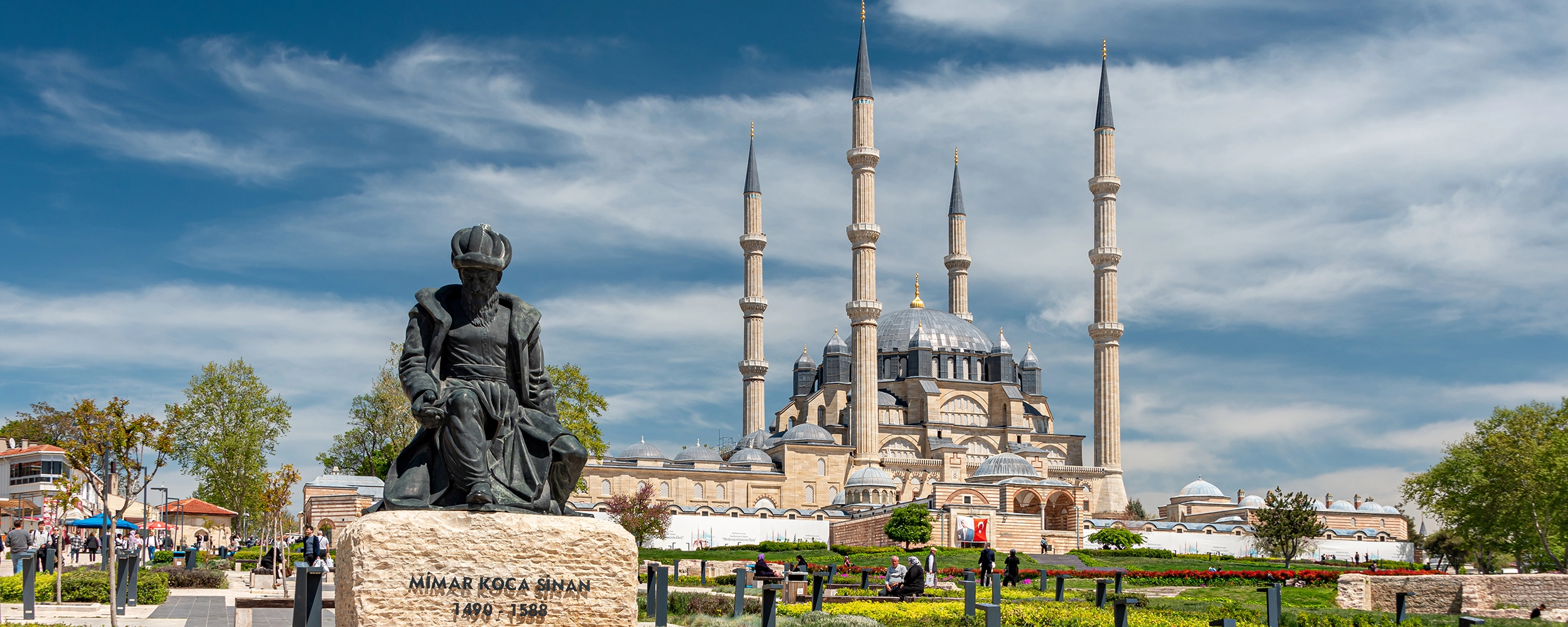
Immediately beside Selimiye Mosque, the Edirne Turkish and Islamic Arts Museum occupies one of the historic medrese buildings of Mimar Sinan's great Selimiye complex. The setting alone makes the museum special: visitors move through domed student rooms and arcaded spaces that once belonged to an Ottoman religious and educational institution.

The museum is also deeply connected with the birth of museum culture in Edirne. A museum collection was established in the Selimiye complex in 1925, and after the opening of the purpose-built Archaeology and Ethnography Museum in 1971, the historic medrese continued as the city's Turkish and Islamic Arts Museum.

Today the museum brings together many different layers of Edirne's Ottoman and regional memory. Displays include calligraphy, handwritten religious works, weapons and armor, ceramics and tiles, Edirnekâri painted woodwork, tekke objects, traditional textiles, Kırkpınar wrestling culture, Balkan War material, domestic objects and finds connected with Edirne Palace.

The courtyard is part of the experience too. Historic inscriptions, Ottoman gravestones and rare Janissary tombstones transform the medrese garden into an open-air collection, while the domed rooms preserve an intimate atmosphere very different from a modern museum hall.

Historic Selimiye Medrese

The museum occupies the Darülhadis Medrese within Mimar Sinan's monumental Selimiye complex.

Roots in 1925

Edirne's first museum collection was established in the Selimiye complex during the early Turkish Republic.

Ottoman Arts & Crafts

Calligraphy, woodwork, tiles, ceramics, metalwork, textiles and domestic objects reveal the artistic world of Ottoman Edirne.

Kırkpınar & Janissary Memory

Wrestling culture, military objects, Balkan War material and rare Janissary gravestones give the museum a strongly local identity.

Know Before You Go

Edirne Turkish & Islamic Arts Museum – Quick Facts

Essential information for visiting one of Edirne's most atmospheric museums, located inside the Selimiye Mosque complex.

📍

Location

Selimiye Mosque complex, Meydan Mahallesi, central Edirne.

Open on Google Maps
🏛️

Historic Setting

The museum is housed in the Darülhadis Medrese of the Selimiye complex.

📜

Museum Tradition

Edirne's first museum collection was founded within the Selimiye complex in 1925.

🕌

Main Collections

Islamic arts, calligraphy, Ottoman woodwork, ceramics, weapons, textiles, tekke objects and Edirne cultural history.

🎫

Admission

The museum is ticketed. Müzekart is valid for eligible Turkish visitors under current museum-card rules.

🕘

Opening Days

Official museum information lists the museum as open seven days a week; seasonal opening hours may change.


More Than a Collection of Ottoman Objects

Why Is Edirne Turkish & Islamic Arts Museum Important?

The museum connects Selimiye's monumental architecture with the smaller objects, crafts, rituals and memories that shaped everyday Ottoman Edirne.

Edirne is often experienced through large monuments: Selimiye Mosque, the Old Mosque, Üç Şerefeli Mosque, bridges, bazaars and palace remains. The Turkish and Islamic Arts Museum offers a different scale. Here, the story is told through Qur'anic manuscripts, calligraphy, carved doors, decorated woodwork, textiles, weapons, ceramics, household objects and devotional material.

Its location gives the collection another layer of meaning. The objects are not displayed in a neutral modern building but inside a 16th-century Ottoman medrese belonging to the Selimiye complex. Domed rooms, arcades and the quiet courtyard become part of the interpretation.

The museum is especially valuable because it is strongly rooted in Edirne. Its displays do not simply present generic "Islamic art." They preserve objects connected with Edirne's mosques, tekkes, palace, guild traditions, military history, Kırkpınar wrestling culture and vanished historic buildings.

Rare Janissary gravestones, objects gathered after the closure of tekkes, fragments from destroyed Ottoman monuments and tiles associated with Edirne Palace preserve evidence for parts of the city that have changed dramatically or disappeared.

For a broader itinerary, use our complete guide to places to visit in Edirne and combine the museum with Selimiye, the historic bazaars, Macedonia Tower and other monuments in the city center.


History of Edirne Turkish & Islamic Arts Museum

The history of the museum is closely tied to the development of modern heritage protection in Edirne. In 1925, during the early years of the Turkish Republic, the city's first museum collection was established in the Selimiye complex under the encouragement of Mustafa Kemal Atatürk. Dr. Rıfat Osman, Arif Dağdeviren and Necmi İğe were among the local figures associated with this early museum initiative.

The first collection combined archaeological objects, ethnographic material and historic gravestones. As the holdings expanded, a second museum section devoted to ethnography opened elsewhere in the Selimiye complex on 25 November 1936.

After the Second World War, collections were reorganized several times. Growing archaeological and ethnographic holdings eventually required a purpose-built museum building, designed by architect İhsan Kıygı. The new Edirne Archaeology and Ethnography Museum opened on 13 June 1971.

With that reorganization, the historic medrese within the Selimiye complex became the Turkish and Islamic Arts Museum. This allowed objects connected with Ottoman religious, artistic, military and social life to remain in a historic architectural setting closely related to their cultural world.

1925 Edirne's first museum collection is established in the Selimiye complex
25 November 1936 A second museum section devoted to ethnographic material opens
1954 Edirne's museum institutions are brought under one museum directorate
13 June 1971 The new Archaeology and Ethnography Museum opens in its purpose-built building
From 1971 The historic Selimiye medrese continues as Edirne Turkish & Islamic Arts Museum

The Darülhadis Medrese and Museum Architecture

The Turkish and Islamic Arts Museum occupies the Darülhadis Medrese on the southeastern side of the Selimiye Mosque complex. The medrese belongs to the architectural ensemble commissioned by Sultan Selim II and created by Mimar Sinan in the 16th century.

Like other classical Ottoman medreses, the building is arranged around a revaklı avlu—an arcaded courtyard. Student rooms open from the surrounding circulation spaces, while a larger domed room served an instructional function.

The architecture is ideal for a room-by-room museum. Instead of one long gallery, visitors move through a sequence of relatively intimate spaces, each of which can focus on a specific subject such as weapons, tiles, tekke material, woodwork, Kırkpınar or domestic culture.

The courtyard also functions as an exhibition area. Gravestones, inscriptions and larger stone objects are displayed in the open air, making the historic building itself inseparable from the collection.

Part of Selimiye

The medrese forms part of the UNESCO-listed Selimiye Mosque and Social Complex.

Mimar Sinan

The building belongs to the architectural ensemble created around Selimiye during the reign of Selim II.

Domed Rooms

Former medrese rooms create small thematic galleries rather than one continuous modern exhibition hall.

Arcaded Courtyard

The central courtyard is both an architectural highlight and an open-air display area.

Important distinction: The Turkish & Islamic Arts Museum is in the Darülhadis Medrese, while the Selimiye Vakıf Museum occupies the Darülkurra Medrese elsewhere in the Selimiye complex. They are separate museums.

What Is Inside Edirne Turkish & Islamic Arts Museum?

The museum is organized around thematic rooms and gallery spaces. Official descriptions have changed over time as exhibitions have been renewed, but the core collection focuses on Islamic art, Ottoman craft traditions, military history, local customs and objects associated with Edirne's religious and civic institutions.

Among the most memorable themes are the tekke collection, calligraphy and manuscript material, weapons and armor, Balkan War objects, tiles and ceramics, Edirnekâri woodwork, Sarayiçi palace finds, Kırkpınar oil wrestling and the courtyard gravestones.

Tekke Objects

Devotional and ceremonial objects gathered from Sufi lodges form one of the museum's most distinctive collections.

Calligraphy & Manuscripts

Handwritten Qur'anic material and examples of Ottoman calligraphy reflect the central place of writing in Islamic art.

Weapons & Armor

Ottoman firearms, swords, shields, helmets, polearms and other military objects introduce the martial history of the region.

Tiles & Ceramics

Ottoman wall tiles, early ceramics and later Çanakkale ware show changing decorative traditions.

Edirnekâri

Painted local woodwork preserves one of Edirne's signature decorative traditions.

Kırkpınar

Photographs and displays introduce the wrestlers, aghas and traditions of Edirne's famous oil-wrestling festival.

Sarayiçi Finds

Architectural and decorative material links the museum with the lost splendor of Edirne Palace.

Courtyard Stones

Historic inscriptions, Ottoman gravestones and rare Janissary tombstones form an important open-air collection.

The Tekke Objects Collection

The Tekke Objects Room is one of the most historically important sections of the museum. When tekkes and dervish lodges were closed in the early Republican period, objects from these institutions were gathered and preserved in museums rather than being dispersed or lost.

The collection gives visitors a rare opportunity to study the material world of Ottoman Sufi life. Depending on the current display, visitors may encounter ceremonial objects, manuscripts, calligraphic works and furnishings once associated with religious foundations and devotional communities.

Among the museum's celebrated historic objects are kündekâri wooden door leaves associated with the Bayezid II Mosque and a handwritten Qur'an traditionally connected with Sultan Selim II and the Selimiye Mosque.

Why this room matters: Many Ottoman tekkes in Edirne disappeared or lost their original interiors. Objects preserved here are therefore not simply decorative pieces—they are surviving evidence for institutions that once shaped the religious, musical and social life of the city.

Calligraphy, Manuscripts and Qur'anic Art

Islamic calligraphy is one of the museum's central artistic themes. Ottoman culture transformed written words into an architectural and decorative language visible in mosques, fountains, tombstones, manuscripts and interior decoration.

The museum preserves handwritten calligraphic panels, religious texts and manuscript material that allow visitors to examine scripts, compositions and decorative techniques at close range.

The setting is particularly effective because Selimiye itself is surrounded by monumental inscriptions. A visit to the museum helps travelers recognize calligraphy not only as writing, but as a visual art based on proportion, rhythm, line and spiritual meaning.

Qur'anic Manuscripts

Handwritten religious works show the care given to sacred text, page design and calligraphic discipline.

Hat Levhaları

Framed calligraphic panels demonstrate how Ottoman masters turned script into balanced visual compositions.

Historic Inscriptions

Stone and architectural inscriptions preserved in the museum connect written culture with vanished Edirne buildings.

Selimiye Context

After studying calligraphy here, look again at the inscriptions inside Selimiye Mosque with a more informed eye.

Weapons, Armor and Janissary Culture

Edirne stood for centuries on the strategic road between Istanbul and the Balkans, making military history an unavoidable part of the city's story. The museum's weapon displays include examples of Ottoman flintlock firearms, swords, daggers, shields, helmets, polearms, bows and other martial equipment.

Some displays also use clothing or mannequin reconstructions to help visitors visualize Ottoman soldiers and Janissary dress. These objects should be read together with the courtyard's rare Janissary gravestones, which preserve a different and more personal kind of military memory.

The weapon rooms are especially useful for understanding how technical craftsmanship and decoration overlapped. A sword, firearm or shield could be both a practical object and a carefully ornamented expression of rank, identity and prestige.

Flintlock Firearms

Ottoman guns show changes in military technology and the craftsmanship of stocks, barrels and fittings.

Swords & Daggers

Bladed weapons reveal both practical design and the ornamental traditions of Ottoman metalwork.

Armor

Helmets, arm guards and defensive pieces help reconstruct the equipment of Ottoman fighting men.

Janissary Memory

Military objects inside and Janissary gravestones outside together create one of the museum's most distinctive themes.

Balkan War Objects and the Defense of Edirne

The museum also preserves objects connected with the Balkan Wars of 1912–1913, when Edirne became the center of a prolonged and devastating siege. This period is one of the most emotionally powerful chapters in the city's modern history.

Historic museum descriptions mention objects such as a bloodstained military flag, emergency bread made with broom seed during the siege and images connected with Şükrü Pasha, commander of the defense of Edirne.

The museum courtyard has also displayed military equipment linked with the Balkan War, including artillery pieces, cannonballs and field-related objects. Together they move the story beyond uniforms and commanders toward the realities of hunger, endurance and civilian hardship.

For deeper context: If the Balkan War section interests you, Edirne's fortifications and tabyas add an important landscape dimension to the museum objects. The city was defended through a ring of military positions extending well beyond the historic center.

Ottoman Tiles, Ceramics and Çanakkale Ware

Ceramic displays introduce another major branch of Ottoman art. Historic museum inventories describe early Ottoman ceramics, wall tiles dating from the 15th to 17th centuries and later Çanakkale ceramic vessels among the collection.

The contrast is valuable. Architectural tiles were created to transform walls and interiors, while jugs, bowls and other vessels belonged to domestic or commercial life. Seeing both together demonstrates how ceramic technology moved between monumental and everyday contexts.

For visitors who have already seen the brilliant tiles of Muradiye Mosque, the museum provides a useful comparison with portable ceramics and fragments removed from buildings that no longer survive intact.

Ottoman Wall Tiles

Architectural tiles show changing colors, motifs and techniques across several centuries of Ottoman production.

Early Ceramics

Vessels from earlier Ottoman periods reveal forms used before the better-known later ceramic traditions.

Çanakkale Ware

Later ceramics add a lively provincial tradition with distinctive shapes and decoration.

Architectural Context

Compare museum fragments with surviving tile programs in Edirne's mosques to understand how they once functioned in place.

Sarayiçi and Edirne Palace Finds

One of the museum's most valuable local connections is with Edirne Palace, Saray-ı Cedid-i Amire. Once one of the largest Ottoman palace complexes, it was heavily damaged over centuries by war, abandonment, reuse and destruction.

Museum displays have included 17th-century wall tiles and other material recovered during excavations in the Sarayiçi area. These fragments are important because only a small portion of the palace's original architecture survives above ground today.

A decorated tile fragment can therefore do something the ruins cannot: preserve a glimpse of the color and ornamental richness that once filled royal interiors.

To continue the story on site, see our complete guide to Edirne Palace – Saray-ı Cedid-i Amire.

Best comparison: Visit the museum before Edirne Palace. Once you have seen the palace tiles and decorative fragments here, the surviving structures at Sarayiçi are much easier to imagine as parts of a former imperial complex.

Edirnekâri Woodwork

The museum's woodwork collection includes examples of Edirnekâri, a painted decorative technique especially associated with Edirne. Floral ornament, borders and carefully arranged color transform boxes, cupboards, ceiling elements and other wooden surfaces into highly distinctive works of interior art.

Edirnekâri is particularly important because so many traditional houses and interiors in Edirne have disappeared. Museum pieces preserve evidence for rooms, furnishings and decorative schemes that can no longer be seen in their original domestic context.

Historic displays have also included ceiling medallions and wooden architectural elements from older Edirne houses and buildings. These pieces allow visitors to study craftsmanship that would otherwise be lost with the structures from which they came.

Painted Wood

Floral and geometric decoration turns ordinary wooden surfaces into richly ornamented interior elements.

Local Identity

Edirnekâri is one of the decorative traditions most closely associated with Edirne itself.

Vanished Interiors

Preserved wooden pieces help reconstruct the visual character of historic houses and rooms that no longer survive.

Look Closely

The charm lies in painted details, borders and rhythmic floral compositions rather than monumental scale.

Traditional Edirne Interiors, Textiles and Domestic Objects

Not every important object in the museum comes from a mosque, battlefield or palace. Domestic displays reveal the quieter material culture of Edirne through furniture, textiles, clothing, kitchen equipment, glass, leather and household tools.

Historic room arrangements have included an Edirne guest room furnished with decorative objects, seating and local interior details. Such reconstructions help visitors understand how textiles, furniture and ornament worked together in a lived environment.

The museum has also displayed embroidered textiles, hand-knitted socks, cloth panels, towels and other pieces that preserve regional patterns and techniques. These small objects often tell some of the most personal stories in the collection.

Guest Room

Furniture and decorative details evoke the social world of hospitality in traditional Edirne homes.

Embroidery

Worked textiles preserve motifs, hand skills and domestic artistic traditions.

Kitchen Objects

Cooking and serving equipment brings the museum story down to the scale of everyday household life.

Clothing & Accessories

Traditional garments and smaller personal objects reveal local taste and social identity.

Historic Measuring Instruments

One of the museum's more unusual themes is the world of weights and measures. Historic displays have included hand scales, okka weights, arşın measures, sand clocks and instruments connected with determining height or astronomical measurement.

These objects may look modest beside weapons or palace tiles, but they were essential to markets, taxation, construction and daily commerce. A reliable system of measurement was part of the infrastructure that made an imperial city function.

They are especially appropriate in Edirne, where monumental architecture, busy bazaars and long-distance trade all depended on standardized systems of weight and length.

Kırkpınar Oil Wrestling Collection

Few traditions are as strongly associated with Edirne as Kırkpınar Oil Wrestling. The museum includes a section devoted to the wrestlers, organizers and ceremonial culture of the historic competition.

Official museum descriptions mention photographs of famous başpehlivans and Kırkpınar ağas, together with mannequin displays representing a wrestler and festival agha. The room gives cultural context to a tradition that visitors may otherwise know only from modern sporting images.

Kırkpınar is more than competition. Music, procession, costume, patronage, ritual language and collective memory all form part of the event. The museum helps explain why the festival occupies such an important place in Edirne's identity.

Başpehlivans

Photographs commemorate champion wrestlers who became major figures in Kırkpınar history.

Kırkpınar Ağası

The festival patron is an important ceremonial figure whose role extends beyond the wrestling field.

Kispet Tradition

The leather wrestling trousers are one of the most recognizable material symbols of yağlı güreş culture.

Living Heritage

The collection connects museum interpretation with a tradition that continues to animate Edirne every year.

The Museum Courtyard – Gravestones, Inscriptions and Janissary Memory

Do not treat the courtyard as merely a passage between rooms. It is an important exhibition space containing large objects that preserve the memory of historic Edirne beyond the medrese walls.

The collection includes 15th-century Ottoman gravestones, architectural inscriptions and a rare group of Janissary tombstones. Because many Janissary monuments were destroyed or damaged after the abolition of the Janissary corps in 1826, surviving examples are particularly valuable.

Historic museum information also records stone material from vanished Ottoman buildings, objects connected with Edirne's water culture, and military pieces associated with the Balkan War.

The courtyard's atmosphere is one of the strongest reasons to visit. The combination of medrese arcades, old stone inscriptions, carved gravestones and views toward the Selimiye complex creates a setting that cannot be replicated in a conventional gallery.

15th-Century Gravestones

Early Ottoman stones preserve calligraphic style, titles, symbols and social memory.

Janissary Tombstones

Rare surviving examples are among the courtyard's most historically distinctive objects.

Building Inscriptions

Kitabes from lost or altered Ottoman structures preserve names, dates and architectural memory.

Water Culture

Objects related to fountains and water systems recall the infrastructure and garden traditions of Ottoman Edirne.

Balkan War Objects

Large military material adds another layer to the open-air collection and the city's modern history.

Historic Yew Tree

The courtyard is also known for a monumental yew tree that contributes to the medrese's quiet garden character.

What to Look For at Edirne Turkish & Islamic Arts Museum

Selim II Qur'an

Look for the handwritten Qur'anic work traditionally associated with Sultan Selim II and the Selimiye Mosque.

Bayezid II Door Leaves

Kündekâri wooden doors connected with the Bayezid II complex demonstrate sophisticated Ottoman woodworking.

Tekke Objects

Devotional material preserves the cultural world of Edirne's vanished Sufi lodges.

Edirnekâri Woodwork

Painted wooden pieces are among the best objects for understanding Edirne's local decorative identity.

Sarayiçi Palace Tiles

Decorative fragments help reconstruct the lost interiors of Edirne Palace.

Ottoman Weapons

Firearms, swords, armor and polearms connect craftsmanship with Edirne's military history.

Balkan War Material

Objects from the 1912–1913 siege preserve one of the most difficult periods in the city's modern history.

Kırkpınar Display

Photos and reconstructed figures introduce Edirne's internationally recognized oil-wrestling tradition.

Janissary Gravestones

Rare stones in the courtyard are among the most unusual surviving monuments connected with Janissary identity.

Historic Inscriptions

Read the courtyard and gallery stones as fragments of buildings and fountains that have disappeared from Edirne.

Traditional Textiles

Embroidery, socks, towels and clothing preserve regional craft skills at a much more personal scale.

The Medrese Itself

Remember to look up at the domes, arcades and stonework—the historic building is one of the museum's greatest exhibits.

Suggested Turkish & Islamic Arts Museum Visiting Route

Begin by spending a few minutes in the courtyard. Understanding the medrese plan first makes the room-by-room exhibition easier to follow. Notice the arcades, domed cells, historic stones and the close physical relationship with Selimiye Mosque.

Inside, start with the religious and artistic collections: calligraphy, manuscripts, tekke objects and carved woodwork. These establish the cultural setting of Ottoman religious life before you move into more secular themes.

Continue through the weapons, ceramics, Sarayiçi and domestic collections. Spend extra time with Edirnekâri woodwork and palace-related objects because these are particularly connected with Edirne itself.

Finish with Kırkpınar, Balkan War memory and the courtyard gravestones. This brings the story forward from classical Ottoman art into the social and modern history of the city.

Start Medrese courtyard and architecture
Stop 2 Calligraphy, manuscripts and tekke objects
Stop 3 Woodwork, tiles and decorative arts
Stop 4 Weapons, Janissary culture and military material
Stop 5 Sarayiçi palace finds and traditional Edirne life
Stop 6 Kırkpınar and Balkan War history
Finish Janissary gravestones, inscriptions and courtyard display
Suggested Time Approximately 60–90 minutes
Best strategy: Do not treat the museum as a collection of unrelated rooms. Look for one continuous story: Selimiye's religious world, Ottoman craftsmanship, Edirne's palace and military history, local traditions and the survival of memory after buildings disappeared.

Practical Tips for Visiting Edirne Turkish & Islamic Arts Museum

Visit With Selimiye

The museum is part of the same complex, so it is one of the easiest cultural additions to a Selimiye visit.

Do Not Skip the Courtyard

The Janissary gravestones, inscriptions and architecture are essential parts of the experience.

Allow Around One Hour

A rushed visit makes the themed rooms feel disconnected; 60–90 minutes is more rewarding.

Look Up

Because you are inside a historic medrese, domes, vaults, arches and stonework deserve attention too.

Check Current Displays

Room names and object arrangements can change when collections are renewed or conservation work is underway.

Check Seasonal Hours

Official opening times can change between summer and winter; confirm before a tightly scheduled visit.

Pair With the Archaeology Museum

The two museums complement each other: one explains Thrace and ancient Edirne, the other focuses on Ottoman and Islamic heritage.

Give Small Rooms Space

The former medrese cells are intimate, so larger groups should avoid blocking doorways and display cases.

Edirne Turkish & Islamic Arts Museum Visitor Information

The museum is located within the Selimiye Mosque complex in central Edirne, in the historic medrese on the southeastern side of the monument. Provincial information gives the address as Meydan Mahallesi, Taş Odalar Sokak No: 4.

Official national museum information lists the museum as open every day. Opening hours are seasonal. Summer schedules are generally around 09:00–19:00, while winter closing is commonly earlier, around 17:30. Exact seasonal changeover dates have varied between official listings, so check the active schedule before visiting.

The museum is ticketed. Müzekart is listed as valid for eligible Turkish visitors under current museum-card rules. Admission policies and prices can change, so avoid relying on an old printed fee.

Location Selimiye Mosque Complex, central Edirne
Address Meydan Mah., Taş Odalar Sok. No: 4, Edirne
Opening Days Official information lists the museum as open seven days a week
Summer Hours Generally around 09:00–19:00; verify the active official schedule
Winter Hours Generally around 09:00–17:30; verify before visiting
Admission Ticketed museum; check the current official fee
Müzekart Valid for eligible Turkish visitors under current museum-card rules
Suggested Visit 60–90 minutes
Important: Opening hours, ticket rules and individual room displays can change. When your itinerary depends on a specific time, confirm the active information through the official Turkish Museums portal shortly before visiting.

Best Time to Visit Edirne Turkish & Islamic Arts Museum

Opening Hour

A good choice for quieter rooms, easier photography and time to study small objects carefully.

Late Morning

Ideal for combining the museum with Selimiye and the nearby historic bazaars before lunch.

Late Afternoon

Softer light can make the courtyard arcades and carved gravestones especially attractive.

Hot Summer Days

The shaded medrese arcades and indoor rooms provide a welcome cultural stop between outdoor monuments.

Rainy Weather

Most collections are sheltered, although a dry interval is useful for enjoying the courtyard exhibits.

Winter

Edirne can be cold and windy, making the museum an excellent addition to a winter walking route around Selimiye.

How Much Time Do You Need at Edirne Turkish & Islamic Arts Museum?

30–45 Minutes

Enough for a fast survey of the principal rooms and a short walk through the courtyard.

60–90 Minutes

Ideal for most visitors who want to understand the major themes without rushing.

2 Hours

Recommended for visitors interested in Ottoman art, calligraphy, weapons, decorative arts and detailed photography.

Half Day

Combine the museum with Selimiye Mosque, the Archaeology and Ethnography Museum, Macedonia Tower and the historic bazaars.

Photography at Edirne Turkish & Islamic Arts Museum

The museum offers a strong mixture of architectural and object photography. The medrese creates natural frames through arcades and doorways, while the smaller galleries reward close attention to craftsmanship.

Courtyard Arcades

Use repeating arches to frame the medrese rooms and create depth in architectural compositions.

Janissary Gravestones

Side light can reveal carved symbols, headgear forms and inscriptions more clearly.

Edirnekâri Details

Close photographs are best for capturing floral painting, borders and surface craftsmanship.

Calligraphy

Shoot straight-on where possible to reduce distortion and avoid reflections from protective glazing.

Palace Tiles

Details of color and pattern can be more informative than photographing the entire display case.

Respect Museum Rules

Flash, tripods or photography of particular objects may be restricted; follow current signs and staff instructions.

Accessibility at Edirne Turkish & Islamic Arts Museum

Because the museum occupies a historic Ottoman medrese, accessibility can be more limited than in a purpose-built modern museum. Thresholds, changes in level, historic paving and relatively narrow room entrances may affect visitors with reduced mobility.

Central Location

The museum is within the main Selimiye visitor zone and does not require a long approach from the city center.

Historic Thresholds

Some rooms may have raised entrances or original architectural transitions that require care.

Courtyard Surface

Stone paving and outdoor surfaces can be less even than modern museum flooring.

Small Rooms

Former medrese cells can become tight when groups gather around display cases.

Wheelchair Access

Confirm current step-free routes and accessible entrances directly with museum staff before visiting.

Plan a Slower Visit

Visitors who need frequent pauses should allow extra time for courtyard and room-to-room movement.

How to Get to Edirne Turkish & Islamic Arts Museum

The museum is one of the easiest attractions to reach in Edirne. It stands within the Selimiye Mosque complex, in the heart of the historic center and within walking distance of the Old Mosque, Üç Şerefeli Mosque and the covered bazaars.

On Foot

Ideal from almost anywhere in central Edirne; simply follow signs toward Selimiye Mosque.

From Selimiye Mosque

The museum is part of the same complex, so no separate vehicle transfer is needed.

By Taxi

Ask for “Selimiye Camii Türk İslam Eserleri Müzesi”; drivers will know the central Selimiye area.

Private Vehicle

Parking immediately around Selimiye can be limited or regulated; use permitted central parking and continue on foot.

With a Guide

A guide can connect museum objects with Selimiye, Edirne Palace, Kırkpınar, Janissary history and vanished Ottoman monuments.

Best Combination

Visit together with Selimiye, the Archaeology Museum and historic bazaars for a compact central heritage route.

Combine the Turkish & Islamic Arts Museum with Edirne Archaeology Museum

The Turkish and Islamic Arts Museum and the Archaeology and Ethnography Museum are close enough to visit on the same route, but they tell very different stories.

Start with the Archaeology and Ethnography Museum if you want a chronological foundation: prehistoric Thrace, ancient Ainos, Roman-period material, fossils and regional ethnography. Then move to the Turkish and Islamic Arts Museum for the Ottoman period, Islamic arts, Selimiye context, Kırkpınar, military history and devotional culture.

Archaeology Museum

Best for prehistoric Thrace, ancient Ainos, Roman archaeology, fossils and traditional regional ethnography.

Turkish & Islamic Arts Museum

Best for Ottoman art, Selimiye, calligraphy, weapons, tekke objects, Kırkpınar and Janissary gravestones.

Combined Time

Allow roughly 2–3 hours for both museums if you want to see the principal displays without rushing.

Best Sequence

Archaeology first, then Turkish & Islamic Arts, then Selimiye and the bazaars for a logical historical progression.

Frequently Asked Questions About Edirne Turkish & Islamic Arts Museum

Where is Edirne Turkish and Islamic Arts Museum?

The museum is inside the Selimiye Mosque complex in central Edirne, in the historic medrese on the southeastern side of the monument.

Which medrese is Edirne Turkish and Islamic Arts Museum in?

The museum is housed in the Darülhadis Medrese. The nearby Darülkurra Medrese is used as the Selimiye Vakıf Museum, so the two should not be confused.

Is the museum part of the Selimiye complex?

Yes. The historic medrese belongs to the Selimiye Mosque and Social Complex created during the reign of Sultan Selim II and associated with Mimar Sinan.

When was Edirne's first museum established?

Edirne's first museum collection was established within the Selimiye complex in 1925 during the early Turkish Republic.

When did the present Turkish and Islamic Arts Museum take its current role?

After the purpose-built Edirne Archaeology and Ethnography Museum opened in 1971, the historic Selimiye medrese continued as the Turkish and Islamic Arts Museum.

What is inside Edirne Turkish and Islamic Arts Museum?

The collection includes calligraphy, manuscripts, tekke objects, Ottoman weapons and armor, tiles and ceramics, Edirnekâri woodwork, textiles, palace-related finds, Kırkpınar material, Balkan War objects and historic gravestones.

Does the museum have a Kırkpınar section?

Yes. Official museum descriptions include a room devoted to Kırkpınar oil wrestling, with images of champion wrestlers and festival aghas as well as reconstructed figures.

Are there Janissary tombstones at the museum?

Yes. The courtyard preserves a rare collection of Ottoman gravestones that includes surviving Janissary tombstones.

Why are Janissary gravestones unusual?

Many monuments associated with the Janissaries were destroyed or altered after the corps was abolished in 1826, making surviving examples especially valuable for military and social history.

Does the museum contain objects from Edirne Palace?

Yes. Historic displays include tiles and decorative material recovered from the Sarayiçi / Edirne Palace area.

What is Edirnekâri?

Edirnekâri is a painted decorative woodwork tradition strongly associated with Edirne. The museum preserves examples that help reconstruct the appearance of historic Ottoman interiors.

Does the museum have Ottoman weapons?

Yes. The collection includes firearms, swords, daggers, shields, helmets, polearms and other military objects from the Ottoman period.

Are there Balkan War objects?

Yes. The museum preserves material connected with the Balkan Wars and the siege of Edirne, one of the most important modern historical episodes in the city.

Does the museum contain Islamic calligraphy?

Yes. Calligraphic works and manuscript material form an important part of the collection and help explain the role of writing in Ottoman visual culture.

Is the museum open every day?

Official national museum information currently lists the museum as open seven days a week. Temporary closures or special arrangements are still possible.

What are the opening hours?

Hours are seasonal. Summer opening is generally around 09:00–19:00, while winter closing is commonly around 17:30. Check the active official schedule before visiting.

Is Müzekart valid?

Official museum information lists Müzekart as valid for eligible Turkish visitors under the applicable museum-card rules.

How long should I spend at the museum?

Around 60–90 minutes is ideal for most visitors, including the thematic rooms and courtyard display.

Can I visit the museum and Selimiye Mosque together?

Yes. They are part of the same complex, making this one of the easiest and most rewarding combinations in central Edirne.

What is the difference between this museum and Edirne Archaeology Museum?

The Archaeology and Ethnography Museum focuses on prehistoric Thrace, ancient Ainos, Roman archaeology and regional ethnography. The Turkish and Islamic Arts Museum concentrates primarily on Ottoman, Islamic, military, devotional and local cultural heritage.

Is Edirne Turkish and Islamic Arts Museum worth visiting?

Yes. It combines an authentic 16th-century Selimiye medrese with strongly local collections that explain Ottoman art, Edirne's religious life, Kırkpınar, palace culture, military history and traditions that have disappeared from the modern city.

Responsible Visiting at Edirne Turkish & Islamic Arts Museum

Do Not Touch Objects

Historic wood, textiles, metalwork, manuscripts and stone surfaces can all be damaged by repeated contact.

Respect Gravestones

Courtyard tombstones are funerary monuments, not props, benches or surfaces for leaning and posing.

Protect the Medrese

The building itself is a major historic monument; avoid touching painted, carved or vulnerable architectural surfaces.

Follow Photography Rules

Observe restrictions on flash, tripods and photography of sensitive or temporarily protected exhibits.

Keep Rooms Clear

Former medrese cells are small, so avoid blocking entrances or display cases when visiting in a group.

Respect Selimiye

The museum stands within an active religious and UNESCO heritage complex; behave respectfully throughout the surrounding area.

Private Edirne Turkish & Islamic Arts, Selimiye & Ottoman Heritage Experiences

Connect the Turkish & Islamic Arts Museum, Selimiye, Edirne Palace, historic bazaars, mosques, Kırkpınar traditions and the city's layered Ottoman heritage through a private route designed around your interests.

Custom Selimiye & Ottoman Edirne Route

Use the museum as the starting point for a deeper journey through Islamic art, Mimar Sinan's Selimiye, Ottoman craftsmanship, palace culture, religious foundations and the historic streets of Edirne.

Edirne Turkey Selimiye Mosque Ottoman museums bazaars bridges palace and historic monuments

Explore Edirne

Discover Selimiye Mosque, Ottoman museums, covered bazaars, early imperial foundations, river bridges, palace remains and one of Türkiye's richest historic cities.

View Edirne Guide

Continue Exploring Edirne's Ottoman Heritage

Follow the museum's objects into the monuments, ruins and historic districts where Edirne's religious, commercial, royal and artistic traditions can still be experienced in place.

Edirne Palace Sarayi Cedid i Amire Ottoman royal complex Sarayici Turkey

Edirne Palace

Continue the museum's Sarayiçi story at the remains of the great Ottoman palace complex where sultans lived, hunted and governed before Istanbul became the imperial capital.

Explore Edirne Palace