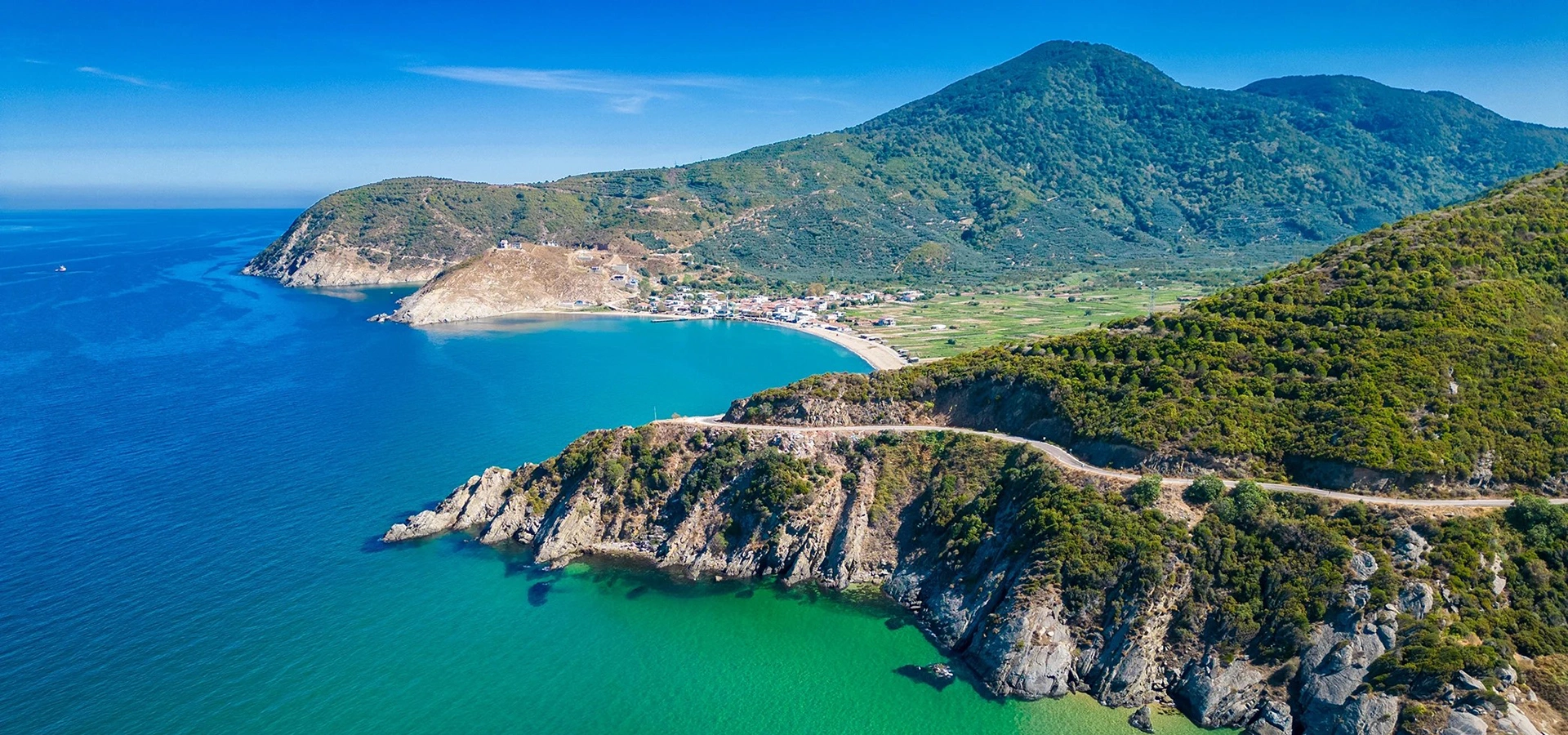
Kyzikos & Kapıdağ Peninsula
Explore the monumental ancient city beside Erdek and continue into the peninsula's forests, villages, beaches and coastal roads.
View Kyzikos & Kapıdağ Guide





On the southwestern shore of the Kapıdağ Peninsula, Erdek combines the easy rhythm of a seaside town with an unusually deep historical landscape. Its waterfront faces the sheltered waters of Erdek Gulf, long sandy beaches continue along the coast, fishing boats and island ferries move through the harbour, and wooded hills rise immediately behind the town.
Erdek is also one of Türkiye's long-established domestic seaside destinations. Generations of travellers from Istanbul, Bursa and inland Marmara have come here for summer holidays, yet the district is far more than a beach resort. The ancient settlement was known as Artake, while the monumental ruins of Kyzikos stand only a short drive away at the southern entrance to Kapıdağ.
The surrounding peninsula adds another layer. Coastal villages such as Ocaklar, Narlı, Turan and Tatlısu offer different beaches and atmospheres, inland roads climb through forest and olive-growing landscapes, and archaeological or religious sites such as Kirazlı Monastery reveal the region's later Byzantine and post-Byzantine heritage.
Erdek also works naturally as a maritime gateway. Paşalimanı Island belongs administratively to the district, while ferries and boats connect the wider Sea of Marmara world. This makes Erdek an excellent base for travellers who want to combine swimming, archaeology, island travel, village roads and slow coastal evenings rather than choose only one type of experience.
Swim along Erdek's long shoreline or explore the village beaches of Ocaklar, Narlı, Turan, Tatlısu, Dalyan and other parts of the district.
Connect the modern resort with its ancient identity and one of the most important archaeological cities of the Propontis.
Drive beyond the resort centre into forested hills, olive landscapes, traditional villages, quiet coves and dramatic coastal viewpoints.
Use Erdek's harbour as a departure point for the maritime geography of Paşalimanı, Avşa, Marmara and the wider Sea of Marmara.
Essential information for planning a beach, history or road-trip stay on the Kapıdağ Peninsula.
Erdek District, Balıkesir Province, on the southwestern shore of the Kapıdağ Peninsula facing the Sea of Marmara.
The settlement was known in antiquity as Artake, mentioned in the ancient historical tradition of the Propontis region.
Kyzikos Ancient City lies near the southern entrance to the peninsula, roughly 9 km from Erdek centre.
Erdek is known for long natural sandy beaches, with additional beaches and coves around the villages of Kapıdağ.
In 2026, municipal reporting listed six Blue Flag public beaches in the district: Narlı, Ocaklar, Bakraç, Dalyan, Turan and Tatlısu.
Paşalimanı Island is administratively part of Erdek, while the harbour also connects travellers with the wider Marmara island network.
Olive groves, chestnut trees, agricultural land, forest and coastal scrub shape the peninsula beyond the built-up resort areas.
Beach holidays, archaeology, island travel, family trips, coastal drives, photography, seafood and slower Marmara itineraries.
May–October for coastal travel; July and August are busiest, while late spring and early autumn suit quieter exploration.
At least 2 nights for Erdek plus Kyzikos; 3–5 nights is better if you want village beaches, Kapıdağ drives or an island day.
Bandırma is the main regional transport hub, with road and sea connections feeding into Erdek and the peninsula.
Edincik, Kyzikos, Bandırma Archaeology Museum and the Marmara Islands.
Erdek is one of those destinations whose strongest quality comes from variety. You can spend the morning on an ancient archaeological site, swim in the afternoon, walk beside fishing boats at sunset and still be close enough to mountain roads, monasteries and small coastal villages for a completely different experience the next day.
For beach travellers, Erdek offers a long-established resort infrastructure without separating the visitor completely from local life. The centre remains a working district town with markets, cafés, residential streets, ferries and fishing activity rather than a purpose-built tourism enclave.
For history travellers, the setting is even richer. Ancient Artake belonged to the same regional world as Kyzikos, while the rise and decline of those neighbouring settlements can be read through archaeology, reused stone, changing harbour patterns and later settlement history. The Erdek Open-Air Museum preserves another direct connection with Kyzikos through architectural fragments and antiquities displayed in the town.
Erdek is also a practical base. Roads radiate around Kapıdağ, Bandırma is close, island boats depart from the coast, and a visitor can choose between full sightseeing days and completely unstructured beach time. That flexibility makes the district especially useful for travellers building a longer South Marmara itinerary.
Erdek's ancient predecessor was known as Artake. Official cultural-tourism sources note that Herodotus is among the earliest ancient writers to mention the settlement and that it was colonized by Milesians in the early seventh century BC.
Before 361 BC, Artake had come under the influence of neighbouring Kyzikos. As Kyzikos grew into one of the most powerful commercial cities of the Propontis, Artake became secondary to it. This relationship is fundamental to understanding Erdek: the two places were never isolated stories but parts of the same maritime and agricultural landscape.
During the Roman period, Kyzikos remained the dominant urban centre. Later earthquakes, changing harbour conditions and the gradual decline of Kyzikos altered settlement patterns around Kapıdağ. As the great ancient city weakened, the community at Artake gained new importance, although it never matched Kyzikos at its peak.
Official regional sources date the Turkish conquest of Artake to 1339, during the reign of Orhan Gazi, when Süleyman Paşa brought the settlement under Ottoman control. Erdek later developed through Ottoman and early Republican administrative changes before becoming the district centre known today.
The modern identity of Erdek is strongly associated with tourism. The municipality describes it as one of Türkiye's early holiday-resort destinations, and its combination of sandy beaches, accessible Marmara location and long-established summer culture made it especially popular with domestic travellers during the twentieth century.
The name Artake links modern Erdek directly with the ancient geography of the Sea of Marmara, which Greek and Roman writers knew as the Propontis. Unlike Kyzikos, whose monumental remains survive across a broad archaeological landscape, ancient Artake is more difficult for the visitor to visualize because the modern town developed over and around the old settlement.
That does not make Artake unimportant. Its harbour position, agricultural hinterland and relationship with Kyzikos placed it inside a dense network of maritime trade and food production. Ancient literary tradition praises the wider area's grapes, wine, olives and olive oil – products that make sense in a landscape still strongly associated with cultivation today.
When exploring Erdek, think of Artake less as a fenced archaeological site and more as an historical layer beneath the modern town. The coastline, harbour and visual relationship with Kapıdağ are part of the story even when no standing ancient wall is visible.
For physical remains from the ancient regional centre, visit the Erdek Open-Air Museum and then continue to Kyzikos Ancient City, where the scale of the classical and Roman landscape becomes much clearer.
It is difficult to understand Erdek's history without Kyzikos. The ancient city occupied the strategically important southern entrance to Kapıdağ, where the peninsula meets the mainland. Its natural harbours and fertile surroundings helped it become one of the major commercial and political centres of the region.
Kyzikos became famous for monumental architecture, trade, coinage, marble, wine, olive oil and other products. The great Temple of Hadrian was among its most celebrated Roman buildings, while ancient writers also described theatres, ports and civic monuments on a scale far beyond what survives visibly today.
Artake existed beside this much larger neighbour. As Kyzikos flourished, Artake's relative importance declined; as Kyzikos later weakened, settlement shifted and Erdek became more prominent. The history of the two places is therefore almost reciprocal.
For visitors, the best approach is to see them together. Spend time first in Erdek to understand the modern coast and Artake, then travel south to Kyzikos for the monumental archaeological landscape. Finish at Bandırma Archaeology Museum if you want to see excavated material from the wider region in a museum setting.
Erdek's centre is compact enough to explore on foot. The shoreline, harbour, ferry area, tea gardens, restaurants, small hotels and shopping streets sit close together, making the waterfront the natural orientation point for first-time visitors.
The atmosphere changes noticeably with the season. In July and August, Erdek can feel intensely animated, with beach traffic, summer residents and evening promenades filling the centre. Outside peak summer, the same streets become quieter and the town's everyday fishing, commercial and residential rhythms are easier to notice.
Watch ferries, fishing boats and local maritime traffic while understanding Erdek's continuing relationship with the islands.
An easy place for an evening walk, sunset views and a first introduction to the shape of Erdek Gulf.
Classic Marmara seaside culture survives in simple waterfront places where locals and visitors sit for tea, coffee and long conversations.
Fish and seafood naturally dominate many menus, but the centre also offers casual Turkish dishes suited to family holidays.
Move a few blocks inland to see a more ordinary district-town atmosphere away from the summer beachfront.
Erdek's west-facing orientation makes the waterfront especially attractive in the late afternoon and evening.
Erdek's tourism reputation was built first on its coast. Official cultural-tourism information describes the district's shoreline as predominantly natural sandy beach, while the coast around the peninsula adds smaller village beaches, wider bays and quieter stretches away from the town centre.
Beach character varies considerably. Central Erdek and Çuğra are convenient for travellers who want cafés and accommodation nearby; Ocaklar offers a classic resort-village feel; Narlı and the western Kapıdağ villages suit travellers who want to keep moving along the coast; and smaller municipal beaches can feel calmer outside weekends and holiday periods.
In 2026, Balıkesir Metropolitan Municipality reported Blue Flag status for six public beaches it operates in Erdek district: Narlı, Ocaklar, Bakraç, Dalyan, Turan and Tatlısu. Blue Flag awards are renewed annually, so check current-year status if certification is important for your trip.
Sea conditions can change with wind direction. Even on generally sheltered Marmara shores, a calm morning can become breezier later in the day. Families with small children and less confident swimmers should always assess conditions on arrival rather than assuming every beach behaves the same way.
Çuğra is one of the names most strongly associated with Erdek's traditional summer-holiday identity. The beach lies close enough to the centre to remain practical without feeling exactly like the harbourfront, and the coastal strip has long attracted hotels, pensions and summer visitors.
This is a good choice for travellers who want to move easily between swimming and the town. You can spend much of the day beside the sea, then return to central Erdek for dinner or an evening walk without planning a separate road trip around Kapıdağ.
Because Çuğra is well known, it can become busy in high season. Early morning and later afternoon usually feel calmer, while the light at the end of the day is particularly attractive along the gulf-facing shore.
A short drive from Erdek, Ocaklar is one of Kapıdağ's best-known beach settlements. Its long shoreline, accommodation options and summer services make it easy to use either as a day trip from Erdek or as an alternative base for a quieter beach-focused stay.
The village works especially well for families and travellers who want a straightforward seaside day. The beach is the main attraction, but the surrounding hills remind you that Ocaklar belongs to a much larger peninsula landscape rather than an isolated resort strip.
In 2026, Ocaklar Public Beach was among the Erdek district beaches reported as meeting Blue Flag standards. As with all annual beach certifications, verify the current season's status when planning a future visit.
Travellers who continue beyond Ocaklar discover a more extended coastal world of villages, agricultural land and beaches. Narlı is one of the best-known stops, while Turan and Tatlısu add further swimming options along the district's long shoreline.
These places are most rewarding when treated as part of a road trip rather than a checklist. Stop where the coast looks inviting, allow time for village cafés and viewpoints, and avoid over-planning every hour. Distances may appear short on a map, but narrow peninsula roads and scenic stops make the day slower than expected.
Narlı, Turan and Tatlısu were among the public beaches holding Blue Flag status in 2026. The municipality also listed Bakraç and Dalyan within the same district-wide group of certified public beaches.
A popular western Kapıdağ village with a beach, local accommodation and easy access to a wider peninsula drive.
A coastal settlement suited to travellers who prefer smaller village beaches rather than staying only in Erdek centre.
Another district beach option useful for building a day of short coastal stops around the peninsula.
Additional public-beach choices that broaden Erdek beyond its best-known central resort shoreline.
The Blue Flag programme evaluates participating beaches against criteria related to water quality, environmental management, safety, services, accessibility and environmental education. It is useful information for travellers, but the award is seasonal rather than permanent.
Just offshore from Erdek harbour lies Zeytinli Ada, a small island that can be seen easily from the waterfront and from the end of the breakwater. Erdek Municipality places it roughly 250 metres from the coast, making it one of the town's most recognizable visual landmarks.
Despite its small size, archaeological work has identified a surprisingly dense concentration of structures, including churches or chapels, a monastery, baptistery, baths, ceramic kilns and other areas connected with religious and everyday life.
The island also appears in the seventeenth-century travel account of Evliya Çelebi, who described hot water associated with the islet and bathing where it mixed with the sea. This makes Zeytinli Ada important not only archaeologically but also in Erdek's literary and local-memory traditions.
Do not assume that archaeological access to the island is always available. Conditions, conservation work and visitor arrangements can change. Even when direct access is restricted, the island remains easy to appreciate visually from the Erdek waterfront and harbour area.
The Erdek Open-Air Museum provides one of the most direct links between the modern town and the archaeological landscape of Kyzikos. Türkiye's Ministry of Culture and Tourism records that the museum was founded in 1948 and displays material from the Hellenistic and Roman periods associated with Kyzikos.
The collection has included architectural blocks, columns and capitals connected with the Temple of Hadrian, funerary monuments, inscriptions, reliefs and other stone material. The museum's history is itself significant because it reflects twentieth-century efforts to rescue ancient fragments that were vulnerable to reuse or destruction.
This is not a large indoor archaeological museum. Think of it as a compact open-air introduction before visiting the much larger ruins. For a broader and more formally interpreted museum collection, continue to Bandırma Archaeology Museum.
Opening arrangements and the exact presentation of outdoor collections can change, so confirm current local access rather than relying on old online opening-hour listings.
Kapıdağ gives Erdek its geography and much of its personality. Ancient sources and modern geological interpretation describe the landform as having once been an island before sediment and coastal processes connected it with the mainland. Today it rises dramatically between the Erdek and Bandırma gulfs.
The peninsula is covered with a mixture of forest, scrub, cultivated areas and olive landscapes. Roads wind between villages and bays, and the interior feels considerably more rural than Erdek's summer waterfront.
A complete introduction is available on our Kapıdağ Peninsula & Kyzikos Ancient City guide, but even a half-day drive from Erdek is enough to understand why the peninsula deserves to be treated as a destination in its own right.
Expect frequent changes between open-sea views, village beaches, small coves and wooded slopes.
The higher parts of Kapıdağ feel cooler and greener than the resort coast, especially outside the driest part of summer.
Olive cultivation connects the peninsula's present economy with a much older regional agricultural tradition.
Allow unplanned time for tea, food, local produce and photographs rather than driving the circuit without stopping.
The hills around Erdek provide some of the best ways to understand the town's position within the gulf. Official regional tourism information lists Seyitgazi Hill among the traditional excursion and recreation points near Erdek and also notes fortification remains in the surrounding high ground.
The attraction is not only archaeological. From elevated places, the relationship between the coast, Zeytinli Ada, the town, surrounding beaches and the larger mass of Kapıdağ becomes much easier to read.
Road, trail and surface conditions can vary, and some historical remains are fragmentary rather than presented as formal visitor sites. Approach hill excursions as landscape exploration, use suitable footwear and avoid expecting a fully interpreted archaeological park.
High in the Kapıdağ landscape near Yukarı Yapıcı lies the ruined complex known as Kirazlı Monastery. Official cultural inventory descriptions identify it as a monastery, church and associated building group that was used by the local Greek Orthodox community in the nineteenth century.
The site survives as ruins rather than as a restored monument, and that is part of its atmosphere. Walls, foundations and the remains of the church sit within a wooded mountain environment very different from Erdek's beach strip.
Because access and path conditions require more planning than a town-centre attraction, read our dedicated Kirazlı Monastery guide before setting out.
Paşalimanı Island lies in the Sea of Marmara west of the Kapıdağ Peninsula and is administratively connected with Erdek. It offers a slower island atmosphere of villages, small bays, agricultural land and seasonal maritime connections.
Paşalimanı is best suited to travellers who enjoy quiet places rather than dense sightseeing. The pleasure is in moving between settlements, looking across the Marmara Sea, swimming where conditions allow and experiencing a landscape that feels distinctly separate from the mainland resort rhythm.
Ferry and boat schedules can change by season, weather and operator. Always confirm the current timetable before planning a same-day return, particularly outside peak summer.
Erdek's harbour keeps the town connected with the island geography of the Sea of Marmara. Depending on season and operator, maritime services may connect Erdek with destinations such as Paşalimanı, Avşa and Marmara Island as part of the wider regional network.
Do not build a tight itinerary around an old timetable found in a blog or social-media post. Passenger and vehicle services can change, especially between high summer and winter. Check the current operator schedule close to your travel date and arrive with extra time during busy weekends.
A quieter, village-oriented island experience closely tied to Erdek district.
A more developed summer island destination known for beaches, villages and vineyard traditions.
Combine island landscapes with the extraordinary marble history of ancient Prokonnesos and Saraylar.
Wind and sea conditions can affect departure times, comfort and cancellations; leave flexibility in island travel days.
Erdek's food culture reflects both the sea and the peninsula. Fish and seafood are natural choices around the harbour, while olives, olive oil, vegetables and seasonal produce connect the town with the agricultural landscapes inland.
Rather than searching for one single “Erdek dish,” look for meals that are rooted in what the region produces. A simple fish dinner, seasonal salad, local olive oil and fruit can often express the place more clearly than a complicated menu designed for visitors.
Ask what is genuinely seasonal and locally available rather than ordering only by the printed menu.
Olive cultivation is part of the wider Kapıdağ and South Marmara landscape and an easy regional product to take home.
Cold vegetable, herb and seafood dishes suit Erdek's warm summer evenings and pair naturally with fish.
Local markets and small shops are often better places than souvenir stores for understanding everyday regional food.
One of Erdek's simplest pleasures is sunset. The town's position on the western side of Kapıdağ gives many parts of the waterfront attractive late-day light, with the sea, boats and distant shoreline gradually changing colour.
The central promenade is convenient, but you do not need to stay in the busiest area. Çuğra, western coastal roads and higher viewpoints can provide more spacious compositions for photography.
In high summer, the best sunset experience often comes from claiming a place early, then allowing the evening to continue slowly with a walk and dinner rather than immediately returning to the car.
Begin with the harbour and promenade to understand the town's relationship with the gulf and islands.
Experience the classic resort side of Erdek on the long sandy shore west of the centre.
Look across to the small archaeological island that has been part of Erdek's landscape and travel literature for centuries.
See ancient architectural fragments and connect the modern town with the material history of Kyzikos.
Explore the monumental archaeological landscape that once dominated the entire southern Kapıdağ region.
Add a second beach settlement to your stay and compare its village-resort character with central Erdek.
Leave the main resort strip and discover villages, forest, olive groves, coves and changing sea views.
See a very different layer of the peninsula's history in a mountain setting away from the beaches.
If your schedule allows, add Paşalimanı, Avşa or Marmara Island to extend the journey beyond the mainland coast.
Erdek is easiest to understand by dividing your time into two scales. Explore the town centre on foot, then use a vehicle or local transport for beaches, Kyzikos and the larger Kapıdağ Peninsula.
The harbour, promenade, central streets and views of Zeytinli Ada are close enough to combine without a vehicle.
The ancient city lies outside the centre and is much easier to combine with other regional sites by car.
Do not try to stop at every village in a single day. A slower route usually creates a better experience.
Sea travel depends on schedules and weather, so avoid making the rest of the day too tightly timed.
Beaches and archaeological sites are quieter, roads are easier and summer heat is less tiring.
Even after a full day around Kapıdağ, the Erdek waterfront is worth returning to before dinner.
Use boats, promenade railings or beach silhouettes to give depth to wide sea-and-sky compositions.
Low light can make architectural fragments and the scale of the ruins easier to read than harsh midday sun.
Photograph the island with harbour activity in the foreground to show how archaeology and modern life overlap.
Look for elevated bends in the road where the coastline, beach and mountain slope appear in one frame.
Nets, small boats and working harbour scenes can communicate more about Erdek than only wide resort photographs.
Ask permission before making residents, fishermen or beachgoers the identifiable main subject of a photograph.
Excellent for archaeology, Kapıdağ drives and walking before the main summer crowds; sea temperatures may still feel cool.
A strong balance of beach weather, long daylight and a livelier resort atmosphere without the absolute peak of midsummer.
The busiest period, best for a full summer-resort experience but with heavier traffic, fuller beaches and higher accommodation demand.
One of the best months for combining swimming with archaeology and road trips as the peak holiday rush begins to ease.
Good for cultural travel and quieter coastal days, though swimming weather becomes less predictable.
Erdek remains a real town, but many tourism services reduce operations and sea travel can be more weather-dependent.
Enough for the waterfront, Zeytinli Ada views and a short beach stop, but too brief for Kyzikos and Kapıdağ.
Combine Erdek centre, Kyzikos and one beach, ideally with sunset back in town.
A strong minimum for a relaxed visit including the ancient city, central beaches and one village or peninsula drive.
Best if you want several beaches, Kirazlı Monastery, a longer Kapıdağ circuit or an island day without rushing.
Erdek is particularly suitable for families because sightseeing does not need to dominate the schedule. A morning archaeological visit can be balanced with swimming, ice cream, harbour walks and flexible beach time.
Check depth, wind, waves, shade and facilities on the day rather than selecting only by reputation.
With younger children, focus on a few memorable structures rather than trying to inspect the entire archaeological landscape.
The waterfront is easier for families after the strongest summer heat has passed.
Kapıdağ routes are more enjoyable when village, beach and food stops break up time in the car.
The modern waterfront and central streets of Erdek are generally easier to navigate than steep historic towns, but accessibility varies significantly between beaches, archaeological sites and older public spaces.
Travellers using wheelchairs or with reduced mobility should check whether a chosen beach has ramps, accessible toilets and suitable surfaces. Blue Flag criteria include accessibility-related standards, but the exact facilities differ by beach and season.
Kyzikos, Kirazlı Monastery and rural Kapıdağ viewpoints involve uneven ground and are much more challenging. For these sites, confirm current access conditions and consider a vehicle-based visit with shorter walking sections.
Erdek is reached by road through the Bandırma side of South Marmara. Bandırma functions as the main regional transport hub and is the natural transfer point for many travellers arriving from Istanbul or other major cities.
Erdek is a straightforward road transfer west of Bandırma, making the two places easy to combine in the same itinerary.
Many travellers reach the region through Bandırma by sea or by road, then continue to Erdek. Compare current seasonal options before travel.
Road travel through the South Marmara network makes Erdek a practical coastal extension to a Bursa itinerary.
The most flexible option if you plan to visit Kyzikos, Kapıdağ villages, Kirazlı Monastery or multiple beaches.
Minibuses and local services connect parts of the district, but frequencies may vary by season and time of day.
Check current passenger or vehicle ferry schedules directly with operators because routes change seasonally.
Best for harbour access, restaurants, evening walks and travellers using public transport or ferries.
Good for a classic beach holiday while remaining close to central Erdek.
A practical alternative for travellers who prefer a beach-village setting and do not need to be in town every evening.
Better for quiet, road-trip-oriented stays where scenery and slower village life matter more than central convenience.
In July, August and major holiday periods, book earlier than you would for spring or autumn. Erdek has a strong domestic summer market, so accommodation demand can rise sharply on weekends and public holidays.
The essential historical excursion from Erdek and one of the most important archaeological landscapes in South Marmara.
A ruined religious complex in the wooded Kapıdağ interior that adds a very different cultural layer to a beach itinerary.
Walk among historic Ottoman houses, early mosques, old gravestones and the living heritage of a former South Marmara town.
See archaeological material from Kyzikos, Daskyleion and the wider region after exploring the sites themselves.
Add an island beach destination with vineyards and summer villages to a broader Sea of Marmara journey.
Explore ancient Prokonnesos, marble-quarry heritage, Saraylar and dramatic island landscapes.
Choose a quieter island experience of villages, small bays and slow maritime travel.
Move inland from the Marmara coast for wetlands, birdlife and a completely different natural ecosystem.
Long sandy shores and multiple village beaches make Erdek one of the classic summer destinations of South Marmara.
Ancient Artake, Kyzikos, Zeytinli Ada and later religious heritage create far more depth than a typical resort stay.
Flexible beach days, easy evening walks and short sightseeing excursions can be balanced without an exhausting schedule.
Kapıdağ's villages, coves, forest routes and archaeological stops make Erdek an excellent peninsula base.
The harbour connects naturally with Paşalimanı and the wider Marmara island network.
Sunsets, working boats, beaches, village bays, ruins and mountain viewpoints offer strong variety in a compact region.
July, August, weekends and public holidays can bring very strong domestic demand for accommodation and beaches.
Conditions vary across different sides of the peninsula; choose your beach according to the weather rather than habit.
Island departures are seasonal and weather-sensitive. Use current operator information, not old schedules.
Kyzikos is exposed and spread over a large area; summer sun can make even a short visit tiring.
Narrow roads, scenic viewpoints and village stops make peninsula drives slower than map distance suggests.
Do not climb fragile walls, move archaeological fragments or treat open landscapes as unrestricted picnic areas.
Cards are common in town, but small village businesses or seasonal services may still prefer cash.
Weekday beach and road conditions are often calmer during the main season.
Erdek matters because it challenges the idea that a familiar domestic beach resort has little historical depth. Beneath the summer image lies the ancient settlement of Artake, the shadow of Kyzikos, the archaeological story of Zeytinli Ada, the religious heritage of Kapıdağ and a maritime network that has connected communities across the Sea of Marmara for centuries.
It also preserves an important chapter in the history of tourism in Türkiye. Before air travel and large integrated resorts reshaped holiday patterns, places such as Erdek became accessible seaside destinations for urban families from the Marmara region. That twentieth-century resort identity remains visible in the rhythm of summer apartments, pensions, beaches, tea gardens and evening promenades.
At the same time, Erdek is surrounded by environments that are more fragile than they first appear. Archaeological ruins, island ecosystems, forest roads, village shorelines and beaches all face pressure when seasonal visitor numbers rise. Enjoying the district responsibly means treating these places as living cultural and natural landscapes rather than disposable holiday scenery.
For travellers who stay long enough to move beyond the beach, Erdek becomes a compact introduction to the entire South Marmara world: ancient ports, Ottoman-era continuity, fishing, olive landscapes, island routes and the geography of a sea that has connected Anatolia and Europe since antiquity.
Erdek is a district of Balıkesir Province on the southwestern shore of the Kapıdağ Peninsula beside the Sea of Marmara.
Yes, especially if you want to combine beaches with archaeology, coastal villages, island travel and a relaxed Marmara seaside atmosphere.
Erdek is best known for its sandy beaches, summer tourism, nearby Kyzikos Ancient City, Kapıdağ Peninsula and island connections.
The ancient settlement was known as Artake.
Ancient Artake is mentioned in classical historical tradition, and official cultural-tourism sources record Milesian colonization in the early seventh century BC. Human settlement in the wider Kapıdağ–Kyzikos region is much older.
Artake and Kyzikos were neighbouring ancient settlements. Kyzikos became the dominant regional city, while Artake later gained importance as Kyzikos declined.
Official tourism information places Kyzikos Ancient City at roughly 9 km from Erdek.
Yes. The district has long natural sandy beaches around the centre and several village beaches around Kapıdağ.
Municipal reporting listed Narlı, Ocaklar, Bakraç, Dalyan, Turan and Tatlısu public beaches. Certification is annual, so check the current year.
Çuğra is one of Erdek's classic beach areas, close to the centre and strongly associated with the town's long-established summer-resort culture.
Yes. Ocaklar is one of the peninsula's best-known beach villages and works well for a half-day, full beach day or quieter overnight stay.
Zeytinli Ada is a small archaeological island just offshore from Erdek harbour. Remains include religious buildings, baths, kilns and other structures from earlier settlement phases.
Visitor access can depend on conservation and local arrangements. The island can always be viewed from the Erdek waterfront, but confirm current official access before planning to enter it.
It is an outdoor archaeological display founded in 1948, with ancient stone material associated particularly with Kyzikos and the Roman-period monumental landscape.
Yes. Beaches, easy evening walks and flexible short excursions make it especially suitable for families who do not want every day to be intensive sightseeing.
Central Erdek can be enjoyed on foot, but a car gives much greater flexibility for Kyzikos, Kapıdağ villages, remote beaches and Kirazlı Monastery.
Two nights is a good minimum. Stay 3–5 nights if you want several beaches, a peninsula road trip or an island excursion.
June and September are excellent for balancing beach weather with lighter crowds. July and August offer the liveliest summer atmosphere but are much busier.
Often yes, and September can be very pleasant, but water and weather conditions vary from year to year and day to day.
Erdek participates in the regional ferry network serving Marmara islands. Routes and schedules vary seasonally, so check current operator information before travel.
Yes. Paşalimanı Island is administratively connected with Erdek district.
Seasonal maritime connections can make this possible. See our Avşa Island guide and check current ferry schedules.
Yes when suitable ferry services are operating. Marmara Island is especially worthwhile for its marble heritage and Saraylar.
Kapıdağ is the large mountainous peninsula on which Erdek lies. It was an island in antiquity before natural sedimentation connected it to the mainland.
Yes. The ruined monastery complex lies in the Kapıdağ interior near Yukarı Yapıcı. See our Kirazlı Monastery guide for details.
Yes. Edincik is a natural cultural complement to Erdek, adding Ottoman houses and early mosques to a coast-and-archaeology itinerary.
Yes. Bandırma Archaeology Museum is one of the best places to understand finds from Kyzikos and the wider South Marmara archaeological landscape.
Look for seasonal fish, seafood, meze, vegetables, olives and olive oil rather than searching for one single signature dish.
It can be very busy in July and August, especially on weekends and public holidays. June, September and weekdays are generally calmer.
The central waterfront, Çuğra and west-facing coastal viewpoints all work well, depending on weather and the season.
Public beaches generally do not require advance booking, but private beach facilities, clubs or accommodation-linked beach services can have their own policies.
Parts of the modern centre and some managed beaches are relatively accessible, but archaeological sites, rural roads and mountain attractions can be difficult. Confirm facilities for the specific places you plan to visit.
Prioritize the waterfront, one good beach, Zeytinli Ada views, Kyzikos Ancient City and at least one drive into the Kapıdağ Peninsula.
No. Summer is the main beach season, but archaeology, photography, village drives and local history make Erdek worthwhile in spring and autumn as well.
Use Erdek as a coastal base for ancient cities, Ottoman heritage, mountain monasteries, island journeys and the wider landscapes of South Marmara.
Build a route connecting Erdek's beaches with Kyzikos, Kapıdağ, Edincik, Bandırma and the Marmara islands.
Explore the monumental ancient city beside Erdek and continue into the peninsula's forests, villages, beaches and coastal roads.
View Kyzikos & Kapıdağ Guide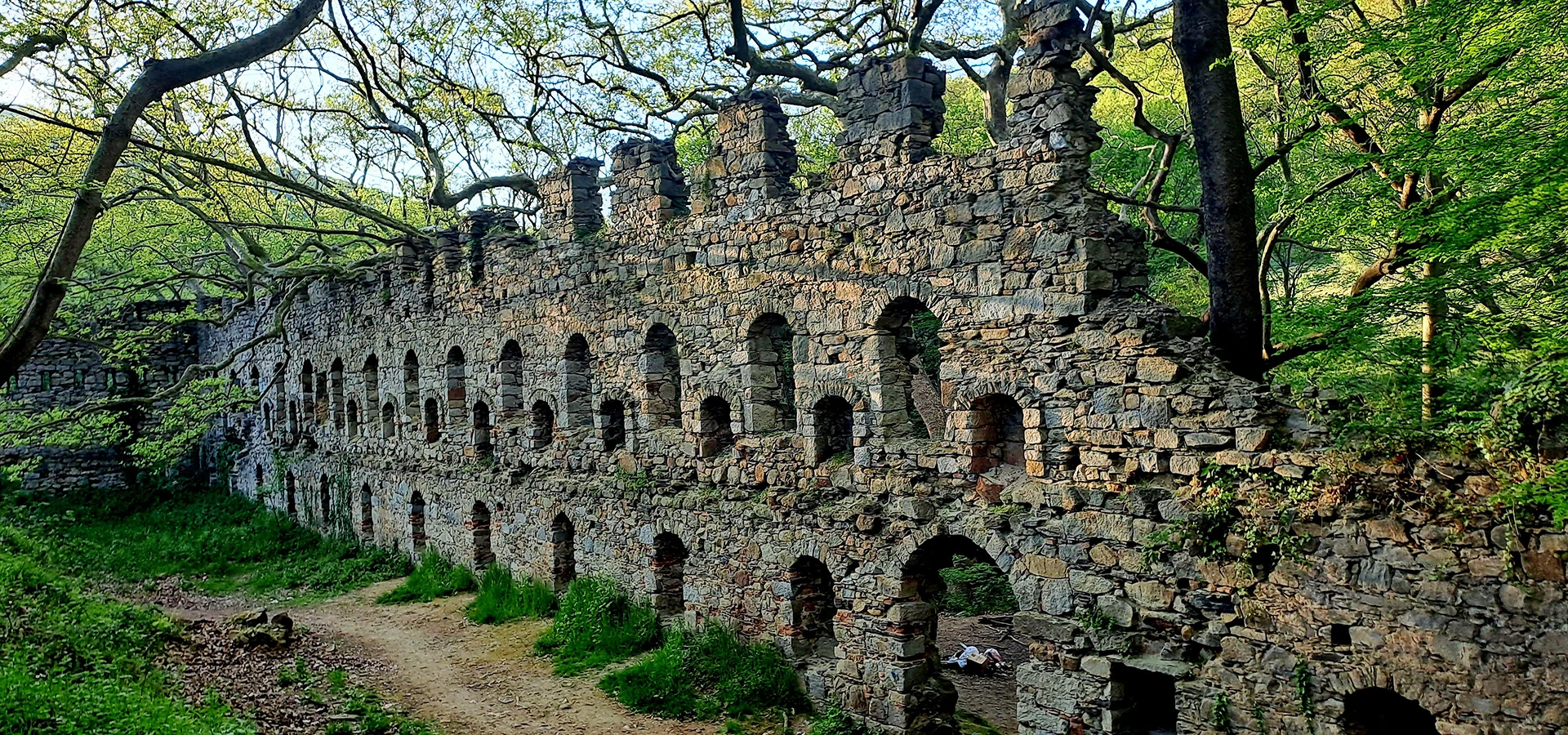
Leave the beach behind for a ruined monastic complex in the wooded interior of the Kapıdağ Peninsula.
View Kirazlı Monastery Guide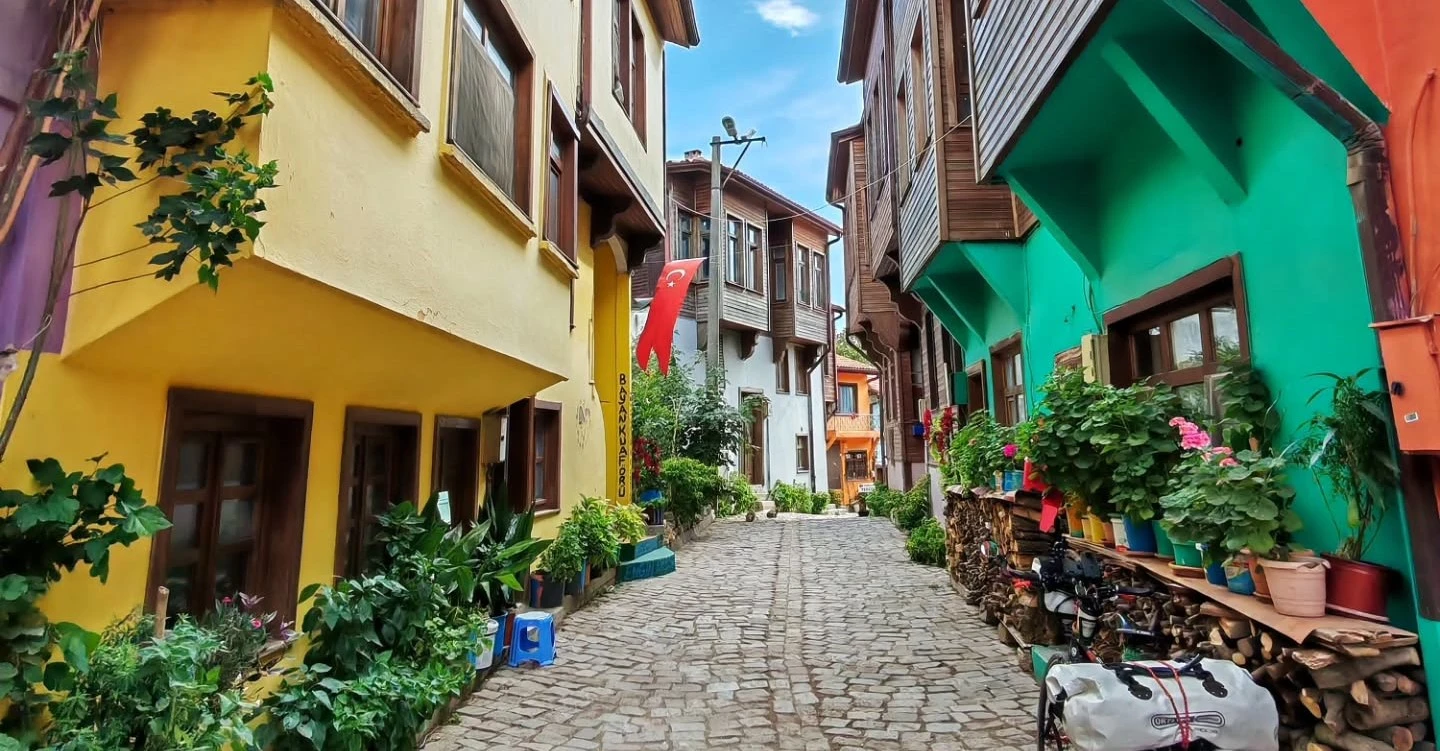
Add traditional Ottoman houses, early mosques, monumental trees and local olive culture to your Erdek itinerary.
View Edincik Guide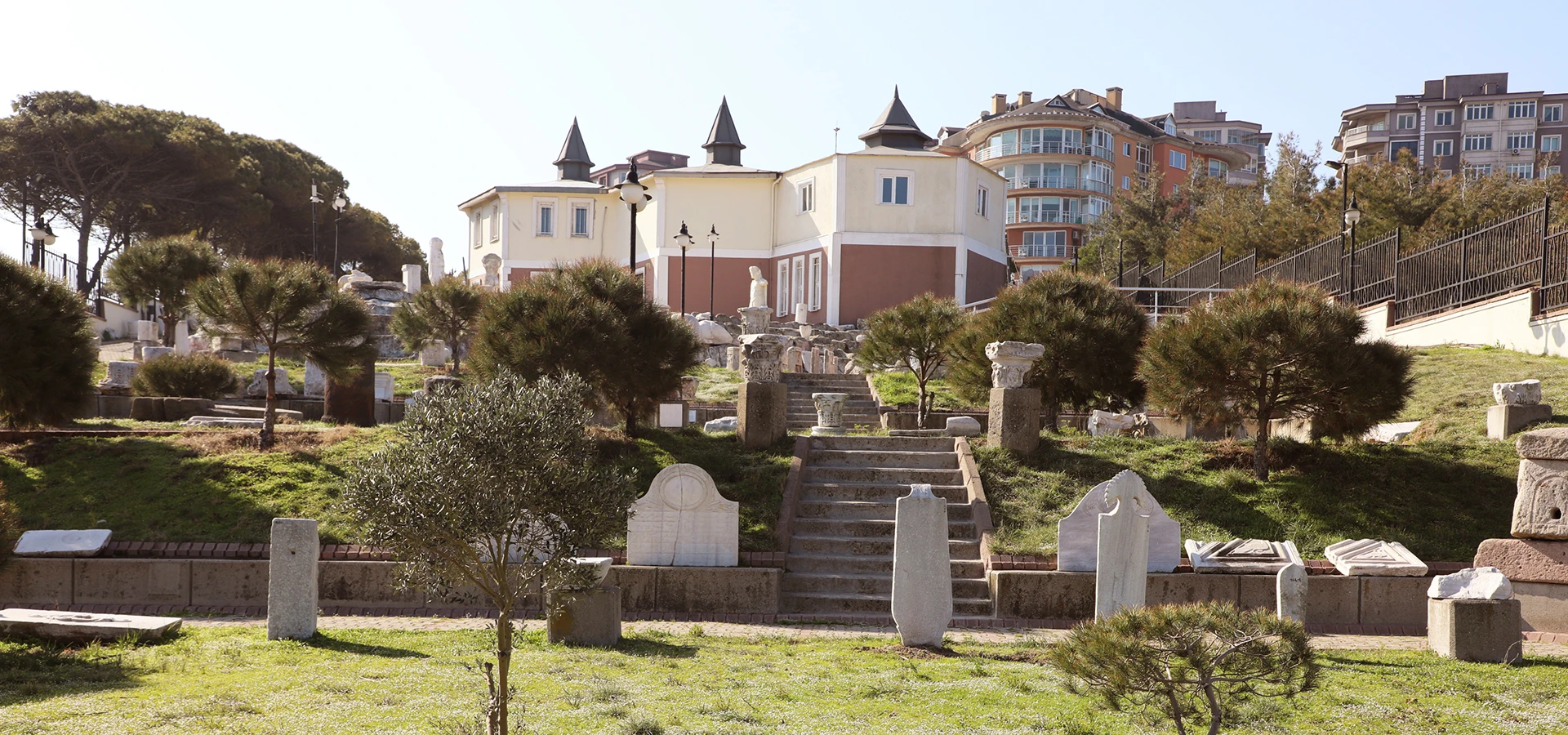
See objects from Kyzikos, Daskyleion and South Marmara after exploring the archaeological landscapes around Erdek.
View Bandırma Museum Guide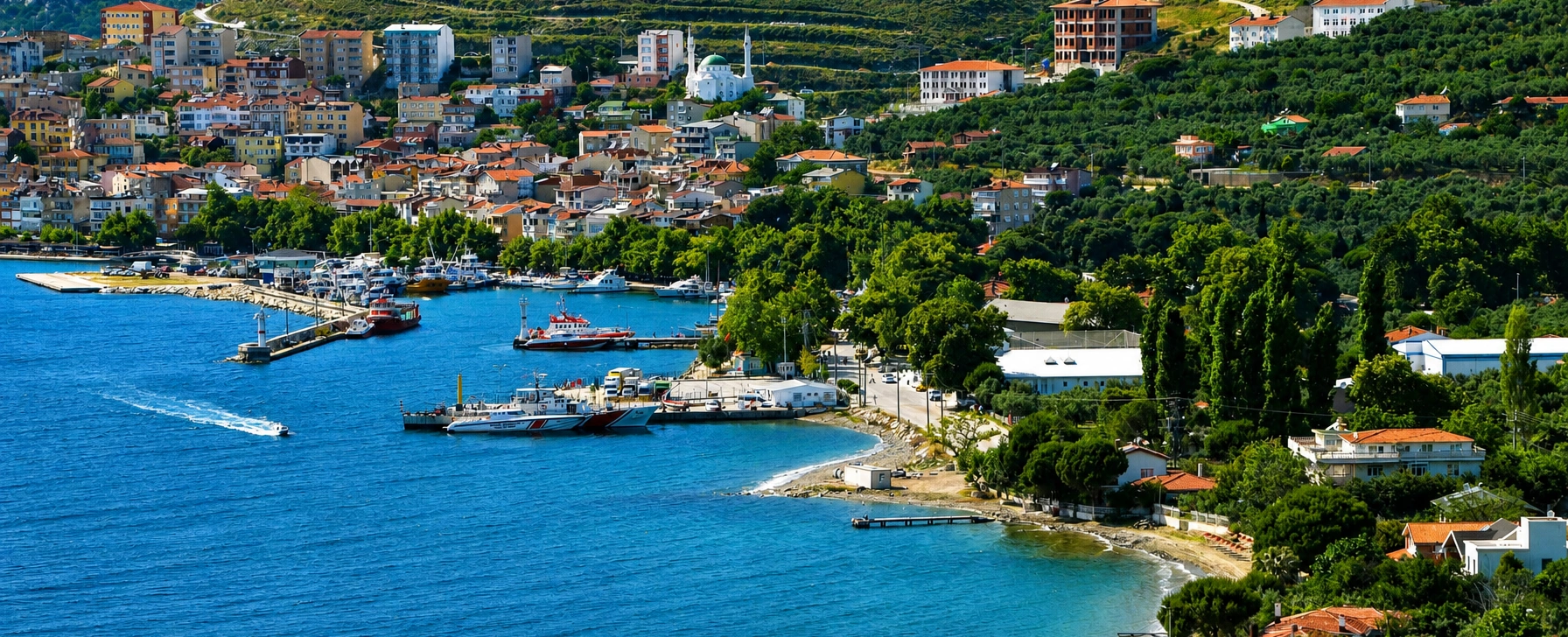
Continue by sea into the marble landscape of ancient Prokonnesos, Saraylar village and the northern Marmara islands.
View Marmara Island Guide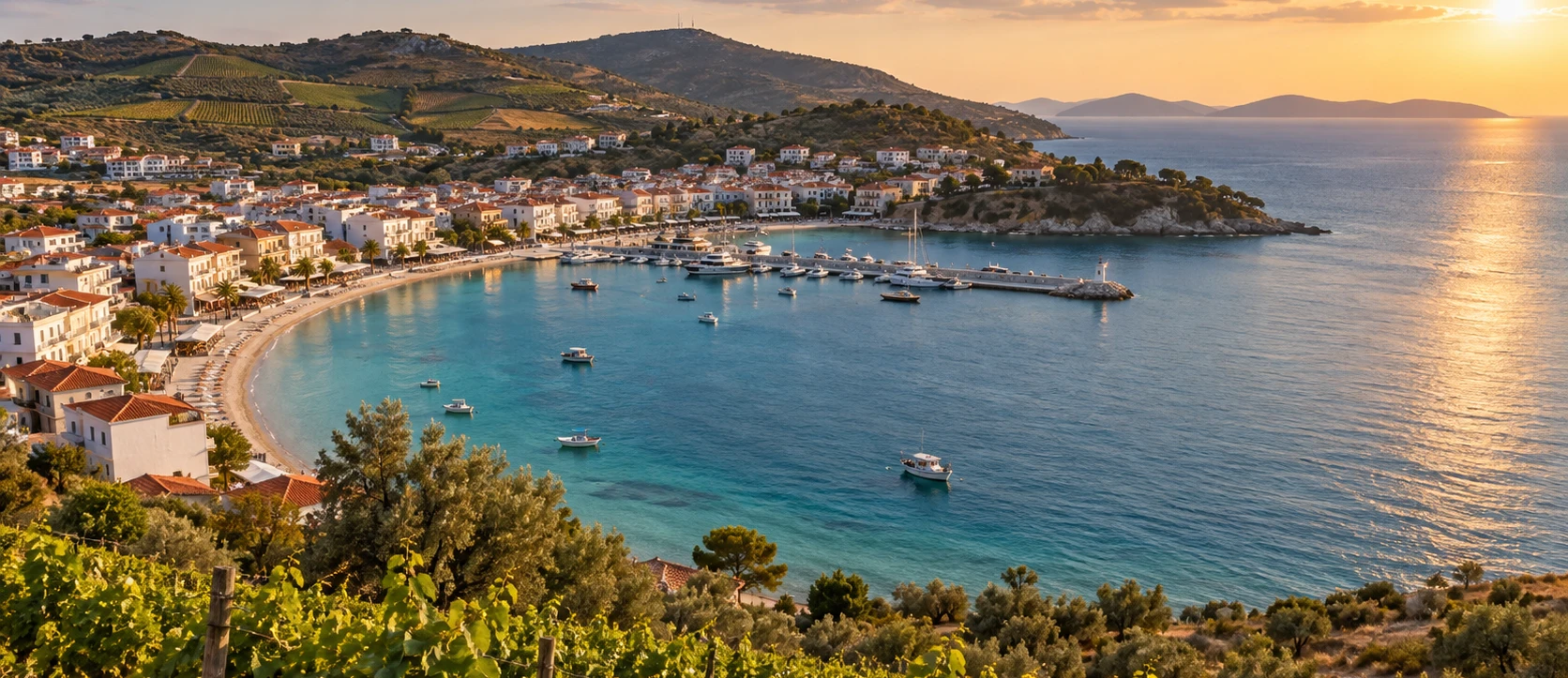
Extend your Erdek holiday with an island stay focused on beaches, summer villages and vineyard traditions.
View Avşa Island Guide