Private Kirazlı Monastery & Kapıdağ Heritage Experience
Ask us about a tailor-made route combining Panagia Faneromeni, Kapıdağ villages, forest scenery and the peninsula's layered sacred history.
Request a Custom Tour





Hidden among the wooded slopes of the Kapıdağ Peninsula near Erdek, Kirazlı Monastery is one of the most atmospheric Christian heritage sites in the South Marmara region. Known in Orthodox tradition as the Monastery of Panagia Faneromeni, the site once formed a large religious complex used by the Greek Orthodox communities of the wider Kyzikos and Artaki region.
The ruins visible today belong principally to a monumental 19th-century monastery complex. Official Turkish heritage sources identify the surviving fabric as a monastery, church and associated buildings constructed over a basement and two upper levels, while local historical accounts describe a major rebuilding in 1895 with around 99 rooms. The complex was abandoned in 1922, after which forest growth gradually enclosed its walls.
Yet the importance of Kirazlı Monastery is older than its final buildings. The monastery stands within the sacred landscape of ancient Kyzikos. Strabo described a sanctuary of Dindymene, the Mother of the Gods, on Mount Dindymon behind Kyzikos, and later Orthodox tradition associated the Faneromeni sanctuary with an earlier holy place. This does not prove that the surviving monastery stands directly on an ancient temple, but it does place the site within a landscape that had been considered sacred for many centuries.
The monastery's greatest fame came from the Panagia Faneromeni icon. Orthodox tradition regarded the image as miraculous, and the sanctuary drew large numbers of pilgrims. The icon was carried away when the local Greek Orthodox community left in 1922 and was deposited at the Patriarchal Church of Saint George in Istanbul, where it remains associated with the Ecumenical Patriarchate.
Kirazlı is not only a historical ruin. The site has again become a place of Orthodox worship. A traditional liturgy has been celebrated at the ruins in recent years, and on 23 August 2026 Ecumenical Patriarch Bartholomew once again presided over the service. That continuity gives Kirazlı Monastery a character very different from an abandoned church encountered simply as archaeology: it is simultaneously a ruin, a memory landscape and a living place of pilgrimage.
The monastery was one of the region's most important Marian pilgrimage centres and was closely associated with a revered icon of the Virgin and Child.
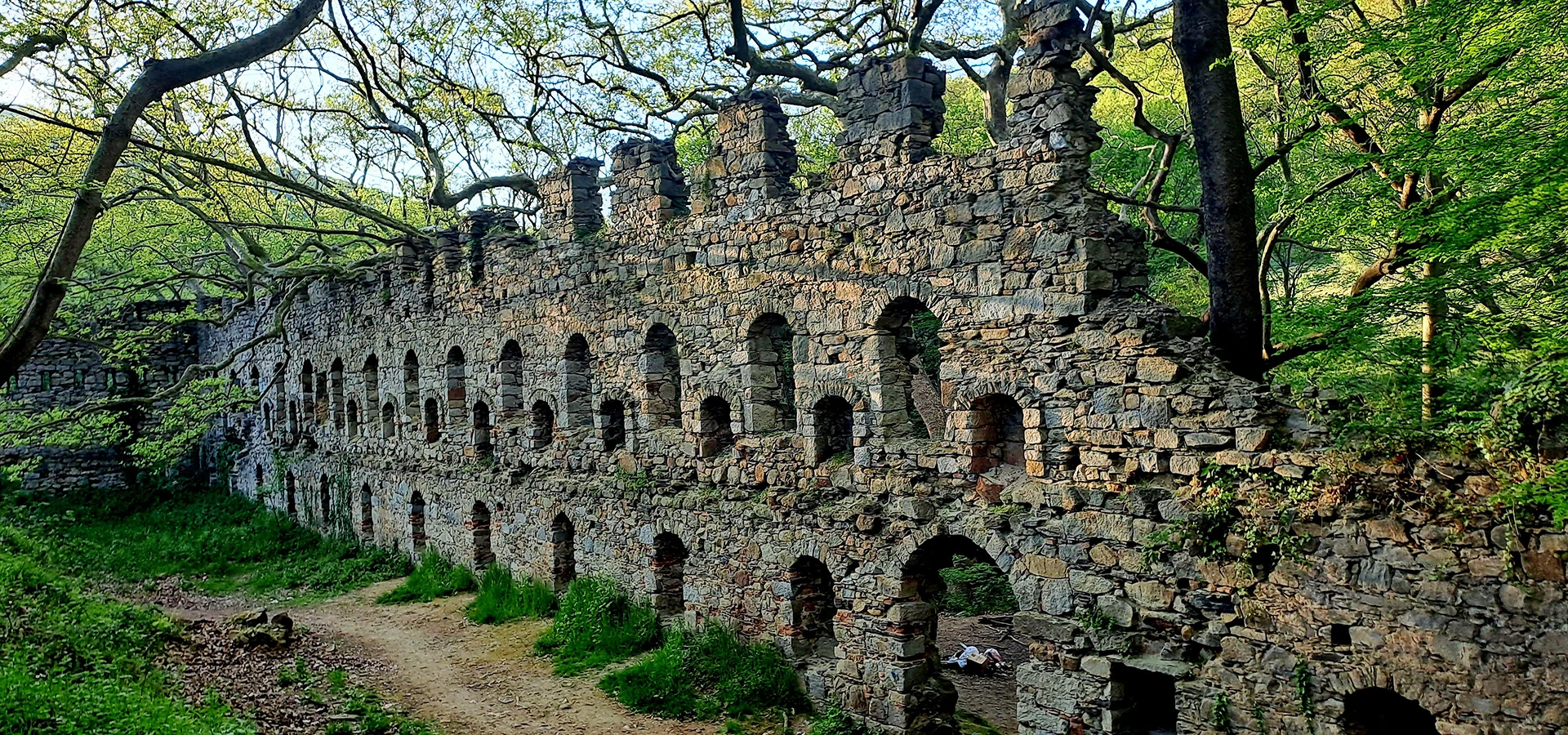
High masonry walls, church remains and traces of a once-extensive monastery survive beneath the dense vegetation of Kapıdağ.
The monastery belongs to a landscape linked in antiquity with Mount Dindymon and the cult of the Mother of the Gods at Kyzikos.
Orthodox liturgies have returned to the ruins, including a Patriarchal Divine Liturgy celebrated on 23 August 2026.
Essential information for understanding the history, religious importance and practical realities of visiting Panagia Faneromeni on the Kapıdağ Peninsula.
Kapıdağ Peninsula, Erdek District, Balıkesir Province, between Yukarıyapıcı and Ballıpınar.
Panagia Faneromeni, also written Phaneromeni; the dedication refers to the Virgin Mary "revealed" or "manifested".
The standing remains are principally associated with a large 19th-century Greek Orthodox monastery complex.
Local and official accounts commonly date the monumental monastery building to 1895.
Historical local descriptions refer to a complex of approximately 99 rooms; Patriarchal tradition remembers it as having about one hundred.
The sanctuary was associated with the revered Panagia Faneromeni icon, now kept in Istanbul within the Ecumenical Patriarchate.
The monastery was a major devotional centre for Orthodox Christians of Kyzikos, Artaki and the surrounding region.
The monastery ceased functioning as an inhabited institution in 1922 during the upheavals that transformed the region's Greek Orthodox communities.
Traditional Orthodox liturgies are again held at the ruins on authorised occasions, including the service of 23 August 2026.
Dense forest, mountain roads, streams and deep shade give the ruins one of the most secluded settings around Erdek.
Allow around 1–2 hours at the ruins, longer if combining the visit with hiking, villages or a Kapıdağ road trip.
Religious history, abandoned architecture, photography, forest scenery, Greek Orthodox heritage and slow cultural travel.
Kirazlı Monastery is worth visiting because it brings together ancient sacred geography, late Ottoman Greek Orthodox history, pilgrimage, ruined architecture and the wild landscape of Kapıdağ in one place.
The first reason is the setting. Many historic churches in western Türkiye stand within villages or archaeological sites. Kirazlı is different. The monastery appears almost unexpectedly among trees, and the forest has become part of the experience. Walls disappear into vegetation, openings frame leaves rather than city streets, and the silence gives the ruins a sense of separation from ordinary life.
The second reason is the monastery's connection with the Panagia Faneromeni icon. The site was not simply a local chapel. It was a pilgrimage destination connected with a revered Marian image and with traditions of healing and miraculous intervention. Understanding that devotional history changes the way the empty rooms and collapsed church are perceived.
The third reason is continuity. The monastery was abandoned as a functioning community in 1922, but its religious story did not end. The icon survived, the memory of the sanctuary survived among displaced Orthodox communities, and worship has returned to the ruins in the 21st century.
Finally, Kirazlı Monastery is an ideal companion to Kyzikos Ancient City. Kyzikos reveals the monumental pagan and Roman history of the peninsula; Kirazlı shows how sacred geography continued to be reinterpreted in the Christian and late Ottoman worlds.
Kirazlı Monastery lies on the Kapıdağ Peninsula in the Erdek district of Balıkesir Province. Official heritage information places the ruins on elevated ground between Yukarıyapıcı and Ballıpınar, around six kilometres west of Ballıpınar.
The site is inland rather than directly on the coast. Reaching it means leaving the busier Erdek shoreline and climbing into the peninsula's forested interior. The approach is part of the visit: olive landscapes and village roads gradually give way to denser woodland and a much more isolated mountain atmosphere.
The monastery is also geographically connected with Kyzikos. Traditional routes from the Bandırma–Erdek road pass near the ancient city before continuing through the Kapıdağ villages toward Yukarıyapıcı and the monastery area.
The modern Turkish name used on local signs, official tourism pages and maps.
The Orthodox dedication of the monastery to the Virgin Mary. Faneromeni carries the sense of something revealed or manifested.
Orthodox sources may connect the monastery with Artaki, the historic Greek name of Erdek and the community whose religious memory remained tied to the sanctuary.
Patriarchal texts also situate the monastery within the ecclesiastical and historical landscape of Kyzikos, the great ancient city at the base of Kapıdağ.
For travellers researching the site, these different names are useful rather than confusing. Turkish sources usually say Kirazlı Manastırı; Orthodox sources are more likely to use Panagia Faneromeni and refer to Artaki or Kyzikos.
The religious importance of the Kapıdağ landscape reaches far deeper into antiquity than the surviving monastery. The geographer Strabo described a mountain called Dindymon rising above Kyzikos and recorded a sanctuary of Dindymene, the Mother of the Gods, traditionally said to have been founded by the Argonauts.
Dindymene was an Anatolian mother-goddess figure closely associated with Cybele. Her cult belonged to the wider sacred geography of mountains, fertility and powerful maternal divinity that was deeply rooted in Anatolia.
Later local and Orthodox traditions connected the Faneromeni monastery with an earlier sacred place. This has sometimes been simplified into the statement that Kirazlı Monastery was "built on a pagan temple." That should be treated cautiously. The existence of an ancient sanctuary on Dindymon is securely attested by Strabo; the exact archaeological relationship between that sanctuary and the surviving Kirazlı monastery complex is much less certain.
Even without claiming a direct architectural continuity, the broader pattern is important. Kapıdağ was a sacred landscape in antiquity, and centuries later Christian communities also chose secluded mountain locations on the peninsula for churches, monasteries, springs and pilgrimage traditions.
The ruins visible today should not be confused with the beginning of the site's religious history. The large monastery building is generally associated with the late 19th century, but the Faneromeni pilgrimage tradition was already established before 1895.
A particularly important account comes from the Ecumenical Patriarchate. In a 2017 address at the monastery ruins, Patriarch Bartholomew recalled a tradition in which the revered Marian icon had earlier belonged to a coastal monastery called Sigriani, near the area of modern Kurşunlu. According to that tradition, the icon was later lost or forgotten and was rediscovered on 23 August 1846.
A chapel dedicated to Faneromeni was then established at the place of the discovery, and the sanctuary developed into the large monastery remembered by the local Orthodox community before 1922.
Other local sources preserve additional traditions, including the belief that the icon was associated with Saint Luke the Evangelist. Such attributions belong to devotional tradition and should not be presented as independently verified art-historical facts. What is historically clear is that the icon became the centre of a powerful regional pilgrimage cult.
Local official histories describe a major monastery building erected in 1895. The complex was remembered as containing approximately 99 rooms, while Orthodox recollection sometimes rounds the number to one hundred.
The size matters. A monastery of this scale was not simply a small residence for a handful of monks. It required accommodation, storage, circulation areas, spaces for worship and facilities capable of receiving visitors during important feast days.
Official cultural-heritage descriptions of the surviving masonry indicate a structure built over a basement with two upper storeys. Today only fragments of that once-large complex remain standing, but the height and length of surviving walls still communicate something of its former scale.
Historical local accounts describe roughly 99 rooms, reflecting the unusually large scale of the late 19th-century complex.
The monastery included a dedicated church at the centre of its devotional life; surviving wall and apse fabric remains visible.
The complex's size is consistent with the needs of a pilgrimage sanctuary receiving visitors from surrounding communities.
The mountain setting and nearby water sources were part of the monastery environment and remain central to the atmosphere of the ruins.
Kirazlı Monastery survives as a ruin rather than as a complete architectural monument, so visitors must reconstruct much of the original appearance from foundations, wall lines, window openings and changes in masonry height.
The Republic of Türkiye Culture Portal notes that the surviving foundations and wall remains indicate a building with a basement and two upper storeys. It also records that part of the church's south wall and apse wall remain standing.
The masonry uses local stone, giving the complex a strong visual connection with the Kapıdağ landscape. In places, tall walls pierced by repeated openings still suggest the rhythm of former rooms and corridors. Elsewhere, collapse has reduced whole sections to low foundations or stone spreads beneath vegetation.
Because roofs and floors have disappeared, the ruins can be misleading. Open sky now fills spaces that were once enclosed, while trees grow through what were once rooms. The most rewarding way to explore is to look for architectural clues rather than expecting a complete church interior.
The monastery church was dedicated to the Virgin Mary as Panagia Faneromeni. Although heavily ruined, it remains the symbolic centre of the site because the entire pilgrimage tradition developed around Marian devotion and the famous icon.
The surviving apse is especially important for reading the building. In an Orthodox church, the apse marked the sanctuary and liturgical east end. Even when much of the nave and roof have disappeared, the curve and orientation of an apse can help visitors understand where the altar area once stood.
Do not expect preserved fresco cycles or intact liturgical furnishings. Kirazlı's power today comes largely from absence: open masonry, vegetation, broken walls and the knowledge that the sacred objects once central to the monastery were removed when the community left.
The most important sacred object associated with Kirazlı Monastery was the Panagia Faneromeni icon, depicting the Virgin Mary with the Christ Child. Local and ecclesiastical traditions regarded the icon as miraculous, and pilgrims travelled to the monastery seeking intercession, healing and blessing.
The icon's history is surrounded by devotional narratives. One local tradition attributed it to Saint Luke, while the Ecumenical Patriarchate preserves a story of the image's earlier connection with the coastal monastery of Sigriani and its miraculous rediscovery on 23 August 1846.
These traditions are important because they explain the monastery's emotional and religious significance, even where they cannot be tested like an archaeological date. The sanctuary was not famous because of monumental architecture alone; it was famous because believers came to encounter the icon.
When the Orthodox community left the region in 1922, the icon was carried to Constantinople / Istanbul and entrusted to the Ecumenical Patriarchate. It is preserved in the Patriarchal Church of Saint George in the Fener district, maintaining a direct material link between today's Patriarchate and the abandoned monastery on Kapıdağ.
In the Orthodox tradition preserved by the Ecumenical Patriarchate, 23 August is closely tied to the story of Faneromeni. Patriarch Bartholomew's 2017 address recalled that the icon was rediscovered on 23 August 1846.
The date also falls on the Apodosis of the Dormition of the Theotokos — the conclusion of the Orthodox celebration of the Dormition of the Virgin. This gives the annual gathering both local historical meaning and a broader liturgical context.
In recent years, authorised services have once again been celebrated among the ruins. On 23 August 2026, Ecumenical Patriarch Bartholomew presided over the Divine Liturgy at Panagia Faneromeni with clergy and worshippers from different Orthodox communities.
The monastery was abandoned in 1922 during the violent political and demographic transformation that affected Greek Orthodox communities across western Anatolia. The wider compulsory population exchange between Greece and Türkiye was formalised in 1923, but many communities had already fled or been displaced during the preceding conflict.
According to the account preserved by the Ecumenical Patriarchate, local Orthodox refugees left most possessions behind but carried the Faneromeni icon with them. After a long journey, it was delivered to the Patriarchate in Istanbul together with its precious metal covering.
Without an active community to maintain it, the monastery deteriorated rapidly. Roofs failed, floors disappeared, stone was exposed to weather and vegetation reclaimed the complex. By the time modern travellers began seeking the ruins as a heritage destination, the forest itself had become inseparable from the site's identity.
Long stretches of masonry still rise above the forest floor and preserve repeated window and doorway openings.
Part of the apse wall survives, helping visitors identify the liturgical core of the monastery church.
Official heritage descriptions specifically note surviving portions of the church's southern wall.
Low masonry and wall divisions reveal the footprint of spaces that once belonged to a much larger residential complex.
Doorways and windows surviving without roofs create some of the site's most striking architectural views.
Trees, roots, moss and seasonal vegetation now grow around and through the ruins, creating the site's distinctive atmosphere.
Kirazlı should be approached as an unrestored ruin. There is no complete monastery interior to walk through in the conventional sense. The reward comes from understanding fragments and allowing the landscape to reconstruct the missing whole.
Kapıdağ is one of the greener landscapes of the South Marmara region, and Kirazlı Monastery occupies a particularly secluded part of the peninsula. The ruins are surrounded by mature woodland, seasonal undergrowth and small watercourses.
Spring brings fresh leaves and abundant ground vegetation. Summer provides deep shade but can also bring heat on the approach roads. Autumn is especially atmospheric when the forest changes colour, while winter creates a quieter and more exposed view of the masonry after leaves fall.
This natural setting is beautiful, but it also affects practical conditions. Paths may be muddy after rain, fallen branches can obscure routes, vegetation can hide uneven ground, and mobile reception may be inconsistent in parts of the interior.
Treat the monastery as a forest heritage site rather than a manicured archaeological park. Good shoes and a little self-sufficiency make the visit much more enjoyable.
For most of the year, Kirazlı feels like a silent forest ruin. On authorised feast-day celebrations, however, its character changes completely. Clergy, pilgrims and visitors gather among walls that otherwise stand empty.
Recent reporting states that the annual Meryem Ana service has been held again from 2015, with Ecumenical Patriarch Bartholomew presiding. The Patriarchate's own 2026 announcement confirms that the Divine Liturgy was celebrated at the ruins on 23 August 2026.
This makes Kirazlı especially important for heritage interpretation. It is not correct to describe it simply as a "former" sacred place. The resident monastic institution has disappeared, but religious attachment to the site continues.
Visitors who encounter the monastery during a service should remember that the ruins are functioning as a place of worship. Photography, movement and conversation should be discreet, and access to particular spaces may be restricted during the liturgy.
Official tourism directions describe an approach from the Bandırma–Erdek road through the Düzler area, passing close to Kyzikos Ancient City and continuing via Belkıs and Yukarıyapıcı toward the monastery.
From Yukarıyapıcı, the traditional route branches before the village reservoir and continues along a smaller road toward the ruins. Official heritage information places the monastery about 17 kilometres from the Bandırma–Erdek highway by this route and about six kilometres west of Ballıpınar.
Drive toward the interior Kapıdağ villages and follow the Yukarıyapıcı / Kirazlı Manastırı route rather than staying on the coastal holiday road.
Approach Erdek via the main highway, turn inland through the Düzler–Kyzikos area and continue toward Belkıs and Yukarıyapıcı.
The monastery lies roughly six kilometres west of the village, but road condition and route choice should be checked locally.
The most flexible option because the site lies away from the main coastal transport corridors and is best combined with other Kapıdağ stops.
A practical alternative if you are staying in Erdek without a car; arrange both the outward and return journey before setting off.
Possible as part of longer Kapıdağ routes, but use a reliable track and offline navigation rather than treating the forest as an informal shortcut.
Road quality in the interior can change with weather, forestry work and seasonal maintenance. Do not build a tight itinerary around an assumed driving time. Check the route locally, especially after heavy rain.
Kirazlı Monastery is generally encountered as an open ruin in a forest setting, not as a staffed archaeological museum with a ticket office, turnstiles and fixed interpretation panels.
Reliable official information about permanent daily opening hours or a standard admission fee is limited. Access conditions can also change temporarily because of conservation work, religious services, forestry operations, road conditions or local administrative decisions.
For that reason, visitors making a special journey should confirm current conditions through local tourism contacts or accommodation providers in Erdek before departure. This is particularly important if you are visiting on or around 23 August, when religious events may change access and parking arrangements.
Do not confuse "apparently open" with "fully safe." Ruined walls, loose masonry and uneven floors require sensible caution even when there is no formal barrier.
Lush and quiet, with fresh vegetation and streams, but expect wetter ground and changing mountain weather.
Excellent for combining the monastery with Kapıdağ villages and Kyzikos before the strongest summer heat.
Dryer and easier for road access, though midday heat can be strong. August also brings the monastery's principal modern pilgrimage period.
A historically and liturgically significant date connected with Faneromeni. If a service is planned, expect a very different atmosphere and possible access controls.
One of the best periods for photography, softer temperatures and the first autumn colour in the Kapıdağ forests.
Atmospheric but less predictable. Rain, mud, fog and poorer road conditions can make a remote forest ruin more demanding.
For most independent cultural travellers, May, June, September and October provide the easiest balance of comfortable walking and scenic forest conditions.
Enough only for a quick look at the principal walls and church remains if you are already passing through the area.
A sensible minimum for slowly examining the architecture and photographing the forest setting.
Ideal for most visitors who want time to understand the church, monastery plan and landscape without rushing.
Best if you add Yukarıyapıcı, scenic forest roads, short walks or a relaxed village lunch.
Combine Kirazlı with Kyzikos, Erdek and one or two Kapıdağ villages for a strong regional heritage route.
Allows you to explore both sides of Kapıdağ, include coastal villages and avoid turning mountain travel into a race.
Kirazlı Monastery should not be expected to offer the accessibility standards of a restored museum. The site includes uneven natural ground, rubble, vegetation, slopes and ruined masonry.
Visitors with limited mobility may be able to reach the general area by vehicle depending on road conditions, but moving through the ruin itself can be difficult. There may be no continuous smooth path between the most interesting architectural sections.
Wheelchair users or travellers who require step-free access should confirm current conditions locally before making a special journey. A private vehicle and companion assistance may help, but they cannot eliminate the fundamental limitations of the terrain.
After rain, even otherwise manageable sections can become muddy and slippery. Dry-weather visits are usually easier for anyone with balance or mobility concerns.
Standing masonry is historic and can contain loose stones. Climbing damages the site and creates unnecessary risk.
Roots, hidden stones, collapsed wall lines and leaf-covered holes can be difficult to see in deep shade.
High wind, heavy rain and thunderstorms make both the forest approach and unstable masonry less predictable.
Download your route before entering the peninsula's interior in case mobile data becomes unreliable.
Do not assume that refreshments will be available at the monastery itself.
Unless you are attending an organised event, complete your visit with enough daylight to negotiate forest roads safely.
Frame the forest through old windows and doors to show how completely nature has reclaimed the monastery.
Use the surviving curve of the apse to communicate the building's former sacred function.
Photograph the relationship between masonry, roots and trunks rather than isolating the ruins from their setting.
Overcast conditions and early or late light can reveal stone texture better than harsh midday contrast.
A carefully positioned person can help communicate the surprising height of surviving walls without touching the structure.
Ask before photographing clergy or worshippers closely and avoid turning an active liturgy into a photo opportunity.
Kirazlı is most photogenic when the images communicate silence, scale and abandonment. Wide-angle compositions work well, but details such as old masonry joints, plants emerging through openings and worn thresholds often tell the story more effectively than a single dramatic overview.
Kirazlı can be fascinating for children who enjoy ruins, forests and stories, but it is not a controlled playground or fenced museum environment.
Older children can be encouraged to identify the difference between a room wall, an arch, a church apse and a collapsed section. The story of an icon carried away from an abandoned monastery also gives the site a human dimension that is easier to understand than architectural dates alone.
Younger children require close supervision because of uneven ground, loose stone, vegetation and the possibility of sudden drops beside ruined walls. Do not allow climbing or running through unstable areas.
For a family day, combine the monastery with a village lunch, a stop at Kyzikos or time by the sea in Erdek so that the forest ruin is one memorable part of a varied itinerary rather than the entire day.
Loose stones, ceramic fragments and architectural pieces belong to the historical context even if they appear ordinary.
Climbing accelerates damage to already fragile masonry and can dislodge stones onto other visitors.
If a service is underway, behave as you would in an active church: dress respectfully, keep voices low and follow local instructions.
The remote forest setting has limited services. Carry all litter back out with you.
Do not light fires or discard cigarettes around the wooded site, especially in the dry summer season.
Buy food, drinks or local products in nearby communities and make the heritage visit part of the local economy.
Save an offline map before leaving Erdek or Bandırma.
Uneven stone, leaves, mud and roots make sandals a poor choice.
Carry what you need rather than relying on facilities at the ruins.
Rain changes both road and walking conditions in the forest.
Kapıdağ's interior roads are slower than the distance on a map may suggest.
If visiting near 23 August, check whether a liturgy is planned and whether access arrangements differ.
The forest is shaded, but approaches can be exposed and insects are seasonal.
Use navigation and local directions together rather than assuming every junction will be clearly marked.
Explore Erdek, devote proper time to Kyzikos Ancient City and then continue into the peninsula for Kirazlı Monastery and its forest setting.
Follow a relaxed road trip through selected villages such as Ballıpınar and other coastal settlements, combining scenery, local food and beach stops.
Two days are especially rewarding because Kirazlı Monastery is not an isolated attraction. Its history makes much more sense when seen together with Kyzikos, the mountain landscape and the Greek Orthodox village history of Kapıdağ.
The essential archaeological counterpart to Kirazlı, preserving the ancient urban world that once dominated the southern approaches to Kapıdağ.
The peninsula's main tourism centre and the best practical base for accommodation, restaurants and transport.
A northern Kapıdağ village near the monastery route and useful for extending the day toward the coast.
The inland village most closely associated with the modern access route to Kirazlı Monastery.
A local sacred landscape near Erdek associated with a historic spring, old plane trees and layers of Christian and folk tradition.
Forest roads, fishing villages and mountain viewpoints make the wider peninsula far more than a single-site excursion.
Add wetland ecology and birdlife to a wider Balıkesir itinerary after exploring Erdek and Kapıdağ.
Continue inland for thermal heritage, archaeology and a different chapter of South Marmara history.
There are no dependable visitor facilities at the monastery itself, so plan meals around Erdek or the surrounding villages. The strongest choices reflect the peninsula's sea, olive groves and village agriculture.
Erdek and Kapıdağ's coastal villages are natural places to ask for the day's local catch.
A relaxed meze lunch or dinner fits naturally into a peninsula road trip.
Olive cultivation is part of Erdek's long agricultural history and a defining flavour of local tables.
Cheese, eggs, tomatoes, olives, bread and preserves make a practical start before driving into the forest.
Look for simple vegetable dishes and salads that reflect what is locally available.
The province has a strong dairy tradition, making regional cheeses a good addition to breakfast or meze.
It is on the Kapıdağ Peninsula in Erdek district, Balıkesir Province, between the villages of Yukarıyapıcı and Ballıpınar.
It is associated with the Orthodox dedication Panagia Faneromeni, also written Phaneromeni.
The surviving monumental complex is associated with the 19th century, and local official accounts commonly give 1895 for the large monastery building.
Yes. The Faneromeni pilgrimage tradition predates the large 1895 building. The Ecumenical Patriarchate preserves a tradition that a chapel developed after the icon was rediscovered in 1846.
Local official histories describe the late 19th-century complex as having 99 rooms, while Patriarchal recollection refers to roughly one hundred rooms. The number should be understood as a historical description of the monastery's scale.
High masonry walls, foundations, room divisions and heavily ruined church fabric survive. Official heritage information specifically mentions part of the church's south wall and apse wall.
It is the monastery's Marian dedication and the name associated with the revered icon of the Virgin Mary that made the sanctuary an important pilgrimage centre.
The icon was carried to Istanbul in 1922 and is preserved within the Ecumenical Patriarchate at the Patriarchal Church of Saint George in Fener.
Some local devotional traditions attribute the icon to Saint Luke, but this should be understood as religious tradition rather than an independently established art-historical attribution.
Patriarchal tradition gives 23 August 1846 as the date of the icon's rediscovery. The date also corresponds with the Orthodox liturgical conclusion of the Dormition feast.
Yes, on authorised occasions. A traditional Orthodox liturgy has been revived in recent years, and Ecumenical Patriarch Bartholomew presided at the ruins on 23 August 2026.
The monastery community left in 1922 during the upheavals that displaced the region's Greek Orthodox population.
Orthodox and local traditions connect the site with an earlier sacred place. Strabo securely records a sanctuary of Dindymene, Mother of the Gods, on Mount Dindymon above Kyzikos, but the precise archaeological relationship between that sanctuary and the surviving monastery is not firmly established.
In antiquity it was a sacred mountain associated with Kyzikos. Strabo recorded a sanctuary there dedicated to Dindymene, the Mother of the Gods.
No. It is best understood as an extensive forest ruin with standing walls and heavily damaged church remains rather than a restored monument.
A dependable permanent ticketing policy is not consistently published. Confirm current conditions locally, especially if you are making a special journey.
The site does not operate like a conventional staffed museum with clearly published year-round hours. Access can change, so check locally before travelling.
The traditional route goes inland through the Düzler / Kyzikos area toward Belkıs and Yukarıyapıcı, then follows smaller roads toward the monastery.
It is possible with an arranged taxi or local driver, but independent public transport is less convenient because the ruins lie in the peninsula's interior.
Allow around one to two hours at the site itself. A half day is better if you want a forest walk or nearby village stop.
May, June, September and October are excellent for comfortable walking and forest scenery. August is especially meaningful if you are interested in the modern pilgrimage tradition.
Yes for supervised children who enjoy ruins and nature, but the ground is uneven and the masonry is unstable in places.
Accessibility is limited because the site is an unrestored forest ruin with uneven terrain. Visitors with mobility requirements should verify current conditions before travelling.
General photography of the ruins is normally part of the visitor experience. During an active religious service, photograph worshippers and clergy only with appropriate sensitivity and permission.
Yes. This is one of the best combinations in Erdek because Kyzikos provides the ancient historical context while Kirazlı reveals the peninsula's later Christian sacred landscape.
For travellers interested in religious heritage, abandoned architecture, Greek Orthodox history, photography or forest landscapes, Kirazlı is one of the most distinctive sites on the Kapıdağ Peninsula.
A private route can connect Kirazlı Monastery with Kyzikos Ancient City, Erdek and the villages of the Kapıdağ Peninsula, creating a day focused on archaeology, sacred landscapes, Greek Orthodox heritage and places rarely included in standard Türkiye programmes.
Tell us whether your priority is early Christianity, Greek Orthodox heritage, ancient Kyzikos, photography, hiking or a complete South Marmara itinerary, and we can shape the programme around your interests.
Ask us about a tailor-made route combining Panagia Faneromeni, Kapıdağ villages, forest scenery and the peninsula's layered sacred history.
Request a Custom Tour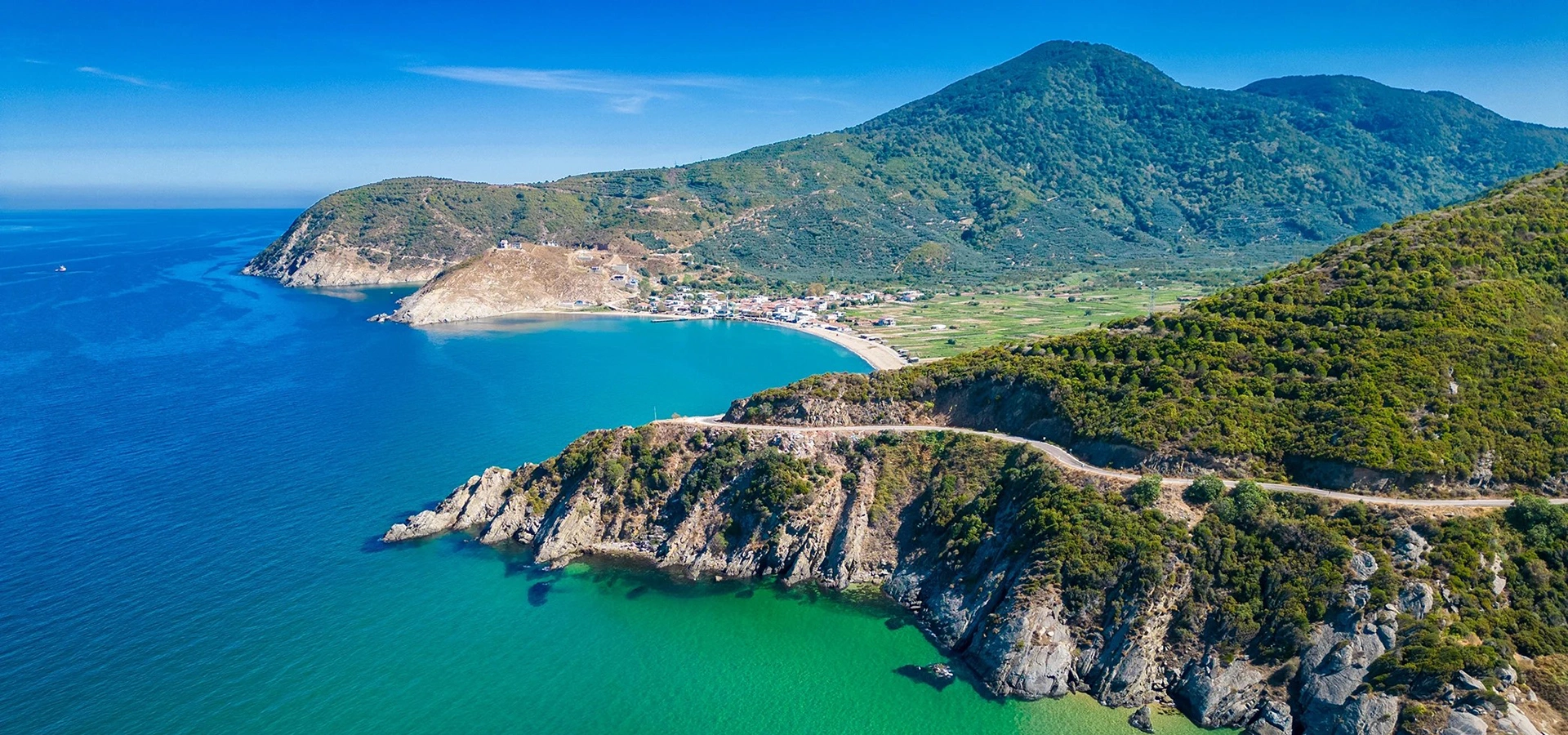
Explore the ancient city below Mount Dindymon and understand the classical landscape behind Kirazlı Monastery's later sacred traditions.
View Kapıdağ & Cyzicus Guide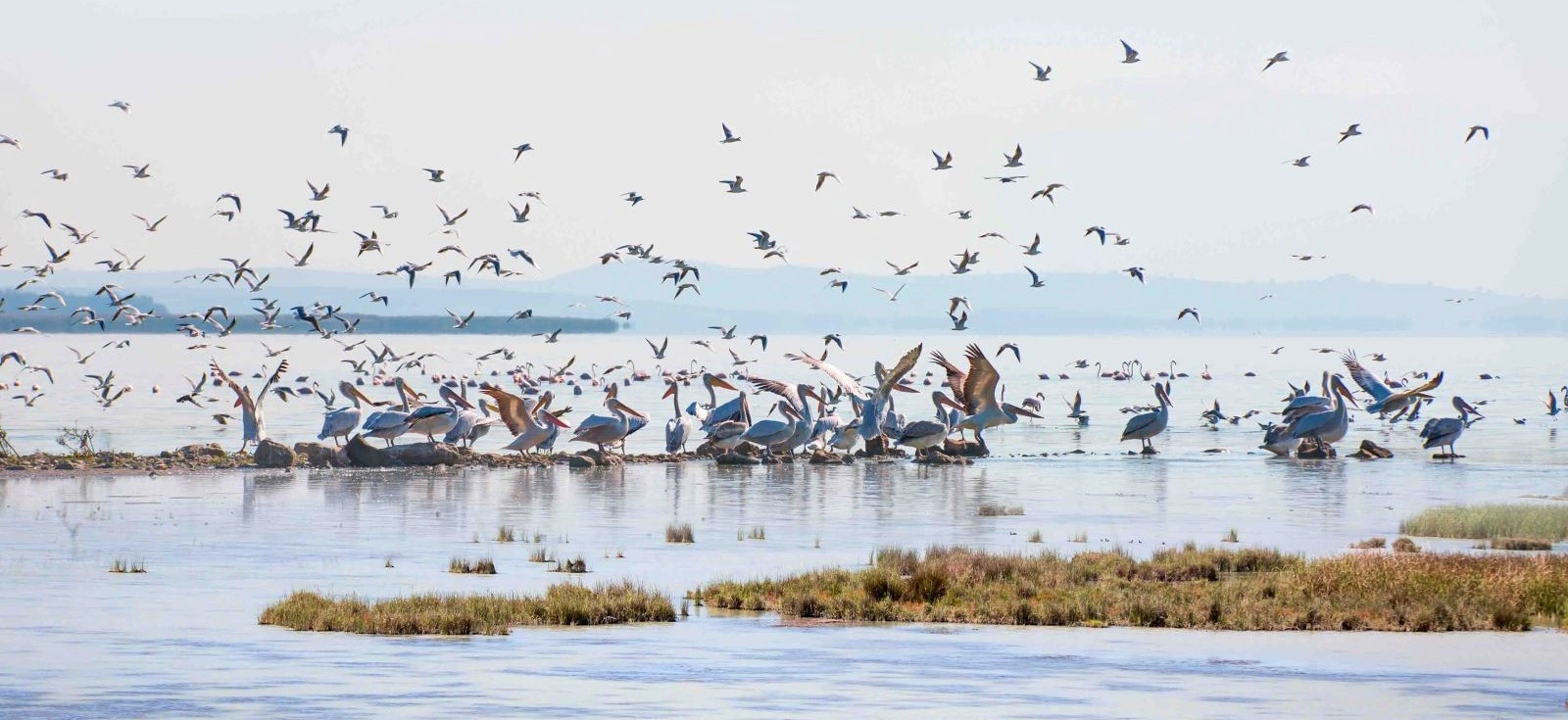
Add one of Türkiye's most important wetland landscapes to a South Marmara itinerary built around archaeology and forest heritage.
View Lake Manyas Guide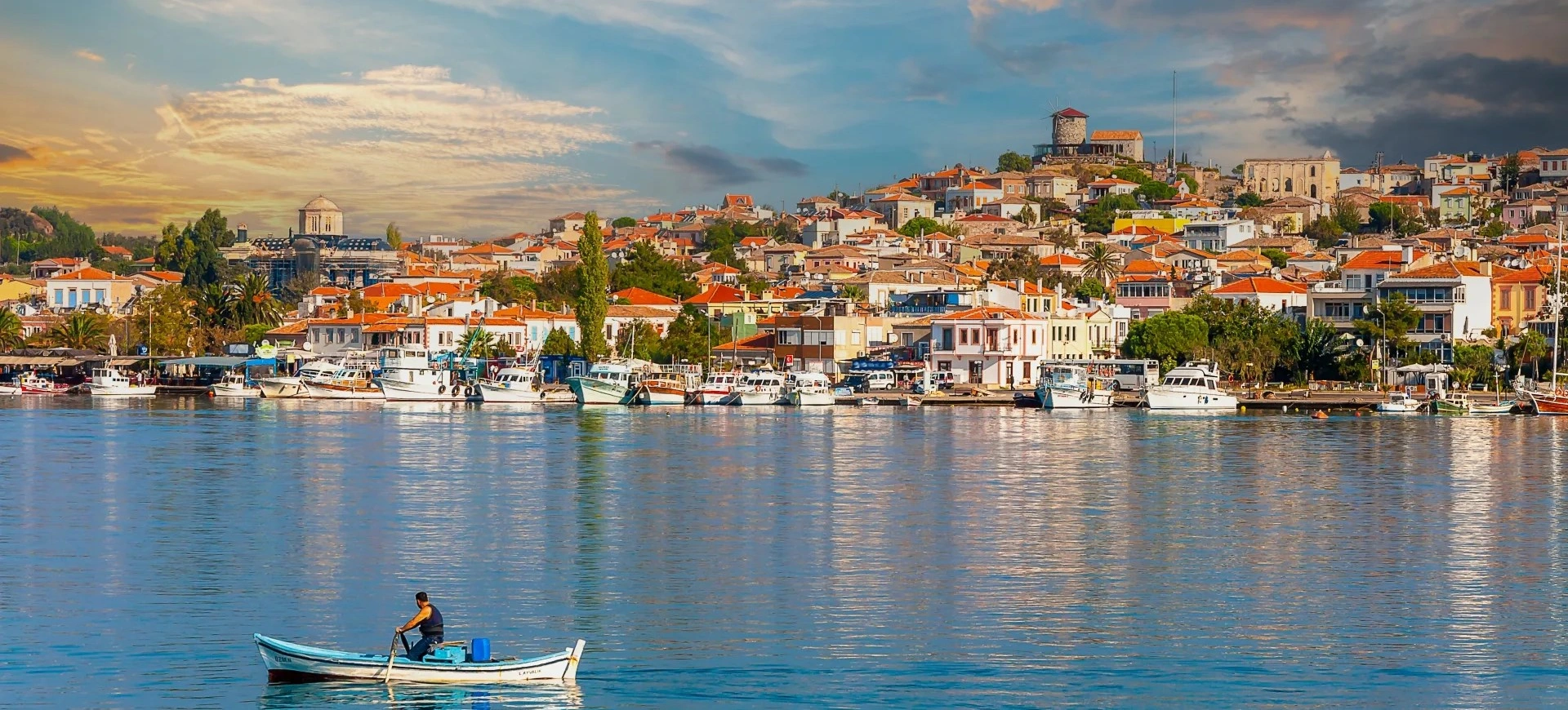
Combine Erdek, Kirazlı Monastery, Kyzikos, Gönen, Lake Manyas and other rarely visited Balıkesir sites in a private multi-day programme.
Plan a Private Route