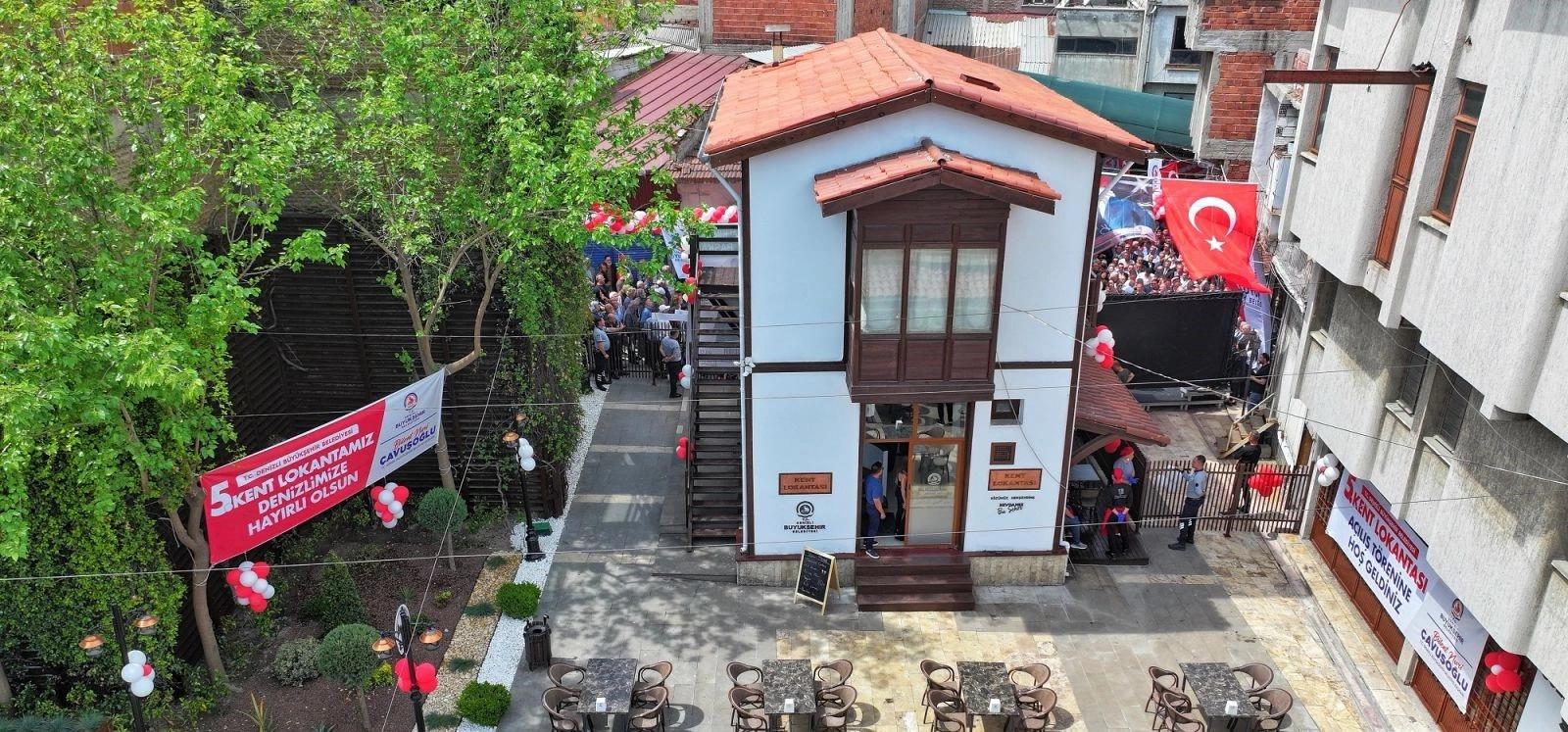
Denizli Kaleiçi Bazaar
Explore the old commercial district, artisan streets and the history of Denizli’s medieval castle.
Explore Historic Kaleiçi





Ask what represents Denizli, and many local people will point to the Denizli rooster (Denizli Horozu). Famous for its striking plumage, proud stance and unusually long, harmonious crow, this distinctive native chicken breed has become a symbol of the city. Its story combines the knowledge of local breeders, the conservation of animal genetic resources and a sense of shared civic identity.
The symbol is visible even to visitors who never encounter a live bird. At Delikliçınar Square, the celebrated Glass Rooster Statue (Cam Horoz Heykeli) uses thousands of handcrafted coloured-glass elements to depict Denizli’s best-known animal. Unveiled in 2013, the artwork is a popular photography stop and a landmark in the modern city centre.
The history is richer than a single sculpture. The region’s agricultural authorities document the breed’s physical and vocal characteristics, while conservation programmes work to maintain its genetic identity. Meanwhile, ancient rooster imagery found at nearby Laodicea reveals that the animal motif has a long history in the wider Lycus Valley—although ancient imagery alone cannot prove the exact age of today’s breed.
Our guide explains what makes a Denizli rooster special, the meaning of its crow, traditional varieties, conservation, the glass sculpture, how to visit the city-centre landmark, and ways to connect it with Denizli City Museum, Kaleiçi Bazaar and the UNESCO landscape of Pamukkale and Hierapolis.
Discover why the breed’s musical call—not just its appearance—makes it special.
Learn how generations of careful breeding helped preserve a regional identity.
Visit the colourful artwork in Delikliçınar, unveiled in August 2013.
Understand why protecting this breed matters beyond tourism and souvenirs.
A practical introduction to the famous bird and its most accessible monument.
Denizli Horozu – a distinctive native breed of chicken, especially known for its males.
A prolonged, tuneful crow; official descriptions report around 20 seconds for a good young rooster.
The Glass Rooster Statue stands in the Delikliçınar / Çınar Square area of central Denizli.
21 August 2013, according to Denizli Metropolitan Municipality.
Municipal descriptions cite approximately 7,000 handmade glass elements.
Public agricultural breeding programmes help preserve the local genetic line.
No ticket is needed to view the sculpture from the public square.
Allow 15–30 minutes for the monument; 1–2 hours for a combined historic-centre walk.
The Denizli rooster is unusual among city emblems because the symbol is also a living, locally developed animal breed. Understanding its appearance, voice and the people who have raised it gives visitors a glimpse into the region’s agricultural traditions.
The story is also highly visible. The coloured Glass Rooster Statue brings the bird into Denizli’s everyday urban life, offering a natural starting point for a city-centre walk. Its design combines the rooster with glass craftsmanship and a base that evokes regional stone and the whiteness of Pamukkale.
For history-minded travellers, rooster motifs discovered at ancient Laodicea introduce another layer: the bird has held meaning in the Lycus Valley for many centuries. For families, photographers and visitors with limited time, the public monument is an easy, memorable stop.
Recognise the difference between a generic rooster and the native Denizli breed.
Learn how breeders value melodic pacing, clarity and length.
The glass sculpture is a favourite meeting point and photo subject.
Modern conservation programmes protect a resource shaped by local knowledge.
Link the story to Denizli museums, trade streets and ancient Laodicea.
See the artwork independently without a museum ticket or fixed tour time.
The Denizli rooster is the male of a recognised Turkish local chicken breed associated with Denizli province. It is not a separate animal species and not simply a decorative nickname for any colourful farmyard rooster. Local agricultural records describe a distinctive combination of body shape, colouring and vocal behaviour.
A typical description includes long, strong legs, a long neck, a wide chest, a pronounced upright tail and dark eyes that appear outlined. Roosters often display a combination of black, pale and warm-coloured feathers, with darker legs and a prominent comb.
An official provincial breed profile lists average adult male weight at roughly 3–3.5 kg. As with any livestock breed, an individual bird’s weight, colour and vocal performance vary according to age, line, health and husbandry.
Domestic chicken (Gallus gallus domesticus), local Denizli breed.
Tall stance, strong neck, broad chest, upright tail and expressive dark eyes.
Provincial descriptions report around 3–3.5 kg for an adult male.
The Denizli hen is generally darker and is also essential to preserving the breed.
The distinctive long, rhythmic crow is a key feature of breeder tradition.
A real Denizli rooster and the Delikliçınar glass statue are different subjects.
The Denizli rooster’s exact beginnings are difficult to date. Official Turkish agricultural and cultural sources consistently describe it as a regional breed shaped by the care local people have long devoted to long-crowing birds. It is safer to describe that tradition than to assign a specific ancient founding year.
One frequently repeated tale claims that long-crowing roosters from Berat in Albania arrived through Istanbul during the Ottoman period and were crossed with local chickens. The Denizli Provincial Directorate of Agriculture and Forestry explicitly disputes this explanation, pointing to differences in appearance and breed structure. It should therefore be presented as a story, not an established origin.
The breed eventually became an emblem associated with Denizli’s independent regional character. Today it appears in local public art, promotional imagery, educational material and accounts of the region’s agricultural heritage.
Breeders valued long, pleasing crowing rather than a single imported pedigree legend.
No exact formation date for the modern breed is established by the official profiles.
A popular Ottoman-era origin theory is rejected by the provincial agriculture authority.
The rooster now represents Denizli in art, tourism and civic identity.
The Denizli rooster’s best-known distinction is its extended and harmonious crow. A normal rooster call can be relatively short, whereas selected Denizli males are valued for calls that unfold over a noticeably longer musical sequence.
The provincial agriculture authority describes good first-year birds as crowing for around 20 seconds, with some increasing in duration in their second and third years. Another official overview gives a first-year range of 20–25 seconds. These are breed descriptions, not a promise that every rooster will crow for that exact length or a verified universal record.
Length alone does not determine quality. Traditional judging also pays attention to the beginning and ending of the call, a pleasing progression of tempo, tonal clarity and the bird’s posture during performance. The province’s own guide notes that the way a crow starts and finishes can matter even more than duration.
Like other roosters, Denizli birds vocalise for behavioural and biological reasons, including communication and territorial signalling. Their heritage is the unusually developed form of that call, maintained through human selection over generations.
A prized crow may continue for around 20 seconds or more, depending on the bird.
Breeders value a call that builds smoothly and resolves rather than stopping abruptly.
The tone may be deep, high or the traditional davudi category.
A clean, well-formed call is regarded as more desirable than a harsh or broken one.
Age, condition and breeding line all influence performance.
Visitors should not expect a live crowing performance at every tourist landmark.
Official descriptions classify Denizli rooster voices by tone and by clarity. The familiar tone names are ince (high), kalın (deep) and davudi, a resonant voice category used in local descriptions.
Breeders also distinguish between net (clear), hüzünlü (plaintive), dalgalı (wavering) and cırlak (shrill) sound. These are traditional descriptive categories rather than an international laboratory scale, and preferences can differ among breeders.
Another distinction is between a short, broken or preliminary call and the full crow that demonstrates the bird’s potential. When hearing a recording, notice the changing pitch and pace rather than looking only at a stopwatch.
A comparatively thin or high-pitched crow.
A fuller, lower or deeper tone.
A traditional term for a resonant vocal character.
A clear call; generally appreciated in breed descriptions.
A plaintive or melancholy-sounding call, described as uncommon.
Wavering or shrill qualities that are not usually the preferred breeding ideal.
Denizli agricultural sources describe four named postures observed when a rooster gives its full call. These labels are part of the breed’s rich local vocabulary. They help explain why the performance is judged visually as well as audibly.
The terms should be understood as traditional classifications of the rooster’s body position during crowing, not as claims that the bird imitates another animal’s sound. The precise stance can vary from one rooster to another.
The head and neck lift, while the neck feathers may flare like a mane.
The neck reaches upward as the rear of the body lowers.
The bird keeps a balanced stance, expands its chest and projects the head.
The rooster crouches low; official descriptions generally regard this less favourably.
There is more than one recognised appearance within the Denizli breed. Official descriptions refer to names such as Demirkır, Pamukkır, Al, Pekmez Kefi and Kürklü. The provincial agriculture website also uses slightly different naming in its general regional overview, including Kınalı and Siyah.
These are traditional colour or appearance classifications, not different species. Some sources provide five named types and others six; the lists should not be forced into a single supposedly universal set.
The appeal of a Denizli rooster lies in its overall balance: strongly defined shape, rich feather pattern, dark eyes and legs, healthy movement and a crow appropriate to the breed.
A traditional dark iron-grey or black-dominant pattern.
A paler pattern with more prominent white feathers than Demirkır.
Brown or dark-gold highlights may occur on wings and the back.
A warmer red-and-dark pattern resembling the familiar farmyard rooster.
A rare look with rows of dark feathers at the back of the neck.
Additional category names mentioned in another provincial official overview.
Beyond colour, Denizli rooster keepers have historically distinguished birds by their body carriage. The agriculture directorate records three descriptive types: Yüksek Boyun (high-necked), Sülün (pheasant-like) and Küpeli.
The high-necked type stands with a particularly prominent upright neck. The pheasant-like type has a lower, more angled carriage and is traditionally associated with an expressive posture. The Küpeli type is described in colourful local language, drawing attention to a theatrical head movement and the way it prepares to crow.
Comb shape also features in formal breed descriptions, which refer to broader and narrower combs. These classifications show how much visual attention has been devoted to breeding and evaluating the bird.
An upright, robust and prominently held neck.
A relatively sloping, pheasant-like stance and characteristic wing carriage.
Recognised for an expressive head and poised preparatory movements.
Breeding notes distinguish broad and narrow combs.
The rooster attracts the attention, but Denizli hens are essential to preserving the breed. Provincial records commonly describe hens as predominantly black, sometimes with lighter colouring around the neck. Their body proportions and genetic contribution matter to the continuity of the flock.
Newly hatched chicks are typically dark. Their feather colours become more recognisable as they grow and moult. Poultry specialists evaluate much more than the appearance of one bird: breeding programmes consider pedigree, health, reproduction and the preservation of characteristic features.
The rooster’s famous crow develops as the bird matures; a young chick is not a miniature long-crowing performer. Visitors hoping to see or hear a live bird should look for a genuinely authorised educational opportunity rather than assuming that a city statue or ordinary pet shop offers a verified breed encounter.
Usually dark-feathered and important to maintaining the breeding population.
Generally dark when hatched; feather patterns develop with age.
A full adult male crow develops as the bird matures.
Humane care, health and sound breeding matter more than a performance spectacle.
Excavations at Laodicea Ancient City, near Denizli, have uncovered rooster imagery on ancient objects. Municipal reporting has discussed carved rooster motifs and a figurative lamp, placing the subject within the wider history of the region.
These discoveries are culturally exciting because they show that roosters were depicted in the area in antiquity. They are not sufficient evidence that the modern Denizli rooster’s precise breed traits or bloodline have been unchanged for two thousand years. Archaeological motifs and modern agricultural genetics answer different questions.
For visitors, this makes a rewarding two-part story: photograph the modern rooster landmark in town, then see the remains of ancient Laodicea and consider how a familiar animal can carry meanings across changing societies.
Rooster depictions have been reported among Laodicea finds.
The motif invites reflection on the animal’s long presence in local visual culture.
An ancient image is not a genetic certificate for the modern native breed.
Pair central Denizli with an independently planned visit to Laodicea.
A saying often used to celebrate the bird is “Her horoz kendi kümesinde öter, Denizli horozu ise her yerde öter.” A natural English rendering is: “Every rooster crows in its own coop, but the Denizli rooster crows everywhere.”
The proverb celebrates a sound and reputation understood to travel well beyond the bird’s home. It also captures the affection people feel for something specifically associated with Denizli. The saying appears in Turkish cultural-heritage material about the city’s symbols.
The expression is figurative. It is not a claim that every Denizli rooster continuously crows, performs on command or has identical vocal ability.
A memorable, friendly way of describing pride in the city.
Its reputation gives visitors a symbol they can recognise long after their trip.
The wording is connected to real knowledge of a distinctive breed.
The Glass Rooster Statue (Cam Horoz Heykeli) stands in the Delikliçınar Square area of central Denizli, also referenced as Çınar Square and in municipal material as 15 Temmuz Delikliçınar Şehitler Meydanı. Its vivid feathers, pronounced tail and raised red comb make it easy to recognise in photographs.
The current glass statue was inaugurated on 21 August 2013. Municipal accounts identify approximately 7,000 handmade glass pieces and describe the work as an exceptionally large outdoor glass sculpture. The designers and makers are identified as Ömür Duruerk and Fatih Duruerk.
The bird rises above a public fountain and pale stonework that visually references regional travertine and marble. It is an accessible piece of civic art, not a museum display behind a paid entrance.
If you have seen another rooster sculpture in an older Denizli photograph, it may depict an earlier monument, one of the city’s other rooster installations or a different phase of the square’s redesign. The 2013 glass work is the landmark discussed here.
Delikliçınar / Çınar Square, in central Denizli.
21 August 2013.
Approximately 7,000 handcrafted coloured-glass pieces.
Ömür Duruerk and Fatih Duruerk, named by Denizli Metropolitan Municipality.
A public plaza with fountain and stone elements beneath the statue.
View the exterior at no charge; temporary maintenance and public works can affect proximity.
The story of the statue is also a story of public participation. When an older rooster landmark was removed during streetscape works, Denizli Municipality asked residents what kind of replacement they wanted. A 2012 consultation included proposals using glass, bronze, stone and other materials.
The municipal announcement records 17,750 votes, with the glass option receiving 13,377. The choice was followed by a complex design and construction process that produced the colourful work inaugurated the following summer.
This makes the monument a particularly apt symbol for Denizli: local people did not merely inherit a city mascot; they helped choose a new public representation of it. The city’s long relationship with stone and glass also appears in the finished sculpture’s materials.
Residents voted on the material for the new landmark in 2012.
Glass received the largest share of votes.
Thousands of glass elements were assembled into a recognisable rooster.
The artwork was unveiled in 2013 at Delikliçınar Square.
When the sculpture was unveiled in 2013, Denizli Municipality reported that a sound system would broadcast the characteristic rooster call at intervals during the daytime and evening. An announcement of that time described approximately two-hour intervals between 08:00 and 22:00.
However, an announcement from 2013 does not verify that the sound system still operates on the same schedule in 2026. Outdoor equipment, municipal decisions and maintenance can change. Treat the recording as an interesting part of the monument’s history, not a guaranteed show at a fixed hour.
If hearing the live voice is important to you, ask an authorised agricultural or cultural organisation about appropriate opportunities. Do not confuse a loudspeaker recording with the performance of a live Denizli rooster.
A sound system designed to play the rooster’s call.
Municipal reporting from August 2013 described two-hour daytime intervals.
Not independently confirmed for 2026.
Requires separate arrangements; it is not part of the statue visit.
For navigation, search for “Cam Horoz Heykeli”, “Denizli Horoz Heykeli” or “Delikliçınar Meydanı”. The landmark is in central Denizli, not in the village of Pamukkale, not within the travertine archaeological site and not inside an agricultural facility.
Delikliçınar is an established gathering and retail area. Walking around the monument also introduces the rhythm of the modern city, in contrast with Bayramyeri and the historic commerce of Kaleiçi.
Street layouts and parking can change. A taxi or hired vehicle may drop visitors near the square, but the exact legal stopping point should be confirmed using current traffic signs and mapping. The sculpture is best appreciated on foot.
Delikliçınar, in Denizli’s modern city centre.
Generally by city-centre walking routes or suitable nearby public transport/taxi stops.
An outdoor sculpture in a busy civic and commercial setting.
Allow separate transport if coming from the famous terraces.
Denizli has additional rooster-themed public artworks; verify which one your map shows.
Maintaining a breed requires more than celebrating its image. Denizli Provincial Directorate of Agriculture and Forestry has long operated a Denizli rooster breeding and conservation programme. Its official breed page describes a production unit that maintains and distributes breeding stock subject to availability and operating rules.
Reporting in May 2026 described conservation work at an agricultural facility in the İncilipınar neighbourhood, with careful selection of breeding birds, managed incubation and health monitoring of newly hatched chicks. The programme is intended to help maintain the native line while increasing access to properly raised birds.
Conservation work also takes place through TAGEM’s Bahri Dağdaş International Agricultural Research Institute in Konya. In reporting from 2025, researchers described recorded pedigrees, selection for breed characteristics and attention to crowing traits. These programmes demonstrate that the story is about biodiversity and responsible husbandry as much as tourism.
The public production facilities should not be advertised as walk-in sightseeing farms. Governmental breeding units have operational, welfare and biosecurity responsibilities, and any visit must be approved directly by the relevant authority.
Denizli’s provincial agriculture directorate manages breed-maintenance activities.
Breeding stock is selected to safeguard distinctive inherited characteristics.
Eggs and chicks are managed in a monitored production environment.
TAGEM-associated research also addresses conservation and breeding.
The breeding unit does not have a verified public walk-in visit programme.
Biosecurity, healthy living conditions and appropriate handling come first.
The glass monument is the straightforward visitor experience; a guaranteed live-bird viewing is a different matter. The official Denizli rooster production unit is an agricultural facility, and we have not verified public exhibition hours or unscheduled tourist admission.
Those with a serious educational, research or breeding interest can contact the Denizli Provincial Directorate of Agriculture and Forestry before travelling and ask whether an appropriate authorised visit or informational opportunity exists. The unit’s official website publishes contact details and availability information related to breeding stock, not a regular tourist ticket.
The directorate lists +90 258 212 54 80, extension 265 for the Denizli rooster production unit. Please check the official Denizli Rooster page for current information. Avoid turning animal breeding or live poultry sales into an incidental sightseeing activity.
Easy to see in Delikliçınar Square.
Located within provincial agricultural operations in İncilipınar.
No regular visitor-hours schedule independently verified.
Contact the authority ahead of time; do not arrive expecting access.
Follow all site rules and do not enter animal-rearing areas without permission.
Provincial agriculture directorate: +90 258 212 54 80, ext. 265.
The sculpture’s coloured-glass feathers can look different as the light changes. For softer reflections and manageable contrast, try the morning or later afternoon rather than relying solely on strong midday light. Overcast conditions can also reveal the glass details clearly.
Look for an angle that places the full rooster above its fountain base. If the square is busy, include some surrounding street life to show how the symbol belongs to everyday Denizli; for a cleaner architectural image, wait until the foreground briefly clears.
Photograph the artwork respectfully and avoid climbing the fountain or touching fragile elements. Ask permission before taking close portraits of identifiable passers-by or shopkeepers.
Step back enough to include comb, raised tail and stone base.
A slightly side-lit angle may bring out colourful feather patterns.
Include a little of the square to establish its everyday setting.
Softer light can be useful for colour, weather permitting.
Street lights may create a dramatic effect; avoid claiming permanent illumination schemes.
Stay outside the fountain and give local residents space.
Begin at the Glass Rooster Statue in Delikliçınar Square. Photograph the landmark and consider the difference between the live native breed and the modern artwork that represents it. This can be a short independent stop.
Continue into central Denizli for additional cultural context. Depending on your route and opening hours, the Denizli City Museum or Atatürk & Ethnography Museum can deepen your understanding of the city’s social history.
Another appealing extension is Bayramyeri Square and the nearby Kaleiçi Bazaar, where old commercial traditions and local food provide an alternative view of Denizli beyond its sculpture. Use an updated pedestrian map to select the most convenient order; this is a flexible concept, not a guaranteed traffic-free route.
Yes. The glass rooster at Delikliçınar is the best-known city-centre sculpture, but Denizli has used its rooster motif in several pieces of public art. Some older photographs show an earlier statue on the square before the glass work was installed in 2013.
Visitors may also encounter other colourful or oversized rooster installations in the wider urban area, including at elevated viewing destinations. These are separate monuments. A social-media photo labelled only “Denizli rooster” does not necessarily show the Delikliçınar statue.
When planning a visit, use the exact name Cam Horoz Heykeli, Delikliçınar rather than treating every rooster pin as interchangeable. If you want to see a particular sculpture, verify its location and public access close to your travel date.
The principal central monument covered in this guide.
Earlier versions appear in historical photographs and local reporting.
Additional rooster-themed monuments exist in the wider Denizli area.
Search by the sculpture’s full name and neighbourhood.
The Denizli rooster brings together ideas of regional distinctiveness, craft and care, and recognisability. It is a native animal shaped by generations of human attention and a symbol that city residents have translated into a striking modern artwork.
It also fits into a wider cultural landscape. Denizli is associated with the dazzling white stone of Pamukkale, textile production, historic trading streets, ancient cities and regional food. The rooster adds something deeply personal to that collection: a sound, an animal and a shared local expression.
A thoughtful visit does not need to turn the animal into a spectacle. The most rewarding story is the relationship among the bird, its keepers, the institutions conserving the breed and the public spaces that celebrate it.
A symbol many locals instantly associate with their home city.
A recognisable cultural story carried by an actual animal breed.
The glass statue gives the emblem a colourful form in the city centre.
Breed conservation is part of preserving the meaning behind the symbol.
The breed itself cannot be assigned a single historically verified starting year. The following milestones refer to documented cultural, municipal and conservation developments rather than an invented date for the first Denizli rooster.
Rooster motifs appear in finds from Laodicea; they do not prove identical modern breed ancestry.
Traditional selection for long and harmonious crowing shapes the local breed.
The provincial programme for preserving and breeding Denizli roosters develops.
A municipal public vote favours a glass replacement for the city-centre rooster monument.
Denizli unveils the Glass Rooster Statue at Delikliçınar Square.
The municipality describes the sculpture’s audio feature and thousands of handmade glass elements.
Agricultural reporting documents gene-resource protection and selective breeding at a TAGEM institute.
Reports describe continuing breed-conservation work at the Denizli provincial production facility.
The Glass Rooster Statue is an outdoor public monument, so there is no general admission ticket and no conventional museum timetable for looking at it from the square. Temporary works, public events or fountain maintenance may occasionally affect how close pedestrians can approach.
A daytime visit is convenient for seeing the colourful glass feathers and surrounding landmarks. The square is a city environment, and its shops and cafés set their own hours. Lighting arrangements and the historic crowing audio system should not be assumed to operate at a fixed schedule in 2026.
Surrounding pavements are urban rather than archaeological terrain, but do not assume the entire approach is step-free. Kerbs, paving details, street crossings and any repairs can affect stroller or wheelchair routes. Confirm suitable access for specific mobility needs using current local information.
For photography, morning and late afternoon generally offer a useful balance of daylight and softer shadows. During hot summer weather, choose cooler parts of the day for a longer walking tour in central Denizli.
For a combination with shops, museums and a local meal, a weekday late morning can be practical, although every business and museum has its own schedule. Public holidays may affect traffic and opening arrangements.
The famous breed does not have a public daily crowing performance timetable. Visitors should distinguish the flexibility of the outdoor artwork from the strictly controlled environment of official agricultural facilities.
Good for a short visit and clearer views before the centre grows busier.
Often appealing for richer glass colours and comfortable photography.
Convenient for linking the statue with a lunch stop.
Allow for shade, water and heat when walking across open streets.
The monument is outdoors; bring weather protection if needed.
Always check current museum hours before planning a combined visit.
The Glass Rooster Statue is particularly enjoyable for families because children can recognise the oversized, colourful bird. It makes an approachable introduction to the idea that a city symbol can come from a real living breed.
The monument’s public setting also means normal urban precautions apply. Supervise children around roads, crossings and fountain edges. Avoid climbing the statue base, stepping into the water features or leaning on fragile decorative elements.
Anyone exploring the breed beyond the statue should prioritise animal welfare and biosecurity. Ask permission before approaching poultry, do not demand that birds perform and do not attempt to enter a breeding facility without prior approval.
Enjoy the colourful sculpture but supervise near traffic and fountains.
Check kerbs and crossings; a fully step-free route is not independently verified.
Do not climb, scratch or touch fragile glass and fountain elements.
Respect residents, shopkeepers and other visitors.
Avoid disturbing or handling birds without permission.
The cultural visit does not depend on purchasing goods or souvenirs.
The best map search is “Cam Horoz Heykeli Denizli” or “Delikliçınar Meydanı Denizli”. The sculpture is in the central urban area and can be incorporated into a city-centre walk, taxi outing or private Denizli tour.
If staying in the town of Pamukkale, allow for travel into Denizli city: the rooster sculpture is not beside the white travertine terraces. Visitors arriving from Denizli Çardak Airport or the intercity bus terminal should choose an appropriate onward connection to the centre.
Because urban transport services, traffic patterns and pedestrian areas change, it is best to check live navigation for the legal nearest drop-off location. Avoid promising a specific parking space or fixed journey time without knowing the visitor’s point of departure.
Follow a suitable walking or public transport route to Delikliçınar.
Travel to Denizli city centre; do not confuse the two locations.
Use updated walking directions, local transport or a taxi.
Reach Denizli first, then continue to the central square.
Arrange a suitable nearby drop-off and visit the sculpture on foot.
The rooster statue is a useful starting point for exploring Denizli as a city, beyond the world-famous terraces. The first group of attractions belongs to central Denizli; the ancient cities and Pamukkale require a separate journey.
Learn about local identity, city history and cultural traditions.
See a historic house and displays connected with Denizli’s social past.
Explore an important civic meeting place and the history of 15 May 1919.
Walk through the city’s traditional market streets and trading heritage.
Discover the ancient Lycus Valley and excavated rooster imagery.
Explore the travertine landscape and historic city outside central Denizli.
Explore sculptural and archaeological discoveries from the wider region.
Build a larger route through the city, ancient sites and natural landscapes.
It is a distinctive native Turkish chicken breed associated with Denizli province, especially known for its long, harmonious crow.
Its musical, prolonged crow and characteristic appearance have made it a cultural emblem of Denizli.
No. It is a local breed of the domestic chicken.
Official provincial descriptions mention around 20 seconds for a first-year bird and, in another overview, approximately 20–25 seconds. Individuals vary.
No. Duration and tone vary with individual bird, age, health and breeding.
Traditional descriptions prize musical progression, clarity, a suitable tone, good beginning and ending, and duration.
It is a traditional designation for a resonant vocal tone in the local classification.
Aslan, Kurt, Yiğit and Pus Ötüşü are the four posture categories described in provincial agriculture material.
Common names include Demirkır, Pamukkır, Pekmez Kefi, Al and Kürklü, with official sources using some other labels too.
Official publications differ in naming and grouping. It is best to treat the traditional colour lists as descriptions rather than assert one universal number.
The provincial breed profile commonly states approximately 3–3.5 kg for adult males; individual weights differ.
Yes. Hens are generally dark-feathered and are essential to maintaining the breed.
That is a repeated origin story, but Denizli’s provincial agriculture authority disputes it. The modern breed’s exact origin date is uncertain.
Ancient rooster images exist at Laodicea, but they do not prove that today’s Denizli breed has remained genetically unchanged for 2,000 years.
A familiar saying means, “Every rooster crows in its own coop, but the Denizli rooster crows everywhere.”
The best-known Glass Rooster Statue is in the Delikliçınar / Çınar Square area of central Denizli.
Cam Horoz Heykeli, meaning Glass Rooster Statue.
21 August 2013, according to Denizli Metropolitan Municipality.
Municipal reporting names artists Ömür Duruerk and Fatih Duruerk.
The municipality reports about 7,000 handcrafted glass components.
Residents selected a glass design in a municipal public vote held in 2012.
No. One is a modern public sculpture; the other is a living local chicken breed.
A sound feature was described when it opened in 2013, but its current operation and timing have not been verified for 2026.
Do not rely on a fixed 2026 timetable. An older municipal announcement referred to two-hour intervals.
Yes. There is no general entrance ticket to see the outdoor statue from the public square.
The sculpture is in public space without a normal museum timetable; temporary access restrictions are possible.
About 15–30 minutes for photographs and a short look, or longer if exploring the city centre.
No. The sculpture is in central Denizli, a separate destination from the Pamukkale travertines.
No. The Delikliçınar monument is not a bird enclosure or breeding facility.
A public walk-in tourist visit programme has not been verified. Contact the directorate in advance and obtain authorisation.
The Denizli provincial agriculture directorate lists +90 258 212 54 80, extension 265. Check its official site for updates.
It helps protect locally developed animal genetic resources, traditional knowledge and the continuity of the breed.
Yes. Other rooster-themed public artworks exist, and older photographs may show previous city-centre sculptures.
Yes, from public areas. Do not climb the base or interfere with the fountain, and respect people in the square.
Yes as a short public-art stop; supervise children around traffic, water features and busy streets.
A complete step-free access route has not been independently verified; check current pavements and crossings.
Denizli City Museum, Atatürk & Ethnography Museum, Bayramyeri Square and Kaleiçi Bazaar are useful cultural companions.
Yes. Laodicea offers an ancient historical extension, although transport is needed from the city-centre sculpture.
Yes. Private itineraries can focus on history and culture with no compulsory sales demonstrations, subject to route and availability.
The rooster’s history is best appreciated as both local culture and living agricultural heritage. Enjoy public art and educational information without treating the bird as a novelty that must perform on command.
If seeking a genuine breed encounter, rely on authorised, welfare-conscious organisations. Avoid intrusive visits to breeding operations, stress-inducing handling and unverified commercial claims about pedigree or records.
Keep off the sculpture base, fountain and fragile surfaces.
Do not enter poultry facilities without explicit permission.
Never provoke a rooster to crow or disturb its routine.
Official breed profiles are more dependable than exaggerated viral records.
Connect the bird with Denizli’s history, crafts and culture.
Choose cultural stops freely; no obligatory shopping is needed.
These resources support the breed descriptions, heritage context, conservation information and sculpture history in this guide. Older announcements document their own dates and should not be treated as current guarantees of access, sale prices, sound schedules or special events.
Official English overview of the native breed, its appearance and crowing traditions.
Detailed provincial descriptions of colour, body shape, vocal quality and breeding-unit contacts.
Another official breed overview with traditional classifications and first-year crowing descriptions.
Official account of the 2013 unveiling, 7,000 glass parts and the makers.
Official account of the public consultation and selection of the glass design.
Contemporary announcement about the original 2013 audio concept; not proof of current operation.
Report about gene-resource preservation and selective breeding in an agricultural research institute.
A cultural overview and the local proverb celebrating the breed.
From the Denizli rooster monument and historic city museums to Laodicea and Pamukkale, we design private journeys around your interests—with no compulsory shopping stops.
Pair the rooster landmark with traditional bazaars and cultural museums.
Explore the old commercial district, artisan streets and the history of Denizli’s medieval castle.
Explore Historic Kaleiçi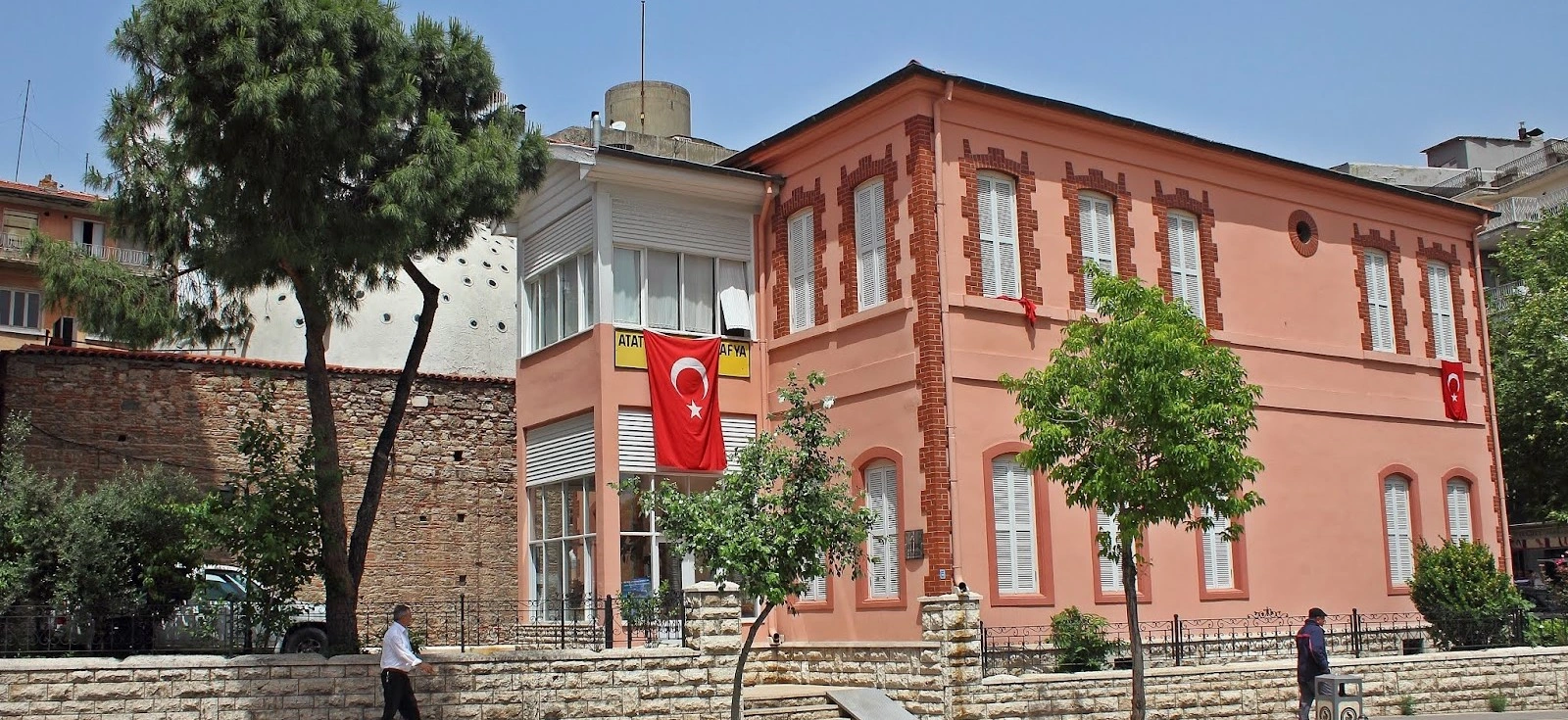
Learn about local culture, the historic house and Denizli’s 20th-century story.
Explore the Museum
Discover Denizli’s evolution through its people, crafts, commerce and civic heritage.
Discover the MuseumMake time for remarkable ruins, UNESCO heritage and the story of the Lycus Valley.

Explore the white terraces and Roman city at a pace designed around your interests.
Explore Private Tour
Explore grand ancient streets, monuments and the early Christian heritage of the region.
Discover Laodicea
Plan additional museums, historic quarters and archaeological landmarks.
Explore the Region