Private Bilecik Heritage Experience
Ask us about a tailor-made route combining Bilecik Clock Tower, Şeyh Edebali Tomb, Orhan Gazi Mosque, Bilecik Museum and selected sites in Söğüt.
Request a Custom Tour





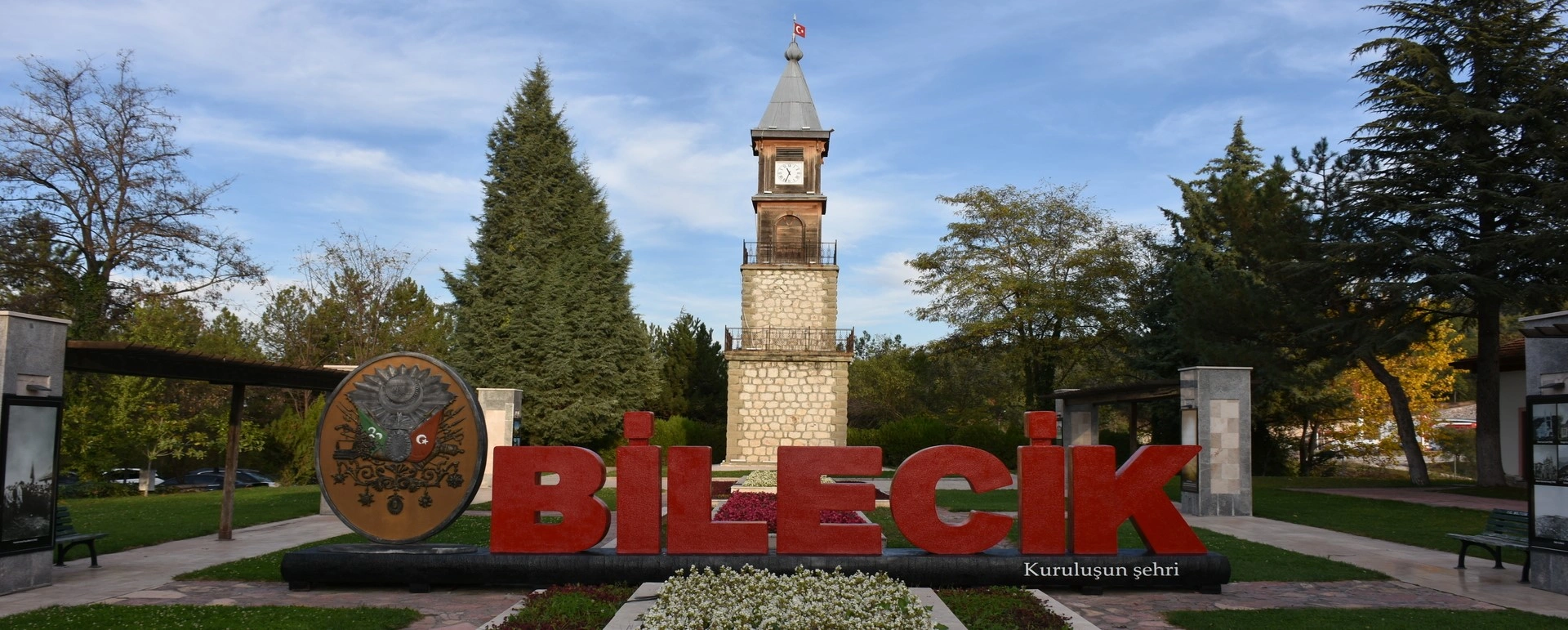
Bilecik Clock Tower, known locally as Bilecik Saat Kulesi, is one of the most recognizable historic landmarks in Bilecik city centre. Built in 1907, the tower belongs to the final decades of the Ottoman Empire and to a period when clock towers were appearing prominently in provincial towns across Anatolia.
Official cultural sources connect the monument with Sultan Abdülhamid II’s 1901 call for the construction of clock towers during celebrations marking the twenty-fifth anniversary of his accession to the throne. In Bilecik, the project was carried out under Ertuğrul Mutasarrıfı Musa Kazım Bey.
The tower is approximately 15 metres high and stands near the historic school building on İstasyon Caddesi, a building now used for municipal services. Its design is particularly attractive because the lower stages are built in stone while the upper stages are made of wood.
Four square clock faces look outward from the wooden upper block, while balconies, iron railings and a pyramidal roof give the tower its characteristic silhouette. The contrast between rough stone masonry, warm timber and the steep roof makes it one of the most photogenic small monuments in Bilecik.
The tower also helps tell a larger story: the spread of public timekeeping, municipal modernization and new civic landmarks in the late Ottoman period. For wider historical context, combine it with Bilecik Museum, Şeyh Edebali Tomb, Orhan Gazi Mosque and our Bilecik visitor guide.
The clock tower was erected during the reign of Sultan Abdülhamid II under Ertuğrul Mutasarrıfı Musa Kazım Bey.
Official cultural sources describe the tower as approximately 15 metres tall.
The lower stages use stone masonry, while the upper sections are constructed in timber.
Square clock dials on all four sides allowed time to be read from different directions.
Essential information about one of Bilecik’s best-known late Ottoman civic monuments.
İstasyon Caddesi area, Bilecik city centre, near the historic school building now used for municipal services.
Open on Google MapsHistoric Ottoman clock tower and civic landmark.
1907.
Built under Ertuğrul Mutasarrıfı Musa Kazım Bey during the reign of Sultan Abdülhamid II.
Approximately 15 metres according to official cultural sources.
Stone lower stages with timber upper stages and a metal-clad pyramidal roof.
Four square clock dials, one facing each direction.
Best appreciated as an exterior architectural and photography stop in central Bilecik.
The tower is more than a decorative landmark: it belongs to a major late Ottoman transformation in the way towns organized public time and civic space.
Before personal watches became widespread, public clocks performed an important practical role. A tower placed in a visible urban location could provide a shared reference for time to officials, merchants, travelers, schools and residents.
During the nineteenth century, railways, telegraph networks, government offices, schools and increasingly regular commercial schedules made standardized public time more important than ever. Clock towers became highly visible symbols of this changing urban culture.
Bilecik’s tower belongs to the final phase of this Ottoman tradition. Constructed in 1907, it combines practical timekeeping with architectural display and civic symbolism.
Its location near a historic educational building is especially meaningful. Together, the school and clock tower evoke a period in which education, administration, infrastructure and public timekeeping were becoming increasingly visible parts of provincial urban life.
Clock towers began to appear in Ottoman cities centuries before the Bilecik example, but the tradition expanded considerably during the eighteenth and nineteenth centuries. Public towers offered both practical clocks and architectural focal points.
They were often positioned near government buildings, schools, squares, railway zones or important commercial routes. Their height made them useful visual landmarks, while multiple clock faces made the time readable from several directions.
By the late nineteenth century, clock towers had become associated with urban modernization and provincial administration. They communicated order, regularity and a shared public rhythm.
Bilecik Clock Tower should therefore be understood as part of a much larger network of Ottoman civic monuments, rather than as an isolated local curiosity.
Towers made a common time reference visible to people across the surrounding urban area.
The structures often became symbols of the towns in which they were built.
Many late Ottoman towers were associated with government, school and municipal landscapes.
Clock towers belonged to a period shaped by transport, communication and increasingly standardized schedules.
Official Turkish cultural sources place Bilecik Clock Tower within the wider context of Sultan Abdülhamid II’s twenty-fifth accession anniversary in 1901. During this period, provincial authorities were encouraged to construct clock towers in towns across the empire.
The initiative helped accelerate a building tradition that was already well established. For provincial administrations, a clock tower could be both functional infrastructure and a visible statement of government presence.
Bilecik’s tower was completed several years later, in 1907. Its date places it near the end of Abdülhamid II’s reign and makes it an especially clear example of late Ottoman civic architecture.
The monument therefore connects Bilecik with a nationwide landscape of historic clock towers, while retaining a highly local architectural character through its combination of stone and timber.
Official sources state that the Bilecik Clock Tower was constructed in 1907 by Ertuğrul Mutasarrıfı Musa Kazım Bey. At the time, Bilecik belonged to the administrative geography of the Ertuğrul sanjak.
A mutasarrıf was the senior administrator of a sanjak, a provincial district within the late Ottoman administrative system. Projects such as schools, roads, public buildings and clock towers were therefore closely connected with local government and provincial modernization.
The tower’s relatively modest scale should not obscure its symbolic importance. Placed in a visible part of town, it represented public order, measured time and modern administration in a single architectural object.
More than a century later, the name of Musa Kazım Bey remains attached to the monument through cultural records describing its foundation.
The Bilecik Provincial Directorate of Culture and Tourism describes the tower as standing on a route associated with the historic Silk Road and states that its four clock faces helped communicate the time to travelers passing through the city.
Bilecik’s geography has long placed it between major regions of north-western Anatolia. Routes connecting Central Anatolia, Bursa, the Marmara region and the İstanbul direction have given the area strategic importance over many centuries.
By the early twentieth century, the meaning of travel was changing rapidly. Traditional road traffic existed alongside railway transport, modern administration and new forms of communication. A public clock tower fitted naturally into this changing world.
Visitors today should treat the Silk Road description as part of the tower’s official local interpretation, while understanding that the exact routes and functions of historic trade networks changed considerably over time.
The tower is formed from four rectangular-prism stages that become narrower toward the top. This stepped vertical composition gives the relatively small monument a strong sense of height.
Official architectural descriptions state that the lower two stages use rubble-stone walling with cut-stone treatment at the corners. These heavy masonry levels create a visually solid base.
The upper stages are made of wood. The transition from pale stone to warm timber is the tower’s most distinctive architectural feature and gives it a character very different from fully masonry clock towers elsewhere in Türkiye.
At the lower level, a round-arched entrance is accompanied by another arched opening above. Higher up, balconies and iron railings break the vertical mass before the clock chamber and roof.
The tower rises through four successively narrower rectangular stages.
The lower walls use rougher stone masonry strengthened visually by cut-stone corners.
Wooden construction gives the upper section a lighter appearance above the stone base.
The lowest section includes a round-arched doorway and an arched opening above.
Balcony levels with metal railings create horizontal breaks in the tower’s silhouette.
A steep pointed roof crowns the wooden clock chamber.
The upper wooden block carries a square clock dial on each of its four sides. This arrangement allowed the time to be read from different approaches around the tower.
Multiple clock faces were particularly useful for civic towers because the monument could serve several streets or directions at once. The clock therefore functioned as public information displayed at urban scale.
From an architectural perspective, the four dials also give the upper block a balanced symmetry. Each façade becomes equally important, reinforcing the tower’s role as a freestanding landmark rather than a one-sided building façade.
Visitors interested in details should walk around the monument where permitted and compare the clock chamber from several angles. The relationship between the wooden frame, square dials and pointed roof is one of the tower’s most elegant features.
Above the clock chamber, the tower is finished with a steep pyramidal roof. The roof visually completes the gradual narrowing of the structure from the heavy stone base to the lighter wooden summit.
Historic clock towers often rely on strong roof forms because the upper silhouette is what remains most visible from a distance. In Bilecik, the pointed roof gives the monument a slender and unmistakable profile.
The present roof appears metal-clad, helping protect the timber upper structure from weather. A finial and flag element complete the composition.
From a photography perspective, the roof works especially well against an open sky, where its geometry can be clearly separated from the surrounding urban landscape.
Official cultural sources locate the tower near the historic idadi school building on İstasyon Caddesi. The building has since been adapted for municipal use.
An idadi was a form of secondary school within the late Ottoman educational system. The proximity of a school and a clock tower is particularly evocative, because both belonged to a period of institutional modernization and new forms of civic organization.
Together, the buildings create a small historical ensemble representing education, administration and standardized public time. This makes the setting more historically meaningful than the clock tower alone.
When visiting, take a few moments to look beyond the tower itself and understand how the surrounding buildings contribute to the late Ottoman character of the area.
A structure combining stone masonry, exposed wood, metal elements and mechanical clock components requires regular maintenance. Bilecik Clock Tower has therefore undergone restoration and repair in the modern period.
Published sources do not describe every intervention in exactly the same way. The Türkiye Culture Portal states that an inscription above the entrance records restoration activity between 1997 and 2008.
Some academic and secondary sources also refer to a restoration in 1987. Because these references may concern different campaigns or phases of repair, they should not automatically be treated as contradictory records of the same single intervention.
The safest interpretation is that the monument has received several modern conservation interventions, helping preserve its distinctive stone-and-timber form.
Bilecik is usually introduced through its early Ottoman heritage: Şeyh Edebali, Osman Gazi, Orhan Gazi and nearby Söğüt dominate the province’s historical identity.
The clock tower adds a very different chronological layer. Rather than the fourteenth century, it represents the late Ottoman city of the early twentieth century.
Its compact size, distinctive materials and highly visible clock chamber make it easy to recognize. As a result, the tower has become one of the visual symbols most frequently associated with central Bilecik.
For travelers, this makes the monument useful not only as an individual sight, but as a reminder that Bilecik’s history continued to evolve long after the Ottoman foundation period.
Today, accurate time is constantly available on phones, watches, cars and computers. In the early twentieth century, public access to precise mechanical time was much less universal.
A visible civic clock could coordinate school hours, official appointments, commercial activity, transportation and daily routines. For people without personal watches, a public clock was genuinely useful infrastructure.
Clock towers also changed the soundscape of many cities when their mechanisms included bells or striking systems, although the surviving public descriptions of Bilecik Clock Tower focus primarily on its visual clock faces rather than documenting a specific original striking sequence.
This is why historic clock towers deserve to be read as technology as well as architecture. They are monuments to the organization of time itself.
The tower is an excellent photography subject because its materials change dramatically from bottom to top. The pale stone base, timber upper levels and dark roof create natural visual contrast.
A slightly low viewpoint emphasizes the tower’s vertical form, while a more distant position can include the surrounding garden, historic school building and city context.
Morning and late-afternoon light can bring out the texture of the rubble-stone masonry and timber surfaces. Overcast weather is also useful for recording architectural details without strong shadows.
When photographing the tower, keep the camera level whenever possible. Extreme upward angles can make the vertical walls converge heavily and distort the proportions of the monument.
Step back enough to include the complete roof and stone base in a single vertical composition.
Focus on the transition from stone masonry to timber construction.
Use a moderate zoom to isolate the square clock face and wooden framing.
Include the surrounding civic architecture to show the tower as part of a wider late Ottoman setting.
Evening sky can create a strong silhouette around the roof and upper clock chamber.
Keep vertical lines natural rather than using an excessively wide upward-looking angle.
Bilecik Clock Tower is best treated as an exterior historic monument rather than a conventional museum attraction. The main visitor experience is viewing and photographing the tower from the surrounding public area.
Do not assume that the interior or upper levels are open for tourist access. Historic clock towers often require controlled access because of narrow stairs, mechanical equipment and conservation concerns.
There is normally no reason to plan a long standalone visit. The tower works particularly well as part of a city-centre walk linking several Bilecik heritage sites.
Public-space arrangements can change because of maintenance, municipal activity or special events. Always follow current on-site signs and barriers.
Bilecik has naturally sloping terrain, and routes through the city centre may include gradients even when individual monuments are close together.
The clock tower itself can be appreciated from outside, which generally makes it easier to include in a reduced-mobility itinerary than monuments requiring stair access.
However, exact conditions around parking, pavements, kerbs, gradients and temporary municipal arrangements can change. Visitors who require step-free access should confirm the most convenient approach locally.
There is no need to enter the tower in order to understand its principal architectural features, since the stone base, timber stages, clock faces and roof are all designed to be read from the exterior.
The tower stands in Bilecik city centre in the İstasyon Caddesi area, close to the historic school building now used for municipal services.
For navigation, search for “Bilecik Saat Kulesi”. The monument is sufficiently distinctive that it is easy to identify once you reach the surrounding civic area.
A taxi is practical for travelers arriving at Bilecik’s transport connections or for those combining several monuments in limited time. Private car also works well for a wider provincial itinerary.
If you are exploring the province by road, central Bilecik can be combined with Söğüt, Bozüyük and Osmaneli as part of a full-day historical route.
Search “Bilecik Saat Kulesi.”
The tower is located in central Bilecik around İstasyon Caddesi.
A practical option if you want to connect several city monuments efficiently.
Useful for continuing toward Söğüt, Bozüyük, Osmaneli or other provincial attractions.
Central sights can be combined on foot, but remember that Bilecik’s terrain includes slopes.
Look for the historic municipal-service building near the tower.
For a quick exterior look and several photographs, 10–15 minutes can be enough.
A more relaxed visit of 20–30 minutes allows time to walk around the monument, study the materials and photograph the clock chamber from several angles.
Allow 1–2 hours if you are using the tower as part of a broader central Bilecik heritage walk and adding another nearby museum or historical monument.
A half day is more appropriate if you want to combine several city-centre sights with the Şeyh Edebali and Old Bilecik historical area.
Quick exterior look and photographs.
Better for architectural details and multiple photography angles.
Add another central Bilecik heritage site or museum.
Combine the tower with Şeyh Edebali Tomb, Orhan Gazi Mosque and Bilecik Museum.
Begin by standing far enough away to see the complete silhouette. Notice how the broad stone base gradually narrows as the structure rises.
Move closer and study the lower masonry. Look for the contrast between rougher wall stone and the more carefully treated corners.
Then raise your attention to the timber upper stages, where balconies and railings create a transition toward the clock chamber.
Walk around the tower where public access allows and compare the four square clock faces. Their repetition emphasizes that the monument was designed to communicate time in every direction.
Finish by stepping back again to include the historic civic surroundings. The tower makes the most historical sense when viewed together with the neighbouring late Ottoman urban landscape.
The clock tower is easy to include in a broader route through Bilecik’s Ottoman heritage, museums and city-centre monuments. For wider planning, see our complete Bilecik visitor guide.
Explore archaeological and ethnographic collections covering the history of Bilecik Province.
Visit one of Bilecik’s most important Ottoman foundation monuments and spiritual landmarks.
See an important early Ottoman mosque with a remarkable detached historic minaret.
Continue into the wider province for one of the most important memorial sites linked with Ottoman origins.
Explore ethnographic collections and Söğüt’s historical identity.
Add one of Bilecik Province’s most atmospheric traditional townscapes.
It is in central Bilecik, in the İstasyon Caddesi area near the historic school building now used for municipal services.
Its Turkish name is Bilecik Saat Kulesi.
The tower was built in 1907.
Official cultural sources state that it was constructed under Ertuğrul Mutasarrıfı Musa Kazım Bey.
It was built during the reign of Sultan Abdülhamid II.
The tradition was already established, but Sultan Abdülhamid II’s 1901 twenty-fifth accession anniversary initiative encouraged clock-tower construction in provincial centres.
Official cultural sources give a height of approximately 15 metres.
Its composition consists of four rectangular-prism stages that become narrower toward the top.
The lower stages are stone, while the upper stages are timber.
Official descriptions mention rubble-stone walling with cut-stone treatment at the corners on the lower stages.
There are four square clock faces, one on each side of the upper clock chamber.
The four-sided arrangement made the time visible from several directions around the tower.
The tower is crowned by a pyramidal pointed roof.
Yes. Balcony levels with metal railings form part of the tower’s stepped composition.
Yes. The lower section includes a round-arched entrance.
It is a well-preserved example of late Ottoman civic architecture and public timekeeping, and one of central Bilecik’s most recognizable landmarks.
The Bilecik Provincial Directorate of Culture and Tourism describes it as standing on a route associated with the historic Silk Road and says its four clock faces informed travelers of the time.
It stands near a historic idadi school building, now used for municipal services.
An idadi was a form of secondary school in the late Ottoman educational system.
Yes. The monument has undergone modern conservation work. Published sources refer to more than one restoration period.
The Türkiye Culture Portal states that an entrance inscription records restoration activity between 1997 and 2008, while some academic and secondary sources also mention a 1987 restoration.
Do not assume that the interior is open as a regular tourist attraction. The principal visitor experience is the exterior monument; follow current on-site access rules.
The tower is primarily viewed as an exterior city landmark rather than a standard ticketed museum. If special interior access is ever offered, follow current local information.
Allow around 15–30 minutes for a relaxed exterior visit and photographs.
Morning or late afternoon can provide attractive side light on the stone and timber, while blue hour can create a strong silhouette around the roof.
Yes, especially if you enjoy Ottoman architecture, historic townscapes or photography. It is a quick but distinctive stop.
The exterior can be appreciated without entering the structure, but Bilecik’s sloping terrain can affect access. Confirm the easiest current route locally if step-free access is essential.
Search for “Bilecik Saat Kulesi.”
Combine the tower with Bilecik Museum, Şeyh Edebali Tomb and Orhan Gazi Mosque.
Yes. Travelers with a private car or driver can continue to Söğüt for Ertuğrul Gazi Tomb and other early Ottoman heritage sites.
Its strongest feature is the contrast between heavy stone lower stages and lighter wooden upper stages, finished by four clock faces and a pointed roof.
Stay outside barriers and never climb on the stone base, balconies, railings or surrounding structures.
Historic wood is vulnerable to physical damage; do not touch or lean equipment against the upper structural elements.
The tower stands in a functioning civic area, so keep entrances, paths and working spaces clear.
Do not block pavements or circulation routes when photographing the monument.
Temporary fencing may indicate maintenance or conservation work and should always be respected.
Use bins and never leave food, bottles or other waste around the monument.
Do not scratch, mark, attach stickers to or otherwise alter the stone, timber or metalwork.
Remember that local residents and municipal staff may be using the surrounding space during your visit.
Combine Bilecik Clock Tower with Ottoman foundation monuments, museums, Söğüt and Bilecik’s wider historical landscape through a private itinerary designed around your interests and travel pace.
Build a private route connecting the city’s late Ottoman landmarks with the earlier Ottoman foundation landscape of Bilecik and Söğüt.
Ask us about a tailor-made route combining Bilecik Clock Tower, Şeyh Edebali Tomb, Orhan Gazi Mosque, Bilecik Museum and selected sites in Söğüt.
Request a Custom Tour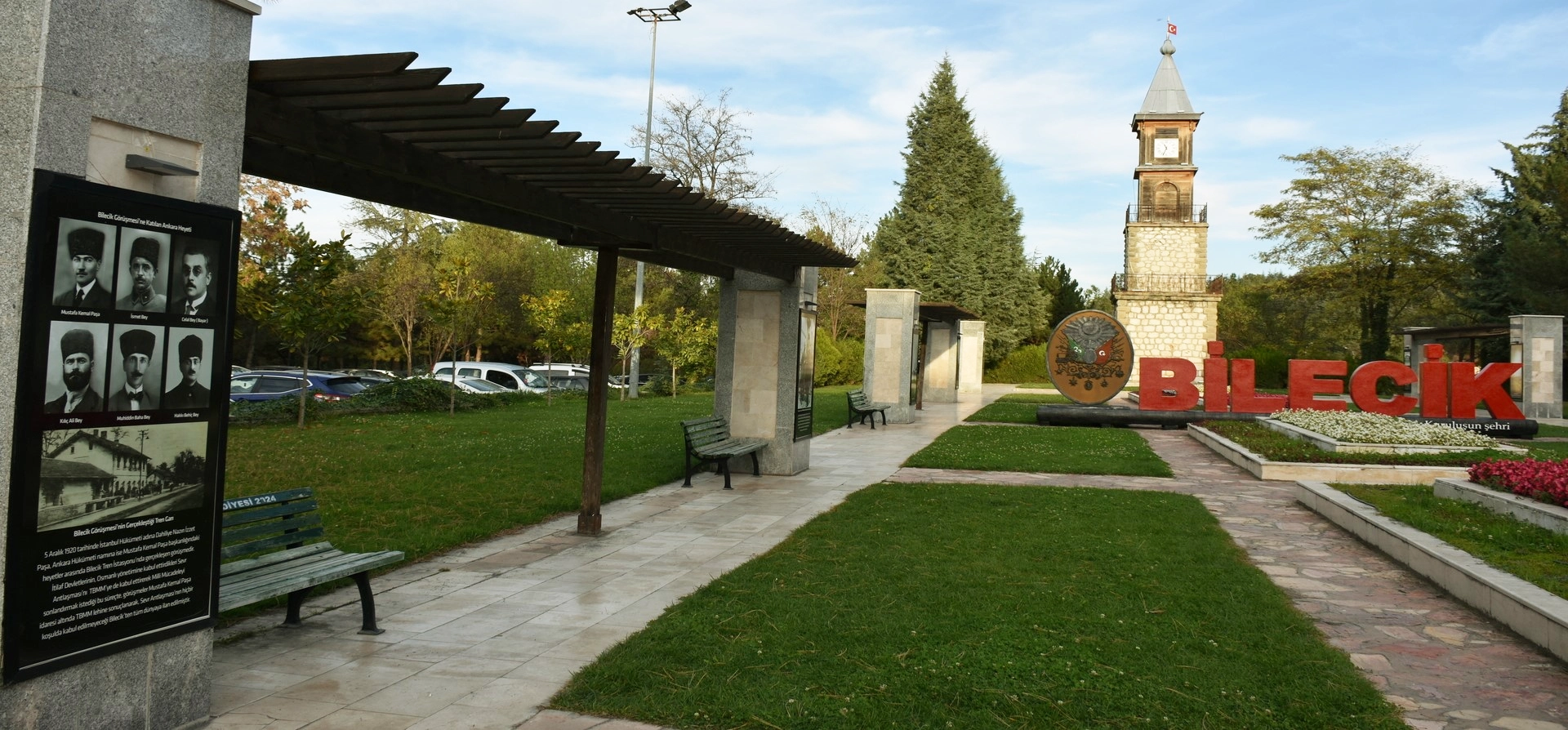
Discover Ottoman foundation history, late Ottoman monuments, museums, historic towns, War of Independence landscapes and natural areas across the province.
View Bilecik GuideConnect the clock tower with different periods of Bilecik’s architectural and historical story.
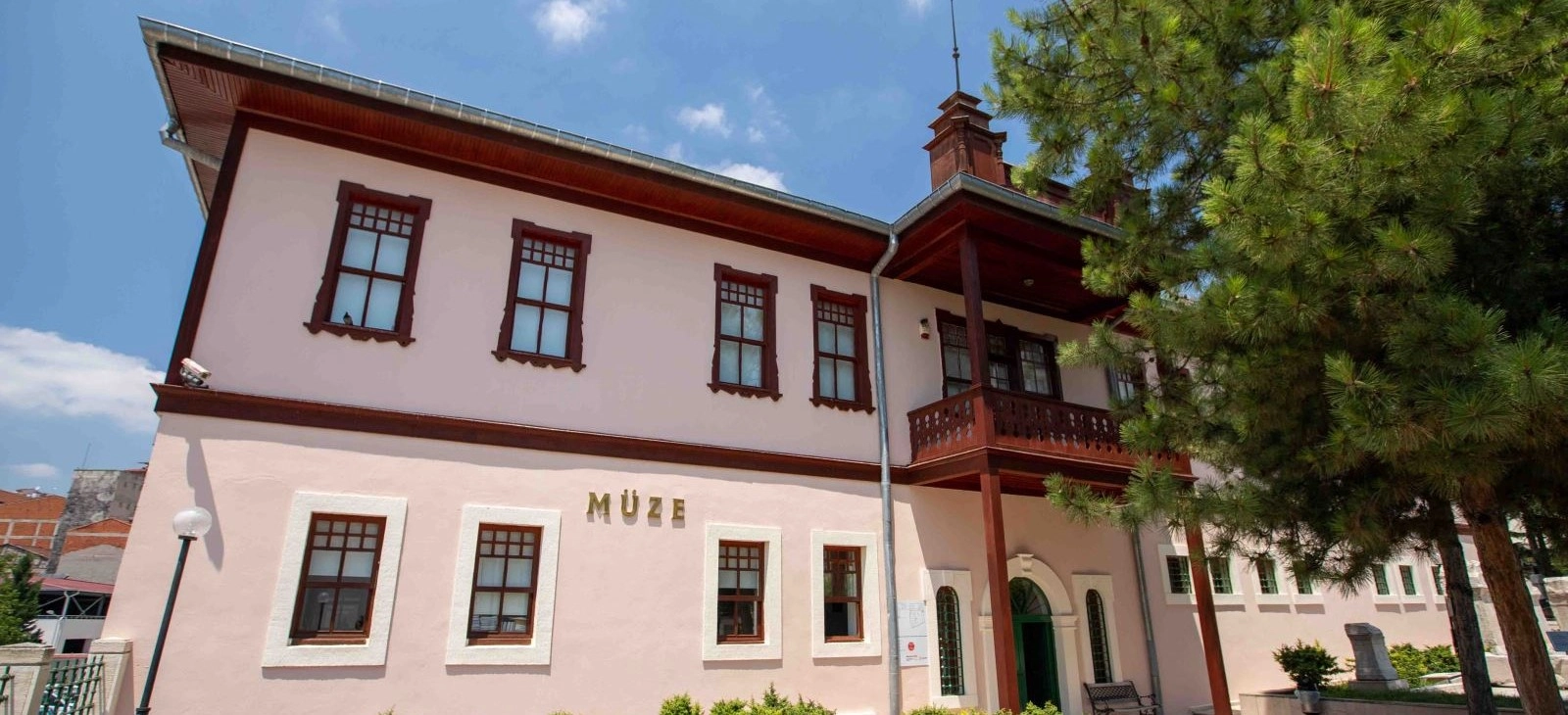
Explore archaeological and ethnographic collections that place the city’s monuments within a much longer regional history.
Explore Bilecik Museum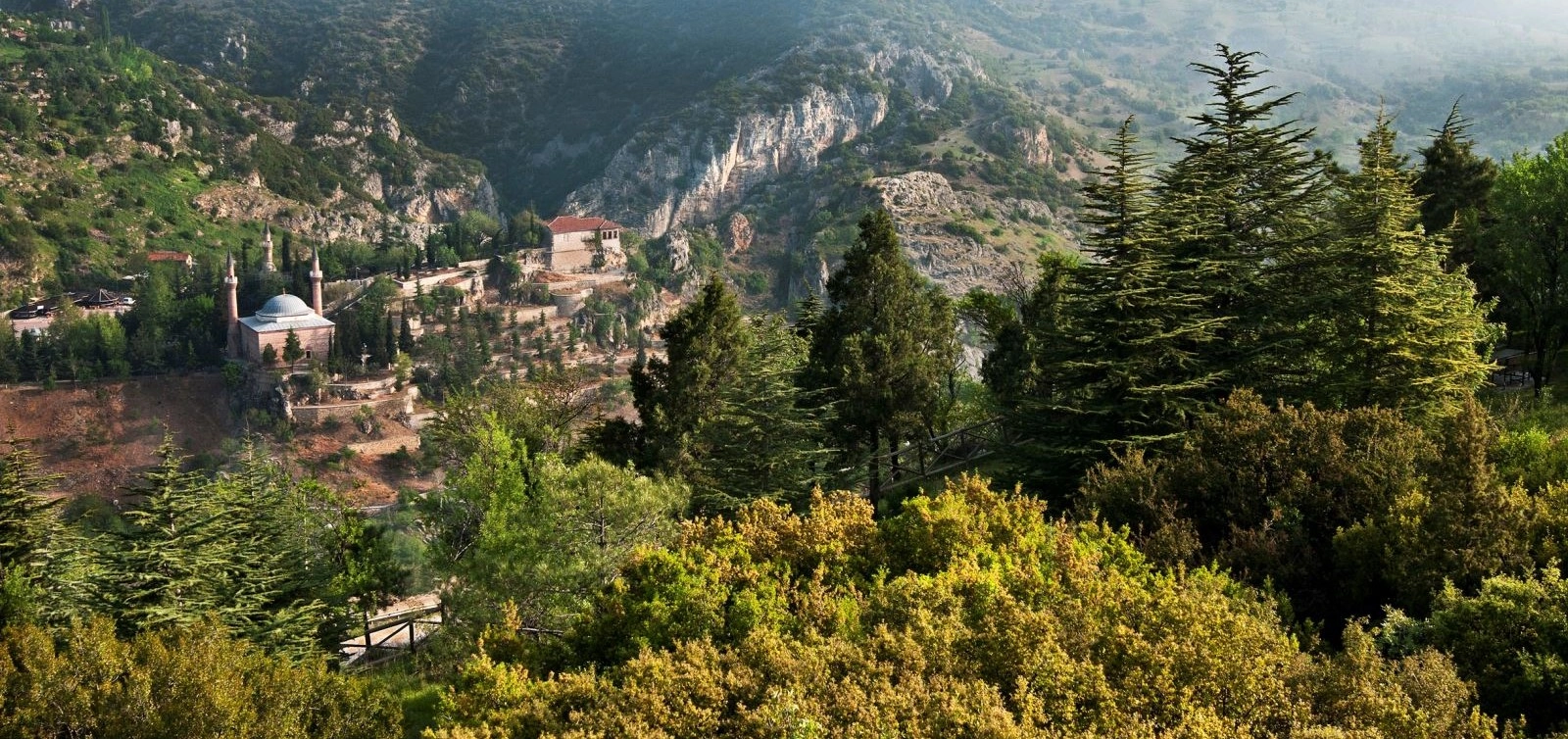
Move from late Ottoman Bilecik into the spiritual and dynastic landscape associated with the beginnings of the Ottoman state.
Explore Şeyh Edebali Tomb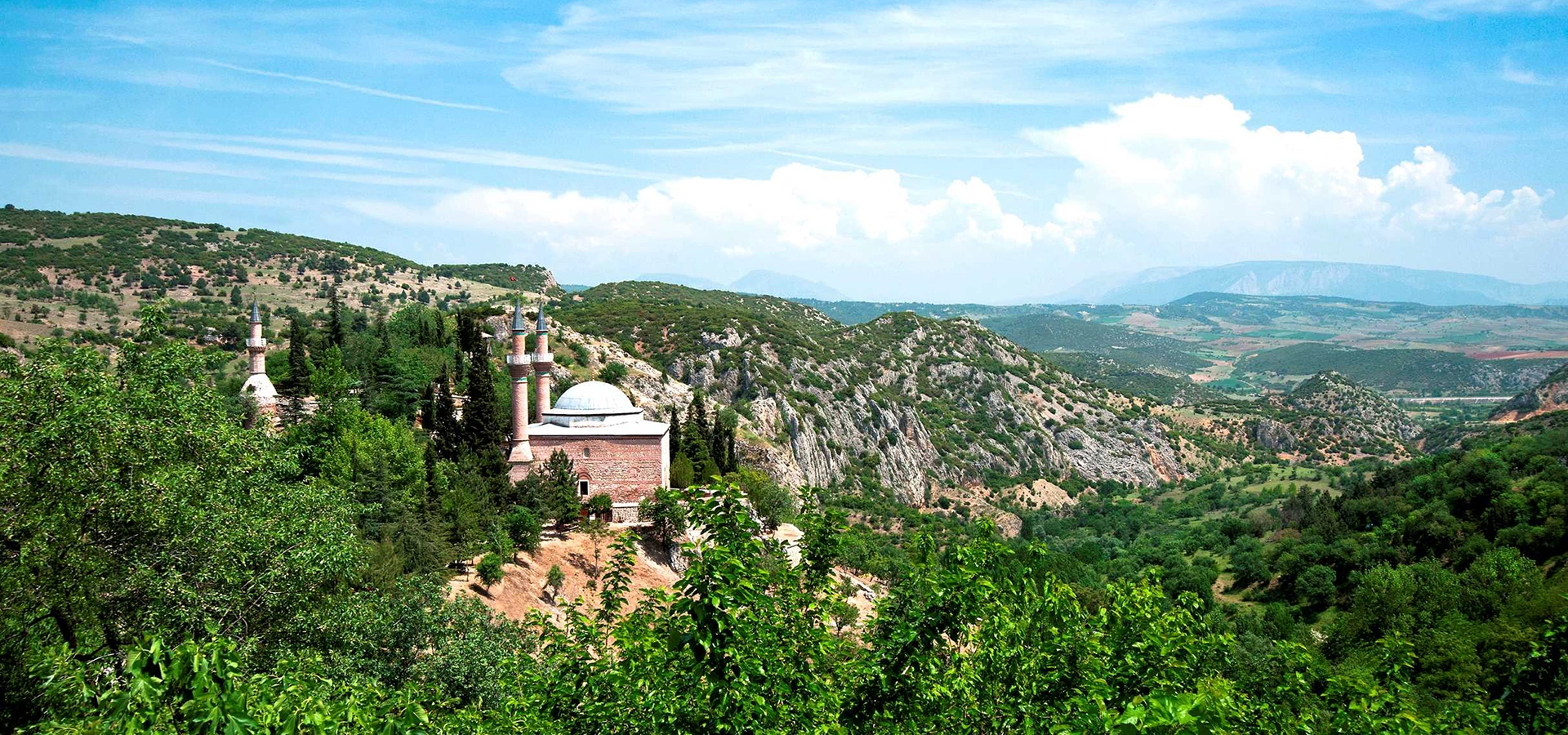
See one of Bilecik’s major early Ottoman religious monuments and its unusual detached historic minaret.
Explore Orhan Gazi Mosque