Ancient Bizye, Roman Theatre and Byzantine Thrace

Vize – Complete Travel & Visitor Guide

Discover one of Turkish Thrace's oldest towns,
where Thracian royal history, Roman archaeology and Byzantine monuments meet.

Discover Vize

Discover Vize

Set among the rolling landscapes of Kırklareli Province, Vize is one of the most historically fascinating towns in European Türkiye. Known in antiquity as Bizye, the settlement developed from an important center of ancient Thrace into a Roman city, a strongly fortified Byzantine town and later an Ottoman administrative center.

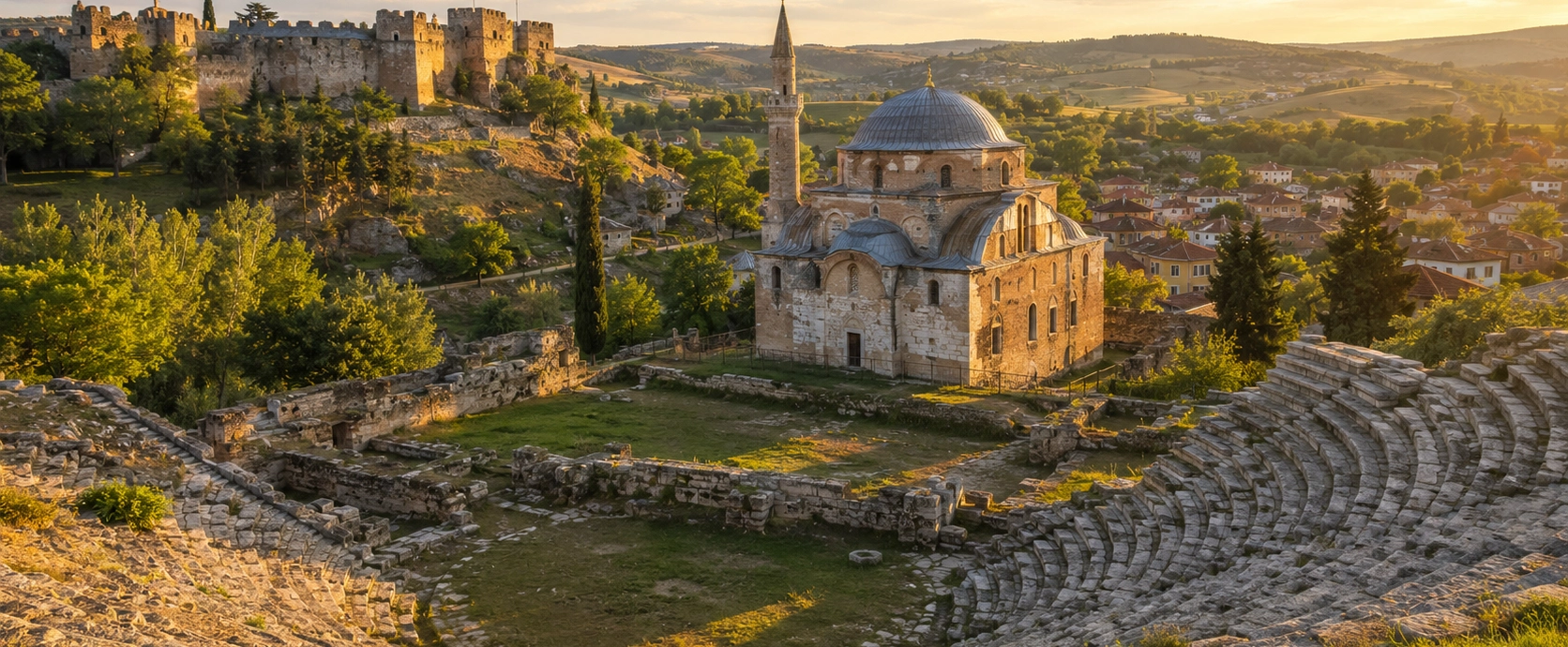
Unlike destinations where history survives only in museum cases, much of Vize's heritage remains woven directly into the modern town. Visitors can walk between the remains of the Roman theatre, the ancient and medieval walls of Vize Castle and the remarkable Küçük Ayasofya – Gazi Süleyman Paşa Mosque.

Vize is particularly important archaeologically because its ancient theatre is regarded as the only known surviving ancient theatre in Turkish Thrace. Excavations also revealed sculptural reliefs and archaeological material demonstrating the importance of the city during the Roman period.

Beyond archaeology, Vize offers something increasingly rare: a quiet historic town surrounded by fields, forests and small Thracian villages. Its membership in the international Cittaslow network reflects this slower character.

Ancient Bizye

An important Thracian center with a history reaching back thousands of years.

Roman Theatre

The only known ancient theatre discovered in Turkish Thrace.

Byzantine Heritage

Castle walls and Küçük Ayasofya preserve the medieval importance of Vize.

Cittaslow Town

A quieter way to experience the history and landscapes of European Türkiye.

Know Before You Visit

Vize – Quick Facts

Essential information for exploring one of the most historically layered towns in Turkish Thrace.

📍

Location

Vize District, eastern Kırklareli Province, in European Türkiye.

Open Vize on Google Maps
🏛️

Ancient Name

Known in antiquity principally as Bizye or Bizya.

🎭

Archaeology

Home to the only known ancient theatre discovered in Turkish Thrace.

🐌

Cittaslow

Vize belongs to the international Cittaslow network of slow towns.


Thousands of Years of Thracian History

The History of Vize

From prehistoric settlements and Thracian rulers to Roman theatres, Byzantine fortifications and Ottoman monuments, Vize preserves an unusually long historical sequence.

Archaeological research demonstrates that the wider Vize area was settled long before the Classical period. Sites including Çömlektepe, Karakoçak Tepe and Hisartepe show that communities occupied this landscape over several millennia.

The ancient town became known as Bizye and emerged as an important settlement of the Thracian world. The area was associated particularly with the Astai, one of the Thracian groups that controlled parts of southeastern Thrace. Vize later became closely connected with the rulers of the Thracian Kingdom, and monumental burial mounds around the district reflect the wealth and status of the region's elite.

Thrace eventually came under increasing Roman influence and was formally incorporated into the Roman Empire in the 1st century AD. Vize continued to prosper, and one of the clearest surviving symbols of this period is its Roman theatre.

During the Byzantine period, Bizye became an important fortified town controlling routes across eastern Thrace. Its strategic position between Constantinople, the Black Sea coast and the Balkan interior made strong defenses essential. Sections of the Vize Castle and city walls still survive today.

The extraordinary Küçük Ayasofya belongs to this Christian Byzantine landscape. Traditionally dated to the 6th century and the reign of Emperor Justinian, the church was later converted into the Gazi Süleyman Paşa Mosque after the region entered the Ottoman world.

Vize came under Ottoman control during the expansion of the early Ottoman state into Thrace. The town continued as a regional administrative and agricultural center, leaving behind mosques, baths, fountains and other architectural traces.

Today, Vize's importance lies precisely in this unusual continuity. Within a relatively small town, visitors encounter evidence of prehistoric communities, Thracian rulers, Roman urban life, Byzantine Christianity and fortifications, Ottoman culture and modern Thrace.


What to See in Vize

Vize's Essential Highlights

The principal historic monuments lie close enough to combine in a relaxed walking exploration of central Vize.

Vize Ancient Theatre

Discovered through excavations beginning in the 1990s, Vize's Roman theatre is one of the town's greatest archaeological treasures and the only known ancient theatre in Turkish Thrace.

Vize Castle & Walls

Ancient and medieval fortifications surround parts of the historic hill, revealing Vize's strategic importance on the routes of eastern Thrace.

  • Periods: Thracian, Roman and Byzantine phases
  • Setting: Historic upper town
  • Highlight: Towers, wall fragments and reused ancient masonry
  • Read more: Complete Vize Castle guide

Küçük Ayasofya

Today known as the Gazi Süleyman Paşa Mosque, this remarkable building began as a Byzantine church and remains one of Vize's most impressive monuments.

Vize Cave Monasteries

Rock-cut religious spaces around the Asmakayalar area preserve another aspect of Vize's Byzantine Christian landscape.

  • Period: Byzantine
  • Type: Rock-cut religious complex
  • Setting: Natural rock formations outside the central streets
  • Read more: Complete cave monasteries guide

Ottoman Heritage

Historic mosques, baths, fountains and other remains demonstrate that Vize continued to play an important regional role after the Ottoman conquest.

  • Heritage: Mosques, bath remains and fountains
  • Character: Historic town architecture
  • Best explored: On foot through central Vize

Cittaslow Vize

Vize's archaeological heritage sits within a quiet provincial town where everyday life moves at a noticeably slower pace than Türkiye's largest cities.

  • Network: Cittaslow International
  • Member since: 2012
  • Character: Local life, heritage and slower travel

Ancient Bizye and the Thracian Kingdom

Long before the Roman theatre or Byzantine churches appeared, Vize was already an important settlement in the ancient landscape of Thrace. Known principally as Bizye, the city developed near the southern foothills of the Istranca Mountains.

The surrounding landscape contains numerous tumuli — monumental burial mounds — which provide some of the most important archaeological evidence for elite Thracian society in the region. Excavations undertaken around Vize during the 20th century revealed richly furnished burials associated with the final centuries of independent and Roman-client Thracian rule.

Ancient Bizye

The Classical and Roman settlement underlying modern Vize was known as Bizye or related forms of the name.

Thracian Center

Vize was connected with important Thracian communities and rulers before the region became part of the Roman Empire.

Tumuli

The Vize district contains an especially rich concentration of monumental Thracian burial mounds.

Layered Settlement

Archaeological sites around Vize document occupation extending far earlier than the Roman city.

Vize Ancient Theatre

The Vize Ancient Theatre is one of the most important Roman archaeological monuments in European Türkiye. It was substantially uncovered during archaeological excavations beginning in 1995 around the Çömlektepe area.

The structure is generally dated to the 2nd century AD. Excavations revealed surviving sections of the seating area, or cavea, together with the orchestra, access passages and remains associated with the stage building.

Archaeologists also discovered sculptures and marble reliefs, including mythological compositions associated with Dionysos. Important finds from the excavations are preserved in the Kırklareli Museum.

Roman Vize

The theatre demonstrates the urban and cultural importance of Bizye during Roman rule.

Cavea

Rows of stone seating survive around the semicircular performance area.

Orchestra

The central performance space helps visitors understand the original plan of the monument.

Sculptural Finds

Excavations produced important relief sculpture and other archaeological material.

Unique in Thrace

It is regarded as the only known ancient theatre discovered in Turkish Thrace.


Visitor note: Archaeological access and conservation arrangements can change. Do not enter closed excavation areas and check current local conditions before your visit.

Vize Castle and City Walls

The Vize Castle occupies the historic upper part of the town around Hisartepe and Kale Mahallesi. Although only sections survive, the walls illustrate how strongly defended Bizye became during the Roman and Byzantine periods.

The surviving fortifications are not the product of a single construction campaign. Different masonry techniques and reused architectural fragments show centuries of construction, repair and adaptation.

Some surviving sections incorporate large stone blocks, while towers and stretches of masonry preserve the line of the historic defenses. Ancient architectural material was occasionally reused in later phases of the walls, a common practice in long-lived fortified cities.

Ancient Foundations

Parts of the fortified landscape preserve evidence associated with Thracian and Roman Vize.

Byzantine Stronghold

Vize became an important defensive center protecting approaches across eastern Thrace.

Surviving Towers

Several tower and wall sections remain visible around the historic upper town.

Spolia

Earlier Roman architectural material can be seen reused within parts of the later defenses.

Historic Views

The elevated castle area gives visitors a sense of Vize's strategic position above the surrounding plain.


Conservation: The archaeological area contains fragile masonry. Avoid climbing walls, disturbing loose stones or entering restricted areas.

Küçük Ayasofya – Gazi Süleyman Paşa Mosque

Within Vize's historic Kale Mahallesi stands one of the most remarkable surviving Byzantine monuments in Thrace: the Küçük Ayasofya, today known officially as the Gazi Süleyman Paşa Mosque.

Official cultural heritage information dates the original church to the 6th century and the reign of Emperor Justinian. Its architecture includes a central dome, multiple apses and structural elements characteristic of Byzantine religious design.

Following the Ottoman incorporation of Vize, the former church was adapted for Islamic worship. Its continued religious use gives the monument a particularly powerful character: it is not simply an archaeological ruin, but a building that has remained part of Vize's spiritual landscape across dramatically different periods of history.

6th Century

The original church is traditionally dated to the Justinianic period of Byzantine history.

Three Apses

The building retains important elements of its original Byzantine church plan.

Central Dome

A domed central space gives the interior much of its distinctive architectural character.

Corinthian Capitals

Marble columns and capitals preserve traces of the building's early Christian architectural language.

Living Mosque

The building continues to function as the Gazi Süleyman Paşa Mosque.


Visitor etiquette: This is an active place of worship. Dress respectfully, remove shoes where required and avoid entering during prayers unless invited.

Vize Cave Monasteries and Asmakayalar

The Christian heritage of Vize extends beyond its monumental church architecture. Around the Asmakayalar area, natural rock formations were adapted into a series of chambers associated with Byzantine religious life.

These Vize Cave Monasteries were created by enlarging and reshaping natural cavities in the rock. The surviving spaces demonstrate the variety of monastic architecture that once existed throughout the rural landscapes of Thrace.

Byzantine Period

The rock-cut spaces belong to Vize's extensive medieval Christian heritage.

Natural Caves

Existing rock cavities were modified and connected to create usable religious spaces.

Rural Monasticism

The complex reveals religious life beyond the churches and fortifications of urban Bizye.

Rock-Cut Landscape

The setting combines archaeology with the natural geology of the Vize countryside.


Safety: Conditions around rock-cut sites can be uneven and access may not always be formally managed. Wear appropriate footwear and do not enter unstable or restricted cavities.

Ottoman Heritage in Vize

Vize continued to function as an important regional center after becoming part of the Ottoman world. Historic sources and surviving architecture record mosques, baths, fountains and other structures associated with the town's Ottoman population.

Although some buildings survive only partially, they form an important bridge between the monumental Byzantine city and modern Vize.

Gazi Süleyman Paşa Mosque

The former Byzantine Küçük Ayasofya became one of Vize's most distinctive Ottoman-era religious monuments.

Şerbetdar Hasan Bey Mosque

Another historic mosque associated with Vize's Ottoman architectural heritage.

Historic Baths

Remains of Ottoman bath architecture survive within the historic urban area.

Historic Fountains

Old fountains reflect the long importance of springs and water in Vize's urban life.

Vize as a Cittaslow Town

Vize joined the international Cittaslow network in 2012, placing the town within a movement that values local identity, environmental quality, traditional food, cultural heritage and a more human-scale approach to urban life.

For travelers, the Cittaslow idea fits Vize naturally. This is not a destination built around huge attractions or hurried sightseeing. Its appeal comes from walking between historic monuments, stopping in local cafés, exploring the surrounding countryside and allowing time to understand how thousands of years of history overlap within a living Thracian town.

Slow Travel

Vize rewards travelers who explore without rushing from monument to monument.

Local Character

The historic center remains part of everyday town life rather than a purpose-built tourism district.

Regional Food

Local markets and restaurants provide opportunities to experience the agricultural traditions of Thrace.

Walkable Heritage

Many of Vize's principal monuments can be explored together on foot.

Nature and Landscapes Around Vize

Vize lies near the transition between the agricultural plains of eastern Thrace and the southern foothills of the Yıldız Mountains, also known as the Istranca or Strandzha Mountains.

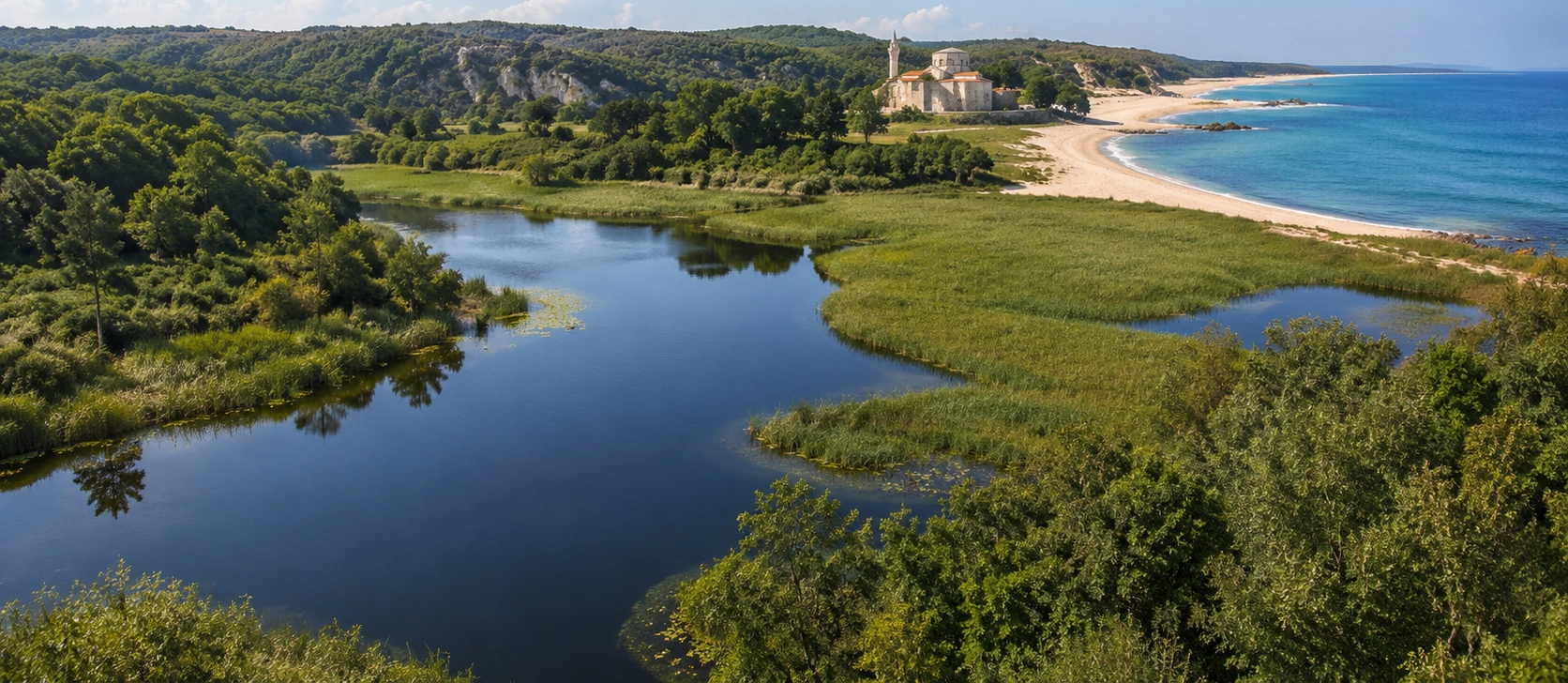
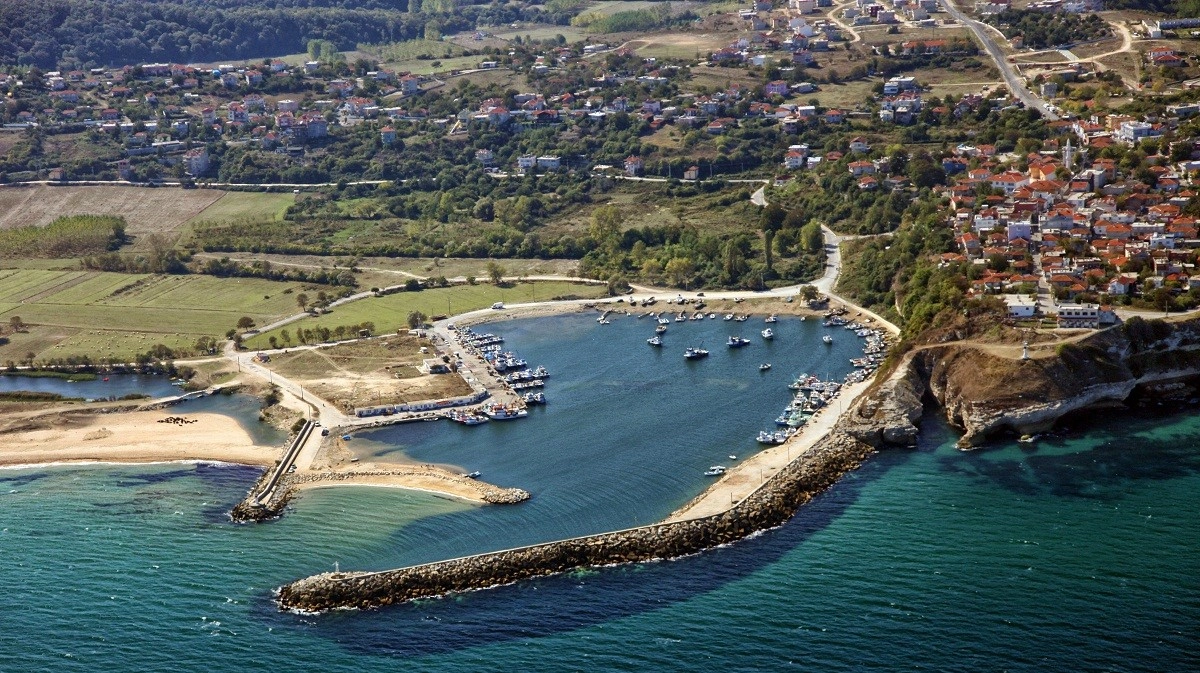
This geographical position creates an attractive combination of farmland, wooded hills, streams and rural villages. Travel north and east from Vize and the landscape gradually becomes greener, eventually reaching the dense forests, river valleys and Black Sea coast around Kıyıköy.

Istranca Foothills

Forested hills begin to rise north of the town toward the wider Yıldız Mountains.

Vize Plain

Agricultural landscapes surround much of the historic settlement.

Village Roads

Small settlements and rural routes make Vize a good base for exploring inland Thrace.

Black Sea Connection

Kıyıköy and the Black Sea coast can easily be combined with Vize in a longer itinerary.

What to Eat in Vize

Vize belongs to the wider culinary world of Kırklareli and Turkish Thrace, a region shaped by agriculture, dairy production, livestock farming, Balkan traditions and seasonal local produce.

Rather than searching for a single famous Vize dish, use your visit as an opportunity to explore regional products and traditional home-style cooking. If continuing toward Kıyıköy, the cuisine changes again as fresh Black Sea fish becomes one of the natural highlights.

Thracian Meat Dishes

Grilled meat and meatball traditions are widespread throughout Kırklareli Province.

Local Cheese

Kırklareli is particularly well known for its dairy traditions and regional cheeses.

Hardaliye

Look for this traditional non-alcoholic fermented grape drink associated with Kırklareli and Thrace.

Seasonal Produce

Local markets are a good place to discover fruit, vegetables and other products from surrounding farms.

Kıyıköy Seafood

If you continue to the coast, fresh seasonal fish becomes one of the region's classic meals.

Slow Lunch

Vize's relaxed atmosphere makes a traditional local lunch a natural part of the sightseeing day.

Best Time to Visit Vize

Vize can be visited throughout the year, although spring and autumn are especially pleasant for combining archaeological sightseeing with the surrounding countryside.

Spring

One of the best seasons for green landscapes, comfortable temperatures and exploring both the monuments and nearby countryside.

Summer

Warm and generally suitable for sightseeing, with the added possibility of continuing to Kıyıköy and the Black Sea coast.

Autumn

Excellent for photography and road trips as the surrounding countryside and Istranca forests begin changing colour.

Winter

Quiet and atmospheric, although rain, cold weather and shorter daylight hours should be considered when planning outdoor archaeological visits.

Vize Visitor Information

Vize is situated in eastern Kırklareli Province, approximately halfway between the landscapes of inland Thrace and the Black Sea coast.

Location Vize, Kırklareli Province, Türkiye
Distance from Istanbul Approximately 140 km
Distance from Kırklareli Approximately 56 km
Distance from Kıyıköy Approximately 40 km
Ancient Name Bizye / Bizya
Main Historic Sites Ancient Theatre, Vize Castle, Küçük Ayasofya and Cave Monasteries
Best Visit Length Half day minimum; full day if exploring the town slowly
Best Combination Vize + Kıyıköy

Important: Opening arrangements, archaeological excavation work, religious-service times and restoration projects can change. Check current local information shortly before visiting individual monuments.

How Much Time Do You Need in Vize?

Central Vize is compact, but archaeological and architectural travelers will appreciate having enough time to explore the monuments individually rather than simply photographing them from outside.

2 Hours

Enough for a quick look at the theatre, castle area and Küçük Ayasofya, but the visit will feel rushed.

Half Day

A good minimum for the principal monuments of central Vize and a relaxed walk through the historic area.

Full Day

Ideal for the theatre, castle, Küçük Ayasofya, archaeological landscapes, local lunch and additional Ottoman heritage.

Vize + Kıyıköy

A rewarding full-day or overnight combination linking ancient and Byzantine Vize with the forests and Black Sea scenery of Kıyıköy.

Vize Visitor Tips

Start at the Historic Hill

The castle and Küçük Ayasofya provide an excellent introduction to Vize's layered history.

Don't Miss the Theatre

The Roman theatre is one of the most important archaeological monuments in Turkish Thrace.

Wear Comfortable Shoes

Historic streets, archaeological areas and paths around the castle can be uneven.

Respect Active Worship

Küçük Ayasofya functions as a mosque, so observe appropriate dress and prayer-time etiquette.

Check Archaeological Access

Excavation or conservation work can occasionally affect access to archaeological areas.

Allow Time for Kıyıköy

If your schedule allows, combine Vize with Kıyıköy for one of the best history-and-nature routes in eastern Kırklareli.

Explore Slowly

Vize's Cittaslow character is best appreciated by walking and leaving time for ordinary town life.

Protect Archaeological Sites

Never climb fragile walls, remove stones or enter fenced excavation areas.

Photography in Vize

Vize offers an unusually diverse combination of archaeological monuments, Byzantine architecture, quiet streets and surrounding countryside.

Ancient Theatre

The curved seating and orchestra are especially effective when photographed from slightly elevated angles.

Castle Walls

Old stone towers and irregular masonry create strong textures in low morning or evening light.

Küçük Ayasofya

The combination of Byzantine form and Ottoman additions tells Vize's layered history in a single image.

Historic Hill

Elevated areas around the castle provide broader perspectives over Vize and the surrounding countryside.

Spring Landscapes

Green fields and wooded hills create an attractive rural backdrop around the historic town.

Autumn Roads

The drive toward the Istranca foothills and Kıyıköy becomes particularly photogenic later in the year.

How to Get to Vize

Vize lies in eastern Kırklareli Province and is particularly convenient for travelers exploring the overland route between Istanbul, the Istranca Mountains and the western Black Sea coast.

From Istanbul

Vize is approximately 138–140 km from Istanbul, depending on the starting point and route.

From Kırklareli

Vize lies approximately 56 km from Kırklareli city center.

From Kıyıköy

The Black Sea town of Kıyıköy is approximately 40 km away.

By Private Vehicle

A car or private transfer offers the easiest way to combine Vize with Kıyıköy, forests and other sites across Kırklareli.


Travel times should not be planned too tightly, especially if your route continues through rural roads toward the Istranca Mountains or Black Sea coast. A private vehicle gives considerably more flexibility for stops at villages, viewpoints and lesser-known historic sites.

Frequently Asked Questions About Vize

Where is Vize?

Vize is a district town in eastern Kırklareli Province in European Türkiye, approximately 140 km from Istanbul.

What is Vize famous for?

Vize is famous for its ancient Thracian history, Roman theatre, Byzantine castle, Küçük Ayasofya – Gazi Süleyman Paşa Mosque, rock-cut monasteries and Cittaslow character.

What was Vize called in antiquity?

The ancient town was principally known as Bizye, with several related forms of the name appearing through history.

Was Vize an important Thracian city?

Yes. Ancient Bizye was an important center of the Thracian world and was closely associated with Thracian rulers. Numerous tumuli around Vize preserve evidence of the region's ancient elite.

Is there a Roman theatre in Vize?

Yes. The Vize Ancient Theatre was substantially uncovered during archaeological work beginning in 1995 and is generally dated to the Roman period.

Why is Vize Ancient Theatre important?

It is regarded as the only known ancient theatre discovered in Turkish Thrace, making it one of the region's most significant Roman archaeological monuments.

What survives at Vize Ancient Theatre?

Visitors can see portions of the seating area, or cavea, together with the orchestra, access areas and remains associated with the ancient stage building.

Where are the finds from Vize Ancient Theatre?

Important sculptural and archaeological finds discovered during excavation are exhibited in the Kırklareli Museum.

What is Küçük Ayasofya in Vize?

Küçük Ayasofya is a historic Byzantine church traditionally dated to the 6th century. It was later converted into a mosque and is now known as the Gazi Süleyman Paşa Mosque.

Can I enter Küçük Ayasofya?

The building functions as an active mosque. Visitor access should therefore respect prayer times, appropriate dress and any current local arrangements.

What is Vize Castle?

Vize Castle and its surviving walls represent different phases of the town's defenses, including Roman and Byzantine construction and later repairs.

Are there Byzantine monasteries near Vize?

Yes. Rock-cut religious spaces known as the Vize or Asmakayalar Cave Monasteries survive in the countryside around the town.

Is Vize a Cittaslow town?

Yes. Vize became a member of the international Cittaslow network in 2012.

Is Vize worth visiting?

Yes, particularly for travelers interested in archaeology, Byzantine history and lesser-known destinations. Few small towns in Turkish Thrace contain such a concentrated sequence of Thracian, Roman, Byzantine and Ottoman heritage.

How far is Vize from Istanbul?

Vize is approximately 138–140 km from Istanbul, although driving time depends on your starting point and traffic.

How far is Vize from Kırklareli?

Vize is approximately 56 km from Kırklareli city center.

How far is Vize from Kıyıköy?

Vize is approximately 40 km from Kıyıköy, making the two destinations easy to combine.

Can I visit Vize and Kıyıköy on the same day?

Yes. A Vize–Kıyıköy combination is one of the most rewarding day routes in eastern Kırklareli, combining ancient archaeology and Byzantine architecture with forests, river valleys and the Black Sea coast.

How long should I spend in Vize?

Allow at least half a day for the principal monuments. A full day is better if you want to explore the archaeological sites slowly, have lunch and include some of the surrounding countryside.

What is the best time to visit Vize?

Spring and autumn are particularly pleasant for archaeology, walking and photography. Summer is also useful if you plan to continue to Kıyıköy and the Black Sea coast.

What else can I visit near Vize?

Good nearby combinations include Kıyıköy, Aya Nikola Monastery, Çamlıköy–Kastro Nature Park, Dupnisa Cave and the wider Istranca Mountains.

Responsible Travel in Vize

Vize's archaeological monuments have survived thousands of years, but many remain vulnerable to weathering, urban development and inappropriate visitor behavior. Small actions can help preserve these sites for future generations.

Do Not Climb Ancient Walls

Historic masonry can be unstable even when it appears solid.

Respect Excavation Areas

Never cross archaeological barriers or enter active excavation zones without permission.

Leave Archaeology in Place

Never remove pottery fragments, stones or any object from an archaeological site.

Respect Worship

Remember that Gazi Süleyman Paşa Mosque is a living religious building as well as a historic monument.

Protect Rural Sites

Use established paths where possible around tumuli, caves and archaeological landscapes.

Support Local Businesses

Locally owned cafés, restaurants and shops help keep tourism connected to the community.

Vize & Kırklareli Private Experiences

Vize can become part of a tailor-made private journey through the ancient cities, Byzantine monuments, forests, caves and Black Sea landscapes of northern Thrace.

Custom Vize Heritage Experience

Discover ancient Bizye, the Roman theatre, Vize Castle, Küçük Ayasofya and the surrounding Thracian landscape with a private itinerary adapted to your interests and available time.

Vize & the Black Sea

Combine the archaeology of Vize with the Byzantine monuments, river valleys, forests and coast of Kıyıköy.