Private Vize Castle & Byzantine Heritage Experience
Ask us about a tailor-made journey through ancient Bizye, combining its fortifications, Roman theatre and Byzantine monuments at your own pace.
Request a Custom Tour





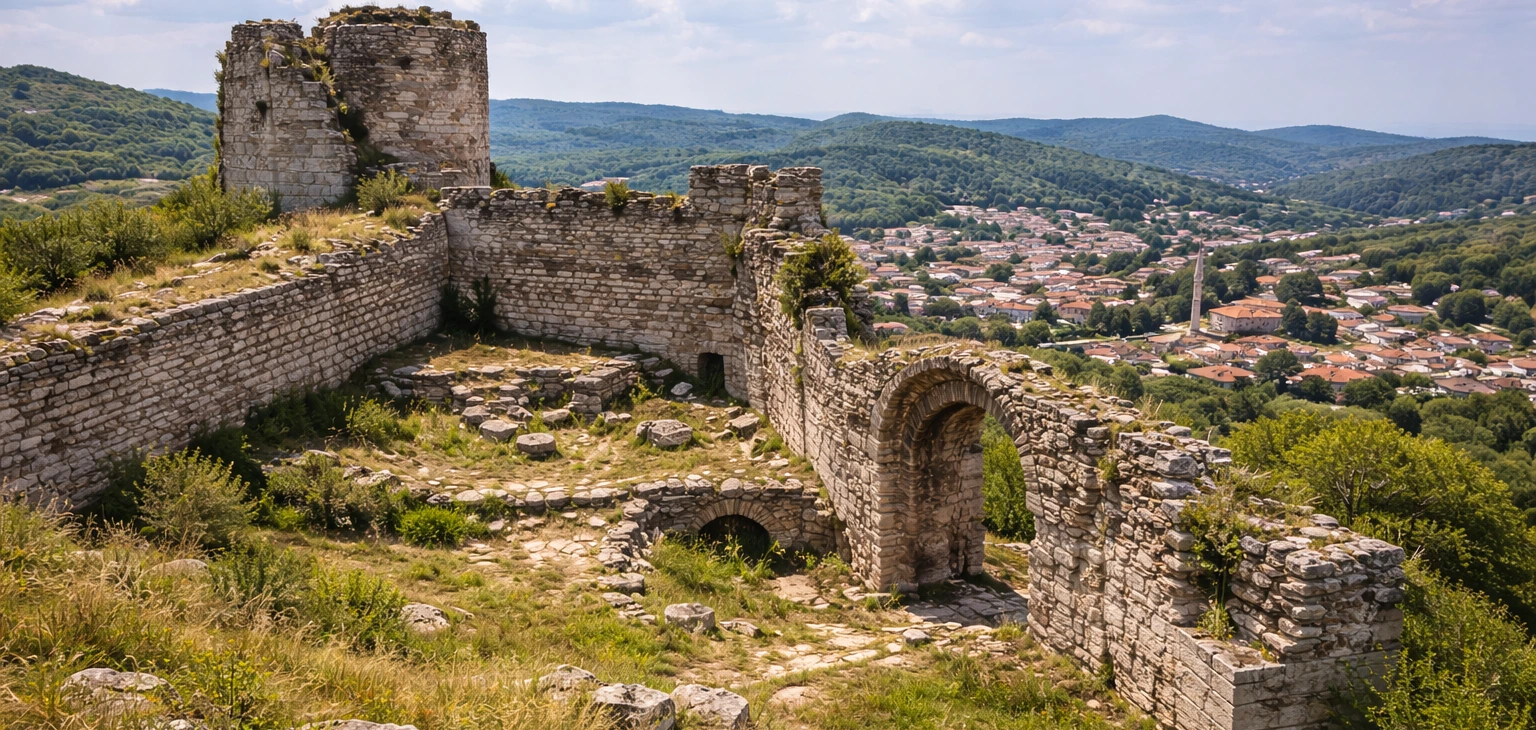
Rising through the historic upper quarter of Vize, the remains of Vize Castle preserve the defensive story of ancient Bizye.
This is not a single, complete medieval castle standing apart from the town. It is a layered system of walls, gates and towers that once protected the hilltop settlement and was repeatedly repaired as Vize passed through the Thracian, Roman and Byzantine worlds.
Only fragments of the fortifications survive today, but their scale is still impressive. Sections of wall built from enormous dressed stone blocks stand beside later masonry, brick courses and reused Roman architectural pieces.
Among the most revealing remains are polygonal, rectangular and round towers, a rounded-arched gateway and a well-preserved wall section measuring approximately 37.6 metres in length and up to 5 metres in height.
Exploring Vize Castle is therefore less about entering a conventional fortress and more about reading the ancient defences within the living streets of modern Vize.
Trace masonry associated with Thracian, Roman and Byzantine phases of ancient Bizye.
Examine surviving southern walls constructed with exceptionally large, carefully cut blocks.
Look for polygonal, rectangular and round towers together with a surviving arched entrance.
Combine the walls with Little Hagia Sophia and the old streets of the castle quarter.
Essential information about the surviving fortifications of ancient Bizye in Vize, Kırklareli.
Kale Mahallesi and Hisar Caddesi, central Vize, Kırklareli Province.
Open on Google MapsFragmentary hilltop fortifications with walls, gateways and several surviving towers.
Thracian, Roman and Byzantine phases associated with ancient Bizye.
Large ashlar blocks, later brick courses and reused ancient architectural fragments.
Polygonal, rectangular and round towers, wall stretches and a rounded-arched entrance.
Allow around 45–60 minutes for the walls, or half a day for historic Vize.
The fortifications reveal how one of eastern Thrace's most important settlements adapted its defences across many centuries.
Modern Vize occupies the site of ancient Bizye, a settlement associated with Thracian rulers before becoming part of the Roman and Byzantine worlds. Its elevated position made the hill a natural place for an acropolis and fortified urban center.
The surviving castle is important because it is not the product of one ruler or one construction campaign. Large ancient blocks, brick-banded masonry, towers of different plans and reused Roman stonework record repeated building, repair and adaptation.
The walls also help visitors understand the organization of historic Vize. The upper town, the fortifications and Little Hagia Sophia formed part of a long-lived urban landscape rather than isolated monuments.
Although roads, later construction and stone removal have destroyed much of the circuit, the remaining sections are among the most valuable witnesses to the ancient and Byzantine topography of Turkish Thrace.
The story of Vize Castle begins with the strategic hill occupied by ancient Bizye. The town was connected with the Astai, a Thracian dynasty whose territory extended across part of eastern Thrace.
Ancient stonework and later references indicate that the acropolis was already fortified before or during early Roman rule. A restoration inscription from the Roman imperial period has sometimes been used to associate an early building phase with the 1st century BC, although the surviving walls should not all be assigned to a single date.
During the Roman era, Bizye continued as an important regional city. Its fortifications protected the elevated core while civic life extended toward the lower slopes, where the Roman theatre was built.
The defences were repaired and transformed during the Byzantine period. Scholars have proposed different dates for some of the upper masonry, including the age of Justinian I and later Byzantine rebuilding. This uncertainty reflects the castle's complex construction history.
After Vize entered the Ottoman realm, the fortified hill remained part of the town, but the walls gradually lost their military role. Stone removal, new roads and urban development reduced the visible circuit to the fragments seen today.
The hilltop was associated with an important center of the Astai rulers in ancient Thrace.
Bizye developed monumental architecture and renewed its defensive structures under Roman rule.
Walls and towers were repaired or rebuilt as Vize remained a strategic city in eastern Thrace.
The castle quarter continued as part of Vize after the fortifications lost their earlier military function.
The word “castle” can be misleading if it suggests a single palace-like building. Vize Castle was fundamentally the fortified high ground of Bizye, with defensive walls enclosing and protecting the upper city.
The broad hilltop appears to have included an inner fortified area and a wider outer defence. The surrounding city occupied the slopes below, linking the acropolis with public, religious and residential districts.
This relationship is still visible in modern Vize. Castle remains emerge beside streets and houses, while Little Hagia Sophia stands between the historic lines of the inner and outer walls.
The Roman theatre on Çömlektepe belongs to the same urban story. Together, the theatre and fortifications show that Bizye combined civic display with carefully defended high ground.
Explore Our Complete Vize GuideThe remaining fortifications preserve several construction techniques. Some southern walls are built from exceptionally large dressed stone blocks, while other sections incorporate smaller masonry and horizontal courses of brick.
The towers were not all the same shape. Polygonal, rectangular and round examples strengthened different points of the circuit and allowed defenders to watch the approaches to the city.
One particularly well-preserved wall section extends for approximately 37.6 metres and rises to around 5 metres. Its thickness measures roughly 2.1 metres at the base and about 1.5 metres above.
The varied masonry should be read as evidence of a monument repeatedly repaired over centuries. Rather than belonging to a single moment, Vize's walls developed as builders responded to damage, changing military needs and the availability of older stone.
Large rectangular stone blocks form some of the most striking surviving sections.
Rows of brick within later masonry reveal rebuilding techniques associated with Byzantine construction.
A southern five-sided tower rises to approximately 5 metres and includes a narrow defensive opening.
One northern tower measures about 5.7 by 4.47 metres and survives to roughly 6 metres high.
A partially ruined circular tower preserves thick walls and traces of openings on two sides.
A rounded-arched entrance survives in the southeastern part of the defensive remains.
One of the most interesting details at Vize Castle is the reuse of carved stone from older buildings. Near the southeastern gateway, a Roman-period frieze decorated with a leaf motif was incorporated into the later fortification.
This practice is known as spolia. Across the late Roman and Byzantine worlds, builders frequently reused columns, blocks, reliefs and other architectural elements from earlier monuments.
Reused pieces supplied valuable building material, but they also created a visible connection between different phases of the city. At Vize, a fragment made for a Roman building became part of a defensive gateway serving a later Bizye.
The remains are distributed through the upper town rather than concentrated inside a single ticketed enclosure. Walk slowly, compare the masonry and look for the way later streets meet the ancient defensive line.
See sections standing roughly 3–4 metres high and built from massive dressed stone blocks.
Look for the polygonal southern tower and its narrow slit-like defensive opening.
The rectangular tower is among the tallest visible defensive elements of the castle.
Study the well-preserved stretch where the scale and thickness of the fortifications are easiest to appreciate.
Horizontal brick courses help distinguish later rebuilding from the massive stonework nearby.
The partially collapsed circular tower reveals the remarkable thickness of the defensive walls.
Examine the rounded arch and the reused Roman leaf-frieze block near the entrance.
Notice how the ruins remain embedded in Kale Mahallesi rather than separated from the living town.
Vize Castle lies in Kale Mahallesi, around Hisar Caddesi and the historic upper part of central Vize. The surviving walls are integrated into the town and are best explored on foot.
Visitors should expect fragmentary fortifications rather than a restored castle interior. Some stretches are visible from public streets, while archaeological or unstable areas may be fenced, restricted or difficult to approach.
Opening hours and ticket arrangements are not consistently published for the scattered remains. Access conditions can change, so check local signs and ask locally if a particular tower or gateway is essential to your visit.
The castle remains can be seen throughout the year, but mild, dry weather makes the sloping streets of upper Vize more comfortable to explore.
Comfortable temperatures and green landscapes make spring an excellent season for Vize.
Choose the morning or late afternoon to avoid the strongest heat and brightest overhead light.
Mild days and the colors of the nearby Istranca forests reward a wider regional journey.
The upper town is quiet, but rain, frost or snow can make stone and sloping streets slippery.
Gentle light reveals the texture of large blocks and carved fragments without harsh contrast.
Low light creates stronger shadows across towers, wall joints and brick courses.
Enough to see one or two principal wall sections during a short stop in Vize.
Ideal for walking between the main surviving towers, gateway and wall fragments.
Add Little Hagia Sophia and explore the streets of the old castle quarter without rushing.
Combine the castle, ancient theatre, Little Hagia Sophia and historic center.
Continue to Kıyıköy or the Istranca Mountains after discovering Vize's monuments.
Allow extra time to compare ashlar blocks, brick bands, tower plans and reused Roman stonework.
Vize Castle rewards detail photography as much as wide views. Its strongest images often combine ancient masonry with the lived-in atmosphere of the upper town.
Use people or nearby architecture to communicate the scale of the largest stones.
Closer compositions reveal joints, weathering and contrasting phases of construction.
Frame the alternating materials to show how later builders repaired the ancient walls.
Look for the curve of the arch and the reused leaf decoration beside it.
Include streets and houses where appropriate to show how the ruins remain part of modern Vize.
Avoid photographing private homes or local people at close range without permission.
The castle remains are located in central Vize, so the main challenge is reaching the town rather than the monument itself. Once in Vize, walking is the best way to follow the scattered fortifications.
A private vehicle is the most flexible option for travelers combining Vize with Kıyıköy, Çamlıkoy–Kastro or the forests of the Istranca Mountains. Park responsibly in the lower or central streets and continue on foot where lanes become narrow.
Walk uphill toward Kale Mahallesi and Hisar Caddesi, following local signs for the castle.
Travel southeast by road to Vize, then continue toward the historic upper quarter.
Vize is possible as a long private day trip, especially when paired with selected nearby sites.
The inland road connects the Black Sea coast with Vize's ancient and Byzantine heritage.
Avoid blocking narrow residential lanes; use an appropriate parking area and walk the final section.
Wear supportive shoes for sloping streets, broken ground and uneven surfaces around the ruins.
The castle is best understood as part of the wider historic landscape of Vize, where Thracian, Roman, Byzantine and Ottoman heritage survives within a compact town.
Explore the full history, monuments and landscapes of one of Turkish Thrace's most important historic towns.
Visit Vize's remarkable Byzantine church, later converted into Gazi Süleyman Paşa Mosque.
See the only Roman-period theatre so far identified in Turkish Thrace.
Continue to the Black Sea for Byzantine heritage, rivers, cliffs and forest landscapes.
Discover a dramatic meeting of forest, river and Black Sea coastline.
Combine the monuments of Vize with the forests and rural landscapes of northern Thrace.
Explore archaeology, Ottoman heritage, caves, food traditions and natural landscapes across the province.
The surviving fortifications are in Kale Mahallesi, around Hisar Caddesi in the upper part of central Vize, Kırklareli Province.
No. Visitors see surviving sections of an ancient and Byzantine fortified city, including walls, towers and a gateway distributed through the historic quarter.
The fortifications contain multiple phases. Their history is associated with Thracian Bizye and continued through the Roman and Byzantine periods, so no single date describes every surviving wall.
Both periods are important. Ancient masonry and Roman reused pieces survive alongside walls and repairs generally associated with Byzantine construction.
Bizye is the ancient name of modern Vize. It was an important settlement in eastern Thrace and was associated with Thracian rulers before Roman rule.
Visitors can find large stone wall sections, polygonal, rectangular and round towers, brick-banded masonry and a rounded-arched southeastern gateway.
A Roman-period stone frieze decorated with a leaf motif was reused near the gateway, providing a clear example of spolia in the later walls.
The visible remains can be explored from the historic streets, but some archaeological or unstable areas may be fenced or inaccessible. Always follow current local signs and barriers.
The walls are scattered through the urban quarter and a fixed ticket arrangement is not consistently published. Check locally for the latest access conditions.
Allow around 45–60 minutes for the main remains. Half a day is better if you also want to visit Little Hagia Sophia and the ancient theatre.
The historic quarter includes sloping streets and uneven ground, and some wall sections may be difficult to approach. Visitors with mobility concerns should check the most suitable route locally.
Yes, but children should be supervised closely around traffic, uneven surfaces, unprotected drops and unstable archaeological remains.
Combine the castle with Little Hagia Sophia, the ancient theatre and the old streets of Vize.
Yes. Kıyıköy makes an excellent continuation toward the Black Sea, combining Byzantine heritage with rivers, cliffs and forests.
Yes, especially for travelers interested in ancient urban history and Byzantine fortifications. Its appeal lies in reading many centuries of construction within the living town of Vize.
Ancient masonry can be unstable, and climbing causes damage as well as serious safety risks.
Fences and signs protect both visitors and sensitive archaeological areas.
Never move, collect or rearrange loose blocks, pottery or other archaeological material.
Stay on public streets and permitted routes rather than crossing private property or unstable ground.
Kale Mahallesi is a living residential area, so keep noise low and avoid blocking homes or roads.
Report damage or illegal excavation to the appropriate local authorities rather than approaching the area yourself.
Discover ancient fortifications, Roman archaeology, Byzantine churches, historic towns, forests and Black Sea landscapes with a private route designed around your interests.
Combine Vize Castle with ancient Bizye, the Roman theatre, Little Hagia Sophia and selected cultural highlights of Kırklareli.
Ask us about a tailor-made journey through ancient Bizye, combining its fortifications, Roman theatre and Byzantine monuments at your own pace.
Request a Custom Tour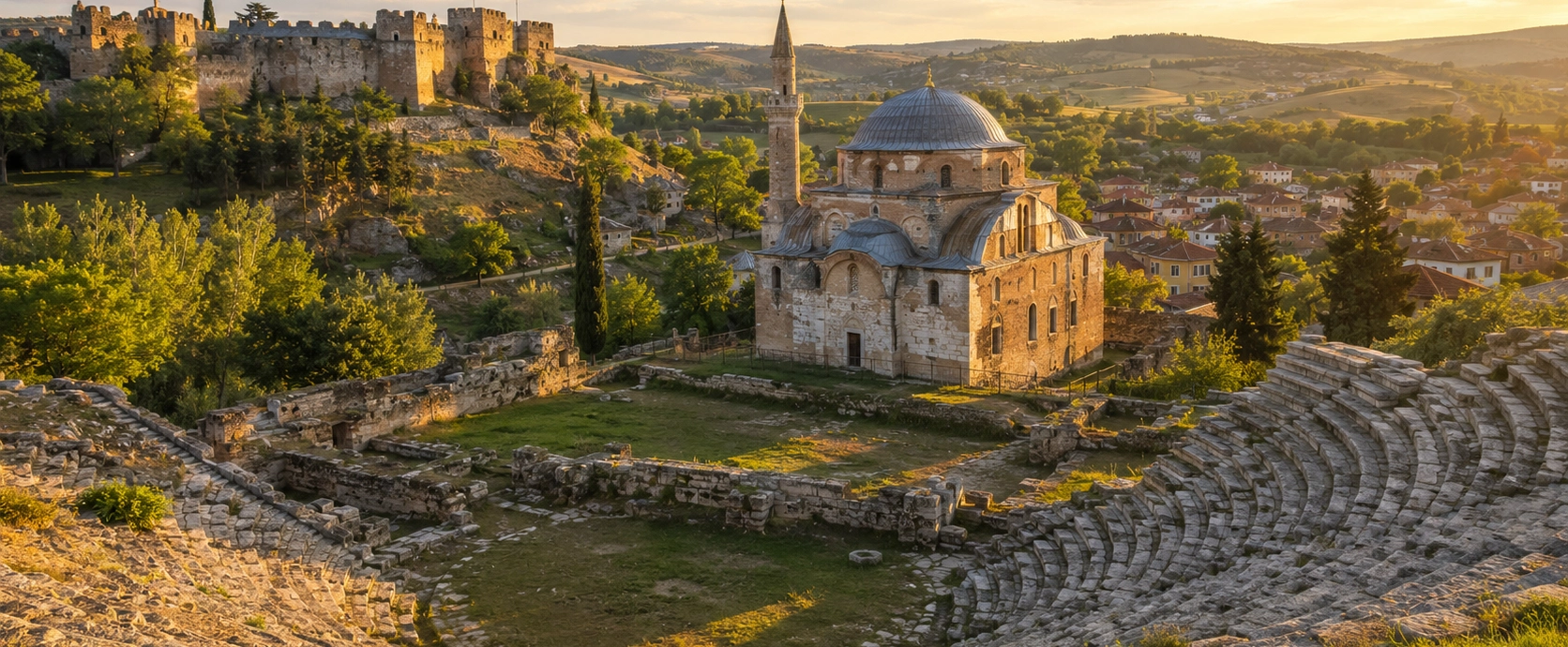
Discover the complete story of Vize, from Thracian and Roman remains to Byzantine churches, Ottoman monuments and the surrounding Istranca landscape.
View Vize GuideCombine the monuments of Vize with the forests, Black Sea towns and cultural landscapes of Turkish Thrace.
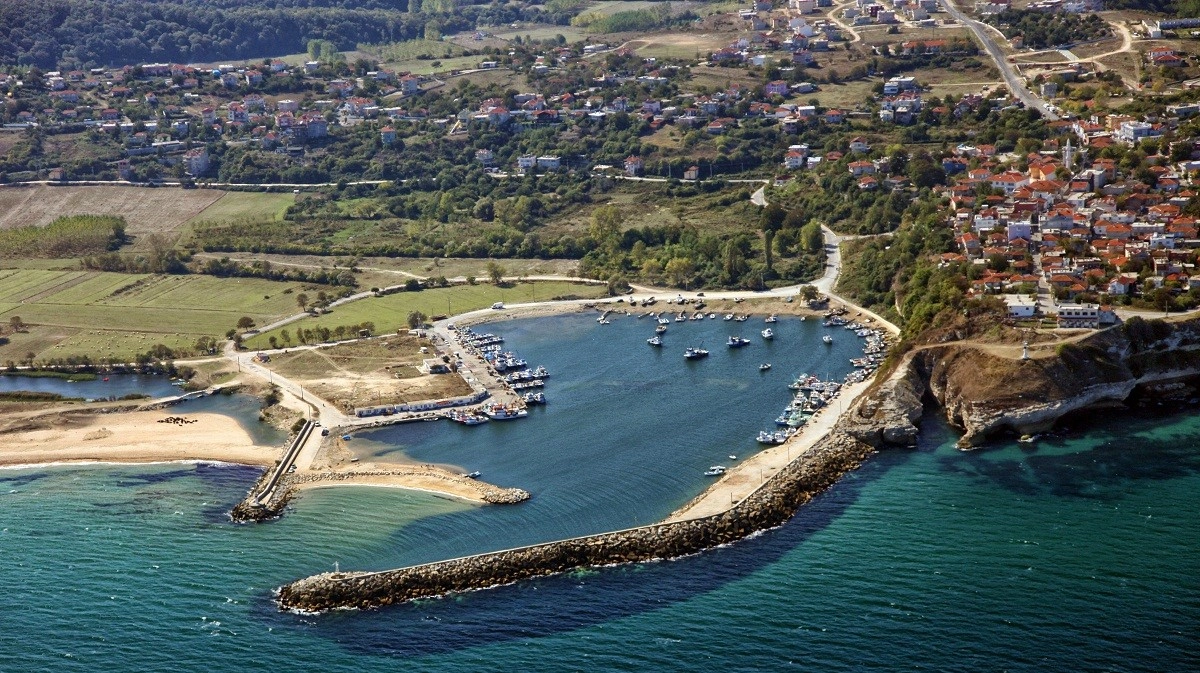
Continue from Vize toward the Black Sea for Byzantine heritage, rivers, forests, cliffs and coastal scenery.
Explore Kıyıköy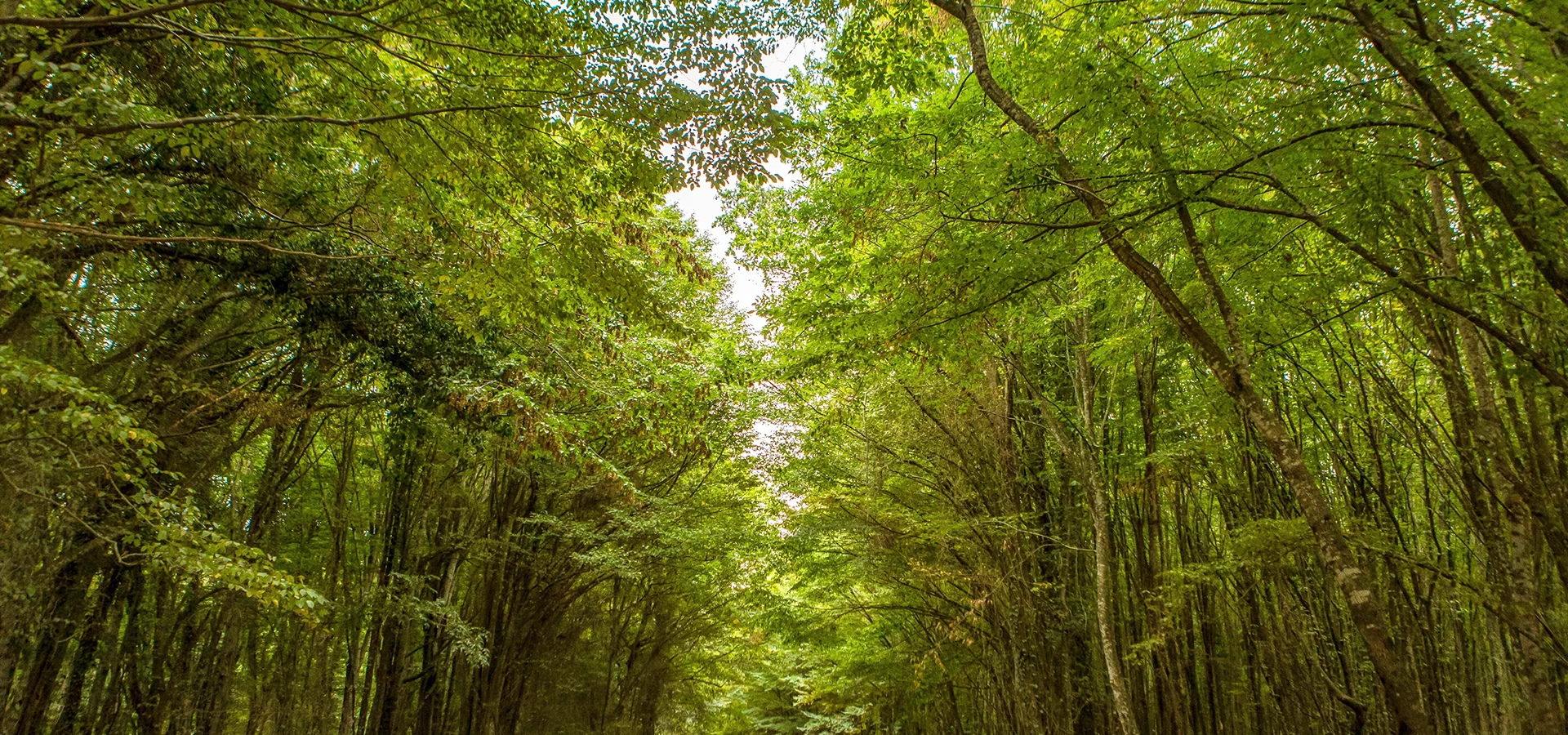
Leave the historic towns behind and explore the vast forest landscapes, valleys and rural roads of northern Thrace.
Discover Istranca
Discover prehistoric archaeology, Roman and Byzantine monuments, Ottoman heritage, caves, forests and the Black Sea coast.
View Kırklareli Guide