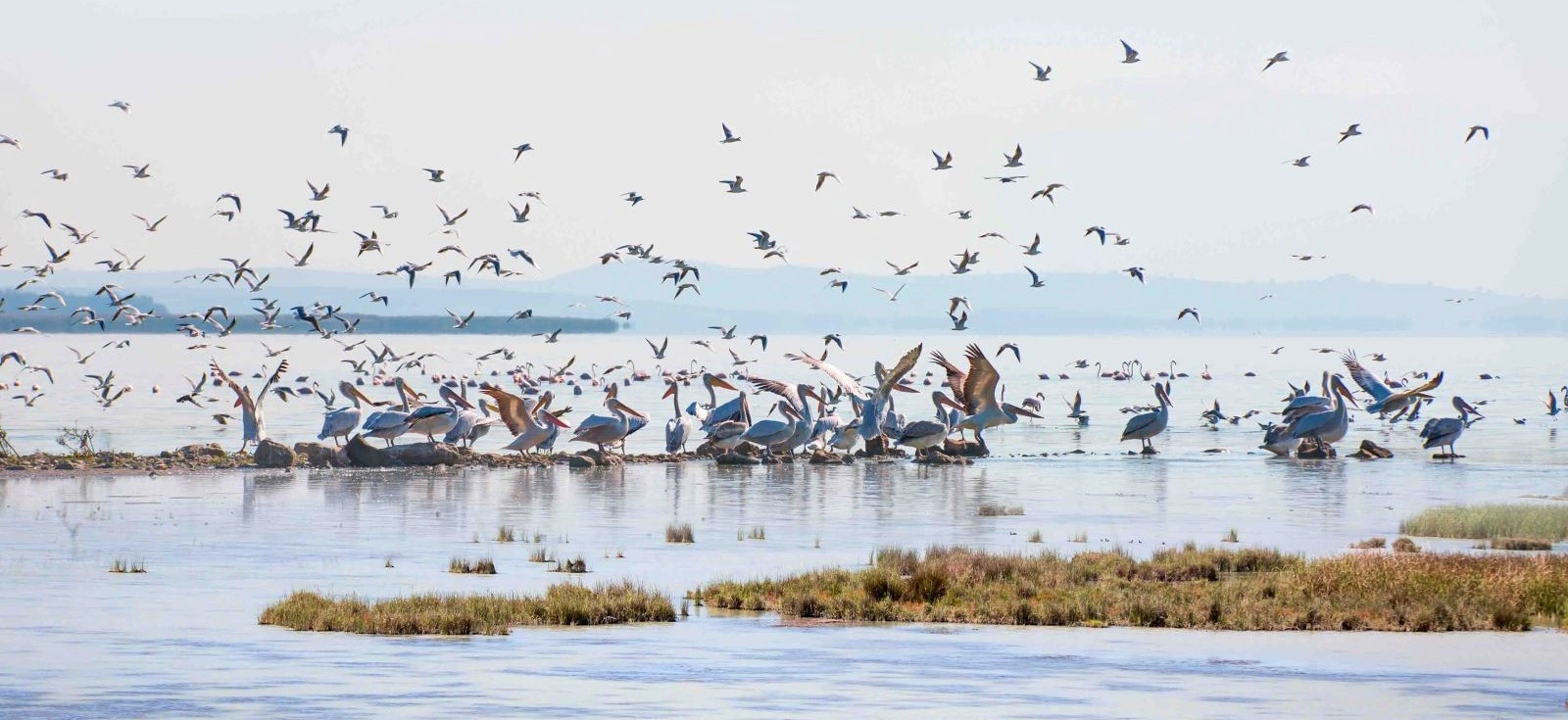
Lake Manyas & Bird Paradise
Continue from Susurluk's river plain to internationally important wetlands and rich birdlife near Manyas.
View Lake Manyas Guide





Susurluk is one of those Turkish towns whose name is known far beyond its size. For generations, travellers moving between Balıkesir, Bandırma, Bursa, İstanbul and İzmir have stopped here to rest, drink an unusually frothy glass of ayran and eat the crisp, buttery toast that became inseparable from the town's identity.
The pairing is more than a roadside habit. Susurluk Ayranı and Susurluk Tostu are both officially registered geographical indications, giving formal recognition to food traditions that developed around the district's dairy economy, road traffic and local ingredients.
But Susurluk is not only a place to eat and continue driving. The district sits around the Susurluk Çayı, with forested uplands rising toward Çataldağ, picnic landscapes beside local streams and the unusual granite formation known as the Çataldağ Granit Duvarı / Yelken Kaya. North of town, Kepekler – Ilıca Boğazı adds a thermal dimension to the district.
For travellers exploring inland Balıkesir, Susurluk works best when treated as more than a motorway pause. Give it a few hours and you can understand how food, movement, agriculture, railways, rivers and rural landscapes came together to shape one of western Türkiye's most recognisable provincial towns.
Drink the town's famous high-foamed ayran, officially registered as a geographical indication.
Try the classic local toast made with specially prepared bread and traditional cheese and/or sucuk.
Explore the Susurluk Çayı landscape and the wooded hills that rise toward Çataldağ.
Break a north–south journey with local food, a town walk and an easy nature or thermal detour.
Essential information for planning a food, culture and nature stop in northeastern Balıkesir Province.
Susurluk District, Balıkesir Province, in the transition zone between the southern Marmara and inland western Anatolian landscapes.
Approximately 44 km north of Balıkesir city, making it an easy stop on a wider provincial route.
Susurluk Ayranı, famous for its thick foam and registered geographical-indication status.
Susurluk Tostu, a crisp local toast with its own registered preparation tradition.
The Susurluk Çayı passes along the eastern side of the town and is part of the district's geographical identity.
Çataldağ rises to about 1,336 m east of the district and anchors Susurluk's forested upland scenery.
Kepekler – Ilıca Boğazı, about 20 km north of Susurluk, is listed as a thermal tourism centre.
Susurluk lies on the railway corridor linking Bandırma, Balıkesir and İzmir; always confirm current schedules before travel.
Expect river plains, productive agricultural land, forested hills and mountain scenery beyond the town centre.
The town celebrates its food identity through the long-running Susurluk Ayran Festival.
Combine food details, station-town atmosphere, river scenes and Çataldağ landscapes.
Allow 2–4 hours for town and food; use a full day if adding Çataldağ, Kepekler or nearby nature.
Most people first arrive in Susurluk for a very simple reason: food. The town's ayran-and-toast combination is one of Türkiye's classic road-trip rituals, and tasting it where the tradition developed gives the experience a sense of place that a generic service-station version cannot reproduce.
Yet the district becomes more interesting once you look beyond the plate. Susurluk has always been shaped by movement. Ottoman-era travellers and caravans stopped in the area, later roads and the railway reinforced its role as a transit point, and modern long-distance traffic turned local dairy and bakery traditions into nationally recognised flavours.
The surrounding countryside adds another layer. The Susurluk Çayı crosses productive lowlands, while the east rises toward Çataldağ's forests and granite formations. A short visit can therefore move easily from a busy roadside restaurant to a quiet river or mountain landscape.
Susurluk is especially rewarding for travellers who enjoy everyday Turkish culture: working towns, local food, markets, railway history, road culture and landscapes that are important locally even if they are not on every international itinerary.
Susurluk lies in the northeastern part of Balıkesir Province. The district centre is about 44 km from Balıkesir city, around 54 km from Bandırma and roughly 33 km from Manyas, placing it naturally on routes connecting inland Balıkesir with the southern Marmara region.
The town sits at a low elevation of roughly 63 m above sea level. Much of the central district is formed by plains and gently rolling land around the Susurluk Çayı valley, while higher, forested ground rises on both sides.
To the east, Çataldağ reaches approximately 1,336 m. To the west, Keltepe rises to around 881 m. This contrast explains why Susurluk can feel like a practical transport town in the centre yet become surprisingly green and rugged after a relatively short drive.
Its location is the key to understanding its identity. Susurluk is not a remote destination reached at the end of a special journey; it is a historic stopping place on journeys between larger cities, and that role has shaped its food, economy and character for centuries.
Long before motorway service areas and modern buses, the Susurluk area functioned as a stopping point for people travelling toward Bursa and İstanbul. Local historical accounts describe a caravanserai and mescit serving travellers when the settlement was still developing from an agricultural estate into a village.
That old travel function never really disappeared. It changed form. Caravans gave way to railways, intercity buses, trucks and private cars, but the basic pattern remained: arrive, rest, eat, continue.
The difference is that Susurluk turned the pause itself into a cultural experience. Frothy ayran and hot toast became so closely associated with the town that many Turkish travellers consider the food stop an expected part of the route rather than an optional diversion.
This makes Susurluk one of the best places in Balıkesir to think about how transport can shape local cuisine. The dishes are simple, fast and satisfying, but their fame is inseparable from the thousands of journeys that carried their reputation across Türkiye.
Local official histories trace the settlement's documented development to the mid-17th century. The area is described as having once been a wet and wooded tract associated with the İne Bey foundation before developing into an agricultural estate and then a permanent settlement.
A traditional explanation connects the old name “Susığırlık” with the abundance of water and the keeping of water buffalo or cattle in the wet landscape. Over time, the name evolved into Susurluk.
The population grew especially through migration and settlement during the late Ottoman period, including communities arriving from the Balkans and Caucasus as well as Türkmen groups. The settlement became a bucak / subdistrict in 1892 and was established as a district in 1926.
Susurluk was occupied during the Turkish War of Independence and was retaken on 5 September 1922, a date still commemorated locally. During the 20th century, rail transport, roads, agriculture, dairy production and industry strengthened its position as one of northern Balıkesir's important working towns.
Susurluk Ayranı is the town's most recognisable culinary symbol. What immediately distinguishes it is the thick, persistent cap of foam rising above the drink, often making a glass of ayran look almost like a white, foaming dessert.
The registered production description explains that the foam is created by circulating the ayran so that it falls rapidly from a height back into the chilled container, traditionally or mechanically incorporating air and allowing the drink's fat to form the characteristic froth.
The experience is textural as much as it is about flavour. The first sip passes through cool, airy foam before reaching the salted yogurt drink beneath. A well-served glass should feel fresh, cold and substantial rather than watery.
In 2017, Susurluk Ayranı received Turkish geographical-indication registration. That official status matters because it links the name to a defined local tradition rather than treating “Susurluk-style” merely as a generic description of foamy ayran.
Susurluk Tostu is deceptively simple. At first glance it is a toasted sandwich, yet the registered version depends on specific local characteristics: tava-style toast bread, appropriate local cheese and/or beef sucuk, strong toasting and a crisp exterior.
The geographical-indication specification identifies the traditional cheese as a lightly salted, matured kelle-type cheese rather than ordinary supermarket kaşar. The bread also matters: the locally produced toast loaf is made specifically for the style and develops the firm, crunchy surface expected from a proper Susurluk toast.
Cheese-only and sucuk versions are both common, while many travellers choose a mixed toast. The outside is typically enriched before or during pressing so that the finished sandwich is browned, crisp and aromatic.
Like the ayran, Susurluk Tostu was registered as a geographical indication in 2017. Try it hot, eat it immediately and order the ayran at the same time; the contrast between salty, toasted bread and cold foam is the point of the classic pairing.
For a first visit, choose a Susurluk toast and a glass of foamy Susurluk ayran together rather than treating them as separate specialties.
Do not stir the glass flat. The dense froth is part of the intended texture and one of the drink's defining characteristics.
The contrast of crisp bread and soft melted filling is strongest immediately after the toast leaves the press.
Cheese, sucuk and mixed versions vary by venue. Ask which option most closely follows the registered local style.
Even if Susurluk is a road stop, give yourself time to sit down rather than eating only beside the car.
The district's wider dairy culture makes cheese, yogurt and milk-based products worth noticing beyond the famous two-item combination.
Part of the charm of eating in Susurluk is that the experience is not staged as fine dining. The classic setting is practical and energetic: travellers arrive, buses pause, tea glasses move quickly between tables and hot toast appears within minutes.
This functional style is exactly why the tradition became so successful. Ayran is cold and refreshing, toast is fast and filling, and both can be prepared consistently for people travelling long distances.
Over time, roadside restaurants became landmarks in their own right. Families developed preferences for particular stops, and “having ayran and toast in Susurluk” became a memory attached to childhood journeys, holiday drives and intercity travel.
For visitors from abroad, this is one of the easiest places to experience a specifically Turkish form of roadside nostalgia: not a historic monument, but a living routine repeated every day.
The Susurluk Çayı passes the eastern side of the town centre and helps define the geography of the district. Upstream it is connected with the Simav river system, while through this area the river takes the Susurluk name before continuing northward.
The river valley creates broad, productive lowlands that contrast with the wooded uplands around Çataldağ. Agriculture, livestock and settlement have all benefited from this combination of water and relatively level land.
For travellers, the river is best understood as part of the landscape rather than as a formal riverside attraction with a single entrance. Bridges, nearby roads and open views reveal different aspects of it depending on season and water level.
Avoid approaching unstable banks or entering the water. River flow can be stronger than it appears, and agricultural waterways are not managed as recreational swimming areas.
Official district geography identifies Çaylak Deresi as one of the streams descending from Çataldağ and joining the Susurluk river system. A local picnic and recreation area has traditionally been associated with its banks.
The setting offers an easy contrast with the traffic and commercial energy of central Susurluk. Trees, flowing water and shaded areas make this kind of local mesire landscape especially pleasant in spring and early summer.
Conditions can vary with rainfall, maintenance and season, so travellers should not assume that every path, picnic installation or access point shown in older photographs is currently available.
If you visit, keep the area clean, avoid lighting fires outside permitted places and follow current forestry or municipal restrictions during dry summer periods.
East of Susurluk, Çataldağ rises to about 1,336 m and forms the district's most important highland landscape. The mountain's forests and rough terrain feel far removed from the flat road corridor through the town below.
One of its most distinctive natural features is known locally as the Çataldağ Granit Duvarı, also called Yelken Kaya. The exposed rock wall has attracted local hiking, off-road and outdoor-sports interest and is promoted by municipal and district sources as one of Susurluk's natural landmarks.
This is not a manicured urban attraction. Mountain access can involve forest roads, uneven surfaces and route-finding, and conditions may change after rain, snow, fire restrictions or forestry work.
Travellers without local knowledge should approach the area conservatively. Check road access, daylight and weather before setting out, carry water and avoid attempting technical climbing or difficult off-road approaches without appropriate experience and equipment.
About 20 km north of Susurluk, the Kepekler – Ilıca Boğazı area is officially listed as a thermal tourism centre. Regional tourism information records spring water at approximately 58°C at the source.
The thermal area demonstrates that Susurluk's water story extends beyond rivers and agricultural plains. Geothermal resources have also supported local bathing and spa traditions.
Facility names, accommodation options, pool access and operating conditions can change over time, so confirm current services before making a special journey. Do not assume that older tourism descriptions reflect the exact facilities available on the day you visit.
Official sources have historically associated the water with various health uses, but those statements should be understood as part of thermal tradition rather than a guarantee of medical treatment. If you have a health condition, ask an appropriate medical professional before prolonged hot-water bathing.
Susurluk's culinary identity is celebrated through the long-running Ayran Festival, which combines food culture with concerts, community activities, arts and public events.
The municipality held the 37th edition in 2026, with activities spread across several days around the end of August and beginning of September. This gives a sense of how established the festival has become within the town's civic calendar.
Festival dates and programmes can change every year, so check the latest municipal announcements before planning travel specifically around the event. Accommodation and restaurants may also be busier than usual during festival days.
For travellers who enjoy local celebrations more than large international festivals, it can be a lively time to experience Susurluk at its most social: food, music, families and public spaces all become part of the visit.
Walk part of the station-side urban axis to see the everyday commercial character that developed around transport and local movement.
The railway remains an important part of Susurluk's transport identity; appreciate the station environment without entering operational areas.
Use the town's central green spaces for a quieter break after lunch, especially if you are travelling with children.
Look beyond the main roadside restaurants for cheese, dairy products, bakery goods and everyday local food culture.
Include a bridge or river-side perspective where public access is safe and legal to understand the geography behind the town.
A short wander reveals Susurluk as a working district centre rather than only a line of famous restaurants beside the highway.
Shoot the ayran soon after it arrives, while the dense white foam still rises dramatically above the glass.
Warm window light helps show the crisp bread surface, melted cheese and texture of a freshly pressed toast.
Buses, road signs, luggage and restaurant windows can communicate Susurluk's role as a journey stop without needing a grand monument.
Late-day light can soften the flat river plain and add depth to bridges, trees and water reflections.
The granite wall and forest landscape benefit from wider compositions that show rock in relation to the mountain setting.
Ask before photographing restaurant staff, families, market traders or travellers at close range.
Fresh vegetation and cooler temperatures suit town walks and countryside drives, although rain can make rural tracks muddy.
One of the strongest periods for combining food, river scenery, picnics and Çataldağ's greener landscapes.
Expect hotter conditions in the plains; enjoy food stops at any hour but plan outdoor activity for morning or late afternoon.
Festival activity may add extra energy to the town when annual Ayran Festival dates fall in this period.
Comfortable road-trip weather and softer light make autumn particularly good for combining Susurluk with wider Balıkesir travel.
Toast and ayran remain available, but mountain and rural routes require more attention to rain, cold, fog and occasional difficult road conditions.
Enough for the classic roadside experience: one toast, one foamy ayran and a short rest before continuing your journey.
Add a brief walk through central Susurluk and see the town beyond the restaurant car park.
Ideal for food, the town centre, river scenery and an easy local nature stop.
Add Çataldağ, Çaylak scenery or Kepekler thermal springs, depending on weather and current access.
Useful if Susurluk forms part of a slow northern Balıkesir road trip rather than a transit break.
Combine the district with Lake Manyas, Bandırma or Gönen for a broader southern Marmara itinerary.
The oversized foam on Susurluk ayran is memorable for children and turns a simple meal into part of the travel experience.
A cheese toast is an easy choice for children who may not want a stronger or spicier sucuk filling.
Break up long drives with time in a town park rather than moving directly from car to restaurant and back again.
Riverbanks, streams and thermal areas require close adult supervision and should not be treated as casual play zones.
Choose simple forest viewpoints rather than difficult Çataldağ routes when travelling with younger children.
Susurluk is ideal as a comfort stop because food, toilets and rest can be combined before continuing a longer journey.
Susurluk is primarily a working town rather than a purpose-built visitor attraction, so accessibility varies from one restaurant, pavement, park and public building to another.
Large roadside restaurants may offer relatively straightforward vehicle access, but travellers who need step-free entrances, accessible toilets or wheelchair-friendly seating should confirm specific facilities before choosing a venue.
Central streets can include uneven pavements, curbs and busy crossings. Riverbanks, picnic areas and Çataldağ routes are more challenging because surfaces may be natural, muddy, sloped or unpaved.
If mobility is limited, the easiest Susurluk experience is likely to focus on a well-equipped food stop, a short town drive and accessible public green space rather than remote nature routes.
Susurluk is roughly 44 km north of Balıkesir city, making it one of the easiest district excursions from the provincial capital.
The distance is about 54 km, allowing Susurluk to combine easily with Bandırma and the southern Marmara coast.
Susurluk is around 33 km from Manyas, useful for travellers combining food culture with the bird-rich lake region.
The most flexible option, especially if you want to add Kepekler, Çataldağ or rural picnic landscapes.
Its strategic road position makes Susurluk easy to reach on regional routes; confirm current operators and stopping points.
Rail services use the Bandırma–Balıkesir–İzmir corridor through Susurluk. Check TCDD for current trains and times before relying on rail travel.
Choose the district centre if you need a practical overnight between longer road legs and want food and local services close by.
A broader hotel base about 44 km away, useful if Susurluk is part of a day trip from the provincial capital.
A convenient alternative for travellers continuing toward the Marmara coast, ferry connections or nearby archaeological and nature sites.
Consider Gönen if thermal bathing is an important part of the journey and you want a more established spa-town base.
Check current accommodation directly if your priority is the Ilıca Boğazı thermal area rather than central Susurluk.
Availability can tighten during major local events, so check ahead if travelling during the annual Ayran Festival period.
Susurluk's famous restaurants can make the district feel like a travel facility, but it is first and foremost a place where people live and work. Park only in appropriate areas, keep pavements and entrances clear and drive carefully around busy roadside businesses.
When visiting rivers, streams or forest areas, take all rubbish with you and follow current fire restrictions. Summer dryness can make careless flames or discarded cigarettes particularly dangerous in wooded landscapes.
Do not enter railway tracks, operational infrastructure, agricultural fields or private land simply for photographs. Use public crossings, roads and designated recreation areas.
Support local producers where practical. Choosing registered Susurluk specialties and locally made dairy or bakery products helps preserve the connection between the town's name and the food traditions that made it famous.
Susurluk's greatest itinerary advantage is its position. You can stop here while travelling north from Balıkesir, south from Bursa or inland from Bandırma without making a major detour.
Birdwatchers can continue toward Lake Manyas & Bird Paradise National Park. The lake environment introduces a very different water landscape, with wetlands and birdlife replacing Susurluk's river plain and road culture.
Travellers interested in archaeology and the Marmara coast can head toward Bandırma Archaeology Museum, while spa-focused visitors can compare Kepekler with the longer-established thermal tradition of Gönen.
To the south, Balıkesir city adds urban heritage, museums and historic architecture. Susurluk therefore works less as an isolated destination and more as a high-value connecting stop in a wider regional journey.
Add wetlands, birdwatching and one of Balıkesir's most important natural ecosystems to your northern district route.
Continue north toward regional archaeology and the southern Marmara coast.
Compare Susurluk's Kepekler thermal area with a historic spa town that also preserves archaeological heritage.
Add an easy forest and picnic stop near Balıkesir city to a route built around food and nature.
Move from Susurluk's road-town atmosphere into the architectural and urban history of the provincial capital.
Explore the national-struggle history of Balıkesir through one of the city's key museums.
The toast-and-ayran combination is filling; make it a proper meal stop rather than adding it after a large lunch.
Susurluk toast is at its best directly from the press, while the bread is still hot and crisp.
The ayran's foam is central to the local style, so enjoy it before stirring or letting the drink sit too long.
If authenticity matters to you, look for geographical-indication branding or ask the venue how its product follows the registered style.
Susurluk is a busy transport town; cross major roads only at safe points and take extra care around parking entrances.
Take separate drinking water for Çataldağ or countryside walks, especially during warm weather.
Summer fire controls can affect access, picnicking and open-flame use in wooded areas.
Contact Kepekler-area facilities before travelling specifically for pools, bathing or accommodation.
Rail schedules can change, so use current TCDD information rather than old online timetables.
Even 20–30 minutes away from the roadside restaurants gives a much better sense of Susurluk as a real district centre.
Normal trainers are enough for town, but nature areas can be muddy, rocky or slippery after rain.
Susurluk works exceptionally well with Manyas, Bandırma, Gönen or Balıkesir city on the same regional journey.
Susurluk matters because it demonstrates that cultural identity does not always grow around palaces, ancient ruins or monumental architecture. Sometimes it grows around a roadside table, a glass of ayran and a hot sandwich.
The town took practical foods connected with dairy farming, bakery production and long-distance travel and turned them into traditions recognised across Türkiye. Official geographical-indication registration later formalised what generations of travellers already knew: Susurluk's versions had become distinctive enough to belong to the place.
At the same time, the district's river, forests, thermal water and granite geology show that the culinary reputation is only one layer of a much broader local landscape.
For travellers willing to stay a little longer, Susurluk becomes a lesson in how roads, food, migration, agriculture and geography can shape a town's identity more powerfully than any single landmark.
Susurluk is a district of Balıkesir Province in northwestern Türkiye, northeast of Balıkesir city and south of the Marmara region.
The district centre is approximately 44 km from Balıkesir city.
The distance is approximately 54 km.
It is best known for Susurluk Ayranı and Susurluk Tostu, together with its long-standing role as an important road and railway stop.
Yes. Susurluk Ayranı is a registered Turkish geographical indication, registration number 238, dating from 2017.
Yes. Susurluk Tostu is also a registered geographical indication, registration number 239, dating from 2017.
The traditional method circulates the ayran rapidly from a height, helping create the dense foam that defines the local style.
Traditional versions use local toast bread with cheese and/or beef sucuk. The registered specification describes a lightly salted matured kelle-type cheese rather than ordinary kaşar.
Yes. The hot, salty, crisp toast and cold foamy ayran are the classic Susurluk pairing.
No. The district also offers river scenery, forested uplands, Çataldağ, the granite wall / Yelken Kaya formation and the Kepekler thermal area.
Çataldağ is the major mountain east of Susurluk, reaching about 1,336 m and carrying extensive forest landscapes.
It is a prominent exposed granite rock formation on Çataldağ, also known locally as Yelken Kaya and associated with hiking and outdoor recreation.
Yes in suitable areas, but routes vary in difficulty and access. Check weather, forestry restrictions and road conditions before setting out.
Yes. Kepekler – Ilıca Boğazı, around 20 km north of town, is an officially recognised thermal tourism area.
Official regional information lists the source at approximately 58°C.
Traditional tourism sources describe various health uses, but these should not be treated as guaranteed medical treatment. Ask a qualified clinician if bathing for health reasons.
The Susurluk Çayı passes along the eastern side of the town and forms part of the wider Simav–Susurluk river system.
A traditional local explanation links the earlier form “Susığırlık” with the area's abundant water and livestock before the name evolved into Susurluk.
Official local histories state that Susurluk became a subdistrict in 1892 and a district in 1926.
5 September commemorates the town's liberation in 1922.
Yes. Susurluk holds a long-running Ayran Festival; the 37th edition was held in 2026. Check municipal announcements for future dates.
Yes, rail services operate through the Bandırma–Balıkesir–İzmir corridor. Always verify current trains and times directly with TCDD.
Yes. Its roughly 44 km distance makes Susurluk an easy half-day or full-day trip from Balıkesir city.
Allow 2–4 hours for food and town exploration, or a full day if adding Çataldağ, local nature or the thermal area.
Spring and autumn are best for combining food with countryside exploration, while the culinary experience itself is available year-round.
Yes. The easy food stop, parks and short drives work well with children, although river, thermal and mountain areas require close supervision.
Accessibility varies by venue. Larger roadside restaurants may be easier, but confirm step-free access and accessible toilets directly.
Good pairings include Lake Manyas, Bandırma, Gönen and Balıkesir city.
For a first visit, have a freshly made Susurluk toast with a tall glass of foamy Susurluk ayran, then spend at least a little time seeing the town beyond the roadside stop.
Build a wider Balıkesir journey that connects Susurluk's famous food culture with wetlands, spa towns, museums, forests and provincial heritage.
Continue from Susurluk toward Manyas, Bandırma, Gönen, Balıkesir city and the province's green inland landscapes.
Continue from Susurluk's river plain to internationally important wetlands and rich birdlife near Manyas.
View Lake Manyas Guide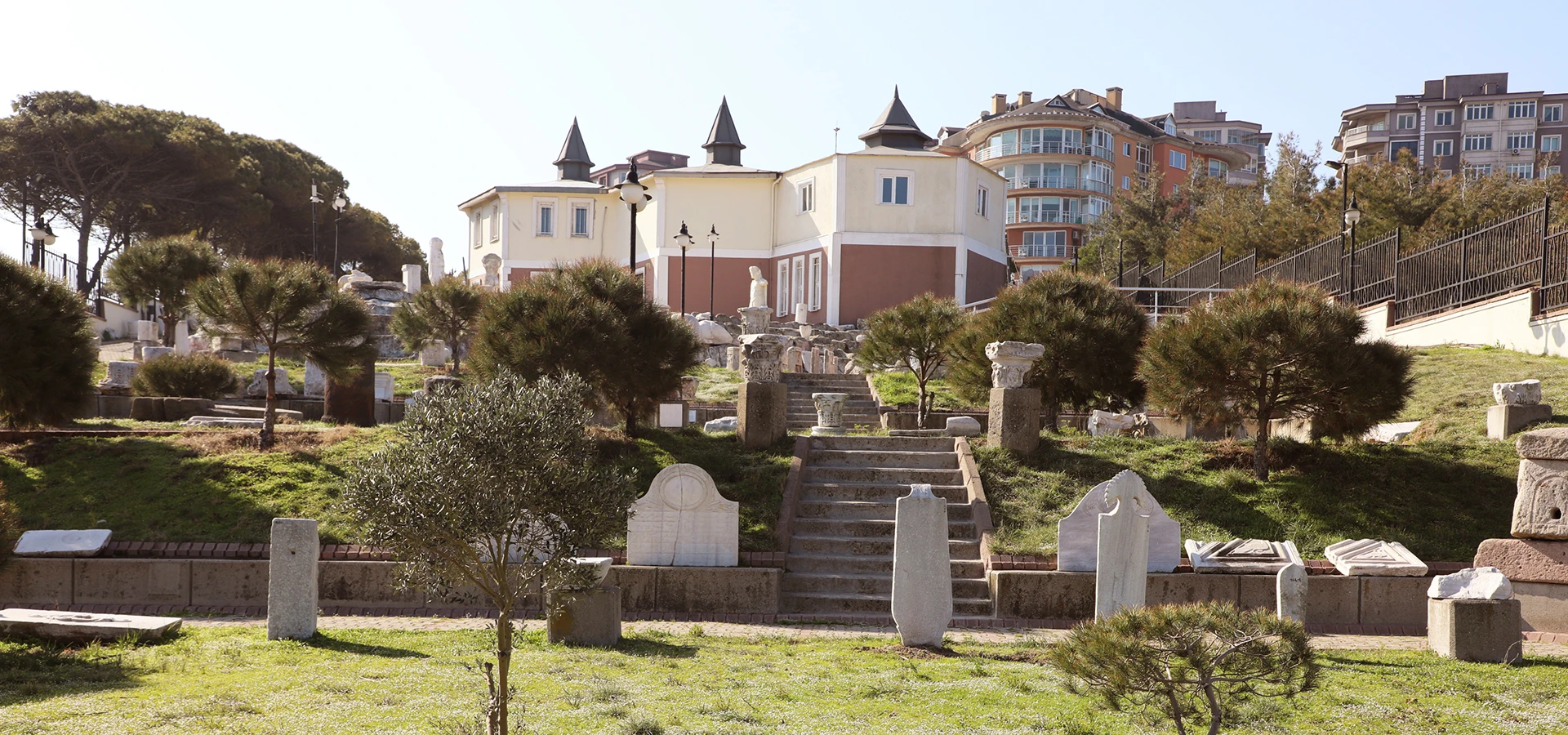
Head toward the Marmara coast for regional archaeology and a deeper look at the ancient cultures of northern Balıkesir.
View Bandırma Museum Guide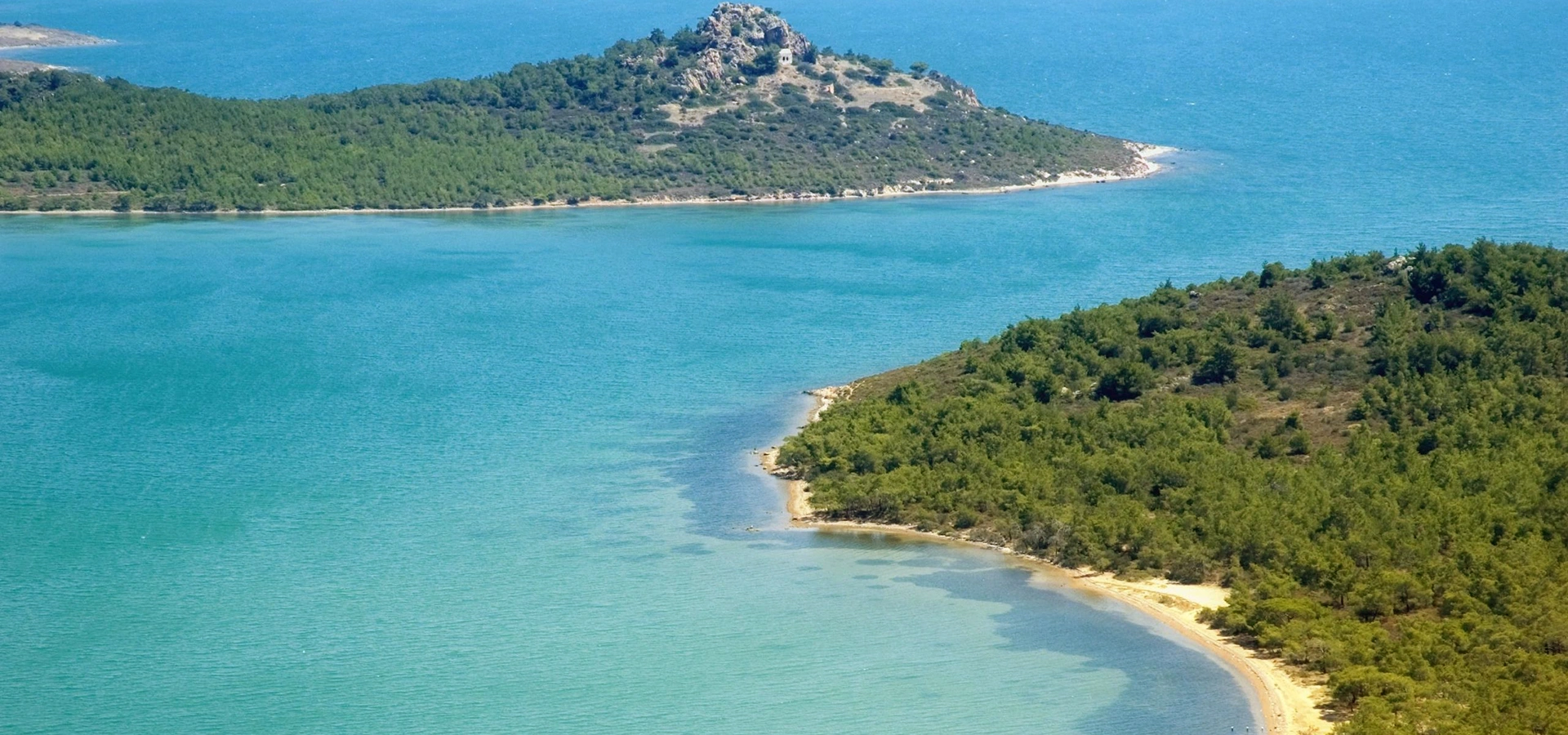
Compare Susurluk's Kepekler thermal landscape with one of Balıkesir's best-established spa destinations.
View Gönen Guide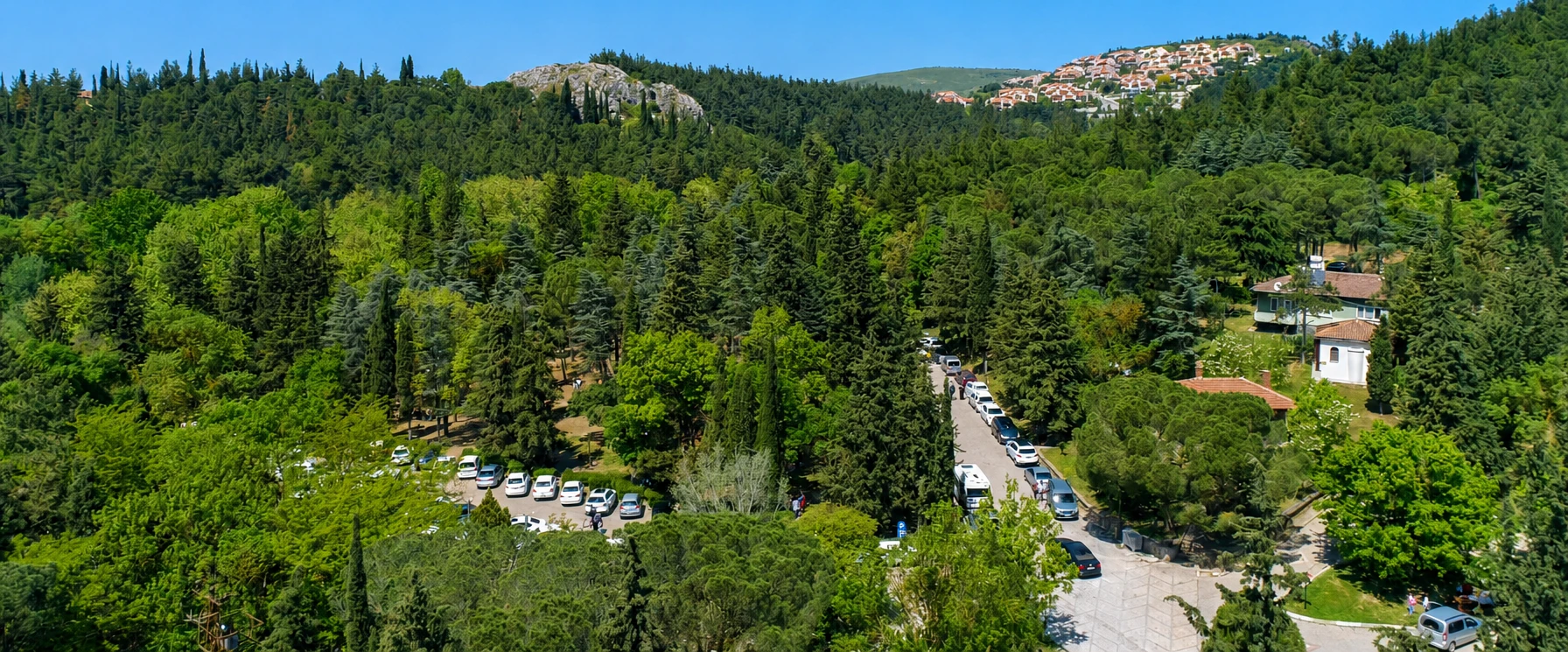
Add an easy forest stop near Balıkesir city to a road trip built around Susurluk's food and inland nature.
View Değirmen Boğazı Guide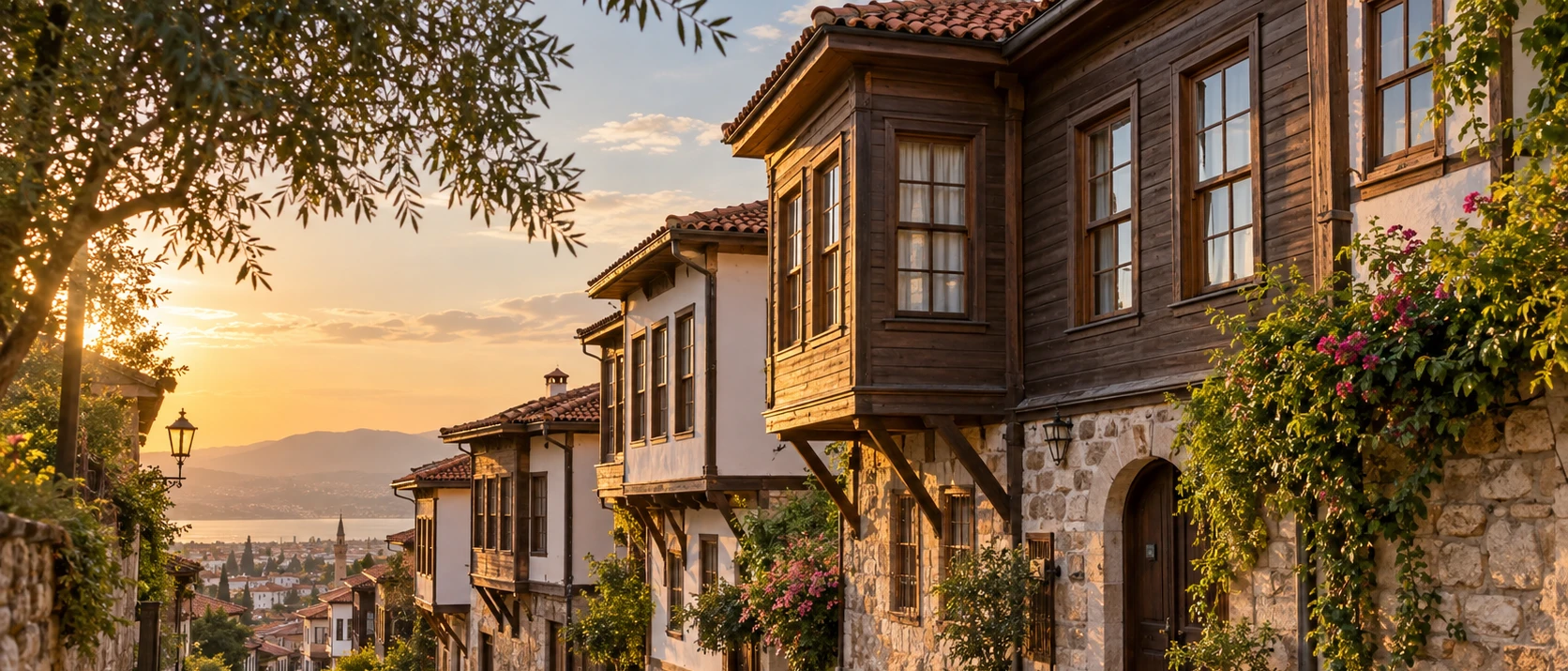
Continue south from Susurluk into the architectural character and historic neighbourhoods of the provincial capital.
View Balıkesir Historic Houses Guide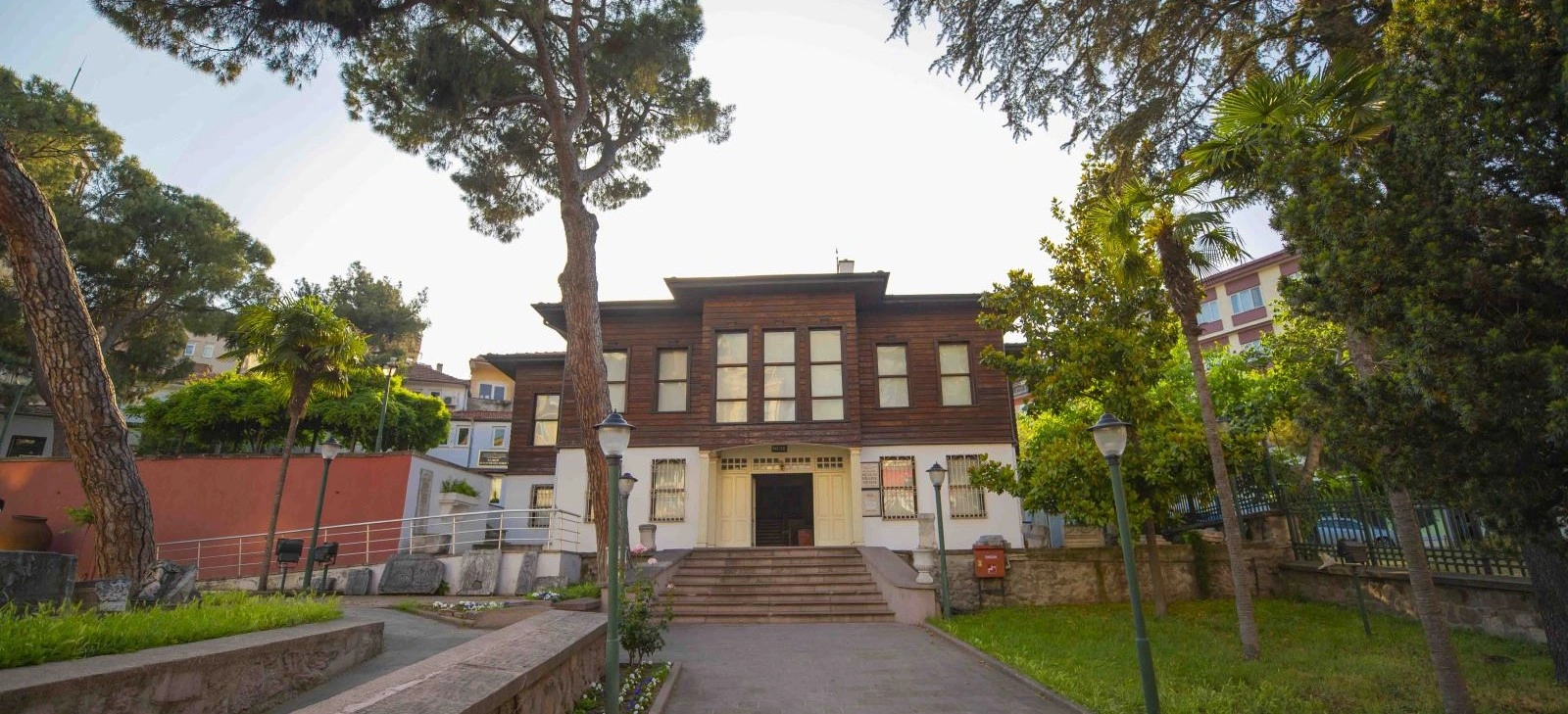
Add Balıkesir's national-struggle history to a wider inland route through the province.
View Kuvayi Milliye Museum Guide