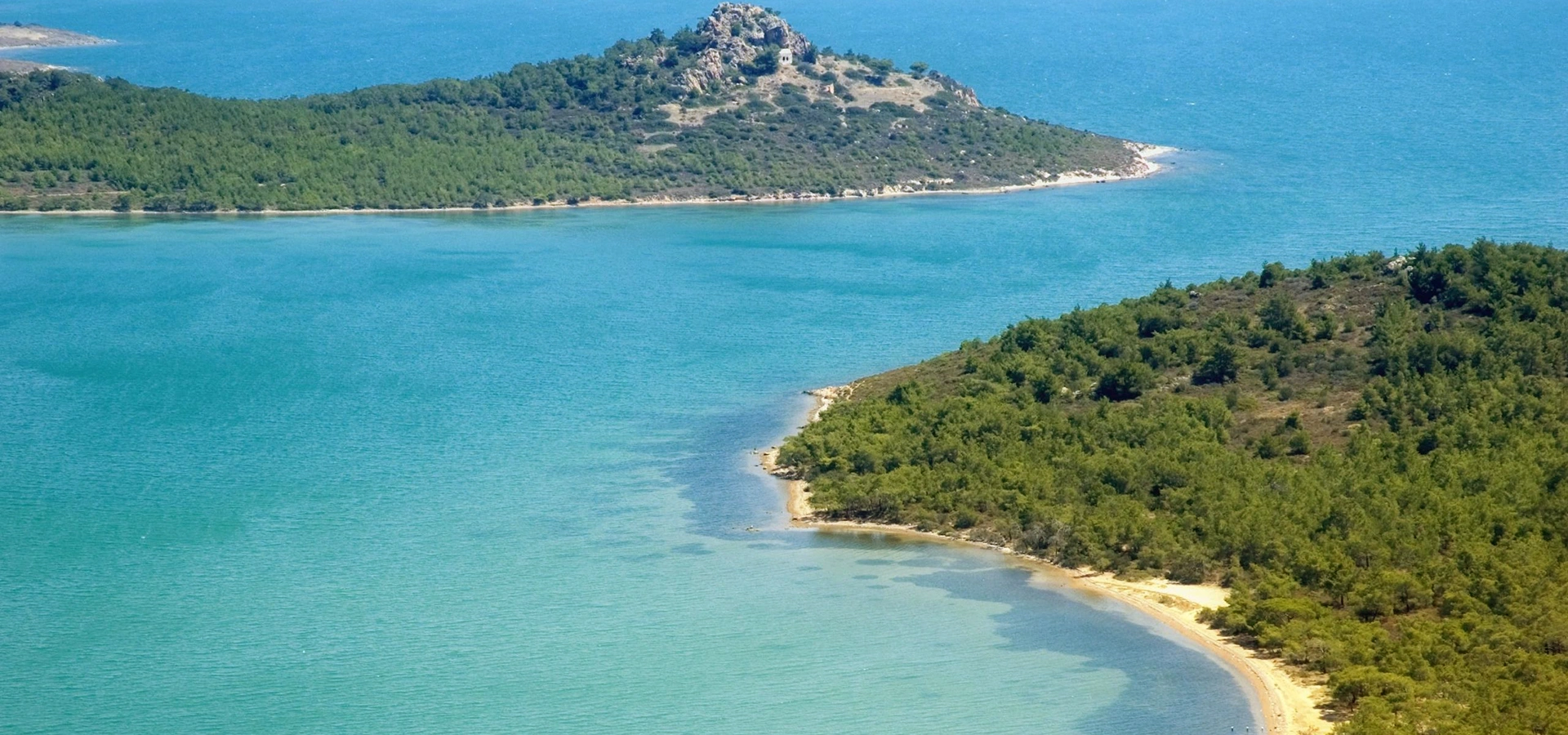
Private Gönen Thermal Heritage Experience
Ask us about a tailor-made route combining Gönen's ancient thermal story, mosaic heritage, needle lace and local culture.
Request a Custom Tour





In many historic spa towns, archaeology survives somewhere beyond the modern hotels. In Gönen, the relationship is much more immediate. Ancient inscriptions, mosaic floors, stone architectural fragments and centuries of bathing history have been discovered directly around the thermal zone that still defines the town today.
The Gönen Hot Springs stand close to the town centre beside Gönen Çayı. Official provincial tourism information records source temperatures of approximately 71–82°C, while the municipality's current strategic planning documents describe a geothermal system supplied through multiple wells and used not only for spa facilities but also for heating buildings in parts of the town.
The archaeological story is equally important. Finds from around the springs include mosaics, inscriptions, column capitals, coins and other stone material. Second-century AD inscriptions recorded by local and provincial authorities refer to the settlement as a “Hot Water City” — commonly rendered as Thermai / Thermi — and refer to the baths as the Granikaion / Granicion Baths, demonstrating that thermal water was already central to urban life in the Roman period.
Beside the thermal facilities is the small Gönen Mosaic Museum, also described as the Gönen Mosaic and Open-Air Museum. Official tourism sources describe a covered floor mosaic surrounded by stone objects from the Roman, Byzantine and Ottoman periods. Local historical research also links the museum area with archaeological remains discovered during foundation works around the Park Hotel development.
This is therefore much more than a place to take a thermal bath. Gönen offers an unusual opportunity to see how geology, public bathing, urban history, Late Antique Christianity and modern wellness tourism developed around the same source of hot water over many centuries.
Official provincial tourism information records very hot mineral water emerging in the Gönen thermal area.
Second-century AD inscriptions connect Gönen with a “Hot Water City” and the ancient Granikaion bath tradition.
A protected floor mosaic and associated archaeological material preserve the later history of the thermal quarter.
The springs are not simply archaeological remains; thermal hotels and bathing culture remain central to modern Gönen.
Essential information for understanding Gönen's exceptional combination of geothermal water and archaeology.
Central Gönen, Balıkesir Province, in Türkiye's southern Marmara region.
Official tourism sources give a source temperature of approximately 71–82°C.
Roman-period inscriptions show that hot water and public bathing were already central to the settlement in the 2nd century AD.
A small archaeological display beside the thermal facilities, centred on a protected floor mosaic and surrounding stone finds.
Official museum information records material from the Roman, Byzantine and Ottoman periods.
Provincial tourism information describes the water as a fluoride-bearing sodium sulphate, chloride and bicarbonate thermal mineral water.
Allow 1–2 hours for the thermal heritage area without bathing, or a half day if adding a spa experience.
Current online sources conflict about public access to the mosaic display. Confirm locally before making a special journey for the museum alone.
The springs remain integrated with functioning thermal accommodation and bathing facilities in central Gönen.
Gönen is nationally known for its exceptionally delicate needle lace — iğne oyası.
Writer Ömer Seyfettin was born in Gönen in 1884, adding another important layer to the town's cultural identity.
Thermal tourism, archaeology, local culture, slower travel, wellness breaks and South Marmara road trips.
Gönen is interesting because its ancient history is not separated from modern life. The same geothermal landscape that attracted people in antiquity still shapes the town today.
The first reason to visit is continuity. Archaeological finds demonstrate that hot water was important here in antiquity, while modern hotels and bathing facilities continue to draw visitors for thermal stays. Few places allow you to connect ancient spa culture and contemporary thermal tourism so directly.
The second reason is the archaeology beneath an ordinary modern town. Gönen does not present itself like Ephesus or Pergamon, where monumental ruins dominate the landscape. Instead, mosaics, inscriptions and architectural fragments were discovered through construction and excavation around the thermal zone. The result feels more like reading hidden layers beneath a living city.
The third reason is the small-scale character of the mosaic site. The museum is not a vast archaeological complex. Its value lies in seeing an ancient floor in the exact urban environment where thermal bathing, building activity and settlement continued around it.
Finally, Gönen works extremely well as a base or stop within a wider South Marmara itinerary. Lake Manyas Bird Paradise, Bandırma, Kapıdağ Peninsula, Cyzicus and the rural landscapes between Balıkesir and Çanakkale can all be connected with a thermal overnight stay.
The main Gönen thermal facilities are located in Gönen town centre, close to Gönen Çayı and within easy reach of the commercial centre. This makes the springs unusual compared with many rural thermal resorts: you are not travelling to an isolated spa several kilometres outside town.
The Mosaic Museum / Open-Air Mosaic Museum is associated with the thermal complex itself. Official provincial tourism information places the museum beside the Gönen thermal facilities, where a protected floor mosaic and surrounding stone objects are displayed.
Gönen lies in Balıkesir Province in southern Marmara, inland from the Sea of Marmara and west of Bandırma. The district sits within an important route network connecting Balıkesir, Bandırma, Biga, Çanakkale and the northern Aegean.
It is tempting to think of the hot springs as a wellness attraction and the mosaic as a completely separate historical sight. In Gönen, that division misses the most interesting part of the story.
The archaeological discoveries were made in and around the thermal quarter. Inscriptions describing ancient baths, floor mosaics, carved stones and building remains all point toward a settlement whose urban identity was closely connected with hot water.
The modern thermal facilities therefore occupy a landscape that has been valued for the same natural resource for many centuries. The buildings have changed, religious traditions changed, political powers changed and bathing technology changed — but the geothermal source remained.
That continuity makes Gönen especially useful for travellers interested in how landscapes shape cities. Here, geology is not background scenery. Hot water influenced where people built, why visitors came and how the town became known.
The Gönen basin was inhabited long before the modern Turkish town developed. Archaeological material discovered around the thermal zone — including coins, inscriptions, mosaics, column capitals and architectural fragments — demonstrates occupation reaching back into antiquity.
Modern local histories use several ancient names when discussing the district, including Asepsus and Artemea. The most important evidence for the thermal quarter itself comes from inscriptions dating to the 2nd century AD.
These inscriptions are particularly valuable because they connect the identity of the settlement directly with hot water. Official local and provincial sources translate or summarise the city's name as a “Hot Water City”, rendered in modern publications as Thermi or Thermai, while the baths are described as the Granikaion / Granicion Baths.
The inscriptions also record benefactors or administrators associated with making the thermal water available to the public. This transforms the hot springs from a natural curiosity into evidence for urban infrastructure, civic generosity and organised bathing culture in the Roman period.
Travellers researching ancient Gönen will quickly encounter several different names. These should not automatically be treated as simple synonyms from one single historical moment.
A name associated in modern historical writing with the wider ancient district and with the river known in antiquity as the Aesepus.
Another ancient name used in local histories for a settlement connected with the Gönen area.
The name used in official local summaries of Roman inscriptions from the thermal area and interpreted as a “Hot Water City”.
The name recorded in modern sources for the ancient baths; spelling varies between Turkish publications and transliterations.
The safest way to understand these names is as evidence of a region with a long and layered history rather than forcing every ancient reference into one perfectly fixed modern identification.
Roman bathing was never simply about washing. Public baths could function as places for relaxation, conversation, exercise, treatment, social display and civic life. In a naturally geothermal town such as Gönen, the availability of hot mineral water gave bath culture a particularly strong foundation.
The second-century inscriptions associated with the thermal area are important because they indicate organised public use of the springs. References to named baths and to people who helped make the water available suggest that the thermal resource was integrated into the administration and public life of the settlement.
The exact plan of the Roman thermal complex cannot be reconstructed for casual visitors in the way that the baths of a major excavated ancient city can. Later construction, rebuilding, earthquakes and continuous use transformed the landscape repeatedly.
For that reason, Gönen should be approached as a continuously occupied thermal site rather than as a frozen Roman ruin. The inscriptions and museum pieces are surviving fragments of a much larger bathing world that once existed around the springs.
The archaeological importance of Gönen did not end with the Roman Imperial period. Byzantine-period remains around the thermal quarter demonstrate continued occupation and new forms of architecture and religious life.
The best-known evidence is the mosaic floor preserved beside the thermal facilities. Provincial tourism sources identify the museum collection as including Byzantine material, while Balıkesir municipal tourism material also associates the open-air mosaic area with an ancient baptistery context.
This is a revealing change in the historical landscape. A district once strongly associated with Roman bathing later also preserved Christian architectural remains. The water landscape continued to matter, but the cultural meaning of the surrounding buildings evolved.
The result is a compact archaeological zone where Roman thermal identity and Byzantine Christian material occupy the same modern spa quarter.
The Gönen Mosaic Museum is not a conventional multi-gallery museum with dozens of display rooms. It is better understood as a small covered archaeological and open-air display protecting a floor mosaic and presenting stone material gathered from the surrounding area.
The Balıkesir Provincial Directorate of Culture and Tourism describes it as being beside the Gönen thermal facilities, with a floor mosaic under a covered structure and stone objects from the Roman, Byzantine and Ottoman periods arranged around it.
The intimate scale is part of its interest. Rather than removing the mosaic to a distant archaeological museum, the site allows visitors to encounter the floor close to the place where the ancient remains were found.
At the same time, visitors should manage expectations. This is not Zeugma, the Great Palace Mosaic Museum or a major national collection. Its importance comes from local context and continuity rather than monumental scale.
The central archaeological feature is a mosaic pavement created from many small pieces of stone known as tesserae. Surviving photographs show complex geometric arrangements, repeating borders and carefully organised colour contrasts.
The value of a floor mosaic lies not only in decoration. A pavement can reveal the size and importance of a room, the resources invested in a building and the cultural connections of the community that commissioned it.
Municipal tourism material identifies the Gönen open-air mosaic site with an ancient baptistery. That Christian interpretation is particularly significant because baptisteries were spaces connected with initiation into the Christian community and could receive carefully designed architectural and decorative programmes.
When looking at the floor, pay attention to the relationship between the central composition and the surrounding borders. Ancient mosaicists used geometry to organise movement across a surface and to create visual emphasis even when no large human figures were present.
Official museum descriptions emphasise that the display includes more than the floor itself. Stone objects from several periods have been gathered around the mosaic, creating a compact cross-section through Gönen's long history.
Written stone is especially important because it can preserve names, titles, religious references and evidence for public building or benefaction.
Architectural fragments help reconstruct the scale and decorative language of buildings that no longer survive intact.
Reused or displaced stone pieces can preserve decorative details from Roman and Byzantine structures.
Later stonework reminds visitors that the thermal district continued to be occupied and rebuilt long after antiquity.
Because some objects have been gathered from the wider area rather than remaining in their original architectural position, interpret them as evidence for the historical landscape of Gönen rather than assuming every piece belonged to the exact room containing the mosaic.
One of the most striking features of Gönen's archaeology is the way ancient material emerged during modern development. Local historical research into the thermal quarter records archaeological discoveries made during foundation work associated with the Park Hotel area.
Research comparing plans of the thermal district from the 1960s and 1980s indicates that the excavation area later became a museum zone. This is a classic example of rescue archaeology: modern building activity exposed material that then had to be protected rather than simply built over.
The story also explains why the museum appears physically integrated into the hotel-and-spa landscape. The archaeological site was not planned first and surrounded later by a tourist complex; the ancient remains were revealed within an area that was already being modernised for thermal tourism.
For visitors, this makes the spatial relationship between the mosaic, hotel buildings and hot springs historically meaningful rather than accidental.
Official provincial tourism information records Gönen's thermal water at approximately 71–82°C at source. The municipality's 2025–2029 strategic plan gives a similarly high range for active wells and describes a substantial geothermal system supplying the modern thermal district.
The water is officially described as containing fluoride, sodium, sulphate, chloride and bicarbonate. These dissolved minerals are why the springs are classified as thermal mineral water rather than simply heated groundwater.
The temperature at the source is far too hot for direct bathing. Modern facilities manage the water so that pools and bathing areas can be used safely at controlled temperatures.
Gönen's relationship with geothermal energy extends beyond hotel baths. The municipality's current strategic plan reports thermal water obtained from ten wells near the town centre and describes combined flow of roughly 45 litres per second.
According to the same municipal source, geothermal energy helps serve several hotels and contributes to the heating of public buildings and residential areas. This turns Gönen into an especially interesting example of a town where a resource once associated with Roman bathing now also supports modern urban infrastructure.
For a visitor, most of that system is invisible. Pipes, wells and heat-distribution infrastructure are less picturesque than mosaics or domed baths. Yet they represent the newest chapter in exactly the same story: the town continues to organise part of its economy and daily life around underground heat.
Gönen has long been promoted as a therapeutic thermal destination, and official tourism material lists a wide range of conditions for which balneotherapy has traditionally or clinically been used in the region.
For travellers, the most responsible approach is to distinguish between relaxing in a thermal bath and undertaking a medical treatment programme. Warm mineral water can be an enjoyable wellness experience, but it should not be treated as a substitute for diagnosis, medication or professional medical care.
If you are visiting specifically for rehabilitation or a health condition, consult your doctor and ask the thermal facility whether it provides medical supervision, physiotherapy or a structured treatment programme appropriate to your needs.
Use the thermal pools according to the facility's recommended temperature and time limits.
Choose a medically supervised programme rather than self-prescribing long or repeated hot-water sessions.
Ask a healthcare professional whether prolonged heat exposure is appropriate for you.
Drink water and take breaks; hot environments can increase dehydration and dizziness.
Walk through the thermal quarter, check access to the mosaic display and look for the relationship between ancient remains and modern facilities.
Ask one of the thermal facilities whether day-use bathing is currently available and what services are included.
Stay within the thermal district if you want repeated pool access and a slower introduction to Gönen.
Choose this only through a facility offering appropriate professional assessment and supervision.
The best experience for many cultural travellers is a combination: explore the archaeological story first, then use the thermal facilities with a much clearer understanding of why hot water has mattered here for so long.
Pool temperatures, bathing times, swimwear requirements and gender arrangements vary between facilities.
If you are unused to thermal bathing, begin with shorter sessions rather than staying in very warm water for a long period.
Warm pools, saunas and steam rooms can make you lose fluid more quickly than expected.
Thermal facilities can have wet tiled floors, so suitable sandals are useful.
Some Turkish pools request or require caps, especially in indoor thermal facilities.
Some pools are designed for bathing, others for exercise, therapy or specific treatment programmes.
Public information about the museum's current access status is not completely consistent.
The Balıkesir Provincial Directorate of Culture and Tourism continues to list Gönen Mosaic Museum among the province's museums and describes its location and collection. A cultural-inventory entry updated in October 2025 marks the site as accessible. However, an older tourism directory updated in 2023 states that the museum was permanently closed.
Because these sources conflict, this page does not publish a fixed opening schedule or promise that the mosaic shelter can always be entered. Check locally with the thermal complex, Gönen Municipality or the relevant museum authority shortly before your visit.
Even if access to the protected mosaic is temporarily restricted, the thermal quarter remains historically significant and worth exploring as part of a wider Gönen visit.
One of the most atmospheric periods for thermal bathing, especially if you enjoy cold weather outside and warm mineral pools indoors.
Good for combining a spa stay with town walks and the greening countryside of South Marmara.
Pleasant for combining Gönen with Lake Manyas, Bandırma and rural day trips before peak summer heat.
Thermal bathing remains possible, but many visitors may prefer shorter sessions and outdoor exploration during cooler morning or evening hours.
An excellent balance of comfortable weather, agricultural landscapes and easy road-trip conditions.
A strong choice for a quiet thermal break when warm-water experiences feel especially appealing.
Unlike a seasonal beach or waterfall destination, Gönen's principal attraction is not dependent on summer weather. If your priority is the thermal experience, autumn, winter and early spring can be particularly rewarding.
Enough only for a quick look around the thermal area if you are passing through.
Reasonable for the historical quarter and mosaic site if access is straightforward.
A better cultural visit, allowing time to understand the archaeology and walk through central Gönen.
Add a thermal bath, town centre, Oya Market or Ömer Seyfettin Memorial House.
Combine thermal heritage with Ekşidere, local food, craft shopping and another nearby historical stop.
Best if Gönen is primarily a wellness break and you want repeated use of thermal facilities without rushing.
Gönen lies southwest of Bandırma and is straightforward to reach by road, making the two destinations easy to combine.
Approach north through the South Marmara road network; a private car is useful if continuing to rural attractions.
Gönen can form a useful inland stop when travelling between the Çanakkale region and Bandırma or Balıkesir.
Intercity and regional buses serve Gönen; once in town, the thermal quarter is comparatively central.
The best option for combining Gönen with Lake Manyas, Ekşidere, Bandırma, Kapıdağ or Cyzicus.
Central Gönen is compact enough that the thermal quarter can be combined with other town-centre stops without a complicated transfer.
Accessibility varies between the modern thermal facilities and the archaeological display.
Hotels and spa complexes may provide lifts, accessible guest rooms, changing facilities and ramps, but these features differ between properties. Ask the specific hotel or thermal facility about step-free pool access, handrails, pool lifts, accessible changing rooms and room layout before booking.
The mosaic site is a small archaeological area created around remains discovered within an older urban environment. Ground levels, protective structures and access arrangements may not match modern museum standards.
Visitors with wheelchair or significant mobility requirements should therefore confirm the current route to the mosaic separately from accessibility at their hotel.
If photography is permitted, focus on geometric borders, tesserae and the relationship between surviving sections.
Follow posted museum rules, especially around archaeological surfaces and protected display areas.
Photograph the wider setting to show how the archaeology sits within a functioning spa district.
Never photograph inside pools, changing rooms or treatment spaces without explicit permission.
Quieter streets and soft light can make the central thermal quarter more atmospheric.
A sequence showing hot springs, stone fragments and mosaic detail communicates Gönen better than a single isolated image.
Gönen can be surprisingly effective for families because children can understand the central question immediately: why did people keep building around this hot water?
At the mosaic, ask children to identify repeated shapes, borders and colour patterns. In the thermal area, explain how water heated underground can rise to the surface and how people from different historical periods found ways to use it.
If adding a thermal pool, check children's admission rules and age restrictions with the chosen facility. Very warm pools designed for adults or therapeutic use may not be suitable for long sessions with young children.
A half-day programme combining archaeology, a town walk and a short family-appropriate pool visit is generally more engaging than expecting children to spend an entire day in a spa complex.
Remain behind barriers and follow the designated visitor route even if parts of the pavement appear robust.
Loose-looking architectural pieces are still archaeological material and should remain exactly where staff have placed them.
The thermal quarter is a working wellness environment, not an archaeological park occupied only by tourists.
Follow facility instructions and avoid unnecessary waste even in a town famous for abundant geothermal water.
Authentic Gönen needle lace supports a living tradition closely associated with local women's craftsmanship.
Because museum access information changes, check current conditions rather than forcing entry into a restricted area.
Do this before making the museum your only reason for travelling to Gönen.
Museum access and hotel spa access are different matters; confirm each independently.
Useful around thermal facilities and wet changing areas.
Hydration matters before and after hot bathing sessions.
Gönen's needle lace, literary heritage and market culture make the destination much more than a hotel complex.
If the mosaic is temporarily inaccessible, use the extra time for the Memorial House, town centre or local craft shopping.
Ancient names appear in several transliterations, so small spelling differences between sources are normal.
If thermal bathing is your main goal, an overnight visit is far more relaxed than squeezing it into a road-trip stop.
A small cultural museum in central Gönen preserving the memory of two important figures associated with the town.
A living craft tradition centred on the district's famous needle lace; the traditional market is especially associated with Tuesday mornings.
A second thermal destination outside central Gönen, surrounded by a more rural landscape.
Late Antique / Roman bridge remains associated with the ancient route crossing the Aesepus — today's Gönen Çayı.
One of Türkiye's best-known wetland bird habitats and an excellent nature counterpart to Gönen's thermal and archaeological heritage.
A major South Marmara transport centre with seafront life and archaeological collections from the wider region.
Continue toward Erdek and Kapıdağ for one of the most historically important ancient urban landscapes of the southern Marmara coast.
Combine archaeology with coastal scenery, villages and forested mountain roads around the Sea of Marmara.
Ideal in migration seasons for travellers interested in birdlife, wetlands and environmental history.
Combine a Marmara waterfront city with museum collections and regional history.
A rewarding full day of ancient ruins, monumental history and coastal scenery.
Head west through agricultural landscapes toward the inland districts of Çanakkale Province.
Visit the provincial capital for museums, Ottoman monuments, local food and the wider story of Balıkesir.
Stay within Gönen district and compare two different expressions of the region's geothermal landscape.
Gönen is famous throughout Türkiye for iğne oyası, an exceptionally delicate form of needle lace traditionally used on headscarves, towels, household textiles, ceremonial pieces and decorative objects.
The craft is much more than a souvenir. Official cultural sources describe Gönen as one of Balıkesir's most important centres of needle-lace production, and Gönen İğne Oyası has a registered geographical indication.
The technique is labour-intensive. Motifs can require repeated knotting and highly controlled tension, and some pieces take many days or weeks to complete. Traditional Gönen designs include flowers, fruits, leaves and highly stylised forms with names passed between generations.
If your schedule allows, the town's Oya Market offers a much more meaningful shopping experience than buying generic lace elsewhere. Look for handmade work and ask sellers about the motif and technique rather than choosing only by colour.
Gönen sits in a fertile agricultural district, so the best meals are often less about one famous restaurant dish and more about the quality of regional ingredients.
The district is strongly associated with paddy cultivation, making rice an obvious local ingredient to look for.
The province has one of Türkiye's strongest dairy traditions, with many local cheese styles worth trying.
Rich dairy products reflect the livestock economy of Balıkesir and the wider South Marmara countryside.
Simple meat dishes are common throughout the region and work well after a day of thermal bathing and sightseeing.
Balıkesir's famous cheese-based dessert is an appropriate regional sweet to seek out during your visit.
Look for honey, eggs, vegetables, preserves and dairy products sold through local markets and small producers.
The main hot-spring complex is in central Gönen, Balıkesir Province, close to Gönen Çayı and the town centre.
Official provincial tourism information gives a source temperature of approximately 71–82°C.
No. That is the source temperature. Thermal facilities control and adjust bathing water to usable temperatures.
Official tourism information describes it as fluoride-bearing water containing sodium, sulphate, chloride and bicarbonate.
The geothermal source is natural, while archaeological evidence shows organised thermal use in antiquity. Second-century AD inscriptions demonstrate the importance of the baths during the Roman period.
Different historical sources use names including Asepsus and Artemea for the wider area. Roman thermal inscriptions are summarised in local official sources using the name Thermi / Thermai, interpreted as a “Hot Water City”.
Modern Turkish sources transcribe the bath name as Granikaion or Granicion; spelling differs between publications.
It is beside the main thermal facilities in the central spa quarter, associated with the Park Hotel area.
A protected floor mosaic together with stone objects and architectural fragments associated with Roman, Byzantine and Ottoman periods.
Official tourism sources identify Byzantine material at the site, and municipal tourism material links the open-air mosaic area with an ancient baptistery. The thermal quarter also contains earlier Roman evidence.
Local historical research links archaeological discoveries in the museum area with foundation work around the Park Hotel development and shows that a museum area was later created around the finds.
Current online sources conflict. Official provincial tourism still lists the museum, a 2025 cultural inventory marks it accessible, while an older directory says it is closed. Confirm locally before travelling specifically for museum entry.
A dependable current 2026 admission policy is not consistently published. Confirm locally together with opening access.
The archaeological display itself is small. Around 30–60 minutes is normally enough if it is accessible and you read the material carefully.
Allow 1–2 hours without bathing, a half day if you add a thermal session, and one or two nights if your main purpose is a spa stay.
Thermal tourism in Gönen is year-round, but individual hotels, pools and day-use facilities can have their own schedules and maintenance periods.
Thermal bathing is used in wellness and rehabilitation programmes, but it should not be treated as a guaranteed cure or a substitute for medical care. Seek professional advice if you are visiting for a specific health condition.
Policies vary by facility. Ask about age limits, water temperature and recommended bathing duration before bringing young children into therapeutic pools.
Gönen is a year-round destination. Autumn, winter and early spring are especially atmospheric for thermal bathing, while spring and early summer are good for combining Gönen with nature excursions.
Yes. The Roman thermal inscriptions, mosaic heritage, needle lace, Ömer Seyfettin connection and wider South Marmara setting make the town interesting even without bathing.
It is particularly famous for needle lace — iğne oyası, rice-growing landscapes and its connection with writer Ömer Seyfettin.
It is the traditional market associated with locally made needle lace. Regional cultural sources particularly associate it with Tuesday mornings.
Yes. Gönen and Lake Manyas Bird Paradise make a strong culture-and-nature combination by private vehicle.
Yes. Bandırma is one of the easiest regional destinations to combine with Gönen and can also connect your route toward Kapıdağ and Cyzicus.
Yes. An overnight stay is particularly worthwhile if you want to use the thermal facilities in the evening and morning rather than rushing through as a day visitor.
The exceptional feature is the direct overlap between a functioning modern thermal district and archaeological evidence for Roman and Byzantine activity around the same hot-water landscape.
A private itinerary can connect Gönen's thermal and archaeological heritage with Lake Manyas, Bandırma, Cyzicus and the Kapıdağ Peninsula, creating a route that combines wellness, history, nature and local culture.
Tell us whether your priority is archaeology, thermal wellness, birdwatching, local crafts, photography or a relaxed regional road trip, and we can shape the day around your interests.
Ask us about a tailor-made route combining Gönen's ancient thermal story, mosaic heritage, needle lace and local culture.
Request a Custom Tour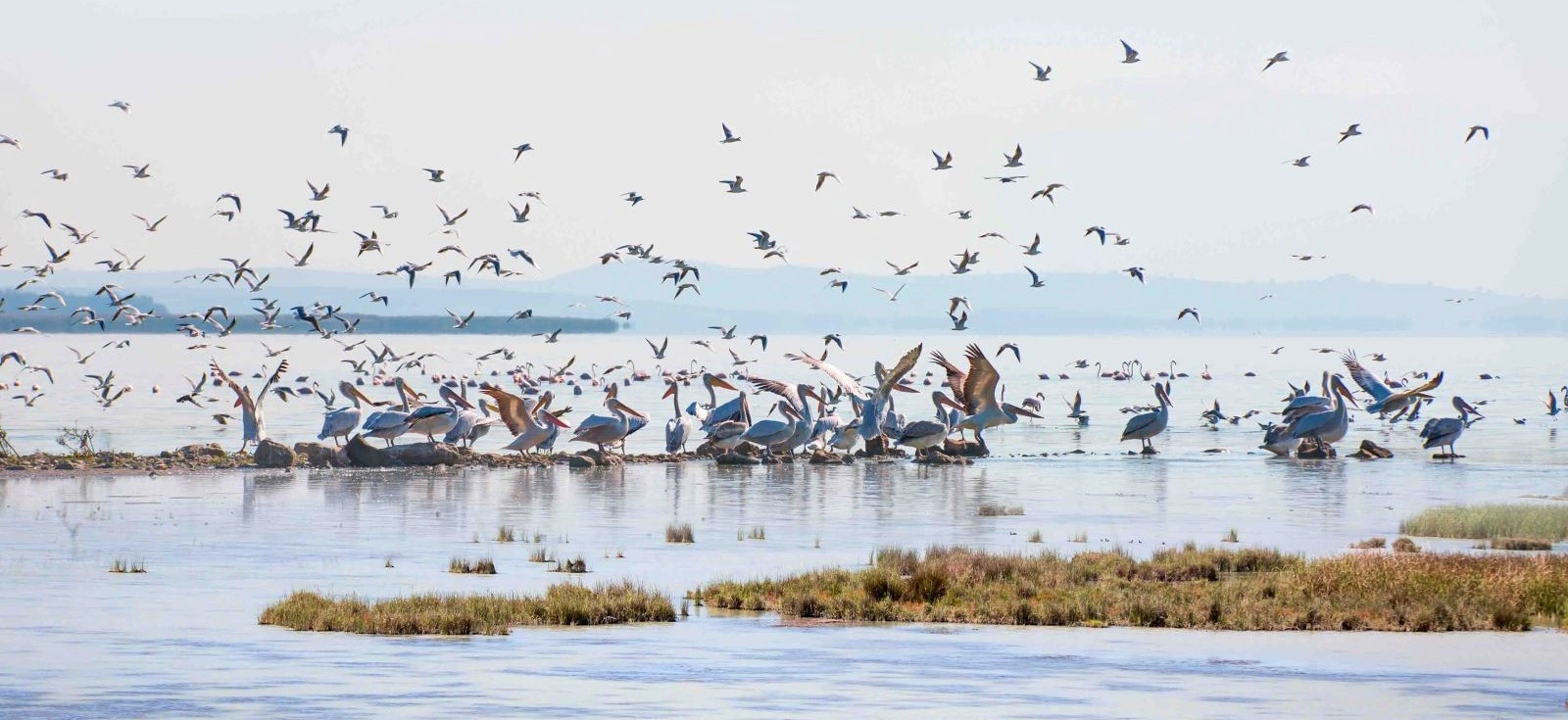
Pair Gönen's thermal heritage with one of Türkiye's most important wetland ecosystems and seasonal birdwatching areas.
View Lake Manyas Guide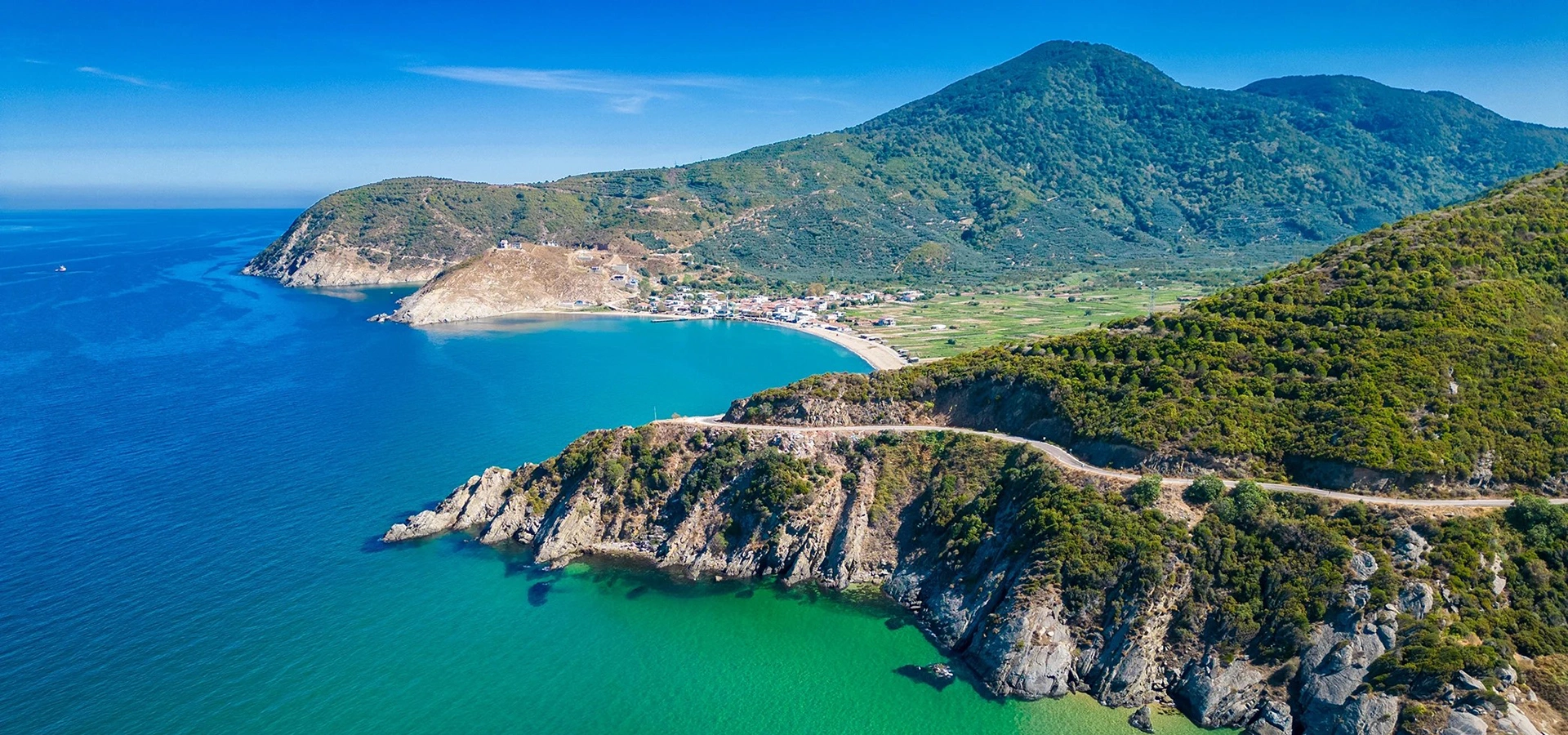
Continue from Gönen's inland thermal history to one of South Marmara's greatest ancient-city landscapes beside the sea.
View Kapıdağ & Cyzicus Guide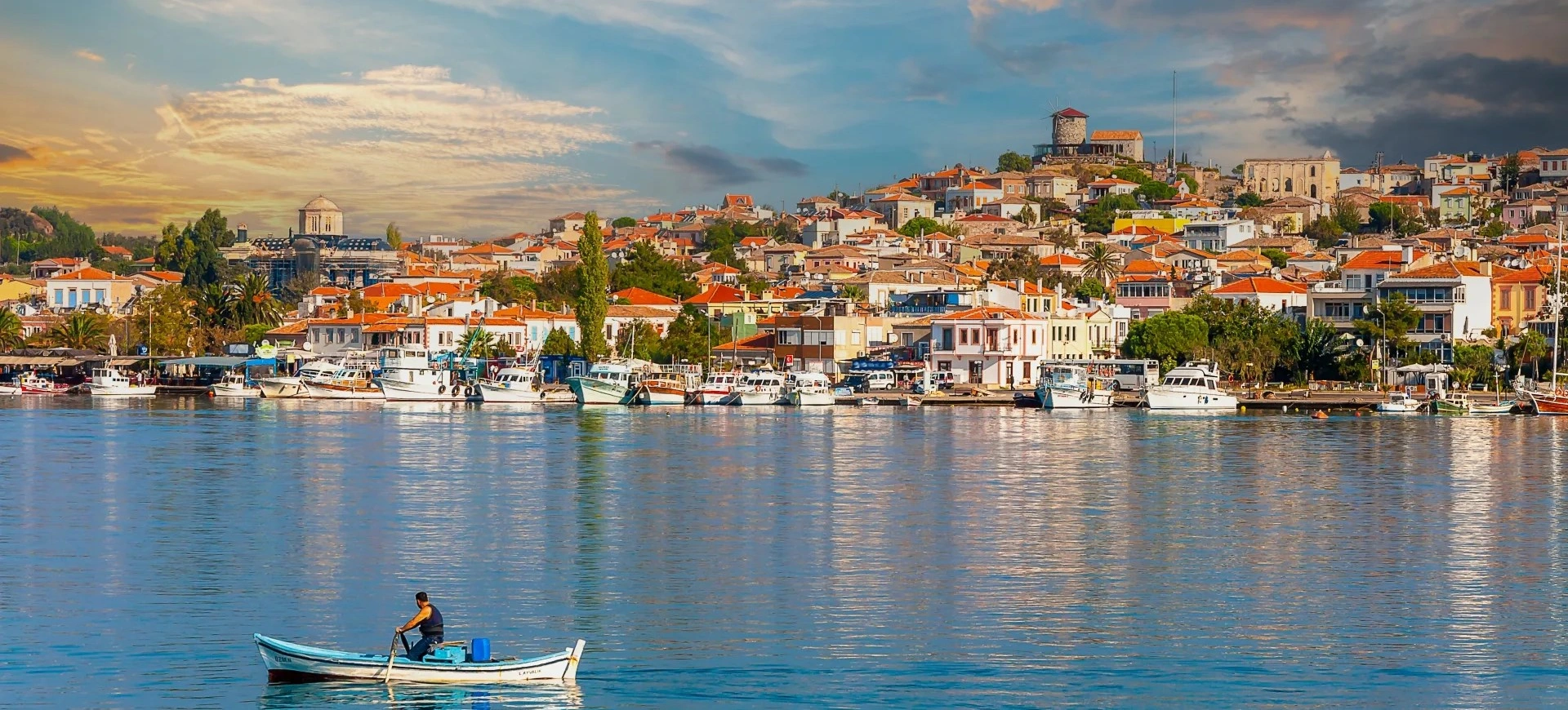
Combine Gönen, Manyas, Bandırma and the wider Balıkesir region in a private route designed around your travel schedule.
Plan a Private Route