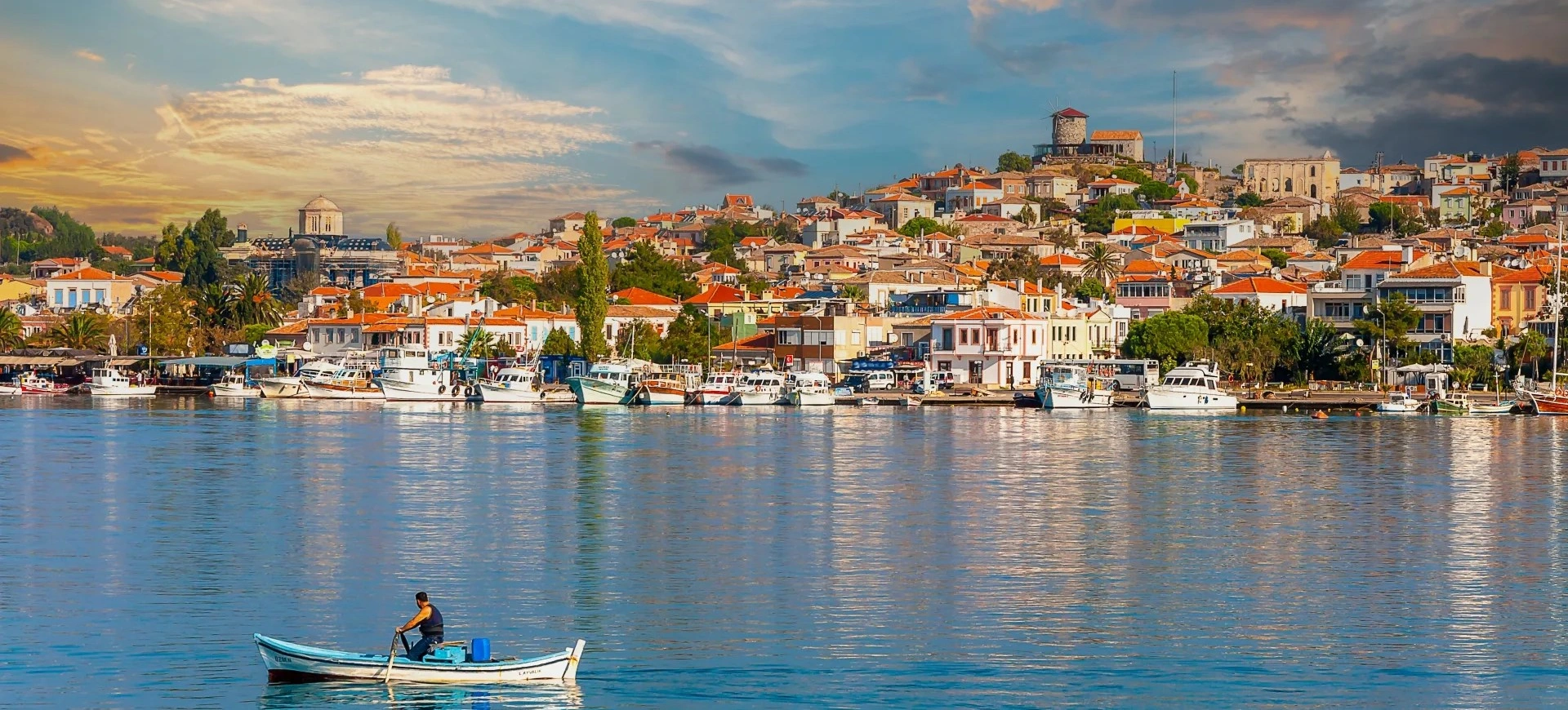
Balıkesir Travel Guide
Plan the complete city and province, from Ottoman monuments and museums to Ayvalık, Mount Ida, Manyas and the Marmara coast.
View Balıkesir Guide





Only a short drive north of central Balıkesir, Değirmen Boğazı Nature Park is one of the city's most accessible places to exchange traffic, buildings and summer heat for flowing water, tall trees and shaded picnic ground. The park lies beside the Balıkesir–Bursa road in Karesi district, roughly 10 kilometres from the city centre, making it practical for anything from a one-hour walk to a slow family afternoon.
The protected nature park covers approximately 24.9 hectares. It was managed historically as a recreation area before being officially designated a Tabiat Parkı — Nature Park — on 11 July 2011. The entire protected area is classified as state forest, and its most important natural values are its watercourses and forest landscape.
What makes Değirmen Boğazı especially interesting is that the woodland is not simply an untouched natural forest. Large-scale afforestation between 1957 and 1963 introduced an unusually broad collection of coniferous and broad-leaved trees. Official nature-tourism records describe the planting of more than 329,000 saplings representing 51 tree and shrub types, helping explain why a short walk through the park can feel surprisingly varied.
Two streams, Köteyli and Kahveci, pass through the park environment. Alongside the woodland, they create the shaded, water-rich character that distinguishes Değirmen Boğazı from a conventional urban park. Squirrels, foxes, martens, hedgehogs, wild boar, bats, woodpeckers, hawks and songbirds are recorded from the park and surrounding habitat, while amphibians and fish occur in the stream system.
Yet Değirmen Boğazı is not a wilderness reserve in the usual sense. It is a heavily used day-use recreation park with picnic tables, cafés, children's play areas, sports facilities, toilets, prayer facilities and managed gathering spaces. The best way to understand it is as a meeting point between protected woodland and everyday Balıkesir life: a place for walking and photography on a quiet weekday, and one of the city's busiest family picnic grounds on fine weekends.
The park is close enough to the city centre for a short morning walk, picnic lunch or half-day nature break.
The statutory protected area was designated in 2011 after previously being managed as a recreation site.
Köteyli and Kahveci streams, dense tree cover and shaded paths give the park its distinctive cool and green atmosphere.
Değirmen Boğazı combines family recreation facilities with forest paths, photography and easy nature walking.
Essential information for planning a walk, picnic or relaxed nature break near Balıkesir.
Karesi district, Balıkesir, on the Balıkesir–Bursa / Bandırma road north of the city.
Approximately 10 km from central Balıkesir, making it one of the city's easiest nature escapes.
24.89–24.90 hectares according to the official protected-area register.
11 July 2011, when the former recreation area was redesignated as a nature park.
Woodland, shaded clearings and stream habitat shaped by Köteyli and Kahveci creeks.
Afforestation work in 1957–1963 introduced a remarkable mixture of conifers and broad-leaved species.
Recorded fauna include squirrel, fox, stone marten, hedgehog, wild boar, bats, woodpeckers, hawks and songbirds.
Walking, picnicking, photography, basketball, volleyball and relaxed family recreation.
Picnic tables, cafés, sales stands, toilets, prayer facilities, children's areas and sports spaces are available.
2–4 hours is ideal for a first visit; longer if you plan a full picnic.
Families, picnics, easy walks, tree lovers, nature photography and a break from central Balıkesir.
Entrance hours, vehicle fees and fire or barbecue rules can change seasonally; check current notices before visiting.
Değirmen Boğazı is valuable less for one spectacular viewpoint than for the combination of shade, water, tree diversity and easy access. Few places this close to a provincial city centre allow you to move so quickly from urban streets into a wooded stream corridor.
The first reason to visit is simply atmosphere. Running water, tall trees and a deep green canopy make the park feel cooler and quieter than the surrounding roads and built-up areas. In spring the vegetation is fresh and bright; in summer the shade becomes the main attraction; and in autumn the mix of deciduous and evergreen species creates a more varied palette than many single-species pine recreation areas.
The second reason is accessibility. You do not need a full-day expedition, mountain equipment or a long rural drive. Değirmen Boğazı works equally well as a morning exercise stop, family picnic, photography walk or road-trip break. Its location on a major route has always been part of its importance.
The third reason is botanical. The park's mid-20th-century afforestation history produced a remarkably mixed tree collection. Black pine, red pine, stone pine, cedar, fir, cypress, maple, plane, chestnut, walnut, linden, oak, willow, poplar, Judas tree and many other species appear in official planting records. That gives the park an almost arboretum-like quality in places, even though it is managed primarily as a nature and recreation area.
Finally, Değirmen Boğazı offers a revealing glimpse of how local residents actually use Balıkesir's landscape. On busy weekends the park is lively, social and picnic-oriented. On quieter mornings it can feel entirely different: more like a shaded woodland walk where birdsong, flowing water and the structure of the trees become the focus.
Değirmen Boğazı has been used recreationally for decades, which is why older descriptions often call it a mesire yeri — a countryside recreation or picnic area. In 2011, the protected core was formally redesignated as a Tabiat Parkı, a Turkish protected-area category intended to conserve natural landscape values while allowing controlled recreation.
The official protected-area register gives the nature park an area of approximately 24.9 hectares, or 249 decares. Some older tourism material describes a much larger “Değirmen Boğazı picnic area” of around 250 hectares. Because these figures conflict, visitors should not treat them as interchangeable. For the legally designated nature park itself, the official 24.9-hectare figure is the reliable reference.
This distinction matters because Değirmen Boğazı is not managed like a remote conservation reserve with no visitor infrastructure. The site deliberately combines forest conservation with day-use recreation. Official records list picnic areas, walking paths, open-air event spaces, cafés, toilets, prayer facilities, children's play areas and sports courts alongside the natural stream and woodland habitat.
That mix explains the character of the park. Visitors seeking total solitude may find fine summer weekends too busy, while families looking for shade, tables and practical facilities may find exactly what they need. The experience changes significantly with the day, season and time of arrival.
The modern landscape of Değirmen Boğazı is closely connected with afforestation projects carried out between 1957 and 1963. Official nature-tourism records state that 329,741 saplings were planted during this period, representing 22 coniferous and 29 broad-leaved types.
The planting programme was unusually diverse. Rather than creating a simple monoculture plantation, it introduced pines, cedar, spruce, fir, cypress and juniper together with ash, elm, alder, maple, acacia, plane, chestnut, walnut, linden, oak, willow, poplar, horse chestnut, Judas tree and numerous ornamental or landscape species.
Over time, the area became one of Balıkesir's best-known recreation grounds. Its proximity to the city and position on an important intercity road made it useful both to local residents and travellers passing between Balıkesir, Bursa, Bandırma and destinations farther north and west.
On 11 July 2011, the site was formally designated Değirmenboğazı Nature Park. Its development plan was later approved in 2020, providing a formal framework for balancing recreation, visitor infrastructure and the protection of the park's forest and water resources.
The defining visual feature of Değirmen Boğazı is the relationship between water and trees. The park's official resource values focus particularly on its water sources and forest areas, and this combination gives the site a much softer character than exposed pine picnic grounds.
The Köteyli and Kahveci streams pass through the park environment. Their presence supports amphibian and fish habitat while also creating the waterside scenery that visitors notice immediately: reflected trees, bridges, shaded banks and small clearings where the sound of flowing water competes with the noise of the recreation areas.
The woodland itself is layered. Evergreen conifers maintain structure throughout the year, while deciduous trees provide seasonal change and denser summer shade. Because many species were deliberately planted during the afforestation period, neighbouring sections can look surprisingly different from one another.
For visitors, this means the park is best explored slowly. The most rewarding scenery is often not one panoramic viewpoint but a sequence of stream bends, tree trunks, bridges, patches of filtered light and quiet stretches beyond the busiest picnic tables.
Official records describe Değirmen Boğazı as predominantly forested, with open areas that allow additional plant communities to develop. The park is especially notable for the remarkable variety created by its historic planting programme.
Black pine, red pine, stone pine, maritime pine, eastern white pine, Scots pine and Aleppo pine are among the pines recorded in the afforestation list.
Conifer diversity also includes cedar, spruce, fir and several cypress-type plantings that add year-round structure.
Plane trees and maples contribute broad crowns, strong shade and seasonal colour near the wetter parts of the park.
Willow and several poplar types suit the moist stream environment and strengthen the park's riverside appearance.
Broad-leaved trees such as oak, linden and chestnut create a more varied canopy than visitors may expect from a Turkish picnic forest.
Fruit- and nut-bearing trees including walnut and almond appear in the historic planting inventory.
Flowering ornamental species add seasonal colour and reflect the park's planned landscape history.
The ecological value comes not only from individual species but from the mixture of coniferous, broad-leaved and streamside vegetation.
You do not need to identify every species to appreciate this diversity. Simply compare bark, leaf shape, canopy structure and how the vegetation changes between dry slopes, open lawns and water margins. For anyone interested in trees, Değirmen Boğazı is far more rewarding than the phrase “picnic area” suggests.
Despite heavy human use in its developed sections, Değirmen Boğazı and the surrounding woodland support a varied fauna. Official nature-tourism records list squirrel, fox, stone marten, hedgehog, wild boar, mice and bat species among the mammals associated with the area.
Bird records include woodpeckers, sparrowhawks, hawks and various songbirds. Early morning is naturally the best time to notice birds and small mammals because human activity is lower and the park is quieter.
The stream habitat adds another ecological layer. Amphibians and fish are recorded in the waterways, although the park should not be approached as a fishing site or wildlife-collection area. Observe animals without feeding, chasing or disturbing them.
Wild boar and foxes are part of the wider habitat but are not animals most daytime visitors should expect to encounter closely. Their presence is better understood as evidence that the nature park remains connected to a broader forest ecosystem beyond the busiest picnic zone.
Follow the greener interior sections where water, bridges and mature trees create the park's most attractive scenery.
Use the designated picnic infrastructure for a relaxed breakfast, lunch or afternoon meal beneath the trees.
Compare conifers, broad-leaved trees and streamside vegetation created by decades of planting and woodland growth.
Reflections, bridges, tree-lined banks and filtered light make the park especially photogenic in the morning and late afternoon.
Quiet visitors may spot woodpeckers, raptors and common woodland songbirds, particularly away from the busiest family areas.
Basketball and volleyball facilities provide a more active alternative to picnicking and gentle walking.
Play areas and open recreation spaces make Değirmen Boğazı one of the easiest Balıkesir nature stops for families.
Its position on the major northern approach to Balıkesir makes the park a useful green rest stop between longer drives.
Walking is one of the park's officially recognised activities, and it is the best way to discover the difference between the developed day-use zone and the quieter woodland beyond it. The experience is generally better described as easy forest walking than serious trekking.
Start around the stream and central recreation areas, then continue onto the forest paths where permitted. As the picnic infrastructure thins out, the park becomes noticeably quieter and the tree canopy becomes the main attraction.
Trail conditions can vary with rain, maintenance and seasonal vegetation. Wear shoes with reasonable grip rather than assuming every path is paved. In wet weather, leaf litter, exposed roots and muddy streamside ground can become slippery.
For exercise walkers, early morning is especially good. For casual visitors, a 45–90 minute circuit or out-and-back walk is enough to experience the water, woodland and recreation sections without turning the visit into a long hike.
For many Balıkesir residents, Değirmen Boğazı is first and foremost a family picnic destination. Picnic tables and designated recreation spaces make it possible to spend several hours comfortably beneath the trees without needing specialist outdoor equipment.
The atmosphere changes dramatically on weekends and public holidays. Fine-weather Saturdays and Sundays can become busy, especially around the most convenient tables near water, parking and children's facilities. If you want a quieter picnic, arrive early or visit on a weekday.
Visitors should never assume that open-flame cooking is automatically permitted simply because barbecue use has historically been associated with the park. Forest-fire precautions can introduce temporary or seasonal restrictions, particularly during hot, dry and windy periods. Follow current signs and staff instructions on the day of your visit.
Whatever food you bring, treat the park as a protected natural area rather than an ordinary urban picnic ground. Keep food waste secured, use bins properly, do not dump charcoal or ash outside designated points and avoid leaving scraps that attract wildlife.
Değirmen Boğazı is particularly practical for families because it combines natural scenery with infrastructure. Official listings include children's play areas, picnic tables, toilets, cafés, prayer facilities and open recreation spaces, reducing many of the logistical difficulties of visiting more remote forest areas.
The water is one of the most attractive parts of the park, but it also requires supervision. Banks can be uneven or slippery, and children should not be allowed to approach streams or ponds unsupervised simply because the surroundings feel park-like and controlled.
A good family rhythm is to arrive in the morning, walk first while everyone is fresh, then settle into a picnic area before the busiest midday period. Children can then use the play areas while adults relax beneath the trees.
The park can also work as an informal nature-learning space. Compare different leaves and cones, listen for woodpeckers, look for fish from a safe bank, and explain why food should never be fed to wildlife. The diversity is easy to observe without needing a formal guided activity.
The official park description lists a substantial range of visitor infrastructure. Availability and operating status can change, but the site is designed for significant day-use recreation rather than minimal-impact wilderness access.
A managed entrance area regulates vehicle and visitor access to the park.
Parking is provided; the official nature-tourism database lists a vehicle capacity of approximately 60.
Day-use picnic furniture is distributed through the recreation areas under the trees.
Official listings include a cafeteria, countryside café / coffeehouse and sales stands within the park.
Public toilets are available within the developed visitor zone.
Mescit facilities are included among the park's visitor services.
Play facilities make the park especially practical for longer family visits.
Basketball and volleyball facilities are listed among the recreation infrastructure.
Managed open spaces can support organised gatherings and events, subject to current rules and permissions.
The developed section includes security and management facilities rather than operating as an unmanaged forest.
One of the strongest seasons: fresh foliage, flowing water, mild temperatures and active birdlife create excellent walking conditions.
The dense shade is particularly valuable in hot weather, but weekends can be busy and fire-related restrictions may apply.
Deciduous trees add yellow and bronze tones while cooler temperatures make longer walks more comfortable.
Quieter and atmospheric, with evergreen structure still visible; rain can make natural paths muddy or slippery.
Best for exercise, photography, birds, cooler air and a much quieter experience before picnic activity builds.
Soft light can be beautiful beside the water, although always allow enough time to leave before the current closing time.
Değirmen Boğazı has a large local following. The official regional park page estimates an annual visitor potential of around 250,000 people, which explains why the experience can change so dramatically between a quiet weekday morning and a sunny weekend afternoon.
If your priority is walking, birds, photography or the sound of the stream, visit early in the day and preferably on a weekday. If your priority is a family picnic and lively atmosphere, weekends may suit you perfectly — but expect more vehicles, more smoke where cooking is permitted, and greater competition for the most desirable waterside tables.
Public holidays and the first warm weekends of spring can be especially busy. Arriving early does more than secure a table: it lets you experience the park in its calmest condition before the day-use recreation zone fills.
Değirmen Boğazı is more photogenic than its reputation as a picnic area suggests. The key is to move beyond wide photographs of tables and focus on the park's smaller landscape details.
Look for reflections of trees, sky and bridges in calmer stretches of the stream.
Morning usually provides softer light, fewer people and less visual clutter around popular areas.
Footbridges and waterside structures give the woodland depth and a clear visual focal point.
Mixed canopies, tall trunks and contrasting coniferous and broad-leaved foliage work well in vertical compositions.
The diversity of deciduous trees creates more varied seasonal colour than a uniform conifer plantation.
Avoid photographing families at close range without permission, especially around picnic tables and children's areas.
Because Değirmen Boğazı is a developed day-use park, the entrance, parking and main recreation areas are generally easier to access than remote natural reserves. However, accessibility is not uniform throughout the site.
The central visitor area includes surfaced access, picnic zones and formal facilities, while woodland paths may involve uneven ground, roots, gradients, leaves and mud. Visitors using wheelchairs, walking aids or strollers may therefore enjoy the developed sections without necessarily being able to follow every natural trail comfortably.
Recent visitor directories describe wheelchair-accessible entrance and parking provision, but conditions can change with maintenance and crowding. Anyone requiring step-free access to a specific café, toilet or picnic table should confirm locally rather than assuming the entire park is barrier-free.
Değirmen Boğazı lies on the Balıkesir–Bursa / Bandırma road, approximately 10 km from the city centre. Its roadside position is one of the reasons it has remained such a popular recreation area for generations.
The simplest option. Follow the main road north from Balıkesir toward Bandırma / Bursa and use the signed park entrance.
Official park information states that municipal services from Balıkesir and some routes toward Bandırma, Susurluk and nearby settlements can provide access.
Its short distance from central Balıkesir makes a taxi practical for visitors without a car, especially for a one-way drop-off and later return arrangement.
The park works naturally as a rest stop when travelling between Balıkesir and Bandırma, Bursa or the northern Marmara routes.
Do not rely on the phrase “10 km from Balıkesir” as a walking recommendation. The park is positioned on an intercity road environment, so driving or public transport is far more practical than trying to approach it on foot from the city.
The official Ministry of Agriculture and Forestry nature-tourism database currently lists 06:00–20:00 for Değirmenboğazı Nature Park and shows visitor and vehicle capacity figures for the managed site. However, opening arrangements can vary with season, operational decisions and special conditions.
Vehicle entrance charges may also change, and third-party listings are inconsistent. For that reason, this guide deliberately does not publish a fixed ticket price. Check the current entrance board, the park operator or the official nature-tourism listing close to your visit.
The same caution applies to barbecues, fires, events and use of specific areas. During periods of elevated forest-fire risk, provincial authorities can introduce restrictions that override normal recreational practice.
Heavy use is one of the biggest pressures on any nature park close to a city. Değirmen Boğazı's popularity means that small individual choices — food waste, charcoal disposal, noise and off-path use — accumulate quickly when thousands of people make them.
Use bins correctly and take excess rubbish with you if containers are full.
Do not throw food, detergent, ash or other waste into the water.
Never light a fire outside authorised areas and obey temporary restrictions without exception.
Food scraps change animal behaviour and can attract wildlife into crowded recreation areas.
Remember that other visitors may be walking, photographing wildlife or simply looking for a quiet forest break.
Avoid damaging stream banks, planted areas or closed forest sections for the sake of a shortcut or photograph.
Only about 10 km away, the centre adds historic mosques, museums, the clock tower, old houses, restaurants and cafés.
Combine the nature park with Koca Saat for an easy half-day contrast between forest recreation and the historic civic centre.
A strong choice if you want to pair the park with Balıkesir's National Struggle history and one of the city's historic mansion buildings.
For a deeper nature day, continue north toward one of Türkiye's most important bird habitats and protected wetland landscapes.
Travellers heading west can continue toward the far larger mountain landscapes, villages and forest ecosystems of Kazdağı.
One of central Balıkesir's major Ottoman monuments and an easy cultural stop before or after the park.
If you are visiting mainly for a picnic, reverse the emphasis: choose your table first, then take a walk before or after eating. On busy weekends, arriving early enough to secure a comfortable place matters more than following any fixed itinerary.
Enough only for a quick road-trip stop, short waterside walk or coffee break.
Good for an exercise walk or fast introduction to the stream and central woodland.
Ideal for walking, photography and a relaxed drink without organising a full picnic.
The strongest first-visit option, allowing a forest walk, rest time and use of the recreation facilities.
Perfect for families planning a substantial picnic, children's playtime and a slow walk.
Usually unnecessary unless you are meeting a group, holding an event or deliberately spending the day outdoors.
The best tables and quieter waterside areas can fill quickly in good weather.
You will enjoy the forest more before the busiest part of the day and before a long meal.
Do not assume that barbecue use is allowed year-round just because the park is famous for picnicking.
Natural paths may be dusty in summer and slippery after rain.
Facilities exist, but a bottle is still useful when walking away from the central recreation zone.
Streams and wet banks require normal outdoor supervision even inside a managed park.
If cooking is permitted, choose a walking route away from the densest picnic areas if you prefer cleaner air.
Birds, squirrels and other animals are easiest to observe when you keep your distance and stay quiet.
Official listed hours can change; do not assume the gate will remain open after dark.
Because the park is so close to Balıkesir, it pairs naturally with museums, historic streets and lunch in the centre.
It is in Karesi district of Balıkesir, on the Balıkesir–Bursa / Bandırma road roughly 10 km from the city centre.
Official park information gives a distance of approximately 10 kilometres from central Balıkesir.
The official protected-area register gives an area of about 24.9 hectares, or 249 decares.
Older tourism material uses a much larger figure for the broader picnic or recreation area. The statutory Nature Park itself is officially listed at approximately 24.9 hectares, which is the figure used in this guide.
It was officially designated on 11 July 2011 after previously being managed as a recreation area.
A major 1957–1963 afforestation programme planted more than 329,000 saplings representing dozens of coniferous and broad-leaved species, creating the park's unusually diverse woodland.
Official nature-tourism information identifies the Köteyli and Kahveci streams within the park environment.
Recorded wildlife includes squirrels, foxes, stone martens, hedgehogs, wild boar, bats, woodpeckers, hawks and various songbirds, together with amphibians and fish in the watercourses.
Yes. Nature walking is an officially listed activity, although the park is better suited to easy forest walks than demanding mountain hiking.
Yes. Picnicking is one of the park's main recreational uses, and designated tables and day-use areas are provided.
Do not assume barbecue or open-fire use is always permitted. Forest-fire restrictions can change seasonally, so follow current signage and staff instructions.
Yes. Official park information lists cafés, sales stands, toilets and other visitor facilities within the developed recreation zone.
Yes. Children's play areas, picnic facilities and easy walking make it one of Balıkesir's most practical family nature destinations, although streams still require close supervision.
Yes. Parking is available, and the official nature-tourism database lists capacity for around 60 vehicles.
The official nature-tourism database lists 06:00–20:00 at the time of research. Because operating hours can change, confirm current times before your visit.
The park has managed access and vehicle charges may apply. Current prices change, so check the entrance board or official operator information rather than relying on an old online fee.
Early weekday mornings are generally best for a quieter walk, birdwatching and photography.
Sunny weekends, public holidays and warm spring or summer afternoons can be very busy because the park is one of Balıkesir's favourite picnic areas.
Allow 2–4 hours for walking and relaxation. A half day is better if you are planning a family picnic.
Yes. The streams, tree diversity and easy forest paths make it worthwhile for a short nature walk or photography stop even without using the picnic facilities.
Combine Değirmen Boğazı with Balıkesir's historic centre or continue toward the province's major lakes, mountains and protected landscapes.
Continue from the forested stream valley into the city centre or build a wider nature-focused route across Balıkesir Province.
Plan the complete city and province, from Ottoman monuments and museums to Ayvalık, Mount Ida, Manyas and the Marmara coast.
View Balıkesir Guide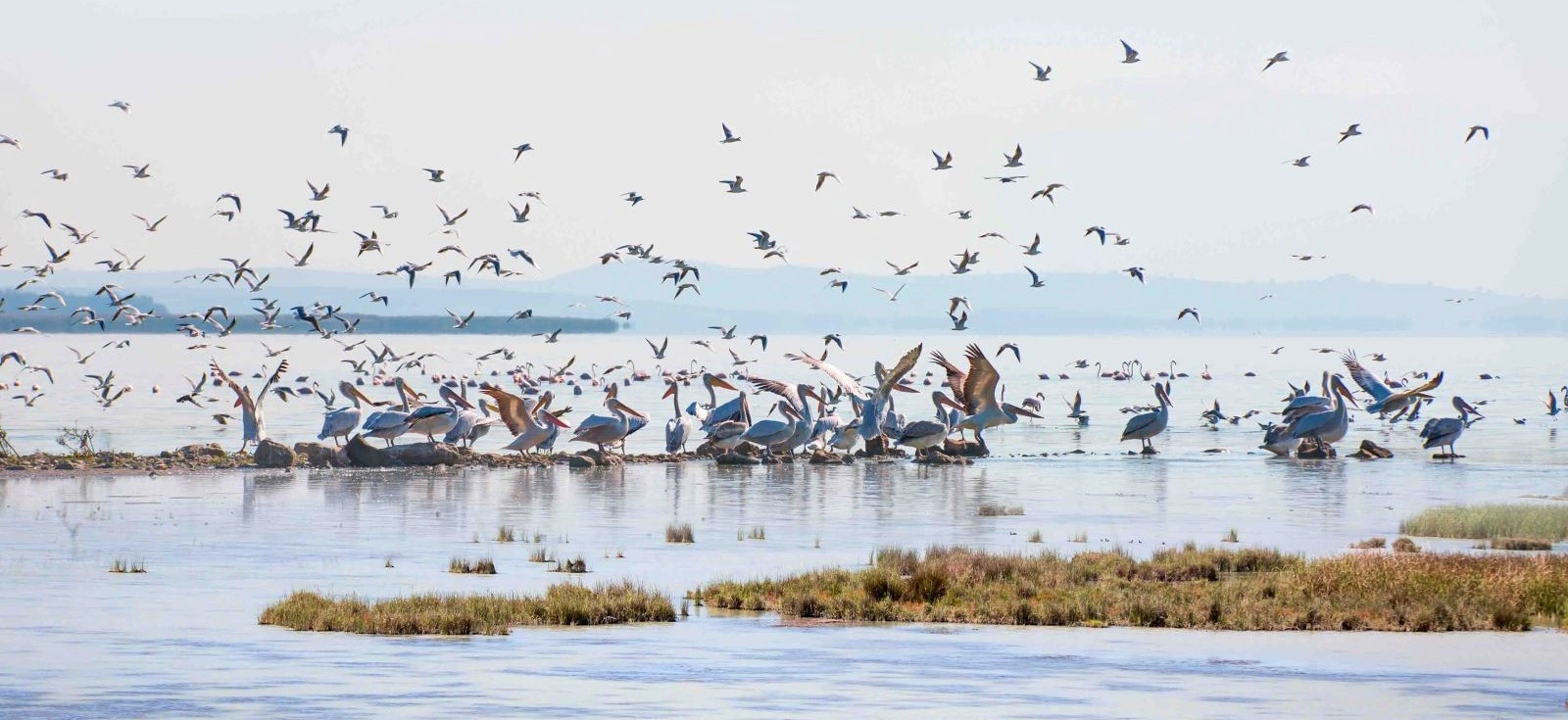
Continue north to one of Türkiye's most important wetland bird habitats, with observation areas and a completely different ecosystem.
View Lake Manyas Guide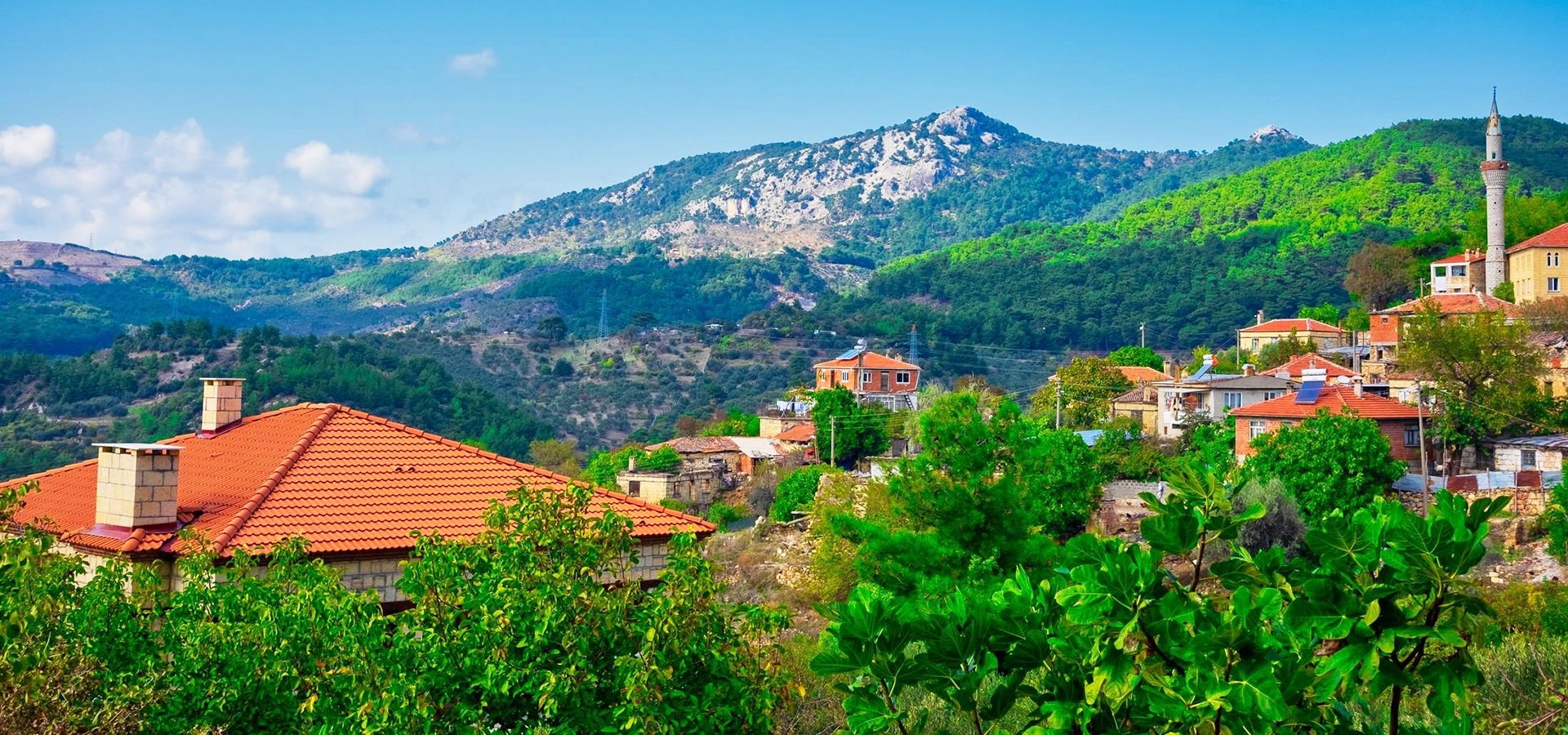
Discover the far larger mountain wilderness of western Balıkesir, famous for deep valleys, forests, springs, mythology and exceptional biodiversity.
View Mount Ida Guide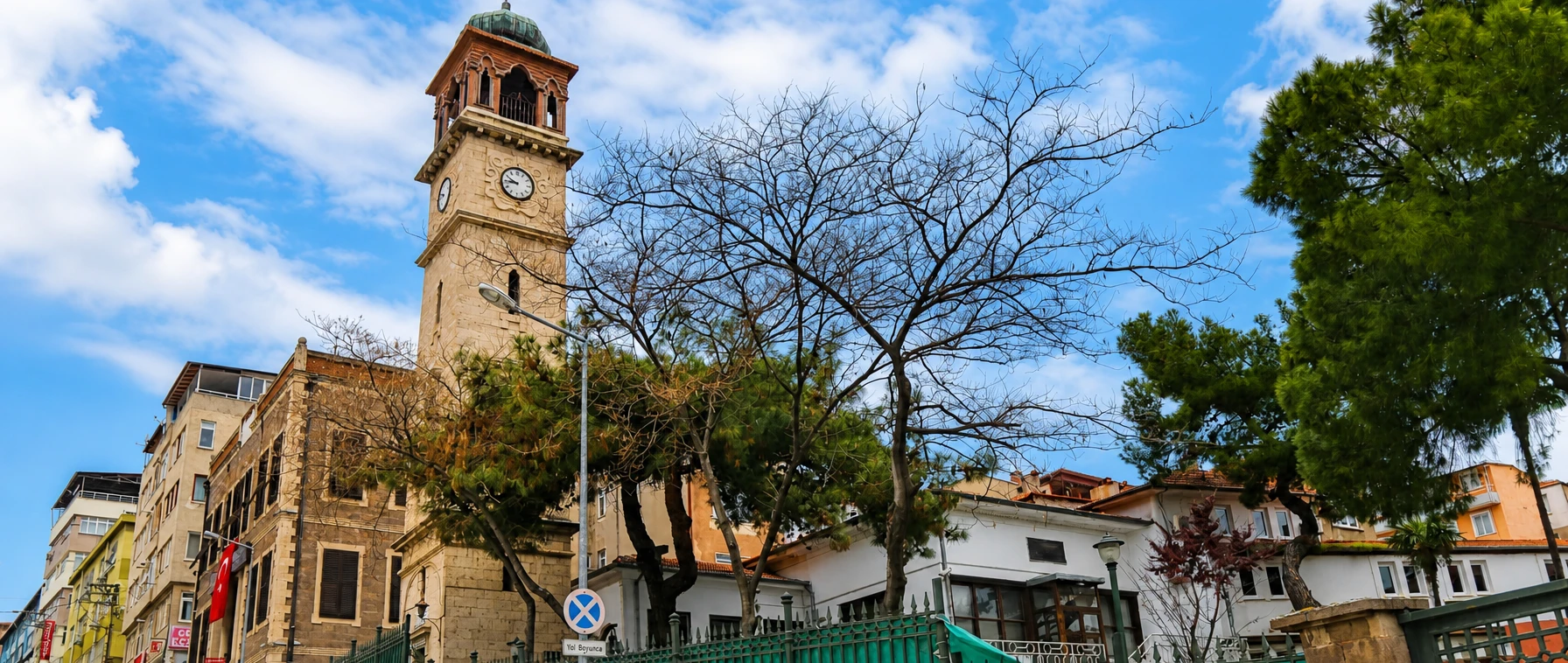
Return to the historic centre and explore Koca Saat, one of the city's most recognisable late Ottoman civic landmarks.
View Clock Tower Guide