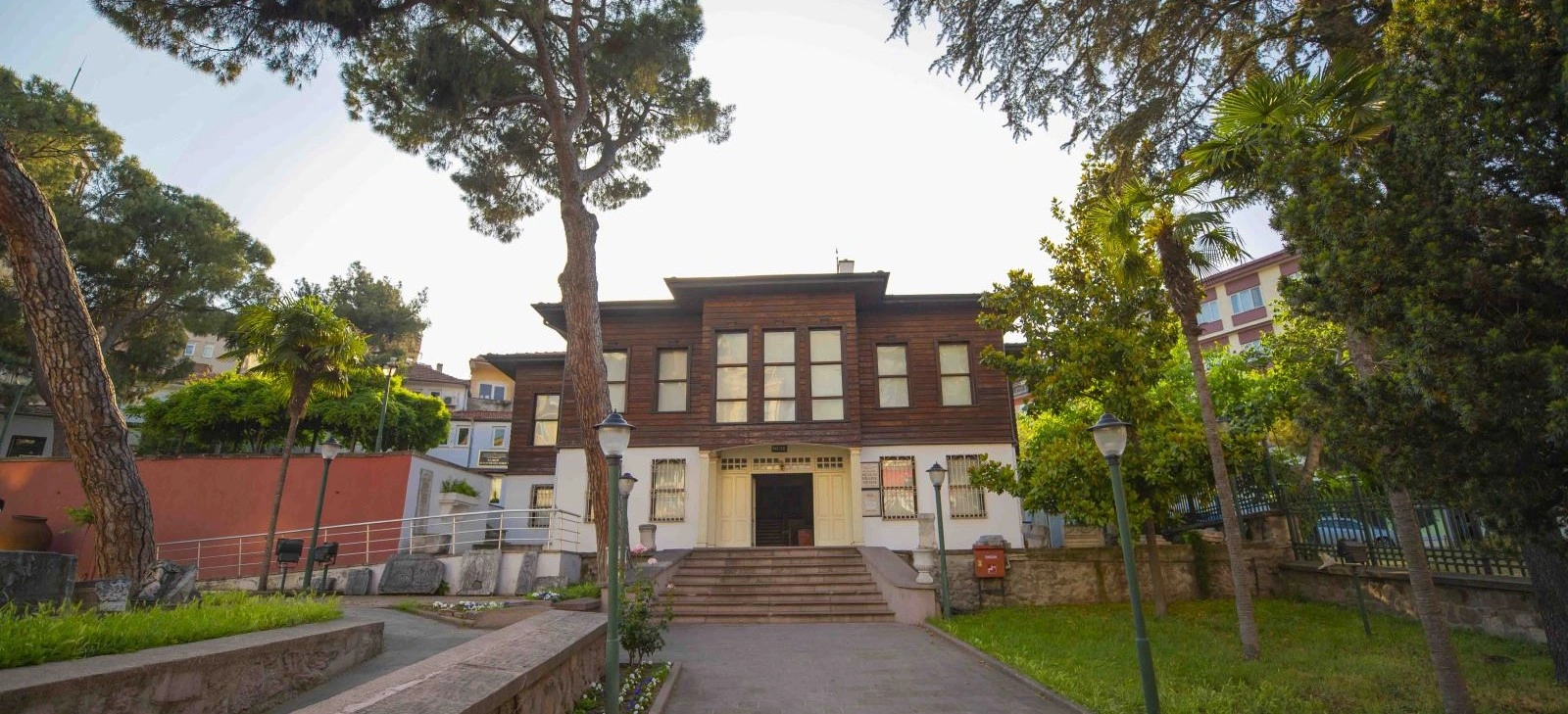
Private Balıkesir National Struggle Heritage Experience
Ask us about a tailor-made city route combining Kuva-yı Milliye Museum, Alaca Mescit, Zağnos Pasha Mosque, the Clock Tower and the historic centre.
Request a Custom Tour





In the historic centre of Balıkesir, on Anafartalar Caddesi, stands a two-storey building whose importance reaches far beyond its relatively modest size. Today it is the Kuva-yı Milliye Museum, but before becoming a museum it served successively as a nineteenth-century mansion, a centre associated with the local resistance movement, a military headquarters and the city's municipal building.
The site is especially connected with the dramatic days that followed the occupation of İzmir on 15 May 1919. Meetings were held in Balıkesir immediately afterwards, including at the municipal building and the nearby Okuma Yurdu, as local figures debated how the city should respond. Those early gatherings were followed by the Alaca Mescit meetings, the formation of an authorised group of forty-one local representatives and a sequence of five Balıkesir Congresses that helped organise resistance across north-western Anatolia.
The museum reflects that history on its ground floor through documents, photographs, personal belongings and material associated with the men remembered locally as the 41 Bayrak Adam. It also presents photographs of Mustafa Kemal Pasha's visits to Balıkesir and includes wax figures of Mustafa Kemal Atatürk and Latife Hanım.
The upper floor broadens the story dramatically. Instead of remaining only a War of Independence museum, it introduces the much longer history of Balıkesir Province through archaeological and ethnographic collections, including finds connected with Kyzikos, Daskyleion, Antandros and Adramytteion. This combination makes the museum one of the most useful places in the city for understanding both modern Balıkesir and the ancient landscapes that surround it.
The building began as the residence of Giridizade Mehmet Pasha, an Ottoman financial official of Karesi.
The site is directly associated with the meetings and organisation that followed the occupation of İzmir.
The museum preserves documents connected with the local congress movement that organised regional resistance.
Kyzikos, Daskyleion, Antandros and Adramytteion extend the museum story thousands of years beyond 1919.
Essential information for visiting Balıkesir's principal museum of the local National Struggle, archaeology and ethnography.
Anafartalar Caddesi No:58 in central Karesi, within easy walking distance of Balıkesir's main historic monuments.
Commissioned in 1840 as the mansion of Karesi Sancağı Defterdarı Giridizade Mehmet Pasha.
The original mansion burned toward the end of the nineteenth century and was rebuilt by Mehmet Pasha's grandson Halit Pasha.
The building and its associated Okuma Yurdu were connected with the first organised responses in Balıkesir after the occupation of İzmir.
The ground-floor displays remember forty-one local figures selected during the organisation of the Balıkesir resistance movement.
The museum displays decisions and material connected with the five Balıkesir Congresses held between 1919 and 1920.
The complex served the II Corps and was associated with Ali Hikmet Pasha during the National Struggle period.
The restored building opened as Balıkesir Kuva-yı Milliye Museum on 6 September 1996.
Archaeological and ethnographic material introduces the long history of Balıkesir Province beyond the twentieth century.
The official Turkish Museums portal currently lists admission as free.
The official museum portal currently lists opening at 08:30, closing at 17:30 and ticket-desk closure at 17:00.
Allow around 60–90 minutes, longer if you want to read the National Struggle material closely and study the archaeology upstairs.
The museum matters because it explains Balıkesir not through a single period, but through the relationship between a historic building, the events of 1919–1920 and the much older archaeology of the province.
The first reason to visit is the building itself. This is not a purpose-built modern museum detached from the history it presents. The structure stands on a site directly associated with the meetings, headquarters activity and civic administration that shaped Balıkesir during a decisive period of the early twentieth century.
The second reason is the museum's focus on local agency. The National Struggle can easily be told only through major national centres and famous commanders. Here the emphasis shifts toward municipal leaders, clergy, merchants, officers, intellectuals and other Balıkesir residents who created committees, organised congresses and supported the western fronts.
The third reason is the unexpected archaeological collection upstairs. Balıkesir Province contains major ancient sites stretching from the Propontis to the northern Aegean. Seeing finds from Kyzikos, Daskyleion, Antandros and Adramytteion in the same museum helps place the modern city inside a much longer regional history.
Finally, the museum is compact enough to combine easily with the Clock Tower, Zağnos Pasha Mosque, Alaca Mescit and the old commercial centre. It works particularly well as the historical anchor of a half-day walking route through central Balıkesir.
Kuva-yı Milliye Museum is located at Anafartalar Caddesi No:58 in the central Karesi district of Balıkesir. The museum sits inside the historic urban core rather than in a separate museum district, so it is naturally connected with the streets, mosques, civic buildings and commercial life around it.
This central location is particularly useful because several places important to the same historical narrative can be reached on foot. Alaca Mescit helps explain the organisation of resistance in May 1919, while Zağnos Pasha Mosque connects the route with Mustafa Kemal Pasha's 1923 Balıkesir visit and the speech remembered as the Balıkesir Hutbesi.
The Balıkesir Clock Tower and traditional commercial streets can also be included without needing a vehicle. For most travellers, the museum therefore works best not as an isolated stop but as the centrepiece of a wider historic Balıkesir walk.
The museum building was originally commissioned in 1840 as the mansion of Giridizade Mehmet Pasha, who served as defterdar of the Karesi Sanjak. It therefore began as an elite Ottoman residence rather than as a government office or exhibition building.
According to the official cultural inventory, the mansion burned toward the end of the nineteenth century. Mehmet Pasha's grandson, Halit Pasha, subsequently rebuilt it in the form that became the basis of the structure seen today.
During the years of the National Struggle, the building was used for important meetings and headquarters functions. It later entered another long phase of civic life when it served as Balıkesir's municipal building from 1947 to 1988.
That sequence — private mansion, resistance-era centre, military and civic building, then museum — is central to the visitor experience. The museum is valuable not only because of what is inside the display cases, but because the building itself participated in the history being interpreted.
The occupation of İzmir on 15 May 1919 triggered immediate reaction across western Anatolia. In Balıkesir, meetings began the following day as local leaders and residents discussed protest, organisation and the possibility of armed resistance.
Official Balıkesir sources connect the present museum complex with the 16 May gathering, when representatives met in the municipal building and Okuma Yurdu environment. The chronology then moves to the better-documented Alaca Mescit meetings, where broader participation and the organisation of a Redd-i İlhak movement developed over the following days.
This distinction is important. The museum should not be understood as the only place where Balıkesir's resistance movement began. Rather, it formed part of a network of closely connected civic spaces — municipal rooms, the Okuma Yurdu, private houses and Alaca Mescit — in which the local response was debated and organised.
The result was a rapid transition from protest toward institutional organisation. Within weeks, committees were coordinating men, money, supplies and communication for the fronts developing across western Anatolia.
One of the defining themes of Kuva-yı Milliye Museum is the group of forty-one representatives remembered locally as the 41 Bayrak Adam. They were selected from among Balıkesir's civic, religious, professional and commercial leadership during the organisation that followed the May 1919 meetings.
The group included figures such as Mehmet Vehbi Bolak, municipal leaders, religious scholars, lawyers, former officers, merchants and other local notables. Their importance lies less in a single dramatic act than in the collective system they helped create: decisions had to be made, fronts supplied, fighters recruited and political legitimacy maintained in a period when formal state authority in the region was deeply disrupted.
The museum presents written decisions, photographs and personal belongings associated with this local leadership. These displays are among the most important reasons to visit because they put names and faces behind the broader phrase “Kuva-yı Milliye.”
Visitors should also remember that the movement was larger than forty-one individuals. The committee represents the organised leadership, while the wider resistance depended on villagers, townspeople, soldiers, transport workers, donors, local officials and many others across the region.
A visit to Kuva-yı Milliye Museum makes more sense when paired with Alaca Mescit. The early meetings in the municipal building and Okuma Yurdu were followed by gatherings at the mescit, where local organisers moved from protest toward a more structured resistance programme.
Official provincial accounts describe the Alaca Mescit meetings as the point where participants authorised a representative group and strengthened the determination to resist occupation. These meetings became one of the foundational episodes in Balıkesir's memory of the National Struggle.
For this reason, the museum and Alaca Mescit should not be treated as competing “birthplaces” of the same movement. They represent successive stages in the same local mobilisation: discussion, public reaction, committee formation and then the broader congress system that followed.
If time allows, walk between the two rather than visiting only the museum. Moving through the same central streets helps turn a sequence of dates into a more understandable urban story.
The local resistance soon developed beyond emergency meetings. Between the summer of 1919 and spring of 1920, Balıkesir hosted a sequence of five congresses that coordinated military, administrative, financial and logistical questions across the region.
The First Balıkesir Congress, held from late June into July 1919, focused on creating a central committee and strengthening the emerging fronts. The Second Congress in late July expanded the organisational framework and brought together representatives from a wider area.
Later congresses continued the effort as political conditions changed and the western Anatolian conflict intensified. The movement had to manage not only armed defence but also recruitment, taxation, supplies, security and communication — functions normally expected from a functioning state administration.
The museum's congress material is therefore important because it reveals the administrative side of resistance. Kuva-yı Milliye was not only a story of irregular fighters; it also required paperwork, committees, budgets, regulations, transport networks and political negotiation.
The building's role did not end with public meetings. Official museum sources record that it served for a long period as a headquarters connected with the II Corps and Ali Hikmet Pasha, one of the military figures associated with Balıkesir during the National Struggle.
It also functioned as a working centre for the organisation described in official sources as the İzmir Northern Fronts Committee. This military-administrative use explains why the site later became such an appropriate place for a museum devoted to the local resistance movement.
The headquarters story also illustrates the relationship between civilian and military organisation in western Anatolia. Local committees could mobilise people and resources, while experienced officers contributed planning, training and coordination across the fronts.
For visitors, this layer is easy to overlook because the museum now feels compact and civic. Remembering that the same building once formed part of an active wartime command environment changes the way the rooms are read.
Mustafa Kemal Pasha first visited Balıkesir on 6 February 1923, shortly after his marriage to Latife Hanım. Official provincial records state that the couple arrived by train from İzmir and were received by local authorities and crowds along the decorated streets of the city.
The museum preserves photographs connected with Mustafa Kemal's Balıkesir visits, while wax figures of Mustafa Kemal Atatürk and Latife Hanım form part of the ground-floor presentation. These displays connect the local 1919 resistance story with the later political transition of 1923.
The following day, 7 February 1923, Mustafa Kemal Pasha attended a religious gathering at nearby Zağnos Pasha Mosque and spoke from the minbar in the address later remembered as the Balıkesir Hutbesi. That event did not take place inside the museum, but it is an essential part of the same city-centre historical route.
An associated building in the former mansion complex had earlier served as the Okuma Yurdu. Official local sources also connect that structure with Mustafa Kemal's 1923 visit and note that it later opened as the Milli Mücadele Tarihimiz Library in 1998.
After decades of use as Balıkesir's municipal building, the historic structure entered a new phase in the 1980s. Municipal decisions taken in 1985 and 1986 supported the idea of converting the building into a museum, and its long-term use was transferred to the Ministry of Culture's heritage administration.
A museum directorate was established in 1987. Restoration work and the collection of suitable historical material then continued until the museum could be opened to the public.
The Balıkesir Kuva-yı Milliye Museum officially opened on 6 September 1996. The date itself is meaningful in the city's modern historical memory because 6 September is associated with Balıkesir's liberation in 1922.
The display building and exhibition arrangement were revised again in 2008, with the renewed museum reopening on 26 December of that year. The present institution therefore combines a nineteenth-century building, a late twentieth-century museum project and later exhibition updates.
The ground floor is the core of the museum's modern-history narrative. Official descriptions give the exhibition area as approximately 120 square metres, making it compact enough to understand as one continuous story rather than a sequence of large galleries.
The displays include written decisions associated with the local resistance leadership, material from the Balıkesir Congresses, personal belongings of people involved in the movement and historic photographs. Together these objects shift the story away from abstract dates toward identifiable individuals and local institutions.
Photographs connected with Mustafa Kemal Atatürk's visits to Balıkesir form another major component, along with wax figures of Atatürk and Latife Hanım. The presentation therefore moves from the initial resistance of 1919 through the later stages of the National Struggle and into the early Republican period.
Visitors who want more than a quick museum stop should spend time reading names, dates and committee decisions. The strongest part of the collection is not necessarily a single spectacular object, but the way many modest documents and personal items reconstruct a local network of mobilisation.
The museum's second floor changes historical scale completely. Here the focus moves from the twentieth century to the much longer human history of Balıkesir Province, with archaeological and ethnographic objects arranged to introduce different periods and regions.
Official museum information states that the displays begin with the province's prehistoric past and continue chronologically through later periods. The galleries incorporate material from scientific and rescue excavations as well as finds from elsewhere in the province.
Four especially important archaeological names organise the visitor's understanding: Kyzikos, Adramytteion, Daskyleion and Antandros. These sites represent very different geographic and historical environments, from the Marmara coast and Achaemenid-period inland administration to the northern Aegean world below Mount Ida.
The ethnographic component brings the story closer to daily life by preserving objects associated with more recent local culture. Together, the archaeological and ethnographic displays make the upper floor a compact introduction to why Balıkesir is one of Türkiye's most historically layered provinces.
The great ancient city near modern Erdek is represented through finds that introduce the history of the Kapıdağ region and the southern Sea of Marmara.
One of the most important archaeological sites for understanding Achaemenid Persian administration in north-western Anatolia and the cultural world around Lake Manyas.
The ancient settlement above the Edremit Gulf is known especially for Roman-period houses, mosaics, wall paintings and an important necropolis.
The ancient city associated with the Edremit Gulf region adds another coastal perspective to the province's Classical, Hellenistic and Roman history.
The museum collection also includes Byzantine objects, among them bronze reliquary crosses studied by modern researchers.
Seeing the objects here before visiting the archaeological sites can make a later road trip through Balıkesir much easier to understand.
The galleries visible to visitors represent only part of the museum's holdings. Official provincial museum information records 4,573 inventoried objects and around 20,000 study pieces in the museum collection.
That scale helps explain why the institution is important beyond its public exhibition rooms. The museum also functions as a repository and research collection for archaeological material from across Balıkesir Province.
Academic publications have drawn on objects held here, including studies of Byzantine bronze reliquary crosses and Ottoman inscriptions. This research role is easy to miss when visiting the compact building, but it places the museum within the wider archaeological work of the region.
Because only a selection can be displayed at one time, visitors should not assume that every important object from Balıkesir archaeology is permanently visible. Exhibition contents may change as conservation, research and display priorities evolve.
Look for the written record of the committees and congress movement rather than treating the resistance story only as a series of military events.
Use the portraits and personal material to identify the local leaders whose names appear throughout Balıkesir's National Struggle history.
The congress decisions show how local resistance became an organised administrative system dealing with people, money and supplies.
These images connect the 1919 local resistance story with Mustafa Kemal Pasha's later visits to Balıkesir.
The Atatürk and Latife Hanım figures are among the most immediately recognisable elements of the ground-floor display.
Remember that you are moving through a building that itself participated in the city's nineteenth- and twentieth-century civic history.
Use the Kyzikos material as preparation for a later visit to the monumental ruins near Erdek and the Kapıdağ Peninsula.
These objects open a window onto Persian-period western Anatolia and one of Balıkesir's most internationally significant archaeological sites.
Look for material associated with the Edremit Gulf and the ancient settlement beneath Mount Ida.
Do not rush past the later cultural material; it helps bridge the gap between ancient archaeology and modern Balıkesir.
Historic stone pieces and inscriptions around the museum grounds can add details not immediately visible in the indoor displays.
Notice the deliberate contrast between modern national history downstairs and the province's much deeper archaeological chronology upstairs.
Kuva-yı Milliye Museum is a relatively small city museum rather than a vast national institution. Its strength lies in the density of historical meaning concentrated in a building that can be explored comfortably in a single visit.
The experience is divided clearly between two narratives. The ground floor focuses on Balıkesir's role in the National Struggle and Mustafa Kemal Atatürk, while the upper floor introduces archaeology and ethnography from across the province.
The museum's central location also gives it a different atmosphere from remote archaeological museums. You step directly from busy contemporary Balıkesir into a building that connects Ottoman civic history, 1919 resistance, Republican memory and ancient regional archaeology.
The official Turkish Museums portal currently lists the museum as open. As with any museum in a historic building, individual rooms or displays can occasionally change because of conservation or exhibition work.
The national Turkish Museums portal currently lists Kuva-yı Milliye Museum as open from 08:30 to 17:30, with the ticket desk closing at 17:00. It also lists the museum as open every day and identifies admission as free.
An older Balıkesir Provincial Directorate listing states that the museum was closed on Sundays, so travellers should treat the national museum portal as the more current source and recheck shortly before visiting if their schedule depends on a particular day.
The official museum telephone number is +90 266 243 31 81. The museum is located at Anafartalar Caddesi No:58 in central Karesi.
Comfortable weather makes it easy to combine the indoor museum with a long walk through the historic centre.
Long daylight is ideal for extending the museum visit to Alaca Mescit, Zağnos Pasha Mosque and the Clock Tower.
The museum provides a useful indoor break during the hotter part of the day before continuing outdoor sightseeing later.
One of the most pleasant periods for combining the museum with city walking and wider Balıkesir day trips.
Quieter streets and cooler weather suit travellers who prefer slower historical sightseeing.
The central location and indoor galleries make the museum an easy cultural stop even during cold or wet weather.
Because the museum is indoors and centrally located, there is no bad season in which to visit. Spring and early autumn are simply the easiest periods for combining it with a longer outdoor heritage route.
For most travellers, mid-morning is the best time to enter the museum. You can spend an hour or more in the galleries and then continue on foot toward the Clock Tower, Alaca Mescit and Zağnos Pasha Mosque before lunch.
Early afternoon is also a good option, especially in summer when the indoor galleries provide relief from the heat. You can then return outside as the light becomes softer for city-centre photography.
If your main interest is the museum's documentary material, avoid arriving too close to closing time. The building is compact, but the names, photographs and congress documents deserve more than a rushed final twenty minutes.
Travellers planning to combine the museum with Zağnos Pasha Mosque should also consider prayer times when arranging the rest of the day.
The museum is in the historic centre and is best reached on foot if you are already around the main commercial streets.
Continue through the central streets on foot; the two sites fit naturally into the same heritage walk.
A short taxi ride or a longer central walk brings you toward Anafartalar Caddesi and the museum district.
Use a city bus, minibus or taxi toward Karesi centre, then continue on foot through the historic core.
Drive toward central Karesi, but expect busy streets and limited parking immediately around the historic centre.
Ask for “Kuva-yı Milliye Müzesi” on Anafartalar Caddesi; it is a well-known central cultural landmark.
Enough for a fast overview of the ground-floor resistance displays and a short look at the archaeology upstairs.
A good minimum for understanding the 1919 story, seeing the Atatürk displays and walking through the archaeological galleries.
Recommended if you want to read the documents, identify key historical figures and study the ancient-city collections carefully.
Suitable for history enthusiasts who want to connect the exhibits with the wider chronology of the Balıkesir Congresses.
Combine the museum with Alaca Mescit, the Clock Tower, Zağnos Pasha Mosque and the historic bazaar streets.
Add Karesi monuments, Çamlık Hill and a long local lunch for a complete Balıkesir city day.
If you have additional time, do not leave the story inside the museum. Continue to Alaca Mescit and then toward Zağnos Pasha Mosque to follow the same historical landscape through the city.
Photograph the building from Anafartalar Caddesi before entering so the mansion's civic setting remains part of your visual record.
Wider interior compositions can help show how the exhibition occupies a former nineteenth-century residence and civic building.
Do not use flash on paper, textiles or other light-sensitive historic material unless museum staff clearly permit it.
The wax figures and historic photographs are popular subjects, but avoid blocking narrow gallery circulation while photographing them.
Use museum lighting and steady framing rather than touching cases or objects to improve photographs.
Tripods, professional equipment, publication photography or detailed documentation may require separate permission.
Photography rules can change according to exhibitions and conservation needs, so follow current signs and staff instructions inside the museum.
The museum can work well for families because the galleries are compact and the story contains clear themes that can be explained to children: a historic mansion, secret and public meetings, old photographs, personal belongings, archaeological finds and the transformation of the building into a museum.
For younger visitors, the contrast between the modern-history floor and archaeology upstairs can help keep the experience varied. A short discussion about what museums preserve — documents, objects, photographs and buildings — can make the visit more engaging than simply reading every label.
Accessibility information published online is limited. Because the museum occupies a historic two-storey building, visitors with reduced mobility should be prepared for possible steps, thresholds or restrictions between floors.
If step-free access or lift access is essential, contact the museum in advance at +90 266 243 31 81 to confirm the current arrangement rather than relying on assumptions about the historic building.
Historic documents, textiles, archaeological objects and display surfaces are vulnerable to repeated handling.
Flash can damage sensitive material and may be prohibited even when general photography is allowed.
Do not lean bags, phones or clothing against display cases or historic walls.
The galleries are compact, so loud conversations can quickly disturb other visitors.
The value of the museum lies in the stories behind the objects, not only in collecting images of them.
The museum, Okuma Yurdu and Alaca Mescit represent different stages of Balıkesir's May 1919 organisation.
Temporary barriers may protect fragile floors, conservation work or exhibition installations.
Visiting nearby historic sites helps distribute attention across Balıkesir's broader cultural landscape.
Understanding the occupation of İzmir first makes every meeting, committee and congress document in the museum easier to follow.
The museum complex, Okuma Yurdu and Alaca Mescit are connected but historically distinct places in the chronology.
You do not need every detail, but knowing that Balıkesir held five congresses helps explain the scale of local organisation.
The archaeological floor transforms the museum from a single-period memorial into an introduction to the whole province.
The short continuation through the historic centre helps place the museum's 1919 displays back into their urban setting.
This extends the timeline to Mustafa Kemal Pasha's 1923 visit and the Balıkesir Hutbesi.
The national museum portal currently lists daily opening, while an older provincial page gives different weekly information.
The museum is physically small, but documentary exhibitions become much more valuable when you slow down and read.
One of the most important nearby stops for understanding the May 1919 meetings that helped organise Balıkesir's local resistance movement.
A major Ottoman külliye associated with the 1923 Balıkesir Hutbesi delivered by Mustafa Kemal Pasha.
The city's best-known civic landmark, originally built in 1829 and reconstructed after the 1897 earthquake.
A useful stop for understanding the medieval principality that gave the central district its name and preceded Ottoman consolidation.
An important Ottoman religious monument that adds another architectural layer to a historic-centre walk.
A smaller historic religious site that helps reveal the dense Ottoman fabric of central Balıkesir.
Explore the commercial core between monuments rather than treating each building as an isolated attraction.
Finish the day with a broader view over modern Balıkesir after exploring the compact historic centre.
After seeing Daskyleion material in the museum, visit the site itself near Lake Manyas for Achaemenid, Phrygian and later archaeology.
Combine cultural history with one of Türkiye's best-known wetlands and an important bird habitat.
Continue the museum's Kyzikos story at the monumental ruins near Erdek and along the Marmara coast.
Head west for forests, mythology, village landscapes and the mountain environment above the Edremit Gulf.
See the archaeological site behind another of the museum's named galleries, including Roman mosaics and painted domestic architecture.
Explore stone streets, former churches, olive-oil heritage and the Aegean coast in a town closely linked to the wider 1919 regional story.
The museum's central location makes it easy to continue into Balıkesir's commercial streets for lunch, dessert or a coffee break. The province is especially known for its dairy traditions, cheeses and rich local products.
Balıkesir's signature dessert, traditionally prepared with fresh unsalted cheese, semolina and sugar.
A rich local pastry connected with the province's strong dairy culture and well suited to tea or Turkish coffee.
Balıkesir is one of Türkiye's major cheese-producing regions, with many varieties available in markets and breakfast shops.
A traditional Anatolian dish built around bread softened with broth and accompanied by meat or regional variations.
The province's livestock traditions are reflected in grilled meats, slow-cooked dishes and substantial regional meals.
Cheese, butter, kaymak and village-style breakfast products offer an easy way to taste the agricultural identity of the province.
It is at Anafartalar Caddesi No:58 in the central Karesi district of Balıkesir.
It is a two-storey museum presenting Balıkesir's National Struggle history on the ground floor and archaeological and ethnographic collections from the province upstairs.
The original mansion was commissioned in 1840 by Giridizade Mehmet Pasha. It burned later in the nineteenth century and was rebuilt by his grandson Halit Pasha.
It is associated with meetings and headquarters activity during Balıkesir's 1919 resistance movement and later served for decades as the city's municipal building.
Official local sources connect the museum complex and Okuma Yurdu environment with meetings held immediately after the occupation of İzmir as Balıkesir residents discussed their response.
No. The chronology involved several nearby places. Meetings began in the municipal building and Okuma Yurdu environment, while the subsequent Alaca Mescit gatherings were central to the formal organisation of resistance.
They were forty-one local representatives selected during the organisation of Balıkesir's resistance movement and are a major focus of the museum's ground-floor displays.
Five major Balıkesir Congresses were held between the summer of 1919 and March 1920.
Documents, congress decisions, personal belongings, photographs, material related to the 41 Bayrak Adam, Atatürk photographs and wax figures of Atatürk and Latife Hanım.
Archaeological and ethnographic objects from across Balıkesir Province, including material connected with Kyzikos, Daskyleion, Antandros and Adramytteion.
Yes. The collection includes Byzantine-period objects, and academic research has examined bronze reliquary crosses held by the museum.
Official provincial museum information records 4,573 inventoried objects and around 20,000 study pieces.
The museum officially opened on 6 September 1996.
Yes. The exhibition building and display arrangement were revised, and the renewed museum reopened on 26 December 2008.
The official Turkish Museums portal currently lists the museum as open.
The current national museum listing gives 08:30–17:30, with the ticket desk closing at 17:00.
The current Turkish Museums portal lists it as open every day. An older provincial page gives different information, so recheck before a time-sensitive visit.
The current official Turkish Museums portal lists admission as free.
Allow around 60–90 minutes for a meaningful visit, longer if you read the documentary displays closely.
Follow current museum signs and staff guidance. Avoid flash around documents, textiles and other light-sensitive material.
Yes. The compact building, old photographs, wax figures and archaeological objects can make the visit accessible to families when the history is explained simply.
Detailed current accessibility information is not clearly published. Because the museum occupies a historic two-storey building, contact the museum directly if step-free access is essential.
Alaca Mescit, Balıkesir Clock Tower and Zağnos Pasha Mosque are the strongest nearby additions to a historical walking route.
Alaca Mescit is the most important companion stop because the May 1919 meetings there formed a crucial stage in the organisation of the local resistance.
It connects the route with Mustafa Kemal Pasha's first Balıkesir visit and the address delivered there on 7 February 1923.
It shows that Balıkesir's history extends far beyond the National Struggle and introduces several of the province's major ancient cities before you visit them in person.
A private Balıkesir route can combine Kuva-yı Milliye Museum with the city's 1919 resistance sites, Ottoman monuments and the archaeological landscapes represented in the museum collection.
Tell us whether your priority is the National Struggle, Ottoman architecture, archaeology, photography or a wider Marmara and northern Aegean itinerary, and we can shape the route around your available time.
Ask us about a tailor-made city route combining Kuva-yı Milliye Museum, Alaca Mescit, Zağnos Pasha Mosque, the Clock Tower and the historic centre.
Request a Custom Tour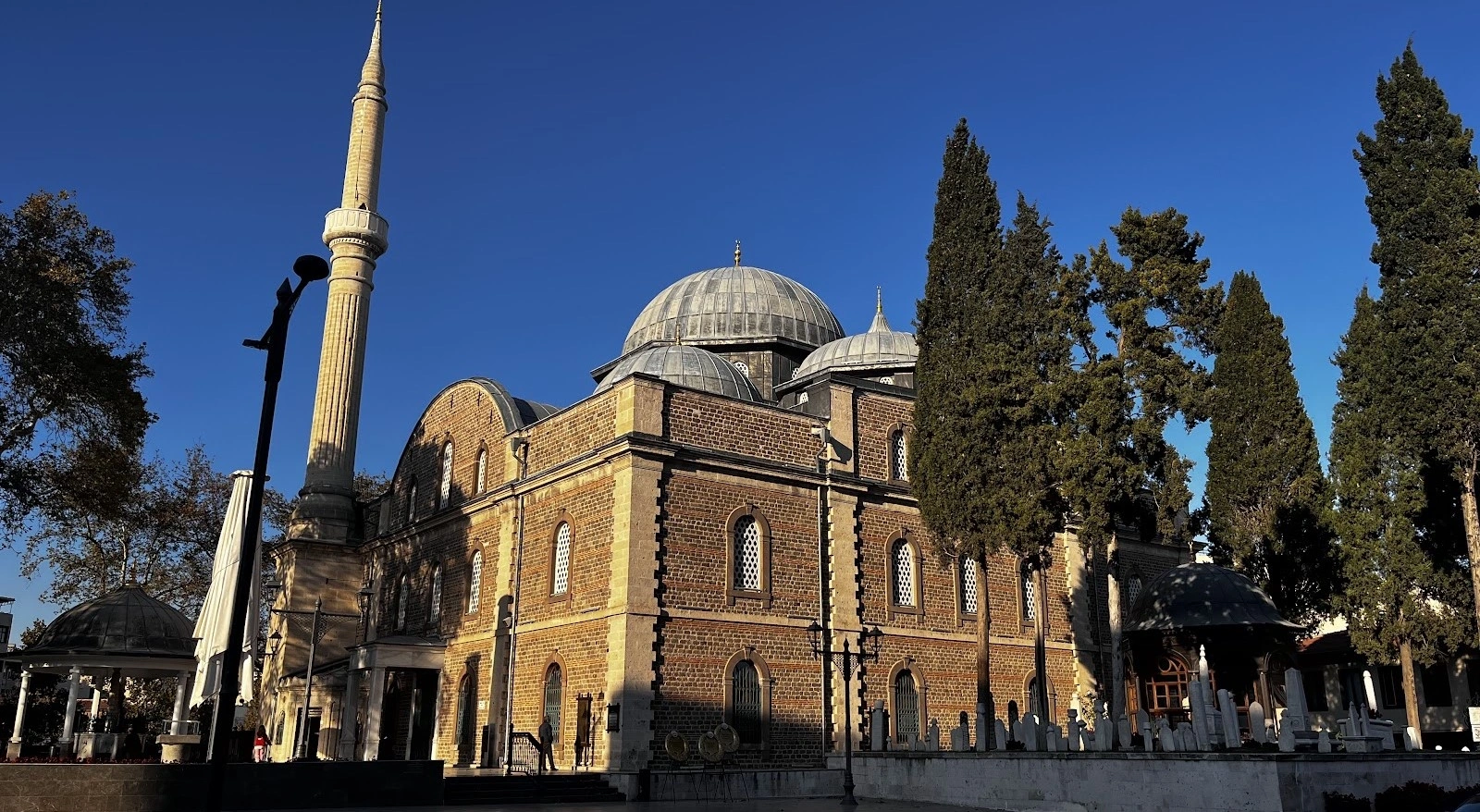
Continue from the museum to Balıkesir's great Ottoman külliye and the site of Mustafa Kemal Pasha's 7 February 1923 Balıkesir speech.
View Zağnos Pasha Mosque Guide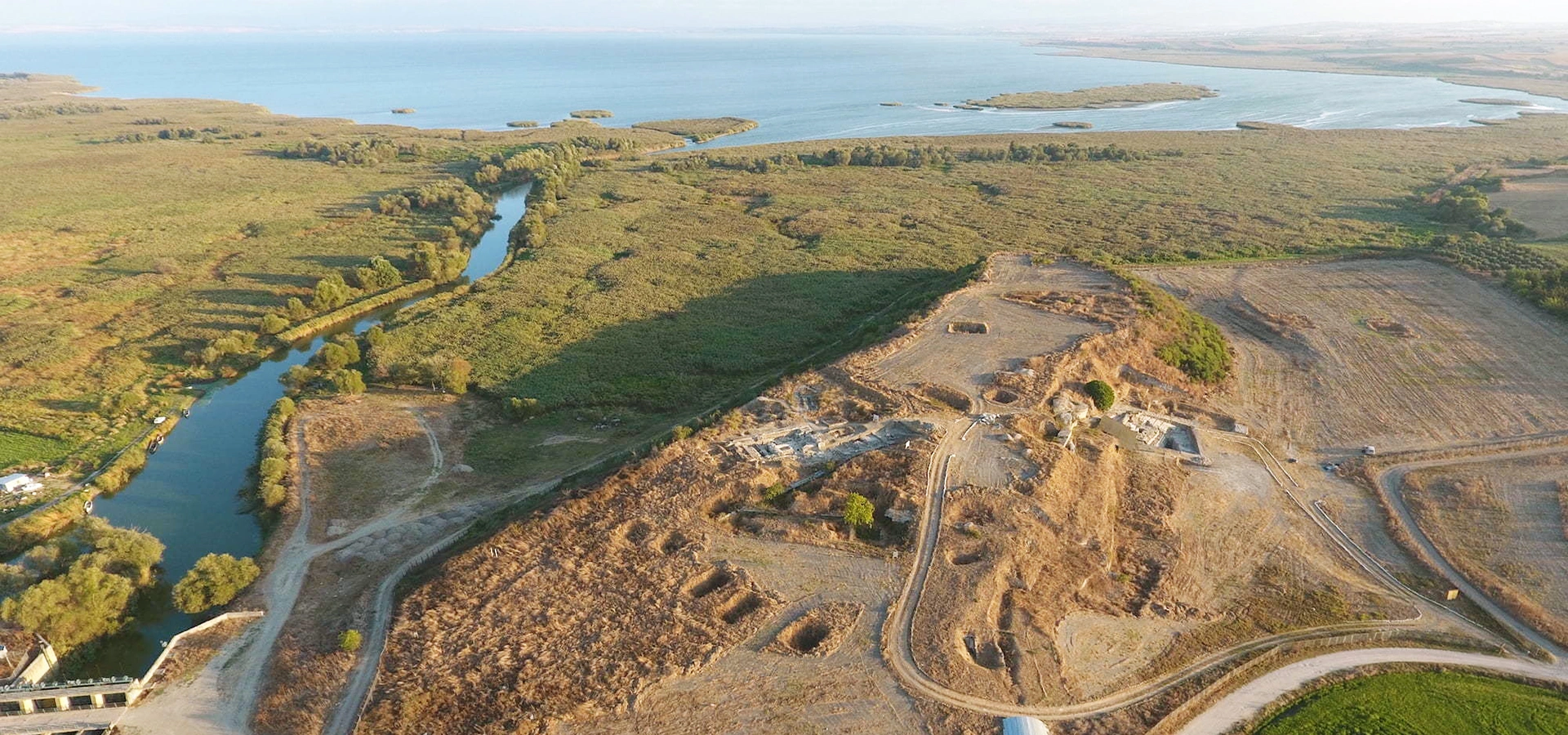
Follow the museum's archaeological collection into the landscape of one of north-western Anatolia's most important Achaemenid-period centres.
View Daskyleion Guide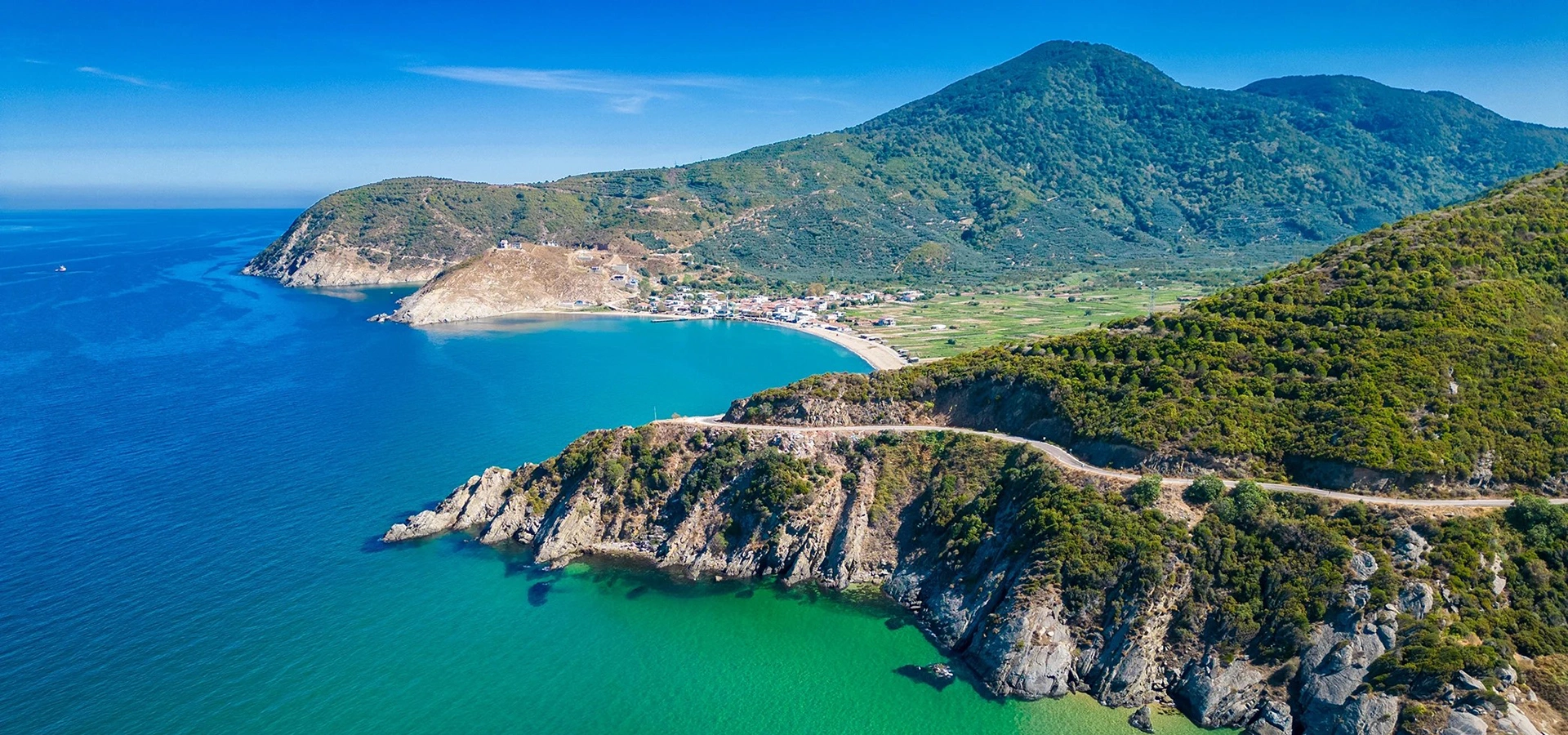
Continue from the museum's Kyzikos collection to the monumental ancient site near Erdek and the landscapes of the Kapıdağ Peninsula.
View Kapıdağ & Cyzicus Guide