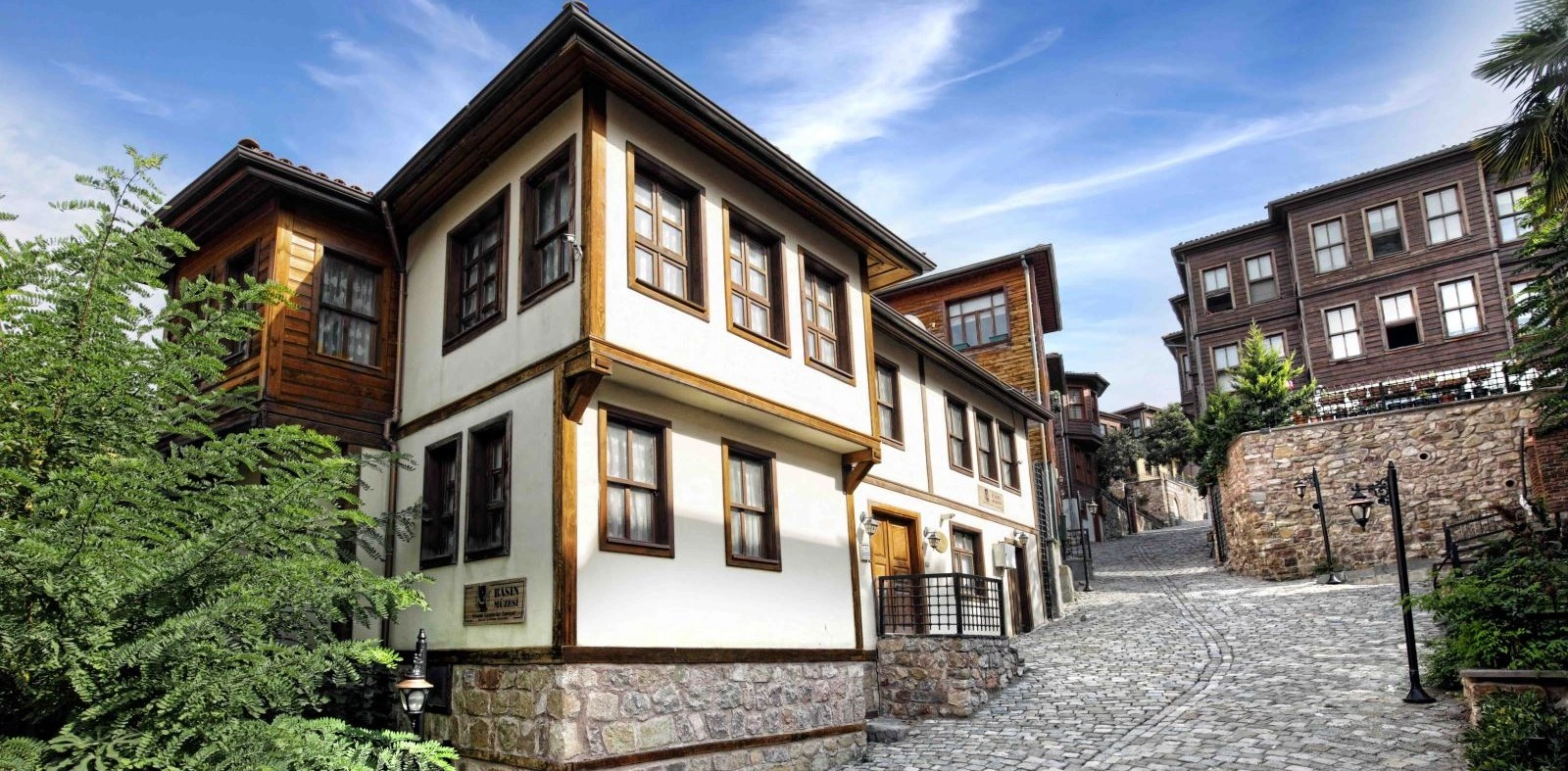
Kapanca Street
Continue through old upper İzmit among timber houses, bay windows, historic fountains and steep traditional lanes.
Explore Kapanca Street





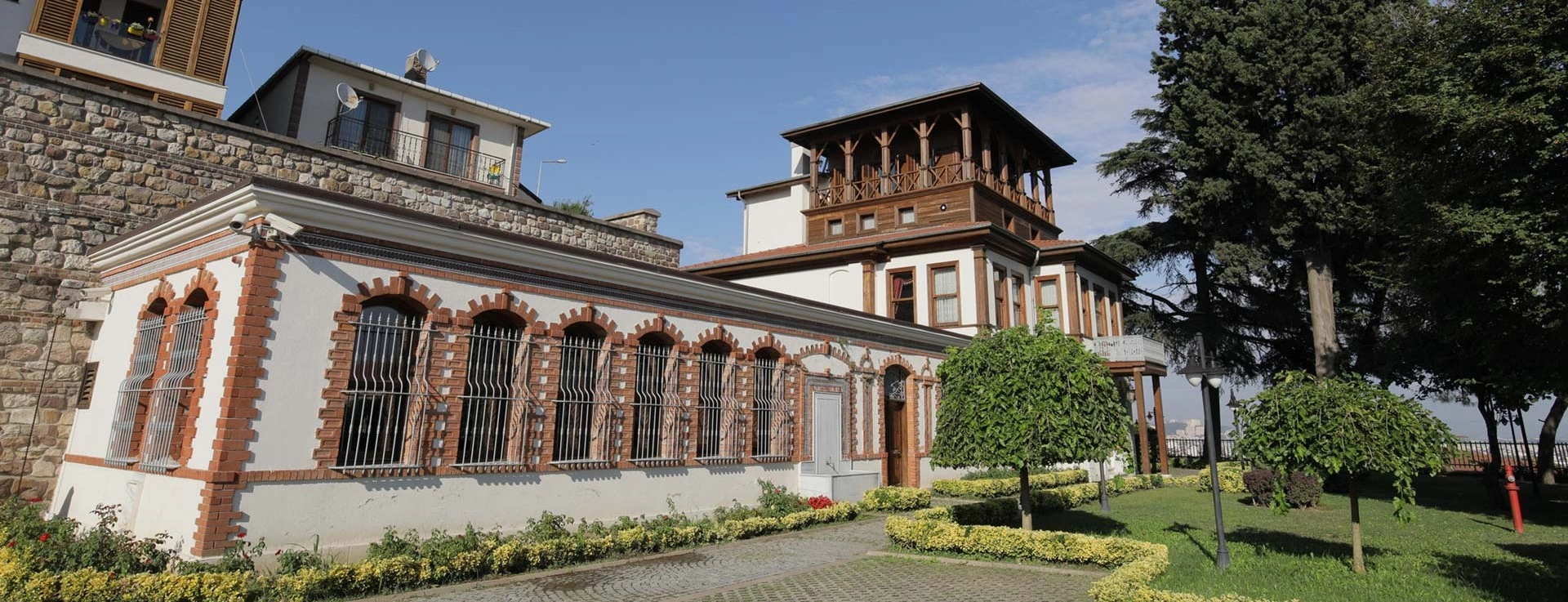
Hidden among the steep historic streets above central İzmit stands one of the city's most beautiful surviving examples of late-Ottoman residential architecture: Selim Sırrı Pasha Mansion, known in Turkish as Selim Sırrı Paşa Konağı.
The mansion was constructed in 1891–1892 for Selim Sırrı Pasha, the senior Ottoman administrator who served as İzmit's mutasarrıf during an important period of urban development. Remarkably, the design of the residence is traditionally attributed to Selim Sırrı Pasha himself.
Built on a hillside overlooking the Gulf of İzmit, the mansion combines traditional Ottoman domestic planning with the refined decorative tastes of the late nineteenth century. Its rooms are arranged around interior halls, while the house preserves separate haremlik and selamlık sections, painted walls, floral and geometric ornament, landscape scenes and a distinctive upper cihannüma viewing level.
The building's survival is almost as remarkable as its architecture. After falling into disrepair and suffering a serious fire in 2002, the mansion was acquired by Kocaeli Metropolitan Municipality and extensively restored between 2009 and 2012. Today, it functions as a historic house museum and cultural venue.
A major surviving example of late nineteenth-century Ottoman civil architecture in İzmit.
Selim Sırrı Pasha is traditionally credited with personally preparing the mansion's plan.
Landscape scenes, floral motifs, geometric decoration and touches of gilding enrich the principal rooms.
The elevated cihannüma and hillside setting reflect the prestige of upper İzmit in the late Ottoman period.
Essential information for visiting one of İzmit's most impressive surviving Ottoman mansions.
Hacıhasan Mahallesi,
İzmit, Kocaeli.
1891–1892
Late Ottoman period.
Selim Sırrı Pasha
İzmit Mutasarrıfı.
Ottoman mansion
Wooden-frame construction.
Kalem işi decoration
and painted interiors.
Free.
Historic house museum.
The mansion is valuable not simply because it is beautiful, but because it preserves the architecture, social organization and decorative taste of İzmit's late-Ottoman urban elite.
The first reason is architecture. Mosques, palaces and government buildings often dominate the story of Ottoman architecture, but private houses reveal another side of the empire. Selim Sırrı Pasha Mansion preserves the organization of an important nineteenth-century residence, including separate haremlik and selamlık areas.
The second reason is urban history. The mansion stands in İzmit's historic upper city, an area that became a prestigious residential district during the late Ottoman period. Its position overlooking the Gulf reflects both social status and the value attached to commanding views.
The third reason is decoration. The interior contains rich kalem işi ornament, painted landscapes, floral compositions, geometric patterns and gilded details. These surfaces transform the mansion from an architectural shell into an unusually vivid historic interior.
The fourth reason is survival. Fire, abandonment and structural deterioration brought the mansion close to disappearance. Its restoration therefore represents an important example of architectural conservation in modern Kocaeli.
Selim Sırrı Pasha was an Ottoman administrator and engineer whose career was closely connected with roads, bridges and public works. He was born in 1851 and later became one of the important administrative figures associated with late nineteenth-century İzmit.
During his period as İzmit Mutasarrıfı, roughly equivalent to the senior provincial administrator of the district, he promoted improvements in roads and infrastructure. His background in public works strongly influenced his approach to administration.
Local historical tradition also connects Selim Sırrı Pasha with the plane trees planted along important İzmit routes, part of a broader programme intended to improve the appearance and infrastructure of the city.
His interest in construction extended into his private life. The plan of the mansion is traditionally credited directly to the Pasha, making the building a particularly personal architectural legacy.
Selim Sırrı Pasha spent the later years of his life in İzmit and died in 1924. The mansion therefore functioned not merely as an official showpiece, but as a genuine family residence connected with the final decades of his life.
Selim Sırrı Pasha lived through a period of enormous political and technological change in the Ottoman Empire.
His professional background was strongly connected with roads, bridges and public works.
He became one of the senior Ottoman administrators responsible for İzmit.
The mansion's plan is traditionally attributed to Selim Sırrı Pasha himself.
The mansion was constructed during 1891–1892, at the height of Selim Sırrı Pasha's association with İzmit.
This was an important period in the city's development. The arrival of the railway, expanding commercial activity, new roads and administrative reforms were changing İzmit rapidly.
Rather than building on the flat waterfront, Selim Sırrı Pasha chose a prominent site in the upper historic city. The sloping terrain offered views over the urban centre and toward the Gulf of İzmit.
The choice tells us something about the geography of prestige in nineteenth-century İzmit. The hillside neighbourhoods were not peripheral; they contained important houses, religious buildings and administrative residences overlooking the commercial city below.
Selim Sırrı Pasha Mansion was constructed primarily using wooden-frame building techniques, one of the defining characteristics of Ottoman residential architecture.
The house rises through four architectural levels: a ground floor, principal upper floor, lower intermediate level and the upper cihannüma.
The principal floors use an interior-hall or iç sofa plan. Rooms are organized around central circulation spaces, allowing both functional separation and controlled movement between different areas of the household.
The mansion was also divided between haremlik and selamlık. These were not simply male and female halves in the modern simplified sense; they were part of a broader system separating the more private domestic life of the household from spaces where guests, official visitors and public business could be received.
The building belongs to the timber-based residential tradition characteristic of many late-Ottoman houses.
The mansion incorporates its principal floors, an intermediate level and the upper viewing floor.
Rooms are arranged around interior halls rather than along a simple external corridor.
Private family spaces and formal reception functions were architecturally distinguished.
One of the most valuable aspects of visiting the mansion is the opportunity to understand the spatial organization of an elite Ottoman home.
The haremlik formed the more private domestic world of the household. Family life, children, relatives and everyday activities were centred in this part of the residence.
The selamlık, by contrast, was associated more closely with formal reception, male guests, administrative conversations and the outward-facing social life of the owner.
At Selim Sırrı Pasha Mansion, the eastern and western areas of the building were organized according to this distinction, allowing privacy to coexist with the Pasha's public responsibilities.
For modern visitors, this arrangement makes the mansion particularly valuable. Instead of seeing individual rooms as isolated displays, try to imagine how people moved through the building and how architecture controlled access, visibility and social interaction.
One of the mansion's most distinctive features is its upper cihannüma.
The word can be understood literally as something close to “a place from which the world can be seen.” In Ottoman domestic architecture, a cihannüma was an elevated room, pavilion or viewing level designed to take advantage of surrounding scenery.
At Selim Sırrı Pasha Mansion, the elevated position of the house already gives it a commanding relationship with İzmit. The upper viewing level strengthens that connection, opening the residence visually toward the Gulf of İzmit.
This was not only a practical architectural feature. Views, light and ventilation were important components of prestigious Ottoman residential design. The cihannüma therefore represents both comfort and social status.
The cihannüma crowns the mansion and gives its silhouette one of its most recognizable features.
The residence takes advantage of İzmit's steep terrain and views toward the water.
Elevated Ottoman rooms were valued for ventilation, daylight and visual openness.
A panoramic upper space reinforced the prestige of an important official residence.
For many visitors, the most memorable part of the mansion is not its exterior but its interior decoration.
Walls and ceilings contain elaborate kalem işi ornament, a traditional painted decorative technique used widely in Ottoman architecture.
The decorative programme includes floral compositions, geometric designs, painted architectural details and landscape scenes. Some areas also incorporate gilded accents, giving important rooms a richer ceremonial appearance.
These paintings reflect the changing artistic world of the late Ottoman Empire, when traditional decorative vocabulary increasingly interacted with European-influenced landscape painting, perspective and new concepts of interior display.
Local tradition holds that some of the decorators may have been craftsmen or painters connected with work at Dolmabahçe Palace. This attribution is often repeated in local sources, but is best understood as a historical tradition rather than a securely documented attribution.
Hand-painted decoration covers important wall and ceiling surfaces throughout the mansion.
Scenic compositions reflect the changing visual culture of the nineteenth-century Ottoman world.
Stylized leaves and flowers create elegant decorative borders and compositions.
Traditional patterned decoration appears alongside more pictorial themes.
Selected decorative areas use gilded effects to increase richness and visual emphasis.
Local accounts associate the decoration with artists connected with Dolmabahçe Palace, although the attribution remains traditional rather than certain.
One of the easiest details to miss is found not in the principal rooms, but around the garden walls.
Historic construction around the mansion incorporates spolia — older architectural fragments reused within later buildings. Some of these pieces are associated with the ancient city of Nicomedia.
This reuse creates an extraordinary visual connection between two very different periods of İzmit's history. A late nineteenth-century Ottoman residence literally incorporates material belonging to the much older Roman city that once occupied the same landscape.
Spolia was common in cities with long histories. Older masonry, columns and carved stone could remain visible, be reused practically or acquire new decorative meaning within later structures.
Selim Sırrı Pasha Mansion was not originally designed as a museum. It was a functioning elite household.
Its halls and rooms once accommodated family life, servants, visitors, formal meetings, meals and the daily routines required by a large nineteenth-century residence.
The separation between formal and private areas reflects the importance of hospitality and privacy within Ottoman domestic culture. Guests could be received with appropriate ceremony without automatically entering the private world of the household.
Windows, bay projections, sofas and the elevated cihannüma also demonstrate how domestic architecture responded to light, climate views and social life.
Today's museum arrangement helps visitors read these rooms as more than decorative spaces. Furniture, objects, documents and interpretive displays evoke both Selim Sırrı Pasha's life and the social atmosphere of late-Ottoman Kocaeli.
The survival of the mansion cannot be taken for granted. After remaining in family ownership into the twentieth century, the building gradually entered a difficult period.
In 2002, a major fire left the historic structure severely damaged.
Fire is particularly destructive to Ottoman residential buildings because large parts of their structural systems, floors, ceilings and decorative elements are made from timber.
For Selim Sırrı Pasha Mansion, the disaster placed one of İzmit's most important examples of civil architecture at serious risk. Without a major conservation intervention, the building could easily have been lost.
Kocaeli Metropolitan Municipality acquired the property in 2007 with the aim of rescuing the damaged historic building.
A major restoration programme began in 2009 and was completed in 2012.
The project sought to recover the mansion's architectural character, reconstruct damaged timber elements, conserve surviving historic fabric and recreate important decorative features.
The significance of the project was recognized nationally. The restoration received a 2011 Implementation Award from the Historical Cities Union (Tarihi Kentler Birliği).
The mansion was subsequently adapted as a historic house museum and cultural venue, allowing the building to return to public life rather than remaining a closed monument.
A destructive fire caused major damage to the historic residence.
Kocaeli Metropolitan Municipality acquired the property for conservation.
Comprehensive restoration work began.
The conservation project received an Implementation Award from the Historical Cities Union.
The principal restoration campaign was completed.
The mansion functions as a museum, heritage site and cultural-event venue.
Study the contrast between masonry, timber elements, projecting windows and the elevated upper pavilion.
Look upward in the principal rooms for some of the mansion's most elaborate decorative work.
The scenic wall paintings reveal the cosmopolitan visual taste of the late Ottoman period.
Floral, geometric and architectural painted ornament gives the interior much of its distinctive character.
Use the private section to understand how domestic family space was organized.
The reception areas demonstrate the public-facing side of an Ottoman official's household.
The elevated viewing level is one of the most characteristic features of the building.
Look for reused ancient material connecting the mansion with the archaeological history of Nicomedia.
The hillside position explains why this neighbourhood was desirable for an important nineteenth-century residence.
Objects, documents and room arrangements help interpret Selim Sırrı Pasha and late-Ottoman urban life.
The mansion is one of the most photogenic historic buildings in İzmit.
Outside, the strongest compositions usually combine the wooden upper structure, garden and cihannüma. Stepping farther back can help show how the building rises against İzmit's hillside.
Inside, the most interesting subjects are the painted ceilings, decorated wall panels, woodwork and furnished rooms.
Because the decoration contains delicate restored surfaces, avoid touching walls or leaning equipment against historic elements. Flash, tripods or professional photography may be subject to staff instructions.
Use the garden to frame the main façade and upper wooden pavilion.
Interior ornament often photographs best with available natural light.
Remember to photograph upward — some of the finest decorative work is above eye level.
The surrounding greenery provides useful wider views of the residence.
Include the steep surrounding neighbourhood to place the mansion within old İzmit.
Follow current museum instructions concerning flash, tripods and professional equipment.
The mansion can be a surprisingly engaging historic site for families because its story is easier to visualize than that of many archaeological monuments.
Children can imagine a family actually living inside the rooms, receiving visitors, looking across the Gulf and climbing to the upper cihannüma.
The painted decoration, old furniture, different levels and garden make the visit visually varied.
Explain before entering that the building and decorations are historic. Children should avoid touching painted walls, furniture and exhibition objects unless specifically permitted.
For a broader family day, combine the mansion with İzmit Clock Tower and SEKA Paper Museum.
The main accessibility issue is the combination of historic architecture and steep terrain.
The mansion stands in the upper part of İzmit, where streets rise sharply from the waterfront and central commercial district. A taxi is considerably easier than walking uphill for visitors with limited mobility.
Because the mansion contains several historic levels, stairs form an important part of the original circulation pattern. Access to every room or upper level therefore may not be possible for all visitors.
Visitors who require step-free access should contact the museum before travelling to confirm which areas are currently accessible and whether assistance is available.
The surrounding old-city streets can be challenging for visitors with reduced mobility.
Several parts of the house are connected vertically through its original multi-level arrangement.
A taxi can remove much of the difficult uphill approach from central İzmit.
Contact the museum if access to specific floors is essential.
Many of the finest painted details are located on ceilings and upper wall surfaces.
Do not rush through the rooms if you want to study the decoration properly.
The exterior, garden walls and reused ancient stonework are important parts of the site.
The historic neighbourhood surrounding the mansion contains steep streets.
Good weather makes the Gulf view and surrounding historic-city walk more rewarding.
Current museum information lists Monday as the weekly closing day.
Food and drinks should not be taken into the museum interiors.
The mansion belongs naturally in a walking route through İzmit's historic upper neighbourhoods.
Selim Sırrı Pasha Mansion currently functions as a historic house museum and cultural venue under Kocaeli Metropolitan Municipality.
Current museum information lists regular visiting hours as 09:00–17:00 from Tuesday to Sunday.
The mansion is normally closed on Mondays.
General admission is free, making it an especially worthwhile addition to a historic İzmit walking itinerary.
Temporary exhibitions, workshops, private cultural events, maintenance or conservation requirements can occasionally affect normal access.
09:00–17:00
Closed.
Free.
Historic house museum and cultural venue.
Hacıhasan Mah., Sırrı Paşa Cd. No:18, İzmit.
+90 262 322 65 03
The mansion is located on Sırrı Paşa Caddesi in the historic upper part of İzmit.
Travellers exploring the old city can reach it on foot from Kapanca Street or the Clock Tower, but expect significant gradients.
Walking is rewarding because the route passes through some of İzmit's most atmospheric traditional streets, but comfortable footwear is important.
For travellers with limited mobility, young children or limited time, a taxi is the easiest option. Simply ask for “Selim Sırrı Paşa Konağı.”
Ideal if you are already exploring Kapanca Street and the old-city hillside.
The simplest way to avoid İzmit's steep climb from the waterfront.
Combine the mansion with traditional houses, fountains, mosques and the Clock Tower.
Search for “Selim Sırrı Paşa Konağı, İzmit.”
The mansion lies within an older residential district where streets can be narrow, steep and irregular.
Parking immediately beside the property should not be assumed. Use legal municipal or neighbourhood parking and avoid blocking house entrances or narrow historic streets.
If you are unfamiliar with upper İzmit, using a taxi or leaving your vehicle closer to the central city and exploring the historic district on foot can be more convenient.
Begin at Kocaeli Archaeology Museum to explore the ancient Roman and Byzantine city of Nicomedia.
Continue into upper İzmit toward Orhan Mosque, which represents the city's early Ottoman period.
Then walk through Kapanca Street, where historic houses, fountains and steep lanes preserve the character of traditional İzmit.
Continue to Selim Sırrı Pasha Mansion to move forward into the late nineteenth century. Take time to study the painted decoration, haremlik and selamlık organization and upper cihannüma.
Descend toward İzmit Clock Tower and Kasr-ı Hümayun for the imperial architecture of late-Ottoman İzmit.
Finish closer to the waterfront with SEKA Paper Museum to carry the story into modern industrial Türkiye.
Kocaeli Archaeology Museum – Roman and Byzantine Nicomedia.
Orhan Mosque – the beginnings of Ottoman İzmit.
Kapanca Street – traditional urban architecture.
Selim Sırrı Pasha Mansion – elite late-Ottoman domestic life.
Clock Tower and Kasr-ı Hümayun – imperial İzmit.
SEKA Paper Museum – twentieth-century industrial heritage.
Enough for a quick visit through the principal rooms and garden.
Recommended for most visitors who want to appreciate the architecture and decoration properly.
Ideal for architecture, photography and Ottoman-history enthusiasts.
Combine the mansion with Kapanca Street, Orhan Mosque and İzmit Clock Tower.
Add the Archaeology Museum, Kasr-ı Hümayun, Pertev Pasha Mosque and SEKA Paper Museum.
Leave additional time for walking because historic İzmit is considerably steeper than the waterfront.
The mansion is surrounded by some of the most historically interesting parts of İzmit, making it easy to combine with architecture from several different periods.
Use our complete Kocaeli travel guide to continue exploring the wider province.
Historic houses, fountains and steep lanes preserving the atmosphere of traditional İzmit.
The city's iconic late-Ottoman landmark overlooking the Gulf.
A nineteenth-century Ottoman imperial residence in the lower historic city.
Travel back more than five centuries from the Pasha's mansion to the early Ottoman conquest period.
Discover the Roman and Byzantine world of ancient Nicomedia.
See Mimar Sinan's classical Ottoman architecture in central İzmit.
Explore the industrial transformation of twentieth-century İzmit.
Continue toward Gebze, Hereke, Kartepe, Kandıra and destinations throughout the province.
The mansion is in Hacıhasan Mahallesi in İzmit, Kocaeli, on Sırrı Paşa Caddesi in the historic upper part of the city.
The mansion was constructed in 1891–1892 during the late Ottoman period.
It was built for Selim Sırrı Pasha, the Ottoman administrator who served as İzmit Mutasarrıfı.
Historical accounts traditionally credit Selim Sırrı Pasha himself with preparing the plan of the residence.
It is one of İzmit's finest surviving examples of late nineteenth-century Ottoman civil and residential architecture.
The historic residence is described as having four architectural levels, including an intermediate floor and upper cihannüma.
A cihannüma is an elevated viewing room or pavilion designed to take advantage of surrounding views, light and air.
The haremlik contained the more private domestic spaces of an Ottoman household, while the selamlık was associated with guests, reception and the owner's more public activities.
The mansion contains rich kalem işi decoration, landscape paintings, floral and geometric motifs and gilded details.
Local tradition associates the decoration with painters connected with work at Dolmabahçe Palace, but this should be treated as a traditional attribution rather than a securely documented fact.
Historic garden walls contain reused ancient architectural material associated with Roman-period Nicomedia.
Yes. A serious fire in 2002 left the historic building badly damaged.
A major conservation programme began in 2009 and was completed in 2012.
Yes. The project received a 2011 Implementation Award from the Historical Cities Union.
Yes. The restored building functions as a historic house museum and cultural venue.
Yes. Current visitor information lists free admission.
Current museum information lists opening hours as 09:00–17:00 from Tuesday to Sunday. The mansion is closed on Mondays.
Allow approximately 45–60 minutes for a relaxed visit to the rooms, decorations and garden.
Photography is generally possible subject to current museum rules. Follow staff instructions concerning flash, tripods and professional equipment.
The historic multi-level layout and surrounding steep streets can create difficulties for visitors with limited mobility. Contact the museum beforehand if step-free access is essential.
Combine the mansion with Kapanca Street, Orhan Mosque, İzmit Clock Tower, Kasr-ı Hümayun, Kocaeli Archaeology Museum and SEKA Paper Museum.
Yes. It is one of the best places in İzmit for understanding late-Ottoman domestic architecture, decorative arts and urban life.
İzmit is usually introduced through ancient Nicomedia, Ottoman mosques or modern industrial history. Selim Sırrı Pasha Mansion reveals something more intimate: how an important Ottoman household actually occupied the city.
Walk uphill through the traditional neighbourhood and the position of the mansion begins to make sense. The commercial city lies below, while the slopes open toward the Gulf. This was a residence designed not simply for shelter, but for status, hospitality, privacy and views.
Inside, the experience changes again. Painted flowers climb across walls. Landscape scenes open imaginary windows onto distant places. Gold details catch the light. Rooms separate public ceremony from private family life, while the cihannüma crowns the house above them.
Then comes another layer: the ancient stones reused around the property, the fire that nearly destroyed the mansion, and the extensive restoration that allowed visitors to walk through it again.
Together, these details make Selim Sırrı Pasha Mansion one of the strongest places in Kocaeli for understanding the human side of late-Ottoman İzmit.
Selim Sırrı Pasha Mansion reveals the private world of late-Ottoman İzmit. Continue through the city to discover traditional streets, ancient Nicomedia, early Ottoman monuments, Mimar Sinan and modern industrial heritage.
Walk through the same hillside neighbourhoods that surrounded the mansion during the final decades of the Ottoman Empire.
Continue through old upper İzmit among timber houses, bay windows, historic fountains and steep traditional lanes.
Explore Kapanca Street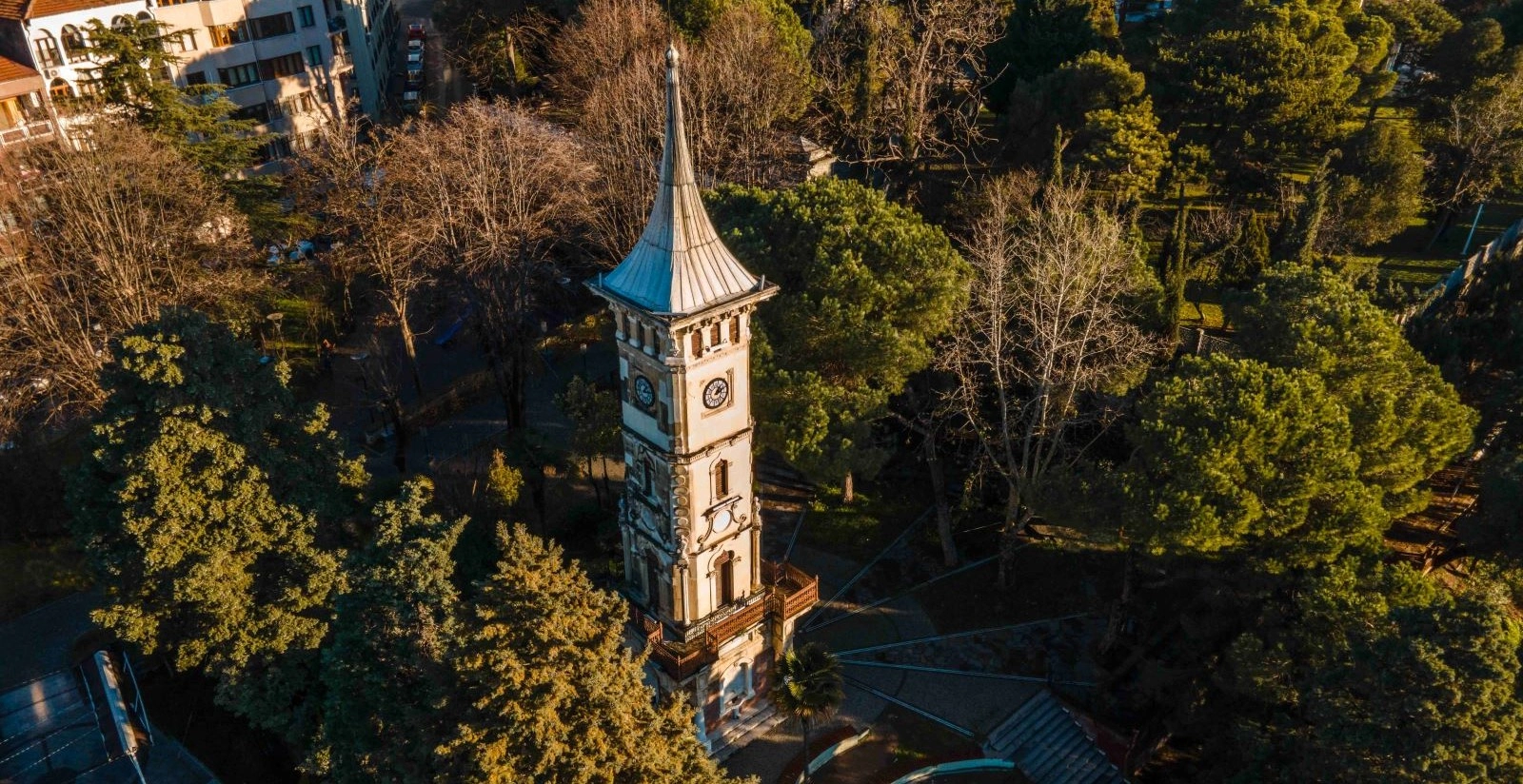
Continue the late-Ottoman story at İzmit's famous Clock Tower overlooking the Gulf.
Explore the Clock Tower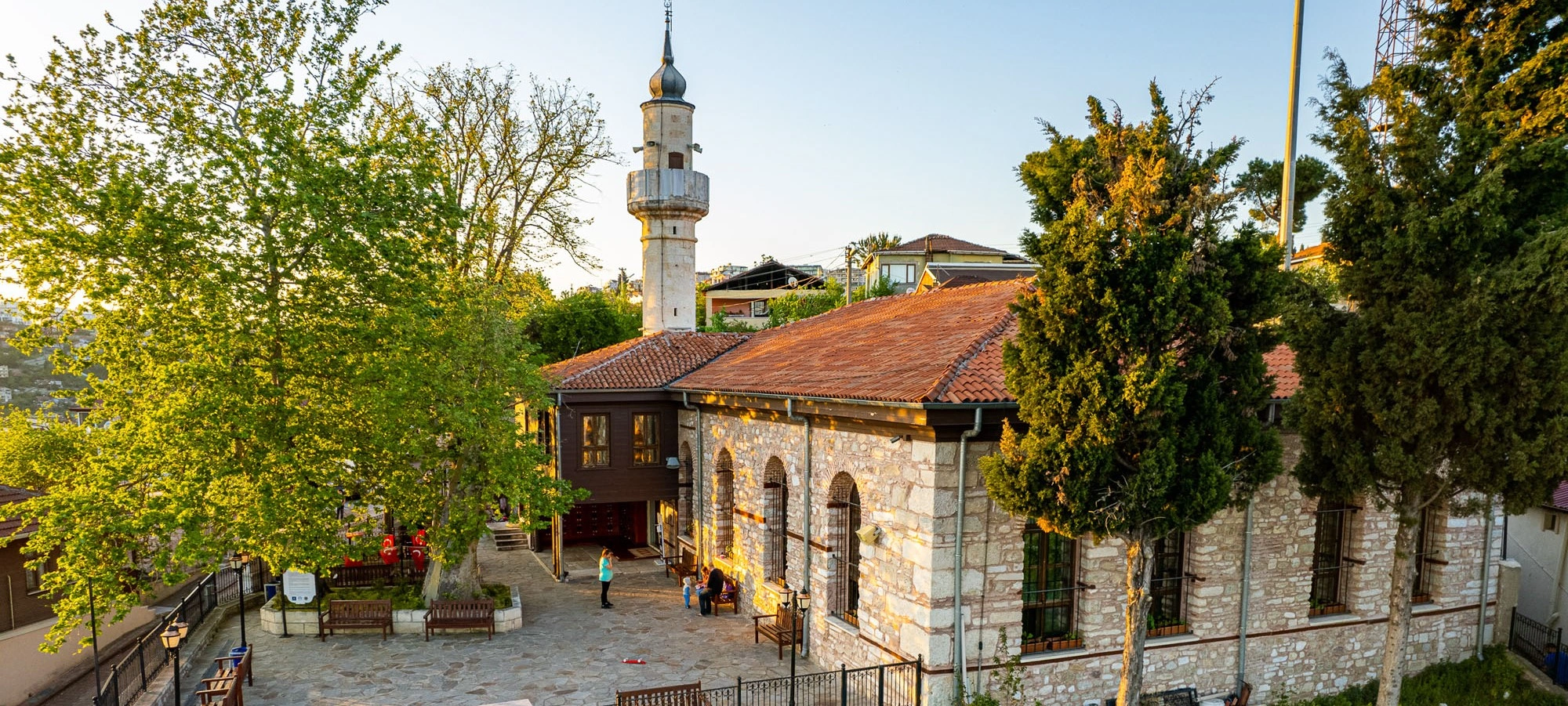
Travel back more than five centuries from Selim Sırrı Pasha to the beginnings of Ottoman İzmit.
Explore Orhan MosqueMove beyond the Ottoman mansions into ancient archaeology, classical architecture and industrial heritage.
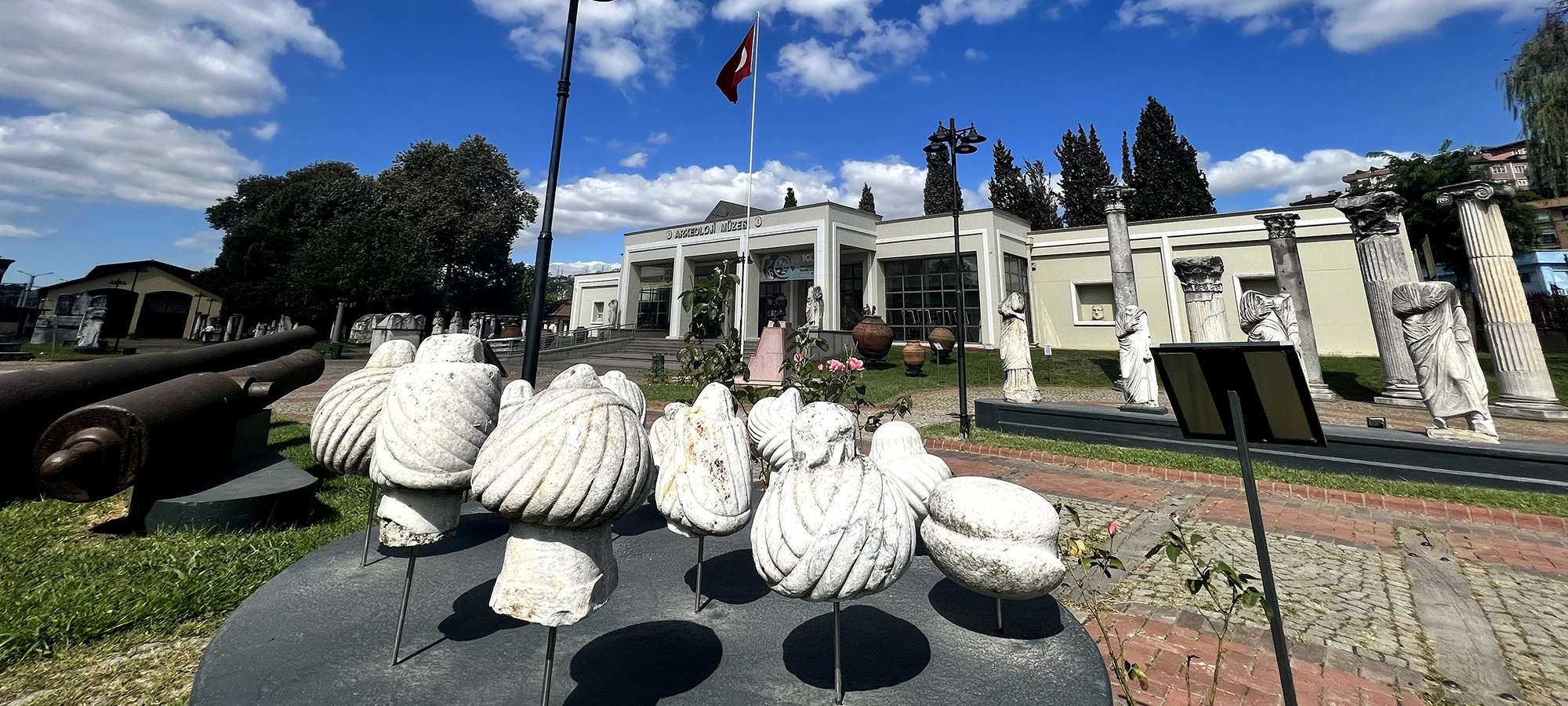
Discover Roman Nicomedia, the ancient city whose architectural fragments still appear throughout İzmit.
Explore Nicomedia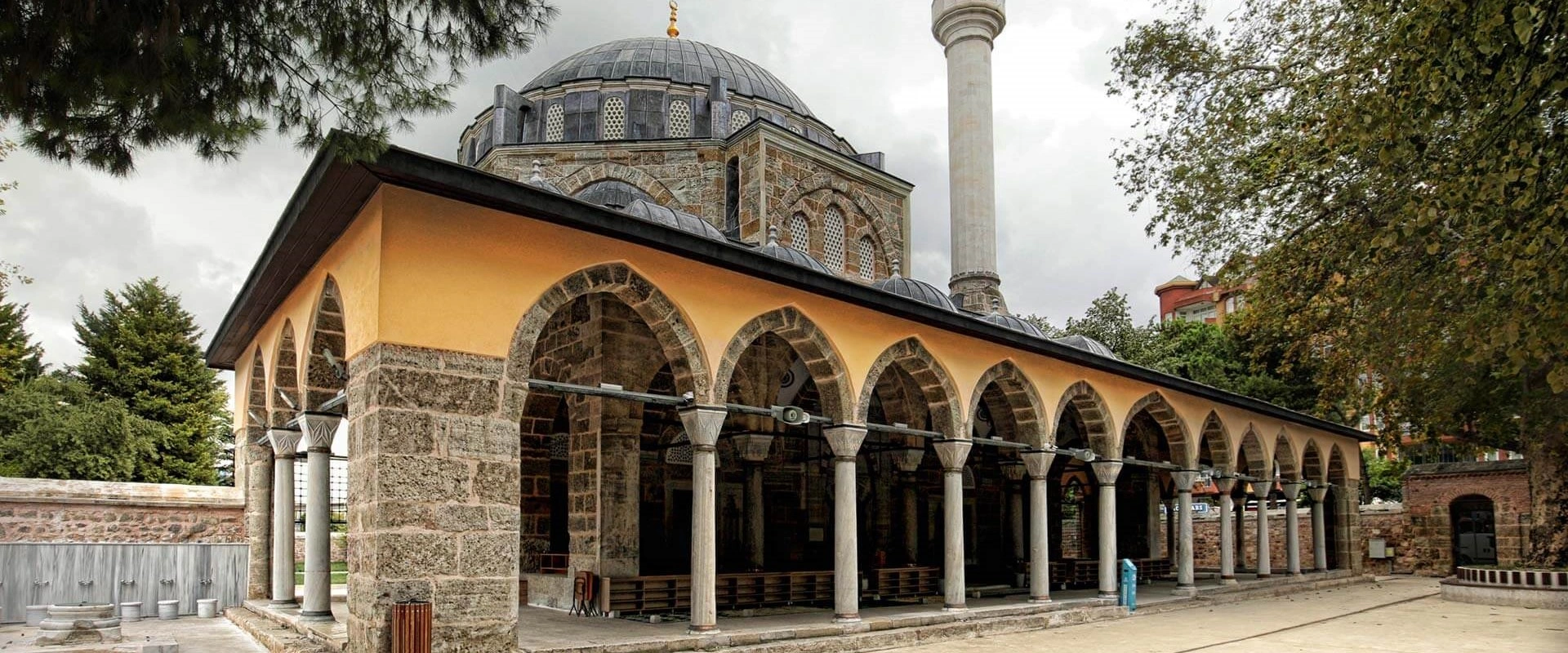
Discover Mimar Sinan's classical Ottoman architecture in the heart of historic İzmit.
Explore Pertev Pasha Mosque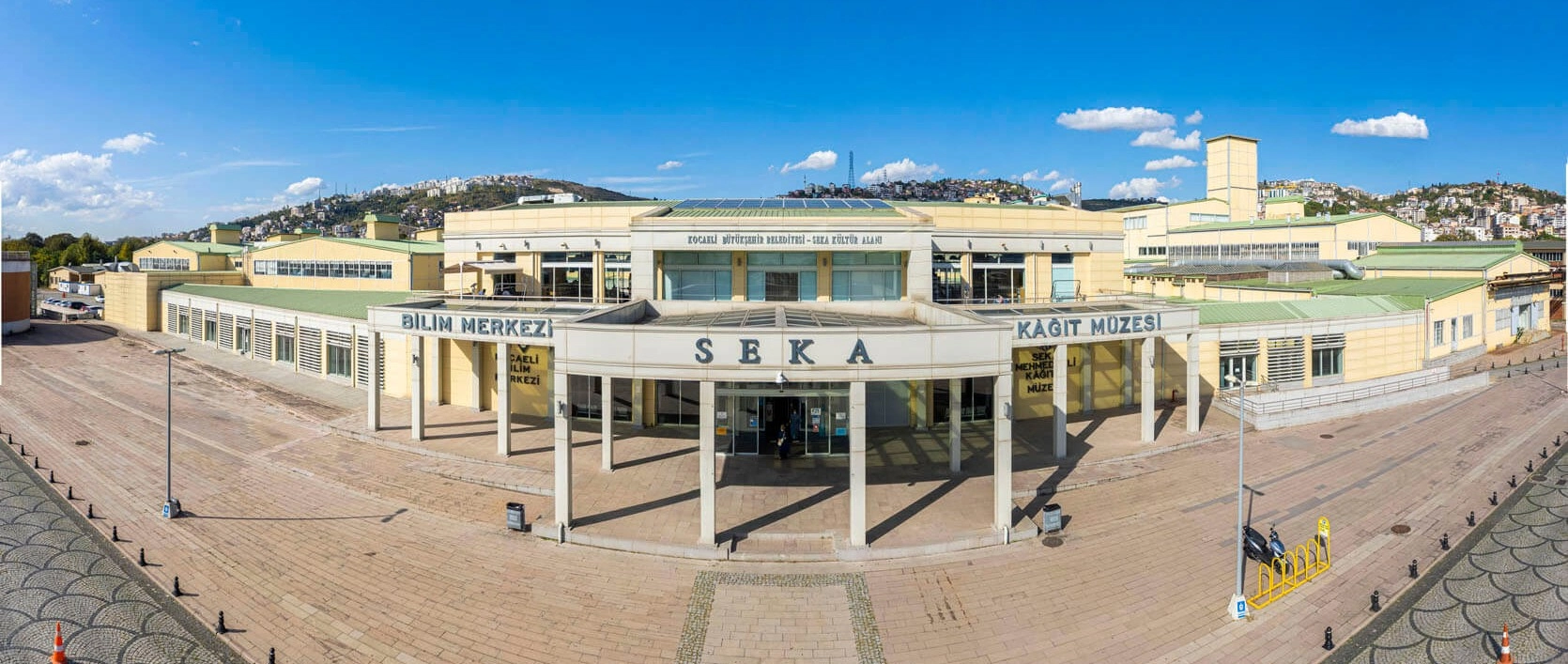
Move forward into modern Türkiye inside İzmit's historic paper factory on the waterfront.
Explore SEKAWe can connect Istanbul, Kocaeli, Cappadocia and destinations throughout Türkiye in a private cultural itinerary.
Build a private day around Ottoman mansions, ancient Nicomedia, Kapanca Street, the Clock Tower and historic mosques.
Plan Your Journey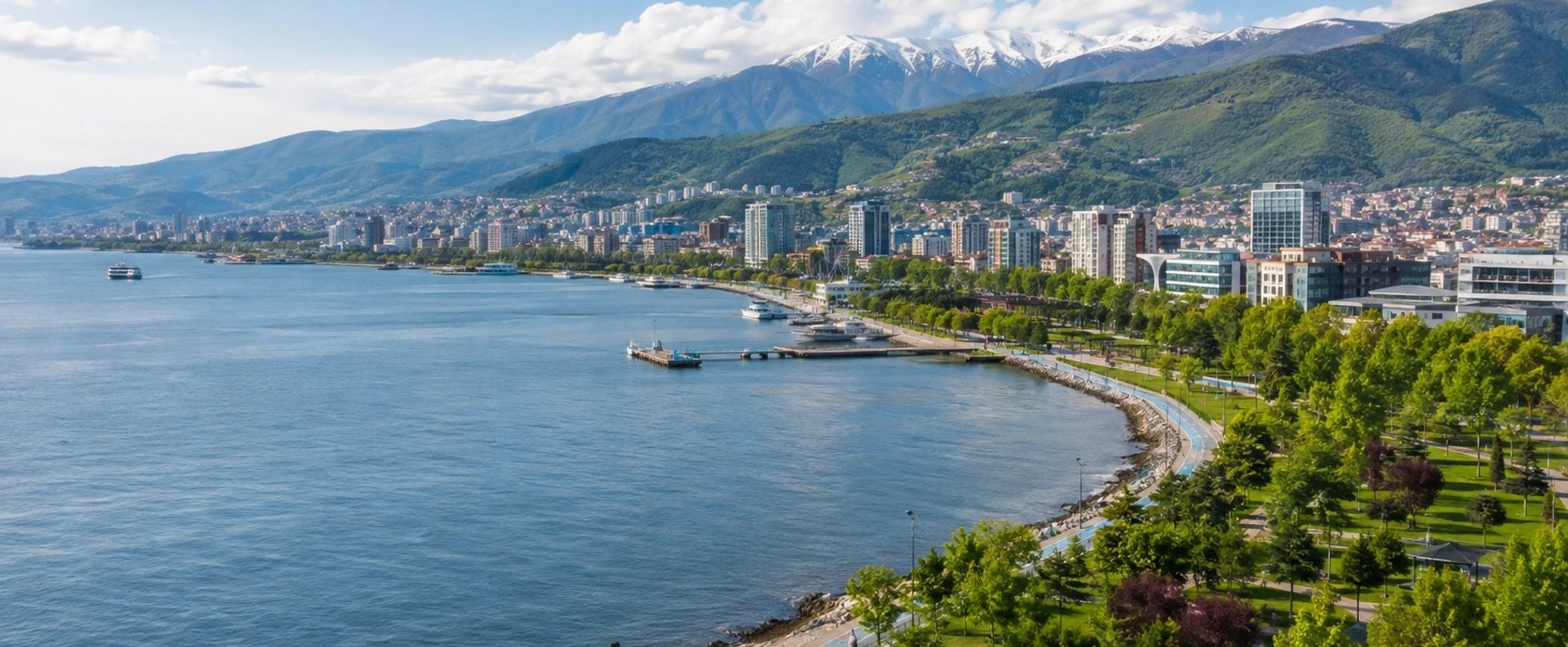
Connect Roman archaeology, Ottoman architecture, historic neighbourhoods, industrial museums and landscapes around the Gulf.
Discover Kocaeli
Continue throughout Türkiye with Ottoman mansions, imperial monuments, ancient cities, museums, historic towns and regional culture.
Explore Türkiye