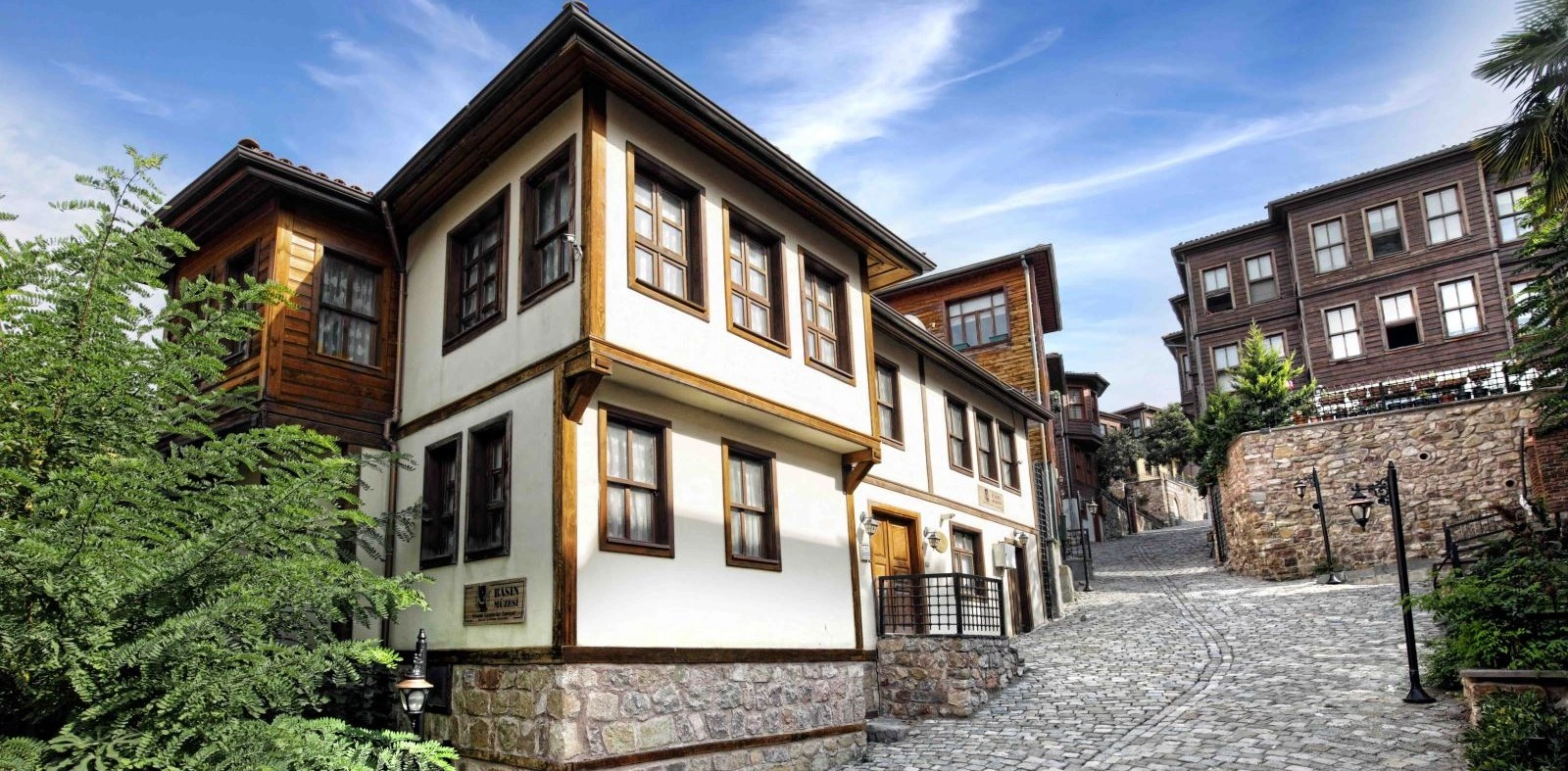
Kapanca Street
Continue through upper old İzmit for timber houses, bay windows, historic fountains, mosques and steep lanes above the Gulf.
Explore Kapanca Street





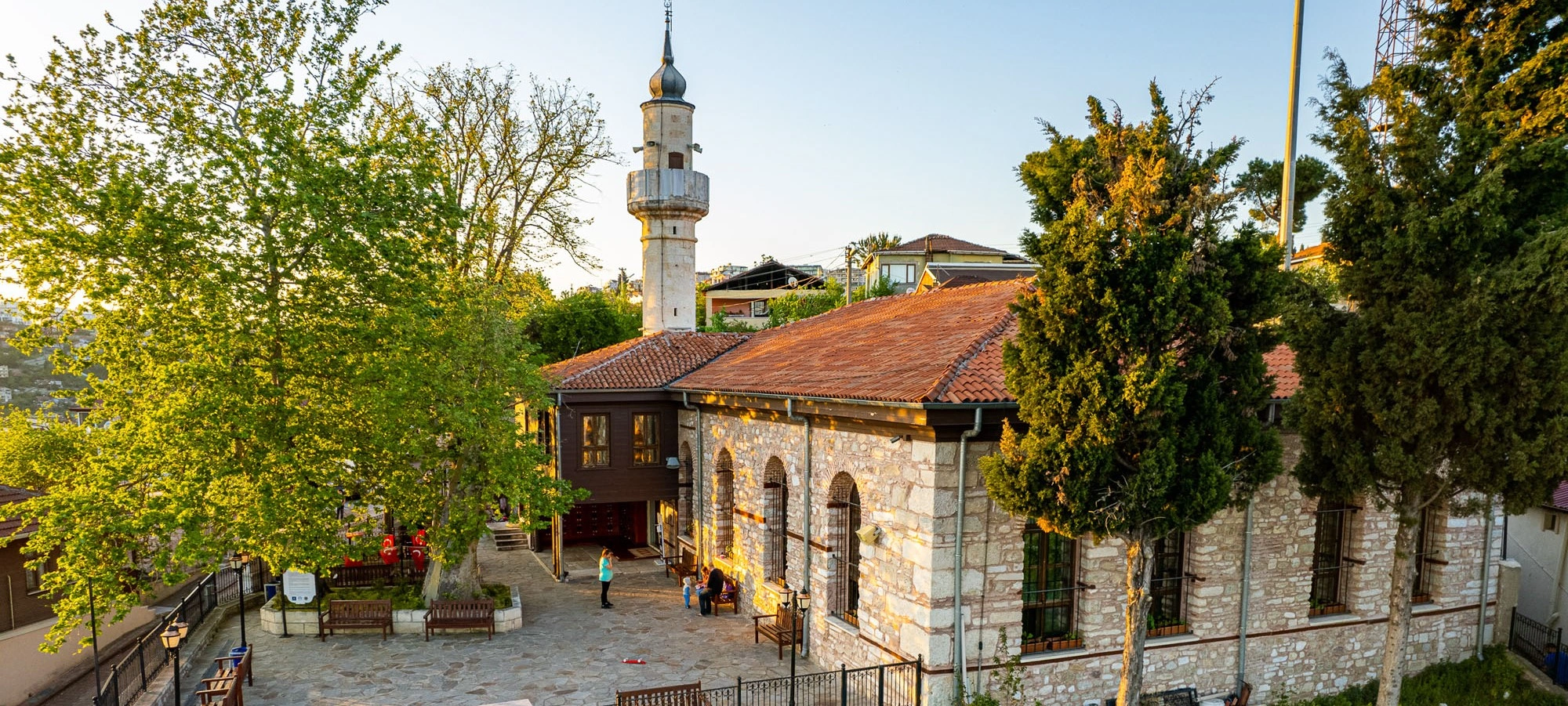
High above the modern centre of İzmit, in the historic Orhan Mahallesi, stands one of the city's most evocative Ottoman monuments: Orhan Mosque. The building is also known as Gazi Süleyman Paşa Mosque, after the prince traditionally credited with establishing it.
The mosque is associated with the Ottoman capture of Nicomedia in 1332. According to the established local tradition, Gazi Süleyman Paşa, son of Orhan Gazi, had the mosque built in his father's name after the city passed into Ottoman rule. For this reason, it is remembered as İzmit's fetih camii — conquest mosque.
The building visitors see today is not an untouched fourteenth-century structure. Centuries of earthquakes, repairs and rebuilding transformed its appearance, and a major restoration under Sultan Abdülmecid in 1843 helped create much of its present architectural character. Later repairs followed after lightning, earthquakes and structural deterioration.
What makes Orhan Mosque especially memorable is the combination of history and living tradition: a simple wooden-roofed prayer hall, a hillside cemetery, an old plane tree, views across İzmit and the symbolic custom of carrying a sword during the Friday sermon.
The mosque is traditionally connected with the Ottoman conquest of Nicomedia and the earliest Ottoman period in İzmit.
Orhan Gazi's son is credited with building the mosque in his father's name.
The mosque became a religious symbol of İzmit's transition from Byzantine Nicomedia to Ottoman İzmit.
A sword is still carried during the Friday sermon, preserving one of the mosque's most distinctive ceremonial traditions.
Essential information for visiting İzmit's historic Gazi Süleyman Paşa Mosque and understanding its place in the earliest Ottoman history of the city.
Orhan Mahallesi,
İzmit, Kocaeli.
1332
Early Ottoman period.
Gazi Süleyman Paşa
for Orhan Gazi.
Gazi Süleyman Paşa Camii
and Orhan Camii.
Friday sword khutbah
and conquest symbolism.
Free.
Active mosque.
Orhan Mosque is important not because it is the grandest mosque in Kocaeli, but because it stands at one of the most important turning points in the history of İzmit.
The first reason is chronology. The mosque belongs to the formative decades of the Ottoman state, long before the monumental imperial architecture of Bursa, Edirne and Istanbul reached maturity. Its foundation is associated with the year 1332, when Nicomedia passed into Ottoman control.
The second reason is conquest memory. The building is traditionally regarded as İzmit's fetih camii, the mosque through which the new political order was expressed in religious and urban life. Its ceremonial association with the sword khutbah keeps that memory visible even today.
The third reason is location. The mosque occupies the upper historic city, within the area traditionally associated with İzmit's old inner fortress. From this elevated position, the building looks toward the modern city and the Gulf, linking the medieval settlement pattern with the urban landscape below.
The fourth reason is continuity. The mosque has been repeatedly repaired, altered and restored, yet the site has remained connected with worship for centuries. It therefore represents not a frozen fourteenth-century monument, but a living building whose fabric records different periods of İzmit's history.
For centuries before the Ottomans, İzmit was known as Nicomedia, one of the most important cities of northwestern Anatolia. Its strategic position at the end of the Gulf made it a natural gateway between Constantinople, Bithynia and the interior.
During the expansion of the early Ottoman principality under Orhan Gazi, the remaining Byzantine strongholds of Bithynia gradually came under increasing pressure. Nicomedia passed into Ottoman rule in 1332, bringing another major urban centre into the young state.
Local tradition connects Gazi Süleyman Paşa, Orhan Gazi's eldest son, with the completion of the conquest and with the establishment of the mosque that now carries his father's name.
This is why Orhan Mosque should be read as more than a religious building. It stands as an architectural marker of a political transformation: Byzantine Nicomedia becoming Ottoman İzmit.
The ancient and Byzantine city that preceded Ottoman İzmit.
The traditional date associated with the Ottoman conquest and foundation of the mosque.
The second Ottoman ruler, during whose reign İzmit entered Ottoman control.
Orhan Gazi's son and the prince traditionally credited with founding the mosque.
Gazi Süleyman Paşa was one of the most important princes of the early Ottoman dynasty and a son of Orhan Gazi. He played a major role in the military expansion of the state during the fourteenth century.
In the history of İzmit, Süleyman Paşa is remembered particularly for his connection with the city's conquest and for establishing a mosque in his father's name. This is why the same building is known by two identities: Orhan Camii and Gazi Süleyman Paşa Camii.
The double naming is historically meaningful. One name honours the ruler under whom the city entered Ottoman control; the other remembers the prince associated with the conquest and foundation.
Süleyman Paşa belonged to the second generation of the Ottoman ruling dynasty.
The mosque was established in the name of his father, which explains the popular Orhan Camii name.
He was closely associated with early Ottoman expansion in northwestern Anatolia and later Rumelia.
His name remains attached to the mosque nearly seven centuries after the foundation tradition began.
Orhan Mosque is traditionally dated to 1332, immediately following the Ottoman takeover of Nicomedia. The site is therefore associated with the very beginning of Ottoman İzmit.
The mosque's original construction inscription has not survived, which means the building cannot be dated today from an intact fourteenth-century foundation text. Instead, its early history is reconstructed from later records, foundation traditions and inscriptions associated with subsequent repairs.
A later plaque inside the mosque refers to Gazi Süleyman Paşa, the conquest of İzmit, Hereke, Aydos and Kocaeli, and to the mosque and medrese. Because this plaque is not the original construction inscription, it should be treated as evidence of historical memory rather than as an untouched fourteenth-century document.
The Turkish term fetih camii means a mosque associated with the conquest of a city. In İzmit, Orhan Mosque came to represent the transition of Nicomedia into Ottoman rule and the establishment of Muslim communal worship in the newly controlled city.
The meaning of a conquest mosque is therefore partly architectural and partly symbolic. It marks a new political period, but it also becomes a place where memory of that transition can be repeated through prayer, sermons and local tradition.
At Orhan Mosque, the most visible surviving expression of this identity is the sword khutbah tradition.
During the Friday sermon at Orhan Mosque, the imam traditionally ascends the minbar carrying a sword. The act is understood locally as a symbol of conquest and of the mosque's identity as İzmit's fetih camii.
The practice reflects a wider Ottoman ceremonial idea in which a sword could accompany the khutbah in mosques connected with conquest. The sword was not simply a weapon in this context; it functioned as a visual sign of sovereignty, authority and historical memory.
There is, however, an important historical nuance. Modern local accounts do not agree that the present practice has continued without interruption since 1332. Some institutional descriptions present it as the survival of an old Ottoman custom, while Kocaeli municipal historical material suggests that the modern continuous form of the practice may have been revived much later.
For visitors, the safest historical interpretation is therefore: the sword khutbah is a genuine and living tradition associated with the mosque's conquest identity, but claims of an unbroken seven-century ceremonial continuity should be treated cautiously.
The symbolic sword is associated particularly with the weekly congregational khutbah.
The ceremony connects the living mosque with the memory of Ottoman rule beginning in İzmit.
The custom remains one of the most unusual cultural features connected with the mosque today.
The tradition is old, but the exact continuity and chronology of the modern practice are debated.
Visitors expecting a monumental domed imperial mosque may be surprised by Orhan Mosque. Its architecture is comparatively simple, domestic in scale and strongly shaped by wood. This modest character is part of its appeal.
The main prayer hall has a rectangular plan with masonry walls. At the centre of the interior ceiling is a wooden dome, while the surrounding ceiling surfaces are formed with flat timber construction.
The northern side includes a wooden last-prayer area, and later repairs introduced architectural features that belong to the nineteenth century rather than the original fourteenth-century phase.
The mosque should therefore be understood as a layered historic building. Its significance lies in the continuity of the site, while its visible architecture records repeated repair and adaptation.
The harim forms the core of the building and preserves the oldest part of the surviving layout.
A timber dome rises over the centre of the otherwise flat wooden ceiling.
The solid prayer-hall walls contrast with lighter wooden additions around the entrance side.
The last-prayer area reflects later phases of repair and enlargement.
One of the most important dates in the architectural history of Orhan Mosque is 1843. During the reign of Sultan Abdülmecid, the mosque underwent a substantial restoration.
This intervention was much more than routine maintenance. By the nineteenth century, the medieval building had already passed through centuries of earthquakes, weather and repairs. The Abdülmecid-period work altered several architectural elements and helped give the mosque much of the character visible today.
A restoration inscription from the Abdülmecid period is associated with this nineteenth-century campaign. The survival of such evidence is important because the original fourteenth-century construction inscription is lost.
Inside, the atmosphere is more intimate than monumental. The principal space is the harim, the main prayer hall, with the mihrab on the qibla wall, the minbar for the Friday sermon and a vaaz kürsüsü for preaching.
Look upward. The most characteristic architectural feature is the central wooden dome, set within a largely flat timber ceiling. This creates a very different experience from the great masonry domes of later Ottoman architecture.
The interior should also be read historically. Decorative and architectural features belong to different repair phases, so the mosque does not present a single untouched medieval decorative programme.
The prayer niche marks the qibla direction on the southern wall.
The pulpit is especially meaningful because of the mosque's famous sword-sermon tradition.
Look up from the centre of the prayer hall to understand the building's unusual interior character.
The flat wooden surfaces around the central dome reinforce the mosque's modest early-Ottoman atmosphere.
The preacher's platform is positioned within the functioning prayer space.
Remember that furnishings and arrangements may change because the mosque remains in everyday religious use.
The minaret visible today should not be mistaken for an untouched fourteenth-century tower. The original appearance of the mosque's earliest minaret is not securely known.
Historical accounts indicate that the minaret was renewed during the nineteenth century. It later suffered damage from a lightning strike in 1945 and was again affected by the 1999 Marmara earthquake.
During restoration work in 2007, the minaret was reconstructed with the aim of reflecting nineteenth-century characteristics. Its present form therefore belongs to the long restoration history of the mosque.
The minaret was renewed during one of the major later phases of the mosque's history.
A lightning strike caused damage to the tower.
The Marmara earthquake damaged the mosque and minaret again.
Restoration work recreated the minaret with reference to its nineteenth-century character.
Do not leave immediately after seeing the prayer hall. On the southeastern side of the mosque is a historic hazire, a small burial area attached to the religious site.
The cemetery contains graves associated with people who served the mosque, including imams and their relatives, as well as figures linked with the former medrese, including teachers, and a number of religious personalities.
The gravestones make the history of the site more personal. Instead of seeing the mosque only as a conquest monument, the hazire reminds visitors that generations of families, teachers, clerics and worshippers formed a community around it.
Historical references connected with Orhan Mosque mention a medrese associated with the foundation. The surviving mosque therefore belonged to a broader religious and educational environment than the modern visitor might assume.
The medrese itself has not survived as a complete historic building, but its memory remains important. Graves in the hazire include people identified with the educational life of the former institution, helping preserve the link between worship and learning.
This is another reason not to interpret Orhan Mosque as an isolated structure. The site once formed part of a more complex institutional landscape in the upper Ottoman city.
The mosque's hillside setting is one of the reasons the visit feels different from a stop in the lower city. Orhan Mosque stands in an elevated position above central İzmit, close to the historic upper-city landscape.
The garden contains a very old plane tree traditionally described as being around seven centuries old. Whatever its precise botanical age, the tree has become part of the visual identity of the mosque and reinforces the feeling of continuity around the site.
From the surrounding area, visitors can look across parts of İzmit and toward the Gulf of İzmit. The view helps explain why this upper settlement zone mattered strategically.
The mosque stands above the modern commercial centre rather than on the waterfront.
The large tree beside the mosque is one of the most memorable elements of the garden.
Clear weather can open broad views toward the city and Gulf below.
The elevated setting preserves the spatial feeling of İzmit's historic fortified upper settlement.
İzmit lies in one of Türkiye's most active earthquake regions, so no building with a history approaching seven centuries could survive unchanged. Orhan Mosque has repeatedly been repaired and strengthened.
The most important visible historical transformation took place during the 1843 restoration under Sultan Abdülmecid. Later interventions addressed damage, weathering and the structural condition of the building.
The 17 August 1999 Marmara earthquake again caused serious damage. Restoration and conservation campaigns followed, including work on the minaret and later comprehensive treatment of the mosque.
The building was restored again and reopened after work completed in 2017. Conservation also included attention to the historic gravestones and the old plane tree in the mosque grounds.
A major Abdülmecid-period repair strongly influenced the present appearance of the building.
Lightning damaged the minaret.
The Marmara earthquake again affected the mosque and its tower.
The minaret was restored with reference to nineteenth-century characteristics.
A further restoration returned the historic mosque to active use.
Repair is part of the building's history rather than something separate from it.
Step back before entering and notice how the mosque occupies the upper historic city above the Gulf.
The timber ceiling and central wooden dome create a very different atmosphere from later monumental Ottoman mosques.
The pulpit is inseparable from the mosque's famous sword-khutbah tradition.
Read the burial ground as evidence of the religious and educational community that formed around the mosque.
The old tree in the garden has become almost as recognizable locally as the mosque itself.
Remember that the tower reflects later restoration rather than the original fourteenth-century design.
Later inscriptions preserve memory of the conquest and foundation even though the original building inscription is lost.
Use the elevated setting to understand the geography of old İzmit and the Gulf below.
The most attractive photographs usually combine the mosque, minaret and old plane tree rather than isolating the building from its garden. The hillside setting also gives useful depth to exterior compositions.
Look for viewpoints that include the Gulf of İzmit or the urban landscape below. These wider images explain the strategic position of the mosque much better than close architectural details alone.
Inside, photography should remain secondary to worship. Do not use flash during prayer, avoid photographing worshippers closely and keep equipment quiet.
Use the old tree to frame the roofline and minaret.
Include the modern city below to show the dramatic contrast between old İzmit and the contemporary Gulf corridor.
Natural light is best for photographing the central timber dome and ceiling.
Photograph respectfully and avoid treating the hazire as a decorative backdrop.
Flash is unnecessary in most daylight conditions and can disturb worshippers.
Friday midday is not appropriate for sightseeing photography inside an active congregation.
Orhan Mosque is an active mosque, not a museum. Respectful non-Muslim visitors may normally enter outside congregational prayer periods.
Remove shoes before entering the carpeted prayer hall. Dress modestly with shoulders and knees covered. Women should carry a scarf for covering the hair inside.
Keep voices low, silence phones and never walk directly in front of someone who is praying. Friday around midday is the busiest weekly period and should be avoided if your main purpose is sightseeing.
Footwear is left at the entrance before stepping onto the prayer carpet.
Shoulders and knees should be covered; women should cover their hair in the prayer hall.
Speak softly and place phones on silent.
Wait until congregational worship has finished before exploring the interior.
Orhan Mosque can be a good family stop because the visit does not need to be long and the story is easy to understand: an old hilltop mosque, the conquest of Nicomedia, a symbolic sword tradition, historic graves and a very old plane tree.
Before entering, explain that the mosque is still used for prayer. Children should keep voices low, remove shoes and avoid running in the prayer hall or cemetery.
Combine the mosque with İzmit Clock Tower and SEKA Paper Museum for a varied day mixing history, views and more interactive museum experiences.
The principal accessibility challenge is the location. Orhan Mosque stands in the upper historic part of İzmit, where streets can be steep and gradients are noticeably greater than along the waterfront.
Historic thresholds, garden surfaces and the arrangement of an old religious building can also create difficulties for wheelchair users or travellers with limited mobility.
Visitors who require guaranteed step-free access should check local conditions before travelling, because temporary arrangements can change according to maintenance and congregational use.
The upper-city location can be demanding for visitors with limited walking ability.
A taxi can remove much of the uphill approach from the lower city.
Entrances and level changes were not designed for modern universal access.
Confirm current arrangements if step-free interior access is essential.
The interior is easiest to appreciate during a quiet daytime period between congregational prayers.
Friday prayer is the busiest weekly period and the mosque's religious function should take priority.
Women should have a head covering available before entering the prayer hall.
Footwear that is easy to remove is convenient for active-mosque visits.
Old İzmit is steep. Comfortable shoes matter if you are combining several historic sites on foot.
Do not leave after the interior; the cemetery adds an important human layer to the history.
The hilltop setting is part of the experience, especially in clear weather.
Kapanca Street and the Clock Tower fit naturally into the same historic-city route.
Orhan Mosque remains an active place of worship rather than a ticketed museum. There is normally no admission fee for respectful visitors.
Access should be planned around prayer rather than fixed museum opening hours. Visitors interested mainly in history and architecture should aim for a quiet daylight period between prayers.
Religious services, maintenance, cleaning or local events can temporarily affect access. Friday around midday is particularly busy.
Free.
Active mosque and historic monument.
Daytime between congregational prayers.
Avoid the midday prayer if visiting primarily for sightseeing.
Modest clothing; women should cover their hair inside the prayer hall.
Remove footwear before entering the carpeted prayer area.
Orhan Mosque is in Orhan Mahallesi in the upper historic part of İzmit, approximately 2 kilometres from the central lower-city area.
The mosque can be reached on foot, but the climb is substantial compared with the flatter waterfront. Walking is best for travellers already exploring Kapanca Street, the Clock Tower and the historic hillside neighbourhoods.
Local buses and taxis can reduce the uphill walk. If using a taxi, ask for “Orhan Camii” or “Gazi Süleyman Paşa Camii, Orhan Mahallesi.”
Best for travellers comfortable with İzmit's steep historic streets.
The easiest option if you want to avoid climbing from the lower city.
Public transport from central İzmit can bring visitors closer to the Orhan neighbourhood.
The popular local name is normally sufficient when asking for directions.
The mosque is located in an older residential part of İzmit rather than inside a large visitor complex, so parking immediately beside the monument can be limited.
Use legal municipal or neighbourhood parking where available and avoid blocking narrow streets, residential entrances or access to the mosque.
For visitors unfamiliar with upper İzmit, a taxi can be easier than driving, especially if the mosque is part of a walking route through the historic district.
Begin at Kocaeli Archaeology Museum to understand ancient and Roman Nicomedia before the Ottoman conquest.
Continue uphill to Orhan Mosque. Explore the prayer hall, old plane tree, hazire and the views across the city. This is the point where the itinerary moves from Byzantine Nicomedia into early Ottoman İzmit.
From the mosque, continue through the upper historic neighbourhood toward Kapanca Street and the İzmit History Corridor, where timber houses, old fountains and steep lanes preserve the character of the traditional city.
Then descend toward İzmit Clock Tower and Kasr-ı Hümayun to explore the nineteenth-century Ottoman city.
Finish in the lower centre with Pertev Mehmet Pasha Mosque, where the story jumps forward from the early Ottoman frontier age to Mimar Sinan's sixteenth-century classical architecture.
Kocaeli Archaeology Museum – ancient and Roman Nicomedia.
Orhan Mosque – conquest memory and the earliest Ottoman İzmit.
Kapanca Street – traditional houses and the upper historic neighbourhood.
Clock Tower and Kasr-ı Hümayun – the nineteenth-century Ottoman city.
Pertev Pasha Mosque – Mimar Sinan and classical Ottoman İzmit.
Enough for a quick exterior look, garden and respectful visit to the prayer hall.
Best for seeing the interior, hazire, plane tree and taking in the city view without rushing.
Ideal for history enthusiasts who want to study the restoration layers and photograph carefully.
Combine the mosque with Kapanca Street, the Clock Tower and Kasr-ı Hümayun.
Add the Archaeology Museum, Pertev Pasha Mosque and SEKA Paper Museum.
Allow extra time for the steep streets connecting upper and lower historic İzmit.
Orhan Mosque belongs naturally in a wider exploration of old İzmit, where ancient Nicomedia, early Ottoman history, nineteenth-century imperial architecture and modern industrial heritage survive remarkably close together.
Use our complete Kocaeli travel guide to continue across the wider province.
Traditional timber houses, historic fountains and steep lanes in the old hillside city.
The city's best-known late Ottoman landmark with views toward the Gulf.
A nineteenth-century Ottoman palace associated with Sultan Abdülaziz and the later history of İzmit.
Discover the Roman and Byzantine city of Nicomedia before the Ottoman conquest.
Compare early Ottoman Orhan Mosque with Mimar Sinan's sophisticated classical architecture of 1579.
Move from medieval and Ottoman history into İzmit's modern industrial age.
Finish the historic walk at sea level along the Gulf.
Continue beyond the city toward Gebze, Hereke, Kartepe, Kandıra and the wider province.
Orhan Mosque is in Orhan Mahallesi in İzmit, Kocaeli, in the elevated historic part of the city above the modern centre.
Yes. Orhan Camii and Gazi Süleyman Paşa Camii are two names for the same historic mosque.
The mosque is traditionally dated to 1332, following the Ottoman conquest of Nicomedia.
The foundation is traditionally attributed to Gazi Süleyman Paşa, son of Orhan Gazi, who built it in his father's name.
The mosque was established in the name of Orhan Gazi, although his son Süleyman Paşa is traditionally credited with founding it.
It is associated with the Ottoman conquest of Nicomedia and is regarded as one of the earliest surviving Turkish-period monuments in İzmit.
A fetih camii is a mosque symbolically associated with the conquest or political transition of a city. Orhan Mosque is remembered as İzmit's conquest mosque.
The sword symbolizes the mosque's connection with conquest tradition and Ottoman sovereignty. It remains one of the best-known ceremonial customs associated with Orhan Mosque.
The tradition is genuinely associated with the mosque, but modern historical accounts differ over whether the present practice continued without interruption from the fourteenth century or was revived in a later period.
No. The site has a fourteenth-century foundation history, but the building has undergone major repairs and changes, especially during the 1843 restoration under Sultan Abdülmecid.
The mosque has a rectangular prayer hall, masonry walls, a largely wooden ceiling and a distinctive central wooden dome, together with later-period entrance and minaret elements.
Yes. The 1999 Marmara earthquake damaged the building and minaret, contributing to later conservation work.
A major restoration was completed in 2017, returning the historic building to active use.
The hazire is the historic cemetery beside the mosque, containing graves associated with imams, relatives, medrese teachers and religious figures connected with the site.
Yes. The mosque garden contains a historic plane tree traditionally described locally as being around seven centuries old.
Yes. It is an active mosque, not a ticketed museum, and respectful visitors normally enter without an admission fee.
Yes. Non-Muslim visitors may normally enter respectfully outside congregational prayer periods, following mosque etiquette and modest dress requirements.
Visit during daylight between prayer times. Avoid Friday midday if your main purpose is sightseeing or photography.
Allow around 30–45 minutes to see the prayer hall, hazire, plane tree and views without rushing.
Combine Orhan Mosque with Kapanca Street, İzmit Clock Tower, Kasr-ı Hümayun, Kocaeli Archaeology Museum and Pertev Mehmet Pasha Mosque.
Yes. It is one of the most meaningful historic stops in İzmit because it connects the city directly with the transition from Byzantine Nicomedia to early Ottoman İzmit.
Orhan Mosque does not impress through scale. There is no vast imperial courtyard, no forest of marble columns and no enormous stone dome. Its power comes from something quieter: location, memory and continuity.
Climb into the old upper city and the geography of İzmit begins to make sense. The Gulf lies below. The historic neighbourhood gathers around the hillside. Inside the mosque, the wooden ceiling and central dome create an intimate prayer space far removed from the monumental Ottoman architecture of later centuries.
Then the deeper layers appear: the lost original inscription, the memory of Gazi Süleyman Paşa, the former medrese, the cemetery, the nineteenth-century rebuilding, earthquake repairs and the sword carried during the Friday sermon.
Together, they transform a modest mosque into one of the strongest places in Kocaeli for understanding how Nicomedia became Ottoman İzmit.
Orhan Mosque opens the story of early Ottoman İzmit. Continue through the city to discover Roman Nicomedia, traditional neighbourhoods, Mimar Sinan, late Ottoman landmarks and industrial heritage.
Follow the city's story from ancient Nicomedia through the Ottoman centuries and into modern Türkiye.
Continue through upper old İzmit for timber houses, bay windows, historic fountains, mosques and steep lanes above the Gulf.
Explore Kapanca Street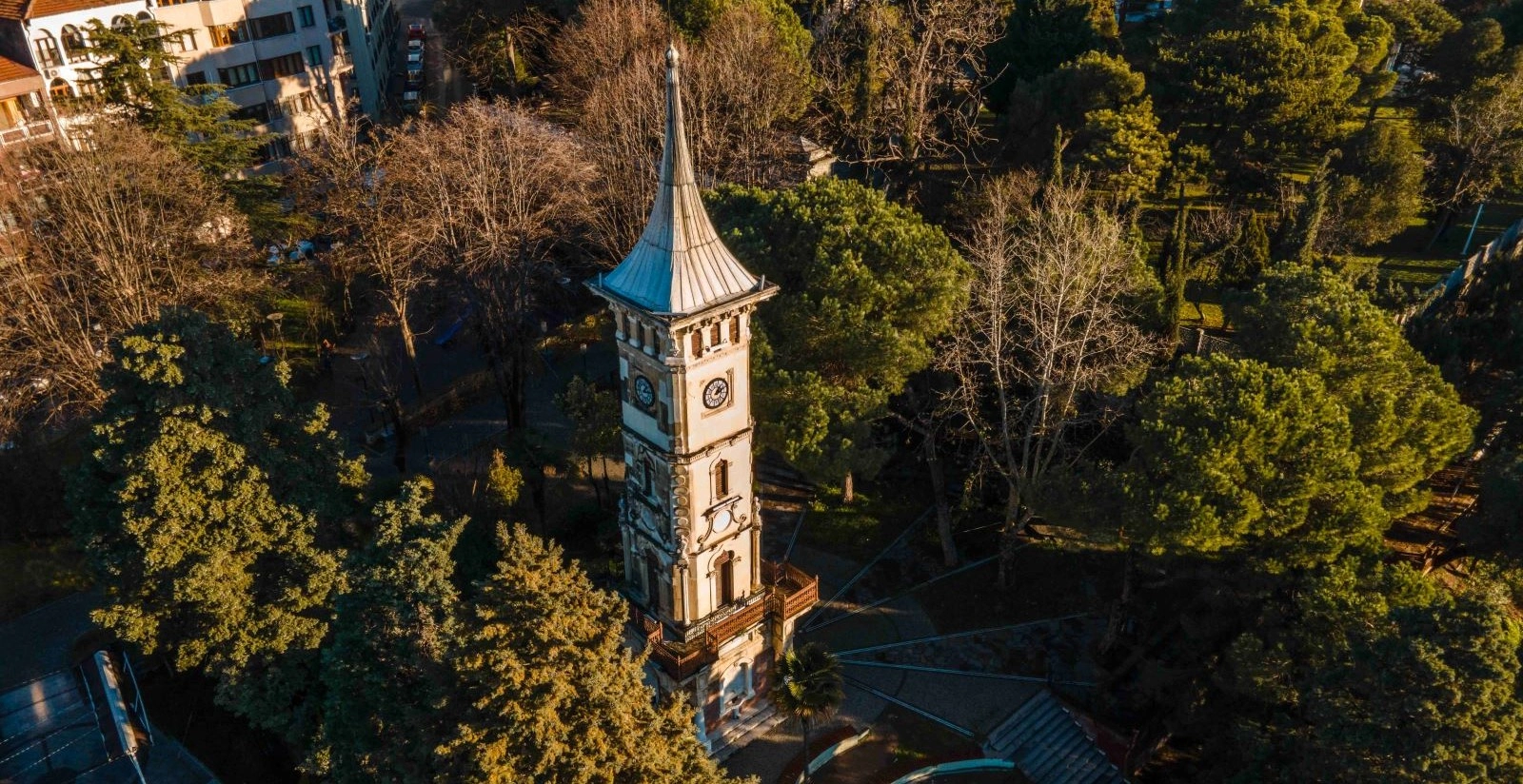
Move from the early Ottoman age to the elegant late Ottoman city at İzmit's famous Clock Tower above the Gulf.
Explore the Clock Tower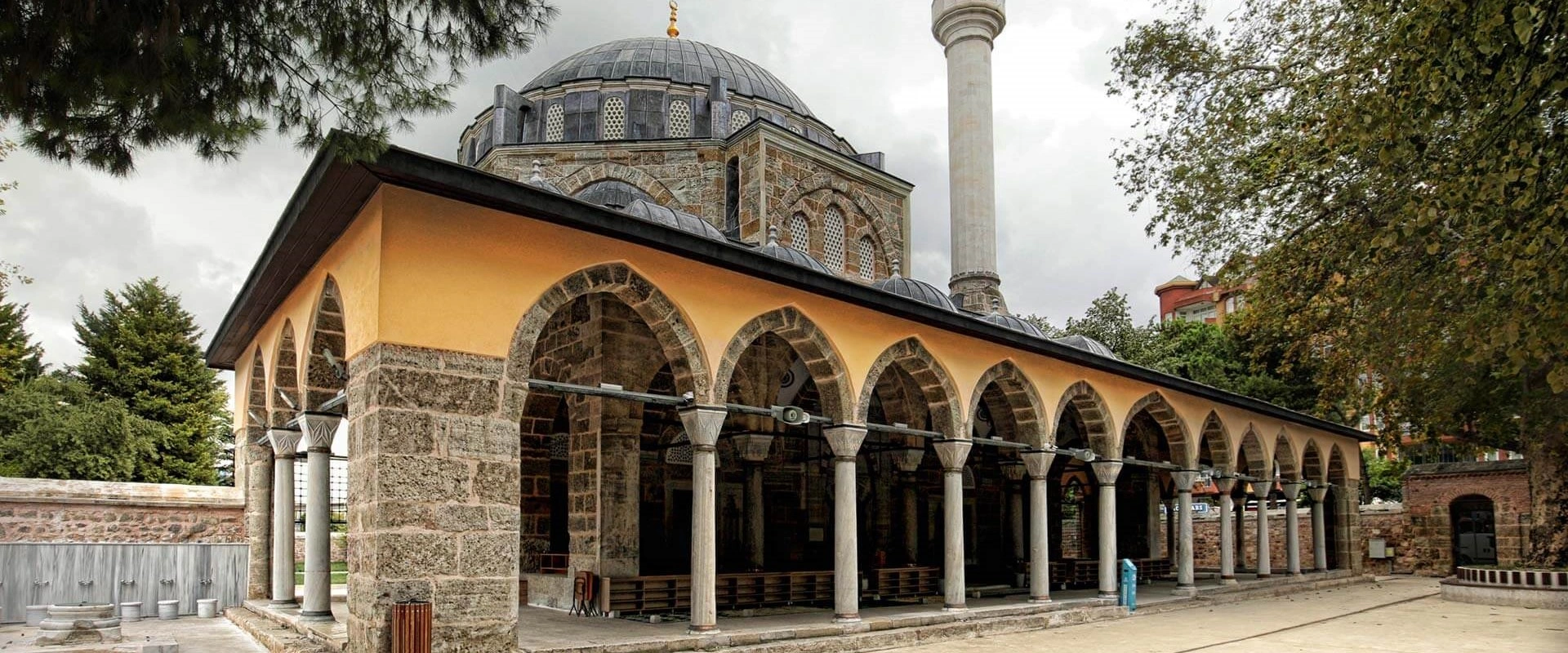
Jump forward more than two centuries to Mimar Sinan's classical Ottoman world at İzmit's celebrated Yeni Cuma Mosque.
Explore Pertev Pasha MosqueContinue from the conquest mosque to Roman archaeology and modern industrial heritage.
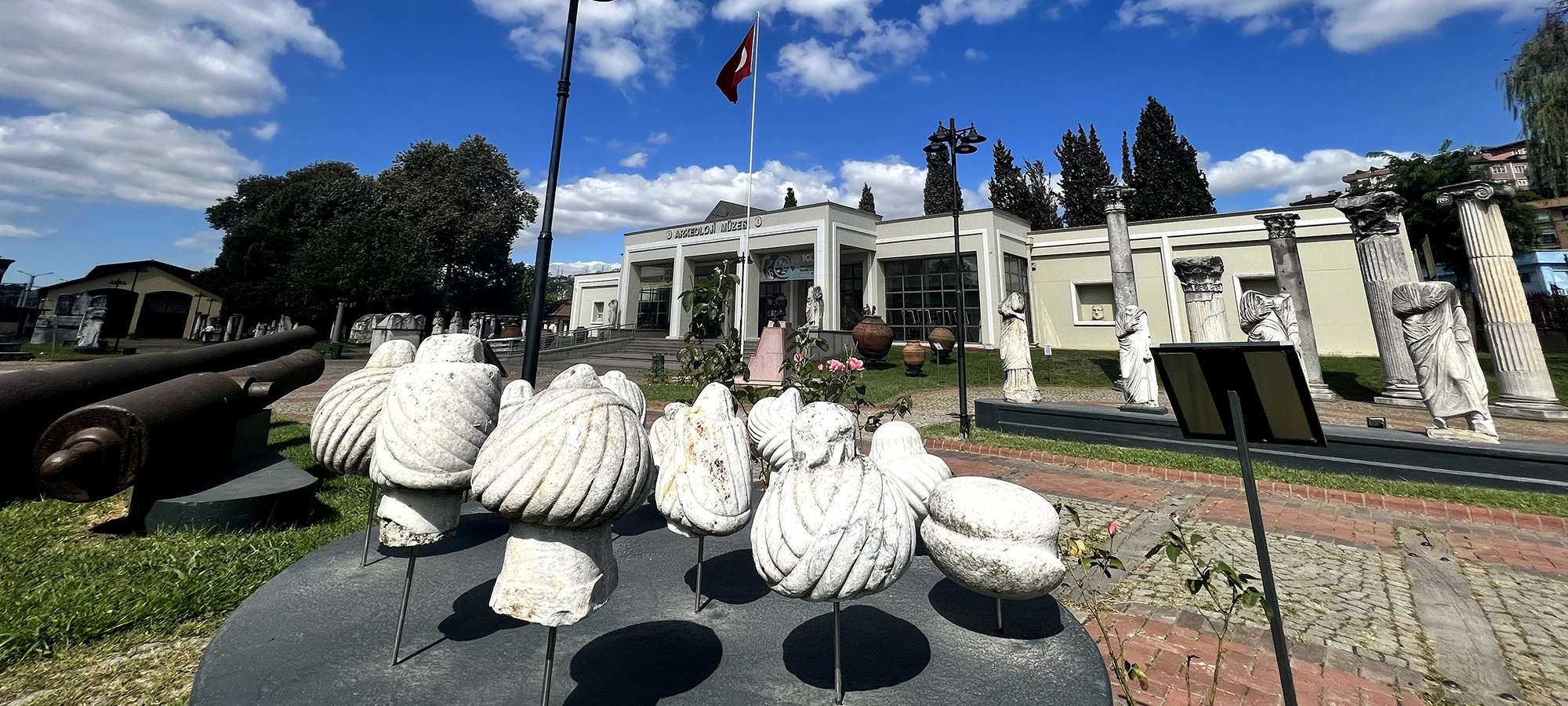
Travel back before the Ottomans to imperial Nicomedia, once one of the great Roman cities of the eastern empire.
Explore Nicomedia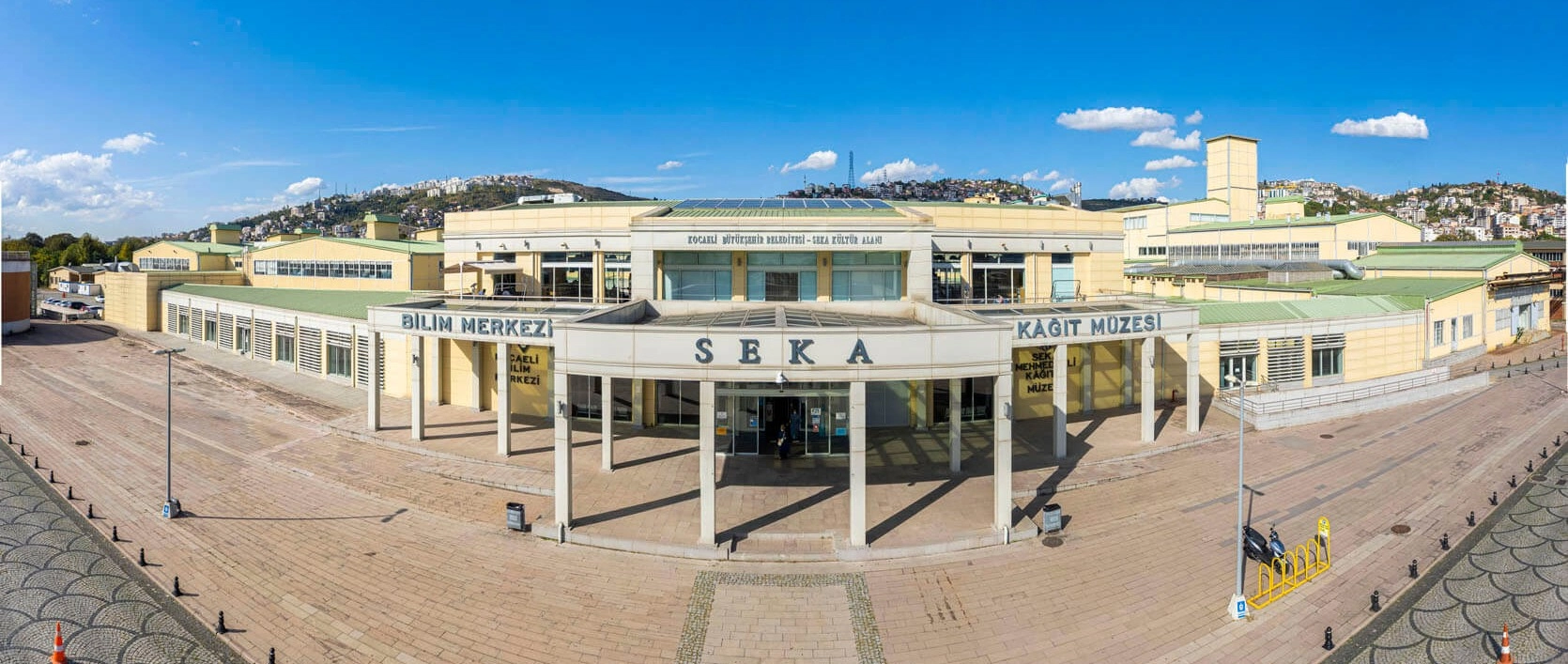
Move from medieval İzmit to the industrial age inside Türkiye's historic paper factory on the waterfront.
Explore SEKA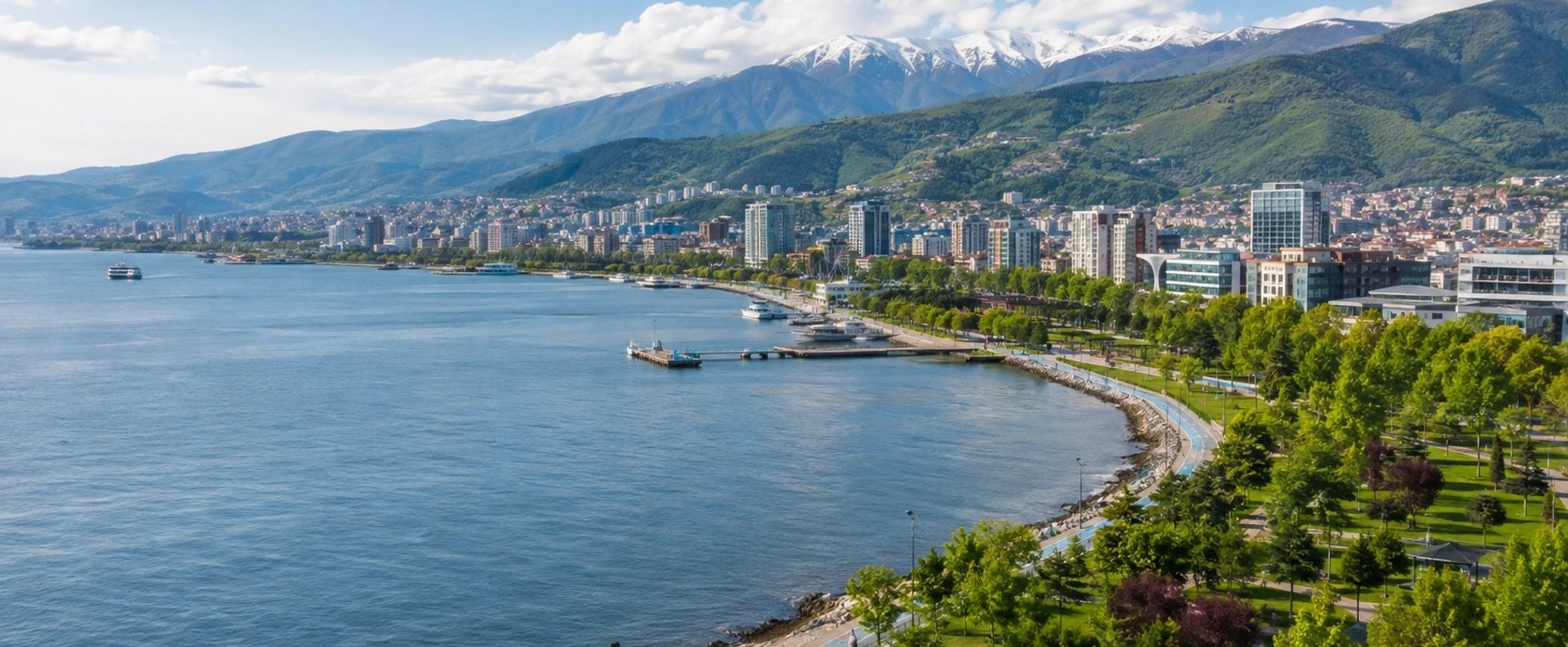
Continue across the province for Ottoman heritage, Roman archaeology, industrial history, forests, coastlines and the Gulf.
Discover KocaeliWe can connect Istanbul, Kocaeli, Cappadocia and destinations throughout Türkiye in a private cultural itinerary.
Build a private day around Orhan Mosque, ancient Nicomedia, Kapanca Street, the Clock Tower, Pertev Pasha Mosque and SEKA.
Plan Your Journey
Connect Roman cities, early Ottoman history, Mimar Sinan, imperial craftsmanship, industrial museums and landscapes around the Gulf.
Discover Kocaeli
Continue throughout Türkiye with ancient cities, Ottoman monuments, historic towns, museums, coasts, mountains and regional culture.
Explore Türkiye