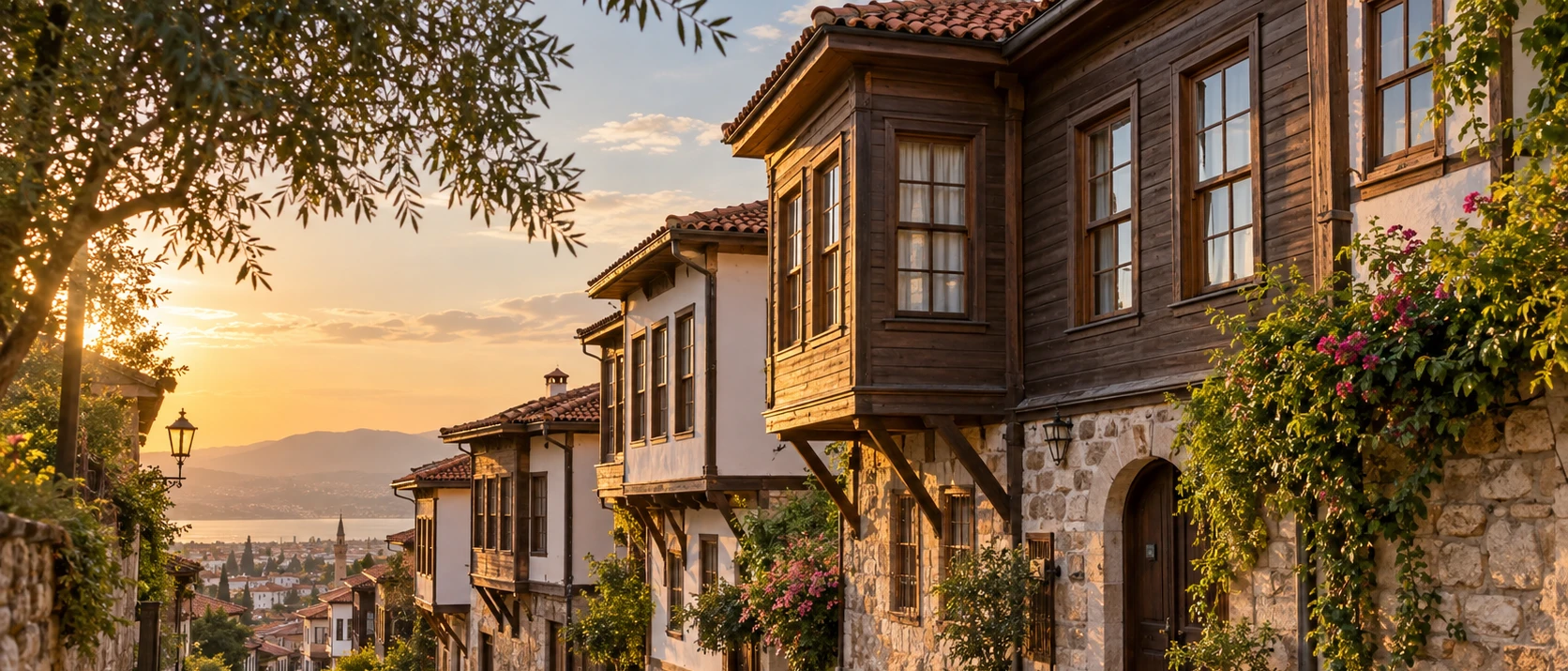
Balıkesir Historic Houses
Move from Savaştepe's rural education history to traditional urban architecture and historic neighbourhoods in the provincial capital.
View Balıkesir Historic Houses Guide





Savaştepe is one of those places that becomes more interesting the longer you look. At first it appears to be a modest inland district south of Balıkesir, surrounded by farmland, forest, villages and low hills. Yet its story reaches from Bronze Age settlement and ancient road networks to the Turkish War of Independence, the pioneering Köy Enstitüsü movement and a distinctive rural culture that remains strongly connected with agriculture, animal husbandry and cheese-making.
The district is especially important in the history of modern Turkish education. Savaştepe Köy Enstitüsü began teaching in 1940 and became one of the institutions associated with the ambitious national project to train teachers for rural communities through an education model combining academic study, agriculture, technical skills and practical work. Parts of this educational landscape remain active today, giving Savaştepe a cultural significance that extends far beyond its size.
Nature adds another layer. Municipal visitor information highlights Yazören Cave, the forests around Karaçam, unusual fairy-chimney formations around Su Çıktı, Sarıbeyler Dam and the historic Çaltılı Hamamı. These are not polished mass-tourism attractions, and that is part of Savaştepe's character: this is a place for slow travel, countryside drives, local history and careful exploration rather than a checklist of ticketed monuments.
Food and village traditions are equally important. Savaştepe is closely associated with Mihaliç Kelle Peyniri, while Yörük culture, village charity gatherings, wrestling traditions and agricultural life still shape the identity of the district. For travellers who enjoy less-visited places with strong local character, Savaştepe offers a rewarding inland stop between Balıkesir and the Soma–İzmir direction.
Explore the story of one of Türkiye's historic village institutes and its lasting importance in teacher education.
Discover one of Savaştepe's best-known natural landmarks, set within a rural landscape rather than a developed show-cave complex.
See unexpected erosional rock formations and enjoy the quiet woodland landscapes around Karaçam and nearby villages.
Experience a district where livestock, dairy traditions, Mihaliç cheese, village gatherings and zeybek culture remain part of everyday identity.
Essential information for exploring one of Balıkesir's most interesting inland districts for education history, rural culture and nature.
Savaştepe District, Balıkesir Province, south of Balıkesir city between İvrindi, Bigadiç and Soma.
Savaştepe lies roughly 30–40 km south of central Balıkesir, depending on the starting point and route.
The district is nationally associated with the Savaştepe Köy Enstitüsü, which began education in 1940.
Local official histories record Bronze Age remains, with Sazlıdere Höyüğü among the district's significant archaeological references.
The district received the name Savaştepe in 1934, reflecting local memory of resistance and fighting during the War of Independence.
Yazören Cave is one of the best-known natural features within the district and is highlighted in municipal tourism information.
Natural rock formations described locally as peri bacaları – fairy chimneys occur around the Su Çıktı / Karaçam area.
The district combines forests, agricultural plains, low hills, villages, reservoirs and pasture.
Savaştepe is especially associated with Mihaliç Kelle Peyniri and a strong dairy and livestock tradition.
Savaştepe has both road and railway connections, although current passenger train schedules should be checked before travel.
Focus on historic school architecture, forest roads, rural landscapes, geological formations, village life and reservoir views.
Allow half a day for the centre and educational heritage, or a full day with natural and village detours.
Savaştepe offers a side of Türkiye that is very different from the country's famous archaeological sites and resort towns. Its most important stories are rooted in education, village life, national history and the relationship between people and the land. The district rewards visitors who enjoy understanding how ordinary places contributed to much larger social changes.
The strongest cultural reason to visit is the legacy of Savaştepe Köy Enstitüsü. The Köy Enstitüleri remain one of the most discussed educational experiments of early Republican Türkiye, and Savaştepe was one of the institutions where students combined classroom learning with building, farming and practical skills. Seeing the landscape in which that system developed gives the history a physical setting that books alone cannot provide.
The district also has unexpected natural attractions. Yazören Cave, forested routes around Karaçam, Sarıbeyler Dam and the fairy-chimney formations create a varied countryside itinerary. None should be approached with the expectations of a heavily managed tourism complex; instead, their appeal comes from quiet roads, local geography and a strong sense of discovery.
Finally, Savaştepe remains connected with its food and village traditions. Dairy farming, local cheese, Yörük heritage, zeybek culture, village gatherings and wrestling all help explain the social landscape. For travellers who want to see rural Balıkesir beyond the coast, Savaştepe is a meaningful place to slow down.
Savaştepe lies in the southern part of Balıkesir Province. Official local descriptions place İvrindi to the west, Bigadiç to the east, Soma to the south and Balıkesir to the north. This position has long made the district part of the movement corridor between inland Balıkesir and the northern Aegean.
The district centre sits at an elevation of roughly 250 metres. Around it are agricultural plains, forested ridges and numerous villages. Sarıbeyler and Yeşilhisar are associated with productive agricultural land, while the wider countryside supports livestock and dairy farming.
Savaştepe is also conveniently placed on the broader Balıkesir–Soma–İzmir axis. The road connection makes it possible to visit as a day trip from Balıkesir or as a stop while travelling south toward Soma and the Aegean interior.
A railway line adds another layer to the district's geography and history. Rail access was especially important for institutions such as the Köy Enstitüleri, which were often established in rural areas with practical transport connections. Modern passenger services vary, so travellers should confirm current timetables rather than assuming a train will fit the day's itinerary.
Savaştepe's importance comes from several different periods rather than one single monument. Local official histories trace settlement in the area back to the Bronze Age, while later centuries connected the district with trade routes and political powers that controlled western Anatolia.
The district's modern identity was shaped much more dramatically during the late Ottoman and early Republican periods. The War of Independence gave Savaştepe its modern name, while the establishment of the Köy Enstitüsü made the small district known nationally as a centre for teacher training and rural education.
That combination is unusual. Savaştepe can be read as a place where archaeology, rural geography, military memory and educational reform overlap. A visitor who only stops in the modern town centre may miss much of this context, which is why a little background makes the district far more rewarding.
The result is not a museum town frozen in time. Savaştepe remains an active agricultural district, and many of its important historic places continue to sit within working educational, village or rural environments.
Archaeological references in official local histories indicate that the Savaştepe area was inhabited in the Bronze Age. Sazlıdere Höyüğü is specifically mentioned as a mound that has produced important remains, showing that human activity here long predates the modern town.
By the 5th and 4th centuries BCE, the area had gained importance on north–south routes through western Anatolia. Provincial cultural information associates a settlement called Kerasai / Kerasa with the Halkapınar area east of the modern district centre. The precise relationship between this ancient name and later local place names is presented in local historical tradition rather than through a single monumental archaeological site visible today.
The wider region later came under Persian, Hellenistic, Roman and Byzantine control before Turkish rule became established in the 14th century. Savaştepe's older modern name appears in official sources in forms such as Giresun or Kilesun, reflecting changing local usage and historical spelling.
During the Turkish War of Independence, people from the district supported Kuvay-i Milliye activity and fighting around the Soma, Bergama and neighbouring fronts. In recognition of this wartime memory, the name Savaştepe was officially adopted in 1934. The district's later national importance would come not from warfare but from education, when the Köy Enstitüsü opened in 1940.
Among the most important archaeological references in Savaştepe is Sazlıdere Höyüğü. Official local histories identify it as a site where Bronze Age material has been found, helping establish the depth of settlement in the district.
A höyük is a settlement mound formed by generations of occupation, rebuilding and accumulated cultural material. Such sites can preserve valuable evidence of ancient domestic life, agriculture, craft production and exchange even when no monumental ruins are visible above ground.
The Halkapınar area is also mentioned in official provincial history in connection with the ancient settlement name Kerasai / Kerasa. Visitors should understand these places primarily as archaeological landscapes rather than developed attractions with visitor centres, marked walking circuits or reconstructed monuments.
Do not collect pottery, stone tools or other objects from archaeological areas. Even a small surface fragment loses much of its scientific value when removed from its location, and protected cultural material is subject to Turkish heritage law.
Savaştepe's modern identity is closely connected with the War of Independence. Local official histories describe residents taking part in Kuvay-i Milliye organisation and fighting in the wider Soma–Bergama region, while nearby positions became associated with local defence and loss.
The district's earlier name was replaced with Savaştepe in 1934. The new name can be translated approximately as “Battle Hill,” and it reflects the way wartime memory became embedded in the civic identity of the town.
This history is remembered most clearly through the Şehitler Anıtı. The monument was constructed in 1949 on Lalelik Tepesi near the historic educational campus, with support from the director of the Köy Enstitüsü and direct student participation in its construction.
The monument therefore links two of Savaştepe's defining stories: the memory of local sacrifice during the War of Independence and the educational culture of the Köy Enstitüsü generation that later helped build the memorial.
The Savaştepe Köy Enstitüsü is the district's most important contribution to modern Turkish educational history. The school began education in 1940 as part of the nationwide Köy Enstitüleri programme created to train teachers and other skilled personnel for rural communities.
The educational model combined academic lessons with agriculture, construction, technical work, arts and practical problem-solving. Students did not simply study in finished classrooms; early accounts describe them helping construct school buildings, workshops, kitchens, dormitories and other facilities while also cultivating agricultural land.
Savaştepe's institution drew students from a wider region and produced teachers who were then sent to villages across the country. MEB heritage information records more than a thousand graduates from the Köy Enstitüsü period itself, followed by thousands more from the later teacher-school and education-institute phases.
The campus evolved through several institutional identities after the Köy Enstitüleri system ended. Parts of the historic educational landscape remain connected with active schools today, so visitors should treat the area as a living educational environment rather than an open-air museum and respect any access restrictions.
The Köy Enstitüsü model combined classroom education with building, farming, craft and practical work.
Historical accounts describe students participating directly in construction, making the campus itself part of the educational process.
Fields, gardens and animal husbandry were not extracurricular activities; they were integrated into preparation for rural life and teaching.
The central aim was to prepare teachers capable of working in villages and contributing to local development beyond the classroom.
Some historic buildings and land remain part of active educational use, so permission and school rules take priority over sightseeing.
Savaştepe was one of a network of Köy Enstitüleri established across Türkiye, making the district part of a much wider social experiment.
The Şehitler Anıtı is one of Savaştepe's most meaningful civic landmarks. Kaymakamlık history records that it was built in 1949 in memory of those who died in fighting associated with the local War of Independence front, particularly the Çomaklı area.
Its history is closely connected with the Köy Enstitüsü. The school director of the period supported the project, and students took part in its construction. The design was prepared by an art educator from Balıkesir's teacher-training tradition, while the building work involved instructors connected with Savaştepe's school.
That makes the monument more than a simple memorial. It is also evidence of the way the Köy Enstitüsü interacted with the town around it, bringing students into civic projects and connecting education with local historical memory.
Visitors should approach the site quietly and respectfully. It is a place of commemoration rather than a recreational viewpoint, even though its hilltop setting also helps explain the geography of the district.
Yazören Cave is one of the natural landmarks most consistently associated with Savaştepe. Municipal tourism information describes it as one of the country's long cave systems, while outdoor visitors value the surrounding countryside as much as the cave itself.
It is important to distinguish Yazören from a developed show cave with lighting, paved paths, guardrails and permanent visitor supervision. Cave conditions can include darkness, mud, slippery rock, narrow passages, sudden drops, standing water and difficult navigation, and access may vary with weather or local restrictions.
Casual visitors should be satisfied with safe exterior views unless current local information clearly confirms an appropriate public route. Deeper cave exploration belongs to experienced cavers with helmets, multiple independent light sources, suitable footwear and knowledge of underground safety.
Caves are also sensitive ecosystems. Avoid touching formations, leaving rubbish, disturbing bats or other wildlife, lighting fires, writing on rock surfaces or removing geological material.
One of Savaştepe's most surprising natural features is the group of erosional rock formations known locally as peri bacaları – fairy chimneys. Municipal information places these formations around the Su Çıktı area, while other official local descriptions connect similar formations with the Karaçam and Madenmezarı countryside.
These should not be imagined on the monumental scale of Cappadocia. Their appeal lies in the contrast: unusual sculpted earth and rock appearing within a quieter Balıkesir rural landscape of forest, fields and village roads.
Erosional formations are fragile. Do not climb soft pinnacles, carve names into exposed surfaces or drive off-road across sensitive ground. Rain can also make unpaved access roads slippery, so local road conditions matter as much as the attraction itself.
For photographers, low-angle morning or late-afternoon light is particularly effective because it reveals the texture and shape of the formations much better than flat midday sun.
The Karaçam area is one of the natural landscapes highlighted in Savaştepe's local visitor information. Forest roads, pine-covered slopes and countryside paths make it attractive for a quiet drive, picnic or short nature stop.
This is not a single fenced attraction with a fixed entrance. The experience is more diffuse: woodland, village roads, agricultural clearings and viewpoints that change with the seasons. Spring brings greener vegetation, while autumn can offer softer light and warm colours.
Summer visitors need to take forest-fire risk seriously. Open flames may be restricted or prohibited during dry periods, and road access can be affected by forestry operations or emergency closures. Always follow current official instructions.
If walking away from the main road, use a reliable offline map, carry water and turn back well before dark. Rural mobile coverage can vary, and minor tracks may not be suitable for ordinary cars after heavy rain.
Sarıbeyler Dam is an important part of the agricultural geography of Savaştepe. Official local information notes that productive plains around Sarıbeyler and Yeşilhisar are supported by irrigation associated with the reservoir.
For visitors, the area offers broad rural scenery rather than a formal monument. Water, cultivated land, grazing areas and distant hills create a different visual experience from the forested and historic parts of the district.
Reservoir conditions can change seasonally with rainfall, irrigation demand and water management. Shorelines may be muddy or unstable, and access roads around infrastructure may be restricted. Use established roads and never cross operational barriers.
Sarıbeyler also helps explain why agriculture and livestock remain central to the district's economy. The landscape is not merely scenic; it is a working production environment that supports village livelihoods.
Local official tourism information lists Çaltılı Hamamı among Savaştepe's historical attractions and describes it as a bath structure believed to have roots in the Roman period. Kaymakamlık information also refers to a historic thermal facility within the district that has continued to serve local people.
As with many small rural heritage sites, the exact condition, operating arrangements and degree of public access can change. Older descriptions should not be treated as a guarantee that bathing facilities, changing rooms or staffed visitor services will be available on the day you arrive.
The site's value is partly geological and partly historical. Thermal water in an agricultural inland district helps connect the natural resources of the landscape with long traditions of bathing and local use.
If you are planning a visit specifically for bathing, confirm current conditions locally first. Historic thermal buildings may also contain uneven floors, hot surfaces and areas not designed to modern accessibility standards.
Savaştepe has a strong Yörük cultural presence. District educational information notes villages associated with Karakeçili and other Yörük communities, and this heritage remains visible in local speech, music, dance, food and rural social traditions.
The district is culturally connected with the northern Aegean world as much as with southern Marmara. Traditional zeybek dances, wrestling culture and village gatherings reflect this regional identity.
Many villages hold annual hayır gatherings designed to strengthen community ties. These are primarily local social and religious traditions rather than performances staged for tourists, so visitors should attend only where the event is clearly public and should follow local etiquette.
The best way to experience village culture is not to search for a staged “authentic” encounter. Stop for tea, buy local produce where it is sold, be patient on narrow roads, ask before photographing people and let everyday rural life remain exactly that: everyday life.
Savaştepe is especially well known for Mihaliç Kelle Peyniri, a firm, salty, aged cheese traditionally associated with northwestern Anatolia. Local municipal information presents the cheese as one of the district's best-known products and connects it directly with Savaştepe's livestock and dairy economy.
The cheese is typically dense, strongly flavoured and well suited to grating, breakfast tables or eating in small pieces. Production methods and milk blends can vary between makers, so buying from an established local producer is the best way to understand the differences.
Beyond cheese, rural meals in the district reflect the wider Balıkesir and northern Aegean kitchen: seasonal vegetables, yoghurt, dairy products, meat dishes, village breads and foods tied to household production.
If your visit coincides with a local cheese festival, fair or agricultural event, it can be one of the best opportunities to see how food, farming and community life connect. Dates vary from year to year, so check municipal announcements rather than relying on an old calendar.
Look toward the historic school area to understand how strongly teacher training shaped the identity of the modern district.
Visit the memorial on Lalelik Tepesi with appropriate respect and connect it with Savaştepe's War of Independence history.
Official local information records protected monumental plane trees in the centre; appreciate them without damaging roots or bark.
Groceries, bakeries, tea houses and dairy sellers offer a better sense of Savaştepe than expecting a purpose-built tourist district.
The station and railway connection help explain Savaştepe's historic accessibility within the Balıkesir–Soma corridor.
Allow time simply to walk, drink tea and observe a small agricultural town functioning outside the rhythms of mass tourism.
Historic educational buildings are meaningful subjects, but some remain in active institutional use; respect signs, students and restricted areas.
Wide images showing school buildings, farmland or monuments within the surrounding landscape explain Savaştepe better than isolated details.
Morning and late afternoon shadows reveal the erosional forms much more clearly than overhead midday light.
Curving roads through the Karaçam countryside create strong compositions, especially in spring or autumn.
A moderate telephoto helps photograph rural details and geological formations without leaving safe public routes.
Village people are not tourist props. A friendly request before close-up photography is both respectful and often leads to better encounters.
Cooler weather and fresh vegetation make this a good period for rural drives, although rain can leave minor roads muddy.
One of the most attractive times for combining forests, villages, archaeological landscapes and reservoir scenery.
Expect hot, dry weather. Carry water and pay close attention to forest-fire restrictions and midday heat.
Warm but often more comfortable, with agricultural activity and occasional local fairs or cultural events.
Excellent for softer light, autumn landscapes and quiet road trips, though daylight becomes shorter.
Possible for town and history visits, but rain, cold, fog and muddy rural roads can reduce the practicality of natural detours.
Enough for a quick town walk, the educational heritage area and Şehitler Anıtı if you are passing through.
Ideal for the town, Köy Enstitüsü story, memorial and one countryside stop such as Sarıbeyler or Karaçam.
Add Yazören, the fairy-chimney area, forest scenery and a relaxed local meal without rushing rural roads.
Useful for photographers or slow travellers, although accommodation choice within Savaştepe itself may be limited.
Combine Savaştepe with Balıkesir city, İvrindi, Bigadiç, Sındırgı or another inland district.
Education historians, cavers and rural researchers may need more time and should arrange any required institutional or technical permissions in advance.
Explain that students once learned by building, farming and making things as well as studying in classrooms.
Do not take children into undeveloped cave passages without specialist equipment, experience and current access information.
Short woodland or reservoir stops are easier for families than spending a whole day focused on historical interpretation.
Village lanes may have farm vehicles, livestock and limited shoulders; supervise children closely outside the car.
Services are limited once you leave the district centre, so carry essentials for countryside detours.
Strong aged cheese can be a fun local tasting, but younger children may prefer milder dairy products.
Savaştepe is a working district rather than a purpose-built tourist destination, so accessibility varies considerably between the centre, school area, memorial sites and countryside attractions.
A vehicle-based visit can still be rewarding for travellers with limited mobility. The town centre, selected roadside views, rural drives and some parts of the historic educational landscape may require only short walking distances.
Yazören Cave should not be assumed to be accessible. Natural caves typically involve uneven rock, mud, gradients, darkness and narrow passages. Similarly, the fairy-chimney area and forest tracks may have unprepared ground.
If step-free access, accessible toilets or close vehicle approach are essential, confirm conditions locally before travelling specifically to a rural attraction or historic building.
Drive south from Balıkesir on the main route toward Savaştepe and Soma; the journey is practical for a day trip.
Savaştepe lies north of Soma, making it an easy cultural stop when travelling between Manisa Province and Balıkesir.
Road connections through the inland district network make it possible to combine Savaştepe with Bigadiç and the wider southeastern Balıkesir region.
The best choice if you want to combine the centre with Yazören, Karaçam, Sarıbeyler and other village landscapes.
Savaştepe has a railway connection, but check the current TCDD passenger timetable and stopping pattern before planning around it.
Road-based public transport connects the district with Balıkesir, but village attractions are far easier to reach with your own vehicle.
Local accommodation can be limited, so confirm current hotel or guesthouse options rather than assuming broad choice.
The most practical base for many visitors, with a much wider range of hotels, restaurants and transport connections.
A useful alternative for travellers approaching from the south or combining Savaştepe with the Manisa side of the region.
Suitable if Savaştepe forms part of a wider inland Balıkesir route focused on rural landscapes and thermal destinations.
Savaştepe works particularly well as a daytime stop between larger regional bases rather than as a destination requiring multiple nights.
Local festivals, wrestling gatherings or regional events can increase demand, so check accommodation early if travelling for a specific date.
Do not treat the historic Köy Enstitüsü landscape as an abandoned site. Some buildings and land remain part of active educational use, and school privacy, safety and access rules always come first.
At Yazören Cave, avoid entering undeveloped passages without proper experience and equipment. Never break formations, leave graffiti, disturb wildlife or take geological material as souvenirs.
The fairy-chimney formations are vulnerable to erosion. Keep vehicles on established routes, do not climb fragile pinnacles and avoid widening informal tracks through soft ground.
In villages and agricultural areas, respect private property, livestock, crops and local traffic. Ask before photographing people, close gates you open and never block farm access when parking for a viewpoint.
The easiest combination is with Balıkesir city. The provincial centre adds Ottoman and early Republican urban architecture, museums and a broader selection of restaurants and hotels, while Savaştepe contributes rural education history and countryside landscapes.
For national and local history, add the Kuvayi Milliye Museum. Together with Savaştepe's Şehitler Anıtı and 1934 name change, it creates a stronger understanding of Balıkesir's role in the War of Independence.
Nature travellers can pair Savaştepe's forests and rural geology with Değirmen Boğazı Nature Park. The two experiences are quite different: one is an established forest recreation area close to Balıkesir, while Savaştepe's countryside is more dispersed and exploratory.
Travellers continuing deeper into inland Balıkesir can also connect with Sındırgı, where traditional culture, mountain landscapes and thermal geography expand the rural theme into a longer regional journey.
Pair Savaştepe's rural education history with the architectural heritage and historic neighbourhoods of the provincial capital.
Add wider regional context for the War of Independence and the local resistance history behind the name Savaştepe.
Continue into central Balıkesir for a compact urban heritage stop and a different view of the province's 19th-century civic landscape.
Connect Savaştepe's Republican-era story with one of Balıkesir city's most important Ottoman religious and civic monuments.
Add an easy forest and picnic landscape near Balıkesir after Savaştepe's more dispersed rural nature stops.
Extend the journey through inland Balıkesir with thermal landscapes, traditional culture and mountain scenery.
The centre is easy to reach, but Yazören, forests, reservoir scenery and geological formations are spread across the district.
Do not assume historic educational buildings are open to casual visitors; active campuses have their own rules and schedules.
Unless current information confirms otherwise, do not expect lighting, paved trails or supervised underground access.
Save your route before leaving town because mobile coverage can be inconsistent on forest and village roads.
Shops and cafés become sparse outside Savaştepe centre, especially on long countryside loops.
Uneven ground, forest tracks, mud and loose rock make sturdy footwear much more practical than sandals.
Summer forest rules can change quickly during periods of heat, wind and drought.
Ask established local shops or producers about Mihaliç Kelle Peyniri rather than assuming every product is locally made.
Cheese festivals, fairs and wrestling activities vary by year; use current municipal announcements for exact dates.
Many attractive landscapes are working farms or village property rather than public tourism areas.
Minor roads can be narrow, poorly lit and shared with livestock or agricultural vehicles.
Savaştepe is much more rewarding when you understand why its Köy Enstitüsü and wartime memory matter nationally.
Savaştepe matters because it demonstrates that important history is not limited to palaces, ancient cities or battlefields. A small agricultural district became part of one of the most ambitious educational projects of early Republican Türkiye and sent teachers from its campus into villages far beyond Balıkesir.
Its War of Independence memory is equally embedded in the identity of the town. The adoption of the name Savaştepe, the Şehitler Anıtı and local stories of Kuvay-i Milliye participation connect national history with a very specific landscape and community.
At the same time, the district remains grounded in farming, livestock, cheese-making, Yörük heritage, forests and village traditions. These living practices prevent Savaştepe from becoming a place where history exists only behind glass.
For travellers, that is the real value of a visit. Savaştepe offers the opportunity to see how archaeology, education, agriculture, nature and community memory can overlap in a place that receives far less tourism attention than it deserves.
Savaştepe is an inland district in southern Balıkesir Province, north of Soma and south of Balıkesir city.
It is especially known for its Köy Enstitüsü heritage, War of Independence memory, Yazören Cave, rural landscapes and Mihaliç Kelle Peyniri.
The district adopted the name Savaştepe in 1934, reflecting local memory of the War of Independence.
Official local sources record older forms such as Giresun or Kilesun. Local historical accounts also discuss a possible connection with the ancient name Kerasai / Kerasa.
Local official history records Bronze Age remains in the district, with Sazlıdere Höyüğü among the important archaeological references.
It was one of Türkiye's village institutes, established to train teachers for rural communities through a programme combining academic education with agriculture, construction and practical skills.
The institution began education in 1940.
Parts of the historic educational landscape remain connected with active institutions. View only areas that are publicly accessible and follow current school rules or permission requirements.
It is a 1949 memorial on Lalelik Tepesi dedicated to local War of Independence memory and built with participation from the Savaştepe Köy Enstitüsü community.
Yazören is one of Savaştepe's best-known natural caves and is highlighted in municipal tourism information.
Do not assume so. Conditions can be undeveloped and technical; casual visitors should use safe exterior areas unless current local information clearly confirms a public underground route.
Yes. Local official sources describe erosional formations known as peri bacaları around the Su Çıktı / Karaçam area.
They are much smaller and less developed for tourism. Their interest lies in seeing unusual erosional forms within a quiet Balıkesir countryside setting.
It is a historic bath / thermal site listed in local tourism information and traditionally associated with Roman-period origins.
It is a reservoir connected with irrigation and the productive agricultural landscape around Sarıbeyler and nearby plains.
Look for Mihaliç Kelle Peyniri, one of the district's best-known dairy products.
Yes. Local educational information records a strong Yörük presence, including Karakeçili communities and traditions reflected in speech, dance and village culture.
Yes, the district has a railway connection. Check current TCDD passenger schedules because services and stopping patterns can change.
Yes. It is close enough for a comfortable day trip, especially by private car.
Allow a half day for the town and educational heritage, or a full day if adding Yazören, forest routes, fairy chimneys and Sarıbeyler.
Spring and autumn are especially good for countryside travel, photography and comfortable walking temperatures.
Yes, especially for an educational road trip, but undeveloped caves, rural water edges and geological areas require close supervision.
The town centre and vehicle-based sightseeing are easier than cave, forest and geological sites, which often involve uneven natural ground.
A car is strongly recommended if you want to go beyond the district centre and include Yazören, Sarıbeyler, Karaçam or village routes.
Good pairings include Balıkesir city, Kuvayi Milliye Museum, Değirmen Boğazı and Sındırgı.
For a first visit, make the Savaştepe Köy Enstitüsü story the centre of your day, then add one natural or rural stop to understand the district beyond the town.
Build a wider Balıkesir journey that connects Savaştepe's education heritage and countryside with museums, historic architecture, forests and inland cultural routes.
Continue from Savaştepe toward Balıkesir city and other rewarding inland destinations across the province.
Move from Savaştepe's rural education history to traditional urban architecture and historic neighbourhoods in the provincial capital.
View Balıkesir Historic Houses Guide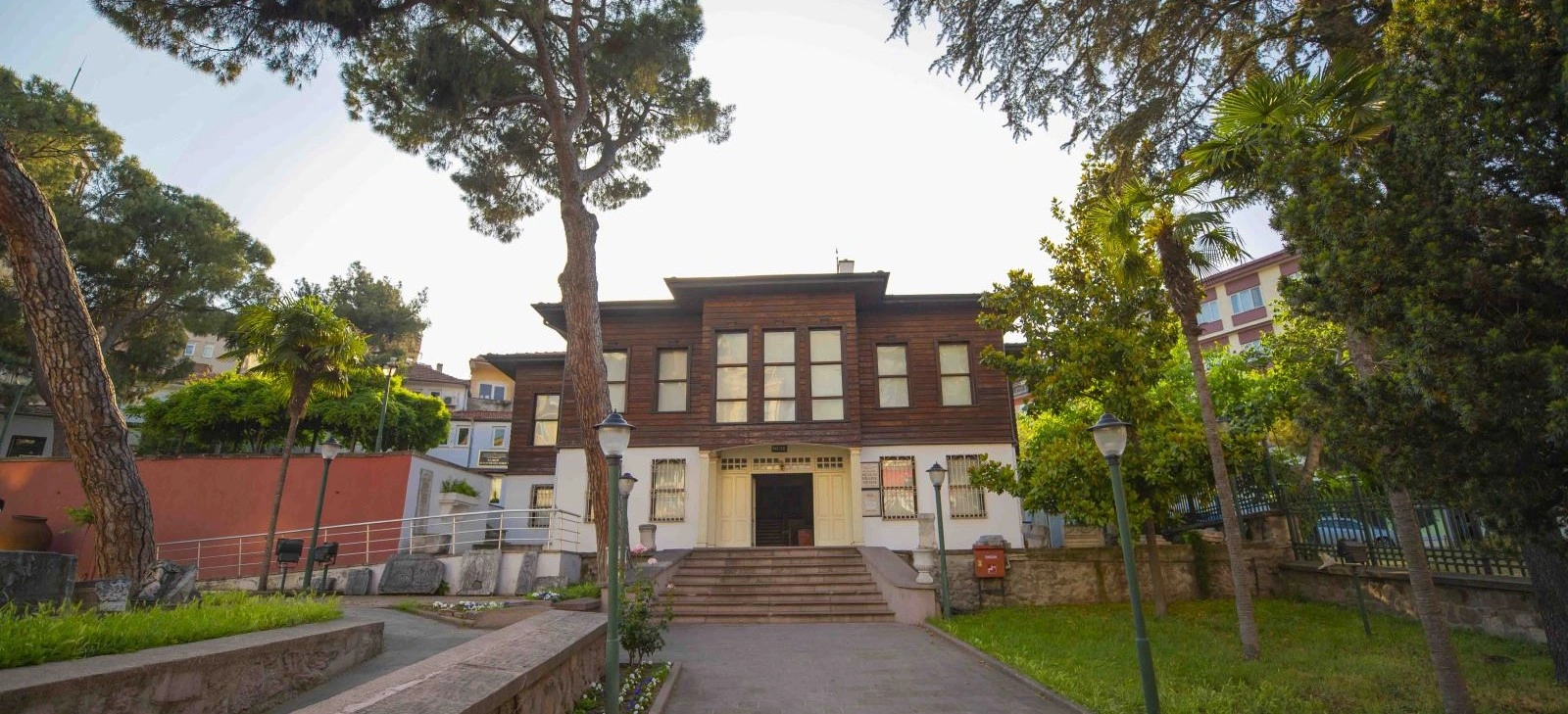
Deepen the War of Independence story behind Savaştepe's modern name with Balıkesir's principal museum of regional national-struggle history.
View Kuvayi Milliye Museum Guide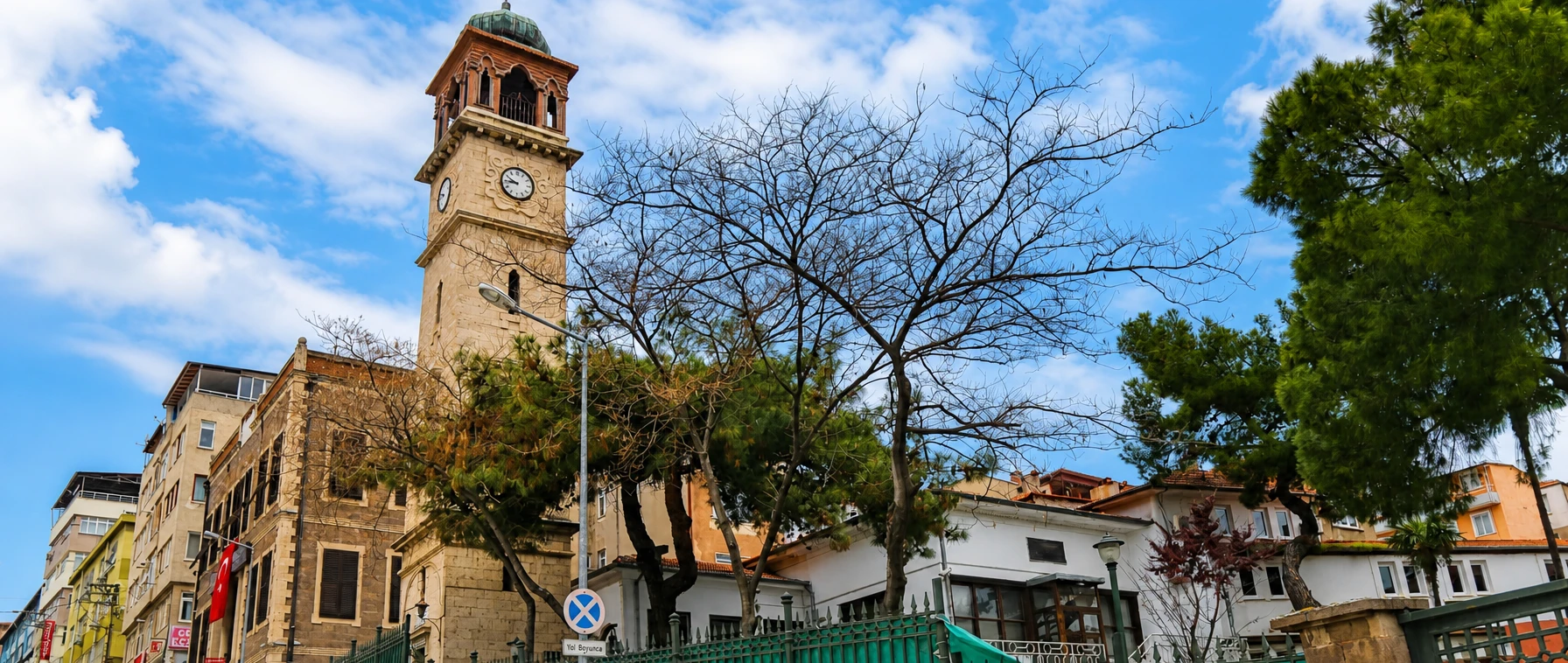
Add a compact urban landmark and explore the civic heart of Balıkesir after a quieter day in Savaştepe.
View Balıkesir Clock Tower Guide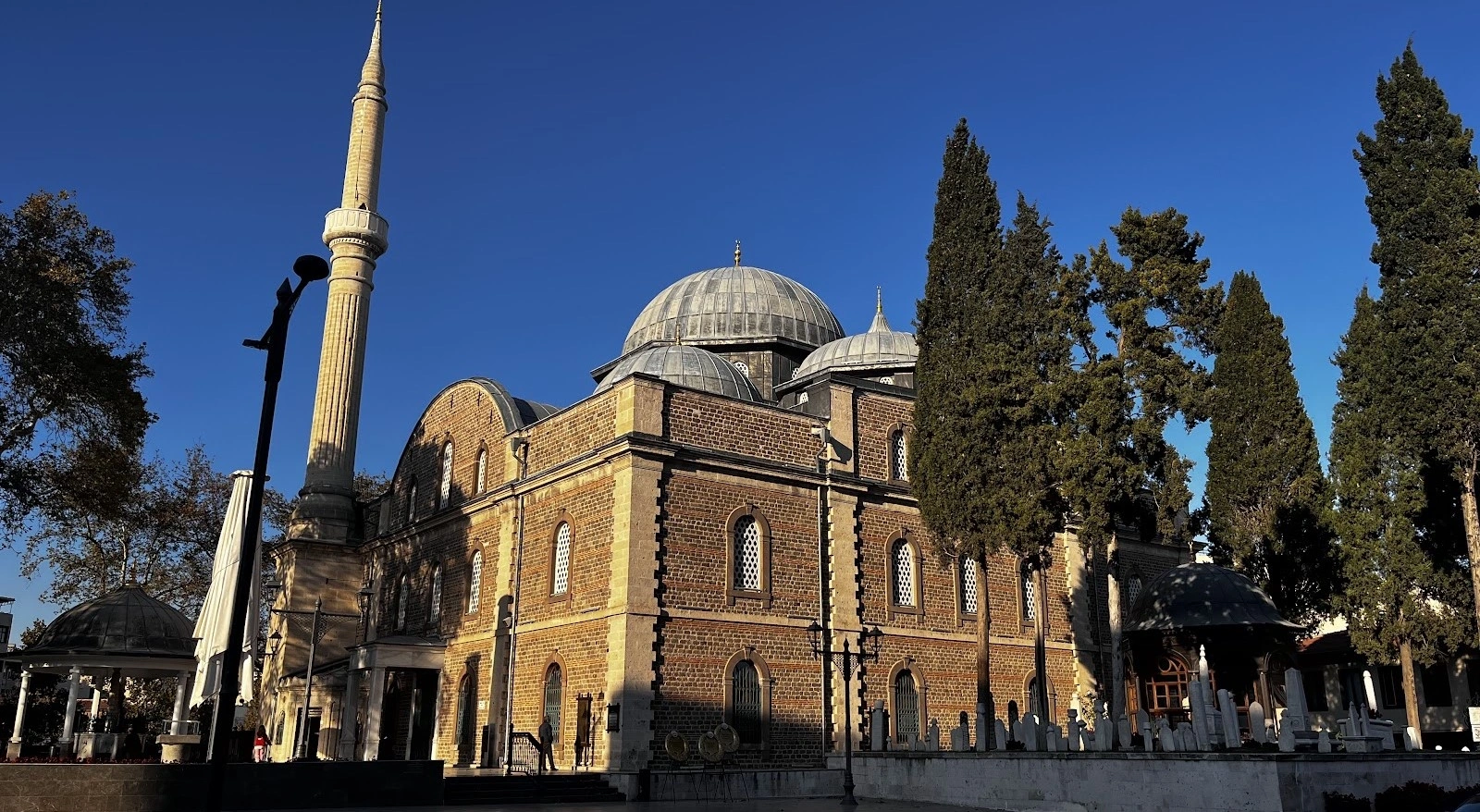
Connect Savaştepe's Republican-era educational story with one of Balıkesir city's most important Ottoman monuments.
View Zağnos Pasha Mosque Guide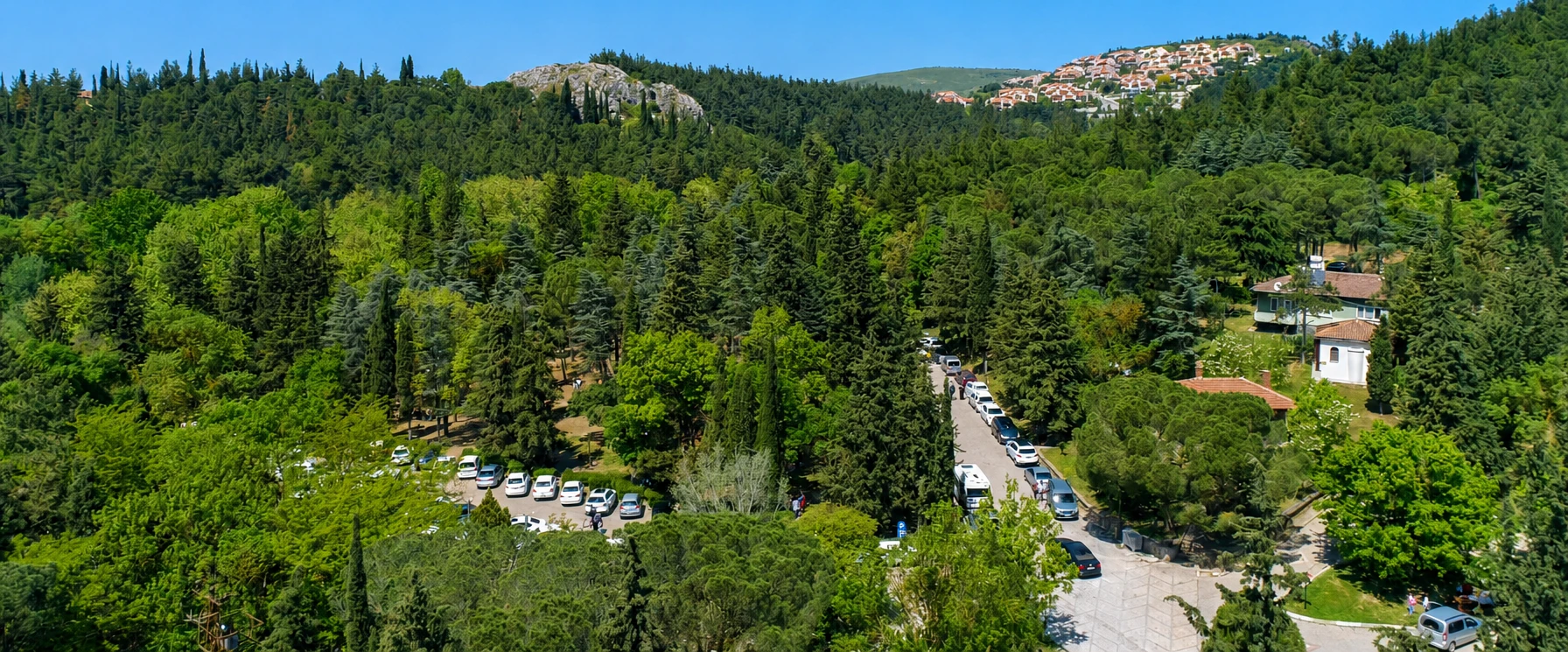
Pair Savaştepe's dispersed countryside with an easier forest and picnic stop close to Balıkesir city.
View Değirmen Boğazı Guide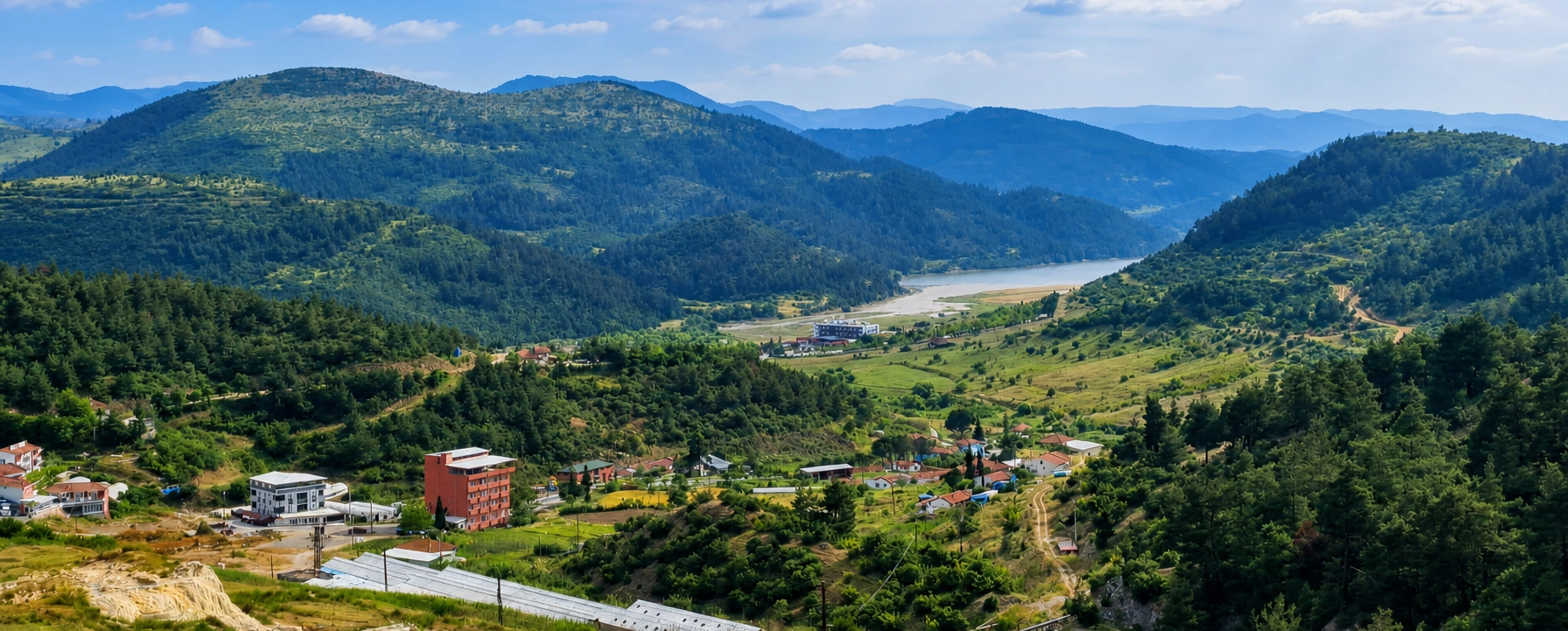
Continue deeper into inland Balıkesir for mountain scenery, traditional culture, thermal landscapes and another side of rural provincial life.
View Sındırgı Guide