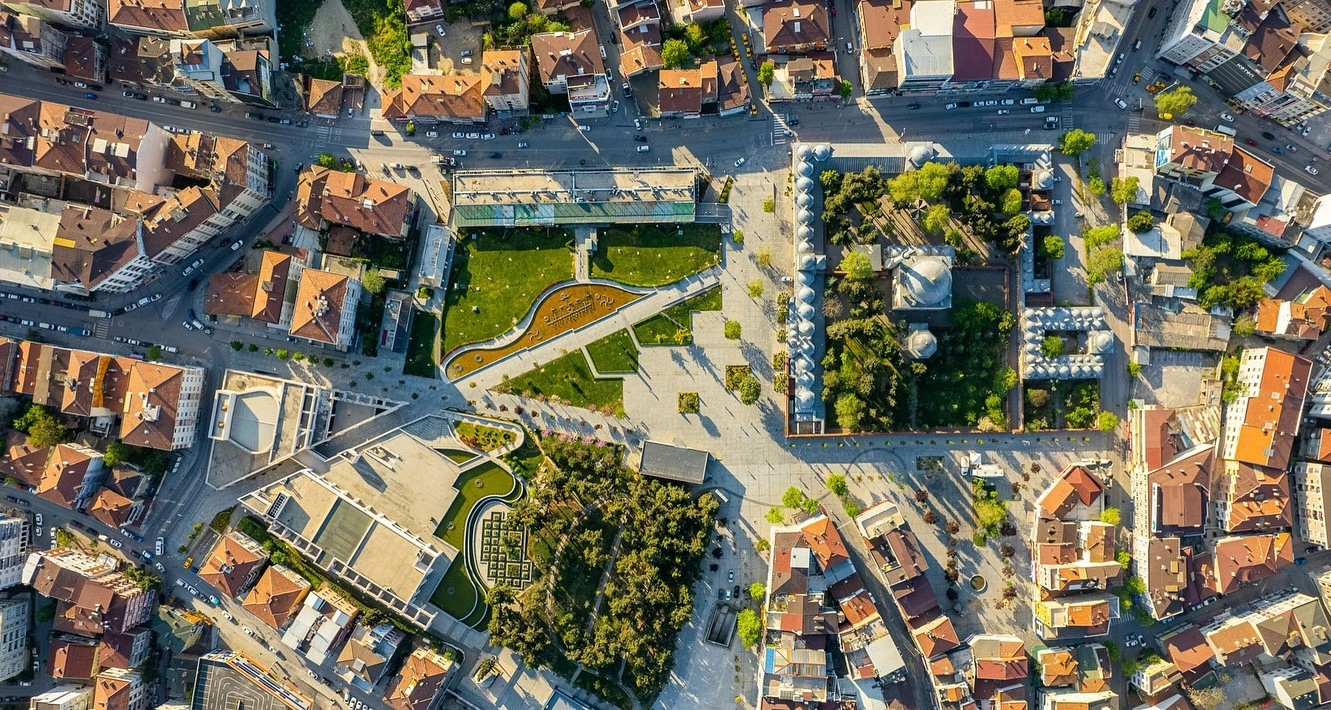
Çoban Mustafa Pasha Complex
Travel west to Gebze and explore a remarkable sixteenth-century Ottoman menzil complex with Mamluk-inspired decoration, mosque, tomb and caravanserai.
Explore the Complex





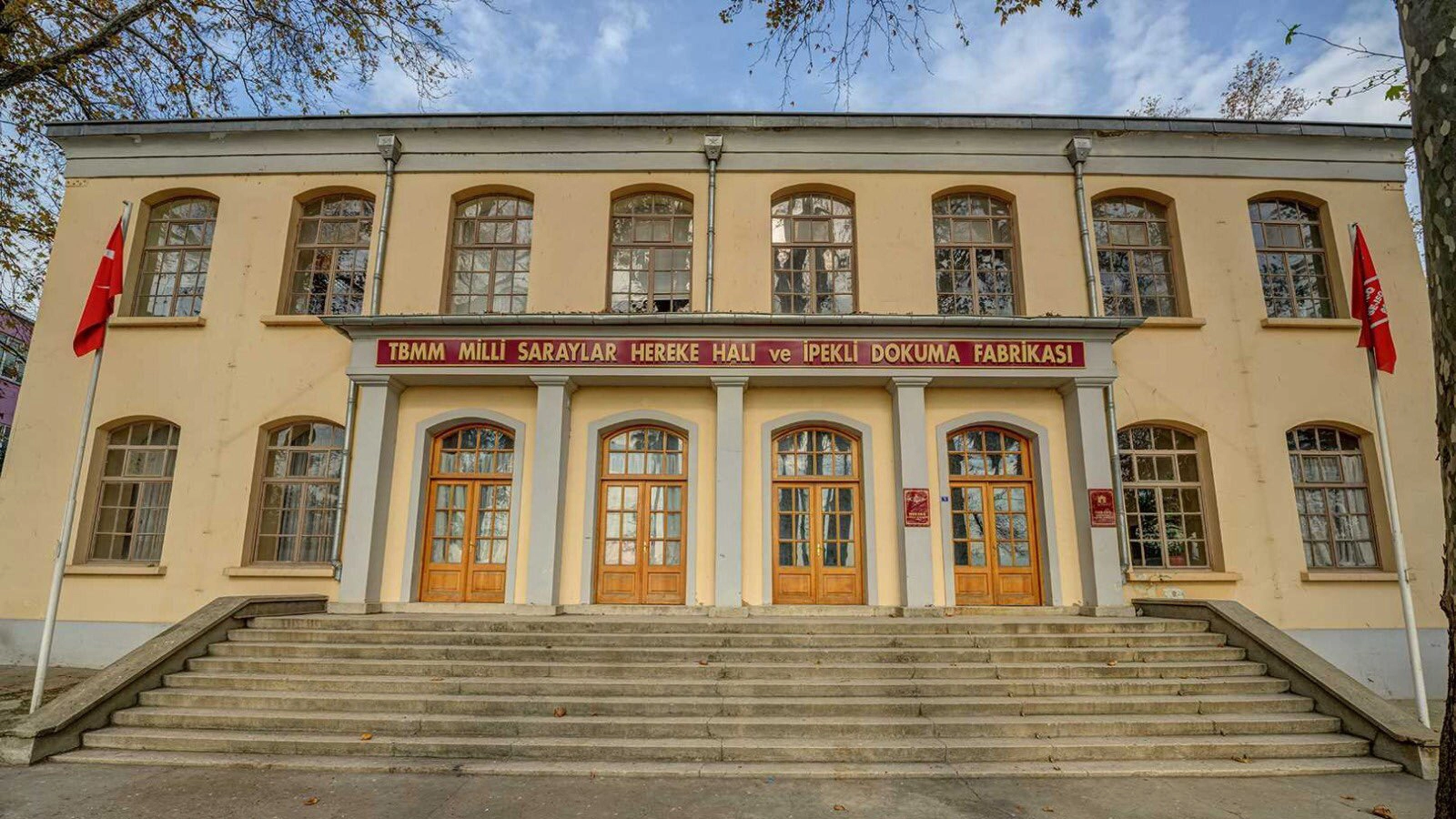
On the northern shore of the Gulf of İzmit stands one of the most remarkable survivors of nineteenth-century Ottoman industry: Hereke Carpet and Silk Weaving Factory, officially known today as Hereke Halı ve İpekli Dokuma Fabrikası.
Founded in 1843 and brought into imperial service as Hereke Fabrika-i Hümâyûnu, the establishment became one of the Ottoman Empire's most important centres for producing silk furnishing fabrics, curtains and later handmade carpets for the imperial palaces.
Its history is closely connected with the great palace-building programme of Sultan Abdülmecid I. As new residences such as Dolmabahçe Palace required enormous quantities of sophisticated furnishing textiles, Hereke became a place where imperial taste, European technology and traditional Ottoman craftsmanship were brought together.
Carpet production was added in 1891 during the reign of Sultan Abdülhamid II. Master weavers and established Anatolian traditions were combined with specially developed palace designs, extremely fine materials and dense knotting. The result was the distinctive Hereke carpet, which became one of the most prestigious names in Turkish textile history.
The factory still survives under the Presidency of National Palaces and continues specialist production connected with the preservation and furnishing of historic palaces. However, visitors should understand an important distinction: the working factory itself is currently not normally open for casual sightseeing, while the beautiful neighbouring Kaiser Wilhelm II Museum-Pavilion is open under the National Palaces visitor system.
Discover one of the most important textile enterprises created during the Ottoman Empire's nineteenth-century industrial transformation.
Hereke supplied silk upholstery, curtains and later carpets for some of the Ottoman Empire's most magnificent palaces.
Explore the extraordinary knot density, silk, wool, floral designs and technical precision that made Hereke internationally famous.
The historic establishment still produces textiles based on original palace designs under the National Palaces administration.
Essential information about the Ottoman imperial factory that transformed the small Gulf settlement of Hereke into one of the great names of Turkish weaving.
Hereke,
Körfez / Kocaeli.
1843, during the reign
of Sultan Abdülmecid I.
Silk furnishing fabrics,
curtains and palace textiles.
Expanded dramatically from
1891.
Hereke Fabrika-i Hümâyûnu
or Hereke Imperial Factory.
Historic museum-factory under
Türkiye's National Palaces.
Hereke matters because it tells several stories at once: Ottoman industrialization, palace decoration, textile technology, hand craftsmanship and the creation of one of Türkiye's most internationally recognized weaving traditions.
The first reason for Hereke's importance is its place in the history of Ottoman industrialization. The factory emerged during a century when the Ottoman state was experimenting with new manufacturing institutions, imported machinery and centralized production. Hereke therefore represents far more than a traditional village weaving workshop.
The second reason is its extraordinary relationship with the Ottoman imperial palaces. The factory produced furnishing textiles for residences whose interiors required vast quantities of silk upholstery, curtains and decorative fabrics. Later, handmade carpets became another major part of this palace production system.
The third reason is the artistic reputation of the Hereke carpet. Fine wool and exceptionally delicate silk carpets combined dense knotting with detailed floral, medallion, prayer-niche and garden-inspired compositions. The precision possible in these carpets allowed designs to approach the delicacy of miniature painting or woven textile.
Finally, Hereke is unusual because its history did not simply end with the Ottoman Empire. The factory continued through the Republican period, later operated under Sümerbank and eventually became part of the National Palaces administration. Specialized production continues today for the conservation and furnishing of historic palace interiors.
The historical name Hereke Fabrika-i Hümâyûnu can be translated approximately as Hereke Imperial Factory. The word hümâyûn indicated a connection with the Ottoman sovereign and imperial establishment.
The institution began primarily as a textile factory rather than exclusively as a carpet factory. Its earliest major role was the production of woven silk fabrics, upholstery and curtains. The carpet-making identity for which Hereke later became internationally famous developed particularly strongly toward the end of the nineteenth century.
For this reason, the official modern name Hereke Halı ve İpekli Dokuma Fabrikası — Hereke Carpet and Silk Fabric Weaving Factory — gives a much better picture of the site's complete history than the shorter expression “Hereke Carpet Factory.”
The Gulf of İzmit settlement in which the imperial textile industry developed.
The institution belonged to the new world of nineteenth-century organized industrial production.
The historical designation reflected the factory's connection with the Ottoman imperial establishment.
Silk upholstery and curtain fabrics were fundamental products long before carpet production became famous.
The origins of Hereke Factory belong to the reign of Sultan Abdülmecid I, one of the most important periods of architectural and administrative transformation in the nineteenth-century Ottoman Empire.
The factory was established in 1843. By 1845 it had entered imperial production as Hereke Fabrika-i Hümâyûnu, supplying textiles for the new palaces and residences being built for the Ottoman dynasty.
Hereke offered several advantages. Its position on the northern coast of the Gulf of İzmit connected it with Istanbul by sea and land, while the surrounding environment provided the water and space required for textile manufacturing. Its location also placed it on the great corridor connecting the capital with İzmit and Anatolia.
The factory quickly developed into one of the Ottoman state's most ambitious establishments for silk weaving. Instead of relying only on traditional hand production, the institution incorporated machinery, specialized workshops, imported technology and organized design.
The factory was established at Hereke on the northern shore of the Gulf of İzmit.
The establishment entered imperial service as Hereke Fabrika-i Hümâyûnu.
The factory developed during the great palace-building and modernization programme of his reign.
Silk upholstery and curtains for the new Ottoman palaces were among its principal early products.
Local historical accounts connect the establishment of the factory with Ohannes and Bogos Dadyan, members of the prominent Armenian Ottoman Dadyan family whose technical expertise was closely associated with several nineteenth-century imperial industrial projects.
According to the account preserved in Kocaeli's local historical tradition, the brothers encountered Hereke while travelling in connection with industrial work around İzmit and recognized the area's potential as a textile-production centre.
The early establishment subsequently became part of the imperial system and was registered in the name of Sultan Abdülmecid. Whatever the individual stages of this transition, the surviving institution demonstrates the contribution of Ottoman Armenian engineers, craftsmen and industrial administrators to the modernization of nineteenth-century Ottoman manufacturing.
A member of a family deeply involved in Ottoman industrial and technical projects.
Traditionally associated with the early development of textile manufacturing at Hereke.
The factory became an institution serving the Ottoman court and its palace furnishing requirements.
Hereke reflects the diverse communities and specialists who participated in Ottoman modernization.
Modern visitors often associate Hereke immediately with carpets, but silk weaving came first. The factory's original purpose was closely connected with the extraordinary quantities of textile required by the new Ottoman palaces.
Large ceremonial rooms needed curtains, wall coverings, upholstery and decorative fabrics in coordinated colours and designs. Producing these materials within an imperial institution allowed the court to commission textiles specifically for individual architectural interiors.
Hereke consequently developed expertise in complex silk fabrics combining elaborate floral patterns, repeating compositions and sophisticated colour relationships. The finest products became inseparable from the visual identity of nineteenth-century Ottoman palace interiors.
Silk furnishing fabrics covered chairs, sofas and other palace furniture.
Large palace windows required specially designed woven textiles in considerable quantities.
Patterns were coordinated with the colour and ornamental language of individual interiors.
Production standards reflected the prestige and ceremonial function of imperial residences.
The establishment of Hereke did not mean abandoning traditional craftsmanship. Instead, it introduced new technologies that allowed increasingly complex woven designs to be produced with consistency and precision.
Jacquard looms were brought from France, together with specialist knowledge connected with their operation and textile design. The Jacquard system made it possible to control complicated patterns through a programmed arrangement associated historically with punched cards.
The result was one of the most fascinating cultural combinations of nineteenth-century Ottoman industry: European mechanical technology was used to manufacture fabrics designed for Ottoman imperial interiors.
Visitors looking at the historic factory buildings should therefore imagine a very different soundscape from that of a quiet carpet workshop. The complex once represented organized industrial production filled with looms, workers, yarn, pattern preparation and the repeated mechanical rhythm of textile manufacture.
Jacquard technology was imported to increase the complexity and precision of patterned weaving.
The system made complicated repeating textile designs possible on an industrial scale.
Foreign designers and technical knowledge contributed to the early operation of the factory.
The technology was used to serve specifically Ottoman palace interiors and decorative tastes.
The rise of Hereke cannot be separated from the construction and furnishing of Dolmabahçe Palace in Istanbul. The enormous new imperial residence required furnishing on a scale that older palace workshops alone could not easily supply.
Rooms were conceived as complete decorative environments in which carpets, upholstery, curtains, wall decoration, chandeliers and furniture needed to work together. Hereke's ability to create textiles specifically for these settings made the factory an essential component of the palace project.
A separate weaving workshop associated with Hereke was also established within the Dolmabahçe Palace complex. This strengthened the direct relationship between palace designers, decorators and textile production.
Visitors who see nineteenth-century palace rooms in Istanbul after learning about Hereke can therefore read them differently. The carpets and fabrics are no longer simply decoration: they are evidence of an entire imperial manufacturing network.
Hereke supplied textiles designed for the immense ceremonial and residential spaces of Dolmabahçe.
Textiles were created to work with furniture, architecture and the decorative programme of individual rooms.
A weaving unit connected with Hereke also operated within the palace complex itself.
Hereke reveals how architecture and industry worked together in the nineteenth-century Ottoman court.
The nineteenth-century history of Hereke was not a continuous period of uninterrupted growth. A serious fire in 1878 damaged the factory and disrupted production.
The establishment reopened in 1882, entering another important phase in its history. Within the following decade, the factory's role expanded dramatically with the development of organized carpet production.
This recovery demonstrates the strategic importance attached to Hereke. Rather than abandoning the damaged institution, the imperial administration restored and expanded its manufacturing capacity.
A major fire seriously affected the historic textile factory.
Production resumed after the damaged establishment was restored.
The factory remained important enough to justify reconstruction and further investment.
The great expansion of carpet production followed less than a decade later.
The decisive date in the history of the famous Hereke carpet is 1891. During the reign of Sultan Abdülhamid II, a major carpet-weaving section was established at the imperial factory.
Historical accounts describe approximately 100 carpet looms being introduced. Experienced weavers were brought from established Anatolian carpet-producing regions including Manisa, Ladik and other centres.
Initially, craftsmen worked from patterns supplied through the palace. These designs were gradually developed into compositions with their own recognizable character, producing what became known as the Hereke style.
This was not simply the transplantation of one older village tradition. Hereke became a court-oriented design environment in which Anatolian carpet techniques were adapted to palace scale, nineteenth-century decorative taste and extremely high technical standards.
The key year in the organized development of carpet weaving at the factory.
The carpet workshops expanded under the patronage of the late Ottoman court.
A large new weaving capacity transformed Hereke into a major carpet-production institution.
Experienced carpet weavers helped transfer established knotting traditions into the imperial factory.
A traditional Hereke carpet is a highly refined hand-knotted carpet associated historically with the imperial workshops of Hereke. The finest examples are distinguished by extremely dense knotting, carefully prepared designs and high-quality wool, cotton and silk.
Hereke carpets developed from the wider tradition of Anatolian carpet weaving but were adapted to the requirements of palace interiors. Patterns could therefore be much more detailed, curvilinear and elaborate than many earlier village carpets.
The name eventually became associated with exceptional quality and technical refinement. This fame also means that travellers should distinguish carefully between genuine Turkish Hereke production, modern carpets made in the Hereke tradition and mass-produced pieces merely using the name as a marketing label.
Traditional Hereke carpets are built knot by knot rather than mechanically printed or tufted.
High-quality wool, cotton and especially silk allow extremely detailed weaving.
A high knot count allows flowers, leaves, borders and medallions to be drawn with extraordinary precision.
Many patterns were developed specifically for the decorative language of Ottoman palace interiors.
One of the defining technical features associated with Hereke carpets is the Turkish or Gördes knot. It is also described as a symmetrical or double knot.
In this technique, the pile yarn wraps around two adjacent warp threads before the ends emerge between them. This differs from the asymmetrical Persian or Senneh knot, in which the yarn follows a different path around the pair of warps.
The symmetrical construction produces a strong relationship between knot and foundation and is deeply rooted in Anatolian carpet-weaving traditions. At Hereke it was combined with exceptionally fine threads and very high knot densities.
After a row of knots has been tied, weft threads are inserted and beaten down using a kirkit, compacting the structure. The pile is then carefully trimmed so the pattern emerges clearly across the surface.
The pile yarn wraps symmetrically around two warp threads.
The technique takes its common name from one of western Anatolia's historic carpet centres.
The knot creates a secure foundation suitable for durable high-quality carpets.
Rows are compacted firmly so that knot, warp and weft become a dense textile structure.
The fineness of a hand-knotted carpet can be described partly through the number of knots packed into a given area. For Hereke weaving this measurement becomes especially impressive.
Traditional wool Hereke carpets can contain approximately 6 × 6 knots within one square centimetre, depending on the type and design. Fine silk production commonly reaches around 10 × 10 knots per square centimetre — approximately 100 knots in an area no larger than a fingernail.
Even finer silk pieces can exceed these standards. Historical and contemporary Hereke weaving records include considerably higher densities for small, exceptionally detailed works.
A one-square-metre carpet woven at 100 knots per square centimetre contains approximately one million individual knots. This helps explain why a relatively small silk Hereke can require an extraordinary investment of skilled labour.
Traditional wool examples may use roughly 6 × 6 knots per square centimetre.
Fine examples commonly reach around 10 × 10 knots per square centimetre.
A 10 × 10 weave means approximately one hundred individual knots inside a single square centimetre.
At that density, one square metre contains roughly one million knots.
Different types of Hereke carpet use different combinations of fibre. The two broad traditions most visitors encounter are wool-pile carpets and exceptionally fine silk carpets.
Fine wool can be tied over a cotton foundation, creating a durable carpet capable of covering large palace floors. Silk allows much thinner threads and therefore much greater knot density, producing delicate images with almost jewel-like detail.
Historically, Bursa was an important source of silk connected with Hereke production. The relationship between Bursa silk and Hereke weaving forms another link in the wider textile geography of the Marmara region.
Suitable for strong floor carpets and larger compositions requiring durability.
Often used within the foundation of wool carpets as warp and weft material.
Very fine thread allows exceptional knot density, visual detail and luminosity.
The historic silk industry of Bursa supplied material associated with fine Hereke production.
The extraordinary knot density of Hereke weaving made it possible to develop designs much more intricate than would be practical in a coarse carpet. Flowers, leaves, tendrils and small repeating details could be woven with remarkable precision.
Common compositions include central medallions, floral fields, corner pieces, scrolling branches, bouquets, tree-of-life arrangements and prayer-niche designs. Tulips, roses, carnations and other flowers familiar from Ottoman decorative art frequently appear.
Some Hereke designs clearly belong to the nineteenth-century palace world, combining Ottoman decorative traditions with the curving botanical richness associated with European Baroque and Rococo interiors. Others look back toward earlier Anatolian, Persianate and Islamic carpet traditions.
This mixture is one reason Hereke carpets should not be reduced to a single pattern. The name describes a weaving tradition and level of craftsmanship rather than one fixed decorative composition.
Dense arrangements of flowers and curling branches can cover almost the entire carpet surface.
Large symmetrical medallions organize many formal palace compositions.
Smaller rugs may incorporate a mihrab form, hanging lamp and symbolic vegetal motifs.
Branches, flowers and vertical plant forms can create compositions associated with growth and paradise imagery.
Tulips, roses, carnations and other botanical motifs connect carpets with wider Ottoman decorative art.
Very fine knotting allowed exceptionally fluid branches and outlines.
A hand-knotted carpet begins long before the first visible flower appears. The warp threads must be prepared and tensioned correctly on the loom, creating the structural framework on which every later knot depends.
The weaver follows a carefully prepared design, selecting yarn colours and tying individual knots across each horizontal row. After the knots are completed, weft threads pass through the warp and the entire row is compacted with the kirkit.
The pile ends are cut and trimmed repeatedly so that the developing pattern remains visible. In a fine silk carpet, extremely small differences in thread placement can affect the line of a leaf, border or flower.
This combination of repetition and concentration explains why Hereke weaving cannot be understood only through the finished object. The real achievement is the accumulation of hundreds of thousands — sometimes millions — of individually controlled actions.
Vertical foundation threads are carefully tensioned across the loom.
The pile yarn is tied around the warp according to the prepared design.
Horizontal threads secure each completed row within the structure.
The kirkit compacts the weaving and creates an increasingly dense textile.
The pile is cut carefully so individual colours and motifs become clear.
The process continues row after row until the complete composition finally emerges.
Many Hereke carpets were not created as generic products waiting for a buyer. They were designed for particular imperial rooms, where size, colour and composition had to respond to the surrounding architecture.
Large palace halls required carpets of enormous dimensions. Borders had to relate to walls and furniture while central compositions needed to remain balanced when seen beneath chandeliers, seating arrangements and ceremonial spaces.
Examples associated with Hereke survive within major Ottoman palace collections including Dolmabahçe, Beylerbeyi, Yıldız and other imperial residences. Together with Hereke upholstery and curtain fabrics, they helped create unified decorative interiors.
This relationship between room and carpet explains why Hereke should be viewed not only as textile art but also as a branch of interior architecture.
Many palace carpets were conceived according to the dimensions and decoration of specific spaces.
Ceremonial halls required carpets far larger than ordinary domestic weaving.
Carpets could harmonize with upholstery, curtains, furniture and painted decoration.
Historic Hereke carpets remain important elements of Türkiye's National Palaces collections.
The prestige of Hereke is perhaps easiest to understand through the enormous carpets created for imperial ceremonial halls. These were not simply enlarged domestic rugs: they were textiles designed on an almost architectural scale.
One of the most celebrated examples is the vast Hereke carpet associated with the ceremonial hall of Şale Köşkü at Yıldız Palace. Historical descriptions give an area of approximately 468 square metres, placing it among the great monumental carpets of the Ottoman palace tradition.
Large Hereke carpets also became important features of other imperial interiors. The difficulty of planning, knotting and maintaining visual symmetry across such enormous surfaces demonstrates the extraordinary organization behind palace textile production.
The celebrated carpet associated with Yıldız Şale Köşkü covers an extraordinary area.
Large carpets function almost like portable decorated floors rather than ordinary furnishings.
Motifs had to remain proportionally balanced across huge surfaces.
Monumental carpets required coordinated weaving and exceptional quality control.
The Ottoman court used international exhibitions not simply to display beautiful objects but to demonstrate the industrial, artistic and technical capabilities of the empire. Hereke products became particularly effective representatives of this ambition.
Textiles associated with the factory were shown at major nineteenth- and early-twentieth-century international exhibitions, helping build the reputation of the Hereke name beyond Ottoman borders.
Exceptional fabrics and carpets were also presented as diplomatic gifts to foreign rulers and distinguished visitors. Through these exchanges, Hereke textiles entered royal and official collections abroad.
By the late Ottoman period, “Hereke” therefore meant more than a geographic location. It had become something approaching an early international quality brand.
Hereke textiles represented Ottoman craftsmanship before large international audiences.
Exhibition success strengthened the reputation of the factory and its products.
Carpets and fabrics were used as prestigious gifts for foreign royal families and statesmen.
The geographic name Hereke gradually became synonymous with exceptionally fine Turkish weaving.
The end of the Ottoman Empire did not bring an end to textile production at Hereke. The factory continued within different state industrial structures during the Republican period.
It eventually became associated with Sümerbank, one of the most important state institutions in the history of twentieth-century Turkish textile production. Under changing administrative systems, the Hereke name and manufacturing tradition survived.
In 1995, the historic factory was transferred to the National Palaces administration. This created a particularly appropriate modern role: rather than functioning only as a commercial textile enterprise, Hereke could contribute directly to conserving the interiors for which many of its historic products had originally been created.
The factory continued operating after the creation of the Republic of Türkiye.
Hereke became part of Türkiye's major twentieth-century state textile industry.
The historic establishment was transferred to the National Palaces administration.
Production today contributes to the preservation and restoration of historic palace interiors.
Hereke is particularly valuable because traditional production has not been reduced entirely to historical display. Under the Presidency of National Palaces, the institution continues specialist textile work connected with Türkiye's historic palaces.
Researchers study surviving Hereke fabrics, historical pattern documents and palace collections in order to reconstruct designs that may no longer survive in ordinary production. These patterns can then be recreated on looms using historically appropriate designs.
Such work is essential during palace conservation. When an original curtain or upholstery fabric has deteriorated beyond use, restoration sometimes requires newly woven material that reproduces the historical pattern rather than a modern approximation.
Hereke therefore occupies the unusual position of being both an industrial monument and an active contributor to the conservation of other monuments.
The institution combines industrial heritage with continuing specialist production.
Original designs are studied so lost or damaged palace textiles can be reproduced.
New fabric can be woven specifically for restoration projects within National Palaces.
Traditional textile knowledge survives through practice rather than documentation alone.
The survival of Hereke depends not only on preserving old carpets and looms but also on protecting patterns. Without the design information behind a textile, recreating an original palace fabric can become extremely difficult.
Large-scale archival projects have therefore worked to identify, classify and digitize surviving Hereke designs. Historical pattern sheets, fragments and technical references preserve information about flowers, borders, colour sequences and repeating compositions.
This archive turns the factory into something resembling a library of woven design. A pattern that disappeared from production decades ago can potentially be studied and reconstructed rather than being permanently lost.
Historic technical drawings preserve textile compositions independent of surviving fabric.
Archival work helps protect fragile historical design information for future researchers.
Lost palace textiles can sometimes be reproduced from surviving pattern evidence.
The archive preserves artistic knowledge as carefully as the buildings preserve industrial history.
Immediately beside the factory stands another remarkable piece of late Ottoman history: the wooden Kaiser Wilhelm II Pavilion.
The elegant prefabricated building was prepared at Yıldız Palace in connection with a state visit by German Emperor Kaiser Wilhelm II and was then assembled at Hereke. Its position beside the Gulf created a formal reception point directly associated with the imperial factory.
The pavilion contains reception spaces oriented toward both the land and the sea. Although modest in scale compared with the vast Ottoman palaces, it represents the diplomatic importance of Hereke and the desire to present the imperial factory to distinguished foreign visitors.
For modern travellers, the pavilion has another crucial importance: it is the part of the Hereke National Palaces complex currently open as a museum, while the working factory is normally closed to general visitor access.
The pavilion is associated with the German emperor's Ottoman state visit.
The prefabricated structure was prepared in Istanbul before being assembled at Hereke.
Reception rooms take advantage of Hereke's dramatic position beside the Gulf of İzmit.
The pavilion functions as the publicly visitable museum component of the historic factory complex.
The architectural character of Hereke differs greatly from a mosque, palace or caravanserai. Its buildings were created principally for production. Large windows provided valuable daylight while elongated working spaces accommodated machinery and textile processes.
The complex developed over time rather than being completed as one perfectly unified project. Different manufacturing requirements produced workshops, service buildings and later additions adapted to changing technology.
Its coastal location is fundamental to the atmosphere of the site. The industrial buildings, railway corridor, historic settlement, hills and Gulf of İzmit combine into one of Kocaeli's most distinctive cultural landscapes.
Large openings helped provide the daylight essential for detailed textile work.
Interior volumes were organized around machinery, looms and production rather than ceremonial display.
The factory expanded and changed as technology and production requirements developed.
The relationship between factory, shoreline and surrounding hills is central to the visual identity of Hereke.
This is the most important practical question for travellers planning a trip specifically to see weaving.
According to the current information published by the Presidency of National Palaces, the historic Hereke factory remains an operating museum-factory but the factory itself is currently closed to general visitors.
The adjoining Kaiser Wilhelm II Museum-Pavilion, however, is open to visitors according to the official National Palaces schedule. You can also appreciate the factory's historic exterior and its exceptional position beside the Gulf.
Travellers should therefore not plan a journey on the assumption that they will automatically be able to enter the production halls and watch carpets being woven. Special institutional arrangements can differ from ordinary public access, so anyone requiring access to a specific workshop should contact National Palaces in advance.
Currently closed to ordinary casual sightseeing according to National Palaces information.
The historic waterfront pavilion is the publicly visitable museum element.
The industrial complex and its Gulf setting can still be appreciated from publicly accessible areas.
Contact the institution directly if a professional, educational or research visit requires factory access.
Notice the regular window rhythm and practical proportions characteristic of nineteenth-century industrial architecture.
The historic complex continues to function as part of Türkiye's palace-conservation system.
Compare the delicate wooden reception building with the much more functional factory architecture.
The shoreline helps explain Hereke's historical connections with Istanbul and maritime transport.
The railway corridor adds another layer to Hereke's nineteenth-century transport and industrial history.
Notice how the town grew around the name and reputation created by its textile industry.
The most straightforward photography opportunities are the factory exterior, the surrounding historical landscape and the waterfront setting. The long industrial façades work particularly well when photographed with enough distance to show their scale.
The neighbouring Kaiser Wilhelm Pavilion creates a completely different composition: wooden imperial architecture beside the water, contrasted with the much larger working factory.
Photography rules inside National Palaces properties can vary according to the building, exhibition and conservation requirements. Do not assume interior photography is permitted. Follow the instructions of staff and any current signs.
Use a wide composition to show the rhythm of windows and the scale of the historic industrial building.
Include the waterfront to place the Kaiser Pavilion in its historic landscape.
Photograph industrial factory architecture and delicate pavilion design as two sides of the same imperial site.
National Palaces photography restrictions should always be followed.
Hereke can be surprisingly engaging for children because a carpet provides an easy way to explain how an enormous object is created from thousands or millions of tiny repeated actions.
Ask children to imagine one square centimetre containing dozens or even one hundred knots. Then expand the idea to an entire carpet. The relationship between time, patience and craftsmanship quickly becomes understandable.
The story can also introduce early industrial technology: one part of Hereke depended on hand knotting, while another used sophisticated Jacquard looms to manufacture patterned fabrics.
Use knot density to demonstrate how many tiny actions are hidden inside one finished carpet.
Look for roses, tulips, leaves, medallions and other common decorative forms.
Explain the difference between hand-knotted carpet production and mechanized patterned textile weaving.
Imagine producing curtains and carpets large enough for the ceremonial halls of an imperial palace.
The Hereke complex is located within a developed urban area rather than an archaeological landscape, making the general approach easier than many remote heritage sites.
However, the publicly visitable Kaiser Pavilion is a historic building and may include thresholds, steps or architectural features that were not designed according to modern accessibility standards.
Visitors who require step-free access should contact National Palaces before travelling so current entrance arrangements can be confirmed.
The complex lies within the town of Hereke and can be approached by normal roads and public transport.
The museum-pavilion preserves nineteenth-century architecture that may include traditional thresholds and level changes.
Confirm current accessible entrance arrangements if step-free access is essential.
The surrounding town and Gulf shoreline provide additional places to pause during the visit.
The working factory is currently closed to ordinary public visits; plan primarily around the Kaiser Wilhelm Museum-Pavilion and exterior.
National Palaces can change opening arrangements, prices and access rules.
Historic factories within the National Palaces system are normally closed on Saturday and Sunday.
The current official ticket-office closing time is 17:00.
Do not leave after photographing the factory façade; the Kaiser Wilhelm Pavilion adds an important diplomatic-history dimension.
The position between coast, railway and hills helps explain Hereke's development as an industrial town.
Combine Hereke with Gebze, Eskihisar or İzmit rather than making a long journey for the factory exterior alone.
The National Palaces factory is a historic production institution, not simply a commercial carpet showroom.
Begin in Hereke with the historic exterior of the Carpet and Silk Weaving Factory and the Kaiser Wilhelm II Pavilion. This introduces nineteenth-century Ottoman industry, international diplomacy and the Gulf landscape.
Continue west toward central Gebze and visit Çoban Mustafa Pasha Complex. The transition from a nineteenth-century imperial factory to a sixteenth-century Ottoman menzil külliyesi reveals how dramatically Ottoman institutions changed across three centuries.
Then travel south to Eskihisar Castle, where Byzantine fortifications rise above the Gulf.
Finish at the Eskihisar waterfront and Osman Hamdi Bey House area. The complete route connects industry, imperial design, Ottoman architecture, Byzantine defence, art history and the maritime geography of western Kocaeli.
Hereke Carpet Factory exterior – Ottoman industrial and textile heritage.
Kaiser Wilhelm II Pavilion – diplomacy, imperial architecture and the Gulf waterfront.
Çoban Mustafa Pasha Complex – sixteenth-century Ottoman architecture and the imperial road network.
Eskihisar Castle – Byzantine fortifications overlooking the Gulf of İzmit.
Osman Hamdi Bey House area and Eskihisar waterfront.
Travel east instead toward İzmit for SEKA, archaeology and the historic city centre.
Enough for a quick exterior look at the historic factory and Gulf setting.
A reasonable minimum when adding the Kaiser Wilhelm Pavilion.
Comfortable for the pavilion, factory exterior, waterfront and historical interpretation.
Better for travellers interested in architecture, photography and the wider industrial landscape.
Add central Hereke, coastline or another heritage location around Körfez.
Continue to Gebze, Eskihisar or İzmit for a much richer Kocaeli history route.
The site is administered by the Presidency of the Republic of Türkiye, Directorate of National Palaces. The official location is in Hacı Akif Mahallesi, Hereke, within Körfez district of Kocaeli.
The most important current access condition is that the factory production buildings are closed to ordinary visitors. The neighbouring Kaiser Wilhelm II Museum-Pavilion is open as the visitor attraction associated with the complex.
As checked in September 2026, the official National Palaces page lists the ticket office opening at 09:00 and closing at 17:00, while the general visit plan is displayed as approximately 09:00–17:30.
National Palaces regulations normally close historic factories on Saturday and Sunday. Holiday arrangements can differ: New Year's Day and the first days of Ramadan Bayram and Kurban Bayram are among the closure periods listed by National Palaces.
Hereke Halı ve İpekli Dokuma Fabrikası.
Hacı Akif Mahallesi, Tayyar Yıldırım Caddesi No:14, Hereke, Körfez / Kocaeli.
The working factory is currently closed to ordinary public sightseeing.
The adjoining Kaiser Wilhelm II Pavilion is open to visitors.
Current official information lists approximately 09:00–17:00.
National Palaces currently displays visiting hours extending approximately to 17:30.
National Palaces visitor regulations normally close historical factories on Saturday and Sunday.
+90 (262) 511 25 40.
Hereke lies on the northern side of the Gulf of İzmit within Körfez district, between Gebze and İzmit. The historic factory is close to the centre of the settlement and the shoreline.
By car, Hereke is reached through the major Istanbul–Kocaeli transport corridor. The D-100 and motorway network make the town practical to combine with either Istanbul, Gebze or İzmit.
Hereke also has a railway station on the regional line connecting Gebze and Adapazarı. Travellers coming from Istanbul can reach Gebze through the wider rail network and continue according to the current regional timetable.
Local buses and other Kocaeli public transport services also connect Hereke with surrounding districts. Always check current schedules before relying on a specific train, ferry or bus connection.
Hereke is directly connected with the major Istanbul–İzmit road corridor.
Hereke station is served by regional rail services on the Gebze–Adapazarı corridor.
Continue east toward Hereke by road or current regional rail services.
Travel west along the northern Gulf corridor toward Körfez and Hereke.
Allow for metropolitan traffic if travelling by road and check train connections carefully if using public transport.
Search directly for Hereke Halı ve İpekli Dokuma Fabrikası rather than simply entering “Hereke.”
The factory lies within the established town of Hereke close to the waterfront, railway and surrounding residential streets. Drivers should therefore expect normal urban parking conditions rather than an enormous archaeological-site car park.
Use legal public parking or available marked spaces in the surrounding area and walk the final short distance when necessary. Avoid blocking residential access, factory entrances or working service areas.
Parking conditions are those of an active local neighbourhood rather than a remote tourist complex.
The factory remains operational and service access should never be blocked.
A short walk is often preferable to searching for the closest possible parking place.
These fit best with the normal National Palaces opening pattern for historical factories.
Hereke lies almost midway between the historic landscapes of Gebze and the museums of İzmit, making it an excellent connecting point for exploring western and central Kocaeli.
Use our complete Kocaeli travel guide to continue through the Gulf region, Kartepe, Kandıra and the wider province.
The most immediate companion site, standing beside the factory on the Gulf shoreline.
Add another historical layer to the settlement through its fortified heritage.
Continue west to Gebze for one of Kocaeli's finest sixteenth-century Ottoman architectural ensembles.
A major Byzantine fortress overlooking the Gulf south of central Gebze.
Explore the Eskihisar world of one of Ottoman Türkiye's pioneering painters, archaeologists and museum administrators.
Continue east to İzmit for another extraordinary chapter of Turkish industrial history.
Discover the ancient world of Nicomedia and archaeological finds from the wider province.
Finish with one of the most recognizable late Ottoman landmarks of central İzmit.
It is in Hereke, Körfez district of Kocaeli, on the northern shore of the Gulf of İzmit between Gebze and İzmit.
Its modern official name is Hereke Halı ve İpekli Dokuma Fabrikası. Historically it was known as Hereke Fabrika-i Hümâyûnu.
The factory was established in 1843 and entered imperial production as Hereke Fabrika-i Hümâyûnu in the middle of the 1840s.
The factory developed during the reign of Sultan Abdülmecid I. Local historical accounts also associate its early establishment with Ohannes and Bogos Dadyan and the wider Dadyan family's role in Ottoman industrial projects.
No. Its early production concentrated heavily on silk upholstery, curtains and decorative palace fabrics. Large-scale carpet production was added later.
Organized carpet production expanded dramatically in 1891 during the reign of Sultan Abdülhamid II.
They were developed especially to meet the furnishing requirements of Ottoman imperial palaces and later became prestigious diplomatic and international products.
Traditional Hereke carpets are renowned for fine materials, very dense knotting, the symmetrical Turkish or Gördes knot and extremely detailed palace-quality designs.
The characteristic technique is the Turkish or Gördes knot, a symmetrical double knot wrapped around two warp threads.
Fine silk production commonly reaches around 10 × 10 knots per square centimetre, or about 100 knots per cm². Exceptional pieces can be considerably finer.
A carpet woven at 100 knots per square centimetre contains approximately one million knots per square metre.
Traditional production includes fine wool carpets, often with cotton foundations, as well as exceptionally fine silk carpets. Bursa has historically been an important silk source.
Common themes include flowers, scrolling branches, central medallions, corner pieces, prayer niches, tree-of-life compositions and other highly detailed botanical designs.
Yes. Hereke production was deeply connected with the furnishing of Ottoman palaces, particularly Dolmabahçe and other nineteenth-century imperial residences.
One of the most celebrated monumental examples is the approximately 468-square-metre carpet associated with the ceremonial hall of Şale Köşkü at Yıldız Palace.
Yes. Jacquard looms and specialist expertise were brought from France for the production of sophisticated patterned textiles.
Production continued through the Republican period, including years under Sümerbank. In 1995 the factory was transferred to the National Palaces administration.
Yes. It continues as a specialist museum-factory producing historic textile designs connected with the conservation and furnishing of National Palaces.
According to current National Palaces information, the working factory itself is closed to ordinary visitors. Access arrangements can change, so contact National Palaces if factory entry is essential.
The adjacent Kaiser Wilhelm II Museum-Pavilion is open to visitors according to the National Palaces schedule, and the factory exterior and Gulf setting can also be appreciated.
As checked in September 2026, National Palaces lists the ticket office as operating approximately 09:00–17:00, with the visit plan extending to around 17:30. Always verify current information before travelling.
National Palaces visitor regulations normally close historical factories on Saturday and Sunday. Check for any current exceptions before your visit.
The publicly visitable Kaiser Wilhelm Museum-Pavilion operates within the National Palaces ticket system. Prices can change, so check the current official tariff before visiting.
National Palaces publishes its own Museum Card and ticket conditions. Check the current rules for the Hereke museum-pavilion when planning your visit.
Do not assume interior photography is permitted. Follow current National Palaces signs and staff instructions, especially inside the historic pavilion.
Allow around 45–60 minutes for the factory exterior, Kaiser Wilhelm Pavilion and immediate waterfront. Spend longer if you enjoy industrial history and photography.
Yes. Hereke has a railway station served by regional services on the Gebze–Adapazarı corridor. Check the current TCDD timetable before travel.
Yes. Hereke can be reached from the Istanbul direction by road or by combining rail services through the Gebze corridor.
Excellent combinations include Çoban Mustafa Pasha Complex, Eskihisar Castle and Osman Hamdi Bey House toward Gebze, or the SEKA Paper Museum, Kocaeli Archaeology Museum and İzmit Clock Tower toward İzmit.
Yes, especially for travellers interested in Ottoman history, traditional carpets, palace interiors and industrial heritage. Just remember that the working factory itself is currently not normally open for public tours, so the experience centres on the historic setting and Kaiser Wilhelm Pavilion.
Do not attempt to enter production areas marked as restricted or closed to visitors.
The Kaiser Pavilion is a protected historic building and current visitor instructions should be respected.
Interior photography restrictions may apply to National Palaces properties.
Do not touch fabrics, furniture, wooden decoration or other historic objects unless specifically permitted.
Remember that parts of the complex remain associated with active production and institutional work.
Spend time in Hereke itself and appreciate the wider town rather than treating the factory as a roadside photograph.
Help younger visitors understand the labour and knowledge represented by handmade weaving.
Access conditions can change, so use current National Palaces information rather than outdated visitor reports.
Hereke connects Ottoman palace culture with industrial history, while nearby Gebze, Eskihisar and İzmit reveal Byzantine fortifications, archaeology, architecture and the changing world of the Gulf of İzmit.
Combine the story of Hereke with Ottoman monuments, Byzantine castles and Türkiye's industrial heritage.
Travel west to Gebze and explore a remarkable sixteenth-century Ottoman menzil complex with Mamluk-inspired decoration, mosque, tomb and caravanserai.
Explore the Complex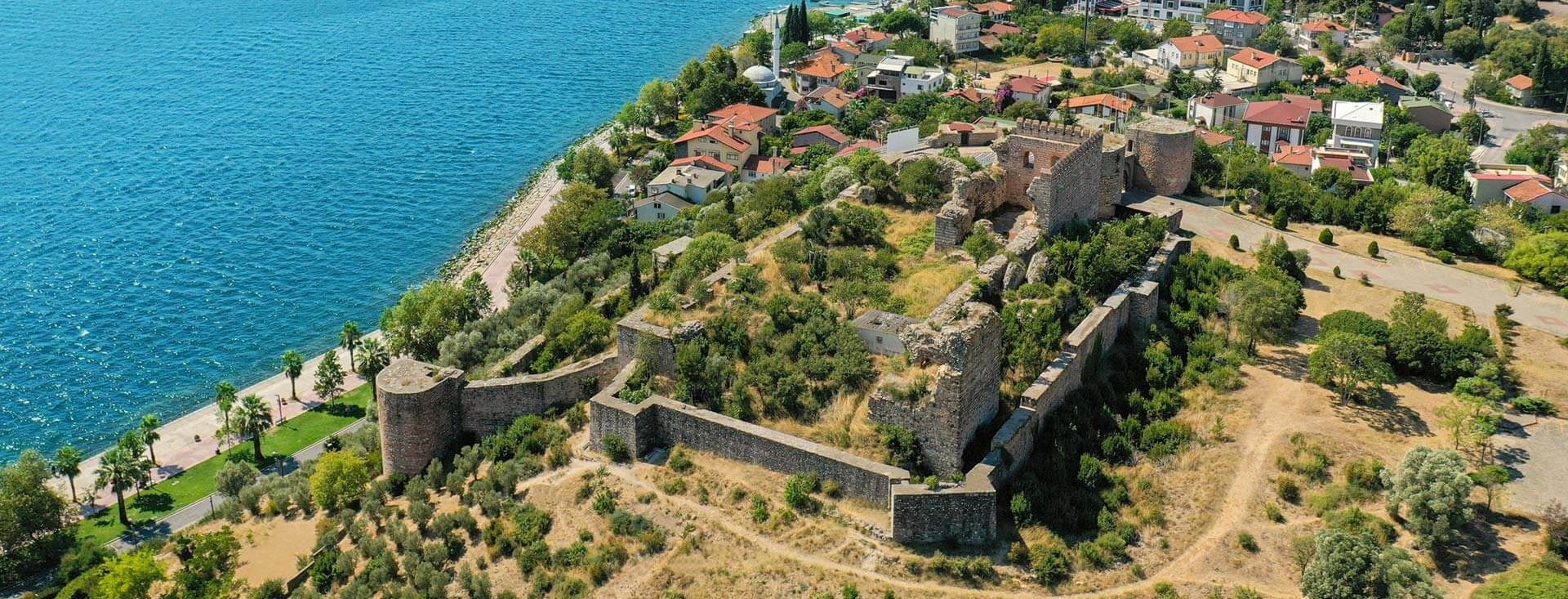
Continue toward the Gulf and explore a medieval Byzantine fortress with towers, courtyards, historic walls and panoramic coastal views.
Explore Eskihisar Castle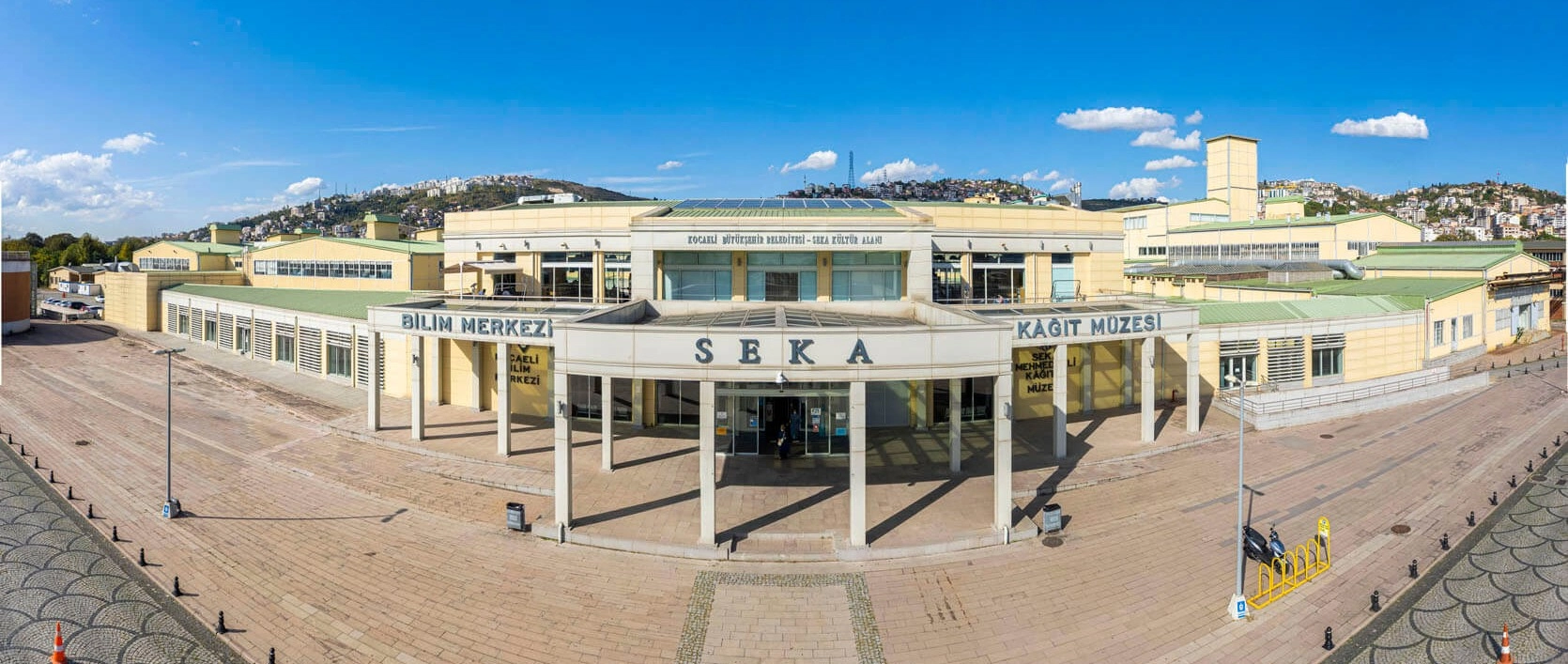
Continue east to İzmit and move from nineteenth-century textile production to twentieth-century paper manufacturing inside another extraordinary historic factory.
Explore SEKAContinue into İzmit or explore the entire province with our Kocaeli travel guide.
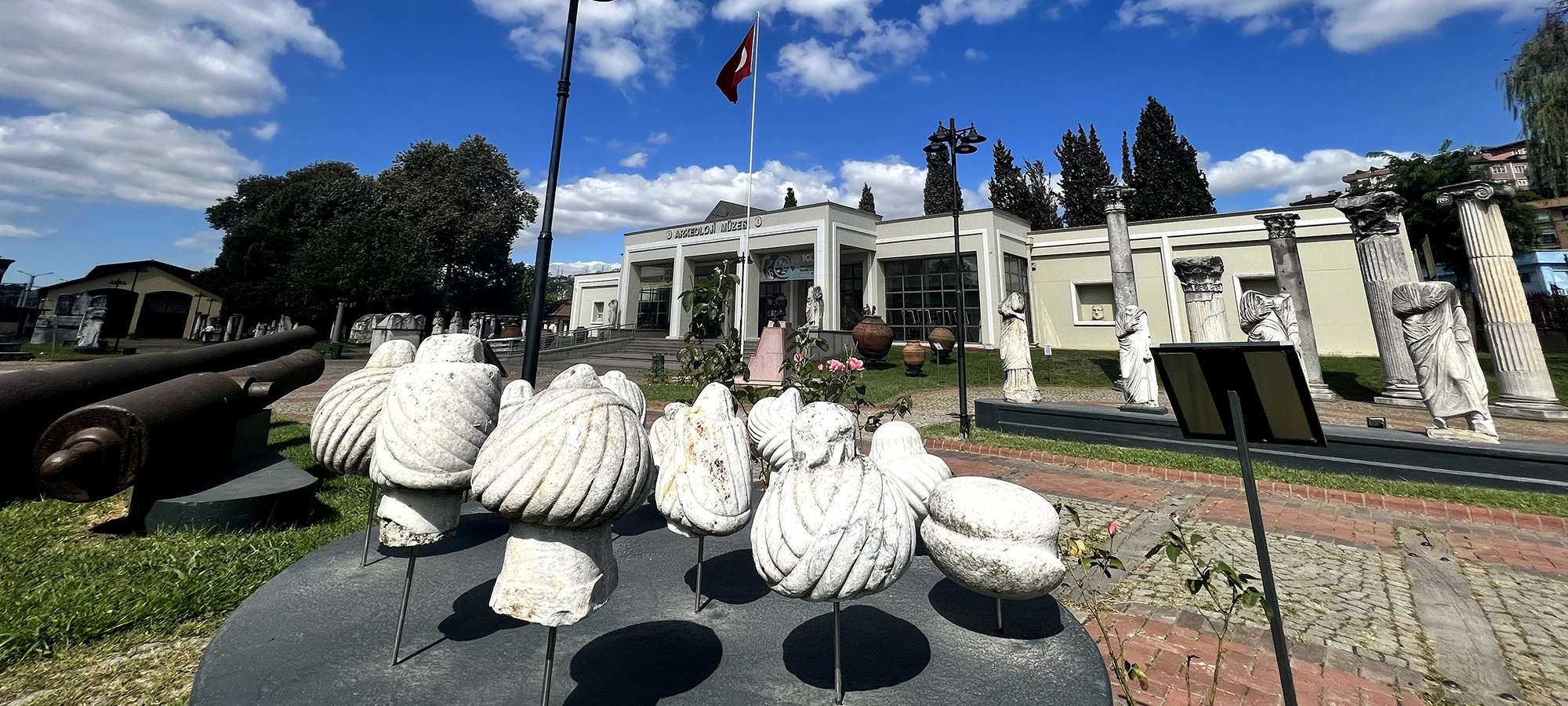
Travel back far beyond the Ottoman industrial age and discover ancient Nicomedia through sculpture, inscriptions, coins and regional archaeology.
Explore Nicomedia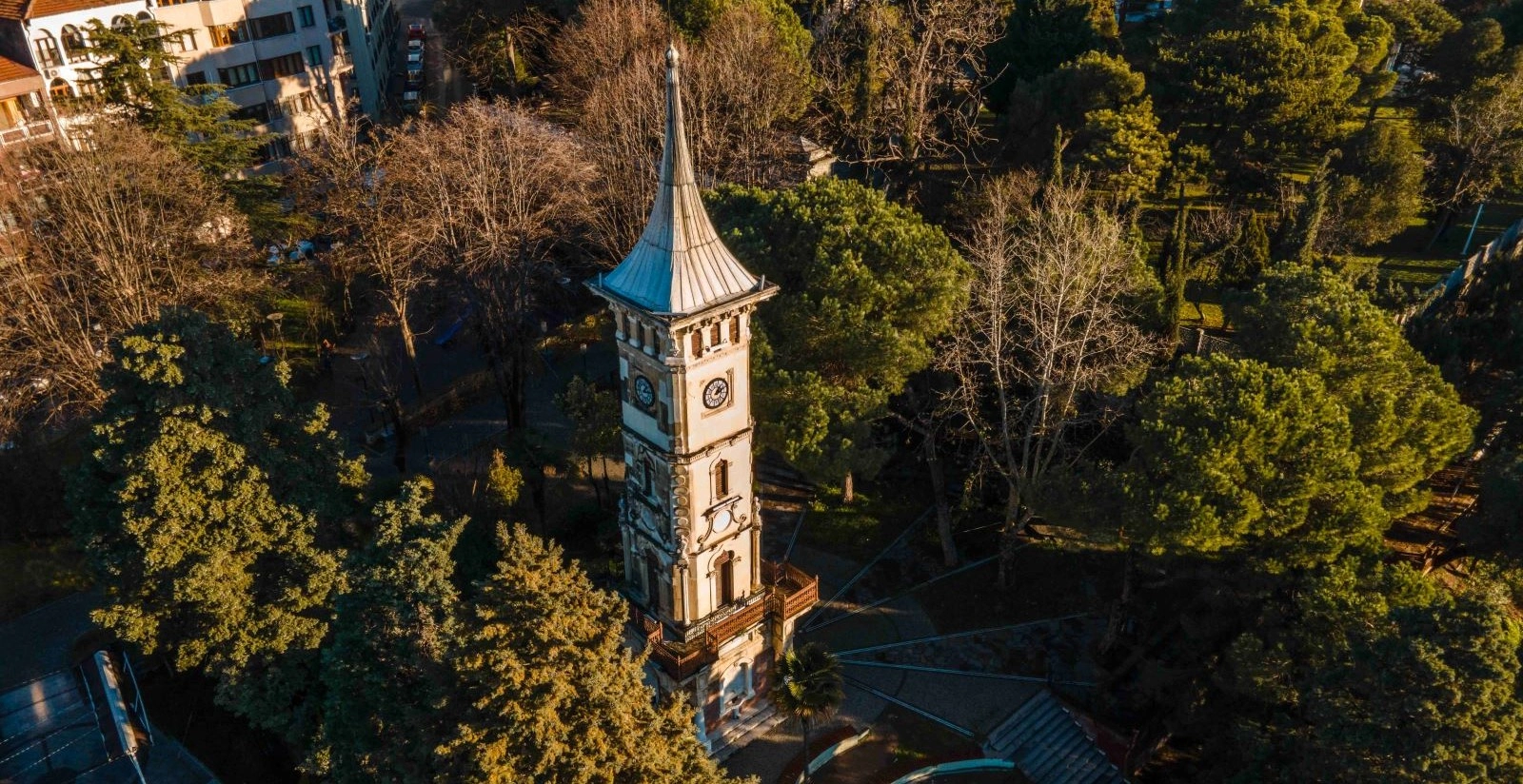
Continue through late Ottoman Kocaeli at one of İzmit's most recognizable landmarks, built above the city with views toward the Gulf.
Explore the Clock Tower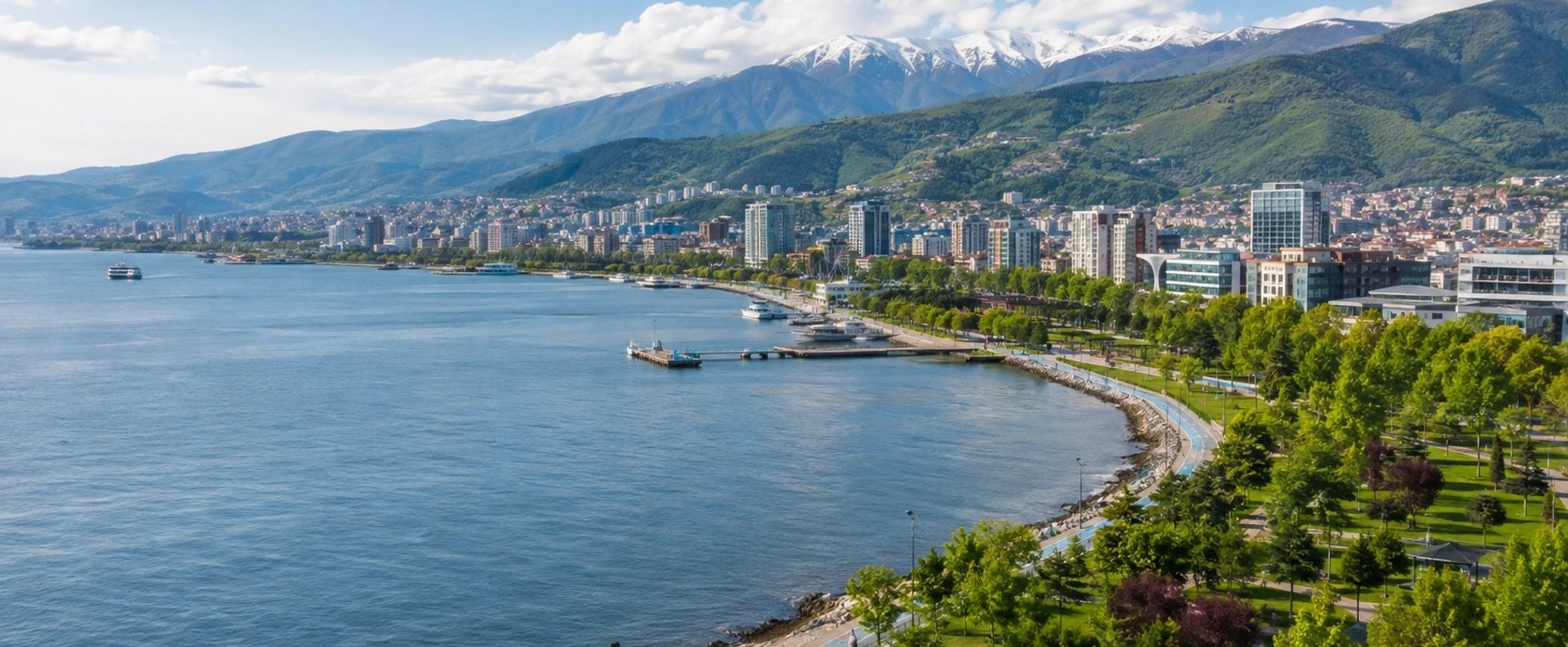
Discover Gebze, Hereke, İzmit, Kartepe, Kandıra, historic monuments, industrial heritage, nature and regional food.
Explore KocaeliWe can connect Istanbul, Kocaeli, Cappadocia and destinations throughout Türkiye in a private cultural itinerary.
Build a private journey around Hereke, Çoban Mustafa Pasha Complex, Eskihisar Castle, Osman Hamdi Bey and the layered history of the Gulf of İzmit.
Plan Your Journey
Connect the looms of imperial Hereke with the machinery of Republican SEKA and follow almost two centuries of Turkish industry.
Discover Industrial Kocaeli
Continue throughout Türkiye with Ottoman palaces, traditional crafts, archaeological sites, historic cities, mountains, coasts and regional cuisine.
Explore Türkiye