Private Early Ottoman Heritage Experience
Ask us about a tailor-made route combining Kumral Abdal Tomb with Bozüyük, Sheikh Edebali Tomb, Söğüt and the wider foundation-era landscape.
Request a Custom Tour





Kumral Abdal Tomb stands in Bozüyük district of Bilecik Province, on the road toward Kovalıca in the area known historically as Tekke Sırtı. The site is one of the region’s important faith-and-history destinations connected with the formation-era memory of the Ottoman principality.
Kumral Abdal — also called Abdal Kumral and Kumral Baba — appears in Ottoman foundation narratives as one of the dervish figures living on the western Anatolian frontier. Later chronicles connect him with Osman Gazi, with the famous dream interpreted in the circle of Sheikh Edebali, and with traditions in which he announced or confirmed Osman’s future sovereignty.
Local official heritage sources describe Kumral Abdal as a mürid of Sheikh Edebali and as a sancaktar associated with Ertuğrul Gazi. Academic reference literature is more cautious: the TDV Encyclopaedia presents him primarily as an Anatolian abdal remembered in Ottoman foundation legends, and notes that different chronicles preserve different versions of his name, role and encounter with Osman Gazi.
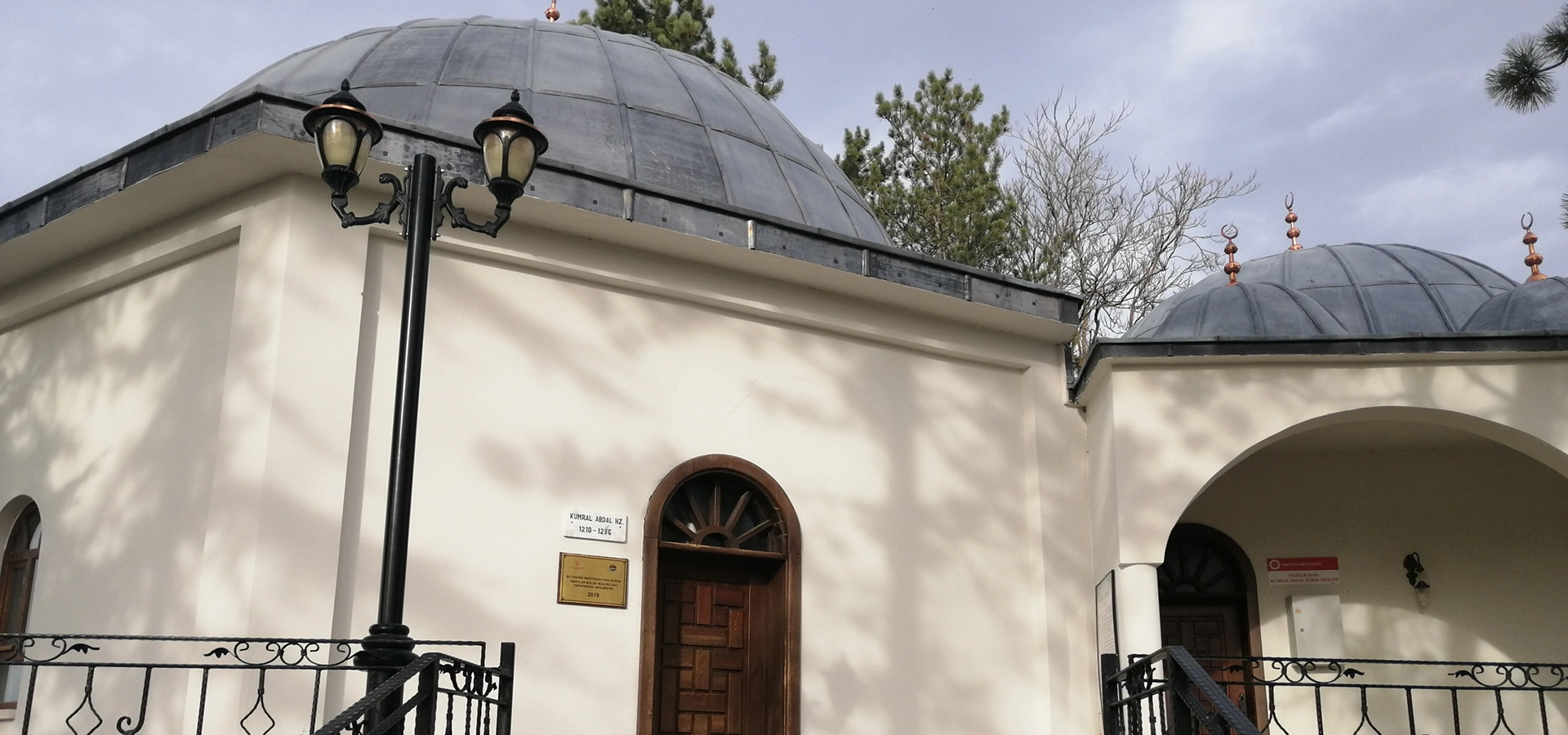
The tomb complex itself has also changed significantly through time. An older cultural inventory described a simpler building within a large garden, while the site underwent rebuilding in the 1990s and a major 2018–2019 restoration of the tomb and mescit. Today the complex is recognizable by its white walls, domed forms, landscaped setting and devotional interior.
For travelers exploring early Ottoman history, Kumral Abdal Tomb works especially well with Ertuğrul Gazi Tomb in Söğüt and Sheikh Edebali Tomb in Bilecik. Together they reveal how warriors, scholars, dervishes, lodges and frontier communities all became part of the remembered story of Ottoman beginnings.
Kumral Abdal is remembered in early Ottoman chronicles and later local tradition as a frontier dervish closely connected with the rise of Osman Gazi.
Different chronicles link him in different ways with the famous prophecy of Osman Gazi’s future rule.
Ottoman narrative sources describe a lodge and endowed lands associated with Kumral Abdal.
The tomb and mescit were extensively restored in 2018–2019 and reopened to visitors after the works.
Essential information for visiting the Kumral Abdal Tomb complex in Bozüyük.
Bozüyük, Bilecik Province, on the Kovalıca road in the Tekke Sırtı / Yediler area.
Open on Google MapsHistoric tomb, mescit and devotional heritage complex.
Kumral Abdal, also known as Abdal Kumral and Kumral Baba.
Remembered in Ottoman foundation narratives connected with Osman Gazi and frontier dervish culture.
Associated with the prophecy and dream narratives surrounding Osman Gazi’s future sovereignty.
Chronicles describe a lodge and endowed villages or lands connected with Kumral Abdal.
Major restoration of the tomb and mescit was carried out in 2018–2019.
Approx. 39.88639 N, 30.04613 E.
Private car, taxi or private driver from Bozüyük.
Biography and foundation stories survive mainly through later chronicles and local tradition, so details should not be presented with false certainty.
Kumral Abdal belongs to the spiritual and social world that surrounded the first Ottoman rulers on the western Anatolian frontier.
The emergence of the Ottoman polity is often told through rulers, battles and castles, but the frontier was also shaped by dervishes, sheikhs, wandering holy men, lodges, village communities and religious networks. Kumral Abdal is one of the figures through whom that wider social landscape becomes visible.
His name appears in later Ottoman chronicles discussing Osman Gazi’s rise to power. The stories are not identical, and that variation is itself historically important: it shows how different writers remembered the relationship between political authority and spiritual legitimacy.
In one influential tradition, Kumral Abdal is present when Sheikh Edebali interprets Osman’s famous dream. In another, he learns that sovereignty will come to Osman and personally carries the good news to him. In both versions, Kumral Abdal becomes a symbolic bridge between prophecy, dervish authority and the beginnings of Ottoman rule.
The tomb in Bozüyük therefore represents more than the memory of one individual. It opens a window onto the way early Ottoman history was narrated: through stories of gifts, blessings, dreams, lodges, endowed lands and frontier companionship.
Kumral Abdal was one of the Anatolian abdals associated with the Ottoman foundation period. The TDV Encyclopaedia identifies him as a figure whose name appears in menkıbes — foundation legends and narrative traditions — rather than as a personality documented through a large body of contemporary records.
His exact birth date, birthplace and death date are not securely established. Local sources sometimes provide dates or biographical details, but these should be treated as regional tradition rather than universally accepted chronology.
The Bilecik Governorate states that his original name was Turgut, while the TDV Encyclopaedia notes that one Ottoman chronicle gives the dervish’s name as Durut or Turgut. This is a good example of why his biography must be presented with care.
Local Bilecik heritage interpretation also describes him as a disciple of Sheikh Edebali and a figure who helped spread Islamic learning and support Ottoman expansion. The academic reference tradition is more restrained and focuses on his role in the foundation narratives surrounding Osman Gazi.
Visitors will encounter several forms of the name: Kumral Abdal, Abdal Kumral and Kumral Baba. These variations are all connected with the same remembered dervish figure.
The TDV Encyclopaedia uses the entry title Abdal Kumral and notes that he is also known as Kumral Abdal. In local Bozüyük usage, Kumral Baba is also common.
The word abdal was used in medieval and early Ottoman Anatolia for certain dervish figures, often associated with unconventional religious lifestyles, frontier movement and popular spirituality. The term therefore describes more than a personal surname.
Because the chronicles preserve different names for him, including Durut or Turgut in one narrative tradition, the exact personal name behind the later title cannot be treated as fully settled.
The most common modern name used in Bilecik tourism and heritage material.
The form used as the title of the TDV Encyclopaedia entry.
A local devotional and traditional form widely used in Bozüyük.
Alternative personal-name forms preserved in later Ottoman narrative traditions.
Local Bilecik sources describe Kumral Abdal as a mürid — disciple or follower — of Sheikh Edebali. That tradition places him within the same spiritual world that later Ottoman memory connected closely with Osman Gazi.
Sheikh Edebali is one of the best-known religious personalities in Ottoman foundation narratives. His lodge, teachings, family connections and famous interpretation of Osman Gazi’s dream made him a central symbol of spiritual counsel at the birth of the dynasty.
Kumral Abdal’s remembered connection with Edebali therefore matters because it gives him a place within a broader network of religious learning, dervish companionship and frontier patronage.
For visitors, pairing the Kumral Abdal Tomb with Sheikh Edebali Tomb creates a useful historical comparison: one site represents the widely celebrated sheikh and spiritual adviser, while the other represents the more elusive abdal-type dervish figure of the frontier landscape.
One of the best-known stories in Ottoman foundation history is Osman Gazi’s dream, traditionally connected with Sheikh Edebali. The dream later became a powerful symbolic narrative explaining the divine or spiritual destiny of the Ottoman dynasty.
According to the tradition preserved by Âşıkpaşazâde, Sheikh Edebali interprets the dream and tells Osman that he will become a ruler. Kumral Abdal then asks Osman for a müjdelik — a reward for the good news. When Osman later becomes powerful, the dervish receives a sword.
The version summarized by İdrîs-i Bitlisî is different. There, Kumral Abdal encounters a spiritual figure at the place called Ermeni Derbendi, learns that sovereignty will come to Osman, and then carries this good news to him. Osman gives him his sword and drinking vessel.
These stories should not be compressed into a single supposedly exact event. Their differences show how Ottoman writers used Kumral Abdal to express the relationship between spiritual prophecy and political rise.
The chronicles attach unusual symbolic importance to the gifts exchanged between Osman Gazi and Kumral Abdal. These objects function as more than personal presents. They become signs that the dervish’s prophecy and relationship with Osman were remembered and recognized.
In the narrative connected with Âşıkpaşazâde, Kumral Abdal asks for a reward after the announcement of Osman’s future sovereignty. The later fulfillment of that request is represented by the gift of a sword.
In the account associated with İdrîs-i Bitlisî, Osman gives Kumral Abdal a sword and a maşrapa — a cup or drinking vessel after receiving the prophecy.
Bozüyük local history also preserves a tradition that such objects remained with Kumral Abdal’s descendants as visible signs of the family’s historical privilege. Because this belongs to later narrative memory, it is best presented as tradition rather than as an independently verified chain of custody.
The title abdal helps place Kumral Abdal within the religious culture of medieval Anatolia. Abdals could be itinerant or semi-settled dervishes whose lives were associated with asceticism, popular devotion, charismatic authority and movement through frontier regions.
Ottoman foundation stories frequently place dervishes beside warriors and rulers. That does not mean every abdal was simply a soldier. Rather, these figures could occupy a fluid social space involving religion, settlement, hospitality, preaching, local influence and sometimes participation in frontier warfare.
The zaviye tradition associated with Kumral Abdal is especially important. A dervish lodge could provide food, shelter, worship, social organization and a focal point for settlement. Such institutions helped give newly developing frontier zones a stable communal structure.
Seen from this perspective, Kumral Abdal represents a different side of Ottoman formation from dynastic tombs and military monuments. His story draws attention to the religious and social networks that accompanied political expansion.
İdrîs-i Bitlisî records that when Osman Gazi became ruler, he had a zaviye established for Kumral Abdal at Ermeni Derbendi and endowed villages and agricultural land for its support. The same author states that this lodge remained known in his own time.
Müneccimbaşı, drawing on earlier traditions, places Abdal Kumral around the Yenişehir region and likewise refers to a lodge supported by villages and fields.
Local Bozüyük historical interpretation connects Kumral Abdal particularly with Kovalıca and Karaağaç, describing land or village revenues associated with his descendants and the zaviye.
The exact geography and institutional history require careful archival study, but the broader point is clear: later Ottoman memory did not picture Kumral Abdal simply as a wandering holy man. He was also associated with a settled religious foundation supported by endowed resources.
The modern tomb complex stands on the Kovalıca road outside central Bozüyük, in an area identified in cultural inventory records as Tekke Sırtı.
This location fits the strong local association between Kumral Abdal and the villages and rural lands east of the early Ottoman Söğüt–Bozüyük zone. The setting is therefore not accidental: the tomb survives within a landscape that local memory has connected with dervish settlement, endowed land and frontier movement.
Bozüyük Municipality’s historical presentation links Kumral Baba with Kovalıca and describes the area as part of a longer-lived zaviye and family-vakıf tradition.
For travelers, the rural approach also helps explain why this site feels different from the monumental complex around Ertuğrul Gazi Tomb. Kumral Abdal’s memorial belongs to a more localized, lodge-based religious landscape.
Visitors should distinguish between the historical association of the site and the age of the building visible today. The present complex is not a completely untouched medieval structure.
Türkiye’s Culture Portal records that the tomb was repaired in 1980. Its older inventory description referred to a structure built from local stone with a hipped roof and Marseille tiles, within a large garden entered through a gateway marked “Yediler Tekkesi.”
Academic research from Bilecik Şeyh Edebali University notes that older drawings show a masonry tomb, later plastered with mud, and that the structure was rebuilt in 1993–1994 under the initiative of the Bozüyük district administration.
A further major intervention took place in 2018–2019 under the restoration project connected with the Bursa Regional Directorate of Foundations. The tomb and mescit were repaired, the structural system and interior were addressed, and the surrounding area was reorganized.
The restoration project states that the complex reopened to visitors in 2019. The modern appearance therefore reflects several layers of repair, rebuilding and reinterpretation rather than one uninterrupted medieval fabric.
Culture inventory records an earlier repair to the tomb.
The structure was substantially rebuilt during a district-led intervention.
A major tomb-and-mescit restoration project addressed the building and surrounding grounds.
The restored complex was reopened to visitors after completion of the works.
The present complex has a clean white exterior and domed roof forms, with the tomb and prayer space arranged together as a compact religious ensemble.
A broad stair approach, metal railings, trees and landscaped terraces shape the visitor experience. The restored exterior is visually different from the earlier inventory description of a hipped, tile-covered structure.
This difference is historically important. It reminds visitors that the tomb has been repaired, reconstructed and restored repeatedly, and that architectural appearance is not the same thing as the age of the underlying devotional tradition.
Inside, the memorial focuses on the sandukas associated with Kumral Abdal and other burials. The adjacent mescit allows the complex to function not only as a heritage stop but as a place of prayer and reflection.
The historical inventory record for the site notes that the courtyard entrance carried the name “Yediler Tekkesi”. The name connects the tomb with a wider local devotional identity beyond Kumral Abdal alone.
The same inventory described multiple sandukas within the complex, including Kumral Abdal, his wife and another follower. Other local accounts speak more broadly of Horasan erenleri or seven associated burials.
Because the number and identity of burials are presented differently in different sources, the safest approach is not to assign precise biographies to every grave without stronger documentation.
For visitors, the Yediler name is nevertheless important because it shows that the complex functioned historically as a shared sacred landscape, not simply as an isolated single-person tomb.
The cultural inventory provides one of the most useful descriptions of the older interior arrangement. It states that the first space contained the sarcophagus of Kumral Abdal’s wife and was used for prayer.
A second, lower-level space contained the sarcophagus attributed to Kumral Abdal and another associated disciple or follower.
Later local descriptions use the language of Horasan erenleri and sometimes speak of a wider group of burials within the complex. These traditions form part of the religious memory of the site.
Because restoration changed the physical organization and presentation of the interior, visitors should understand the sandukas as memorial markers within a living devotional tradition, rather than assuming that every modern placement reproduces the earliest arrangement exactly.
Research carried out on Bilecik tombs records that Ottoman gravestones and older stone fragments were present within and around the Kumral Abdal complex before later restoration works.
During the 1990s rebuilding, some gravestones were moved into the garden area, while later restoration sought to reorganize and preserve material associated with the tomb.
Academic research also notes that some stone fragments at the site appear to be older than the present tomb architecture, including reused ancient material.
These remains are valuable because they show that the complex has a long and layered material history, even though the current standing building is largely the result of modern interventions.
Kumral Abdal Tomb remains a devotional destination. Some visitors come because of historical interest, while others arrive to pray, recite verses or pay respect to a dervish remembered in local religious tradition.
Keep voices low inside, give priority to people who are praying, and avoid treating the sandukas as backdrops for posed photographs.
Modest clothing is appropriate. Follow any posted local instructions regarding footwear before entering carpeted prayer areas.
The most respectful visit balances historical curiosity with awareness that the complex still carries sacred meaning for many people.
The interior is a place of devotion as well as heritage.
Modest clothing is the safest choice inside the tomb and mescit.
Do not interrupt people who are praying or reciting quietly.
Observe signs or local practice at the entrance to carpeted areas.
Flash can be intrusive in a small devotional interior.
Maintain respectful distance from memorial coverings and furnishings.
The restored complex is especially photogenic from the lower stair approach, where the white walls, domes, railings and tall trees can be framed together.
Move around the courtyard to show the relationship between the tomb, the mescit and the landscaped enclosure. Wider photographs communicate the nature of the complex better than tightly cropped architectural details alone.
Soft morning or late-afternoon light is usually preferable to strong midday sun, especially on the bright white surfaces. Tree shadows can create attractive patterns across the steps and walls.
Inside, photograph only when it does not disturb prayer or private devotion. Avoid photographing worshippers without permission.
Use the ascending steps to lead the eye toward the main domed volume.
Include multiple domed forms to show the restored tomb-and-mescit composition.
Use the mature trees surrounding the complex as natural frames.
Photograph the relationship between tomb, prayer space and landscaped grounds.
Older gravestones and reused stone material can add an important documentary dimension.
Avoid flash and never interrupt people using the site for prayer.
Kumral Abdal Tomb lies outside the dense commercial centre of Bozüyük, on the road leading toward Kovalıca. It is best planned as a short dedicated detour rather than as a walk from the central monuments.
The restored complex includes the tomb, mescit, courtyard and landscaped surroundings. Anadolu Agency reported in 2023 that the important tombs surveyed across Bilecik Province, including Kumral Abdal, were open to visitors.
No consistently published official ticket price or fixed daily visiting schedule was identified on the principal government tourism pages consulted for this guide. Visitors arriving very early or late should therefore allow for possible local access arrangements.
For most travelers, 20–30 minutes is enough to see the exterior, enter respectfully, observe the interior memorials and walk around the grounds. History-focused visitors may wish to stay longer.
The site is reachable by road and does not require a long hike. The restoration project also included landscape and visitor-access improvements around the complex.
However, the principal approach visible at the restored tomb includes a broad flight of steps. This can create difficulty for wheelchair users or travelers with limited mobility.
Courtyard levels, slopes and historic-site paving can also affect movement. Conditions may change after maintenance or landscaping works.
Visitors who require guaranteed step-free access should confirm current arrangements locally before making a special journey.
The Bilecik Governorate places the tomb on the route from Bozüyük toward Kovalıca. From the Bursa–Eskişehir road, turn toward the Yediler Mahallesi / Kovalıca direction. The official guidance gives the tomb at roughly 1.2 kilometres after the turn.
The Culture Portal describes the location more generally as around 2–3 kilometres from Bozüyük on the Kovalıca road. The small difference reflects different starting points rather than a major contradiction.
The official coordinates published by the Bilecik Governorate are 39°53'11.00" N, 30°02'46.06" E, which correspond to approximately 39.88639, 30.04613.
A private car, taxi or private driver is the easiest option. The site can be combined naturally with other Bozüyük attractions or included in a longer Bilecik–Söğüt foundation-history route.
Search “Kumral Abdal Türbesi, Bozüyük, Bilecik.”
Approx. 39.88639 N, 30.04613 E.
The tomb stands on the road from Bozüyük toward Kovalıca.
The most practical option for combining the tomb with other Bozüyük and Bilecik sites.
A convenient choice from central Bozüyük for travelers without their own vehicle.
Useful for a full route linking Bozüyük, Bilecik and Söğüt.
A quick stop of 15 minutes is enough to see the exterior and enter the tomb briefly, but it leaves little time to understand the site’s layered history.
Allow around 20–30 minutes for the best balance: walk through the grounds, view the restored architecture, enter the memorial quietly and look for older gravestones or stone fragments.
Visitors interested in Ottoman foundation narratives, dervish history or photography may prefer 30–45 minutes.
The tomb becomes much more meaningful when included in a half-day Bozüyük visit or a full-day Bilecik–Söğüt heritage route.
Quick exterior and interior stop.
Best balance for architecture, grounds and a respectful interior visit.
Useful for photography and deeper historical observation.
Combine with the principal sights of Bozüyük.
Add Bilecik and Söğüt for a broader Ottoman foundation route.
Begin in Bozüyük with Kasımpaşa Mosque, one of the district’s most important Ottoman monuments. This gives the day a strong architectural and urban-historical starting point.
Continue to Kumral Abdal Tomb on the Kovalıca road. Spend time first with the exterior, then enter quietly and consider the difference between the historic dervish tradition and the much-restored modern building.
After the tomb, add Metristepe Victory Monument for a dramatic shift from the Ottoman foundation period to the Turkish War of Independence.
If you have a full day, continue toward Bilecik and Söğüt to connect Kumral Abdal’s dervish story with Sheikh Edebali and Ertuğrul Gazi.
Kumral Abdal Tomb works best as part of a wider itinerary. The following sites show very different periods of Bilecik’s history, from Ottoman beginnings to the late empire and the War of Independence.
Visit one of Bozüyük’s major classical Ottoman religious monuments and compare its formal architecture with the intimate dervish memorial at Kumral Abdal.
Explore a site connected with the modern national period and broaden your understanding of Bozüyük beyond Ottoman foundation history.
Continue to one of the most important commemorative landscapes connected with the First and Second Battles of İnönü.
Visit the spiritual figure whom local Bilecik tradition identifies as Kumral Abdal’s teacher and master.
Connect Kumral Abdal’s dervish memory with the central dynastic memorial of Söğüt and the remembered beginnings of the Ottoman line.
See ethnographic collections and local heritage displays that help place the foundation story within the wider culture of the region.
Continue across the province for Ottoman heritage, museums, War of Independence sites, historic towns and natural landscapes.
Kumral Abdal is a good example of why foundation legends should neither be accepted uncritically nor dismissed as useless. They preserve the values and political ideas that later Ottoman writers wanted to associate with the dynasty’s beginnings.
The recurring themes are striking: a ruler receives spiritual confirmation, a dervish carries or witnesses the good news, gifts are exchanged, and a religious lodge receives land or protection.
These themes present the birth of political authority as something supported not only by force, but also by religious blessing, social legitimacy and patronage of holy men.
For historians, the challenge is to separate possible historical memory from literary shaping. For visitors, the tomb offers a rare chance to experience the physical landscape in which these stories continued to live.
Three nearby personalities help travelers understand different sides of early Ottoman memory.
Ertuğrul Gazi represents dynastic ancestry and warrior leadership. His tomb in Söğüt became the most powerful memorial of the Ottoman family’s remembered origin.
Sheikh Edebali represents religious scholarship, spiritual counsel and the legitimizing dream narrative.
Kumral Abdal represents the less formal world of the frontier dervish: a figure moving between prophecy, religious charisma, settlement and the social organization of the frontier.
Visiting all three creates a much richer understanding of Ottoman foundation culture than focusing on rulers alone.
Kumral Abdal Tomb is in Bozüyük district of Bilecik Province, on the road toward Kovalıca in the Tekke Sırtı / Yediler area.
No. The tomb visited today is in Bozüyük, not Söğüt. Kumral Abdal is strongly associated with the wider early Ottoman landscape that also includes Söğüt and Bilecik.
He was an Anatolian dervish remembered in Ottoman foundation narratives and associated in local tradition with Osman Gazi, Ertuğrul Gazi and Sheikh Edebali.
Local Bilecik official sources describe him as Sheikh Edebali’s mürid. Academic reference literature is more cautious and focuses mainly on his role in foundation legends.
Bilecik’s official local heritage sources describe him as Ertuğrul Gazi’s sancaktar. This belongs to the regional historical tradition surrounding the site.
The Bilecik Governorate gives Turgut, while an Ottoman chronicle tradition cited by TDV preserves the form Durut or Turgut. The question is not completely settled.
In medieval Anatolia, abdal could refer to a dervish associated with popular spirituality, asceticism and frontier religious culture.
Later chronicles give him a role in the prophecy traditions surrounding Osman Gazi’s future sovereignty, though the details differ from source to source.
Not exactly in the best-known Âşıkpaşazâde version: Sheikh Edebali interprets the dream, while Kumral Abdal asks for a reward for the good news. Other chronicles give Kumral Abdal a more direct role in carrying the prophecy.
Chronicle traditions mention a sword, and one version also mentions a maşrapa or drinking vessel.
Later Ottoman narratives state that a zaviye and endowed villages or agricultural lands were associated with Kumral Abdal. Exact details vary between sources.
A zaviye was a dervish lodge that could serve religious, social, hospitality and settlement functions on the frontier.
No. The site has an old devotional tradition, but the standing building reflects modern rebuilding and restoration, especially work in the 1990s and 2018–2019.
Culture inventory records an earlier repair in 1980. The site was substantially rebuilt in the 1990s and underwent a major restoration in 2018–2019.
An older inventory description records the name “Yediler Tekkesi” at the entrance to the complex, reflecting the wider devotional tradition of the site.
Older inventory material refers to Kumral Abdal’s wife and another associated follower, while local traditions also speak more broadly of additional dervish or Horasan-erleri burials.
From Bozüyük, follow the road toward Kovalıca. The Bilecik Governorate directs visitors via the Yediler Mahallesi / Kovalıca turn from the Bursa–Eskişehir road.
Use approximately 39.88639 N, 30.04613 E.
A car, taxi or private driver is the easiest option because the complex is outside central Bozüyük.
Allow around 20–30 minutes for a comfortable visit.
No reliable current official ticket price was identified in the principal government tourism sources checked for this guide. Verify locally if this is important for your visit.
Fixed daily hours were not consistently published in the main government sources consulted. Local access may vary, particularly very early or late in the day.
The site is reachable by road, but the visible main approach includes steps. Visitors needing guaranteed step-free access should confirm current arrangements locally.
Yes, but inside the tomb and mescit photography should remain quiet, discreet and secondary to prayer. Avoid flash and intrusive photographs of worshippers.
Choose modest, respectful clothing because the site remains a living devotional space.
Yes, especially for travelers interested in early Ottoman history, dervish culture, foundation legends and the religious landscape of Bilecik.
Continue with Kasımpaşa Mosque in Bozüyük, or expand the foundation-era story with Sheikh Edebali Tomb and Ertuğrul Gazi Tomb.
Allow people using the site for prayer to do so without disturbance.
Maintain respectful distance from memorial coverings and interior furnishings.
Treat the interior as a religious space, not only as a tourist attraction.
Observe signs and local practice before entering carpeted prayer areas.
Never photograph people praying without permission.
Do not sit on, move or touch old gravestones and reused stone fragments.
Enjoy the foundation stories while remembering that different chronicles preserve different versions.
Combine the tomb with other Bozüyük and Bilecik sites and spend time in the surrounding region.
Combine Kumral Abdal Tomb with the principal early Ottoman heritage sites of Bilecik Province through a private itinerary designed around history, culture and faith heritage.
Explore the connections between frontier dervishes, dynastic memory, spiritual authority and the first Ottoman settlements.
Ask us about a tailor-made route combining Kumral Abdal Tomb with Bozüyük, Sheikh Edebali Tomb, Söğüt and the wider foundation-era landscape.
Request a Custom Tour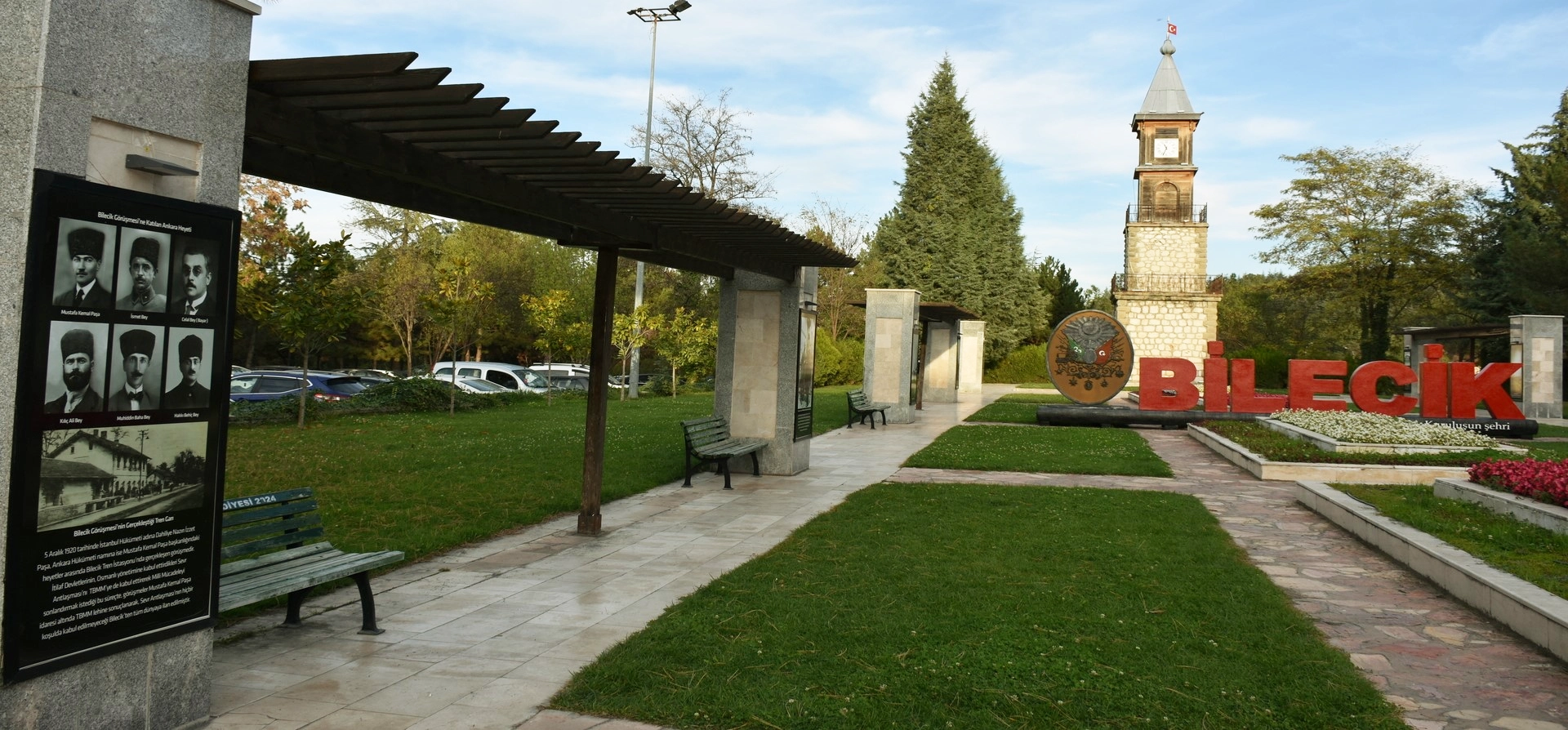
Discover Söğüt, Bozüyük, Bilecik city, Ottoman memorials, War of Independence landscapes, museums, historic towns and natural attractions throughout the province.
View Bilecik GuideConnect Kumral Abdal with the dynastic and spiritual personalities who shaped the same remembered frontier world.
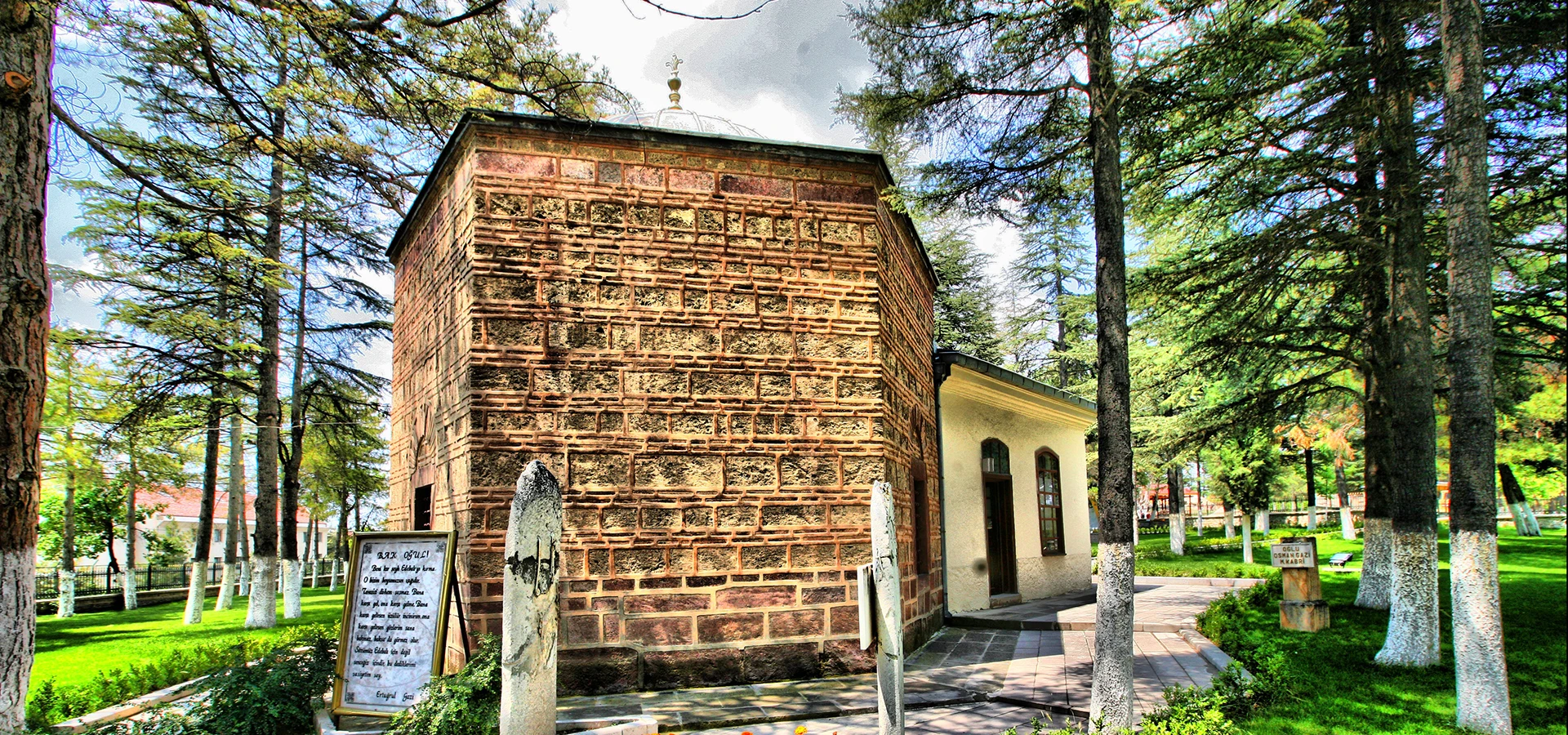
Explore Söğüt’s principal dynastic memorial and the most important symbolic site connected with the remembered beginnings of the Ottoman line.
Explore Ertuğrul Gazi Tomb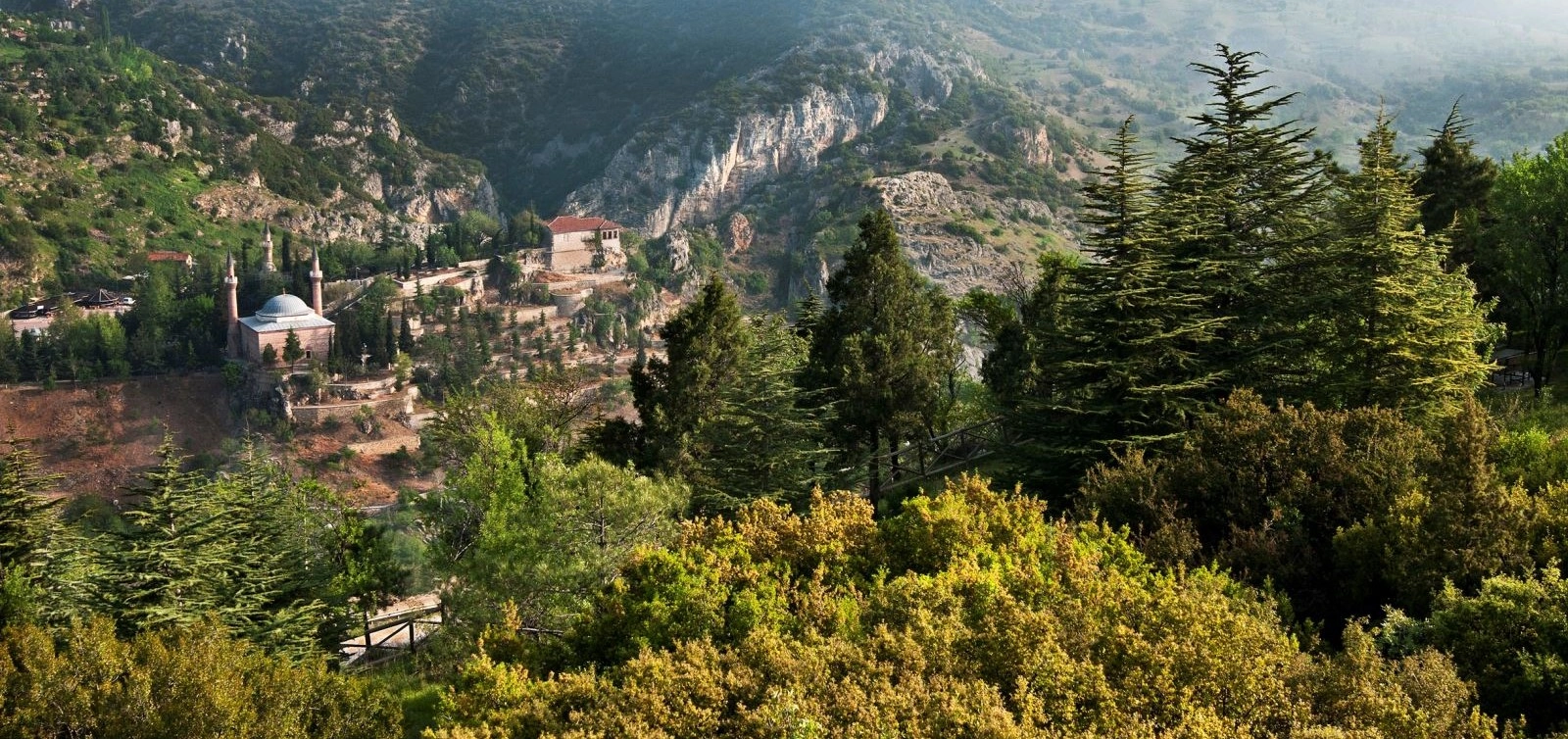
Visit the spiritual authority most closely associated with Osman Gazi’s dream and, in local tradition, with Kumral Abdal’s religious formation.
Explore Sheikh Edebali Tomb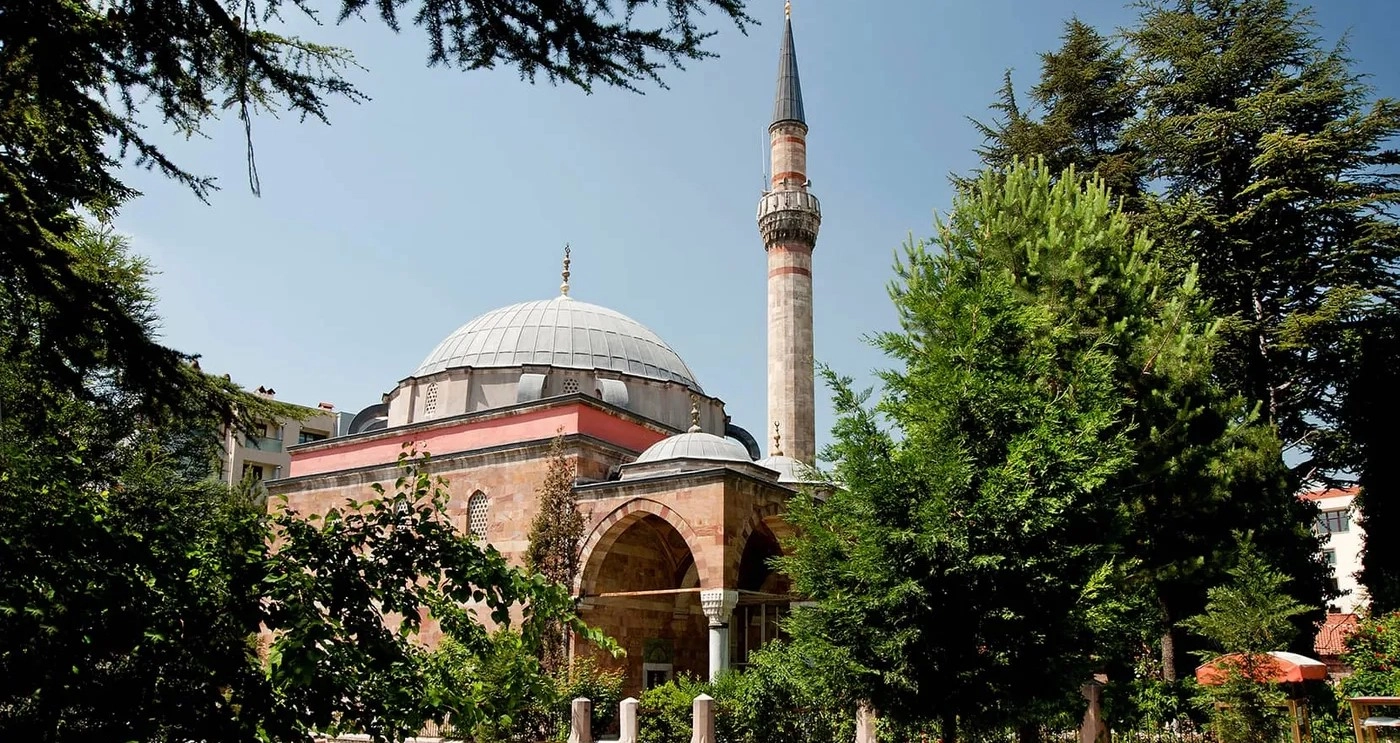
Continue exploring Bozüyük with one of the district’s most important Ottoman religious monuments.
Explore Kasımpaşa Mosque