Private Bozüyük Heritage Experience
Ask us about a tailor-made visit combining Kasım Pasha Mosque, Metristepe and selected heritage sites across Bozüyük and Bilecik.
Request a Custom Tour





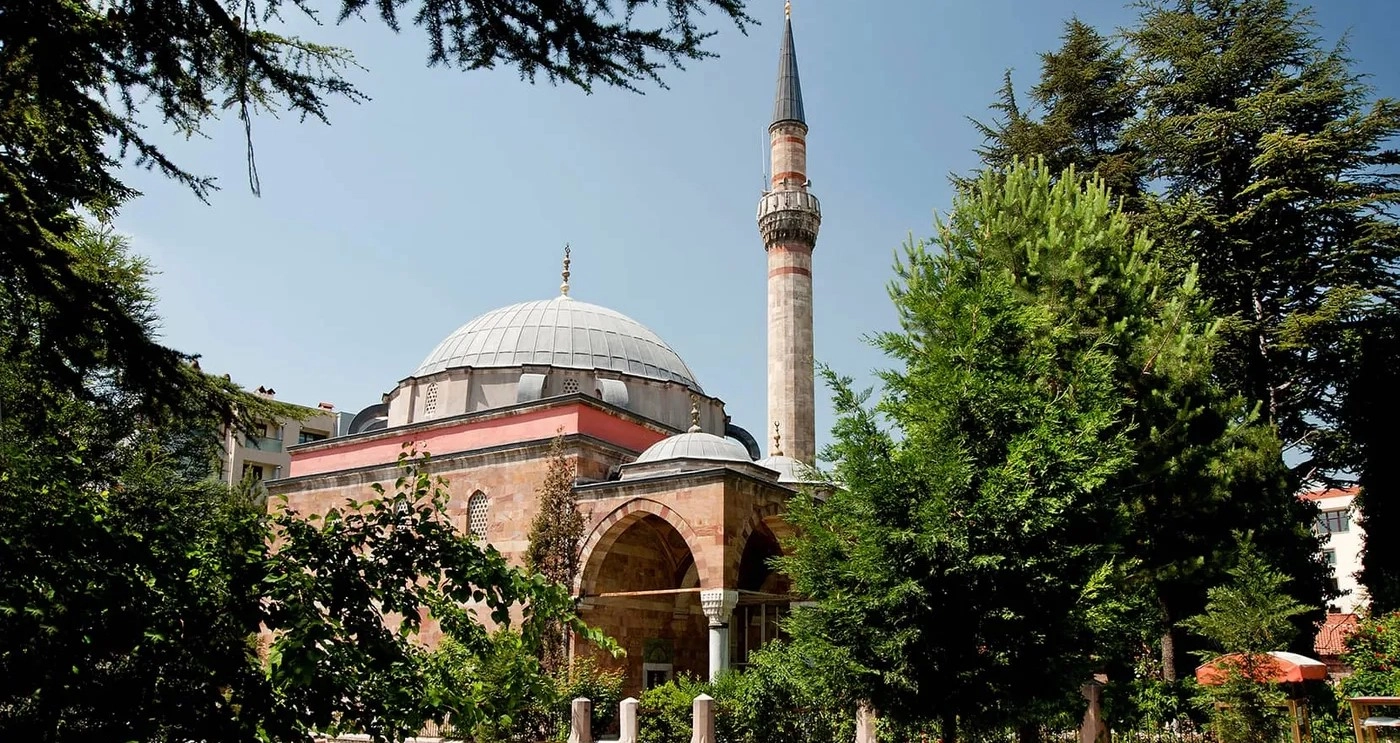
Kasım Pasha Mosque stands in the center of Bozüyük, Bilecik Province, Türkiye. Built between approximately 1525 and 1528, it formed part of a much larger Ottoman social and religious complex, or külliye, commissioned by Kasım Pasha during the reign of Sultan Süleyman I.
The mosque is far more than a historic place of worship. Local history connects the foundation of the complex with the growth of modern Bozüyük itself: communities from several nearby villages gradually gathered around the mosque, imaret, caravanserai, school and other charitable buildings, creating a new urban center on an important Ottoman route across northwestern Anatolia.
Architecturally, the mosque belongs to the single-domed tradition of early Classical Ottoman architecture. Its cut-stone walls, three-domed portico, monumental marble mihrab, colored-glaze tiles, carved woodwork, ivory inlay, painted decoration and extraordinary reused columns from Hama make it one of the richest historic monuments in Bilecik Province.
The mosque is often promoted as an early work of Mimar Sinan and is described that way by official tourism sources. However, specialist scholarship on the Kasım Pasha Külliye notes that the architect is not securely documented. For that reason, the most accurate description is that the building is traditionally attributed to Mimar Sinan, while its authorship remains debated.
For a wider exploration of the district and province, combine the mosque with Metristepe Victory Monument, Bilecik Museum, Sheikh Edebali Tomb and our Bilecik visitor guide.
A surviving 16th-century mosque commissioned by Kasım Pasha during the reign of Süleyman the Magnificent.
The külliye became a focal point around which nearby settlement gradually developed into modern Bozüyük.
Colored-glaze tiles, original painted ornament, fine woodwork and ivory inlay enrich the interior.
Four medieval Syrian columns with figural carvings create one of the mosque's most unusual artistic features.
Essential information for understanding one of Bozüyük's most important Ottoman monuments.
Central Bozüyük, Bilecik Province, Türkiye, near Cumhuriyet Meydanı and Köteşliler Caddesi.
Open on Google MapsOttoman mosque forming part of the Kasım Pasha Külliye.
Built in the early 16th century, generally dated to 1525–1528.
Kasım Pasha, identified in specialist scholarship as Güzelce Kasım Pasha.
A square, single-domed prayer hall with a three-domed northern portico.
An active mosque as well as a protected historic monument.
Few monuments in Bilecik combine architecture, decorative arts and urban history as clearly as the Kasım Pasha complex.
Kasım Pasha Mosque is important first because it survives from a decisive period in Ottoman architecture. The 1520s were decades in which the empire's monumental building culture was moving toward the mature Classical style later associated with the great imperial works of the sixteenth century.
The mosque is also unusually rich in surviving artistic detail. Visitors can study cut-stone masonry, a monumental dome, marble architectural carving, colored-glaze tilework, painted ornament, carved wooden shutters and ivory inlay within a single historic building.
Its importance extends beyond art history. The mosque belonged to a charitable foundation that once included an imaret, medrese, primary school, caravanserai and hamam. These institutions offered worship, education, food, accommodation and services to local people and travelers moving through the region.
Most importantly for Bozüyük, the complex became a nucleus for settlement. Municipal history records that several villages existed around the area before the külliye was established, and that population gradually concentrated around Kasım Pasha's foundation. The monument therefore stands at the center of the story of how Bozüyük developed as a town.
The patron of the Bozüyük complex is identified in specialist scholarship as Güzelce Kasım Pasha, an Ottoman statesman who served in important administrative and military positions during the early sixteenth century. He is recorded as having served as governor in Hama in Syria from the 1510s before later rising to higher office.
Local Bozüyük sources sometimes refer to the patron as Cezeri Kasım Pasha. Because several Ottoman statesmen named Kasım Pasha were active in the same broad period, names and titles can become confused in popular accounts. The art-historical literature on the Bozüyük külliye generally identifies its founder as Güzelce Kasım Pasha.
His time in Syria is particularly important for understanding the mosque because four carved columns associated with the interior are connected with medieval Hama. Their inscriptions and figural decoration belong to a much earlier artistic world than the Ottoman mosque around them.
Kasım Pasha rose through significant provincial and central offices during the reigns of the early 16th-century sultans.
His service in Hama helps explain the presence of medieval Syrian carved columns associated with the Bozüyük mosque.
The mosque was only one element of a larger charitable complex serving worshippers, students, travelers and residents.
The foundation became a central landmark around which Bozüyük's urban settlement expanded.
The mosque and külliye are generally dated to 1525–1528, corresponding to the years 932–935 in the Hijri calendar. The surviving inscription and historical sources place the foundation firmly within the reign of Sultan Süleyman I.
Bozüyük lay on an important route used by Ottoman armies, officials, merchants and travelers moving between western and central Anatolia. Before the Kasım Pasha complex was built, the area consisted of several dispersed villages rather than the consolidated town center seen today.
Bozüyük municipal tradition connects the foundation with the Rhodes campaign of 1522. According to the story, Kasım Pasha was impressed by the support provided to the army in the region and vowed to establish a mosque if the campaign ended successfully. After victory, the mosque and its associated charitable buildings were constructed in the following years.
Modern publications do not all tell the campaign story in exactly the same way, so the safest historical approach is to separate the well-attested construction date from later narrative tradition. What is clear is that by the late 1520s a major Ottoman foundation had been established here and that it quickly became important to both travelers and the surrounding population.
One of the most compelling reasons to visit Kasım Pasha Mosque is that its story is inseparable from the development of Bozüyük itself. Municipal history records that before the complex was founded, several villages occupied the surrounding area.
The mosque brought together services that made settlement around it attractive. The imaret provided food, the caravanserai offered accommodation, the medrese and primary school supported education, and the hamam served daily social and practical needs. Together these buildings created an organized center where none had previously existed on the same scale.
Over time, families from surrounding settlements moved closer to the foundation. The result was not simply a religious precinct but a new urban focus on the Ottoman road network. This is why Kasım Pasha Mosque can reasonably be described as one of the architectural foundations of modern Bozüyük.
The spiritual and monumental centerpiece of the surviving complex.
A charitable kitchen that distributed cooked food to travelers and members of the local community.
Accommodation for travelers and animals moving along the regional road network.
The complex included a medrese and primary school as part of its charitable program.
The bathhouse added an important social and practical service to the foundation.
Settlement gradually concentrated around the külliye, contributing to the formation of present-day Bozüyük.
Many tourism descriptions identify Bozüyük Kasım Pasha Mosque as one of Mimar Sinan's early or apprentice-period works. This attribution has become widely repeated and is also found in official tourism material.
However, the specialist entry on the Kasım Pasha Külliye in the TDV Encyclopaedia of Islam states that the architect of the complex is not known. For a historically responsible visitor guide, it is therefore better not to present Sinan's authorship as an uncontested fact.
The building certainly belongs to the architectural world in which the mature Classical Ottoman style was developing. Its strong geometry, single monumental dome, carefully proportioned portico and disciplined stone construction make the traditional Sinan association understandable even where documentary certainty is lacking.
Kasım Pasha Mosque belongs to the group of single-domed Ottoman mosques that became an important part of sixteenth-century architectural practice. The main prayer hall is approximately square, while the northern front is extended by a three-bay portico.
Municipal documentation gives the main mosque body at roughly 17 x 17 metres, with walls approximately 1.65 metres thick. The principal dome spans approximately 13.80 metres, creating a unified interior rather than dividing the prayer space into multiple aisles.
The mosque is built predominantly from carefully cut stone. Its exterior is comparatively restrained, allowing the proportion of the dome, portico, openings and minaret to define the monument from a distance.
The northern entrance leads through the portico into the square prayer hall. The qibla wall to the south contains the marble mihrab, while the marble minber, wooden elements, tilework and painted surfaces create a much richer decorative environment inside than the sober exterior initially suggests.
The central worship space follows the compact geometry of the early Classical Ottoman single-dome type.
The approximate diameter recorded in municipal documentation gives the interior its monumental unity.
Walls around 1.65 m thick carry the large dome and contribute to the building's substantial appearance.
The northern son cemaat yeri creates a transitional zone before entry into the prayer hall.
Regular dressed masonry gives the exterior its disciplined sixteenth-century character.
A slender minaret rises from the northwestern side of the mosque.
Approach the mosque from the north to understand its formal entrance sequence. The three-domed portico, known in Ottoman mosque architecture as the son cemaat yeri, forms a sheltered threshold between the courtyard and the interior.
The entrance portal is one of the mosque's most refined stone-and-marble compositions. Municipal documentation describes an opening approximately 1.82 metres wide and 4 metres high, with alternating green and white marble around the arch.
The spandrels between the entrance arch and inscription are ornamented with rûmî motifs, while the inscription itself is framed by a decorative border. The combination of calligraphy, colored marble and carved ornament immediately signals that the building was conceived as more than a purely functional neighborhood mosque.
The primary entrance faces north beneath the three-domed portico.
Alternating marble colors create visual rhythm around the entrance arch.
Stylized vegetal forms decorate the spandrels and inscription surround.
Muqarnas appears in several architectural details around the portico, mihrab and minaret.
The dominant architectural experience inside Kasım Pasha Mosque is the single large dome above the prayer hall. Rather than breaking the interior into rows of columns, the design creates one open central volume focused toward the qibla wall and mihrab.
Windows at several levels bring daylight into the space. The dome drum includes a series of openings that help reduce the visual weight of the upper structure and illuminate the painted decoration.
Look upward toward the center of the dome, where historic painted ornament includes a gilded central medallion. The surviving color scheme uses deep blue, green, red, yellow, white and gold tones, creating a visual contrast with the pale stone architecture below.
The entire prayer hall is unified beneath one principal dome.
Windows at wall and upper levels distribute daylight through the interior.
Gold-toned painted ornament draws the eye upward toward the center of the dome.
Historic painted surfaces contribute strongly to the mosque's artistic importance.
The mihrab marks the direction of prayer toward Mecca and is one of the principal artistic focal points of the mosque. It is carved from pale stone or marble and rises prominently on the southern wall.
Municipal documentation records approximate dimensions of 5.90 x 2.50 metres. The niche is articulated in several recessed stages and crowned with muqarnas, a three-dimensional form of Islamic architectural ornament that creates a transition of small geometric cells.
The upper zone includes a decorative crest-like sequence and carefully carved borders. Although the overall composition remains disciplined, close inspection reveals the craftsmanship expected in a high-status Ottoman foundation of the sixteenth century.
The mihrab is large enough to act as the dominant visual focus of the qibla wall.
Layered geometric carving enriches the upper part of the niche.
The mihrab is an important example of Ottoman carved-stone craftsmanship.
The architectural composition directs the interior visually toward the direction of prayer.
Kasım Pasha Mosque is especially important for its sixteenth-century colored-glaze tile decoration. This technique, known in Turkish art history as renkli sır, was one of the defining decorative developments of early Ottoman tile production.
Tiles appear in several parts of the building rather than being limited to one decorative panel. They are found around window tympana, the minber, the muezzin's gallery and the preaching furniture, giving the interior a distributed program of color.
The use of tile decoration on the minber is particularly noteworthy. Municipal art-historical material identifies the mosque as an early and unusual example in which colored-glaze tiles were applied to the minber's side panels and conical upper elements.
Look for combinations of deep blue, turquoise, green, yellow and contrasting outlines, together with stylized leaves, flowers, palmettes and rûmî forms. These patterns connect the building with the wider decorative language of early sixteenth-century Ottoman architecture.
Different colored glazes are separated within the design to create brilliant patterned surfaces.
Tile panels enrich the spaces above selected windows in the portico and prayer hall.
The application of colored tiles to the minber is one of the mosque's most distinctive features.
Palmettes, leaves, rosettes and rûmî motifs create a dense ornamental vocabulary.
The mosque's decorative richness continues in its surviving wooden door and window shutters. Official inventory descriptions specifically draw attention to the shutters near the entrance and mihrab, where carved or assembled woodwork is enhanced with areas of ivory inlay.
These details are easy to overlook when entering the mosque because the eye is naturally pulled toward the dome, mihrab and tiles. Take time to examine the joinery, geometric organization and contrast between dark timber and pale inlaid material.
Historic wooden elements in active religious buildings are particularly vulnerable to repeated handling. Visitors should admire these surfaces visually and avoid touching carved or inlaid details unnecessarily.
Wooden window elements preserve examples of high-quality Ottoman craftsmanship.
Pale inlaid details create refined contrast against the darker timber.
The woodwork rewards close observation for its proportional and decorative precision.
Historic timber and inlay should be treated as museum-quality architectural fabric.
The most unusual feature inside Kasım Pasha Mosque is a small raised architectural element supported on four carved marble columns associated with Hama in Syria. Their style and inscriptions belong to the medieval Ayyubid world rather than to the sixteenth-century Ottoman building around them.
The shafts are decorated with zigzag fluting, while the capitals and lower bands contain intricate vegetal ornament and human, animal and fantastic-creature figures. Among the carvings are birds, quadrupeds, grape-harvesting figures and other motifs rarely encountered inside an Ottoman mosque.
Inscriptions on the columns mention an Ayyubid ruler titled al-Malik al-Muzaffar. Scholars have debated exactly which Hama ruler is intended because the inscription itself does not provide a secure date.
Their route into the mosque is also not completely settled. They are traditionally connected with Kasım Pasha's period of service in Hama, but academic study has cautioned that the precise original location of the columns and the exact date when they were installed in the mosque remain open questions.
The columns predate the Ottoman mosque and are associated with medieval Hama.
Human and animal figures make the ensemble exceptionally unusual within an Ottoman mosque interior.
Deeply patterned fluting gives the slender columns a striking sculptural rhythm.
Their exact original setting and the precise moment they entered the mosque remain subjects of art-historical discussion.
The mosque's interior is not defined by stone and tile alone. Historic kalem işi, or painted architectural decoration, adds another layer of color across the upper surfaces.
Official descriptions record a palette including gold, brick red, green, dark blue, yellow and white. Rosettes, stylized floral forms, scrolling branches and other Ottoman motifs animate the architectural surfaces without overwhelming the clarity of the main structural forms.
The decoration is especially effective when viewed together with the colored-glaze tiles. The tiles provide hard, reflective color at lower and middle levels, while painted ornament extends the decorative program upward toward the dome.
Painted ornament applied to architectural surfaces is a major part of the mosque's interior character.
Gilded details emphasize important elements and the center of the dome.
Rosettes, branches and stylized leaves repeat the visual vocabulary of Ottoman decorative art.
Paint, tile, wood, ivory and stone work together rather than appearing as isolated decorative systems.
The mosque originally functioned as part of a larger külliye — an Ottoman charitable complex in which religious, educational, social and travel-related services were brought together through a foundation system.
Historical and scholarly sources list a program that included the mosque, imaret, medrese, primary school, caravanserai and hamam. Not all of these buildings survive in complete form today.
The imaret is among the most important surviving associated structures. Specialist scholarship also records two domed spaces belonging to the caravanserai complex. The former bath and educational buildings have not survived intact.
Understanding the mosque as part of this larger institution transforms the visitor experience. Kasım Pasha was not simply funding a prayer hall; he was creating infrastructure for a town, supporting travelers, residents, religious life and education through a permanent charitable foundation.
The best-preserved and most architecturally prominent element of the complex.
The charitable kitchen distributed meals and formed a major social component of the foundation.
The educational building is known historically but does not survive as a complete functioning structure.
A sıbyan mektebi provided elementary education within the charitable complex.
Parts of the travel accommodation complex survive, including domed spaces associated with the historic han.
The former bathhouse is known from historical records and a surviving inscription but the building itself was lost.
One of the most valuable early descriptions of the complex comes from the Central European traveler Hans Dernschwam, who passed through Bozüyük in March 1555. His account shows that the foundation was still operating as a comprehensive charitable institution only a few decades after construction.
Dernschwam described a caravanserai capable of receiving many animals and recorded that the imaret provided meals to travelers. He also noted food distribution to local residents, demonstrating how the complex served both mobility and community welfare.
His observations are important because they reveal the mosque not as an isolated architectural monument but as the visible center of an active service network. The combination of worship, lodging and food distribution helps explain why settlement around the foundation expanded so successfully.
A building that has remained in use for nearly five centuries inevitably carries a complex conservation history. Official heritage inventory records that the mosque suffered damage during the destruction that affected Bozüyük at the end of the Turkish War of Independence.
Different published sources record several restoration campaigns across the late nineteenth and twentieth centuries. Because the dates listed are not identical in every source, it is safest to understand the monument as having undergone multiple phases of repair and conservation rather than relying on one simplified restoration chronology.
These interventions have allowed the mosque to remain both a historic monument and a functioning place of worship. When visiting, distinguish between the building's sixteenth-century fabric and later conservation work rather than assuming every visible surface belongs to the original construction campaign.
The mosque's single minaret rises from the northwestern side of the building. Official inventory information gives a height of approximately 32.5 metres.
Its base is constructed from carefully worked reddish stone, while the shaft rises in the slender form typical of Ottoman mosque minarets. The şerefe, or balcony, is supported by carved projecting elements that contribute decorative depth even when viewed from ground level.
For photography, the best exterior compositions often use the minaret together with the central dome and three-bay portico rather than isolating it from the rest of the building.
The minaret rises beside the northern entrance zone of the mosque.
The height recorded in the national cultural inventory makes it a strong landmark in central Bozüyük.
The balcony follows the elegant proportions of a traditional Ottoman minaret.
Decorative stonework beneath the balcony rewards close observation from the courtyard.
Kasım Pasha Mosque offers two very different kinds of photography. Outside, the strongest compositions focus on the dome, three-arched portico, minaret and balanced stone façades. Inside, the visual interest shifts to tilework, carved marble, wood, ivory and painted decoration.
Morning and late-afternoon light can emphasize the texture of the cut stone and produce stronger definition around arches and mouldings. Overcast conditions are also useful for photographing the entrance because they reduce deep contrast beneath the portico.
Inside, photography should never interfere with worship. Avoid photographing people at prayer without permission, switch off flash where requested, keep electronic shutter sounds low and do not move into restricted areas simply to improve an angle.
The Hama columns deserve close detail photographs if photography is permitted. Look for figural carvings, zigzag shafts and inscriptions, but use zoom rather than touching or leaning equipment against historic surfaces.
Stand back to frame the three-domed entrance zone together with the main dome.
Use diagonal exterior views to show the vertical relationship between the minaret and central dome.
Photograph patterned panels carefully without blocking access or prayer spaces.
Close details reveal medieval Syrian carving unlike anything else in the mosque.
Historic shutters reward close compositions that isolate geometric joinery and inlay.
Never treat an active mosque as a studio; religious use always comes before photography.
Kasım Pasha Mosque stands in central Bozüyük. The national cultural inventory places it around Cumhuriyet Meydanı, while tourism material references Köteşliler Caddesi and municipal documentation describes the block between major central streets.
The building remains an active mosque. There is no dependable tourism-style timetable published for independent visitors, and access can naturally be affected by the five daily prayers, Friday congregational prayer, religious holidays, maintenance or special events.
For a relaxed architectural visit, choose a time outside the main prayer periods. Remove shoes before entering the prayer hall, dress modestly, keep voices low and follow any instructions from mosque staff or worshippers.
No standard museum-style entrance ticket is published for the mosque. Treat the building first as a functioning place of worship and second as a heritage attraction.
Kasım Pasha Mosque welcomes daily religious life, so normal active-mosque etiquette is more important here than at a building functioning only as a museum. Visitors who are not Muslim can usually appreciate the architecture respectfully when the prayer hall is open to visitors, but local instructions always take priority.
Take off footwear before stepping onto the carpeted prayer area and place shoes where indicated.
Shoulders and knees should be covered; women should be prepared to cover their hair if requested for entry.
Use a low voice and silence phones inside the prayer hall.
Architectural visits are easier between prayers, especially outside the Friday congregational period.
Do not photograph worshippers closely without clear permission.
Do not cross ropes or enter imam, muezzin or service areas not intended for visitors.
Because the mosque lies in the center of Bozüyük, it can be visited throughout the year more easily than remote archaeological or natural sites. The most important timing consideration is not season but prayer schedule and daylight.
Spring and autumn are particularly comfortable for combining the mosque with a broader walking or driving route through Bozüyük and Bilecik Province. Temperatures are generally milder and exterior photography is pleasant through much of the day.
Summer offers long daylight hours, while winter can bring cold, rain or snow. The mosque remains atmospheric in every season, but slippery pavement and winter weather should be considered when moving around the courtyard and nearby streets.
Mild weather works well for combining the mosque with other Bilecik heritage stops.
Cooler temperatures and softer light make morning a good time for exterior photography.
Comfortable conditions and warm light suit both architecture and regional touring.
The active mosque remains accessible, but allow for cold weather and slippery surfaces.
The calmest visitor experience is usually between congregational prayer periods.
Friday congregational prayer is a poor time for sightseeing inside an active mosque.
Kasım Pasha Mosque's central urban location makes the surrounding area considerably easier to reach than many rural monuments in Bilecik Province. However, the building is a historic mosque rather than a purpose-built modern museum.
Visitors with limited mobility should expect possible thresholds, changes of level and traditional entrance arrangements. A detailed official accessibility specification for independent heritage visitors is not published in the main tourism sources.
If wheelchair access is essential, check current conditions locally before travelling and ask about the most suitable entrance, courtyard surface and access to the main prayer level.
Kasım Pasha Mosque is located in central Bozüyük, close to the town's principal streets and commercial area. National heritage information references Cumhuriyet Meydanı, while the Culture Portal's visitor listing directs travelers toward Köteşliler Caddesi.
For digital navigation, search for “Kasımpaşa Camii Bozüyük” and confirm that the result is in Bozüyük, Bilecik Province. Because several mosques in Türkiye carry the same name, including the district name is important.
Bozüyük is an important road and rail junction between the Marmara, Central Anatolia and Aegean regions. Travelers exploring Bilecik by car can combine the mosque naturally with Metristepe Victory Monument and continue toward Bilecik city or Söğüt.
Navigate toward central Bozüyük and follow local directions for Kasımpaşa Camii.
Once in central Bozüyük, the mosque is suitable for a short urban heritage walk.
Use “Kasımpaşa Camii Bozüyük Bilecik” to avoid similarly named mosques elsewhere in Türkiye.
Bozüyük works well as the western entry point for a wider Bilecik cultural itinerary.
A quick exterior and interior visit can be completed in around 20–30 minutes, but this is enough only for a general impression of the building.
For travelers interested in Ottoman architecture and decorative arts, 45–60 minutes is much better. This allows time to study the portico, entrance, dome, mihrab, tiles, woodwork and Hama columns without rushing.
If you also examine the surviving elements of the wider Kasım Pasha Külliye and walk through central Bozüyük, allow 1.5–2 hours for the area.
A very quick look at the exterior, prayer hall and principal decorative features.
A comfortable visit for most travelers interested in history and architecture.
Best for tilework, carved details, photography and the Hama columns.
Useful when including the wider külliye remains and central Bozüyük.
Begin outside on the northern side and step back far enough to understand the mosque's overall composition. Look for the relationship between the main dome, three-domed portico and minaret.
Approach the entrance slowly and examine the alternating marble arch, inscription, rûmî ornament and muqarnas details. These features introduce the decorative richness that becomes more visible inside.
After removing your shoes, enter the prayer hall quietly. First look upward at the dome and painted decoration, then turn toward the qibla wall to study the marble mihrab and minber.
Next, look closely at the colored-glaze tiles, historic wooden shutters and ivory inlay. Finish with the Hama columns, whose medieval figural carvings create the strongest artistic surprise in the building.
Outside again, continue toward the surviving elements of the wider külliye where accessible, remembering that the historic complex once included far more than the mosque visible today.
Kasım Pasha Mosque works especially well as the starting point for a Bozüyük and Bilecik heritage route. For province-wide planning, see our complete Bilecik visitor guide.
Continue through Bozüyük's War of Independence landscape and viewpoints connected with the İnönü Battles.
Explore archaeological and ethnographic collections that introduce the wider history of the province.
Visit one of Bilecik's most symbolic monuments connected with the foundation narrative of the Ottoman state.
Travel to Söğüt for one of the province's most important memorial sites connected with early Ottoman history.
Discover archaeology, ethnography and Yörük cultural material in the historic Ottoman foundation town.
Add a natural landscape stop to a broader cultural route through Bilecik Province.
It is in central Bozüyük, Bilecik Province, Türkiye.
The mosque and its külliye are generally dated to 1525–1528.
It was commissioned by Kasım Pasha, identified in specialist scholarship as Güzelce Kasım Pasha.
Many official tourism sources attribute it to Mimar Sinan, but specialist scholarship states that the architect is not securely known. It is safest to describe the mosque as traditionally attributed to Sinan.
It combines early 16th-century Ottoman architecture, colored-glaze tiles, painted decoration, fine woodwork, ivory inlay and unusual medieval Syrian columns.
A külliye is an Ottoman complex that combines a mosque with charitable, educational and service buildings funded through an endowment.
Historical sources list a mosque, imaret, medrese, primary school, caravanserai and hamam.
Yes. Local history records that population gradually concentrated around the new foundation, helping form the urban center of present-day Bozüyük.
Yes. It remains a functioning place of worship as well as a protected historic monument.
Visitors can generally appreciate active mosques respectfully outside prayer periods when access is open, but always follow current local instructions.
No museum-style ticket tariff is published in the main official tourism sources. Treat the building as an active mosque rather than a ticketed museum attraction.
No dependable tourism timetable is published. Because it is an active mosque, access is organized around daily worship and local use.
Visit between prayer times. Avoid Friday midday if your main purpose is sightseeing or architectural photography.
Yes. Shoes should be removed before entering the carpeted prayer area.
Dress modestly with shoulders and knees covered. Women should be prepared to cover their hair if requested for entry to the prayer hall.
It is a single-domed Ottoman mosque with a square prayer hall and a three-domed northern portico.
Municipal documentation gives the main building at about 17 x 17 metres, with a dome approximately 13.80 metres in diameter.
The main masonry walls are recorded at approximately 1.65 metres thick.
The portal uses alternating green and white marble with carved rûmî ornament, inscription and carefully detailed stonework.
The large pale-stone or marble mihrab includes muqarnas carving and is an important example of 16th-century Ottoman stonework.
Yes. It preserves significant colored-glaze tilework in window areas, on the minber and around other interior architectural elements.
They belong to an important early phase of Ottoman colored-glaze decoration and include unusually rich use on interior furnishings such as the minber.
Historic descriptions record rich kalem işi using gold, red, green, blue, yellow and white.
Selected wooden doors and shutters preserve fine craftsmanship and areas of ivory inlay.
They are four carved columns associated with medieval Hama in Syria, reused in a small raised element inside the mosque.
Their capitals and lower bands include human, animal and fantastic-creature carvings, motifs rarely encountered inside an Ottoman mosque.
They are traditionally connected with his service in Hama, but the precise route, original setting and date of installation are not completely documented.
The medieval inscription mentions an Ayyubid ruler titled al-Malik al-Muzaffar, although scholars debate exactly which ruler is meant.
The national cultural inventory gives an approximate height of 32.5 metres.
Yes. Official inventory records damage during the destruction affecting Bozüyük at the end of the Turkish War of Independence, followed by later restoration.
Yes. Published sources record several repair and conservation campaigns across the late 19th and 20th centuries.
He was a 16th-century Central European traveler who passed through Bozüyük in 1555 and described the Kasım Pasha complex and its charitable services.
The imaret functioned as a charitable kitchen, distributing cooked food to travelers and members of the local community.
Allow around 30–45 minutes for a relaxed visit, or 45–60 minutes if you want to study the decoration carefully.
Yes. The dome, portico, minaret, tilework, marble carving and Hama columns provide strong architectural subjects, but photography must not disturb worship.
The mosque is centrally located, but detailed step-free access information is not published. Check current entrance conditions locally if wheelchair access is essential.
Combine the mosque with Metristepe Victory Monument, then continue toward Bilecik city and Söğüt for a broader provincial heritage route.
It is one of Bilecik Province's strongest combinations of Ottoman architecture, decorative art, active religious heritage and urban history.
Religious use always takes priority over sightseeing, photography or architectural study.
Follow the mosque's shoe-storage arrangements before entering the carpeted prayer hall.
Tiles, carved stone, wood and ivory are vulnerable to repeated handling.
Keep photography discreet and follow any posted restrictions.
Do not photograph individuals in prayer without clear permission.
The mosque remains a quiet religious environment even outside formal prayer.
Modest clothing helps visitors enter without creating unnecessary disruption.
Keep portico and doorway areas clear, especially around prayer times.
Never lean on, touch or place equipment against the carved medieval stonework.
Take litter with you and respect the mosque as part of a living neighborhood.
Mosque staff may temporarily adjust visitor access during worship, cleaning or religious events.
The best heritage visit does not physically alter the monument in any way.
Combine Kasım Pasha Mosque with Bozüyük's Ottoman heritage, War of Independence landscapes and selected Bilecik monuments through a private itinerary designed around your interests and travel pace.
Build a flexible route around Ottoman architecture, local history, decorative arts and the wider story of Bilecik Province.
Ask us about a tailor-made visit combining Kasım Pasha Mosque, Metristepe and selected heritage sites across Bozüyük and Bilecik.
Request a Custom Tour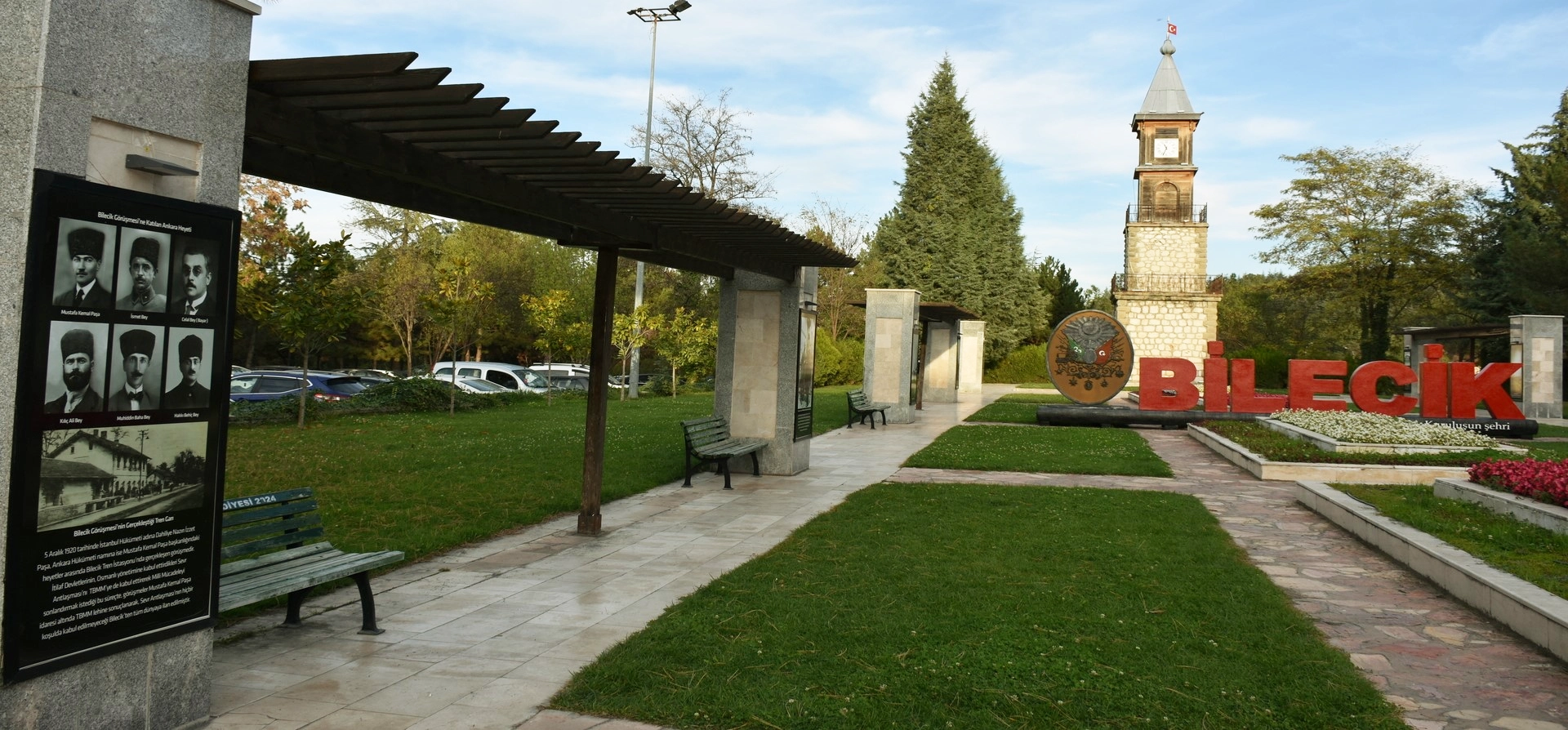
Discover early Ottoman landmarks, museums, historic towns, memorial landscapes and natural areas across Bilecik Province.
View Bilecik GuidePair Bozüyük's 16th-century Ottoman heritage with the province's foundation history and War of Independence landscapes.
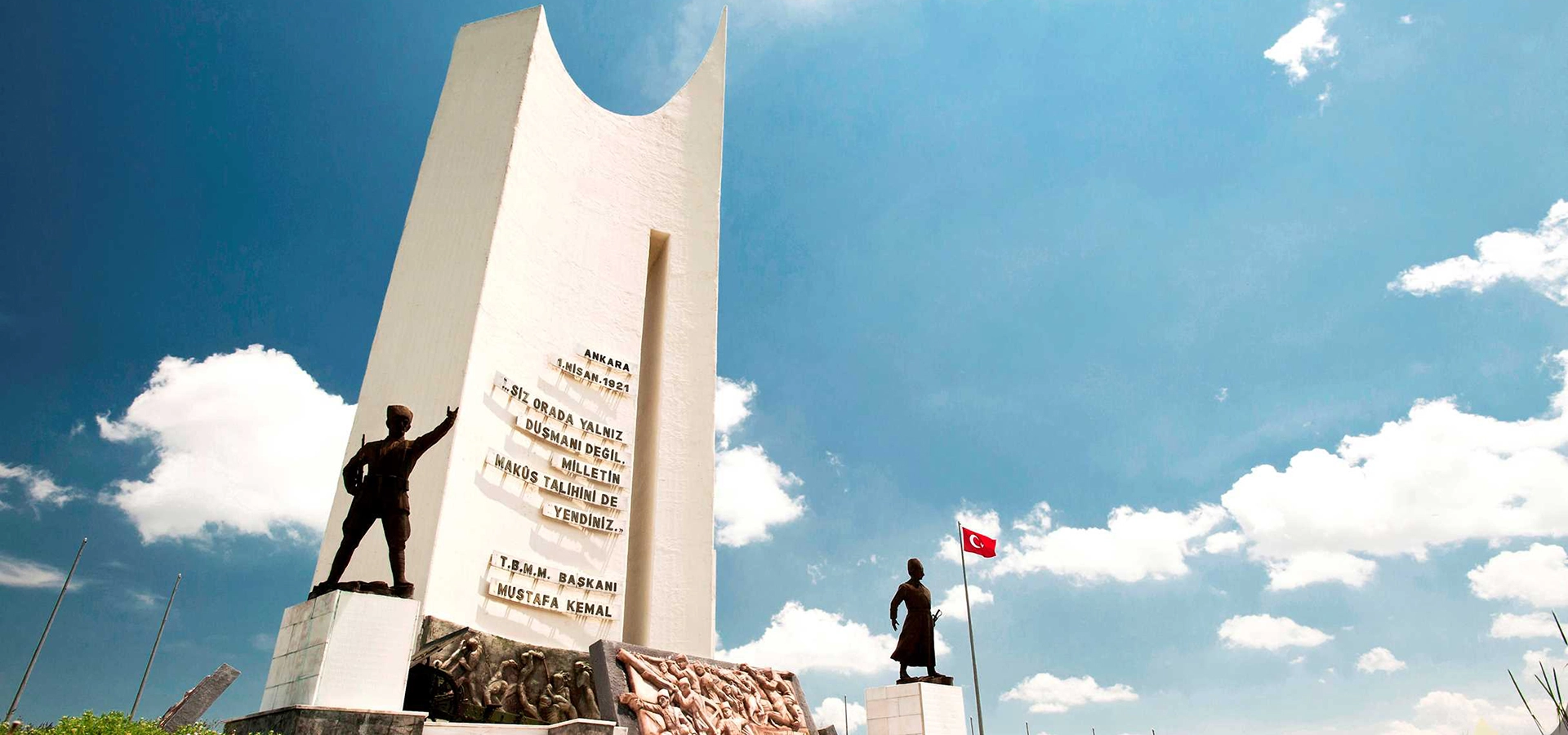
Explore the strategic landscape associated with the First and Second Battles of İnönü near Bozüyük.
Explore Metristepe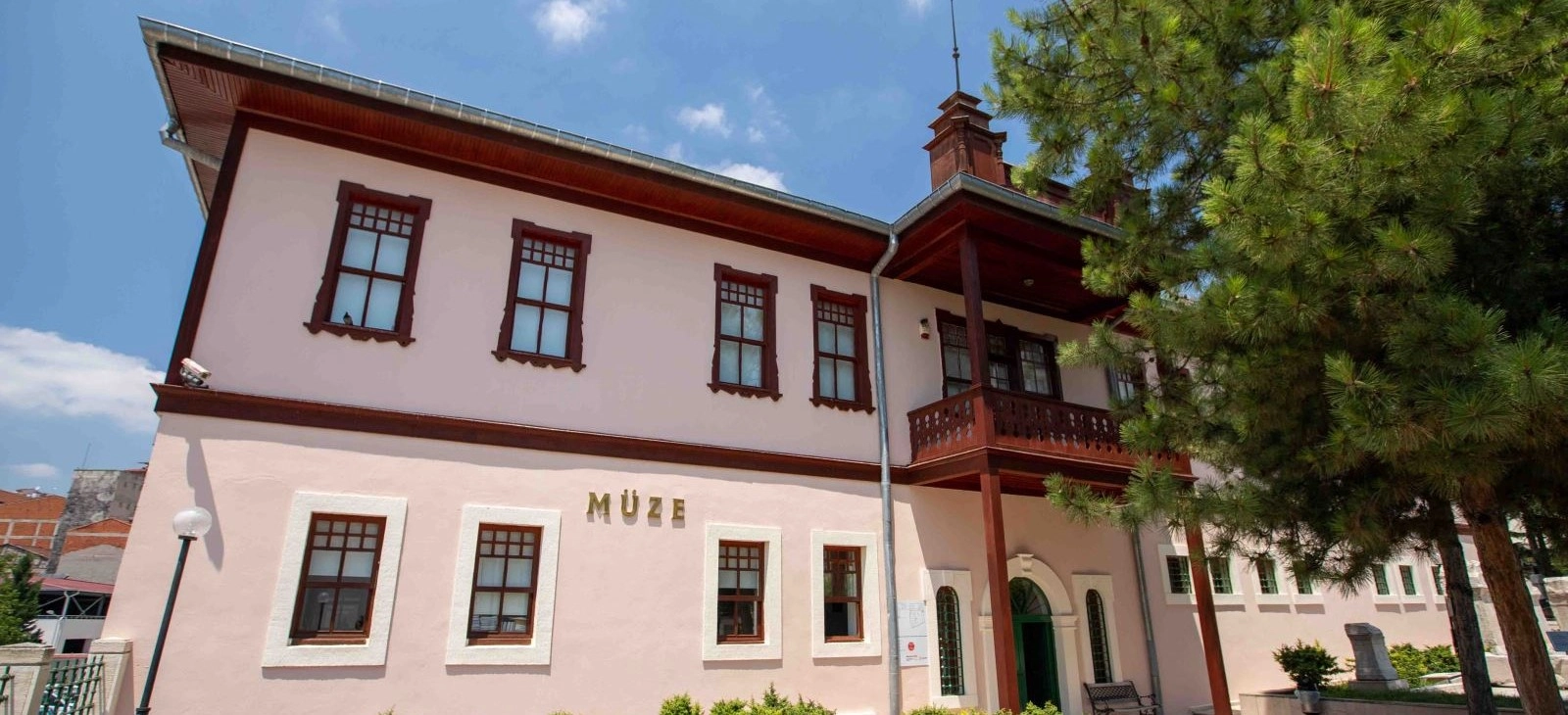
Explore archaeology, ethnography and the layered history of Bilecik Province.
Explore Bilecik Museum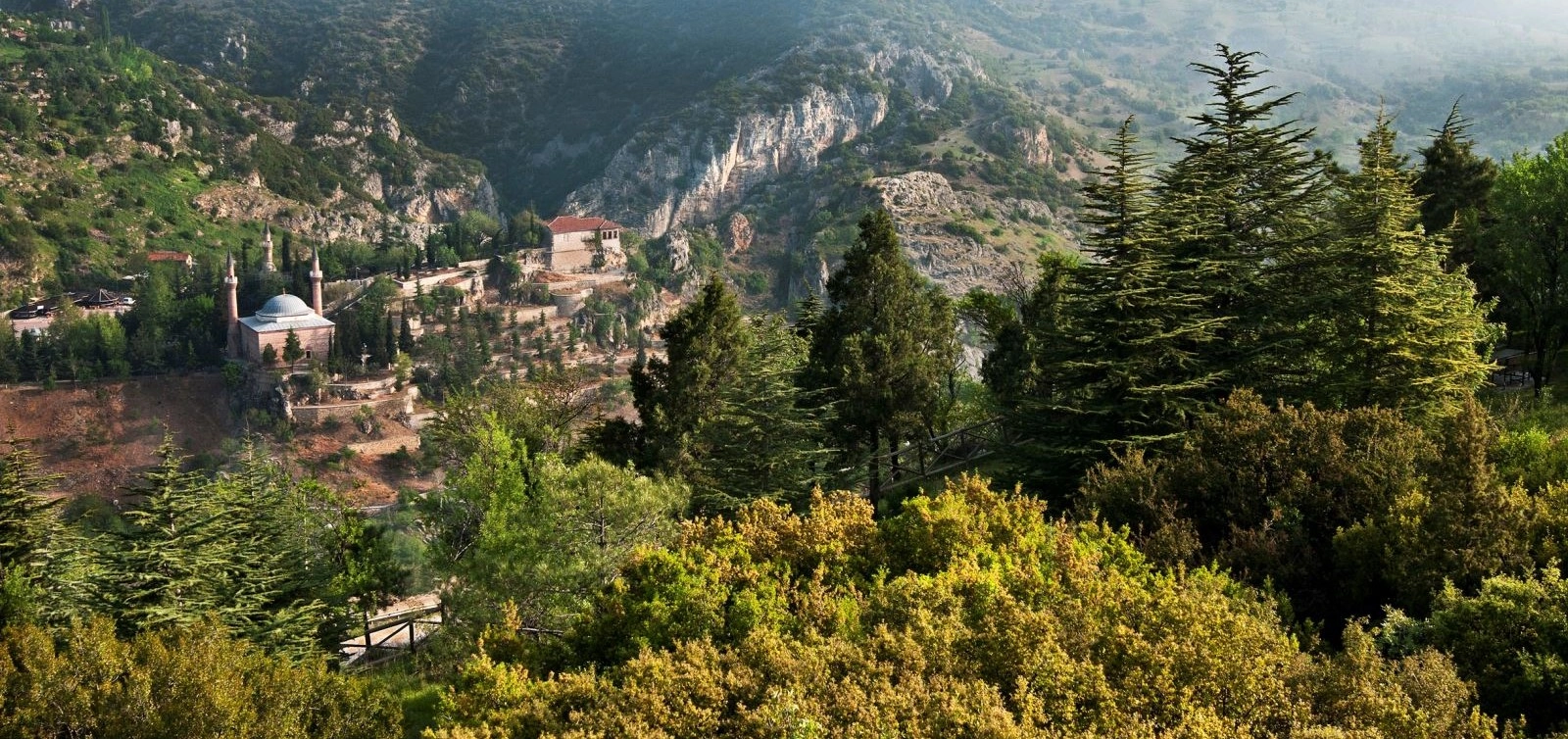
Discover one of Bilecik's most important spiritual landmarks connected with the birth of the Ottoman state.
Explore Sheikh Edebali Tomb