Religion, Roads, River Crossings and Frontier Memory
Why Are Gazi Mihal Mosque and Bridge Important?
The site preserves a rare combination of early Ottoman religious architecture and the infrastructure of movement between Edirne and the Balkans.
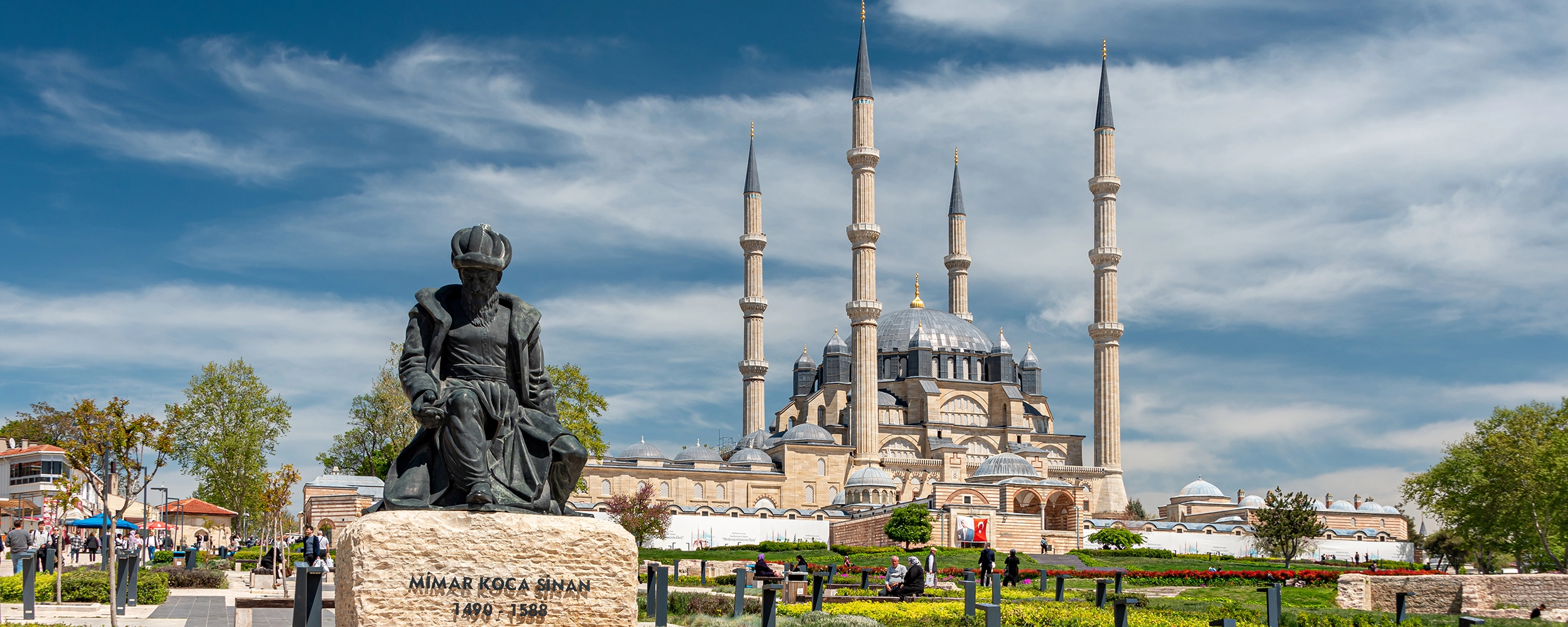
Many visitors experience Edirne through the monumental center around Selimiye, the Old Mosque and the covered bazaars. The Gazi Mihal district reveals a very different side of the former Ottoman capital: the edge of the city, where roads crossed water and travelers approached from Rumelia.
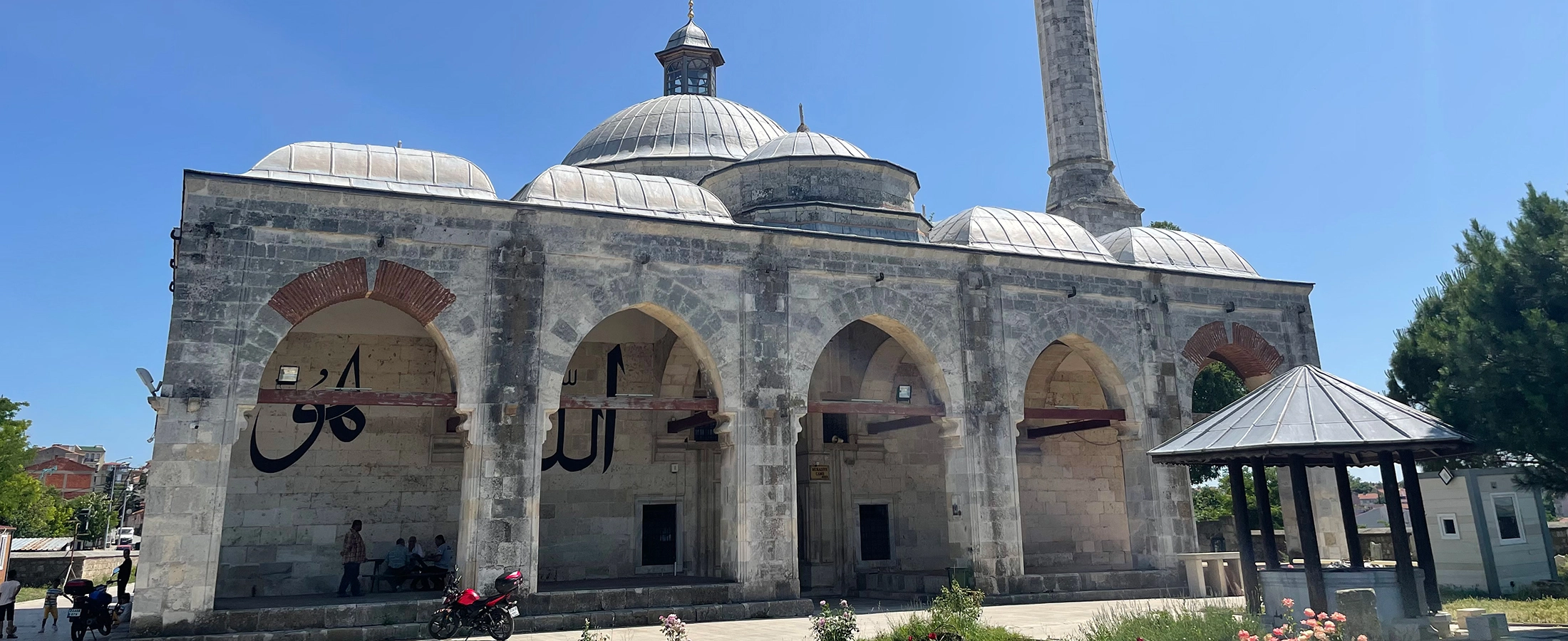
The mosque is important architecturally because it belongs to the early Ottoman tradition of zaviye-mosques with tabhane rooms. These buildings combined prayer with spaces linked to hospitality, dervish life, travelers and charitable activity. Their layouts belong to a formative period before the great centralized mosque architecture of the classical Ottoman age.
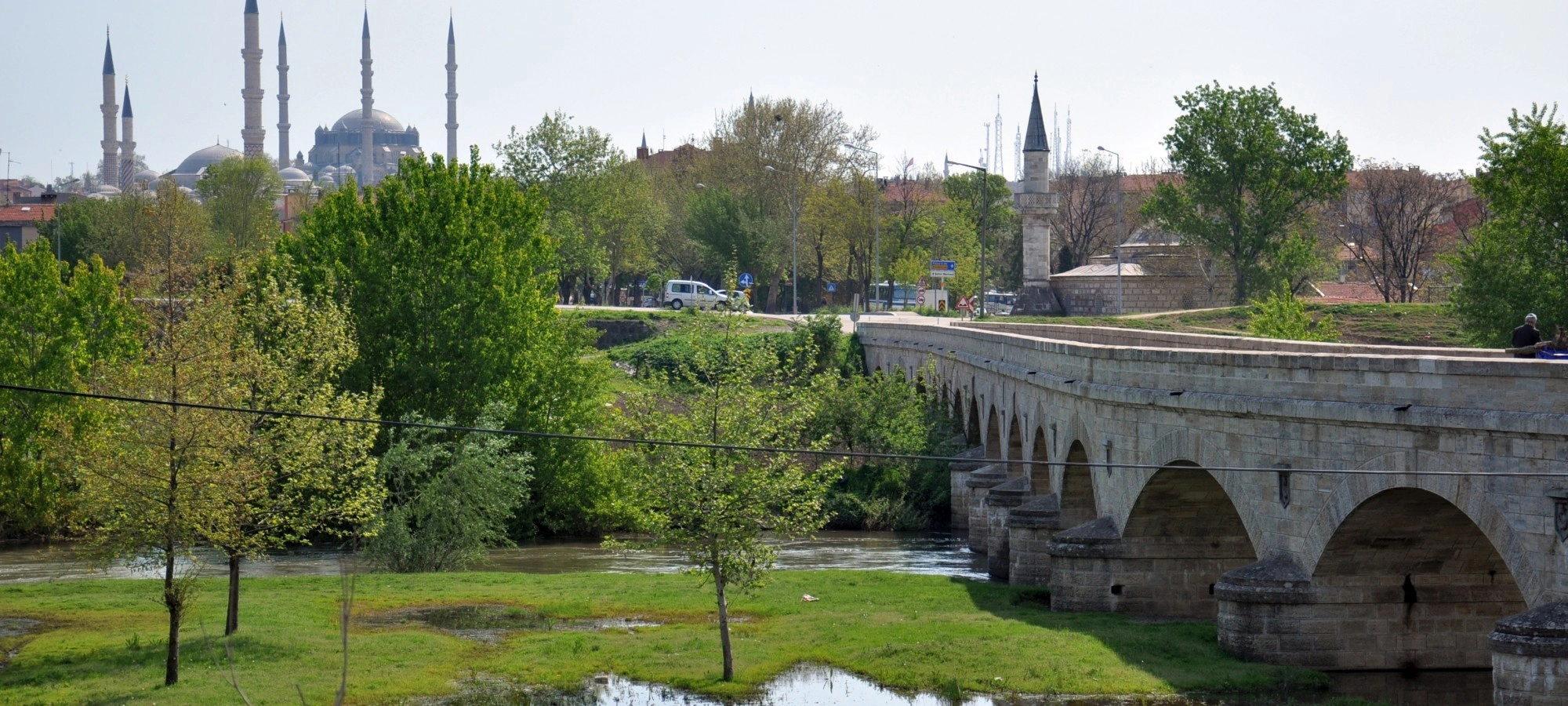
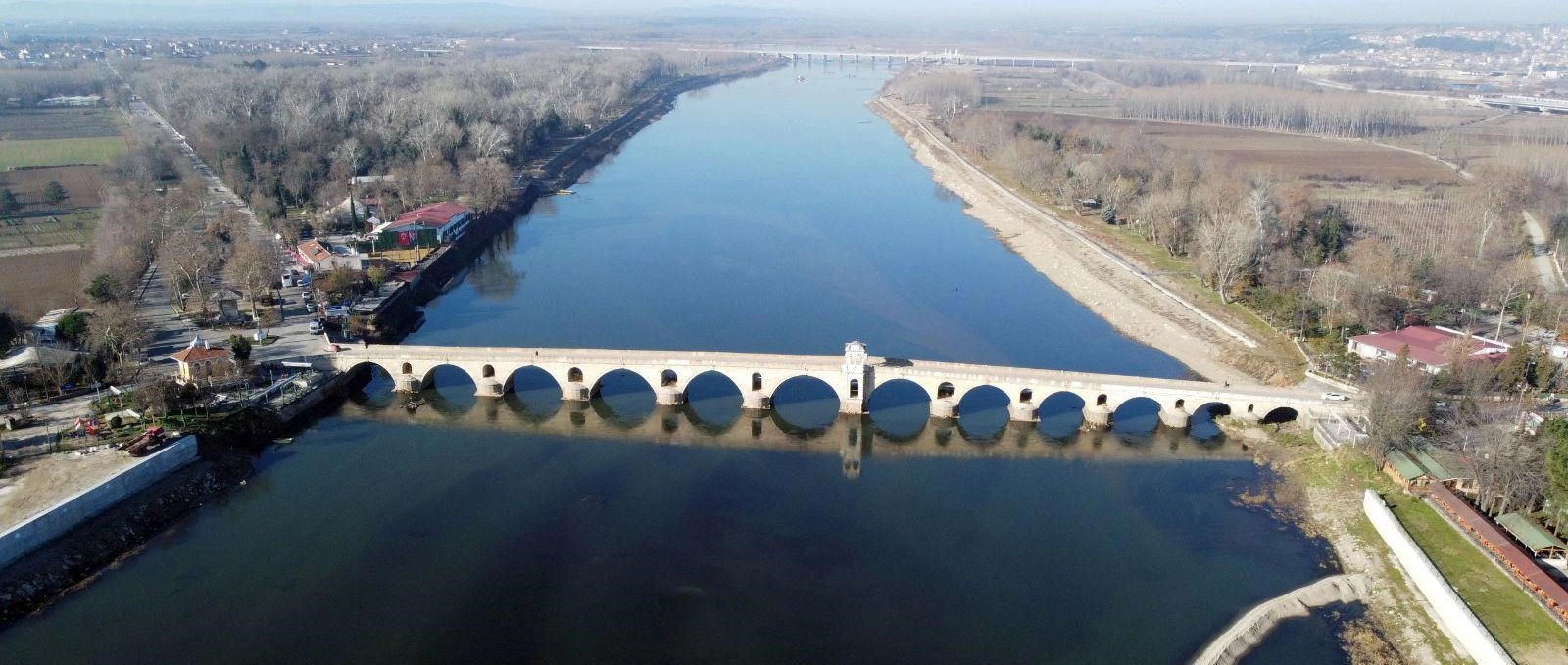
The bridge adds an even deeper historical layer. Its earliest origin is uncertain, but evidence and historical tradition connect the crossing with the pre-Ottoman city. The structure was then repeatedly repaired and rebuilt as Edirne's political and strategic importance changed. What visitors see today is therefore not one untouched medieval bridge, but the result of centuries of adaptation.
The site is also inseparable from the Mihaloğulları, one of the families associated with Ottoman frontier warfare and expansion in the Balkans. Their monuments across Rumelia show how military elites also created mosques, bridges, baths and charitable foundations that helped shape newly integrated Ottoman landscapes.
For travelers following our complete guide to places to visit in Edirne, Gazi Mihal Mosque and Bridge are especially valuable because they connect architecture with geography. Here the Tunca is not simply picturesque scenery; it explains why the bridge, mosque, bath and road developed together.