Private Edirne Palace & Imperial Edirne Tour
Ask us about a tailor-made route focused on Ottoman palace life, Saray-ı Cedid-i Amire, historic bridges, Selimiye and the great monuments of the former Ottoman capital.
Request a Custom Tour





The Edirne Palace, historically known as Saray-ı Cedid-i Amire or the New Imperial Palace of Edirne, was one of the most important royal residences of the Ottoman dynasty. It stood within a vast landscaped estate beside the Tunca River, north of Edirne's historic center.
Construction began during the reign of Sultan Murad II around 1450 and continued under his son Sultan Mehmed II, the conqueror of Constantinople. Over the following centuries the palace grew into an enormous complex of ceremonial halls, royal apartments, gardens, kitchens, baths, pavilions, service buildings, courtyards and bridges.
Although Istanbul became the principal Ottoman capital after 1453, Edirne remained a favorite imperial residence. Sultans returned here for military campaigns, hunting expeditions, court ceremonies and extended stays, particularly during the 16th and 17th centuries.
Much of the palace was eventually destroyed by earthquakes, fire, abandonment, military occupation and the catastrophic events surrounding the Russo-Ottoman conflicts of the 19th century. Today only parts of the once enormous complex survive, while a major restoration and reconstruction program is gradually returning several important structures to the historic landscape.
Explore an imperial residence begun under Murad II and expanded under Mehmed II.
Discover the monumental pavilion that formed the architectural heart of the palace.
Understand a royal landscape of gardens, hunting grounds, waterways and pavilions.
Witness one of Türkiye's most ambitious projects to revive a lost Ottoman palace complex.
Essential information about Saray-ı Cedid-i Amire and the historic Sarayiçi palace grounds.
Sarayiçi, beside the Tunca River, immediately north of central Edirne.
Open on Google MapsBegun around 1450 under Murad II and greatly developed under Mehmed II.
One of the principal imperial residences of the Ottoman dynasty outside Istanbul.
A vast complex of courtyards, pavilions, royal apartments, kitchens, gardens and service buildings.
Major restoration, reconstruction and archaeological work is continuing across the palace complex.
Allow approximately 1–2 hours for the Sarayiçi landscape and accessible exterior monuments.
The palace reveals how Ottoman imperial life developed before and alongside the great royal complexes of Istanbul.
Edirne Palace is one of the most important places for understanding the development of Ottoman palace architecture and ceremonial life. It belonged to a period when the dynasty was transforming from a frontier principality into one of the major imperial powers of Europe and the Mediterranean.
The palace was begun only a few years before the conquest of Constantinople. It therefore provides an important architectural bridge between the earlier Ottoman court and the more elaborate imperial traditions later associated with Topkapı Palace in Istanbul.
Edirne remained strategically important even after the capital moved to Constantinople. Its location close to the Balkan frontiers made the city an ideal base for military campaigns, while its rivers, forests and open countryside also made it attractive for royal hunting.
Several Ottoman rulers spent substantial periods here. The palace expanded with new apartments, ceremonial spaces, gardens and pavilions, becoming not one building but an entire imperial city within the city.
For travelers exploring our complete guide to places to visit in Edirne, the palace adds another dimension to famous monuments such as Selimiye Mosque. It reveals Edirne not simply as a provincial Ottoman city, but as one of the dynasty's most important royal centers.
The story of Edirne Palace begins in the final years before the Ottoman conquest of Constantinople. Around 1450, Sultan Murad II began constructing a new royal residence on the fertile land beside the Tunca River.
Work was interrupted by Murad II's death in 1451 but continued under Sultan Mehmed II. The young ruler transformed the palace into an important dynastic residence, while simultaneously preparing for and later ruling the rapidly expanding Ottoman Empire.
The palace continued to develop during the 16th century. Under Sultan Süleyman the Magnificent, new buildings and landscape features were added, including the surviving Adalet Kasrı.
Edirne enjoyed another great period of palace life in the 17th century. Sultan Mehmed IV, often called Avcı Mehmed because of his passion for hunting, spent considerable time in Edirne. The palace and surrounding hunting grounds became an important center of court life.
Later rulers including Mustafa II and Ahmed III also used the palace, but Edirne's political importance declined during the 18th century. Periods of abandonment allowed buildings to deteriorate, while the great earthquake of 1752 and later fires caused further damage.
The palace suffered heavily during the Russian occupation of Edirne in 1829. Some structures were later repaired during the 19th century, but the complex never recovered its former magnificence.
The decisive destruction occurred during the crisis of the 1877–1878 Russo-Ottoman War. Parts of the palace were being used to store ammunition. As Russian forces approached Edirne, the ammunition was destroyed to prevent it from falling into enemy hands, causing devastating damage to the remaining palace buildings.
Afterward, ruined structures were gradually dismantled and architectural materials were reused elsewhere. By the 20th century, only a fraction of the vast royal complex remained visible.
Murad II begins construction of the new imperial palace beside the Tunca River.
Mehmed II develops the palace during the extraordinary expansion of the Ottoman state.
Süleyman the Magnificent and later rulers expand the palace and its ceremonial landscape.
The palace becomes especially important during the reign and hunting expeditions of Mehmed IV.
A major earthquake contributes to the deterioration of the increasingly neglected complex.
Russian forces occupy Edirne and use parts of the palace during their occupation.
Military destruction during the Russo-Ottoman War devastates much of the remaining palace.
Archaeological excavation, conservation and large-scale restoration seek to recover the palace landscape.
The Ottoman name Saray-ı Cedid-i Amire can be translated approximately as "the New Imperial Palace". The word saray means palace, cedid means new, and amire refers to something imperial or belonging to the sovereign.
The name distinguished the complex from earlier royal residences in Edirne. As the Ottoman court grew in scale and ceremony, the new palace provided space for a much larger imperial household.
Today the site is usually called simply Edirne Sarayı, Edirne Palace, Yeni Saray, or Saray-ı Cedid-i Amire. The wider district is known as Sarayiçi, meaning approximately "inside the palace."
The historic palace occupied an enormous area along the Tunca River. Rather than being arranged around one monumental block, its buildings were spread across a sequence of ceremonial courts, private royal zones, gardens and service areas.
Historical records and archaeological research indicate that the wider palace landscape contained dozens of pavilions, apartments, baths, kitchens, gates, barracks, storage buildings, gardens and bridges. Only a small percentage of these survive above ground.
A ceremonial court associated with palace processions, officials and public aspects of court life.
The Gate of Felicity controlled movement toward more restricted areas of the palace.
The Audience Chamber was associated with formal meetings between the sultan and high officials or envoys.
The monumental multi-storey pavilion formed one of the palace's principal royal structures.
Private apartments housed members of the imperial family and palace household.
The imperial kitchens supplied food for the ruler, household, officials and palace service.
The private royal garden contained trees, flowers, waterways and pleasure pavilions.
Service quarters, military personnel, workshops and administrative functions supported imperial life.
The most famous structure of Edirne Palace is the Cihannüma Kasrı, sometimes referred to in historical sources by names associated with the imperial throne pavilion and private royal apartments.
The pavilion was constructed during the reign of Mehmed II and became one of the dominant architectural landmarks of the palace. Historical descriptions present it as a tall, multi-storey structure with commanding views over the palace estate.
Its name, Cihannüma, carries the sense of "showing the world" or "viewing the world," an appropriate title for a high royal pavilion overlooking the surrounding gardens and landscape.
The building contained spaces associated with the ruler's private and ceremonial life, including rooms traditionally identified with the Has Oda, royal treasury, imperial library and sacred palace objects.
Centuries of repair altered the structure, and the destruction of the palace reduced Cihannüma Kasrı to a fragmentary condition. Its reconstruction and restoration has therefore become one of the principal elements of the modern palace project.
Cihannüma stood at the center of the most prestigious areas of the palace.
The surviving historic structure is closely associated with the reign of the conqueror of Constantinople.
Unlike many low Ottoman palace pavilions, Cihannüma rose dramatically above the surrounding complex.
Its elevated upper levels looked across the gardens, waterways and surrounding countryside.
Important rooms were connected with the sultan's private and ceremonial household.
The pavilion is one of the central monuments being reconstructed and conserved in the current project.
The Babüssaade, or Gate of Felicity, was one of the most symbolically important entrances within the Ottoman palace system. Passing through such a gate represented movement from the more public administrative world into increasingly restricted spaces associated directly with the sovereign.
The Edirne example stood between important palace courts and formed part of the ceremonial approach toward the ruler's private domain. Its surviving remains have been the focus of archaeological investigation and restoration.
Nearby stood the Arz Odası, or Audience Chamber. Here the sultan could receive senior officials, ambassadors and other visitors within a tightly controlled setting designed to reinforce imperial authority.
The elegant Adalet Kasrı is one of the best-preserved historic structures associated with Edirne Palace. It was built during the reign of Sultan Süleyman the Magnificent and is traditionally dated to 1561.
The tower is associated with the palace's judicial and administrative functions. Its survival makes it one of the most recognizable visual symbols of Sarayiçi today.
The structure was designed in the form of a tall, multi-storey tower crowned by a pyramidal roof. Its elevated position expressed both physical and symbolic authority.
Two famous stones traditionally associated with Ottoman justice stand nearby. One is known as the Seng-i Arz, where petitions were said to be presented, while another was associated with the public display of punishment.
The tower belongs to the great architectural development of Edirne during the reign of Süleyman the Magnificent.
Its symbolism reflects the central role of law and justice in Ottoman political ideology.
Unlike most of the palace, Adalet Kasrı survived substantially above ground.
The tower remains one of the easiest historic palace structures to recognize from the surrounding landscape.
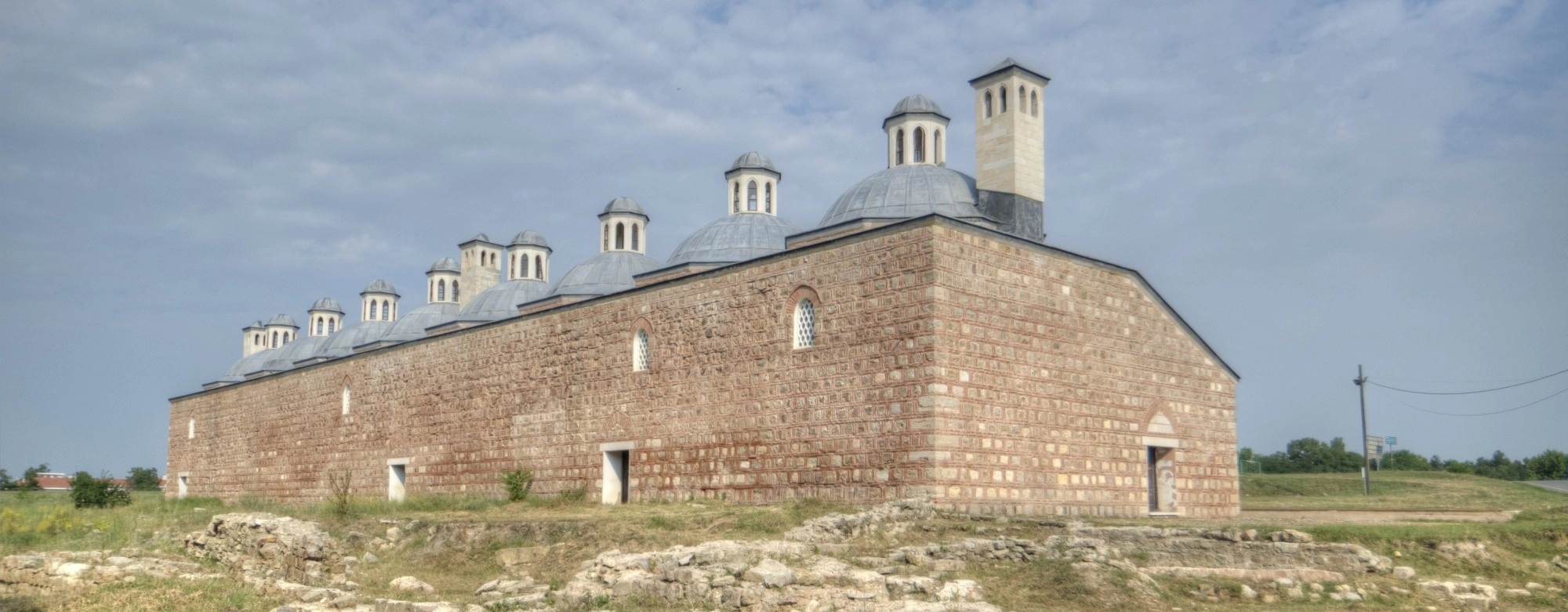
The Matbah-ı Amire, or Imperial Kitchens, demonstrates the enormous logistical organization required to maintain an Ottoman palace.
Food had to be prepared not only for the sultan and imperial family but also for officials, guards, servants and other members of the court. Major ceremonies could multiply these demands dramatically.
The Edirne palace kitchens were organized as a large masonry structure containing several domed sections and cooking spaces. Archaeological investigation has helped reconstruct how these areas functioned within the wider palace service system.
The kitchens are particularly useful for understanding that royal palaces depended on hundreds or even thousands of people working behind the ceremonial scenes. The visible grandeur of imperial life rested on an enormous network of cooks, gardeners, craftsmen, guards, attendants and suppliers.
The Kum Kasrı was another important pavilion within Edirne Palace. Although much of the pavilion itself disappeared, its associated Kum Kasrı Hamamı survives more substantially.
The bath belonged to the private world of the Ottoman court and provides valuable evidence for palace sanitation, water engineering and everyday royal life.
Its rooms followed the basic sequence familiar from Ottoman bathing culture: cooler entrance spaces, progressively warmer rooms and heated bathing areas supplied by a carefully designed water system.
Archaeological work around the bath has revealed parts of the infrastructure that carried water through the palace. Such discoveries help historians understand the sophisticated technical systems hidden beneath the ceremonial architecture.
Water shaped almost every aspect of Edirne Palace. The complex stood within the landscape of the Tunca River, while channels, fountains, baths and distribution structures brought water into the royal grounds.
A structure known as the Su Maksemi formed part of this system. Water arriving from supply lines could be collected and distributed to different parts of the palace.
Water served practical functions in kitchens, baths and gardens, but it also had aesthetic importance. Ottoman palace gardens used fountains, pools and flowing channels to create sound, movement and cooling effects during the hot summer months.
The palace should be understood as much through its landscape as through its architecture. Large areas were devoted to the Hasbahçe, or private imperial garden, where pavilions stood among trees, flowerbeds and waterways.
Ottoman court gardens were not designed as rigid monumental compositions in the later European tradition. Instead, architecture and vegetation were often arranged to create a series of intimate garden spaces, shaded resting places, waterside pavilions and changing views.
The rivers surrounding Sarayiçi made the setting especially attractive. The sultan could move between ceremonial palace spaces, gardens, hunting grounds and recreational pavilions without leaving the protected royal landscape.
This relationship between palace and nature became especially important during the reign of Mehmed IV, whose enthusiasm for hunting earned him the popular nickname Avcı Mehmed, or Mehmed the Hunter.
The private imperial garden formed one of the most prestigious areas of the palace estate.
The surrounding river landscape provided water, scenery and natural separation from the city.
Small royal structures allowed the dynasty to dine, rest and enjoy different parts of the gardens.
The countryside around Edirne provided extensive landscapes for the royal hunt.
Bridges were essential to Edirne Palace because the royal landscape developed around channels and branches of the Tunca River.
The surviving Fatih Köprüsü, also known in connection with the palace grounds, helped connect different sections of the estate.
Another important bridge associated with the palace landscape is the Kanuni Bridge, constructed during the reign of Süleyman the Magnificent and traditionally attributed to the great Ottoman architect Mimar Sinan.
These bridges were not merely transport infrastructure. They formed part of the visual and ceremonial composition of Sarayiçi, linking gardens, palace zones and roads leading toward Edirne.
At its height, Edirne Palace was filled with officials, soldiers, servants, craftsmen, religious scholars, musicians, cooks, gardeners and members of the imperial household.
When the sultan was present, the arrival of the royal court could transform Edirne. Supplies, horses, weapons, food, textiles and ceremonial equipment had to be transported and organized on an enormous scale.
The palace witnessed important dynastic ceremonies, military preparations, diplomatic meetings and celebrations. Royal hunting expeditions could involve large entourages and extended stays in the surrounding countryside.
Some of the most spectacular Ottoman celebrations connected with Edirne occurred during the 17th century, when the city temporarily functioned almost as an alternative imperial capital.
The disappearance of Edirne Palace was not caused by one single disaster. Instead, the palace declined through a long combination of political abandonment, natural disasters, warfare, fire and deliberate destruction.
When Ottoman rulers began spending less time in Edirne during the 18th century, maintenance became increasingly difficult. A large palace complex required constant repairs, and even short periods of neglect could damage roofs, timber structures and elaborate interiors.
The 1752 Edirne earthquake caused severe damage, and fires later affected additional palace structures.
During the Russian occupation of 1829, parts of the complex were used by the occupying army. Some restoration followed, but the palace remained vulnerable.
The final catastrophe came during the 1877–1878 Russo-Ottoman War. With Russian forces approaching Edirne, ammunition stored within the palace area was destroyed to prevent its capture. The resulting explosions devastated many surviving buildings.
After the war, stone, brick, timber and architectural fragments from the ruins were reused elsewhere. By the early 20th century, the former imperial residence had become primarily an archaeological landscape.
Modern understanding of Saray-ı Cedid-i Amire depends heavily on archaeology. Because so many palace buildings disappeared, researchers combine excavated foundations with Ottoman archival documents, historic photographs, plans and written descriptions.
Excavations have investigated areas such as Babüssaade, the Arz Odası, Kum Kasrı Hamamı, the imperial kitchens and other palace structures.
Archaeologists can identify wall foundations, floor levels, water channels, heating systems, ceramic fragments and architectural decoration that would otherwise remain unknown.
The process is especially important because reconstruction must distinguish between surviving original masonry, archaeologically documented foundations and later modern additions.
Edirne Palace is currently undergoing a major restoration, reconstruction and landscape rehabilitation project under the Presidency of National Palaces.
The palace area was transferred to the Presidency of National Palaces in October 2022, after which a multi-year master plan was created for the recovery of the complex.
Work includes archaeological research, documentation of surviving structures, structural conservation, restoration, reconstruction of selected historic buildings, landscape improvement and the preparation of future museum and visitor spaces.
One of the most visible projects has been the revival of Cihannüma Kasrı, whose monumental height is again becoming a defining feature of the Sarayiçi skyline.
Restoration also involves structures such as Babüssaade, Arz Odası, Kum Kasrı, palace kitchens, garden walls, water structures and other elements of the royal estate.
The long-term objective is not merely to restore isolated buildings, but to recreate a much clearer understanding of how the complete Ottoman palace landscape functioned.
Excavation provides evidence for lost walls, floors, water systems and palace buildings.
Original masonry and surviving architectural fragments are stabilized wherever possible.
Selected buildings are being rebuilt where historical and archaeological evidence supports their form.
The project aims to recover the relationship between buildings, courtyards, gardens and waterways.
Future interpretation is expected to explain palace life, archaeology and Ottoman court culture.
The completed project is intended to transform Sarayiçi into a major cultural and historical destination.
Because restoration is continuing, what can be seen clearly may change over time. Even so, the Sarayiçi area already contains several landmarks that help visitors understand the enormous scale of the former palace.
See the monumental royal pavilion forming the architectural centerpiece of the restoration project.
View the surviving Tower of Justice associated with Süleyman the Magnificent.
Understand the ceremonial threshold between different zones of the imperial palace.
Explore the location of the royal Audience Chamber used for formal court receptions.
Discover the imperial kitchen complex that supplied the enormous palace household.
Study a rare surviving example of the private bathing facilities of the Ottoman court.
Cross or view one of the historic bridges connecting sections of the Sarayiçi landscape.
See the elegant Ottoman bridge traditionally associated with Mimar Sinan.
Imagine the former Hasbahçe spreading across the green river landscape surrounding the buildings.
Look for excavated walls and archaeological traces showing where vanished palace structures once stood.
The name Sarayiçi remains attached to the former palace landscape and is familiar throughout Türkiye because of its association with Kırkpınar Oil Wrestling.
Kırkpınar is one of Türkiye's most famous traditional sporting festivals and an important symbol of Edirne. Its modern Sarayiçi setting created an unusual relationship between living cultural tradition and the archaeological remains of the Ottoman court.
Visitors should therefore understand Sarayiçi as more than an archaeological site. It is also a modern recreational, ceremonial and cultural landscape deeply connected with Edirne's contemporary identity.
A visit to Edirne Palace currently differs from visiting Selimiye Mosque or a fully operational museum. The site covers a broad landscape and restoration work may restrict access to individual monuments.
Construction fencing, equipment and temporary route changes are normal while the palace project continues.
The palace landscape is easiest to understand and photograph during daylight hours.
Expect grass, gravel, uneven historic surfaces and distances between individual monuments.
Restricted areas may contain excavations, unstable masonry or active construction work.
Sarayiçi is open and spacious, and facilities may not be available beside every palace structure.
Palace monuments can be combined with Ottoman bridges and other attractions along the Tunca River.
Visible areas can change as different restoration phases begin or finish.
Look for current announcements from National Palaces before making a palace-focused journey.
Begin your visit by approaching the Sarayiçi palace landscape from central Edirne. The rivers and historic bridges immediately help explain why this location appealed to the Ottoman court.
Continue toward the surviving palace zone and identify the monumental Cihannüma Kasrı, which once dominated the royal complex. Nearby, look for the ceremonial areas associated with Babüssaade and the Arz Odası.
Continue toward Adalet Kasrı, one of the clearest surviving monuments from the Ottoman palace. From here, the open landscape gives a better sense of the enormous scale of the former Hasbahçe.
If accessible, continue toward the palace kitchens, Kum Kasrı Hamamı and surviving water-related structures. Finish by exploring the bridges and river scenery of Sarayiçi.
Edirne Palace is currently undergoing an extensive restoration, reconstruction and archaeological program managed by the Presidency of National Palaces.
As of 2026, the complete palace has not yet reopened as a finished museum complex. Access to individual structures and archaeological areas may therefore vary according to restoration activity.
The current restoration master plan includes numerous palace structures, landscape elements and future visitor facilities. National Palaces has announced the objective of completing the wider project toward the end of 2027.
Because the situation is changing, it is better to check current announcements shortly before visiting rather than relying on permanent opening-hour or ticket information.
Much of the palace experience is currently outdoors, so weather, daylight and river conditions strongly influence the visit.
Green landscapes, mild weather and flowering vegetation make Sarayiçi especially attractive.
Comfortable temperatures and warm light are excellent for walking and photography.
Visit earlier in the day before strong heat develops across the open palace grounds.
The palace can be atmospheric but expect cold wind, rain and occasionally muddy ground.
Usually quieter than major festival periods and busy summer weekends.
Late-afternoon light beautifully emphasizes Adalet Kasrı, bridges and the river landscape.
Enough for a quick exterior look at Sarayiçi and one major surviving palace monument.
See Cihannüma Kasrı, Adalet Kasrı and the central palace landscape.
The best choice for exploring several palace monuments, gardens and nearby bridges.
Combine Edirne Palace with riverside monuments, historic bridges and other northern Edirne sights.
Edirne Palace offers unusual photography opportunities because monumental ruins, reconstructed architecture, river landscapes and open meadows all occupy the same historic setting.
Use wider compositions to show the pavilion rising above the restored palace landscape.
The slender Tower of Justice works especially well with open sky and surrounding greenery.
Use the Tunca River to frame Ottoman bridges and palace monuments together.
Photograph original masonry beside restored or reconstructed sections to document the site's changing appearance.
Green vegetation gives a sense of how strongly nature shaped the historic Hasbahçe.
Never enter archaeological trenches or construction zones simply to obtain a better camera angle.
Accessibility currently varies considerably because the palace landscape includes roads, grass, archaeological surfaces, historic bridges and active restoration zones.
Several monuments can be appreciated from relatively level public areas without entering historic interiors.
Expect grass, gravel, historic paving and construction-related temporary surfaces.
Check current accessible routes after restoration phases are completed, as temporary conditions can change.
Large-wheeled strollers are easier to manage on rough outdoor surfaces than lightweight models.
The open Sarayiçi landscape offers space to pause, but shade may be limited in exposed areas.
A vehicle can make it easier for travelers with limited mobility to connect widely separated Sarayiçi landmarks.
Edirne Palace lies north of the historic city center in Sarayiçi, beside the Tunca River. The distance from central Edirne is short, but the palace grounds themselves cover a large area.
A short taxi or private-vehicle ride connects the central monument district with Sarayiçi.
One of the simplest options for visitors who want to move directly between central Edirne and the palace.
Useful for combining the palace with bridges and other sites scattered along Edirne's river landscape.
Possible for visitors who enjoy longer urban walks, but allow additional time for the return journey.
The relatively flat river landscape can be attractive for cycling where current road conditions allow.
Expect heavier traffic and possible changes to vehicle access around Sarayiçi.
Edirne Palace stands close to several important Ottoman monuments, historic bridges and riverside landscapes. Use our complete Edirne visitor guide to continue exploring the former Ottoman capital.
Visit Mimar Sinan's architectural masterpiece and the great symbol of Ottoman Edirne.
See exquisite early Ottoman tile decoration in one of Edirne's most beautiful historic mosques.
Explore the celebrated Ottoman hospital, medical school and mosque complex beside the Tunca River.
Cross the historic bridge associated with Mimar Sinan and the palace landscape.
Enjoy one of Edirne's most beautiful Ottoman river crossings and sunset landscapes.
Discover surviving Roman and Byzantine fortifications beneath the later Ottoman city.
Explore Edirne's elegant former railway district and the Lausanne Monument.
Step inside one of the great surviving monuments from Edirne's early Ottoman capital period.
Edirne Palace was a major Ottoman imperial residence beside the Tunca River. Its historical name was Saray-ı Cedid-i Amire, meaning approximately the New Imperial Palace.
The palace is located in Sarayiçi, north of Edirne's historic center and beside the Tunca River.
Construction began under Sultan Murad II around 1450 and continued and expanded under his son Sultan Mehmed II. Later Ottoman rulers added many additional buildings.
The initial palace was begun in the mid-15th century, although the complex continued to evolve for several centuries.
The Ottoman name can be translated approximately as the New Imperial Palace. It distinguished the complex from earlier royal residences in Edirne.
Yes. Edirne became an important Ottoman political center before the conquest of Constantinople and remained one of the dynasty's principal cities afterward.
Yes. Although Constantinople became the principal capital, many sultans continued visiting Edirne for military campaigns, hunting, ceremonies and extended periods of residence.
The palace was associated with many rulers, including Murad II, Mehmed II, Süleyman the Magnificent, Mehmed IV, Mustafa II and Ahmed III.
Cihannüma Kasrı was one of the most important royal pavilions of Edirne Palace. Its elevated structure dominated the palace landscape and contained prestigious rooms associated with the sultan.
Adalet Kasrı is the surviving Tower of Justice, built during the reign of Süleyman the Magnificent and traditionally associated with the palace's judicial and administrative functions.
The tower is associated with the architectural program of Mimar Sinan during the reign of Süleyman the Magnificent.
Babüssaade, or the Gate of Felicity, was an important ceremonial gateway controlling access to increasingly private areas of the imperial palace.
The Arz Odası was the Audience Chamber where the sultan could formally receive high officials, ambassadors and other visitors.
The Matbah-ı Amire were the imperial kitchens responsible for feeding the royal household, court officials, guards and palace servants.
The palace declined through abandonment, earthquake, fire, military occupation and destruction during the 19th century. Much of the surviving complex was devastated during the Russo-Ottoman War of 1877–1878.
There was no single cause. Natural disasters, declining use, warfare and the destruction of ammunition stored in the palace during the Russo-Ottoman conflict all contributed to its disappearance.
Only a small fraction of the enormous original palace remained substantially visible into modern times. Archaeological foundations reveal many additional lost buildings.
Yes. A major restoration and reconstruction program is currently recovering several important buildings and attempting to make the historic palace landscape understandable again.
The palace complex is still undergoing major restoration work in 2026 and should not yet be treated as a fully operating palace museum. Access to individual areas can change as work progresses.
The Presidency of National Palaces has announced a target of completing the wider restoration project toward the end of 2027. Project schedules can change, so verify current information before planning a future visit.
Because the complex is still undergoing restoration, there is not yet a permanent visitor arrangement comparable with a fully operational National Palaces museum. Check current official information before visiting.
Around one to two hours is sufficient for a first exploration of Sarayiçi, the principal visible palace structures and surrounding landscape.
Yes. Sarayiçi is only a short distance from central Edirne and is easy to reach by taxi, private vehicle or a longer walk.
Yes. The modern Sarayiçi district surrounding the former palace grounds has long been strongly associated with Edirne's famous Kırkpınar Oil Wrestling tradition.
Yes, especially for travelers interested in Ottoman history. The site reveals an important side of Edirne that is easy to miss: the city was not only filled with mosques and bridges, but was also one of the great residential centers of the Ottoman dynasty.
Never enter construction or archaeological areas closed to visitors.
Historic masonry and excavated foundations may be fragile even when they appear stable.
Stone, pottery and architectural pieces belong to the archaeological site and must remain in place.
Carry away all bottles, food packaging and other waste.
Avoid damaging vegetation or walking across newly restored garden areas.
Restoration conditions can change quickly, so respect all current signs and staff directions.
Connect Saray-ı Cedid-i Amire with Selimiye Mosque, the Sultan Bayezid II Complex, historic bridges and Edirne's extraordinary Ottoman heritage through a private route designed around your interests.
Follow the story of Edirne from Ottoman capital to royal residence, exploring the monuments, palace landscapes and river crossings that shaped the city.
Ask us about a tailor-made route focused on Ottoman palace life, Saray-ı Cedid-i Amire, historic bridges, Selimiye and the great monuments of the former Ottoman capital.
Request a Custom Tour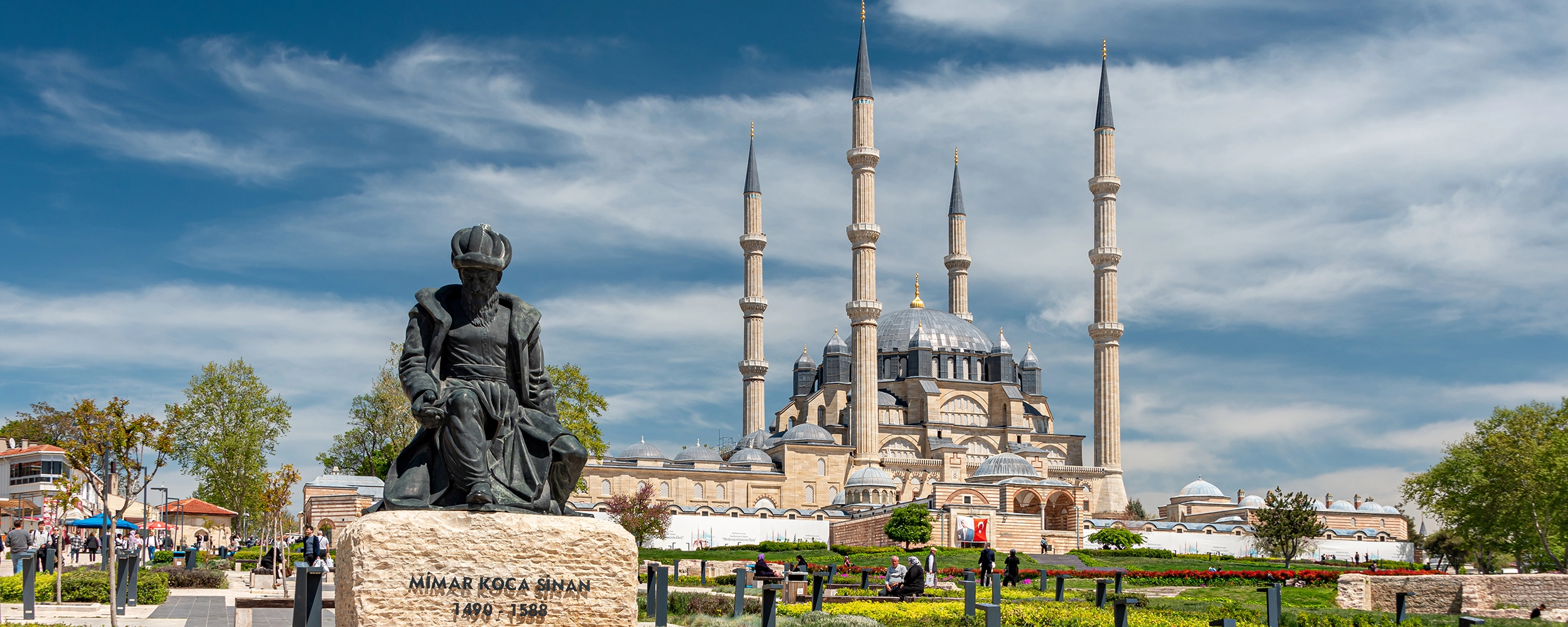
Discover Selimiye Mosque, Ottoman bridges, historic bazaars, museums, palace ruins and one of Türkiye's richest imperial cities.
View Edirne GuideCombine Edirne Palace with mosques, bridges and neighborhoods that reveal more than six centuries of Ottoman history.
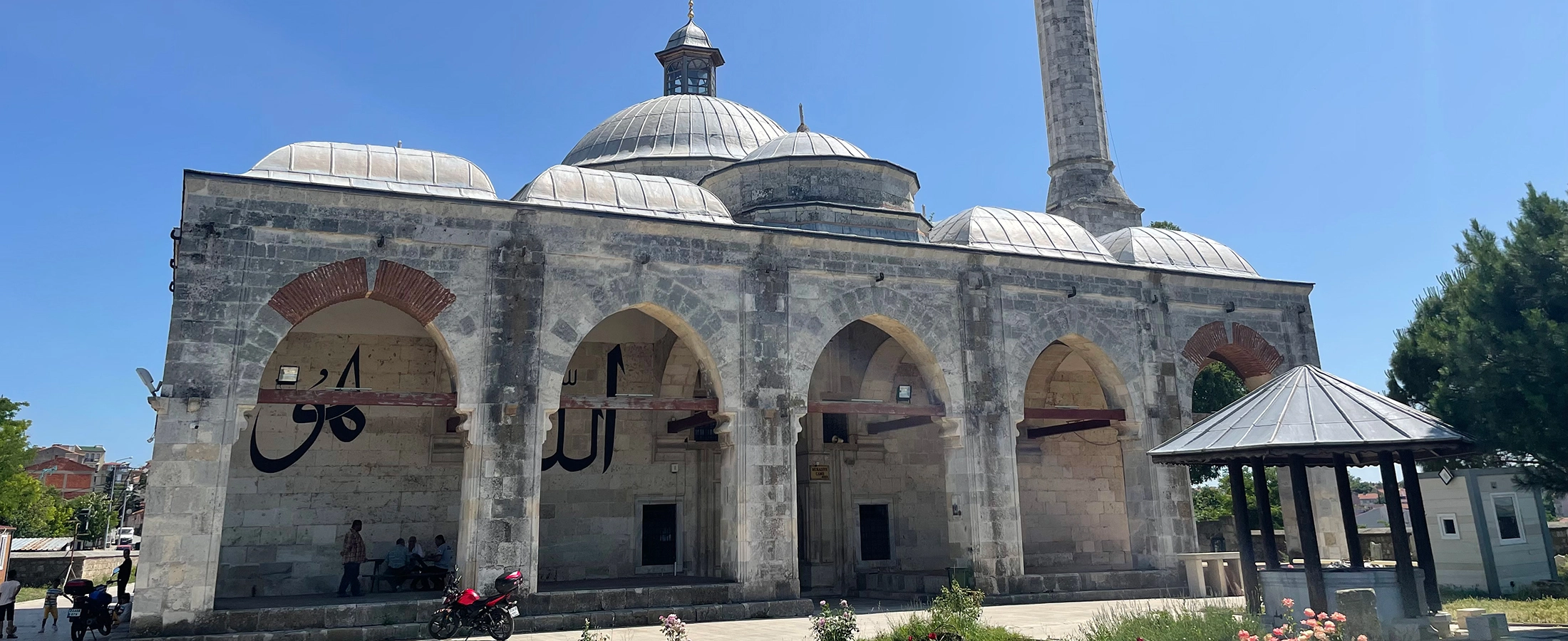
Explore an elegant early Ottoman mosque famous for some of the finest surviving tile decoration in Edirne.
Explore Muradiye Mosque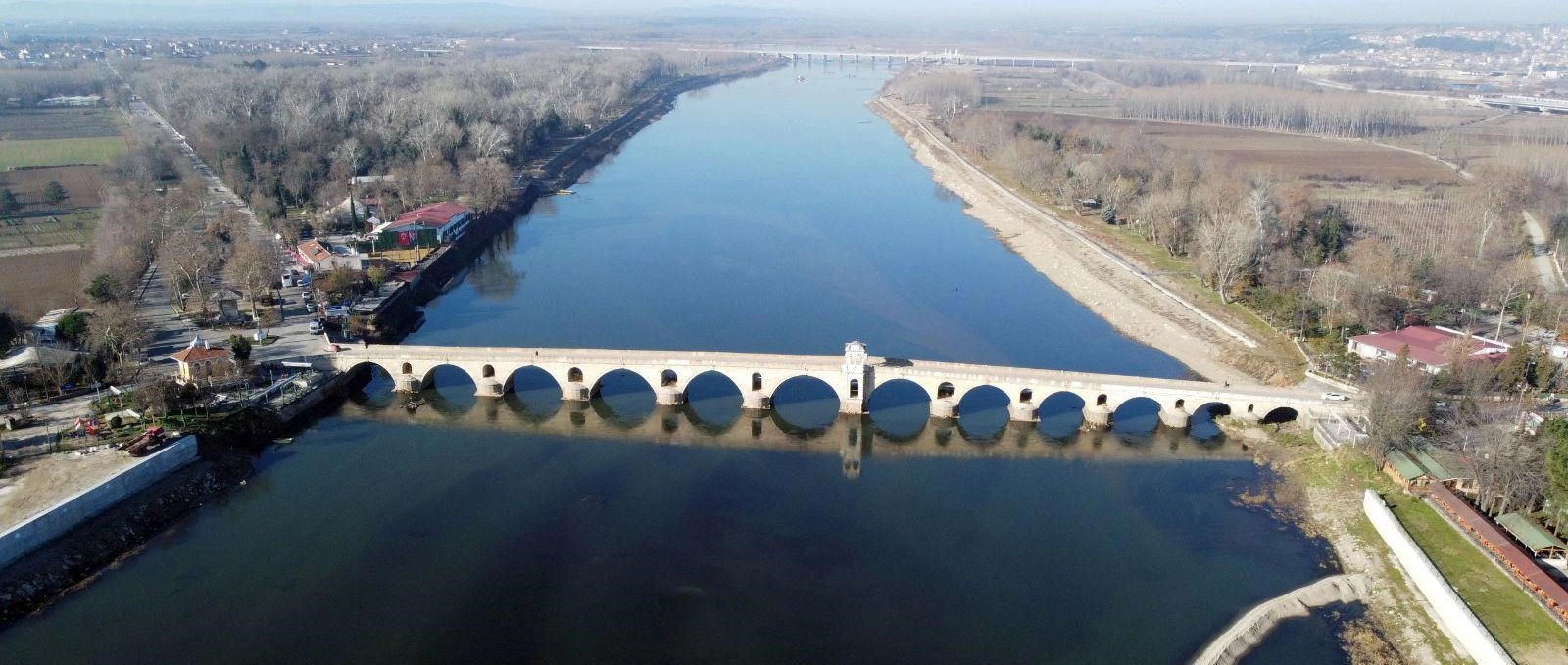
Continue through Edirne's river landscape and admire one of the city's most beautiful Ottoman bridges.
Explore Meriç Bridge
Continue to Selimiye, the Old Mosque, Üç Şerefeli Mosque, Karaağaç and the extraordinary monuments of the Ottoman capital.
Continue Exploring Edirne