Private Adapazarı City Experience
Ask us about a tailor-made city journey combining Çark Street, Historic Uzun Çarşı, Sakarya Museum, Orhan Gazi Mosque and other cultural stops in and around central Adapazarı.
Request a Custom Tour





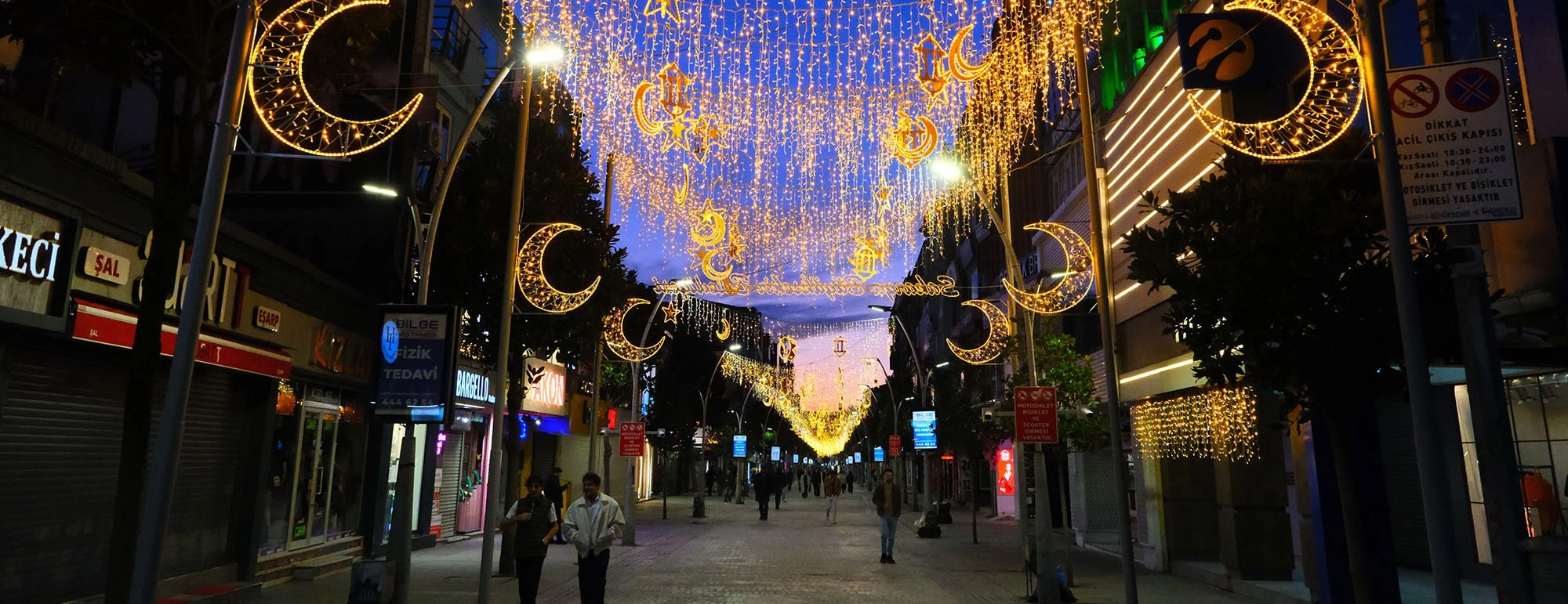
Known in Turkish as Çark Caddesi, this lively pedestrian avenue is one of the most recognizable places in central Adapazarı. For generations, it has been closely associated with shopping, meeting friends, evening walks and the everyday rhythm of the city.
The central section of the street is closed to normal motor traffic, creating a long pedestrian promenade lined with shops, cafés, restaurants, small businesses and places to sit or meet.
Çark Street is not a monumental attraction in the usual sense. Its importance comes from urban life itself: people walking, shopping, stopping for coffee, meeting after work and moving between the historic and modern parts of Adapazarı.
The street also occupies an important position in the city's development. During the twentieth century, Çark Street grew into a major commercial axis and gradually became an alternative shopping center to the older Historic Uzun Çarşı.
Its name recalls an older piece of Adapazarı's water history. The word çark means “wheel,” and the street name is traditionally connected with the historic water wheel system associated with Çark Stream, which once helped supply water toward the city.
Today, the street remains one of the easiest places for visitors to experience modern Sakarya beyond museums and monuments. It also sits within walking distance of several central landmarks, making it a natural part of an Adapazarı city-center itinerary.
The central section is traffic-free and designed primarily for walking, shopping and social life.
Çark Street is widely regarded as one of the city's main symbols and busiest central gathering places.
Retail stores, cafés, food stops and everyday services line both sides of the pedestrian avenue.
Historic bazaars, mosques, museums, parks and central squares can be combined easily with a walk along the street.
Essential information for exploring one of the best-known pedestrian streets in Adapazarı.
Central Adapazarı, Sakarya, within the city's main commercial and historic center.
Open on Google MapsLively pedestrian shopping street and one of Adapazarı's principal social gathering places.
Shopping, cafés, people-watching, evening walks, local atmosphere and city-center exploration.
The public street can be visited throughout the day; individual shops and businesses keep their own opening hours.
Developed strongly as a modern commercial axis during the twentieth century, particularly from the 1940s onward.
Usually liveliest from afternoon into the evening, while mornings tend to be calmer.
Çark Street is important because it reflects how Adapazarı grew from a traditional market town into a modern regional city.
For much of Adapazarı's earlier commercial history, the city's traditional shopping life centered on bazaars such as Uzun Çarşı.
During the twentieth century, new urban routes, public buildings and transportation connections changed the direction of city life. Çark Street gradually developed into a new commercial and social axis linking the historic center with the expanding western side of Adapazarı.
By the mid-twentieth century, the street was becoming increasingly associated with shops, residences, public institutions, schools and the social life of the growing city.
Over time, commercial activity intensified. The street became one of the places where residents came to shop, walk, meet friends and see the changing face of Adapazarı.
The devastating 17 August 1999 Marmara earthquake again transformed the city center. Many buildings in central Adapazarı were damaged or destroyed, including structures along important commercial streets.
In the post-earthquake period, the central part of Çark Street emerged as a pedestrian-focused public space. This helped reinforce its modern identity as a promenade rather than simply a road lined with shops.
Today, Çark Street remains important not because of a single historic monument, but because it is one of the clearest places to experience Adapazarı as a living city.
The history of Çark Street is closely connected with the broader development of modern Adapazarı.
As the city expanded during the early and mid-twentieth century, new streets and transport connections began to reshape the traditional urban center. Çark Street became increasingly important as development extended westward from the older commercial core.
Research on the modern development of Adapazarı notes that Çark Street began to emerge as an alternative commercial axis to Uzun Çarşı during the 1940s. Its relationship with other important city routes, including Atatürk Boulevard and the station area, helped strengthen its role.
The street gradually became lined with homes, shops, small businesses, public buildings and places associated with education and city administration.
By the later twentieth century, Çark Street was no longer simply a route through the city. It had become one of Adapazarı's principal shopping and social streets.
The street's appearance changed repeatedly as older houses gave way to denser urban construction. Earthquakes also played a major role in this transformation, particularly the destructive events of 1943, 1967 and 1999.
Following the 1999 earthquake, Adapazarı underwent a major period of rebuilding and urban reorganization. The traffic-free central section of Çark Street gradually became one of the most recognizable public spaces of the reconstructed city center.
Çark Street developed as Adapazarı expanded beyond its older bazaar-centered commercial core.
The street became increasingly important as an alternative shopping and urban route during the mid-twentieth century.
Commercial activity gradually shifted toward new streets, public buildings and transport connections.
Major earthquakes repeatedly changed the architecture and urban form of central Adapazarı.
The rebuilding period strengthened the role of the central pedestrian section as a public promenade.
Today the street remains one of the most recognizable everyday symbols of Sakarya's provincial capital.
The Turkish word çark means a wheel or rotating mechanism.
The name of Çark Street is traditionally connected with the historic water wheel system associated with Çark Stream.
Historical research on Adapazarı records that a water wheel was built on the stream in the late nineteenth century to help bring water toward the city center. This practical piece of infrastructure became closely associated with the surrounding area.
The road leading from the city toward the Çark area gradually became known as Çark Caddesi.
The name therefore preserves a connection between the modern commercial city and the older geography of water, streams and urban infrastructure that helped shape Adapazarı.
Visitors walking along today's paved pedestrian avenue may see little evidence of this older water system, but the street name itself continues to preserve that memory.
The Turkish name refers to a rotating wheel or mechanical water-lifting device.
The historic stream formed part of the natural and practical water landscape around Adapazarı.
A historic wheel system was associated with carrying or lifting water toward the growing city.
The route toward the Çark area gradually inherited the name and became known as Çark Street.
The name preserves an older chapter of Adapazarı's infrastructure beneath the modern shopping identity.
Çark remains one of the most familiar geographic names in contemporary Sakarya.
Çark Street did not always look like the dense pedestrian shopping corridor visitors see today.
Older descriptions of the street recall a quieter urban environment with low-rise houses, gardens and smaller neighborhood businesses.
As Adapazarı grew, the street's location made it increasingly attractive for commerce. Its connection with other central routes and the expanding western side of the city brought more people through the area.
Shops gradually replaced much of the earlier residential character. Commercial buildings, passages, cafés and modern retail spaces became increasingly prominent.
By the second half of the twentieth century, Çark Street had developed into one of the city's leading places for fashion, everyday shopping, meeting friends and evening walks.
This change also affected older commercial districts. The rise of Çark Street created a modern counterpart to Uzun Çarşı, whose narrower market streets represent an earlier phase of Adapazarı's commercial history.
Visiting both areas today offers one of the best ways to understand the city's transition from traditional market town to modern provincial center.
Any discussion of central Adapazarı must acknowledge the role of earthquakes.
The city stands on a vulnerable alluvial plain, and major earthquakes repeatedly affected the buildings and street patterns of the center during the twentieth century.
Çark Street suffered damage during the 1943 and 1967 earthquakes, while later decades brought denser and taller construction along parts of the route.
The 17 August 1999 Marmara earthquake was especially destructive. Many buildings in central Adapazarı collapsed or were severely damaged, including structures along Çark Street and other principal city-center roads.
The post-earthquake rebuilding process changed the architectural character of the center once again. Building controls, new construction and public-space projects created a different urban environment from the pre-1999 city.
The pedestrian identity of central Çark Street became one of the most visible features of this renewed city center.
For visitors, the street therefore represents more than retail life. It also belongs to the story of Adapazarı's resilience, reconstruction and changing approach to urban space.
One of the major twentieth-century earthquakes that affected the developing city and Çark Street area.
Another destructive earthquake reshaped central Adapazarı and damaged buildings along important streets.
The Marmara earthquake caused devastating losses and major building damage throughout central Adapazarı.
The years after 1999 brought extensive rebuilding, stricter planning measures and new public-space decisions.
The traffic-free section became an important symbol of the renewed city center.
Modern Çark Street carries the memory of several different versions of Adapazarı built across the twentieth century.
The feature that defines the visitor experience today is the traffic-free central section.
Without normal through-traffic, the street functions more like a long urban promenade than an ordinary commercial road.
People move freely between storefronts, pause outside cafés, meet at familiar points and use the street as a natural route through the center.
This pedestrian character is especially noticeable in the late afternoon and evening, when the street becomes one of the busiest social spaces in Adapazarı.
Seasonal lights, flags, public decorations and occasional events can change the atmosphere at different times of year.
Although the public street itself is accessible throughout the day, individual shops, cafés, restaurants, hotels and entertainment businesses maintain their own operating hours.
The best way to experience Çark Street is therefore not to rush from one end to the other, but to treat it as a place for a slow walk and observation.
Begin with a relaxed walk through the traffic-free central section to absorb the rhythm of the city.
Explore clothing, footwear, accessories, cosmetics, household goods and everyday retail along both sides of the street.
Choose one of the cafés around the street for a break and some of the best people-watching in central Adapazarı.
Combine your walk with a bakery, dessert, pastry or casual food stop in the surrounding city center.
The street becomes particularly lively after work and around dinner time, when locals come out for shopping and socializing.
Continue into Historic Uzun Çarşı to compare Adapazarı's traditional bazaar streets with its modern pedestrian shopping axis.
Several historic mosques lie within the wider center and can be added easily to a walking route.
Extend the walk toward central green spaces and recreation areas when you want a quieter break from the commercial center.
Visiting Çark Street is primarily about atmosphere rather than sightseeing.
There is no entrance gate, ticket office or single monument that defines the experience. Instead, the street reveals itself through movement and everyday life.
You may see students meeting after classes, families shopping, workers stopping for coffee, friends gathering in the evening and residents simply taking a walk through the center.
The street feels different according to the hour. Morning is usually calmer, with more space to observe shopfronts and urban details.
Afternoons become busier, while the evening often brings the strongest sense of Çark Street as a social promenade.
For international visitors, this is one of the best places in Sakarya to step away from formal sightseeing and experience how the city center is actually used by local residents.
Enough for a simple walk through the central pedestrian section without shopping or café stops.
A comfortable visit for walking, browsing shops and observing the atmosphere of the street.
Ideal if you plan to shop, stop for coffee or food and take your time exploring nearby side streets.
Combine Çark Street with Uzun Çarşı, Sakarya Museum, Orhan Gazi Mosque and the central squares.
Allow at least one hour if you want to experience the street when local social life is at its liveliest.
Use Çark Street as the central walking spine of a broader Adapazarı city-center itinerary.
Çark Street can be visited throughout the year. Because it is a working city street rather than a seasonal attraction, there is always some level of activity.
Morning is the best time for visitors who prefer a quieter walk. The pedestrian area is generally easier to photograph and shopfronts can be viewed with less crowding.
Afternoon brings noticeably more activity, particularly after school and during the period when local shopping increases.
Early evening is usually the most atmospheric time. Lights come on, cafés become busier and the street takes on the social character for which it is best known.
Spring and autumn are especially pleasant for walking, while summer evenings are generally more comfortable than the hottest part of the day.
Winter visits can also be enjoyable, particularly when seasonal decorations, rain or occasional snow create a different city atmosphere.
Best for a quieter walk, photography and visitors who want to avoid the busiest periods.
A busier shopping period with increasing pedestrian activity and a stronger local-city feel.
The classic Çark Street experience, with illuminated shopfronts, cafés and the strongest social atmosphere.
Mild temperatures make it easy to combine the street with a longer city-center walking route.
Late afternoon and evening are usually more comfortable than the hottest midday hours.
Cooler conditions bring a more local atmosphere, while rain or seasonal lighting can make evening photography attractive.
Çark Street is best suited to street and urban photography rather than monumental architectural photography.
The most interesting images often come from the interaction between pedestrians, shopfronts, street lighting, trees, signs and the long perspective of the traffic-free avenue.
Morning offers cleaner compositions with fewer people, while the evening provides a completely different mood as shop signs and streetlights illuminate the promenade.
Special periods can add extra visual interest. National flags, Ramadan decorations, festive lights or municipal installations sometimes transform the appearance of the street.
When photographing people, respect personal space and avoid intrusive close-up photography without permission.
For the strongest visual story, combine photographs of Çark Street with the narrower historic lanes of Uzun Çarşı to show two contrasting sides of Adapazarı's commercial identity.
Use the pedestrian axis itself to create strong perspective lines through the center of the frame.
Shopfront illumination and decorative street lighting make the avenue especially photogenic after sunset.
Capture the atmosphere of people walking, meeting and shopping while respecting individual privacy.
Look for paving, benches, trees, café tables, shop signs and decorative installations.
Flags, festival lighting and holiday displays can change the visual character of the street through the year.
Pair modern Çark Street images with nearby historic market streets for a stronger city narrative.
Çark Street is a public urban street and there is no entrance fee.
The pedestrian area is accessible throughout the day, although individual businesses keep their own opening and closing times.
The street is one of the easiest attractions to include in an Adapazarı itinerary because it lies directly within the central commercial district.
Visitors will find cafés, restaurants, shops, hotels, pharmacies and other everyday services in and around the street.
The surrounding center can become very busy, especially in the afternoon, on weekends and during public events.
Because the street is pedestrian-focused, it is best explored on foot. Vehicles should be left in legal parking areas around the wider center.
The pedestrian character of the central section makes Çark Street generally easier to explore than locations with heavy vehicle traffic.
Most of the principal walking surface is paved and relatively level, although local variations, curbs, drainage channels, shop entrances and temporary obstacles may occur.
Visitors using wheelchairs, walking aids or strollers should generally find the main pedestrian corridor more practical than many historic cobbled streets.
However, individual shops and cafés are located in different buildings, so entrance accessibility can vary significantly from one business to another.
Crowds can also affect ease of movement, particularly during busy afternoon and evening periods.
For a calmer experience, visitors with reduced mobility may prefer morning or early daytime hours.
The central section is designed primarily for people on foot rather than through vehicle traffic.
The main promenade is surfaced for urban pedestrian use and is generally easier than uneven archaeological terrain.
Steps, thresholds and doorway widths differ between individual businesses.
Afternoon and evening crowds can make movement slower for visitors who need more space.
Earlier hours are usually quieter and can make the street easier to navigate.
The surrounding city center offers cafés, pharmacies, shops and transport connections within a compact area.
Çark Street is located in central Adapazarı and is one of the easiest places in Sakarya to reach by urban transport.
If you are already exploring the city center, the simplest approach is usually on foot. The street lies close to major commercial roads, central squares and the traditional bazaar area.
Local municipal buses and other city services operate throughout central Adapazarı, although routes and stopping points can change.
A taxi can also drop visitors near one of the entrances to the pedestrian section. Because through-traffic is restricted, the final part of the journey is normally completed on foot.
Drivers should use legal parking areas in the wider center rather than attempting to enter the pedestrian promenade.
For navigation, search for “Çark Caddesi, Adapazarı”.
The best option if you are already visiting central Adapazarı, Uzun Çarşı or nearby mosques and museums.
Taxis can reach the surrounding streets and leave you close to an entrance to the pedestrian section.
Central Adapazarı is served by multiple municipal routes; check current local transport information before travel.
Use legal parking areas around the center and continue to the pedestrian section on foot.
Search “Çark Caddesi Adapazarı” for the central pedestrian shopping area.
The street is well positioned for combining several city-center attractions in a single walking route.
Begin near the city-center end of the pedestrian street and spend a few minutes simply observing the long commercial axis before entering the busiest part of the promenade.
Walk slowly through the street, looking at the mix of shops, cafés, street furniture and everyday city activity.
If you enjoy people-watching, stop for coffee or tea and allow the street's atmosphere to become part of the visit rather than treating it only as a route between attractions.
From Çark Street, continue toward Historic Uzun Çarşı to compare modern pedestrian commerce with the older market character of Adapazarı.
Add Orhan Gazi Mosque for Ottoman-era religious heritage, then continue to Sakarya Museum for a broader introduction to the archaeology and history of the province.
If you have more time, drive out toward the Bridge of Justinian or Sakarya Bridge to add two very different chapters of regional transport history.
Çark Street sits at the heart of Adapazarı, making it easy to combine with traditional shopping streets, museums, mosques and major historical monuments. See our complete Sakarya visitor guide for more places across the province.
Compare modern Çark Street with one of Adapazarı's traditional commercial areas, known for its narrower market streets and long-standing city-center identity.
Visit one of the landmarks associated with the Ottoman historical identity of Adapazarı and the surrounding settlement.
Explore archaeology, Ottoman-period material and the modern history of Sakarya in a compact museum in central Adapazarı.
Continue from modern city life to one of the most impressive surviving early Byzantine bridge monuments in Anatolia.
Discover a distinctive reinforced-concrete bridge from 1936–1937 that became one of the architectural symbols of Sakarya.
Discover historic towns, bridges, museums, mosques, lakes, forests, wetlands, waterfalls and Black Sea beaches throughout Sakarya Province.
Çark Street is located in central Adapazarı in Sakarya Province, within the city's main commercial district.
It is best known as Adapazarı's principal pedestrian shopping and social street, lined with stores, cafés, restaurants and everyday city services.
Yes. The central and most popular section is closed to normal through-traffic and functions as a pedestrian promenade.
The name is traditionally connected with the historic water wheel associated with Çark Stream, which formed part of Adapazarı's older water-supply landscape.
The street developed strongly during the twentieth century and became especially important as a modern commercial axis from the 1940s onward.
Yes. Central Adapazarı, including Çark Street, was affected by major earthquakes in 1943, 1967 and 1999. The 1999 Marmara earthquake was particularly destructive.
The public street itself can be accessed throughout the day, but individual shops, cafés, restaurants and other businesses keep their own operating hours.
No. Çark Street is a public pedestrian street and there is no entrance fee.
The area includes a broad range of everyday retail, including clothing, shoes, accessories, cosmetics, household items and other city-center shopping.
Yes. The street and surrounding blocks include cafés, restaurants, dessert shops and casual food options.
Morning is calmer, while late afternoon and evening usually provide the liveliest atmosphere.
Around 45–90 minutes is comfortable for a walk and café stop, while shoppers may easily spend longer.
Yes, especially for street photography, night scenes, shopfronts and everyday local life.
Yes. The pedestrian character makes it practical for families, although the street can become crowded during busy periods.
The main pedestrian surface is generally paved and relatively level, but access into individual businesses varies and busy crowds can sometimes make movement more difficult.
Yes. The street is a year-round city-center destination, and winter evenings can be especially atmospheric with lights, rain or occasional snow.
Good nearby additions include Historic Uzun Çarşı, Orhan Gazi Mosque and Sakarya Museum.
No. Çark Street is a modern pedestrian shopping avenue, while Historic Uzun Çarşı represents an older traditional commercial area of Adapazarı.
Yes, especially if you want to experience modern local life in Sakarya rather than only museums and historic monuments. It works best as part of a wider walk through central Adapazarı.
Do not block shop doors, apartment entrances or narrow passages while stopping or taking photographs.
Remember that the street is not only a visitor attraction but part of the everyday life of Adapazarı.
Avoid intrusive close-up photography of individuals without permission.
Help keep the pedestrian center clean by disposing of cups, food packaging and other litter responsibly.
Move with the flow of pedestrians and avoid stopping large groups in the middle of the main walking route.
Independent cafés, food shops and local retailers are part of the character of the city center.
Follow temporary barriers, security arrangements and municipal instructions during festivals or public gatherings.
Combine Çark Street with traditional bazaars, museums and historic neighborhoods to spread your visit across the city center.
Combine Çark Street, Historic Uzun Çarşı, museums, mosques, Byzantine monuments and Sakarya's natural landscapes through a private itinerary designed around your interests.
Explore the center of Sakarya through local shopping streets, traditional commercial areas, religious heritage, urban history and selected monuments around Adapazarı.
Ask us about a tailor-made city journey combining Çark Street, Historic Uzun Çarşı, Sakarya Museum, Orhan Gazi Mosque and other cultural stops in and around central Adapazarı.
Request a Custom Tour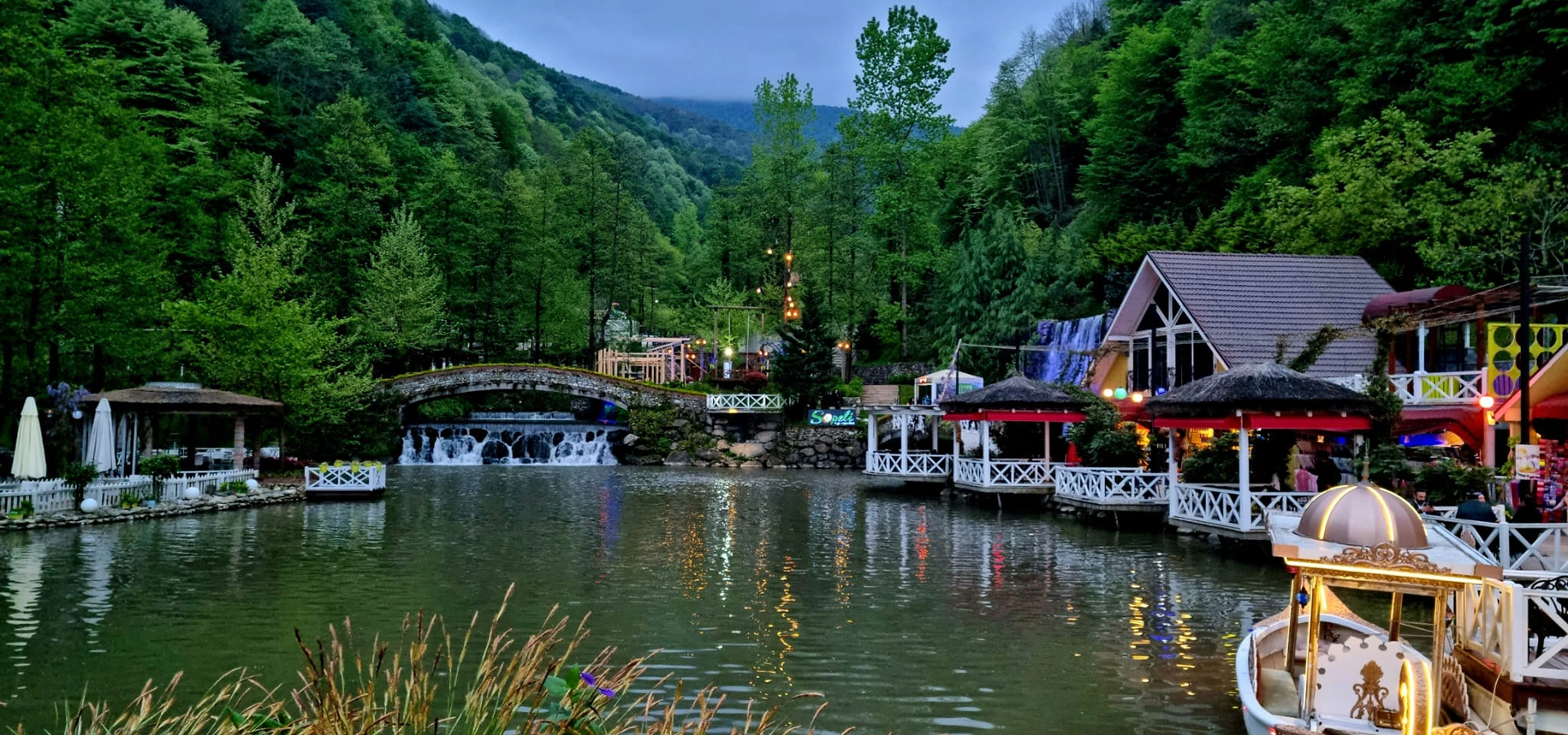
Discover historic bridges, mosques, museums, traditional towns, lakes, rivers, Black Sea beaches, waterfalls and wetlands throughout Sakarya Province.
View Sakarya GuideConnect Çark Street with more of the city's history, architecture and traditional commercial culture.
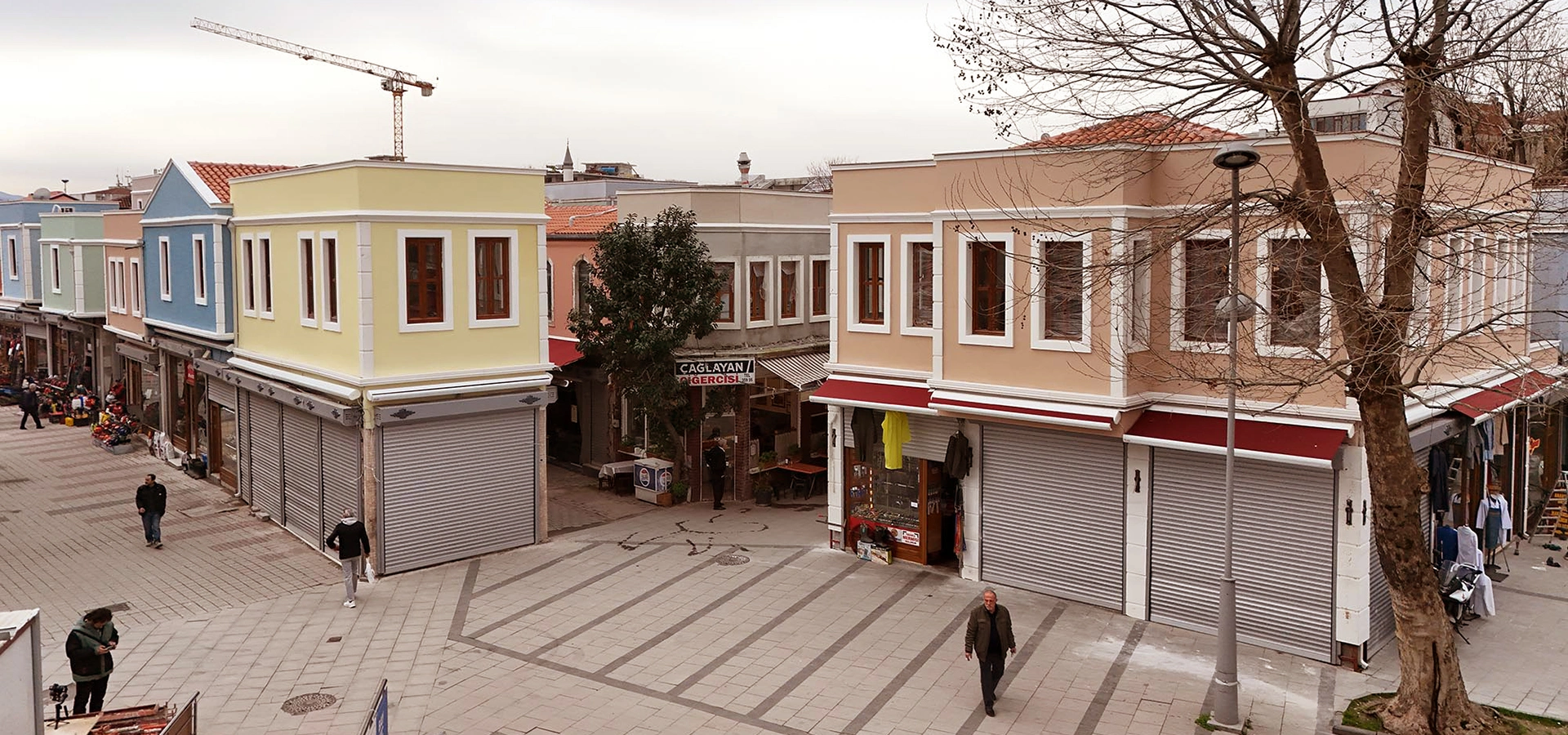
Compare Çark Street's modern pedestrian shopping atmosphere with one of the oldest traditional commercial areas in Adapazarı.
Explore Historic Uzun Çarşı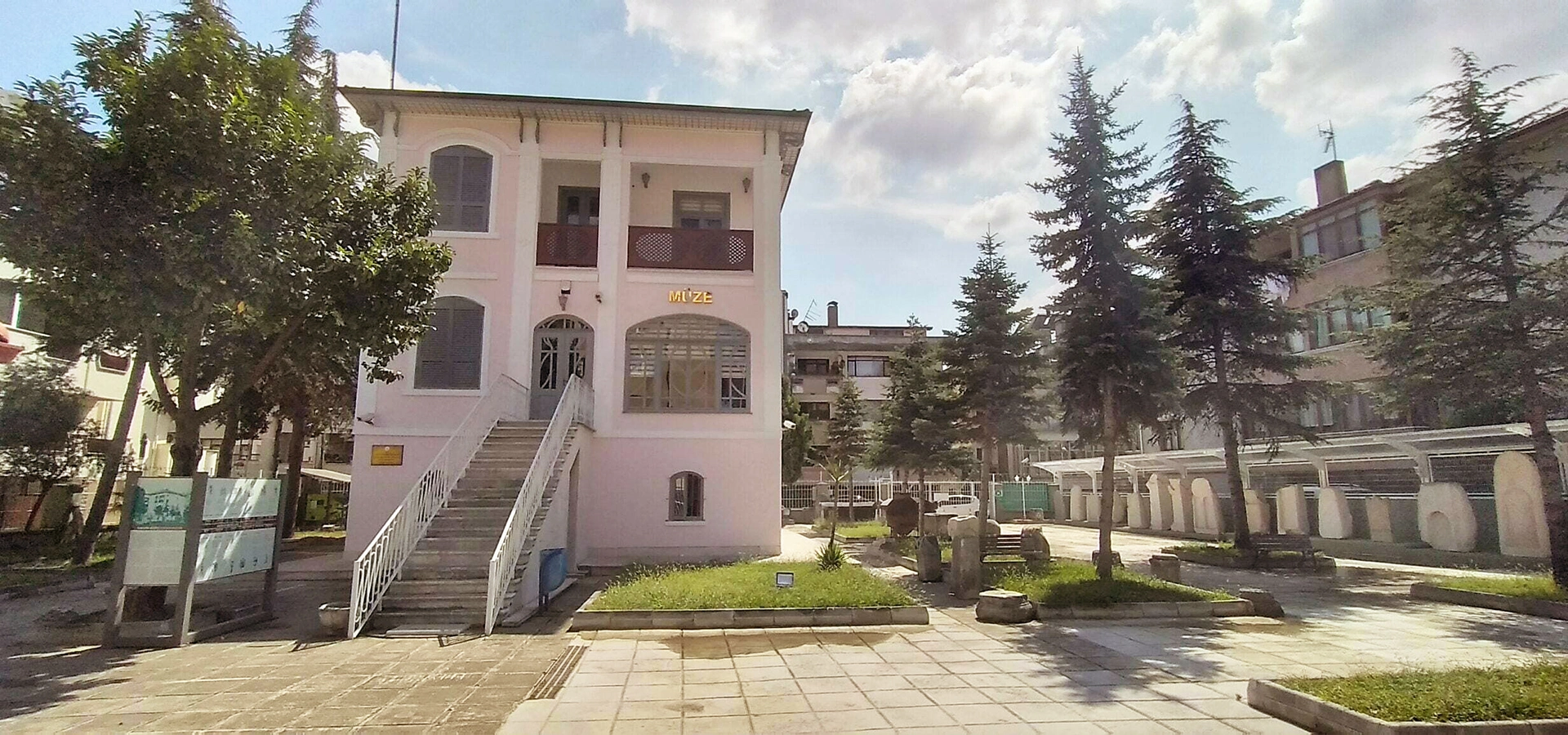
Add archaeological, Ottoman and Republican-period history to your walk through the modern center of Adapazarı.
Explore Sakarya Museum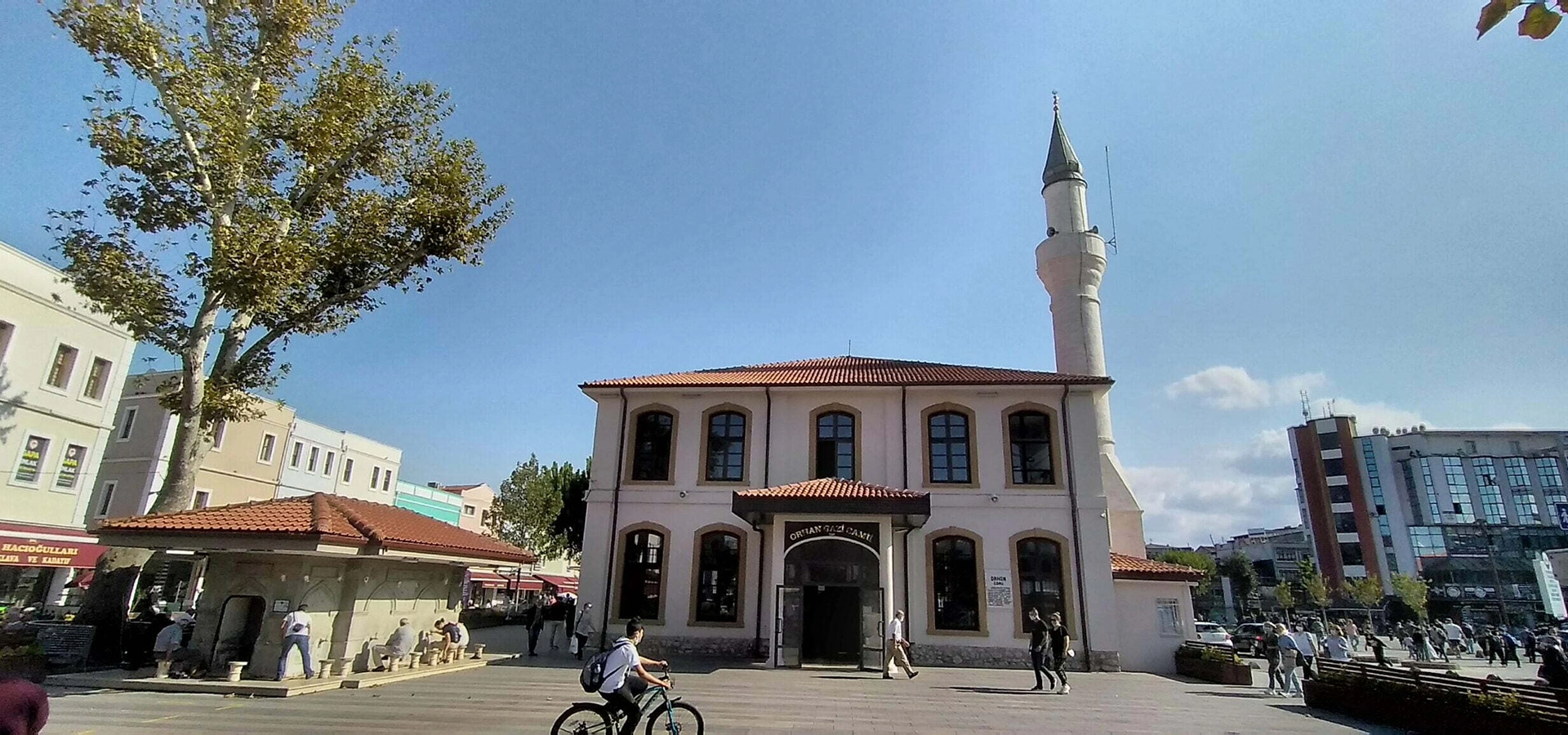
Continue into the historic center to explore one of the religious landmarks connected with Adapazarı's Ottoman identity.
Explore Orhan Gazi Mosque