Centuries of Trade in the Historic Heart of Adapazarı

Historic Uzun Çarşı – Adapazarı Visitor Guide

Walk through Sakarya's traditional commercial heart,
where historic shopfronts, local trades and everyday city life still meet.

Explore Historic Uzun Çarşı

Historic Uzun Çarşı – The Commercial Memory of Adapazarı

In the center of Adapazarı, beside Orhan Gazi Mosque, the Historic Uzun Çarşı is one of Sakarya's oldest and most important traditional shopping areas. For generations, its narrow commercial streets have formed part of the daily rhythm of the city.

The exact foundation date of the bazaar is not securely documented, but its location beside one of Adapazarı's earliest Ottoman religious centers shows how closely the district developed with the historic core of the settlement. Official cultural records describe Uzun Çarşı as a reflection of traditional Turkish urban organization, where commerce, religion and social life grew side by side.

The bazaar visitors see today should not be imagined as a perfectly preserved Ottoman street untouched by time. Adapazarı has repeatedly been reshaped by earthquakes, fires, urban growth, rebuilding and modernization. Even so, parts of the streetscape preserve the scale and character associated with late Ottoman and early modern commercial architecture.

Uzun Çarşı is also a living marketplace. This is not an open-air museum created only for tourists. Local residents still come here to shop, meet tradespeople, drink tea, eat, run errands and move through the historic center. That everyday continuity is one of the strongest reasons to visit.

In recent years, large-scale restoration and street-rehabilitation projects have aimed to preserve the historic identity of the bazaar while renewing façades, roofs, paving and infrastructure. Because works have continued in phases, the appearance and accessibility of individual sections may change over time.

Historic Commercial Core

Uzun Çarşı belongs to the oldest continuously used shopping district in central Adapazarı.

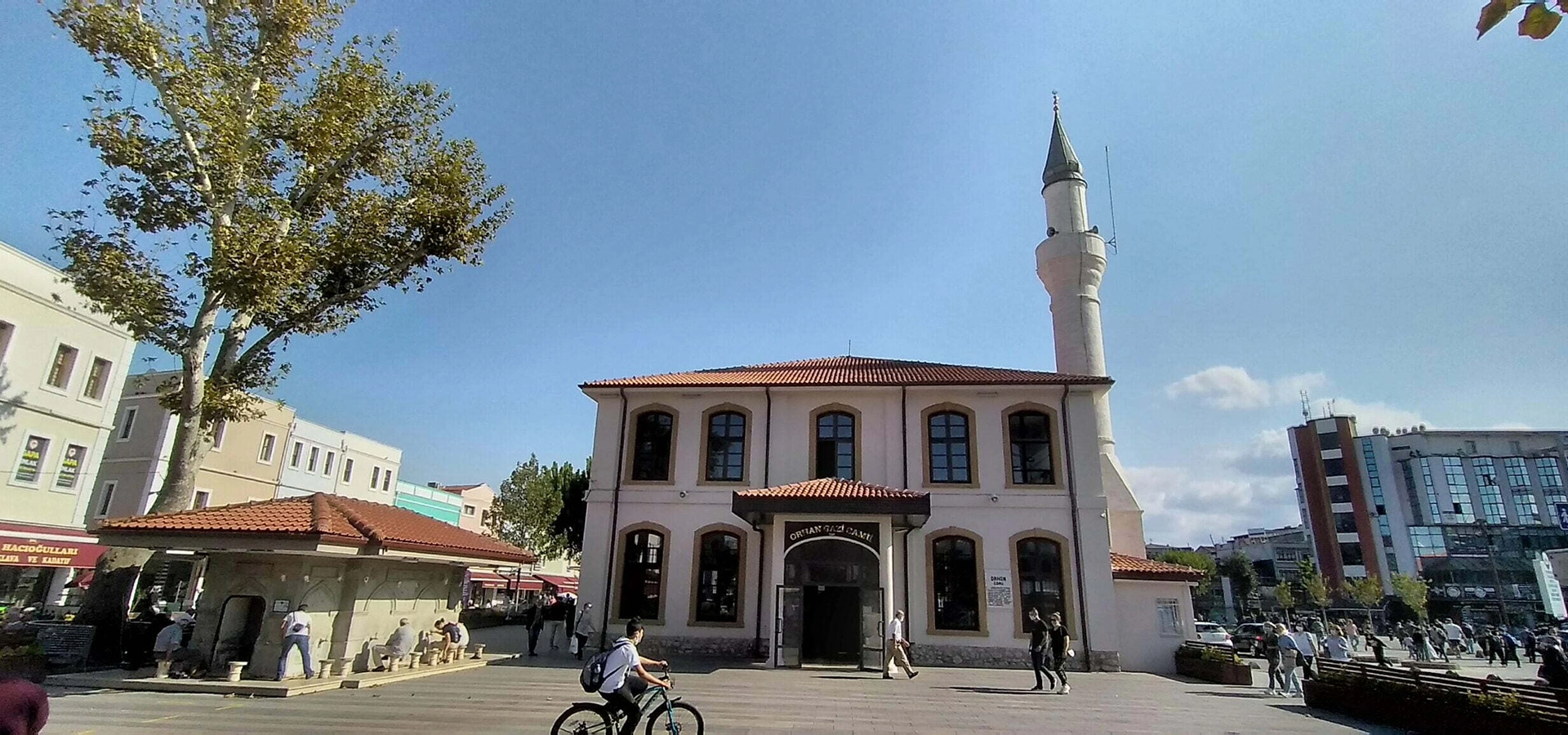
Beside Orhan Gazi Mosque

The bazaar and mosque together reveal the traditional relationship between worship, trade and urban life.

Living Marketplace

Shops and local businesses remain active, making the area part of everyday city life rather than a museum quarter.

Ongoing Conservation

Recent rehabilitation projects have restored historic façades and upgraded the surrounding streets and infrastructure.


Know Before You Go

Historic Uzun Çarşı – Quick Facts

Essential information for exploring one of Adapazarı's most historic and atmospheric commercial areas.

📍

Location

Central Adapazarı, close to Orhan Gazi Mosque, Atatürk Boulevard and the traditional city-center shopping district.

Open on Google Maps
🏘️

Type

Historic urban bazaar, shopping street and protected traditional commercial area.

🛍️

Character

Traditional shopfronts, local retail, trades, cafés, food businesses and pedestrian city-center life.

🕌

Historic Setting

Immediately associated with Orhan Gazi Mosque and the early commercial core of Adapazarı.

🏗️

Conservation

Restored and rehabilitated in several phases, with further street-improvement works continuing through 2025–2026.

🚶

Best For

Local atmosphere, urban history, shopping, street photography, Ottoman city culture and walking through old Adapazarı.


The Living Memory of the City

Why Is Historic Uzun Çarşı Important?

Uzun Çarşı matters not simply because it is old, but because commerce has remained part of the identity of this same urban district for generations.

Historic bazaars help explain how Ottoman and early modern Anatolian towns functioned. Instead of separating religious, commercial and social life into isolated districts, traditional town centers often developed through closely connected mosques, shops, workshops, markets, inns and residential streets.

Uzun Çarşı belongs to this pattern. Its position beside Orhan Gazi Mosque places it within the historic center from which Adapazarı expanded. The relationship between mosque and marketplace remains visible even today.

The bazaar is also significant because it reflects the multicultural commercial history of Adapazarı. Different communities, migrants and generations of tradespeople contributed to the growth of the city's commercial life. Over time, the shops of the district became part of the collective memory of Sakarya residents.

Earthquakes and rebuilding mean that not every structure is equally old. The value of Uzun Çarşı therefore lies not only in individual façades, but in the continuity of the commercial street, its scale, its urban pattern and its living function.

The Origins of Uzun Çarşı

The precise date when Uzun Çarşı first emerged is uncertain. Unlike a palace, mosque or bridge that may have a known patron and construction inscription, a traditional market street often develops gradually as a settlement grows.

What is clear is that the bazaar stands beside Orhan Gazi Mosque, one of the historic reference points of central Adapazarı. This close relationship strongly connects the commercial district with the formative centuries of the town.

As Adapazarı grew, its location in the fertile lower Sakarya basin and its connections with surrounding villages, regional roads and agricultural production helped strengthen its role as a market center. Merchants, craftsmen and customers increasingly gathered around the central streets.

The name “Uzun Çarşı” literally means “Long Bazaar” or “Long Market”, a straightforward description that also appears in the names of traditional commercial streets in other Ottoman towns.

Exact Date Uncertain

No single securely documented foundation year should be treated as definitive for the bazaar.

Historic Core

The market developed within the old center of Adapazarı rather than as a modern suburban shopping district.

Mosque Connection

Its position beside Orhan Gazi Mosque reflects the traditional relationship between commerce and religious life.

Market Town

Adapazarı's regional agricultural and transport connections helped commercial activity expand.

Long Bazaar

The name directly describes the extended commercial street that became one of the city's best-known shopping areas.

Living Continuity

The most important historic feature is that trade continues here instead of surviving only as an archaeological memory.

Uzun Çarşı and the Commercial History of Adapazarı

For much of its history, Adapazarı functioned as an important local market center serving the surrounding agricultural plain. The commercial streets of the town connected producers, traders, craftsmen and consumers.

Uzun Çarşı became one of the most recognizable parts of this network. Shops changed hands, business types evolved and buildings were repaired or rebuilt, but the street continued to serve a commercial purpose.

Official local sources also emphasize the role played by different migrant and ethnic communities in the bazaar's history. Commercial life in Adapazarı was shaped by the movements of people from the Balkans, the Caucasus and other parts of the Ottoman world, alongside earlier communities of the city.

This diversity is important for understanding Uzun Çarşı. The bazaar should not be reduced to a decorative row of old buildings. It was, and remains, a place where migration, trade, craft, food and urban identity intersect.

Historic Function Central retail and commercial district
Urban Role Connection between mosque, market streets and everyday city life
Social History Business communities shaped by generations of local residents and migrants
Today Active shops, cafés, food businesses and pedestrian commercial streets

Architecture and Streetscape of Historic Uzun Çarşı

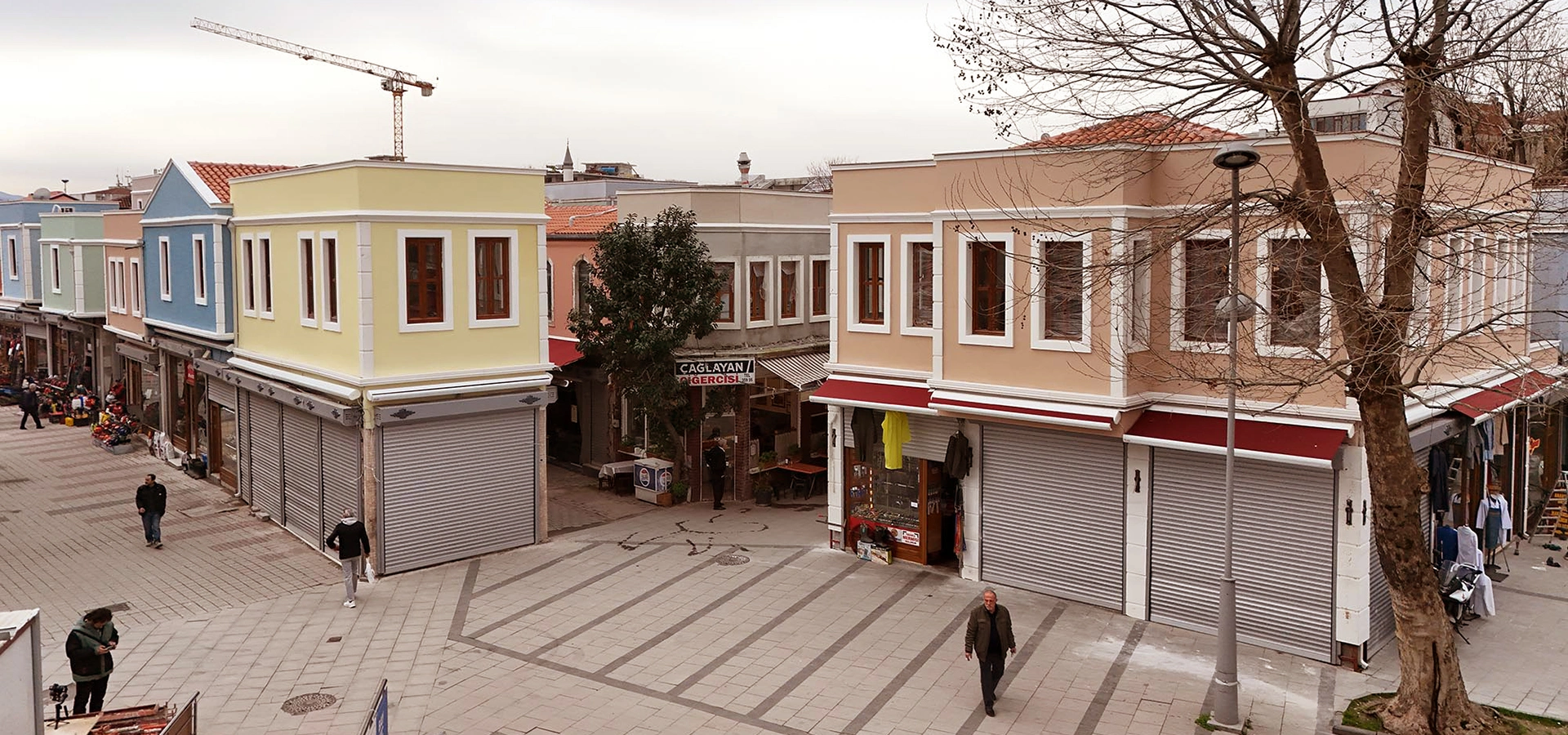
The architectural appeal of Uzun Çarşı is different from that of a single monumental building. There is no one façade, dome or tower that defines the whole site. Instead, the character comes from the rhythm of shopfronts, narrow plots, street proportions, rooflines and continuous commercial frontage.

Some structures have been rebuilt after earthquakes and later urban changes, while others preserve architectural details associated with nineteenth-century and early twentieth-century commercial buildings. The overall effect is therefore layered rather than uniform.

Look for differences in windows, upper floors, timber details, eaves, signage and shop entrances. Recent restoration campaigns have aimed to create greater visual coherence while preserving the historic character of surviving structures.

The best way to appreciate the bazaar is to move slowly. Rather than searching for one “main monument,” observe how the entire street functions as a piece of urban heritage.

Continuous Shopfronts

Closely spaced shops create the defining commercial rhythm of the street.

Human Scale

The relatively low-rise historic fabric makes the bazaar feel intimate compared with modern commercial avenues.

Upper Floors

Some buildings preserve or reinterpret upper-storey forms associated with traditional urban architecture.

Historic Details

Windows, eaves, shutters, joinery and façade proportions are worth examining closely.

Layered Fabric

Earthquakes and rebuilding mean that different structures represent different periods.

Restored Streetscape

Recent projects have renewed many façades and roofs while attempting to retain the visual identity of the bazaar.

Earthquakes and the Changing Face of Uzun Çarşı

Sakarya lies in a highly active seismic region, and the history of Adapazarı cannot be separated from earthquakes. Major earthquakes repeatedly damaged the city, altering the appearance of streets and historic buildings.

Uzun Çarşı was affected by this same history. Individual buildings were repaired, reconstructed or replaced, which is why visitors should be cautious about assuming that every shopfront is an untouched Ottoman original.

The 17 August 1999 Marmara earthquake was especially devastating for Adapazarı. Across the city, large numbers of buildings were destroyed or seriously damaged, and the disaster profoundly changed the urban landscape.

The survival and later rehabilitation of Uzun Çarşı therefore carries an additional meaning. The bazaar represents not only old commercial traditions, but also the repeated reconstruction of city life after disaster.

Restoration and Renewal of Historic Uzun Çarşı

Uzun Çarşı has undergone several phases of street rehabilitation and façade restoration designed to protect the character of the historic center while allowing businesses to continue operating.

Earlier restoration stages renewed sections of the bazaar, and official educational-cultural records note that a major phase had been completed by 2018. The work helped strengthen the identity of the historic commercial streets.

A new and larger third-stage program began in phases during 2025. Works included exterior façades, roofs and infrastructure, with the municipality emphasizing that commercial activity should continue during the process whenever possible.

During 2026, the program expanded further. The municipality reported completion of the first section, near-completion of much of the second, and preparations for a final large section covering additional historic shop units. The wider project also includes new paving, rainwater infrastructure and the undergrounding of electricity and telecommunications lines.

For visitors, this means that parts of Uzun Çarşı may occasionally look different from older photographs, and temporary construction conditions can occur. The long-term objective is to preserve the bazaar as both historic urban heritage and an active place of trade.

Façade Restoration

Historic commercial elevations have been repaired and visually reorganized in stages.

Roof Renewal

Restoration has also included roof work on numerous buildings within the historic commercial area.

Street Improvements

Later phases include renewed paving and upgrades to public-space infrastructure.

Utilities Underground

Electricity and telecommunications lines are being reorganized to reduce visual clutter.

Drainage

Rainwater infrastructure forms part of the recent street-rehabilitation program.

Living Businesses

The challenge is to conserve the historic setting without turning the bazaar into a static museum district.

Please note: Uzun Çarşı is a living commercial district and rehabilitation works have been carried out in phases. Individual streets, shopfronts or pedestrian routes may temporarily change during ongoing works.

What Is Visiting Historic Uzun Çarşı Like?

Uzun Çarşı is best experienced without rushing. The attraction is not a single object, but the changing sequence of shops, street corners, historic façades, local conversations, food smells and everyday movement.

At busy times, the area can feel energetic and crowded. Shoppers move between businesses, tradespeople stand in front of their stores and surrounding streets connect naturally with the rest of central Adapazarı.

At quieter moments, it becomes easier to notice the architecture: upper floors, rooflines, window proportions, restored woodwork and the contrast between older commercial buildings and newer city fabric.

The most rewarding way to visit is to combine the bazaar with Orhan Gazi Mosque. Together, they reveal a historic urban relationship that is much more meaningful than visiting either place in isolation.

What to See in Historic Uzun Çarşı

Historic Shopfronts

Look at the rhythm of narrow commercial units and the restored façades lining the street.

Upper-Storey Details

Windows, eaves and architectural proportions often reveal more of the historic character than modern ground-floor displays.

Traditional Street Scale

Notice how the bazaar differs from wide modern boulevards and enclosed shopping centers.

Local Businesses

Independent shops and long-established commercial activities help preserve the bazaar's living identity.

Tea and Food Stops

Take a break in the surrounding commercial district and experience the bazaar as locals do.

Orhan Gazi Mosque

The neighboring mosque is essential for understanding how the historic city center developed.

Street Intersections

Side streets reveal how Uzun Çarşı connects with the larger pedestrian and retail network of Adapazarı.

Restored Details

Compare recently renewed façades with older surviving architectural elements and the wider urban fabric.

Shopping in Historic Uzun Çarşı

One of the pleasures of Uzun Çarşı is that shopping is not a staged tourist activity. The district continues to serve local customers, and the exact mix of businesses changes over time.

You may encounter clothing, shoes, household goods, jewelry, food businesses, small retailers, specialist trades and cafés throughout the wider historic commercial area.

Rather than arriving with a fixed list of “souvenir shops,” allow time to browse. Independent businesses often reveal more about daily life in Adapazarı than stores designed specifically for visitors.

If you purchase something, supporting local businesses is one of the most direct ways to contribute to the continued commercial life of the historic center.

Local Retail

Expect a practical working bazaar rather than a street composed only of souvenir stores.

Independent Shops

Small local businesses remain central to the identity of the area.

Food & Tea

Pause for tea, simit or a local meal while exploring the surrounding streets.

Browse Slowly

The experience is often more rewarding when you explore side streets and shop windows without a strict route.

Ask Before Photographing

Shopkeepers may be happy to be photographed, but permission is always the respectful approach.

Support Local Trade

Buying from independent businesses helps keep the historic commercial function alive.

How Much Time Do You Need in Historic Uzun Çarşı?

20 Minutes

Enough for a quick walk through the main street if you are already in central Adapazarı.

45 Minutes

A good minimum for appreciating the streetscape and browsing several shops.

1 Hour

Recommended for a relaxed walk with time for photographs and architectural details.

1–2 Hours

Ideal when combined with Orhan Gazi Mosque, tea, food and nearby shopping streets.

Half Day

Combine the bazaar with Sakarya Museum and additional historic landmarks in central Adapazarı.

Best Approach

Treat Uzun Çarşı as part of a historic-center walk rather than as a single isolated attraction.

Best Time to Visit Historic Uzun Çarşı

Uzun Çarşı can be explored throughout the year. Because it is located in the center of Adapazarı, the main considerations are business activity, weather and the atmosphere you prefer.

Morning is usually better for quieter streets, cleaner architectural photographs and a slower introduction to the bazaar.

Late morning and afternoon bring more commercial activity. This is often the best period if you want to experience the bazaar as an active shopping district rather than simply photograph buildings.

On Fridays, remember that nearby Orhan Gazi Mosque can become much busier around the main congregational prayer. The market atmosphere may also become more crowded at that time.

Spring and autumn are especially comfortable if you plan to combine Uzun Çarşı with a longer walking route through central Adapazarı.

Morning

Best for quieter street photography and observing architectural details.

Late Morning

A good balance between open businesses and manageable pedestrian activity.

Afternoon

Best for experiencing the commercial energy of the district.

Friday Midday

Expect extra activity around neighboring Orhan Gazi Mosque during congregational prayer.

Spring & Autumn

Comfortable seasons for combining the bazaar with a longer city-center walk.

Rainy Weather

The city-center location makes the bazaar easy to include even when conditions are not ideal for rural sightseeing.

Photography in Historic Uzun Çarşı

Uzun Çarşı is especially rewarding for street and architectural photography because historic façades and everyday commercial life occupy the same space.

Instead of photographing only individual buildings, try wider compositions that show shopfronts, pedestrians, signage and the narrow perspective of the commercial street. These images communicate the character of the bazaar more effectively.

Upper floors often provide the most historic-looking details. Look above modern displays and awnings for windows, rooflines, eaves and restored architectural elements.

Always remember that this is a working commercial district. Ask permission before closely photographing shopkeepers, customers or people inside businesses. Avoid blocking entrances or interrupting trade while composing photographs.

Long Street Views

Use the linear perspective of the bazaar to create strong urban compositions.

Shopfront Details

Signs, shutters, windows and restored joinery provide excellent close-up subjects.

Upper Floors

Look above street level to find historic proportions and architectural details.

Daily Life

Busy commercial scenes show that Uzun Çarşı remains a living part of Adapazarı.

Ask Permission

Obtain consent before taking close portraits of shopkeepers or customers.

Do Not Block Shops

Keep entrances clear and remember that businesses are working while you visit.

Historic Uzun Çarşı Visitor Information

Uzun Çarşı is a public commercial district, not a ticketed archaeological site or museum. There is normally no entrance fee to walk through the bazaar.

Individual shops, cafés and businesses set their own opening hours. Some businesses may close earlier, open later or operate differently on Sundays, public holidays and religious holidays.

The main streets are easy to explore on foot, and the bazaar connects directly with central Adapazarı. Because restoration and infrastructure work has occurred in phases, temporary barriers or altered pedestrian routes may occasionally be present.

Site Historic Uzun Çarşı / Tarihi Uzunçarşı
Location Central Adapazarı, Sakarya
Type Historic bazaar and active commercial district
Entrance Free public access
Recommended Visit 45–90 minutes
Best Combined With Orhan Gazi Mosque and Sakarya Museum
Current Character Active shopping district with phased restoration and street rehabilitation
Please note: Uzun Çarşı is not a museum with one official daily visitor timetable. Individual businesses have their own opening hours, and restoration work may occasionally affect access to particular sections.

Accessibility in Historic Uzun Çarşı

Uzun Çarşı's central location makes it relatively straightforward to reach, and much of the surrounding district is intended for pedestrian movement.

However, a historic commercial area can include uneven paving, shop thresholds, temporary construction surfaces or differences in level. Accessibility may therefore vary from one business or street section to another.

Visitors who require completely step-free access should allow extra time and assess the most comfortable route on arrival. Recent street-rehabilitation works are intended to improve the public realm, but temporary works can create short-term obstacles.

Central Location

The bazaar is situated within the main urban and commercial center of Adapazarı.

Pedestrian Friendly

Much of the area can be explored on foot without needing a vehicle between individual stops.

Shop Thresholds

Some individual businesses may have steps or raised entrances.

Changing Surfaces

Historic paving and temporary restoration areas can affect smooth wheelchair movement.

Nearby Services

Cafés, shops, public transport and other city-center services are available close by.

Allow Flexibility

Choose alternative side streets if a restoration section temporarily restricts the easiest route.

How to Get to Historic Uzun Çarşı

Historic Uzun Çarşı lies in central Adapazarı, close to Orhan Gazi Mosque and the city's principal pedestrian and shopping streets.

If you are already in the city center, walking is the best option. The bazaar should be experienced as part of a wider central-city route rather than approached only as a single destination.

Local public transport services connect the center with different neighborhoods of Adapazarı and the wider Sakarya urban area.

If arriving by car, remember that central traffic and parking can be busy, especially during working hours. It is often easier to park outside the most congested commercial streets and continue on foot.

For navigation, search for “Uzun Çarşı, Adapazarı” or “Tarihi Uzunçarşı, Sakarya”.

On Foot

The best choice when exploring central Adapazarı and nearby historic sites.

Public Transport

City-center transport services provide access from different parts of the Sakarya urban area.

By Car

Useful if combining central Adapazarı with sites elsewhere in Sakarya, but parking can be busy.

Navigation

Search for “Uzun Çarşı Adapazarı Sakarya” for the historic commercial district.

Orhan Gazi Mosque

The mosque stands immediately beside the traditional commercial center and is an excellent orientation point.

Central Route

Continue from the bazaar toward Sakarya Museum and other city-center stops.

Suggested Visit to Historic Uzun Çarşı

Begin at Orhan Gazi Mosque. Spend a little time outside the mosque and observe how the religious building connects directly with the surrounding commercial streets.

Then enter Uzun Çarşı and walk slowly through the main shopping axis. Look beyond modern signs and displays to the upper façades, windows, rooflines and restored architectural details.

Pause for tea, simit or a simple local meal. The point is not only to “see” the bazaar, but to experience the same commercial environment that continues to serve local residents.

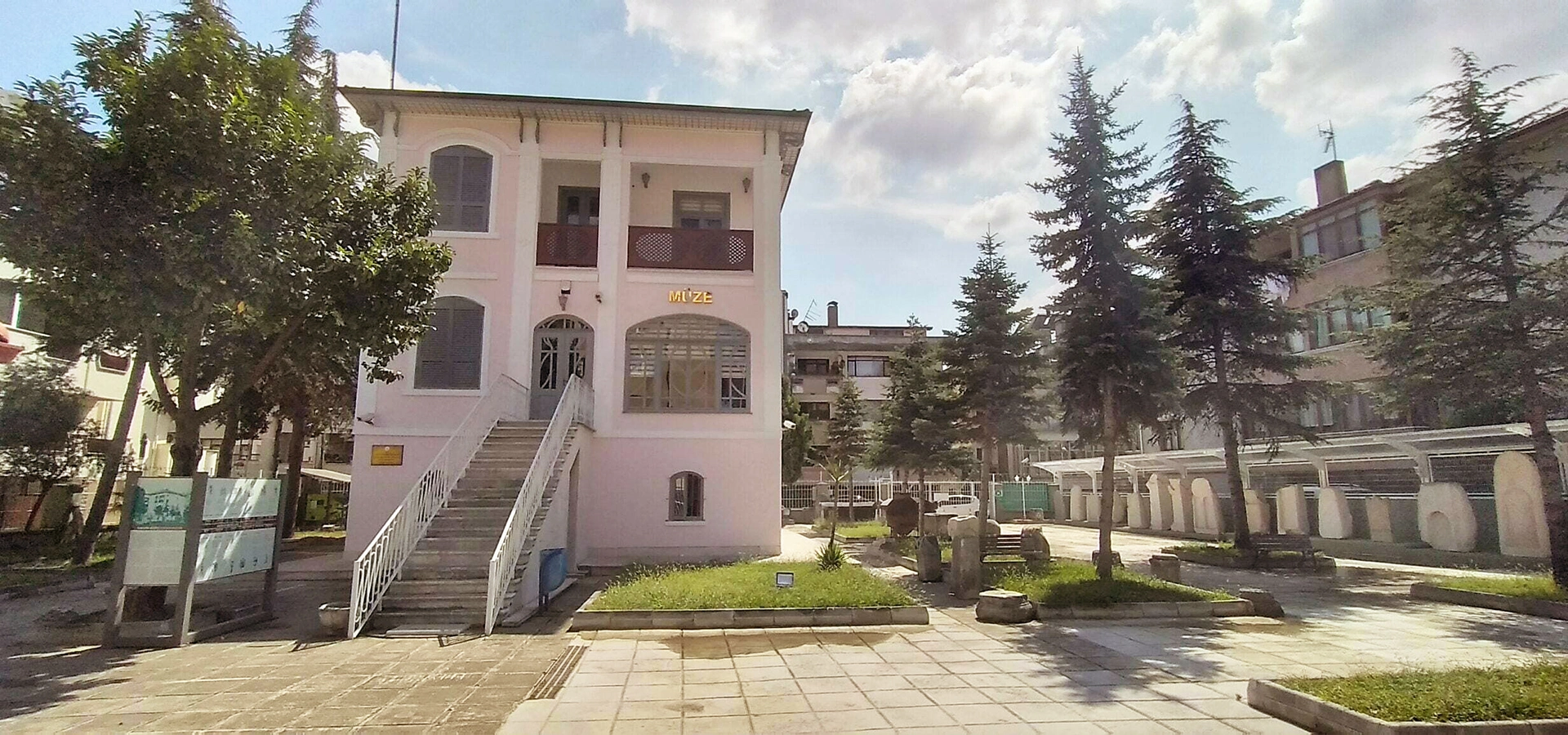
Continue through the surrounding pedestrian streets before heading toward Sakarya Museum, where archaeological, Ottoman and Republican-period collections provide a broader introduction to the history of the province.

Start Orhan Gazi Mosque
Continue Walk through the main axis of Historic Uzun Çarşı
Notice Shopfronts, upper façades, rooflines and restored architectural details
Take a Break Tea, simit or a local food stop in the commercial district
Next Stop Sakarya Museum
Allow 1.5–2.5 hours for the complete historic-center experience

Frequently Asked Questions About Historic Uzun Çarşı

Where is Historic Uzun Çarşı?

Historic Uzun Çarşı is located in central Adapazarı in Sakarya Province, beside Orhan Gazi Mosque and within the traditional commercial center of the city.

What does “Uzun Çarşı” mean?

The Turkish name Uzun Çarşı literally means “Long Bazaar” or “Long Market.”

How old is Uzun Çarşı?

The exact foundation date is not securely documented, but the bazaar belongs to the historic commercial core that developed beside Orhan Gazi Mosque. Municipal sources commonly describe the commercial tradition of the area as extending back roughly three centuries or more.

Is Uzun Çarşı an Ottoman bazaar?

Yes, its historic identity developed during the Ottoman period, but visitors should not assume that every present building is an untouched Ottoman original. Earthquakes, repairs and reconstruction have repeatedly changed the streetscape.

Is Uzun Çarşı still used for shopping?

Yes. It remains an active commercial district with shops, local businesses, food establishments and pedestrian activity.

Is there an entrance fee?

No. Uzun Çarşı is a public commercial street, so there is normally no entrance fee to explore the bazaar.

What are the opening hours?

There is no single museum-style opening schedule for the entire bazaar. Individual businesses set their own hours, so activity varies by day, season and public holiday.

Has Uzun Çarşı been restored?

Yes. Different sections have undergone façade restoration, roof work, street rehabilitation and infrastructure renewal in several phases. Additional work continued during 2025–2026.

Is restoration still continuing?

Recent municipal projects have continued in phases, so temporary works can still affect individual sections. Visitors should expect the appearance and accessibility of some streets to evolve as the wider rehabilitation program progresses.

Was Uzun Çarşı affected by earthquakes?

Yes. Adapazarı has experienced repeated destructive earthquakes, and the commercial center has been repaired and rebuilt over time. This is one reason the bazaar contains buildings from different periods rather than one completely uniform historic fabric.

What should I see in Uzun Çarşı?

Look for historic shopfronts, upper-floor windows, rooflines, restored façades, traditional street proportions and the everyday activity of local businesses.

Can I shop in Uzun Çarşı?

Yes. Shopping remains one of the main reasons local residents use the district, and visitors can browse independent businesses throughout the bazaar and surrounding streets.

Is Uzun Çarşı good for photography?

Yes. It is especially suitable for street photography, historic façades and scenes showing everyday commercial life. Always ask permission before taking close photographs of shopkeepers or customers.

How long should I spend in Uzun Çarşı?

Around 45–90 minutes is ideal for the bazaar itself, while 1.5–2.5 hours allows time to combine it with Orhan Gazi Mosque, tea or food and additional city-center sights.

What is near Historic Uzun Çarşı?

The most important nearby landmark is Orhan Gazi Mosque. Sakarya Museum can also be included in a wider central Adapazarı heritage route.

Can I visit Uzun Çarşı on Sunday?

The streets themselves remain publicly accessible, but individual shops may have different Sunday opening patterns. If shopping is your priority, weekday or Saturday daytime is usually a safer choice.

Is Uzun Çarşı pedestrian friendly?

Yes, the historic commercial center is well suited to walking. However, temporary restoration works, uneven surfaces or busy periods can occasionally make movement less convenient.

Is Historic Uzun Çarşı worth visiting?

Yes, especially if you are interested in local life, Ottoman urban history, traditional commercial streets, architecture and the development of Adapazarı. Its value comes as much from the living atmosphere as from the buildings themselves.

Responsible Visiting in Historic Uzun Çarşı

Keep Entrances Clear

Do not block shop doors while taking photographs or waiting for companions.

Ask Before Portraits

Request permission before photographing shopkeepers or customers at close range.

Support Local Businesses

Shopping, eating or drinking tea locally helps maintain the commercial life that gives the bazaar its identity.

Respect Restoration Areas

Follow temporary barriers and do not enter active work zones.

Protect Historic Details

Avoid leaning equipment against restored façades, windows or decorative elements.

Walk Patiently

The streets can become busy, so allow space for residents, workers and other pedestrians.

Keep the Area Clean

Use waste bins and help protect the appearance of the historic commercial center.

Remember It Is Real Life

Uzun Çarşı is part of the daily economy of Adapazarı, not a stage created only for visitors.

Private Adapazarı & Sakarya Heritage Experiences

Combine Historic Uzun Çarşı, Orhan Gazi Mosque, Adapazarı's traditional center, Ottoman heritage, Byzantine monuments and Sakarya's landscapes through a private itinerary designed around your interests.

Custom Adapazarı Heritage Experience

Explore Sakarya through the places where history remains part of daily life, from old commercial streets and Ottoman religious monuments to museums, Byzantine heritage and the wider landscapes of the province.

Sakarya Turkey historic towns Ottoman monuments lakes forests beaches and cultural attractions

Explore Sakarya

Discover historic bazaars, mosques, museums, Byzantine monuments, lakes, rivers, Black Sea beaches, waterfalls, wetlands and traditional towns throughout Sakarya Province.

View Sakarya Guide

Continue Exploring Sakarya

Connect Historic Uzun Çarşı with more of Sakarya's history, architecture and natural landscapes.