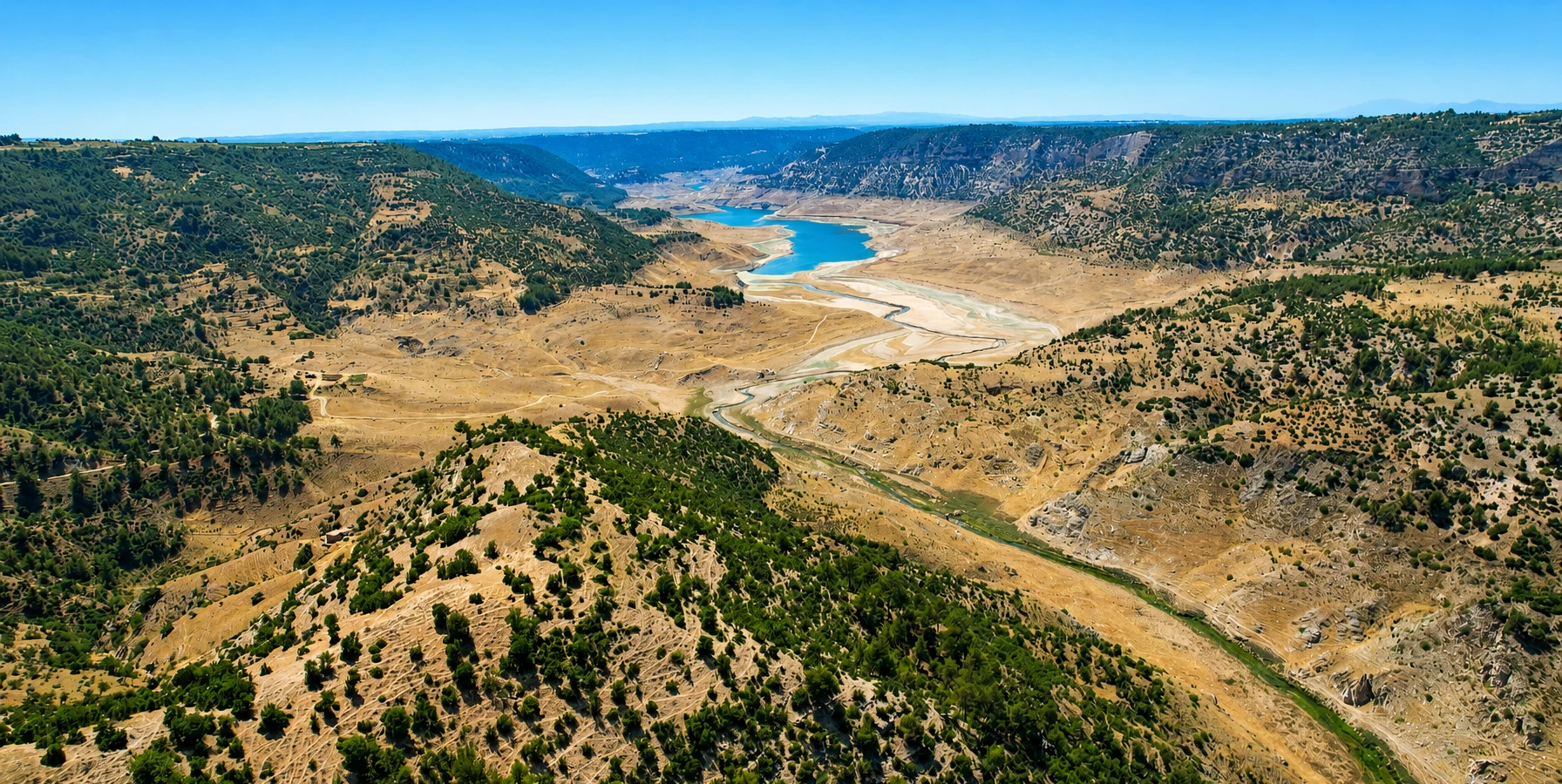






Discover Bekilli – Denizli’s Vineyard Heartland Beyond the Usual Route
North of Denizli’s best-known attractions lies Bekilli, an agricultural district whose identity is inseparable from grape cultivation, village traditions and the landscapes of the upper Büyük Menderes basin. Its appeal is not a single crowded monument. It is found in orderly vineyard rows, older stone buildings, modest town streets and the farming calendar that shapes daily life.
Bekilli is particularly known for viticulture, with grape varieties including Çal Karası, Boğazkere and İri Kara recorded in an official education listing. Wine production forms part of its history, alongside grape molasses (pekmez), vinegar and other agricultural products. Travellers interested in landscape, rural food culture and regional history will find a very different side of Denizli here.
This detailed guide explains where Bekilli is, how to explore its vineyards respectfully, what to know about the 2026 Bekilli Culture, Art and Grape Festival, how to understand the region’s ancient-history claims and how to create a sensible day trip with neighbouring Çal.
Vineyard Country
Grapes and the farming traditions that define Bekilli.
850 m Plateau
An upland Inner Aegean landscape.
Village Heritage
Stone houses, historic wells and everyday life.
Grape Festival
Local music, culture and harvest identity.
Know Before You Go
Bekilli, Denizli – Essential Travel Facts
Location, local character and practical facts for an inland Denizli excursion.
Province
Denizli, Türkiye.
Region
Inner Aegean, northern Denizli.
From Denizli
About 86 km to Bekilli town, according to official district descriptions.
Altitude
Approximately 850 metres.
Famous For
Grapes, vineyards and associated products.
Agriculture
Vines, thyme and a variety of orchard crops.
Landscape
Rolling hills, Medele Plain and the upper Büyük Menderes valley.
Local Heritage
Stone-built homes and village water structures.
2026 Festival
22nd Culture, Art and Grape Festival, 12–16 August 2026.
Best Transport
Car or planned private vehicle for several rural stops.
Best For
Vineyard photography, local history and slow travel.
Harvest Season
Often late August or early September; conditions vary.
Rural Denizli • Living Traditions
Why Visit Bekilli?
Bekilli is a rewarding stop for travellers who want to understand what people grow, make and celebrate in this part of Türkiye. The district’s vineyards are working agricultural landscapes, not merely scenic backdrops, and the grape harvest connects families, local producers and small businesses.
There is also a quieter cultural story: plateau villages, locally quarried stone, wells and regional historical traditions. Unlike Pamukkale, Bekilli is not organised around a single ticketed archaeological complex. Its charm comes from exploring the ordinary landscape thoughtfully.
Choose Bekilli if you enjoy agricultural heritage, road trips, photography and places with few conventional tourist crowds. Keep expectations realistic: organised tasting rooms, museums, multilingual tours and visitor services should never be assumed without confirmation.
Living Culture
Vineyards and harvest traditions.
Different Denizli
An inland district away from the travertines.
Photography
Vines, hills, villages and farmland.
Local Encounters
Everyday community life, treated respectfully.
Flexible Itinerary
Suitable for a short visit or a longer regional day.
Travel Philosophy
No compulsory shopping stops.
Northern Denizli • Inner Aegean
Where Is Bekilli Located?
Bekilli is a district of Denizli Province in the Inner Aegean part of western Türkiye. Official local geography places the district centre about 86 kilometres from Denizli and about 83 kilometres from Uşak; these are regional reference distances rather than an exact route from every hotel.
Its neighbouring districts are Çal to the south, Çivril to the east, Karahallı to the north and Ulubey to the west. Bekilli’s geography therefore connects the northern Denizli countryside with the neighbouring province of Uşak.
The district centre sits at roughly 850 metres above sea level. It is not part of Pamukkale’s travertine and Hierapolis complex; visiting from Pamukkale or Denizli requires a deliberate road trip.
Region
Inner Aegean, western Türkiye.
Province
Denizli.
Denizli Distance
About 86 km to the district centre.
Uşak Distance
About 83 km in official regional descriptions.
Neighbours
Çal, Çivril, Karahallı and Ulubey.
Altitude
Approximately 850 m.
Upland Terrain • Local Valleys
Bekilli’s Geography: Hills, Plateau and the Medele Plain
The landscape around Bekilli is made up of uneven hills, agricultural slopes and more open cultivated ground. Official district descriptions mention Asar (Hisar) Hill south of town, alongside Aslankara, Hocalı, Tatar, Uzunçalı and Zıntı hills in the surrounding countryside.
One of the district’s more important cultivated areas is the Medele Plain, associated with the villages and neighbourhoods of Çoğaşlı, Yeşiloba and Kutlubey. These place names are useful for understanding where Bekilli’s rural economy takes place.
The contrast between elevated terrain and flatter farming land also helps explain the district’s landscape. Take time to appreciate this regional geography instead of treating every rural track as a public sightseeing route.
Landscape
Hills and cultivated countryside.
Medele Plain
A notable agricultural area.
Key Localities
Çoğaşlı, Yeşiloba and Kutlubey.
Asar Hill
A southern landmark in district descriptions.
Travel Pace
Unhurried rural driving.
Access
Remain on public roads and permitted paths.
The Signature Landscape of Bekilli
Discover Bekilli’s Vineyards
Grape growing is one of Bekilli’s defining economic and cultural activities. Rows of vines stretch across farmed land, reflecting many generations of knowledge about local soil, seasonal rainfall, pruning and harvest.
The Denizli Provincial Directorate of Agriculture recorded grape harvesting in Yeşiloba neighbourhood in August 2024, identifying Bekilli as an important producer within the province. This is evidence of established farming activity, not a promise that every vineyard offers public visits.
A vineyard excursion works best when you arrange a visit with the owner or an authorised producer. Working fields, equipment, chemical treatments and harvest crews mean that entering uninvited is neither appropriate nor safe.
Core Heritage
Vine cultivation.
Locality to Know
Yeşiloba and surrounding farming areas.
Seasonal Scenes
Pruning, leaf growth and harvest.
Visitor Access
By permission or arranged appointment.
Best Photos
Views from lawful roads and agreed viewpoints.
Consideration
Never step between vines without approval.
Çal Karası • Boğazkere • İri Kara
What Grapes Grow in Bekilli?
An official Ministry of National Education outdoor-learning listing names Çal Karası, Boğazkere and İri Kara among grapes cultivated around Bekilli. This gives visitors useful local terms when learning about viticulture in northern Denizli.
Different varieties may serve different markets and purposes, including fresh grapes, processed grape products and wine production. The variety found in a particular field is not guaranteed merely because it grows somewhere in the district.
You can explore the neighbouring district’s grape identity in our Çal Vineyards and Çal Karası Grapes guide. Bekilli and Çal share a regional farming story but remain separate districts.
Çal Karası
A named regional variety.
Boğazkere
Recorded in Bekilli vineyards.
İri Kara
Another locally listed grape.
Fresh Grapes
One of several possible uses.
Processed Products
Vinegar and grape molasses.
Winemaking
A longstanding local industry.
Farming Within the Inland Climate
How Bekilli’s Climate Shapes Grape Production
Bekilli occupies a transition area between Mediterranean influences and a more continental inland climate. Local authorities describe hot, relatively dry summers and colder, wetter winters, with some snowfall possible.
Water availability matters in this terrain. Some vineyards are cultivated under dry-farming conditions, relying heavily on natural rainfall rather than regular irrigation. The results depend on the season, grape type and local management.
The wider agricultural landscape should be read as a working environment shaped by climate, labour, land use and adaptation, rather than as a guaranteed green landscape in every month. Summer can be hot and exposed, even at this upland elevation.
Climate Type
Inner Aegean transition climate.
Summer
Typically hot and dry.
Winter
Cold periods and possible snow.
Water
An important constraint for farming.
Landscape Colour
Changes with season and rainfall.
Visitor Advice
Carry water and sun protection.
Bağ Bozumu • Agricultural Calendar
When Is Grape Harvest Season in Bekilli?
The grape harvest is known in Turkish as bağ bozumu. The official education listing for Bekilli vineyards describes harvesting around late August or early September, while the Denizli Agriculture Directorate documented a harvest visit on 21 August 2024.
These dates are useful planning references, but a future harvest cannot be fixed by an old photograph or the calendar alone. Weather, grape variety and a grower’s decisions all affect the actual start and duration.
Travellers hoping to watch picking, learn about grapes or photograph vineyard work should make an advance appointment. Harvest is a busy farming operation, and a spontaneous visit should not interrupt workers.
Turkish Term
Bağ bozumu.
Common Window
Late August to early September.
Timing
Changes with weather and variety.
Visit Format
Prearranged with a grower.
Photography
Ask workers before photographing.
Respect
Keep out of active harvest areas.
Grape Processing • Regional Economy
Bekilli’s Winemaking Tradition
The cultural story of Bekilli would be incomplete without acknowledging its long association with wine production. The Denizli Provincial Culture and Tourism Directorate describes small winemaking businesses as part of the local economy, while academic research documents the strong role of viticulture in the district.
Winemaking is a historical and economic topic as much as a visitor activity. Official local reporting confirms that a winery was operating in Bekilli in February 2026, but this does not establish that the production site welcomes tourists or provides tastings.
For a culture-focused visit, ask about vineyard history, grape varieties and production methods without assuming an alcohol tasting is necessary. All facility visits and any commercial experiences must be independently arranged and subject to local rules.
Tradition
Part of the district’s agricultural identity.
Production
Local workshops and businesses.
2026 Reference
Official visit to an operating winery.
Tastings
Not automatically available.
Alternative Focus
Grapes, vineyards and production heritage.
Our Itineraries
Tastings are always optional.
Beyond Wine • Village Pantry
Pekmez, Vinegar and Other Products of the Vine
Bekilli’s harvest is not just about wine. Local and academic sources identify pekmez (concentrated grape molasses) and vinegar as important ways grape crops may be used, alongside the sale of grapes for eating or other production.
Pekmez is made by reducing grape juice to a thick syrup, a longstanding culinary tradition in many parts of Anatolia. Vinegar production provides another example of how local fruit becomes a preserved household or commercial product.
If you would like to buy locally made food, ask your guide or host to identify reputable sellers. Do not assume every roadside product is labelled, certified or available year-round, and avoid treating local producers as obligatory shopping stops.
Pekmez
Concentrated grape molasses.
Vinegar
Another grape-processing tradition.
Fresh Fruit
Seasonal grape sales.
Local Food Culture
Family knowledge and harvest preservation.
Shopping
Entirely optional.
Availability
Check locally before planning purchases.
Culture • Music • Grapes
Bekilli Culture, Art and Grape Festival
The Bekilli Kültür, Sanat ve Üzüm Festivali celebrates the district’s social life as well as its grape-growing identity. It is an opportunity to see Bekilli in a more festive mood, with public events and performances rather than only a quiet agricultural landscape.
The 22nd festival was scheduled and held on 12–16 August 2026, according to the municipal announcement and contemporary local reporting. The 2026 programme included concerts and celebrations around the district’s public square.
Do not assume that future editions will take place on the same dates. Older government tourism listings refer broadly to autumn months, while recent festivals have occurred in August. Check Bekilli Municipality for any new official announcement before booking travel.
Festival Name
Culture, Art and Grape Festival.
2026 Edition
22nd festival.
2026 Dates
12–16 August.
Main Themes
Grapes, music and local culture.
Future Schedule
Not yet assumed or guaranteed.
Official Updates
Bekilli Municipality.
2026 date note: The dates above describe a completed August 2026 event; they are not a published schedule for 2027.
The District’s Everyday Heart
What Is There to See in Bekilli Town Centre?
Bekilli town offers a small-district atmosphere rather than a purpose-built tourist quarter. Its streets, shops, public buildings and public square give context to life in an agricultural community.
A short walk through the centre is a useful introduction before travelling to the vineyards. Look for examples of changing village-to-town architecture, everyday markets and places where residents meet. Remember that a functioning local neighbourhood is not an open-air museum.
Festival periods and market days may bring more activity; outside them the town may be quiet. Public facilities, cafés and toilets should be checked on the day instead of assumed to operate with the hours of a major resort.
Main Experience
Town stroll and local atmosphere.
Town Square
An important community gathering space.
Market Culture
Practical rural commerce.
Architecture
A mixture of old and newer buildings.
Facilities
Modest and variable.
Best Approach
Explore respectfully at a gentle pace.
Kayrak Stone • Vernacular Architecture
Medele Stone Houses and Bekilli’s Building Heritage
The Bekilli area is associated with kayrak taşı, a locally used building stone that appears in regional descriptions of village homes. It provides an architectural link between the land itself and the places people have built.
Bekilli Municipality has published a gallery titled “Medele Taş Evleri” (Medele Stone Houses), drawing attention to the district’s vernacular architecture. This is a meaningful local heritage theme, although a photographic gallery is not evidence that a managed museum or interior visit exists.
Stone walls, older rural construction and settlement patterns are best appreciated from public areas. Do not enter private properties, yards or unsafe vacant buildings in search of photographs.
Local Stone
Kayrak taşı.
Highlighted Heritage
Medele stone houses.
Official Evidence
Municipal photo gallery.
Experience
Architectural observation from public areas.
Interior Access
Not guaranteed or promoted as a museum.
Preservation
Respect occupants and old structures.
Water Infrastructure • Local Memory
Poyrazlı’s Stepped Well and Uzunen’s Well and Plane Tree
Two intriguing items appear in Bekilli Municipality’s own gallery: “Poyrazlı Merdivenli Kuyu” (Poyrazlı Stepped Well) and “Uzunen Kuyusu ve Çınar Ağacı” (Uzunen Well and Plane Tree). They point to the importance of community water sources and the landscape of village memory.
The municipality’s photo documentation makes these worthwhile subjects to research, but it does not necessarily provide current access arrangements, restoration status or a safe visitor trail. In particular, an old well should never be approached as though it were an unrestricted recreational facility.
If you would like to see one of these locations, arrange a precise local pin and confirmed safe approach before travelling. Avoid inventing a construction date or assigning a historical legend without evidence.
Poyrazlı
Merdivenli Kuyu – Stepped Well.
Uzunen
Well and plane-tree gallery.
Cultural Theme
Water and village infrastructure.
Access
Requires local verification.
Safety
Keep away from uncovered or fragile structures.
Photography
Only from public, safe positions.
A Hill with Historical Associations
Asar (Hisar) Hill and the Ören Area
Local official descriptions identify Asar (Hisar) Hill just south of Bekilli, with a reported elevation of approximately 957 metres. The district governorate also discusses an Ören locality in connection with early settlements and a historical fortification tradition.
This is an interesting landscape for thinking about why hills and defensible positions mattered in Anatolian history. However, reported historical associations should not be converted into a guaranteed, excavated castle attraction with ticketing, maintained paths or interpretive signs.
For visitors, Asar is best understood first as a geographic and local-history reference point. If you hope to approach a specific ruin, ask for up-to-date advice from the relevant local authorities and do not walk into protected or unstable terrain.
Hill
Asar / Hisar Tepesi.
Reported Elevation
Around 957 m.
Nearby Area
Ören locality.
History
Local accounts mention old fortifications.
Museum Status
Not established as a managed museum.
Safe Visits
Check permissions and actual routes.
Ancient Geography • Careful Attribution
Pepouza, Tymion and Early Christian History: What Is Actually Known?
Bekilli’s official district history discusses Pepouza (Pepuza) and Tymion in the context of Montanism, an early Christian movement that emerged in Phrygia. Local historical narratives have long connected these ancient names with the Bekilli countryside.
There is an important location distinction for modern travellers. The Republic of Türkiye’s Culture Portal lists the identified Pepouza archaeological site at Karayakuplu village, Karahallı district, Uşak Province, not at a ticketed archaeological park in Bekilli town. Bekilli district sources themselves acknowledge differing identifications for ancient settlements around Ören.
Treat the topic as an opportunity for careful historical interpretation rather than promising a visit to “Pepouza in central Bekilli”. If you are interested in early Christianity, a specialist itinerary may explore the region’s historical geography with confirmed routes and site access.
Historical Theme
Early Christianity and Montanism.
Local Tradition
Links the story to Bekilli and Üçkuyu.
Identified Pepouza
Karayakuplu, Karahallı, Uşak.
Historical Debate
Some settlement identifications differ.
Visitor Reality
Do not assume a formal site in Bekilli town.
Further Reading
Official Culture Portal and district history.
Accuracy note: Pepouza is shown by the Turkish Culture Portal in Uşak Province. The Bekilli association is part of a regional historical discussion, not proof that the two sites are identical.
From Local Settlements to the Modern District
A Short History of Bekilli
The district’s cultural history spans several periods of western Anatolia. Official accounts mention Phrygian, Lydian, Roman, Byzantine, Seljuk and Ottoman contexts, although such broad summaries should not be mistaken for evidence that every period is represented by a visitor-ready monument in the town.
Local historical narratives link the formation of the present settlement to Turkmen settlement in the medieval period. The explanation of the name “Bekilli” is also presented through different local traditions; travellers should understand these as accounts and etymological stories, not a single proven origin.
In modern administration, Bekilli was associated with the neighbouring Çal district before becoming a separate district under Law No. 3392 in 1987. Its social and economic life continues to be strongly shaped by farming.
Ancient Context
Several western Anatolian cultural periods.
Medieval Tradition
Turkmen settlement narratives.
Place Name
More than one explanation exists.
Ottoman Period
Part of shifting regional administration.
Modern District
District status in 1987.
Today
An agricultural local community.
Bekilli in the Early Republic
Bekilli and the Turkish War of Independence
Like other settlements in western Anatolia, Bekilli experienced the upheavals of the Turkish War of Independence. The official district history records an occupation period and describes the withdrawal of Greek forces towards Uşak on the night of 31 August–1 September 1922.
The district history commemorates 1 September 1922 as the date of liberation. The wider history deserves thoughtful, contextual presentation, rather than being reduced to an invented local battle story or an unverified monument.
For travellers interested in the Republic’s early years, the local account is a useful connection between a small rural district and the events that transformed modern Türkiye.
Period
War of Independence, 1919–1922.
Local Account
Withdrawal at the turn of 31 August to 1 September 1922.
Commemoration
1 September liberation date.
Interpretation
Regional history in context.
Travel Style
Research-led local heritage.
Sources
District governorate history.
River Valley • Steep Terrain
The Büyük Menderes River Near Bekilli
The Büyük Menderes River passes to the south of Bekilli. Official district geography places it roughly 5 kilometres south of the district centre, while emphasising that the valley is deep and steep in this area.
That topography makes the river important for understanding the landscape but does not automatically create an accessible riverside park. The river can be concealed below upland roads or separated from farmland by difficult slopes.
If you would like river or canyon scenery, first confirm a recognised road-accessible viewpoint. Do not attempt informal descents, swimming or cliff-edge photography in unfamiliar terrain.
River
Büyük Menderes.
General Position
South of the town.
Landscape
Deep river valley.
Access
Not universally easy.
Safety
Avoid steep unmarked descents.
Best Plan
Confirm a safe public viewpoint.
Çoğaşlı • Yeşiloba • Kutlubey
Villages and Neighbourhoods Around Bekilli
Bekilli’s real character becomes especially clear beyond the district centre. Yeşiloba has been documented in recent official grape-harvest reporting, while Çoğaşlı and Kutlubey are associated with the agriculturally important Medele Plain.
Each community has its own roads, fields and everyday routines. A countryside drive can reveal stone buildings, cultivated plots and the wider patterns of settlement without turning quiet villages into staged attractions.
Before stopping, make sure there is somewhere legal and safe to park. Treat farm gates, courtyards, wells and places of worship as lived spaces that deserve privacy and respect.
Yeşiloba
Documented harvest area.
Çoğaşlı
Part of the Medele farming landscape.
Kutlubey
Local settlement in the agricultural area.
Theme
Rural everyday life.
Photo Rule
Ask permission when photographing people or homes.
Parking
Use safe public areas.
Thyme • Orchards • Changing Land Use
What Else Is Grown in Bekilli?
Alongside grapes, district and academic descriptions discuss thyme cultivation and several kinds of orchard trees. The wider region also has a history of tobacco growing, with agricultural land use changing over time.
An academic study published in 2014 described how some land once used for tobacco was increasingly cultivated with grapes and thyme. This historical trend gives context to the rural economy but should not be confused with a live, parcel-by-parcel land-use map for 2026.
Travelling slowly through the district gives you a sense of a diverse farmed countryside, not a single-crop landscape. Avoid sampling crops from fields unless expressly invited by their owner.
Grapes
A dominant regional crop.
Thyme
Documented agricultural activity.
Older Crop
Tobacco in the district’s farming history.
Orchards
Various local fruit trees.
Research
Academic study on changing land use.
Visitor Etiquette
Do not pick produce without permission.
Market Day • Local Commerce
Bekilli Market and Everyday Shopping
The Provincial Directorate of Culture and Tourism has described a Tuesday market in Bekilli, bringing produce and traders to the district. Market life can offer a window into everyday food habits that a conventional sightseeing checklist would miss.
Because market schedules, locations and participation can change, the published Tuesday reference should be rechecked with the municipality before you plan a visit specifically around it.
If the market is operating, browse politely, support local sellers if you wish and ask before photographing people. Travellers who prefer a non-shopping day can enjoy Bekilli without making market visits part of the itinerary.
Published Day
Tuesday in an official destination description.
Current Schedule
Confirm before travelling.
Potential Finds
Seasonal fruit and vegetables.
Local Atmosphere
Commerce and conversation.
Photography
Ask stallholders first.
Shopping Policy
Entirely optional.
Simple Flavours • Village Cooking
What to Eat in Bekilli
Bekilli’s best-defined food story begins with its crops: grapes, grape molasses, vinegar and seasonal produce. These reflect farming traditions rather than an established list of luxury destination restaurants.
Regional home cooking, fresh breads and simple countryside meals can be part of a locally arranged visit. However, do not assume that a specific traditional dish or vineyard lunch is served everywhere in the district or available without advance booking.
If eating locally is important, ask your organiser to verify a restaurant or host, its opening times and dietary options. For a full-day excursion, lunch can also be planned in nearby Çal where suitable.
Grape Products
Pekmez and vinegar.
Seasonal Flavours
Local fresh produce.
Meal Style
Practical, regional food experiences.
Reservations
Recommended for a planned itinerary.
Dietary Needs
Confirm with the venue.
Alternative
Prearranged lunch in Çal.
Spring Growth • Summer Festivals • Harvest
Best Time of Year to Visit Bekilli
Spring offers new growth and a pleasant opportunity to see cultivated land. Early summer brings stronger greenery, while late summer is particularly interesting for travellers curious about grapes and the harvest.
The 2026 festival was held in August, but no calendar date should be used as a permanent prediction for future editions. Autumn brings changes in vineyard colour; winter is cooler, with possible snow or difficult weather on upland roads.
Choose the period according to your interests—scenery, festival atmosphere or farming culture—and use current weather reports, local road conditions and producer availability when fixing the exact day.
Spring
Fresh vineyard growth.
Summer
Warm days and active agriculture.
Harvest
Often late August or early September.
Autumn
Changing colours and quieter scenery.
Winter
Cold weather and possible snow.
Best Date
Depends on weather and your planned experience.
Vines • Hills • Stone Architecture
Best Photography Opportunities in Bekilli
Bekilli is especially suited to landscape and documentary-style photography. Vineyard rows make natural lines through the scene, while hills provide a sense of elevation and older stone buildings add human texture.
Early and late daylight can be flattering for vines and distant terrain. If you create photographs for a website, capture both horizontal compositions for hero banners and vertical views for mobile and social videos.
Do not climb fences, trespass, disturb harvest activity or fly a drone without the required authorisations. A compelling photograph of rural life should never come at the cost of someone’s privacy or livelihood.
Wide Landscape
Rows of vines and distant hills.
Detail Shots
Leaves, grapes and farming textures.
Architecture
Stone houses where safely visible.
Best Light
Morning or late afternoon.
Hero Format
Horizontal with space for headline overlay.
Privacy
Always respect people and private farms.
Plan a Dedicated Rural Drive
How to Get to Bekilli from Denizli
The district lies about 86 kilometres from Denizli according to local government descriptions. This is a reference distance to the town area; your actual route and journey time depend on the point of departure, road choice, traffic and stops.
Travel by car or planned private vehicle is generally the most flexible approach if you want to explore the vineyards, Medele countryside and another district in one day. Roads through farming areas may be narrower than the major intercity routes.
Use up-to-date mapping before departure and identify your destinations precisely. “Bekilli” is an entire district: the town centre, rural vineyards and village landmarks may require separate driving legs.
From Denizli
About 86 km as a regional reference.
Journey Time
Check live navigation.
Best Format
Car or prearranged driver.
Rural Roads
Allow additional time for local access.
Navigation
Use exact locations, not only the district name.
Planning Tip
Group nearby stops sensibly.
A Separate District from the Travertines
Can You Visit Bekilli from Pamukkale?
Yes. Bekilli can be visited as a road excursion from Pamukkale or Karahayıt, provided that you allow adequate driving time. However, Bekilli is not a side street of Pamukkale village or a walkable extension of Hierapolis.
If you are exploring Denizli for several days, consider devoting a day to the Çal–Bekilli countryside rather than forcing vineyards into a heavily scheduled archaeological visit. Keep sufficient time for daylight, lunch and the return journey.
A Pamukkale–Hierapolis ticket does not include vineyard access, producer visits or any private facilities in Bekilli. Every extra service must be individually planned.
From Pamukkale
Possible by road.
Inside Hierapolis?
No.
Travel Style
A separate rural outing.
Admission
Not linked to Pamukkale tickets.
Transport
Private vehicle is convenient.
Ideal Plan
Do not overload an archaeological day.
Neighbouring Districts • Regional Heritage
Combining Bekilli with Çal
Çal and Bekilli are neighbouring Denizli districts with related agricultural traditions and distinctive local identities. Travellers can use a well-planned route to understand both the vineyard belt and the villages around the upper Büyük Menderes landscape.
Çal is especially useful as a companion destination for Çal Karası vineyards, regional heritage and countryside scenery. Read our Çal district guide and Çal vineyard guide for additional context.
Do not assume that a producer in Çal is the same as a Bekilli winery or that visiting multiple fields takes no extra time. Plan actual locations, road conditions and any appointments before finalising the day.
Neighbour
Çal lies south of Bekilli.
Shared Theme
Grapes and rural culture.
Different Districts
Each has its own identity.
Vineyard Stops
Arrange appointments.
Optional Heritage
Village scenery and history.
Routing
Check each stop rather than guessing.
Local Services • Return Planning
Can You Reach Bekilli by Public Transport?
Regional public transport may connect Denizli and surrounding district centres, but specific 2026 departure times, routes and ticket prices have not been independently verified for this guide.
Even if you can reach Bekilli town by bus or minibus, a separate issue remains: vineyards, wells, rural houses and hillside locations are spread across the district and may not be served by convenient onward transport.
If relying on public transport, confirm the return service before departing and do not assume that taxis are always waiting in small villages. Visitors planning more than a town-centre stop may find a prearranged driver much easier.
Main Connection
Confirm current Denizli–Bekilli service.
Timetables
Not independently verified.
Last Mile
Can be difficult for rural landmarks.
Return
Plan before leaving Denizli.
Alternative
Private vehicle or arranged transport.
Best Advice
Never rely on an assumed last bus.
A Working District, Not a Single Ticketed Site
Bekilli Opening Hours, Entrance Fees and Vineyard Visits
Bekilli is a living town and district, not one gated tourist attraction. There is no single district-wide admission ticket or opening time for its streets, public spaces and rural landscapes.
A government educational listing shows indicative visiting hours for a vineyard learning site, but that should not be read as general permission to enter every commercial vineyard. Farms, wineries, historic buildings and managed recreation areas have different access conditions.
As of this October 2026 editorial review, the page does not claim a universal price for vineyard tours, tastings or private venues. Confirm the exact address, permission, service and fee before travelling.
Bekilli Town
No single attraction entrance ticket.
Vineyards
Private or working agricultural property.
Scheduled Visits
Must be confirmed with the operator.
Historical Locations
Access may be restricted or undeveloped.
Prices
Venue-specific, not assumed.
Planning
Get written details when booking.
Visitor note: Published educational visiting times do not grant unrestricted access to working vineyards, wine production facilities or private land.
Comfort • Weather • Supervision
Is Bekilli Suitable for Families and Older Visitors?
A gentle town stroll and a scenic drive through agricultural country can suit families, couples and older visitors, particularly when the pace is tailored to their interests.
Working vineyards may have rough ground, farm machinery, irrigation channels or uneven access. Historic wells, ruins and steep valley viewpoints demand extra supervision. Do not assume that a farm path is suitable for a stroller or wheelchair.
For a comfortable day, use confirmed stops with toilets, seating and a practical walking route. Bring water, sun protection and appropriate footwear, and choose a shorter itinerary if necessary.
Easy Option
Scenic drive and town-centre pause.
Families
Supervise children near wells and machinery.
Mobility
Check ground and steps in advance.
Facilities
Confirm at planned venues.
Summer
Carry water and sun protection.
Pacing
Adapt stops to guest comfort.
Private Farms • Quiet Communities
Responsible Travel in Bekilli
The landscapes visitors admire are also people’s farms, homes and places of work. Do not enter fields uninvited, pick grapes, open gates, approach machinery or damage stone features.
Drive cautiously on village roads, avoid blocking tractors or entrances and be considerate when photographing residents. If you want to meet a producer or learn about farm practices, arrange the experience rather than turning up in the middle of harvesting.
Keep all waste with you until you can dispose of it responsibly. Small choices like these help vineyard tourism remain beneficial to the very communities that make Bekilli special.
Farm Access
Always ask permission.
Harvest Crews
Do not interrupt their work.
Photography
Respect privacy.
Road Etiquette
Keep agricultural access clear.
Historic Sites
Do not climb or alter structures.
Waste
Take rubbish away.
Town + Countryside • A Gentle Introduction
Suggested Half-Day Visit to Bekilli
Start: arrive in Bekilli town, pause for a short orientation and explore public areas to understand the district’s everyday rhythm. Check whether the market or any cultural activity is taking place.
Continue: follow a confirmed public-road route past agricultural landscapes, perhaps in the direction of the Medele Plain. If a producer has agreed to welcome visitors, add a short explanatory stop about grapes; otherwise enjoy the views without entering private land.
Finish: return to Denizli or carry on to Çal according to your travel plan. A half-day outing is best when expectations are centred on rural scenery rather than a long list of distant attractions.
Start
Bekilli town centre.
Countryside
View vineyards from public roads.
Optional
Prearranged producer conversation.
Photo Time
Short stops in safe locations.
Transport
Driver or private vehicle.
Best For
A relaxed rural introduction.
Bekilli + Çal • Vineyard Heritage
Suggested Full-Day Bekilli and Çal Itinerary
Morning: travel from Denizli to Bekilli. Learn about the district’s geography and grape-growing identity, enjoy the town and explore selected vineyard landscapes by public road or prearranged access.
Midday: stop at a confirmed local restaurant or arrange lunch in Çal. The programme can focus on food heritage such as grapes, pekmez and local crops; a wine tasting is optional, never compulsory.
Afternoon: continue through the Çal countryside, with a second carefully selected vineyard or heritage stop if arrangements and driving time allow. Return before dark with enough margin for weather, road conditions and unhurried sightseeing.
Morning
Bekilli and agricultural landscapes.
Learn
Grape varieties and farming culture.
Lunch
Confirmed local venue.
Afternoon
Çal town or countryside.
Optional
Producer appointment or suitable heritage stop.
Tour Policy
No compulsory shopping or tasting.
Regional Day Trips • Thoughtful Distances
Other Places to Combine with Bekilli
For visitors building a wider northern Denizli itinerary, Çal is a natural regional companion. Its vineyards and rural heritage provide continuity with Bekilli’s agricultural story.
The wider province also has Sakızcılar / Ağlayan Kaya Waterfall, Güney Waterfall and other nature sites, but they are not all adjacent. Each additional destination must be evaluated by actual driving route, season and access conditions.
For travellers particularly interested in early Christianity, the identified Pepouza site in Karayakuplu, Uşak is a separate regional research subject. It should only be added after confirming the route, practical access and suitable guidance.
Closest Theme
Çal vineyards and villages.
Nature
Sakızcılar or Güney on separately planned routes.
Ancient History
Pepouza in Karayakuplu, Uşak.
Major Landmark
Pamukkale–Hierapolis, on a separate excursion.
Best Strategy
Choose a coherent geographic cluster.
Accessibility
Verify independently for every stop.
Wow Cappadocia • Tailor-Made Türkiye
Explore Bekilli on a Private Denizli Countryside Tour
Wow Cappadocia can help design a private itinerary for travellers curious about Bekilli’s vineyards, its rural architecture, the Çal countryside and the wider history of Denizli. Our goal is meaningful exploration rather than a hurried sequence of sales stops.
Transport and a licensed professional guide can be discussed according to your needs. Any farm visit, historic site, venue, meal or organised producer meeting must be included only when availability and access are confirmed, with the quote stating what is and is not included.
Whether your interests are photography, agricultural traditions, food history or a flexible countryside drive, the day can be designed around your preferences. No compulsory shopping stops or wine tastings.
Travel Style
Private and customised.
Possible Pickup
Denizli, Pamukkale or an agreed point.
Main Themes
Vineyards, villages and landscape.
Guiding
Licensed guide on request.
Inclusions
Specified clearly in the quotation.
Our Approach
No compulsory shopping stops.
Plan Your Visit
Frequently Asked Questions About Bekilli, Denizli
Where is Bekilli in Türkiye?
Bekilli is a district in northern Denizli Province, in the Inner Aegean region of western Türkiye.
How far is Bekilli from Denizli city?
Official district descriptions give approximately 86 km to the district centre. Confirm the route and time for your actual departure point.
Is Bekilli near Pamukkale?
Both are in Denizli Province, but Bekilli is a separate northern district requiring a dedicated road excursion from Pamukkale.
What is Bekilli famous for?
It is especially associated with vineyards, grape cultivation, winemaking heritage, pekmez, vinegar and rural farming culture.
Is Bekilli worth visiting?
Yes, particularly for travellers interested in rural landscapes, farming heritage, photography and smaller Anatolian communities rather than major-ticket attractions.
What grape varieties are grown in Bekilli?
An official education listing names Çal Karası, Boğazkere and İri Kara among varieties grown locally.
When are grapes harvested in Bekilli?
Late August or early September is a commonly published window, but timing changes with weather, vineyard and grape variety.
Can tourists enter vineyards freely?
No. Vineyards are working agricultural properties; obtain permission or arrange a visit with a producer.
Can I book a winery tour in Bekilli?
The district has an established winemaking industry, but visitor tours and tastings are not guaranteed. Contact any operator in advance.
Do I have to drink wine to enjoy Bekilli?
Not at all. Grape growing, landscape photography, pekmez, vinegar, village history and countryside scenery can form a complete non-alcohol-focused visit.
When was the Bekilli Grape Festival in 2026?
The 22nd Bekilli Culture, Art and Grape Festival took place on 12–16 August 2026.
When will the next Bekilli Grape Festival take place?
Dates for a future edition must be confirmed from Bekilli Municipality; do not assume the August 2026 dates automatically repeat.
What is the Medele Plain?
It is an agriculturally important relatively flat area associated with Çoğaşlı, Yeşiloba and Kutlubey around Bekilli.
What is Asar Hill?
Asar or Hisar Hill is a prominent landform south of Bekilli, around 957 metres high in official local descriptions, with historical associations.
Is the ancient city of Pepouza in Bekilli?
Local histories connect Bekilli with the story, but Türkiye’s Culture Portal lists the identified Pepouza site in Karayakuplu, Karahallı, Uşak Province.
Can I visit historic stone houses in Bekilli?
You can appreciate stone-building heritage from public areas. The municipality documents Medele Stone Houses, but private interiors are not a guaranteed attraction.
What are the Poyrazlı Stepped Well and Uzunen Well?
They are local heritage subjects documented in Bekilli Municipality’s photo galleries. Current visitor access and safety should be confirmed.
Does the Büyük Menderes River pass near Bekilli?
Yes. Official descriptions place it south of town, in a deep and steep valley where visitor access is not necessarily straightforward.
What is the best time of year to visit Bekilli?
Spring offers new growth; late summer brings harvest interest; autumn offers changing colours. Check weather and local schedules.
Can I reach Bekilli by bus?
Regional services may be available, but current timetables and onward rural transport must be confirmed before travel.
Is Bekilli a good family destination?
A town stroll and rural drive can be suitable. Farms, wells, historic ruins and steep viewpoints require adult supervision and access checks.
Can I combine Bekilli and Çal in one day?
Yes, with a sensible route and any producer appointments arranged in advance. The districts are neighbours.
Is there a district-wide entrance fee?
No single general admission ticket covers Bekilli town and its countryside. Private venues and arranged visits may have their own prices.
Can Wow Cappadocia arrange a private Bekilli visit?
We can discuss a tailored Denizli-area trip with transport and optional licensed guiding, subject to actual access and availability, without compulsory shopping.
Official Information • Historical Sources
Sources for Bekilli Travel Planning
This guide uses official Turkish district, municipality, agriculture, tourism and education sources, together with a published academic study. Historical details and visitor access are deliberately distinguished from current services. The most important correction concerns the identification of Pepouza in Uşak rather than assuming a ticketed ancient city within Bekilli town.
Denizli Culture Directorate
Bekilli District Governorate
Official geography of the district and local historical account.
Denizli Agriculture Directorate
Ministry of National Education
Bekilli Municipality
Festival announcements and local information; Medele stone houses.
Municipal Heritage Galleries
Türkiye Culture Portal
Academic Research
Erol Kapluhan, “Viticulture in Bekilli”, Journal of Geography (2014).
Last editorial review: 27 October 2026. Festival schedules, transport times, farm access, roads, accommodation, opening hours and private operators may change. Historical sources establish context, not live visitor guarantees.
Explore Northern Denizli with Wow Cappadocia
More Places to Discover Near the Bekilli Region
Continue with Çal’s vineyard culture, a regional waterfall or a separate classic Pamukkale excursion.
Vineyards and Rural Heritage
Learn more about the agricultural and cultural history of northern Denizli.
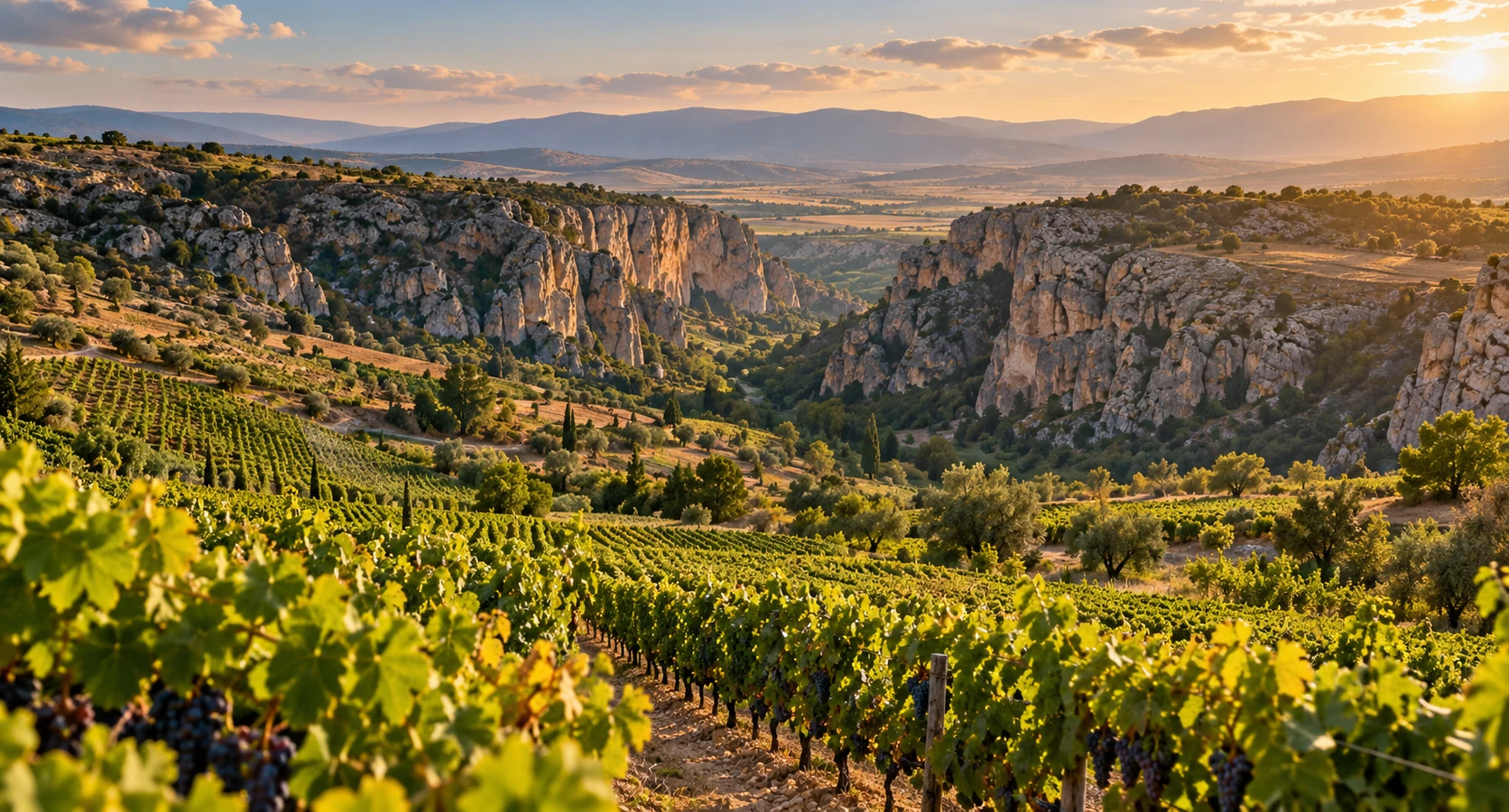
Çal Vineyards & Çal Karası Grapes
Understand the grape culture of the neighbouring district.
Discover the Vineyards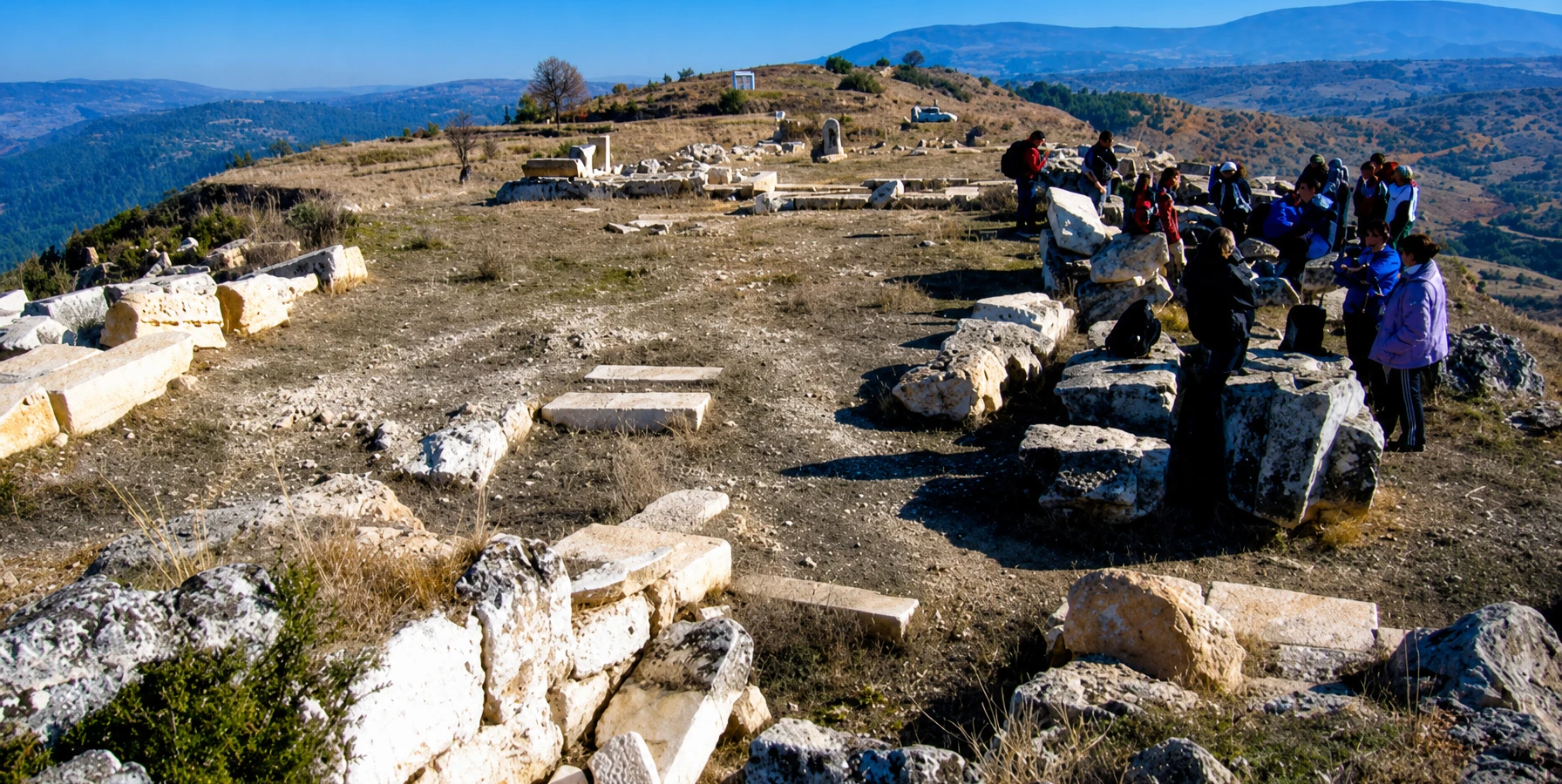
Dionysopolis Ancient City
Explore the ancient heritage of the wider Çal region, with separate access planning.
Learn MoreNature and Classic Denizli Highlights
Explore these as separately planned stops according to actual routes and driving times.
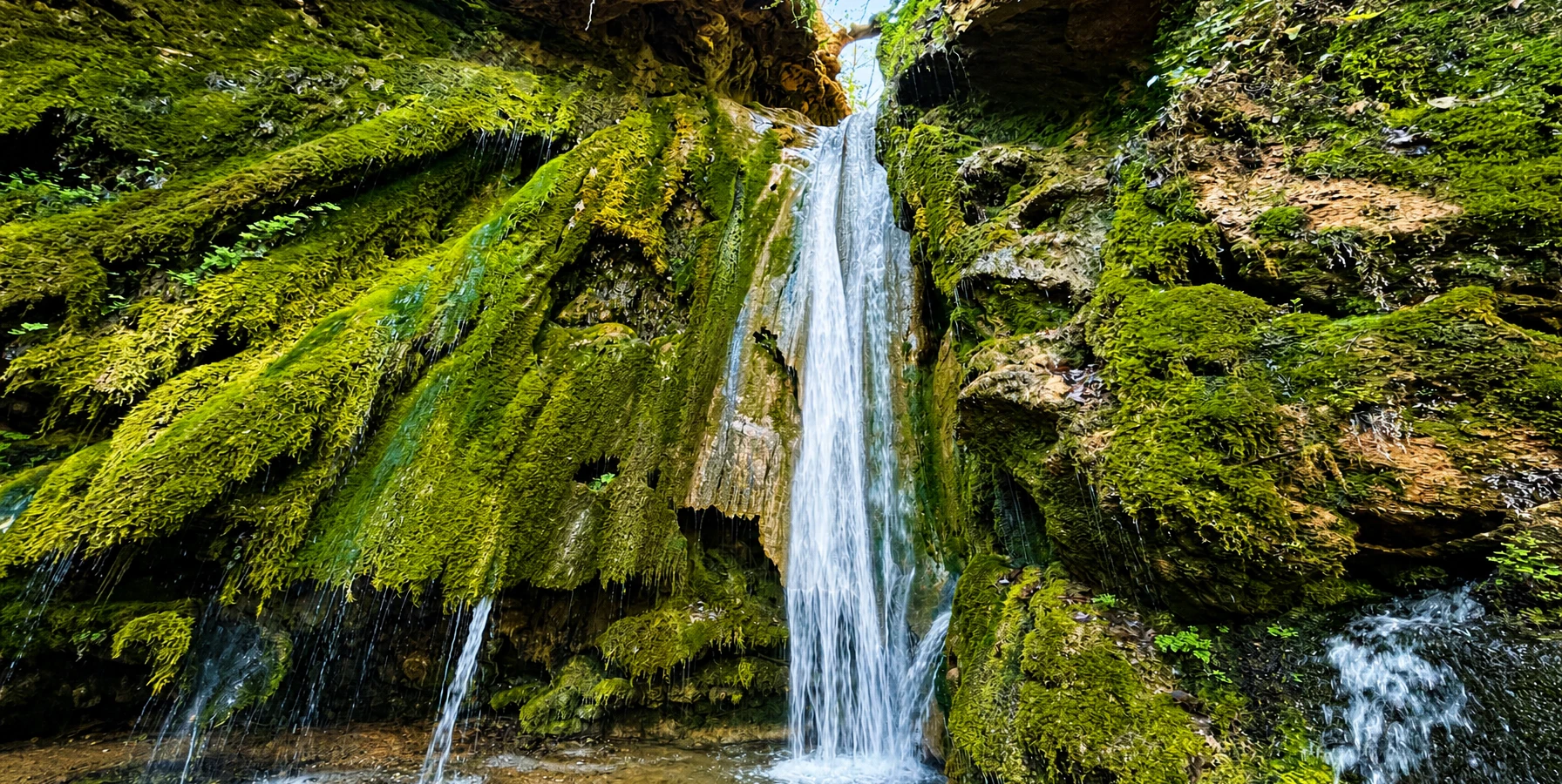
Sakızcılar Waterfall
Visit a different part of the Çal countryside for rock-and-water scenery.
Discover the Waterfall
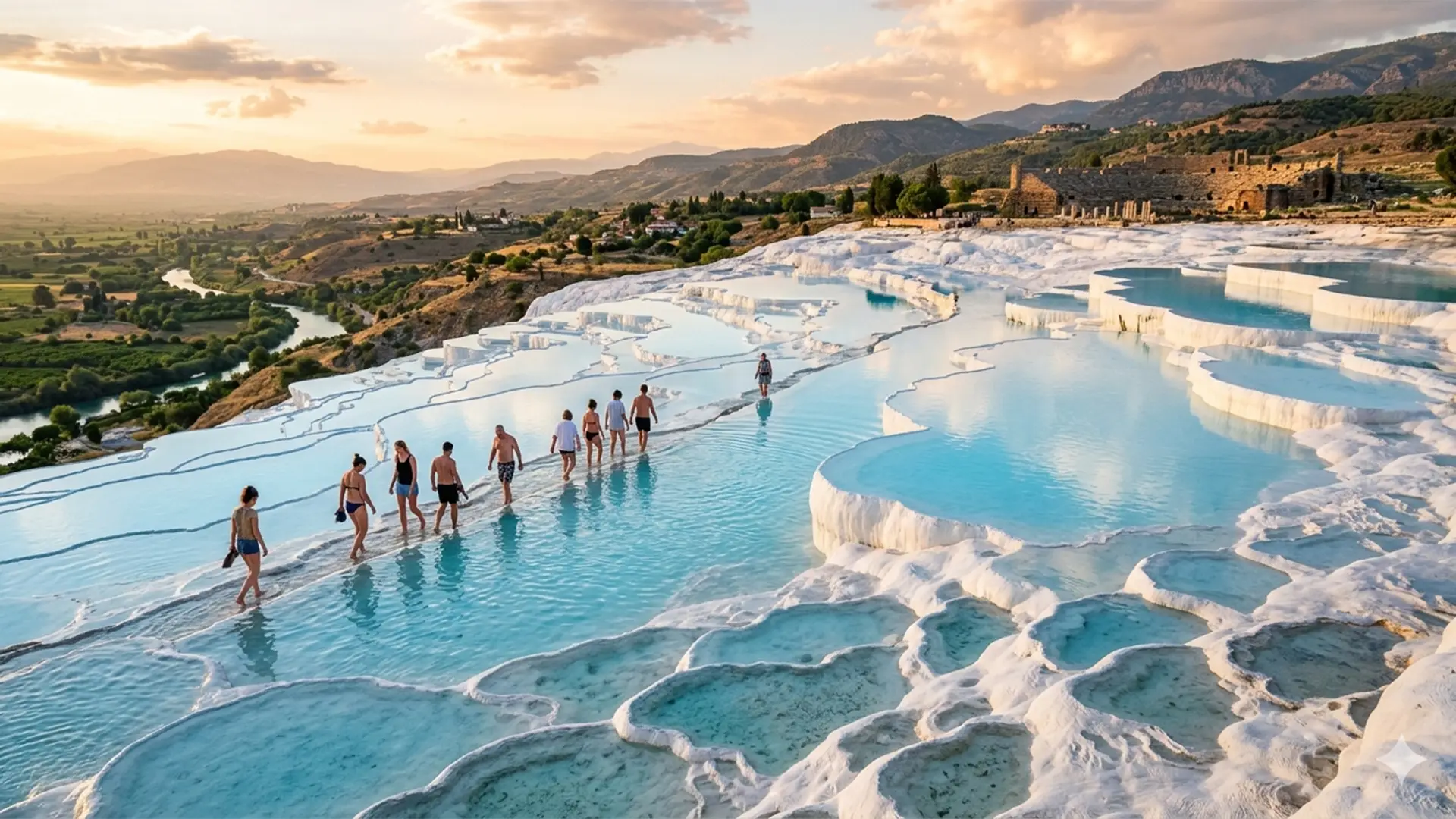
Private Pamukkale & Hierapolis Tour
Plan a separate journey to Denizli’s world-famous travertines and Roman ruins.
View Private Tour