Seljuk Carpets, Ottoman Calligraphy, Islamic Art, Sacred Objects & İbrahim Pasha Palace

Turkish and Islamic Arts Museum Istanbul – Complete Visitor Guide

Explore one of the world's great collections of Islamic art inside the historic İbrahim Pasha Palace, overlooking Istanbul's ancient Hippodrome and Sultanahmet Square.

Explore the Museum

Turkish and Islamic Arts Museum – Masterpieces Beside the Hippodrome

Standing directly beside Sultanahmet Square, opposite the great monuments of Istanbul's Historic Peninsula, the Turkish and Islamic Arts Museum contains one of Turkey's richest collections of Islamic art.

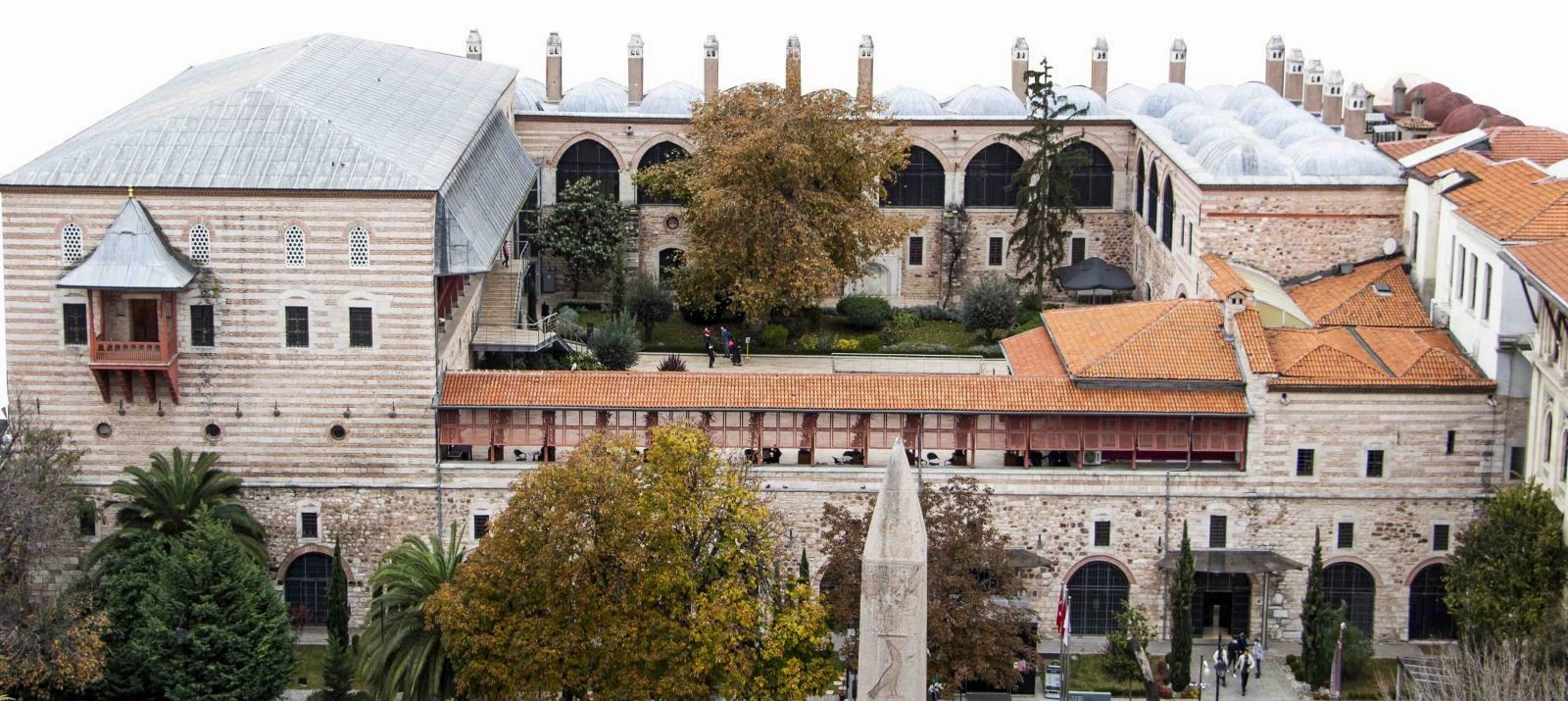
The museum is housed inside the historic İbrahim Pasha Palace, one of the rare surviving examples of large-scale 16th-century Ottoman civil palace architecture. From its elevated terraces, visitors can look directly across the former Byzantine Hippodrome toward the Blue Mosque.

Inside, the collection moves across centuries and civilizations. Visitors encounter objects from the Umayyad, Abbasid, Seljuk, Artuqid, Ayyubid, Mamluk, Ilkhanid, Timurid, Safavid and Ottoman worlds.

The museum is especially celebrated for its extraordinary historic carpet collection. Rare 13th-century Anatolian Seljuk carpets stand alongside animal carpets, Holbein and Lotto types, Uşak carpets, prayer rugs and later Ottoman examples.

Other galleries preserve Qur'an manuscripts, calligraphy, woodwork, metalwork, stone carving, ceramics, glass, religious objects and ethnographic material that reveal how Islamic artistic traditions developed across an enormous geographic area.

Allow approximately 1.5–2.5 hours for a rewarding visit, or considerably longer if you have a particular interest in carpets, calligraphy, Islamic manuscripts or medieval decorative arts.

World-Class Carpets

See rare Seljuk, Ottoman, Holbein, Lotto and Uşak carpets from one of the world's most important historic collections.

Islamic Manuscripts

Discover Qur'ans, calligraphy and manuscripts representing centuries of Islamic book arts.

İbrahim Pasha Palace

Explore the museum inside an extraordinary Ottoman palace overlooking the ancient Hippodrome.

Centuries of Islamic Art

Follow artistic traditions from the early Islamic world through Seljuk, Mamluk, Timurid, Safavid and Ottoman periods.


Know Before You Go

Turkish and Islamic Arts Museum Istanbul – Quick Facts

Essential information about the Turkish and Islamic Arts Museum, İbrahim Pasha Palace, its internationally important collections, historic carpets, manuscripts and practical visitor planning.

📍

Location

Sultanahmet Square on Istanbul's Historic Peninsula.

Open on Google Maps
🏛️

Building

Historic İbrahim Pasha Palace overlooking the former Byzantine Hippodrome.

📅

Museum Founded

1914, originally as the Evkaf-ı İslâmiye Museum.

🏰

Current Home

The museum moved to İbrahim Pasha Palace in 1983.

🧶

Famous For

One of the world's most important collections of historic carpets.

📜

Other Highlights

Qur'an manuscripts, calligraphy, woodwork, metalwork, stone, ceramics and ethnography.

⏱️

Recommended Visit

Approximately 1.5–2.5 hours for most visitors.

🚋

Nearest Tram

Sultanahmet on Istanbul's T1 tram line.


Islamic Art, Ottoman Heritage, Seljuk Carpets, Historic Manuscripts and One Extraordinary Palace

Why Is the Turkish and Islamic Arts Museum Important?

The museum is important not because of a single masterpiece, but because it brings together centuries of Islamic artistic history within one exceptional collection.

The first reason to visit is the carpet collection. The museum preserves extraordinarily rare examples of Anatolian weaving, including famous carpets associated with the 13th-century Seljuk period.

The second is its collection of manuscripts and calligraphy. The galleries reveal how writing itself became one of the central artistic languages of Islamic civilization, especially through Qur'anic manuscripts, religious texts and monumental calligraphic traditions.

The third is the remarkable geographic and chronological range. Art from the Umayyad, Abbasid, Seljuk, Artuqid, Mamluk, Ilkhanid, Timurid, Safavid and Ottoman worlds allows visitors to compare traditions that developed across centuries and enormous distances.

The fourth reason is the museum building. Instead of occupying a modern exhibition hall, the collection is displayed inside İbrahim Pasha Palace, connecting objects of Islamic art with one of Istanbul's most significant surviving Ottoman civil buildings.

Finally, the museum has an unusual documentary value. Many objects entered the collection from historic mosques, tombs, religious foundations and other vakıf institutions, allowing scholars to understand not only what an object is, but also where and how it was originally used.

History of the Turkish and Islamic Arts Museum

The museum emerged during a period when awareness was growing about the need to protect historic works preserved in mosques, tombs, dervish lodges, religious foundations and other Ottoman monuments.

During the late Ottoman period, valuable carpets, manuscripts, wooden doors, Qur'an stands, tiles and metal objects faced theft, illegal removal and export abroad.

A major effort therefore began to collect and safeguard important works from religious foundations. The resulting institution opened in 1914 as the Evkaf-ı İslâmiye Müzesi – Museum of Islamic Foundations.

Its first home was the imaret of the Süleymaniye Mosque Complex, one of the great architectural ensembles associated with Mimar Sinan.

Following the foundation of the Turkish Republic, the institution became known as the Turkish and Islamic Arts Museum. Its collections continued to expand, becoming increasingly important for the study of Islamic art, Anatolian carpets, calligraphy and decorative arts.

In 1983, the museum moved from Süleymaniye to İbrahim Pasha Palace in Sultanahmet. The new location placed the collection directly beside the ancient Hippodrome, Blue Mosque, Hagia Sophia and other monuments of Istanbul's historic center.

A major restoration and exhibition project began in 2012. The museum reopened in 2014, the centenary of its original foundation, with renewed exhibition spaces and visitor facilities.

1914

The museum opens in the Süleymaniye Complex as the Evkaf-ı İslâmiye Museum.

Original Mission

Protect important artworks originating from Ottoman religious foundations and historic monuments.

Republican Period

The institution becomes known as the Turkish and Islamic Arts Museum.

1983

The museum moves to İbrahim Pasha Palace in Sultanahmet.

2012

A major restoration and exhibition renewal begins.

2014

The museum reopens during the centenary of its original establishment.

İbrahim Pasha Palace

The building containing the museum is nearly as fascinating as the collection itself. İbrahim Pasha Palace stands along the western side of the former Byzantine Hippodrome, known during the Ottoman period as the At Meydanı – Horse Square.

İbrahim Pasha was one of the most powerful figures of the reign of Sultan Süleyman the Magnificent. A close companion of the sultan, he rose to become Grand Vizier and married into the Ottoman dynasty.

The precise architectural history of the palace developed through several building phases, but Ottoman sources associate the complex strongly with the early 16th century. It was repaired during the reign of Süleyman and became the great residence identified with İbrahim Pasha.

The palace occupied an exceptionally prestigious location. From here, its inhabitants overlooked the At Meydanı, where imperial ceremonies, festivals, public celebrations, weddings, processions and political events took place.

Its surviving architecture includes stone-built halls, arcades, terraces, courtyards and elevated rooms. The structure is dramatically different from the later imperial palaces beside the Bosphorus, making it particularly valuable for understanding earlier Ottoman elite architecture.

Today, windows and terraces within the museum provide striking views toward the Blue Mosque and Sultanahmet Square.

Do not overlook the building: many visitors focus entirely on the objects, but İbrahim Pasha Palace is itself one of the major historic works encountered during the visit.

Collections of the Turkish and Islamic Arts Museum

The museum's collection stretches from the early Islamic centuries into the late Ottoman period, bringing together material from numerous regions and dynasties.

Different galleries can almost be experienced as individual museums. Each major material category represents its own artistic traditions, technologies, workshops and historical geography.

Historic Carpets

Seljuk, animal, Holbein, Lotto, Uşak, Ottoman and prayer carpets form the museum's most famous collection.

Manuscripts

Early Qur'anic material, illuminated manuscripts and rare examples from across the Islamic world.

Calligraphy

Works demonstrating the development of major scripts and Islamic traditions of artistic writing.

Woodwork

Doors, Qur'an stands, architectural pieces and carved objects from Seljuk, Beylik and Ottoman contexts.

Metalwork

Bronze, brass and other objects displaying sophisticated medieval Islamic metalworking techniques.

Stone

Architectural fragments, inscriptions, carved decoration and figurative Seljuk stonework.

Ceramics

Objects showing different centers, periods, glazing traditions and decorative techniques.

Glass

Historic vessels and objects illustrating the technical sophistication of Islamic glassmaking.

Ethnography

Displays presenting aspects of domestic life, craftsmanship, clothing and everyday culture.

The Carpet Collection

For many specialists, the carpet galleries are the heart of the museum. The collection contains around 1,700 historic carpets and ranks among the most important collections of its kind anywhere in the world.

The significance of the collection comes not simply from quantity, but from the survival of exceptionally early examples. Some carpets preserve forms, colors and weaving traditions that transformed the history of textile studies.

Historic carpets were often preserved for centuries because they remained within mosques and religious foundations. When these textiles entered the museum collection, their association with documented buildings sometimes helped scholars reconstruct their historical context.

Visitors can follow the development of Anatolian carpet traditions through Seljuk carpets, animal-pattern carpets, geometric carpets, Holbein and Lotto groups, Uşak carpets, prayer rugs and later Ottoman examples.

Collection Strength Approximately 1,700 historic carpets
Earliest Highlights Rare Anatolian Seljuk carpets dating to around the 13th century
Later Groups Animal carpets, Holbein, Lotto, Uşak and Ottoman carpets
Why They Survived Many were preserved for generations in mosques and religious foundations
Ideal For Textile history, decorative arts, design, color and Islamic art

The Seljuk Carpets

Among the museum's greatest treasures are carpets associated with the Anatolian Seljuk period. Examples dating to around the 13th century belong to an extremely small group of surviving large medieval carpets.

Their designs are powerful and immediately recognizable. Large repeating geometric fields are often framed by broad borders carrying stylized pseudo-Kufic decorative forms that recall monumental Islamic calligraphy.

The compositions demonstrate that carpet weaving had already reached an extraordinarily sophisticated artistic level in medieval Anatolia. They also help explain why Anatolian carpets later became famous throughout Europe and the Mediterranean.

For anyone interested in Seljuk architecture, ornament or medieval Anatolia, these carpets should be examined slowly. Their visual language can be compared with geometric patterns, brickwork, tile decoration and carved architectural ornament from the same broad cultural world.

Essential highlight: even visitors with limited time should make the Seljuk carpet galleries one of their priorities. They represent some of the museum's most internationally significant works.

Holbein, Lotto & Uşak Carpets

Later galleries reveal the astonishing variety of Anatolian and Ottoman carpet production. Several groups are known today by names associated with European painters who repeatedly depicted similar carpets in Renaissance works.

The so-called Holbein carpets are associated with geometric fields and repeating patterns seen in paintings connected with Hans Holbein and other European artists.

Lotto carpets, named after the Venetian painter Lorenzo Lotto, are particularly recognizable for energetic arabesque-like patterns, often rendered as interlocking yellow forms against red grounds.

The famous Uşak carpets developed into some of the most prestigious Ottoman textiles exported to European courts, churches and wealthy households. Large medallion and star patterns became especially celebrated.

Seeing such carpets in Istanbul allows visitors to understand an important historical connection: objects woven in Anatolia became part of European Renaissance visual culture and today appear in paintings held by museums across the world.

Manuscripts & Islamic Calligraphy

The manuscript collection is another major reason to visit. Within Islamic civilization, writing carried religious, intellectual and artistic importance, and calligraphy became one of the great visual traditions of the Islamic world.

The museum preserves examples spanning different centuries, regions and calligraphic styles. Visitors can observe changes in script, page proportion, illumination, pigments, paper and binding traditions.

The collection includes important Qur'anic material, works connected with celebrated calligraphers and manuscripts demonstrating how the written word developed from early Islamic forms into highly sophisticated later traditions.

Among the notable names represented in the wider collection is Yaqut al-Musta'simi, one of the most influential medieval masters in the history of Islamic calligraphy.

The museum also preserves a highly important Qur'an containing an early Turkic interlinear translation, illustrating the interaction between Arabic religious text and the growing written traditions of Turkic-speaking Muslim societies.

Early Qur'anic Writing

See examples connected with the formative centuries of Islamic manuscript culture.

Calligraphic Masters

Study traditions developed by major calligraphers across the medieval and Ottoman worlds.

Illumination

Look beyond the script to gilding, page borders, pigments and decorative organization.

Historic Bindings

Book covers and bindings reveal another major branch of Islamic decorative craftsmanship.

Language

Manuscripts preserve Arabic, Persian and Turkic intellectual and religious traditions.

Take Your Time

Small details are easy to miss when moving quickly through manuscript displays.

The Damascus Documents

One of the museum's most unusual holdings is commonly known as the Damascus Documents or Şam Evrakı.

The collection contains thousands of manuscript leaves and fragments, including examples connected with the earliest centuries of Islamic written culture. They were transferred to the museum during the early decades of its existence.

Such material is important because manuscript fragments can reveal much more than complete prestige books. They help scholars investigate handwriting, paper, parchment, language, religious practice, book production and everyday documentary culture.

Individual objects on display may change because fragile manuscripts require careful conservation and controlled exposure to light. For this reason, the exact manuscript selection visible during one visit may not always match an older guidebook or exhibition photograph.

Seljuk & Islamic Woodwork

Wood is vulnerable to fire, moisture, insects and rebuilding, which makes surviving medieval architectural woodwork especially precious.

The museum preserves important examples from the Seljuk, Beylik and Ottoman periods, including doors, window shutters, Qur'an stands, carved panels and elements once belonging to religious monuments.

Look closely for geometric interlace, arabesques, inscriptions, stars and complex joining techniques. In exceptional works, separate pieces of wood create intricate patterns without depending on painted decoration.

These objects are particularly valuable when compared with surviving medieval mosques and madrasas across Konya, Kayseri, Sivas, Divriği and other Anatolian centers.

The Cizre Great Mosque Door

Among the most remarkable objects associated with the museum collection is the monumental Cizre Great Mosque door, a masterpiece connected with the Artuqid artistic world.

Its wooden structure is covered with bronze plates and brass decoration. The design includes carefully organized medallions and geometric forms.

Its most memorable decorative feature is associated with paired dragons and a central lion's head, forming an extraordinary combination of technical skill, symbolism and medieval Anatolian artistic imagination.

The object is especially valuable for understanding how Islamic decorative art could combine geometry, calligraphy, animal imagery and sophisticated metalworking within one monumental architectural element.

Metalwork, Glass, Ceramics & Stone

The museum extends far beyond carpets and manuscripts. Its decorative arts collections reveal the technical sophistication of workshops operating across the medieval Islamic world and Ottoman Empire.

Metalwork

Look for cast, engraved and inlaid objects demonstrating advanced medieval metalworking traditions.

Glass

Historic vessels illustrate the refinement and technical knowledge of Islamic glass production.

Ceramics

Glazed surfaces, changing forms and regional styles reveal centuries of ceramic innovation.

Stone Carving

Architectural pieces, inscriptions and carved decoration preserve material from monuments that have changed or disappeared.

Seljuk Figures

Some medieval Anatolian works preserve figurative imagery alongside geometric and vegetal ornament.

Inscriptions

Arabic inscriptions can communicate religious texts, patronage, dates, blessings and artistic identity.

Holy Relics & Religious Objects

The museum also contains a section devoted to religious objects and sacred relic traditions, adding another dimension to the collection.

These displays remind visitors that many objects now admired as museum masterpieces were not created simply as decorative art. They belonged to mosques, shrines, religious ceremonies, pilgrimage traditions and acts of devotion.

Understanding this original religious function is particularly important for Qur'ans, Qur'an stands, textiles, calligraphy and objects connected with sacred places.

Visitors interested primarily in the famous Sacred Trusts associated with the Ottoman sultans should also visit Topkapı Palace, whose collections and historical context are different from those of the Turkish and Islamic Arts Museum.

The Ethnography Collection

The ethnographic displays shift the focus from courtly and monumental art toward daily life.

Objects associated with domestic interiors, clothing, textiles, craftsmanship and traditional occupations help visitors understand how artistic traditions entered ordinary homes and community life.

This part of the museum can be particularly useful after viewing highly refined palace and mosque objects, because it broadens the story beyond rulers, architects and elite patrons.

The ethnographic displays also provide context for the 19th-century Ottoman world, showing aspects of life that have largely disappeared from modern Istanbul.

What to See at the Turkish and Islamic Arts Museum

Seljuk Carpets

Make the extraordinary medieval Anatolian carpet collection one of your highest priorities.

Holbein Carpets

Recognize designs that became familiar through Renaissance European painting.

Lotto Carpets

Look for the distinctive interlocking ornament associated with this famous Anatolian group.

Uşak Carpets

See monumental medallion and star designs exported across the Ottoman and European worlds.

Historic Qur'ans

Study changing calligraphic styles, illumination and page design across different centuries.

Damascus Documents

Discover rare written fragments connected with early Islamic manuscript culture.

Cizre Great Mosque Door

Look for one of the great surviving achievements of medieval Anatolian wood and metalwork.

Seljuk Woodwork

Examine doors, Qur'an stands and architectural carving from medieval Anatolia.

Metalwork

Notice the detailed engraving, casting and inlay techniques used by medieval craftsmen.

Stone Carving

Compare inscriptions, architectural fragments and Seljuk decorative imagery.

Ethnography

End with objects illustrating domestic life and traditional Turkish culture.

Palace Views

Look through the palace toward the Hippodrome and Blue Mosque before leaving.

Best Way to Visit the Museum

A first visit is most rewarding when approached chronologically and by material rather than trying to photograph every object.

Begin by understanding the history of İbrahim Pasha Palace and the institution itself. This gives context to the unusual combination of museum and historic building.

Continue through the early Islamic and medieval sections, paying particular attention to the transition between different regions and dynasties.

Give extra time to the carpet galleries. The earliest carpets are not merely attractive textiles: they are major documents in the history of Anatolian art.

Next, slow down again in the manuscript and calligraphy galleries. Look at the relationship between script, page layout, illumination and binding rather than reading the objects only as texts.

Finish with the decorative arts, ethnographic material and views from the palace toward Sultanahmet Square.

Priority 1 History of the museum and İbrahim Pasha Palace
Priority 2 Early Islamic and medieval art
Priority 3 Seljuk and Ottoman carpet galleries
Priority 4 Manuscripts and calligraphy
Priority 5 Wood, metal, stone, ceramic and glass collections
Finish Ethnography and views across Sultanahmet Square

Turkish and Islamic Arts Museum Visitor Information

The museum stands at Binbirdirek Mahallesi, At Meydanı Sokak No:12, Sultanahmet, directly beside Sultanahmet Square.

The official museum listing currently gives regular visiting hours of 09:00–18:45 and states that the museum is open every day.

The official listing currently shows a regular foreign-visitor admission price of €17. Ticket prices, museum-pass rules and special exhibitions can change, so verify the official museum information before your visit.

The museum also currently participates in Night Museology, with separate evening access listed from 19:00 to 22:00 and last ticketing at 21:00. Night-program schedules and pass conditions should always be checked for your exact date.

Location Sultanahmet / Historic Peninsula
Regular Opening 09:00
Regular Closing 18:45
Regular Closed Day Currently listed as open every day
Current Standard Ticket Official listing currently shows €17
Recommended Visit 1.5–2.5 hours
Audio Guide Official museum information lists an audio guidance service
Important: museum hours, ticket prices, night-opening arrangements, pass validity, temporary exhibitions and gallery access can change. Always check the official museum information shortly before travel.

Practical Tips for Visiting

Visit Early

Morning is excellent for exploring the museum before Sultanahmet reaches its busiest period.

Do Not Rush the Carpets

The earliest examples are among the most important objects in the entire museum.

Look at the Palace

Remember that the museum building is itself an important Ottoman monument.

Use the Labels

Knowing the date, origin and original monument of an object can completely change how you understand it.

Allow 2 Hours

This is a comfortable target for most first-time visitors.

Art Lovers Need Longer

Carpet, manuscript and Islamic-art specialists can easily spend three hours or more.

Combine Carefully

Avoid trying to visit every major Sultanahmet museum on the same day.

Check Temporary Exhibitions

Special displays can add rare objects not normally visible in the permanent galleries.

Best Time to Visit

Opening Time

Usually the best choice for quieter galleries and a relaxed beginning.

Late Morning

Convenient when combining the museum with the Blue Mosque and Hippodrome.

Midday

A useful indoor visit when Sultanahmet is hottest and most crowded outside.

Late Afternoon

Good for ending a Historic Peninsula walking route, provided you leave sufficient museum time.

Rainy Days

One of the best major indoor attractions in the Sultanahmet district.

Winter

Excellent for quieter museum visits and detailed study of the collections.

How Much Time Do You Need?

45–60 Minutes

Only enough for selected highlights such as the Seljuk carpets, manuscripts and palace views.

1.5 Hours

A reasonable minimum for a first visit without studying every gallery in depth.

2 Hours

Ideal for most visitors wanting a balanced exploration of the major collections.

2.5–3 Hours

Excellent for visitors interested in Islamic art, Ottoman history, textiles or calligraphy.

Half Day

Appropriate for researchers, artists, textile enthusiasts and serious museum visitors.

Full Sultanahmet Day

Combine with nearby monuments while leaving each major museum sufficient time.

Photography at the Museum

The Turkish and Islamic Arts Museum offers outstanding opportunities for photographing historic objects and Ottoman architecture, subject to current museum rules.

The carpet galleries provide dramatic color, pattern and large-scale compositions, while manuscripts reward close attention to calligraphy, illumination and page design.

İbrahim Pasha Palace creates another layer of photographic interest. Arcades, stone walls, windows and terraces frame views toward the Hippodrome and Blue Mosque.

Avoid using flash where prohibited and never touch, lean against or place equipment near historic objects. Temporary exhibitions may have their own photography restrictions.

Best Textile Images

Seljuk, Holbein, Lotto and Uşak carpets.

Best Detail Images

Calligraphy, manuscript illumination, metalwork and carved wood.

Best Architecture

The arcades, courtyard spaces and surviving fabric of İbrahim Pasha Palace.

Best View

Look across Sultanahmet Square toward the Blue Mosque from the palace.

Avoid Flash

Always follow gallery signs and staff instructions regarding photography.

Respect Other Visitors

Do not block narrow gallery routes or display cases while taking photographs.

Accessibility

The Turkish and Islamic Arts Museum occupies a historic Ottoman palace, so visitors should expect architectural conditions different from a purpose-built modern museum.

The palace includes changes in level, historic circulation routes and upper exhibition spaces. Modern adaptations improve access, but individual galleries or temporary exhibition areas may have different conditions.

Visitors using wheelchairs or those who have difficulty with stairs should confirm current lift access and accessible routes with the museum when detailed planning is necessary.

Sultanahmet itself contains cobblestones, slopes, tram tracks and extremely busy pedestrian areas, which should also be considered when planning the wider day.

Accessibility tip: because the museum occupies a protected historic palace, confirm current accessible entrances, lift operation and gallery access directly with the museum before travel if step-free circulation is essential.

How to Get to the Turkish and Islamic Arts Museum

The museum occupies one of the easiest locations to reach in historic Istanbul. It stands on Sultanahmet Square, beside the former Hippodrome and opposite the Blue Mosque.

The most practical public-transport option for many visitors is the T1 tram. Get off at Sultanahmet and walk through the square toward the Hippodrome.

From Hagia Sophia, the museum is only a short walk across Sultanahmet Square.

From Basilica Cistern, walk toward the Blue Mosque and Hippodrome.

From Topkapı Palace or Istanbul Archaeological Museums, continue on foot through the central Sultanahmet heritage zone.

By Tram

Use the T1 line and get off at Sultanahmet.

From Hagia Sophia

A short walk across the central Sultanahmet area.

From Blue Mosque

The museum stands immediately across the Hippodrome side of the square.

From Basilica Cistern

Walk through Sultanahmet toward the ancient Hippodrome.

By Taxi

Traffic restrictions around Sultanahmet may require a short final walk.

On Foot

Ideal as part of a Historic Peninsula walking itinerary.

Suggested Turkish and Islamic Arts Museum & Sultanahmet Route

The museum works exceptionally well within a walking route because many of Istanbul's greatest monuments stand within a few minutes of one another.

1

Begin at the Hippodrome

See the ancient monuments of the former Byzantine ceremonial and racing ground before entering the museum.

2

Turkish and Islamic Arts Museum

Allow around 1.5–2.5 hours for İbrahim Pasha Palace, Seljuk carpets, manuscripts, calligraphy and decorative arts.

3

Blue Mosque

Cross the square to the Blue Mosque and compare museum objects with a living masterpiece of Ottoman religious architecture.

4

Hagia Sophia

Continue to Hagia Sophia for one of the greatest surviving monuments of Byzantine and Ottoman Istanbul.

5

Basilica Cistern

Finish underground at the Basilica Cistern if opening times and ticket availability fit your day.

Planning tip: do not treat Sultanahmet as a checklist. The Turkish and Islamic Arts Museum, Hagia Sophia, Blue Mosque and Basilica Cistern each deserve sufficient time. A slower route is usually much more rewarding.

Places to Visit Near the Turkish and Islamic Arts Museum

Few museums in Istanbul have a more extraordinary location. Within a short walking distance you can move through Roman, Byzantine and Ottoman history spanning nearly two thousand years.

Use our complete guide to places to visit in Istanbul to plan the wider city.

Frequently Asked Questions About the Turkish and Islamic Arts Museum

Where is the Turkish and Islamic Arts Museum?

The museum is located inside İbrahim Pasha Palace on Sultanahmet Square, beside the former Byzantine Hippodrome and opposite the Blue Mosque.

What is the museum famous for?

It is especially famous for its historic carpet collection, including exceptionally rare Anatolian Seljuk carpets, as well as manuscripts, calligraphy, woodwork, metalwork, stone, ceramics and ethnographic collections.

When was the museum founded?

It opened in 1914 as the Evkaf-ı İslâmiye Museum, originally housed in the imaret of the Süleymaniye Mosque Complex.

When did the museum move to İbrahim Pasha Palace?

The Turkish and Islamic Arts Museum moved to its present Sultanahmet location in 1983.

What is İbrahim Pasha Palace?

It is an important surviving example of 16th-century Ottoman civil palace architecture, historically associated with Pargalı İbrahim Pasha, Grand Vizier of Sultan Süleyman the Magnificent.

Are there Seljuk carpets in the museum?

Yes. The museum preserves exceptionally important Anatolian Seljuk carpets, including rare examples dating to around the 13th century.

What are Holbein carpets?

They are groups of Anatolian carpets known partly because similar designs repeatedly appeared in European Renaissance paintings, including works associated with Hans Holbein and other artists.

What are Lotto carpets?

Lotto carpets are historic Anatolian carpets characterized by distinctive arabesque-like geometric designs. Their modern name comes from the Venetian painter Lorenzo Lotto, whose works helped make the type familiar to art historians.

What are Uşak carpets?

Uşak carpets were among the great products of Ottoman Anatolian weaving, including famous medallion and star compositions exported widely to Europe.

Does the museum contain Qur'ans?

Yes. Its manuscript collection includes important Qur'anic manuscripts and major examples of Islamic calligraphy.

What are the Damascus Documents?

The Damascus Documents are a large body of manuscript leaves and fragments preserving important examples connected with early Islamic written culture.

Is the Cizre Great Mosque door here?

The museum collection includes the famous monumental door associated with Cizre Great Mosque, an important Artuqid work combining wood, bronze, brass, geometric ornament and animal imagery.

How many carpets does the museum have?

Official cultural-heritage information describes a collection of approximately 1,700 carpets, making it one of the most important historic carpet collections in the world.

How long should I spend in the museum?

Allow approximately 1.5–2.5 hours. Visitors with a strong interest in carpets, Islamic art or manuscripts may want three hours or more.

What are the museum's opening hours?

The official museum listing currently gives regular opening hours of 09:00–18:45 and states that the museum is open every day. Always verify current hours before your visit.

How much is admission?

The official museum website currently lists standard foreign-visitor admission at €17. Prices and pass conditions can change, so check the official ticket information for your exact visit date.

Is the museum open at night?

The museum currently participates in Turkey's Night Museology program, with separate evening hours listed from 19:00 to 22:00. Night-opening dates, ticketing and museum-pass rules should be checked before visiting.

Is the museum close to the Blue Mosque?

Yes. The museum stands directly beside the ancient Hippodrome, facing the Blue Mosque across Sultanahmet Square.

Is the museum close to Hagia Sophia?

Yes. Hagia Sophia is only a short walk across the Sultanahmet historic district.

Can I combine it with Topkapı Palace?

Yes, but both museums contain extensive collections. For a more relaxed visit, avoid squeezing them into a very short time window.

Is the museum worth visiting if I am not an Islamic art specialist?

Yes. The historic carpets, İbrahim Pasha Palace, manuscripts, decorative arts and excellent location make the museum rewarding even for visitors without specialist knowledge.

Is the museum good for children?

Older children interested in patterns, animals, historic objects and stories may enjoy the carpets and decorative arts, although the museum is primarily an art and history collection rather than an interactive children's museum.

Is photography allowed?

Photography rules can vary by gallery and temporary exhibition. Follow current museum signs, avoid flash where prohibited and respect restrictions around fragile works.

Is the museum accessible?

The museum occupies a historic palace adapted for modern use. Visitors requiring fully step-free access should confirm current entrances, lift operation and gallery accessibility directly with the museum.

Is the Turkish and Islamic Arts Museum worth visiting?

Yes. It is one of Istanbul's strongest museums for visitors interested in Ottoman art, Seljuk history, Islamic civilization, historic carpets, calligraphy and decorative arts, and its location makes it extremely easy to include in a Sultanahmet itinerary.

Responsible Visiting

Never Touch Objects

Textiles, manuscripts, wood and metal surfaces can be damaged by even apparently harmless contact.

Respect Photography Rules

Fragile objects and temporary exhibitions may have special restrictions.

Avoid Flash

Follow all museum instructions protecting light-sensitive manuscripts and textiles.

Respect Sacred Context

Remember that many objects were created for mosques, Qur'anic study, pilgrimage and religious devotion.

Protect the Palace

İbrahim Pasha Palace is itself a protected historic monument.

Give Others Space

Avoid blocking display cases or narrow routes while photographing or reading labels.

Private Turkish and Islamic Arts & Sultanahmet Experiences

Connect the Turkish and Islamic Arts Museum with İbrahim Pasha Palace, the Hippodrome, Blue Mosque, Hagia Sophia, Topkapı Palace, Ottoman history, Byzantine Constantinople, Islamic art, historic carpets and Istanbul's extraordinary Historic Peninsula through a private route shaped around your interests and without compulsory shopping stops.

Custom Islamic Art & Ottoman Heritage Experience

Choose a private Istanbul route focused on Islamic art, Ottoman architecture, Seljuk heritage, historic carpets, calligraphy, religious history, imperial monuments and the artistic traditions of Anatolia.

Historic Istanbul Sultanahmet Byzantine Ottoman and Islamic heritage

Explore Historic Istanbul

Continue through Hagia Sophia, Blue Mosque, Topkapı Palace, Basilica Cistern, the Hippodrome, Istanbul Archaeological Museums and the extraordinary heritage of the Historic Peninsula.

Explore Istanbul

Continue Through Sultanahmet

Combine the museum with some of the most important surviving monuments of Roman, Byzantine and Ottoman Istanbul.

Blue Mosque Sultanahmet seen from Ibrahim Pasha Palace Istanbul

Blue Mosque

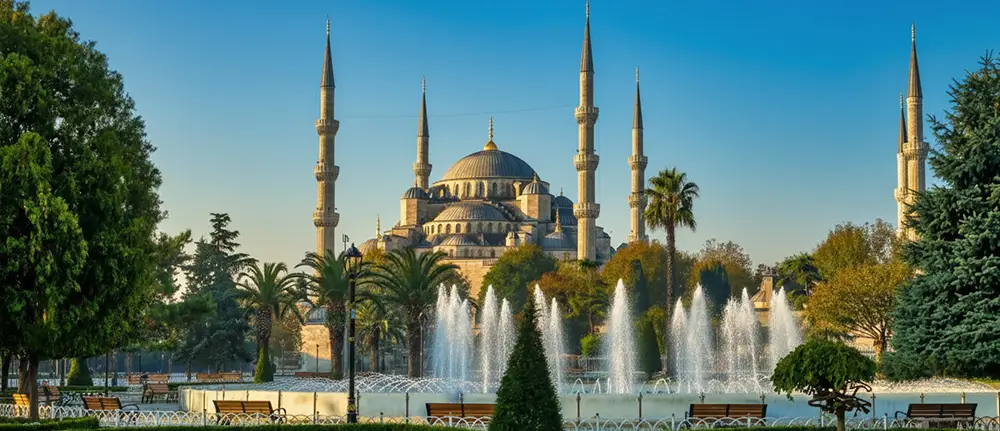
Cross Sultanahmet Square to explore Sultan Ahmed I's monumental imperial mosque and compare its architecture, calligraphy and decorative arts with objects inside the museum.

Explore Blue Mosque
Hagia Sophia Istanbul Byzantine and Ottoman heritage Sultanahmet

Hagia Sophia

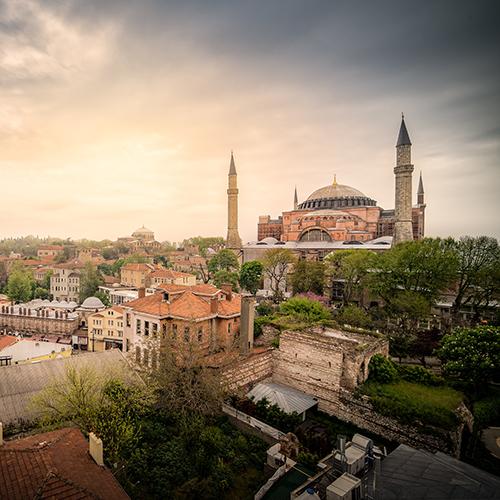
Continue across Sultanahmet to one of the defining monuments of world architecture, where Byzantine Christianity and centuries of Ottoman Islamic history meet.

Explore Hagia Sophia

Private Istanbul Tours

Build a private day around the history that interests you most, from Islamic art and Ottoman architecture to Byzantine monuments, religious history, archaeology, local neighborhoods, food culture and the Bosphorus.