Earthenware Göveç
The documented recipe cooks the meat and vegetables in a traditional clay pot.
- Vessel: toprak göveç
- Purpose: steady, gentle cooking
- Care: food-safe clayware






Tavas Göveci is a traditional meat dish from the Tavas district of Denizli, in southwestern Türkiye. Its best-documented regional recipe begins with finely chopped kuyruk yağı (sheep tail fat) melted in a clay pot over a wood fire. Cubes of lamb are cooked gently, followed in stages by onions, peppers, tomatoes, hot water, red pepper, garlic and fresh parsley. The result is a comforting, richly flavoured stew rooted in the local food culture.
The dish is listed by Türkiye’s Culture Portal with a recipe credited to Adile Zor from a Denizli Provincial Directorate of Culture and Tourism regional cooking competition. Tavas is also celebrated for its pide, kebab and baklava. This guide explains what makes the local göveç distinctive, the documented ingredients and cooking sequence, how clay pots and wood fires affect preparation, practical home adaptations, local tasting advice and ways to enjoy a wider Denizli culinary journey.
The documented local recipe uses a traditional earthenware göveç vessel.
Cubed lamb cooks gradually with sheep tail fat and vegetables.
A carefully controlled fire is part of the described regional method.
A distinctive regional recipe recorded in Türkiye’s Culture Portal.
The essential details of this traditional Denizli clay-pot dish.
Tavas district, Denizli Province, southwestern Türkiye.
Locate Tavas on Google MapsCubed lamb, traditionally cooked with finely chopped sheep tail fat.
Gentle cooking in an earthenware göveç vessel over a wood fire.
Onion, peppers, tomato, garlic, red pepper and parsley.
Meat, vegetables, earthenware and wood fire meet in the food traditions of rural Denizli.
Tavas has a strong culinary identity built around lamb and other meat dishes, oven-baked foods, tahinli pide and traditional sweets. The Denizli Provincial Directorate of Culture and Tourism specifically highlights the district’s göveç alongside its pide, kebab and baklava. The official district account also describes wood-fired cooking and meat served hot in individual pots, illustrating the continuing importance of the method to the area’s food culture.
Clay vessels, fire control and patient cooking make practical sense in a cuisine shaped by both livestock raising and agriculture. Tavas Göveci combines lamb with onions, peppers and tomatoes rather than relying on an elaborate spice mixture. Its flavours develop by cooking ingredients in sequence and letting their juices come together.
The exact year in which Tavas Göveci originated has not been established by the available culinary documentation. It is best presented as a traditional regional speciality, without inventing a particular inventor, Ottoman-era date or historical royal connection. The well-documented public recipe was supplied by Adile Zor for a Denizli regional-food competition and published by the Culture Portal.
Unlike the separately registered Tavas Baklavası, the fact that Tavas Göveci has an official Culture Portal recipe should not be confused with evidence of a geographical-indication registration. The dish deserves attention on the strength of its documented local cooking tradition.
Simple ingredients become a characterful meal through the vessel, cooking order and unhurried heat.
The documented recipe cooks the meat and vegetables in a traditional clay pot.
Kuşbaşı kuzu eti is the principal ingredient in the published Tavas recipe.
Kuyruk yağı is rendered before the lamb is added, building the dish’s distinctive richness.
Meat, onion, peppers and tomatoes are cooked in a particular sequence.
The Culture Portal’s recipe specifically calls for cooking over a wood fire.
Fresh tomatoes and added hot water create the stew’s moist cooking environment.
The published method adds garlic in the final ten minutes, rather than at the beginning.
A scattering of parsley adds a fresh finishing touch to the cooked lamb.
The Turkish word güveç commonly refers to a clay cooking vessel and to dishes prepared in one. Local spellings include göveç, which appears in the official name of this Denizli recipe. The name connects the food with the cookware and the cooking tradition.
The local spelling used in the Culture Portal entry for the Tavas speciality.
A widespread Turkish term for the earthenware pot and the meal cooked inside it.
Literally an earthenware vessel, traditionally used to cook or serve food.
Different parts of Türkiye make meat and vegetable stews in different ways.
The local version is documented with lamb, tail fat and a specific cooking sequence.
On English menus, “clay-pot lamb stew” communicates the cooking style clearly.
The Turkish Ministry of Culture and Tourism’s Culture Portal publishes a specific Tavas Göveci recipe attributed to Adile Zor from a Denizli Provincial Directorate of Culture and Tourism regional food competition. This is the principal reference for the ingredients and timings below; it is not presented as the only possible family version.
The original entry is called Tavas Göveci – Denizli.
The credited contributor is Adile Zor.
The Culture Portal classifies it under traditional meat dishes.
Lamb cubes, tail fat, onions, peppers, tomatoes, garlic and parsley.
Ingredients are cooked sequentially over a wood fire in a clay pot.
See the official Turkish Culture Portal description for the original recipe.
The following quantities are taken from the documented regional recipe. The original entry lists seven principal ingredients; it also calls for hot water and red powdered pepper during cooking without specifying fixed amounts. Do not mistake later home additions for compulsory traditional ingredients.
Kuşbaşı kuzu eti forms the hearty base of the traditional preparation.
Kuyruk yağı is finely chopped and melted in the clay vessel.
Two kuru soğan, diced and added after the initial lamb cooking.
The published recipe allows green or dried peppers; heat varies with the type used.
Fresh tomatoes are cut and added before the final simmering stage.
Garlic enters during the last ten minutes of cooking.
Fresh parsley is used to finish and garnish the hot dish.
Boiling water is added to cover the ingredients; a little red powdered pepper provides colour.
Kuzu eti, or lamb, is specified in the documented Tavas recipe. Bite-sized pieces brown and gently cook before the onions, peppers and tomatoes are added, so the meat helps flavour the entire stew.
Small, fairly even cubes make it easier to manage the cooking stages.
Shoulder and other cooking-friendly cuts can suit a home adaptation; ask the butcher for guidance.
A gentle simmer can soften connective tissue without violently boiling the sauce.
The original one-kilogram meat quantity makes this a meat-forward dish.
Use refrigerated meat from a reliable butcher and observe food-safety rules.
A restaurant may serve a related beef or mixed-meat pot; ask if seeking the documented lamb recipe.
The recipe starts by gently melting finely chopped sheep tail fat in the earthenware pot. This is a distinctive opening step that gives the lamb and vegetables a rich cooking medium.
The published one-kilogram-lamb recipe lists 150 grams of tail fat.
Melting it before adding the meat spreads the fat through the base of the dish.
The fat contributes richness and a characteristic lamb aroma.
Avoid overheating the fat or scorching solids as the fire is established.
The quantity means the finished meal can be substantial; portion size matters.
A modern substitution changes the documented recipe’s flavour and should be labelled an adaptation.
Tavas Göveci is built with familiar vegetables added at different moments. This layering of flavours is one of its most useful lessons for home cooks: not everything enters the pot together.
Diced onions are cooked with the meat for 10–15 minutes after the first stage.
Peppers cook for another 15 minutes, giving their own aroma to the pot.
Four or five tomatoes form much of the final stew’s vegetable base.
Adding garlic near the end keeps its presence distinct in the finished sauce.
A scattering of parsley brightens the presentation just before serving.
The documented method mentions red powdered pepper for colour rather than a long mandatory spice list.
The pot is more than a serving bowl. Traditional earthenware provides a substantial cooking vessel for gradually heating the lamb, fat, vegetables and juices. However, the exact thermal behaviour depends on the clay, the pot’s construction and the heat source.
Toprak means earth or clay; göveç refers to the clayware vessel.
Steady heat supports the staged cooking of meat and vegetables.
Food may arrive directly in a heat-resistant clay vessel, depending on the kitchen.
Decorative pottery is not automatically safe for food or exposure to heat.
Do not put cold clayware directly on extreme heat unless the manufacturer approves that use.
Follow the pot maker’s instructions for soaking, seasoning, cleaning and drying.
The published Tavas method explicitly says the cooking takes place odun ateşinde — over a wood fire. The goal is controllable heat that can render fat, cook lamb and later maintain a quiet simmer without burning the pot.
The first task is melting chopped tail fat rather than creating a fierce blaze.
The documented initial meat stage is 25–30 minutes over low heat.
Heat fluctuations can scorch the bottom or evaporate liquid too rapidly.
The recipe specifies boiling water when the tomatoes are added.
Cooking in a wood-fired earthenware vessel is not identical to an ordinary saucepan.
Wood fires require a suitable cooking area, ventilation and careful fire control.
This sequence follows the documented Adile Zor recipe published on the Turkish Culture Portal. Its timing assumes a traditional cooking environment, so a household stove, oven or different lamb cut may need adjustments. Always cook the meat until properly done and tender.
The original Tavas recipe gives several consecutive cooking periods rather than one simple oven temperature. Adding its main stages yields approximately 90–110 minutes, excluding preparation, initial fat rendering and any extra time needed for safe tenderness.
Gentle cooking begins after the tail fat has melted.
Diced onion develops its flavour alongside the lamb.
Peppers are added before the tomatoes and main simmer.
Hot water and tomatoes create the stew during its final main cooking stage.
This timing takes place within the final simmer, not in an additional ten minutes.
Size of pieces, fire strength, pot material and lamb cut all influence readiness.
Rather than relying on a mandatory stock cube or packaged sauce, the Culture Portal recipe builds flavour from the lamb, rendered fat and cooking vegetables. The hot water and tomatoes help produce the liquid in which the food finishes simmering.
The lamb begins cooking in the melted tail fat.
Onions soften and contribute sweetness before the tomato stage.
Green or dried peppers change the final aroma and heat level.
The tomatoes balance the richness of the meat and fat.
The original directions add enough hot water to cover the contents.
A quiet simmer helps retain enough sauce while the meat becomes tender.
The documented recipe is comparatively simple. It specifically mentions red powdered pepper for colour during the tomato stage. Salt, pepper blends and other additions may appear in family or restaurant versions, but are not fixed quantities in this published method.
The primary explicitly noted dry seasoning in the published cooking directions.
Four or five cloves are added near the end for flavour.
A green finishing garnish that complements the deep meat flavours.
Meat and tail fat provide considerable savoury character.
The peppers can affect spiciness; not all servings are necessarily hot.
Tomato paste, oregano or other spices can be home preferences, not mandatory Tavas ingredients.
A well-cooked Tavas Göveci should be deeply savoury, rich from lamb and tail fat, and softened by onions and tomatoes. Its appeal is less about sharp spices and more about the warm combination of meat, gently cooked vegetables and fragrant liquid.
The cubes should be properly cooked and pleasantly tender.
Tail fat creates an unmistakably hearty character.
Long cooking turns the onion, pepper and tomato into part of the stew.
Tomatoes bring juiciness and a little acidity.
Garlic added late leaves an aromatic finish.
The dish is especially satisfying with bread or a modest side dish.
Clay-pot stews are made across Türkiye. A shared vessel does not mean identical ingredients, temperatures or preparation methods. These comparisons help visitors understand the local character without treating any single household recipe as universal.
The documented version uses lamb, tail fat, onion, pepper, tomato and late-added garlic.
A separate Culture Portal entry uses shoulder meat, tomato paste, butter and a covered oven method.
Another Denizli preparation may contain lamb with aubergine, beans, courgette and potato.
Often cooked in a sealed clay jug, a different format from this openable clay-pot stew.
A regional oven-roasted meat speciality, not the same tomato-and-pepper stew.
Ask about the meat, vessel and preparation rather than relying on the word “güveç” alone.
Tavas’s provincial tourism guide discusses pide, kebab and göveç together in its description of local cuisine, but travellers should not automatically treat every kebab and every stew as the same preparation. Menus can use overlapping or colloquial dish names.
The Culture Portal’s named Tavas Göveci uses lamb and vegetables cooked in stages.
Regional kebab methods may focus on roast meat or restaurant-specific serving styles.
The documented göveç has a tomato-and-pepper cooking liquid.
If you want the published recipe, ask for cubed lamb rather than assuming beef is identical.
A dish served in clayware is not necessarily prepared in clayware from the start.
Local staff can explain how their version relates to Tavas traditions.
Yes, a similar lamb-and-vegetable stew can be made with modern kitchen equipment. It should be described as a Tavas-inspired home adaptation, however, rather than claimed to be identical to the original wood-fired clay-pot method.
An appropriately rated heavy pot on low heat offers close control of simmering.
An oven-safe covered casserole can give steady heat, but temperatures and times need a tested recipe.
Use only clay cookware approved for the chosen heat source.
Check the sauce periodically so the stew neither dries out nor becomes overly diluted.
Meat should be fully cooked and tender, not judged by the clock alone.
A home adaptation can be delicious without pretending to recreate a wood-fired pot.
This is practical adaptation guidance, not a new official recipe. Keep the original ingredient proportions for the traditional flavour profile where suitable, but use a heavy lidded pot and adjust heat and timing to your equipment.
The recipe may look straightforward, but small choices change the texture of meat and vegetables. These points are practical cooking advice rather than extra rules from the original regional recipe.
Aggressive boiling can dry meat and scorch the pot.
The documented method deliberately cooks lamb, onion and pepper in stages.
Some pottery is decorative or unsuitable for direct flame and may crack.
The tomato stage needs enough hot water to cover the ingredients in the original method.
A watery, flavourless broth can hide the character of the lamb and vegetables.
The fire, pot and meat cut affect tenderness more than a fixed kitchen timer.
Render it gently instead of letting it scorch.
Late garlic and fresh parsley are part of the documented preparation.
The Culture Portal’s Tavas recipe is presented as a hot meat dish finished with parsley. Service style may vary by family, establishment and whether the cooking pot is used for the final presentation.
The stew is best enjoyed while the lamb and its juices remain warm.
A little green parsley completes the dish visually and aromatically.
Some kitchens serve food in the individual vessel, which can remain very hot.
Fresh bread makes a pleasant accompaniment, though not a compulsory recipe component.
Large family pots and restaurant-sized servings both exist in Turkish cooking.
Earthenware may retain significant heat after leaving the fire.
A rich lamb stew can be paired with simple sides and refreshing drinks. The suggestions below are useful serving ideas, not claims that every item belongs to one fixed traditional Tavas menu.
Suitable for enjoying the cooked tomato-and-meat juices.
A satisfying grain side that fits the broad regional food tradition.
A mild accompaniment when the main dish is especially rich.
Tomatoes, greens or a lemon-dressed salad help balance the meal.
A cool yoghurt drink often enjoyed with savoury Turkish meals.
A reliable drink choice alongside a hearty stew.
A celebrated local sweet bread, enjoyable as a separate course or after the main meal.
For a local dessert, explore our Tavas Baklavası guide.
The Tavas district is the natural starting point for seeking the named speciality. However, menus, opening hours, lamb availability and clay-pot cooking methods change, and a dish described as “güveç” is not automatically prepared according to the published Tavas recipe.
Ask local lokantas and kebab restaurants specifically for Tavas Göveci.
Restaurants offering regional oven or meat dishes are worth contacting before visiting.
Some establishments may serve related göveç dishes, but their recipe may differ.
A slow-cooked local speciality may not be prepared every day.
These ingredients distinguish the documented Tavas recipe from many generic stews.
Ask whether the food is actually cooked in earthenware over wood fire.
For a private food stop, ask whether the restaurant needs advance notice.
Use Google Maps for Tavas and confirm your preferred restaurant separately.
You do not need to speak fluent Turkish to ask useful questions about the local dish. The short expressions below can help you confirm the preparation before ordering.
Tavas’s public cultural descriptions list güveç among the district’s meat dishes and discuss the local custom of setting varied foods on a shared table. These accounts show a wider cooking culture, although they do not establish a single ceremonial rule specific to every pot of Tavas Göveci.
Meat and vegetable dishes appear within traditional household cooking.
A slowly prepared pot can suit a gathering without being exclusive to ceremonies.
Knowing how to manage an earthenware vessel requires care and experience.
Tavas cuisine includes soups, pide, bulgur, stews, kebabs and sweets.
Preparation techniques can be passed down by watching and helping.
Local kitchens allow travellers to experience foods beyond the home.
Local home kitchens often modify recipes for taste, season, available ingredients or equipment. The following ideas can appear in broader Turkish göveç cooking, but the documented Tavas Göveci recipe should remain the benchmark when describing the specific regional speciality.
Aubergines, potatoes and courgettes are common in some Turkish clay-pot stews, not listed in this Tavas recipe.
Some cooks prefer vegetable oil or butter, changing the signature richness of the tail-fat version.
Beef changes the meat profile and may need another cooking schedule.
Found in other göveç recipes; not a stated requirement in the published Tavas method.
A restaurant can add warmth or pepper heat, but visitors should ask how it is prepared.
A convenient approach, but it should be identified as a modified method.
Denizli’s Culture Portal carries separate entries for Tavas Göveci, generic Göveç and vegetable-rich Türlü Güveç. This is useful evidence that the area has more than one legitimate pot-cooking tradition rather than one recipe with interchangeable names.
Lamb, tail fat, onion, peppers and tomato with staged cooking over wood fire.
A different documented recipe includes biber salçası, butter and a covered oven stage.
A mixed vegetable stew featuring ingredients such as beans, potato, aubergine and courgette.
A roasted-meat dish prepared using a different technique.
A ceremonial wheat-and-meat dish with a completely different texture.
These specialities reveal the variety of dishes made from meat, grains and vegetables.
Tavas lies south of Denizli, in a district known for regional food and a rich local history. A food stop can add depth to a trip, but distances between Tavas, Pamukkale and surrounding archaeological sites should be checked before fixing an itinerary.
Tavas district, south of Denizli city in southwestern Türkiye.
Arrange a restaurant stop alongside a town visit rather than rushing the meal.
A traditional wood-fired dish may require preparation time or a pre-order.
A flexible route is useful when combining smaller towns and rural attractions.
Enjoy the meal without assuming a traditional stew is instantly available.
Continue with the complete Tavas, Denizli guide.
A Tavas Göveci tasting can be a rewarding part of a wider trip through southwestern Türkiye. The sites below are possibilities for separate excursions or a carefully planned multi-stop route, not a claim that they are all within a short walk or drive of a restaurant.
Explore the town’s streets and local culture; start with our Tavas guide.
Discover another nearby district and its historic landscapes; route choices matter.
Denizli’s famous white terraces make a major regional sightseeing destination.
Roman ruins and archaeological remains above the Pamukkale terraces.
An important ancient city near Denizli and another worthwhile historical stop.
A major archaeological site near Karacasu in Aydın Province, suitable for a longer planned journey.
Tavas Göveci is only one part of the culinary story. Try combining a savoury regional dish with a local baked speciality, dessert or another Denizli food from our growing travel guide collection.
The district’s handmade walnut dessert; read our Tavas Baklavası guide.
Sweet tahini-based pide, sometimes called içli-dışlı in Tavas.
The district is known for its traditional pide and oven baking.
A traditional meat-and-wheat dish; see our Denizli keşkek guide.
A regional oven-roasted meat speciality; read the tandır kebab guide.
Roasted chickpeas with local food-history significance; see our leblebi guide.
The documented recipe is a meat dish using lamb and sheep tail fat. The core published list does not name flour, dairy or eggs, but a restaurant’s preparation, stock, seasonings and cross-contact practices may introduce other allergens. Confirm with the person preparing your food.
The original dish is neither vegetarian nor vegan.
A major ingredient in the published recipe, so the meal can be fatty and rich.
Both are present and may matter to guests with specific dietary needs.
Green or dried peppers and red pepper powder can make versions more or less spicy.
The published list does not feature wheat, but thickening, bread and cross-contact must be checked.
No dairy is specified in the named Tavas recipe; other göveç or restaurant versions may differ.
Ask the provider about sourcing, preparation and relevant certification if needed.
Never rely on a generic dish description instead of confirming ingredients and kitchen practices.
Cooking with lamb, rendered fat and clayware requires attention to food handling. Traditional methods can be celebrated while using modern hygiene and cookware-safety practices.
Use earthenware approved for food, cooking temperatures and your heat source.
Avoid unverified pottery that may leach harmful substances into food.
Follow the maker’s instructions to reduce cracking from thermal shock.
Prevent cross-contamination between raw lamb and foods served without further cooking.
Check safe doneness using appropriate food-safety guidance, not the published timing alone.
Use heat protection and a stable surface when removing or serving the pot.
Refrigerate food promptly in suitable containers rather than leaving a warm pot on the table.
Reheat leftovers thoroughly and observe local food-safety recommendations.
A lamb-and-vegetable stew should be handled like other cooked meat dishes. This advice is general food-safety guidance, not an extra step recorded in the regional recipe.
Transfer leftovers to suitable shallow containers to cool more efficiently.
Reduce exposure to spills, odours and cross-contamination.
Avoid prolonged storage at room temperature, especially in warm weather.
Heat the meat and sauce thoroughly throughout before eating.
A clay cooking vessel may retain heat and may not be suitable for sudden chilling.
If storage conditions or freshness are uncertain, choose safety.
A little preparation helps travellers find a version of the dish that fits their interests, schedule and dietary needs.
Ask for Tavas Göveci, not only generic “güveç”.
The dish may be produced in batches or by prior request.
Confirm the meat if you want to experience the documented regional recipe.
Tail fat is traditional, so plan your portion accordingly.
Check whether the quoted amount covers one portion, a clay pot or a group serving.
A relaxed stop is better than building a tight sightseeing schedule around an unconfirmed meal.
Food preparation areas are working spaces; ask before entering or filming.
Use current opening times, contact information and directions before departing.
Regional food is an accessible way to understand everyday history. Tavas Göveci links animal husbandry, vegetables, traditional pottery and skilled management of wood fire — elements that are also visible elsewhere in the district’s culinary culture.
The Culture Portal lists the dish specifically as Tavas Göveci.
A local contributor’s competition recipe records the method for future readers.
Earthenware and wood fire require familiarity and judgement.
The staged ingredients separate it from several other Turkish stews.
Tavas also offers renowned pide, kebab and baklava traditions.
Tasting local dishes helps connect cultural sightseeing with present-day life.
A traditional lamb-and-vegetable stew from Tavas, Denizli, documented as being cooked in an earthenware pot over a wood fire.
The named regional speciality is associated with Tavas district in Denizli Province, southwestern Türkiye.
Both refer to clay-pot cooking; “göveç” is the spelling used in the official Tavas recipe entry.
The Culture Portal recipe specifies one kilogram of cubed lamb.
Yes. The published traditional recipe begins with 150 grams of finely chopped kuyruk yağı.
The documented recipe uses onions, green or dried peppers, tomatoes, garlic and parsley.
They are not in the named Tavas recipe published on the Culture Portal, although other Turkish clay-pot stews may contain them.
It can have pepper flavour, but the heat level depends on the peppers and the restaurant’s preparation. Ask before ordering if sensitive to chilli.
The documented traditional method uses a toprak göveç vessel, or earthenware pot.
Yes. The published recipe explicitly specifies cooking over a wood fire.
The recipe’s consecutive cooking stages total roughly 90–110 minutes, apart from preparation and initial fat rendering; actual timing can vary.
Four or five garlic cloves are added in the final ten minutes of the main simmer in the published method.
The published Tavas recipe calls for fresh tomatoes and red powdered pepper but does not list tomato paste.
Not exactly. Denizli’s Culture Portal separately records a generic Göveç recipe with different ingredients and an oven method.
The local names can overlap on menus, but the documented Tavas Göveci has a particular lamb-and-vegetable cooking sequence. Ask the restaurant how its dish is made.
The Culture Portal recipe establishes a documented local dish, not by itself a geographical-indication registration. Do not confuse it with registered Tavas Baklavası.
You can prepare a Tavas-inspired adaptation in suitable modern cookware, though it will not exactly reproduce the traditional clay-pot and wood-fire method.
The published ingredient list does not specify wheat, but restaurant additions and cross-contact must be checked before treating a serving as gluten-free.
No. The documented preparation contains lamb and sheep tail fat.
Bread, pilaf, salad and ayran are pleasant general pairing options, not mandatory components of the original recipe.
Start with regional restaurants in Tavas, Denizli, and call ahead to confirm the dish, its preparation and availability.
Yes, it can be requested as part of a suitable tailor-made itinerary, subject to the route, restaurant hours and availability.
The craft of cooking is part of the attraction. Ask permission before photographing kitchens, staff, guests or active cooking areas, and keep clear of hot cookware and fire.
A close-up of the traditional clay vessel with its warm textured surface.
Show lamb, tomatoes, onions and peppers before or during preparation.
Photograph the stove and pot only where safe access is permitted.
Capture the stew’s tomato-rich liquid and tender lamb.
Fresh green parsley adds contrast to a rich meat dish.
Pair the finished pot with bread and other foods for an inviting local-food scene.
Explore southwestern Türkiye with history, landscapes and regional flavours in the same journey. A potential Tavas Göveci meal can be requested as part of a tailor-made itinerary; specific restaurants, cooking methods and availability must be confirmed ahead of time.
Enjoy Tavas cuisine and traditional Denizli food culture at your own pace.
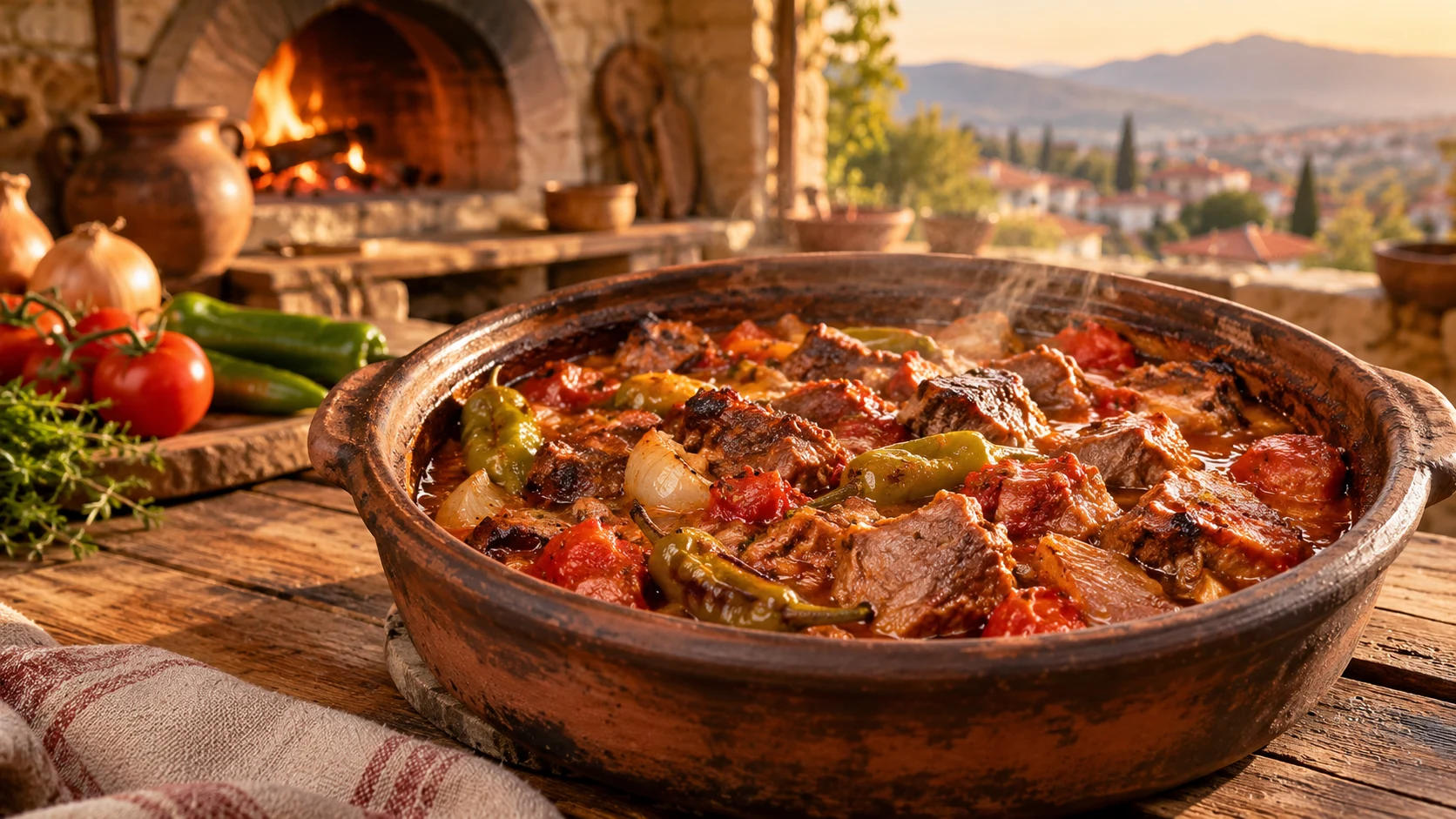
Ask about a flexible Tavas food stop with local specialities. Traditional stew availability, restaurant choice and tasting arrangements require confirmation.
Request This Experience
Explore Pamukkale and Hierapolis with a regional food stop where timing, distance and local availability permit.
Customise Your DayDiscover ancient sites alongside the food traditions of western Türkiye.
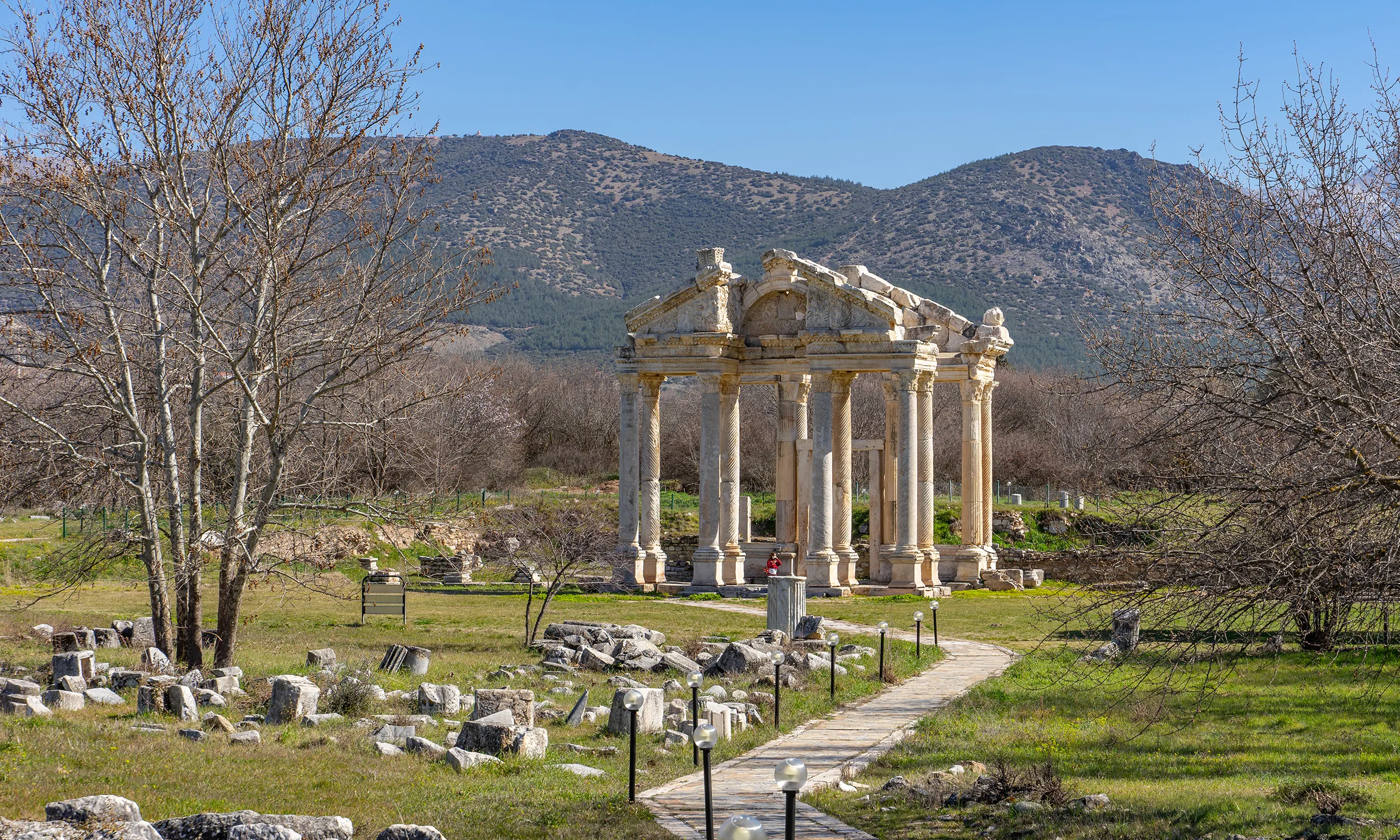
Explore major archaeological highlights and enquire about adding local food experiences when the overall route permits.
View Tour
Design a personal itinerary combining Istanbul, Ephesus, Pamukkale, Denizli, Cappadocia and local cuisines.
Explore Private Tours