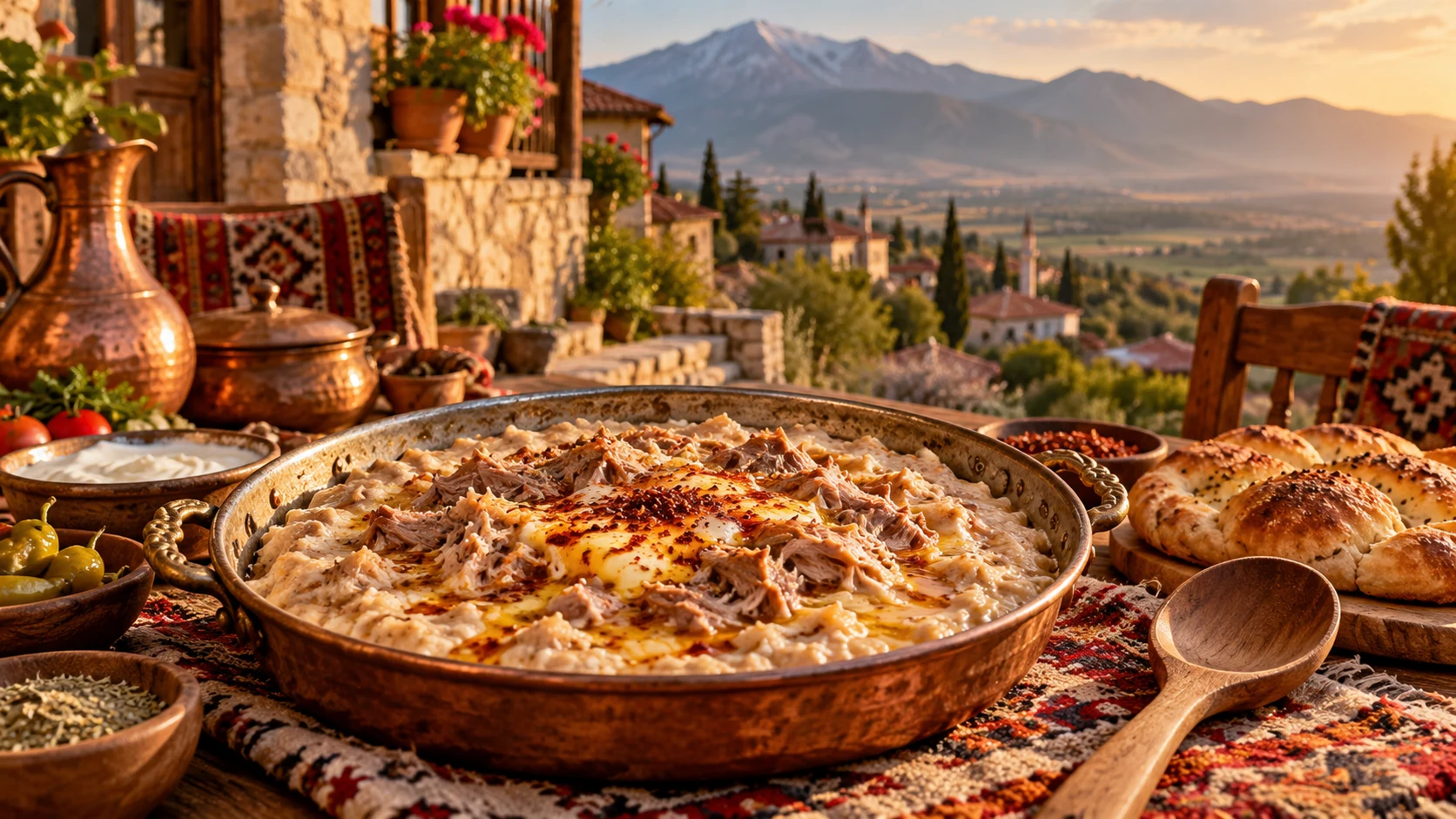
Denizli’s Beloved Wheat-and-Meat Celebration Dish

Denizli Keşkeği – Complete Traditional Food Guide

Discover slow-cooked wheat and tender meat, the art of keşkek pounding,
clay-pot recipes, wedding traditions and Babadağ’s culinary heritage.

Discover Denizli Keşkeği

Discover the Traditional Keşkek of Denizli

Denizli Keşkeği is a deeply comforting dish made by cooking wheat with meat until the ingredients become soft, rich and cohesive. In its ceremonial form, people prepare large quantities for weddings, religious gatherings, charity meals and community celebrations. The cooking is part of the occasion itself: neighbours contribute ingredients, cooks tend the pots and the finished keşkek is shared with guests. The dish is especially associated with Babadağ, although it is prepared throughout Denizli province.

There is more than one authentic Denizli preparation. The province’s official food guide describes sheep or goat meat combined with cooked, pounded wheat and finished with butter. A separate recipe documented by the Ministry of Culture and Tourism uses aşurelik wheat, chickpeas and pieces of meat cooked overnight in a clay pot, then served with a hot oil-and-tomato-paste topping. Both belong in the story. This guide explains the ingredients, regional variations, overnight cooking, the meaning of keşkek dövme, UNESCO’s recognition of the broader ceremonial tradition, the role of Babadağ, practical tasting tips and places to explore around Denizli.

Wheat and Meat

Slow-cooked grains absorb savoury meat stock and become wonderfully soft.

Shared Celebrations

A symbolic wedding and community meal made through collective effort.

Two Local Methods

Large ceremonial cauldrons and a documented clay-pot recipe with chickpeas.

Babadağ Heritage

One of Denizli’s best-known centres for the living keşkek tradition.

Know Before You Taste

Denizli Keşkeği – Quick Facts

Essential facts about a treasured dish of Denizli’s communal food culture.

📍

Heritage Heartland

Made across Denizli, with a particularly strong identity in the Babadağ district.

Find Babadağ on Google Maps
🌾

Main Ingredients

Aşurelik or hulled wheat and meat, with seasonings and accompaniments varying by method.

🥘

Traditional Techniques

Long, gentle cooking; either communal cauldron-pounding or an overnight clay-pot preparation.

🏅

Living Heritage

Türkiye’s ceremonial keşkek tradition joined UNESCO’s intangible heritage list in 2011.


A Dish That Brings People Together

History and Cultural Heritage of Denizli Keşkeği

To understand keşkek, look beyond the bowl to the people preparing it.

Keşkek belongs to the broad family of Anatolian dishes in which wheat and meat are cooked slowly into a substantial communal meal. Across Türkiye, preparation differs from village to village: some cooks use a large outdoor cauldron, others prefer a covered earthenware vessel, and the exact meat, grain and finishing fat are not universal.

In Denizli, the dish is traditionally linked to weddings, charitable gatherings, ceremonies and celebrations. The provincial Directorate of Culture and Tourism singles out Babadağ for its particularly strong keşkek identity and notes that the dish has long been central to communal tables throughout the province.

Preparing a large wedding keşkek is an act of imece—neighbours and relatives working together. Grain must be selected and cleaned, meat prepared, fires managed, and heavy pots stirred or pounded. This process creates a sense of shared responsibility before everyone finally sits down to eat.

The rhythm of pounding the cooked wheat and meat with wooden implements is an especially recognisable part of ceremonial keşkek culture. In some communities, music and the sound of davul and zurna accompany the gathering. Customs vary, but the meaning remains similar: hospitality is something the community builds together.

Today, a bowl of keşkek offers visitors a taste of that living heritage. It should not be confused with a single fixed restaurant recipe or with a claim that Denizli alone invented keşkek; the importance of Denizli lies in the distinct way its communities have continued to prepare and celebrate it.


What Makes Keşkek Special

Distinctive Features of Denizli Keşkeği

Simple ingredients become something extraordinary through patient cooking, craft and community.

Aşurelik Wheat

Whole wheat selected for long cooking forms the body of keşkek. As it softens, the kernels thicken the dish naturally.

  • Turkish name: Aşurelik buğday or yarma
  • Texture: Soft, thick and cohesive
  • Important distinction: Not made from bulgur pilaf

Tender Meat

Meat adds depth and gives the wheat its savoury richness. Denizli’s ceremonial descriptions mention sheep or goat; recipes also use other meats.

  • Traditional meats: Sheep or goat in the local food guide
  • Home variation: Piece meat in the clay-pot recipe
  • Cooking goal: Tender enough to break apart

Long, Gentle Cooking

Keşkek cannot be rushed. Depending on the vessel and celebration, the ingredients simmer or bake until the wheat is fully softened.

  • Village method: Extended cauldron cooking
  • Clay-pot method: Overnight in a low oven
  • Final result: Moist and spoonable

Keşkek Dövme

The cooked mixture may be worked repeatedly with wooden mallets or paddles so grain and meat become integrated.

  • Action: Dövme means pounding
  • Purpose: Bring wheat and meat together
  • Cultural value: Often a shared task

Clay-Pot Preparation

A documented Denizli recipe cooks wheat, chickpeas and meat in a toprak çömlek rather than an open cauldron.

  • Vessel: Earthenware or clay pot
  • Additional ingredient: Nohut (chickpeas)
  • Cooking style: Slow overnight baking

Wedding and Charity Tables

The meal is associated with weddings, religious occasions, helping others and collective celebrations.

  • Typical setting: Wedding or community gathering
  • Meaning: Hospitality and solidarity
  • Scale: Often cooked for many guests

Butter and Savoury Toppings

Melted butter is a familiar finish. Some Denizli recipes add a tomato-paste and spice topping for warmth and colour.

  • Classic finish: Butter or hot fat
  • Possible topping: Salça and spices
  • Variation: Not identical in every household

Babadağ’s Keşkek Culture

Denizli’s official tourism information particularly associates Babadağ with a local festival and the preservation of keşkek customs.

  • Location: Babadağ district
  • Event: Geleneksel Keşkek Günü
  • Timing: Traditionally held in September; check dates

UNESCO and the Ceremonial Keşkek Tradition

In 2011, UNESCO inscribed Ceremonial Keşkek Tradition on the Representative List of the Intangible Cultural Heritage of Humanity for Türkiye. The recognition concerns the social practice of preparing and sharing keşkek across Turkish communities. It is not a separate UNESCO listing for Denizli Keşkeği, and it should not be mistaken for a Denizli-specific geographical indication.

Year of UNESCO Inscription

2011 — Ceremonial Keşkek Tradition, element 00388.

What Is Recognised

A living social practice involving wheat, meat, preparation, hospitality, celebration and knowledge sharing.

Ceremonial Occasions

Weddings, circumcisions, religious holidays and other community gatherings are among UNESCO’s examples.

People Working Together

UNESCO describes men and women contributing to grain preparation, cooking and serving.

Music and Ritual

In some traditions, drums, zurna and rhythmic mallet-pounding accompany the communal work.

Passing on Skills

Experienced cooks teach the handling of the ingredients and the rhythm of preparation to younger generations.

An Important Distinction

UNESCO recognises a nationwide tradition, not a single recipe or restaurant.

Read the UNESCO Entry

See the official UNESCO Ceremonial Keşkek page.

Traditional Ingredients of Denizli Keşkeği

There is no single ingredient list for every ceremonial cauldron. The following ingredients explain the Denizli preparations described by the provincial culture authorities. In the clay-pot version, the published quantities are particularly helpful for understanding how much wheat and meat go into a substantial family recipe.

Aşurelik Wheat

The main grain: whole wheat for lengthy cooking. The documented clay-pot recipe uses 1 kg.

Pieces of Meat

The clay-pot recipe specifies 1.25 kg of piece meat; the general ceremonial description mentions sheep or goat meat.

Chickpeas – Nohut

The Denizli clay-pot recipe adds 1 cup of chickpeas, soaked along with the wheat.

Water or Cooking Liquid

The published clay-pot recipe lists approximately 4 litres of water for the mixture.

Cooking Fat

The documented contest recipe uses vegetable oil and margarine; many ceremonial descriptions instead emphasise butter.

Salt

The clay-pot recipe lists 1 tablespoon. Salt amounts should be adjusted thoughtfully for the vessel and quantity.

Tomato Paste and Spices

A warm salça-and-spice topping appears in the published Denizli clay-pot presentation.

Traditional Serving Vessel

The photographed and documented home-style version may be served hot in rustic pottery dishes.

Two Ways Denizli Keşkek Is Prepared

The most useful way to understand the dish is to separate a ceremonial keşkek served to a crowd from the overnight clay-pot version recorded in Denizli’s official recipe archive. They are closely related, but their equipment, ingredients and finishing steps are not identical.

1. Ceremonial Cauldron Keşkek

Wheat and meat cook in a large pot, often for many guests, and are worked together until a cohesive texture forms.

2. Clay-Pot Keşkek

Wheat, chickpeas, piece meat, fat and water go into a clay vessel and are baked overnight before stirring and topping.

The Shared Foundation

Both rely on wheat, savoury meat, patient heat and a final texture quite different from ordinary rice or bulgur dishes.

Different Vessels

Outdoor communal cooking uses large cauldrons; the published home recipe uses a toprak çömlek.

Different Finishing Styles

Ceremonial servings may highlight butter, while the archived clay-pot dish specifies a hot paste-and-spice topping.

Avoid a False Rule

Chickpeas, clay pots, wooden mallets and red sauce do not necessarily appear together in every keşkek.

Official Denizli Clay-Pot Keşkek Recipe: Ingredients

A recipe preserved by Türkiye’s Culture Portal, credited to Sevim Berçin through a Denizli provincial food competition, specifies the following family-scale ingredient quantities. These are the published recipe measurements, not a legal geographic-indication specification.

Wheat

1 kg aşurelik buğday — sorted and carefully washed.

Meat

1,250 g parça et — pieces of meat intended to become tender in the long cook.

Chickpeas

1 cup nohut — soaked with the wheat in warm water.

Water

4 litres in the published ingredient list; fill the actual vessel safely as indicated by its shape.

Vegetable Oil

½ cup of vegetable oil is listed in the archived version.

Margarine

½ packet appears in the documented recipe. Butter is a possible household preference but not the same written ingredient.

Salt

1 tablespoon is the published amount.

Finishing Sauce

Tomato paste and spices heated with oil are added at serving; quantities are not fixed in the source.

How Denizli Clay-Pot Keşkek Is Prepared

These steps follow the official regional recipe published on Türkiye’s Culture Portal. A wedding-style, pounded keşkek may follow a different process; that method is described further down.

1. Sort and Wash the Wheat Select 1 kg of aşurelik wheat, remove any debris and rinse thoroughly until clean.
2. Add the Chickpeas Mix in 1 cup of chickpeas, then cover wheat and chickpeas with warm water.
3. Soak for Four Hours The documented Denizli recipe soaks the wheat and chickpeas for approximately four hours.
4. Prepare the Clay Pot Drain the soaked ingredients and transfer them into an appropriate large toprak çömlek.
5. Add Meat and Seasoning Add the piece meat, salt and the cooking fats listed in the original recipe.
6. Add the Water Add water, leaving roughly two finger-widths below the rim as described in the published method. Do not overfill.
7. Bake Overnight Traditionally the pot goes into an oven in the evening and is collected the following morning.
8. Check the Texture By morning the wheat and meat should be fully soft. The final consistency is cohesive rather than brothy.
9. Stir with a Wooden Spoon Mix the cooked ingredients thoroughly, allowing the tender wheat and meat to combine.
10. Heat the Finishing Fat Warm the serving fat separately; in the archive recipe, oil is heated before the paste and spices are added.
11. Make the Sauce Stir tomato paste and the chosen spices into the hot fat to create a fragrant, savoury topping.
12. Serve Hot Spoon the keşkek into suitable serving bowls or pottery dishes and add the hot sauce just before eating.

How Traditional Ceremonial Keşkek Is Prepared

At a wedding or community gathering, preparing keşkek can be as memorable as eating it. UNESCO documents a wider Turkish ceremonial sequence; in Denizli, the exact order and responsibilities vary from village to village.

Preparing the Wheat

Grain is sorted, cleaned and sometimes hulled or prepared by pounding before it goes into the cooking pot.

Arranging the Occasion

Relatives, neighbours and local cooks coordinate the ingredients, fuel, utensils and number of guests.

Setting Up the Cauldrons

Large pots make it possible to cook enough wheat and meat to feed a whole gathering.

Long Overnight Cooking

In many ceremonial variants, grain and meat are left to cook slowly until exceptionally soft.

Pounding and Mixing

Wooden mallets or paddles work the cooked ingredients until wheat and meat begin to bind together.

Serving Everyone

Large spoonfuls are portioned out for guests, reinforcing the communal meaning of the celebration.

Babadağ and Denizli’s Keşkek Day

The Babadağ district has a special place in Denizli’s keşkek story. The Denizli Provincial Directorate of Culture and Tourism identifies Babadağ as a focus of traditional keşkek culture and refers to a Geleneksel Keşkek Günü (Traditional Keşkek Day), historically associated with September.

Babadağ District

A district of Denizli associated with both local food customs and a distinctive community identity.

Traditional Keşkek Day

An occasion to keep the food and its collective preparation visible across generations.

September Tradition

The provincial tourism page mentions September, but a particular year’s date and programme require current confirmation.

Not Simply a Food Fair

The main value is the continuation of shared preparation, hospitality and regional knowledge.

Community Participation

Residents and visitors may encounter the process as well as the meal, subject to the event programme.

Visiting Advice

Verify date, location, road access and public participation with local organisers before travelling specifically for the event.

Food and Local Life

A Babadağ visit can complement exploring Denizli’s surrounding districts, crafts and countryside.

Official Provincial Guide

The Denizli Culture and Tourism Directorate discusses keşkek and Babadağ’s tradition.

Why the Wheat Matters So Much

Wheat supplies body and the characteristic mouthfeel of keşkek. When cooked slowly with enough liquid, it becomes tender and releases starch, helping meat and grain form a thick, comforting mixture.

Aşurelik Buğday

A form of wheat commonly sold for aşure and other slow-cooked grain dishes.

Yarma Wheat

Hulled or prepared wheat may also be used in ceremonial traditions; the exact grain preparation differs by locality.

Sorting and Washing

Cleaning the wheat carefully is the first step of the published Denizli recipe.

Soaking

The archived clay-pot method soaks wheat and chickpeas for around four hours; other cooks may begin the night before.

Slow Softening

Long cooking is what changes firm grains into the rich, slightly creamy foundation of keşkek.

Not a Pilaf

Unlike a fluffy pilaf, keşkek is intended to be soft, cohesive and often worked until much of the grain breaks down.

What Meat Is Used in Denizli Keşkeği?

The basic idea is wheat and meat cooked together, but not every Denizli household chooses the same animal or cut. The province’s official general description highlights sheep or goat meat; its separate clay-pot recipe simply specifies pieces of meat.

Sheep Meat

Mentioned in the province’s description of the traditional keşkek served at gatherings.

Goat Meat

Also named by the Denizli provincial tourism guide as a traditional choice.

Piece Meat

The archived clay-pot recipe uses parça et, or pieces of meat, without restricting the ingredient to a named cut.

Meat on the Bone

Common in some wider ceremonial practices because it contributes flavour; remove bones carefully before serving.

Shredded Texture

As meat becomes very tender, it can be broken into fibres and incorporated with the cooked wheat.

Vegetarian Expectations

Traditional keşkek is usually meat-based. Ask about the stock and cooking method rather than assuming a wheat dish is vegetarian.

How Long Does Denizli Keşkeği Take to Cook?

There is no universal cooking time for every type of keşkek. Vessel size, wheat preparation, type of meat and heat source all affect the duration. The key is to cook until both grain and meat are thoroughly tender.

The Four-Hour Soak

The published Denizli clay-pot recipe calls for around four hours of soaking before baking.

Clay-Pot Overnight Baking

The documented method places the pot in an oven in the evening and removes it in the morning.

Ceremonial Cauldrons

Large wedding batches may cook for many hours and be worked again before service.

Household Adaptations

Modern stovetop or pressure-cooker recipes may be faster, but they are adaptations, not the overnight method described in the provincial archive.

Texture Over a Stopwatch

The reliable finish is fully softened wheat and tender meat, not a single clock time for all situations.

Food Safety

Use suitable food-safe vessels, ensure meat cooks thoroughly and keep prepared food at safe serving temperatures.

What Does “Keşkek Dövme” Mean?

The Turkish expression keşkek dövme refers to pounding or vigorously working keşkek, traditionally with sturdy wooden implements. In ceremonial settings, the action is both practical and symbolic: it changes the texture of the food while involving members of the community.

Physical Transformation

Pounding helps soft grains and shredded meat merge into a cohesive mass.

Wooden Tools

Long wooden mallets, paddles or other purpose-made implements are associated with traditional preparation.

Shared Labour

Large pots make the work demanding, so people often contribute together.

Rhythm and Celebration

Some ceremonial versions involve music, cheers and coordinated movement.

Not Every Recipe Uses Mallets

Denizli’s officially published clay-pot recipe specifies stirring with a wooden spoon after baking.

Knowledge Passed On

Knowing how much to cook, stir and pound is part of the practical skill of experienced keşkek makers.

The Secret of Keşkek’s Creamy, Hearty Texture

A good keşkek is neither a thin soup nor a dry rice dish. Wheat swells, softens and helps bind the mixture while the meat becomes tender. Finishing by stirring or pounding further changes the consistency.

Cooked-Down Grains

Some grains remain discernible; others soften until they almost disappear into the mixture.

Meat Integrated Throughout

With prolonged cooking and mixing, fibres of meat can spread through the wheat.

Thick, Spoonable Body

The goal is a substantial dish that keeps its form on a plate while staying moist.

A Gentle Savoury Aroma

Meat, stock, wheat and cooking fat give the dish depth without requiring elaborate flavourings.

Finishing Sauce

Some Denizli presentations contrast a pale wheat base with a little red salça-and-spice oil.

Served Straight Away

The texture is at its most pleasant while warm; as the mixture cools, the starch can make it firmer.

How Denizli Keşkeği Is Traditionally Served

Keşkek is best enjoyed freshly made and hot. The presentation depends on whether it comes from a community cauldron or a home-style clay pot, but the comforting wheat-and-meat base remains central.

The Keşkek Base Soft-cooked wheat and meat are spooned generously into a bowl or plate.
Tender Meat Pieces or fibres of meat may be fully incorporated, or some meat may remain more visibly distinct.
Butter Finish In many ceremonial settings, butter enriches the finished keşkek.
Salça and Spices The documented clay-pot recipe uses hot fat, tomato paste and spices as a topping.
Hot Pottery Dishes The published Denizli recipe recommends hot service in pottery dishes.
Shared Table At weddings or community celebrations, serving many people is central to the experience.
A Filling Main Dish Keşkek is hearty enough to stand as the principal food rather than a light accompaniment.

How Do Locals Eat Denizli Keşkeği?

Keşkek is generally eaten with a spoon rather than treated like a bread-based kebab. The right approach is simple: taste the base first, then notice how the meat and finishing fat change each mouthful.

Use a Spoon

The thick wheat-and-meat mixture is suited to spoon eating.

Try It While Hot

Warm keşkek has a softer texture and lets you appreciate the freshly added topping.

Notice the Grain

The wheat should feel tender and rounded rather than like separate dry kernels.

Taste the Finishing Fat

Butter or red-tinted sauce adds a contrast to the mild, savoury base.

Ask About the Meat

Traditional recipes are meat-based; a visible topping does not necessarily tell you all the ingredients.

Expect Generous Portions

The wheat-and-meat combination is hearty, especially in a celebratory meal with several other dishes.

What Does Denizli Keşkeği Taste Like?

Keşkek is rich without necessarily being spicy. Its flavour comes from tender grains, meat, cooking liquid and the fat or sauce used at the end. The exact taste can differ noticeably from one family or village to another.

Soft, Wheat-Rich Base

Cooked wheat gives a mild, warm, deeply comforting foundation.

Savoury Meat Flavour

Sheep, goat or other chosen meat provides the main savoury character.

Silky Yet Substantial

The grains break down enough to make the dish thick, but it remains a hearty meal.

Butter Richness

Melted butter, when used, contributes aroma and a rounded finish.

A Tomato-Paste Contrast

The documented clay-pot topping can add gentle acidity, spice and colour.

Not Necessarily Hot-Spicy

Some cooks add pepper or red flakes, but heavy chilli heat is not the defining characteristic.

Denizli Keşkeği vs Other Keşkek Dishes

Keşkek is prepared in many parts of Türkiye, and closely related dishes appear elsewhere in the region. Denizli has its own familiar methods, but not every Turkish keşkek is identical to the Denizli clay-pot recipe.

Denizli Ceremonial Keşkek

Wheat and meat prepared for a communal gathering, frequently associated with pounding and shared service.

Denizli Clay-Pot Keşkek

The published regional recipe uses wheat, chickpeas, piece meat and an overnight oven cook.

Keşkek Üstü Kavurma

A separate Denizli dish in the Culture Portal: cooked wheat is topped with a meat-and-chickpea kavurma.

Other Turkish Keşkek Traditions

Different provinces may use different meats, vessels, pounding techniques and sauces.

Aşure

Another wheat-based dish, but typically a sweet dessert with quite different ingredients and purpose.

Bulgur Pilavı

Uses cracked wheat cooked into separate grains; it is not the cohesive, slow-worked texture expected from keşkek.

When Is the Best Time to Try Denizli Keşkeği?

Unlike a standard restaurant item served every day, the most traditional keşkek can be closely tied to a community’s calendar. Visitors will have different opportunities depending on where they go and whether a public event or food-focused venue offers it.

Wedding Season

Weddings are among the best-known occasions for ceremonial keşkek, though private celebrations are not public tourist attractions.

Religious and Charity Meals

Community gatherings and charity occasions may include shared keşkek.

Babadağ Keşkek Day

Local tourism information associates this event with September, but exact scheduling changes and must be checked.

Local Restaurants

Some venues may serve keşkek on a regular menu; others offer it only on certain days.

Special Requests

A group meal or culinary visit may require arranging the preparation ahead of time.

Before or After Pamukkale

Food enthusiasts can plan a Denizli city visit alongside Pamukkale sightseeing, allowing for travel and meal availability.

Where to Try Denizli Keşkeği

Because the dish is associated with gatherings as much as restaurant menus, the best approach is to ask locally and confirm availability rather than assuming every kebab restaurant serves it. Specific venues, prices and opening days may change.

Babadağ District

A logical place to learn about the culinary tradition and ask locally about special events.

Denizli City Centre

Ask traditional home-cooking and regional cuisine establishments whether keşkek is available that day.

Village and Community Gatherings

Publicly organised cultural events can offer a more complete view of the preparation ritual.

Regional Food Festivals

Look for current cultural programmes that include traditional dishes; verify dates directly with organisers.

Ask About the Method

Some places serve pounded ceremonial keşkek, others clay-pot wheat-and-meat dishes.

Confirm Before Travelling

Check whether keşkek is on the menu, its serving time and any group-order requirements.

Visitor Tips for Trying Denizli Keşkeği

A few practical details can help you find a traditional version and understand exactly what you are eating.

Ask for “Keşkek”

Pronounced approximately kesh-kek; the name is widely understood, but the recipe may vary.

Mention the Style You Want

Ask whether it is dövme keşkek or a clay-pot version, especially if you are interested in the technique.

Check for Chickpeas

Nohut appears in the documented Denizli clay-pot recipe, not necessarily in every ceremonial pot.

Expect Wheat and Meat

This is not suitable for a gluten-free or vegetarian diet in its usual traditional form.

Ask About Dairy

Butter is commonly used. Anyone avoiding dairy should confirm cooking fats and finishing ingredients.

Try the Topping Separately

If possible, taste the plain keşkek before mixing in all the salça-and-spice oil.

Respect Community Events

Traditional weddings and charity meals are meaningful local occasions; attend only when public or invited.

Plan Babadağ Carefully

Check annual cultural calendars instead of assuming the same September date every year.

Other Traditional Denizli Foods Worth Discovering

A food-focused visit can introduce you to several aspects of Denizli cuisine, from oven-roasted meat to grain dishes and local sweets. The following specialties complement the comforting flavours of keşkek.

Denizli Tandır Kebabı

Slow-roasted lamb traditionally served over pide. Read our Denizli tandır kebab guide.

Çaput Aşı

A regional dish using vine leaves with grains and other ingredients, particularly associated with parts of Denizli.

Keşkek Üstü Kavurma

Wheat keşkek served with a meat-and-chickpea kavurma topping; distinct from the clay-pot recipe.

Tavas Baklavası

A local celebration sweet made with layers of pastry and a characteristic regional method.

Tavas Ballı Tahinli Pide

A sweet pide enriched with tahini and often honey, noted in Denizli’s provincial food guide.

Serinhisar Leblebisi

Roasted chickpeas associated with Serinhisar and available in many different flavours.

Frequently Asked Questions About Denizli Keşkeği

What is Denizli Keşkeği?

A traditional wheat-and-meat dish cooked until soft and cohesive, especially associated with weddings, community occasions and Babadağ in Denizli province.

Is Denizli Keşkeği the same as regular Turkish keşkek?

It is part of the wider Turkish keşkek family. Denizli has local ceremonial traditions and a documented clay-pot recipe, so not every version is prepared identically.

What are the main ingredients?

Wheat and meat. Some Denizli preparations also contain chickpeas, cooking fat, salt and a topping made with tomato paste and spices.

Is chickpea always included?

No. Chickpeas are included in the published Denizli clay-pot recipe, but the province’s description of ceremonial keşkek focuses on wheat and sheep or goat meat.

What kind of wheat is used?

The archived recipe uses aşurelik buğday, a wheat suitable for long, moist cooking. Other ceremonial preparations may use hulled or prepared wheat.

Which meat is traditional in Denizli?

The official general tourism description mentions sheep or goat meat. The documented home-style recipe calls for pieces of meat without specifying one animal.

Is Denizli keşkek made with chicken?

Chicken keşkek exists in some regional and household traditions, but the Denizli versions highlighted by official provincial sources are described with meat, notably sheep or goat in the ceremonial form.

How is Denizli keşkek cooked?

Wheat and meat cook slowly together. A documented Denizli recipe bakes wheat, chickpeas and meat overnight in a clay pot; communal batches may cook in large cauldrons.

What does keşkek dövme mean?

It means pounding or vigorously working cooked keşkek, commonly with wooden tools, to bring the wheat and meat together into a cohesive texture.

Does every keşkek have to be pounded with a mallet?

No. Pounding is central to many ceremonial versions, but Denizli’s published clay-pot recipe describes stirring with a wooden spoon after baking.

Why is keşkek eaten at weddings?

Its time-consuming, shared preparation has become a powerful symbol of hospitality, cooperation and community celebration.

Where is keşkek especially famous in Denizli?

The provincial Directorate of Culture and Tourism particularly highlights Babadağ district, although the dish is made throughout the province.

What is Babadağ Keşkek Day?

It is a local cultural tradition celebrating and maintaining the community’s connection with keşkek. The provincial tourism guide mentions an event historically held in September.

Is Babadağ Keşkek Day always on the same date?

Do not assume that. Check the current event programme and organisers before travelling specifically for a celebration.

Is keşkek on the UNESCO list?

Yes. UNESCO added Türkiye’s Ceremonial Keşkek Tradition to the Representative List of the Intangible Cultural Heritage of Humanity in 2011.

Is Denizli Keşkeği separately registered by UNESCO?

No. UNESCO’s 2011 inscription is for the wider ceremonial keşkek tradition, not a separate designation for Denizli’s particular recipe.

Does Denizli Keşkeği have a separate geographical indication?

Do not confuse the UNESCO listing with a Denizli-specific TÜRKPATENT geographical-indication registration. The traditional dish and its local recipe are documented by cultural authorities, but this page does not claim such a separate registration.

What does Denizli keşkek taste like?

Expect mild wheat, rich savoury meat, a thick and tender texture, and sometimes a fragrant butter or tomato-paste topping.

Is keşkek spicy?

Not necessarily. Pepper and other spices may appear in the topping, but intense chilli heat is not essential to the dish.

How long does the traditional clay-pot version cook?

In the documented Denizli recipe, the ingredients are soaked for about four hours and the pot is then left to cook in an oven overnight.

Is keşkek the same as bulgur pilaf?

No. Keşkek uses wheat cooked until soft and cohesive rather than dry, separate grains of cracked-wheat pilaf.

What is keşkek üstü kavurma?

A separate Denizli regional recipe in which keşkek is topped with a savoury meat-and-chickpea preparation.

Is Denizli keşkek vegetarian?

Traditional versions are generally prepared with meat and often meat stock. Check carefully if you have dietary restrictions.

Is keşkek gluten-free?

No. Wheat is its defining ingredient, so traditional keşkek contains gluten.

Does keşkek contain dairy?

Many versions use butter, although exact fats vary. Ask the cook if you need to avoid dairy.

Where can I eat keşkek in Denizli?

Ask at traditional local-food establishments or attend publicly announced community events. Availability can be seasonal or limited to specific days.

Can I try it during a visit to Pamukkale?

Potentially, yes. Denizli city is a reasonable addition to a private Pamukkale-area day, but confirm where keşkek will be served beforehand.

Can visitors join a keşkek ceremony?

Only if it is a public event or they have been invited. Private weddings and community gatherings should be approached respectfully.

Best Photography Ideas for Denizli Keşkeği

Keşkek offers beautiful details, from glowing sauce on a clay bowl to the movement of a traditional communal preparation. Always request permission before photographing cooks, participants or a private event.

The Finished Bowl

Focus on the contrast between pale, soft wheat and the warm, red-tinted finishing sauce.

Rustic Pottery

Clay bowls and traditional serving dishes tell the story of the documented Denizli recipe.

The Wheat Before Cooking

Photograph the cleaned wheat and chickpeas to show the dish’s humble foundations.

A Large Ceremonial Cauldron

At a public event, wide shots of the cooking equipment help explain the meal’s communal scale.

Wooden Pounding Tools

With permission, capture the rhythm of keşkek dövme, an essential visual element of some traditions.

Babadağ and Local Life

Pair food photographs with streets, people and countryside to give the dish a sense of place.

Pamukkale, Denizli and Private Culinary Experiences

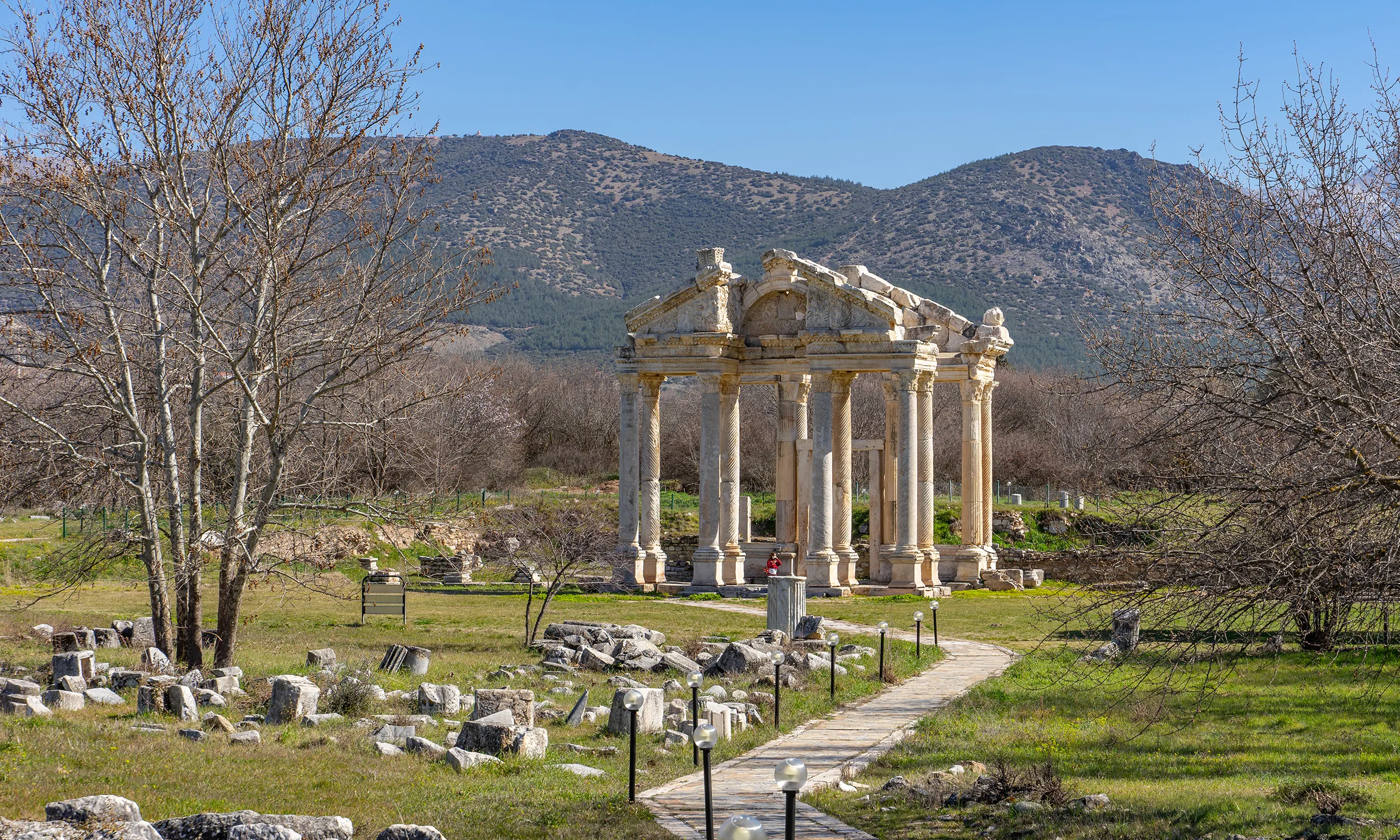
Combine a tailor-made visit to Pamukkale, Hierapolis, Laodicea and Denizli with an opportunity to discover traditional local food. Keşkek tasting is subject to availability and advance arrangement; restaurant meals are optional unless included in your quotation.

Private Denizli and Pamukkale Experiences

Explore local markets and heritage with a flexible itinerary planned around your interests.

Longer Cultural Journeys

Connect Denizli’s food traditions with Roman archaeology, UNESCO heritage and private touring across western Türkiye.