Denizli’s Centuries-Old Wood-Fired Lamb Tradition

Denizli Tandır Kebabı – Complete Food Guide

Discover slow-roasted young lamb, fragrant mastic-tree wood,
traditional brick ovens, soft pide, and Denizli’s celebrated kebab culture.

Discover Denizli Tandır Kebabı

Discover the Traditional Tandır Kebab of Denizli

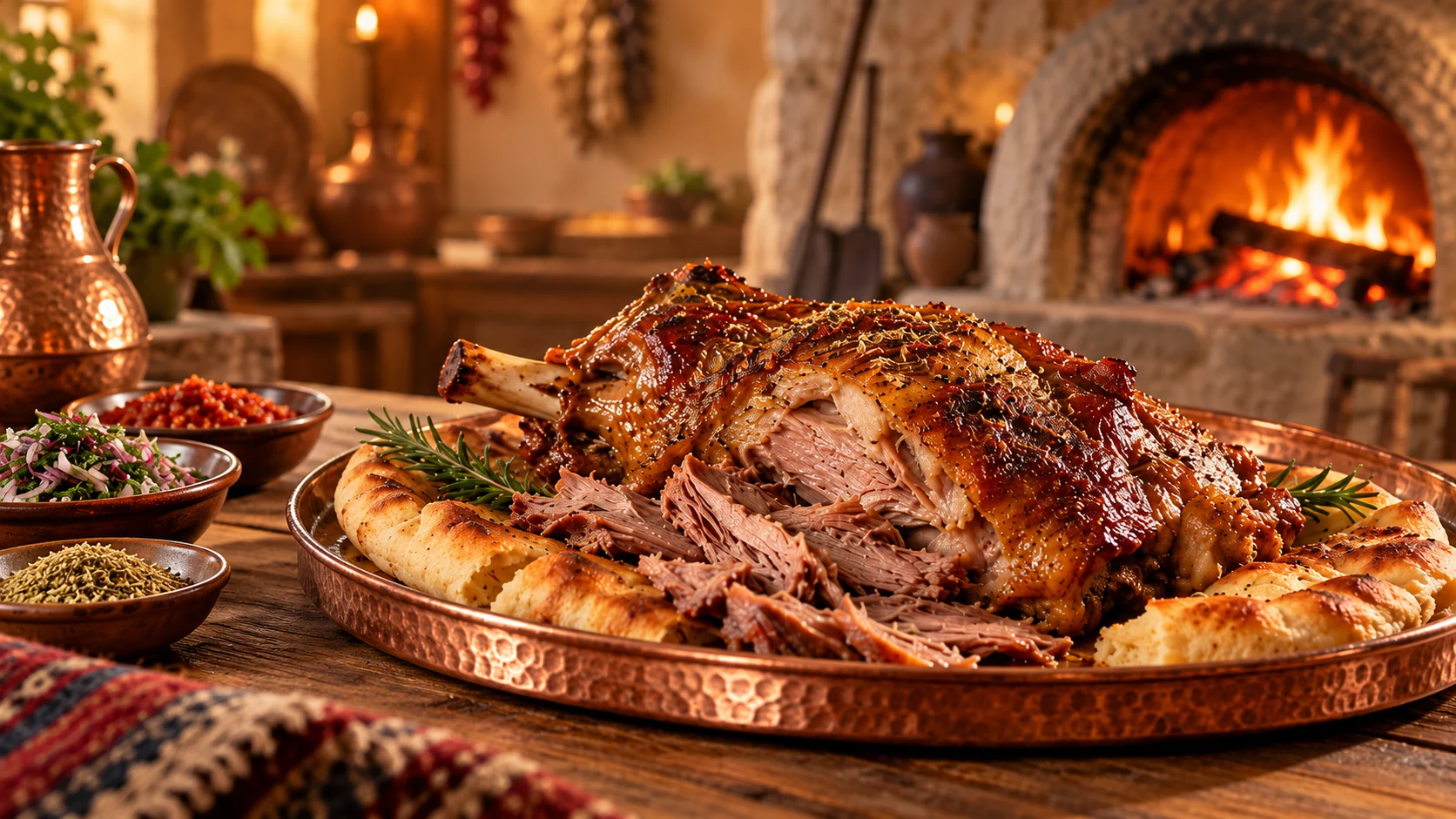
Denizli Tandır Kebabı, often called Denizli Kebabı, is one of the signature dishes of southwestern Türkiye. Fresh lamb younger than one year is prepared without a marinade or elaborate seasoning, placed on iron supports, and slowly roasted in a specially heated brick-and-earth tandır oven. The fire is fuelled with sakız ağacı (mastic-tree) wood. As the meat cooks in its own fat, the oven works its magic: the exterior develops a deeply roasted flavour while the inside becomes tender. The traditional serving is wonderfully simple—hot lamb laid directly over soft pide bread.

This dish is inseparable from Denizli’s old market culture, especially the Kaleiçi and Bayramyeri districts. Local kebab masters have preserved demanding knowledge about selecting the lamb, preparing the oven, arranging different cuts and judging the exact cooking moment. This complete food guide explores the officially registered method, regional history, oven construction, lamb cuts, cooking sequence, hand-eating tradition, where to try it, practical visitor advice, and the best ways to combine a memorable meal with Denizli and Pamukkale sightseeing.

Fresh Young Lamb

Traditionally made with lamb younger than one year, chosen fresh and roasted without a marinade.

Mastic-Tree Wood

The oven is heated with sakız ağacı wood, an essential part of the documented method.

Brick Tandır Oven

Large cuts roast slowly on iron supports in a brick-walled, earth-floored oven.

Served on Pide

Succulent pieces are placed on soft bread, commonly enjoyed with onion and fresh tomato.

Know Before You Taste

Denizli Tandır Kebabı – Quick Facts

Essential facts about Denizli’s famous slow-roasted lamb speciality.

📍

Where to Try It

Traditional kebab restaurants in central Denizli, especially around Kaleiçi and Bayramyeri.

Open Central Denizli on Google Maps
🔥

Cooking Method

Young lamb slow-roasted in its own fat inside a mastic-wood-heated brick tandır oven.

🍞

Classic Presentation

Freshly cut, hot lamb served on soft pide, usually with raw onion and tomato.

🏅

Official Registration

Registered with TÜRKPATENT as a Traditional Product Name, registration G3, in 2020.


The Taste of Old Denizli

History and Cultural Heritage of Denizli Tandır Kebabı

A simple meal that grew into one of Denizli’s most recognisable culinary traditions.

Denizli’s position on the routes connecting the Aegean coast and inland Anatolia helped create a busy culture of markets, craft shops, inns and places to eat. At the heart of the city, the old commercial districts of Kaleiçi and Bayramyeri became closely associated with a distinctive type of oven-roasted lamb: Denizli tandır kebab.

The local Denizli Tandır Kebabı and Cultural Flavours Preservation Association traces the tradition back to the middle of the nineteenth century and identifies Kaleiçi as its historical setting. This date belongs to local culinary tradition rather than a precisely documented founding year; what is clear is that specialist families and masters have preserved the method over generations.

Unlike kebabs built around minced meat, sauces or strong seasoning, Denizli tandır relies on the quality of lamb and the baker’s command of the oven. The meat is cut into substantial pieces, arranged on iron supports and roasted slowly after the brick oven has been thoroughly heated with mastic-tree wood. This process produces a flavour that locals immediately recognise.

The serving ritual matters too. Lamb is chopped or portioned at the counter, placed over pide, weighed or ordered by portion according to the restaurant, and traditionally eaten with the hands. Sliced onion and tomato are common companions, but the meat itself remains the focus.

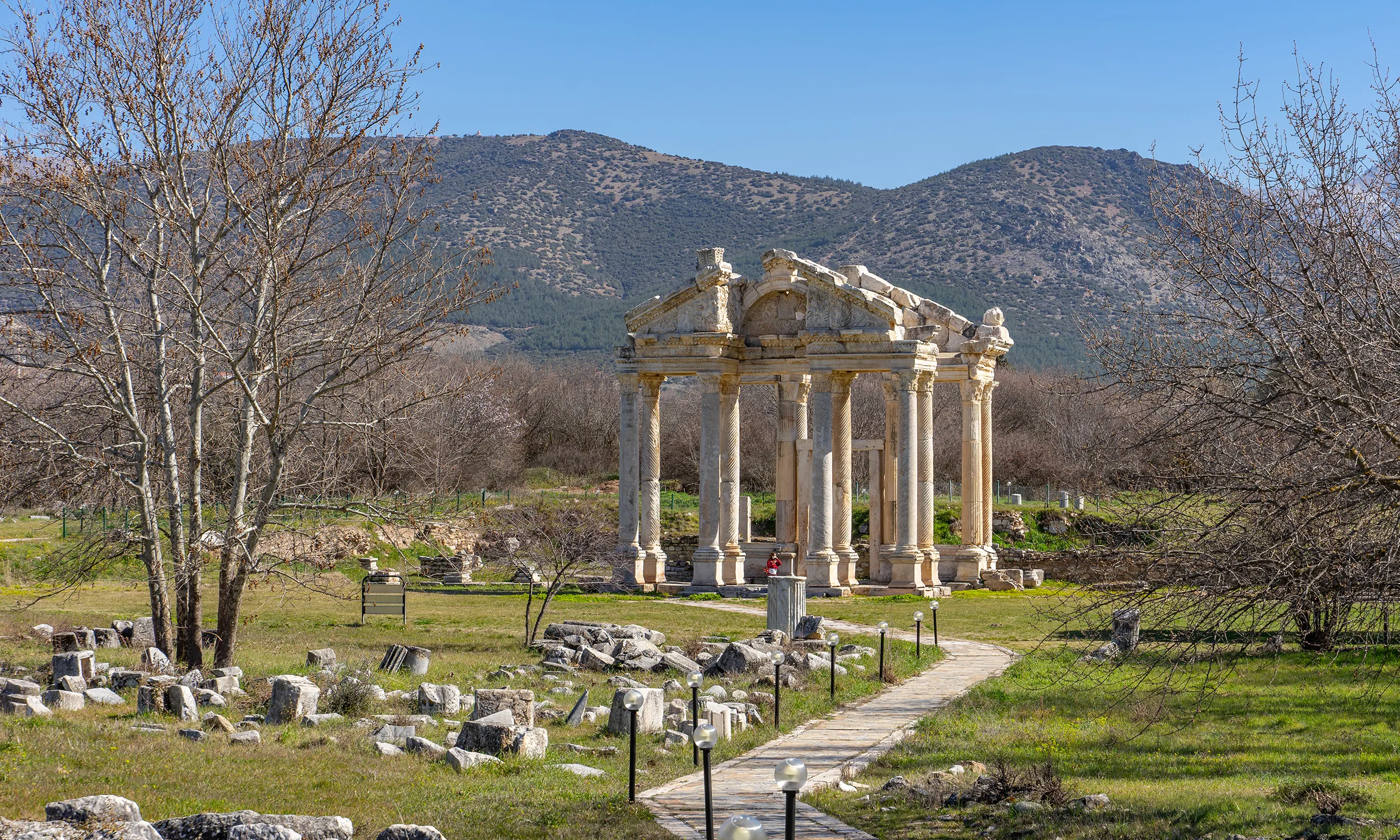
For visitors who come to Denizli mainly for Pamukkale and Hierapolis, eating tandır kebab in the city centre offers a different kind of heritage experience: an encounter with living craftsmanship, historic market streets and a culinary tradition still practised daily.


What Makes This Dish Unique

Distinctive Features of Denizli Tandır Kebabı

Every detail—from the age of the lamb to the wood and arrangement inside the oven—contributes to the final taste.

Lamb Younger Than One Year

The traditional recipe uses fresh young lamb, sometimes described locally as süt kuzusu. Its natural tenderness makes extended oven roasting possible without a complicated marinade.

  • Main ingredient: Fresh lamb younger than one year
  • Traditional preparation: Large cuts, not minced meat
  • Signature quality: Natural lamb flavour

No Marinade or Heavy Spices

The official recipe explicitly avoids marinating or pre-treating the meat. Denizli tandır is prized for the pure flavour of lamb roasted in its own fat.

  • Marinade: Not part of the registered method
  • Complex seasoning: Not needed to create the flavour
  • Key ingredient: Carefully chosen lamb

Sakız Ağacı Wood

The tandır is heated using mastic-tree wood, known in Turkish as sakız ağacı. The wood, oven and preheating procedure form part of the registered technique.

  • Fuel: Sakız ağacı wood
  • Purpose: Thoroughly heat the traditional oven
  • Characteristic: Traditional wood-fired roasting

Traditional Brick Tandır

The documented oven has brick walls and an earth floor. It differs from an ordinary barbecue or a simple modern domestic oven.

  • Walls: Brick
  • Floor: Earth
  • Style: Specialised tandır roasting oven

Iron Skewers and Supports

Large pieces of lamb are secured on iron supports and kept upright in the oven, instead of being cut into the small cubes familiar from many skewer kebabs.

  • Placement: Pieces held on iron supports
  • Position: Upright inside the oven
  • Purpose: Controlled, even roasting

Handmade Copper Trays

The registered method specifies two large, tinned copper trays partly filled with water. The meat remains above them and must not touch the water.

  • Quantity: Two trays
  • Minimum diameter: 50 centimetres each
  • Important rule: Lamb does not touch the water

Slow Roasting in Its Own Fat

An oven prepared in advance roasts the lamb for at least two hours. Experienced masters observe its heat and the differences between cuts.

  • Oven preheat: At least two hours
  • Meat roasting: At least two hours
  • Result: Tender lamb with a roasted exterior

Soft Pide and Hand-Eating

The lamb is served on soft pide rather than smothered in sauce. Many traditional shops present it without cutlery, encouraging guests to enjoy the meat and bread together.

  • Bread: Thin, soft pide
  • Typical sides: Onion and tomato
  • Custom: Traditionally eaten by hand

Denizli Tandır Kebabı – Traditional Product Name Registration

Denizli Tandır Kebabı has official Turkish registration as a Geleneksel Ürün Adı (Traditional Product Name). This is an important distinction: the register categorises it as a traditional product name rather than labelling it a separate origin-based geographical-indication type such as a menşe adı. The registration documents its ingredients, oven, preparation and presentation.

Official Registered Name

Denizli Tandır Kebabı.

Registration Category

Traditional Product Name (Geleneksel Ürün Adı).

Registration Number

G3 in the TÜRKPATENT registry.

Registration Date

8 October 2020.

Application Number

C2019/093; application date 25 July 2019.

Registered By

Denizli Commodity Exchange (Denizli Ticaret Borsası).

What the Record Preserves

Lamb younger than one year, sakız ağacı wood, traditional tandır, own-fat cooking and service over pide.

Official Register

See the TÜRKPATENT record for the legal classification and production method.

Traditional Ingredients of Denizli Tandır Kebabı

The official specification contains only two food ingredients: a whole young lamb and pide for serving. Wood, oven design and the skill of the cook supply the rest of its character. Onion and tomato are familiar accompaniments in restaurants, but they are not part of the core registered ingredient list.

Fresh Young Lamb

One whole lamb younger than one year, butchered into the traditional large sections.

Soft Pide Bread

Fresh pide placed beneath the cooked lamb when serving.

Sakız Ağacı Wood

Mastic-tree wood fuels the specialised oven; it is a cooking material, not a spice mixed into the meat.

Water for Copper Trays

Water is placed inside the trays below the lamb; the meat is specifically kept out of the water.

Optional Restaurant Sides

Raw sliced onion, fresh tomato and sometimes additional salad or ayran according to the restaurant.

What Is Not Required

No yoghurt marinade, tomato paste, spice rub or sauce is part of the registered preparation.

How the Denizli Tandır Oven Works

The specialised oven is central to the identity of this dish. Its construction and heat-retaining capacity allow large lamb cuts to roast steadily while a master controls their placement and cooking time.

Brick-Built Walls

The inner walls are built from brick to store and radiate heat as the oven is prepared.

Earth Floor

An earthen base forms part of the traditional oven’s documented structure.

Wood-Fired Preheating

Sakız ağacı logs are burned in the oven for at least two hours before roasting begins.

Temperature Check

The cook checks that the oven has reached the specified roasting condition, associated in the official record with approximately 190–200°C.

Iron Meat Supports

Lamb sections are held on iron supports and arranged upright in a controlled order.

Copper Water Trays

Two large tinned copper trays hold water beneath the meat, without allowing it to touch the water.

How Denizli Tandır Kebabı Is Prepared

The recognised method is precise. The steps below follow the official traditional-product registration rather than modernised home-oven variations.

1. Select the Lamb Use fresh lamb younger than one year; the documented method starts with a whole animal.
2. Light the Tandır Burn sakız ağacı wood inside the brick-walled oven and preheat it for at least two hours.
3. Divide the Lamb Split the whole lamb lengthwise into two halves.
4. Separate the Cuts Divide each half into foreleg, shoulder, rib and kidney-area sections, making eight large sections altogether.
5. Set the Iron Supports Secure each cut from two sides on iron supports so it can remain upright in the oven.
6. Do Not Marinate No marinade or pre-treatment is applied to the meat in the registered method.
7. Position the Copper Trays Place two large tinned copper trays on the oven’s right side and fill them about halfway with water.
8. Arrange the Meat Keep the lamb above the water, upright, and place the sections in the specified order: shoulder, kidney-area, foreleg, then ribs.
9. Roast Slowly Cook for at least two hours while an experienced master manages the oven’s heat and the different cuts.
10. Serve over Pide Remove and serve in reverse order—ribs, foreleg, kidney-area and shoulder—laying the hot meat over pide.

Understanding the Lamb Cuts Used in Denizli Kebabı

The whole lamb is divided into two sides and each side into four traditional sections. Visitors may notice that pieces differ in tenderness, fattiness, shape and texture depending on the cut they receive.

Foreleg – Ön Kol

A flavourful section from the front of the animal, prepared as a substantial roasting piece.

Shoulder – Kürek

A rich section that benefits from the slow and controlled heat of the tandır.

Ribs – Kaburga

A highly prized section, often associated with a satisfying roasted exterior and succulent meat.

Kidney-Area – Böbrek Yatağı

A traditional butcher’s section around the loin/kidney region, recognised by name in the official specification.

Eight Large Sections

Four sections from each half of the lamb; this is not a small-cube skewer kebab.

Portion Choice

A shop may sell by weight or portion; ask what is currently available if you prefer leaner or richer pieces.

Why the Order of Meat Inside the Oven Matters

The registration goes beyond listing ingredients. It records how the cuts are arranged and the sequence in which they are removed. Different sections of lamb respond differently to oven heat, making the cook’s experience essential.

First in the Oven

Shoulder (kürek) is placed first.

Second Position

Kidney-area section (böbrek yatağı) follows.

Third Position

Foreleg (ön kol) is arranged next.

Final Position

Ribs (kaburga) are placed last.

First Served

Ribs are removed and served first.

Last Served

Shoulder is served last, after foreleg and kidney-area sections.

Why Is Sakız Ağacı Wood Important?

The special wood is not merely an optional flavouring. The formal description of Denizli Tandır Kebabı specifically requires the oven to be fired with sakız ağacı wood, usually rendered in English as mastic-tree wood.

Part of the Registered Method

The type of wood appears directly in the official product definition and production steps.

A Carefully Prepared Fire

The oven is heated thoroughly before the meat is put inside; it is not a quick grill over open flames.

A Distinct Roasting Character

The combined effect of firewood, masonry heat and lamb fat creates the dish’s recognisable aroma.

Not a Seasoning Mix

The lamb is not rubbed with mastic resin; the wood is used to heat the tandır.

Why Are Copper Trays Filled with Water?

Two hand-hammered, tinned copper trays—each at least 50 centimetres in diameter in the official record—are placed in the oven and partially filled with water. The lamb remains upright on iron supports without touching that water.

Traditional Equipment

The specified pans are large, hand-hammered and tinned copper vessels.

Water Position

The trays are filled to around half their depth.

Meat Above the Water

The registered method keeps all of the lamb out of direct contact with the liquid.

Not a Boiled Dish

The meat is oven-roasted in its own fat rather than submerged or simmered.

How Long Does Denizli Tandır Kebabı Take to Cook?

A traditional Denizli tandır is not a last-minute meal. Before the lamb even enters the oven, the brick chamber must be heated thoroughly. Actual roasting then requires patience and judgement.

Oven Preparation

At least 2 hours of wood-fired preheating under the official specification.

Lamb Roasting

At least 2 hours inside the heated tandır; local makers often describe roughly 2–3 hours.

Heat Management

The cook checks oven conditions and adjusts the handling of different sections.

Service Timing

Restaurants may sell out of specific pieces as a cooking batch is served; go earlier in the service period for wider choice.

Why Does Denizli Tandır Kebabı Need No Marinade?

Some of Türkiye’s famous kebabs depend on spices, sauces or a long marinade. Denizli’s registered tandır kebab takes the opposite approach: lamb, an expertly heated oven, and time. This simplicity is precisely what distinguishes it.

Natural Flavour

Young lamb contributes its own rich, mild and savoury taste.

Fat Is Part of the Cooking

The meat roasts in its own fat rather than relying on an added basting sauce.

The Oven Does the Work

Masonry heat and the traditional wood fire develop the roasted character.

Craftsmanship Matters

Success depends on selecting good lamb, arranging it correctly and knowing when each cut is ready.

How Denizli Tandır Kebabı Is Traditionally Served

The simplest presentation is also the most authentic: freshly roasted lamb directly on tender pide bread, with a few fresh accompaniments on the side.

Hot Roasted Lamb Large oven-roasted sections are portioned or chopped for the guest while still hot.
Soft Pide The lamb is placed directly on pide, allowing the bread to absorb the natural juices.
Sliced Onion A traditional fresh accompaniment that gives a sharp, crisp contrast.
Tomato Fresh sliced tomato adds moisture and brightness to the plate.
Hand-Eating Tradition Many traditional shops serve the kebab for eating by hand; request cutlery if preferred.
Ayran or Water Ayran often makes a refreshing choice, although the drink is not a registered ingredient.

Unlike the lavash wraps of many southeastern kebabs, Denizli’s version is generally presented as pieces of oven-roasted lamb arranged on a bed of soft pide. Ask the restaurant about serving sizes and whether the meat is priced by weight or as a set portion.

How Do Locals Eat Denizli Tandır Kebabı?

Denizli’s kebab ritual is famously hands-on. In old-style shops, guests often pick up pieces of lamb with bread rather than using a fork and knife. This is a custom, not a requirement for visitors.

Use Your Hands if Comfortable

Take a small piece of lamb together with a little pide and eat while hot.

Add Onion or Tomato

Enjoy fresh vegetables between bites to balance the richness.

Ask for Cutlery if Needed

There is no need to copy every local custom; most visitors can simply request utensils.

Be Mindful of Bones and Heat

Some cuts contain bones and the meat can arrive very hot straight from the oven.

Start with a Modest Portion

A serving of slow-roasted lamb can be very filling, especially with generous pide.

Enjoy It Fresh

The contrast of hot, tender lamb and soft bread is best immediately after serving.

What Does Denizli Tandır Kebabı Taste Like?

The flavour is gently smoky, deeply savoury and distinctly lamb-forward. There is no strong chilli-based spice mixture masking the roast meat; much of its character comes from fat, time, heat and oven craftsmanship.

Tender Inner Meat

Slow roasting can produce soft, succulent pieces that pull apart easily.

Roasted Exterior

The outside develops a richer, darker and more intense flavour than the centre.

Clean Lamb Taste

Fresh young lamb is the defining ingredient; the dish is not built around a marinade.

Pide Soaked in Juices

The bread adds softness and soaks up natural roast-lamb fat and juices.

Fresh Contrast

Onion and tomato provide brightness and relief from the richness.

Differences Between Cuts

Ribs, shoulder, foreleg and kidney-area pieces have different balances of fat, texture and bone.

Denizli Tandır Kebabı vs Other Turkish Tandır Dishes

The Turkish word tandır refers to several roasting traditions. Denizli’s registered specialty has a specific cooking and serving method and should not automatically be confused with every dish called tandır or kuyu kebabı.

Denizli Tandır Kebabı

Young lamb roasted upright in a brick-and-earth oven heated with mastic-tree wood, then served on pide.

Kuyu Kebabı

In some regional traditions, lamb is suspended inside a deep underground-style well oven; fuel and handling methods vary by location.

Homestyle Lamb Tandır

Oven-braised or covered lamb can be delicious but usually does not reproduce the registered commercial oven method.

Charcoal-Skewer Kebabs

Smaller pieces or minced meat cooked directly over embers are a different cooking family.

Why the Name Matters

When visiting Denizli, ask specifically for Denizli kebabı or Denizli tandır kebabı.

A Note on Local Variants

Denizli’s wider province also has documented kuyu tandırı practices that use a different oven and fuel; the two should not be described as identical.

When Is the Best Time to Try Denizli Tandır Kebabı?

Restaurants cook substantial batches of lamb that take hours to prepare. Exact service times vary, but choosing the right part of the day improves your chances of finding a fresh batch and the cut you want.

Lunch Is a Natural Choice

A midday stop fits well with a visit to central Denizli or the markets.

Late-Morning Arrivals

Some traditional kitchens begin serving as their first roasting batch becomes ready.

Afternoon Availability

Certain popular cuts may sell out later; menus depend on the daily batch.

Evening Service

Not every old-style kebab shop stays open until late; check current hours.

Ramadan and Holidays

Opening hours and meal patterns can change around religious holidays.

Before or After Pamukkale

Allow time to travel between Pamukkale’s archaeological landscape and Denizli’s city-centre restaurants.

Where to Eat Denizli Tandır Kebabı

For a memorable traditional experience, start with the historic commercial core of Denizli. The Kaleiçi bazaar and Bayramyeri area are well known for generations of lamb-kebab makers. Choose restaurants that specialise in the local oven-roasted preparation rather than assuming all generic kebab shops serve it.

Kaleiçi Bazaar Area

Historic shops and market lanes associated with the long-standing Denizli kebab tradition.

Bayramyeri

One of the best-known traditional kebab districts in central Denizli.

Specialist Tandır Restaurants

Look for kitchens preparing the day’s lamb in a proper brick tandır rather than reheating pre-cooked meat.

Ask About Today’s Cuts

Staff can explain which sections are currently available and how portions are sold.

Prefer Fresh Turnover

A busy, clean establishment with a regular flow of customers is a sensible choice.

Confirm Before Going

Opening times, stock and prices change; phone ahead for a particular shop or larger party.

Visitor Tips for Trying Denizli Tandır Kebabı

Arrive Before the Batch Sells Out

Popular cuts may be limited. A lunch visit often gives you more choice than arriving close to closing time.

Ask for “Denizli Kebabı”

The shorter local name is widely understood and helps distinguish the dish from other tandır recipes.

Check How It Is Priced

Some shops use weight-based portions; others offer set servings. Ask before ordering.

Choose Your Cut

Ribs, shoulder and foreleg differ in texture and richness. Ask staff what is available.

Expect Bread on the Plate

Soft pide underneath the lamb is a traditional feature, not merely a side item.

Try the Hand-Eating Custom

The kebab is traditionally eaten without cutlery, but asking for utensils is completely fine.

Mention Food Restrictions

Traditional lamb and pide are central; confirm ingredients and preparation if you have allergies or dietary needs.

Combine with Historic Denizli

Explore Kaleiçi and Bayramyeri before or after the meal for a fuller local experience.

Other Denizli Foods Worth Discovering

Denizli’s culinary culture extends beyond tandır kebab. Across the province, you can encounter wheat dishes, breads, locally distinctive preparations and traditional sweets. Availability varies between towns and seasonal kitchens.

Denizli Keşkek

A slow-cooked wheat-and-meat dish associated with shared celebrations and regional home cooking.

Çaput Aşı

A local rice-based dish traditionally prepared with vine leaves in parts of Denizli.

Arabaşı

A regional soup-and-dough eating tradition found across parts of inner and western Anatolia, including Denizli.

Serinhisar Leblebisi

The area around Serinhisar is celebrated for roasted chickpeas sold in many varieties.

Local Pide and Bakery Foods

Traditional breads are integral to Denizli meals, including the soft pide served with tandır.

Village Cuisine

On a longer trip, ask about seasonal dishes, home-style vegetable recipes and regional dairy products.

Frequently Asked Questions About Denizli Tandır Kebabı

What is Denizli Tandır Kebabı?

It is a traditional Denizli dish made from young lamb roasted in a brick-and-earth tandır oven heated with sakız ağacı wood. The meat is cooked in its own fat and served on pide.

Is Denizli Tandır Kebabı the same as Denizli kebabı?

Yes. Denizli kebabı is a common shorter name for the traditional oven-roasted lamb speciality.

What kind of meat is used?

The officially registered method specifies fresh lamb younger than one year, rather than beef, chicken or minced meat.

Is Denizli Tandır Kebabı officially registered?

Yes. TÜRKPATENT registered it as a Traditional Product Name (Geleneksel Ürün Adı) under registration number G3.

When was Denizli Tandır Kebabı registered?

The registration date is 8 October 2020. The registration holder is Denizli Ticaret Borsası.

What makes this kebab special?

Its defining features are young lamb, no marinade, a brick-walled and earth-floored tandır, mastic-tree wood, long slow roasting and service over soft pide.

Is it cooked underground?

The registered Denizli Tandır Kebabı method uses a specialised brick-and-earth oven. Do not automatically equate it with other regional kuyu kebabı styles made in a deep well-like oven.

Which wood is used for the fire?

The official method specifies sakız ağacı wood, commonly translated as mastic-tree wood.

Is the meat marinated before cooking?

No. The registered production method does not use a marinade or other pre-treatment of the lamb.

Are spices necessary?

No spice blend is listed among the registered food ingredients. The distinctive flavour comes from the lamb, the traditional oven and the cooking method.

How long does the lamb cook?

The official method requires at least two hours of roasting, after at least two hours spent preheating the oven. The exact time varies with conditions and the skill of the cook.

What is the oven temperature?

The official production method refers to a roasting condition of approximately 190–200°C, checked by the kebab master.

Why is water put in copper trays?

The registered method calls for two large copper trays half-filled with water beneath the lamb. The meat is deliberately kept from touching the water and roasts in its own fat.

Which cuts of lamb are used?

The whole lamb is split into two halves and each half into foreleg, shoulder, ribs and kidney-area sections.

Which cut is cooked or served first?

The recorded oven arrangement begins with shoulder, followed by kidney-area, foreleg and ribs. Service proceeds in reverse: ribs first, shoulder last.

How is Denizli tandır kebab served?

It is placed on soft pide bread. Onion and sliced tomato are common restaurant accompaniments.

Is it really eaten without a fork and knife?

Traditionally, yes. Many people eat the lamb and bread by hand, although you can ask for cutlery.

What does it taste like?

Expect tender, savoury lamb, a roasted outer layer, a gentle wood-fired aroma and pide enriched by the meat’s own juices.

Is Denizli Tandır Kebabı spicy?

The traditional registered preparation is not defined by hot pepper or a spice rub, so it is generally not a chilli-hot dish.

Is it gluten-free?

The lamb itself is not normally flour-based, but the traditional serving includes wheat pide. Anyone who must avoid gluten should confirm ingredients, handling and cross-contact directly with the restaurant.

Where should I try it in Denizli?

The historical Kaleiçi and Bayramyeri districts are particularly associated with traditional Denizli kebab restaurants.

When is the best time to eat it?

Lunch is a good option, especially if you want a choice of lamb cuts. Exact service hours and daily availability vary by establishment.

Can I try it while visiting Pamukkale?

Yes. Denizli city and Pamukkale are in the same region, making a local kebab meal a worthwhile addition to a private sightseeing itinerary.

Does every tandır restaurant use the registered method?

No. Different restaurants and regional dishes may use different ovens or recipes. Ask whether the restaurant serves the traditional Denizli Tandır Kebabı preparation.

Best Photography Ideas for Denizli Tandır Kebabı

The large lamb cuts, historic ovens and old-market atmosphere make this dish as visually memorable as it is delicious. Always ask the restaurant before taking photographs inside the working kitchen.

The Traditional Oven

Photograph the brick opening, oven tools and warm firelight if the staff permit a safe view.

Lamb on Iron Supports

A dramatic detail showing why Denizli tandır differs from ordinary grilled kebabs.

The Kebab Master at Work

Capture the careful cutting and serving technique, with the cook’s permission.

Pide Under the Meat

Focus on the soft bread and the roasted lamb resting on top.

Onion and Tomato

Add the classic garnishes to explain how the dish is served locally.

Kaleiçi and Bayramyeri

Combine food photographs with old shopfronts and the lively streets of central Denizli.

Pamukkale, Denizli and Private Culinary Experiences

Add a traditional Denizli tandır kebab stop to a tailor-made journey exploring Pamukkale, Hierapolis, Laodicea and the city’s historic centre. Restaurant meals are optional unless explicitly confirmed in your tour quotation.

Private Denizli and Pamukkale Experiences

Flexible touring designed around your interests, with opportunities to discover local crafts, markets, historic sites and cuisine.

Longer Cultural Journeys

Pair Denizli’s culinary heritage with Roman archaeology, UNESCO sites and a broader private itinerary across western Türkiye.