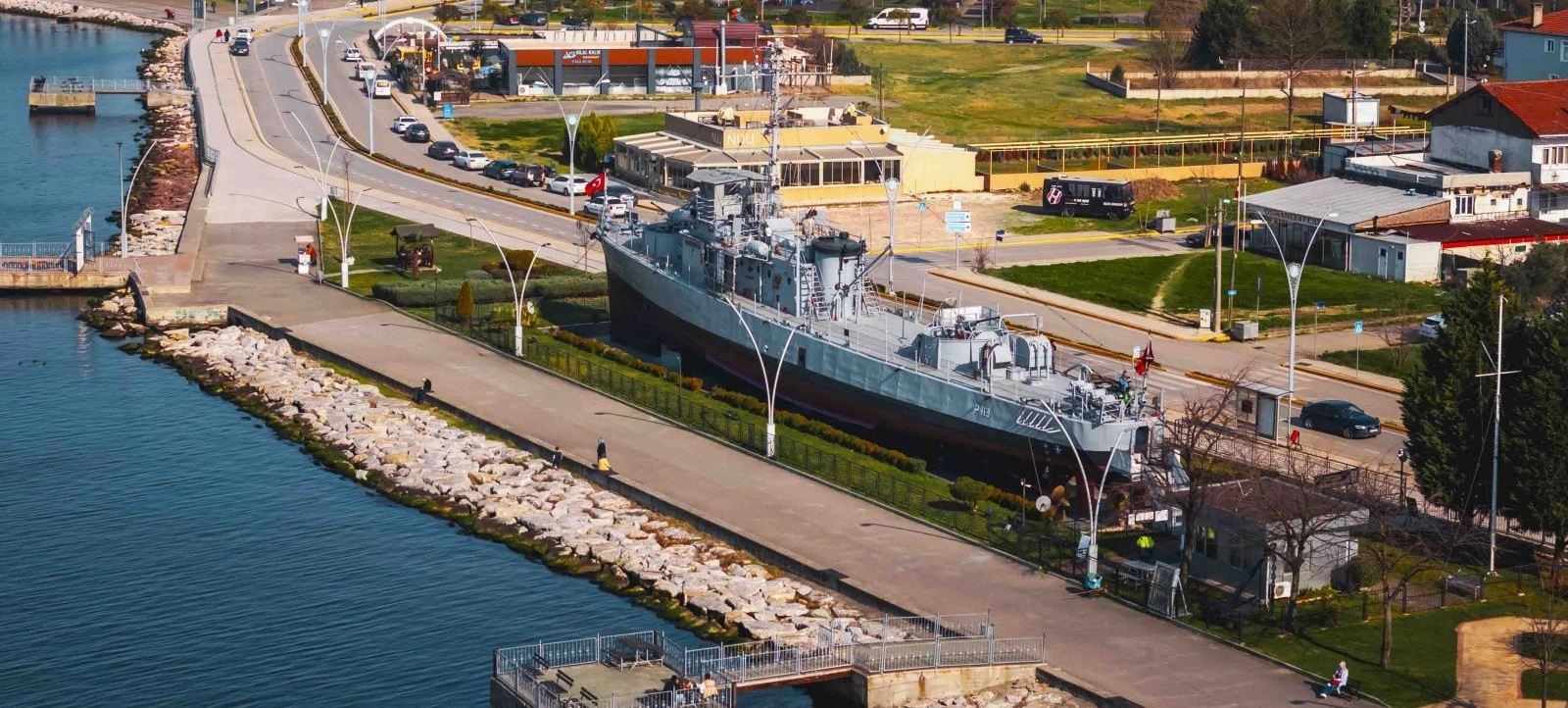
Yarhisar Museum Ship
Step aboard a preserved Turkish naval vessel and discover Gölcük's long connection with the sea and the Turkish Navy.
Explore Yarhisar Museum Ship





Only a few kilometres from central Gölcük, Saraylı preserves one of Kocaeli's most distinctive historic village environments.
The settlement is especially known for its traditional 19th-century houses, many built with timber structural systems and bağdadi plaster techniques that once characterised domestic architecture across northwestern Anatolia.
Saraylı is more than a collection of old houses. The village also contains Ottoman-period cultural heritage, a historic mosque, a monumental plane tree, traditional agricultural landscapes and Roman-period archaeological remains.
The historic settlement itself is protected as an urban conservation area, while the old village cemetery is designated as an archaeological site.
Walking through Saraylı therefore reveals several layers of local history at once: traditional houses line quiet streets, the village square remains a social centre, and traces of much older settlement survive around the community.
For travellers interested in vernacular architecture, rural heritage, photography and lesser-known places near Istanbul, Saraylı is one of the most rewarding cultural stops in the Gölcük district.
Saraylı is recognised for traditional houses preserving the character of nineteenth-century rural architecture.
Wooden construction and plastered bağdadi wall techniques define much of the village's historic architectural identity.
The village settlement is protected as an urban conservation area and its historic cemetery as an archaeological site.
Saraylı remains an active community where historic houses, agriculture, local traditions and everyday life exist together.
Essential information about one of Gölcük's best-preserved traditional village environments.
Saraylı,
Gölcük, Kocaeli.
Traditional village houses
and historic settlement.
Many surviving houses reflect
19th-century architecture.
Timber systems and
bağdadi plaster.
Urban conservation area
with an archaeological site.
A monumental plane tree
traditionally dated to about 750 years.
Saraylı preserves not only individual buildings, but the relationship between traditional houses, village streets, landscape and community life.
Kocaeli is often associated with industry, ports, transport corridors and rapidly developing urban areas.
Yet the province also contains older settlements where traditional residential architecture survives on a much more intimate scale.
Saraylı is one of the clearest examples around Gölcük.
Its historic houses demonstrate how families once built homes using locally available materials, timber construction, plastered wall surfaces, tile roofs and carefully organised domestic spaces.
The value of the village comes from more than architectural age.
Historic houses remain connected with the village square, mosque, cemetery, agricultural land, trees, lanes and surrounding countryside.
Together, these elements preserve a cultural landscape rather than a collection of isolated monuments.
The official protection of the village settlement as an urban conservation area recognises precisely this broader heritage value.
Although Saraylı is best known today for its Ottoman-period and nineteenth-century village architecture, the history of settlement in the area reaches much further back.
Roman-period remains have been identified around Saraylı, particularly in and around the historic cemetery area.
This archaeological layer makes the village unusual: visitors can encounter traditional Turkish houses while standing within a landscape that had already been occupied many centuries earlier.
The Ottoman-era story is also deeply rooted. Local historical documentation connects Saraylı with Yörük communities, while the village's mosque, historic gravestones and surviving houses preserve later chapters of the settlement's development.
The result is a place where archaeology, religious heritage, vernacular architecture and living rural traditions overlap within a compact area.
The best way to experience Saraylı is slowly and on foot.
Traditional houses appear along village streets in different states of preservation: some have been carefully maintained, some restored, and others still reveal weathered timber and old construction beneath later repairs.
This variety is part of the experience.
Rather than presenting a perfectly reconstructed streetscape, Saraylı reveals the natural evolution of a historic settlement.
Look for two-storey houses, projecting upper floors, rows of timber-framed windows, plastered façades, wooden doors, tiled roofs and narrow spaces between neighbouring buildings.
The village square provides an important focal point, connecting domestic architecture with the mosque, the monumental plane tree and everyday social life.
The surviving houses of Saraylı belong to the broader tradition of Ottoman and Turkish civil architecture found across the Marmara region and northwestern Anatolia.
Many are modest residential buildings rather than elite mansions. Their importance lies in the way they express everyday domestic architecture.
Timber plays a central role. Structural frames, floor systems, roof elements, windows, doors and decorative details were all shaped through generations of woodworking knowledge.
Exterior walls could be finished with plaster, creating a visual contrast between light wall surfaces, dark timber details and warm red roof tiles.
Upper floors frequently contain more windows and may project beyond the lower level, creating additional interior space while producing the distinctive rhythm associated with traditional Turkish houses.
Wood forms an essential part of the structural and visual character of many historic Saraylı houses.
Bağdadi and related traditional wall systems create the smooth plastered surfaces seen on historic houses.
Upper-level projections increase usable space and add depth to the street façade.
Pitched roofs covered with traditional tiles complete the characteristic village silhouette.
Official heritage descriptions of Saraylı specifically refer to the houses as wooden and bağdadi-plastered.
Bağdadi is a traditional construction method closely associated with timber-framed architecture.
In its common form, thin wooden strips or laths are fixed across a timber framework and then covered with layers of plaster.
The method produces relatively light wall construction and allows timber buildings to receive smooth interior and exterior surfaces.
Because later repairs can hide these elements, visitors may not always recognise the technique from a finished façade.
Weathered or unrestored buildings, however, sometimes reveal the wooden skeleton and lath structure beneath missing plaster, making the construction system much easier to understand.
Traditional houses were designed around practical needs as much as visual style.
Family organisation, privacy, climate, storage, food preparation and seasonal use of rooms all influenced the internal arrangement.
Rooms were often organised around shared circulation spaces, while upper floors could contain the principal living areas.
Windows brought daylight into the interiors and projecting upper floors allowed builders to create additional space above relatively narrow plots.
Wooden ceilings, cupboards, doors, stairs and built-in architectural elements could also become important expressions of local craftsmanship.
Saraylı's houses are valuable because they show this architectural tradition at the scale of ordinary village life.
Saraylı's historic character is not limited to its houses.
The village mosque preserves important examples of traditional Ottoman woodcarving.
The mosque's wooden door and minbar are particularly significant and have been associated with the artistic traditions of the late eighteenth century.
The carved decoration includes the kind of geometric, vegetal and ornamental motifs that made wood an important artistic medium in Ottoman religious architecture.
For visitors interested in craftsmanship, the mosque provides an essential complement to the domestic architecture: the houses show how wood shaped everyday living spaces, while the mosque demonstrates its ceremonial and decorative possibilities.
One of the most intriguing features of Saraylı is the presence of Roman-period archaeological remains.
The old village cemetery is officially protected as an archaeological site, reflecting the importance of material remains found in the area.
Large ancient stone and column fragments have long attracted attention and demonstrate that the landscape around today's village had a significant earlier history.
The precise character of the ancient settlement is not always obvious to a casual visitor, and Saraylı should not be approached like an excavated archaeological park.
Instead, the archaeological remains form another layer within a much later village environment.
At the heart of Saraylı stands one of the village's most beloved landmarks: a monumental plane tree traditionally dated to approximately 750 years.
Long before modern roads and buildings transformed the wider Gölcük district, generations of villagers gathered beneath its branches.
The tree therefore functions as more than a natural monument.
It is part of the social memory of Saraylı, closely connected with the square, tea, conversation, rest and village life.
For travellers, the shade beneath the plane tree provides an ideal place to slow down after exploring the historic streets.
Saraylı's heritage is closely connected with the countryside surrounding the historic settlement.
Agriculture, orchards, gardens and local produce have long formed part of village life.
The area is particularly associated with Çavuş grapes, a traditional local agricultural product remembered as part of Saraylı's rural identity.
Local produce stalls and village-oriented food experiences have also contributed to the area's appeal for visitors.
This relationship between architecture and productive landscape is important. The houses were never designed as isolated monuments; they belonged to families whose daily routines were closely connected with land, harvests, animals, food storage and seasonal work.
Understanding this rural background gives the historic buildings much more meaning.
Preserving timber buildings requires constant care, especially when structures have suffered from age, moisture, neglect or inappropriate later alterations.
Recent conservation work in Saraylı has focused on registered historic buildings and demonstrates a broader effort to keep the village's architectural heritage alive.
One prominent registered building facing Saraylı Square was taken into a major restoration programme by Kocaeli Metropolitan Municipality.
The building, thought to date from the early twentieth century, was documented as having a traditional Turkish house plan and façade.
During restoration, special attention was given to its timber structural system, traditional wall construction and an especially important decorated wooden ceiling medallion.
In April 2026, the municipality reported that the project had reached its final stages and that the restored building was intended for exhibitions, events and meetings.
Other registered structures in Saraylı have also been the subject of municipal conservation projects, including work intended to create a Saraylı Mahalle Konağı or neighbourhood house.
The greatest strength of Saraylı is that it still feels like a place where people live, not a stage set created for tourism.
Modern additions sit beside historic houses. Cars pass along old streets. Residents continue daily routines around buildings that have survived for generations.
This mix of old and new may be less visually perfect than a reconstructed museum village, but it is much more authentic to the way historic settlements actually survive.
Conservation in places like Saraylı therefore involves more than repairing architecture.
It also means allowing community life, local traditions, public spaces and historic buildings to continue functioning together.
Saraylı is one of the most rewarding places around Gölcük for vernacular architecture and village photography.
Wide compositions work well where several houses, a narrow street and the surrounding greenery can be included in the same frame.
For architectural detail, look for weathered timber, plastered wall surfaces, window frames, doors, roof tiles, projecting upper floors, old hinges and carved wooden elements.
Restored and unrestored houses create very different photographic possibilities.
Restored façades help visitors visualise the original appearance of the architecture, while weathered structures reveal layers of construction, repair and age.
The village square, monumental plane tree and mosque can also help place the houses within their broader social setting.
Green landscapes and mild temperatures make spring excellent for combining architecture with village walks.
Visit in the morning or late afternoon for softer light and a more comfortable walk through the village streets.
Changing vegetation and warm seasonal light create beautiful conditions for rural and architectural photography.
The village has a quieter atmosphere and bare trees can reveal architectural façades that are partly hidden in summer.
Saraylı is an inhabited historic settlement, so there is no single entrance gate or conventional museum route for the village as a whole.
Visitors can explore the public streets, village square and exterior architecture at their own pace.
Individual historic houses may be private residences, under restoration, used for community functions or open only during particular cultural activities.
The historic mosque remains a place of worship and should be visited respectfully.
The archaeological cemetery is a protected heritage area, so visitors should remain on appropriate paths and avoid touching or disturbing archaeological material.
Walk through the old settlement and study the houses from public village streets.
Many historic buildings are not museums. Respect doors, gardens, windows and residents' privacy.
Visit outside prayer times when possible and follow normal etiquette for an active place of worship.
The historic cemetery contains protected archaeological material and should be treated with care.
Allow approximately 1–2 hours for a relaxed village visit.
Allow half a day if combining Saraylı with food, countryside or nearby Gölcük attractions.
Saraylı is located in the Gölcük district of Kocaeli, slightly inland from the southern shore of the Gulf of İzmit.
Official tourism information places the village approximately 3 kilometres from Gölcük and around 20 kilometres from central Kocaeli / İzmit.
The short distance from Gölcük makes Saraylı easy to combine with the town centre, Değirmendere or other attractions along the southern Gulf.
From central Gölcük, follow local roads inland toward Saraylı and the historic village centre.
The village lies only a short drive from the district centre, making it suitable for a brief cultural excursion.
Official tourism information notes that Saraylı can be reached by local public transport services.
Search for Saraylı Köyü Evleri, Gölcük or Saraylı, Gölcük in your preferred navigation application.
Saraylı can be included in a broader journey from Istanbul into Kocaeli and the southern Gulf of İzmit.
The village offers a very different experience from Istanbul's imperial architecture.
Instead of monumental palaces and mosques, Saraylı introduces visitors to provincial domestic architecture, village life and rural Ottoman heritage.
It works particularly well as part of a route combining İzmit, Gölcük, Değirmendere, Karamürsel and Yalova.
Travellers continuing toward Bursa can also use Saraylı as a cultural stop before moving farther around the Marmara region.
Begin around the historic village square, where the monumental plane tree immediately introduces the scale and atmosphere of the old settlement.
Continue along the nearby streets and look for surviving examples of timber construction, bağdadi plaster, traditional windows and tiled roofs.
Visit the Saraylı Mosque when appropriate and pay particular attention to its historic wooden craftsmanship.
From there, continue toward the historic cemetery area, remembering that it is both a place of memory and a protected archaeological site.
Finish by returning to the village centre for tea, local food or a quiet break beneath the old plane tree.
Village Square – begin beneath Saraylı's monumental plane tree.
Historic Houses – explore the surviving nineteenth-century streetscape.
Saraylı Mosque – discover important examples of historic Ottoman woodwork.
Historic Cemetery – encounter the village's archaeological and funerary heritage respectfully.
Enough for a very quick look at the square and a few nearby historic houses.
A good minimum for architecture photography and a relaxed walk through the historic centre.
Ideal for combining the houses, square, mosque and historic cemetery area.
Add tea, breakfast, local food or more time photographing village details.
Combine Saraylı with nearby countryside, walking routes or another Gölcük attraction.
Add Değirmendere, central Gölcük, İzmit or other destinations around the Gulf of İzmit.
Saraylı is well placed for combining traditional architecture, naval history, waterfalls and the Gulf of İzmit coastline in the same day.
Explore the district centre and discover a town whose modern identity is closely connected with the Turkish Navy and shipbuilding.
Step aboard a preserved Turkish naval vessel and learn more about Gölcük's maritime identity.
Continue toward the Gulf for waterfront walks, historic architecture and a relaxed coastal atmosphere.
Leave the urban coast behind and explore forest scenery, streams and one of Gölcük's attractive natural escapes.
Travel east to discover ancient Nicomedia, Ottoman monuments, museums and historic railway architecture.
Follow the southern shoreline through landscapes shaped by settlement, maritime activity and transport for centuries.
For travellers interested in traditional architecture, rural history, photography, Ottoman craftsmanship or lesser-known destinations, absolutely.
Saraylı is not built around one spectacular monument.
Its appeal comes from the complete village atmosphere.
Historic houses, timber façades, old streets, the mosque, archaeological traces, the monumental plane tree and nearby agricultural landscapes combine into a place that feels very different from modern industrial Kocaeli.
The village is especially valuable for travellers who want to understand how traditional architecture functioned within everyday rural life.
Saraylı also rewards slow travel.
A careful visitor will notice that the most interesting details are often small: a carved door, a timber joint, an old roof line, a weathered window, a garden wall or the relationship between one house and the next.
They are located in Saraylı, within the Gölcük district of Kocaeli, Türkiye, a short distance inland from the southern Gulf of İzmit.
Official tourism information places Saraylı approximately 3 kilometres from central Gölcük.
The village is particularly known for traditional houses reflecting nineteenth-century architecture, although individual buildings can belong to different periods.
They belong to the tradition of Ottoman and Turkish vernacular domestic architecture found across northwestern Anatolia and the Marmara region.
Traditional structures prominently use timber construction together with bağdadi-plastered wall systems, tiled roofs and wooden architectural details.
Bağdadi is a traditional building technique in which wooden laths are fixed to a timber framework and covered with plaster.
Yes. The historic village settlement is protected as an urban conservation area.
Yes. The historic village cemetery is designated as an archaeological site and the area contains Roman-period remains.
Yes. Roman-period archaeological remains have been documented around the village, particularly in the historic cemetery area.
The mosque is notable for its historic wooden door and minbar, important examples of traditional Ottoman woodcarving.
Local official sources describe the monumental plane tree in the village square as approximately 750 years old.
Not necessarily. Saraylı is a living neighbourhood and many historic buildings are private homes or have specific community and cultural uses.
Yes. Municipal conservation projects have been restoring registered historic structures while preserving original architectural details and adapting some buildings for cultural or community use.
Yes. The combination of timber houses, plastered façades, tiled roofs, old streets and village greenery makes Saraylı particularly rewarding for photography.
Allow approximately 1–2 hours for a relaxed visit to the historic centre, or longer if you plan to eat, explore the countryside or visit nearby attractions.
Yes. Saraylı can be included in a longer excursion through Kocaeli, Gölcük and the southern Gulf of İzmit.
The village is historically associated with Çavuş grapes as well as other agricultural and local products.
Nearby possibilities include Gölcük, Yarhisar Museum Ship, Değirmendere and Nüzhetiye Waterfall, as well as other cultural and natural attractions around Kocaeli.
Yes. They offer an excellent opportunity to see traditional domestic architecture and everyday building traditions rather than only monumental Ottoman mosques and palaces.
Some historic places impress through scale.
Others reveal themselves through small details and everyday spaces.
Saraylı belongs to the second group.
Walk through the village and history appears in weathered timber, plastered walls, old windows, roof tiles and houses positioned closely along narrow streets.
At the village centre, the monumental plane tree has watched generations pass beneath its branches.
Nearby, the mosque preserves a different expression of local craftsmanship through its historic woodwork.
And beneath the much later Ottoman and modern settlement, Roman-period archaeological remains remind visitors that people have occupied this landscape for far longer than the surviving houses suggest.
Saraylı is therefore not simply a place to photograph old buildings.
It is a place to understand the relationship between architecture, landscape, memory, craftsmanship and community.
That combination makes Saraylı one of the most distinctive heritage stops in Gölcük and one of Kocaeli's most rewarding destinations for travellers looking beyond the province's modern urban image.
From Saraylı's traditional village houses, continue through Gölcük and Kocaeli to discover naval heritage, waterfalls, Ottoman architecture, museums and the landscapes surrounding the Gulf of İzmit.
Discover more cultural and natural places around the southern Gulf and beyond.
Step aboard a preserved Turkish naval vessel and discover Gölcük's long connection with the sea and the Turkish Navy.
Explore Yarhisar Museum Ship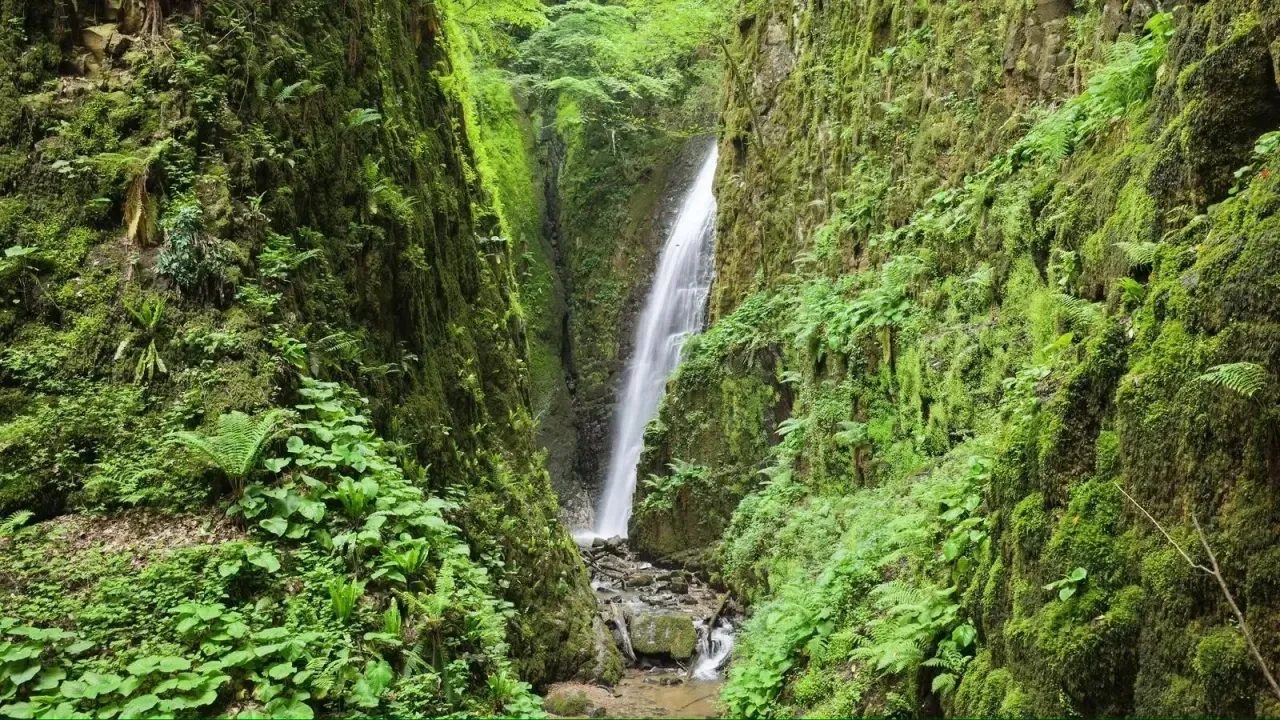
Escape into the forested hills above Gölcük and discover streams, walking routes and one of the district's attractive waterfalls.
Explore Nüzhetiye Waterfall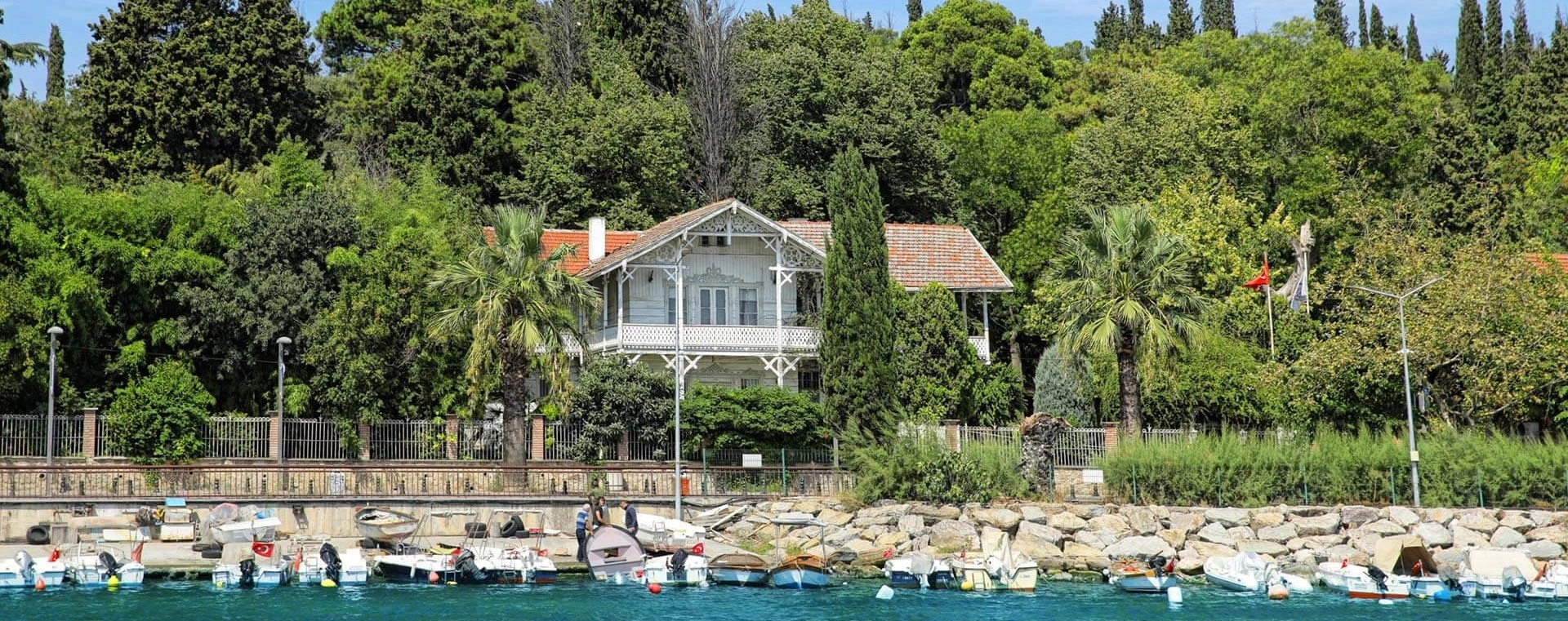
Continue around the Gulf to discover the former home of pioneering Ottoman painter, archaeologist and museum director Osman Hamdi Bey.
Explore Osman Hamdi Bey House Museum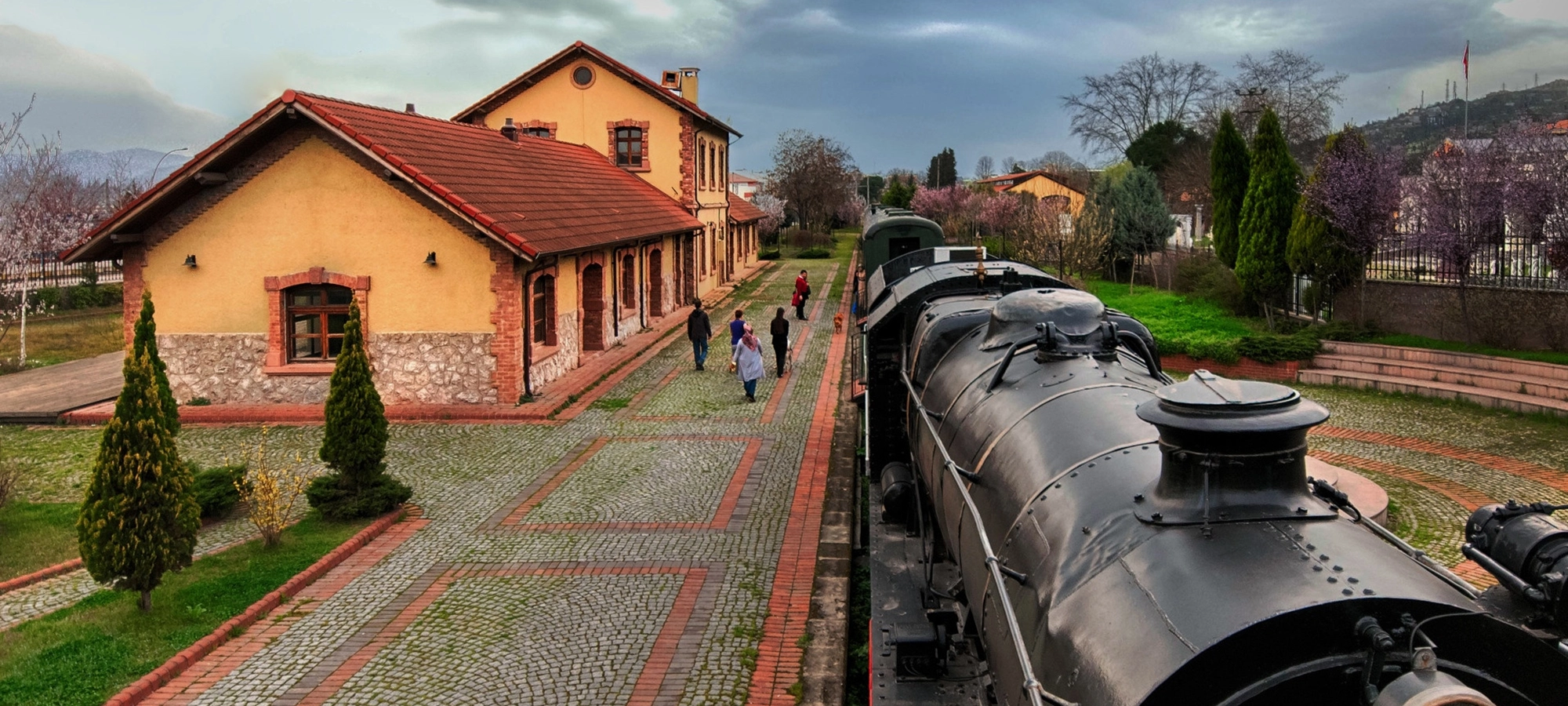
Explore the railway heritage that transformed transport and urban development around the Gulf during the late Ottoman period.
Explore Historical İzmit Train Station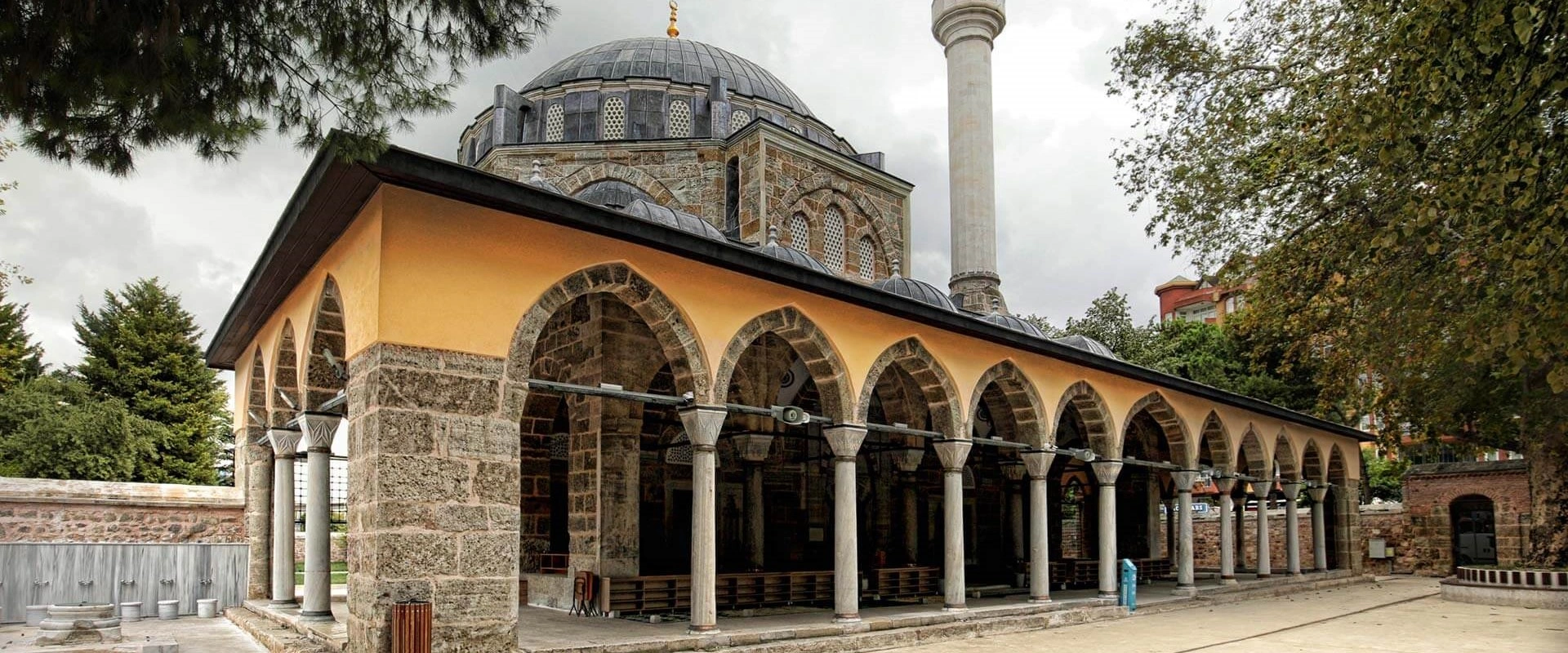
Discover one of İzmit's finest sixteenth-century Ottoman monuments, designed by imperial architect Mimar Sinan.
Explore Pertev Mehmet Pasha Mosque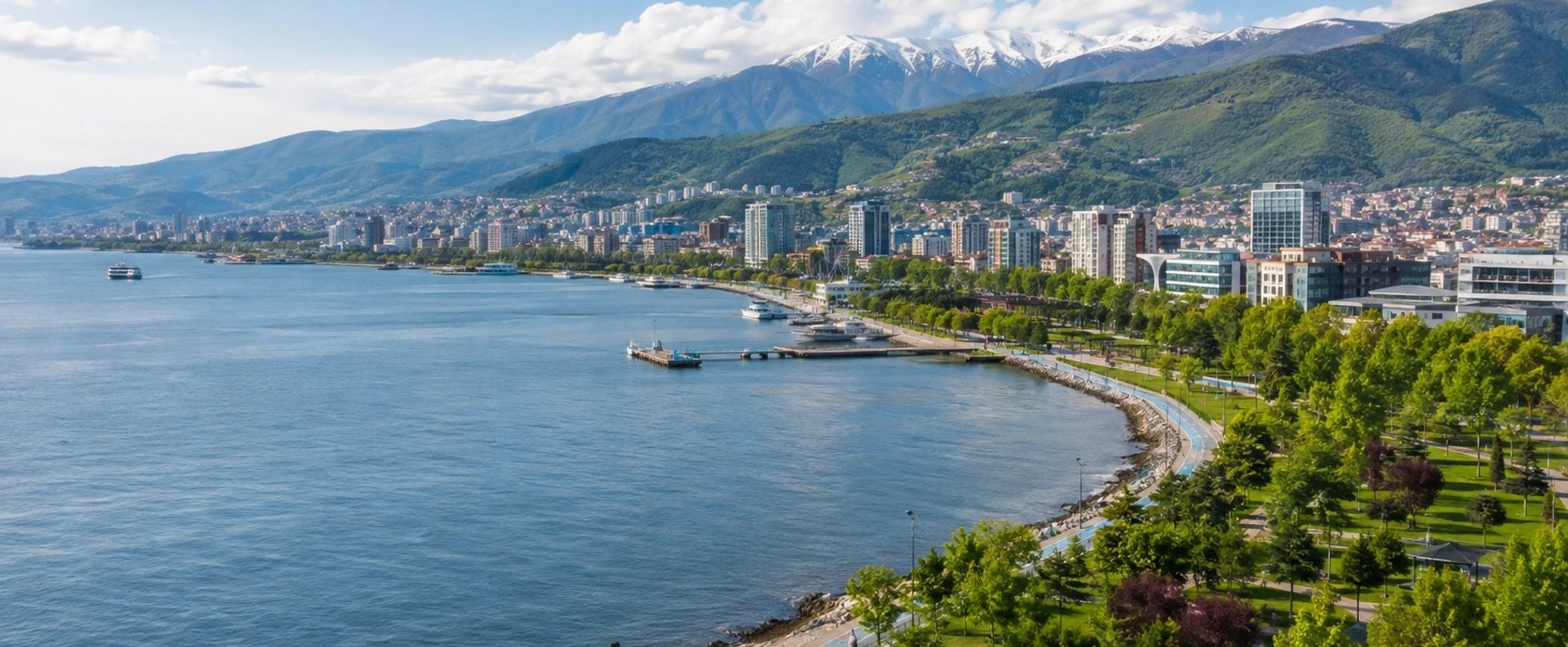
Discover ancient Nicomedia, Ottoman monuments, museums, castles, waterfalls, beaches and mountain landscapes across Kocaeli.
Discover Kocaeli