High Meat Content
Boneless meat makes up at least 92% of the protected product.
- Boneless meat: Minimum 92%
- Natural fat: Approximately 20–25%
- Added oil: None






Sakarya Kazımpaşa Köftesi is one of Sakarya Province’s officially protected regional foods. The registered meatball is prepared from carefully selected beef cuts — neck, rib, leg and shoulder — combined with stale bread crumb, egg, rock salt and a characteristic spice mixture before being shaped by hand and grilled over oak charcoal.
Its identity begins with the meat. The protected specification calls for beef from cattle or from a 1–2-year-old heifer that has not calved, using equal amounts from four different carcass sections. The meat mixture has a fat ratio of approximately 20–25%, while boneless meat makes up at least 92% of the product. No extra liquid oil or other added fat is used during production.
Sakarya Kazımpaşa Köftesi is officially registered in Türkiye as a Mahreç İşareti geographical indication. It carries registration number 1282, dated 9 December 2022, and its protected geographical boundary is the whole of Sakarya Province.
The meatball takes its name from Kazımpaşa Mahallesi, where the production tradition began before spreading across Sakarya. The registered method defines not only the ingredients but also meat resting, grinding, kneading, chilling, shaping and grilling. Each meatball is approximately 40–42 g and a standard portion contains six pieces.
This complete guide explores the history, geographical indication, meat selection, spice mixture, preparation method, hand shaping, oak-charcoal grilling, traditional serving with roasted vegetables and buffalo yogurt, storage rules, visitor tips, food pairings, photography ideas and places to combine with a wider food-focused journey through Sakarya.
Sakarya Kazımpaşa Köftesi was registered as a geographical indication in 2022.
The protected formula is strongly meat-focused, with no added liquid oil or other extra fat.
The shaped meatballs are cooked over a mangal fired with oak charcoal.
The tradition began in Kazımpaşa Mahallesi and later became associated with Sakarya as a whole.
Essential information about Sakarya’s protected Kazımpaşa Köftesi.
Kazımpaşa Mahallesi, Sakarya, Türkiye.
Open Kazımpaşa on Google MapsHand-shaped grilled beef meatballs.
Oak-charcoal mangal grilling.
Mahreç İşareti registration number 1282.
A local meatball tradition that grew from Kazımpaşa into one of Sakarya’s protected foods.
Sakarya Kazımpaşa Köftesi takes its name from Kazımpaşa Mahallesi. According to the official geographical-indication specification, production began in this neighbourhood and later spread across Sakarya Province, where the dish became recognised as part of the local culinary culture.
The meatball’s reputation is connected with a direct, meat-centred preparation. Instead of relying on heavy fillers or added oils, the protected formula uses a high proportion of beef selected from several carcass sections. The combination of neck, rib, leg and shoulder creates a balance of flavour, structure and natural fat.
Preparation is deliberately staged. The meat is rested under controlled cold conditions, minced, allowed to rest again, combined with bread and spices, passed through the mincer a second time, mixed with egg, then chilled before being shaped by hand.
The final cooking method is equally important. The meatballs are grilled over oak charcoal, turned until browned and served hot. Roasted peppers, tomatoes and onions may share the grill, while buffalo yogurt is a particularly traditional accompaniment within Sakarya.
Geographical-indication protection formalised this regional reputation in 2022. Today the registered name identifies a meatball whose ingredients, production sequence, dimensions, portion size, grilling method and geographical relationship are defined by an official specification.
The registered meatball is defined by its beef composition, hand-shaped oval form and oak-charcoal cooking method.
Boneless meat makes up at least 92% of the protected product.
The registered mixture combines equal amounts from four carcass sections.
Each piece is hand-shaped into a compact oval with characteristically blunt ends.
The protected serving standard defines a generous six-piece portion.
The meatballs are cooked over a mangal fuelled with oak charcoal.
Roasted vegetables and buffalo yogurt complement the meatballs without hiding the grilled flavour.
Sakarya Kazımpaşa Köftesi is officially registered by the Turkish Patent and Trademark Office as a geographical indication protecting its registered name, production method, local reputation and connection with Sakarya Province.
The official protected name is Sakarya Kazımpaşa Köftesi.
The product carries geographical-indication registration number 1282.
The registration date is 9 December 2022.
The application was filed on 31 January 2022.
The official application file number is C2022/000035.
It is registered as a Mahreç İşareti.
The registration holder is the Sakarya Chamber of Commerce and Industry.
The protected geographical boundary is Sakarya Province.
The Mahreç İşareti status reflects the meatball’s established reputation and traditional relationship with Sakarya. For packaged products, production through the packaging stage takes place within the geographical boundary; for freshly cooked products, production through the serving stage takes place within Sakarya.
Sakarya Kazımpaşa Köftesi is a charcoal-grilled beef meatball prepared with a high proportion of meat, stale bread crumb, egg, rock salt and a spice mixture that may include cumin, red pepper, black pepper and allspice. The mixture is rested, minced twice during preparation, chilled, shaped by hand and grilled over oak charcoal.
The protected recipe uses beef from cattle or an uncalved 1–2-year-old heifer.
The registered formula is dominated by meat, with 9.2 kg meat in approximately 10 kg of meatball mixture.
Natural fat comes from the meat itself; extra liquid oil or another type of fat is not added during production.
The spice mixture adds warmth and aroma while the beef and charcoal remain central to the flavour.
The chilled mixture is shaped manually into compact blunt-ended ovals.
Oak charcoal gives the exterior its browned, grilled character.
The protected specification links the dish directly with Kazımpaşa Mahallesi. Production began there and spread through Sakarya, turning a neighbourhood speciality into a recognised provincial food.
Kazımpaşa gives the meatball its name and is identified as the starting point of the production tradition.
Over time the meatball became known beyond the neighbourhood and established a reputation across Sakarya.
The registered method states that meat from animals raised within the geographical boundary is preferred.
Local köfte restaurants helped make the dish part of Sakarya’s everyday dining identity.
Registration in 2022 gave formal protection to a food already associated with the area.
For visitors, Kazımpaşa Köftesi offers a focused taste of Sakarya beyond the province’s better-known lake landscapes.
The registered formula is unusually precise about the meat. Equal amounts of neck, rib, leg and shoulder are selected from the carcass so that different textures and natural fat levels contribute to one balanced mixture.
Neck meat contributes pronounced beef flavour and connective structure.
Rib meat helps provide richness and natural fat within the protected 20–25% range.
Leg meat adds a leaner, firm component to the mixture.
Shoulder contributes both flavour and a useful texture for minced meat preparations.
The four carcass sections are used in equal quantities under the registered method.
The protected meat mixture relies on the natural fat already present in the selected meat.
The geographical-indication specification gives an approximate formula for around 40 portions, equal to about 10 kg of meatball mixture. This makes the meat content and spice balance unusually easy to understand.
Equal quantities of neck, rib, leg and shoulder, with an overall natural fat ratio of 20–25%.
The bread should be no more than about two days old and is lightly moistened before mixing.
Eggs are added after the second mincing and kneading stage.
Hot or sweet powdered/flaked red pepper may be used, affecting the final heat level.
Finely ground rock salt seasons the meat mixture.
The registered formula lists about 0.05 kg each of cumin, black pepper and allspice.
Sakarya Kazımpaşa Köftesi begins before mincing. The registered method includes controlled cold resting intended to prepare the carcass meat before the four selected cuts are combined.
The protected method uses two mincing stages separated by seasoning and kneading. This distributes the spices and helps create the uniform texture expected from the finished köfte.
After chilling, the meatball mixture is shaped manually. The official specification defines the size closely enough that visitors can understand what a traditional portion should look like.
The rested mixture is formed manually under food-hygiene conditions rather than pressed into a generic industrial shape.
Each uncooked meatball is small enough to grill quickly but substantial enough to remain juicy.
The protected form is elongated rather than round.
The relatively low profile helps the köfte brown evenly over the charcoal grill.
The official shape is described as oval with characteristically blunt ends.
A standard protected serving is six pieces weighing about 240–250 g in total.
The mangal is not an optional finishing touch in the registered method. The meatballs are cooked over oak charcoal, which creates the browned exterior and grilled aroma associated with the dish.
The protected method specifically identifies oak charcoal as the grill fuel.
The registered cooking range is approximately 150–180°C.
The meatballs are turned during cooking until browned, usually for around six to seven minutes.
Regular turning helps brown the surfaces while cooking the compact meatballs evenly.
Peppers, tomatoes and onions can be roasted while the köfte cooks.
The registered serving style is hot, allowing the charcoal aroma and natural juices to be appreciated at their best.
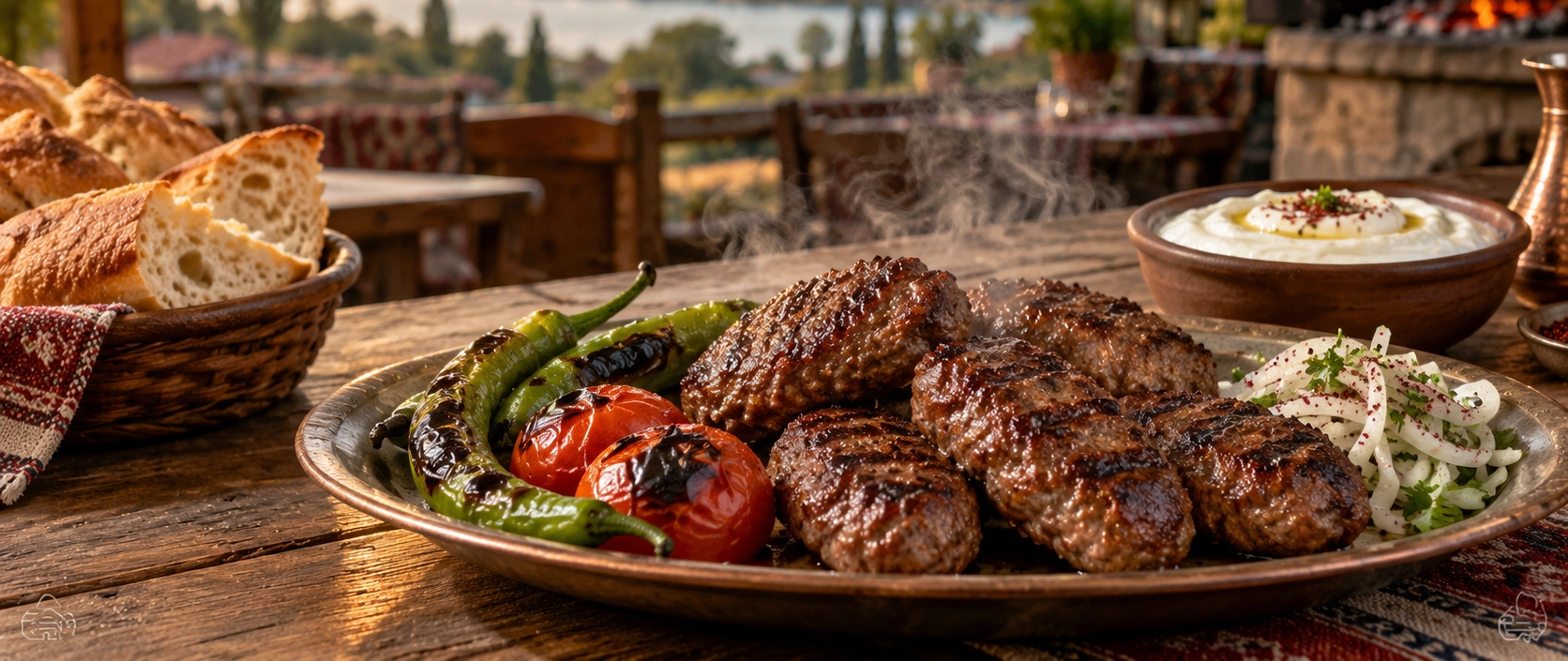
A traditional plate is deliberately straightforward. Six hot meatballs form the centre of the meal, with optional charcoal-roasted vegetables and a particularly Sakarya-style accompaniment: buffalo yogurt.
The protected portion is served immediately after grilling whenever possible.
Peppers can be charred alongside the meatballs for a smoky vegetable accompaniment.
Tomato adds acidity and sweetness against the rich beef flavour.
Onion becomes sweet and smoky on the charcoal grill.
Within Sakarya, Kazımpaşa Köftesi is commonly eaten with manda yoğurdu — rich buffalo-milk yogurt.
The dish is at its most distinctive when the meat, charcoal and basic accompaniments remain the focus.
The exact balance depends on the butcher, grill and red pepper used, but the protected formula is designed to remain meat-forward. Natural beef fat provides richness, oak charcoal adds smoky browning, and cumin, black pepper, allspice and red pepper build a warm aromatic background.
Using four carcass sections creates a more complex meat flavour than a single-cut mince.
The 20–25% fat range helps the köfte remain succulent without added oil.
Oak charcoal contributes a recognisable grilled fragrance and browned exterior.
Cumin adds an earthy, warm note associated with many Turkish köfte styles.
Yenibahar provides a gently sweet, aromatic layer rather than obvious chilli heat.
Because hot or sweet red pepper may be used, chilli intensity can differ between producers.
The protected specification provides separate guidance for cooked, modified-atmosphere packaged and deep-frozen meatballs. Travellers buying uncooked köfte should always maintain the cold chain and follow the producer’s current label instructions.
The specification states that cooked meatballs can be refrigerated for up to two days and reheated for service.
Uncooked meatballs packed under modified atmosphere may be kept for up to one month under the registered conditions.
Raw köfte may be stored for up to three months at approximately -16 to -18°C.
Use insulated transport for longer journeys and avoid leaving raw meat at warm temperatures.
Commercial packaging may include more specific use-by, storage and reheating instructions.
For visitors, tasting the köfte directly from a charcoal grill gives the clearest sense of its regional character.
Kazımpaşa Köftesi needs little ceremony. The most traditional experience is a hot portion straight from the charcoal grill, eaten with simple vegetables and a cool dairy accompaniment.
Taste one piece before adding sauces so you can notice the meat blend, seasoning and oak-charcoal aroma.
Alternate bites with grilled tomato, pepper or onion for sweetness, acidity and smoke.
Manda yoğurdu creates a cooling contrast to the hot, richly seasoned meatballs.
The texture and aroma are strongest when the köfte is served directly from the grill.
If you are sensitive to chilli, ask whether the restaurant uses hot or sweet red pepper in its mixture.
Combine Kazımpaşa Köftesi with Abaza Acıkası, Abkhaz Cheese, Islama Köftesi and regional desserts on a wider gastronomy journey.
The protected recipe is based on beef but also includes ingredients that matter for travellers with allergies or dietary restrictions. Individual restaurants may use additional ingredients or shared preparation areas, so always confirm directly when necessary.
The registered formula includes stale bread crumb, so the standard preparation is not gluten-free.
Three to four eggs are used in the approximate 10 kg registered mixture.
The protected specification is based on cattle meat and does not list lamb or pork in the recipe.
The registered method relies on the natural fat in the meat instead of extra cooking oil in the mixture.
Dairy enters the meal when yogurt is served alongside; ask for a plate without yogurt if you avoid dairy.
Visitors with serious allergies should confirm ingredients, surfaces and kitchen procedures with the individual restaurant.
The clearest way to seek the protected style is to ask specifically for Sakarya Kazımpaşa Köftesi. Since “köfte” is a broad category in Türkiye, the full registered name matters when you want the geographically indicated product.
Combine a köfte lunch with green countryside, Sapanca Lake and Sakarya’s outdoor landscapes.
Charcoal-grilled köfte fits naturally into a warm-weather road trip, but raw takeaway meat requires careful refrigeration.
Cooler days make a hot plate of grilled meatballs, roasted vegetables and yogurt especially satisfying.
Kazımpaşa Köftesi works well as a hearty indoor lunch during rainy or cold Sakarya weather.
The dish is not tied to a short harvest season, making it one of the easiest Sakarya specialities to plan into a trip.
Traditional köfte restaurants generally make it suitable for either a midday stop or an evening meal.
Ask specifically for Sakarya Kazımpaşa Köftesi when you want the protected regional style.
The charcoal aroma and juicy texture are strongest immediately after cooking.
Buffalo yogurt is one of the most regionally meaningful accompaniments.
The formula can use hot or sweet red pepper, so heat levels may vary.
The registered recipe contains both, which matters for gluten and egg allergies.
The protected köfte is elongated, blunt-ended and smaller than many large restaurant patties.
Taste the meatball first so the beef blend and oak-charcoal flavour remain clear.
Pair the meal with another Sakarya speciality or a nearby nature stop for a richer local experience.
Sakarya’s cuisine brings together meat cookery, agricultural produce, dairy traditions, Caucasian food culture, Balkan influences, Black Sea connections and village preservation techniques. Kazımpaşa Köftesi represents the province’s charcoal-grill tradition and sits naturally beside several other protected foods.
Another protected Sakarya meatball, distinguished by broth-moistened bread served with grilled köfte.
A protected pepper, garlic and herb spread rooted in Sakarya’s Abaza culinary traditions.
A protected fibrous cheese connected with the province’s Caucasian food heritage.
A wheat-and-chicken dish finished with dartı, representing a very different side of Sakarya’s savoury cuisine.
A protected sweet that offers a simple regional dessert after a charcoal-grilled meal.
A rich confection that highlights the agricultural and confectionery traditions of southern Sakarya.
A Kazımpaşa Köftesi meal can become part of a wider Sakarya route combining regional food, lakes, viewpoints and other protected specialities.
Compare two protected Sakarya köfte traditions and discover how different preparation methods create completely different meals.
Continue your food journey with a protected Caucasian pepper spread from Sakarya.
Explore another geographically indicated product connected with Sakarya’s rich migration and food history.
Discover one of the province’s hearty traditional grain-and-meat dishes.
Add a scenic viewpoint and cultural stop to a wider inland Sakarya itinerary.
Combine a regional food stop with Sakarya’s best-known lake landscape.
It is a protected Sakarya beef meatball made from selected carcass cuts, bread, egg, rock salt and spices, then hand-shaped and grilled over oak charcoal.
The protected specification states that production began in Kazımpaşa Mahallesi and later spread across Sakarya Province.
Yes. It is officially registered as a geographical indication in Türkiye.
The registration number is 1282.
The registration date is 9 December 2022.
The application date is 31 January 2022.
The file number is C2022/000035.
It is registered as a Mahreç İşareti.
The registration holder is the Sakarya Chamber of Commerce and Industry.
The protected geographical boundary is Sakarya Province.
The registered method uses beef from cattle or an uncalved 1–2-year-old heifer.
Equal amounts of neck, rib, leg and shoulder meat are used.
The protected product contains at least 92% boneless meat.
The selected beef mixture has a natural fat ratio of approximately 20–25%.
No. The registered method states that no extra liquid oil or other type of fat is added during production.
Yes. The protected formula contains a small amount of stale bread crumb that is lightly moistened before mixing.
Yes. The approximate 10 kg formula includes 3–4 eggs.
The registered formula lists red pepper, cumin, black pepper and allspice together with finely ground rock salt.
It can vary. The specification allows hot or sweet red pepper, so visitors sensitive to chilli should ask the restaurant before ordering.
The registered preparation includes an initial mincing, followed by seasoning and kneading, and then a second pass through the mincing machine.
After the eggs are incorporated, the köfte mixture rests at approximately +2°C for 4 hours.
One uncooked Sakarya Kazımpaşa Köftesi is approximately 40–42 g.
It is a compact oval meatball with blunt ends, approximately 5–7 cm long and 1.3–1.6 cm high.
A standard protected portion contains six meatballs.
The protected serving is approximately 240–250 g.
It is grilled on a mangal fired with oak charcoal.
The registered method gives a grilling range of approximately 150–180°C.
The meatballs are turned and grilled until browned for approximately 6–7 minutes.
Roasted pepper, tomato and onion may be served alongside the hot meatballs.
The geographical-indication specification notes that within Sakarya the meatballs are commonly eaten with manda yoğurdu, or buffalo yogurt.
No, not in its protected standard form, because the registered recipe includes bread crumb.
No. The registered recipe specifies cattle meat and does not list pork.
No. The protected specification is based on cattle meat rather than lamb.
The registered specification states that cooked meatballs may be refrigerated for up to two days and reheated for service.
The protected specification gives a storage period of up to one month under the stated modified-atmosphere conditions.
It may be stored for up to three months at approximately -16 to -18°C under the registered conditions.
Raw köfte can be purchased for later cooking when available, but it is a perishable meat product. Maintain the cold chain and follow all producer and destination food rules.
Adapazarı Islama Köftesi, Sakarya Abaza Acıkası, Sakarya Abkhaz Cheese, Adapazarı Dartılı Keşkek, Adapazarı Pumpkin Dessert and Pamukova Walnut Paste all work well in a wider Sakarya food itinerary.
The strongest photographs show what makes the dish distinctive: compact hand-shaped köfte, the charcoal grill, browned surfaces, glowing vegetables and the contrast of hot meat with cool white buffalo yogurt.
Photograph several meatballs over glowing charcoal to communicate the protected cooking method immediately.
Show the standard serving together on one plate to make the shape and size easy to understand.
Use side light to reveal browned edges, grill marks and the moist interior texture.
Add blistered peppers, tomato and onion for colour without distracting from the köfte.
Place a small bowl of white manda yoğurdu beside the meatballs for a distinctly Sakarya visual story.
When photographed in an authentic kitchen setting, hand shaping can communicate the craft behind the registered form.
Combine Sakarya’s protected foods, charcoal-grill traditions, Caucasian culinary heritage, countryside landscapes and lakes on a private journey designed around your interests.
Custom-designed private journeys with flexible timing, private transportation and opportunities to discover Kazımpaşa Köftesi, Islama Köftesi, protected regional foods, local dairy traditions, village flavours and scenic stops across Sakarya Province.
Compare Kazımpaşa Köftesi with Adapazarı Islama Köftesi and explore the different meat, bread, seasoning and grilling traditions that define Sakarya’s protected köfte culture.
Request This Tour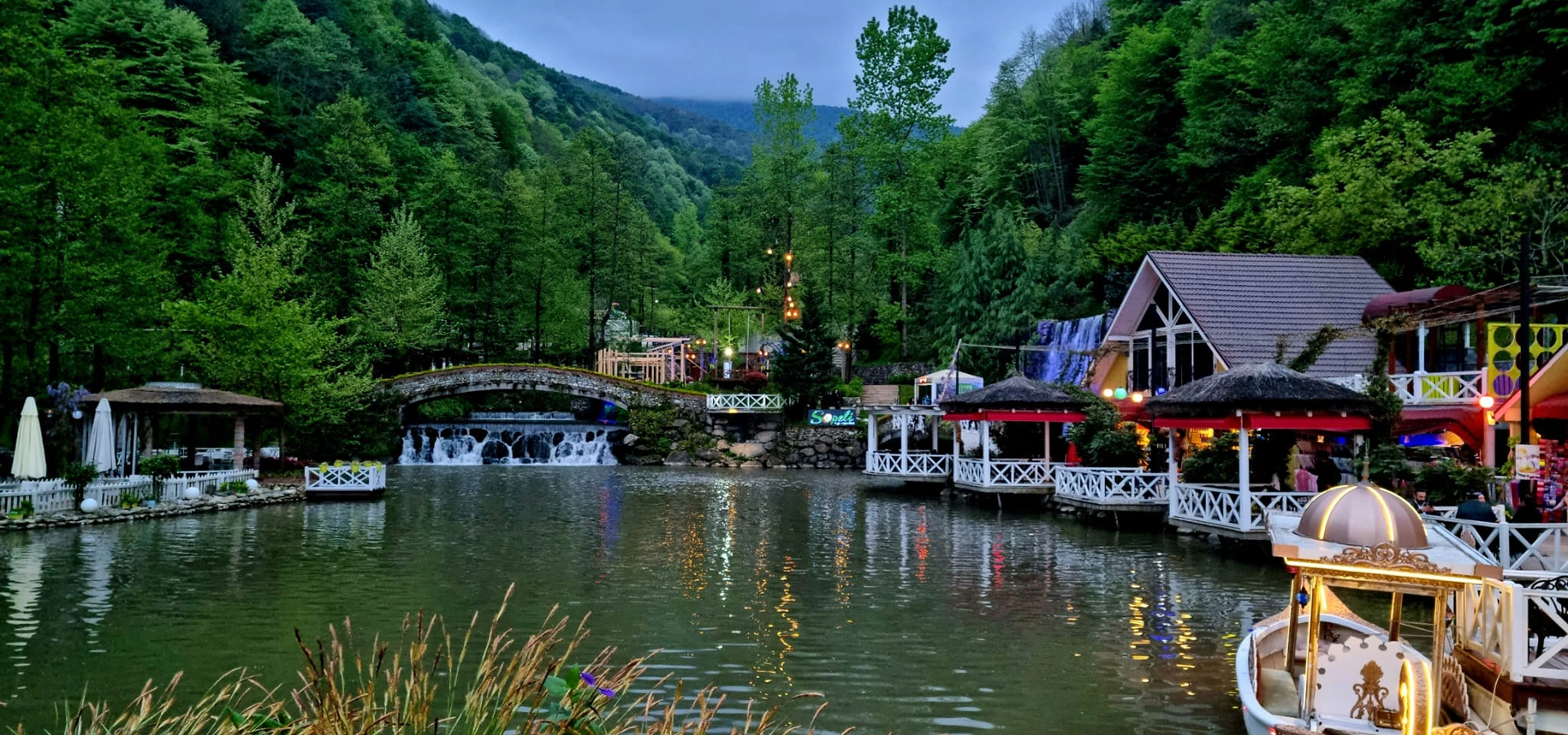
Build a flexible route around Kazımpaşa Köftesi, Abaza Acıkası, Abkhaz Cheese, Adapazarı specialities and regional flavours from Sapanca, Hendek, Geyve, Pamukova, Kocaali and beyond.
Request This Tour