Fibrous Structure
The cheese separates into visible fibres and layers rather than forming a brittle or crumbly mass.
- Structure: Fibrous and layered
- Body: Firm but pliable
- Heat response: Stretchable in hot water






Sakarya Abhaz (Abaza) Peyniri, commonly rendered in English as Sakarya Abkhaz or Abaza Cheese, is one of the most distinctive cheeses in Sakarya Province. Its identity reflects the culinary heritage of Abkhaz communities whose food traditions became an important part of the province’s cultural landscape.
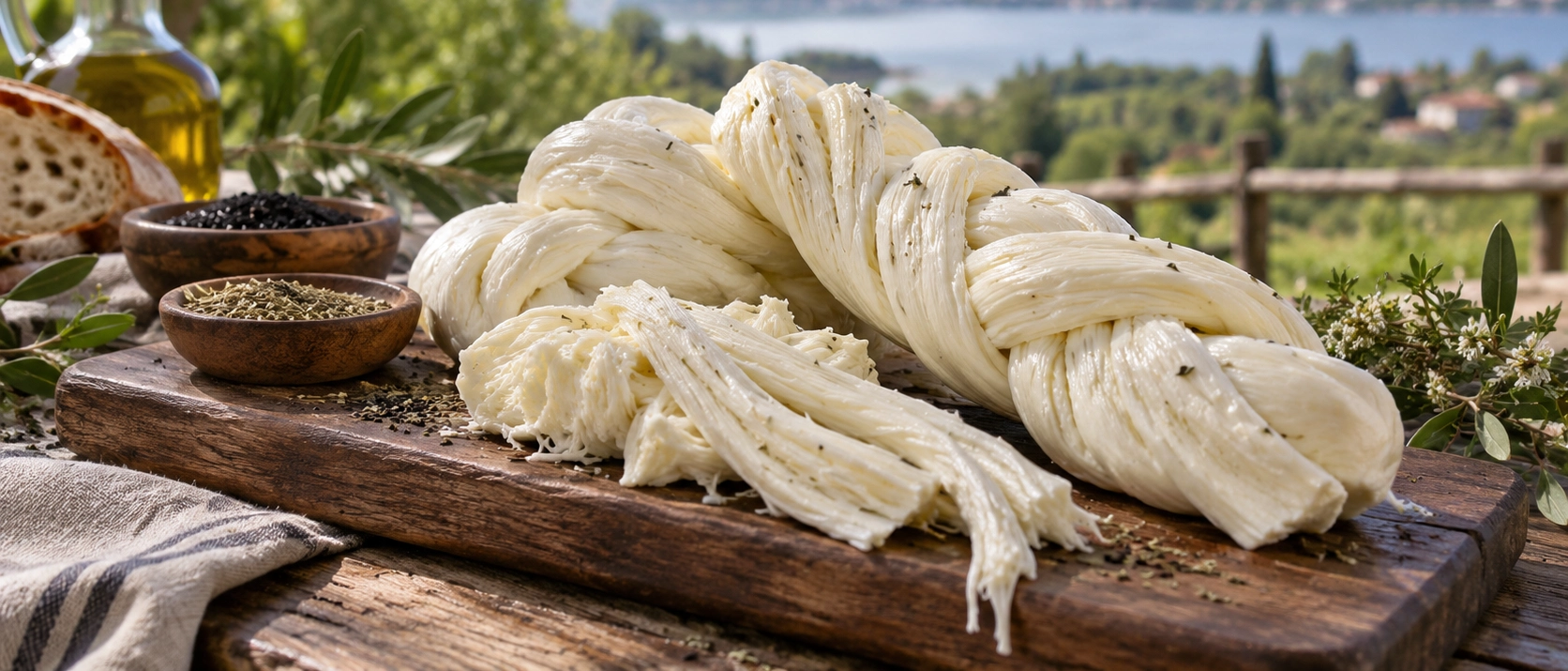
The protected cheese occupies an interesting place between familiar Turkish cheese styles. The official geographical-indication specification describes it as having characteristics between kaşar cheese and dil peyniri, with a fibrous structure that can stretch in hot water. Mature cheese develops an amber-yellow surface and is often shaped into braided or plaited forms.
Sakarya Abkhaz Cheese received geographical-indication protection as a Mahreç İşareti, or protected indication of source and reputation, under registration number 746. The registered production method is strongly connected with Sakarya and requires all production stages to take place within the province.
What makes the registered method especially distinctive is the sequence of heating, culturing, renneting, pressing and a second heating in whey. After salting, the cheese is wrapped and matured for approximately two months at cool temperature, during which its aroma develops and the exterior gradually takes on its characteristic amber colour.
This complete guide explores the cheese’s Abkhaz cultural background, geographical indication, ingredients, texture, flavour, traditional production method, heating and stretching stages, maturation, optional seasonings, serving traditions, storage, nutritional composition, shopping tips and places to combine with a food-focused journey through Sakarya.
Sakarya Abhaz (Abaza) Peyniri was registered as a geographical indication in 2021.
The cheese develops a layered, fibrous body that becomes stretchable when heated.
The registered cheese matures for around two months at approximately 3–6°C.
The cheese represents one of Sakarya’s most visible links with local Abkhaz food culture.
Essential information about Sakarya’s protected Abkhaz cheese.
Sakarya Province, Türkiye.
Open Sakarya on Google MapsA matured, fibrous cheese with qualities between kaşar and string cheese.
Frequently shaped into braided or plaited pieces after the stretching stage.
Mahreç İşareti registration number 746.
This cheese is more than a dairy product: it is part of Sakarya’s living Abkhaz cultural heritage.
Sakarya is one of Türkiye’s important centres of Caucasian cultural heritage. Abkhaz communities established villages across the province, particularly in districts and rural areas around Akyazı, Hendek, Arifiye, Erenler, Geyve and neighbouring parts of central Sakarya. Food traditions travelled with these communities and became part of the province’s broader culinary identity.
The official geographical-indication registration describes Sakarya Abhaz (Abaza) Peyniri as a cheese whose reputation and production tradition are connected with the Abkhaz cultural presence in Sakarya. The registered document characterises this relationship as a long-established local tradition requiring specialised knowledge and skill.
Cheese was particularly valuable in rural life because milk could be transformed into a food with greater keeping quality, concentrated nutrition and many possible uses at the table. The stretching and shaping technique also created a cheese with a distinctive texture unlike crumbly white cheeses or soft fresh curds.
Over generations, the cheese became associated with family kitchens, guest tables and traditional Abkhaz meals. It may be eaten at breakfast, served as part of a shared table or paired with Abısta, a traditional cornmeal-based dish in Abkhaz cuisine.
Geographical-indication registration in 2021 transformed this inherited food tradition into an officially protected Sakarya product, defining its production method, maturation conditions, composition and the relationship between the cheese and its geographical area.
The protected cheese is identified by its fibrous body, matured aroma, elastic character and distinctive colouring.
The cheese separates into visible fibres and layers rather than forming a brittle or crumbly mass.
Maturation changes the outer appearance and deepens the cheese’s aroma.
Stretchable cheese pieces can be shaped by hand, and braided forms are strongly associated with the product.
The cheese should retain a clear dairy character while maturation adds depth and savoury complexity.
The registered specification describes a concentrated cheese with substantial protein and fat.
Some registered versions may include seasonings added to the curd.
Sakarya Abhaz (Abaza) Peyniri is officially registered by the Turkish Patent and Trademark Office as a geographical indication protecting the cheese’s reputation, traditional method and connection with Sakarya Province.
The official protected name is Sakarya Abhaz (Abaza) Peyniri.
The cheese carries geographical-indication registration number 746.
The registration date is 3 May 2021.
The application was filed on 2 July 2020.
The official application file number is C2020/165.
It is registered as a Mahreç İşareti.
The registration holder is the Sakarya Chamber of Commerce and Industry.
The protected geographical boundary is Sakarya Province.
The Mahreç İşareti classification protects a product whose reputation, traditional knowledge or other defining qualities are associated with a specific place. In this case, the registered document requires every stage of production of Sakarya Abkhaz Cheese to take place within Sakarya because the cheese’s established reputation and specialist production skill are tied to the province.
Sakarya Abkhaz Cheese is a matured, fibrous, heat-stretched cheese made through a multi-stage process involving cultured milk, natural rennet, curd formation, pressing, two separate heating stages, dry salting and cool maturation.
The official specification describes its overall character as lying between kaşar cheese and Turkish string cheese.
After its second heating in whey, the cheese becomes soft, elastic and suitable for shaping.
The protected product is matured for approximately two months before it is ready for sale.
Its high dry-matter, protein and fat content gives it a substantial mouthfeel and satisfying texture.
Temperature control, curd handling, heating, pressing, stretching and salting all influence the final result.
The protected name applies to cheese produced according to the registered method within Sakarya Province.
The importance of Sakarya Abkhaz Cheese cannot be understood only through ingredients and technique. It belongs to a wider cultural landscape created by Abkhaz communities who preserved language, family traditions, hospitality customs, music, dance and foodways in villages across Sakarya.
Numerous villages in and around Akyazı have longstanding Abkhaz community connections.
Hendek and its countryside are another important part of Sakarya’s Caucasian cultural geography.
Abkhaz family and village traditions also form part of the cultural history of central Sakarya districts.
Communities and families of Abkhaz heritage have also lived in other parts of the province.
Cheese, breads, cornmeal dishes and shared tables form an important part of traditional guest culture.
The cheese survives because knowledge of preparation continues to be practised and transferred between generations.
The registered method relies on a small number of basic dairy ingredients, but the final character comes from careful temperature control, fermentation, curd handling and maturation rather than from a complicated recipe.
Milk forms the base of the cheese and is heat-treated at the beginning of the registered process.
Approximately 50 g of yogurt is added for every 5 litres of milk in the registered method.
Natural şirden rennet is used to coagulate the milk after it has cooled to the required temperature.
The cooled cheese pieces are dry-salted on the surface before maturation.
Black cumin may be incorporated into the curd for a more aromatic version.
Thyme may also be used as an optional seasoning within the protected method.
The protected production method is unusually detailed. It combines culturing, renneting, controlled heating, whey separation, pressing, a second whey-heating stage, dry salting and cool maturation.
Temperature control becomes especially important after the curd has formed. The first heating helps the curd consolidate before it is transferred to a mould and pressed.
The broken curd is brought to approximately 45°C.
The curd remains at this controlled temperature for around half an hour.
The first heating ends when the curd begins to gather and form larger masses.
Hot curd is placed in a prepared mould lined with cheesecloth so whey can drain away.
The wrapped curd is pressed so it takes the form of the mould and releases additional whey.
After pressing, the cheese mass is removed and divided into approximately palm-sized pieces.
The second heating is one of the defining stages of the registered Sakarya method. Instead of using plain water, the pressed cheese pieces are heated in whey, helping create the soft, stretchable body that allows the cheese to be shaped.
The protected specification allows a small amount of seasoning to be incorporated after the first breaking of the curd. This means visitors may encounter both plain cheese and versions with aromatic additions.
The unseasoned version places the greatest emphasis on milk, salt, maturation and the fibrous cheese texture.
Çörekotu is the seasoning most specifically associated with the registered flavoured variation.
Thyme may also be added, giving the cheese a gently herbal fragrance.
The permitted seasoning level is approximately 1–3% of the curd.
Seasoning is introduced after the first curd break so it can be distributed evenly through the cheese.
Further breaking of the curd helps spread the herbs or seeds consistently throughout the cheese body.
The mature protected cheese does not go directly from the stretching stage to the breakfast table. Salting and cool maturation are essential to its finished aroma, colour, texture and keeping quality.
After cooling, the surfaces of the cheese pieces are coated with coarse salt.
The salted cheeses are traditionally wrapped before being placed in containers for maturation.
The wrapped pieces are arranged without excessive compression so the cheese can mature properly.
The registered maturation temperature is approximately 3–6°C.
The protected cheese is matured for approximately two months before it is considered ready.
As maturation progresses, the surface develops an amber tone and the cheese’s aroma becomes more pronounced.
The cheese is valued as much for texture as for flavour. A good piece should feel substantial when chewed, show a fibrous structure and retain a pleasant dairy character beneath the salt and matured aroma.
The first impression should retain a recognisable milk flavour rather than excessive sharpness.
The cheese offers resistance when chewed while remaining pleasant and flexible.
Its layered structure can separate into fibres, especially when cut or pulled apart by hand.
Traditional sensory descriptions note that slight moisture may appear when the cheese is pressed.
Two months of cool maturation deepen the fragrance beyond that of a very fresh cheese.
Black cumin or thyme creates a more aromatic version without replacing the cheese’s core dairy character.
The cheese is versatile enough for a Turkish breakfast yet culturally meaningful enough to become the centre of a regional food tasting. Its firm texture also makes it easy to slice, pull apart or serve in small sharing portions.
Serve sliced or pulled into fibres alongside bread, olives, tomatoes, cucumbers and tea.
The cheese is traditionally associated with Abısta, a cornmeal-based dish in Abkhaz cuisine.
Gentle warming can emphasise the cheese’s elastic, string-like structure.
Compare plain and seasoned versions to notice how black cumin or thyme changes the aroma.
Serve with breads, cornmeal dishes, fresh vegetables and other Caucasian-style foods for a broader cultural experience.
Vacuum-packed cheese can be a practical regional product to purchase when storage and transport conditions are suitable.
One of the most culturally meaningful ways to understand Abkhaz cheese is to encounter it with Abısta. This traditional cornmeal-based preparation is an important part of Abkhaz food culture and provides a warm, neutral base for the rich, salty and elastic cheese.
Abısta is built around cooked cornmeal and has a dense, comforting consistency.
The savoury dairy flavour adds richness to the simple grain base.
The pairing is best understood as part of a larger communal meal rather than as an isolated tasting.
The firm, fibrous cheese contrasts with the soft consistency of the cooked cornmeal.
Trying both foods together gives visitors a clearer sense of Sakarya’s Abkhaz culinary heritage.
Traditional dishes may be easier to find through local restaurants, cultural associations or pre-arranged food experiences.
The official geographical-indication specification gives composition ranges for the mature cheese. Exact values can vary between producers and batches, but the figures show why the cheese has such a dense and satisfying texture.
The mature cheese contains a high proportion of solids compared with fresh milk.
Its substantial fat content contributes to richness, body and flavour.
The cheese is also protein-dense because much of the water from milk has been removed.
Dry salting is an important part of production, so portion size matters for visitors watching sodium intake.
People with milk allergies or medically diagnosed dairy restrictions should treat it as a conventional cheese product.
Because the cheese is concentrated, a modest tasting portion can still provide a strong flavour and substantial texture.
Proper cold storage protects both the texture and food quality of the finished cheese. Commercially packed protected cheese is typically vacuum sealed after maturation and should remain refrigerated.
The protected specification requires storage at refrigerator temperature.
Removing air from the package helps protect the matured cheese during storage and distribution.
The registered specification gives a shelf life of approximately six months under appropriate conditions.
For travel, leave factory or producer packaging unopened until you are ready to consume the cheese.
Do not leave the cheese for long periods in a hot vehicle, direct sun or unrefrigerated luggage.
Always prioritise the producer’s storage instructions and use-by date on the package you purchase.
Visitors who want the protected product should ask specifically for Sakarya Abhaz (Abaza) Peyniri rather than relying on the more general phrase “Abaza cheese,” because related Caucasian-style cheeses may be made in other regions using different methods.
A pleasant season for combining local food tasting with countryside drives through Sakarya’s greener districts.
The cheese can be enjoyed year-round, but careful refrigeration is especially important during warm weather.
Excellent for pairing the cheese with Sakarya’s seasonal fruits, harvest foods and regional markets.
Its rich texture works particularly well at hearty breakfasts and traditional indoor meals.
Unlike highly seasonal fruits or vegetables, cheese production and sale are not restricted to a short harvest window.
For Abısta or a broader Abkhaz meal, advance arrangements may be more useful than simply visiting a standard restaurant.
“Sakarya Abhaz (Abaza) Peyniri” is the most useful phrase when asking specifically for the protected product.
Allow a refrigerated tasting portion a short time to lose its chill so the aroma and texture are easier to appreciate.
If available, taste an unseasoned piece beside a black-cumin or thyme version.
Pulling or cutting the cheese reveals the layered texture that distinguishes it from many crumbly Turkish cheeses.
A pairing with the traditional cornmeal dish adds cultural context to the tasting.
For longer journeys, insulated transport with suitable cooling is sensible for a dairy product.
The cheese is most meaningful when understood alongside Sakarya’s Caucasian villages and community traditions.
Village homes and cultural events are not tourist attractions by default; visit through invited, public or pre-arranged experiences.
Sakarya’s cuisine is unusually diverse because the province brings together agricultural traditions, Black Sea influences, Balkan and Caucasian migrations, old market-town cooking and modern urban food culture. Sakarya Abkhaz Cheese adds a strong Caucasian layer to this wider culinary landscape.
Grilled meatballs served with broth-moistened bread are one of the city’s best-known protected specialities.
A hearty wheat-and-chicken dish finished with dartı reflects another side of central Sakarya food culture.
The city’s protected pumpkin dessert provides a sweet contrast after a savoury cheese tasting.
Southern Sakarya is strongly associated with fruit growing, especially its famous quince.
This protected sweet connects regional nut growing with traditional confectionery.
Aromatic chestnut honey represents the forest and beekeeping traditions of northern Sakarya.
A cheese-focused food stop can easily become part of a broader Sakarya journey combining local gastronomy, Caucasian cultural heritage, lakes, countryside viewpoints and regional specialities.
Continue with one of central Sakarya’s most recognisable protected savoury dishes.
Discover another geographically indicated speciality with deep local roots.
Finish a regional food route with Sakarya’s famous protected pumpkin sweet.
Add a Hendek viewpoint to a journey through one of the districts strongly associated with Caucasian heritage.
Combine a regional tasting with Sakarya’s best-known lake landscape and an easy countryside break.
Extend the route south into Sakarya’s fertile valleys and fruit-growing countryside.
It is a traditional Sakarya cheese with a fibrous, matured structure and characteristics described as lying between kaşar cheese and Turkish string cheese.
The name can be translated as Sakarya Abkhaz Cheese or Sakarya Abaza Cheese.
Yes. It is officially registered as a geographical indication in Türkiye.
The registration number is 746.
The registration date is 3 May 2021.
The application date is 2 July 2020.
The file number is C2020/165.
It is registered as a Mahreç İşareti.
The registration holder is the Sakarya Chamber of Commerce and Industry.
The protected geographical boundary is Sakarya Province.
Yes. The registered specification states that all stages of production must take place within the defined geographical boundary.
It is commonly shaped into braided or plaited forms and develops a characteristic amber-yellow surface during maturation.
The cheese is dense, fibrous and elastic, with a firm bite and a structure that can stretch when heated.
It has a mild dairy flavour, savoury saltiness and a more developed aroma after maturation.
No. The protected specification describes it as having qualities between kaşar and dil peyniri, but its production method and cultural identity are distinct.
No. It shares a fibrous and stretchable character with string cheeses, but Sakarya Abkhaz Cheese has its own registered method and maturation process.
Milk is the base raw material, and the registered process combines it with yogurt, natural rennet and salt.
In the protected method, yogurt is added after the heated milk cools to approximately 40°C as part of the controlled culturing process.
The registered specification calls for natural şirden rennet.
The covered milk rests for approximately 1.5 hours after rennet is added.
The two heating stages help develop the dense, elastic and fibrous texture that distinguishes the protected cheese.
The broken curd is brought to approximately 45°C and held for about 30 minutes.
Pressed cheese pieces are heated in whey at approximately 48°C for around one hour.
Heating the cheese in whey is part of the protected method and helps the cheese soften, stretch and become suitable for shaping.
The cooled cheese pieces are coated with coarse dry salt over their surfaces.
The protected cheese is matured for approximately two months.
The registered maturation range is approximately 3–6°C.
Yes. Black cumin may be added to the curd as an optional seasoning.
Yes. Thyme is another optional seasoning permitted by the registered specification.
The registered method allows approximately 1–3% black cumin, thyme or similar permitted seasoning in the curd.
The registered specification gives approximately 60–65% dry matter by weight.
The registered specification gives a fat content of approximately 20–25% by weight.
The registered specification gives approximately 23–27% protein by weight.
It may be served at breakfast, on shared tables or alongside Abısta, a traditional Abkhaz cornmeal dish.
The geographical-indication specification gives the finished cheese a shelf life of approximately six months when appropriately packaged and refrigerated.
Keep the cheese refrigerated, preferably in its original vacuum-sealed packaging until use.
Yes, but because it is a dairy product you should maintain suitable cold storage during transport and follow any food-import rules at your destination.
Adapazarı Islama Köftesi, Adapazarı Dartılı Keşkek, Adapazarı Kabak Tatlısı, Geyve Quince and Pamukova Walnut Paste are excellent additions to a regional food route.
The strongest photographs communicate both the cheese’s distinctive physical character and the cultural setting behind it: fibrous layers, braiding, amber maturation, black cumin variations and a shared Abkhaz-style table.
Photograph the full braided form against a simple background so the hand-shaped structure is immediately visible.
A close detail of the cheese separating into strands is one of the best ways to show its unique texture.
Use soft side lighting to reveal the warm surface colour that develops during maturation.
Cut a seasoned piece open so the dark seeds are visible through the pale cheese body.
Show the cheese beside the traditional cornmeal dish to connect the ingredient with Abkhaz culinary culture.
Include bread, tea, vegetables and other local foods to place the cheese within an authentic Sakarya food setting.
Combine Sakarya’s protected foods, Caucasian culinary heritage, countryside landscapes and regional communities on a private journey designed around your interests.
Custom-designed private journeys with flexible timing, private transportation and opportunities to discover regional cheese, protected dishes, village traditions, lakes and local food culture across Sakarya Province.
Explore Sakarya’s Abkhaz culinary heritage through protected cheese, traditional flavours and selected cultural stops arranged around your interests.
Request This Tour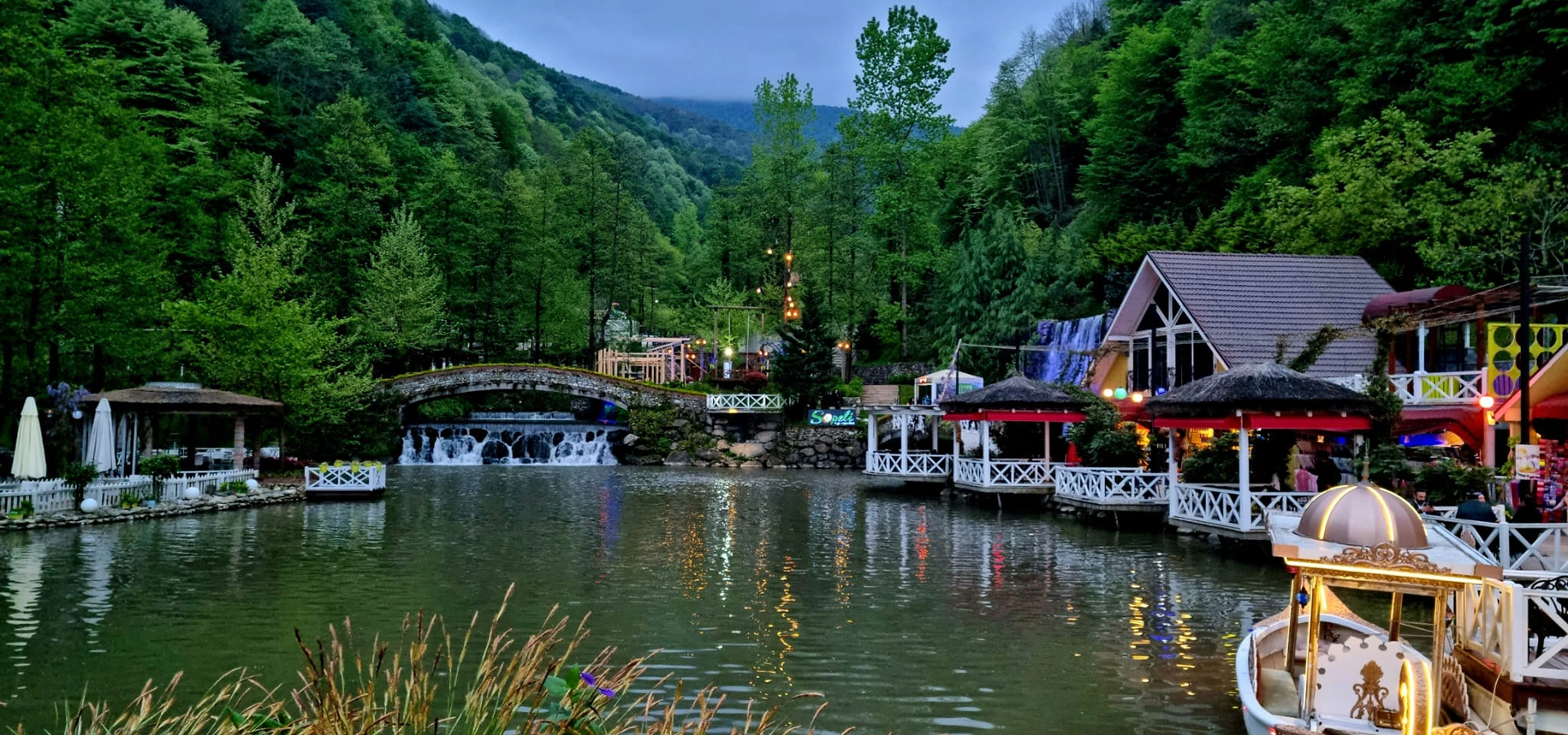
Build a flexible route around Sakarya Abkhaz Cheese, Adapazarı specialities and regional flavours from Geyve, Pamukova, Hendek, Sapanca, Kocaali and beyond.
Request This Tour