Al-Jazari's Elephant Clock, Astrolabes, Astronomy, Medicine, Optics, Engineering & Islamic Scientific Heritage

Museum of the History of Science and Technology in Islam Istanbul – Complete Visitor Guide

Step inside Gülhane Park to explore reconstructions of scientific instruments, machines, maps and inventions associated with scholars of the Islamic world from the medieval and early modern centuries.

Explore the Museum

A Journey Through Astronomy, Engineering, Medicine and Scientific Discovery

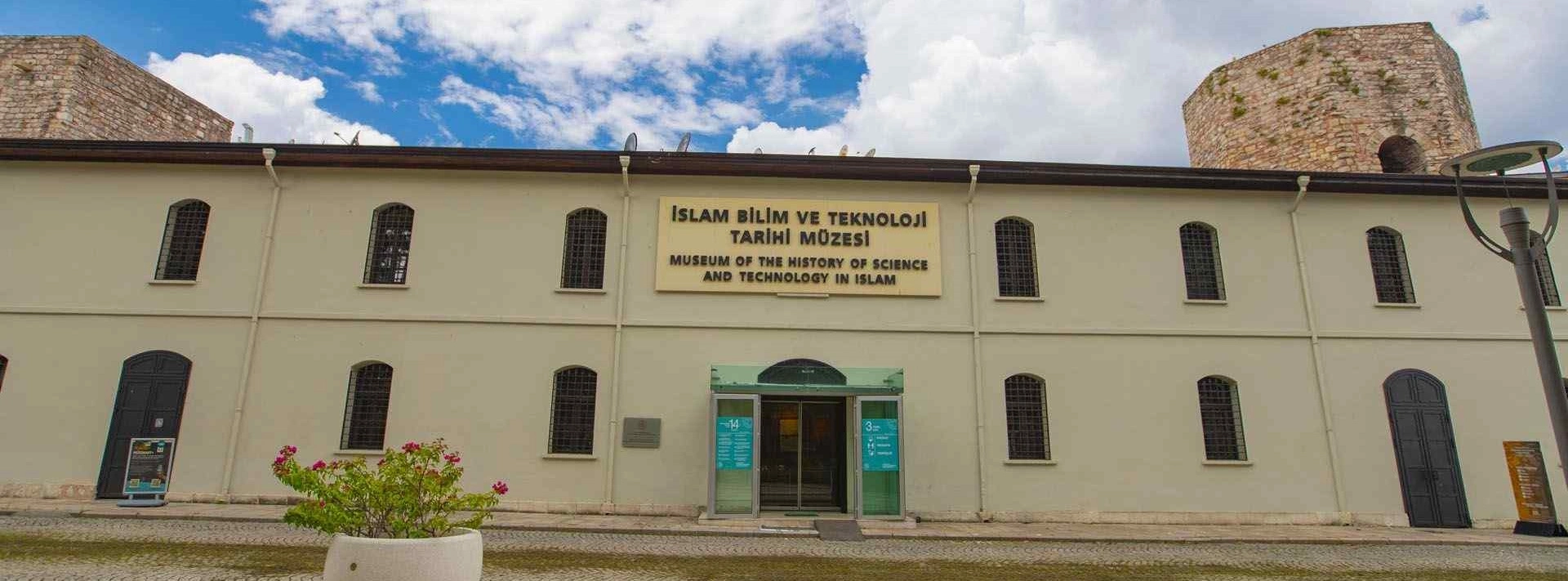
Hidden inside Gülhane Park, only a short walk from Topkapı Palace and the Istanbul Archaeological Museums, the Museum of the History of Science and Technology in Islam offers one of Istanbul's most unusual museum experiences.

Rather than concentrating mainly on original archaeological objects, the museum presents carefully produced reconstructions, working principles, models and replicas based on scientific instruments and machines described in historical Arabic-Islamic manuscripts and surviving examples.

The museum was opened in 2008 with a concept developed by the distinguished historian of science Prof. Dr. Fuat Sezgin. Across approximately 3,500 square meters, visitors encounter hundreds of instruments, models and reconstructions connected with scientific activity between roughly the 9th and 16th centuries.

The galleries move through astronomy, timekeeping, navigation, mechanical engineering, medicine, physics, mathematics, geometry, architecture, urban planning, chemistry, optics, mining, geography and military technology.

Among the most memorable displays is a reconstruction of al-Jazari's famous Elephant Clock, an extraordinary medieval automaton combining timekeeping, hydraulics and theatrical mechanical movement.

Allow approximately 1.5–2.5 hours for a rewarding visit. Families, students, engineers, science enthusiasts and visitors interested in the intellectual history of the medieval Islamic world can easily spend longer.

Elephant Clock

Meet one of al-Jazari's most famous mechanical creations and discover the world of medieval automata.

Astronomy & Astrolabes

Explore observatory models, celestial instruments, globes and measuring devices associated with Islamic astronomy.

Science Reconstructed

See machines and instruments rebuilt from historical manuscripts so their design and operation can be understood in three dimensions.

Inside Gülhane Park

Combine the museum easily with Topkapı Palace, the Archaeological Museums, Hagia Sophia and Sultanahmet.


Know Before You Go

Museum of the History of Science and Technology in Islam – Quick Facts

Essential information about Fuat Sezgin's museum, the Has Ahırlar building in Gülhane Park, its scientific reconstructions, major galleries and practical visitor planning.

📍

Location

Inside Gülhane Park, beside the historic Topkapı Palace walls.

Open on Google Maps
🏛️

Building

Historic Has Ahırlar, the former imperial stables associated with the Ottoman palace complex.

📅

Opened

2008, with a museum concept prepared by Prof. Dr. Fuat Sezgin.

📐

Exhibition Area

Approximately 3,500 square meters.

⚙️

Collection

Hundreds of instruments, device reconstructions, replicas, models and scientific displays.

🔭

Famous For

Astronomy, mechanics, clocks, medicine, optics, geography and al-Jazari's Elephant Clock.

⏱️

Recommended Visit

Approximately 1.5–2.5 hours for most visitors.

🚋

Nearest Tram

Gülhane on Istanbul's T1 tram line.


Astronomy, Machines, Medicine, Mathematics, Maps and a Different Way of Seeing the History of Science

Why Is the Museum Important?

The museum is important because it transforms scientific ideas preserved in historical texts into physical objects visitors can actually see and understand.

The first reason to visit is its focus on a chapter of scientific history that is often compressed into only a few famous names. The galleries instead reveal a broad world of astronomers, physicians, mathematicians, geographers, engineers, instrument makers and mechanical inventors.

The second reason is the museum's use of reconstruction. Many machines described in medieval manuscripts no longer survive as original objects. By rebuilding them from technical drawings, written explanations and surviving parallels, the museum makes complex mechanical ideas visible.

The third reason is its interdisciplinary character. A single visit moves from celestial observation and navigation to hydraulics, optics, medicine, urban planning and mapmaking. The result is not a collection of isolated inventions, but a wider picture of scientific culture.

The fourth reason is its connection with Prof. Dr. Fuat Sezgin, whose decades of research were devoted to documenting scientific literature and technological achievement in the Arabic-Islamic intellectual tradition.

Finally, the museum encourages visitors to see the history of science as a continuous exchange of knowledge across civilizations. Greek, Hellenistic, Persian, Indian, Arabic-Islamic and later European scientific traditions interacted over many centuries rather than developing in complete isolation.

History of the Museum

The Museum of the History of Science and Technology in Islam opened in 2008 inside the historic Has Ahırlar buildings in Gülhane Park.

Its concept was prepared by Prof. Dr. Fuat Sezgin, one of the most influential modern scholars devoted to the history of science in the Islamic world.

Sezgin's research involved decades of study of Arabic-Islamic manuscripts, scientific treatises, technical descriptions, maps and surviving instruments preserved in libraries and collections across many countries.

A central challenge was that numerous scientific devices known from manuscripts no longer existed as complete historical objects. Researchers therefore worked to reconstruct instruments and machines according to descriptions, measurements, illustrations and technical principles preserved in written sources.

The Istanbul museum brought this research into a public setting. Instead of encountering scientific history only through books, visitors could now walk among large-scale models, mechanical reconstructions, astronomical instruments, maps and experimental devices.

The museum was also conceived in relationship with the earlier work of the Institute for the History of Arabic-Islamic Sciences in Frankfurt, where many reconstructions connected with Sezgin's research program were developed.

2008

The museum opens in Gülhane Park with a concept developed by Prof. Dr. Fuat Sezgin.

Research Foundation

Historical Arabic-Islamic scientific manuscripts form a major intellectual basis for the reconstructions.

Physical Models

Machines described in old texts are transformed into three-dimensional educational displays.

Scientific Range

The museum crosses astronomy, mechanics, medicine, optics, geography, mathematics and many other fields.

Gülhane Park

The collection occupies a historic site within the former outer landscape of the Topkapı Palace complex.

Living Research Legacy

The museum reflects a wider scholarly project devoted to documenting Islamic contributions to the history of science.

Prof. Dr. Fuat Sezgin

Understanding the museum becomes much easier after learning about Fuat Sezgin. His life's work centered on the history of Arabic-Islamic science and the enormous manuscript tradition through which scientific knowledge was preserved, expanded and transmitted.

Sezgin studied the development of astronomy, mathematics, geography, medicine, chemistry, physics, technology and scientific instrumentation across the Islamic world.

One of the most distinctive aspects of his work was the conviction that scientific history should not remain only textual. When manuscripts contained sufficiently detailed descriptions, instruments could sometimes be reconstructed experimentally to test how they may have functioned.

This approach strongly shapes the Istanbul museum. The visitor is therefore not simply looking at an art collection. Instead, the galleries resemble a meeting point between historical scholarship, engineering, craftsmanship and museum interpretation.

Visitors interested in Sezgin's wider legacy should also notice the institutions associated with his work in the Gülhane area, including the Prof. Dr. Fuat Sezgin Research Foundation for the History of Science in Islam.

Useful perspective: this museum is best understood as a museum of the history of scientific ideas and technologies, not primarily as a collection of original medieval objects.

The Historic Has Ahırlar Building

The museum occupies the Has Ahırlar, a historic structure inside Gülhane Park adjoining the palace walls.

In Ottoman terminology, the imperial stables were associated with horses belonging to the sultan and the palace establishment. The building therefore forms part of the wider historical landscape connected with Topkapı Palace.

Its long masonry spaces are particularly suitable for the museum's large reconstructions. Mechanical devices, astronomical models, maps and scientific instruments unfold through a sequence of galleries on two main levels.

The contrast is one of the museum's pleasures: visitors explore medieval and early modern scientific technologies inside an Ottoman architectural environment, while immediately outside lie the trees and paths of Gülhane Park.

The museum can therefore be experienced not only as an indoor attraction, but also as one stop within the larger historic landscape stretching from Topkapı Palace to the Istanbul Archaeological Museums and Sultanahmet.

Are the Objects Original? Understanding the Museum's Reconstructions

This is one of the most important things to understand before visiting. Many of the museum's most impressive objects are modern reconstructions or replicas, not surviving medieval originals.

That is not a weakness of the museum. It is precisely the point. A great number of scientific machines survive only through manuscript descriptions, illustrations, measurements or references in historical texts.

Researchers and craftsmen used this evidence to create physical models that demonstrate how an instrument may have looked, how its parts fitted together and, in some cases, how its mechanism operated.

The result allows visitors to grasp ideas that would otherwise be difficult to understand from a manuscript page alone: water pressure, gearing, counterweights, pulleys, celestial measurement, clock mechanisms and geometric construction.

What You See Replicas, reconstructions, models, diagrams and scientific instruments
Historical Basis Manuscripts, technical descriptions, drawings and surviving comparative objects
Main Purpose To make historic scientific and technological principles understandable in physical form
Best Approach Read the labels and ask how each device works rather than judging it only as an object

Collections & Galleries

The museum is organized around major scientific disciplines. Together, the galleries allow visitors to follow the development of scientific thought through observation, measurement, calculation, experiment and mechanical design.

Astronomy

Astrolabes, celestial globes, observatory models and instruments for measuring the heavens.

Clocks & Timekeeping

Water clocks, mechanical clocks, sundials and ingenious devices associated with al-Jazari, al-Biruni and Taqi al-Din.

Navigation

Marine instruments and technologies connected with orientation, direction and travel.

Physics & Mechanics

Pumps, pulleys, balances, lifting systems, locks and mechanical devices.

Medicine

Displays exploring medical knowledge, instruments and the scientific world associated with physicians such as Ibn Sina.

Mathematics & Geometry

Models and instruments demonstrating calculation, measurement and geometric problem solving.

Optics

Scientific traditions concerned with vision, light, reflection, refraction and optical experimentation.

Chemistry

Apparatus and reconstructions connected with laboratory processes, distillation and material transformation.

Geography

Maps, globes and cartographic reconstructions illustrating geographical knowledge and world representation.

Architecture & Urbanism

Models exploring engineering, construction, surveying and the organization of built environments.

Mining

Technologies related to minerals, extraction and the scientific understanding of materials.

Military Technology

Models demonstrating selected historical technologies associated with siege warfare and defensive engineering.

Al-Jazari's Elephant Clock

The Elephant Clock is the museum's most immediately recognizable exhibit and one of the best introductions to the inventive world of al-Jazari.

Al-Jazari was a medieval engineer and author whose celebrated treatise on ingenious mechanical devices describes water clocks, automata, pumps, fountains and elaborate mechanisms.

The Elephant Clock combines timekeeping with spectacle. A water-driven internal mechanism controls a sequence of movements, turning the passage of time into an animated mechanical performance.

Its elephant-shaped base, figures and visual references to different cultural traditions also make it much more than a simple clock. It can be read as an object connecting engineering, courtly display and the international world of medieval knowledge.

For modern visitors, the clock is especially useful because it shows how sophisticated mechanical design could be functional, symbolic and entertaining at the same time.

Do not rush past it: the Elephant Clock is a perfect starting point for understanding the museum's central idea — historic texts can preserve enough information to allow complex machines to be reconstructed centuries later.

The Astronomy Galleries

Astronomy occupies an especially important position in the museum. Across the medieval Islamic world, astronomical observation was connected with calendars, timekeeping, geography, navigation, religious practice and mathematical research.

The galleries include reconstructions of astrolabes, celestial globes, measuring instruments and important observatory traditions.

An astrolabe can appear mysterious at first, but it is essentially a sophisticated analog instrument for solving problems involving the position of stars, time, altitude and celestial coordinates.

Visitors should also look for instruments associated with major figures such as al-Sufi, al-Khujandi, al-Biruni and other astronomers and instrument makers.

The models of observatories are particularly valuable because they remind visitors that astronomy was not practiced only by solitary scholars. Major observatories could involve teams, specialized instruments, architectural planning and long programs of observation.

Astrolabes

Study one of the most celebrated scientific instruments of the medieval world.

Celestial Globes

See how stars and constellations could be represented on spherical instruments.

Observatory Models

Discover the scale and organization of major centers of astronomical observation.

Measurement

Notice how mathematics and precision instrument making come together throughout the gallery.

Clocks, Timekeeping & Navigation

Before modern standardized time, people measured the passage of the day through shadows, water flow, mechanical systems and astronomical observation.

The museum presents several approaches to timekeeping, including sundials, water-driven mechanisms, candle clocks and mechanical clocks.

Look for devices associated with al-Jazari and al-Biruni, as well as mechanical clock traditions connected with the important Ottoman astronomer Taqi al-Din.

The navigation displays broaden the subject from time to movement. Marine instruments demonstrate how astronomy, geometry, direction finding and practical experience were necessary for travel across seas and long-distance trade routes.

Together, these galleries show that measuring time and finding position were deeply connected scientific problems.

Physics, Mechanics & Engineering

For many visitors, this is the most enjoyable part of the museum after the Elephant Clock. The displays turn mechanical principles into visible machines.

Models connected with al-Jazari's engineering treatise include technologies involving water lifting, pumps, valves, gears, locks and mechanical motion.

The collection also demonstrates ideas involving specific gravity, balance, leverage, pulleys and hydraulic power.

One important theme is that engineering was often driven by practical needs: moving water, lifting loads, measuring substances, controlling access and automating repetitive processes.

Do not focus only on whether a reconstruction looks visually impressive. Try to trace the sequence: Where does the energy enter? What moves? What transfers the force? What is the machine designed to accomplish?

Water Pumps

See how rotational and piston systems could be used to raise and move water.

Pulleys & Lifting

Understand how mechanical advantage made heavy work more manageable.

Balances

Explore instruments designed to measure weight and physical properties with increasing precision.

Locks & Mechanisms

Discover ingenious systems in which geometry and mechanical movement solve practical problems.

Medicine & the Scientific Study of the Human Body

The medicine section introduces a scientific tradition that developed through the study, translation, critique and expansion of earlier medical knowledge.

Major physicians of the Islamic world wrote extensively about anatomy, diagnosis, pharmacology, surgery, disease and therapeutic practice.

The museum's wider interpretation includes the intellectual world associated with figures such as Ibn Sina – Avicenna, whose Canon of Medicine became one of the most influential medical texts of the medieval world.

Models and instruments help visitors understand that historical medicine involved not only theoretical writing, but also observation, measurement, specialized tools and the classification of substances and remedies.

The subject continues outdoors in the museum's Ibn Sina Botanical Garden, where medicinal plants create a direct link between historical pharmacology and living botanical material.

Optics & the Science of Light

The optics displays introduce one of the most intellectually exciting fields in the history of medieval science: the attempt to understand how light travels and how human vision works.

This history is closely associated with scholars such as Ibn al-Haytham – Alhazen, whose work on optics emphasized observation, geometry and the behavior of light.

The museum helps visitors visualize problems involving reflection, refraction, mirrors, lenses and the relationship between the eye and incoming light.

Optics is especially interesting because it sits at the intersection of mathematics, physics, medicine and philosophy. Understanding vision required scholars to ask questions about both the external world and the human body.

Look for the principle, not just the apparatus: the optics section becomes far more rewarding when you ask what question each experiment or instrument was designed to answer.

Geography, Cartography & the Mapping of the World

The geography section demonstrates how mapmaking depended upon astronomy, mathematics, travel reports, measurement and inherited geographical knowledge.

Among the museum's important themes are reconstructions connected with al-Ma'mun's geographical project and later cartographic traditions associated with scholars such as al-Idrisi.

Historic maps should not be judged only by whether their coastlines resemble modern satellite imagery. They reveal how scholars organized distance, direction, climate, regions, cities and the known world using the information available to them.

The large globe in the museum garden, bearing a representation connected with the 9th-century world map associated with Caliph al-Ma'mun, extends the cartographic story outside the galleries.

This section works particularly well after astronomy, because visitors can see how measuring the sky and measuring the earth were closely connected scientific activities.

Mathematics & Geometry

Nearly every gallery in the museum depends upon mathematics, even when the mathematics itself is not immediately visible.

Astronomical instruments require geometry and numerical calculation. Architecture requires measurement. Mapmaking requires coordinates and proportion. Mechanical engineering depends upon the relationships between moving parts.

The mathematics and geometry section therefore helps visitors understand the conceptual language beneath the museum's machines.

Look for instruments and models connected with surveying, geometric construction, angle measurement and practical calculation.

For students, this section is particularly useful because it demonstrates that mathematics was not only an abstract intellectual discipline. It was applied to land measurement, astronomy, architecture, engineering, commerce and navigation.

Architecture & City Planning

The architecture and urban-planning displays connect scientific knowledge with the built world.

Constructing buildings, water systems, fortifications and cities required knowledge of geometry, measurement, materials, mechanics and surveying.

Models help visitors understand that architecture is not only an artistic discipline. Behind domes, arches, streets, canals and monumental structures lies a complex body of technical knowledge.

This gallery can be especially rewarding when combined with a wider day in Istanbul. After seeing models and surveying ideas, walk through the Historic Peninsula and look again at the engineering behind Hagia Sophia, the Basilica Cistern and Ottoman monumental architecture.

Chemistry, Materials & Mining

The chemistry and mining displays introduce visitors to historical techniques for processing substances, separating materials, heating, distilling and studying minerals.

Laboratory apparatus demonstrates that the history of chemistry grew through repeated practical work with furnaces, vessels, liquids, metals and mineral substances.

Distillation is especially important. It required carefully designed containers and controlled heating to separate and collect substances according to their physical properties.

The mining displays add another layer by connecting scientific knowledge with the extraction and classification of useful materials.

Together, these sections reveal how scientific understanding developed not only in observatories and libraries, but also through workshops, laboratories, mines and craft traditions.

Military Technology

The military-technology section presents selected models showing how engineering knowledge could also be applied to fortification, siegecraft, projectile systems and defensive technology.

This is best understood as part of the wider history of engineering. The same knowledge of materials, force, geometry and mechanics that could move water or raise heavy loads could also be adapted for military purposes.

Visitors interested in Istanbul's own military architecture can continue the theme through the city's surviving walls, fortresses and defensive monuments.

The gallery also provides useful historical context for understanding why rulers invested heavily in engineers, artisans, metalworkers and specialists capable of solving technical problems.

Ibn Sina Botanical Garden

Do not leave immediately after finishing the indoor galleries. The museum garden contains an Ibn Sina Botanical Garden that extends the story of historical medicine into the landscape.

The garden was opened in 2013 and includes medicinal plants associated with descriptions in Ibn Sina's Canon of Medicine.

The official museum information identifies 26 medicinal plants represented in this educational garden.

For visitors, this creates a simple but powerful connection: substances discussed in medical and pharmacological texts can be encountered as living plants rather than only names on manuscript pages.

The garden also includes a large globe carrying a reproduction connected with the world map made under Caliph al-Ma'mun in the 9th century.

Best finish: after the indoor galleries, spend a few quiet minutes in the garden before continuing through Gülhane Park.

What to See at the Museum

Elephant Clock

Start with al-Jazari's celebrated mechanical clock and learn how water power drives an animated timekeeping system.

Astrolabes

Study the instruments that became central to astronomical calculation and celestial measurement.

Observatory Models

See how major centers of astronomical research were organized around large instruments and systematic observation.

Celestial Globes

Look at representations of the heavens and the relationship between star catalogues and instrument making.

Water Pumps

Follow mechanical systems designed to raise and move water efficiently.

Mechanical Clocks

Compare different systems of timekeeping from sundials and water clocks to more complex mechanisms.

Optics Displays

Explore historical questions about light, vision, reflection and refraction.

World Maps

See how medieval scholars represented geography and organized information about the known world.

Medicine

Discover the scientific world of physicians, pharmacology and medical instruments.

Mathematical Instruments

Look for the relationship between calculation, geometry, surveying and practical science.

Ibn Sina Garden

Finish outside among medicinal plants connected with the historical study of medicine.

Has Ahırlar

Remember that the museum itself occupies a historic Ottoman building within the Topkapı Palace landscape.

Best Way to Visit the Museum

Begin with one question: how did scholars measure, calculate, observe or move things before modern electronic technology? That question will make the galleries much easier to understand.

Start with the Elephant Clock and use it as an introduction to mechanical reconstruction. Look at the visible parts, then imagine the hidden sequence of water, weights and moving components.

Continue into astronomy, where the relationship between mathematical theory and precision instruments becomes clear.

Move next through timekeeping, navigation and mechanics. These galleries demonstrate how scientific knowledge was converted into devices designed to solve practical problems.

Slow down again in optics, medicine and geography, where the museum shifts from machines toward observation, the human body and the representation of the world.

Finish with the Ibn Sina Botanical Garden and the large geographical globe outside.

Priority 1 Elephant Clock and al-Jazari's mechanical world
Priority 2 Astronomy, astrolabes and observatory models
Priority 3 Clocks, navigation, pumps and mechanical engineering
Priority 4 Optics, medicine, mathematics and geography
Priority 5 Architecture, chemistry, mining and military technology
Finish Ibn Sina Botanical Garden and Gülhane Park

Museum Visitor Information

The museum is located inside Gülhane Park in the Has Ahırlar Building, close to Sirkeci, Topkapı Palace and the Istanbul Archaeological Museums.

The official museum listing currently gives regular visiting hours of 09:00–18:00, with the ticket office closing at 17:30.

The museum is currently listed as open every day.

The official museum website currently lists standard foreign-visitor admission at €10. Ticket prices, museum-card conditions and access arrangements can change, so verify the official information shortly before visiting.

Location Gülhane Park / Sirkeci / Historic Peninsula
Opening 09:00
Closing 18:00
Ticket Office Currently closes at 17:30
Closed Day Currently listed as open every day
Current Standard Ticket Official listing currently shows €10
Recommended Visit 1.5–2.5 hours
Important: museum hours, ticket prices, card validity, temporary closures and individual gallery access can change. Always check the official museum information shortly before travel.

Practical Tips for Visiting

Read Before Photographing

Many reconstructions make little sense until you understand the problem they were designed to solve.

Start with the Elephant Clock

It immediately introduces the relationship between manuscript research and mechanical reconstruction.

Give Astronomy Time

Astrolabes and observatory models are among the museum's strongest educational displays.

Bring Children

Machines, clocks, pumps and large models make this one of the more approachable historical museums for curious older children.

Allow 2 Hours

This gives most visitors enough time to understand the principal galleries without rushing.

Engineers Need Longer

Visitors fascinated by mechanics, astronomy or instrument design can easily spend three hours.

Finish in the Garden

Do not miss the Ibn Sina medicinal plants and geographical globe outside.

Combine Nearby Sites Carefully

Topkapı Palace and the Archaeological Museums are extensive, so avoid overloading the same day.

Best Time to Visit

Opening Time

A strong choice for quieter galleries before the Historic Peninsula becomes crowded.

Late Morning

Ideal after a walk through Gülhane Park or before continuing toward Sultanahmet.

Midday

A useful indoor visit during hot summer hours.

Late Afternoon

Good after the Archaeological Museums if you still have enough time before the final entry period.

Rainy Days

An excellent alternative when outdoor sightseeing becomes uncomfortable.

Winter

Particularly pleasant for detailed study because visitor levels are often lower.

How Much Time Do You Need?

45–60 Minutes

Only enough for the Elephant Clock, astronomy, selected machines and a rapid overview.

1.5 Hours

A reasonable minimum for a first visit with several major galleries.

2 Hours

Ideal for most visitors wanting to understand the principal scientific themes.

2.5–3 Hours

Excellent for science enthusiasts, families with curious children and visitors reading detailed labels.

Half Day

Possible for researchers, engineers and serious students of the history of science.

Historic Peninsula Day

Combine with nearby museums while leaving enough time for Gülhane and Sultanahmet walks.

Is the Museum Good for Children?

Yes, especially for children old enough to be curious about how machines work.

Unlike museums dominated by rows of small objects in cases, this collection contains many large models, mechanical reconstructions, globes, clocks and scientific instruments that are visually easy to discuss.

The best approach is not to force children to read every label. Choose a few questions: How does the Elephant Clock move? How did sailors find direction? How can a pump lift water? How did people map the stars?

The museum is educational rather than a modern hands-on science center, so visitors should not expect every object to be interactive. Historic models and displays must still be treated carefully.

Family strategy: choose five or six memorable machines and turn the visit into a search for how each one works.

Photography at the Museum

The museum offers excellent photographic subjects, from the large Elephant Clock to intricate astronomical instruments and geometric mechanisms.

Large models work well in wider compositions, while astrolabes, clocks, maps and engineering devices reward close detail photography.

The historic Has Ahırlar building adds architectural texture, and the museum garden provides a different atmosphere outside the galleries.

Always follow current museum rules. Avoid flash where prohibited and never touch, move or lean equipment against the displays. Temporary exhibitions or individual sections may have different restrictions.

Best Signature Image

Al-Jazari's Elephant Clock.

Best Detail Images

Astrolabes, celestial instruments, clock mechanisms and geometric devices.

Best Wide Images

Large mechanical reconstructions and observatory models.

Best Outdoor Images

The globe, medicinal garden and historic setting within Gülhane Park.

Avoid Flash

Follow all current gallery signs and staff instructions.

Do Not Block Displays

Give other visitors room to read labels and examine mechanisms.

Accessibility

The museum occupies a historic Ottoman building, so circulation conditions differ from those of a purpose-built modern science museum.

The exhibition extends across more than one level, and visitors should expect changes in level, corridors and historic architectural constraints.

Visitors using wheelchairs or those who have difficulty with stairs should confirm current lift operation, accessible entrances and step-free gallery routes directly with the museum when detailed planning is essential.

Gülhane Park itself is generally pleasant for walking, but routes in the wider Historic Peninsula can include slopes, uneven paving, tram tracks and very busy pedestrian areas.

Accessibility tip: confirm current access arrangements with the museum before travel if a fully step-free route is essential.

How to Get to the Museum

The museum is located inside Gülhane Park, between the Sirkeci waterfront area and the major monuments of Sultanahmet.

For most visitors, the easiest public-transport option is the T1 tram. Get off at Gülhane and walk into the park.

From Sirkeci, the museum is also within comfortable walking distance, making it convenient for visitors arriving by Marmaray, tram or ferry connections through Eminönü.

From Topkapı Palace and the Istanbul Archaeological Museums, the museum can be reached on foot through the surrounding historic district and Gülhane area.

From Hagia Sophia, walk downhill toward Gülhane and the palace gardens.

By Tram

Use the T1 line and get off at Gülhane.

From Sirkeci

Walk uphill toward Gülhane Park and enter the historic green space.

From Topkapı Palace

An easy combination when planned with sufficient time for both museums.

From Archaeological Museums

Very close geographically and ideal for a museum-focused day.

By Taxi

Ask to be dropped near Gülhane; vehicles may not approach the museum entrance directly through park paths.

On Foot

Excellent as part of a Historic Peninsula walking itinerary.

Suggested Science Museum & Gülhane Route

Begin at the Museum of the History of Science and Technology in Islam inside Gülhane Park. Allow around 1.5–2.5 hours for the Elephant Clock, astronomy, mechanics, medicine, optics, geography and the museum's remarkable reconstructions of historic scientific instruments.

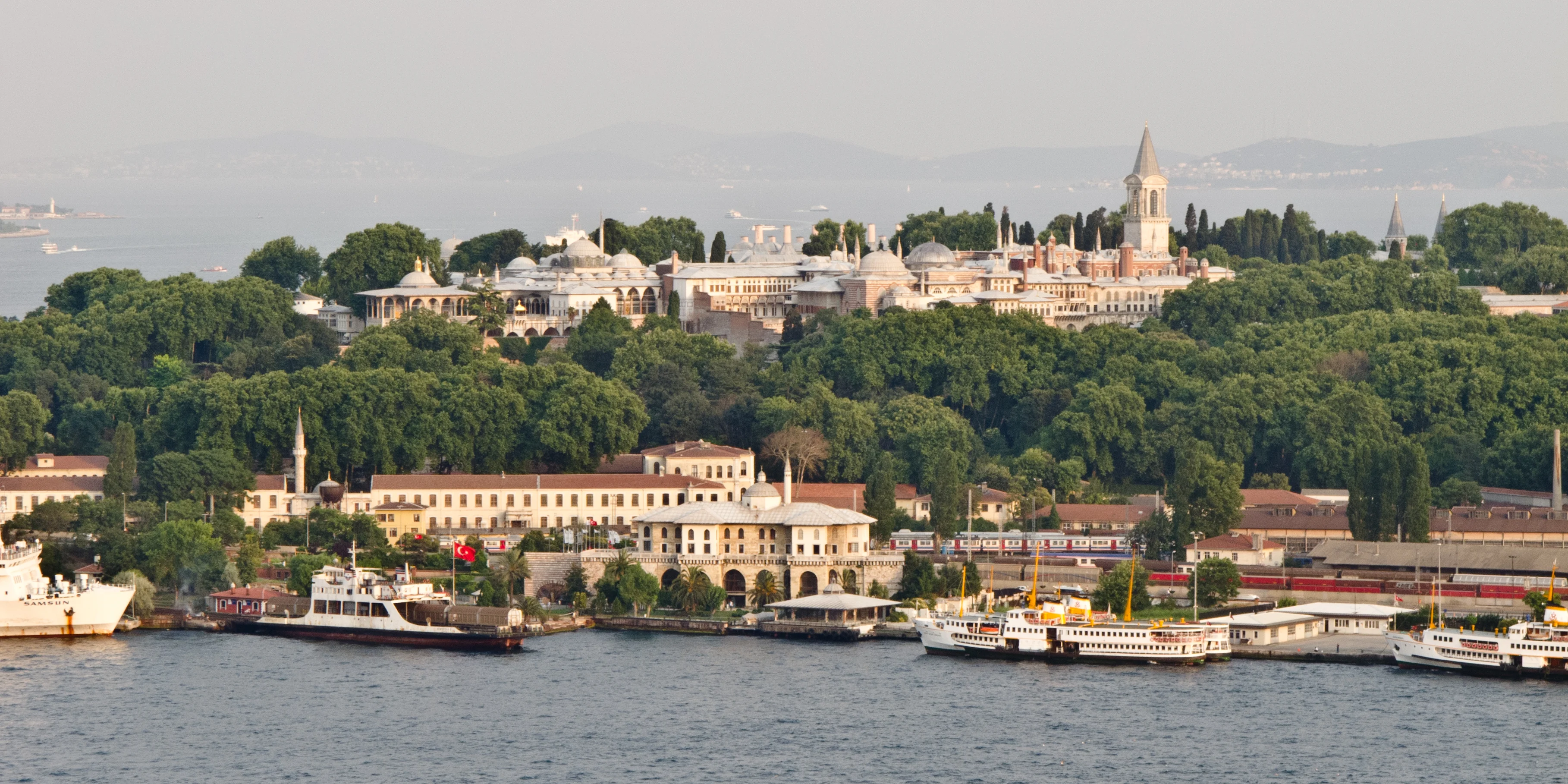
After leaving the museum, spend some time walking through Gülhane Park, part of the historic landscape surrounding the former Ottoman palace complex. The shaded paths provide a pleasant transition between the science museum and the major monuments nearby.

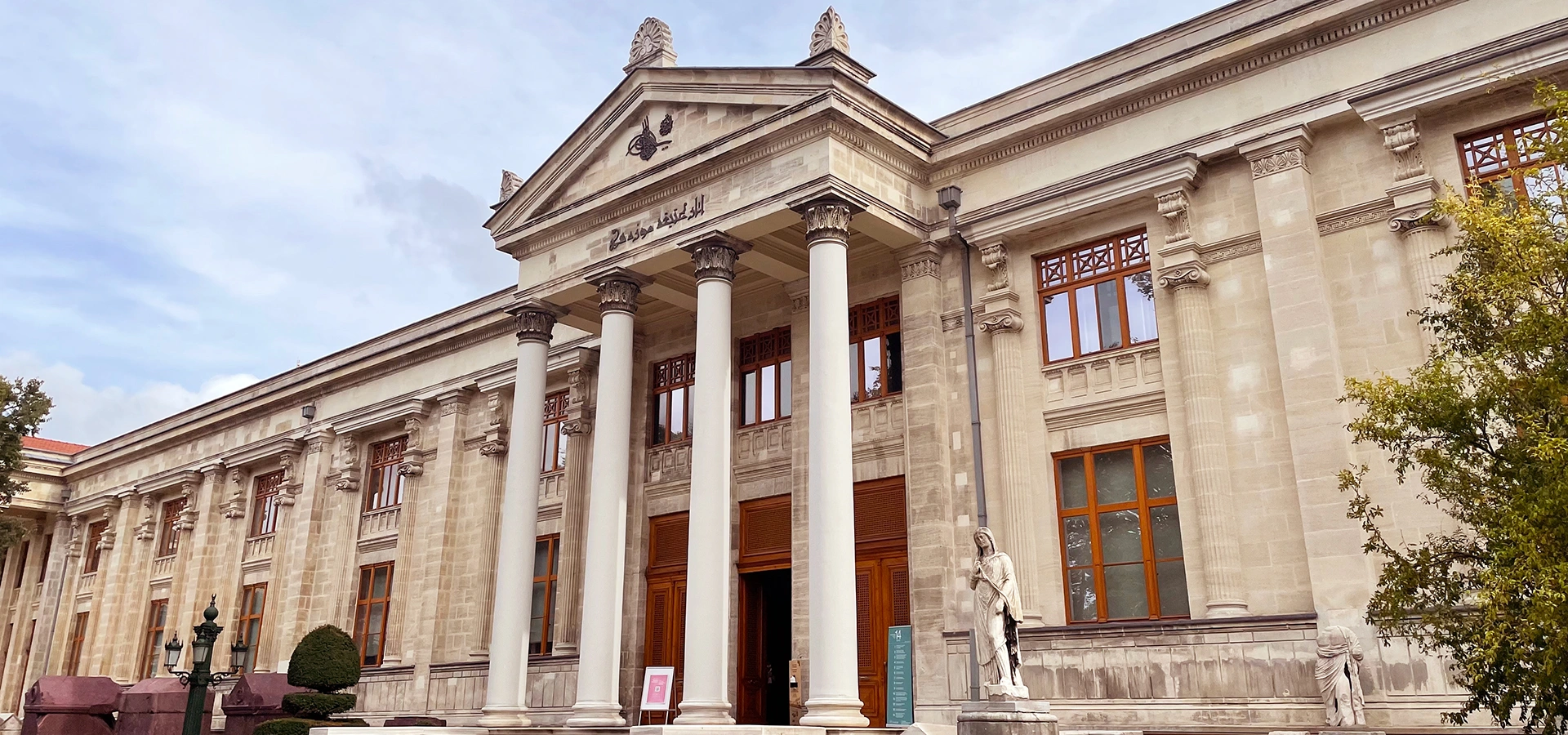
Continue toward the Istanbul Archaeological Museums, where collections from Anatolia, Mesopotamia, the ancient Mediterranean and neighboring civilizations create an excellent contrast with the reconstructed scientific heritage of the previous museum.

If your schedule allows, continue to Topkapı Palace to explore the political, ceremonial and artistic world of the Ottoman court. Because the palace is extensive, allow sufficient time rather than trying to rush through its courtyards and collections.

Finish by walking toward Hagia Sophia and the central Sultanahmet district, where monumental Byzantine and Ottoman architecture provides a powerful real-world continuation of the engineering, geometry and scientific principles encountered inside the museum.

Stop 1Museum of the History of Science and Technology in Islam – allow 1.5–2.5 hours
Stop 2Gülhane Park – walk through the former palace garden landscape
Stop 3Istanbul Archaeological Museums – archaeology from Anatolia and the ancient world
Stop 4Topkapı Palace – add only if you have enough time for a substantial visit
Stop 5Hagia Sophia and Sultanahmet – finish among Istanbul's great historic monuments
Planning TipFor a relaxed day, combine the science museum with either the Archaeological Museums or Topkapı Palace rather than trying to visit both in depth

Places to Visit Near the Museum

The museum stands inside one of the most historically concentrated parts of Istanbul. Within a relatively small area, visitors can move between scientific history, archaeology, Byzantine architecture and Ottoman imperial heritage.

Use our complete guide to places to visit in Istanbul to plan the wider city.

Frequently Asked Questions About the Museum of the History of Science and Technology in Islam

Where is the museum?

It is located inside Gülhane Park in the historic Has Ahırlar building, close to Topkapı Palace, Sirkeci and the Istanbul Archaeological Museums.

What is the museum famous for?

It is famous for reconstructions of scientific instruments and machines associated with the history of science in the Islamic world, especially astronomy, mechanics, clocks, medicine, optics, geography and al-Jazari's Elephant Clock.

When did the museum open?

The museum opened in 2008 with a concept prepared by the historian of science Prof. Dr. Fuat Sezgin.

Who was Fuat Sezgin?

Fuat Sezgin was a major historian of Arabic-Islamic science whose decades of manuscript research documented scientific literature, instruments and technological traditions across numerous disciplines.

Are the exhibits original medieval objects?

Many of the museum's most important displays are modern replicas, models or reconstructions based on historical manuscripts, technical descriptions and surviving comparative objects. The purpose is to make historic scientific mechanisms understandable in physical form.

What is the Elephant Clock?

The Elephant Clock is a famous water-driven mechanical clock described by the medieval engineer al-Jazari. Its reconstruction is one of the museum's signature exhibits.

Who was al-Jazari?

Al-Jazari was a medieval engineer and author known for an influential treatise describing ingenious mechanical devices, including clocks, pumps, automata and water-powered mechanisms.

Are there astrolabes in the museum?

Yes. The astronomy galleries include astrolabe traditions, celestial globes, observatory models and other instruments connected with measuring the sky.

Does the museum cover medicine?

Yes. Medicine is one of the museum's major themes, and the wider interpretation includes the scientific legacy associated with physicians such as Ibn Sina.

Is there an Ibn Sina garden?

Yes. The museum grounds contain an Ibn Sina Botanical Garden with medicinal plants connected with descriptions in the Canon of Medicine.

What scientific subjects are covered?

The galleries cover astronomy, clocks, navigation, military technology, medicine, mining, physics, mathematics, geometry, architecture, urban planning, chemistry, optics and geography.

How large is the museum?

Official museum information describes approximately 3,500 square meters of exhibition space and hundreds of instruments, replicas, models and reconstructions.

How long should I spend here?

Allow approximately 1.5–2.5 hours. Visitors with a strong interest in astronomy, engineering, mechanics or the history of science may want three hours or more.

What are the opening hours?

The official museum listing currently gives opening hours of 09:00–18:00, with the ticket office closing at 17:30. Always verify current hours before visiting.

Is the museum open every day?

The official listing currently states that the museum is open every day. Holiday arrangements and temporary closures can still occur.

How much is admission?

The official museum website currently lists standard foreign-visitor admission at €10. Prices and museum-card conditions can change, so check the official ticket information for your exact visit date.

What is the nearest tram stop?

Gülhane station on the T1 tram line is the most convenient stop for most visitors.

Is the museum near Topkapı Palace?

Yes. The museum stands within the wider Gülhane and palace landscape and can easily be combined with Topkapı Palace.

Is it near the Istanbul Archaeological Museums?

Yes. The Istanbul Archaeological Museums are close by, making the two museums an excellent combination for visitors who enjoy history and science.

Is the museum good for children?

Yes, particularly for older children interested in machines, clocks, maps, astronomy and how things work. It is educational rather than a fully interactive modern science center.

Is the museum suitable for engineers and science students?

Very much so. The reconstruction-based displays are especially rewarding for visitors interested in mechanical engineering, astronomy, physics, mathematics, optics and the history of technology.

Is photography allowed?

Photography rules can vary by gallery. Follow current signs and staff instructions, avoid flash where prohibited and do not touch the exhibits.

Is the museum accessible?

The museum occupies a historic building adapted for modern use. Visitors who require fully step-free access should confirm current entrances, lift operation and gallery accessibility directly with the museum.

Is the museum worth visiting?

Yes. It is one of Istanbul's most distinctive museums, particularly for visitors interested in science, engineering, Islamic intellectual history, astronomy and mechanical invention. Its Gülhane location also makes it easy to combine with major Historic Peninsula monuments.

Responsible Visiting

Do Not Touch Models

Complex reconstructions can contain delicate moving parts and carefully fabricated components.

Respect Barriers

Do not cross display boundaries even when a mechanism appears sturdy.

Follow Photography Rules

Individual galleries may have restrictions designed to protect exhibits and visitor circulation.

Protect the Building

The Has Ahırlar is itself part of Istanbul's historic Ottoman heritage.

Respect the Garden

Do not pick plants from the Ibn Sina Botanical Garden or damage labels and landscaping.

Give Others Time

Avoid blocking labels or mechanisms while taking photographs.

Private Science, History & Historic Istanbul Experiences

Connect the Museum of the History of Science and Technology in Islam with Gülhane Park, Topkapı Palace, the Archaeological Museums, Hagia Sophia, Byzantine engineering, Ottoman history, astronomy, mechanics and the wider intellectual heritage of Istanbul through a private route shaped around your interests and without compulsory shopping stops.

Custom Islamic Science & Historic Peninsula Experience

Choose a private Istanbul route focused on the history of science, astronomy, engineering, Islamic intellectual history, Ottoman architecture, archaeology, maps, medicine and the scientific heritage of the medieval world.

Museum of the History of Science and Technology in Islam Istanbul Gülhane Park

Private Science & History Experience

Ask us about a tailor-made Istanbul route combining the Museum of the History of Science and Technology in Islam, al-Jazari, astronomy, Gülhane Park, Topkapı Palace, historic engineering and the intellectual heritage of the Historic Peninsula.

Request a Custom Tour
Historic Istanbul Gülhane Sultanahmet Byzantine Ottoman scientific heritage

Explore Historic Istanbul

Continue through Topkapı Palace, Hagia Sophia, the Archaeological Museums, Basilica Cistern, Sultanahmet and the extraordinary Roman, Byzantine and Ottoman heritage of the Historic Peninsula.

Explore Istanbul

Continue Through the Historic Peninsula

Combine scientific history with archaeology, imperial Istanbul and some of the greatest surviving achievements of historic architecture.

Hagia Sophia Istanbul historic architecture engineering

Hagia Sophia

Continue from scientific models to one of the world's greatest real achievements of historic structural engineering, architecture and monumental design.

Explore Hagia Sophia

Private Istanbul Tours

Build a private day around the history that interests you most, from science and engineering to Byzantine monuments, Ottoman architecture, archaeology, religious heritage, local neighborhoods, food culture and the Bosphorus.

Private Istanbul tours history science archaeology Ottoman Byzantine heritage

Private Istanbul Tours

Create a private Istanbul itinerary around scientific history, Ottoman heritage, Byzantine Constantinople, archaeology, religious monuments, traditional neighborhoods, food culture and hidden corners of the city.

View Private Istanbul Tours