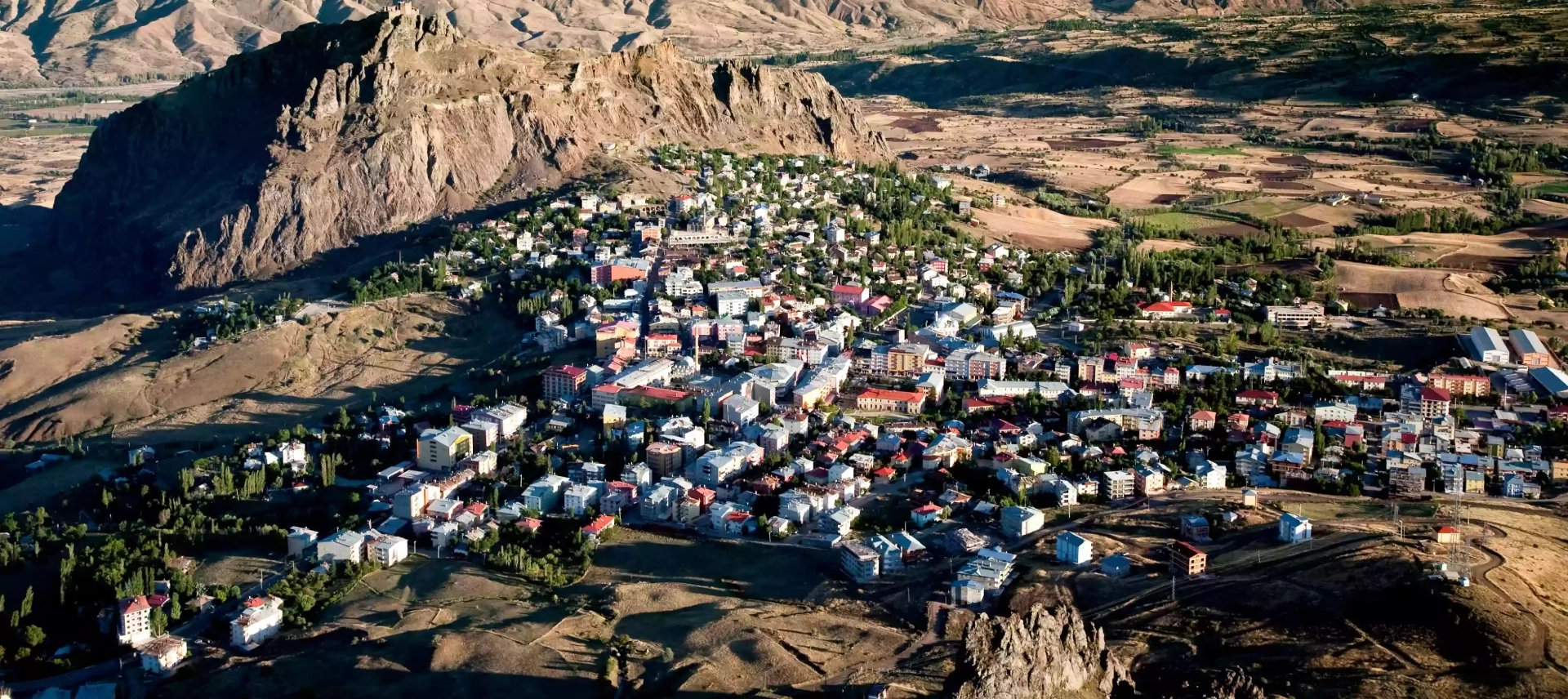
Private Kurşunlu & Gölpazarı Rural Experience
Ask us about a tailor-made visit combining Kurşunlu Village, local food, rural landscapes and selected cultural sites across the Gölpazarı district.
Request a Custom Tour





Kurşunlu Village lies in the Gölpazarı district of Bilecik Province, Türkiye, about 7 kilometres from Gölpazarı town center. Set on the slopes above the surrounding agricultural landscape, the village is known for whitewashed and earthen village houses, flower gardens, small-scale farming, animal husbandry and a remarkable community-based eco-tourism story.
Kurşunlu is not a purpose-built holiday resort. Its appeal comes from the opposite idea: visitors are invited to experience elements of genuine village life. Over the years, activities associated with the village's eco-tourism program have included baking bread in traditional ovens, collecting eggs, preparing village breakfasts, helping with seasonal agricultural work, learning about local food production and spending time in family-run rural settings.
The transformation of Kurşunlu into an eco-tourism destination is closely connected with Bedriye Berber Engin, a local farmer, reader and rural entrepreneur who introduced the idea of eco-tourism to the village and encouraged other village women to become involved. The initiative became widely recognized as an example of how tourism could create income while protecting rural skills, local food and community life.
Kurşunlu's visual identity is also unusual. Flower gardens have long formed part of the village landscape, and a 2017 rural-design initiative brought artists, academics and university students together with villagers to decorate walls, fountains, doors and other surfaces with regional floral motifs. The result is a village where agriculture, migration heritage, design and tourism overlap in a very personal way.
Kurşunlu remains a living agricultural settlement rather than an open-air museum. For the best experience, visitors should come with respect for local routines, arrange hosted meals or village activities in advance, and understand that availability can change with the agricultural season and the schedules of local families.
For a wider exploration of the province, combine Kurşunlu with Bilecik Museum, Sheikh Edebali Tomb, Ertuğrul Gazi Tomb and our Bilecik visitor guide.
Kurşunlu became known for welcoming visitors into everyday village life rather than creating a separate resort environment.
Local women played a central role in turning food, farming, hospitality and traditional knowledge into new sources of village income.
Bread baking, local breakfasts, eggs, dairy products, honey and seasonal produce form an important part of the experience.
Gardens and painted floral motifs give Kurşunlu a distinctive visual character rooted in local culture and community design.
Essential information for understanding one of Bilecik's best-known examples of community-based rural tourism.
Kurşunlu Village, Gölpazarı district, Bilecik Province, Türkiye; about 7 km from Gölpazarı center.
Open on Google MapsCommunity-based eco tourism, agrotourism, rural food, village life, nature and small-scale agricultural experiences.
A women-led rural tourism initiative closely associated with local entrepreneur Bedriye Berber Engin.
Traditional bread baking, village breakfasts, seasonal farm work, food preparation and other rural-life activities have been offered over the years.
Whitewashed and earthen houses, flower gardens, painted floral details, surrounding fields, meadows and forested hills.
Hosted meals, stays and hands-on activities should be arranged in advance because local availability is not guaranteed every day.
Kurşunlu shows how tourism can grow from the daily life of a village rather than replacing it.
Kurşunlu matters because its tourism story developed from ordinary rural skills and resources already present in the village. Homes, ovens, gardens, livestock, local recipes, honey, seasonal crops and the surrounding landscape became the foundation of the visitor experience.
The project is also important because village women became active hosts and producers. Preparing meals, welcoming guests and selling locally produced goods created opportunities for household income while giving traditional knowledge greater economic value.
Kurşunlu's model attracted attention well beyond Bilecik. It appeared in national media and rural-tourism publications as an example of a village where visitors could stay close to local families and participate in everyday activities rather than simply sightseeing.
The village therefore represents more than a pretty countryside stop. It tells a wider story about rural development, women's entrepreneurship, migration heritage, local food, sustainable production and the search for alternatives to mass tourism.
Kurşunlu's eco-tourism story is closely linked with Bedriye Berber Engin. Living in the village and working in agriculture and animal husbandry, Engin became widely known for her passion for reading. Through books and research, she encountered the idea of eco tourism and began thinking about how it might work in her own village.
The concept was simple but ambitious: instead of trying to imitate an urban hotel or resort, Kurşunlu could welcome visitors into the routines that already defined village life. Guests could eat food prepared from local products, spend time in village homes, help with simple agricultural tasks and learn directly from the people who lived there.
Local women gradually became part of the project. The model allowed cooking, gardening, food preservation, animal care and hospitality — skills often treated merely as household work — to become visible economic assets.
By the second half of the 2010s, Kurşunlu had become one of the most frequently cited rural-tourism examples in Bilecik Province and was being visited by domestic and international guests seeking a slower and more participatory countryside experience.
The tourism concept was built around existing homes, food, agricultural work and local routines.
Visitors were encouraged to do more than observe by joining selected everyday village activities.
Meals, hospitality and village products created new ways for residents to benefit economically.
The strongest attraction remained the authenticity of Kurşunlu itself rather than a newly constructed tourism complex.
Bedriye Berber Engin's story became nationally known because it connected reading, farming and rural entrepreneurship. After learning about eco-tourism concepts, she began adapting the idea to the realities of Kurşunlu and encouraging other residents to participate.
Her work received wider recognition. She was selected as a “Sıra Dışı Okur” by the Ministry of Culture and Tourism's library administration in 2013 and later became associated with national initiatives highlighting women who create social and environmental change.
In 2018, Engin was selected as Türkiye's winner in the “Terre de Femmes / Toprağın Kadınları” program supported by the Yves Rocher Foundation. In 2019, the Sabancı Foundation included her among its “Fark Yaratanlar” for her work introducing eco tourism to the village and supporting women's participation in the local economy.
What makes the story especially relevant to travelers is that Engin did not leave the village in order to build a tourism career elsewhere. The idea was to make Kurşunlu itself the destination and to show that agricultural life, hospitality and village knowledge could have value to visitors.
Her interest in books introduced her to ideas about eco tourism and sustainable rural development.
Agriculture, animal husbandry and direct contact with the land remained central to the project.
She helped bring local women and households into a shared rural-tourism initiative.
Her work was recognized through programs focusing on reading, women, rural development and environmental action.
One of the most important dimensions of Kurşunlu's eco-tourism experience is the role of village women. Cooking, baking, gardening, milk processing, preserving produce and hosting guests were transformed from largely invisible household tasks into activities visitors were willing to learn about and pay for.
This gave tourism a different structure from a conventional hotel operation. The visitor experience could be distributed across households, families and local producers rather than concentrated in a single commercial property.
For travelers, this matters because a meal or activity can become a form of direct cultural exchange. The person preparing the food is often also the person who grew, collected, preserved or learned the recipe within the village.
Kurşunlu is built on sloping ground overlooking the wider Gölpazarı landscape. Traditional village houses, garden walls, tiled roofs, courtyards, agricultural plots and forested hills give the settlement a compact rural character.
Tourism publications have often emphasized the village's whitewashed houses and flower gardens. The flowers are especially significant because ornamental gardening is not simply a recent decoration for visitors; it forms part of the village's domestic culture.
Walking slowly through Kurşunlu is therefore one of the best ways to understand the destination. The attraction is found in small details: a garden gate, a bread oven, a painted wall, stacked firewood, fruit trees, a barn, a fountain or a view from the edge of the village toward the surrounding fields.
The village rises above the surrounding agricultural landscape near Gölpazarı.
Older rural buildings and courtyards preserve the visual scale of an Anatolian farming village.
Ornamental flowers are one of the most distinctive features of Kurşunlu's domestic landscape.
Fields, animals, storage areas and agricultural routines remain part of everyday life.
In 2017, Kurşunlu became the setting for a “Kırsalda Tasarım” — Rural Design initiative carried out with provincial coordination, support from BEBKA and participation from Bilecik Şeyh Edebali University academics and students.
The aim was broader than simple decoration. The project sought to strengthen the village's tourism potential and quality of place while using motifs connected with local flowers and rural identity.
Walls, fountains, gates and doors were painted with floral designs, creating a recognizable visual language through the village. The project added a contemporary layer to Kurşunlu without erasing the older village setting beneath it.
For visitors today, these painted details are among the easiest features to photograph. Look for places where the artwork interacts with weathered plaster, timber doors, garden vegetation and everyday village architecture.
The rural-design initiative brought local institutions, academics, students and residents together.
Designs were inspired by the flowers and visual culture associated with the village.
Walls, doors, fountains and other village surfaces became part of the project.
The artwork strengthened the visual identity of Kurşunlu as a rural-tourism destination.
Local accounts reported in national media connect the modern village with families who migrated from Bulgaria in the early Republican period, with 1927 frequently given as an important date in the settlement's story.
This migration background helps explain parts of Kurşunlu's domestic culture. Tourism publications have specifically associated the village's enthusiasm for flower gardens with traditions brought by families arriving from the Balkans.
Migration heritage can also be felt through food, household customs, clothing traditions and the way residents remember family histories. These elements are best approached as living culture rather than as staged folklore.
Kurşunlu is first and foremost an agricultural village. Farming and animal husbandry existed long before tourism and remain fundamental to the settlement's economy and identity.
The surrounding Gölpazarı landscape supports field agriculture, livestock and seasonal production. Official and academic descriptions of the village identify agriculture, animal husbandry and eco tourism together as defining functions of Kurşunlu.
This is why the visitor experience changes through the year. Spring may bring fresh herbs, flowering trees and garden work; summer and early autumn are more closely connected with harvests and outdoor production; colder months shift attention toward preserved foods, ovens, indoor meals and livestock care.
Agrotourism works best when travelers understand that the farm calendar comes first. A real village does not perform the same activity every day simply because a visitor arrives.
Seasonal crops form part of the working landscape around Kurşunlu and Gölpazarı.
Livestock care and dairy production have long been part of village life.
Bread, preserves, dairy products and other foods connect household kitchens with local agriculture.
Activities vary according to weather, harvests and the agricultural calendar.
Kurşunlu became known for giving visitors the chance to participate in selected rural activities. Media coverage and tourism publications have described guests baking bread in village ovens, collecting eggs, helping with milking, preparing meals and experiencing the routines of a farming household.
Not every activity is available on every visit. Some depend on the season, animals, weather, household schedules and whether a local host is prepared to receive guests. For this reason, advance planning is essential if hands-on activities are an important part of your trip.
Traditional ovens have been one of the best-known elements of Kurşunlu's visitor experience.
Some hosted stays and day experiences have introduced guests to basic poultry and household routines.
Dairy and animal-care activities can reveal how food production begins long before the kitchen.
Village cooking offers a direct way to understand ingredients, recipes and seasonal eating.
Kurşunlu's gardens make small-scale horticulture and flower care part of the village experience.
Thyme gathering and other seasonal nature-based activities have been promoted within the eco-tourism program.
Tourism material about Kurşunlu frequently mentions the village oven. Rather than simply serving bread to visitors, hosts have invited guests to take part in preparing and baking it.
The activity turns a basic food into a cultural lesson. The visitor sees the dough, the fire, the oven, the timing and the labor behind a loaf that might otherwise appear on a breakfast table without explanation.
Bread baking also reflects the social side of rural food. Recipes and techniques are often learned within families, while ovens can become gathering places during larger preparations.
Food is one of the strongest reasons to experience rural tourism in Kurşunlu. Published village menus and tourism material have included honey, jams, butter, goat and cow cheeses, eggs, milk, menemen, fresh greens, village bread and dızmana at breakfast.
Lunch and dinner examples have included tarhana soup, yogurt soup, stuffed vine leaves, mantı, seasonal casseroles, herb or potato-filled pide, green beans, salads, yogurt, ayran and homemade baklava. The exact meal naturally depends on the household, season and current availability.
The key idea is not a fixed restaurant menu. It is the connection between local ingredients, household cooking and the agricultural landscape. Whenever possible, ask what was produced in the village and what is seasonal at the time of your visit.
Honey, cheese, butter, eggs, greens, jams and fresh bread reflect the strength of local household production.
A Balkan-influenced baked pastry associated with migration traditions in northwestern Türkiye.
Tarhana and yogurt-based soups are examples of practical rural cooking based on preserved and household ingredients.
Village ovens and slow-cooked dishes form an important part of the food experience.
Beekeeping remains one of the village's most visible links between landscape, agriculture and direct local production.
Baklava and preserved fruit products may appear as part of hosted meals depending on the season.
Beekeeping has long been associated with Kurşunlu's eco-tourism identity. Village tourism publications have highlighted local honey production, while a newer initiative shows that this part of the rural economy continues to evolve.
In 2026, Bedriye Berber Engin and her son Cemil Engin launched a project commonly described as “Herkesin Bizim Köyde Bir Kovanı Olsun” — “Let Everyone Have a Hive in Our Village.” Through the project, 50 beehives were adopted for a year by participants from different parts of Türkiye.
The project is designed to connect producers directly with consumers. Participants receive honey and can visit the village to see the hives, creating a modern form of rural engagement that goes beyond simply buying a packaged product.
The family has also worked with other adopt-a-rural-asset ideas, including cherry trees and goats, all built around the same principle: keeping agricultural production active while creating a personal connection between city consumers and village producers.
The 2026 project connected individual supporters with working beehives in Kurşunlu.
The model allows participants to know where their honey comes from and who produces it.
Participants can connect the finished product with the actual landscape and beekeeping environment.
The project supports the idea that tourism and direct sales can help keep agricultural production economically meaningful.
Kurşunlu is unusual because tourism publications describe flower gardens as a defining feature of household space. While many rural gardens prioritize vegetables and fruit, Kurşunlu became known for homes where ornamental flowers occupy a particularly visible place.
Local interpretations connect this tradition with the village's Balkan migration heritage. Whatever its exact origin in each household, the result is visually memorable: flowers soften stone, timber and plaster surfaces and create seasonal color through the lanes.
The later rural-design project strengthened this identity by translating flowers into painted motifs on doors, walls and fountains. Real gardens and painted gardens now interact throughout the village.
Look for flowers around courtyards, gates, walls and house entrances.
Spring and early summer usually offer the strongest combination of greenery and blooms.
Floral designs from the rural-design initiative appear across public and domestic surfaces.
Many photogenic gardens belong to real homes; ask permission before entering courtyards or photographing people.
Kurşunlu's appeal extends beyond the houses. The village lies in a landscape of agricultural fields, meadows, hills and forested areas around the Gölpazarı basin.
A local recreation area near the village has been used for outdoor gatherings and nature-based activities. Media coverage has also mentioned Aşıklar Çeşmesi, a wooded setting associated with fresh air, exercise and outdoor group activities.
The surrounding terrain can support short walks and longer hiking routes, but visitors should treat these as rural paths rather than formally managed urban trails. Conditions can change with rain, farm activity, forestry work and the season.
Short walks through lanes and toward the edge of the settlement are the easiest way to experience the landscape.
The local recreation area provides a more open setting for breaks and community gatherings.
Pine and mixed woodland contribute to the cooler, greener character of the surrounding hills.
Higher ground around the village gives broad views across fields and the Gölpazarı landscape.
Kurşunlu has also attracted visitors interested in wellness and outdoor exercise. In 2018, national media reported yoga and fitness groups using natural areas around the village as an alternative to indoor urban exercise spaces.
The value of Kurşunlu for this kind of travel is not a formal wellness resort. It is the atmosphere: forest air, village quiet, birds, insects, open ground and a slower daily rhythm.
Travelers can approach the village in the same spirit even without joining an organized group. A gentle walk, an unhurried breakfast, time in a garden or a quiet stop at the edge of the village can be as meaningful as a scheduled activity.
Kurşunlu's tourism material lists Hıdırellez celebrations among the village's cultural activities. Hıdırellez, observed across many parts of Türkiye and the Balkans, marks the arrival of spring and is associated with wishes, abundance, renewal and community gatherings.
Ethnographic research from Bilecik records distinctive Hıdırellez customs in Kurşunlu, including collective food gathering and a communal tradition referred to locally as “erfene.”
Visitors should remember that seasonal festivals belong first to the community. If an event is taking place during your visit, participate only in ways welcomed by local residents and avoid interrupting rituals for photographs.
Hıdırellez celebrates the arrival of the fertile spring season.
Food, music, shared time and local customs can form part of village celebrations.
Practices may change from year to year and should not be treated as a fixed tourist performance.
Local guidance is the best way to take part respectfully when community events are underway.
Kurşunlu is best known today for rural tourism, but the wider area has a much deeper archaeological history. Bilecik provincial information records two mound sites in the Kurşunlu area among the known höyüks of Gölpazarı district.
Modern archaeological research has also documented prehistoric and Bronze Age material at sites in the Gölpazarı basin. These mounds are not places for casual digging or souvenir hunting; they are protected evidence of settlement stretching back thousands of years.
The archaeological context adds another layer to the village landscape: the fields and low hills around modern Kurşunlu belong to a region that has supported human settlement and movement for a very long time.
Older eco-tourism material and national media reports describe overnight stays in village homes and simple heated rooms as part of Kurşunlu's rural-tourism experience. The focus was not hotel-style accommodation but the chance to stay close to everyday village life.
However, travelers should not assume that a room is available simply by arriving. Kurşunlu does not operate like a conventional hotel district with a standardized reception desk, published daily inventory and fixed online check-in.
If an overnight village experience is important to your trip, confirm current availability, sleeping arrangements, bathroom facilities, meals and payment conditions in advance. A day visit can still provide an excellent introduction to the village when accommodation is unavailable.
Historic reports describe village-house stays rather than conventional resort accommodation.
Do not arrive expecting a guaranteed room without prior confirmation.
Bathroom, heating, bedding and accessibility standards can differ from modern hotels.
Kurşunlu is close enough to Gölpazarı for a rewarding visit even without staying overnight.
Kurşunlu is best photographed through small details rather than monumental architecture. Flower gardens, whitewashed walls, tiled roofs, timber gates, painted motifs, ovens and the relationship between houses and the surrounding hills make strong subjects.
Morning and late afternoon usually provide softer light through village lanes. In spring, fresh green vegetation and flowers add color, while autumn can bring warmer tones to fields and trees.
People are central to Kurşunlu's story, but they are not public attractions. Always ask permission before taking close portraits, especially inside homes, gardens, kitchens or working farm areas.
Look for floral motifs integrated into older village surfaces.
Spring and early summer provide especially colorful compositions.
Photograph food preparation only with the host's permission and without interrupting work.
Use the slope of the streets to create depth and frame views toward surrounding hills.
Baskets, tools, gates, wood piles and produce can tell the story of a working village.
Ask before photographing people, children, private courtyards or interior spaces.
Kurşunlu is a living village in Gölpazarı district, not a ticketed museum or fenced attraction. You can travel to the settlement and walk through public village areas, but hosted tourism services work differently from conventional visitor sites.
Meals, bread baking, farm activities, guided village experiences and overnight stays may depend on advance arrangements with local organizers or households. Availability can change according to agricultural work, family commitments, weather and the season.
There is no reason to expect a fixed entrance fee simply for entering the village. However, hosted meals, accommodation, workshops, locally produced foods and organized activities are commercial services and should be agreed in advance.
Kurşunlu can be visited throughout the year, but spring through early autumn provides the widest range of outdoor experiences. The village changes noticeably with the agricultural calendar.
Spring is especially attractive for flowers, fresh greenery and Hıdırellez traditions. It is also one of the best seasons for walking because temperatures are generally milder.
Summer brings long daylight and active agricultural landscapes. Some days can be hot, so morning or late-afternoon walks are more comfortable.
Autumn is excellent for harvest atmosphere, food and photography. Winter offers a quieter village experience, but cold, rain, frost or snow may limit outdoor activities.
Best for flowers, fresh landscapes, mild walks and spring traditions.
Long days and active gardens make this a rewarding period for rural photography.
Seasonal agricultural work and produce become more visible across the countryside.
Harvest atmosphere, warm colors and village food make this one of the most appealing seasons.
Expect a quieter experience and check road and weather conditions before traveling.
A quieter visit may offer a more natural village atmosphere than busy weekend group periods.
Kurşunlu is an inhabited rural settlement rather than a purpose-built visitor center. Road access to the village is straightforward from Gölpazarı, but the internal environment can include sloping lanes, uneven ground, thresholds, garden surfaces and steps.
Travelers with limited mobility may still enjoy parts of the village by vehicle and short level walks, but not every household, garden or activity area should be assumed to be step-free.
If wheelchair access is essential for a hosted meal, overnight stay or activity, confirm the exact building and entrance arrangements before traveling.
Kurşunlu lies in the Gölpazarı district of Bilecik Province, approximately 7 kilometres from Gölpazarı town center. The most flexible way to visit is by private car, taxi or pre-arranged vehicle.
For navigation, search for “Kurşunlu Köyü, Gölpazarı, Bilecik”. Including both Gölpazarı and Bilecik is useful because Türkiye has many places named Kurşunlu.
Travelers coming from Bilecik city should first follow the road toward Gölpazarı and then continue to the village. Road distances can vary slightly according to the chosen route and starting point, so check live navigation before departure.
The village is approximately 7 km from the district center.
A private vehicle offers the easiest access and allows time for stops in the surrounding countryside.
Use “Kurşunlu Köyü Gölpazarı Bilecik” to avoid similarly named places elsewhere in Türkiye.
Village-level transport can be limited; confirm current local minibus or taxi options in Gölpazarı.
A short self-guided walk can take around 45–60 minutes, enough to see the village lanes, painted floral details, gardens and surrounding views.
For travelers who want a hosted meal or a slower village walk, 2–3 hours is much more rewarding. This gives time to talk with local residents, photograph respectfully and experience the settlement without rushing.
If you arrange bread baking, food preparation, farm activities or a nature walk, half a day is ideal. An overnight stay, when available, turns the visit into a deeper rural experience.
A quick walk through the public village lanes and viewpoints.
A relaxed visit with photography, conversation and a pre-arranged meal.
Best for a hosted activity such as bread baking, food preparation or a countryside walk.
Only when current village accommodation has been arranged and confirmed in advance.
Begin with a slow walk through the public lanes and look at the relationship between traditional houses, gardens and the hillside setting. Do not rush immediately toward an activity; the village itself is the first part of the experience.
Next, look for the painted floral motifs added through the rural-design project. Compare them with the real flowers growing around houses and courtyards.
If you have arranged a local host, continue with a village breakfast, bread-baking session or seasonal food experience. Ask about where the ingredients came from and which products were made within the household.
Spend time learning about agriculture, beekeeping or animal husbandry. A short conversation with a producer can explain the village more clearly than any signboard.
Finish with a walk toward the edge of the village or the recreation area, where the agricultural basin and surrounding hills reveal the larger landscape that supports Kurşunlu's rural life.
Kurşunlu works best as part of a wider journey through Gölpazarı and Bilecik Province. For province-wide planning, see our complete Bilecik visitor guide.
Explore the district center and use it as the practical base for reaching Kurşunlu and the surrounding countryside.
Another rural settlement in Bilecik Province known for village culture, pottery and countryside tourism.
Discover archaeological and ethnographic collections introducing the wider history and culture of the province.
Visit one of Bilecik's most symbolic spiritual monuments connected with early Ottoman history.
Continue to Söğüt for one of Türkiye's best-known memorial sites associated with the origins of the Ottoman dynasty.
Compare Kurşunlu's rural village character with the historic streets and traditional architecture of Osmaneli.
Kurşunlu is in the Gölpazarı district of Bilecik Province, Türkiye, approximately 7 km from Gölpazarı town center.
The village became known for a community-based tourism project that connected visitors with local food, farming, village homes, traditional skills and rural nature.
Yes. Agriculture and animal husbandry remain central to the village, and visitor experiences have included activities connected with food production, gardens, livestock and beekeeping.
The project is closely associated with local farmer and rural entrepreneur Bedriye Berber Engin, who learned about eco tourism through reading and adapted the concept to her village.
She became known nationally for her passion for reading, rural entrepreneurship, work with village women and efforts to connect Kurşunlu with eco tourism.
Depending on current arrangements and season, experiences may include village walks, local meals, bread baking, gardening, food preparation, learning about livestock, honey and rural production.
Bread baking has been one of Kurşunlu's best-known eco-tourism activities, but it should be arranged in advance rather than assumed to be available every day.
Older tourism material describes accommodation in village homes and simple rural rooms. Current availability should be confirmed before traveling.
No. It is a working agricultural settlement. Its tourism identity is based on village life rather than a concentration of conventional hotels.
You do not need a ticket simply to visit public village areas, but hosted meals, accommodation and hands-on activities should be booked or confirmed in advance.
There is no standard museum-style entrance fee for entering the village. Individual meals, stays, products and organized activities may have separate charges.
Village tourism menus have included honey, cheeses, eggs, butter, jams, village bread, dızmana, soups, pide, mantı, casseroles, stuffed vine leaves and homemade baklava.
Dızmana is a soft baked pastry strongly associated with Balkan immigrant food traditions in northwestern Türkiye and can appear as part of village breakfast culture.
Yes. Beekeeping has long been associated with the village, and local honey remains an important example of direct rural production.
It is a 2026 initiative in which supporters adopted working beehives in Kurşunlu for a year, helping connect consumers directly with village honey producers.
Flower gardens are a distinctive part of the village's domestic culture and are often connected in local tourism literature with Kurşunlu's Balkan migration heritage.
A 2017 rural-design project brought academics, students, local institutions and residents together to decorate village surfaces with floral motifs.
Local accounts reported in national media connect the modern village with families who migrated from Bulgaria in the early Republican period, with 1927 often cited in the village story.
Hıdırellez is listed among the village's cultural activities, and ethnographic research records local spring customs connected with community gathering and abundance.
The surrounding countryside is suitable for walking, but rural routes may not be formally marked or maintained. Check local conditions and avoid entering private fields without permission.
Yes, a village recreation area is known near Kurşunlu and can be used as part of an outdoor countryside visit.
National media has described Aşıklar Çeşmesi as a wooded outdoor area near the village used for fresh-air activities and group exercise.
Provincial information records two höyük or settlement-mound locations in the Kurşunlu area, showing that the wider Gölpazarı landscape has a much older human history.
No. Archaeological material should never be removed, moved or collected. Leave anything you find in place and report significant discoveries to the relevant authorities.
Spring through autumn is ideal for gardens, outdoor activities and agricultural landscapes. Spring is especially attractive for flowers and Hıdırellez traditions.
Allow at least 2–3 hours for a relaxed visit with a meal. A half day is better if you have arranged a hands-on village activity.
Families can enjoy the gardens, animals, food and open countryside, but children should be supervised around farm equipment, animals, ovens, hives and uneven rural surfaces.
Some public areas may be reachable by vehicle, but slopes, thresholds and uneven surfaces mean the village should not be assumed to be fully step-free.
Ask permission before taking close portraits or photographing people inside homes, courtyards, kitchens or working areas.
Depending on current production, local residents may sell honey, preserves, food products or other village goods. Buying directly can be one of the best ways to support the community.
Combine Kurşunlu with Gölpazarı, Bilecik city, Bilecik Museum, Sheikh Edebali Tomb and Söğüt.
It offers something very different from monumental sightseeing: a chance to understand rural life, women's entrepreneurship, local food, agricultural production and village culture in a living community.
Gardens, courtyards, barns and houses are private spaces unless a resident invites you inside.
When possible, support local producers by purchasing village food or products from the people who made them.
Do not block tractors, gates, livestock routes or agricultural access points.
Approach livestock only with the owner's permission and follow instructions around dogs, poultry and other animals.
Never approach or open beehives without the beekeeper's direct supervision.
Residents are people, not attractions. Obtain permission before photographing them closely.
Park considerately and do not block narrow village roads, gates or access to homes.
Do not pick flowers, fruit or herbs unless a host has specifically invited you to do so.
Avoid trampling crops or crossing fenced and cultivated land without permission.
Keep picnic areas, lanes and countryside free of plastic and food waste.
If a festival, family event or religious occasion is taking place, follow the lead of local residents.
The purpose of rural tourism is not to stage village life but to appreciate the life already happening there.
Combine Kurşunlu's rural tourism story with historic towns, Ottoman foundation sites, museums, local food and countryside landscapes across Bilecik Province through a private itinerary designed around your interests and travel pace.
Build a flexible day around village life, local food, countryside walks and the cultural heritage of Gölpazarı and Bilecik.
Ask us about a tailor-made visit combining Kurşunlu Village, local food, rural landscapes and selected cultural sites across the Gölpazarı district.
Request a Custom Tour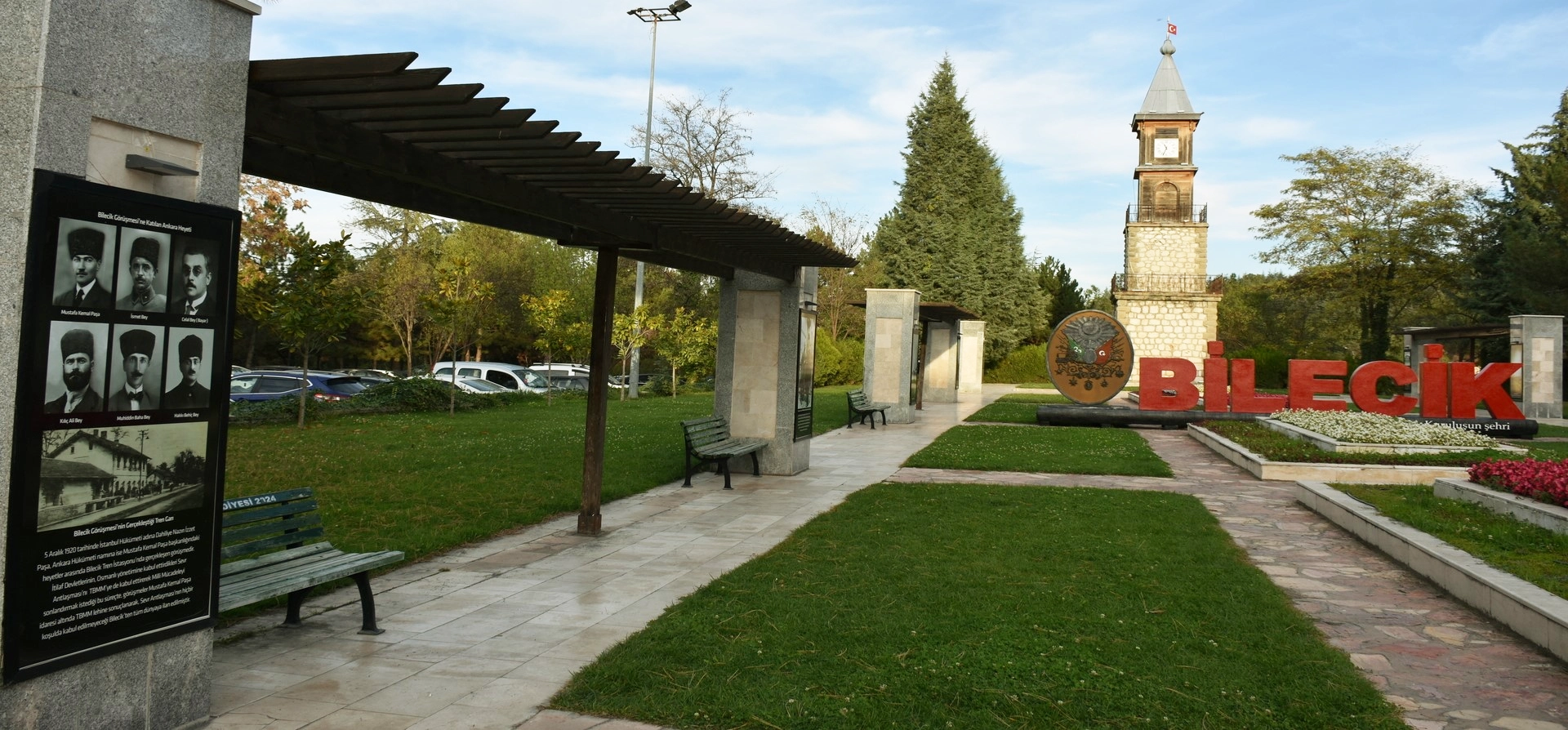
Discover Ottoman heritage, museums, rural villages, traditional food, historic settlements and natural landscapes across the province.
View Bilecik GuideConnect Kurşunlu's living rural culture with the province's museums, Ottoman foundation history and historic towns.
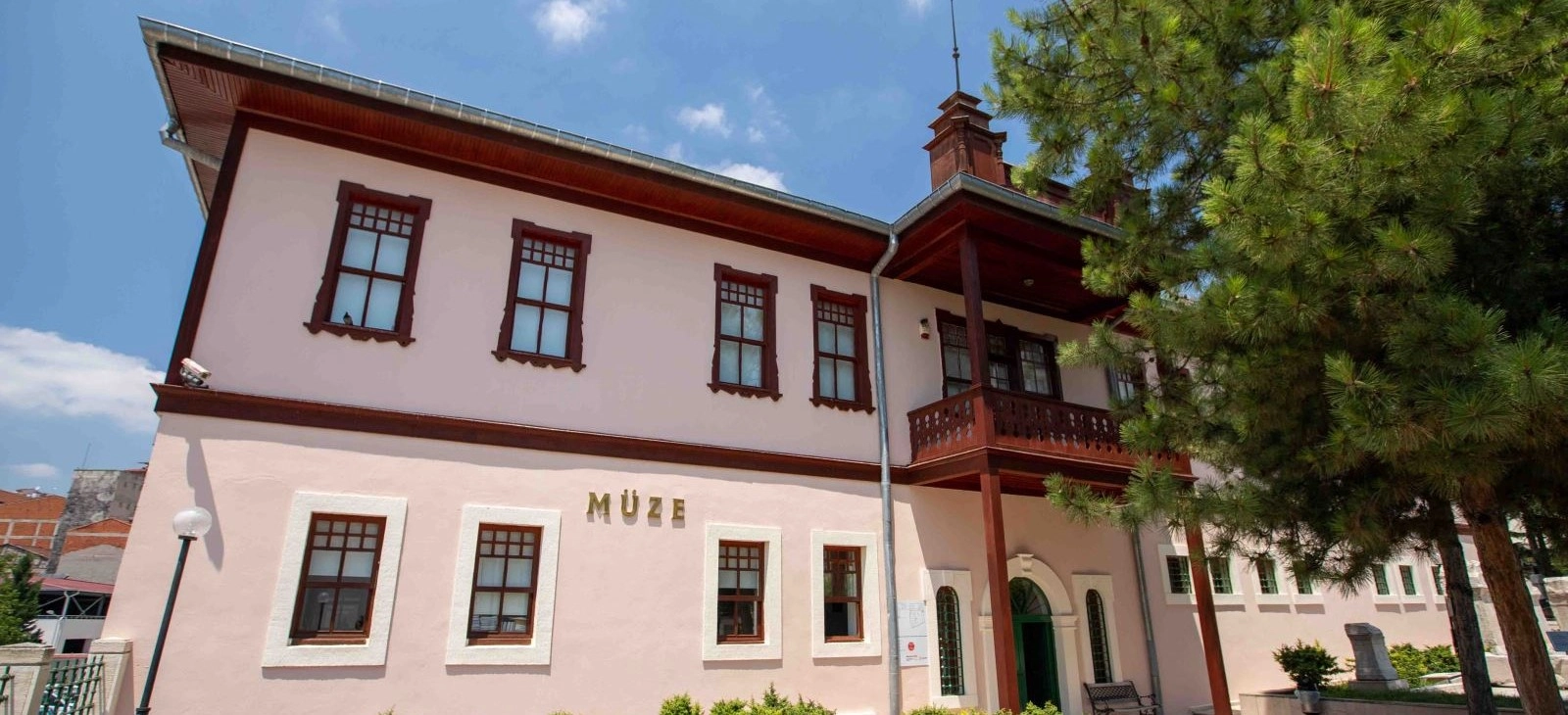
Explore archaeology, ethnography and the layered history of Bilecik Province.
Explore Bilecik Museum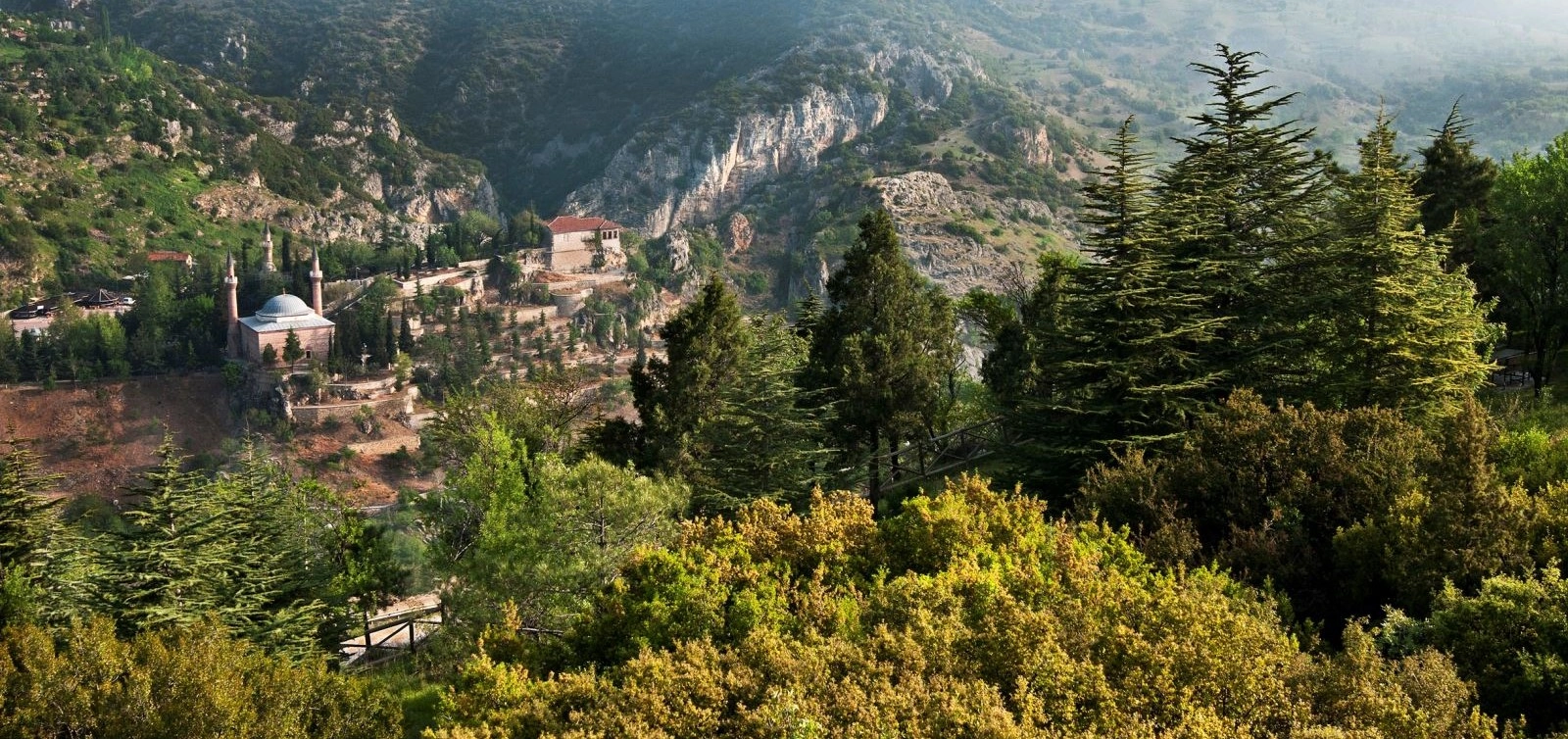
Discover one of Bilecik's most important spiritual landmarks connected with the birth of the Ottoman state.
Explore Sheikh Edebali Tomb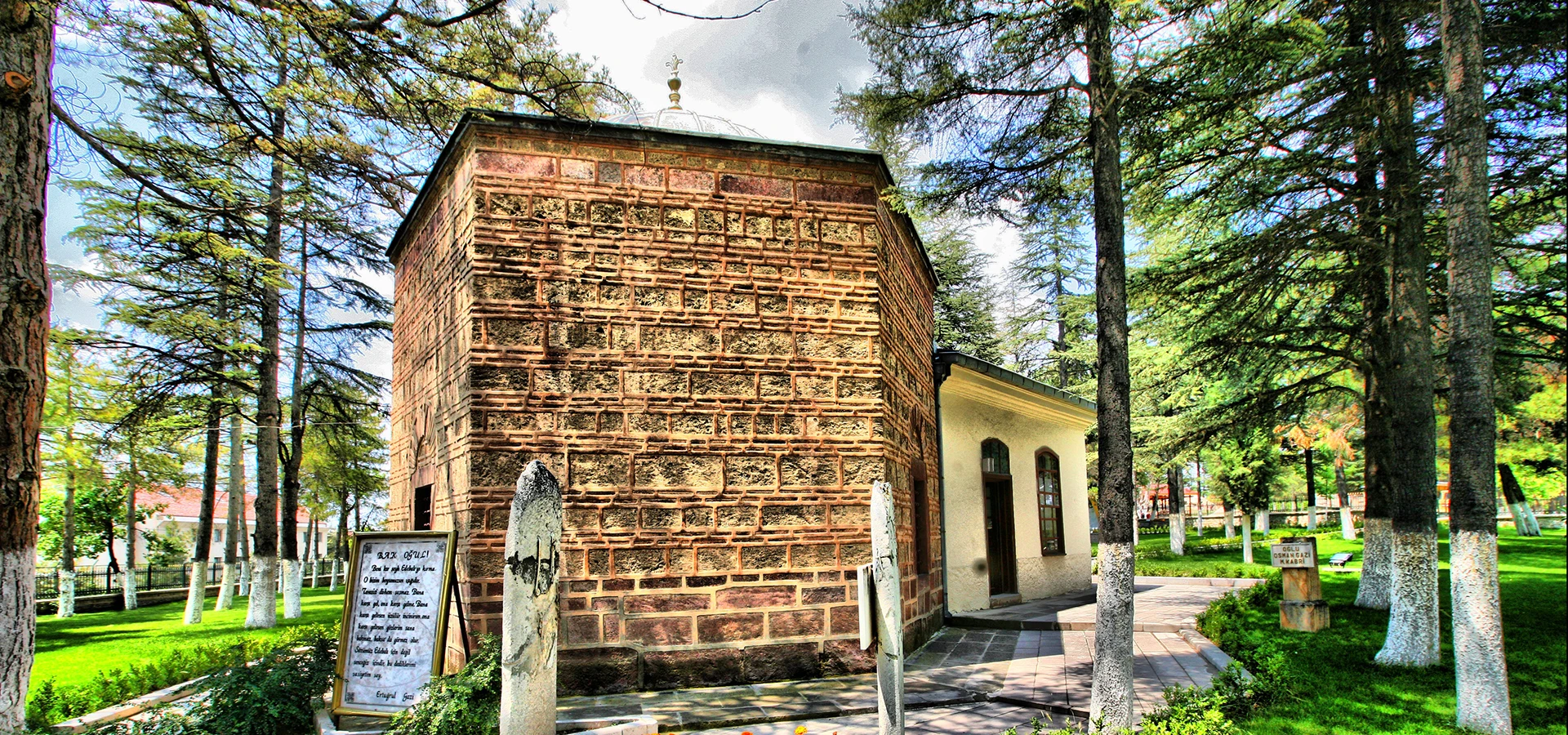
Continue to Söğüt for one of the province's most important monuments connected with early Ottoman history.
Explore Ertuğrul Gazi Tomb