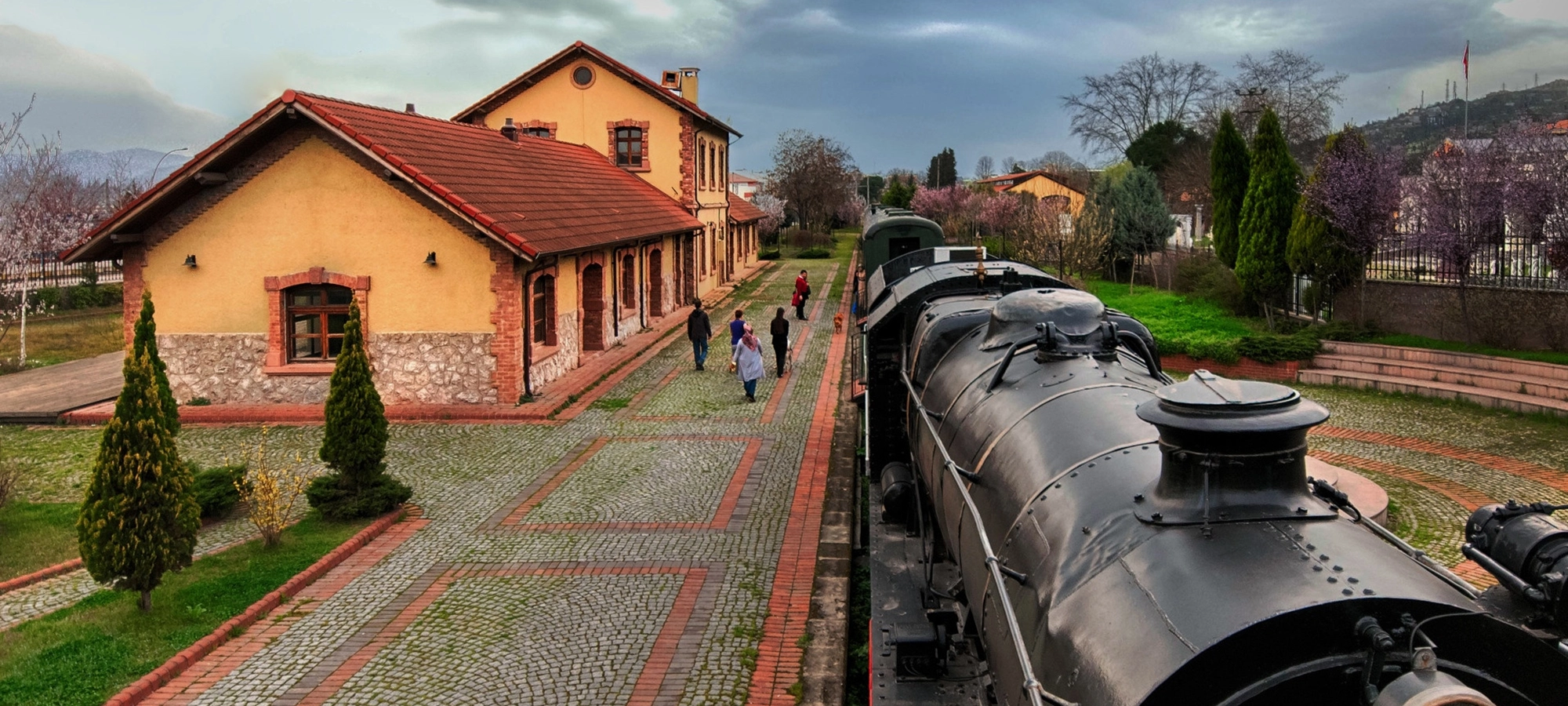
Historical İzmit Train Station
Exchange mountain landscapes for railway history at one of İzmit's most important late Ottoman transport landmarks.
Explore Historical İzmit Train Station




Rising above the forests between İzmit and Lake Sapanca, Kartepe is one of the best-known winter destinations in northwestern Türkiye. Its combination of ski slopes, snow-covered forests, mountain scenery and proximity to Istanbul has made it particularly popular for short winter escapes.
The ski area lies high on Mount Kartepe, one of the dominant summits of the Samanlı Mountains. Visitors climb from the green surroundings of Maşukiye along a winding mountain road that gradually enters dense forest before reaching the snowy upper slopes.
During good winter conditions, Kartepe offers pistes for different ability levels together with chairlifts, surface lifts, ski and snowboard rental, lessons and snow activities. Outside the main ski season, the mountain remains attractive for nature, forest scenery, walking and outdoor recreation.
Its greatest advantage is geography. Kartepe provides a genuine mountain-and-snow experience within relatively easy reach of Istanbul, İzmit, Sapanca and the wider Marmara Region.
The upper ski area occupies the high slopes of Mount Kartepe above the forests of Kocaeli.
Skiing, snowboarding and other snow activities make Kartepe one of the Marmara Region's important winter destinations.
Kartepe is widely promoted as the closest major ski destination to Istanbul.
Forests, viewpoints and outdoor activities continue to attract visitors after the snow disappears.
Essential information for planning a winter or mountain trip to Kartepe in Kocaeli.
Mount Kartepe,
Kocaeli Province.
Upper ski zone at approximately
1,600–1,650 m.
Skiing & Snowboarding
with slopes for different abilities.
Generally
December–February / March, depending on snow.
Mountain forest overlooking
Lake Sapanca & İzmit Gulf.
Mountain road from
Maşukiye.
Kartepe combines genuine winter-sports terrain with unusually easy access from some of Türkiye's largest population centers.
Kartepe's importance comes partly from where it is located. The mountain rises in the eastern Marmara Region, within practical travelling distance of Istanbul, İzmit and the communities around Lake Sapanca.
That makes the mountain particularly valuable for day trips, weekend ski breaks and first-time winter-sports experiences. Visitors do not necessarily need to plan a long mountain holiday to experience snow and skiing here.
Kartepe also has a remarkably dramatic natural setting. Its upper slopes are surrounded by dense forests, while viewpoints can open toward Lake Sapanca, the Gulf of İzmit and the surrounding mountains.
The result is a destination that attracts several different types of visitor: serious skiers, beginners, families, snow photographers, nature lovers and people who simply want to experience a winter mountain landscape.
Kartepe forms part of the Samanlı mountain system, which stretches across this part of northwestern Anatolia between the Marmara coast and the inland lake basins.
The mountain rises sharply above the surrounding lowlands. This elevation allows moist winter weather systems to produce significant snowfall on the upper slopes even when the cities below experience rain or relatively mild conditions.
The journey upward demonstrates the change especially clearly. Around Maşukiye, the landscape may still be green and wet, while farther up the mountain the same weather system can create a deep winter environment.
Beech, chestnut, oak and other woodland species contribute to the thick forest cover, giving many parts of the ski area a very different atmosphere from exposed, treeless alpine resorts.
Kartepe's winter season is natural-snow dependent, which means conditions can vary considerably from one year to another and even from one week to the next.
Official tourism descriptions generally place the principal ski season between December and late February, although good snow years can produce useful conditions beyond that period.
Historic tourism information has reported winter snow depths reaching approximately 80–200 cm under favorable conditions. These figures describe general seasonal potential rather than guaranteed daily snow depth.
Temperature, rain, wind, fog and recent snowfall all affect the quality and number of pistes that can operate. For this reason, snow reports are more useful than calendar dates when deciding whether to travel.
Early winter can bring the beginning of the ski season, but conditions may still be variable.
Often one of the most reliable periods for snow and therefore one of the busiest months.
Usually remains an important ski month, particularly after fresh snowfall.
Skiing may remain possible in favorable years, but snow reliability becomes increasingly variable.
Kartepe contains a network of ski runs designed to serve different experience levels, from relatively gentle areas used by beginners to steeper sections suited to more confident skiers.
Current official Turkish tourism sources do not all count the pistes in exactly the same way. Recent national tourism material describes 12 ski pistes, while Kocaeli tourism publications describe 14 pistes and approximately 42 km of ski-track area.
The difference is likely connected with the way individual runs, linked sections and ski areas are counted. For practical skiing, the number printed in a general tourism guide matters less than the piste map and open-run report on the day.
Snowfall, wind and maintenance can result in only part of the mountain operating, so visitors should never assume that every mapped run will be available.
Gentler slopes allow new skiers to practise basic balance, turning and stopping.
Longer and more varied descents offer a natural progression after the beginner areas.
More experienced skiers can find considerably sharper gradients and faster terrain.
Many pistes are surrounded by dense woodland, one of the defining visual characteristics of Kartepe.
The ski area is served by a combination of chairlifts and surface lifts that connect the principal skiing zones.
Recent national tourism information describes three chairlifts and one teleski, while some local tourism publications count the mechanical installations differently.
The exact number available to visitors on any particular day can also be lower than the total installed capacity because wind, snow, maintenance or piste closures may affect operations.
Lift status should therefore always be checked together with the day's piste report before purchasing equipment or planning a full ski day.
Kartepe can be a good choice for visitors who want to try skiing for the first time, particularly because lessons and equipment rental are available around the ski area.
Beginners should start on designated gentle terrain rather than following experienced friends directly onto longer or steeper runs. Learning how to stop, turn, control speed and use a lift safely makes the rest of the day considerably more enjoyable.
A lesson at the beginning of the visit can be especially valuable. Even one supervised session helps visitors understand equipment, basic posture, slope etiquette and how to fall more safely.
Weekends and holidays can become busy, so first-time skiers often have a more comfortable experience when visiting early in the day or on weekdays.
A qualified ski instructor can make the first hour far more productive than trying to learn alone.
Do not move onto steeper pistes until you can stop and control your direction confidently.
Helmets are strongly recommended, particularly for beginners and children.
Morning usually offers more time to organise rentals, lessons and lift access before peak crowds arrive.
Snowboarding is one of the principal winter activities at Kartepe alongside skiing. The combination of open pistes, changing gradients and forest surroundings makes the mountain appealing to recreational snowboarders.
Like skiers, beginners should use appropriate introductory terrain and consider taking instruction before attempting faster or steeper pistes.
Snowboard conditions depend particularly strongly on surface quality. Fresh snow, hard-packed snow, ice and afternoon softening can create very different riding experiences on the same run.
Always check which pistes are open and whether current conditions match your ability level.
Visitors do not need to own specialist equipment to enjoy the mountain. Skiing and snowboarding equipment can be rented from businesses serving the Kartepe winter-sports area and the approach road.
Typical rental requirements include skis or snowboard, boots, poles and sometimes helmets. Available equipment, sizes and prices can vary between providers.
Ski instructors are also available during normal winter operations. For families and beginners, booking instruction before arriving on a very busy weekend can make the day considerably easier.
Inspect rented equipment before leaving the shop and confirm exactly when and where it must be returned.
Many families visit Kartepe simply to see and play in snow, even when not every family member intends to ski.
Children who are learning to ski should remain in designated beginner areas and use properly fitted equipment. Helmets are strongly recommended.
Snow play should also take place only in appropriate areas. The bottom of an active ski piste, lift-loading zones and vehicle roads are not safe places for sledding or informal play.
Warm waterproof gloves, snow boots and spare socks are especially important for children, who often become wet long before adults notice the cold.
Kartepe's tourism identity extends beyond alpine skiing. Depending on current operators, weather conditions and designated activity areas, visitors may encounter a range of additional winter experiences.
The most established alternative to skiing and widely practised across the ski area.
Motorised snow experiences may operate in designated areas when conditions and local arrangements allow.
Many day visitors come primarily to enjoy the snow rather than participate in organised skiing.
Snow-covered forest scenery can be spectacular, but only use safe and permitted walking areas.
Snowy forests, mountain roads and distant views make Kartepe especially attractive to photographers.
Food stops on the climb and around the upper mountain are an important part of the Kartepe winter-day tradition.
One of Kartepe's greatest attractions is its geographical position between several dramatically different landscapes.
From high points in clear weather, visitors may gain views toward Lake Sapanca, the densely populated lowlands of Kocaeli and sections of the Gulf of İzmit.
The mountain's rapidly changing weather can create an equally memorable atmosphere. A clear valley may disappear behind cloud within minutes, while the upper slopes can occasionally rise above lower fog.
For photographers, this combination of snow, forest, cloud, lake and distant urban landscape makes Kartepe visually unusual among Türkiye's winter resorts.
For most visitors arriving by road, Maşukiye is the traditional gateway to Kartepe.
The settlement lies below the mountain among forests, streams and green hills, creating a striking contrast with the snowy upper slopes during winter.
From Maşukiye, the road begins its climb through the forest toward the ski center. Official local tourism information describes the mountain approach as approximately 16–17 km.
Maşukiye is also famous as a recreational destination in its own right, especially for trout restaurants, breakfast, forest scenery and streamside dining.
Combining the village with the mountain works particularly well for visitors who want more than skiing alone.
The mountain road is part of the Kartepe experience. It climbs steadily through dense forest, with the scenery becoming increasingly wintry as altitude increases.
During snowfall, however, the same route can become challenging. Snow, ice, fog and heavy weekend traffic may significantly slow the journey.
Drivers should follow current official instructions concerning winter tyres, snow chains and temporary traffic restrictions. Do not attempt the climb in a vehicle that is unsuitable for current road conditions.
After fresh snowfall, allow much more time than a navigation application may suggest.
Kartepe now also has a major municipal cable-car attraction. The Kartepe Teleferik runs from Derbent to Kuzuyayla Nature Park.
The line is approximately 4.7 km long and the journey between the two stations takes around 14 minutes.
Its cabins travel high above the forest, providing a very different way to experience the Kartepe landscape.
The cable car should, however, be understood as separate from the ski-center lift system. Its upper station is at Kuzuyayla, and visitors should not automatically assume that riding the municipal cable car provides direct access to every ski piste or replaces the normal road journey to the ski resort.
Opening days, hours and operating conditions can change, particularly during severe weather, so check the latest municipal information before travelling specifically for the cable car.
Derbent, on the lower slopes of Kartepe.
Kuzuyayla Nature Park in the mountain landscape above.
Approximately 4.7 kilometres.
Approximately 14 minutes between stations.
Kuzuyayla Nature Park has become increasingly important within the wider Kartepe visitor experience, particularly since the opening of the municipal cable-car connection from Derbent.
The area offers mountain scenery, forest atmosphere and recreational space without requiring every visitor to participate in skiing.
This makes it especially useful for mixed groups in which some people are interested in winter landscapes but do not want to spend the entire day on ski pistes.
Weather remains a major factor, and access or recreational arrangements can change in severe winter conditions.
Kartepe does not disappear when the snow melts. The mountain becomes a completely different destination during spring, summer and autumn.
The forest landscape is then the main attraction. Outdoor recreation in the wider Kartepe region can include walking, mountain biking, ATV experiences, horse riding, ziplining and other nature-based activities, depending on the operator and location.
Summer also makes it easier to appreciate the mountain's vegetation, streams, valleys and broad regional views without the restrictions created by winter road conditions.
Autumn can be particularly beautiful as the deciduous forests change colour.
Melting snow, fresh woodland growth and streams transform the mountain landscape.
Cooler mountain air and outdoor activities make Kartepe an escape from the lowland heat.
Forest colours make the Kartepe–Maşukiye area particularly rewarding for scenic drives and photography.
Snow transforms the mountain into Kocaeli's principal winter-sports destination.
The contrast between Kartepe and the industrialised lowlands of Kocaeli is remarkable. Within a relatively short distance, urban landscapes give way to streams, woodland, mountain roads and high-elevation scenery.
Local tourism sources describe the wider mountain environment as exceptionally rich in plant life and as habitat for a variety of wild animals.
Visitors are unlikely to encounter most larger wildlife, but the ecological setting is important: Kartepe is not simply a recreational installation placed on bare slopes. It sits within a large, living forest ecosystem.
Stay on appropriate routes, do not leave rubbish and respect temporary restrictions intended to protect both visitors and the environment.
Food forms part of the traditional Kartepe day-trip experience, particularly along the mountain road and around Maşukiye.
Grilled Turkish sausage in bread is one of the classic warming roadside foods associated with snowy mountain trips.
Maşukiye is especially well known for trout restaurants set among streams and forest scenery.
Long Turkish breakfasts are popular in the Maşukiye and Kartepe countryside.
Tea, coffee and other hot drinks become especially welcome after several hours in winter conditions.
Kocaeli's famous traditional sweet makes an appropriate regional treat after the mountain trip.
Several establishments around the wider mountain area serve visitors throughout the winter season.
Few landscapes around Kocaeli change as dramatically with the seasons as Kartepe. Winter provides snow-covered trees, ski pistes, chairlifts, mountain fog and white forest roads.
Wide photographs can show the relationship between ski terrain and forest, while longer focal lengths can isolate snow-covered branches, skiers and distant layers of mountain scenery.
On clear days, look for compositions that include Lake Sapanca or the Gulf of İzmit in the distance.
During snowfall, protect cameras and phones from moisture and condensation. Moving from very cold outdoor conditions directly into a warm building can cause lenses to fog.
Mountain weather should always be taken more seriously than conditions in İzmit, Sapanca or Istanbul.
Temperature usually falls with elevation, while fog, wind, snow and freezing conditions can develop even when the lower areas experience relatively mild weather.
Visibility is especially important. Dense fog can make familiar pistes difficult to read and can affect lift operations.
Check a mountain-specific forecast rather than assuming that the weather forecast for central Kocaeli represents conditions at the ski area.
Do not enter closed runs even if they appear skiable.
Always ski in a way that allows you to avoid people below you.
Helmets are strongly recommended for skiers and snowboarders of every level.
Follow staff instructions when loading and unloading chairlifts and surface lifts.
Wind and moisture can make conditions feel significantly colder than the air temperature suggests.
Cold weather can disguise dehydration during several hours of physical activity.
Do not follow experienced companions onto terrain beyond your level.
Safe driving to and from the mountain is as important as safety on the piste.
Kartepe is a mountain winter-sports environment, so accessibility conditions differ significantly from those of an urban museum or city attraction.
Snow, ice, steep gradients, vehicle drop-off points and changing surface conditions can all affect mobility around the ski center.
Accessibility also varies between individual hotels, restaurants, rental facilities and mountain attractions.
Visitors requiring wheelchair access, step-free routes or specific assistance should confirm arrangements directly with the facility they intend to use before travelling.
Confirm snow depth, open pistes and lift operations before leaving your hotel.
Fresh snow can change driving conditions on the Maşukiye mountain road very quickly.
Morning arrival helps avoid some of the weekend traffic and rental queues.
If possible, choose a weekday for easier parking, rentals and skiing.
Ordinary trainers and jeans quickly become uncomfortable in wet snow.
Snow reflects strong sunlight; sunglasses or ski goggles are useful even in winter.
Equipment availability can become limited during busy holiday periods.
Combine the ski center with a meal or short stop in the forested village below.
Kartepe Ski Center is located on the upper slopes of Mount Kartepe in Kocaeli Province, with the traditional road approach beginning around Maşukiye.
Unlike a museum, the ski center does not have one permanently reliable year-round timetable. Lift operation depends on snow, weather, maintenance and seasonal management decisions.
The same applies to lift-pass prices, ski-rental prices, lessons and individual recreational activities. These should be treated as dynamic information rather than fixed facts.
For the 2026–2027 winter season, visitors should check current conditions shortly before travelling rather than relying on prices or schedules published in previous seasons.
Kartepe, Kocaeli, Türkiye
Normally centred on December–February, depending on snowfall.
Varies daily according to weather and operational conditions.
Check current seasonal lift-pass rates before visiting.
Ski and snowboard rental is available from local providers.
Ski instruction is available during normal winter operations.
The easiest traditional road access to the ski center is through Maşukiye.
From there, a mountain road climbs approximately 16–17 km through dense forest toward the upper ski area.
Visitors can arrive by private vehicle, taxi or organised transfer. Public transportation options may require additional local connections and are less convenient for carrying ski equipment.
Travel times are highly dependent on traffic and weather, particularly on snowy weekends.
Follow the mountain road upward through the forest toward Kartepe Ski Center.
Travel toward Kartepe and Maşukiye before beginning the final mountain ascent.
Reach the Kartepe–Maşukiye area via the main eastbound road network, then continue into the mountain.
A private transfer avoids the need to manage parking and winter mountain driving yourself.
Kartepe's proximity to Istanbul is one of the principal reasons for its popularity. It is widely promoted as the closest major ski destination to Istanbul.
In ideal road conditions, the journey from the eastern side of Istanbul can be relatively short. In practice, however, departure point, city traffic, weekend congestion and winter weather can all add substantial time.
A day trip is possible, but visitors intending to ski should leave very early in the morning so they do not lose much of the useful ski day to traffic, equipment rental and lift queues.
Staying overnight around Kartepe, Maşukiye or Sapanca can create a much more relaxed experience, especially for families.
Begin early and travel toward Maşukiye, checking road and snow conditions before beginning the mountain ascent.
Continue to Kartepe Ski Center for skiing, snowboarding or simply time in the snowy mountain environment.
After your mountain activities, descend toward Maşukiye for a late lunch, trout, sucuk ekmek or a warming drink among the forests and streams.
If daylight and weather allow, finish the day with views around Lake Sapanca or include the Derbent–Kuzuyayla cable-car experience as a separate part of your wider Kartepe stay.
Maşukiye – gateway to the mountain and a good place to assess conditions before climbing.
Kartepe Ski Center – skiing, snowboarding, mountain views and winter activities.
Maşukiye – descend for a meal among the streams and forest restaurants.
Lake Sapanca or Derbent – finish with lakeside scenery or another Kartepe mountain experience.
Enough only for a short snow stop, photographs and mountain atmosphere without skiing.
Suitable for snow play, lunch and a short introduction to the mountain.
A practical minimum for rental equipment, a beginner lesson and several hours on the slopes.
The best choice for visitors who genuinely want to ski or snowboard.
Allows a much more relaxed combination of skiing, Maşukiye and nearby Sapanca.
Ideal for combining winter sports with the wider Kartepe and Sapanca region.
For skiing, the best time is generally January and February, when the probability of established snow cover is normally higher.
December can also provide excellent conditions after strong early-season snowfall, while March may remain skiable in favorable years.
For visitors more interested in forest scenery, walking and outdoor recreation, late spring through autumn offers an entirely different experience.
Weekdays are usually preferable to weekends during the ski season because Kartepe's proximity to Istanbul can produce substantial visitor numbers.
January–February, subject to actual snow conditions.
Visit shortly after a significant snowfall once roads and lifts are confirmed safe and open.
Choose a weekday outside school-holiday periods.
Late spring and summer reveal an entirely different mountain.
Autumn transforms Kartepe's forested slopes before the first major snows.
A clear morning immediately after fresh snowfall can be spectacular.
Visitors sometimes underestimate the mountain because Kartepe is so close to major cities. At the upper ski area, conditions can be properly wintry.
A wind-resistant waterproof outer layer is much more useful than an ordinary city coat.
Especially important if skiing, snowboarding or spending substantial time sitting or playing in snow.
Choose waterproof winter gloves rather than thin knitted city gloves.
Water-resistant footwear with good grip is essential away from ski boots.
Several adjustable clothing layers work better than one extremely heavy layer during active skiing.
Snow glare can be surprisingly strong even when air temperatures are low.
Kartepe works especially well as part of a broader itinerary because several very different landscapes lie within a relatively compact area.
Streams, forest restaurants, trout and traditional breakfast below the mountain.
A scenic lake landscape directly south of the mountain.
Mountain recreation and the upper station of the Kartepe municipal cable car.
The lower station of the new cable-car route into Kartepe's mountain environment.
Add archaeology, Ottoman architecture, museums and Gulf scenery to a longer Kocaeli itinerary.
Combine nature and winter sports with the province's remarkably varied cultural attractions.
For travellers already staying in Istanbul, Kocaeli or the Sapanca region, Kartepe offers one of the easiest opportunities to add a mountain winter experience.
It is not simply the number of pistes that makes the destination attractive. Its real strength comes from the combination of accessibility, forest landscape, snow, views and nearby recreational areas.
Experienced skiers planning a long dedicated ski holiday may compare Kartepe with larger Turkish mountain resorts. But for a day trip, weekend break, beginner experience or family snow excursion, its location is exceptionally convenient.
The mountain is also much more than a winter destination. Returning in another season reveals an entirely different Kartepe of green forest, streams, mountain air and outdoor activities.
Kartepe Ski Center is on Mount Kartepe in Kocaeli Province, in northwestern Türkiye.
It is known as Kartepe Kayak Merkezi.
The upper ski area is generally described as being at approximately 1,600–1,650 metres above sea level.
The season normally begins during December, but the actual opening of pistes depends on snowfall and operating conditions.
January and February are generally the most dependable months, although snow conditions vary each year.
Official tourism sources currently count the network differently. Recent sources describe approximately 12–14 pistes. Visitors should use the current resort piste map for operational planning.
Yes. The ski area includes chairlifts and surface-lift facilities, although daily operation depends on weather and snow conditions.
Yes. Kartepe has terrain suitable for beginners as well as more experienced skiers, and instruction is available.
Yes. Ski and snowboard equipment rental is available from local providers serving the mountain.
Yes. Ski lessons are normally available during winter operations. Advance arrangements are useful on busy weekends.
Yes. Snowboarding is one of the principal winter sports practised at Kartepe.
Absolutely. Many visitors come simply for snow scenery, photography, mountain food and the winter atmosphere.
Yes, but children should use designated safe areas and appropriate equipment. Helmets are strongly recommended when skiing or snowboarding.
Yes. Kartepe is widely promoted as the closest major ski destination to Istanbul.
Yes, but leave early. Weekend traffic and snowy mountain-road conditions can significantly increase travelling time.
The traditional road approach climbs from Maşukiye through the forest toward the upper mountain.
Official tourism information generally places the mountain journey at approximately 16–17 km.
Requirements depend on current road conditions. During snowfall or ice, authorities may require appropriate winter equipment, so always check before climbing the mountain.
Yes. The municipal Kartepe Teleferik connects Derbent with Kuzuyayla Nature Park.
The Derbent–Kuzuyayla cable car is separate from the ski area's chairlift system. Do not assume it replaces the normal road access to the ski center.
The municipal line is approximately 4.7 km long, with a journey of around 14 minutes between Derbent and Kuzuyayla.
No. The wider Kartepe region is also popular for forest scenery, outdoor recreation, walking and mountain activities in the warmer months.
Popular choices include sucuk ekmek on the mountain and trout or a traditional breakfast around Maşukiye.
In winter, wear waterproof outer clothing, warm layers, gloves and footwear suitable for snow and ice.
Yes. Always check mountain weather, snow depth, road conditions and lift status before departure.
Part of the pleasure of Kartepe begins before reaching the ski center. The journey leaves the busy lowlands of the Marmara Region, passes into the green landscape around Maşukiye and then climbs steadily through forest.
In winter, the transformation can be dramatic. Rain becomes snow, branches turn white and the road begins to feel like an entrance into a completely different landscape.
At the top, visitors can choose their own version of Kartepe: skiing, snowboarding, lessons, snow play, photography, mountain food or simply watching the winter landscape.
Then there are the views. On clear days, the mountain reveals why its geographical position is so special, with Lake Sapanca, the Gulf of İzmit and the surrounding Marmara landscape lying far below.
Kartepe may be close to one of the most heavily populated parts of Türkiye, but in fresh snow, surrounded by silent white forest, that urban world can suddenly feel very far away.
Kartepe reveals Kocaeli's mountain and nature side. Continue through the province to discover archaeology, Ottoman architecture, museums, maritime heritage and the historic Gulf of İzmit.
From the snowy forests of Kartepe, travel toward İzmit and the Gulf to discover completely different chapters of the province.
Exchange mountain landscapes for railway history at one of İzmit's most important late Ottoman transport landmarks.
Explore Historical İzmit Train Station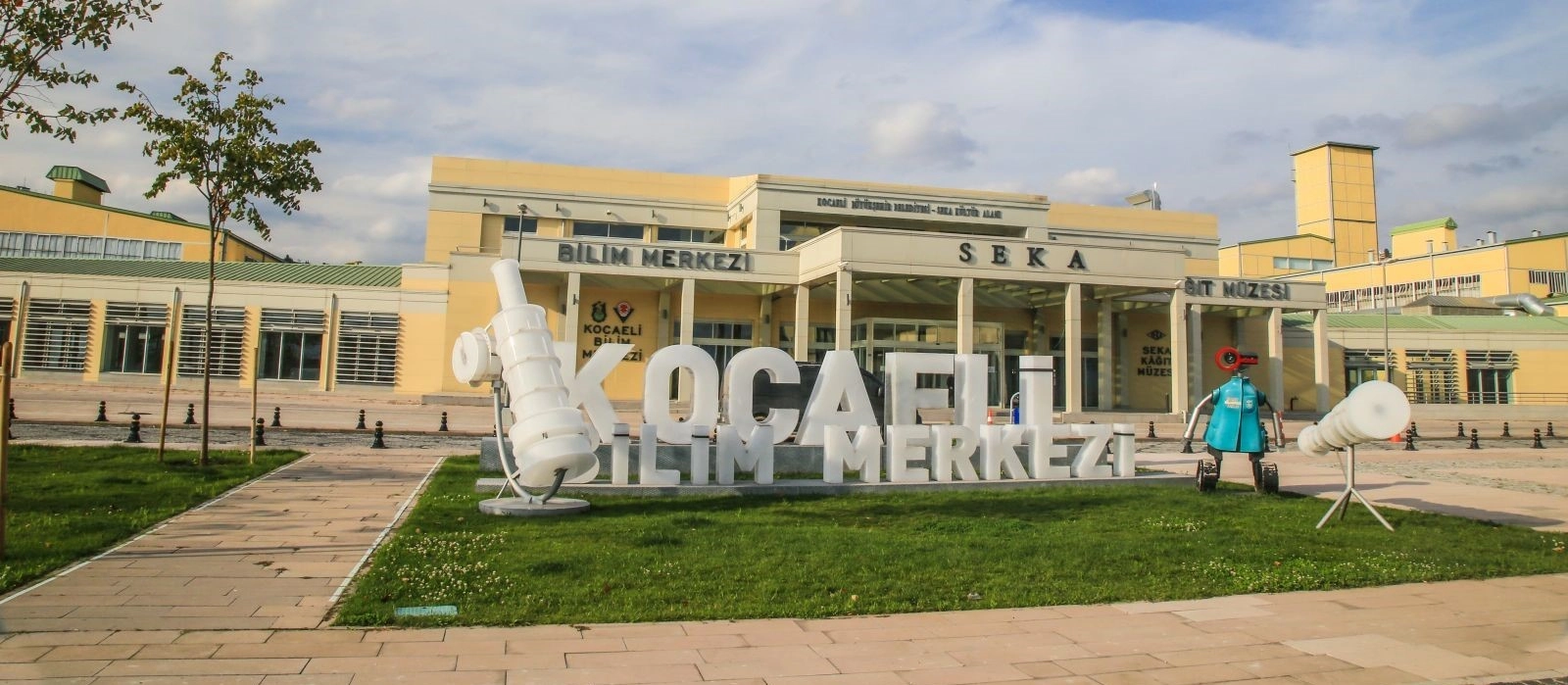
Continue into modern Kocaeli with interactive exhibitions exploring science, experimentation and technology.
Explore Kocaeli Science Center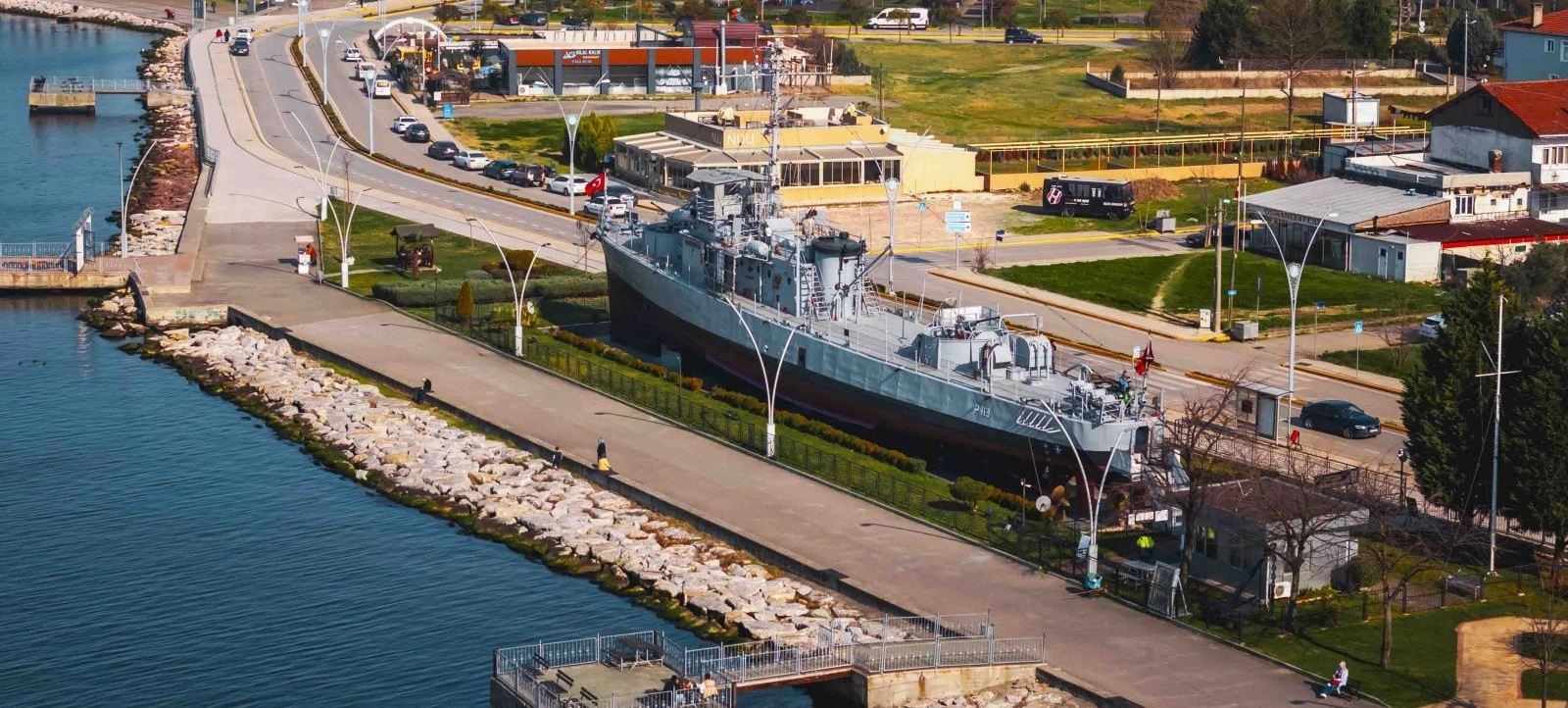
Descend from the mountains to the Gulf and explore Kocaeli's maritime and naval heritage aboard a historic museum ship.
Explore Yarhisar Museum Ship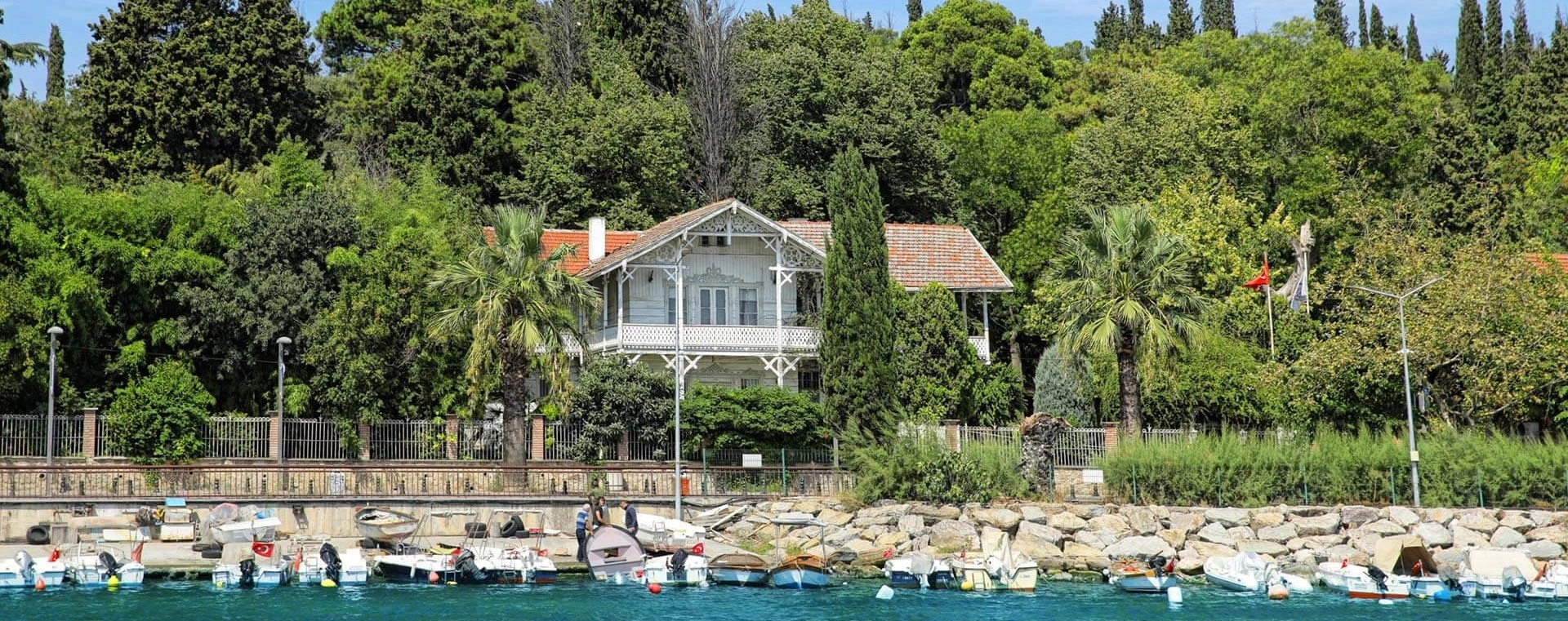
Discover the Eskihisar summer home of the pioneering painter, archaeologist and museum director Osman Hamdi Bey.
Explore Osman Hamdi Bey House Museum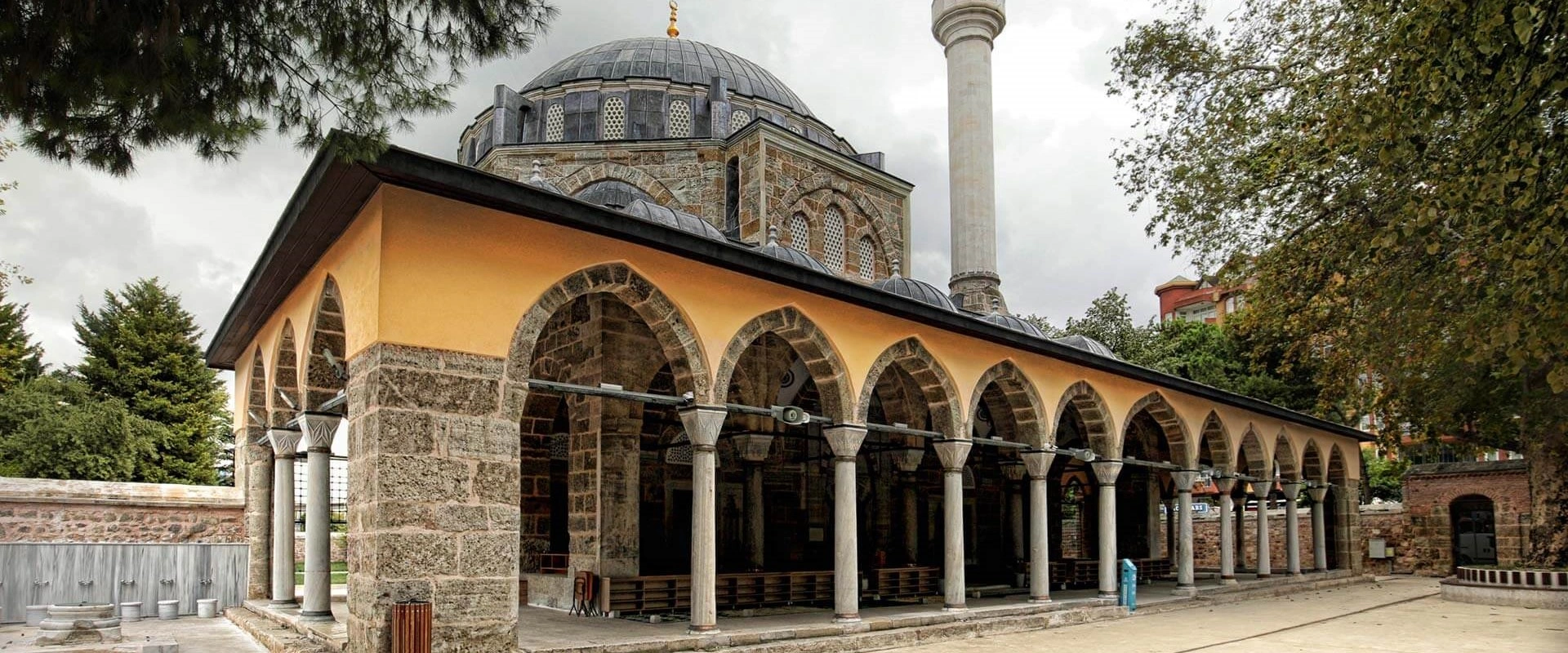
Explore one of İzmit's great Ottoman monuments and the architectural legacy associated with Mimar Sinan.
Explore Pertev Mehmet Pasha Mosque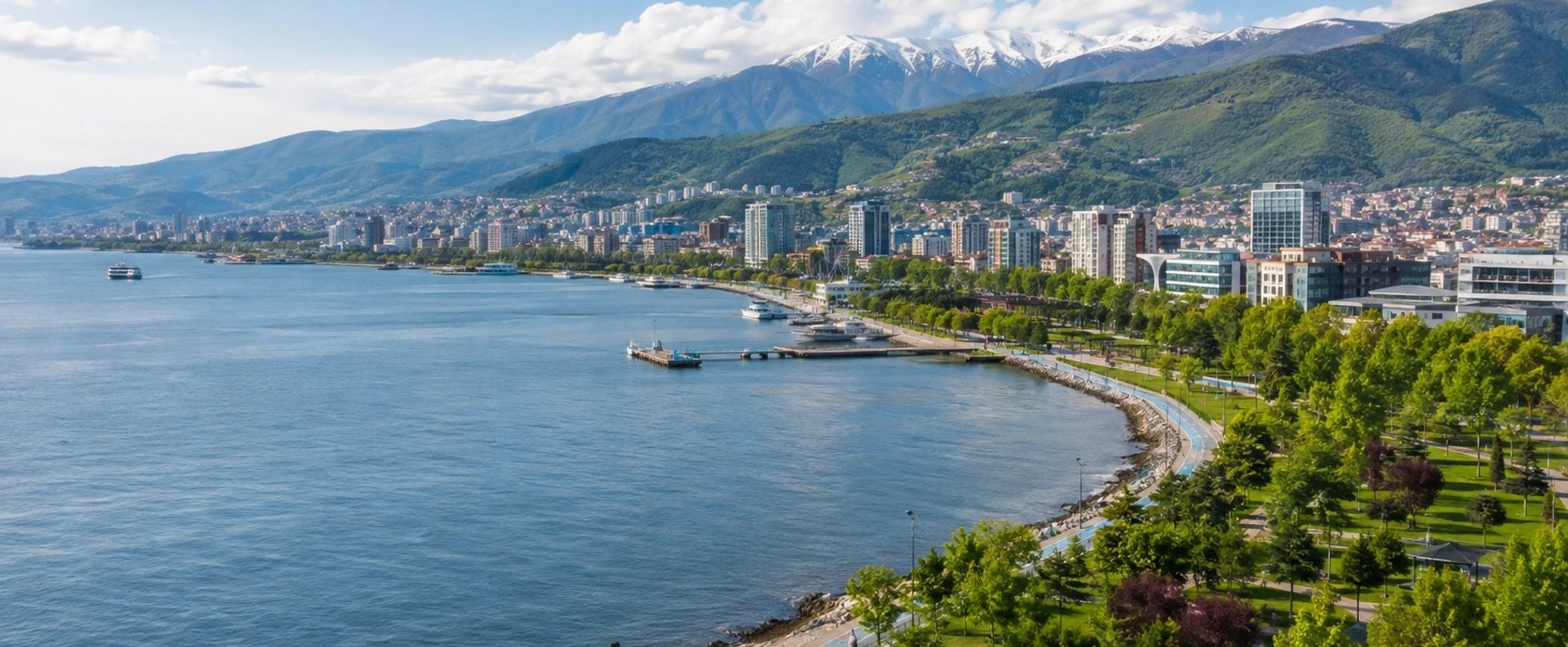
Discover ancient Nicomedia, Ottoman heritage, Gulf landscapes, forests, museums, mountains and the remarkably varied destinations of Kocaeli.
Discover Kocaeli